Science


Outdoor Science

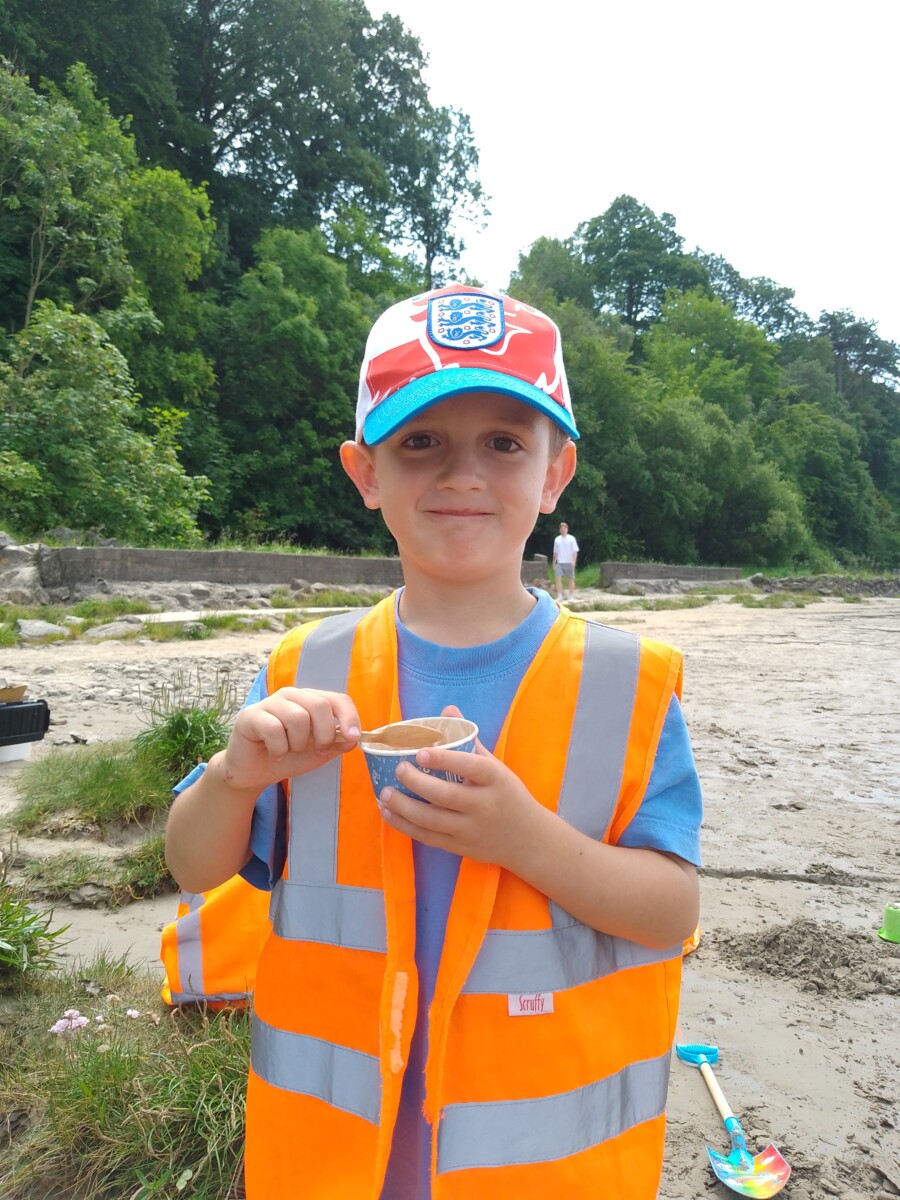
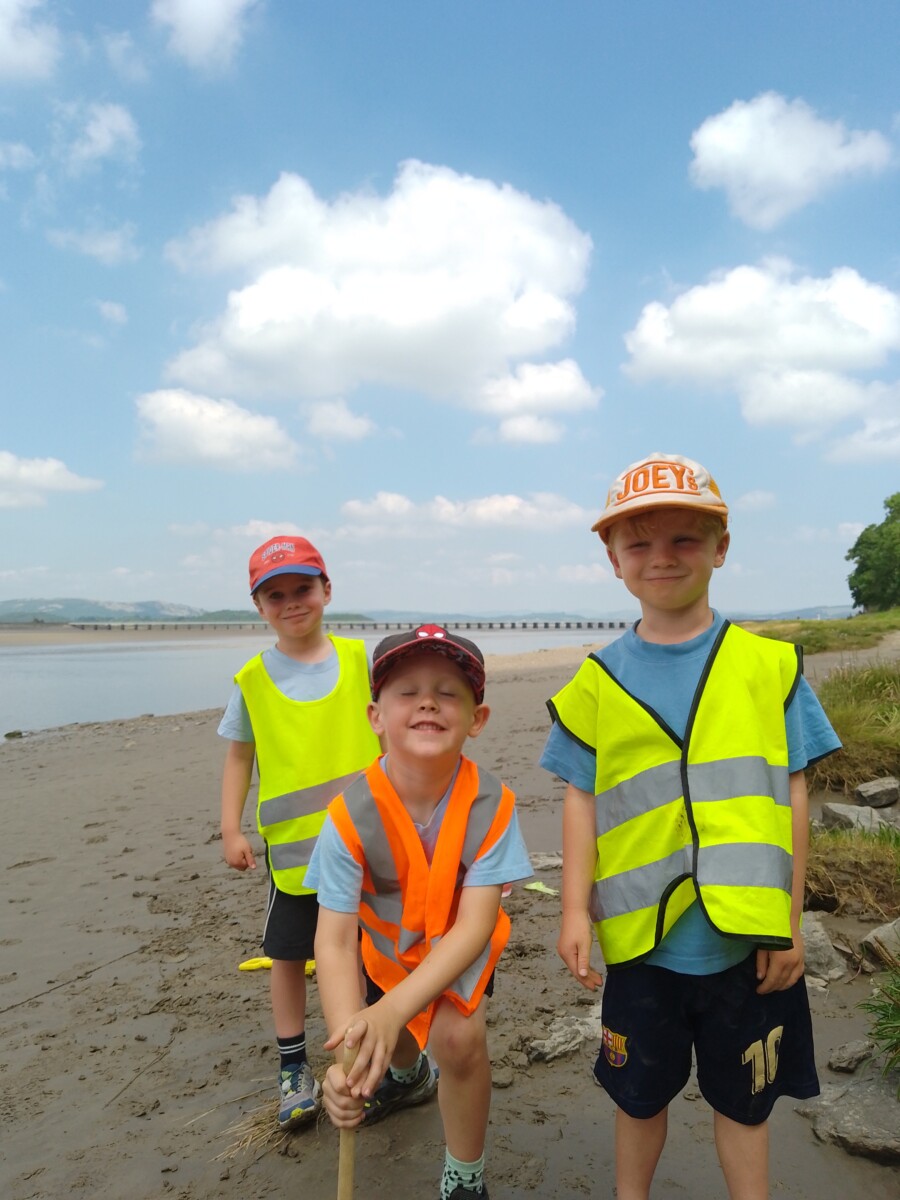
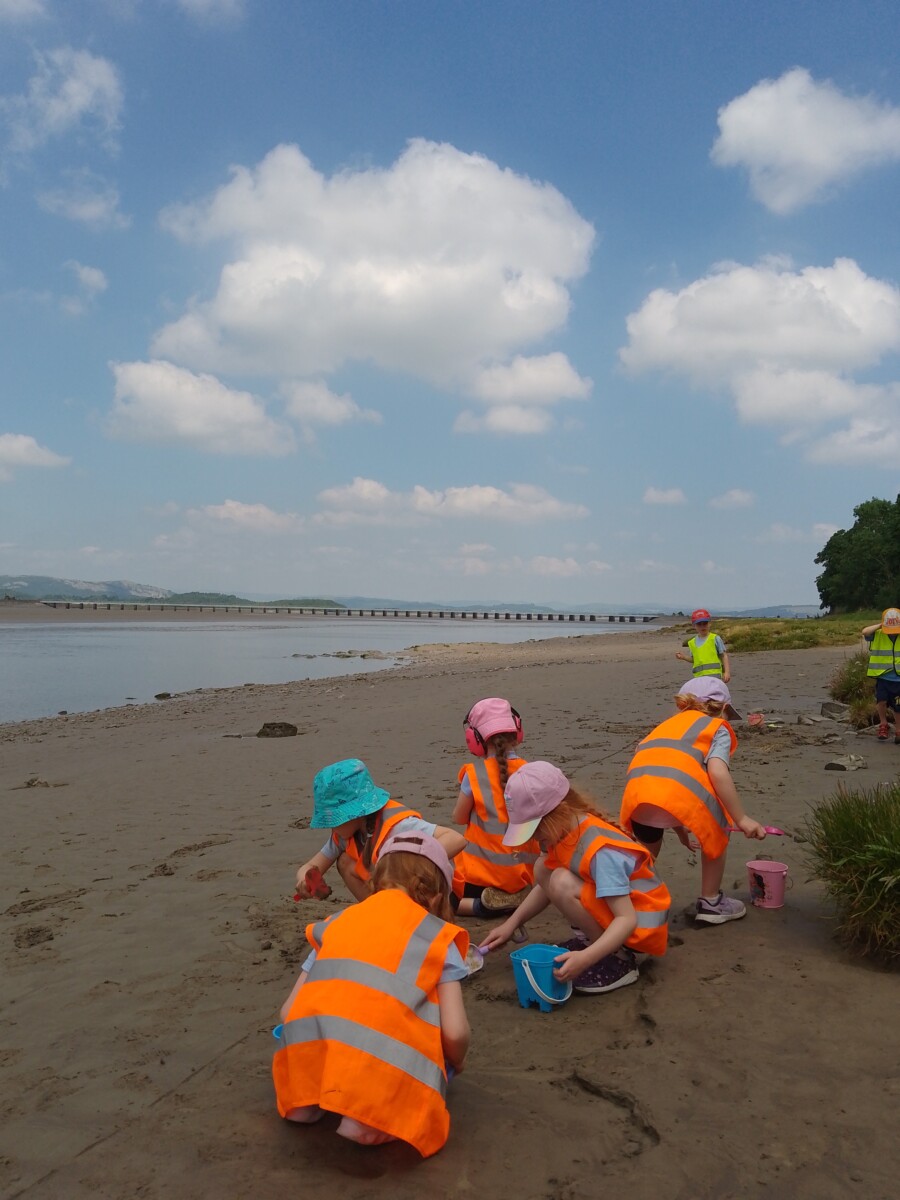
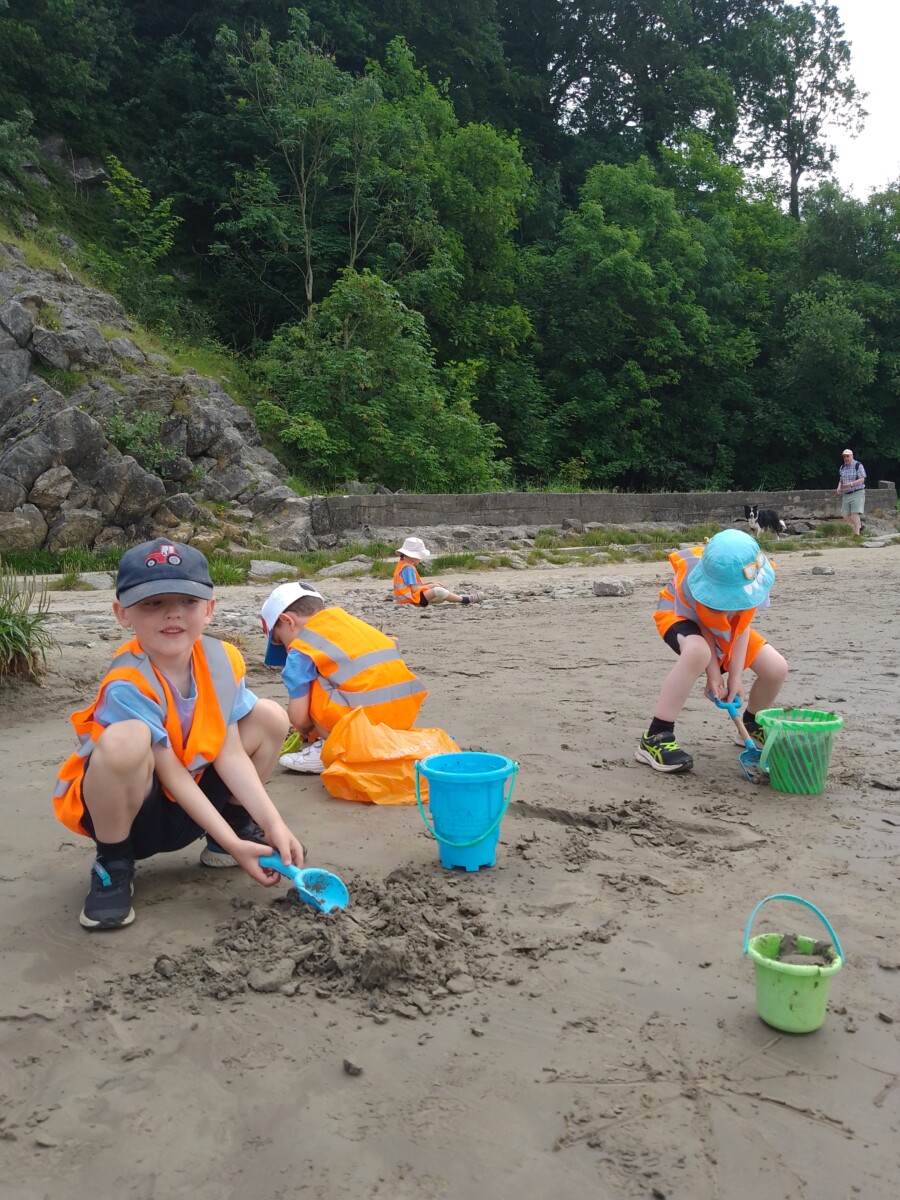
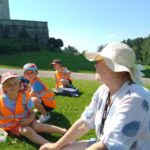
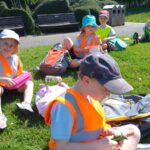
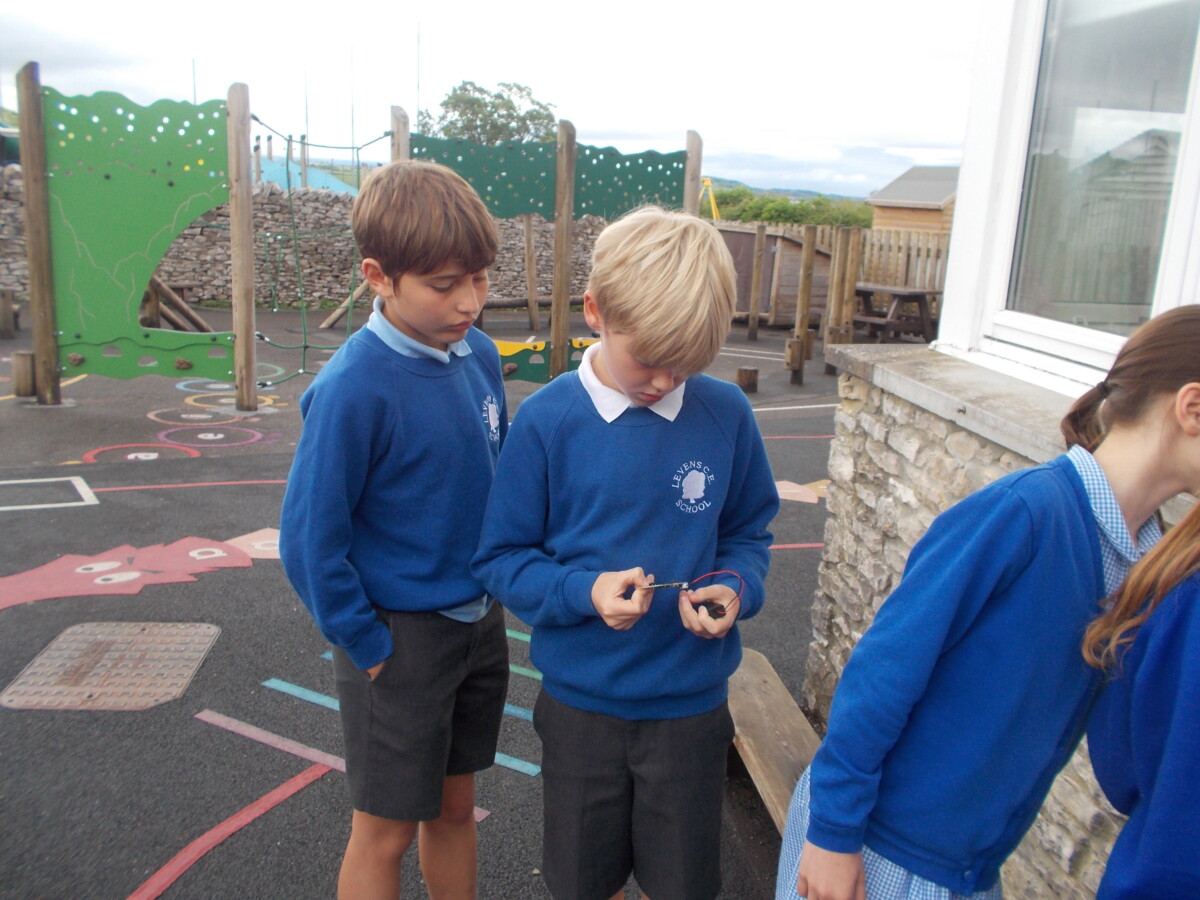
Mr Dean set us the challenge of taking our Science ‘Electricity’ outdoors. So, Class Three rose to this challenge!
We used light meters to investigate where would be the best place to put solar panels. We really enjoyed discussing renewable energy and how we can reduce our electricity use. We then combined our results to find an average reading and discussed the lightest places.


Year 6 Light Up Science!
This week in Year 6, our budding scientists embarked on an electrifying experiment to investigate the relationship between bulbs and brightness in a circuit!

The challenge? To see how the number of bulbs in a circuit affects the overall brightness. Equipped with batteries, wires, and an assortment of circuit components, the students were eager to put their scientific thinking caps on.

Diligently following a scientific method, they meticulously constructed circuits with varying numbers of bulbs. With each creation, they carefully observed the level of brightness produced.

The results were illuminating (pun intended)! The students discovered that as the number of bulbs in the circuit increased, the overall brightness decreased. This is because the same amount of electrical energy is being shared amongst more bulbs, resulting in a dimmer glow for each.

But our young scientists weren’t done yet! They took their exploration a step further by creating a table to record their observations and drawing clear diagrams of their circuits. This meticulous documentation will be crucial when they come to write their scientific reports, explaining their findings and the scientific concepts behind them.


United Utilities Water Workshop

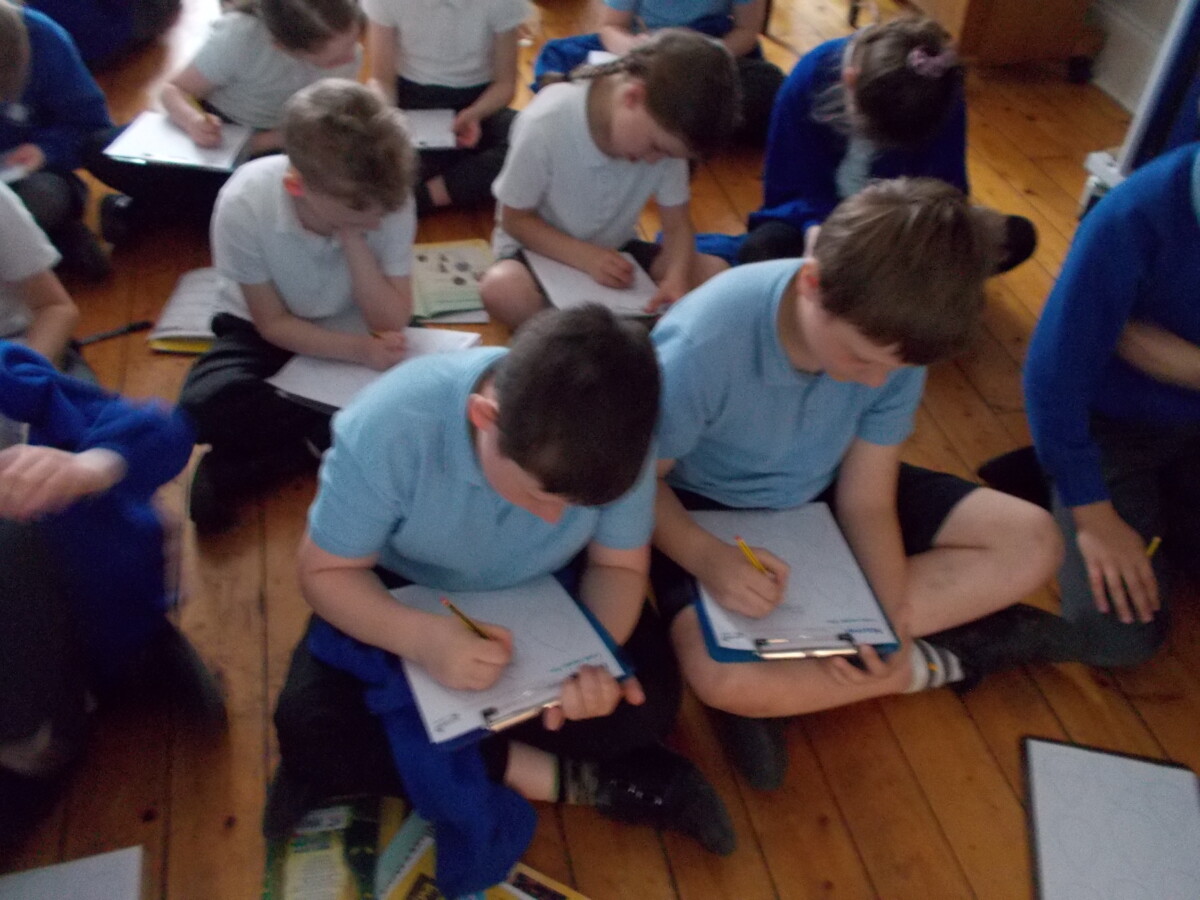
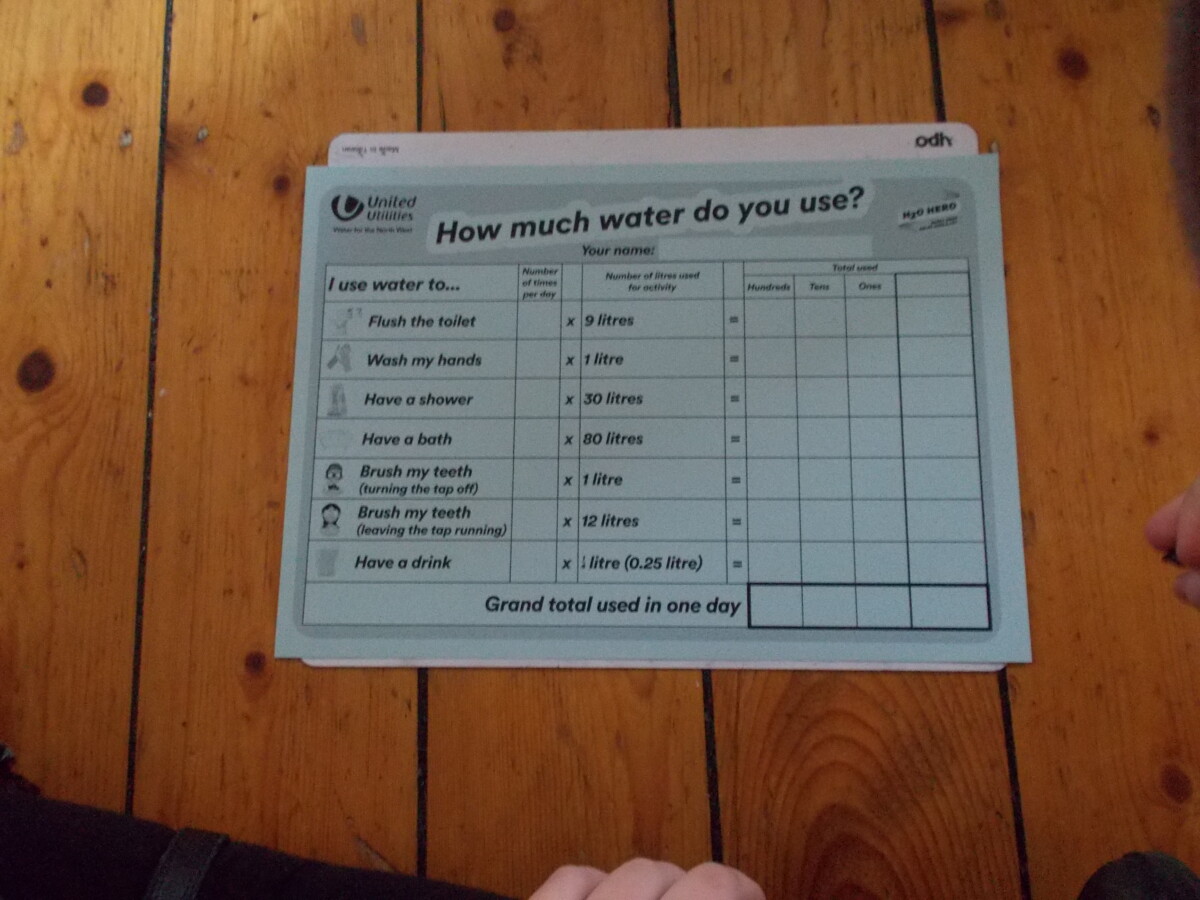
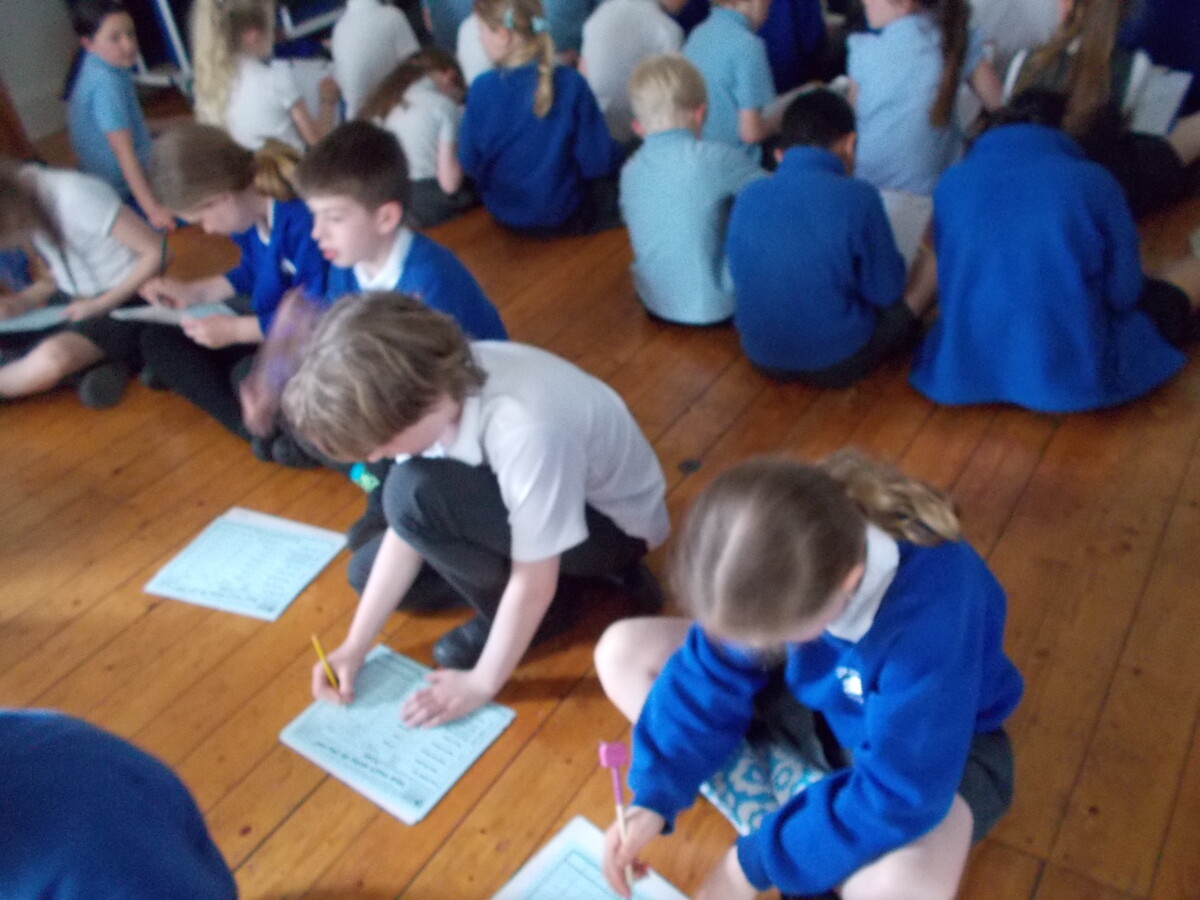
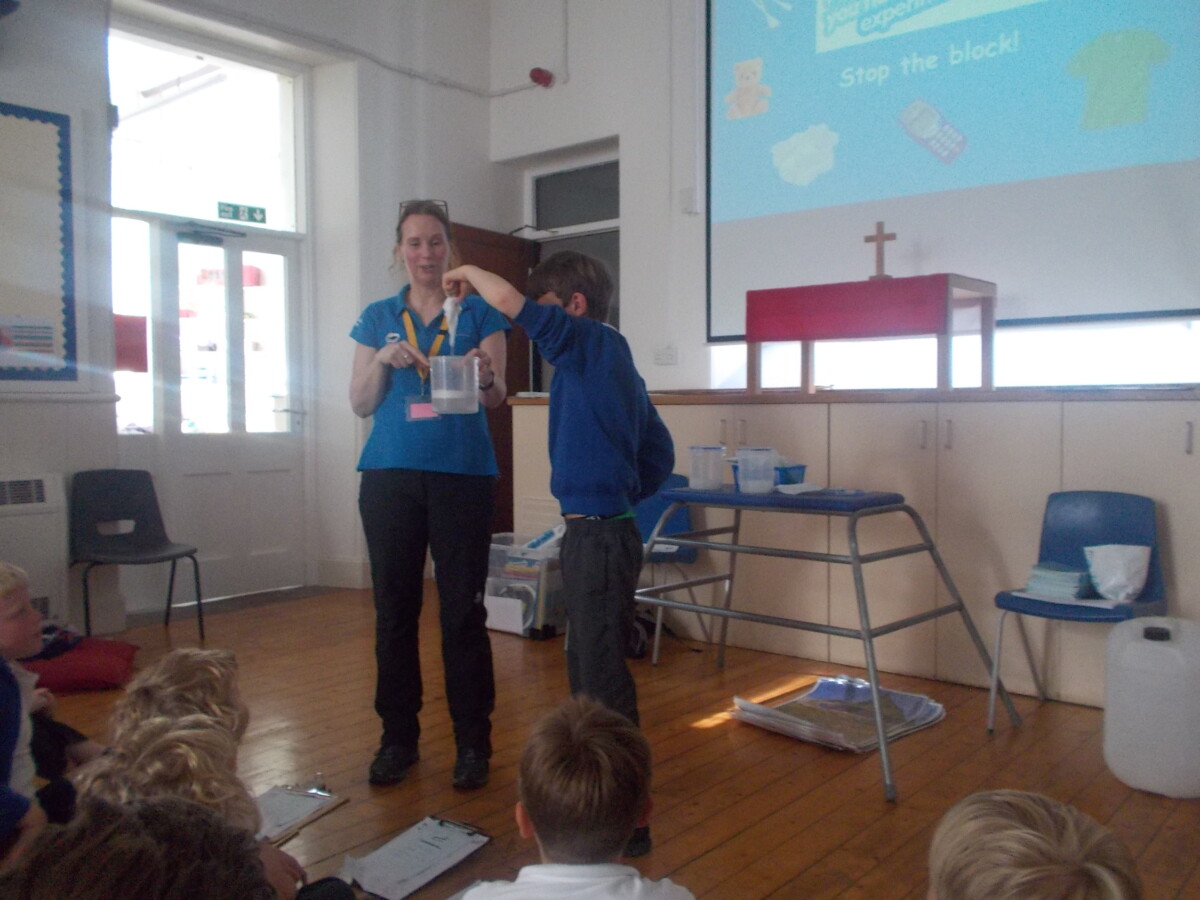
Recently, the whole school were treated to a visit from United Utilities who spent the day teaching us all about water. Where it comes from, where it goes, what we can do with it and, once all is said and done, where it ends up when we flush it down the drain!

We first learned about the water cycle – how heat from the sun evaporates water from the oceans, before this is deposited over land as precipitation (rain, snow or anything in between!) This water then makes its way through streams and rivers into reservoirs which store the water. From here, the water is processed and cleaned before being sent through pipes to our homes!

When we have used water (for washing up, having a bath or even going to the toilet!), it ends up in other pipes leading to a waste water treatment center. Here, the water is cleaned before being returned to a river or the sea to continue it’s journey through the cycle!

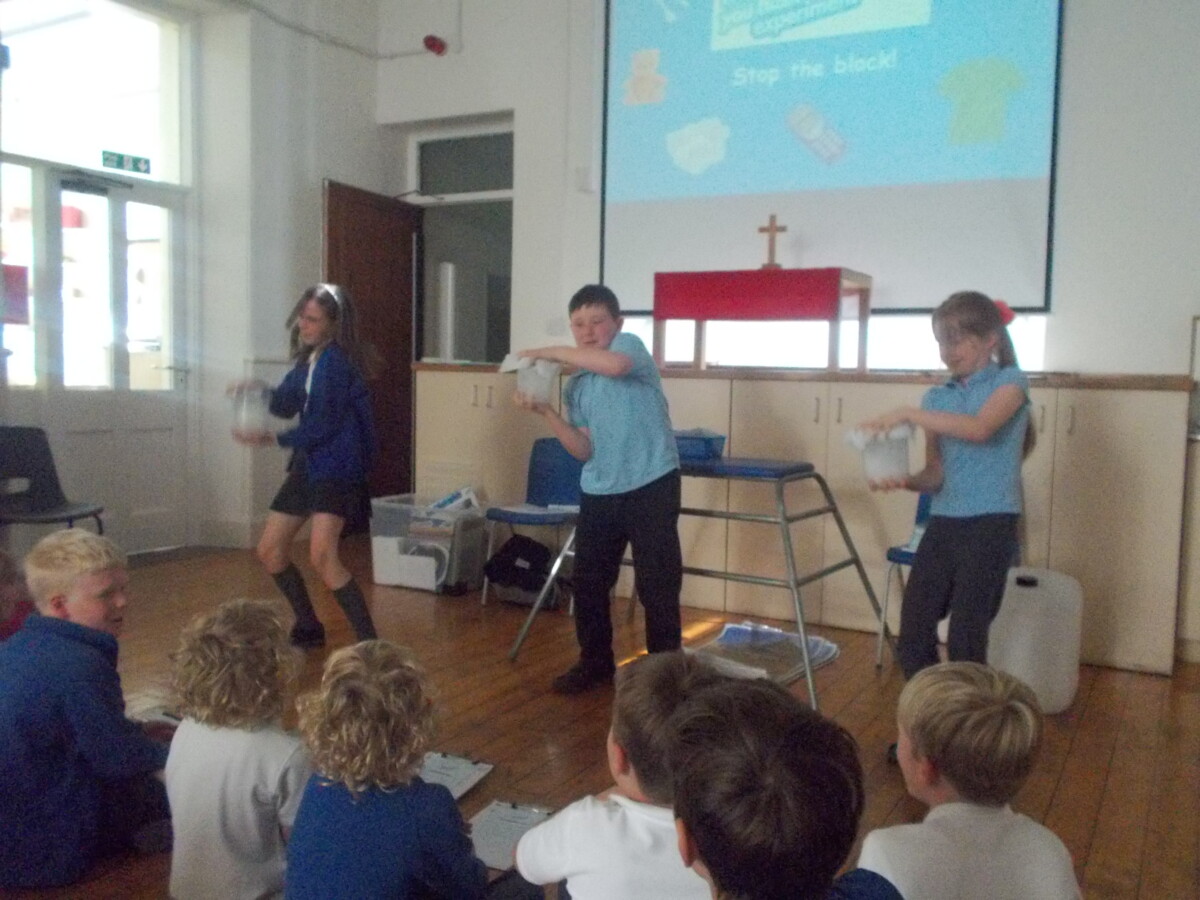
Not everything can be dealt with by the waste water treatment center though. We also learned how some items don’t break up when they are flushed down the toilet and can cause chaos in our sewers. Fat turns into icky fatbergs and wet-wipes don’t break down at all, blocking things up for everyone. Even the flushable ones – we learned about a test you can do at home to check!

Finally, we all learned about the importance of saving water. We studied many of the simple things we can do to save water and made a water saving promise to try and keep at home! All students have also received a small “shower timer” which ca be used to challenge us all to shower in four minutes or less to save water!


Marvellous Magnets

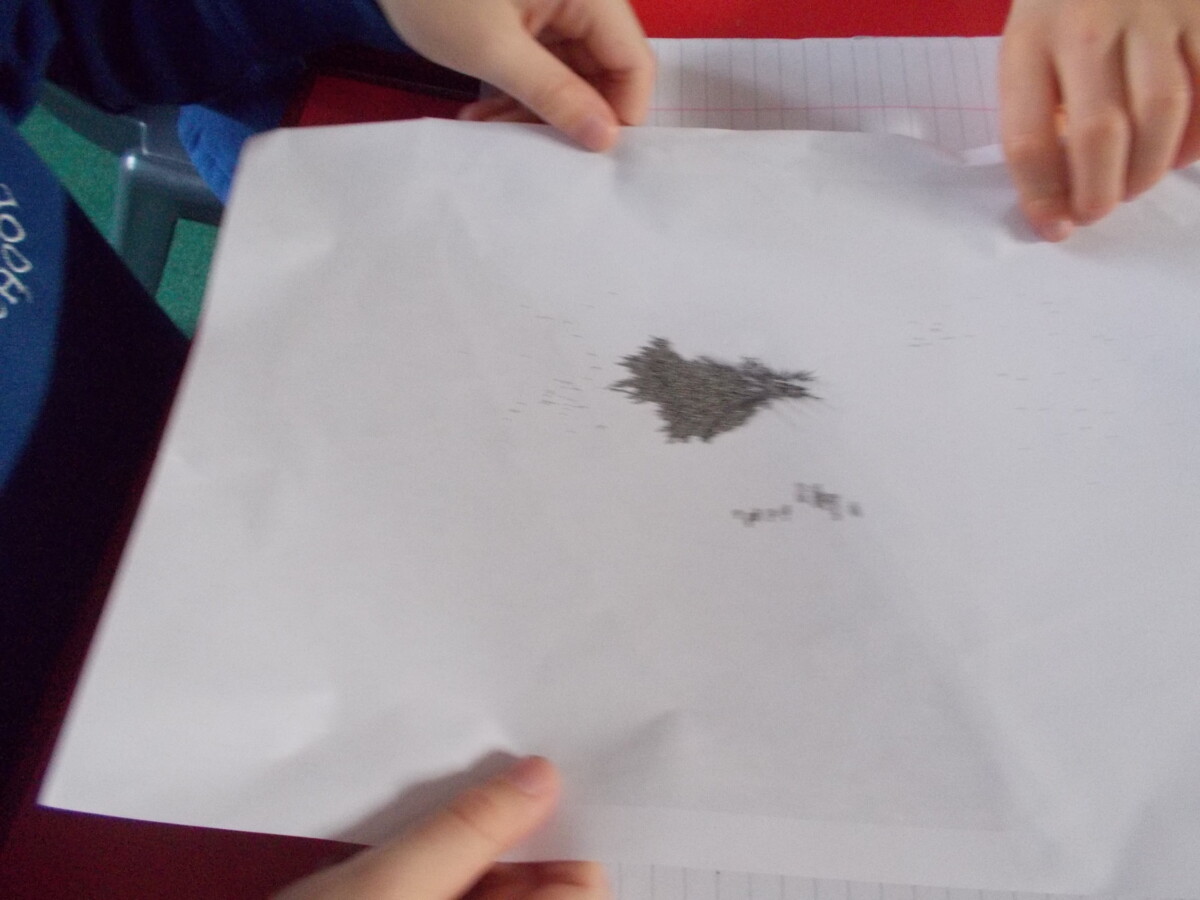
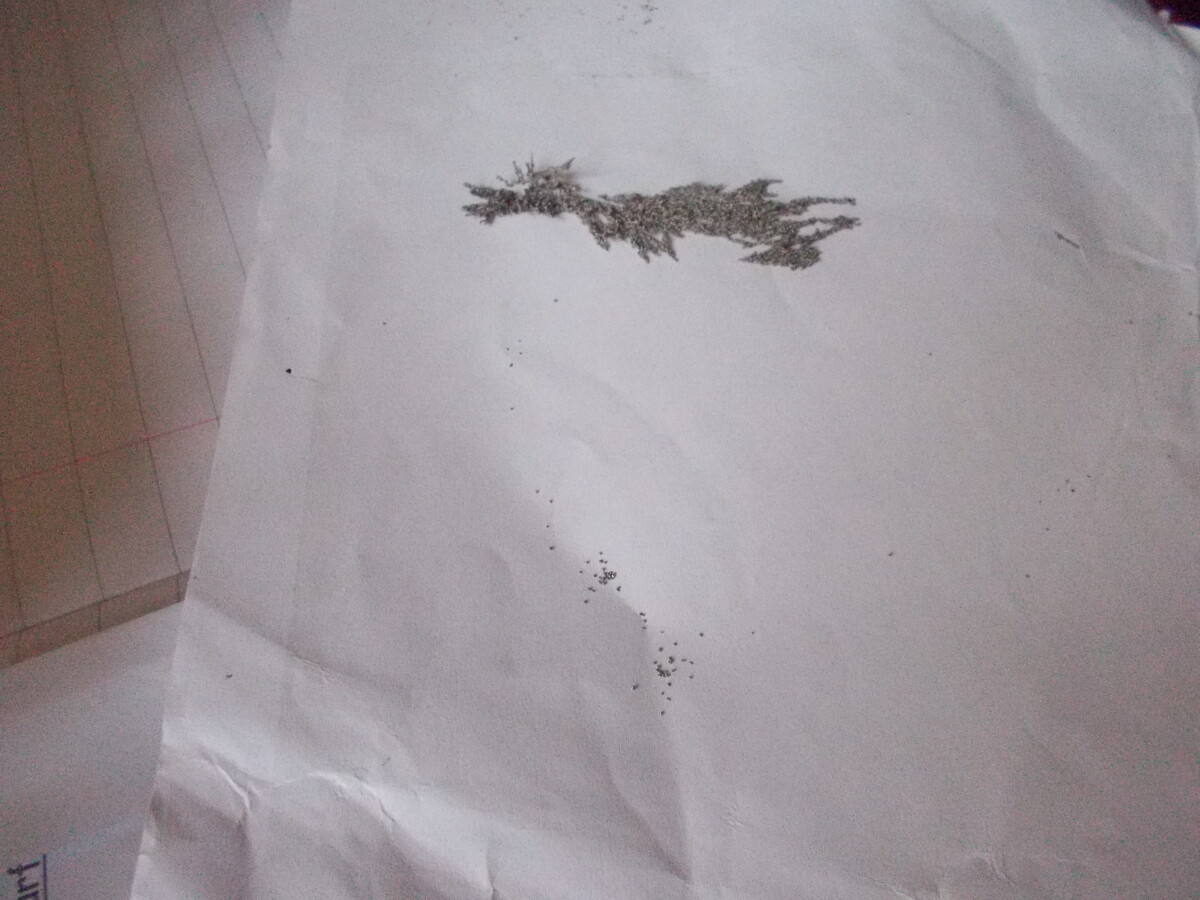
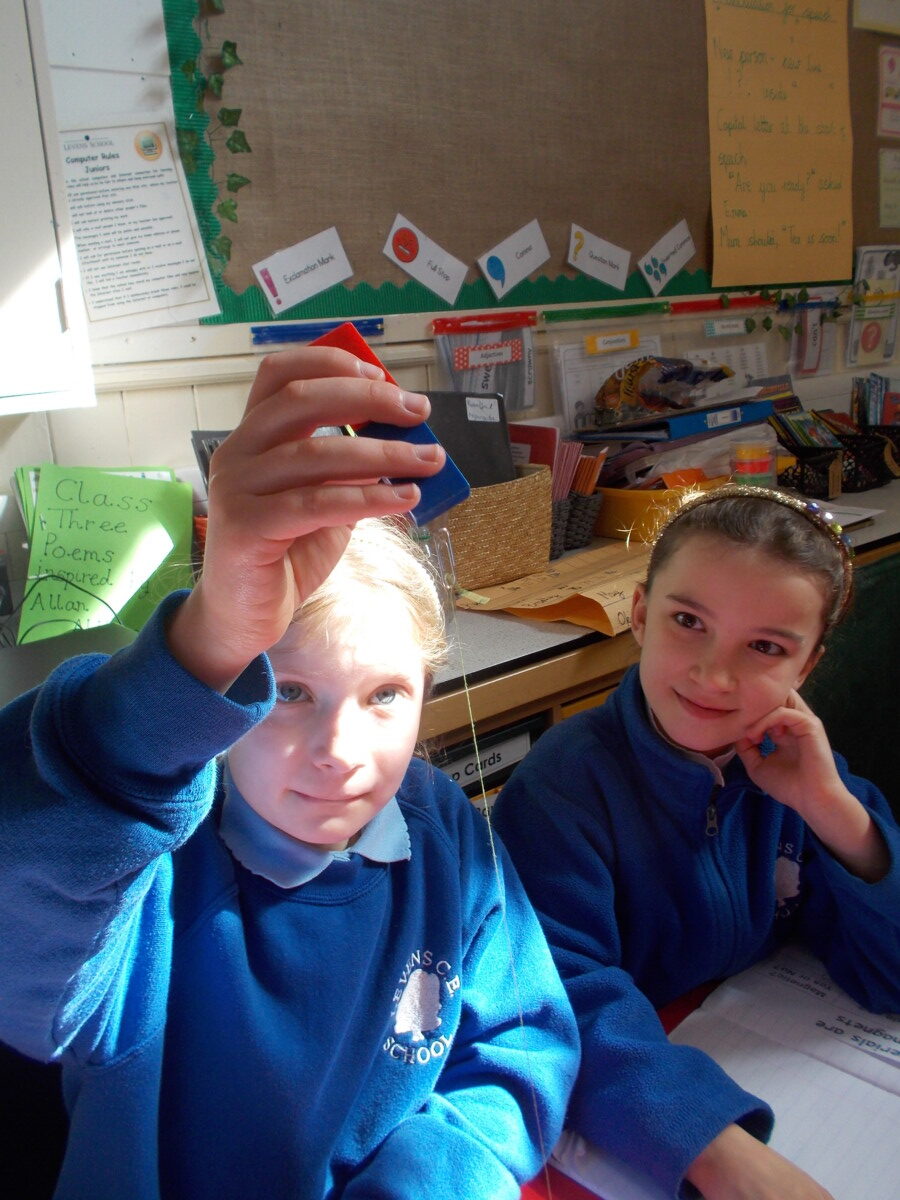
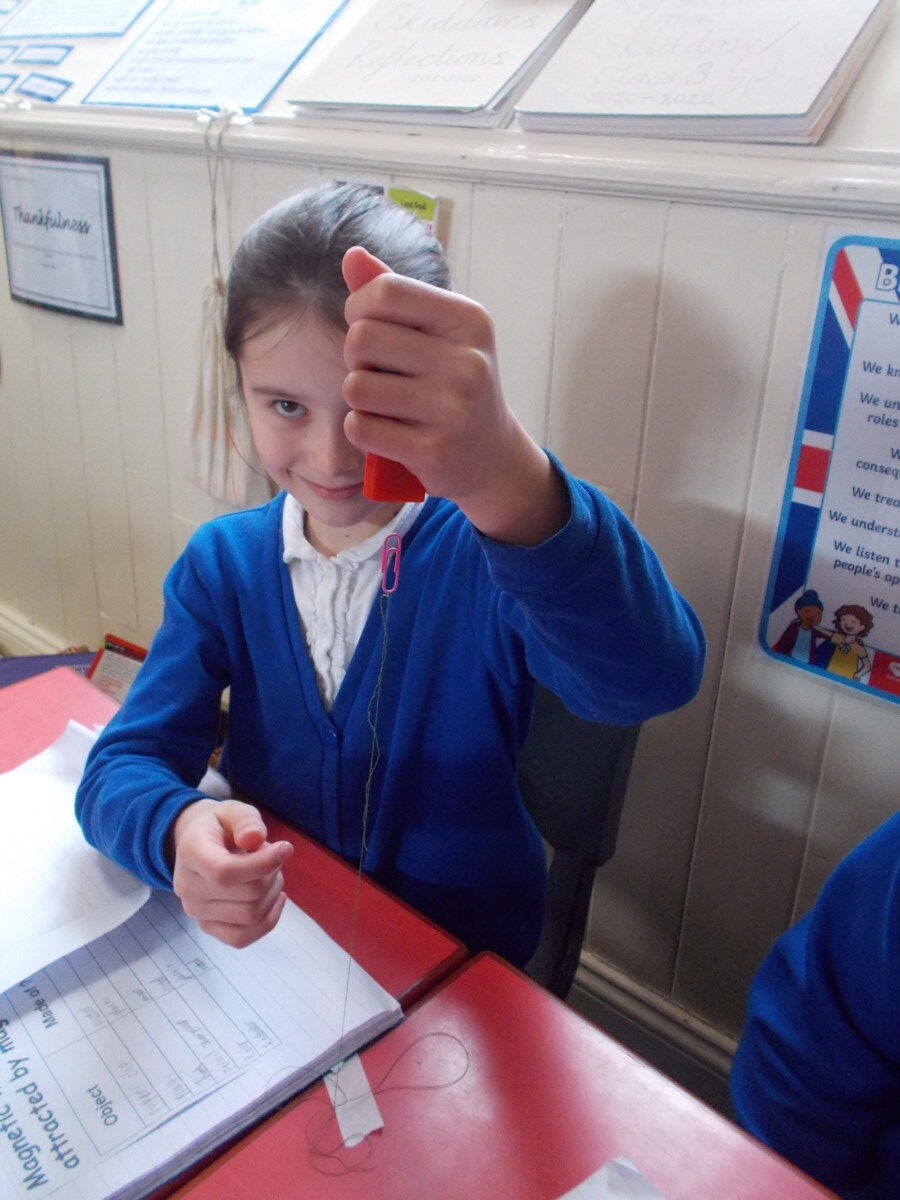
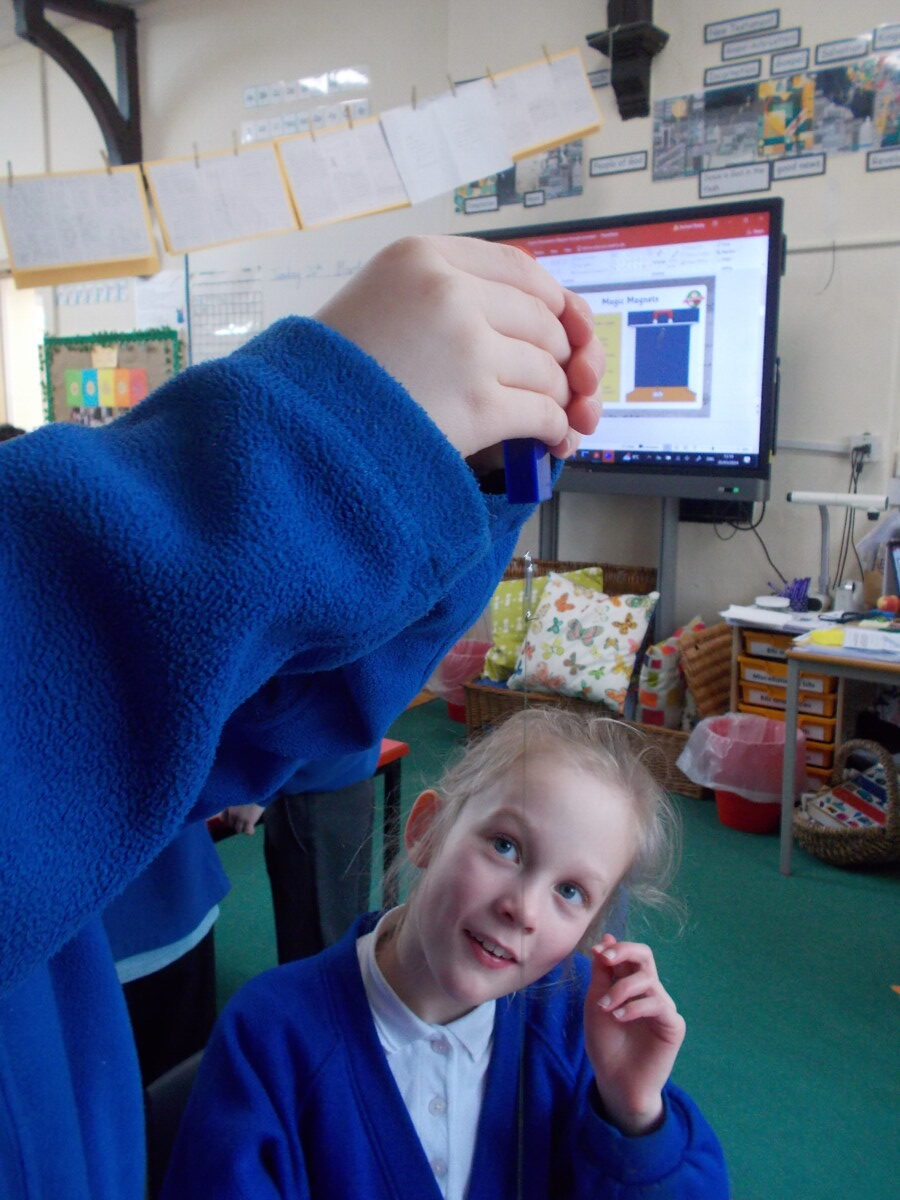
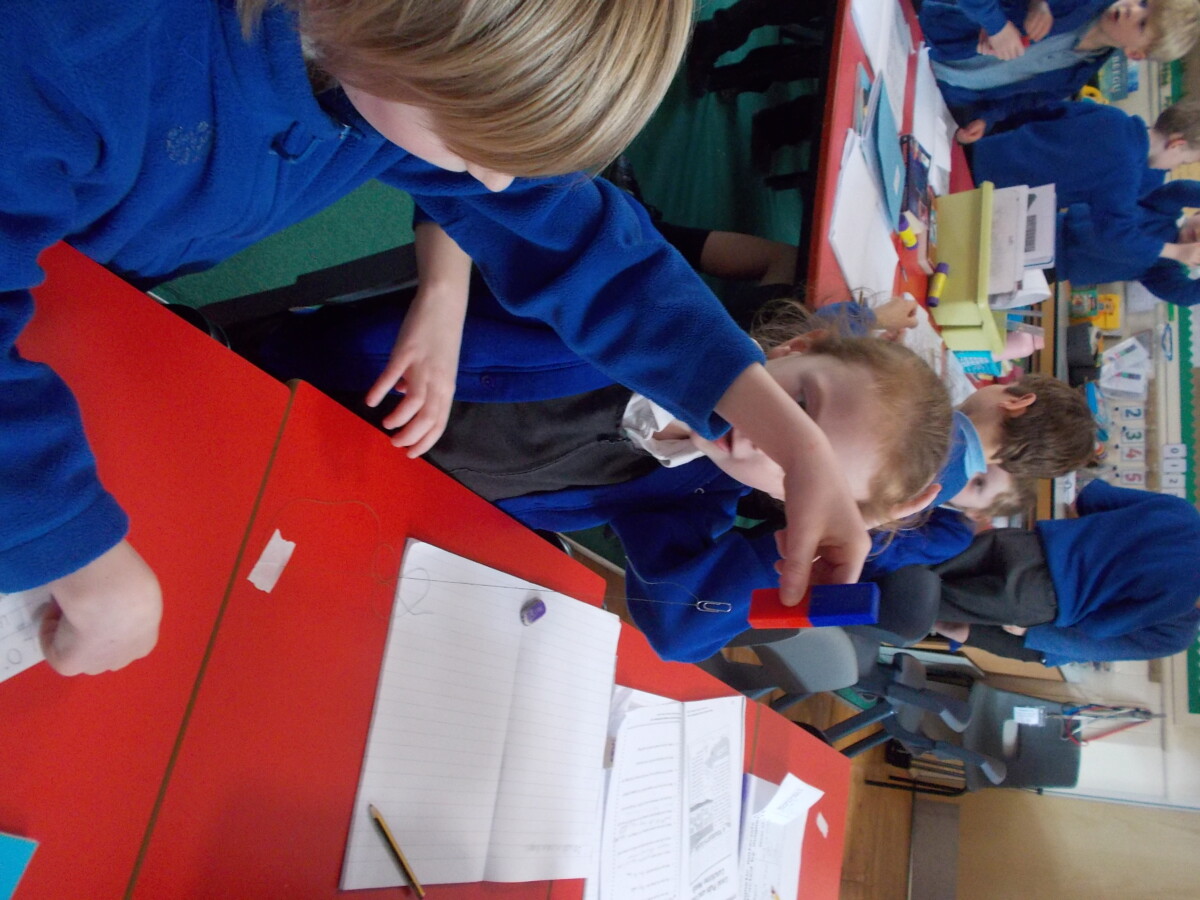
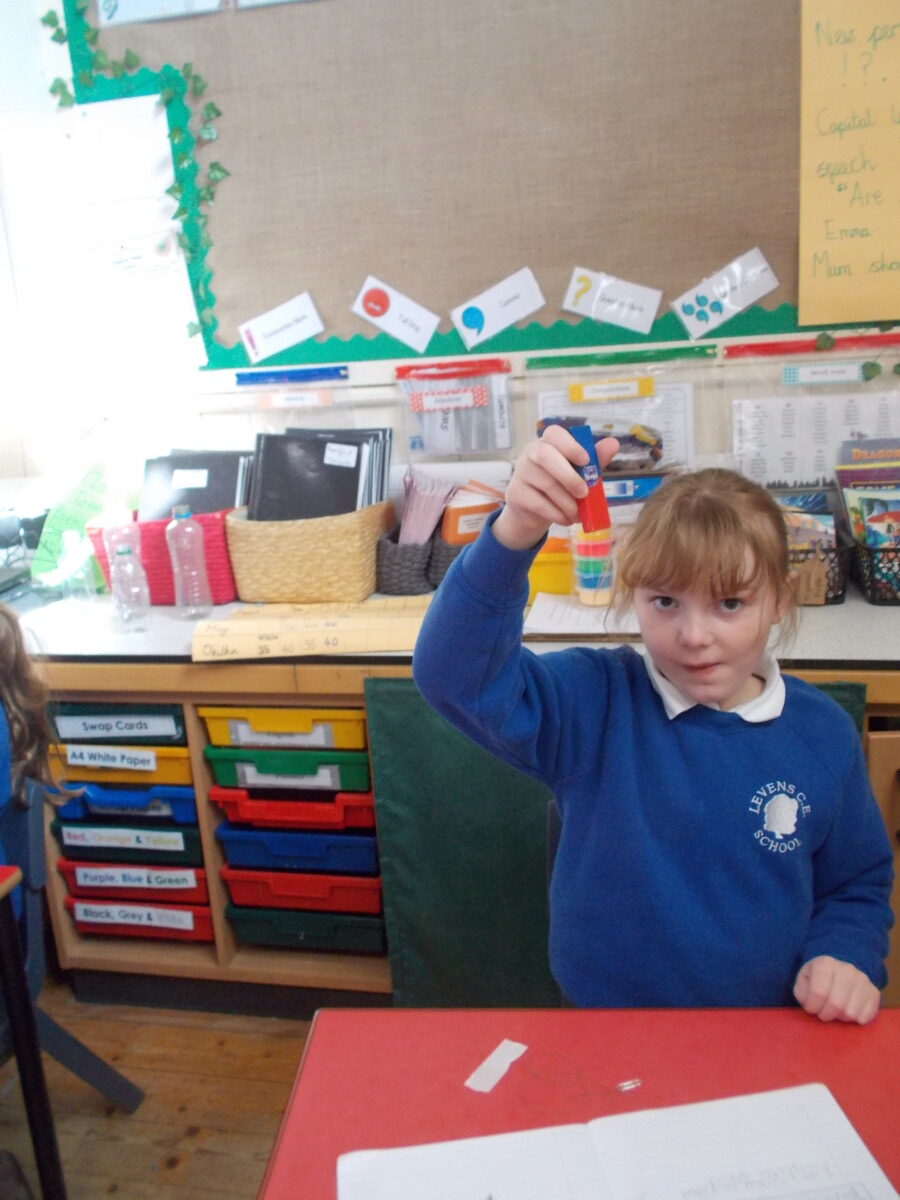
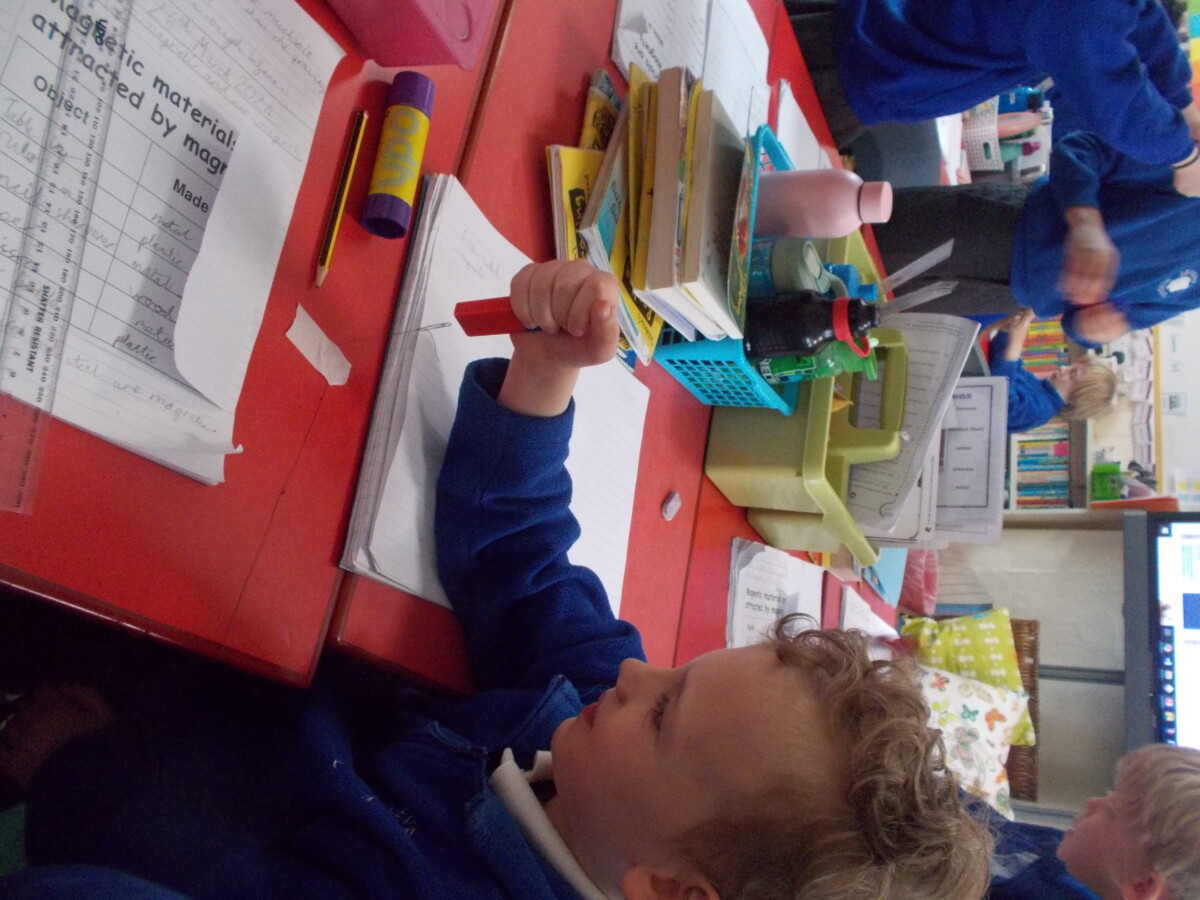
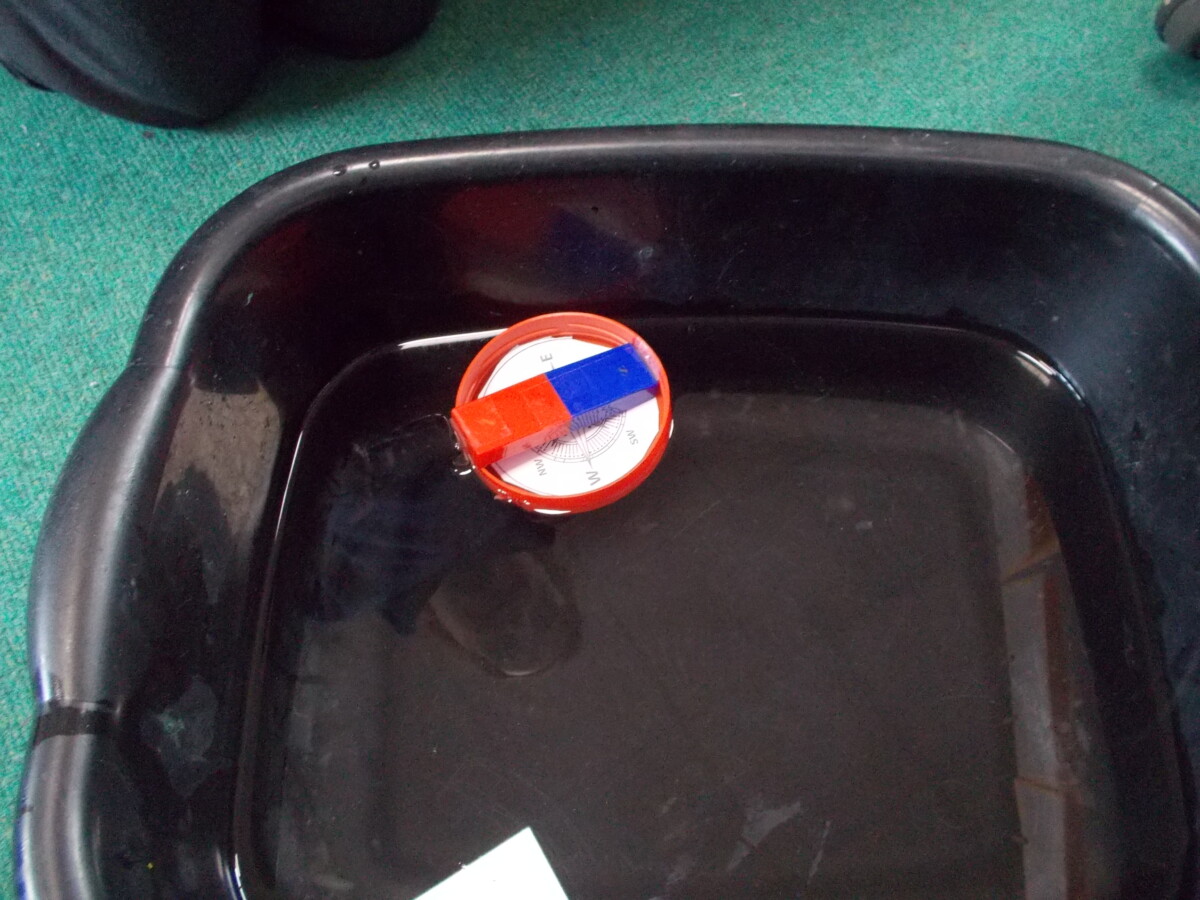
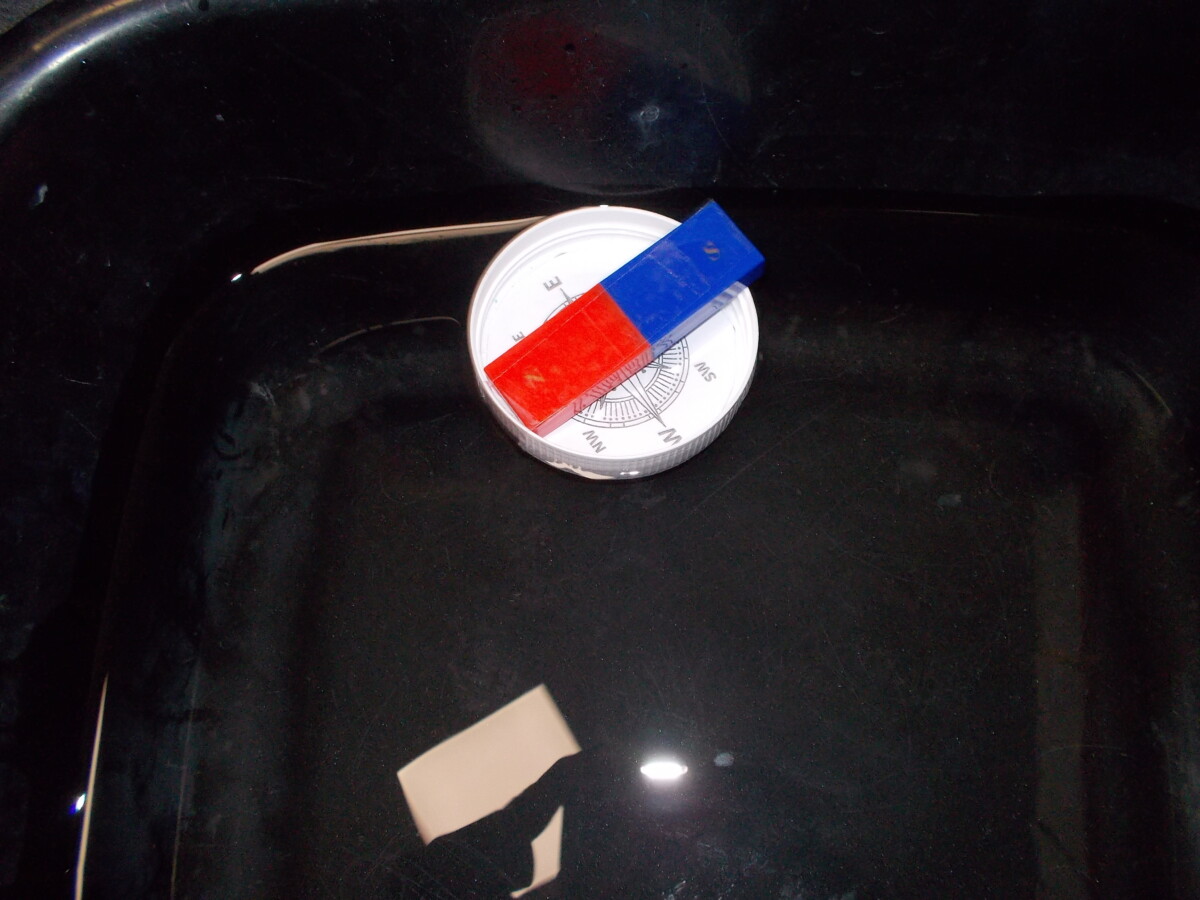
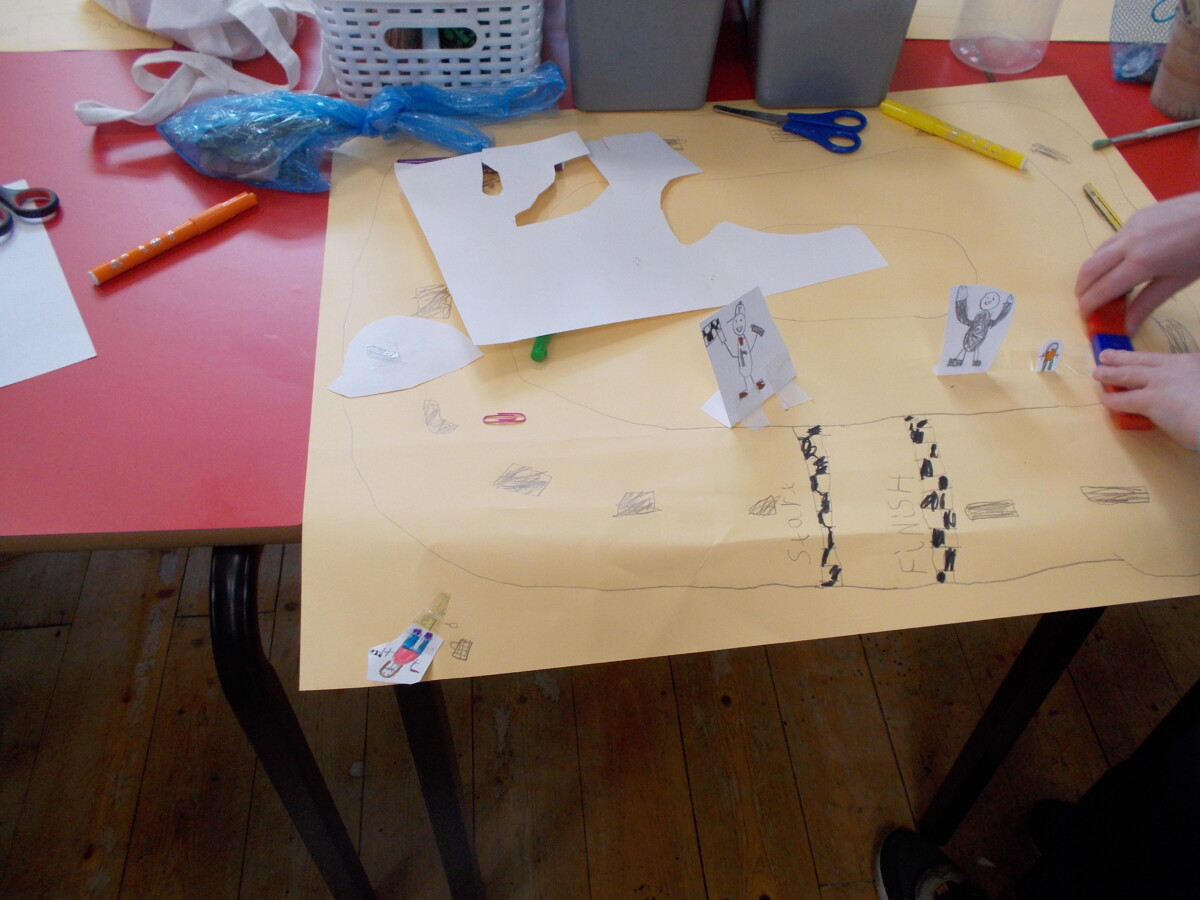
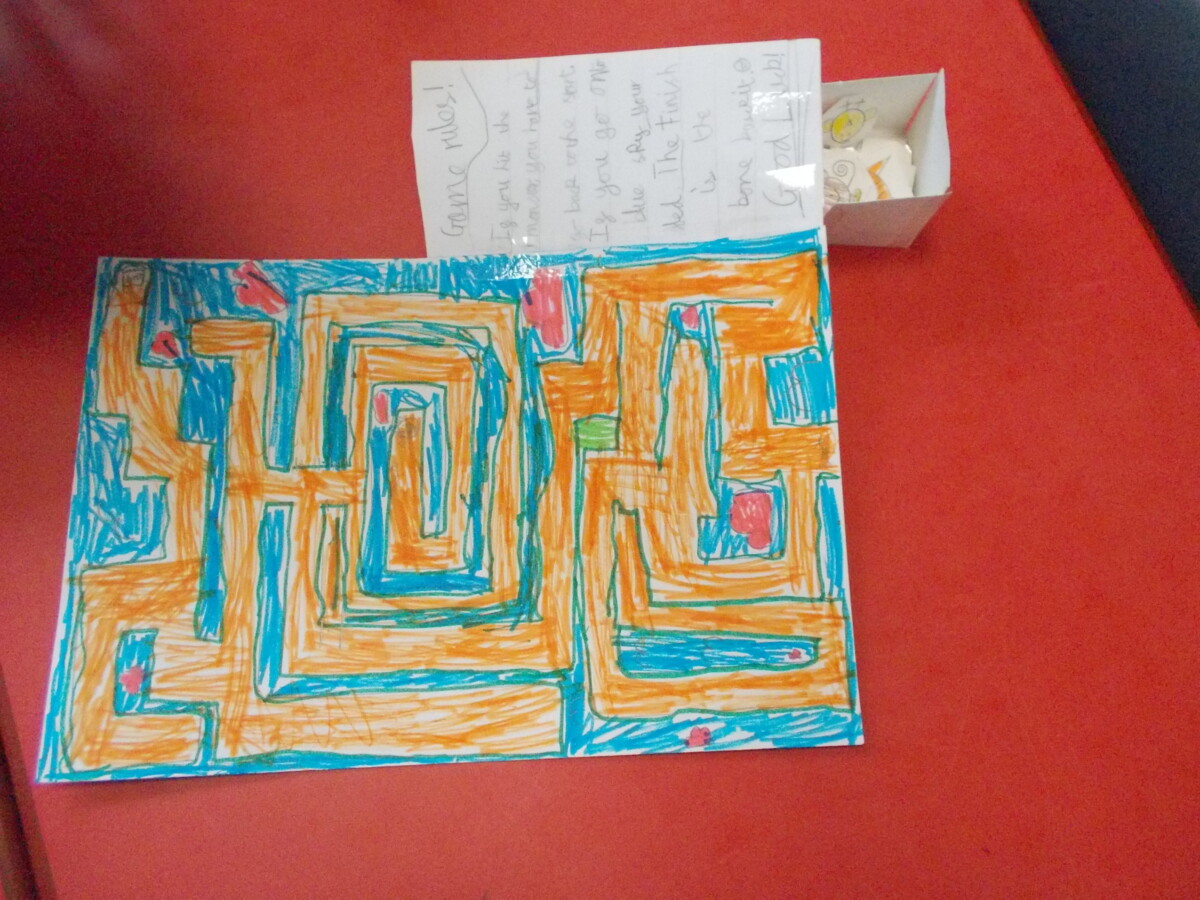
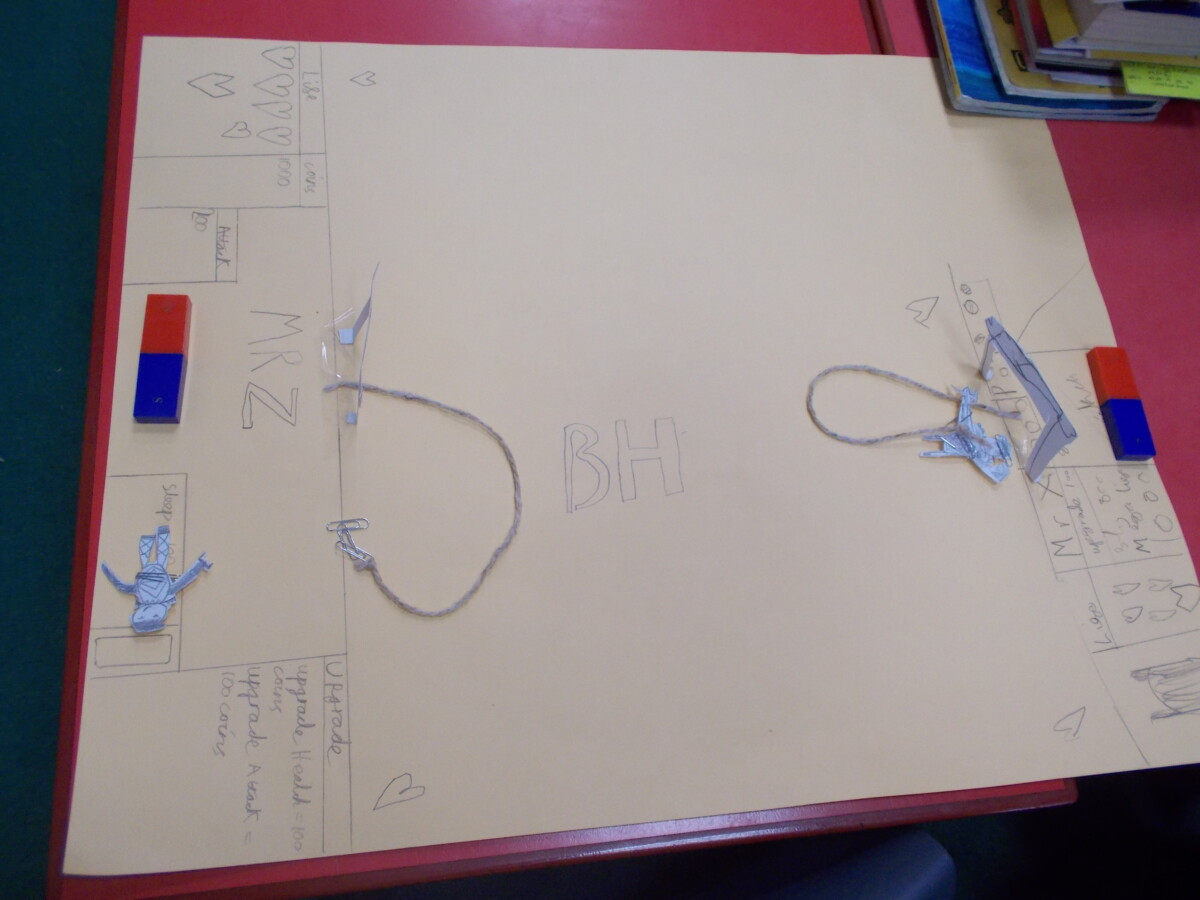
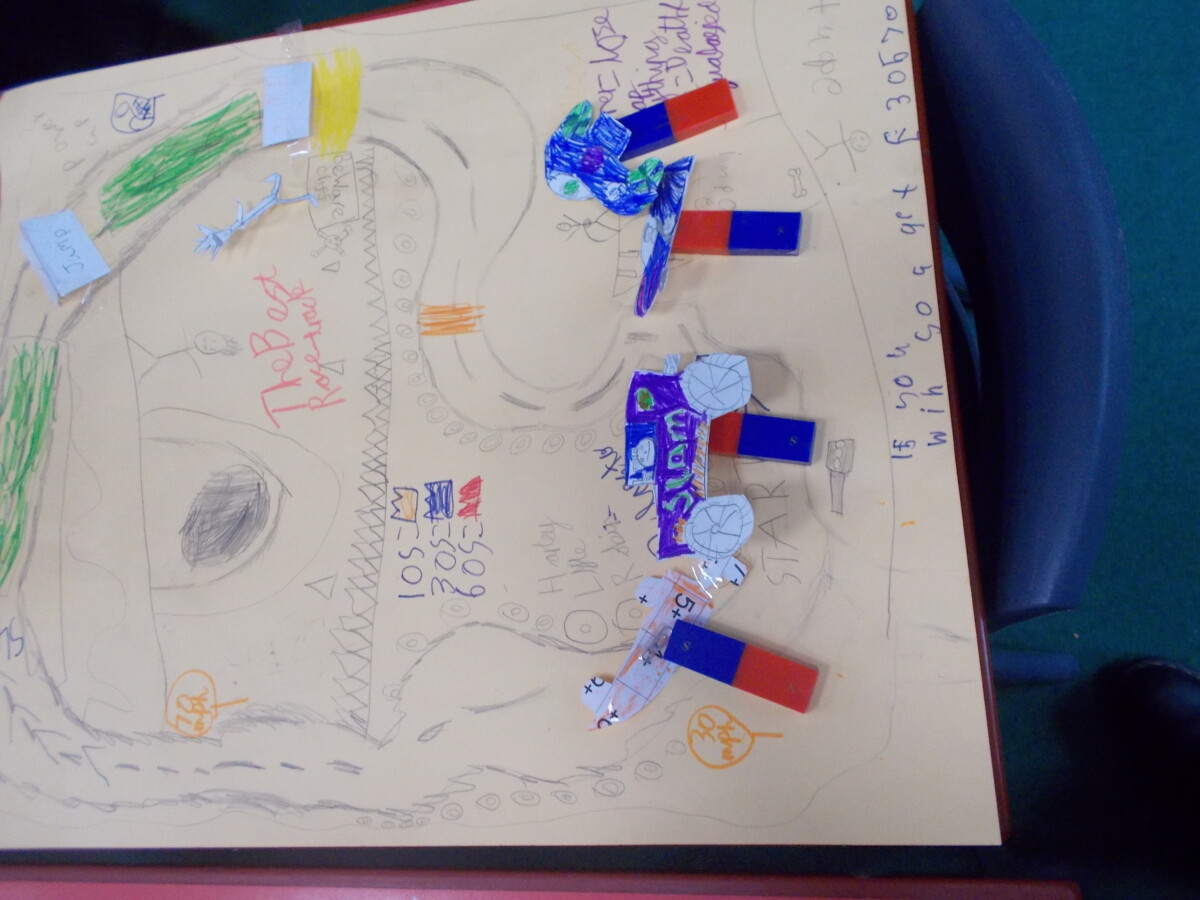
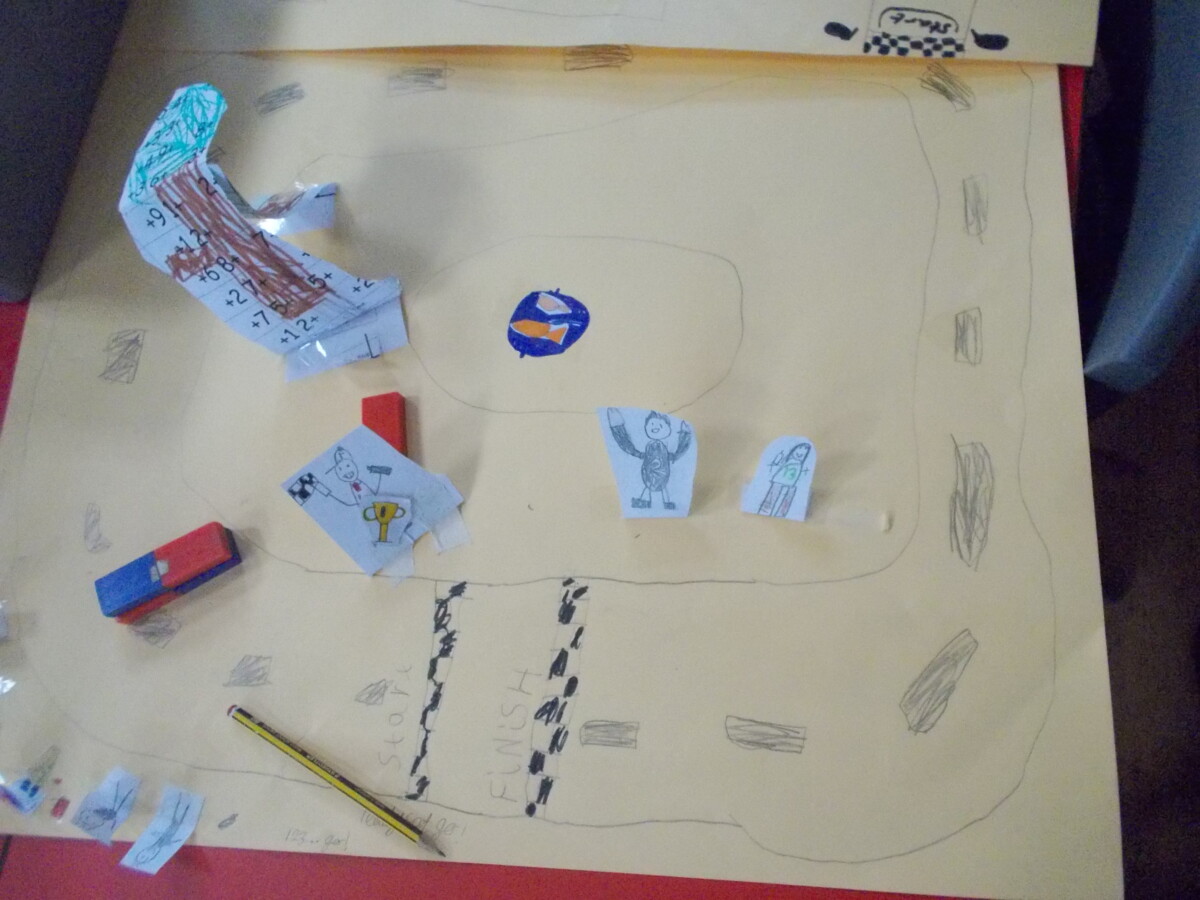
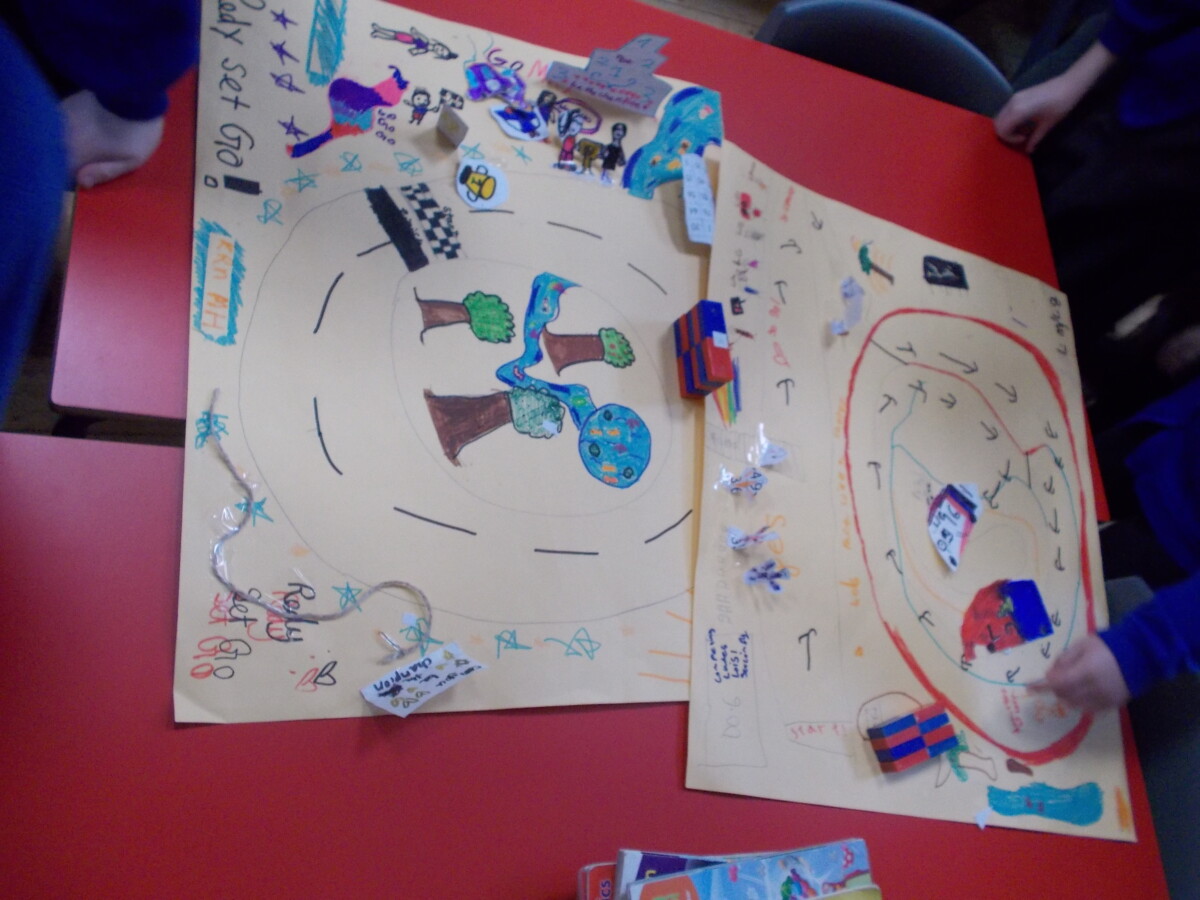
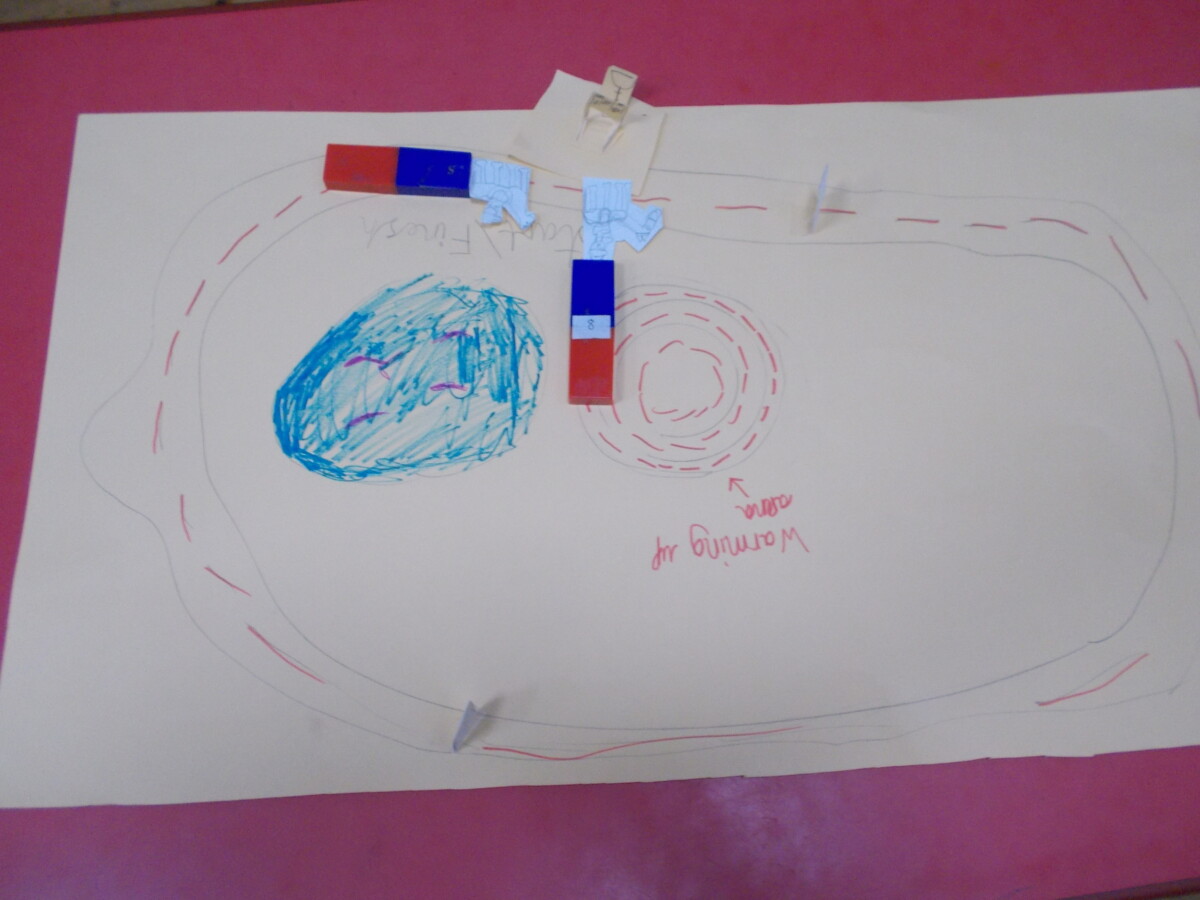
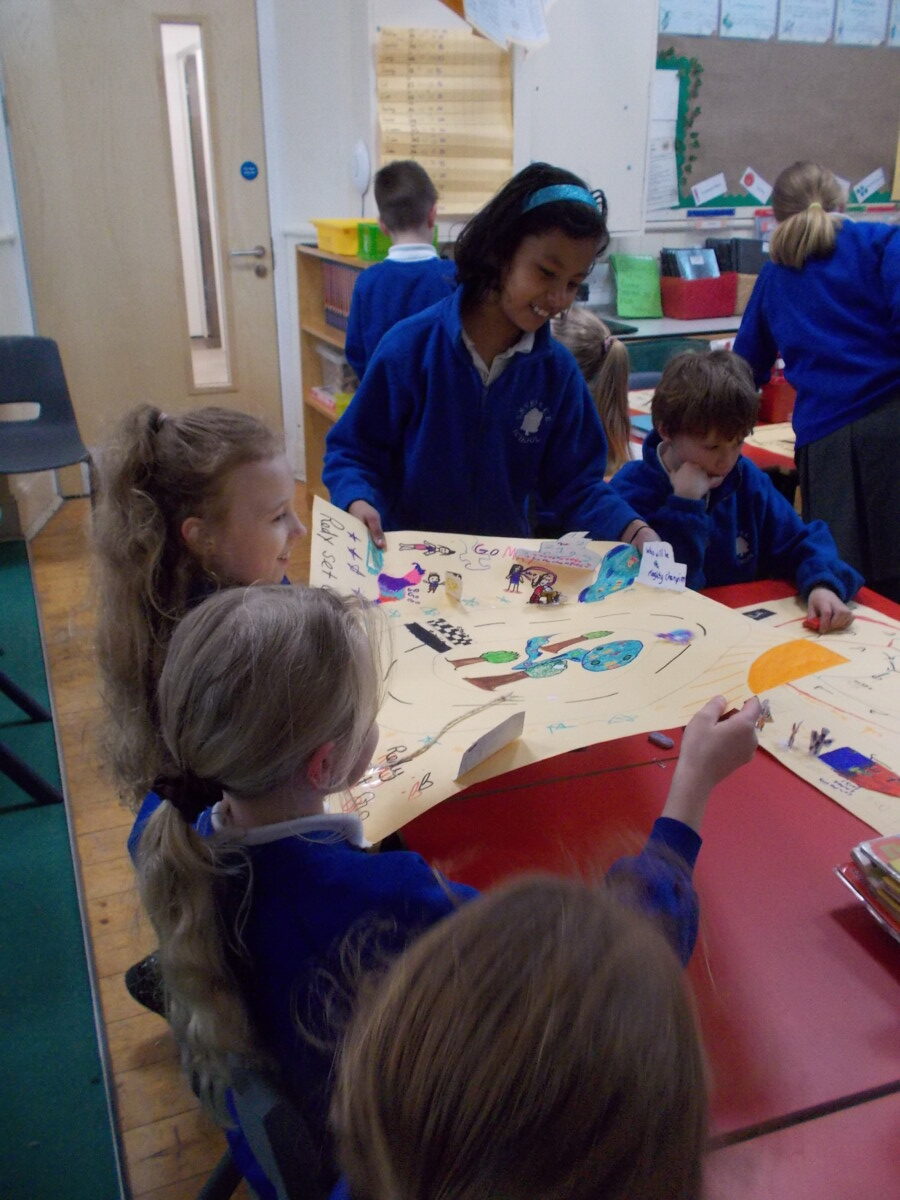
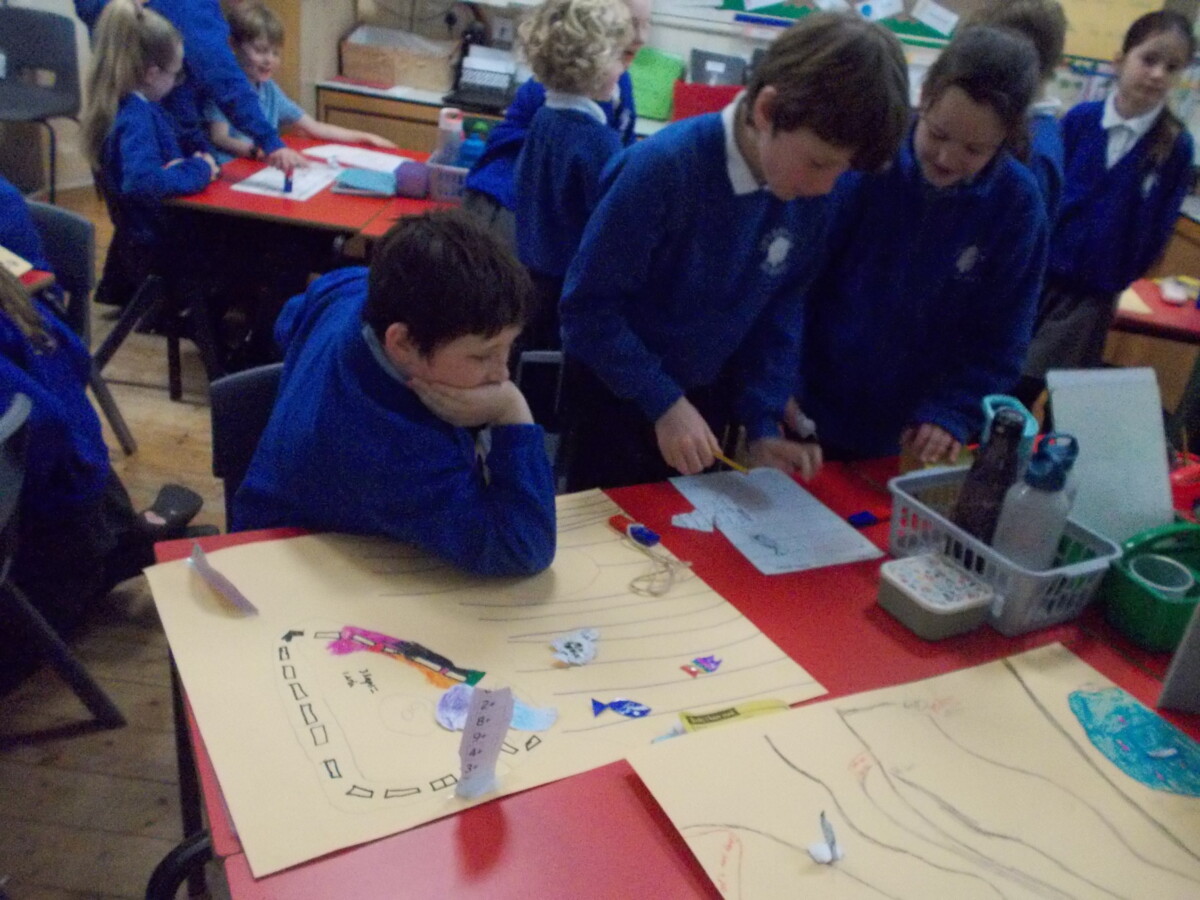
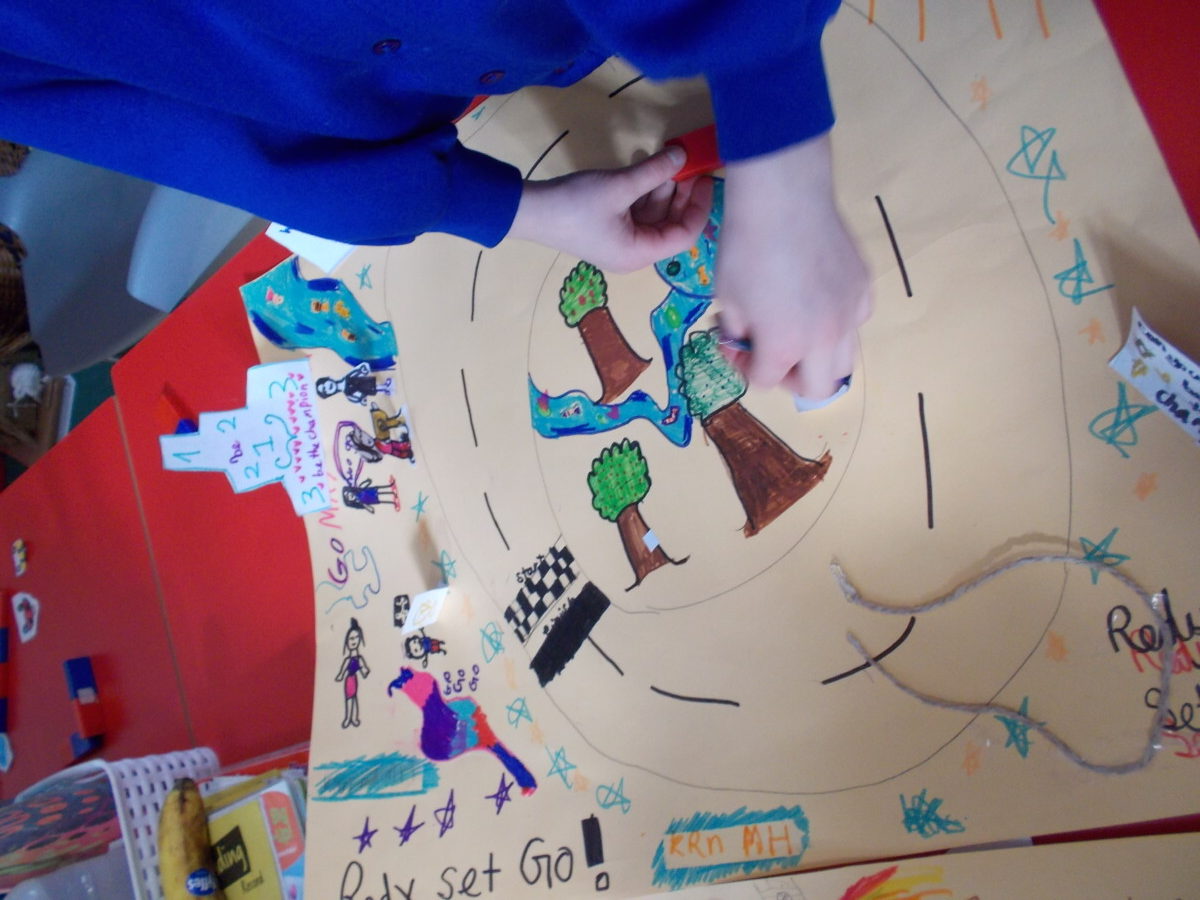
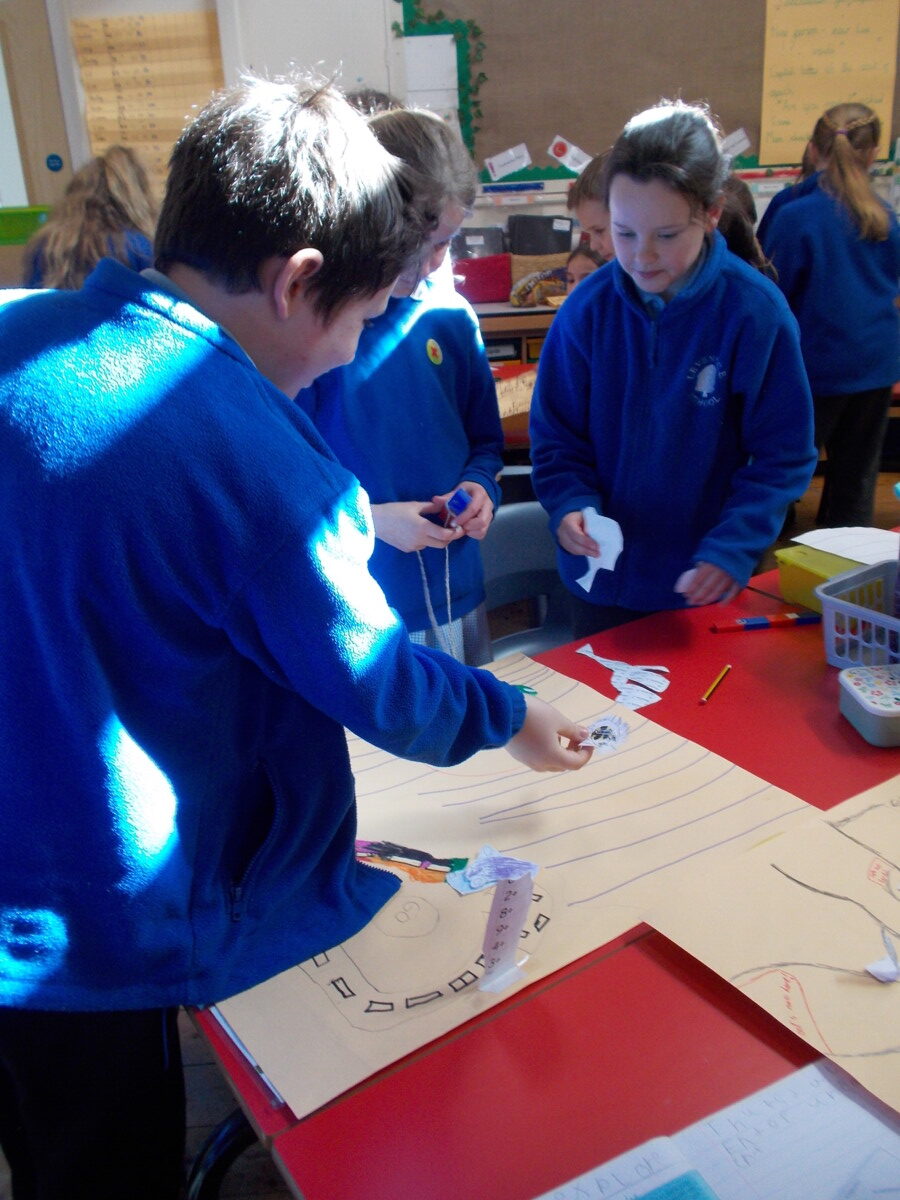
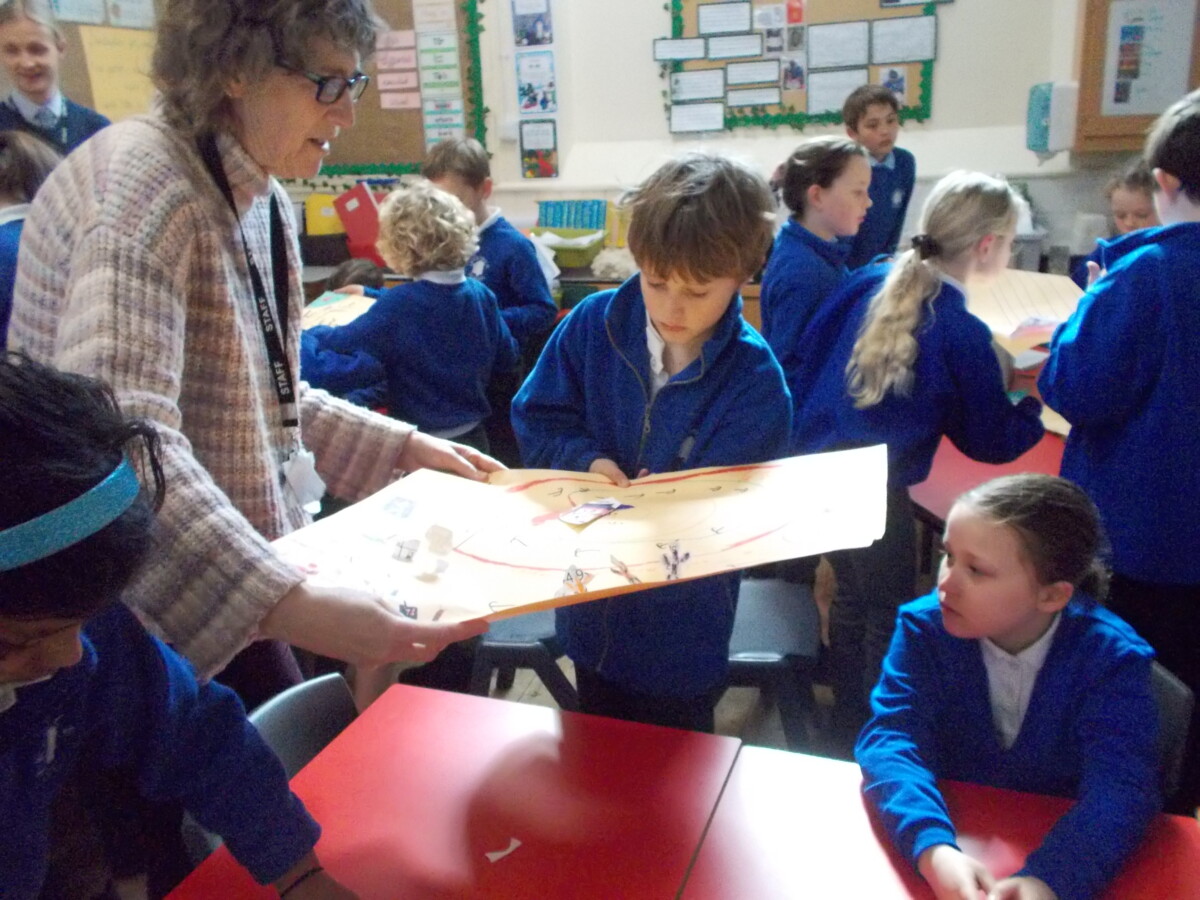
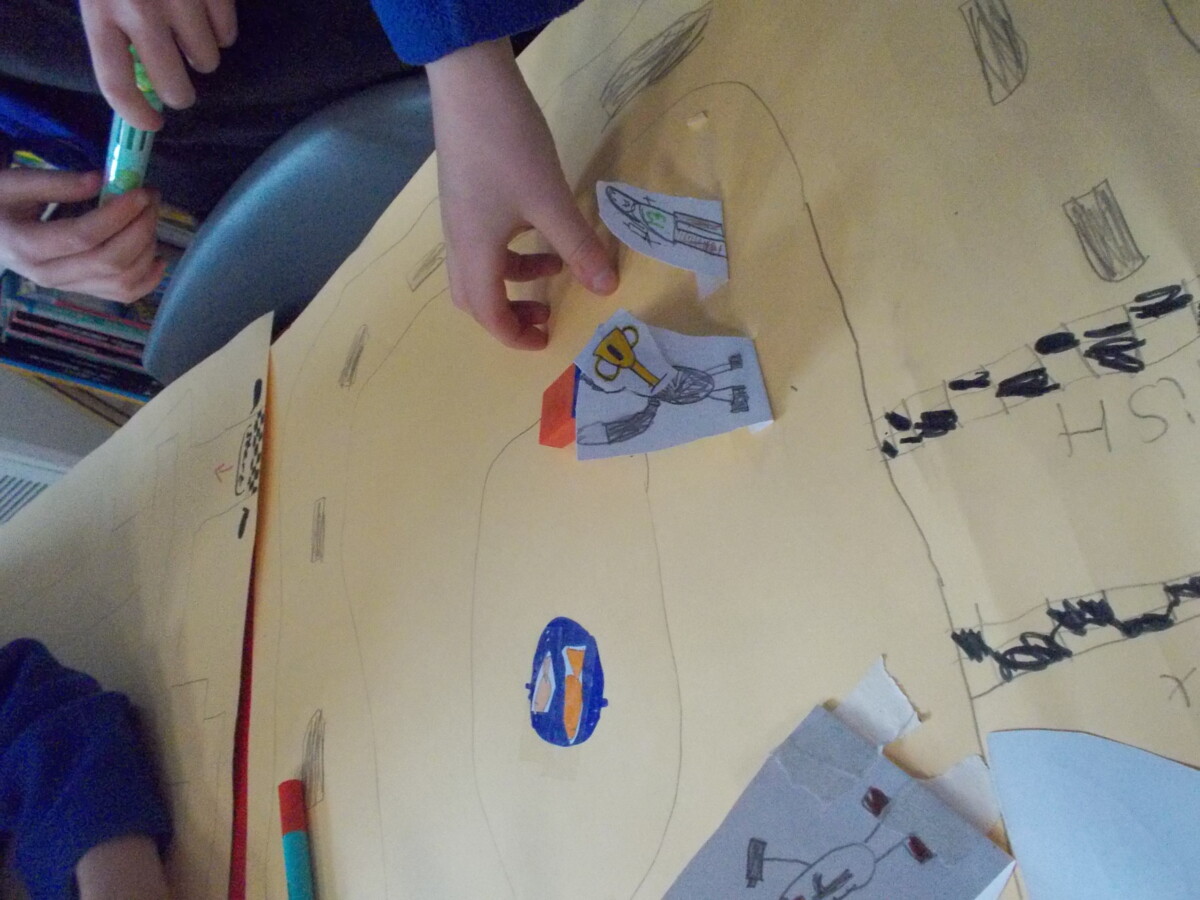
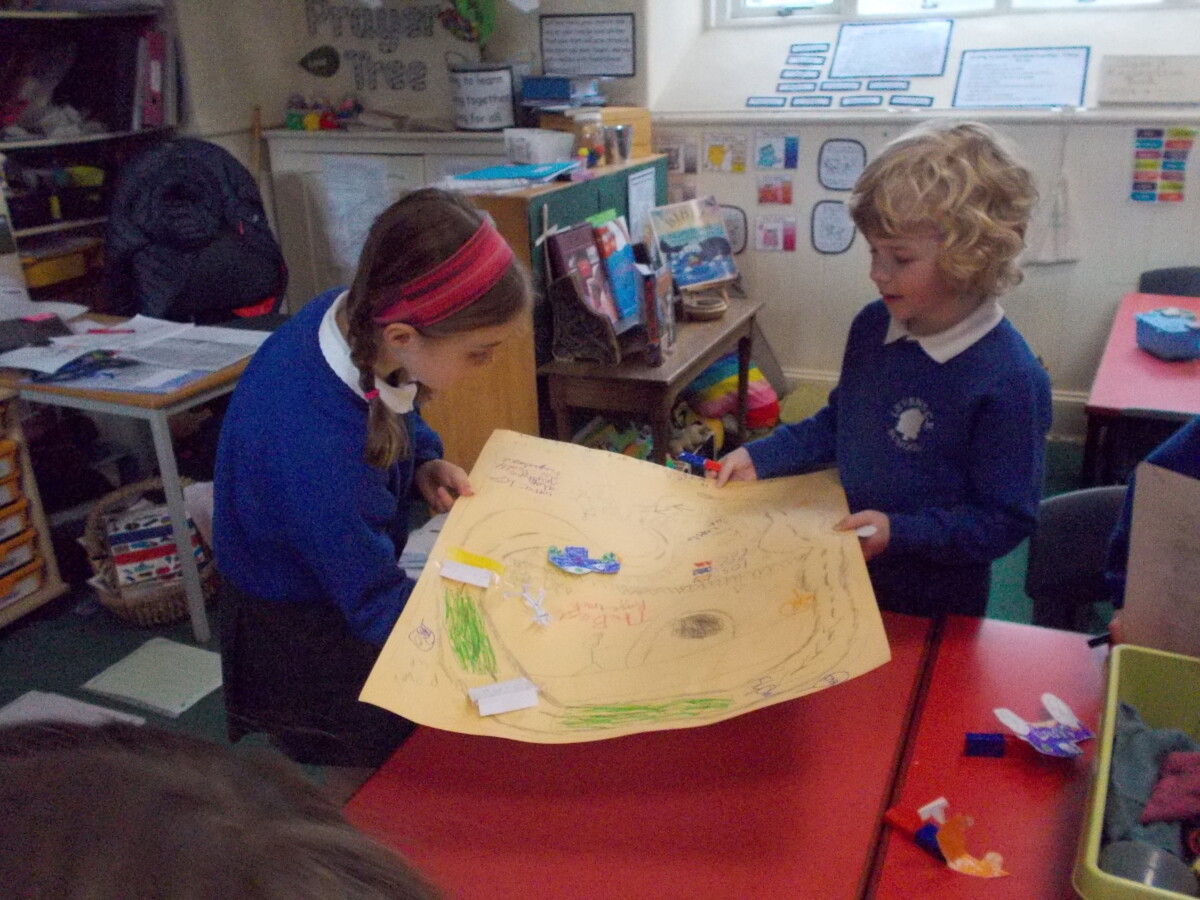
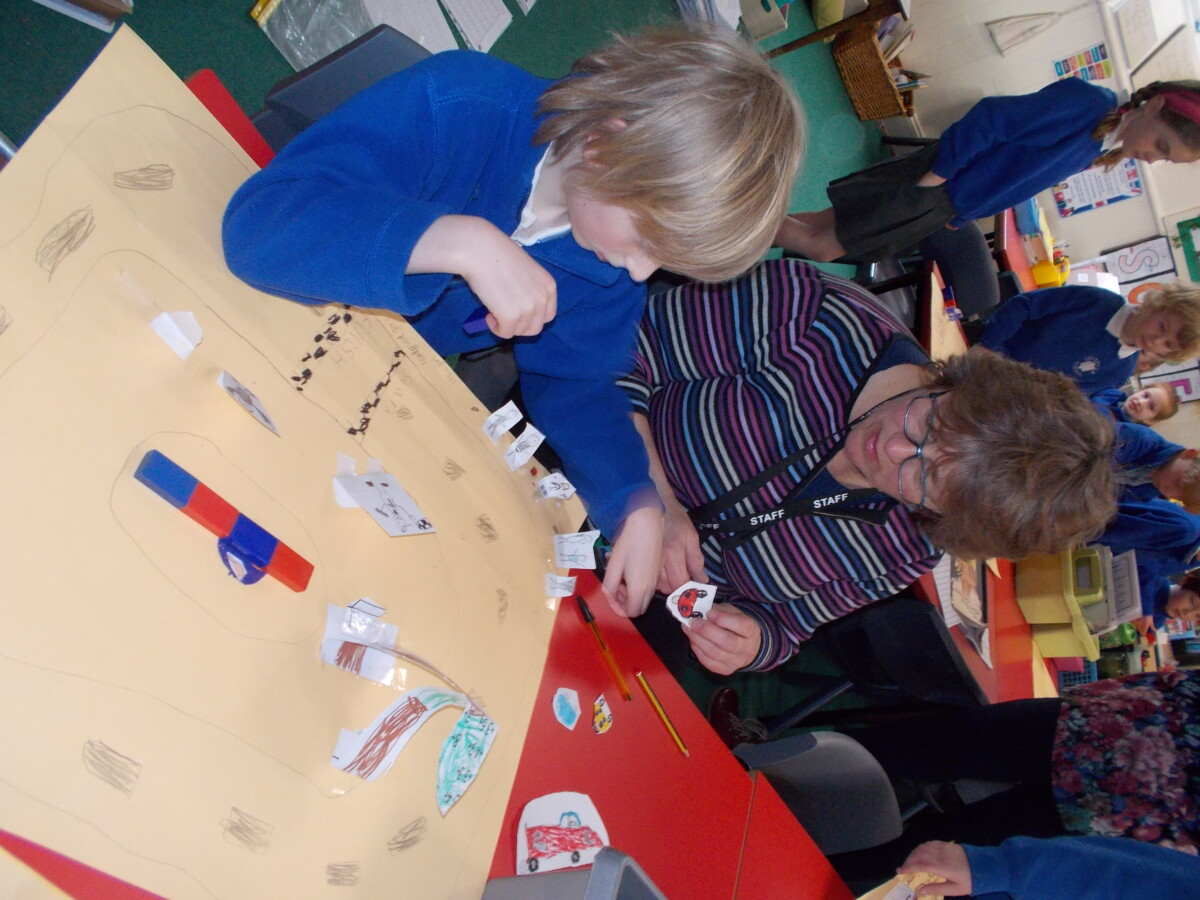
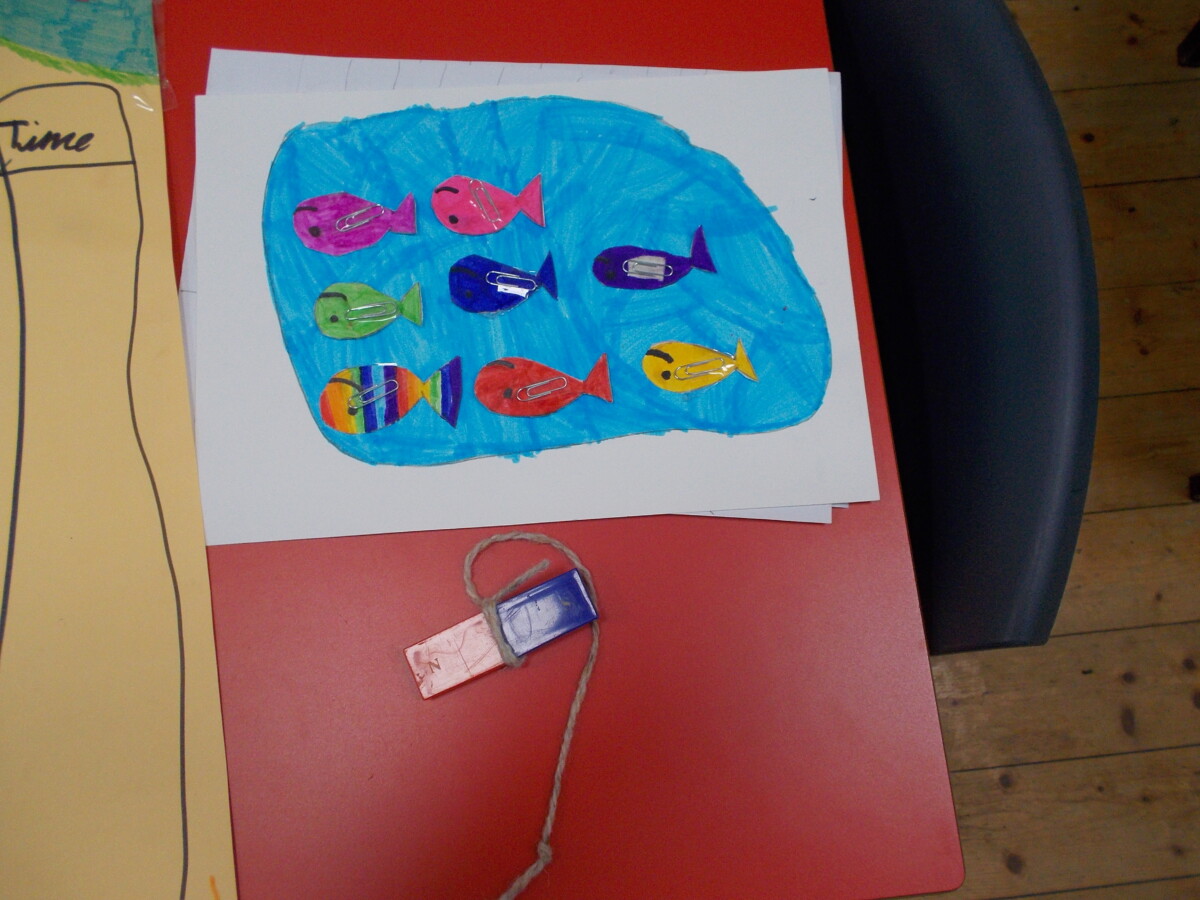
Class Three have had a fantastic time learning about forces and magnets. We started of the topic by looking at push and pull forces, moved on to exploring friction and then carried out experiments with magnets. We loved making magnets dance and making our own compasses. We looked at the poles and investigated which attracted and which repelled. We concluded the topic by designing and making our own magnetic games. Year Five came in to try them out and provide an opinion!


Splendid Sound!

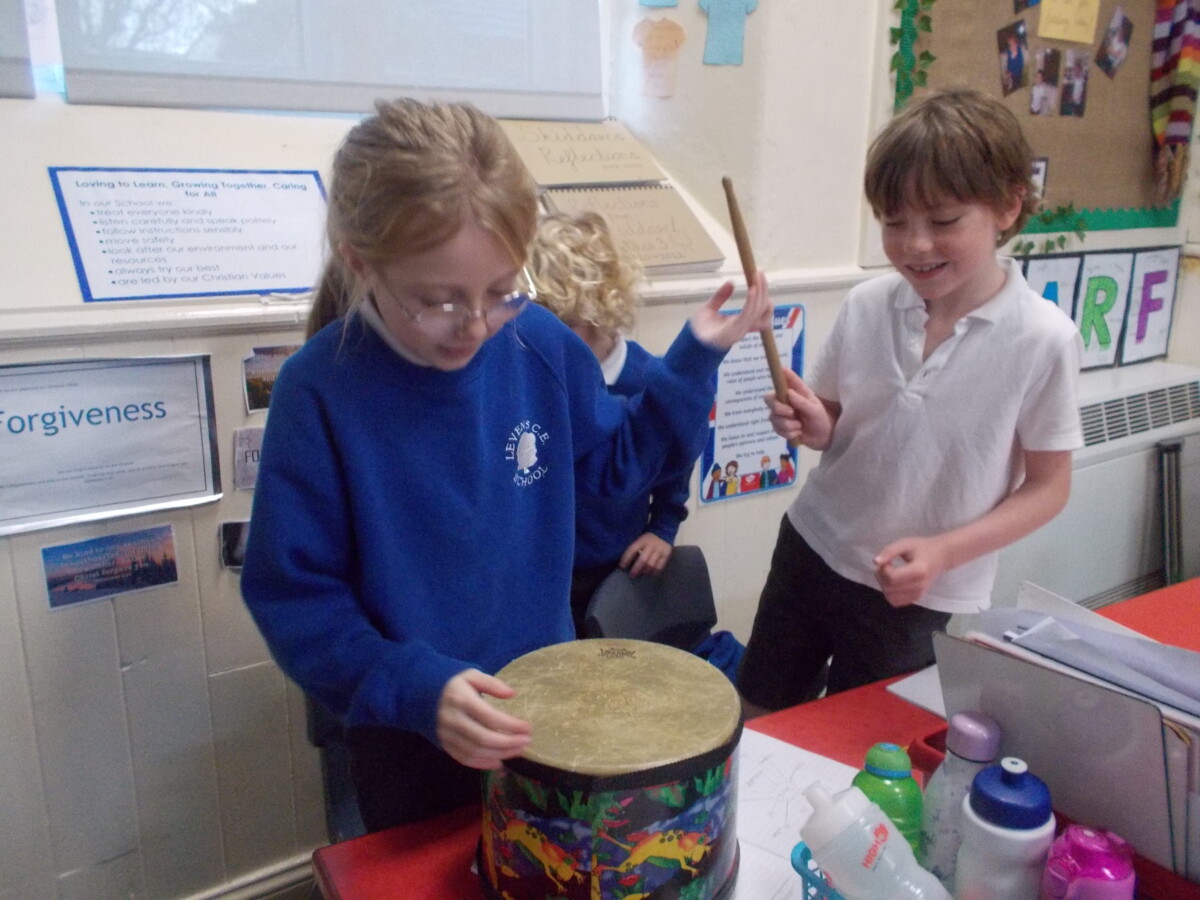
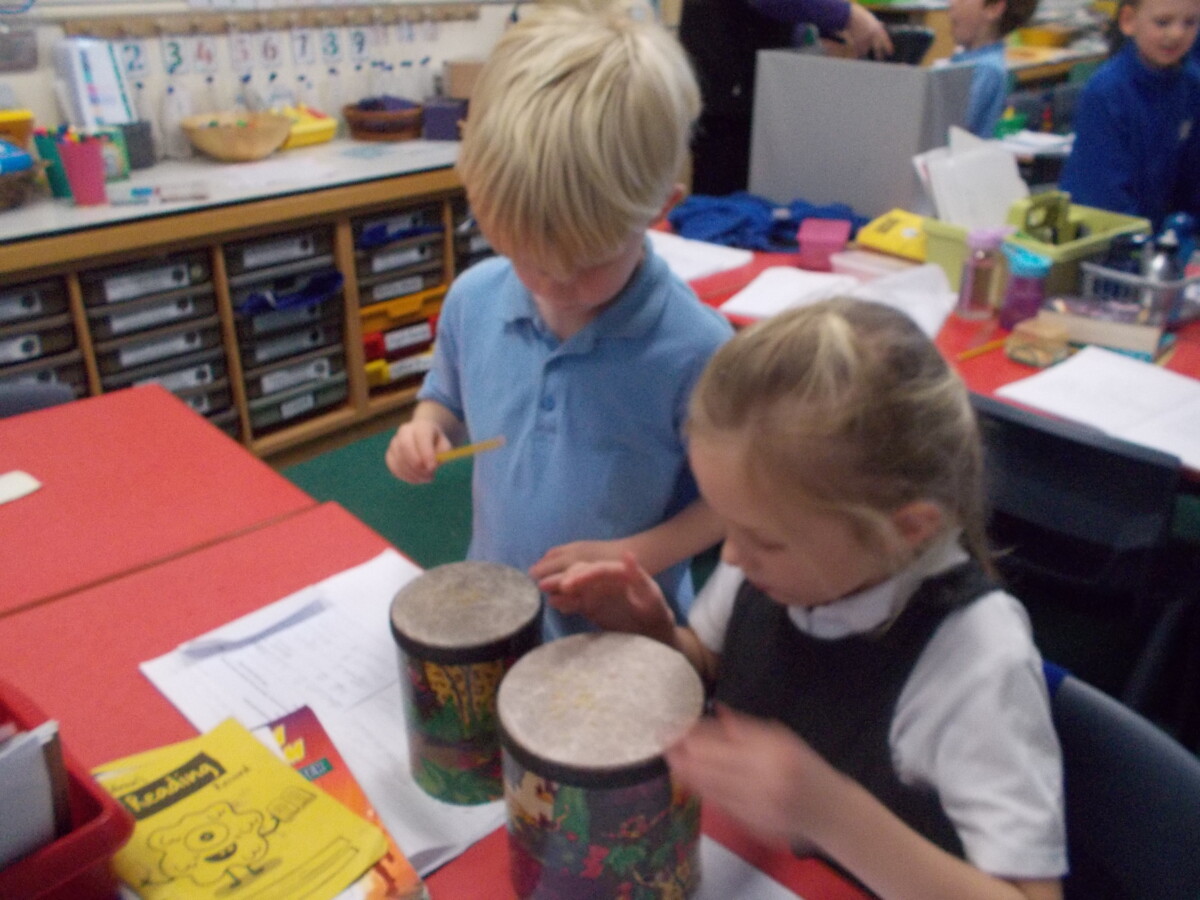
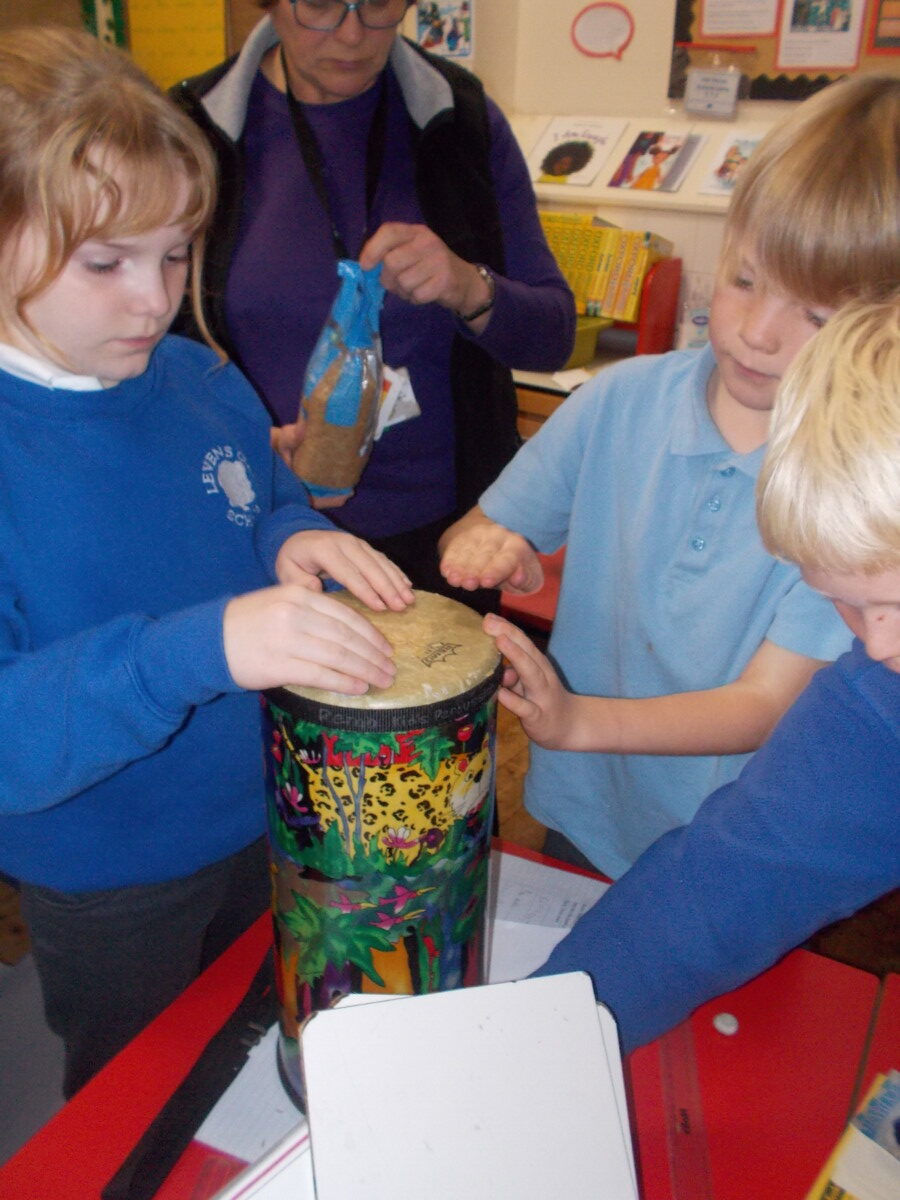
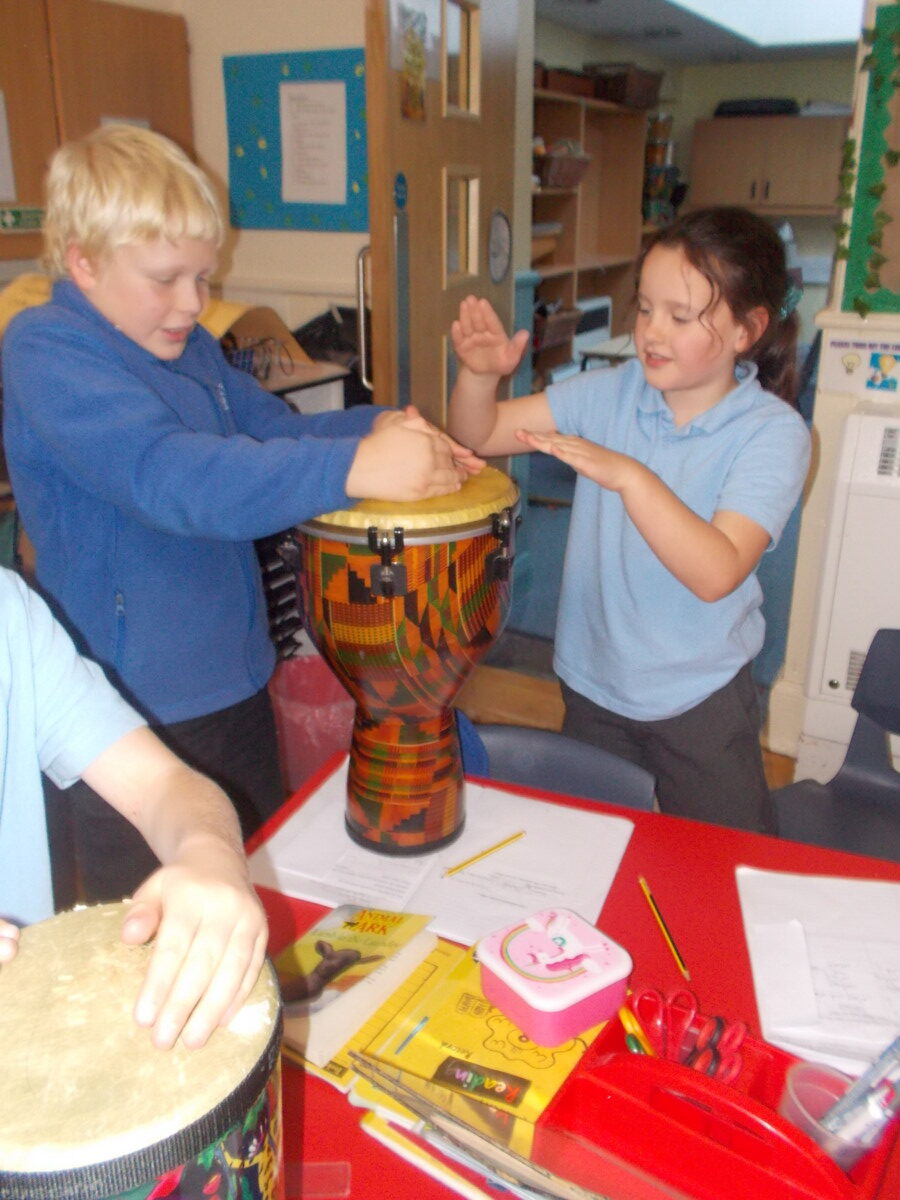
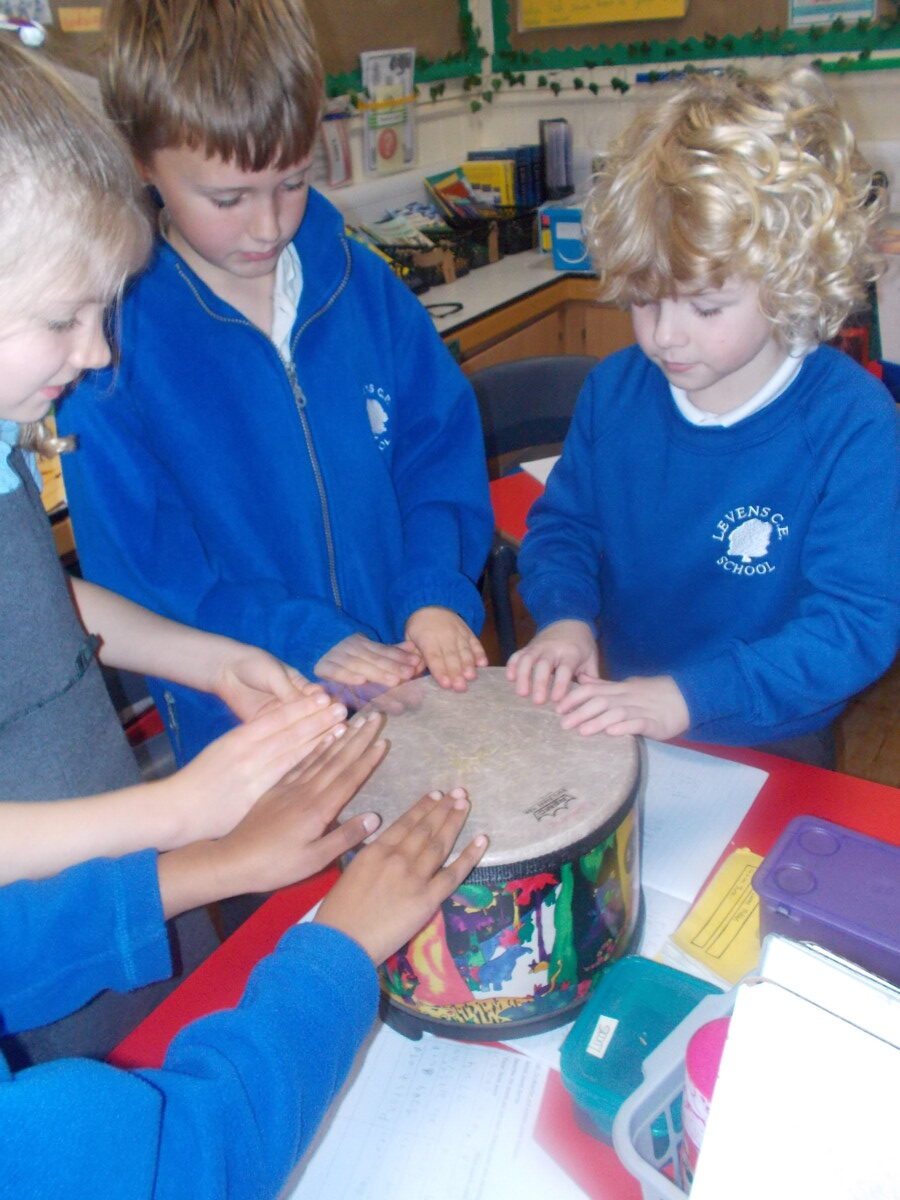
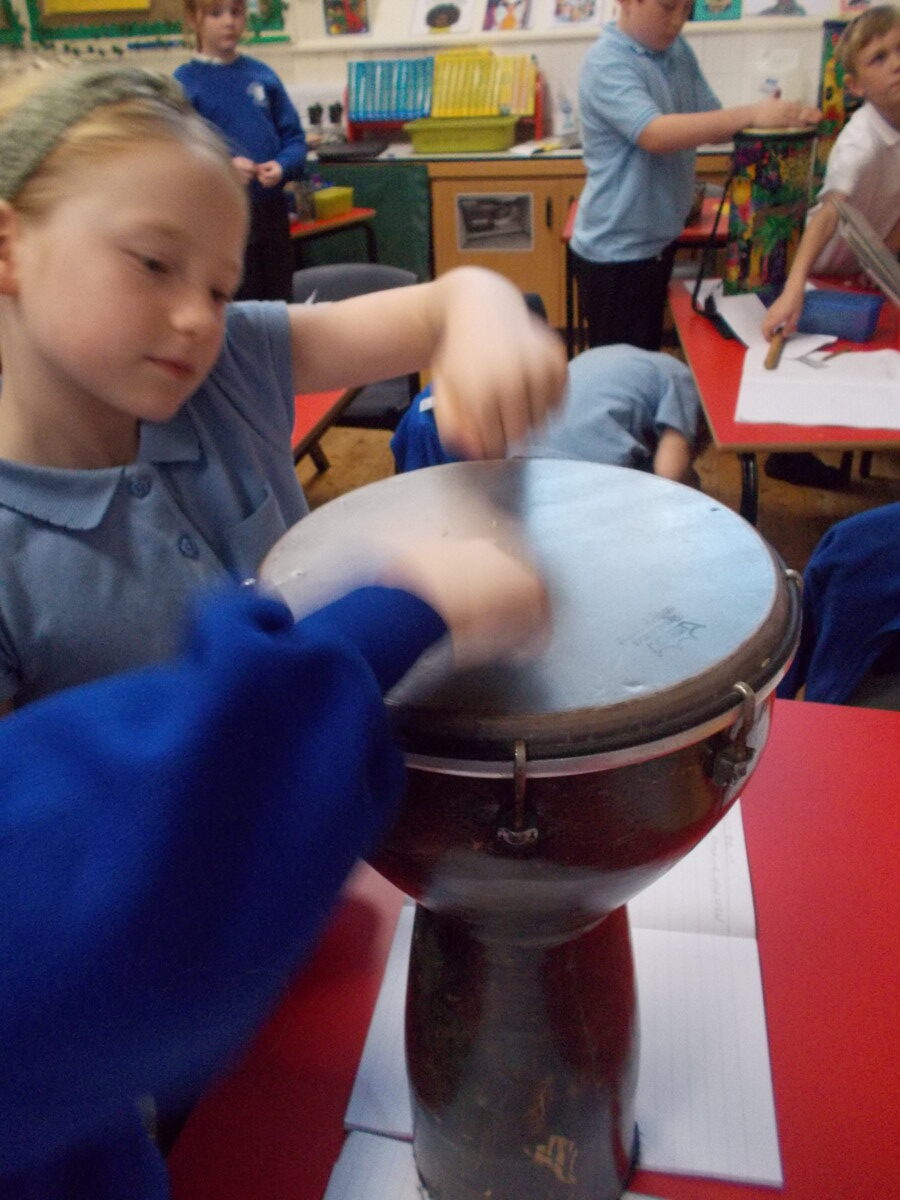
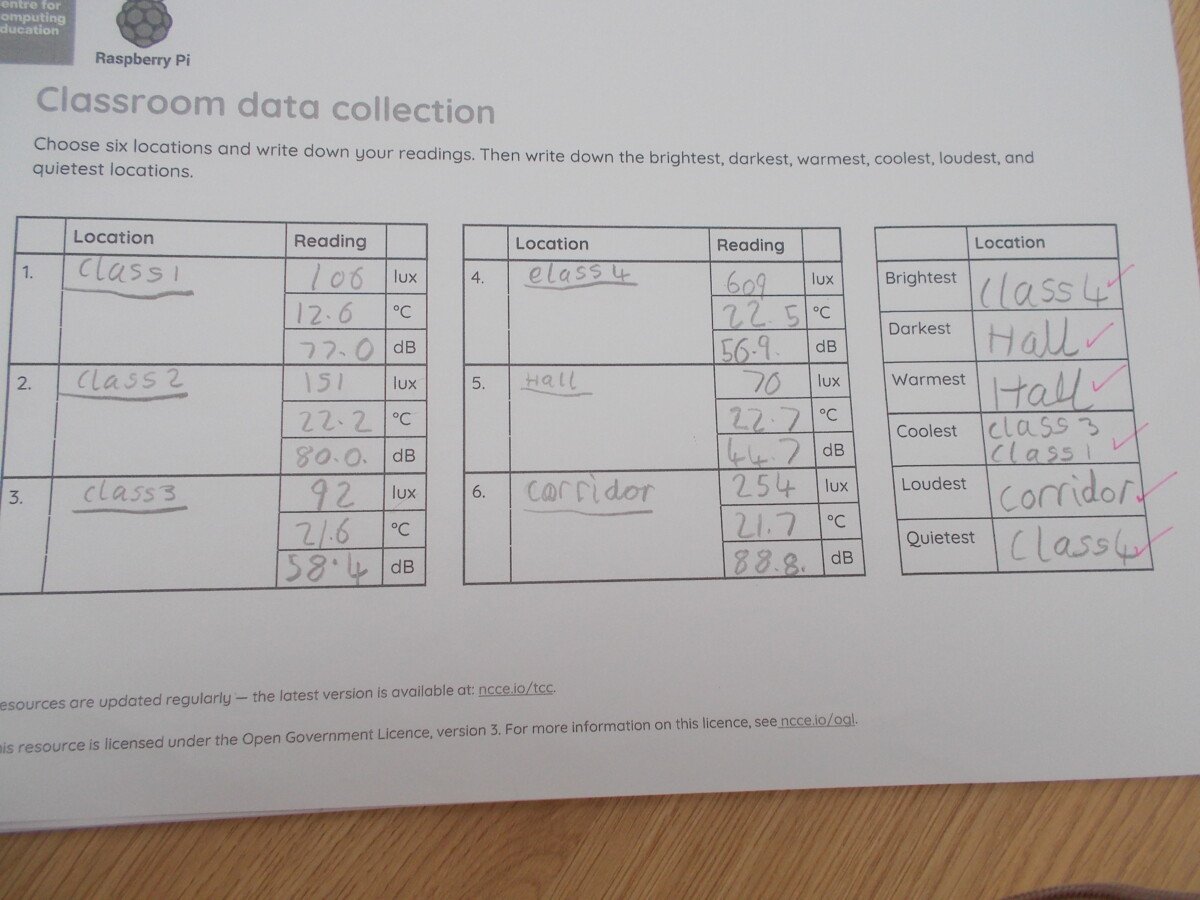
Class Three have been very busy learning about sound. We have looked at a variety of musical instruments and identified how the sound was made. We now know all about vibrations! We used the drums and rice to investigate the link between the noise level and the vibrations. We concluded that the louder the noise the greater the vibrations. In computing we are learning how to use data loggers and this has proved very useful in our science lessons. We have investigated sound levels around school at different times of day and also in different locations. We discovered that Class Three was nearly the quietest place in school! We will continue with our sound topic and the next step is to learn about how we hear sounds. There are lots more experiments to come.


Super Science

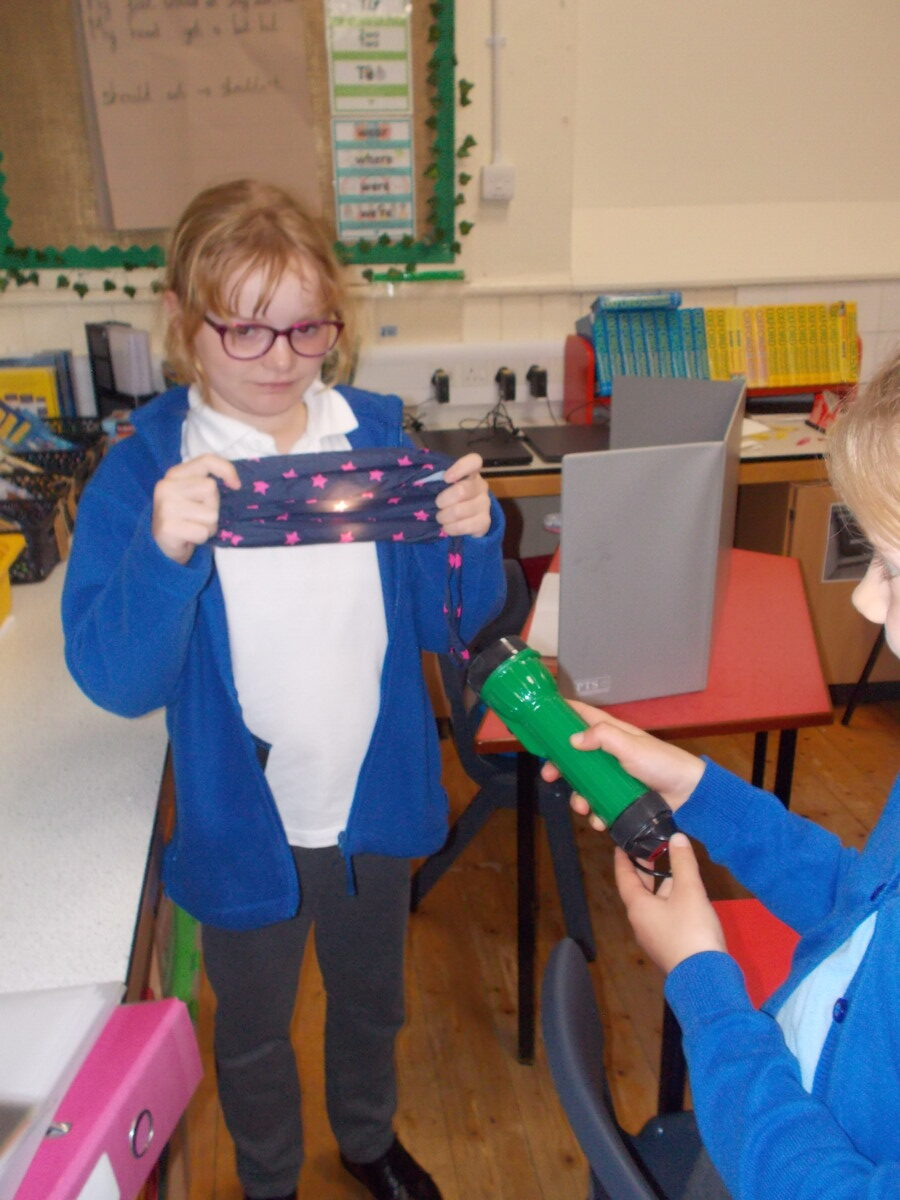
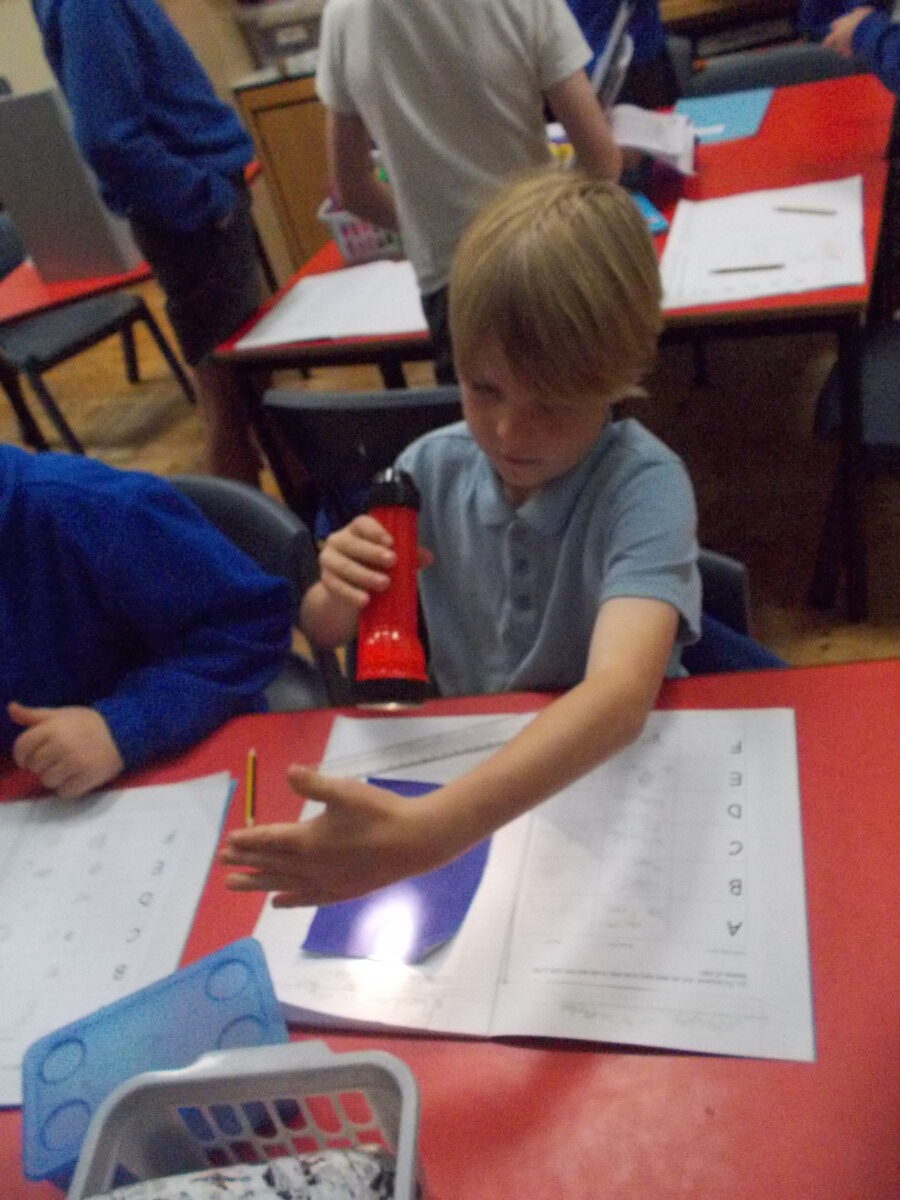
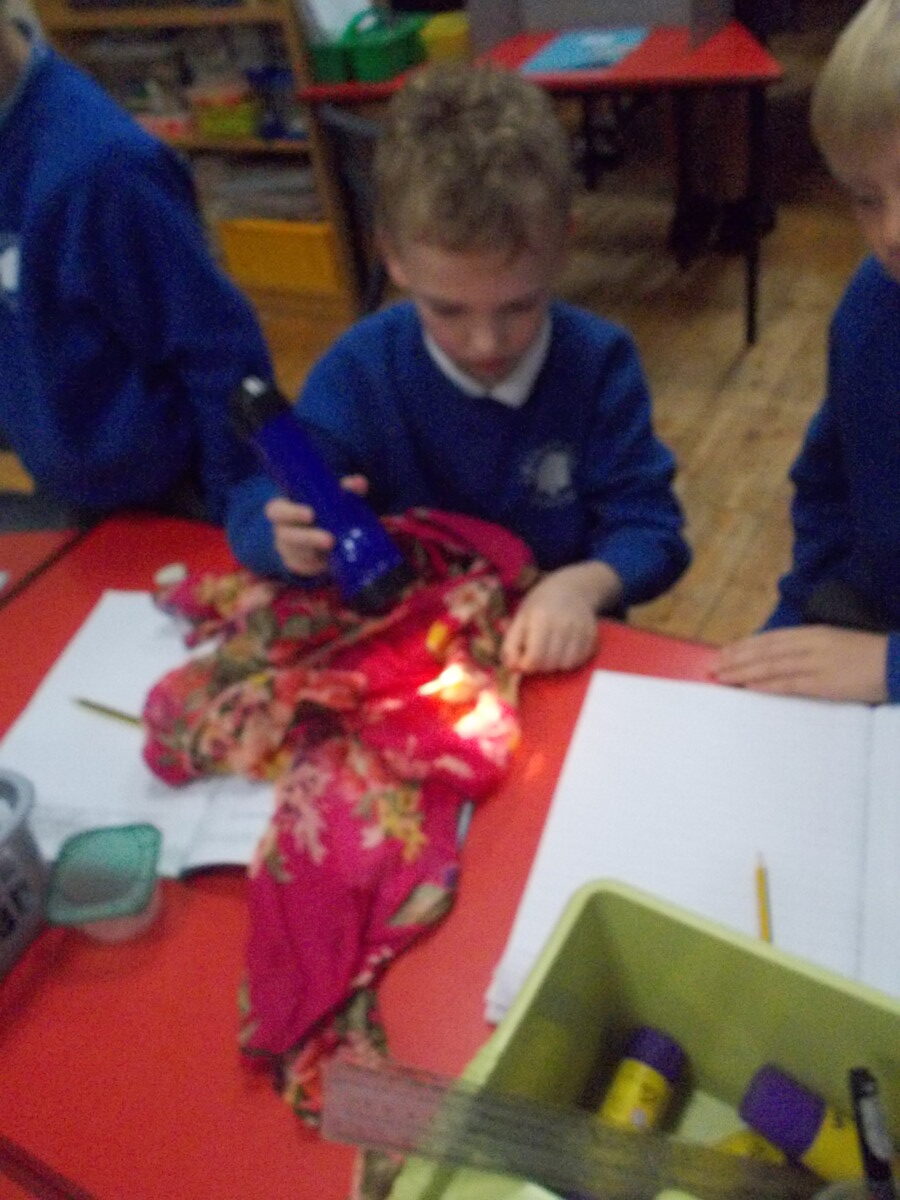
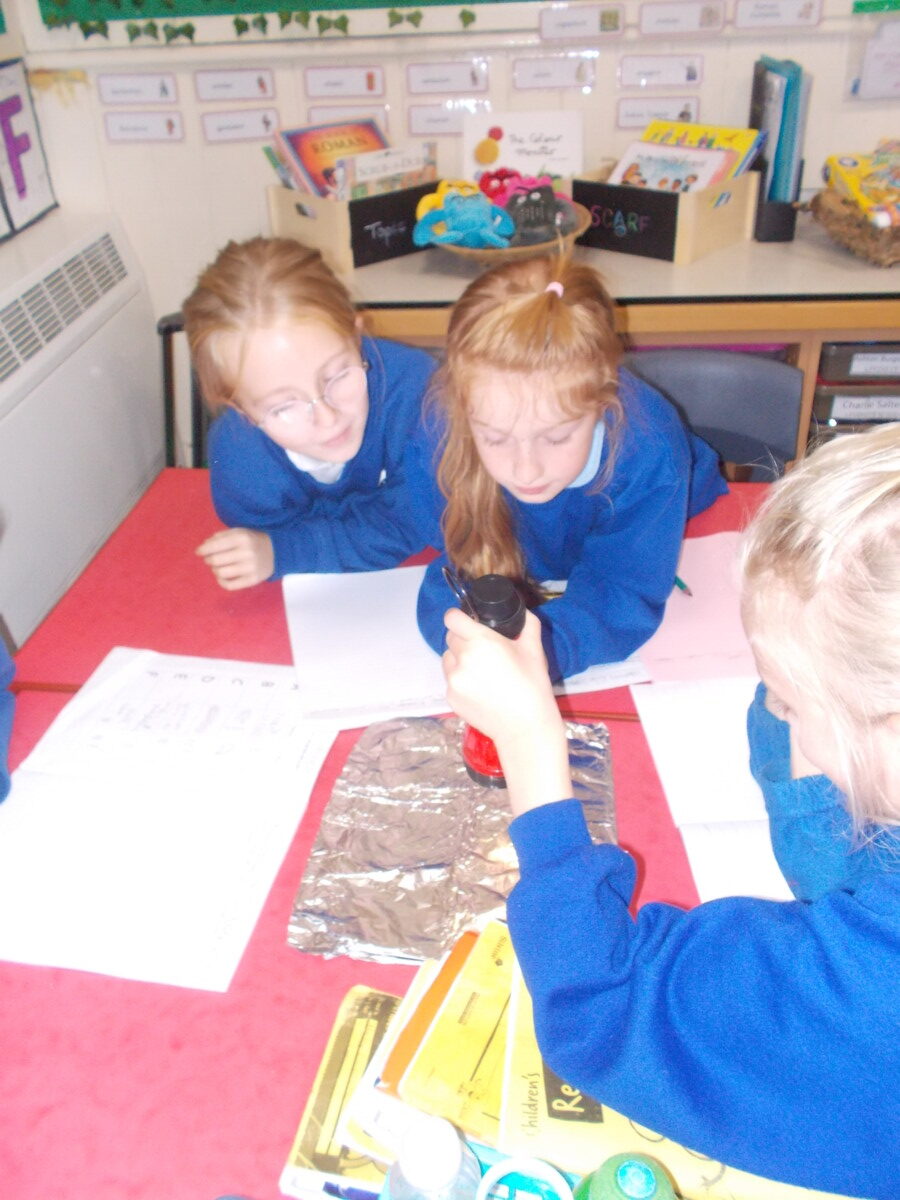
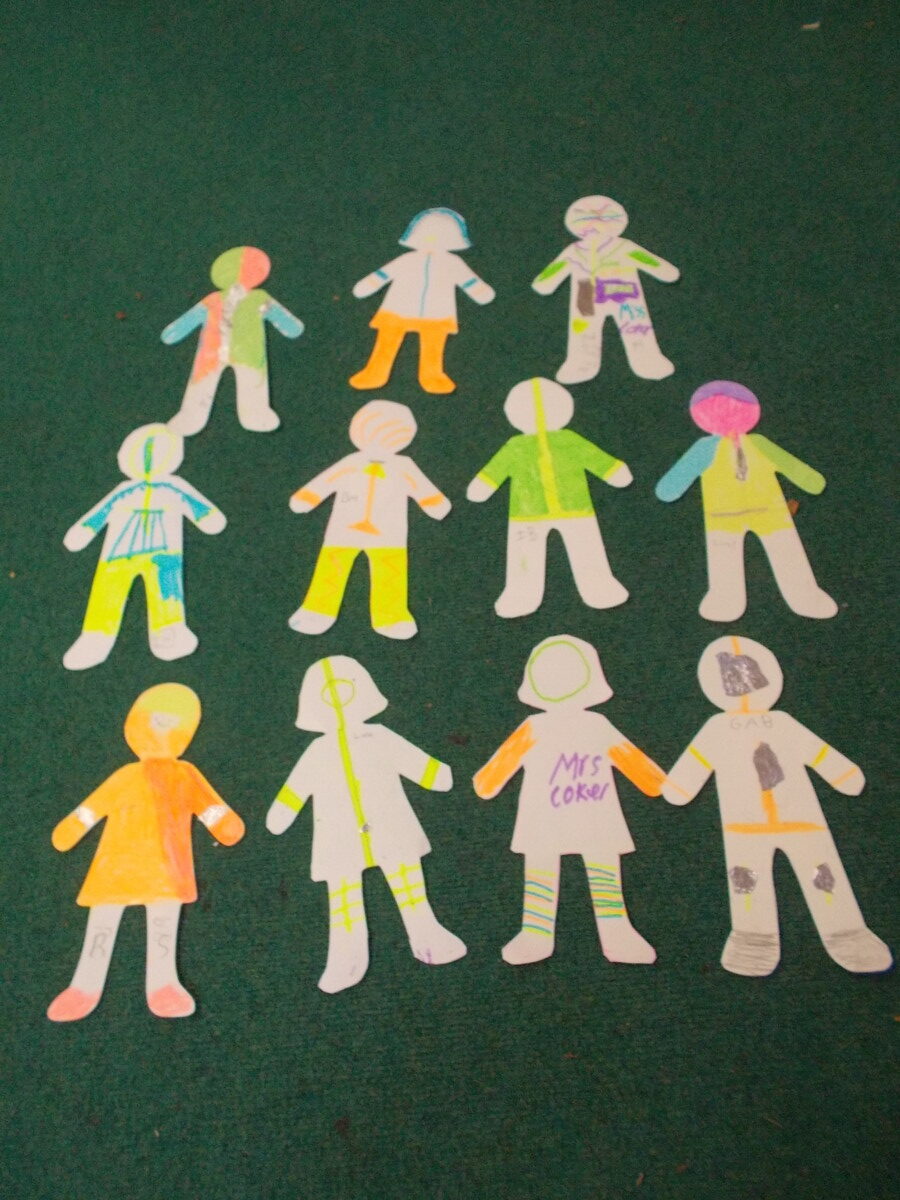
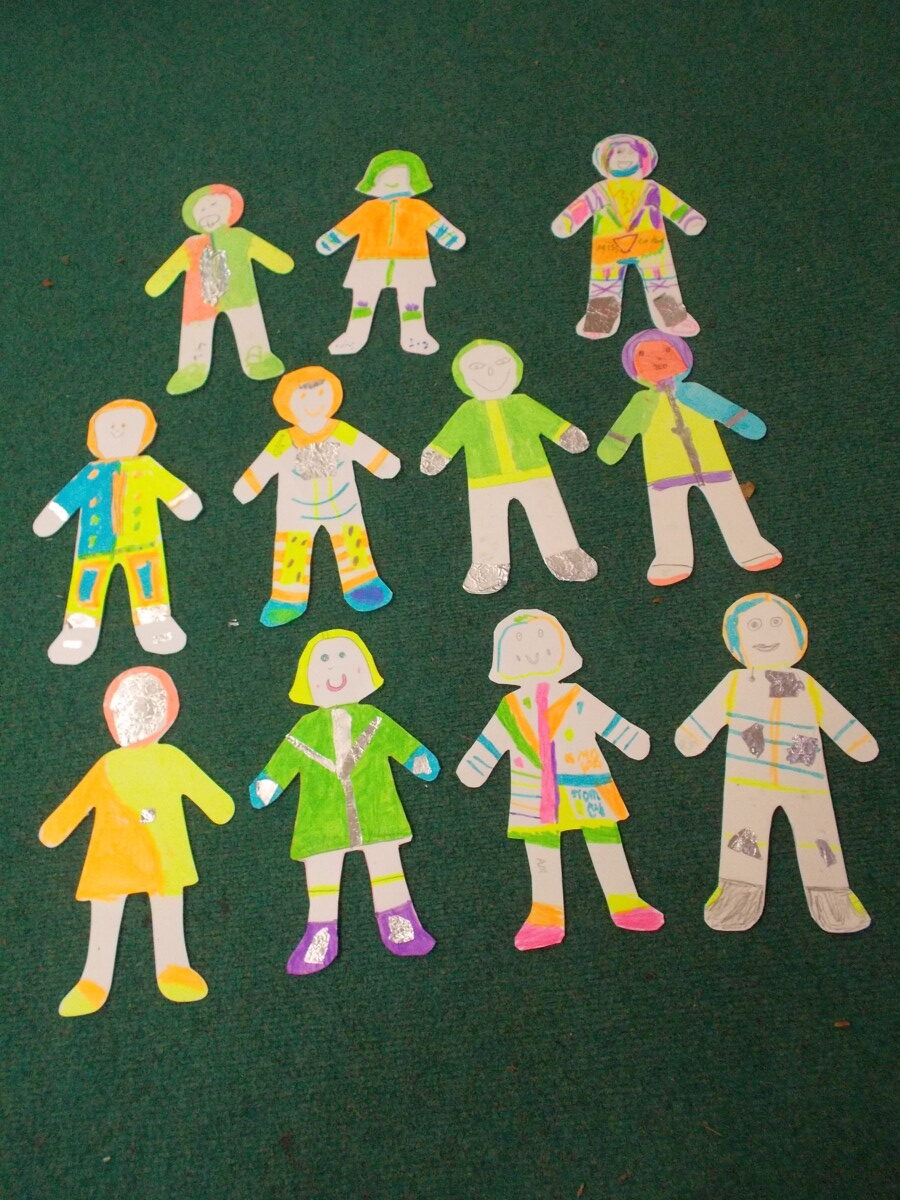
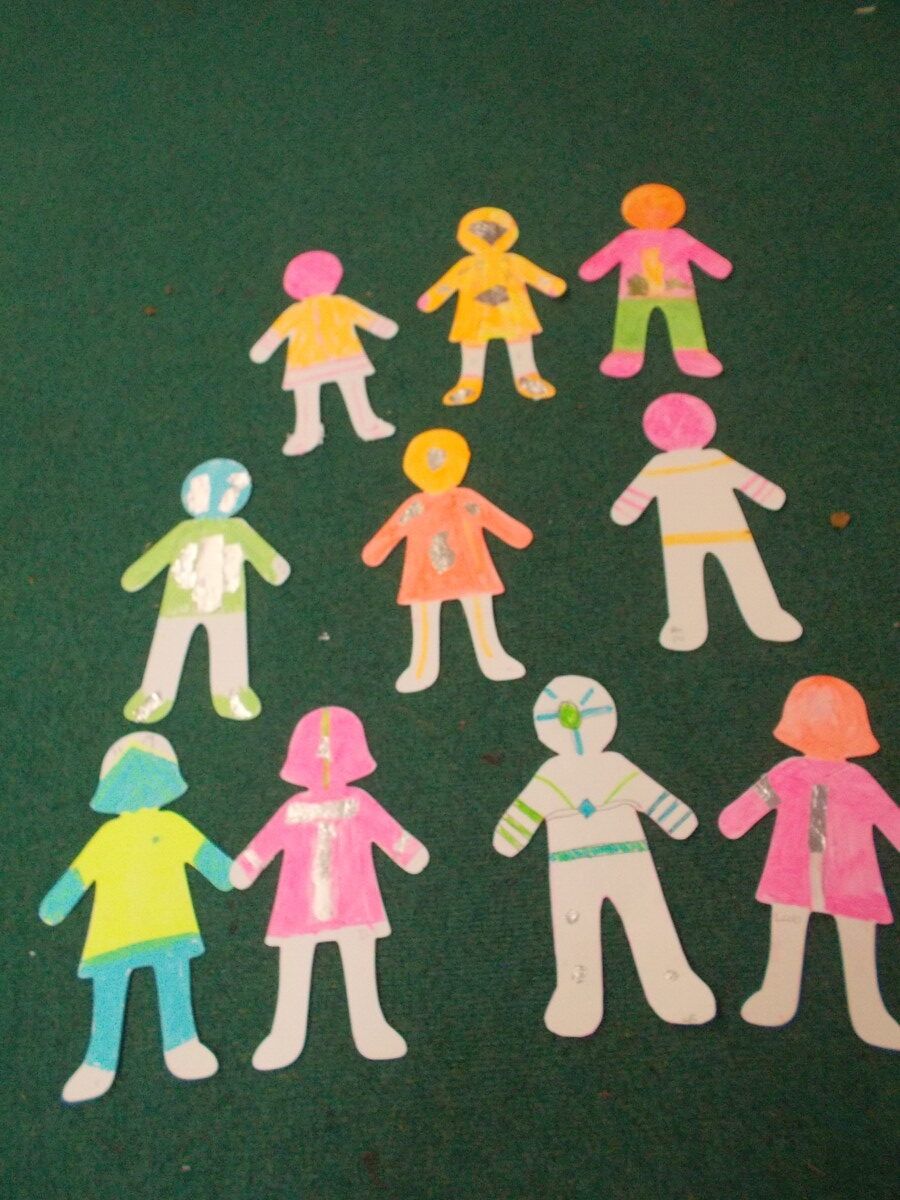
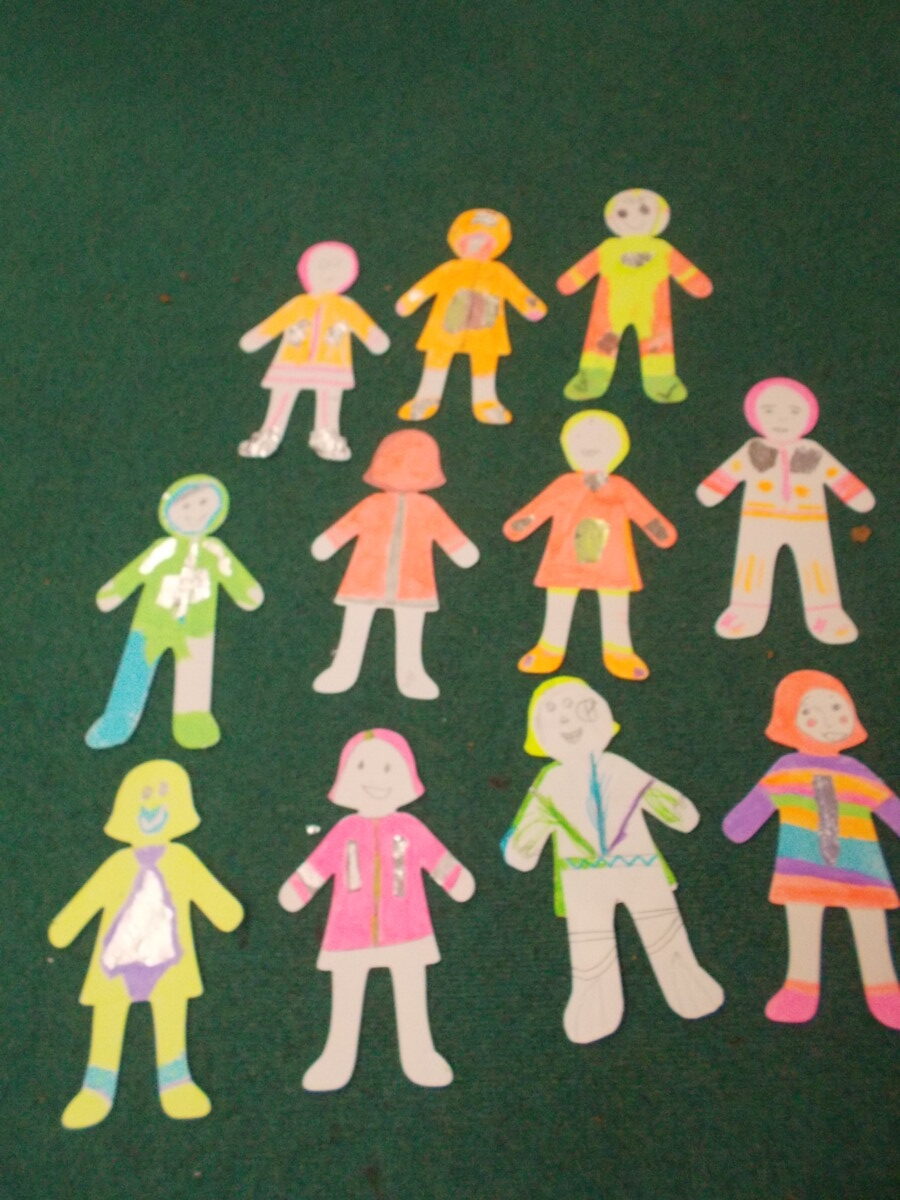
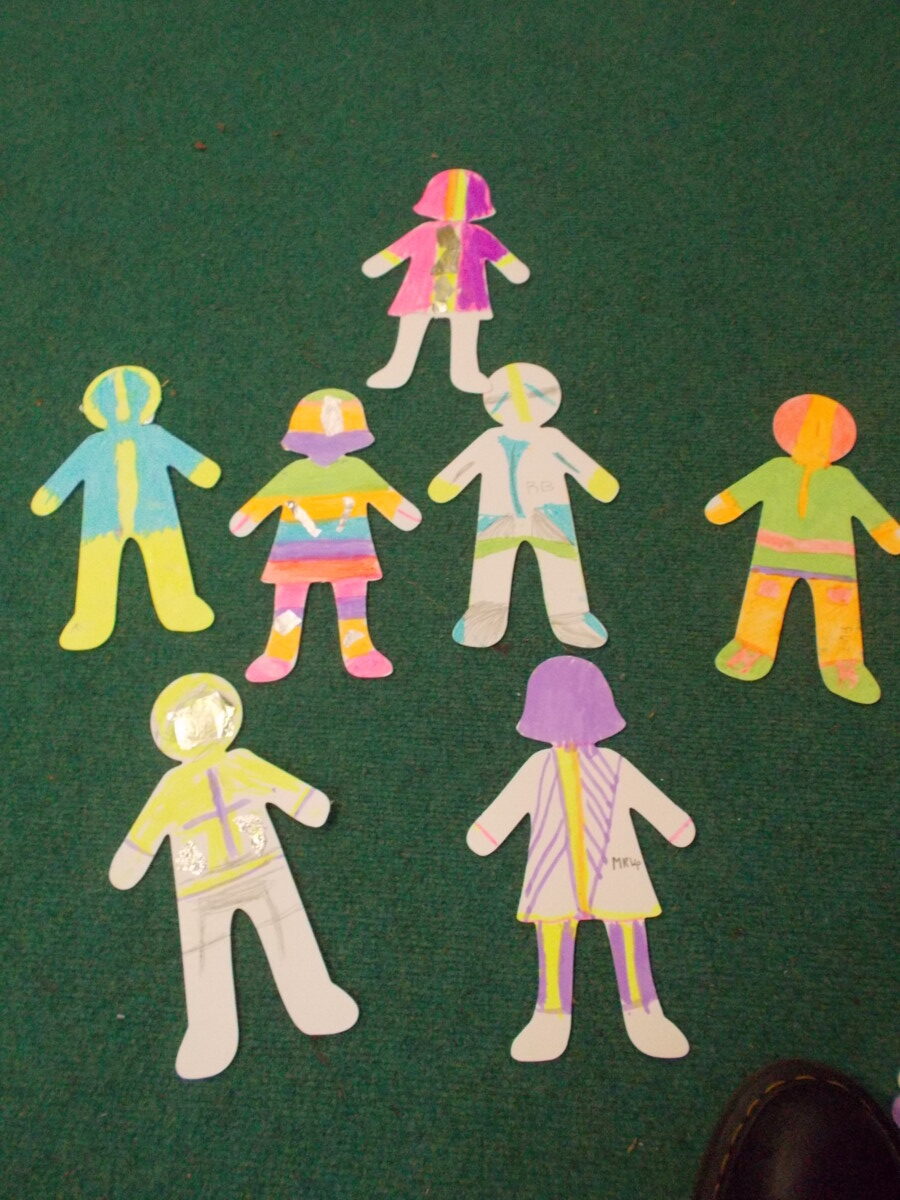
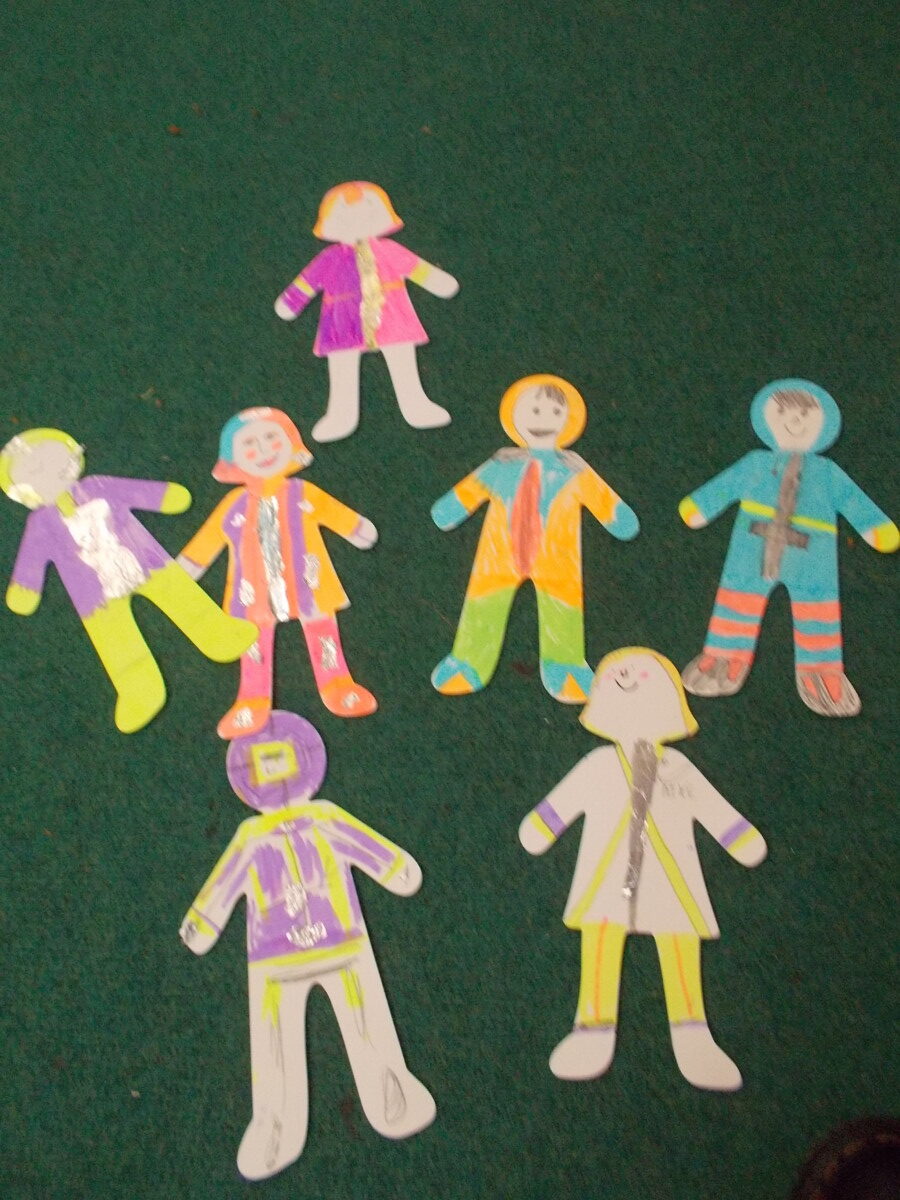
As part of our topic on light we have been learning all about reflective materials. Class Three tested different materials to see if they reflected or absorbed light. They used this knowledge to design a new running jacket for Mrs Coker to keep her safe. I think you will agree the designs look fantastic! The children were all very enthusiastic and have continued to point out reflective materials as they see them.


Fantastic Fossils!

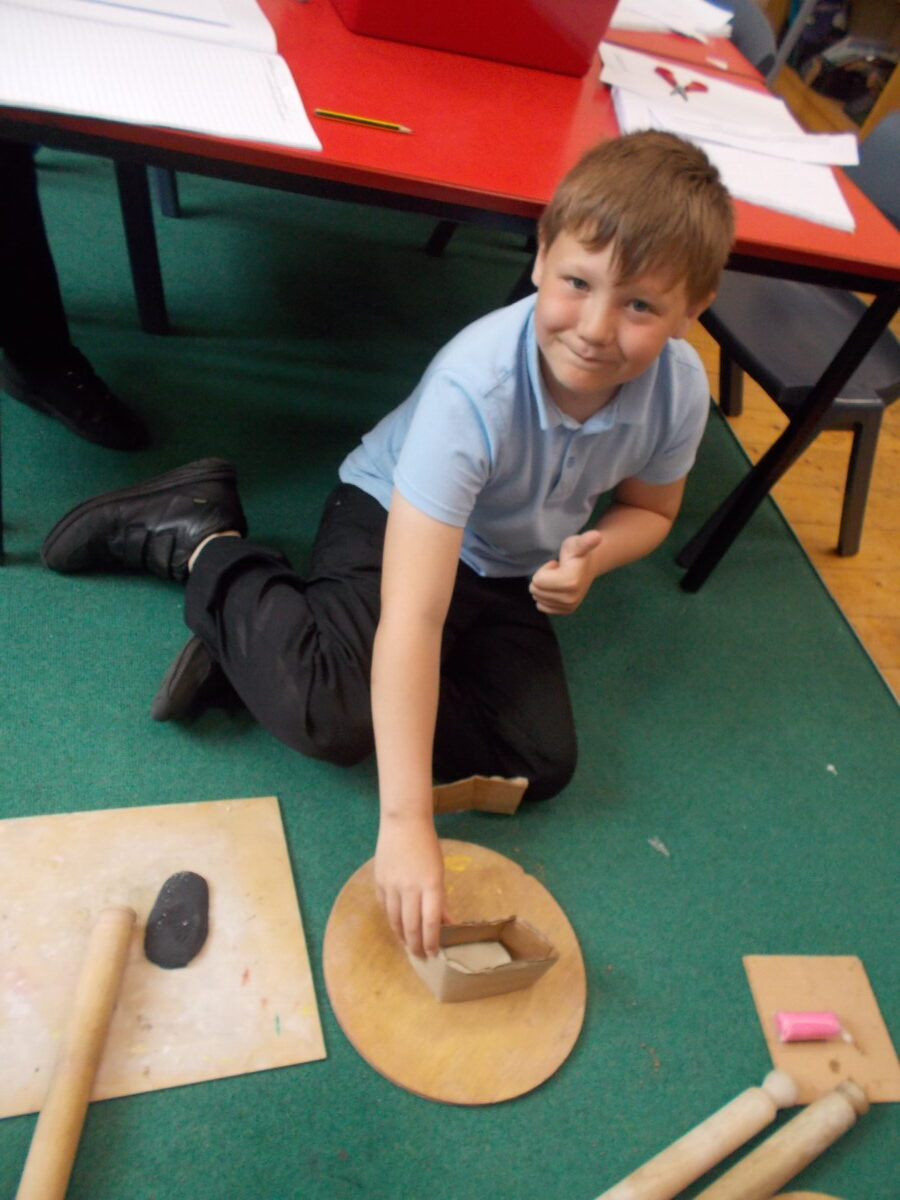
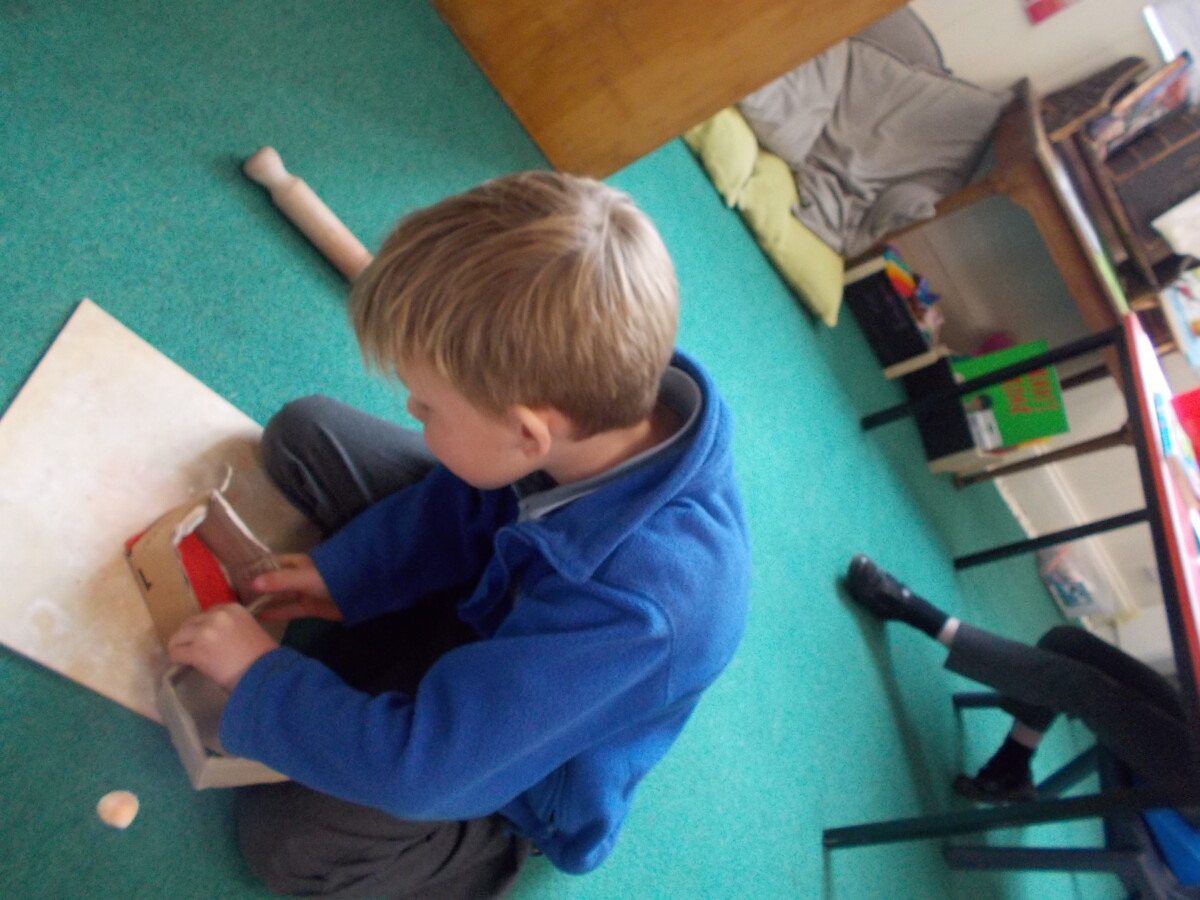
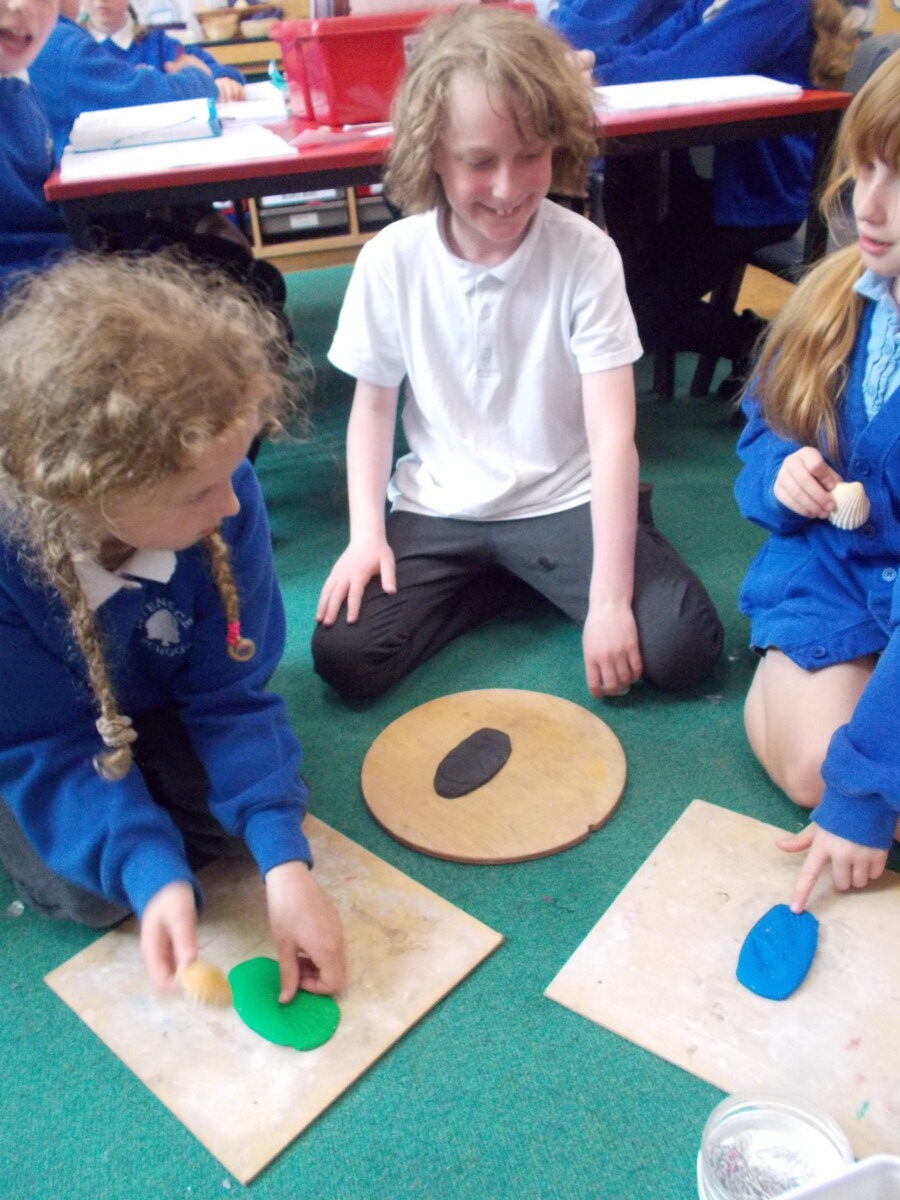
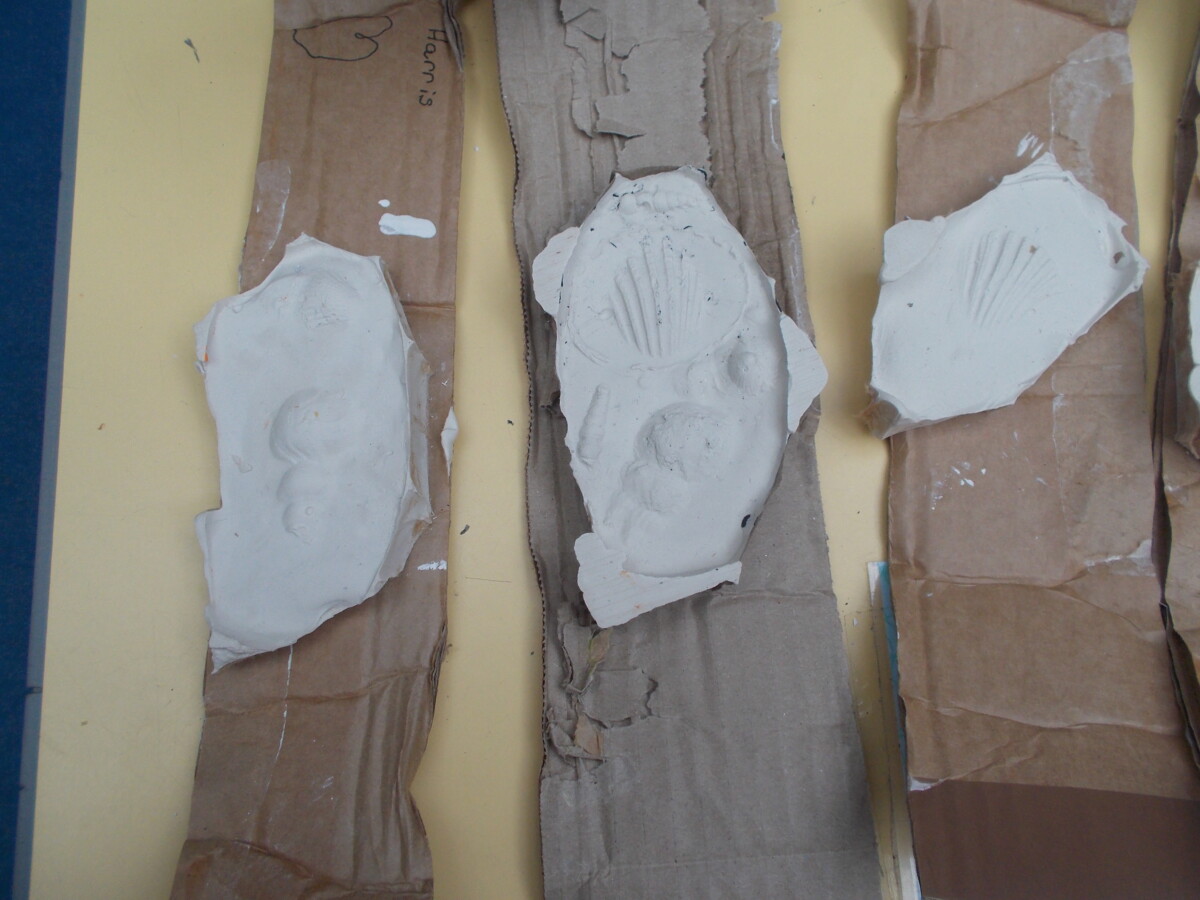
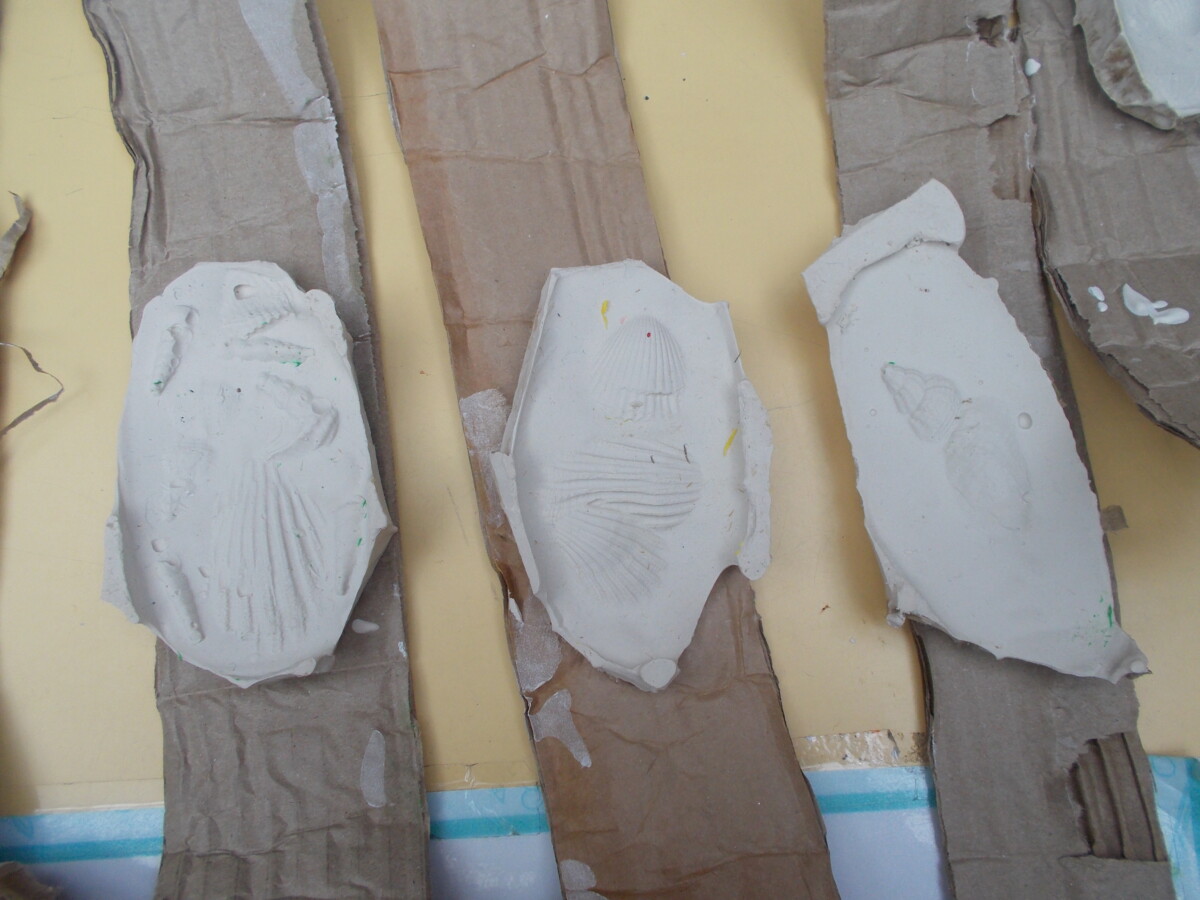
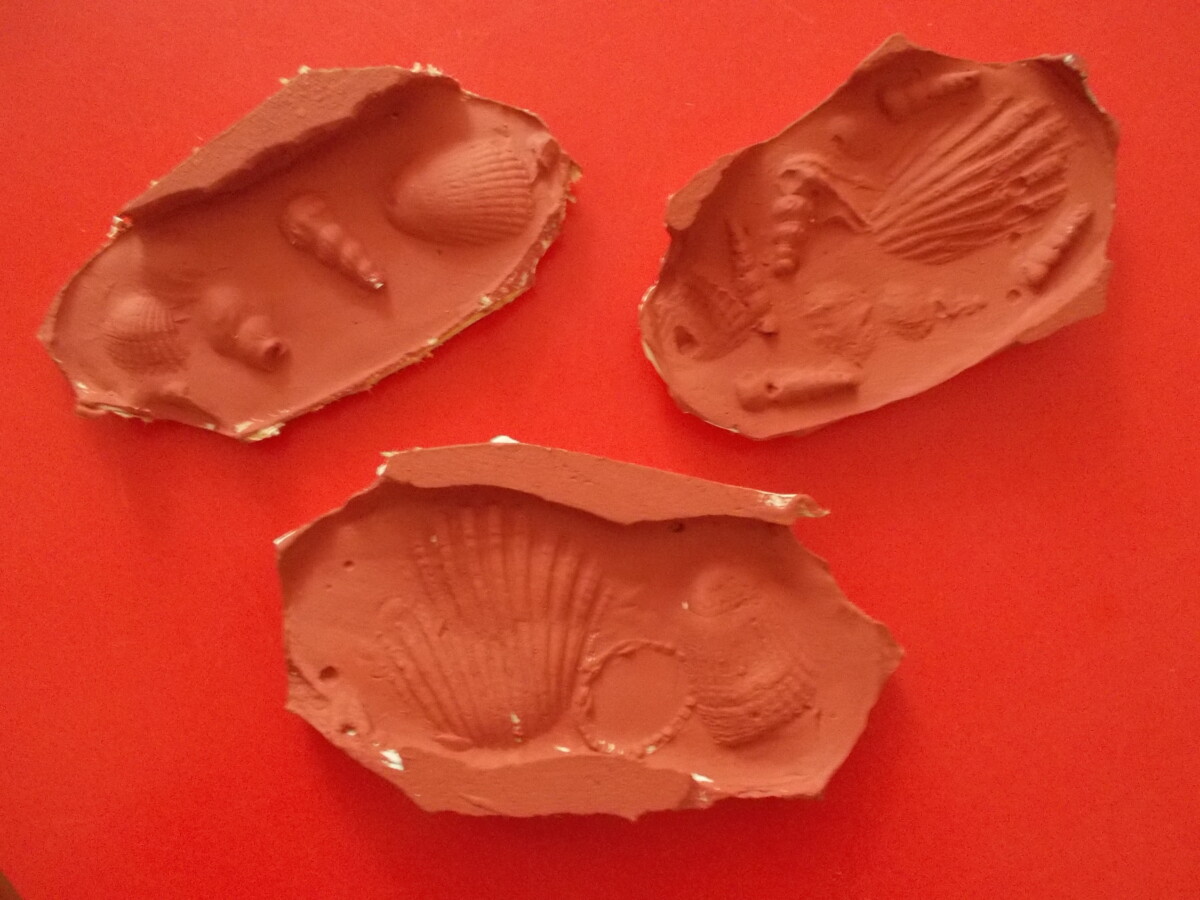
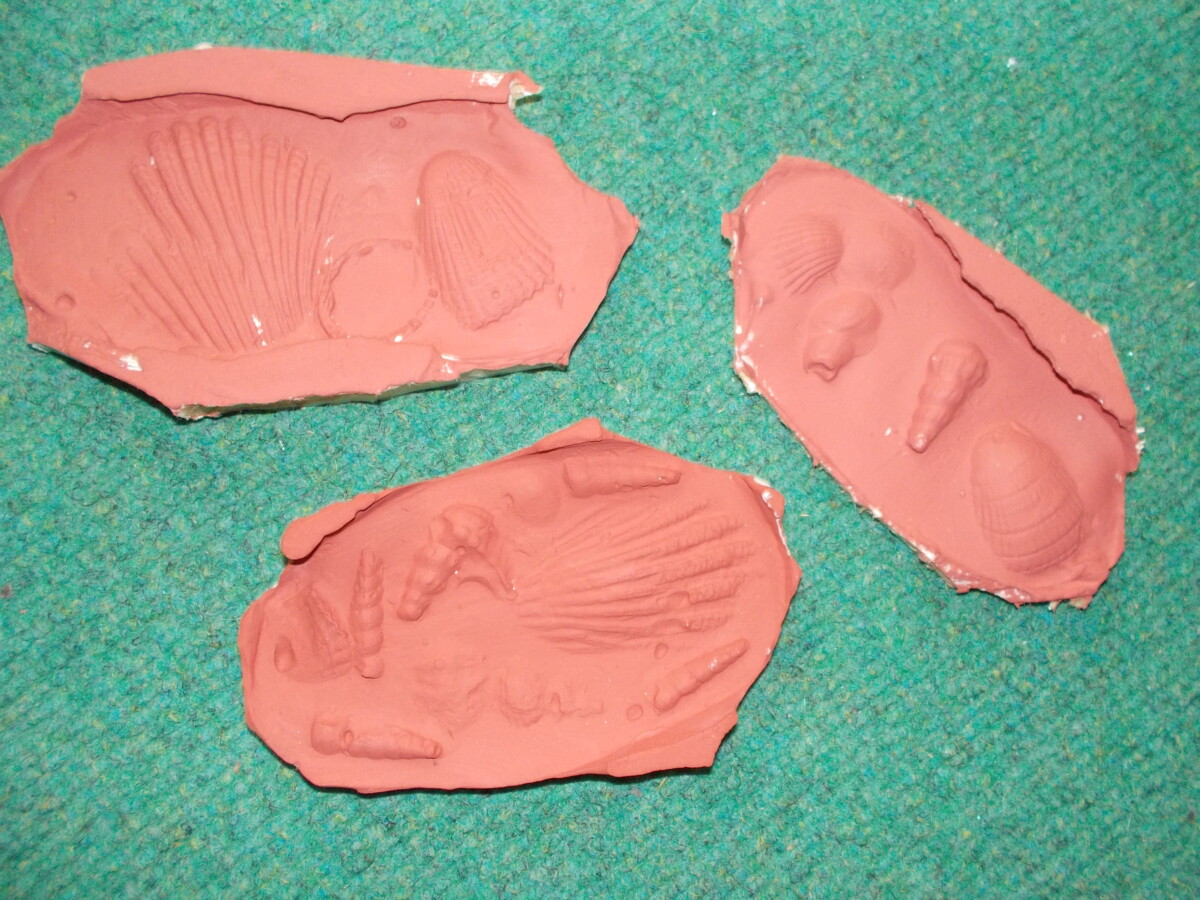
Class Three have continued to learn all about rocks and soils. We have learnt how fossils form and about the work of Mary Anning. We made our own fossils by creating a mould using plasticine then filling this with Plaster of Paris. We finished then off by painting the set plaster. Don’t they look amazing!


Salty Science

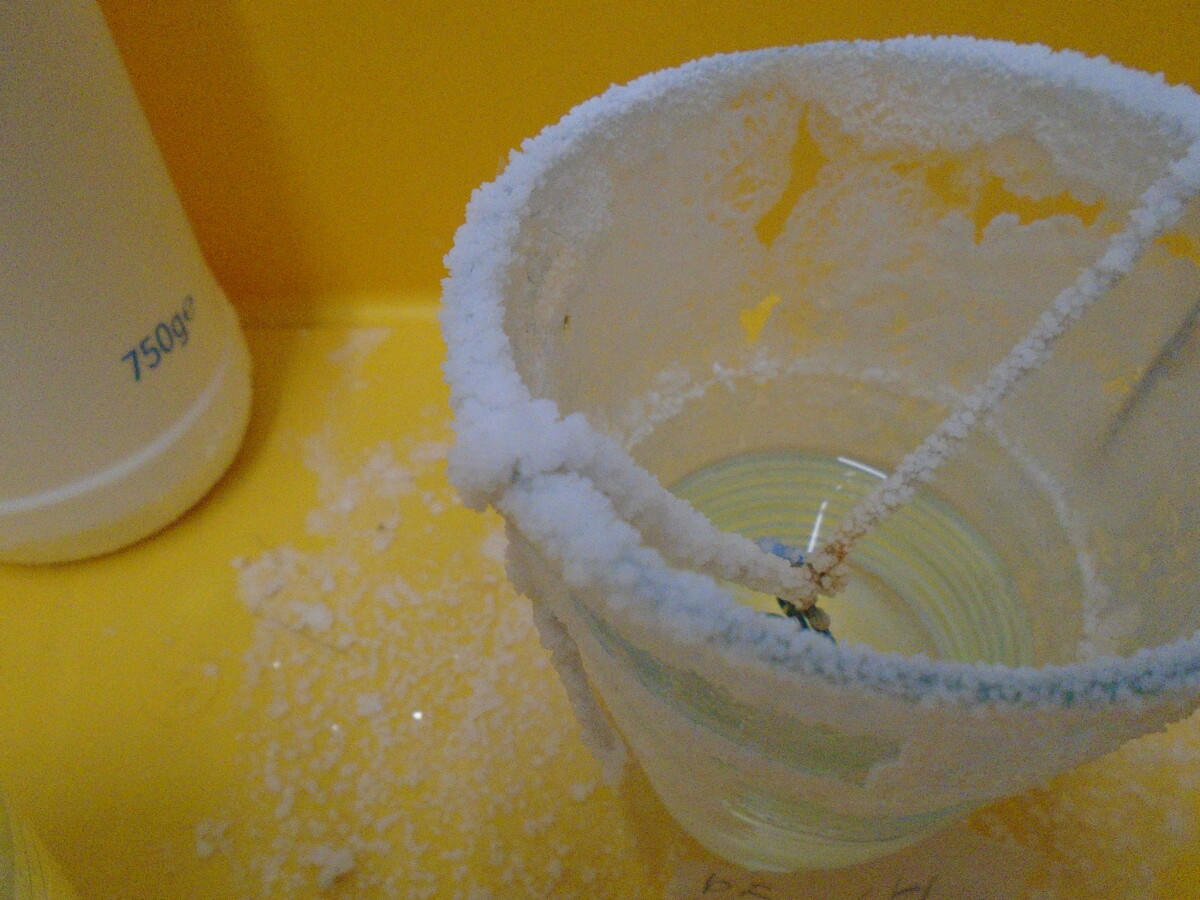
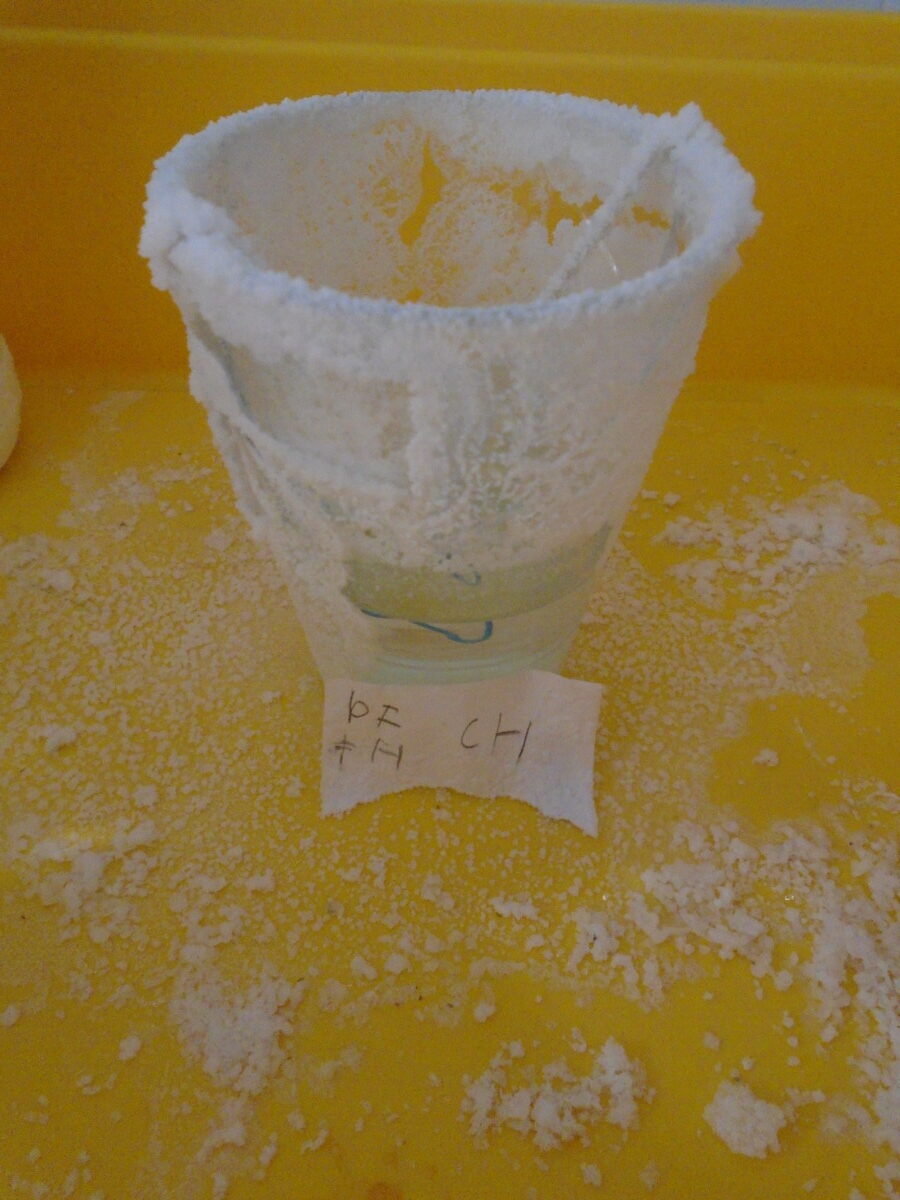
Before the break, Scafell began an experiment to see if they could grow Salt crystals in the classroom. We explored substances which dissolve, and then asked the question “how can we get it back?”

Dissolving salt into water, we then watched and waited as, over time, the water slowly evaporated. As it did so, the salt we dissolved in was left behind!

We did have some unexpected results as the salt crystals formed on the outside of the glass instead of the string as we’d expected, but we certainly got a lot of crystals forming!


Reception go wild!

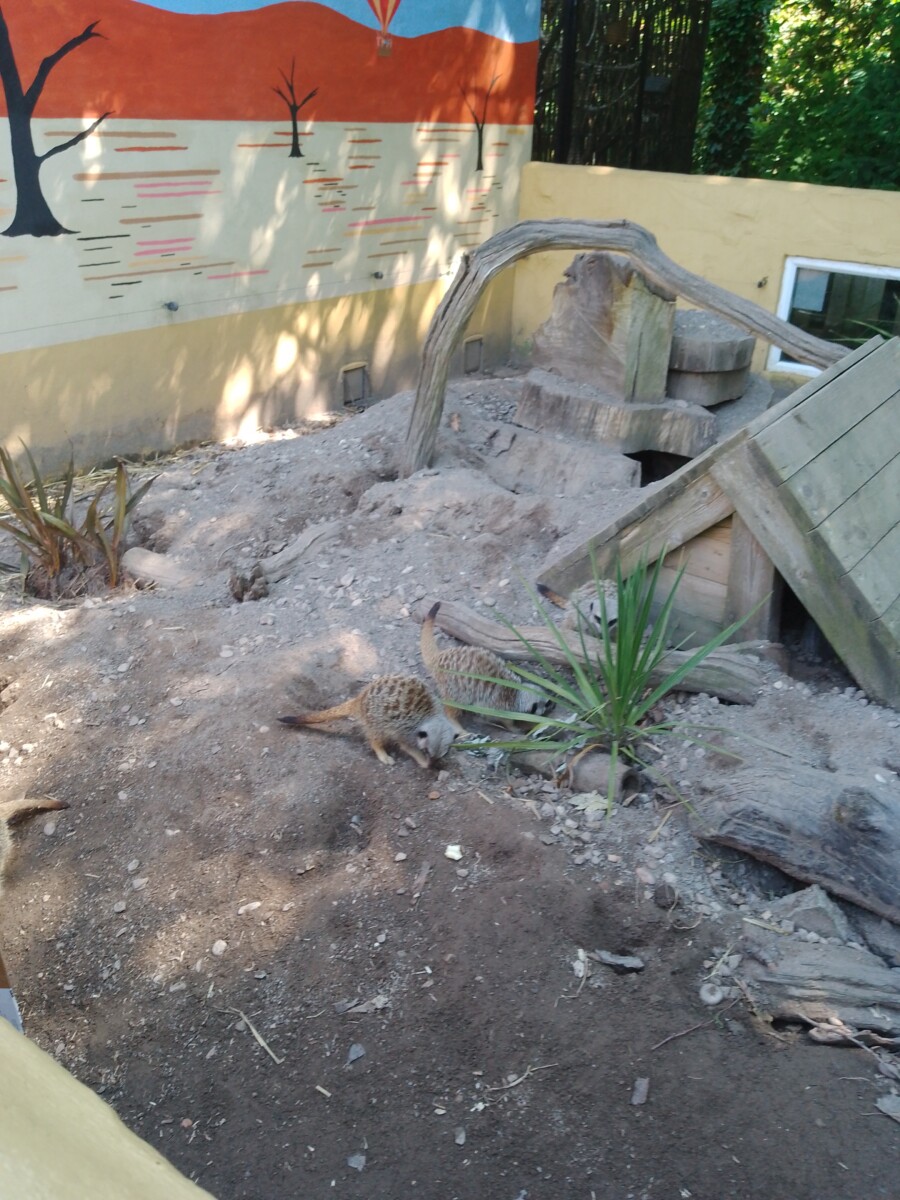
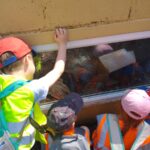
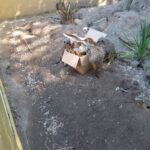
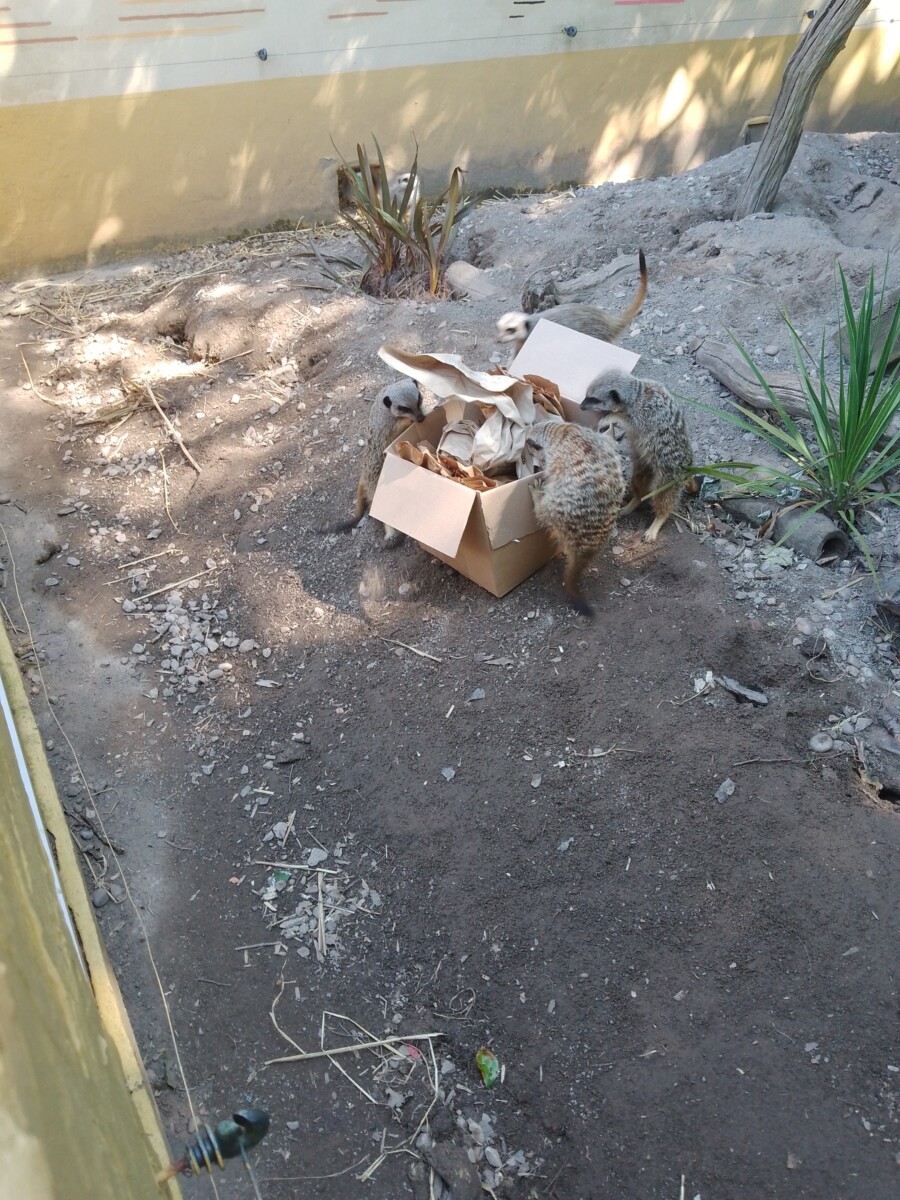
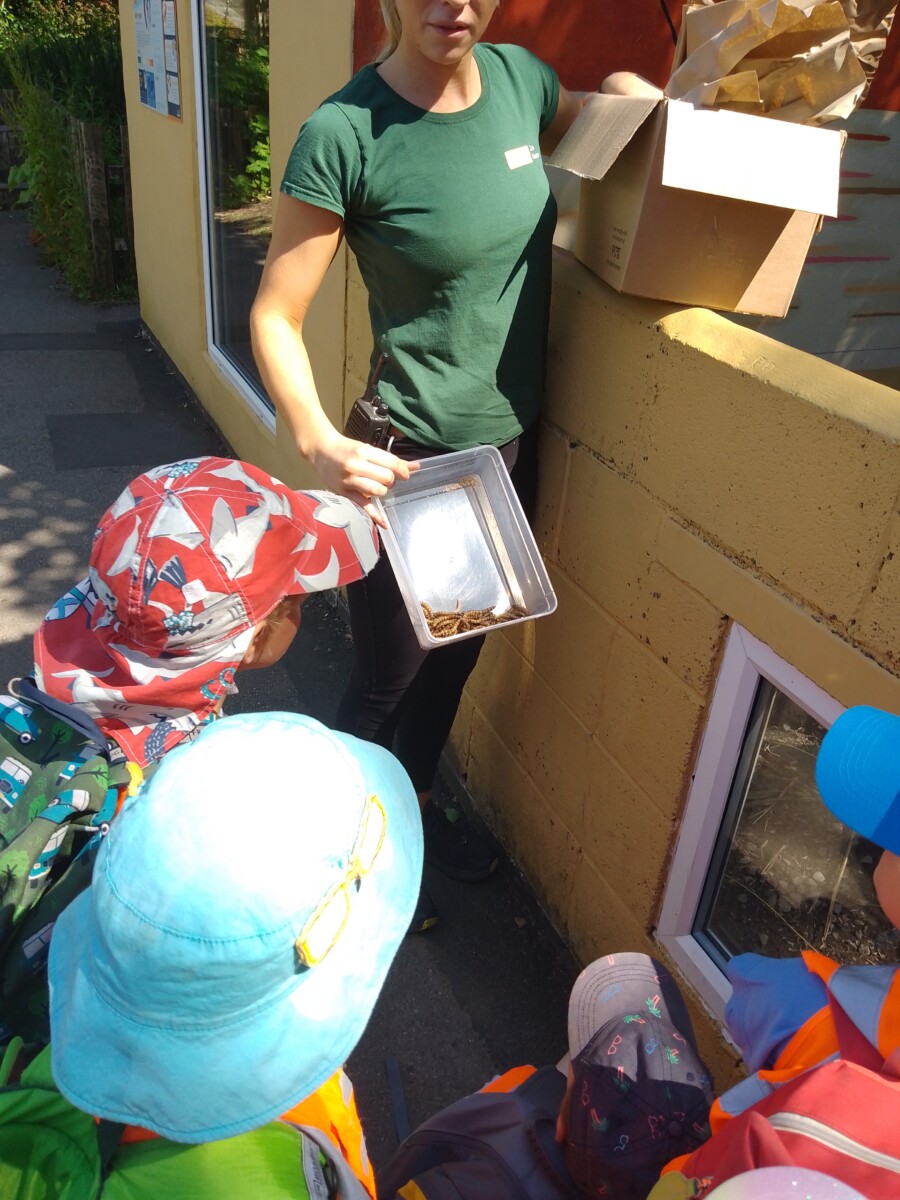
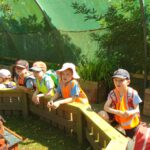
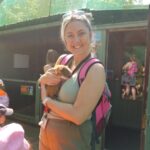
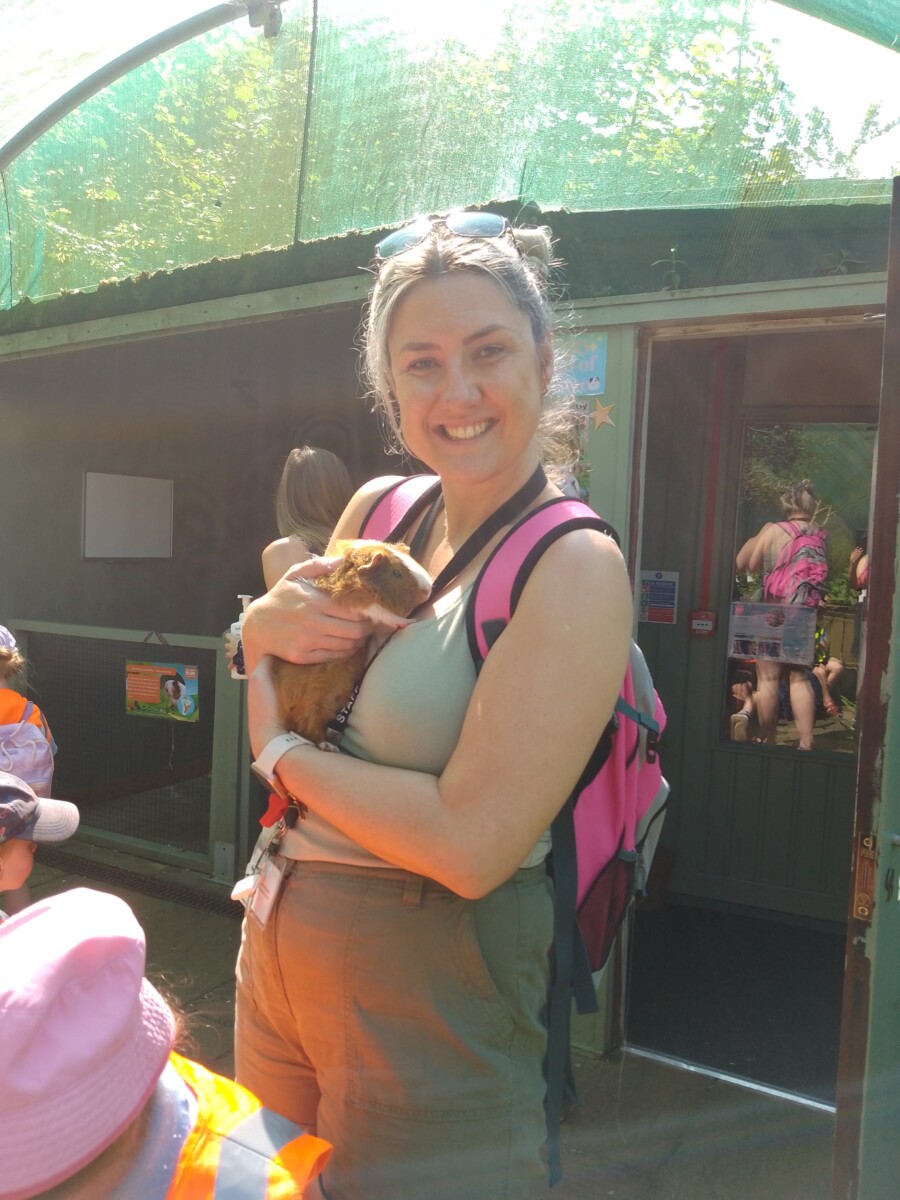
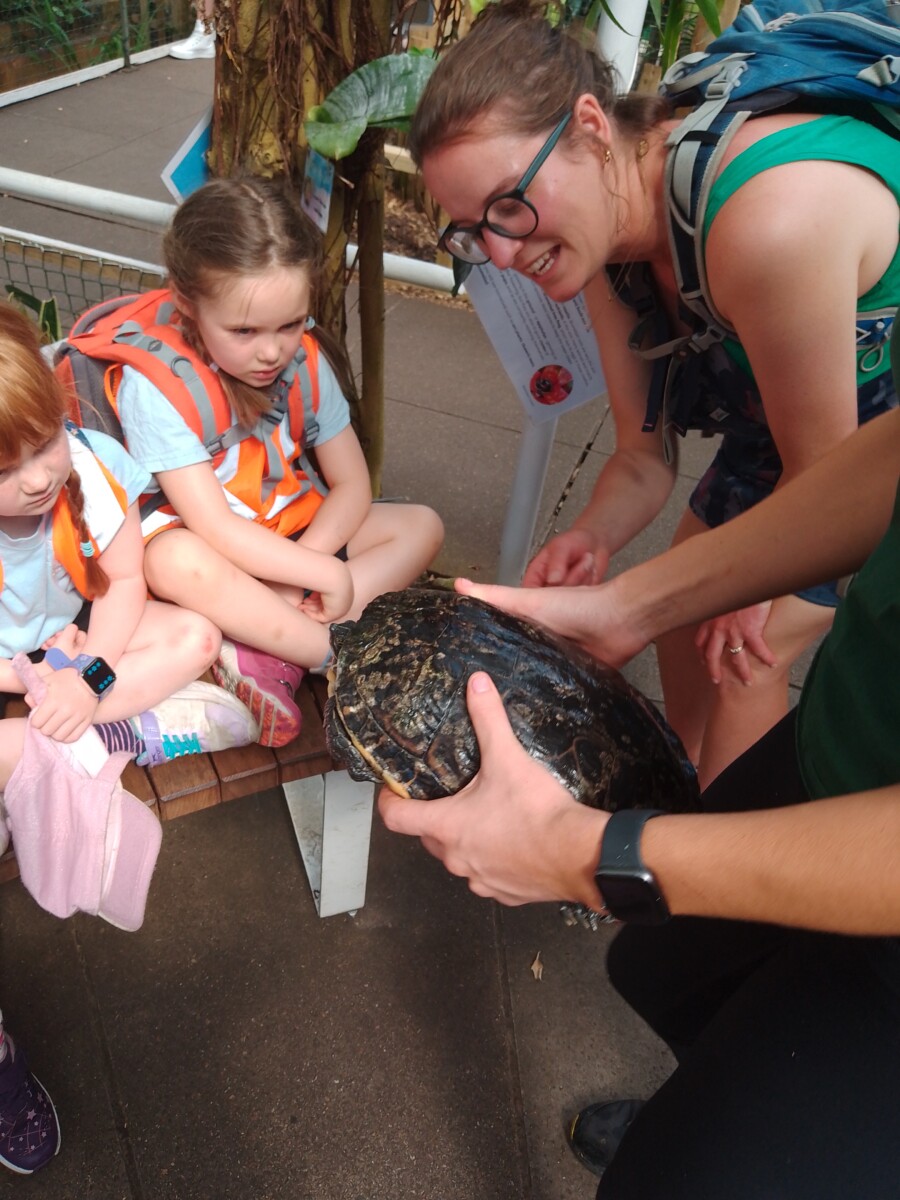
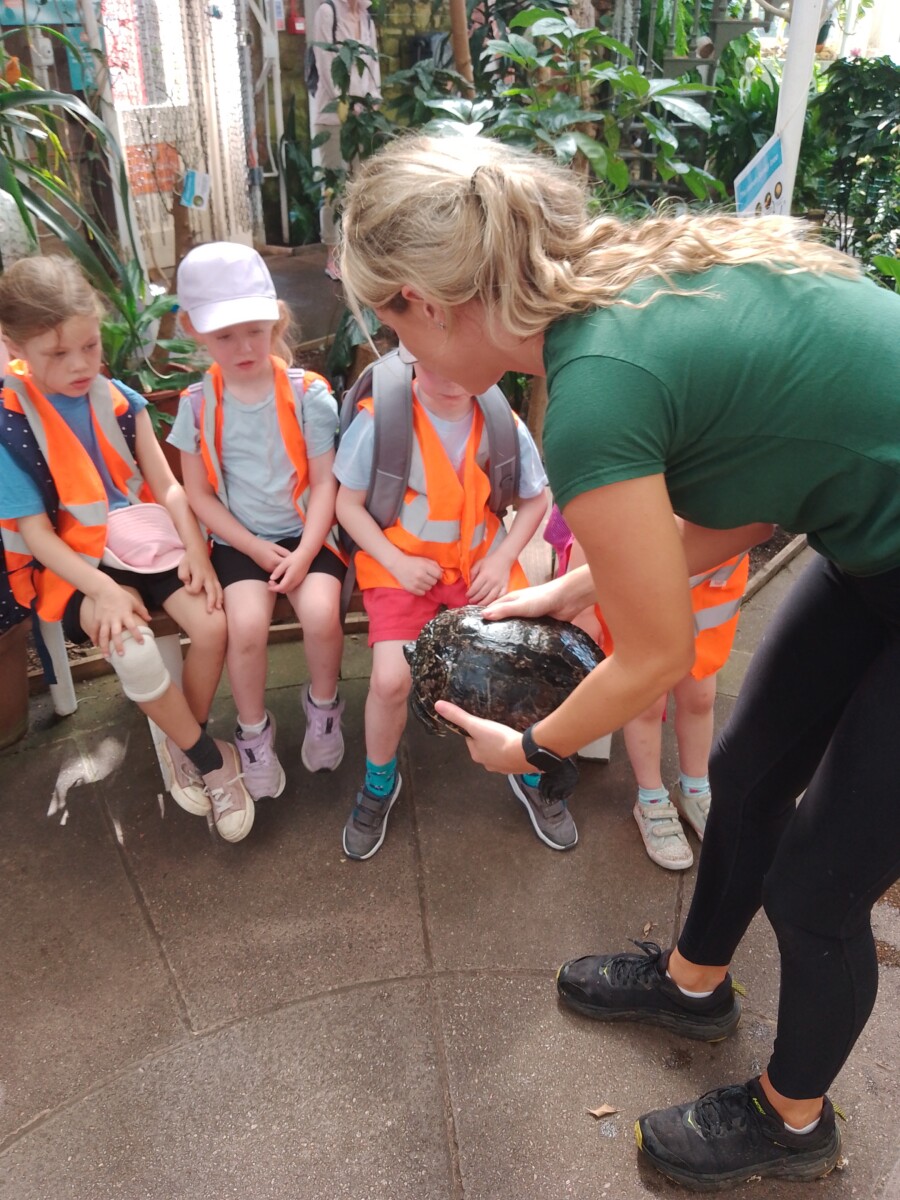
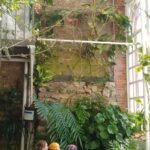
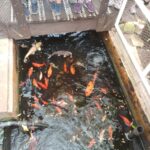
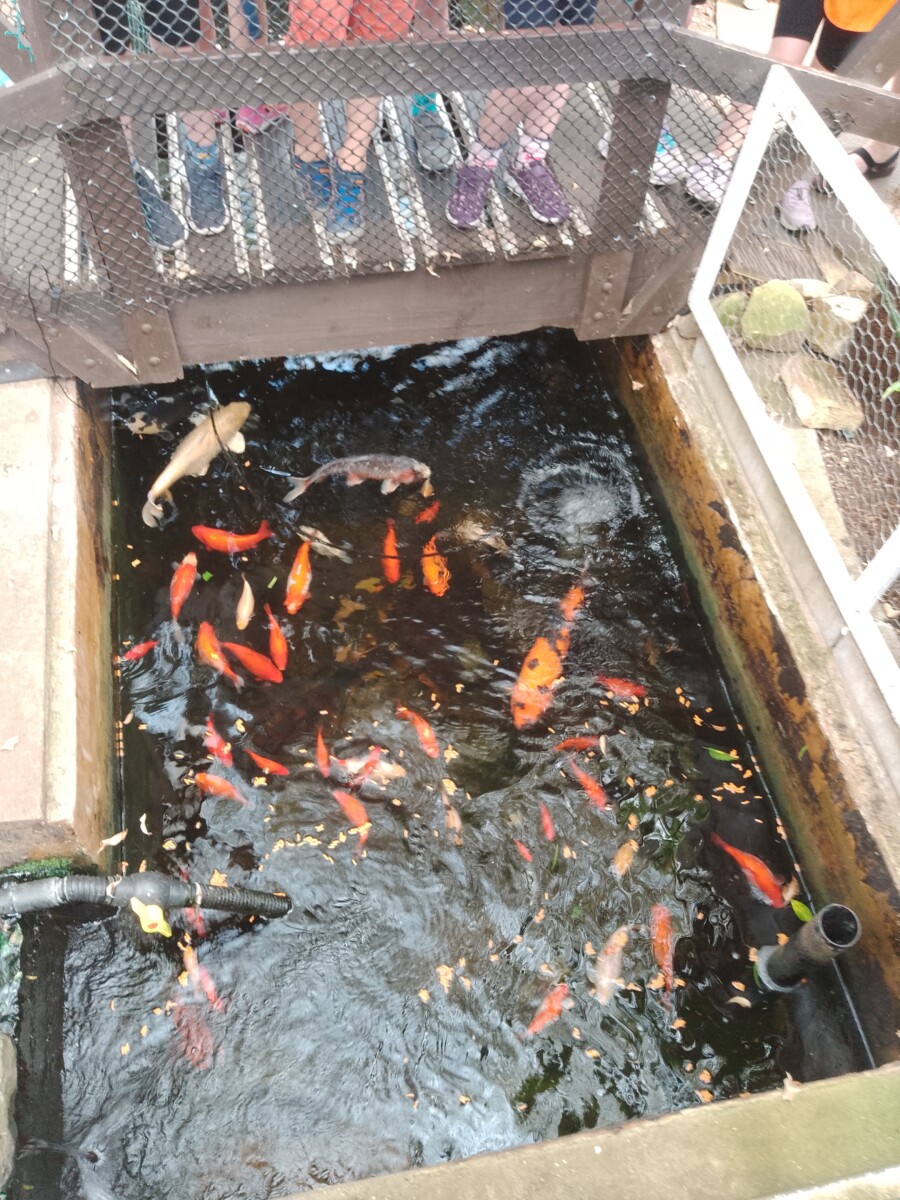
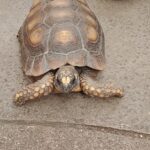
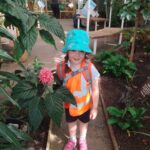
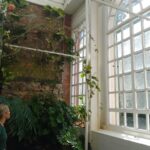
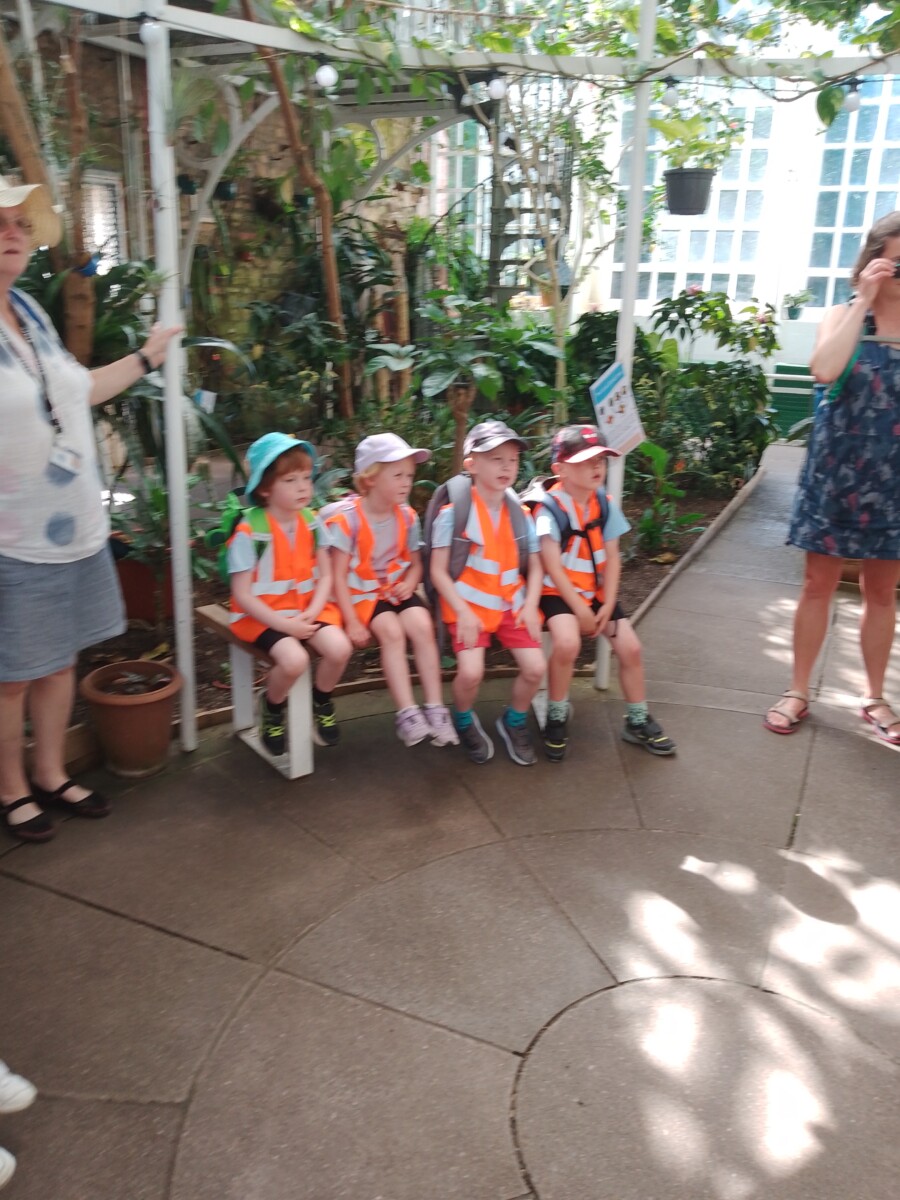
Reception have had a wonderful time at the Wildlife Oasis in Milnthorpe today. We enjoyed learning about some less well-known creatures and their habitats. The first workshop was about conservation and fitted in nicely with our topic about Sir David Attenborough. We learnt about the habitats of stick insects, millipedes and the fascinating leaf insect! All these animals originate from the Amazon Rainforest and we thought about why they were suited to this habitat. A tower of Jenga blocks all being removed at the same time was a great visual representation of what might happen to these animals when the trees in the rainforest are cut down. A second game of Jenga, which involved replacing blocks as well as removing them, showed us how planting a tree for each one that is cut down can help sustainability. We also learnt about everyday products which come from the rainforest and were very surprised at some of them! We then enjoyed getting up close to a blue tongued skink, leaf cutter ants, meerkats and lemurs to name just a few!