Levens School


Courageous Advocates for the Planet

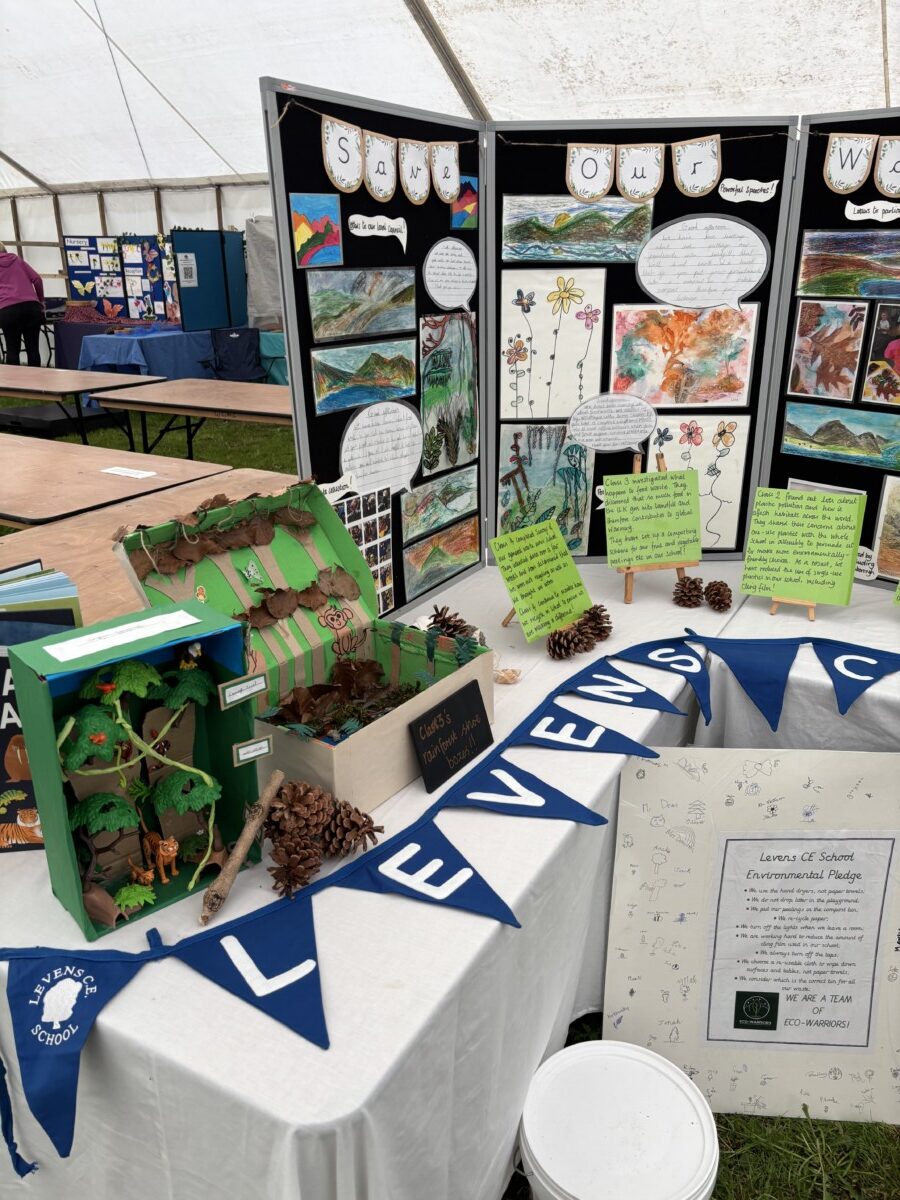
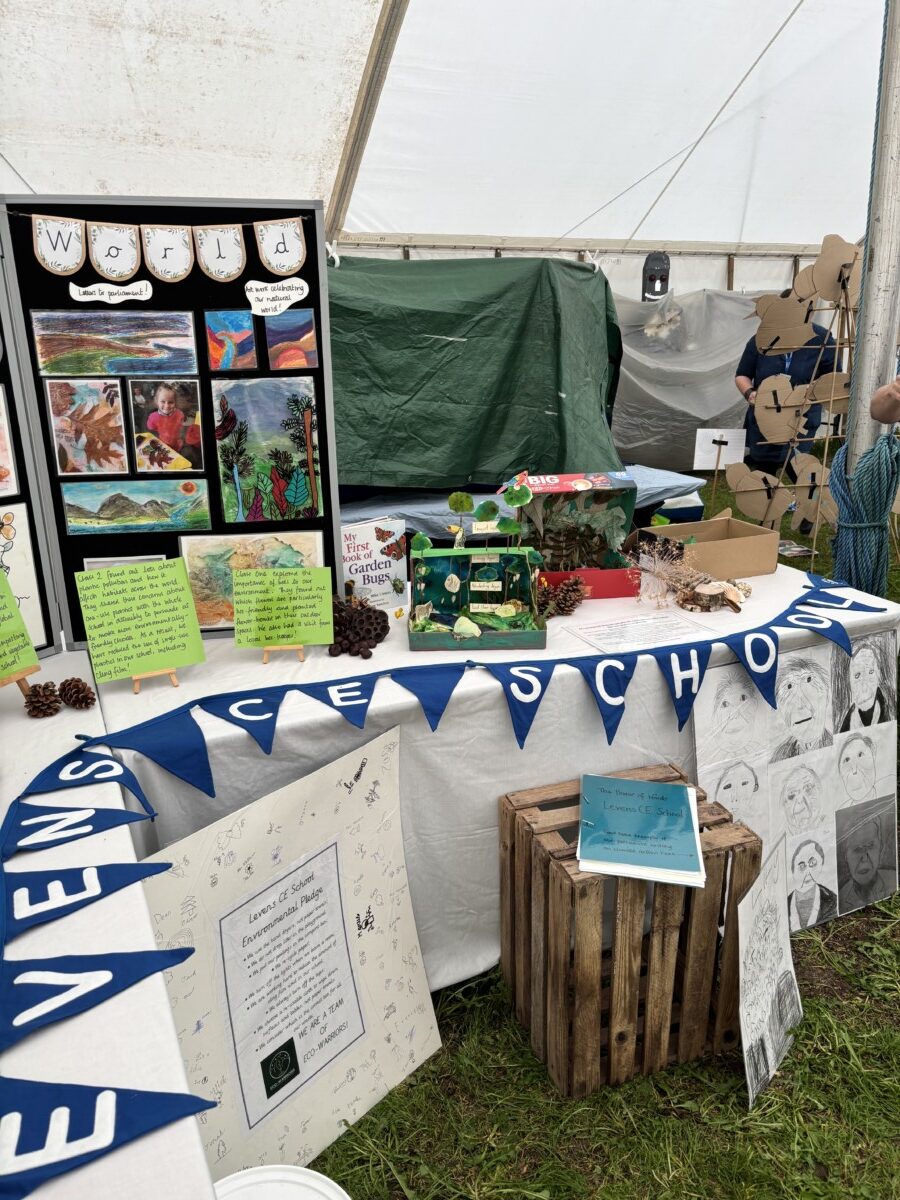
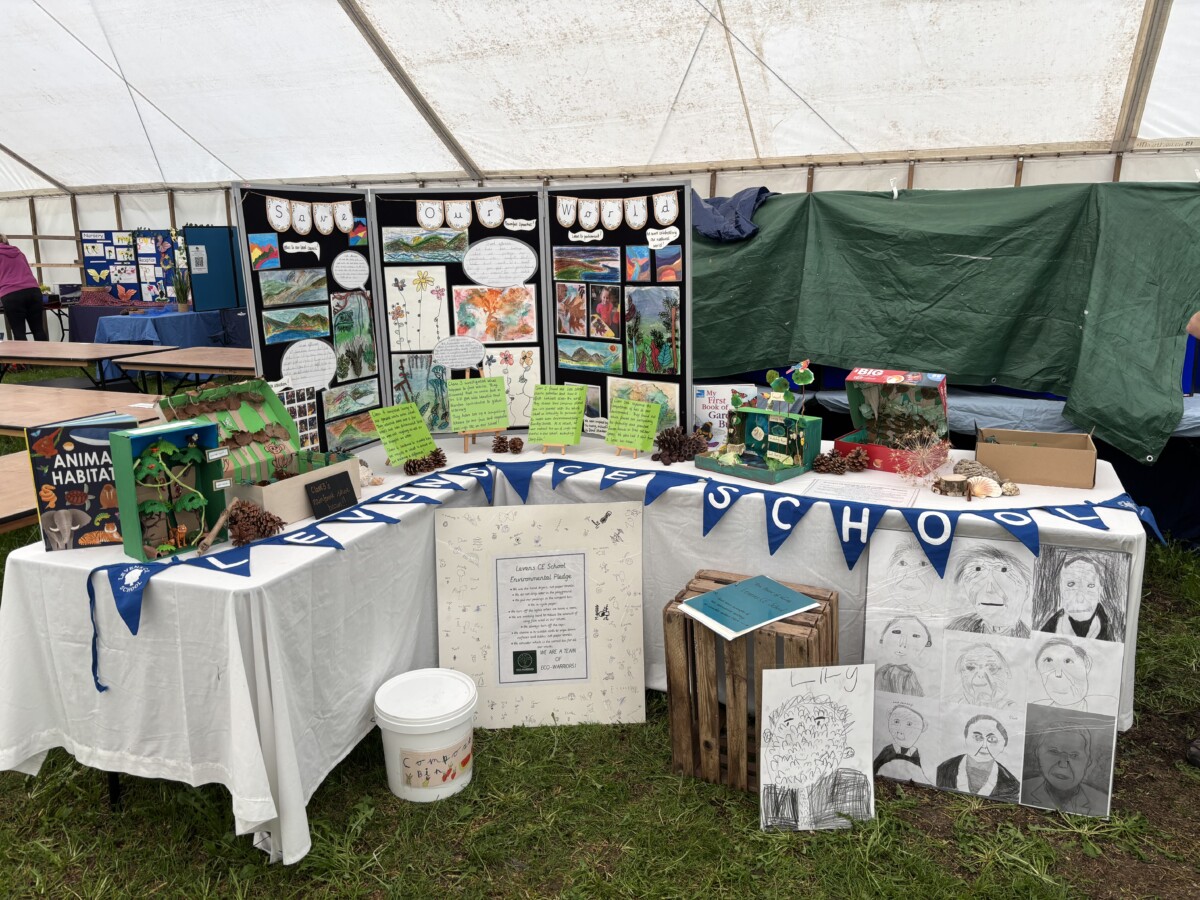
Over the last month, the whole school has been involved in exploring the significant impact human behaviours have on destroying our planet.  This learning kicked off on Sir David Attenborough’s 100th birthday on Friday 8th May.  Since then, every class in school has take on a different theme – they have conducted surveys, research, observations, experiments and explored a range of aspects on natural habitats, pollution, waste and our carbon footprint.

Read on to find out more about the learning each class has undertaken and how they are inspiring their peers, their families and the staff to make a change for the good of planet earth; starting now:

Class Three- Composting

Class Three investigated what happens to our food waste in school and at home. We discovered that food waste goes to landfill and then produces methane gas and this contributes to global warming. We decided to set up a composting scheme for the fruit and vegetable waste in school. We write letters to Mrs. Sharples to ask if we could empty our bins into the composting area of the community garden. We set up bins to collect the waste and made posters. We then investigated what happens to household food waste and discovered that other councils are using this for anaerobic digestion and created electricity and fertiliser. We then found out that Westmorland and Furness Council are not doing this and are not planning to until 2034, we feel this is not soon enough, so decided to try to persuade the council to act sooner. We write persuasive letters and sent these to the council.

Class One – brilliant bees!
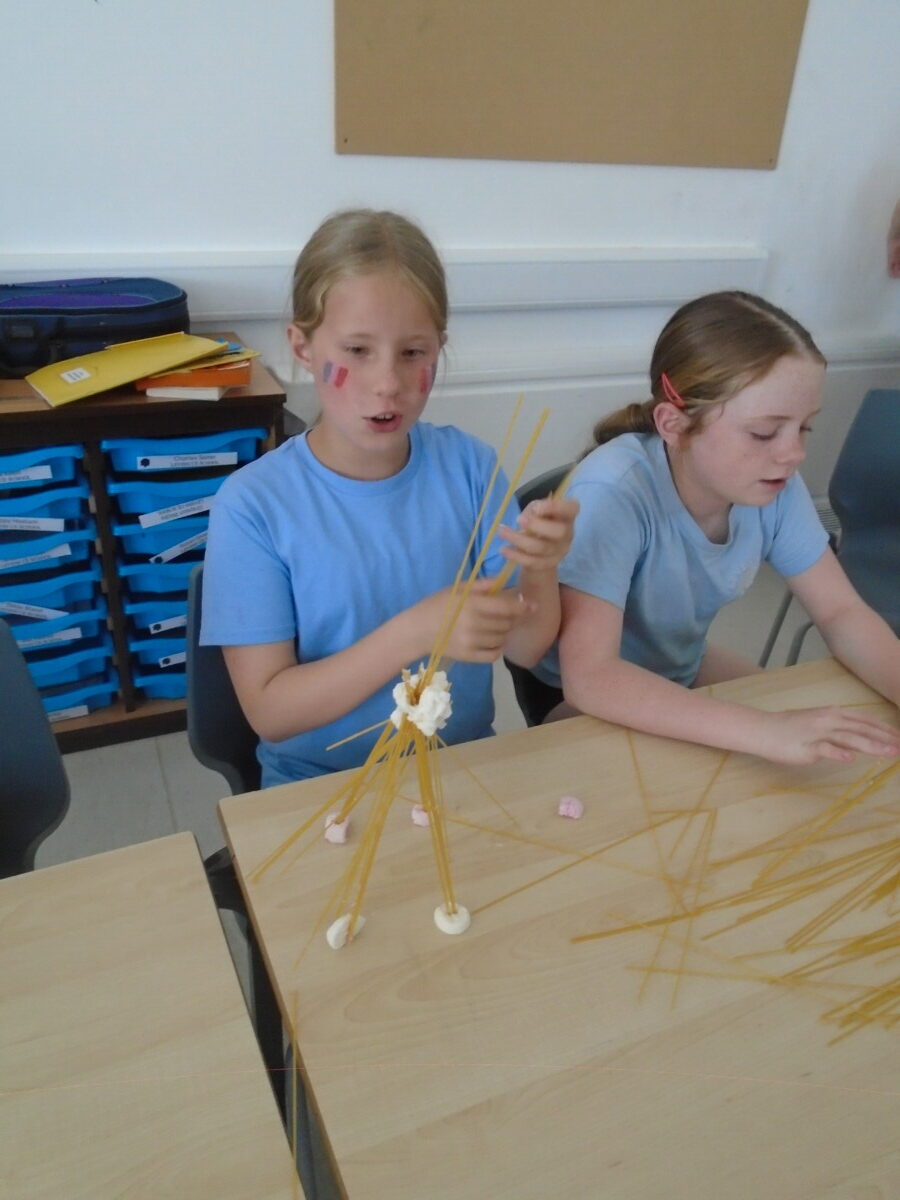
Children in nursery and reception have been exploring the importance of bees and what can be done to promote more bee-friendly environments. They explored wild flowers, learning that they provide a crucial food source for bees and worked together to make and plant wild flower seed bombs in the outdoor area of our classroom.

Class 2 – Plastic Pollution! 
We have been learning about plastic pollution and how it affects habitats and animals, and what we can do to help prevent it. We created posters and persuasive letters encouraging people to stop using single-use plastics and to make more environmentally friendly choices

Class 4 – Courageous Advocacy

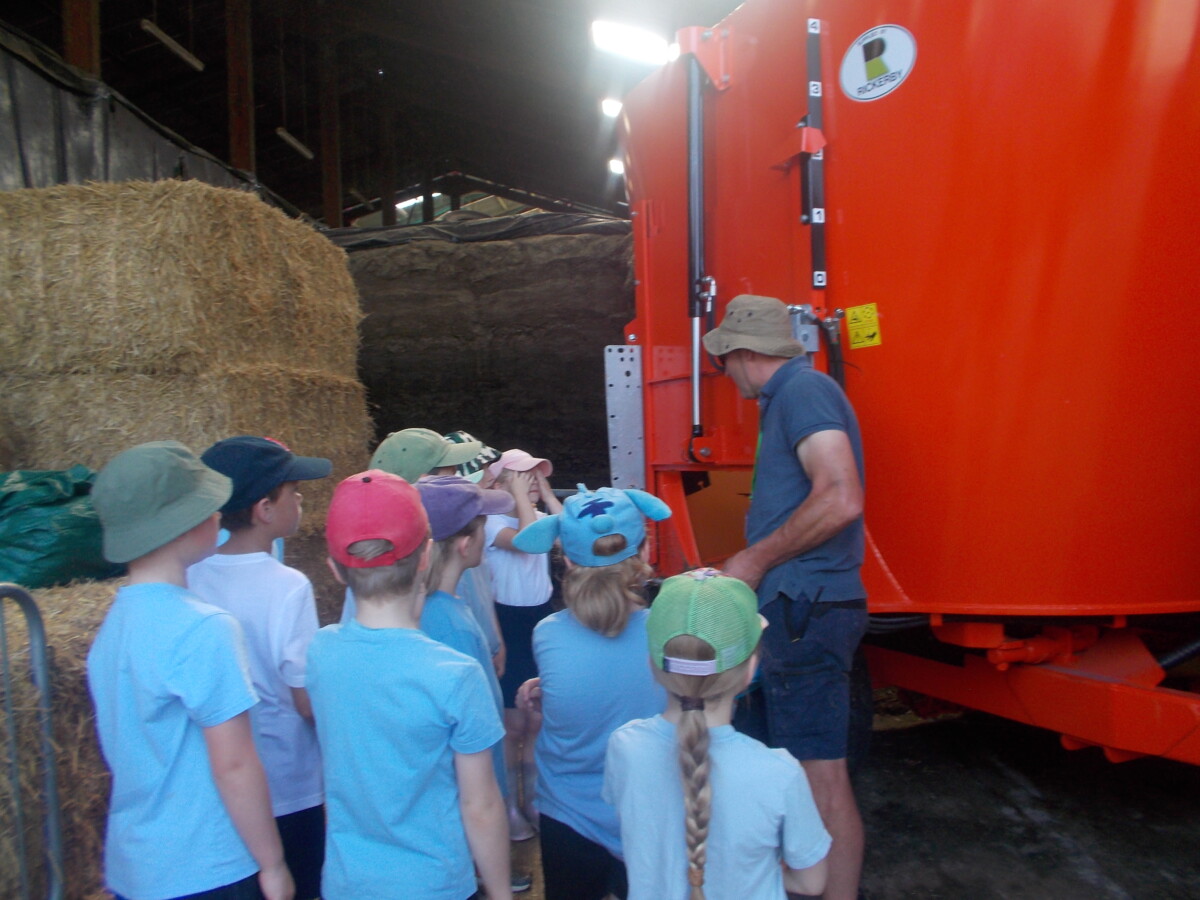
We started our journey with a fact finding mission. Fully gloved up, we explored what ends up in the school bins and made charts and graphs of our results. Based on what we found, we made suggestions and set challenges for the whole school to widen our impact.


Brathay 2026

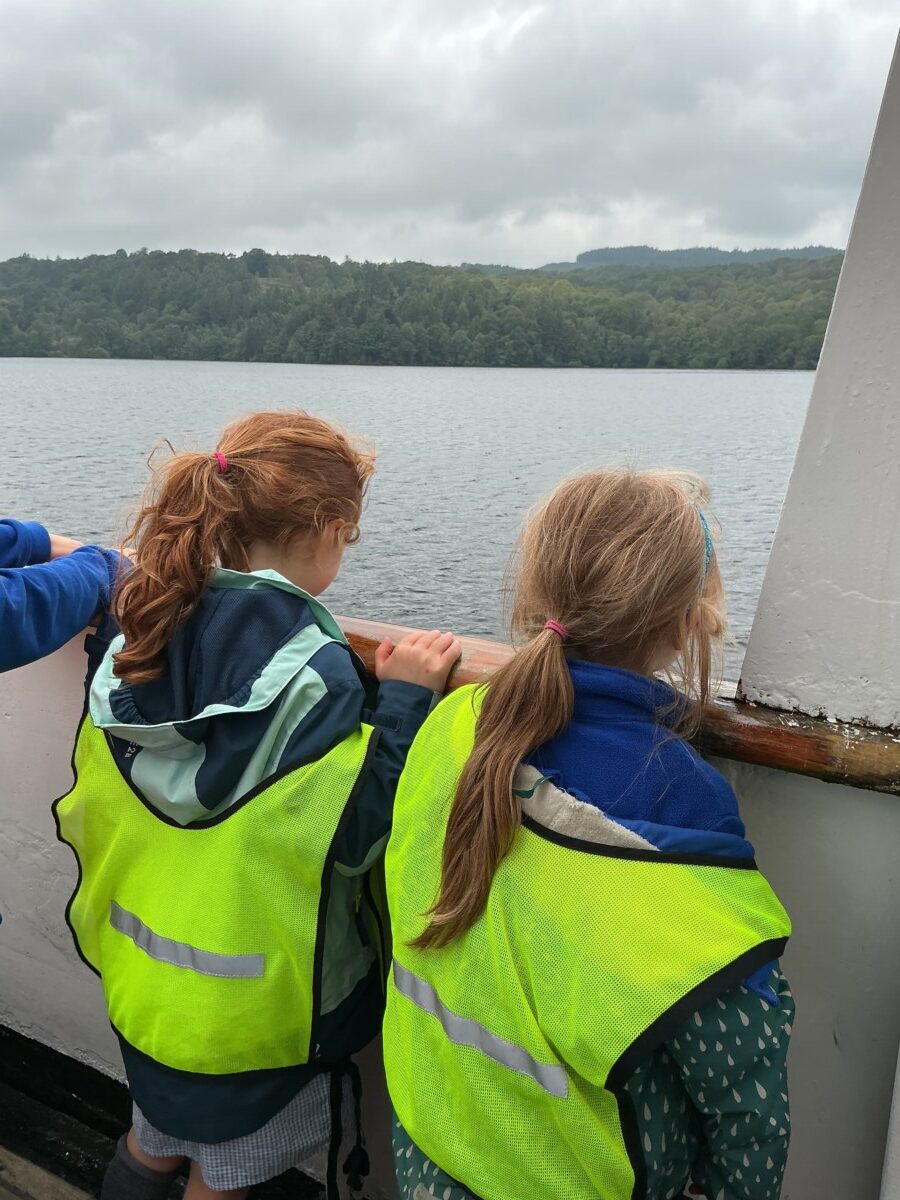
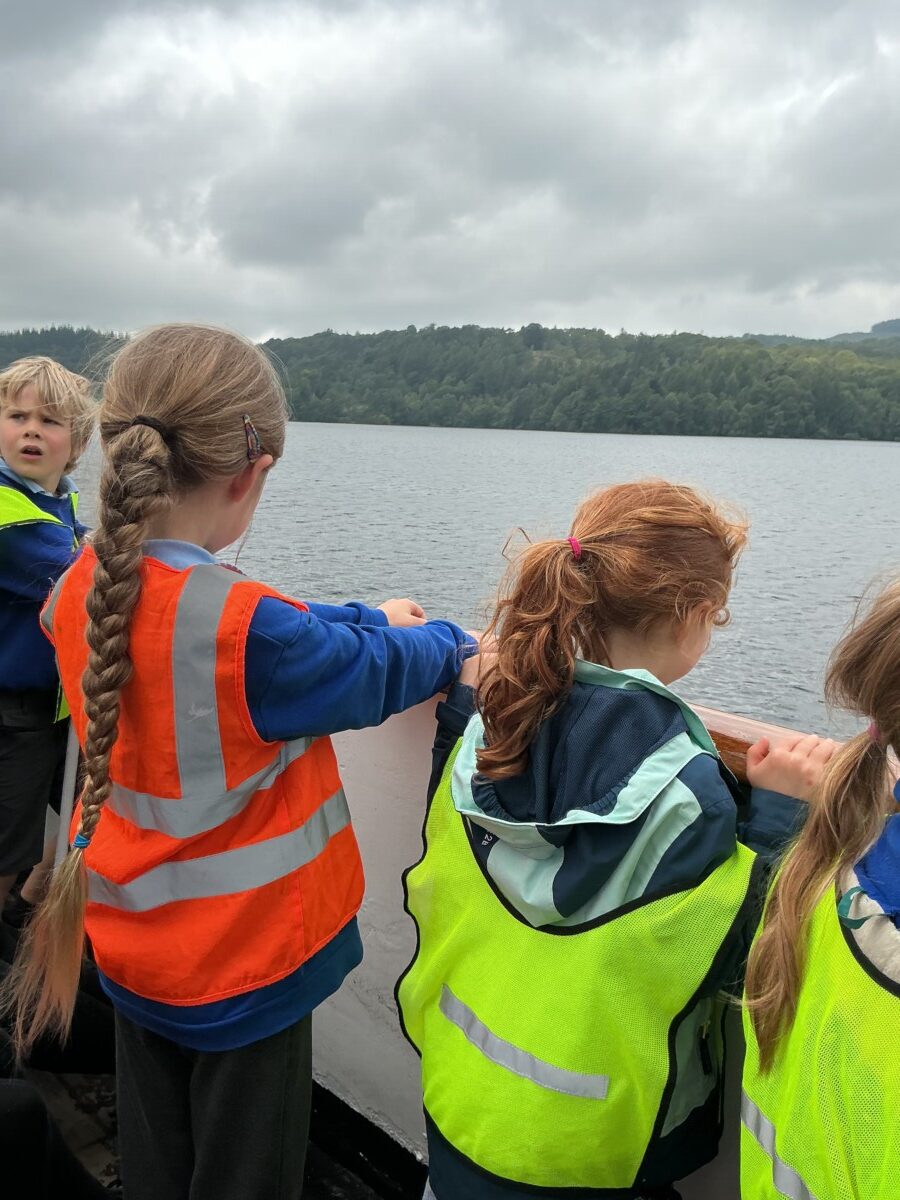
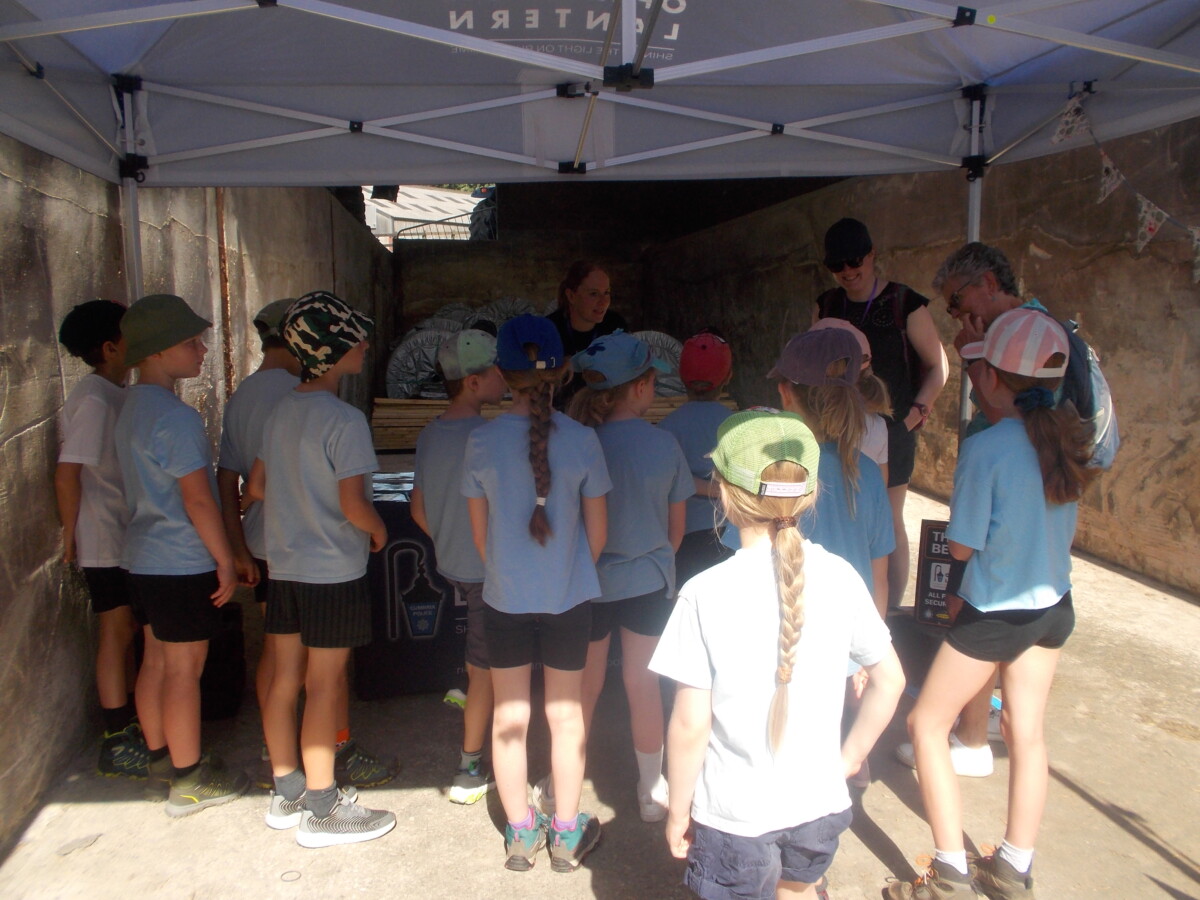
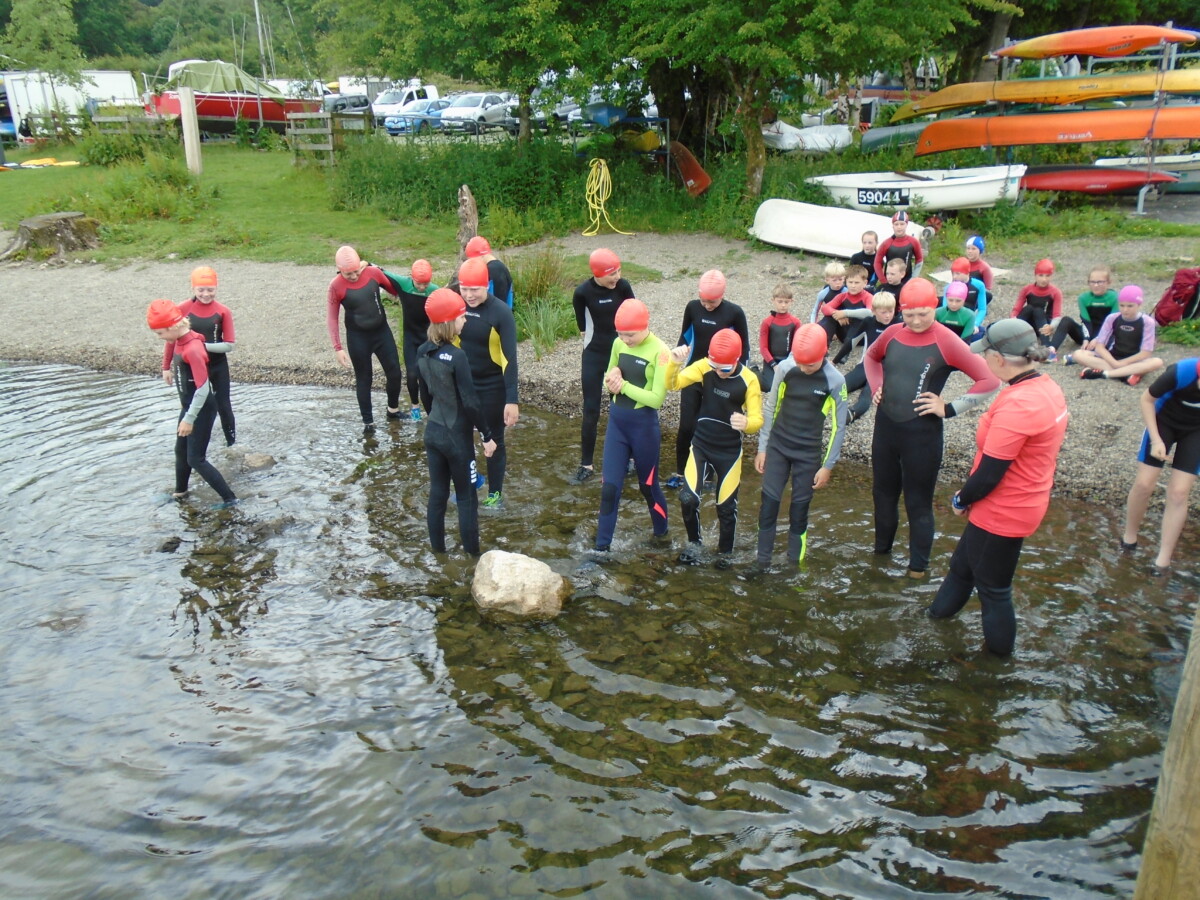
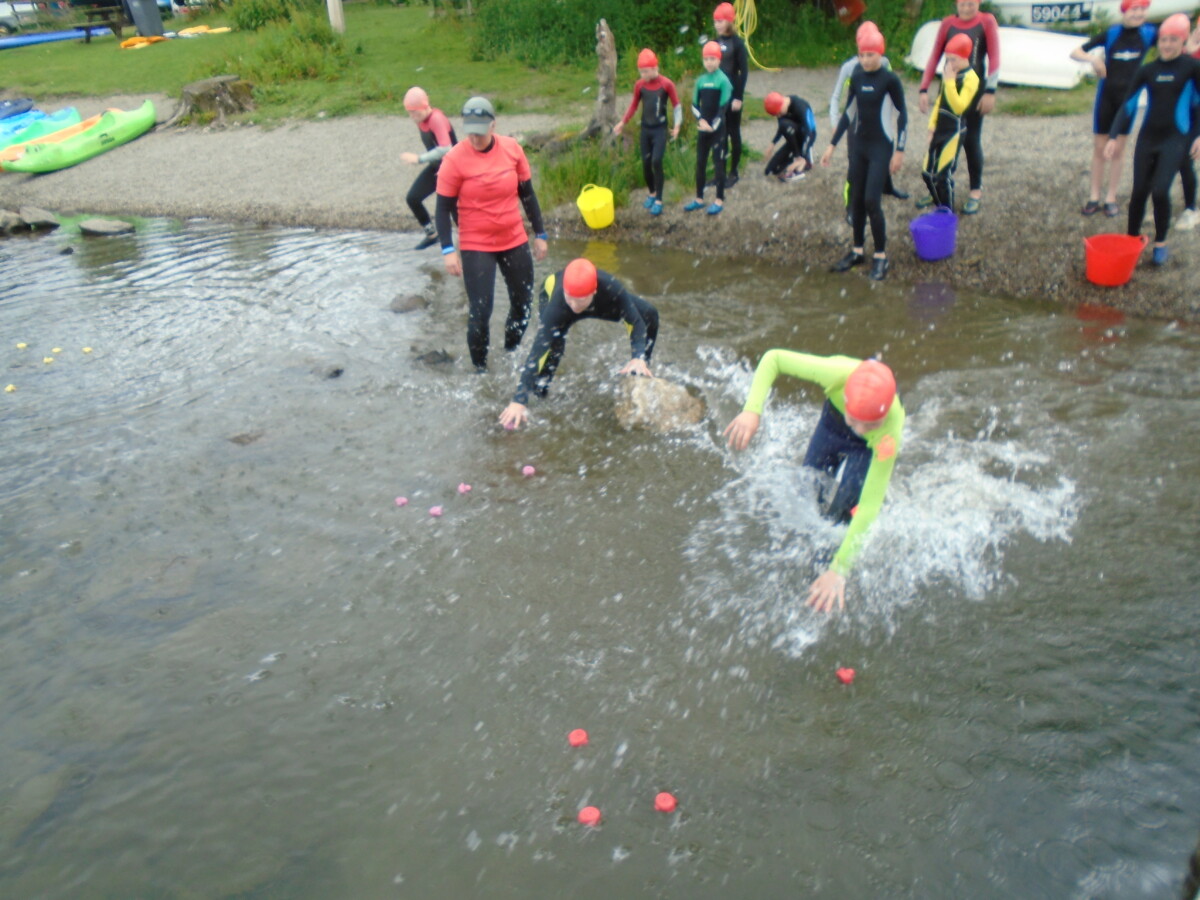
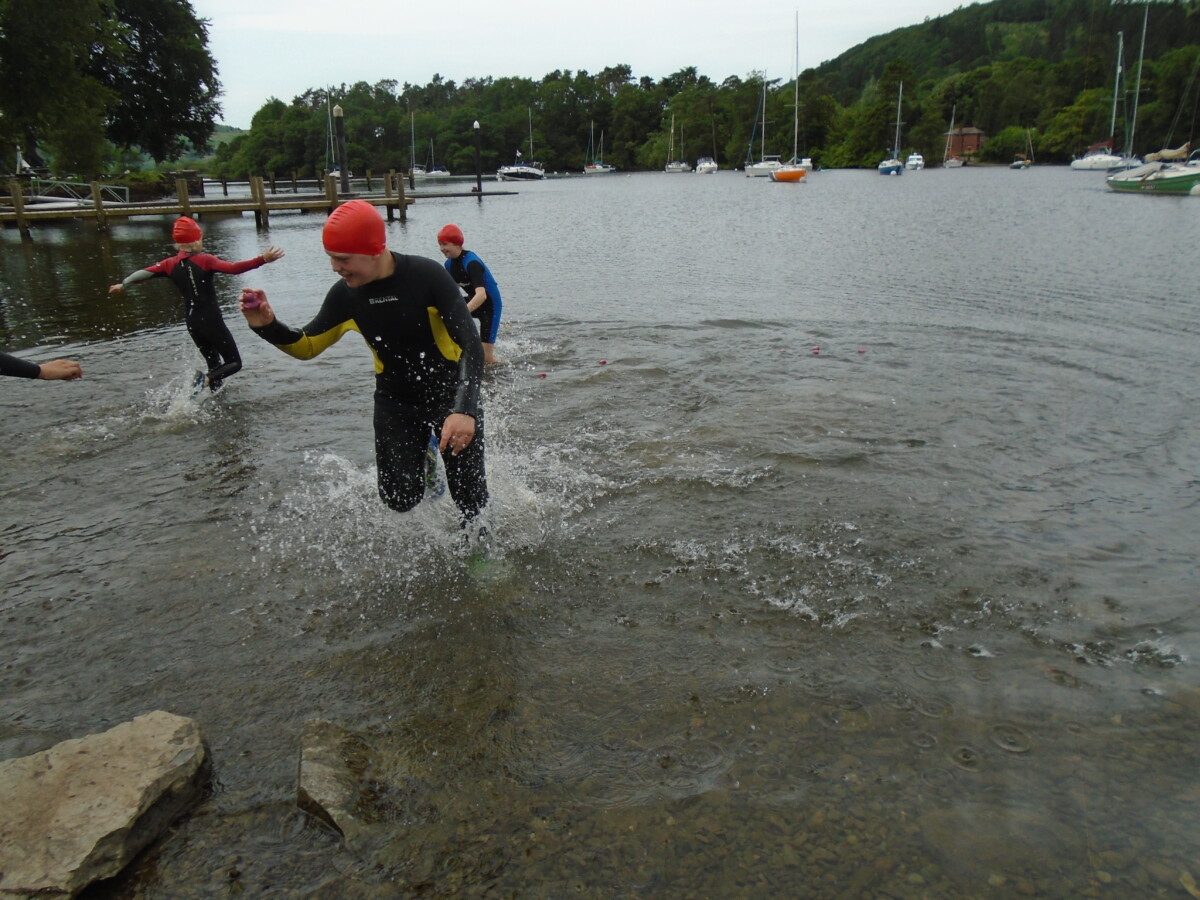
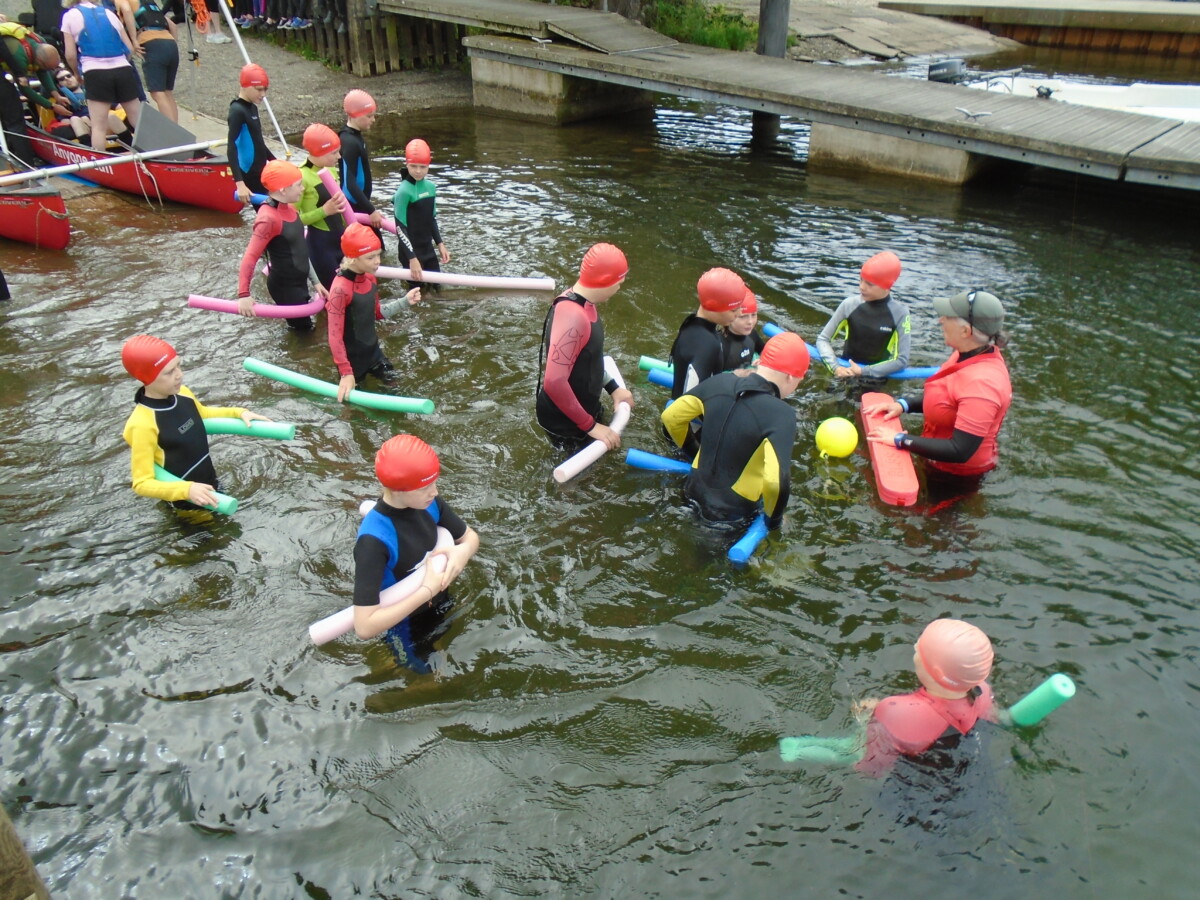
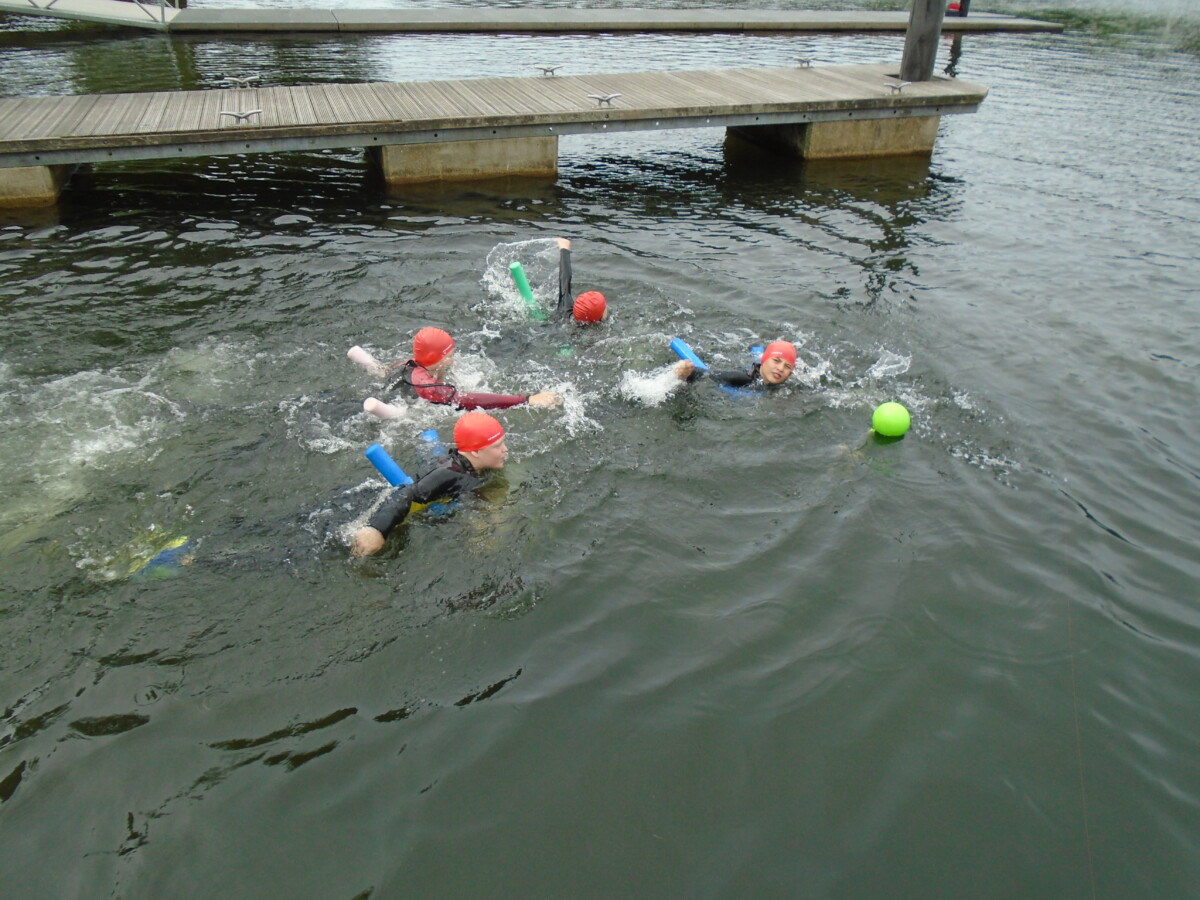
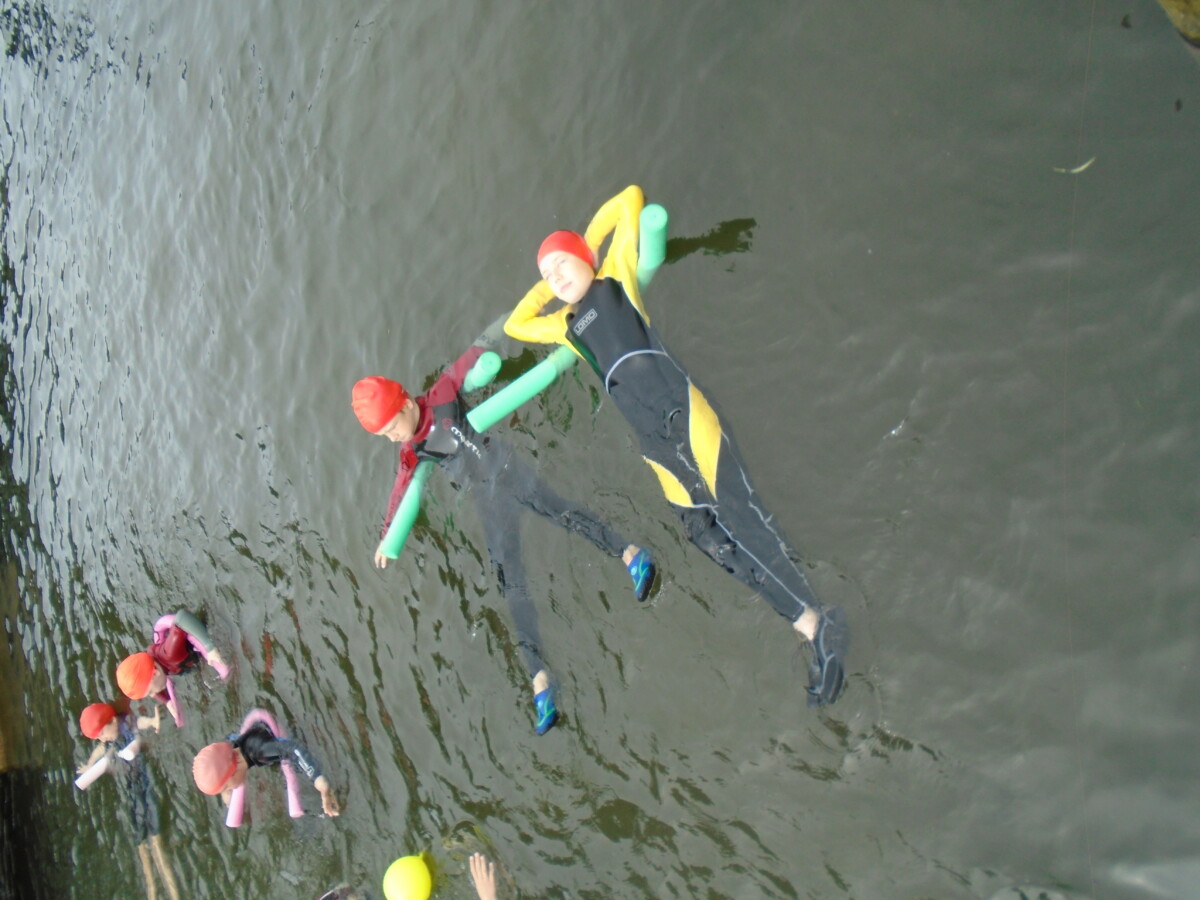
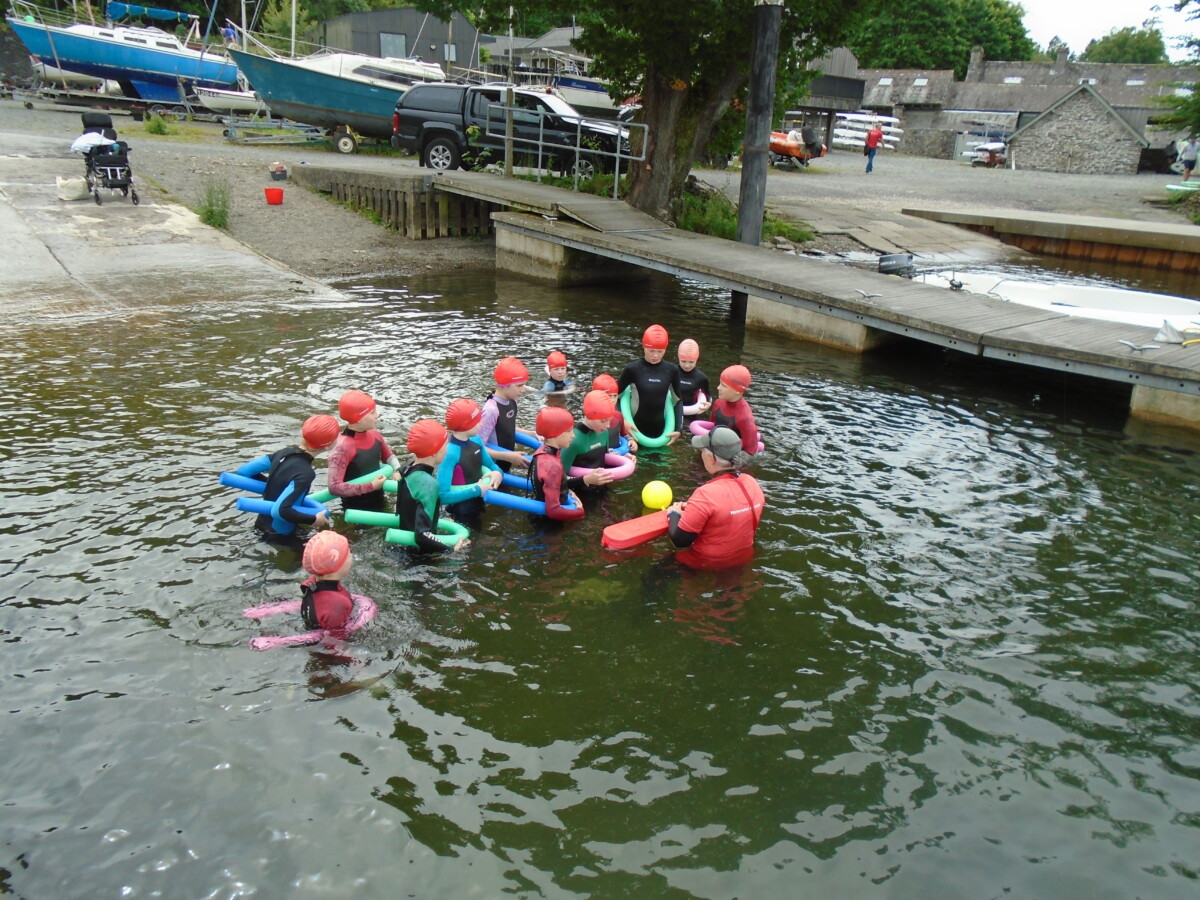
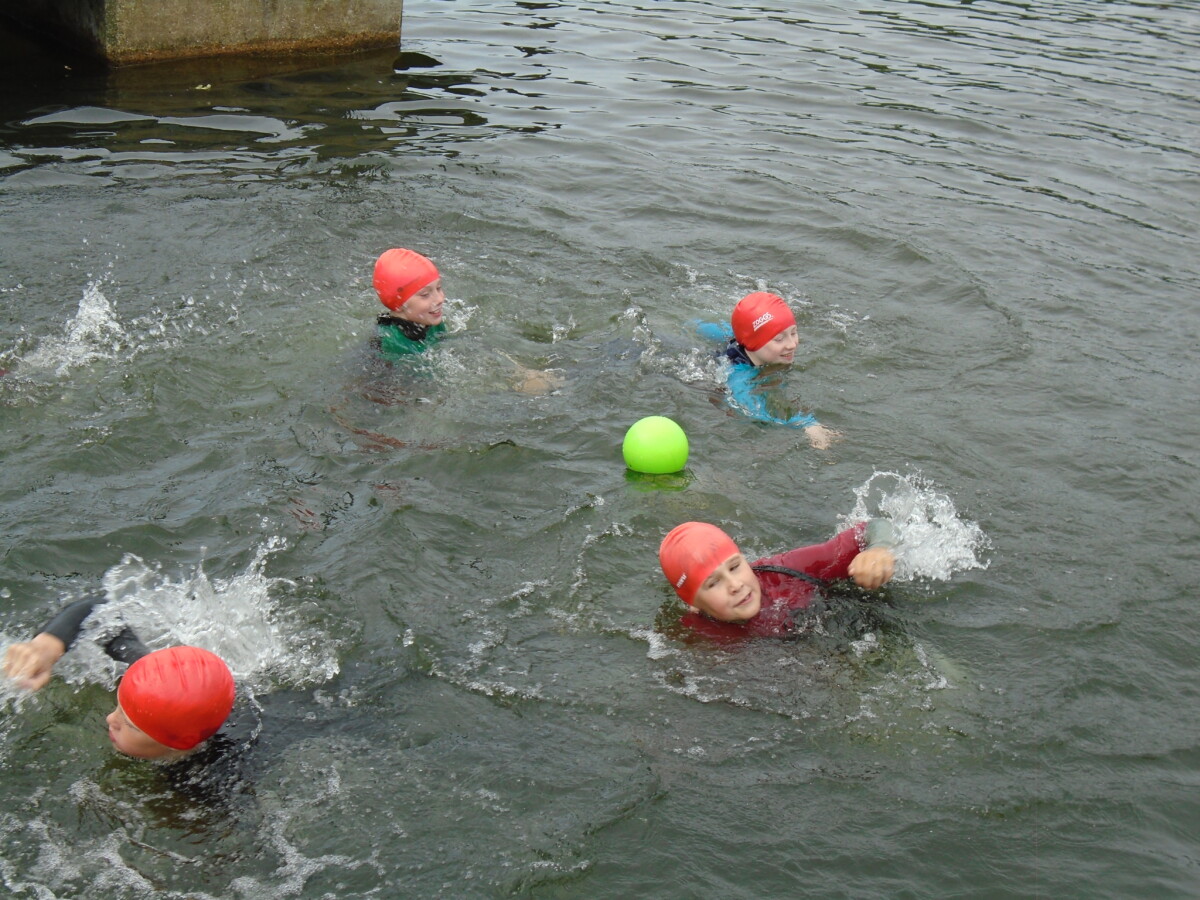
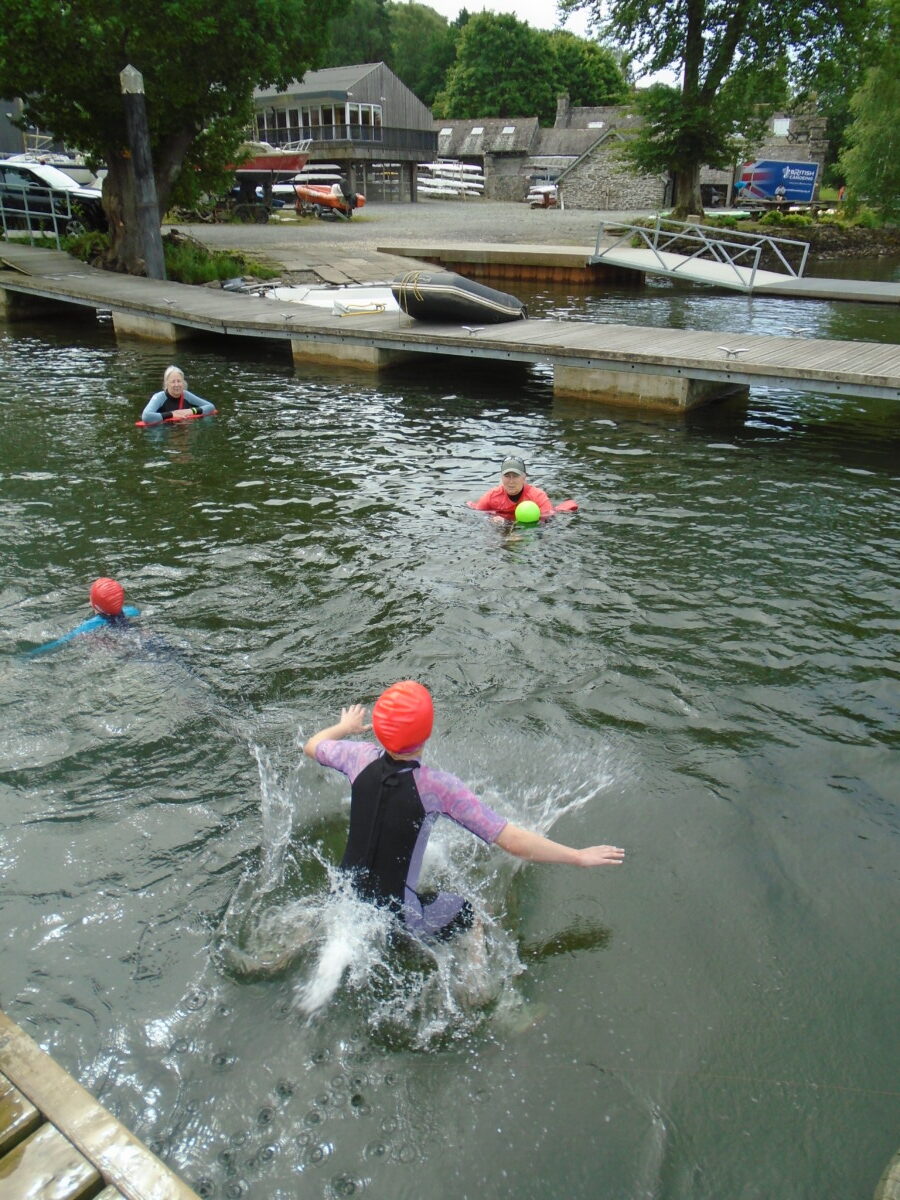
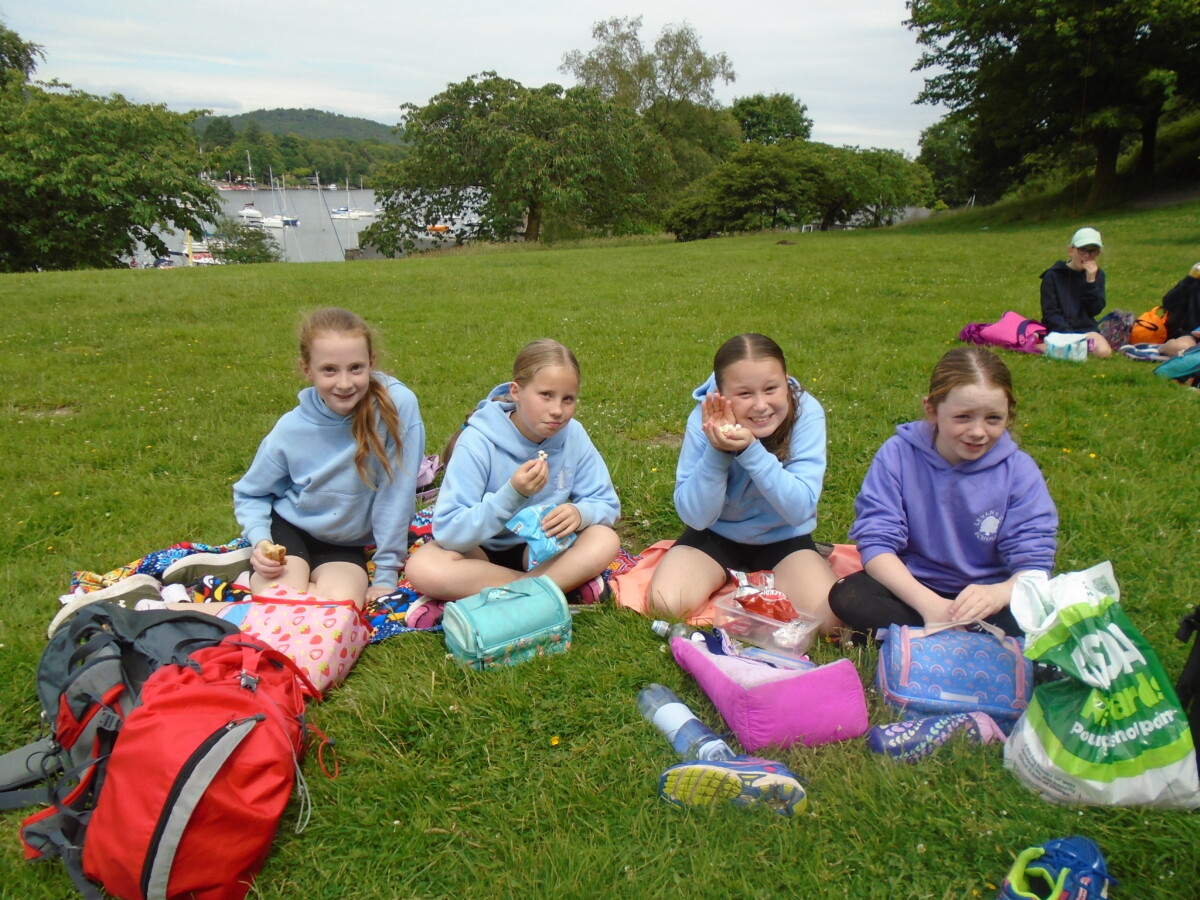
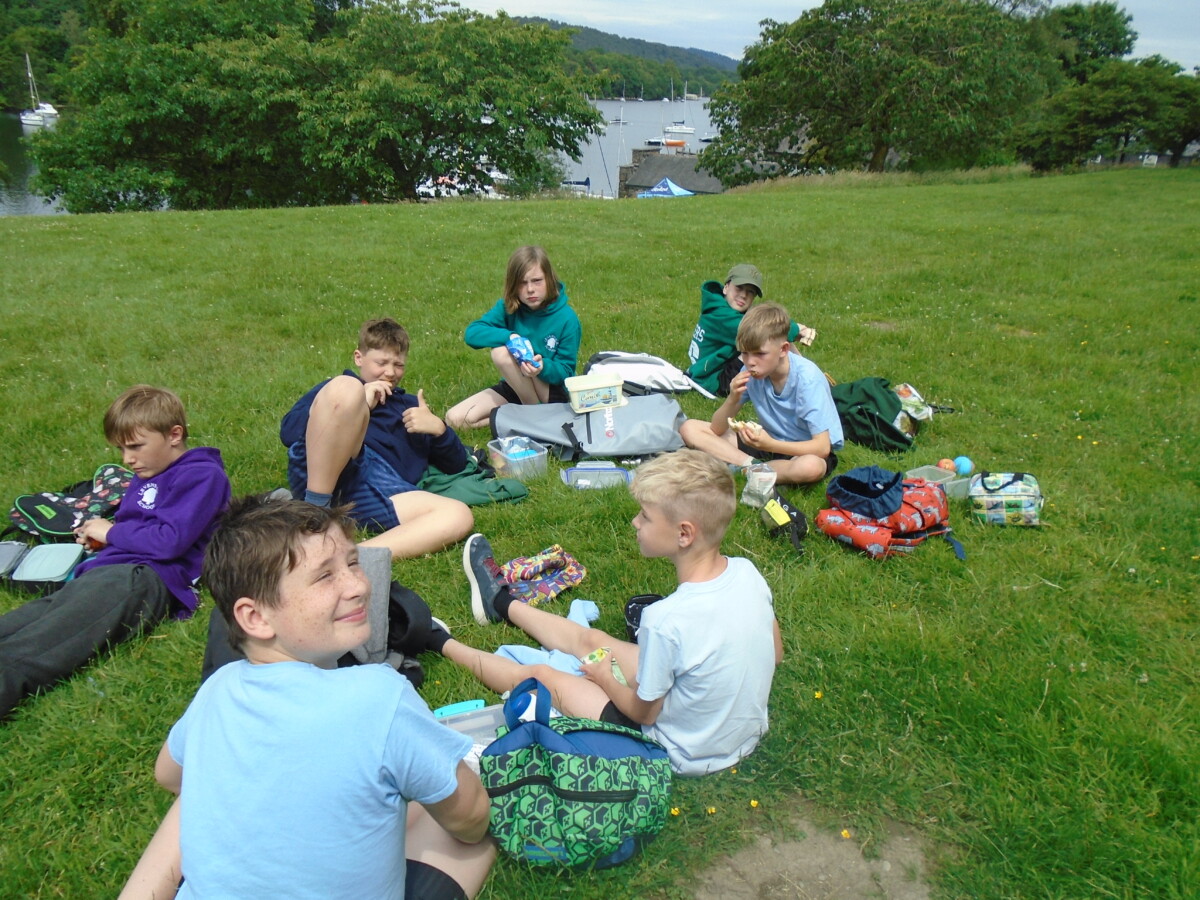
Class One and Two had a fabulous time at Brathay this week! The children took part in a range of exciting activities, including canoeing, climbing walls and poles, woodland adventures, and bushcraft. They showed great determination, teamwork, and resilience as they tackled new challenges. Despite the wet weather, everyone had lots of fun and made many wonderful memories.


Woodland adventure

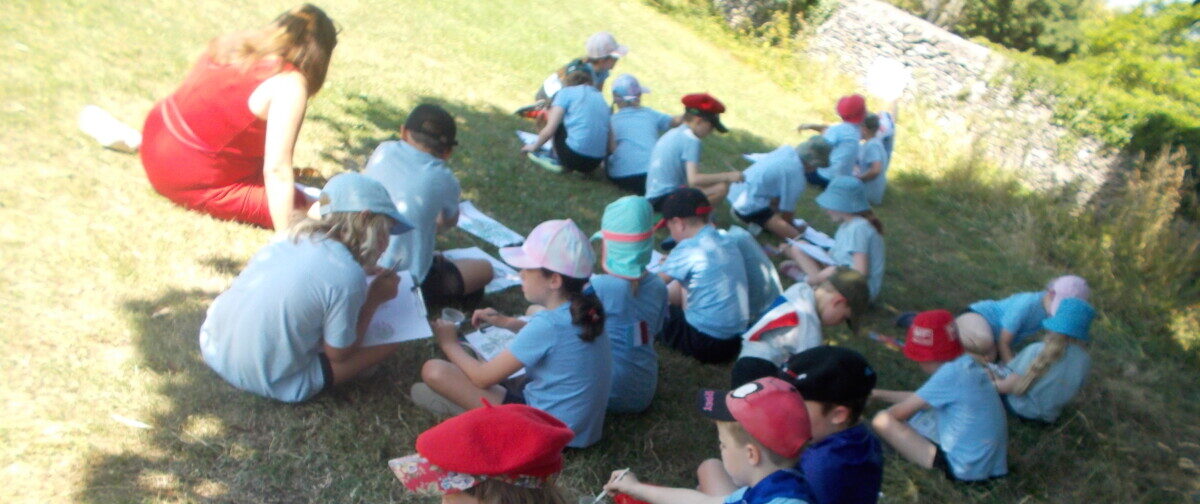
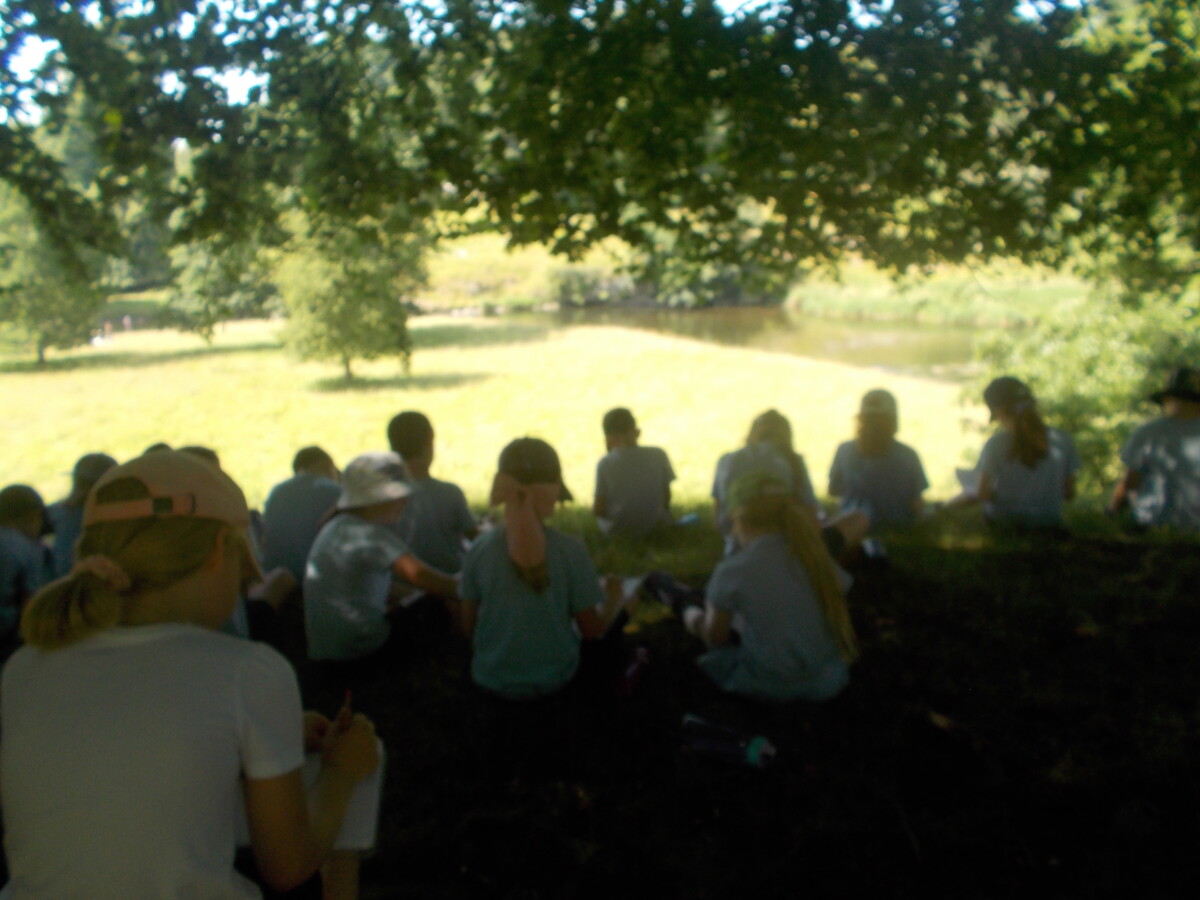
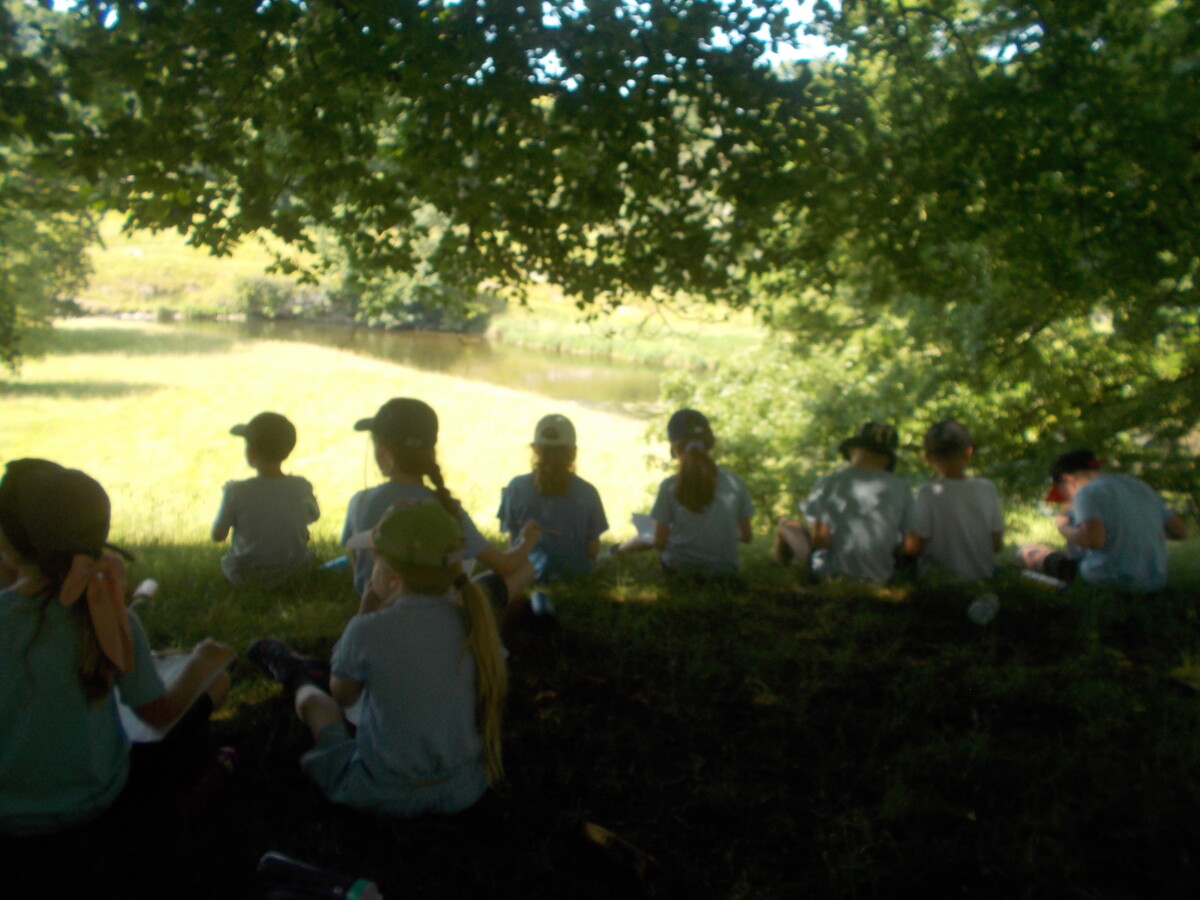
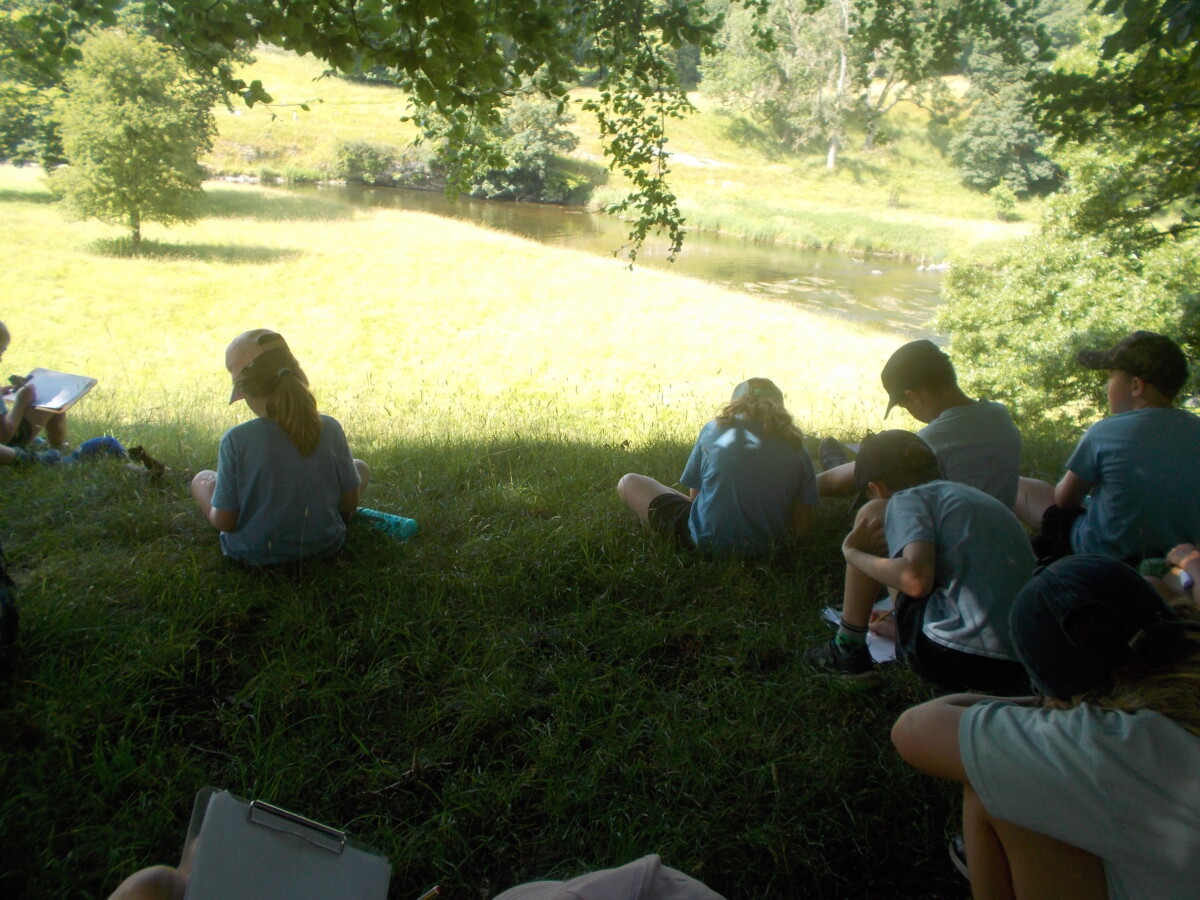
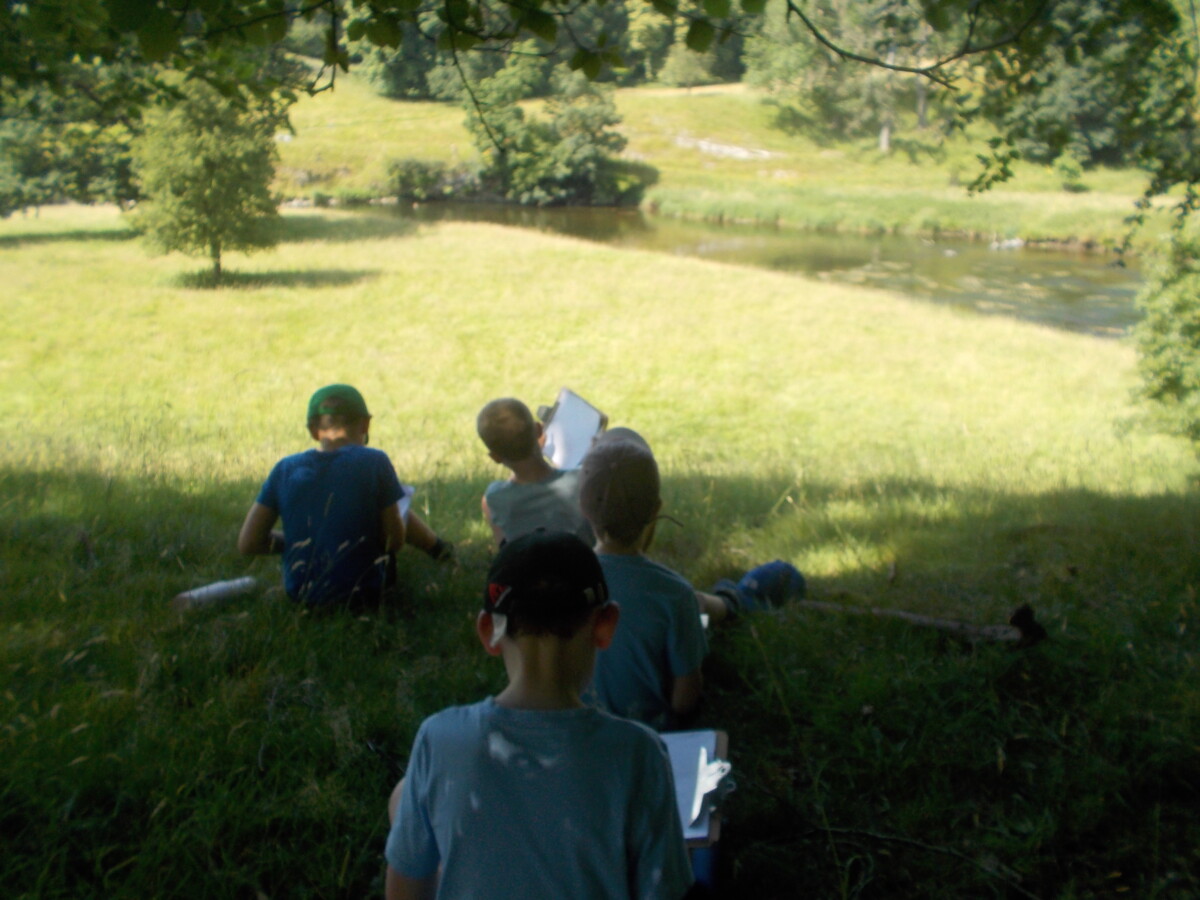
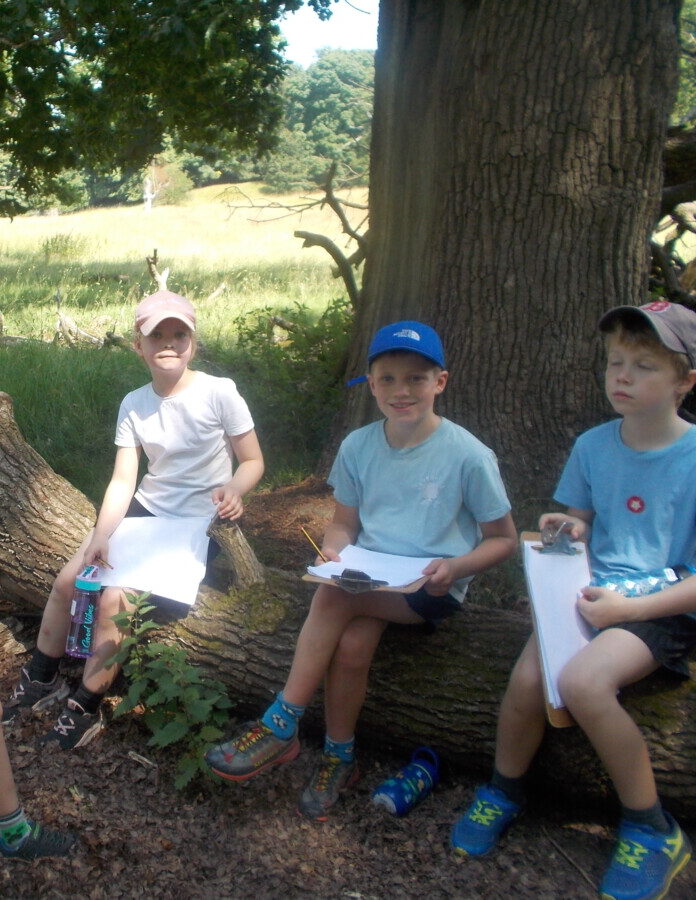
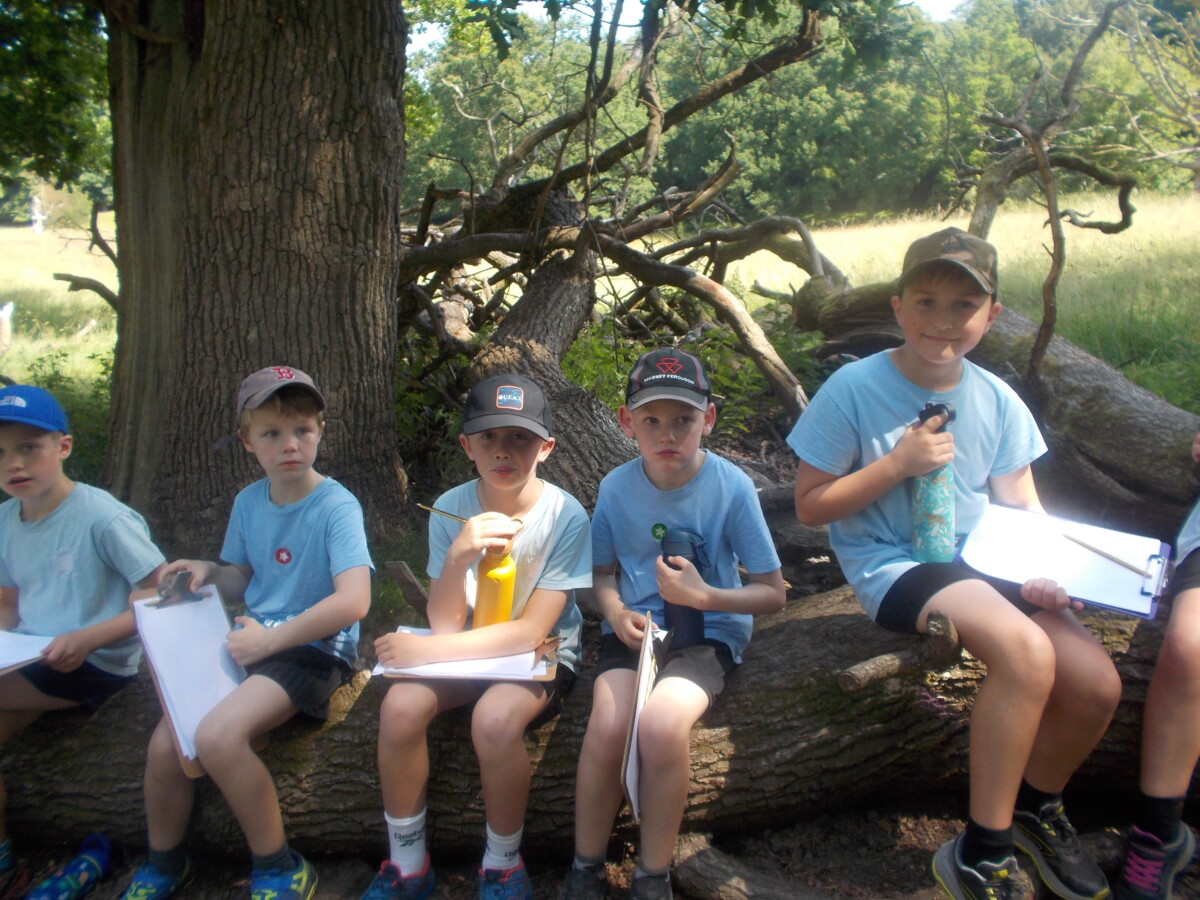
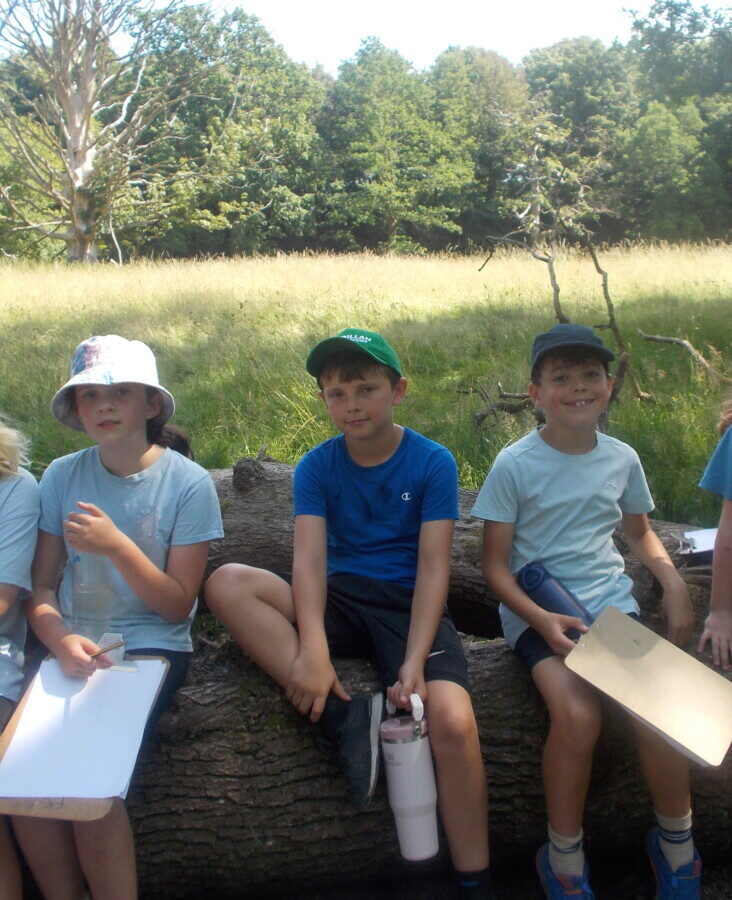
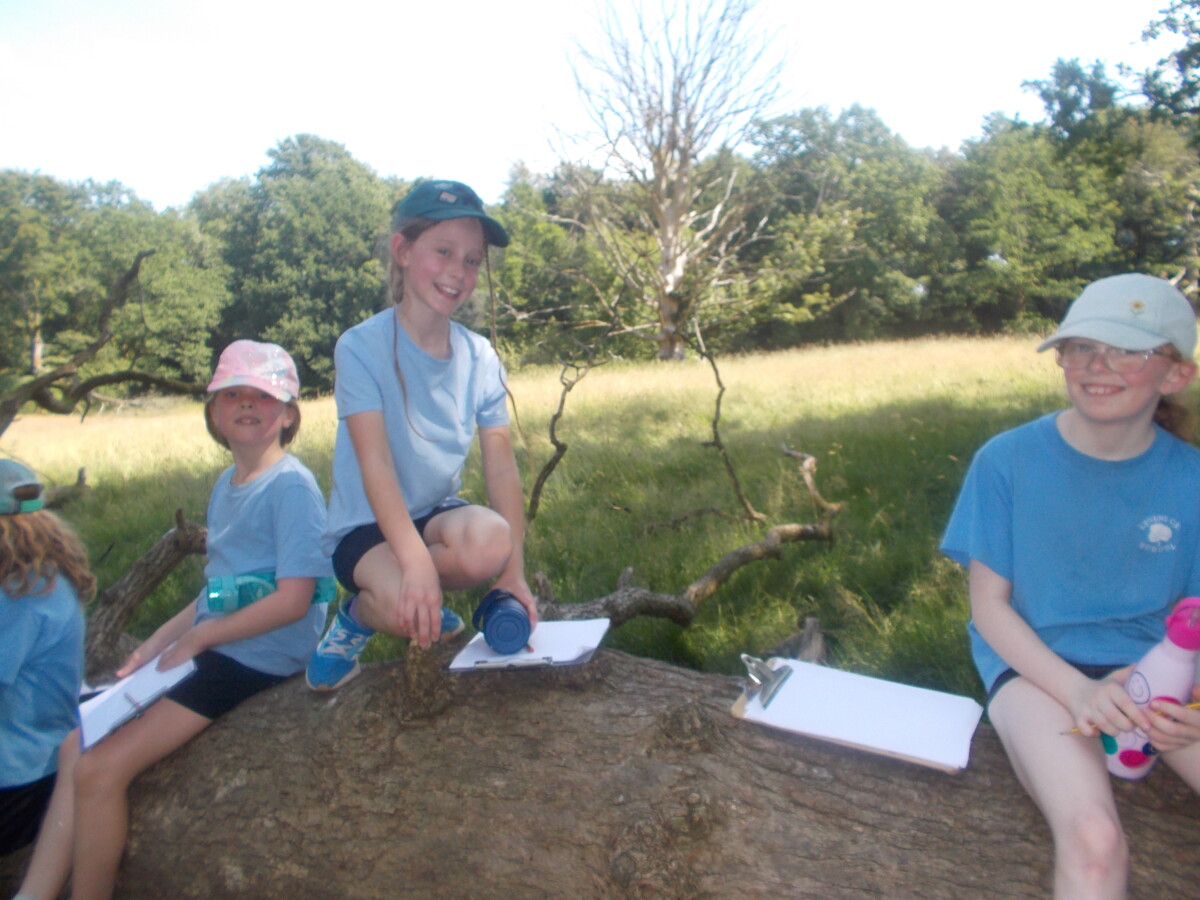
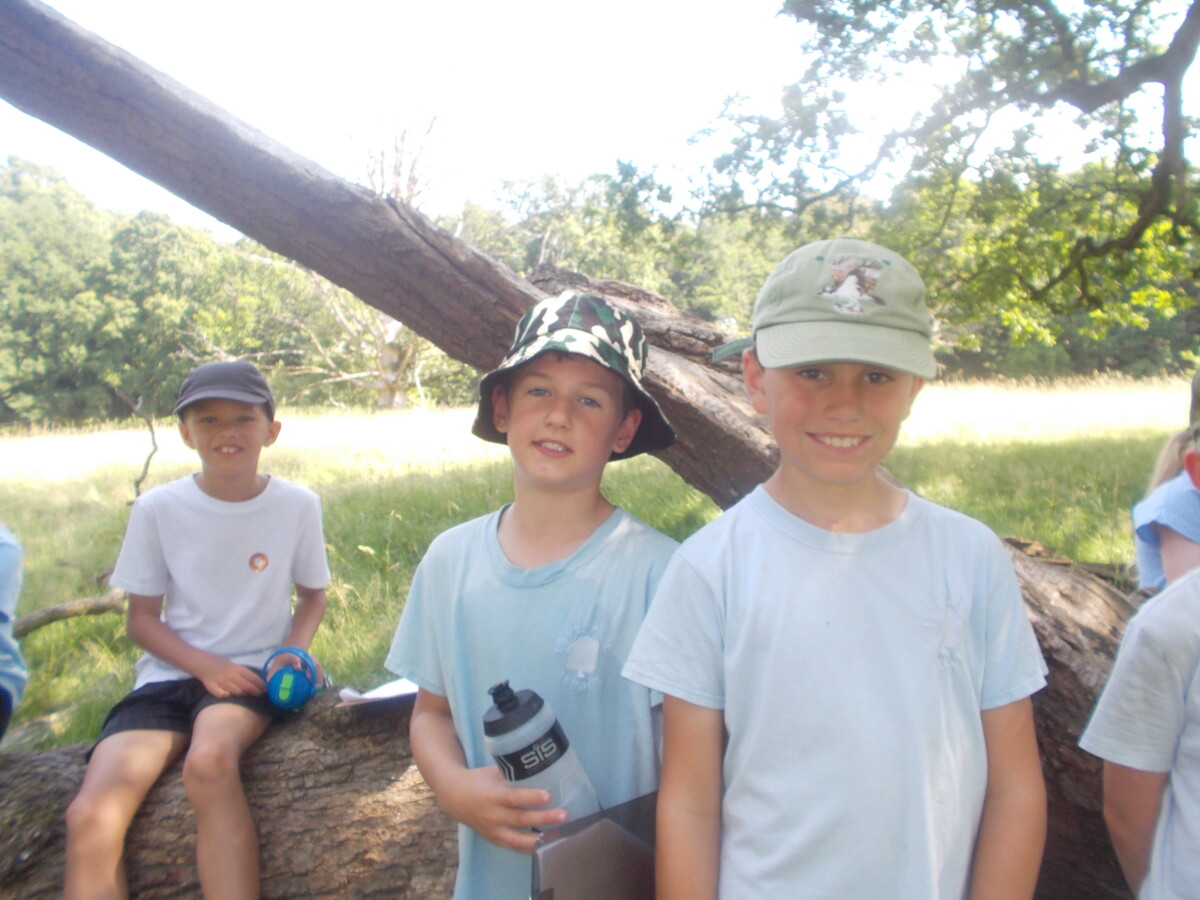
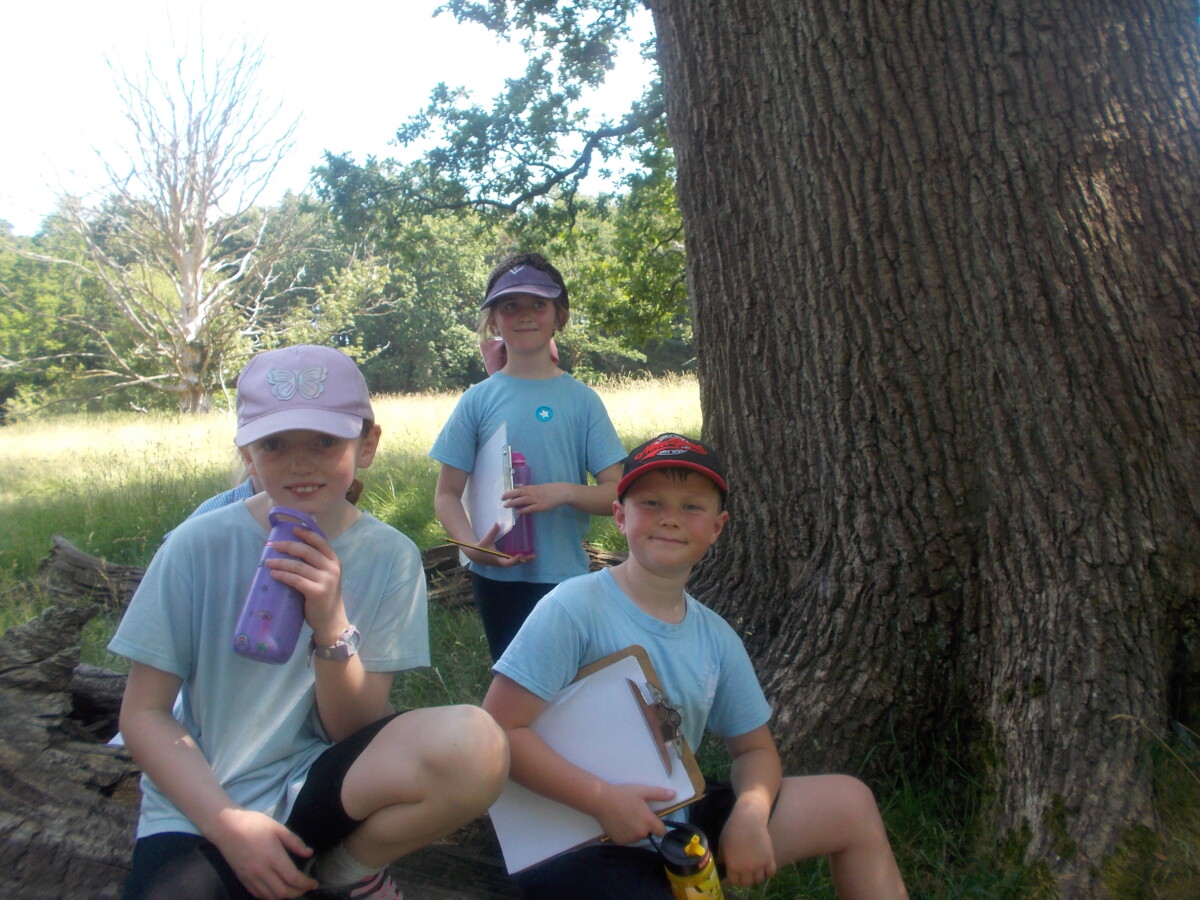
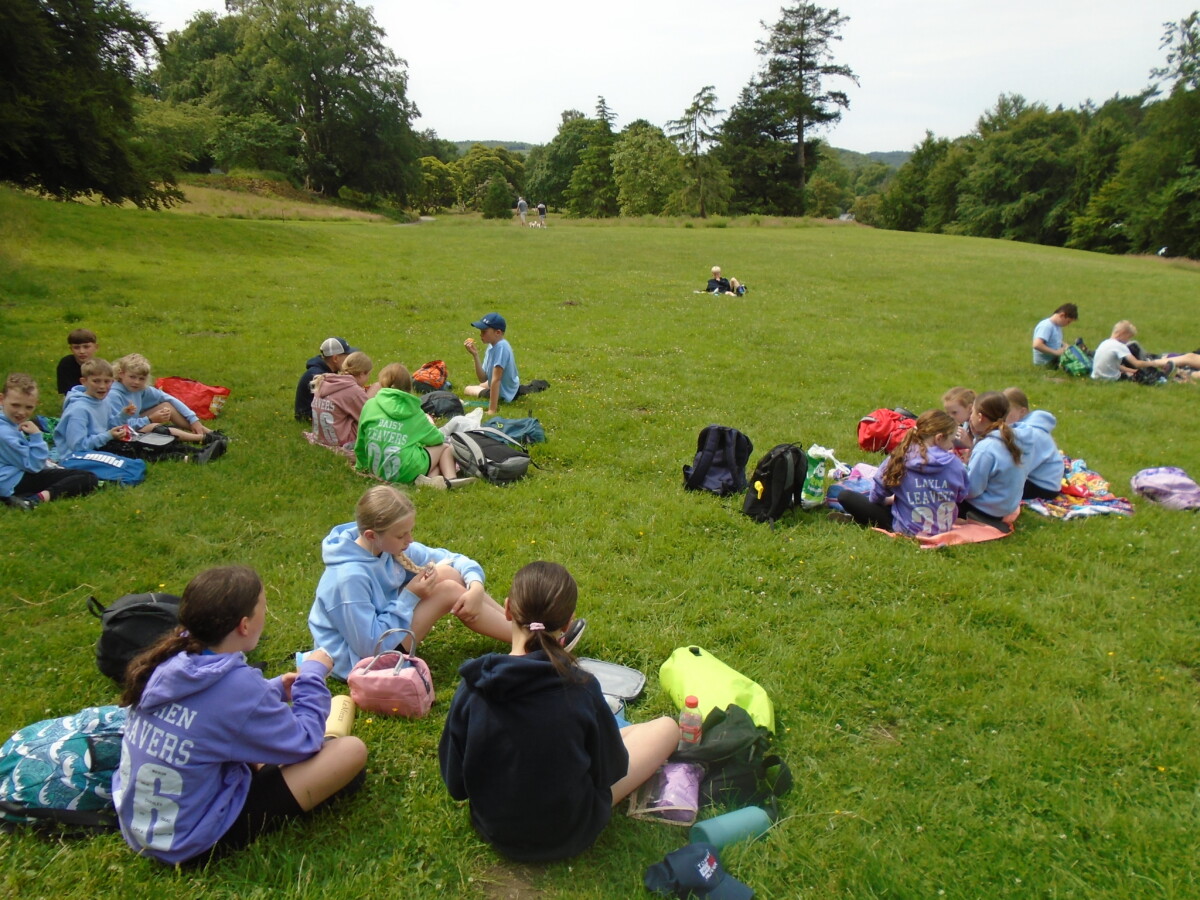
Class 3 had a wonderful afternoon in the woods learning all about invertebrates and their importance. We all enjoyed a mindfulness activity, lying on the forest floor and looking at the trees and sky above. We went on a minibeast hunt and discussed habitats and the importance of looking after our world.


A Very Busy Class 4 Week!

This week, our pupils have enjoyed a range of rich and varied activities, designed to deepen their understanding across the curriculum and inspire curiosity beyond the classroom.

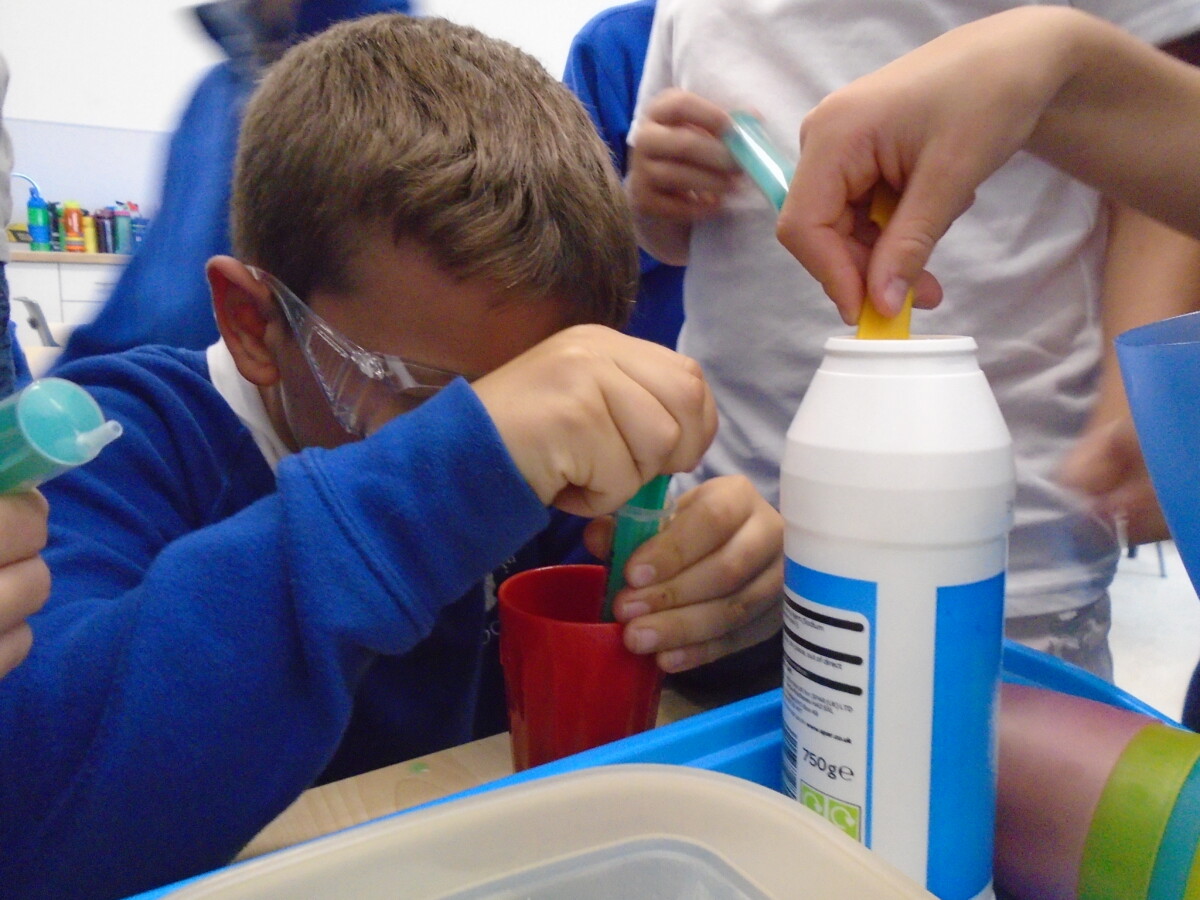
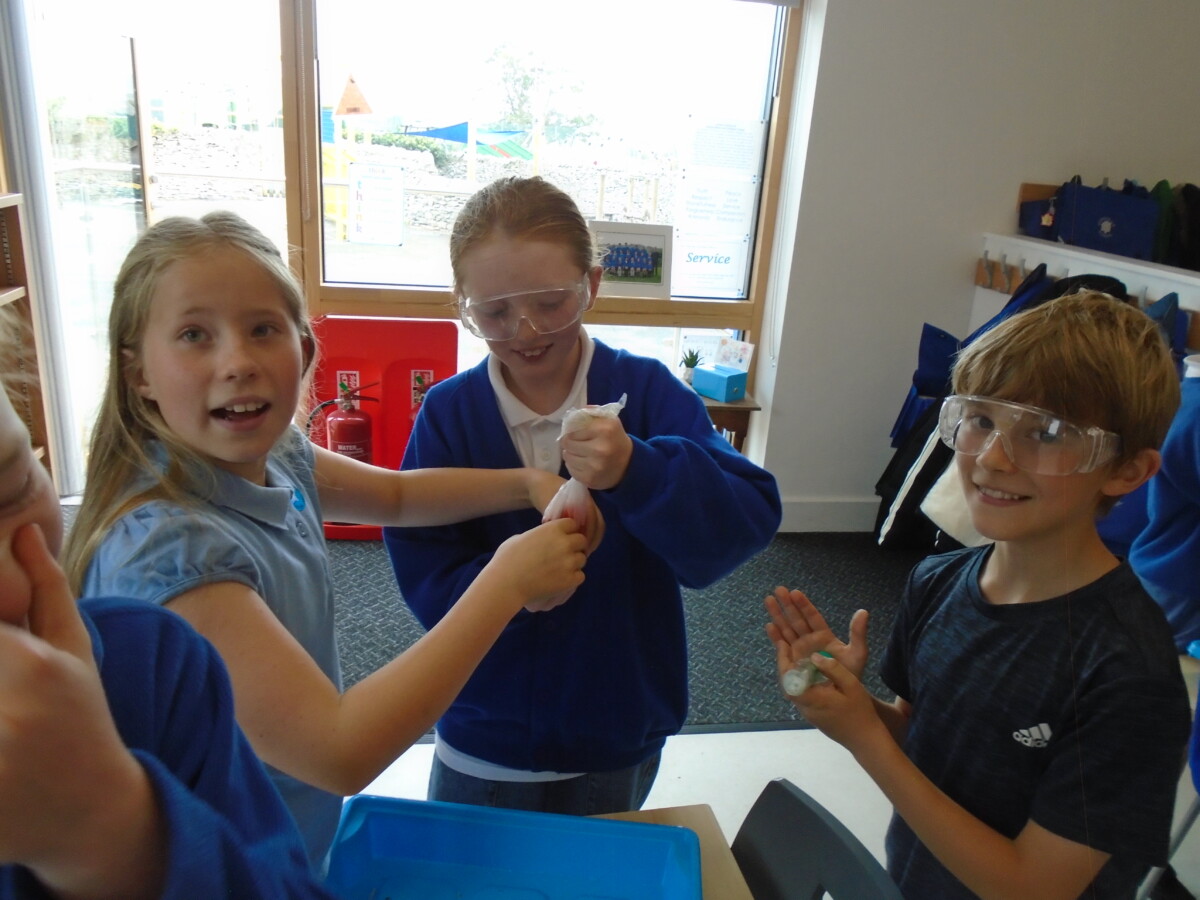
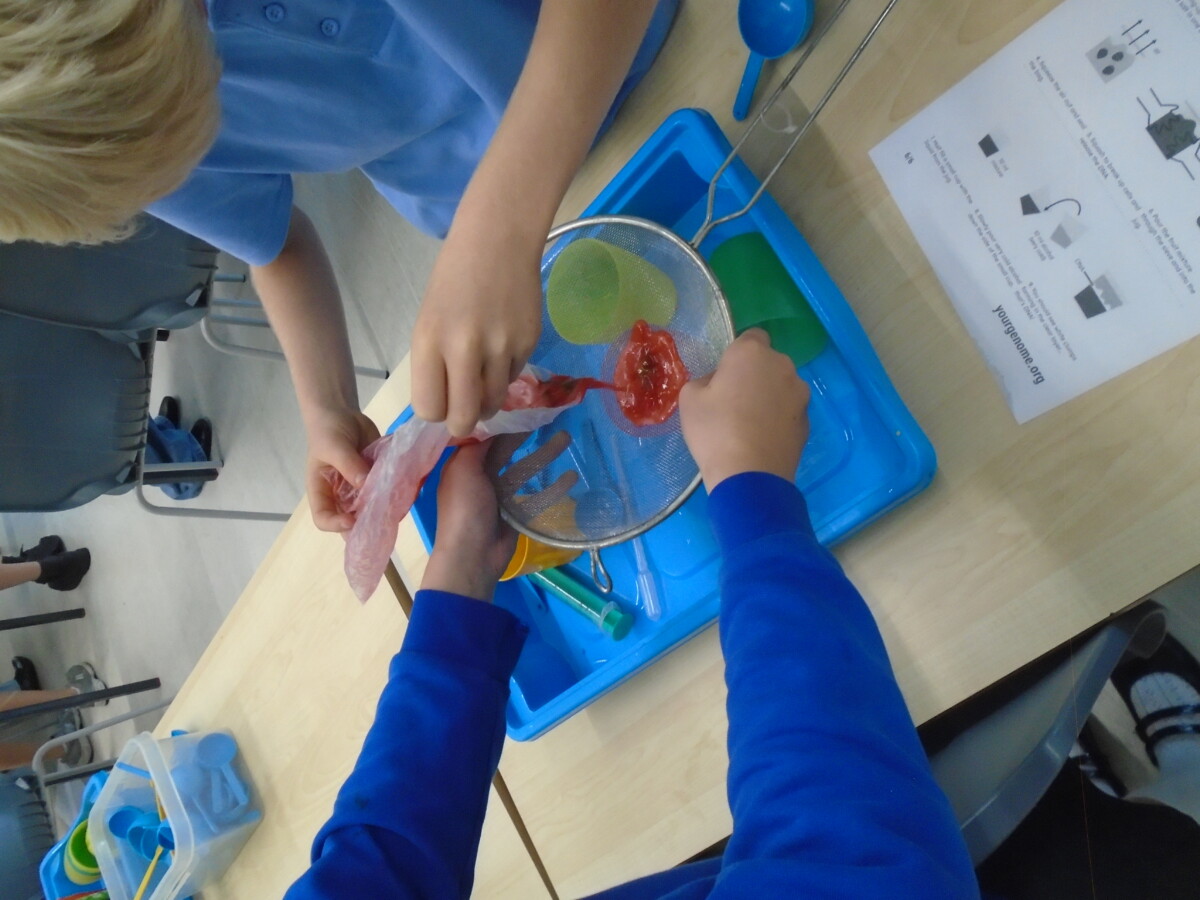
A highlight of the week was our visit to a local secondary school science laboratory. Pupils had the opportunity to work in an authentic laboratory environment, using microscopes to carefully observe onion cells. This hands-on experience allowed them to apply their prior knowledge of living things and develop their scientific enquiry skills. Pupils also investigated how different chemicals affect the colour of a Bunsen burner flame, sparking excitement and thoughtful discussion about chemical reactions.

We were also delighted to welcome a visitor from SCARF, who led an engaging and informative session on the risks associated with both legal and illegal drugs. Through clear, age-appropriate discussion, pupils developed their understanding of making safe and informed choices, supporting the PSHE curriculum. The session was made even more memorable with a visit from Harold the Talking Giraffe, who helped to reinforce key messages (and give us stickers!)

Later in the week, pupils visited Park End Wetlands, where they took part in a fieldwork investigation to assess water quality. Developing their scientific sampling techniques, they measured both the number and variety of invertebrate species present. This is an activity completed by Levens pupils in the past, so it was a great opportunity to measure the health of the wetlands over time. Mrs Mason who supported on the trip was even there when the wetlands were first developed and planted by the community!

The week concluded with a special assembly, where pupils had the opportunity to share their learning with parents and carers. As part of this, they developed their oracy skills, preparing short presentations about an aspect of the week that had particularly interested them. Pupils worked hard to speak confidently without relying on a script, focusing on maintaining eye contact and using a clear, expressive voice.

I am incredibly proud of the pupils’ enthusiasm, curiosity and independence. It has been a fantastic way to end the term and get outside the classroom walls following the hard work our year 6 pupils put in throughout SATS week.

Check out a selection of photos from the week below!


First Aid training in Class Three

The children had a very informative lesson with Bob this week. They learnt all about first aid and even had a good at resuscitation and placing people in the recovery position. They also produced some fantastic posters using all their newly gained know.


Happy Birthday David Attenborough!

Last week, we celebrated the birthday of David Attenborough by creating informative posters all about his life and work. We learned about how he helps people understand the importance of looking after our planet and protecting wildlife.

The posters were a fantastic way to begin our new environment topic in school over the next couple of weeks. We enjoyed researching facts, designing eye-catching layouts and sharing ideas about how we can help care for the Earth.


Class 2’s pouches.

Class 2 have made their very own pouches! This fit in perfectly with our money work in maths. First, we practised our sewing skills by learning how to do a running stitch. Then we carefully cut our fabric and sewed the pieces together to create our pouch shapes.


Jacques et le Haricot Magique

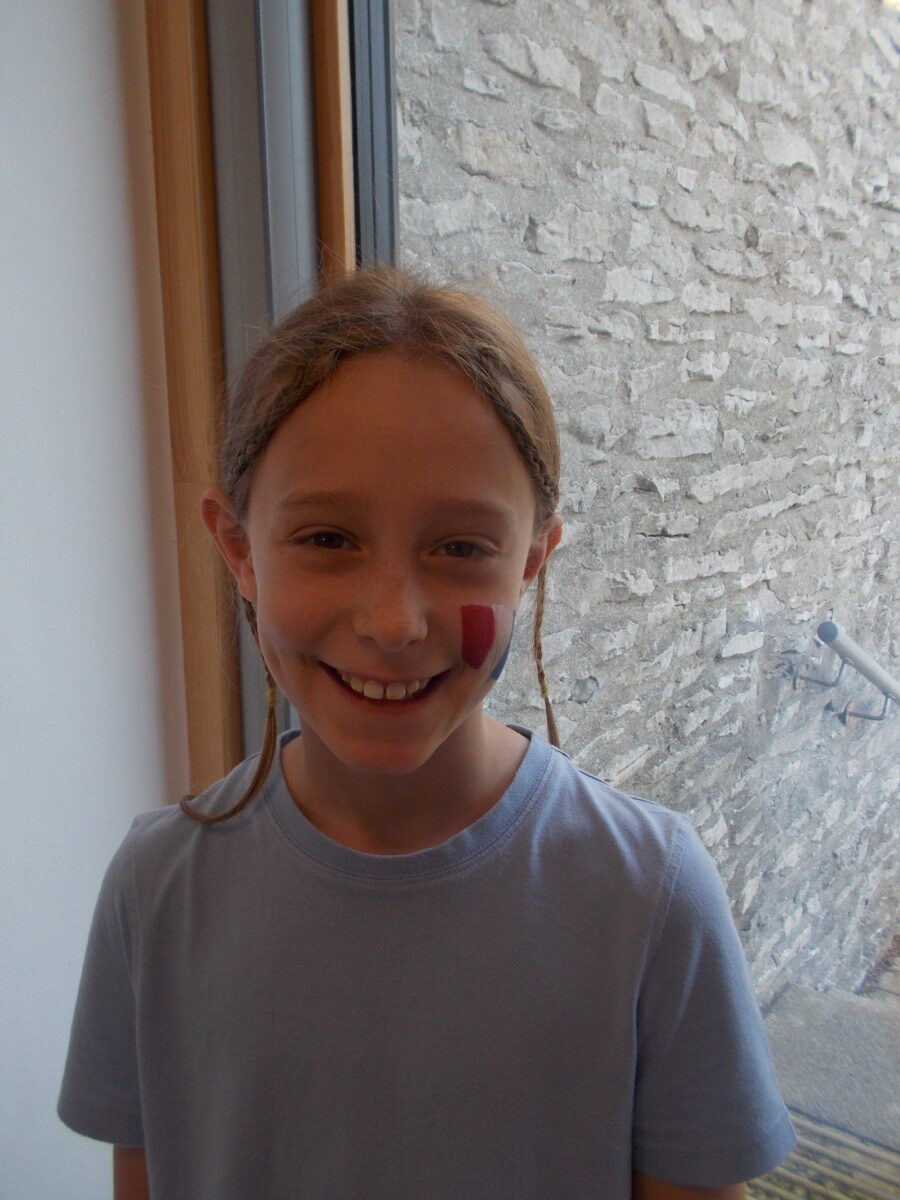
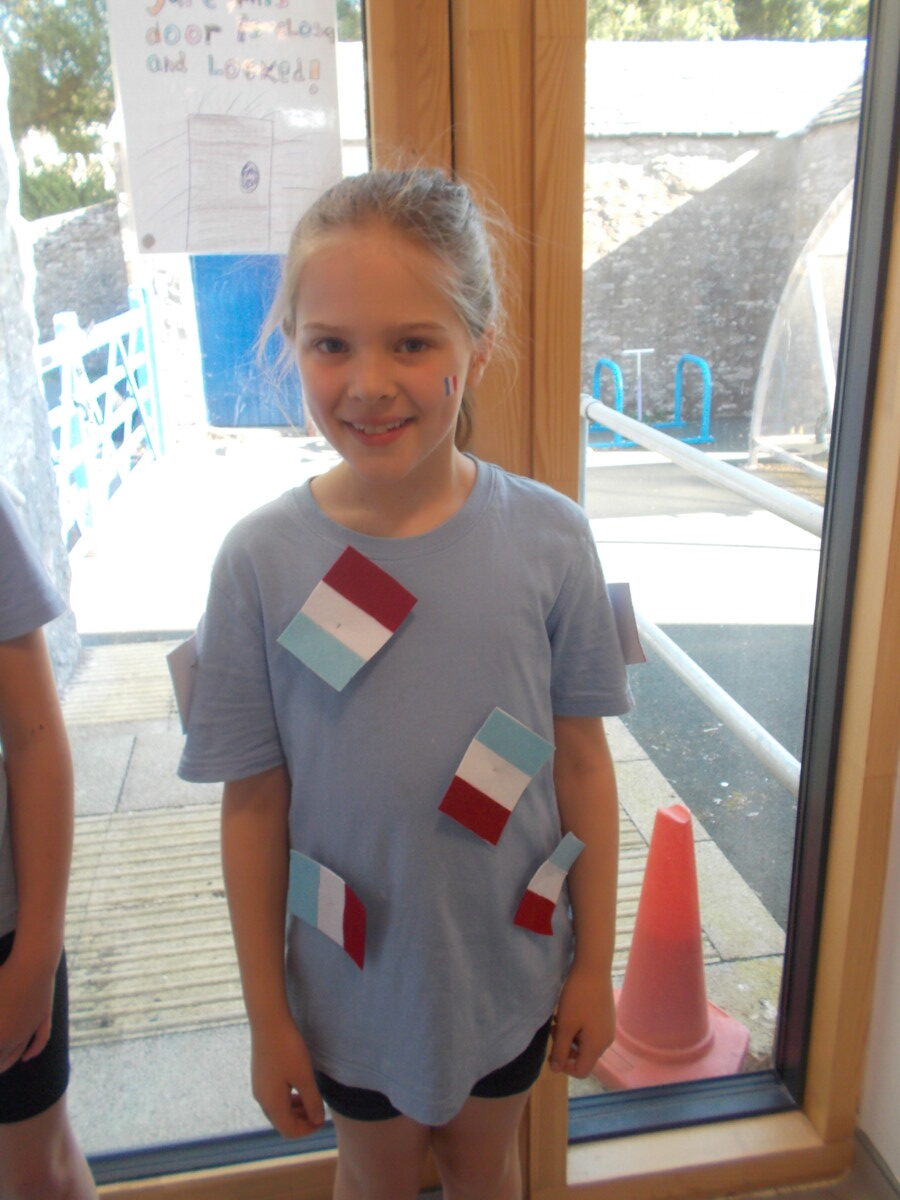
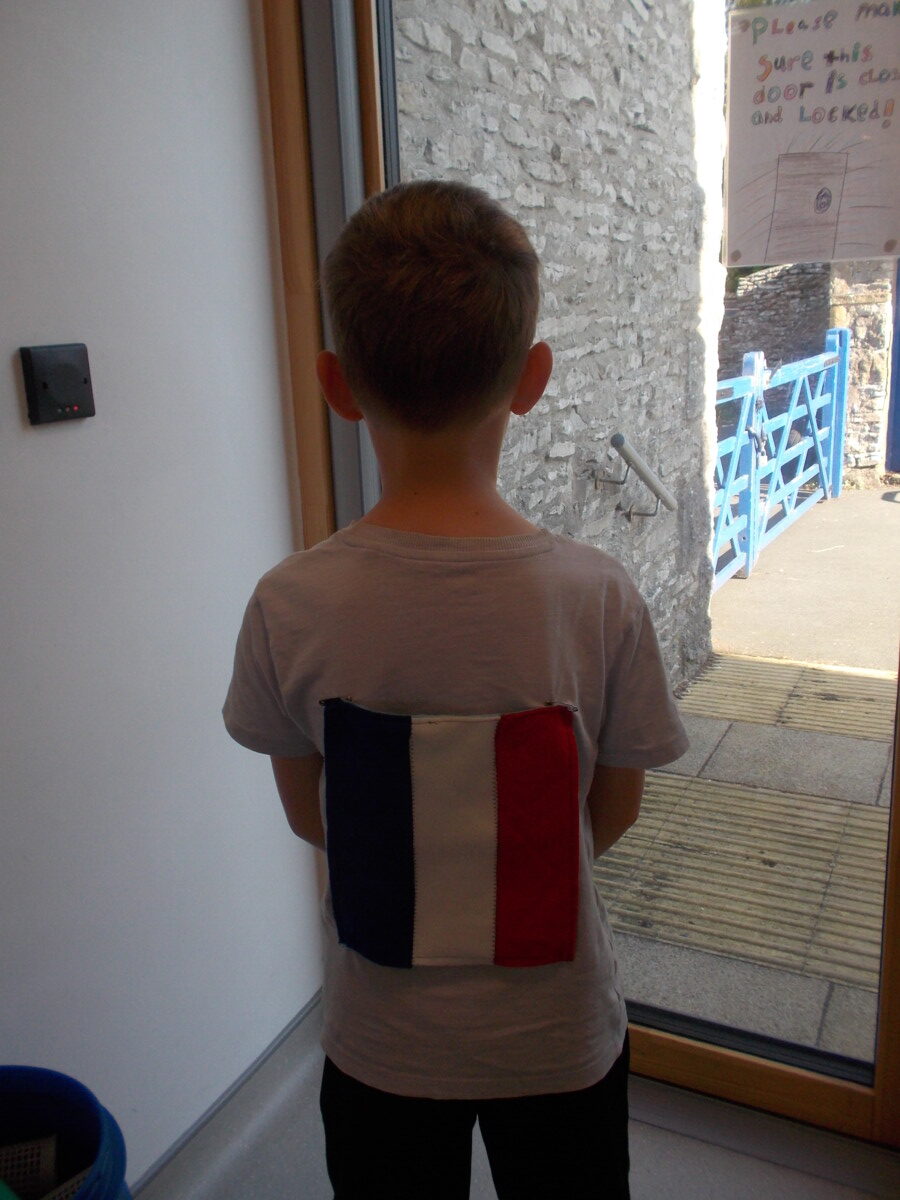
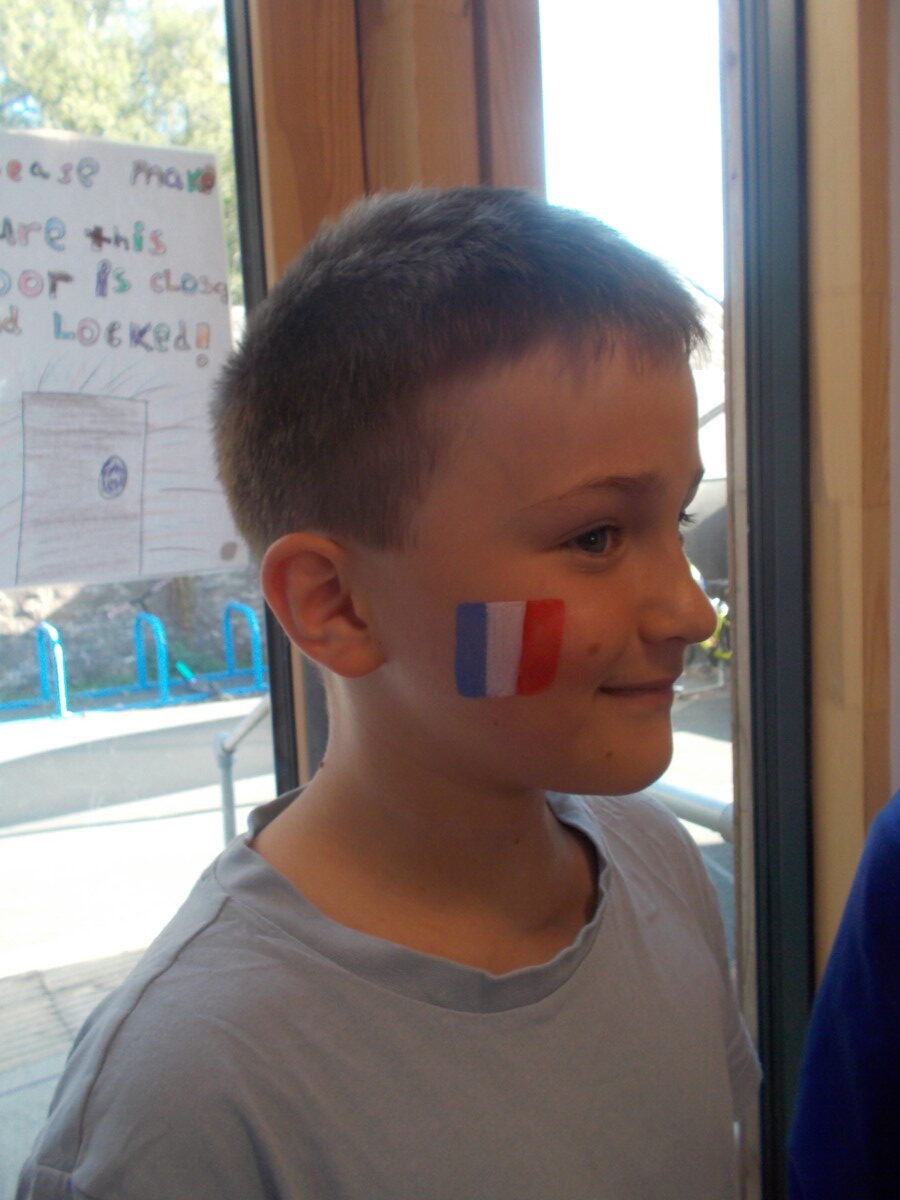
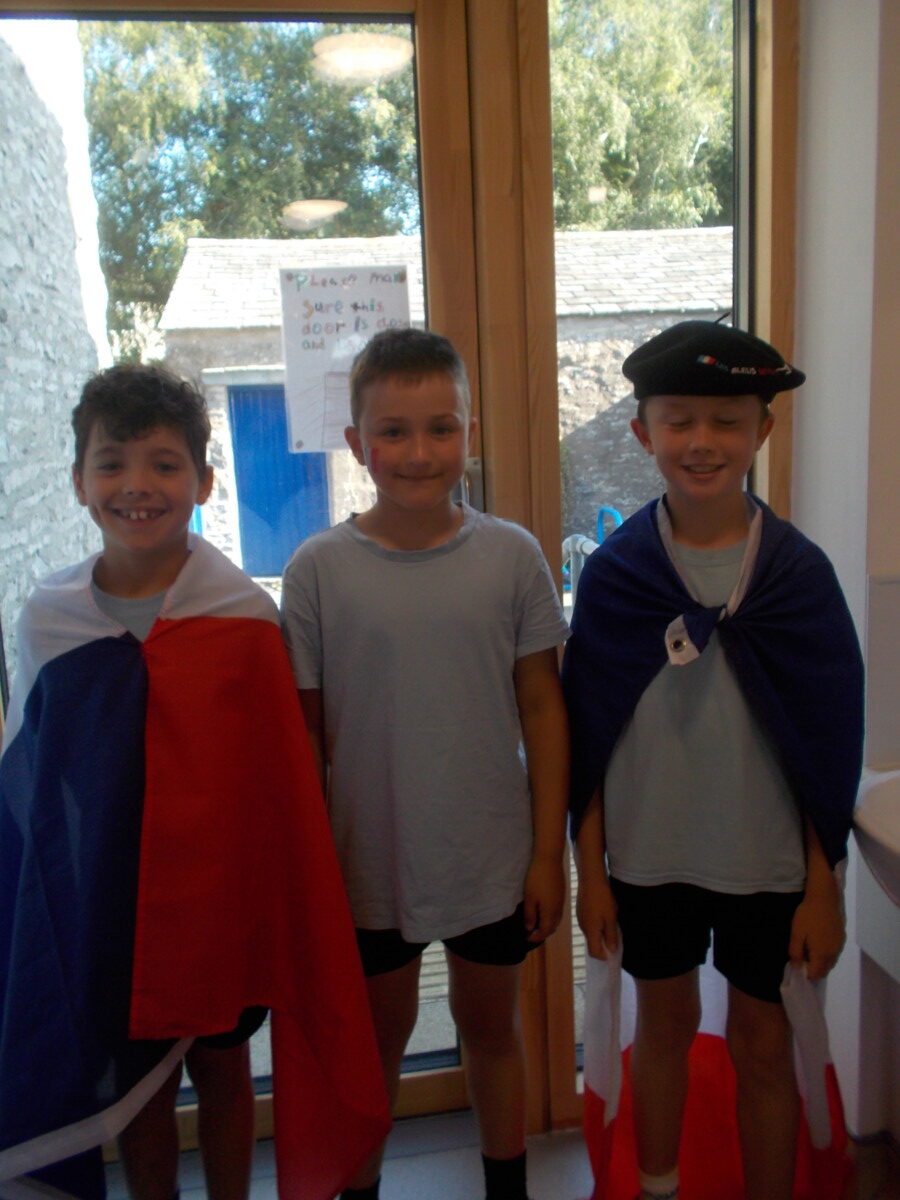
Class 3 have been working on their translation skills by studying a version of Jacques et le Haricot Magique. We had great fun ready the story and then spent our golden time drawing the key characters and props. We then used French dictionaries to label these.


Dallam Rounders

The sun was shining when Class 3 visited Tristrams for the school rounders event. All the children had a fantastic afternoon playing in two teams, encouraging and supporting each other. We came away with a 2nd and 3rd in our groups. Thank you very much to Dallam School for organising and hosting.


Exploring Mountains Through Contour Lines

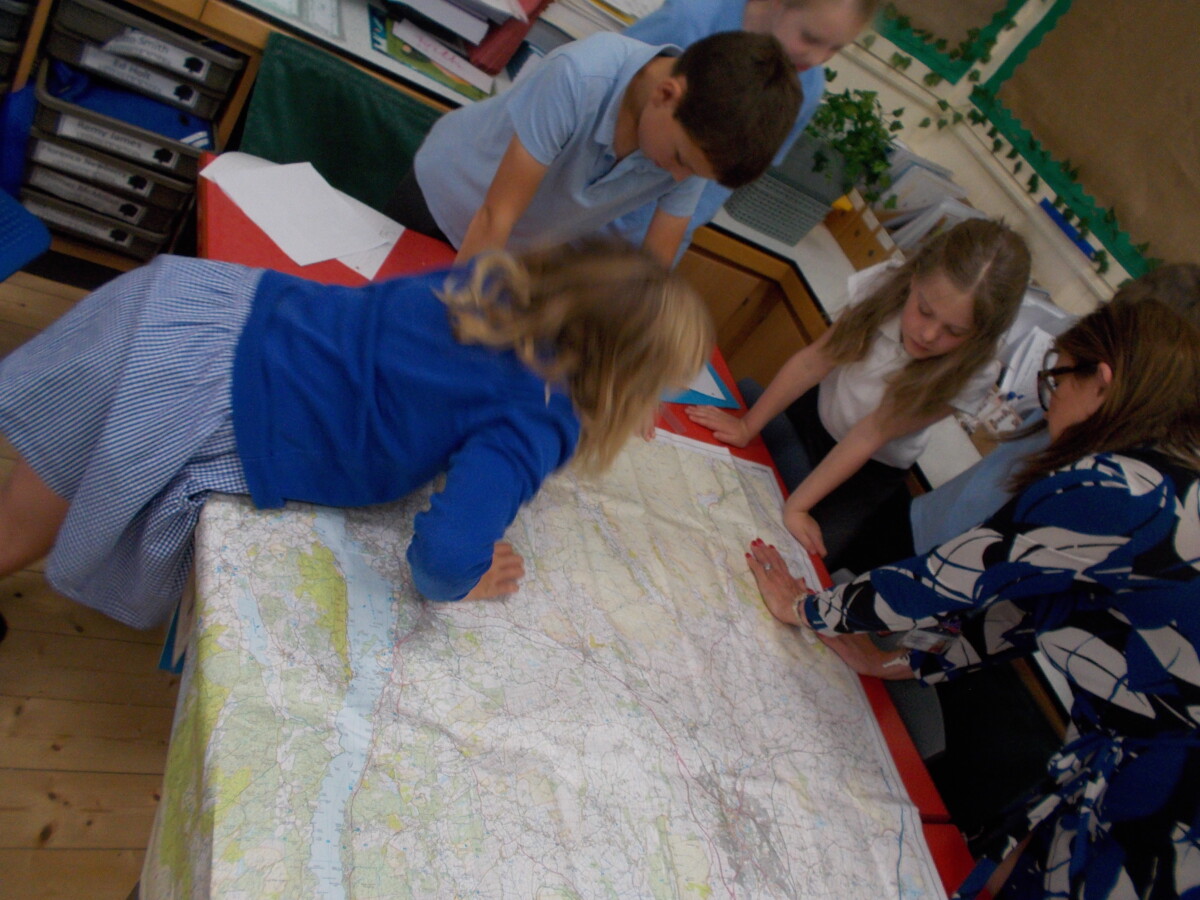
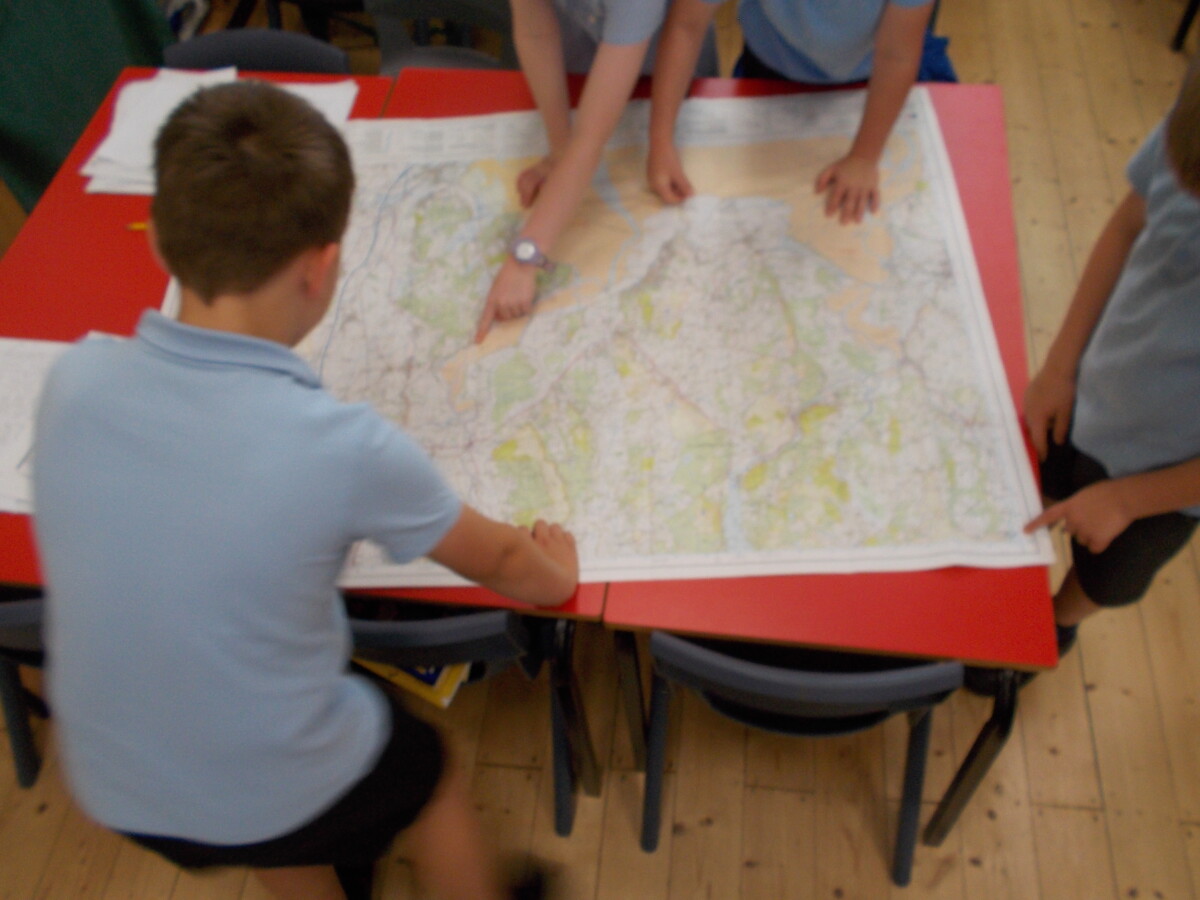
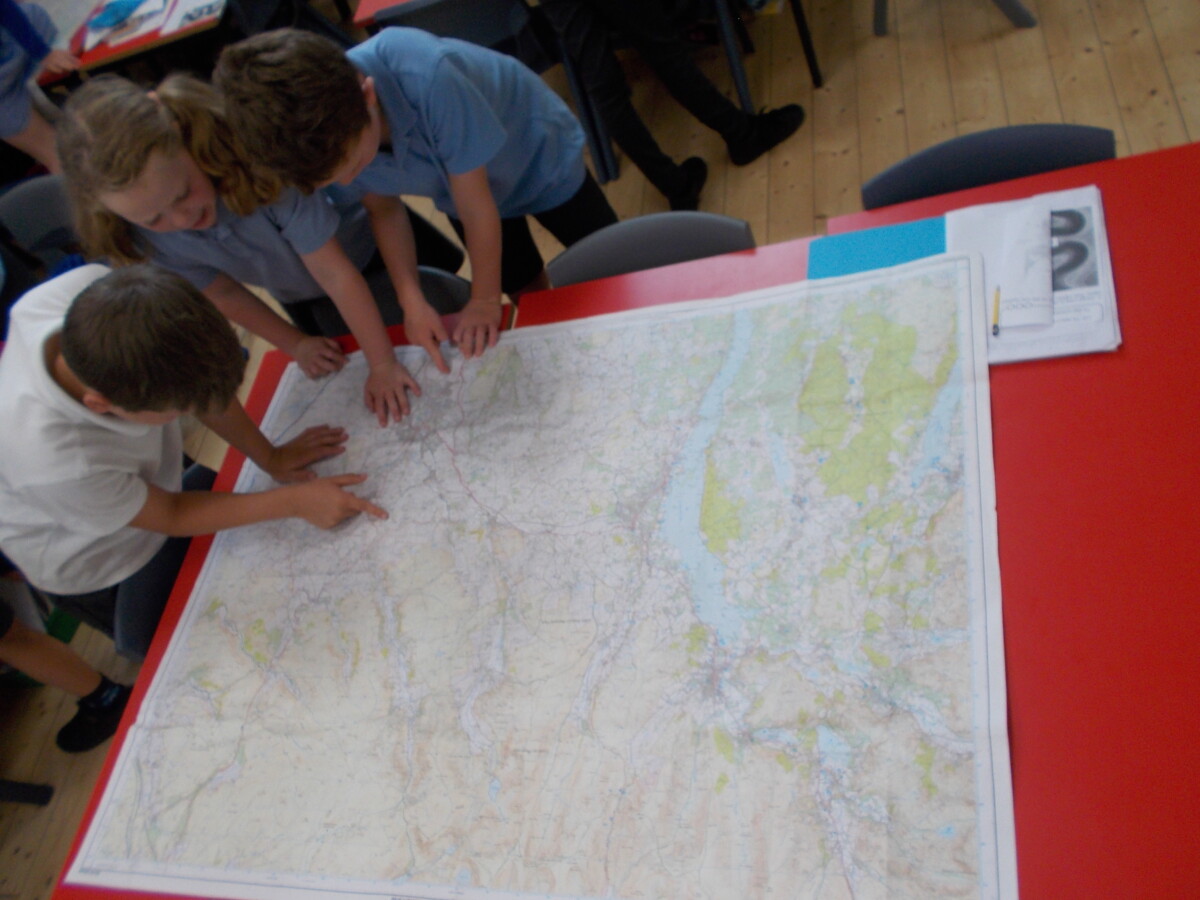
This term, our geography learning has taken us on an exciting journey into the world of maps and mountains. We have been studying contour lines and learning how they are used to show elevation and height on maps.

To begin with, we explored contour maps of familiar local places, including Patterdale Hall and Levens village. Looking at areas we know well helped us to understand how contour lines work in real life. We noticed that:

  • Closely spaced contour lines show steep slopes, such as hillsides or valleys
  • Widely spaced contour lines show flat or gently sloping land

By comparing the maps with what we know of these locations, we were able to see how hills, valleys and flatter areas are represented on Ordnance Survey maps.

To bring our learning to life, we then designed and built our own mountains using thick card. Each layer of card represented a different contour line, stacked carefully to show increasing height. This helped us visualise how a flat map can represent a three‑dimensional landscape.

Each mountain was unique. Some had:

  • Steep cliffs and sharp peaks
  • Wide, flat plateaus
  • Gentle slopes and rounded summits
  • Valleys and passes between high points
  • In one case, a dramatic overhanging cave opening!

Once our individual mountains were complete, we combined them into one large imaginary mountain range, creating an exciting landscape with a variety of elevation features. Some students also noticed that this is how features like rivers and lakes are formed in nature, so we added some of those too.