Class Four


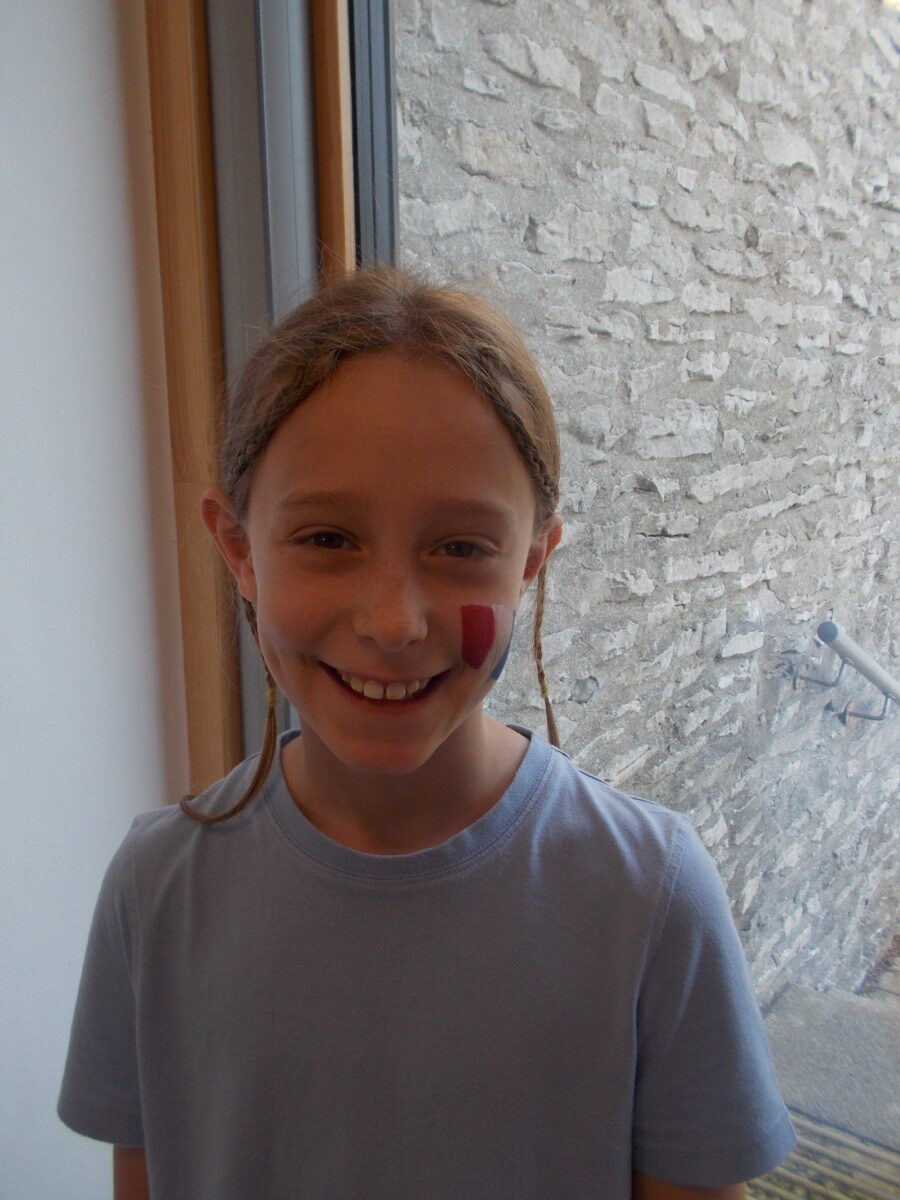
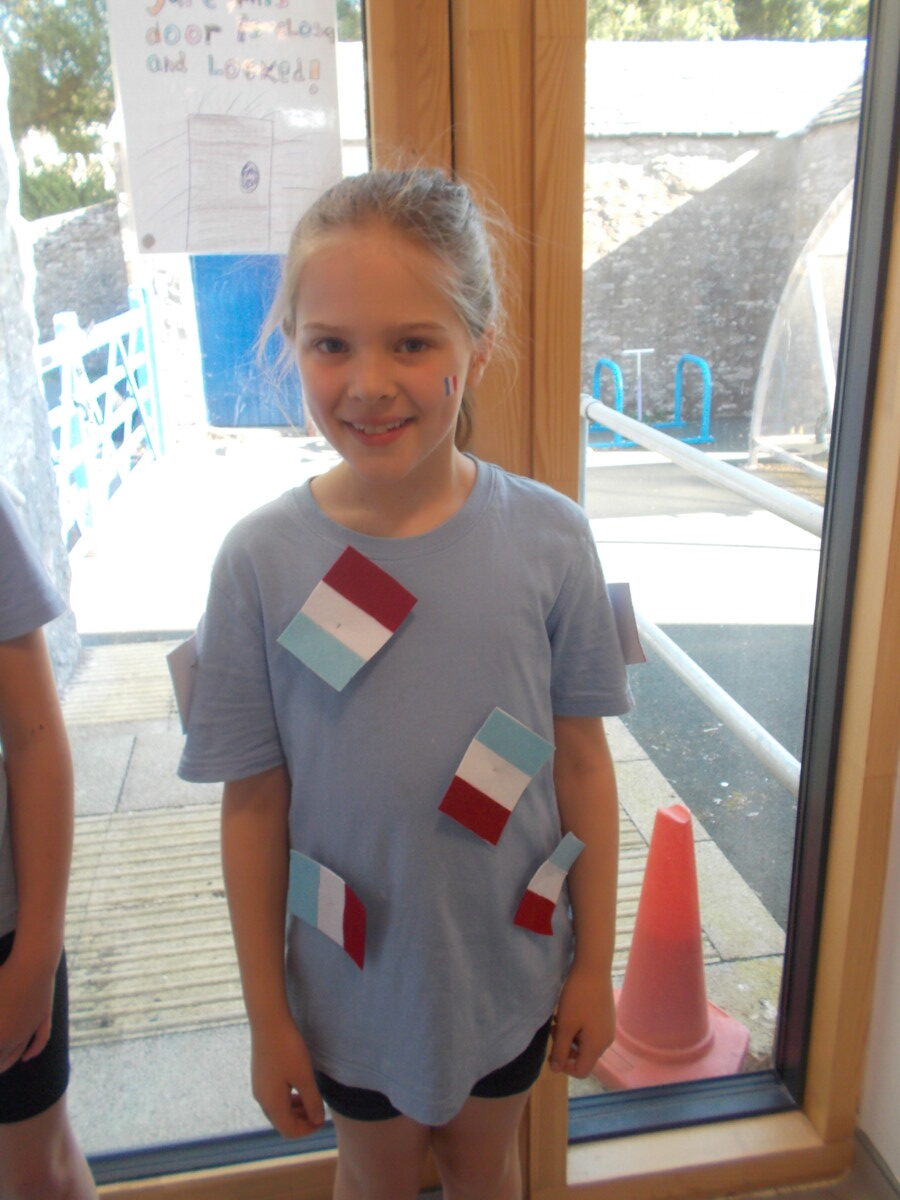
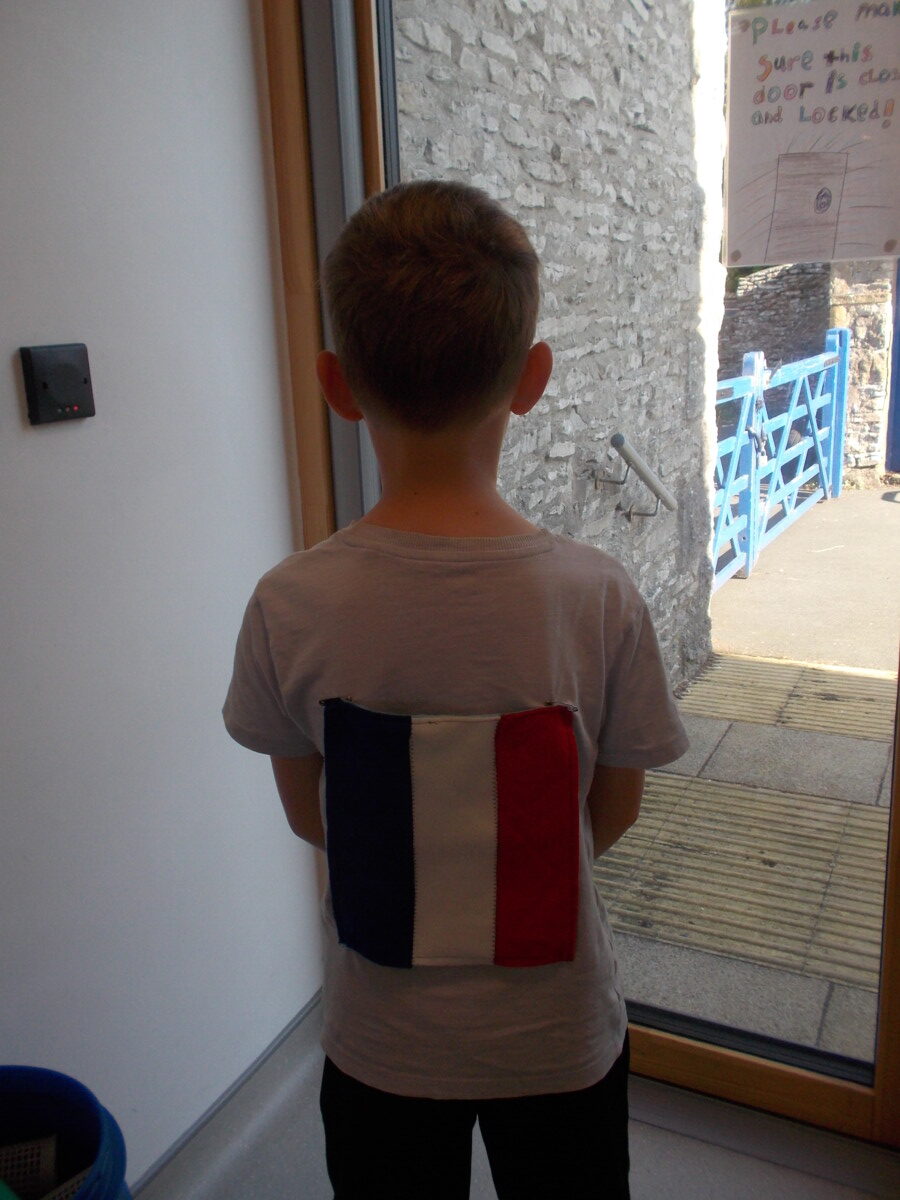
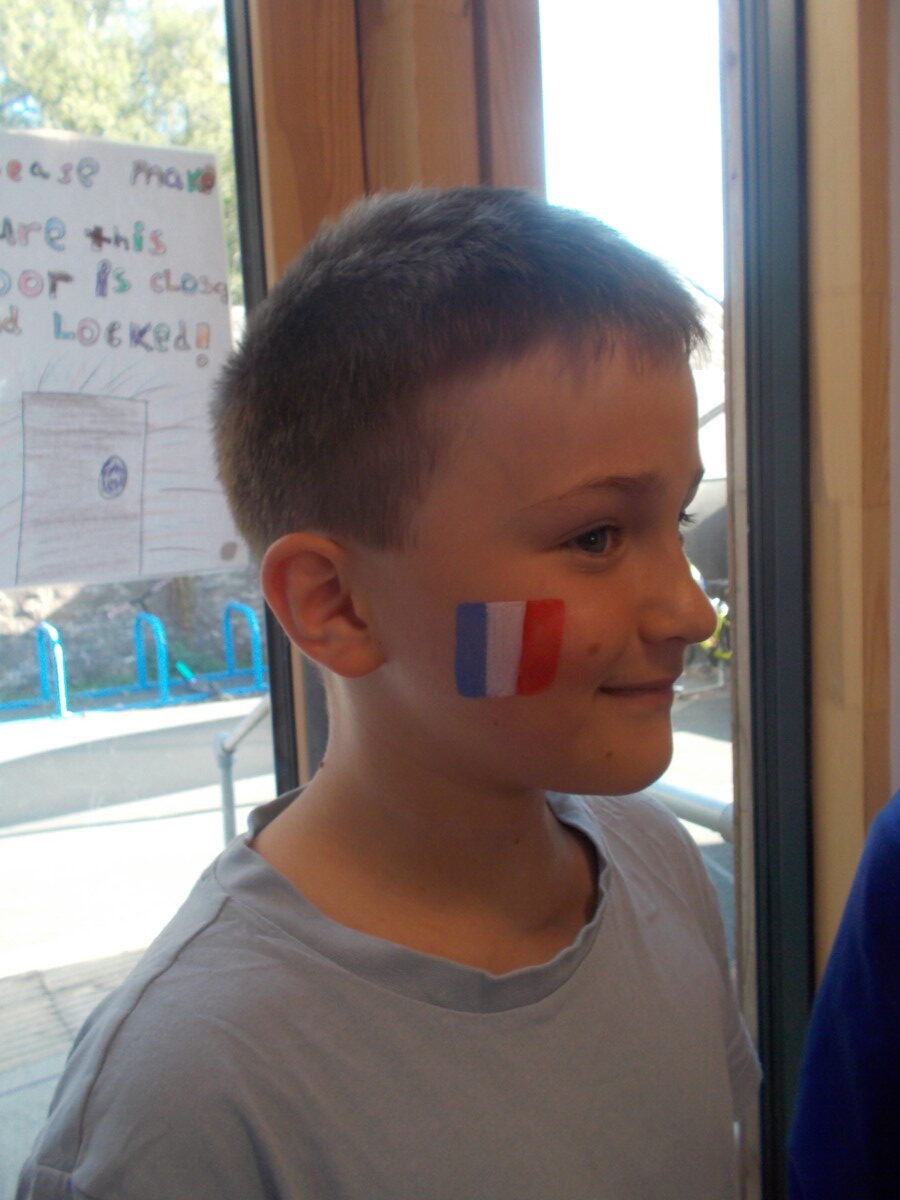
Bastille Day

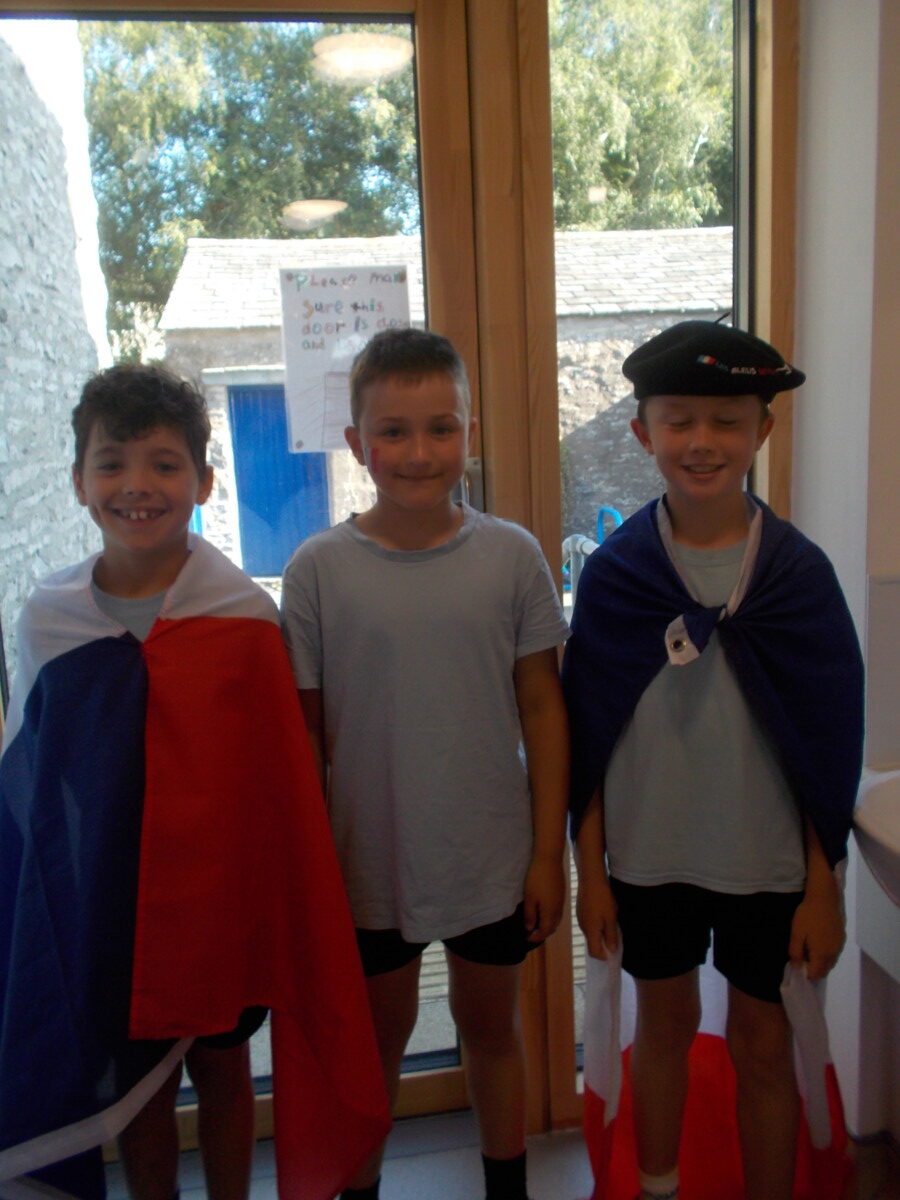
Key Stage Two had a fantastic day celebrating Bastille Day.

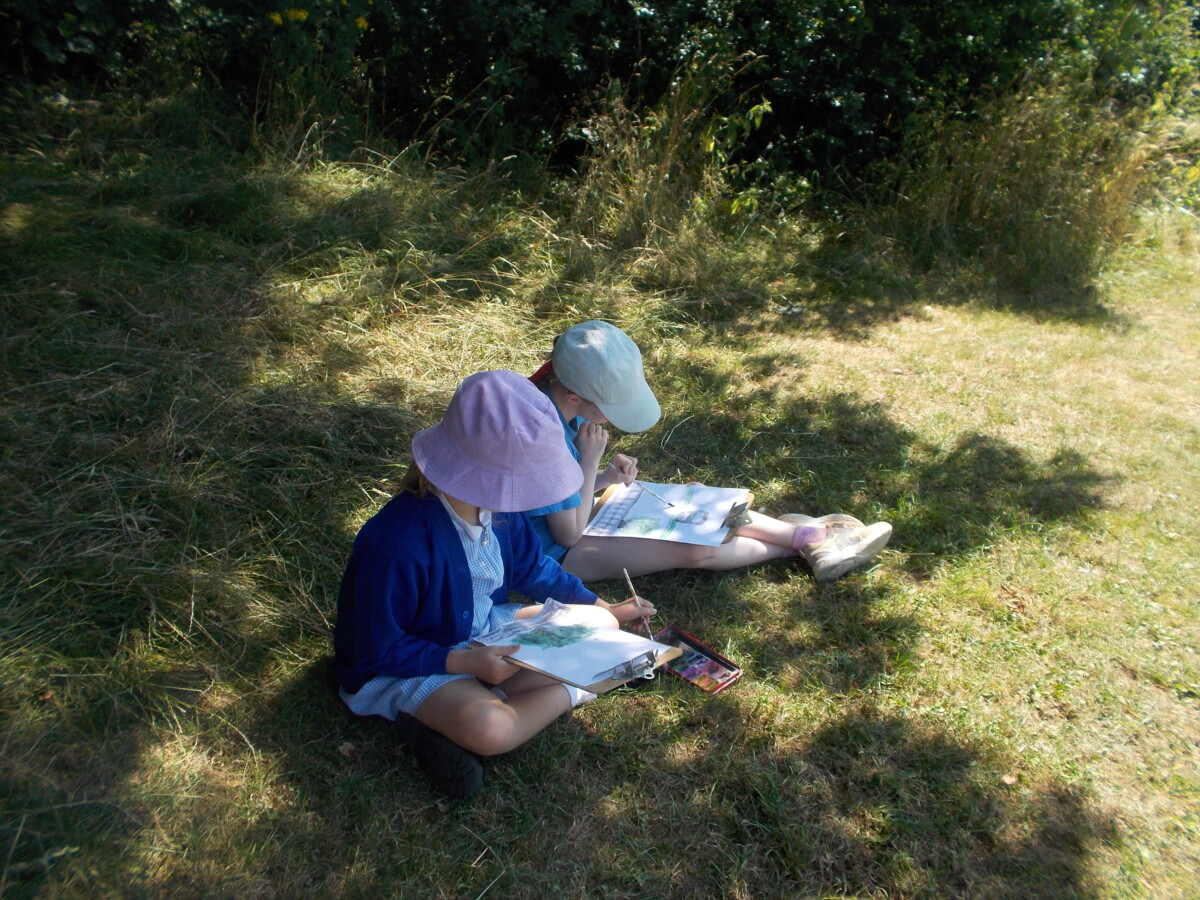
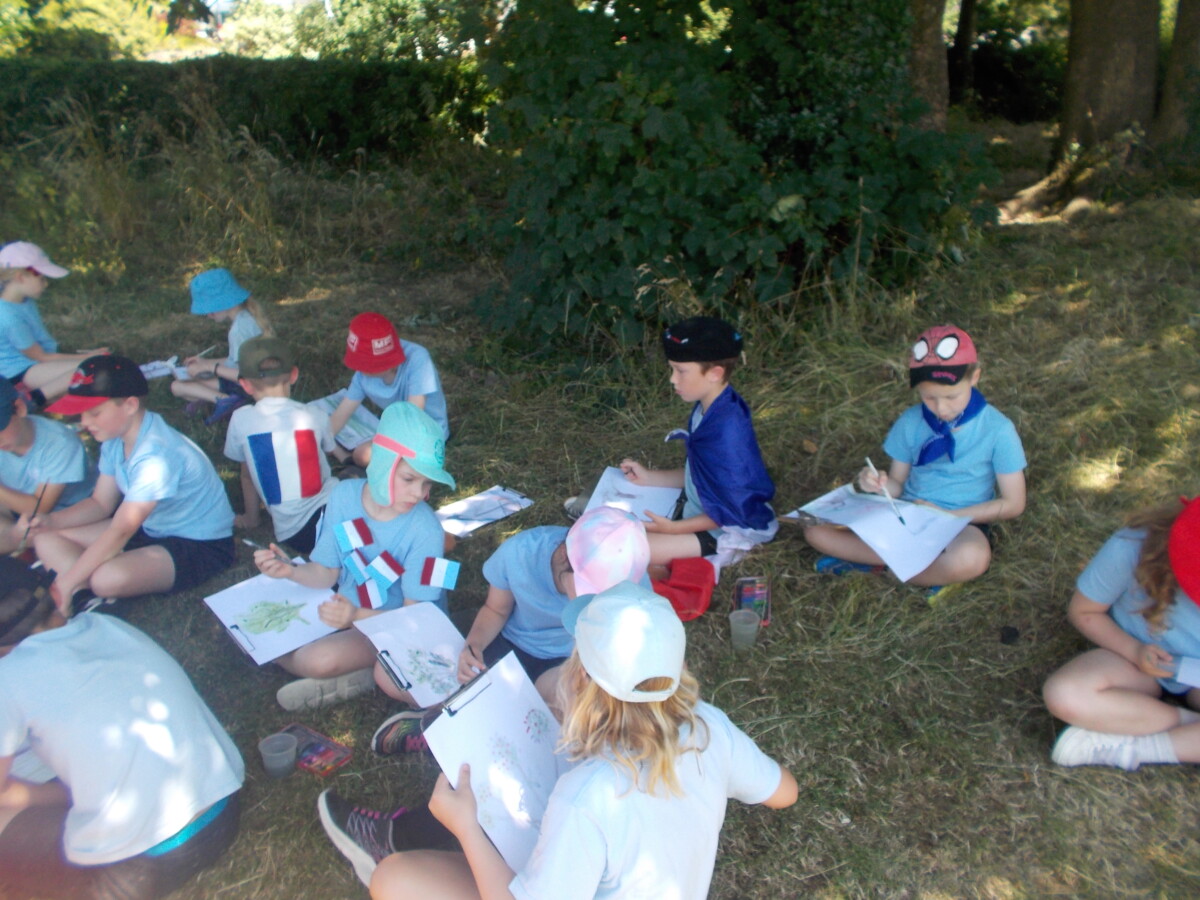
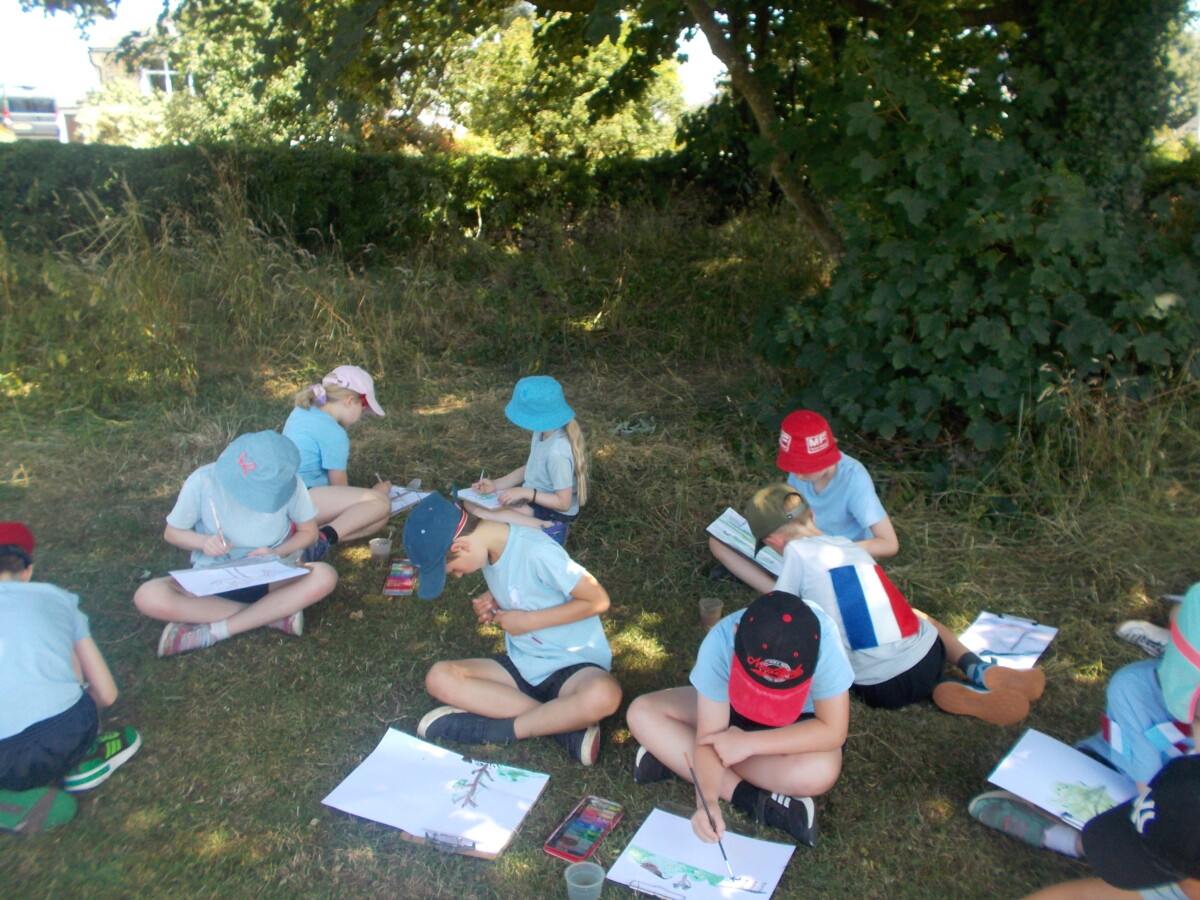
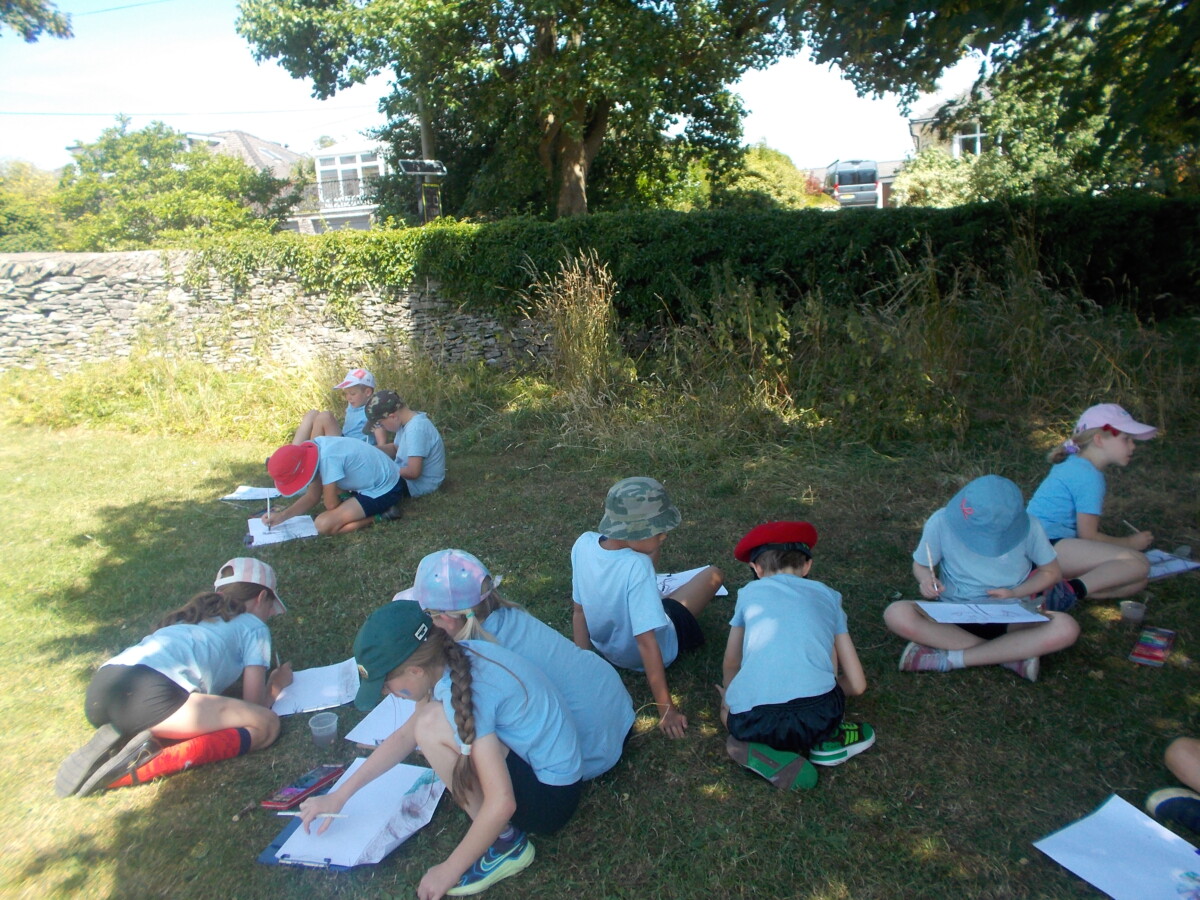
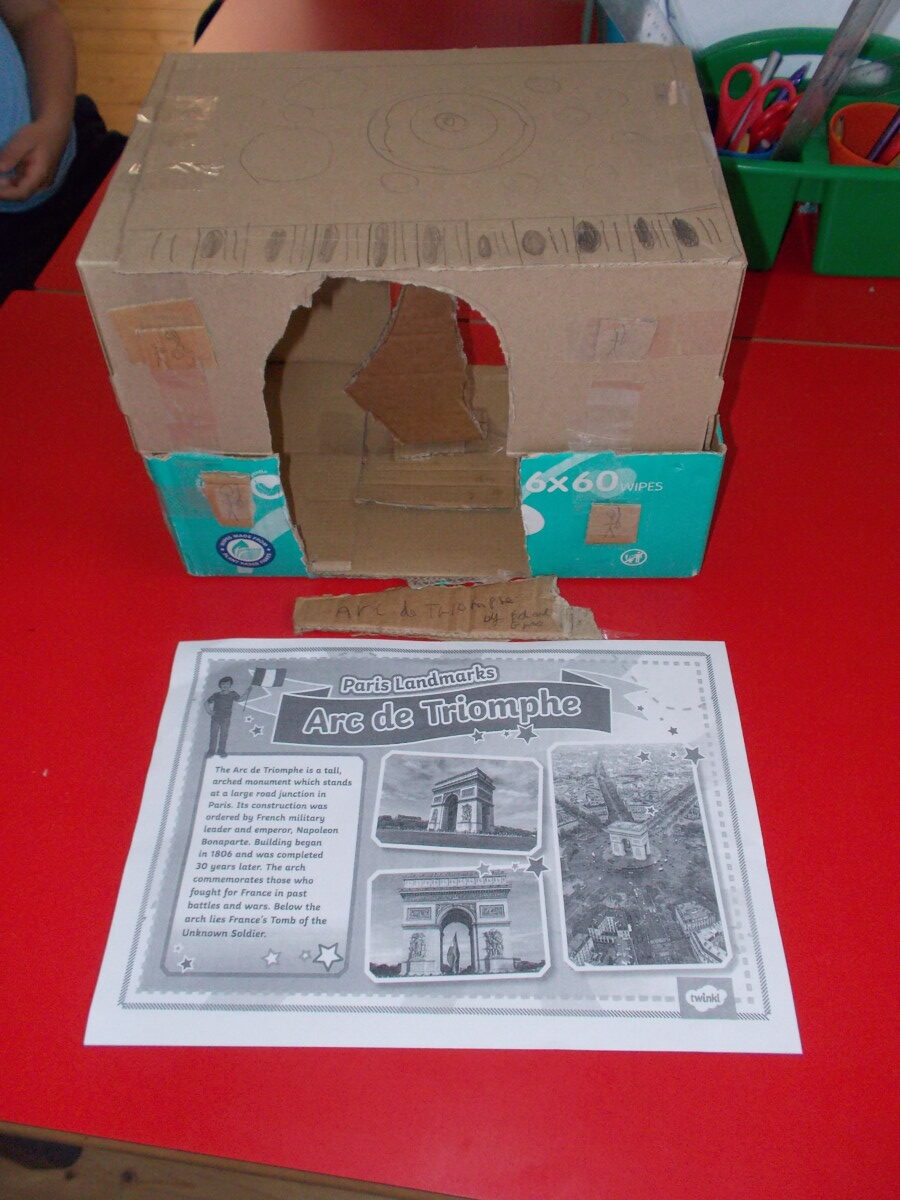
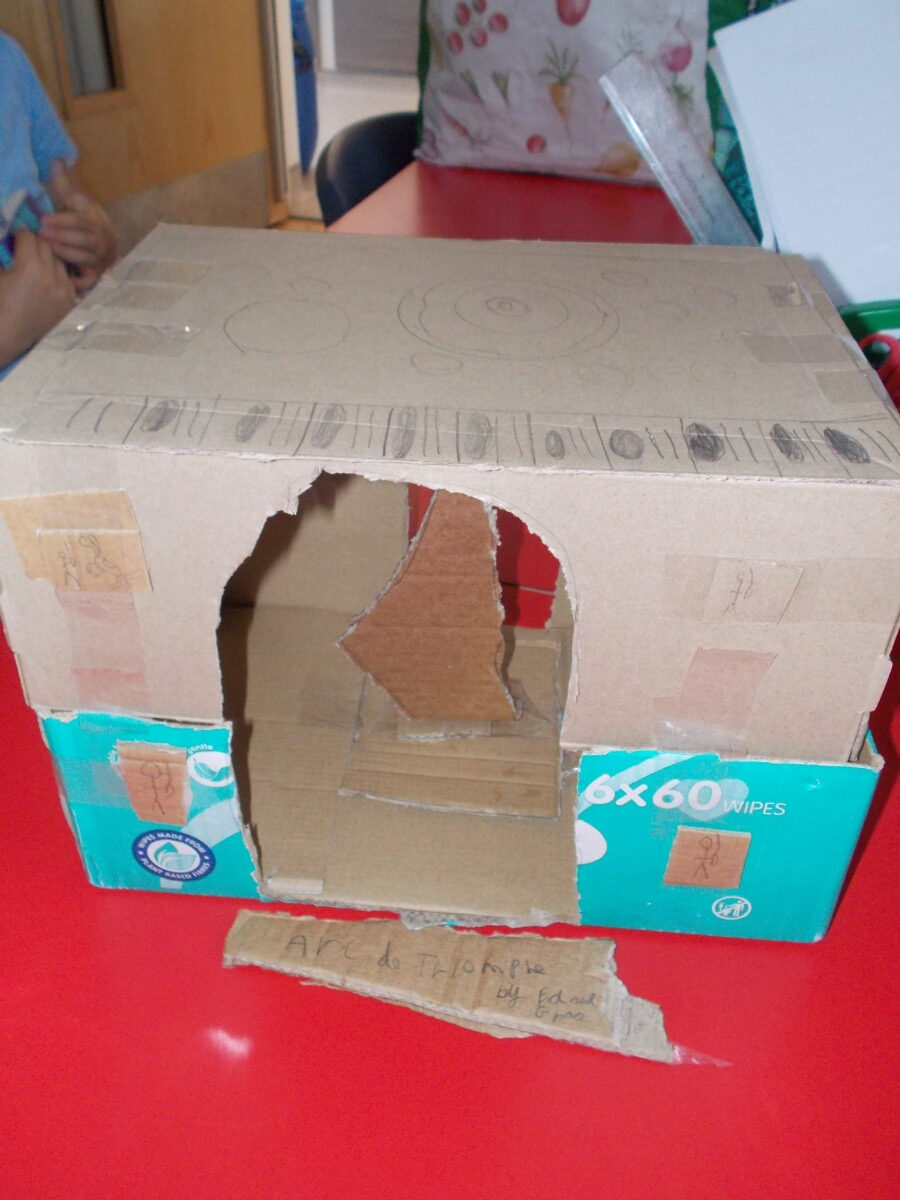
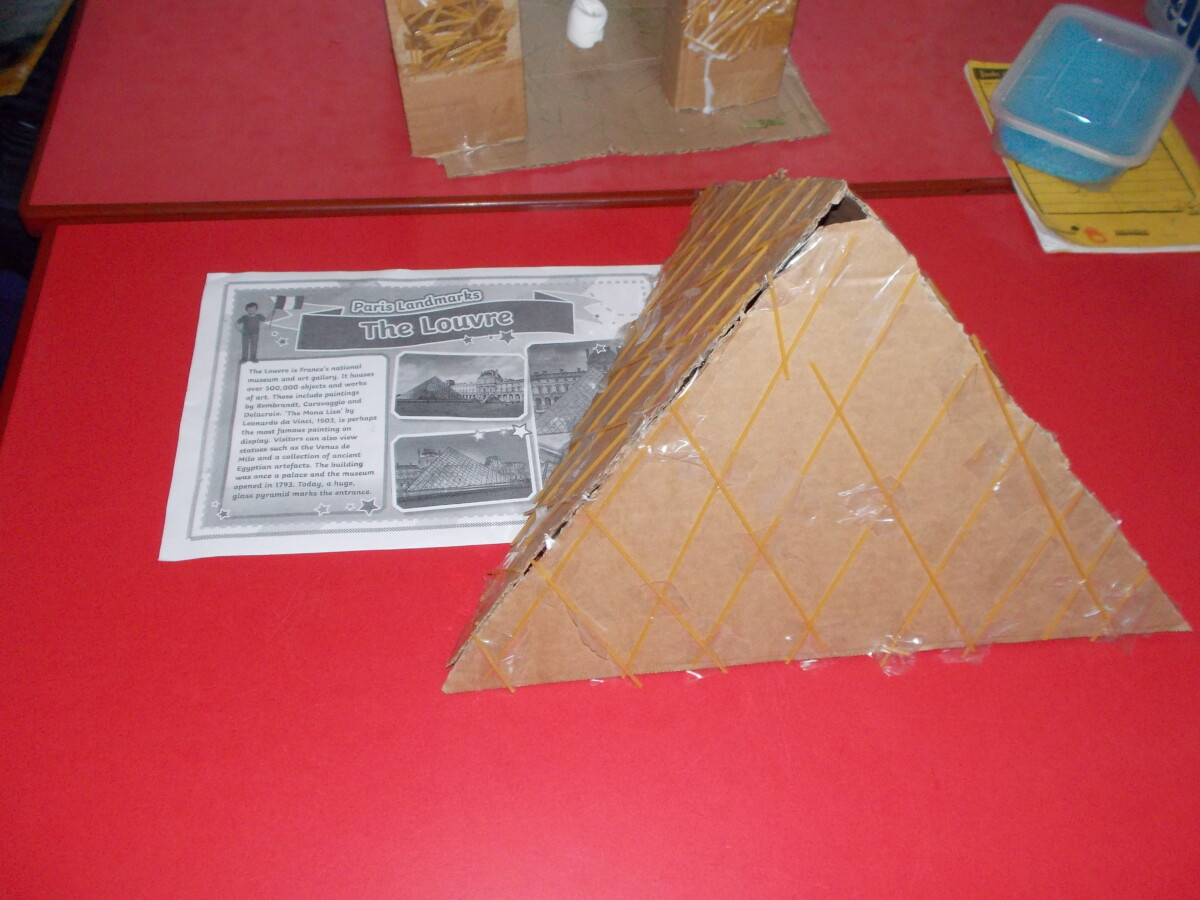
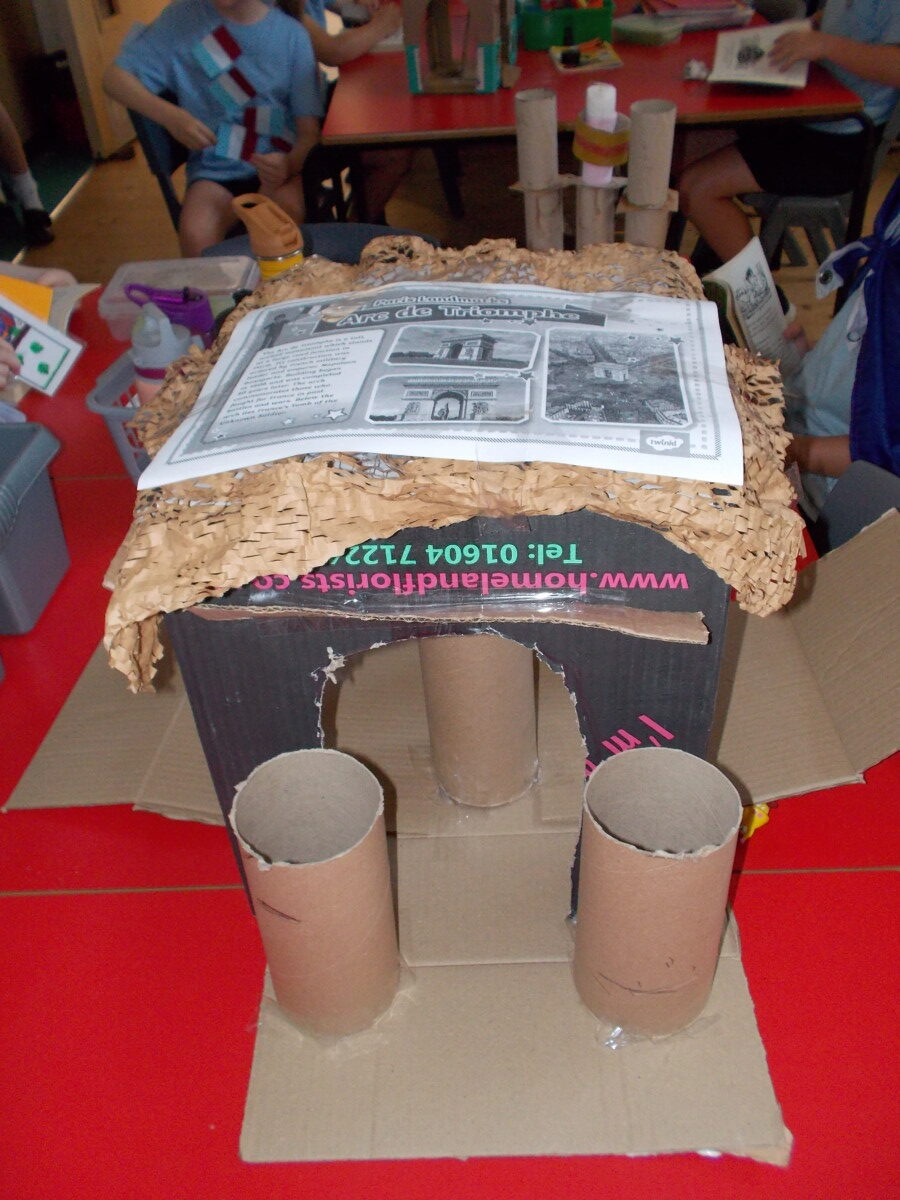
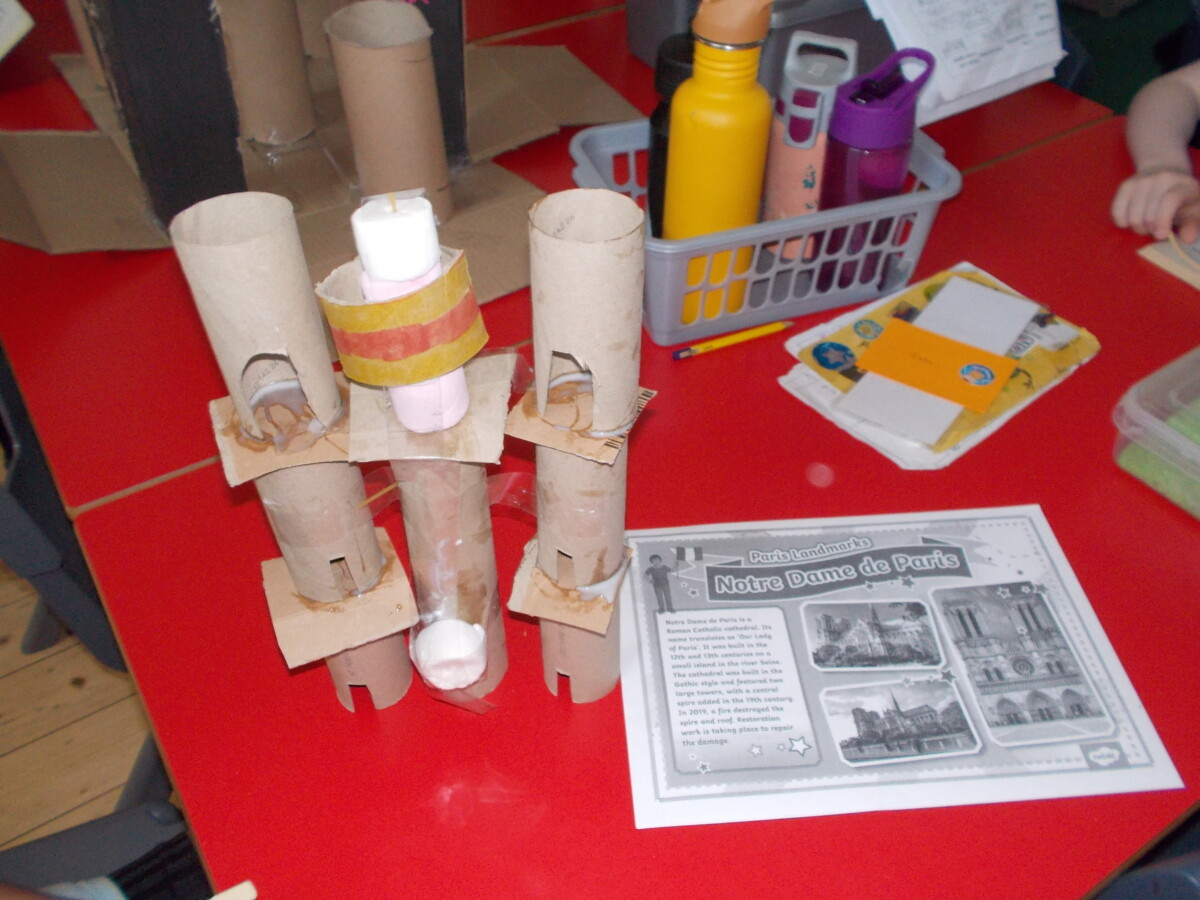
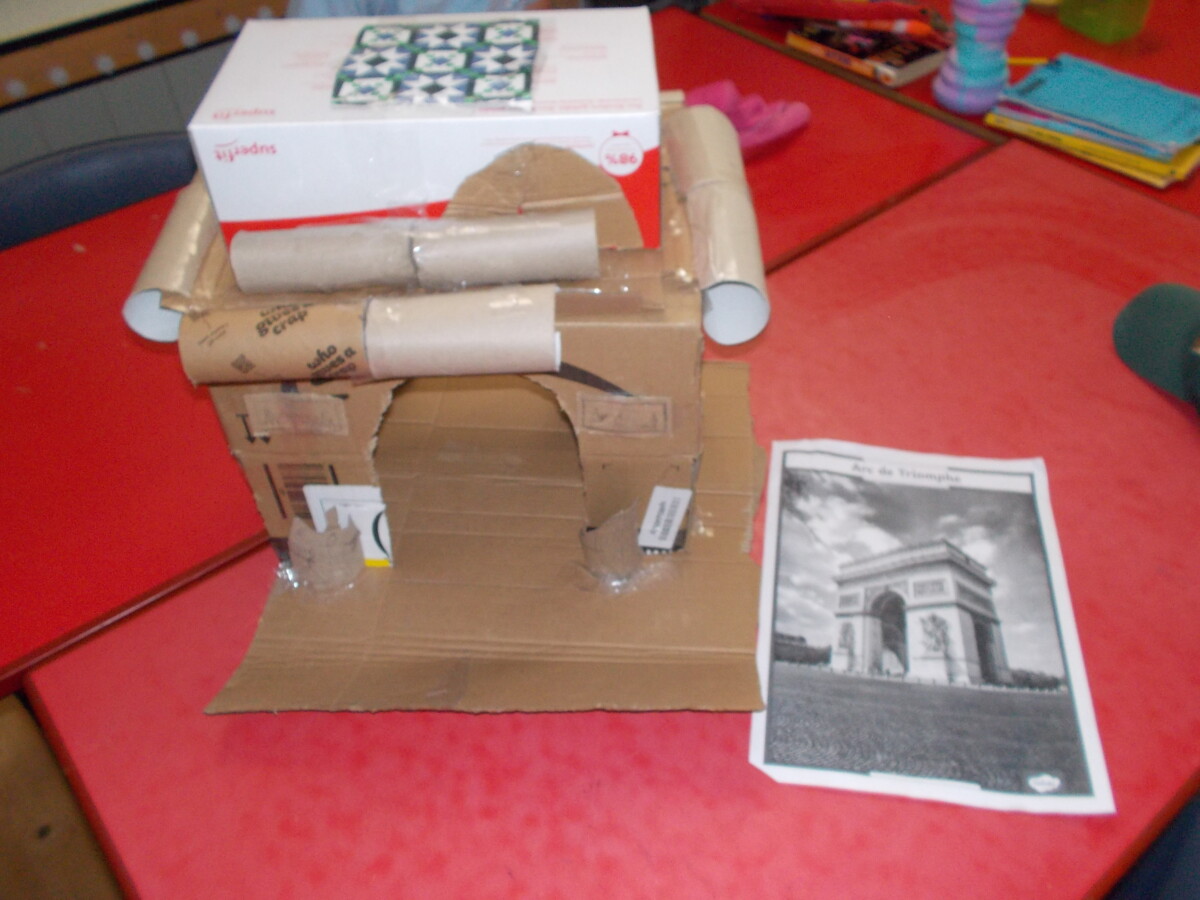
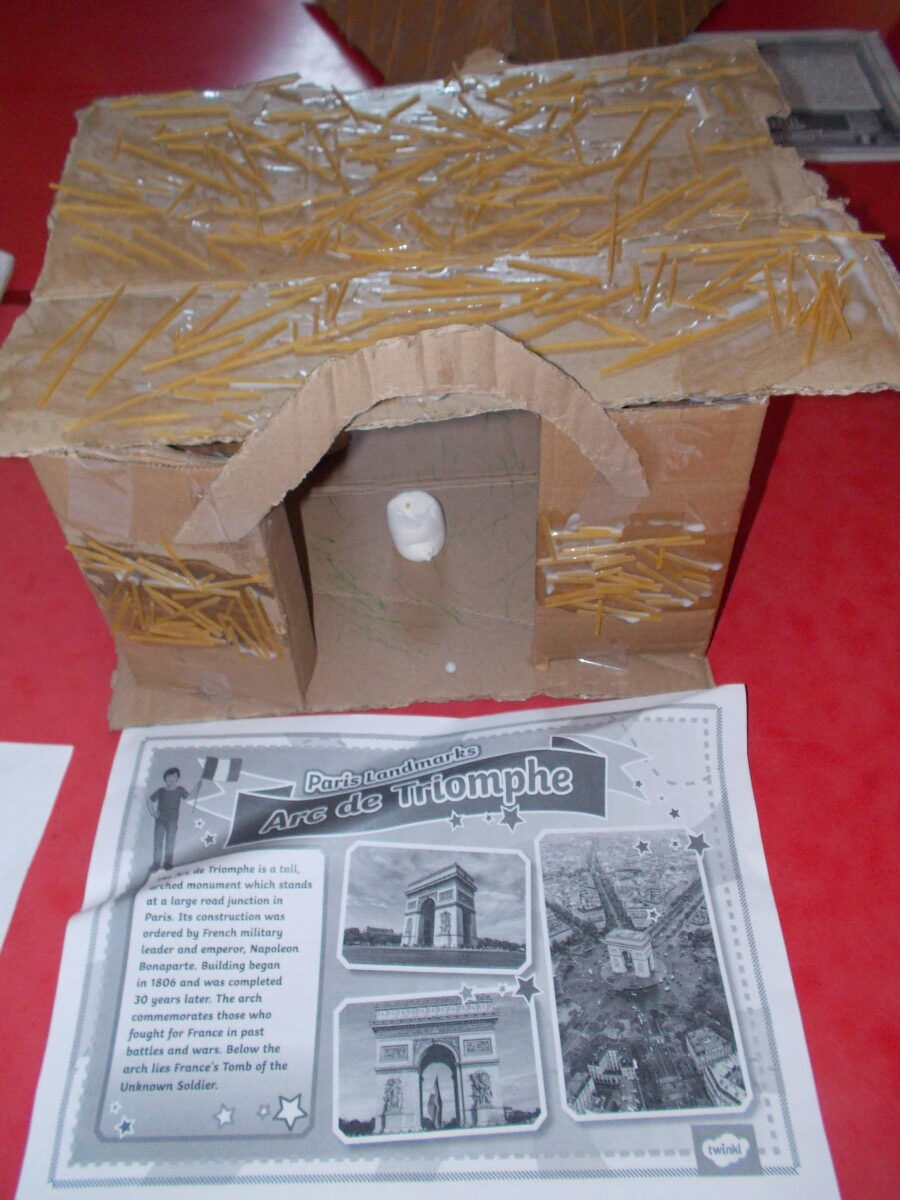
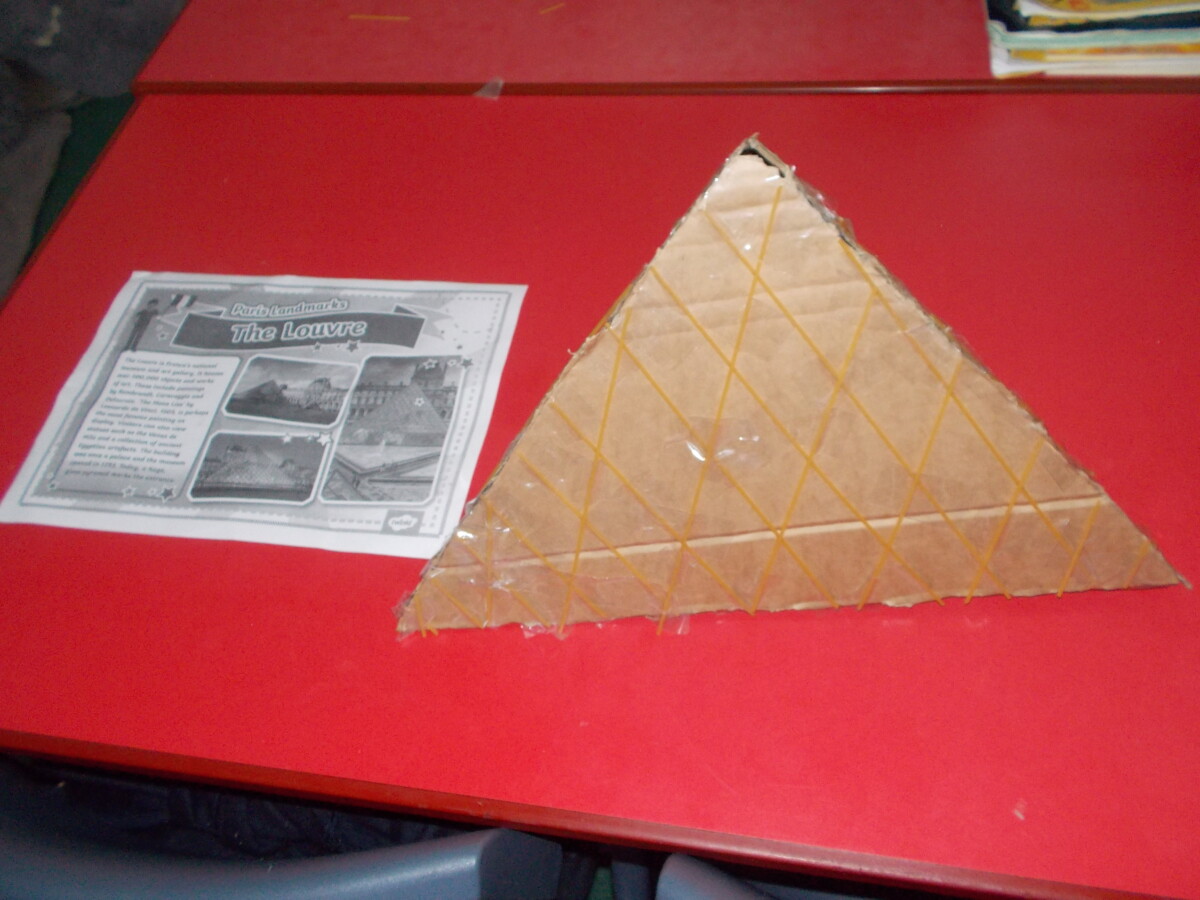
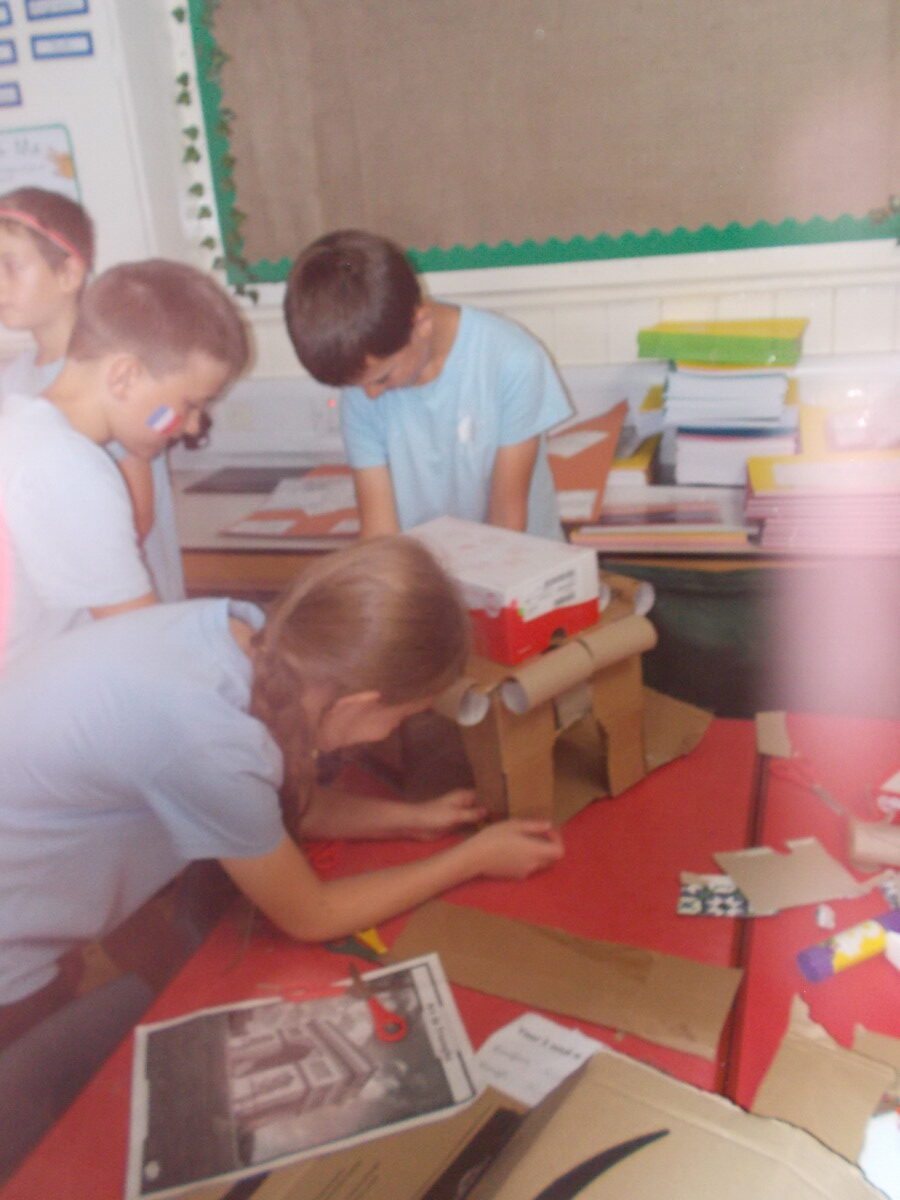
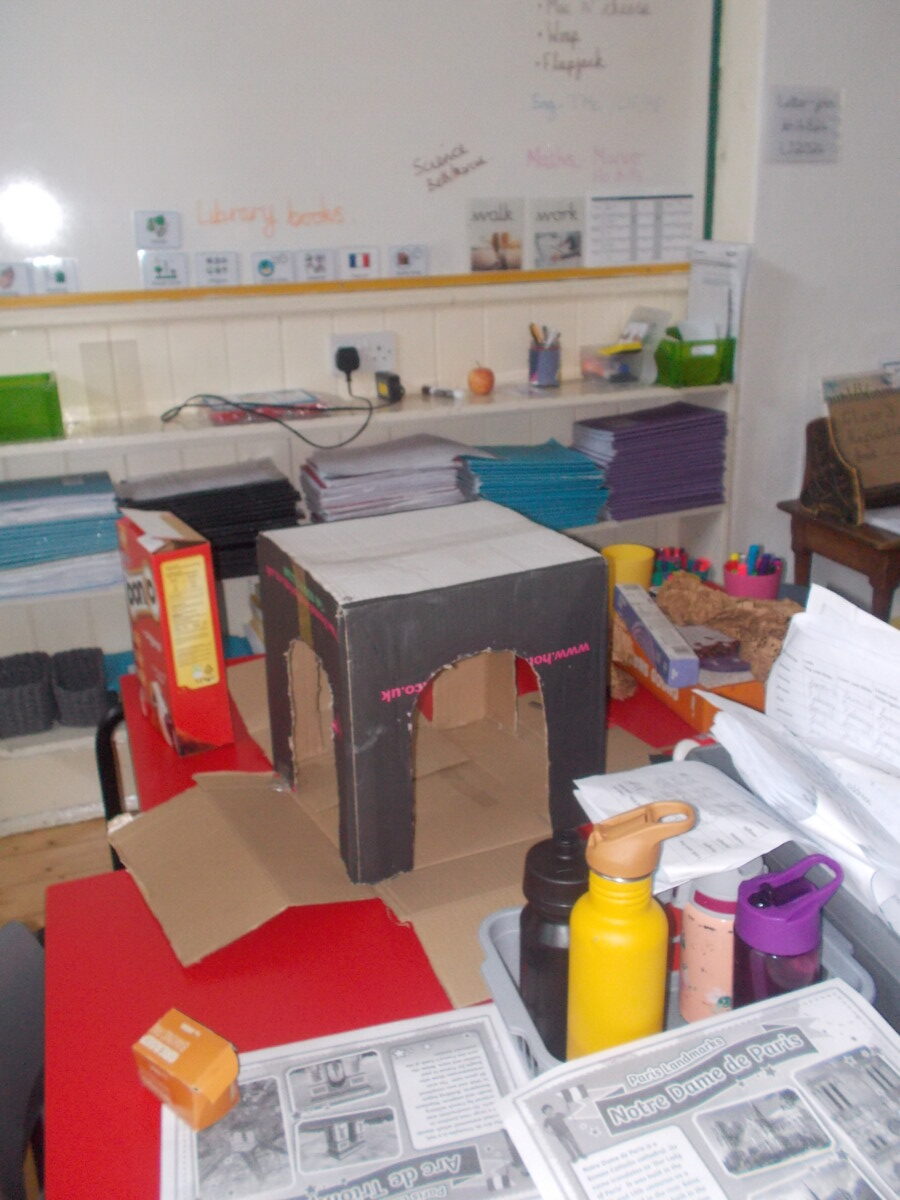
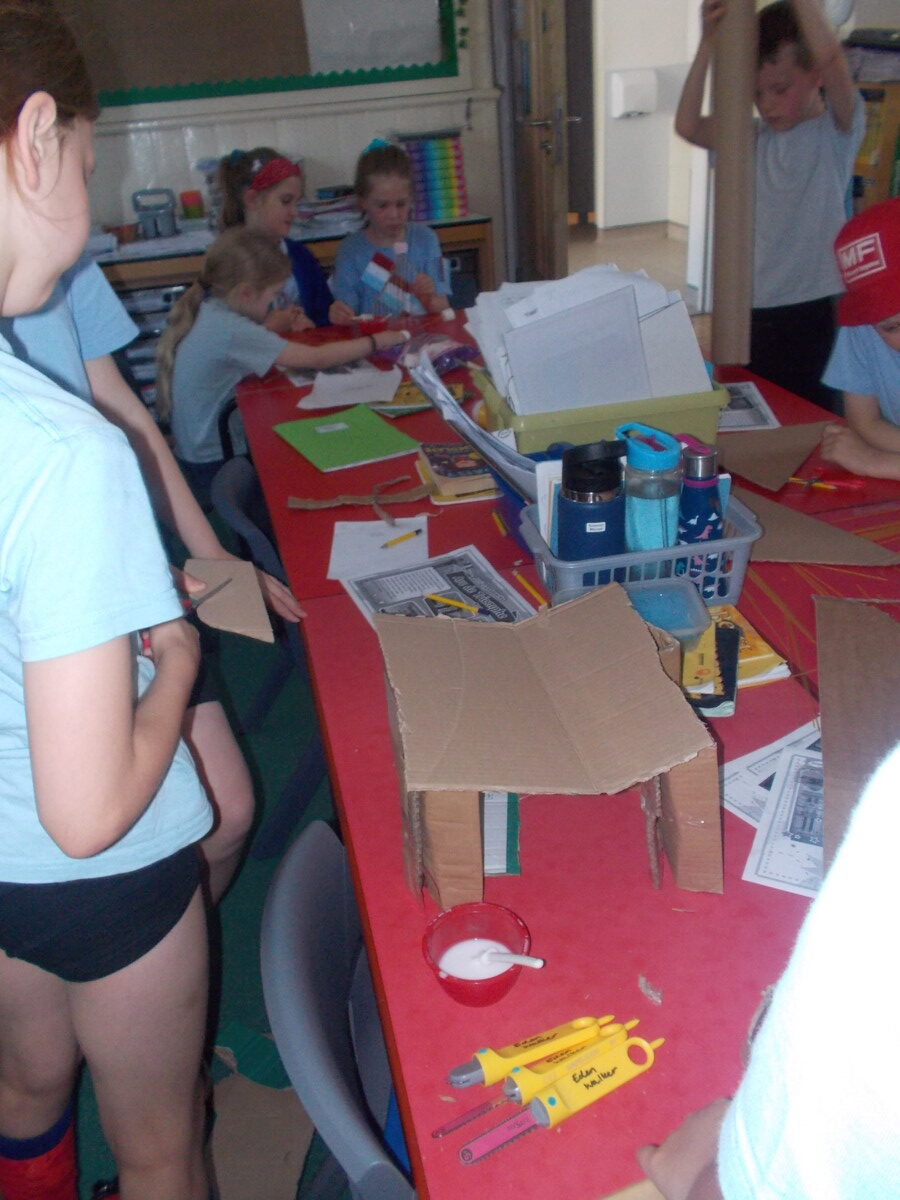
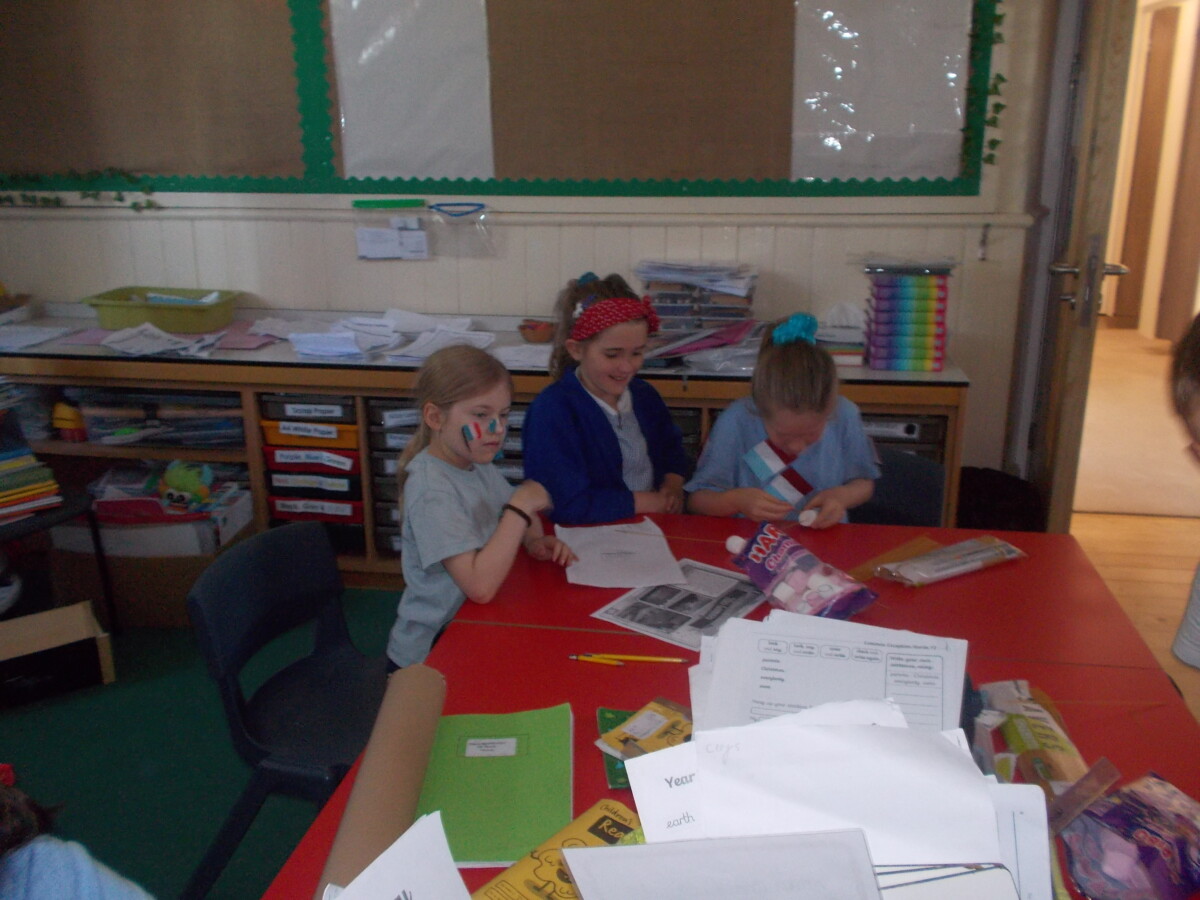
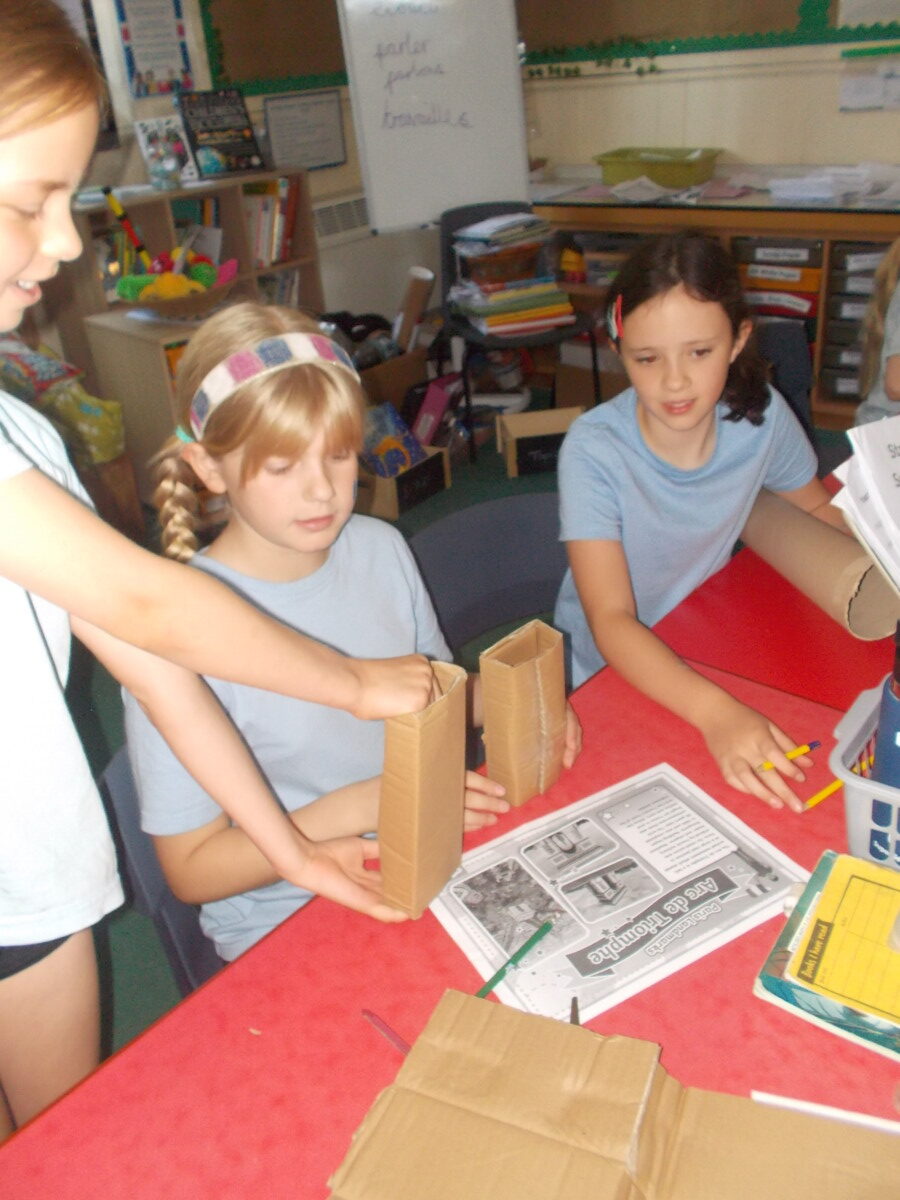
Class 3 recapped on why Bastille Day is significant before moving on to look at famous French landmarks.  They were then challenged to make their own models of these. In the afternoon, they looked at the work of Claude Monet and the impressionist movement. We then took our learning outside and did our own impressionist paintings.


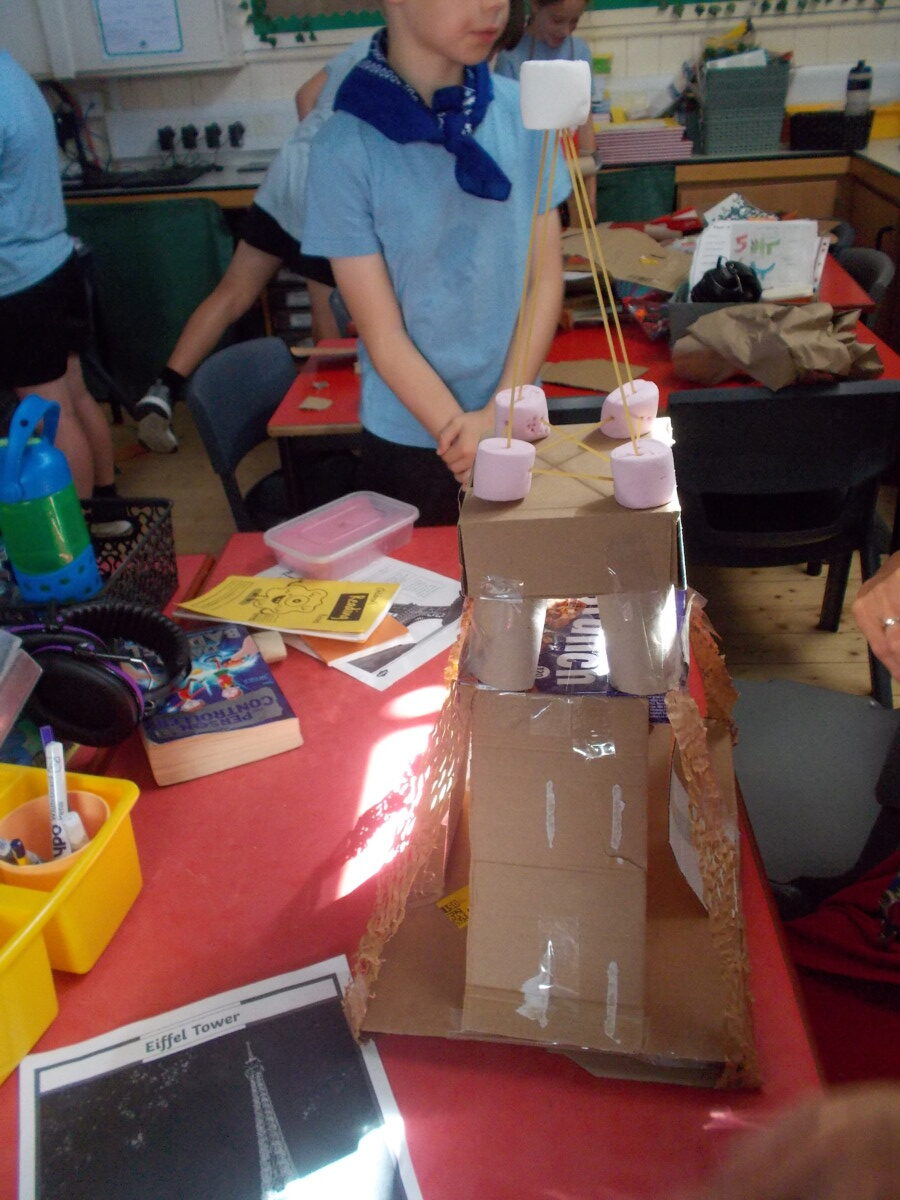
Class 4 spent the morning learning about the 1886 ‘Exposition Universelle’ in France, where inventors, engineers and artists from across the world gathered in France to show off their latest creations. The event was marked by the building of a very famous building by Gustave Eiffel – a temporary tower to mark the grand entrance to the exhibition. That temporary structure still stands today as the Eiffel tower!

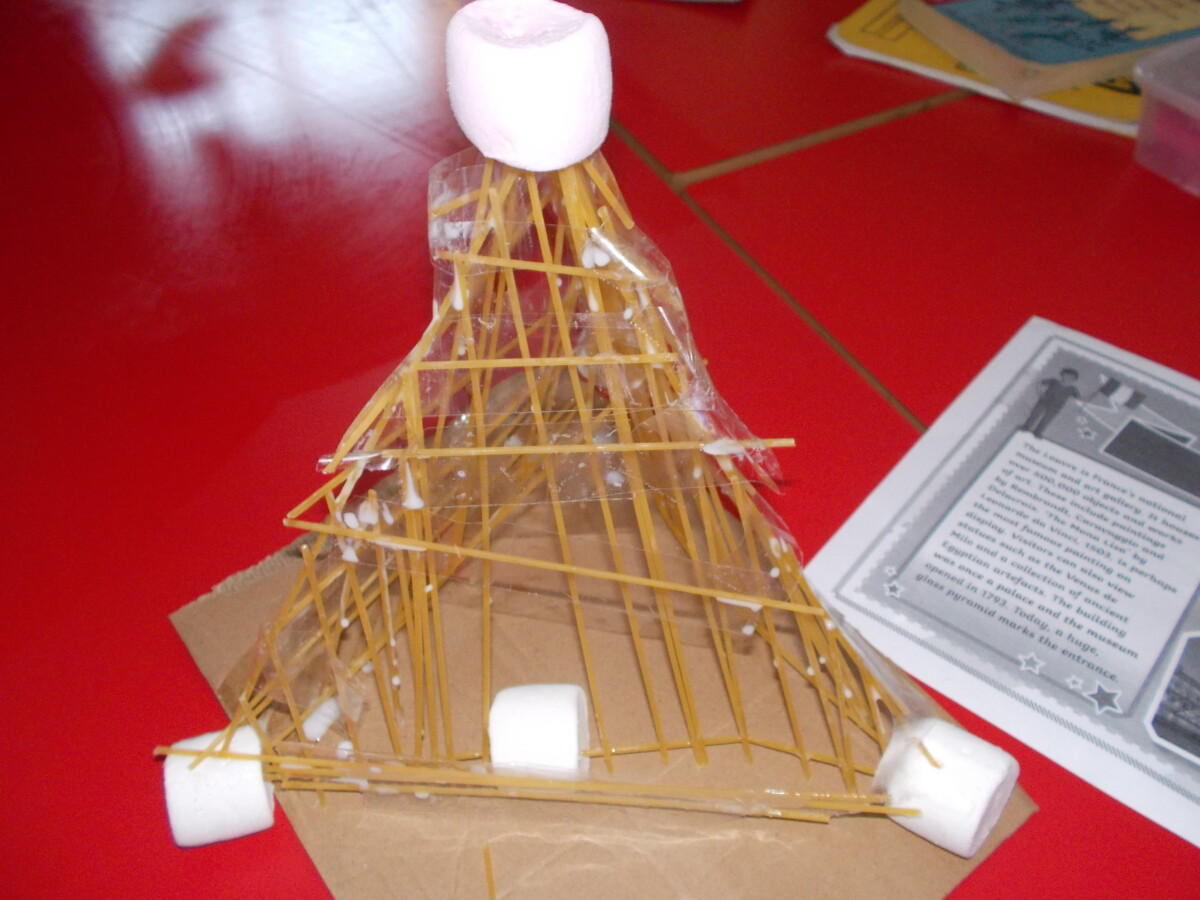
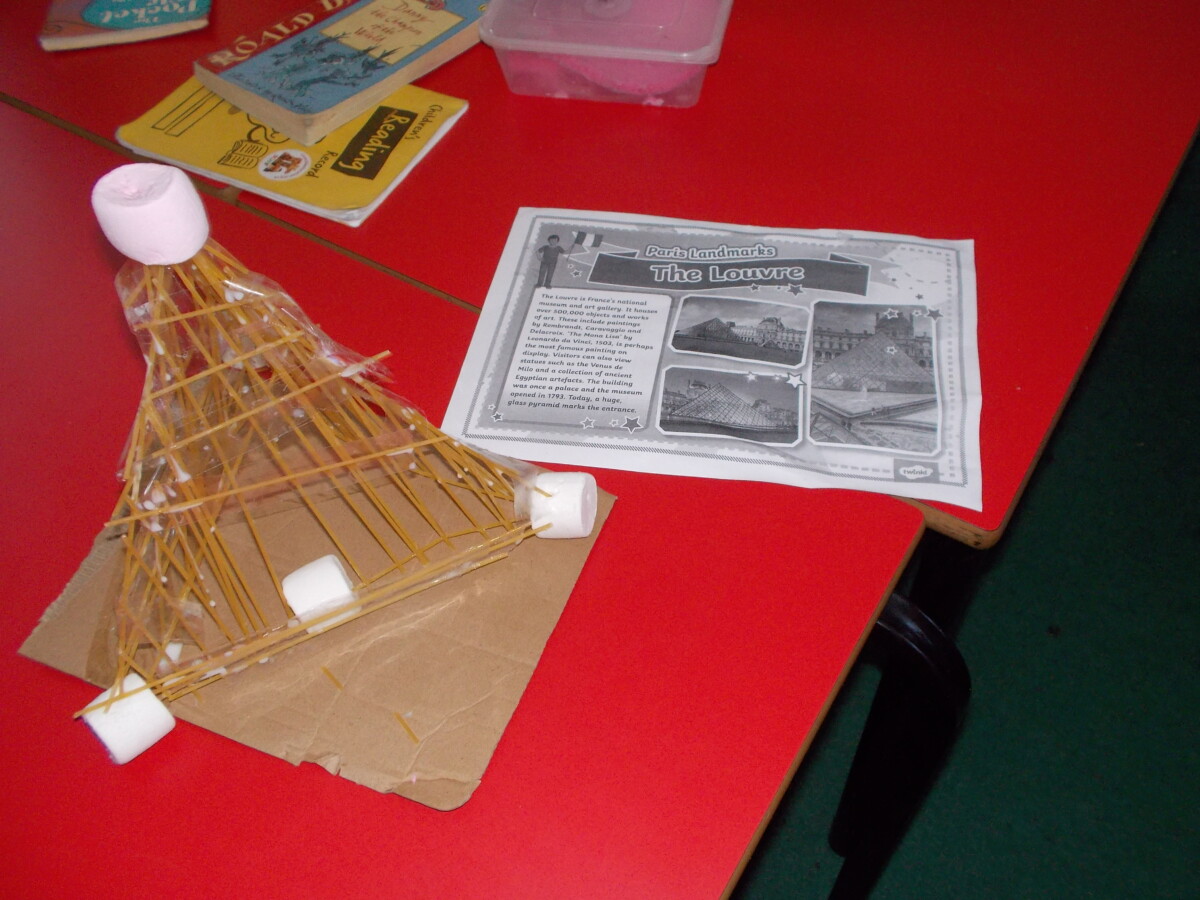
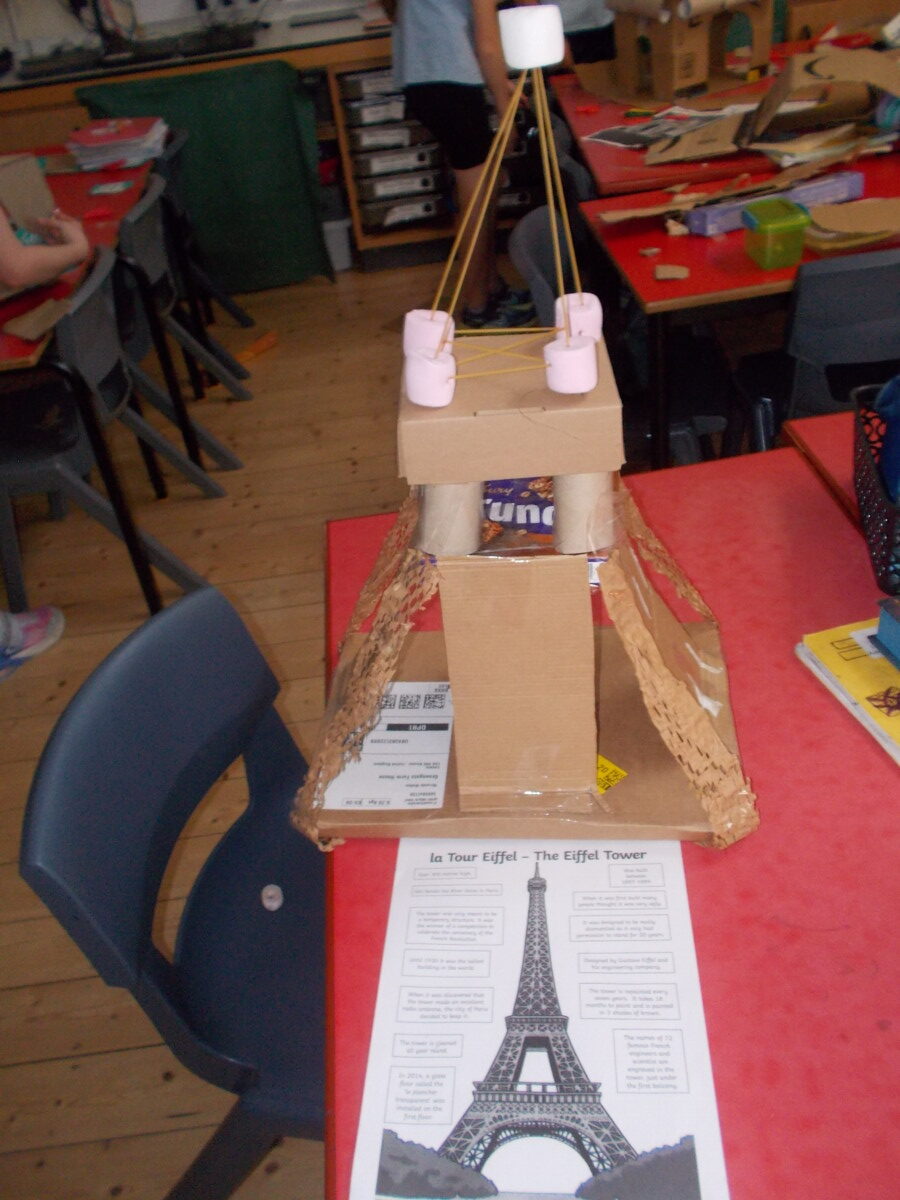
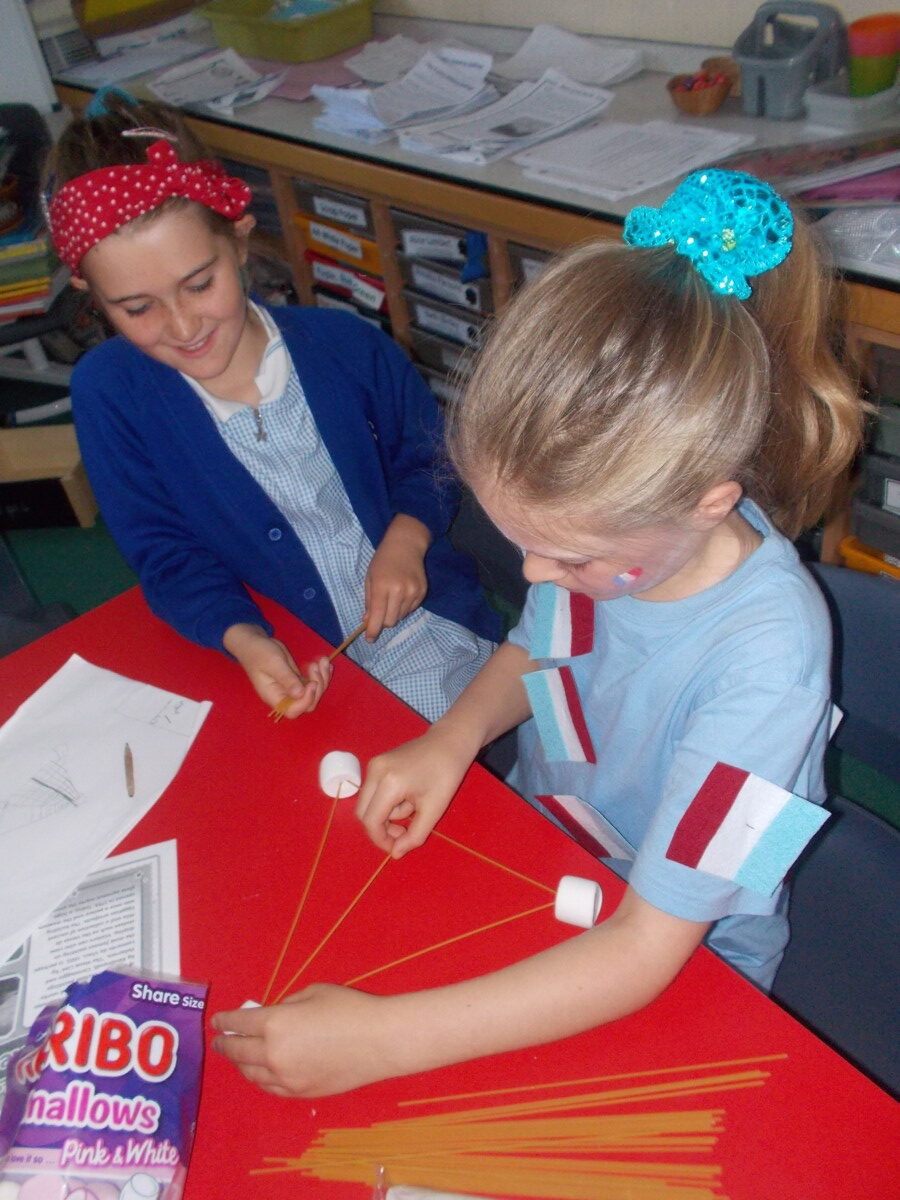
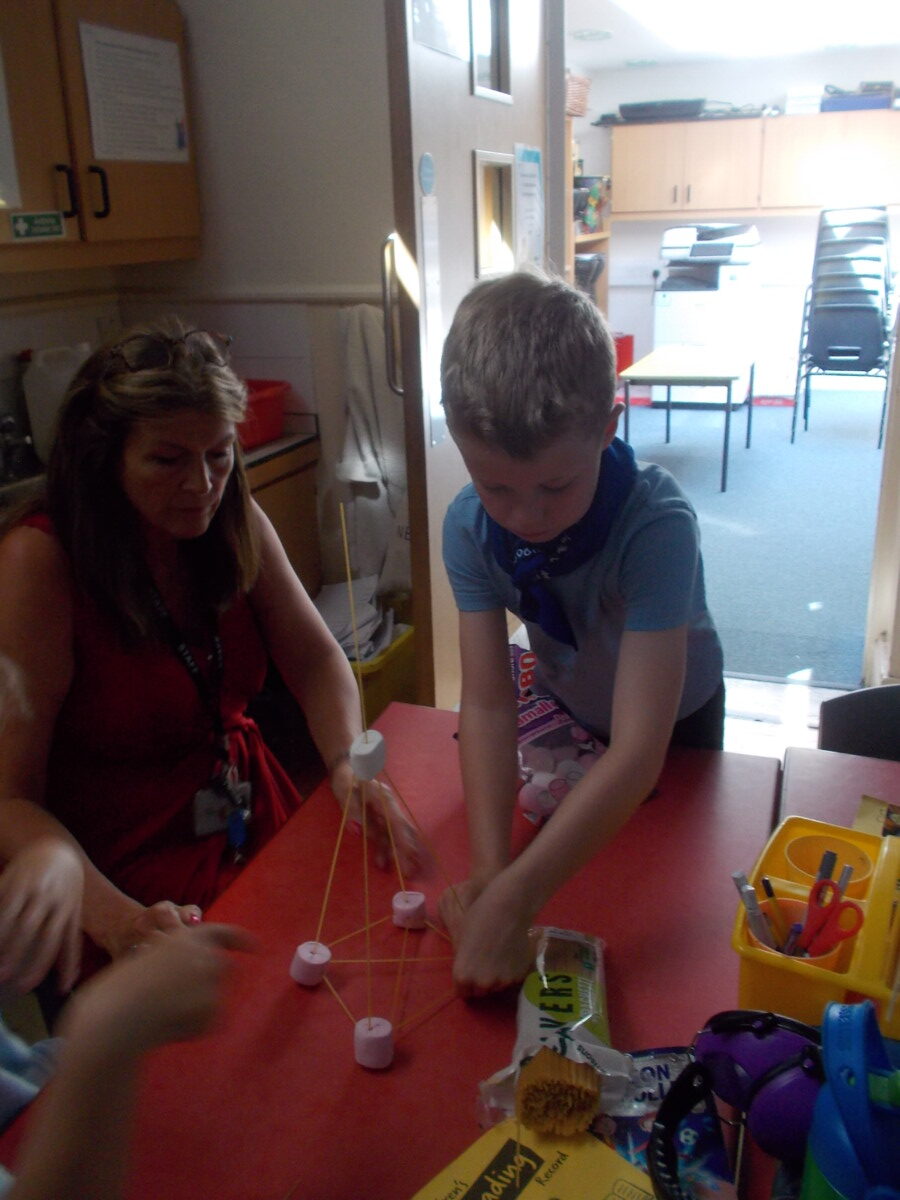
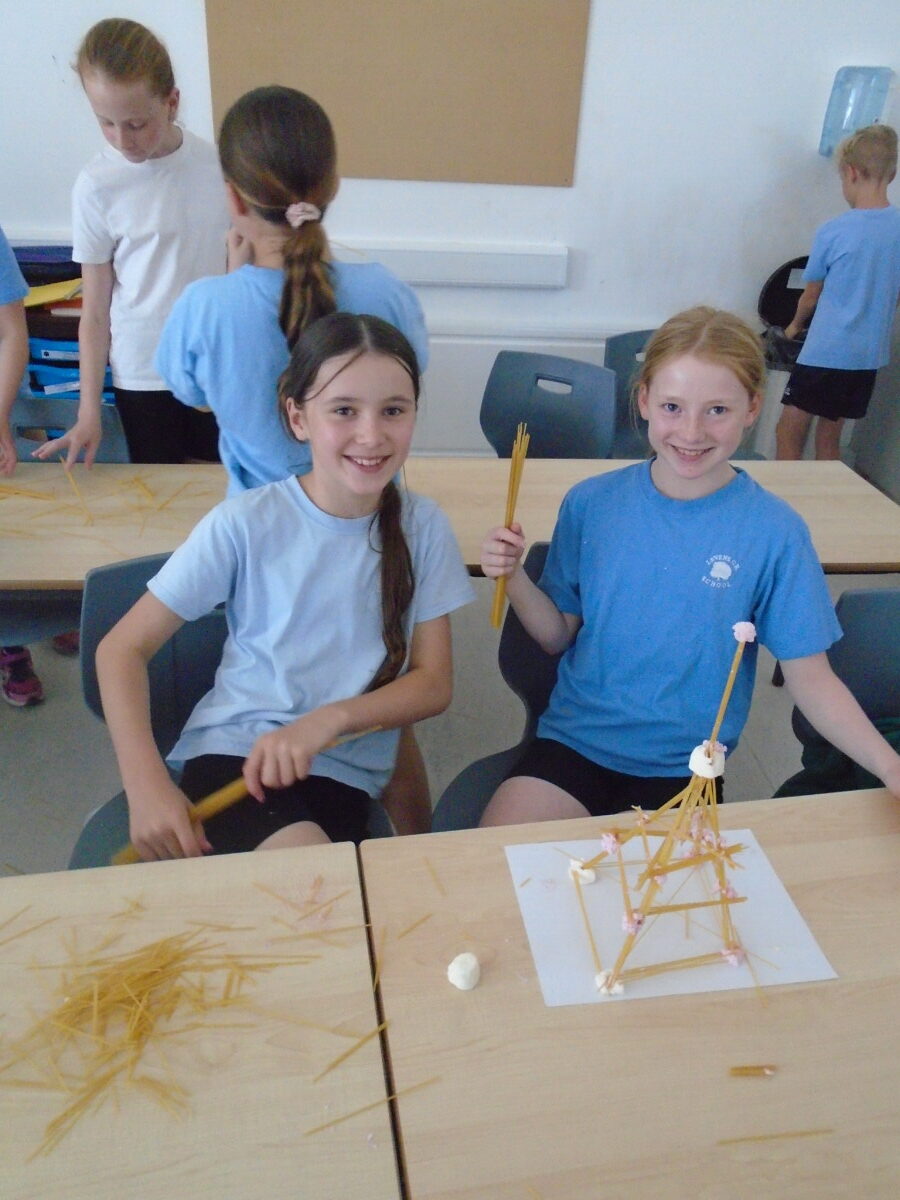
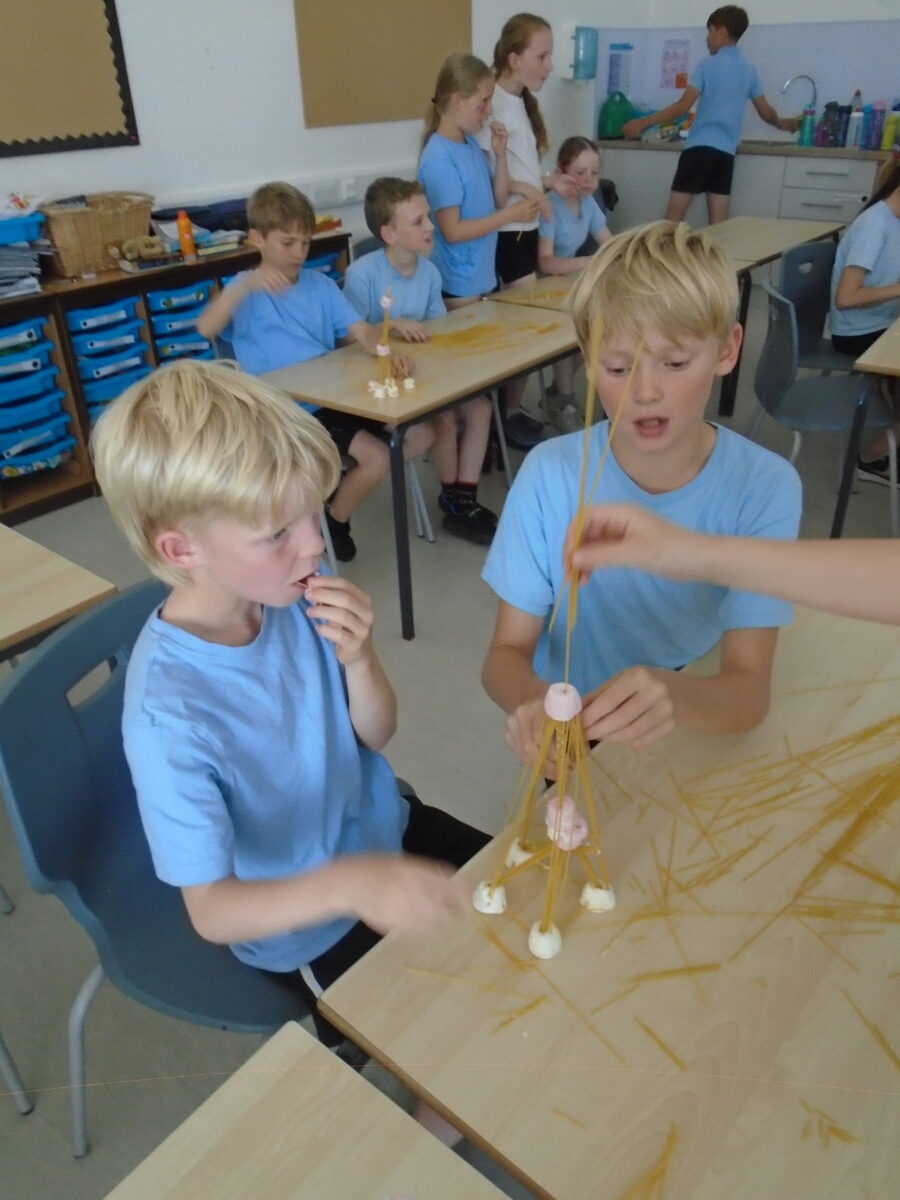
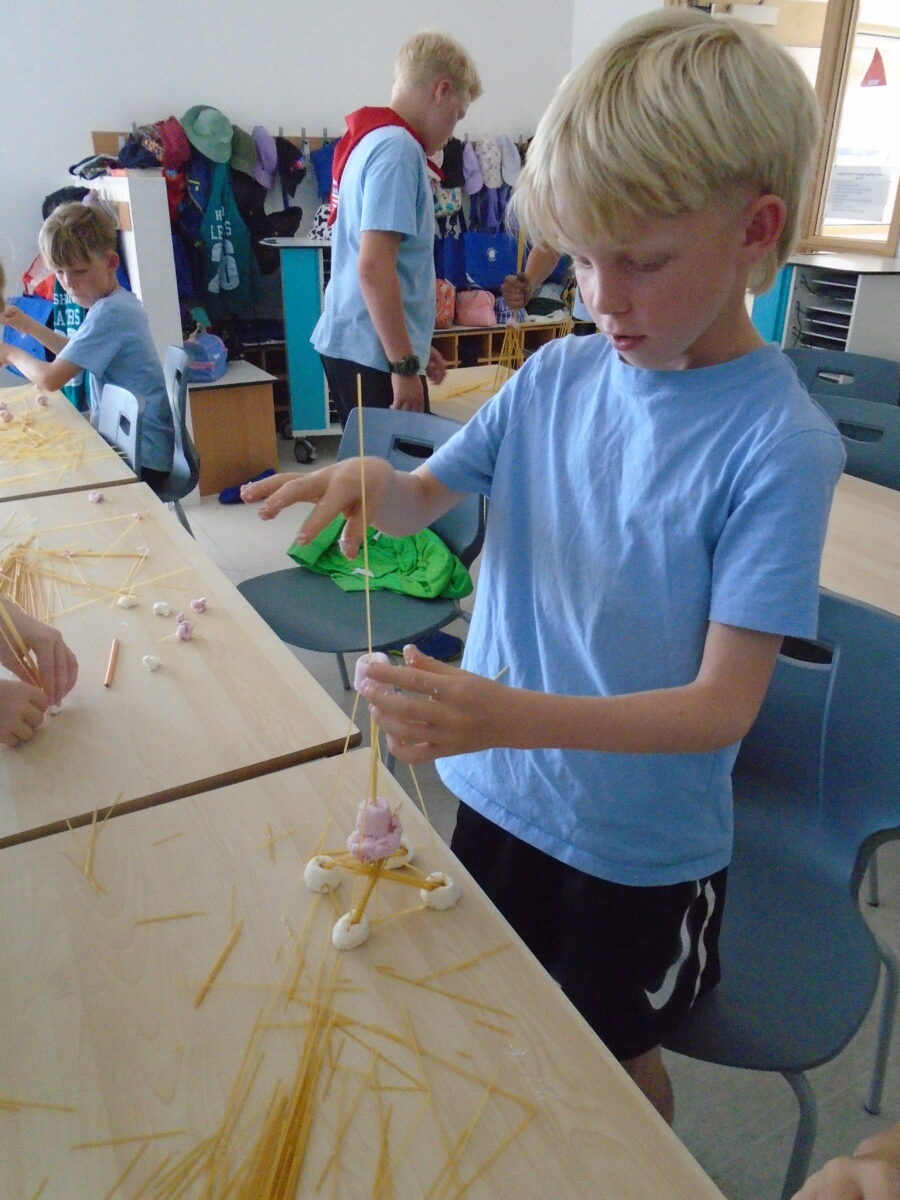
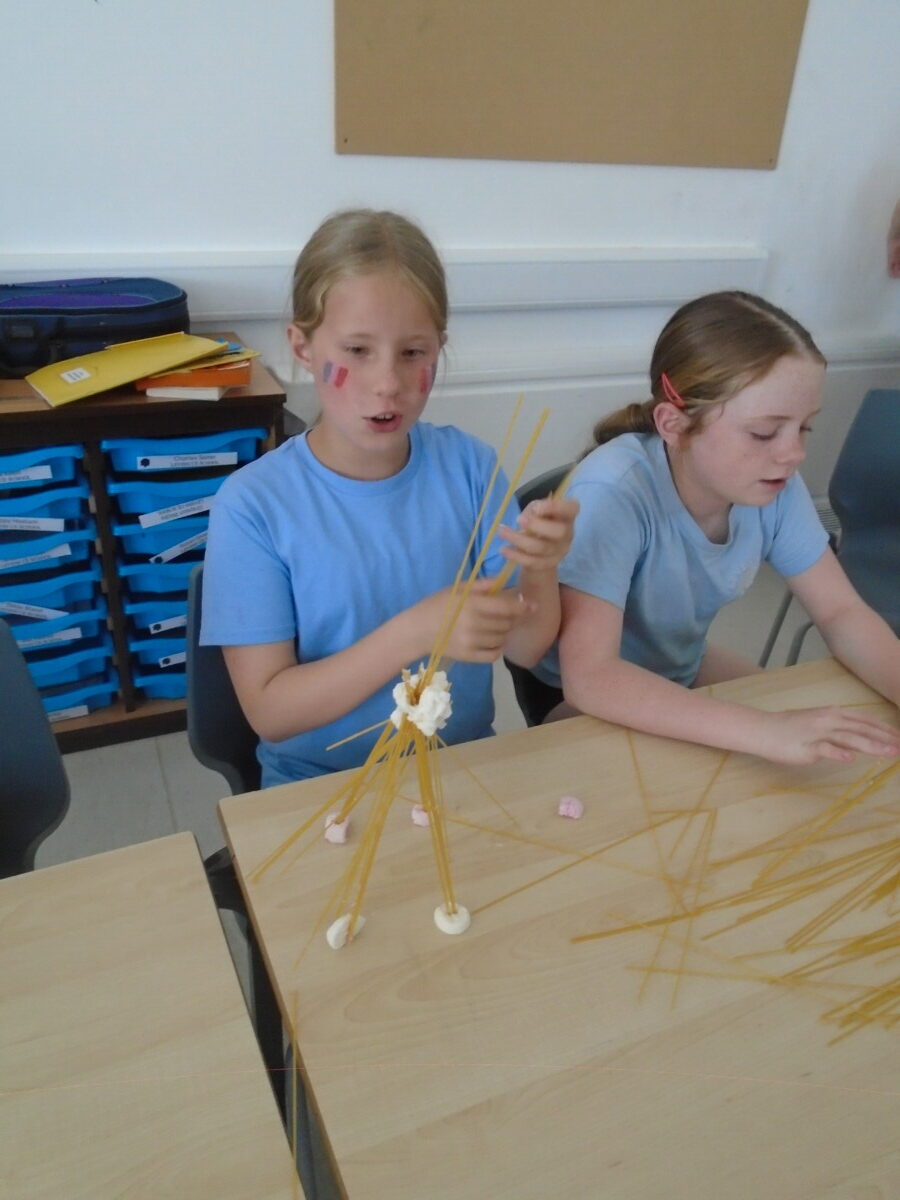
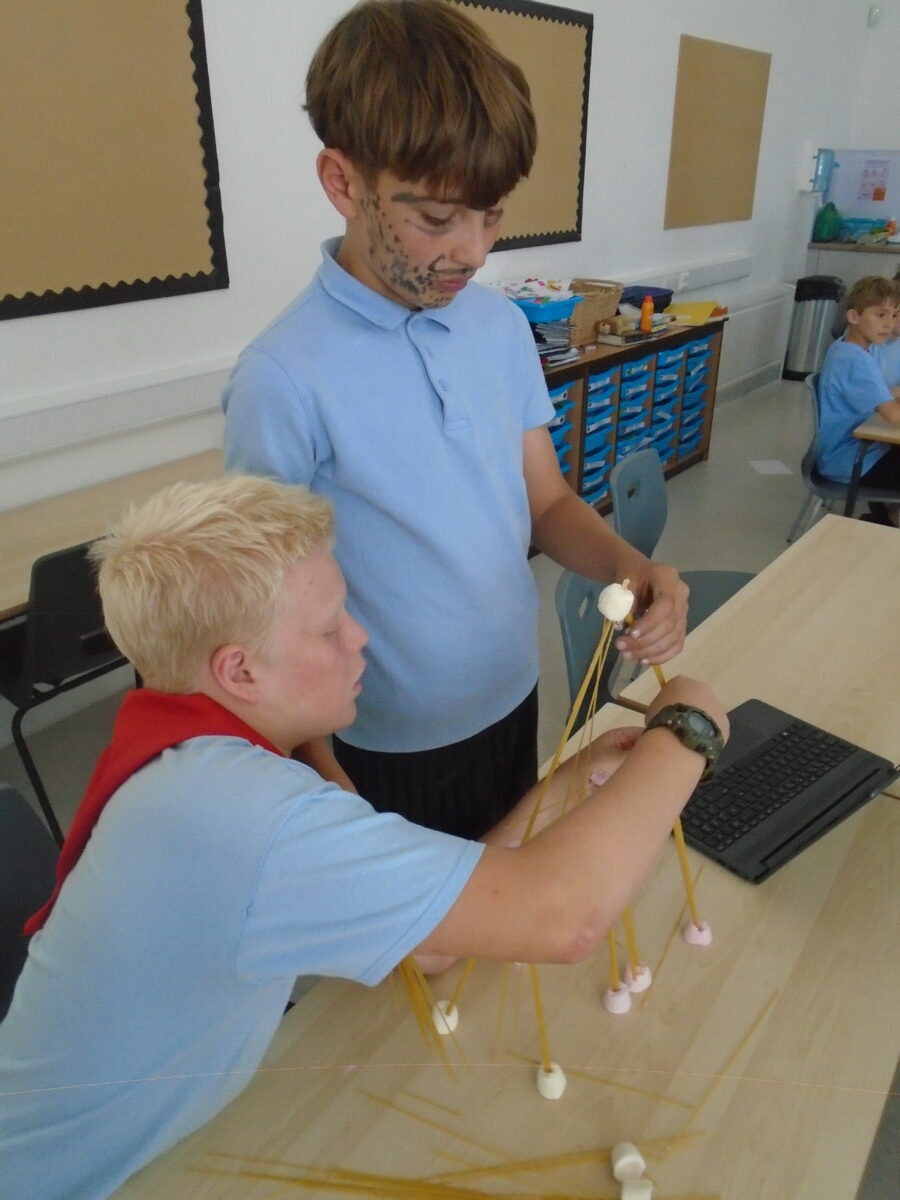
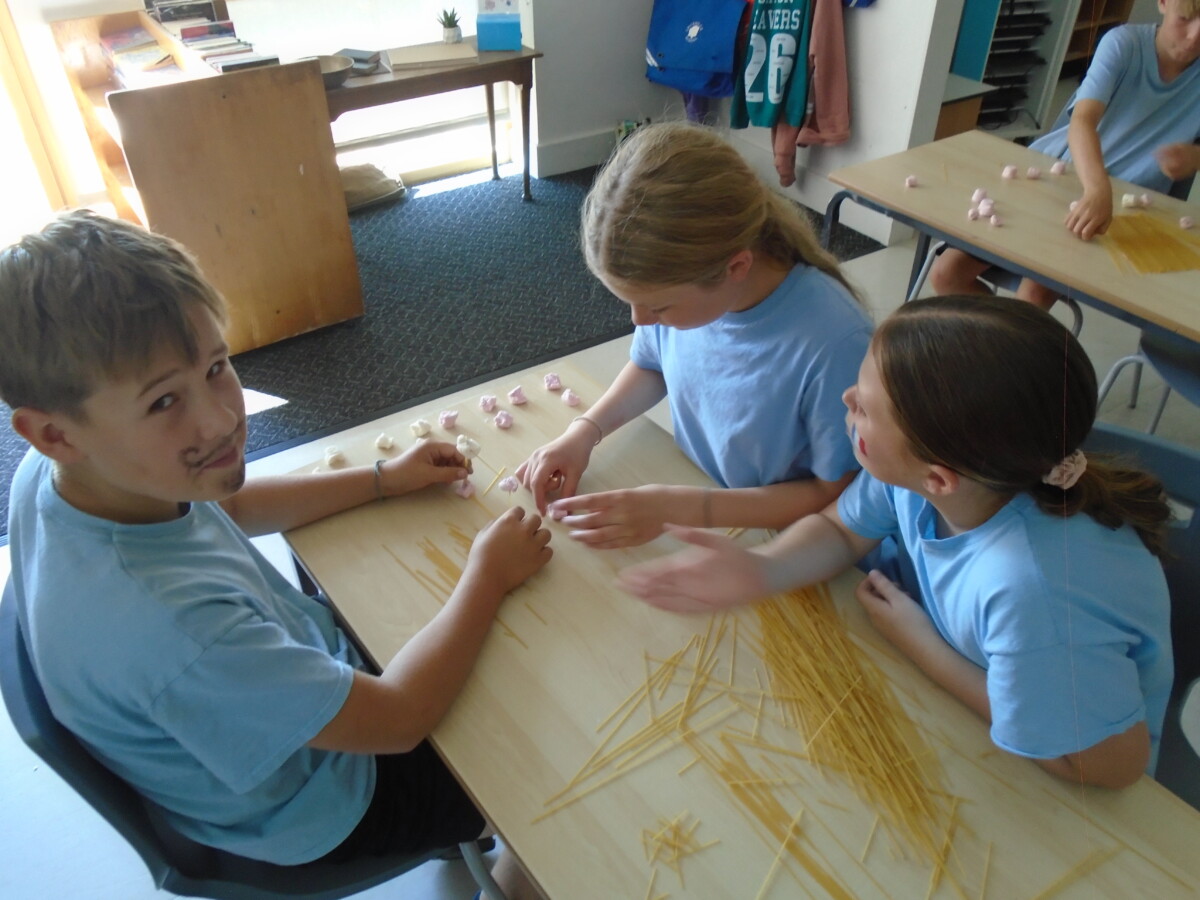
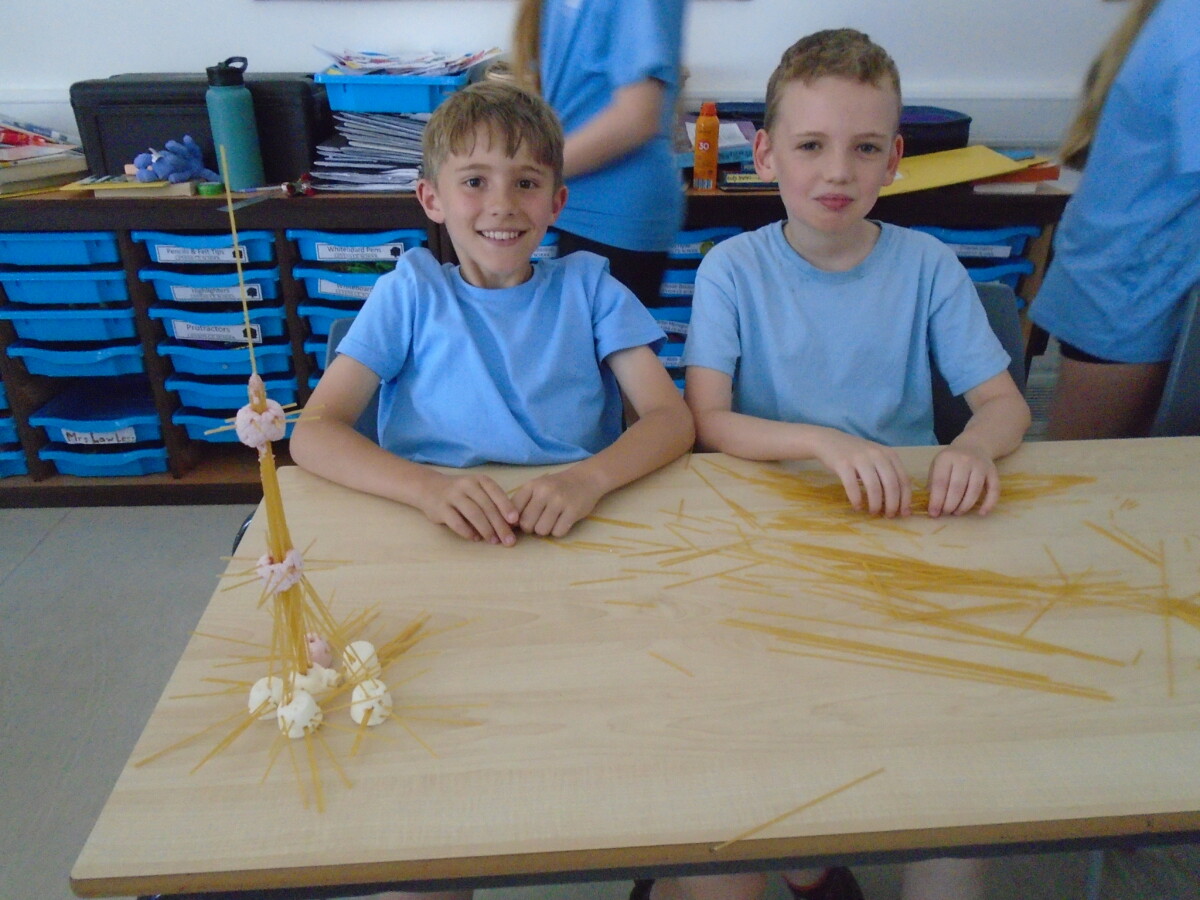
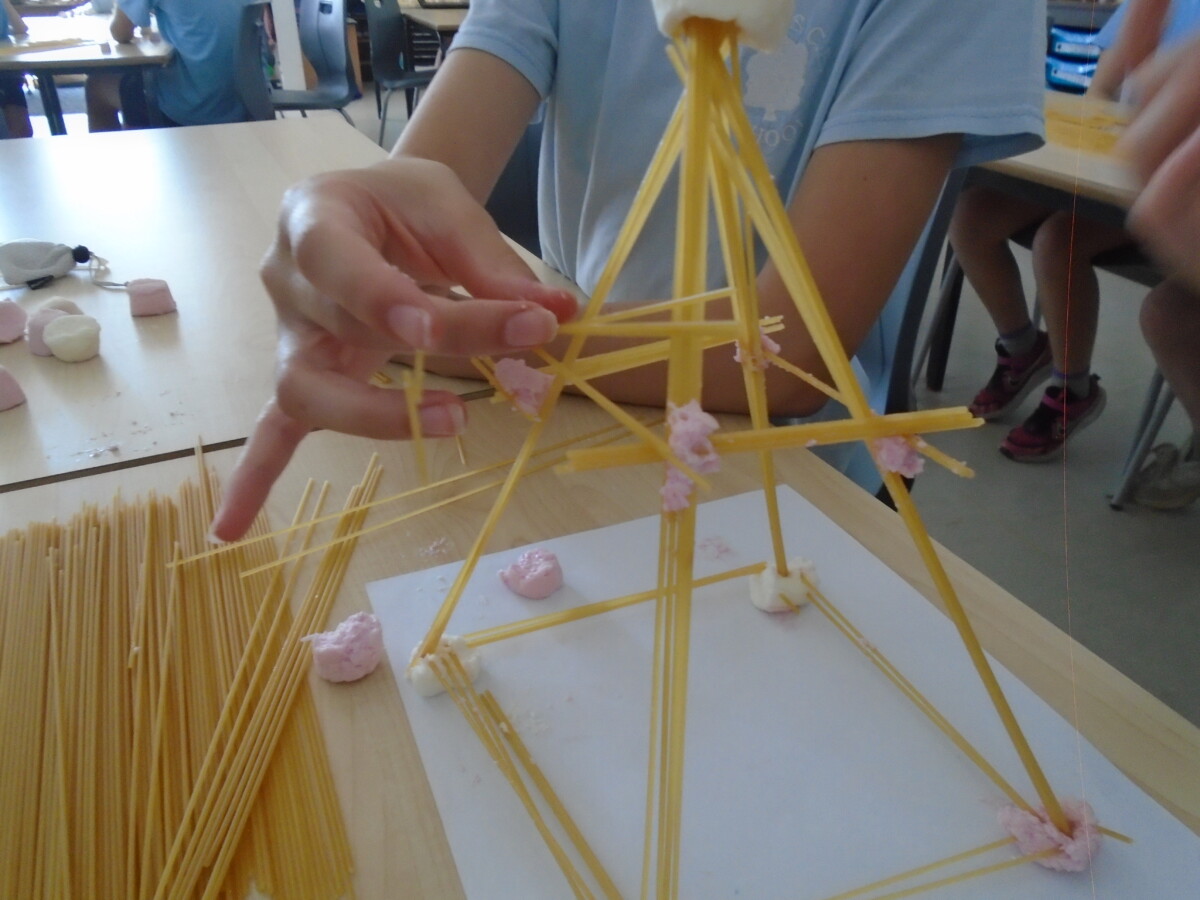
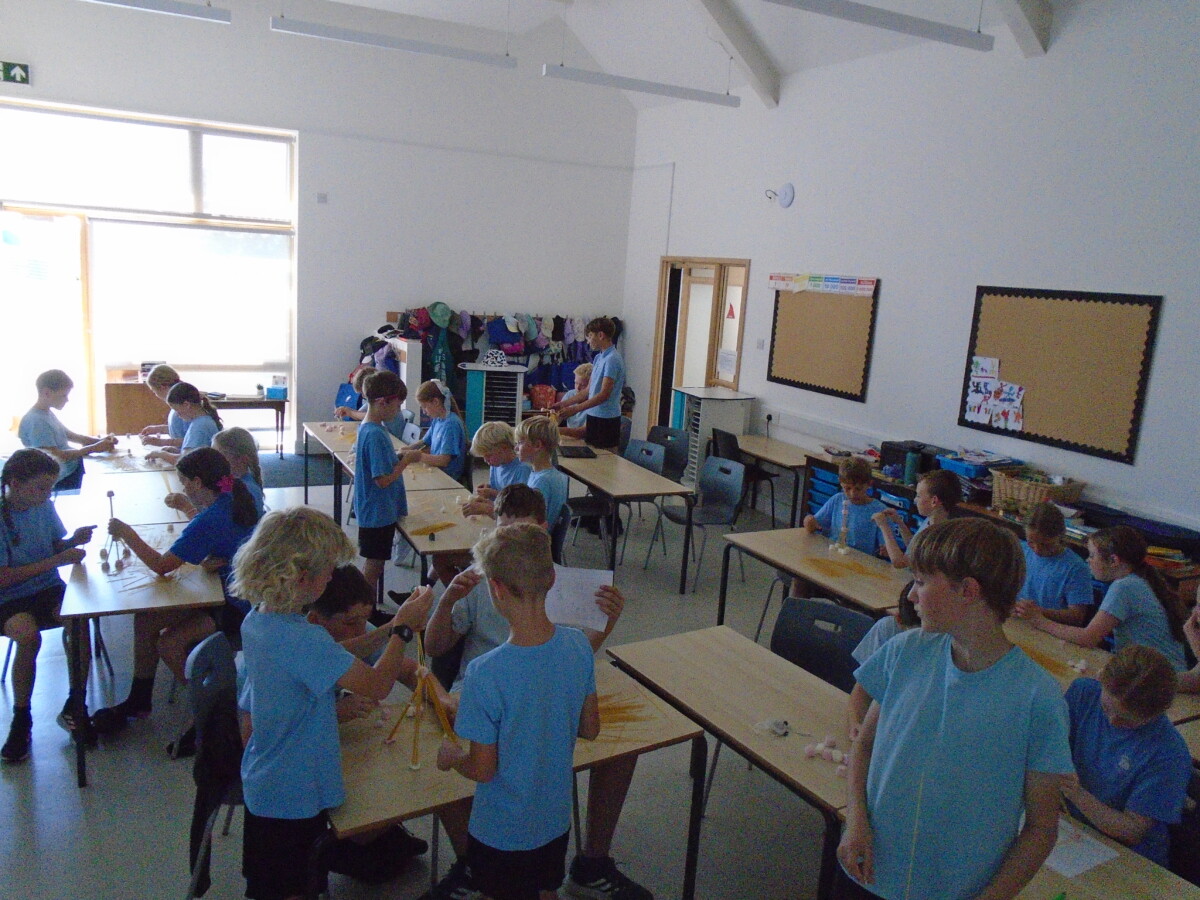
In the afternoon, we spent some time trying to build an Eiffel tower of our own from spaghetti and marshmallows, learning about the material properties of compression and tension along the way!


Class 4 Waterwise

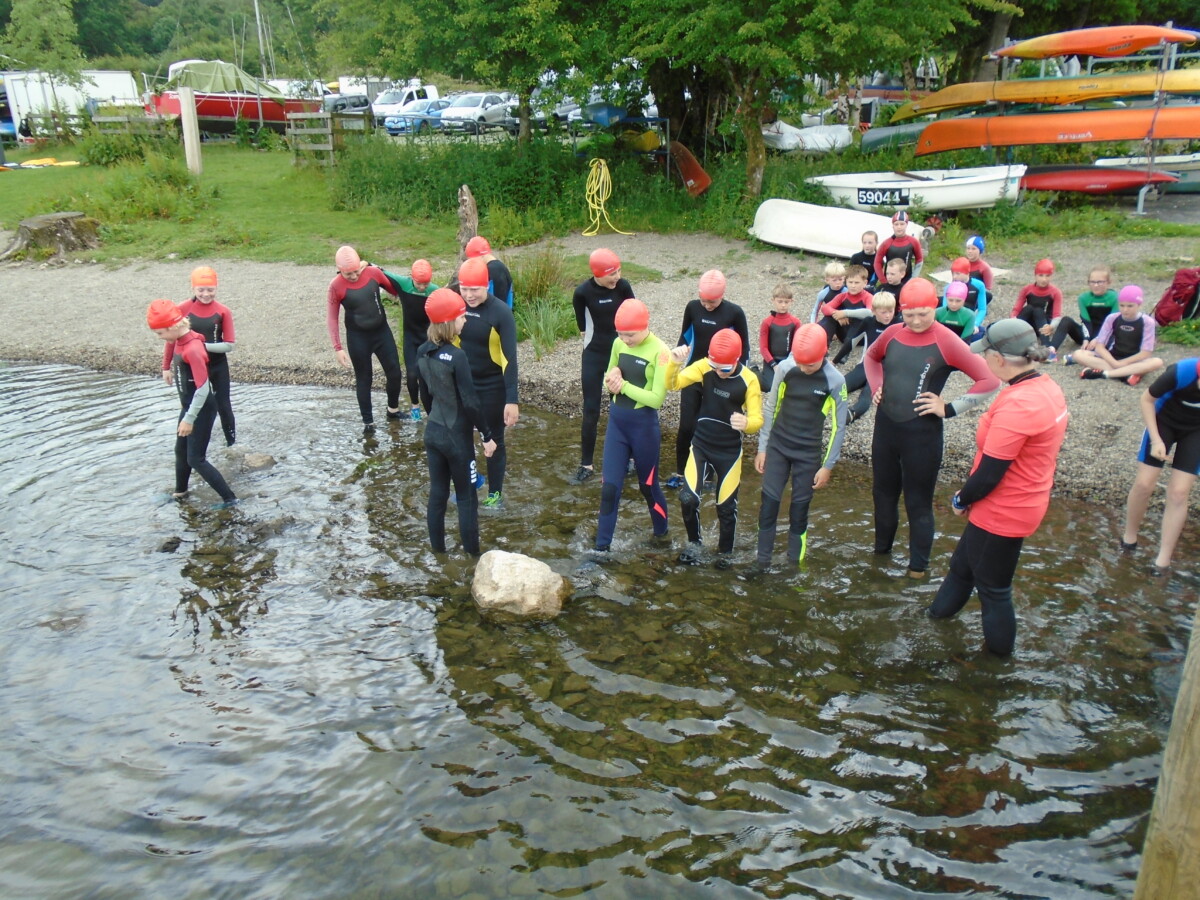
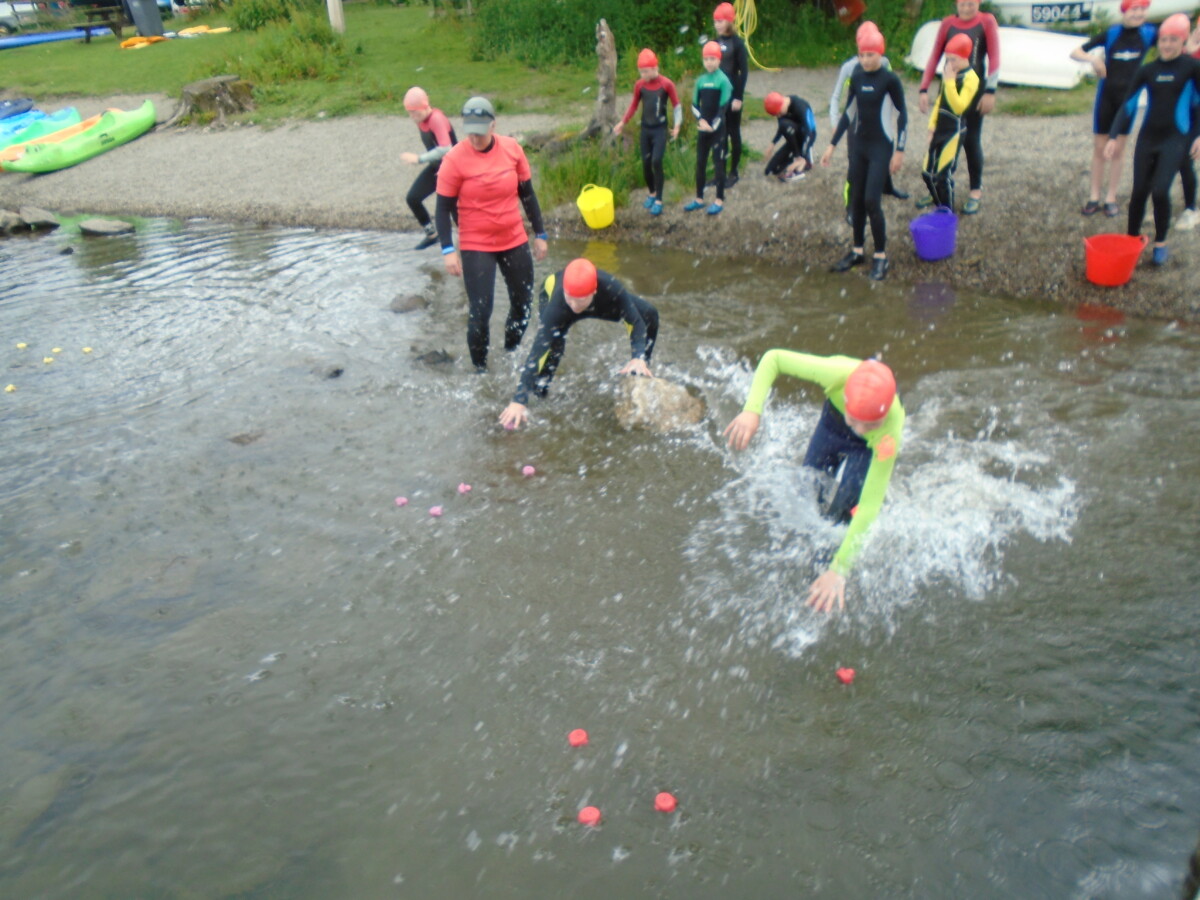
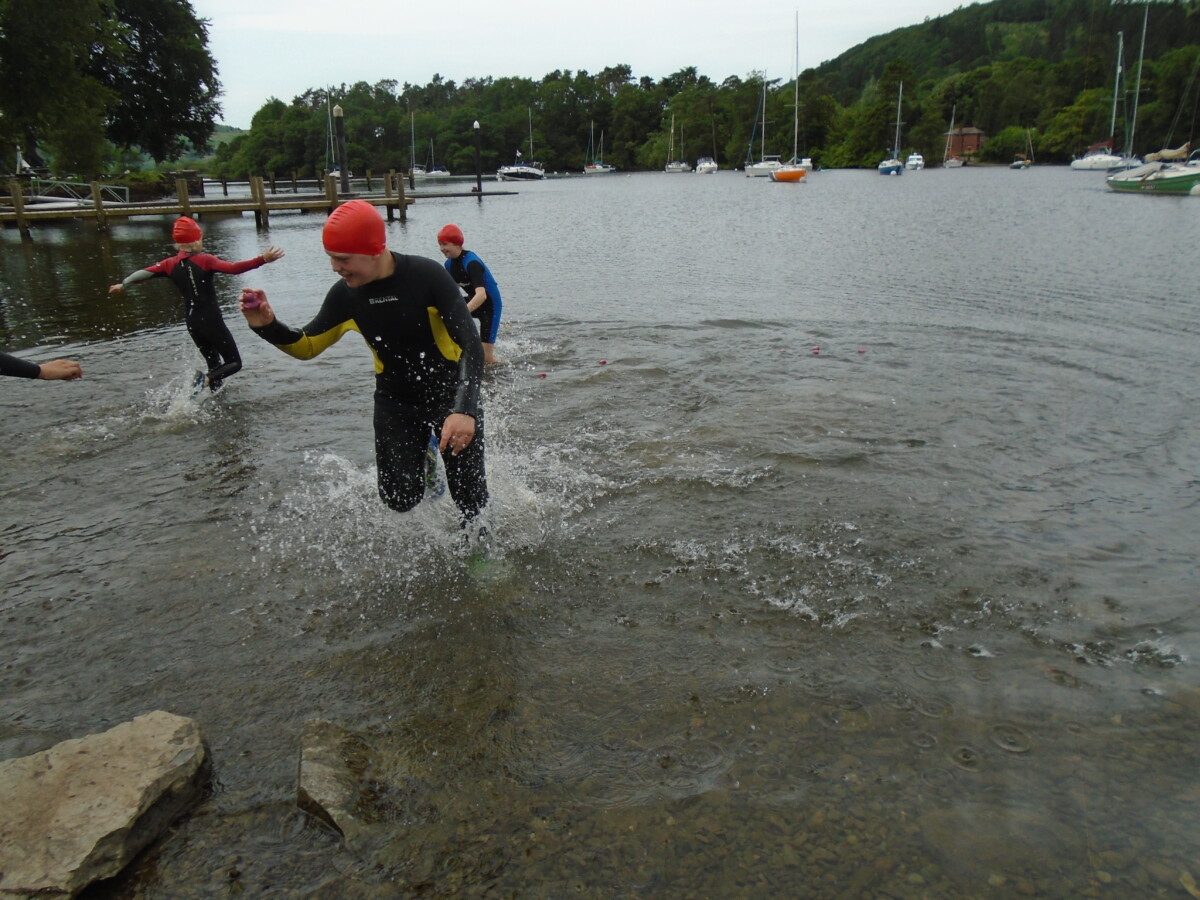
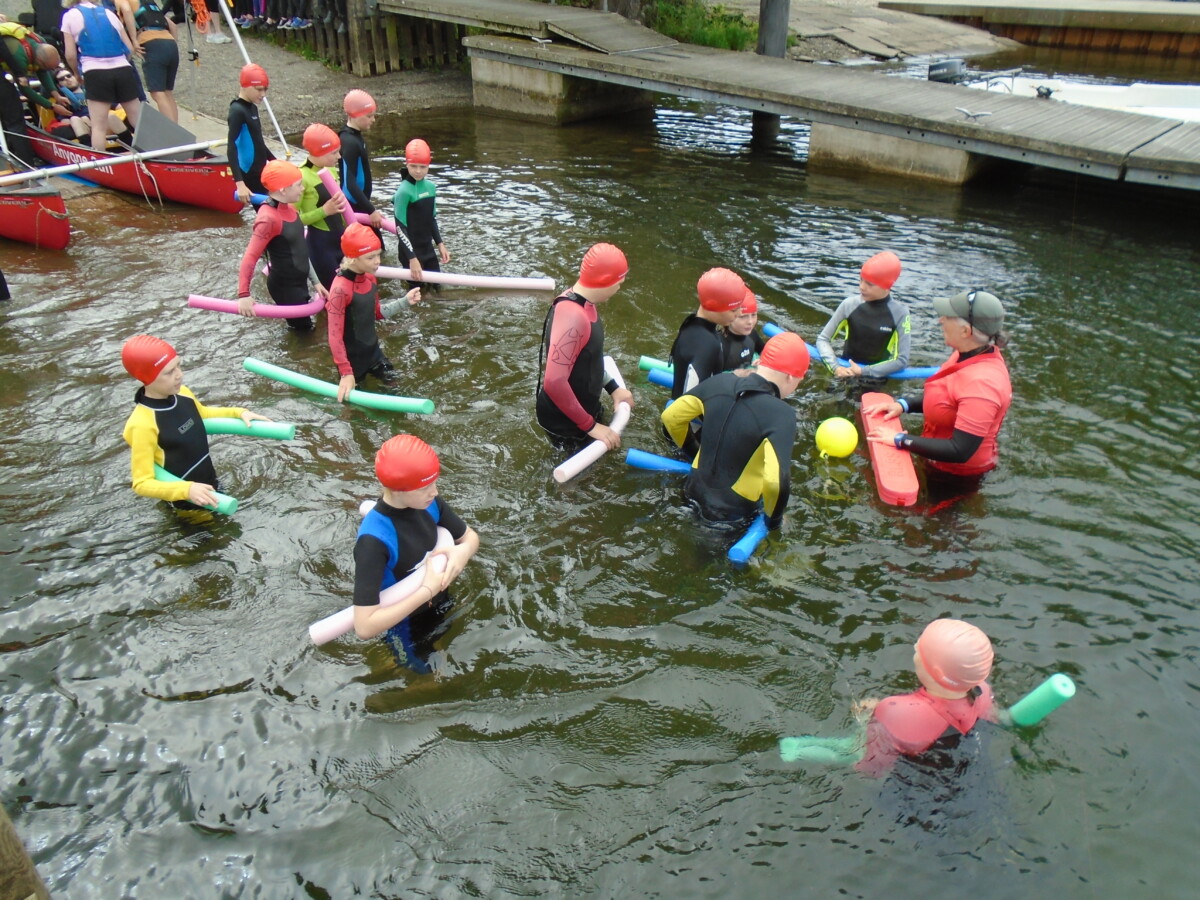
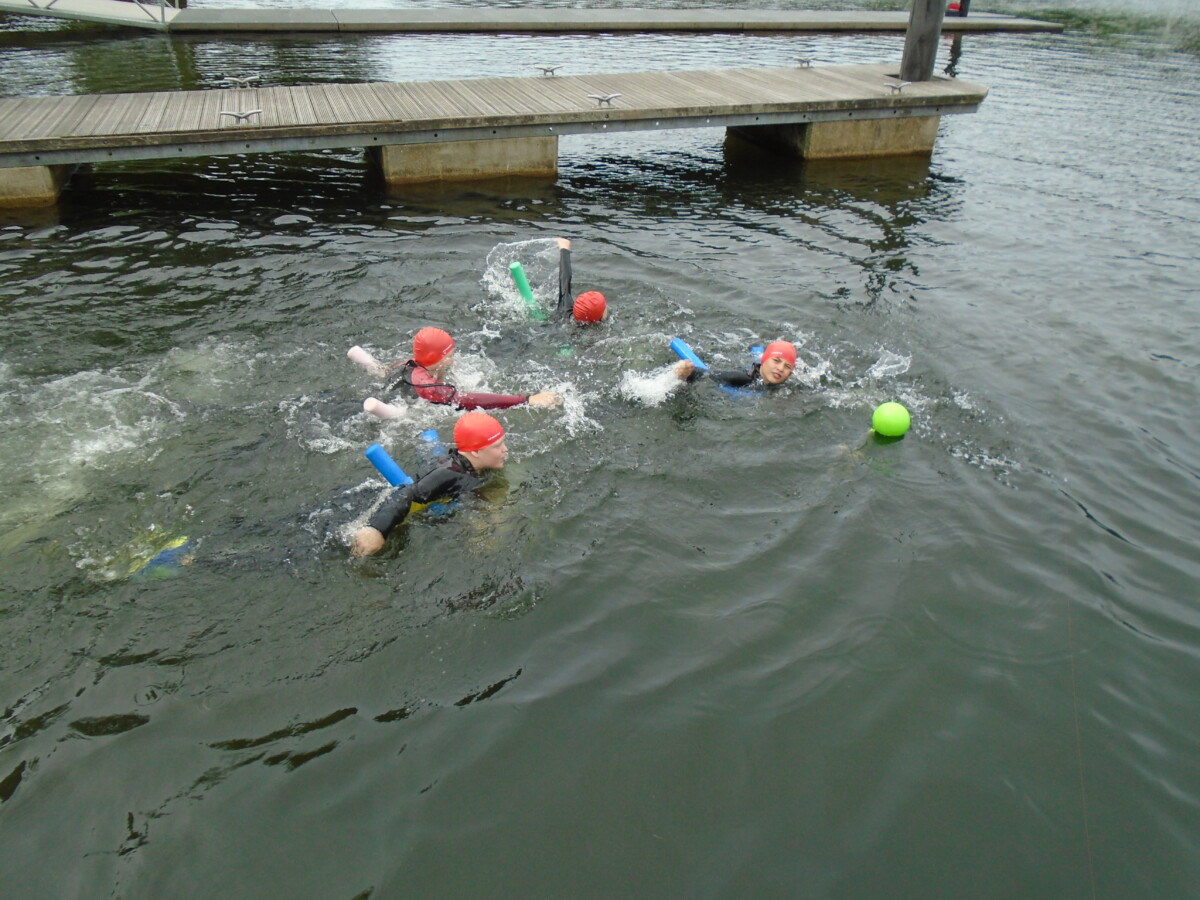
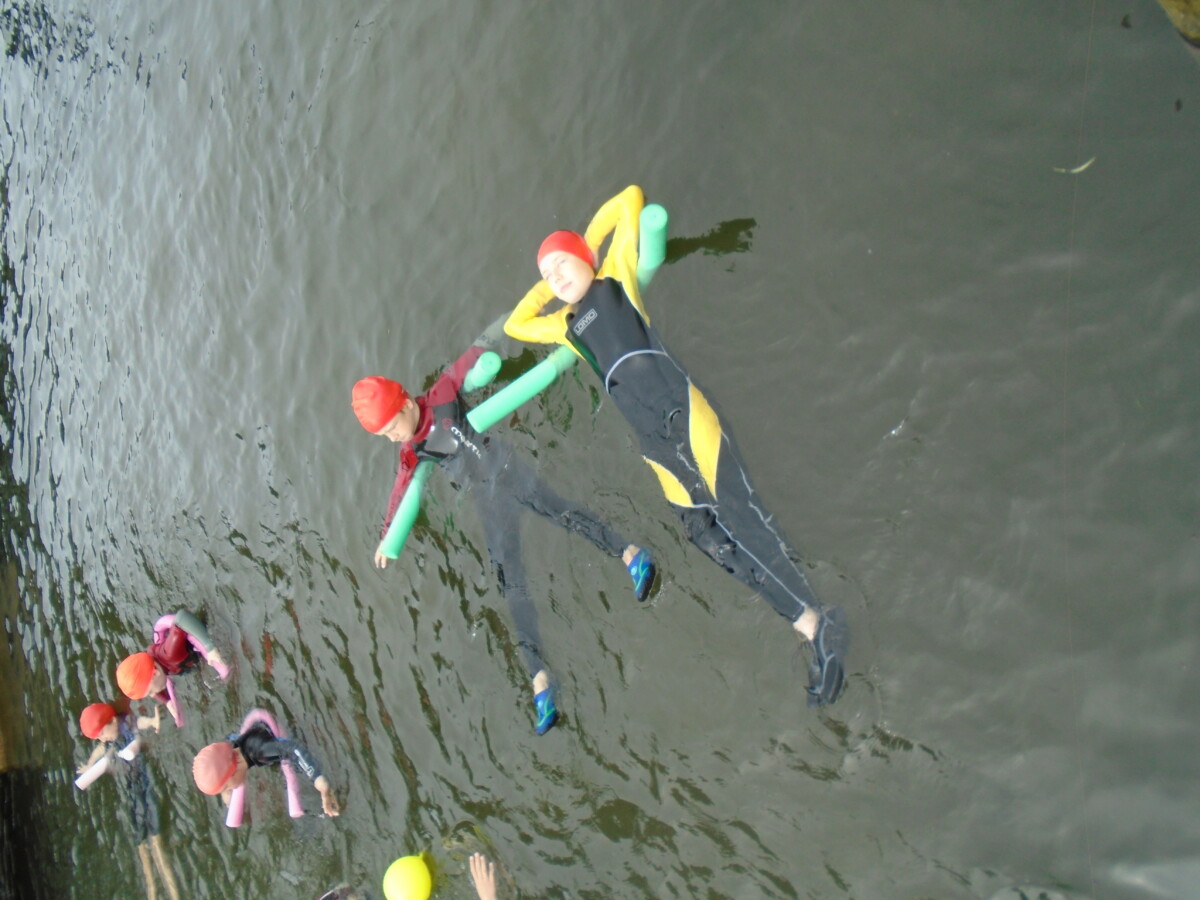
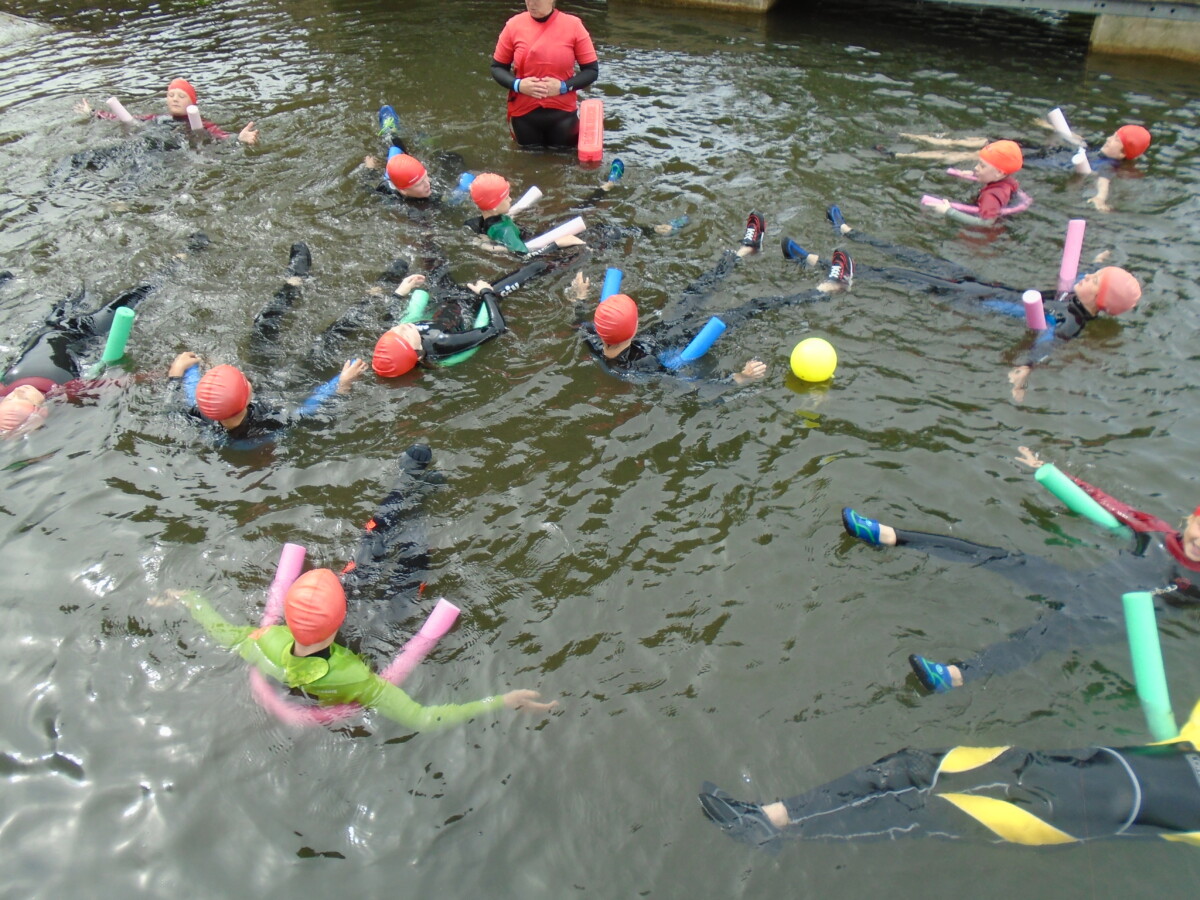
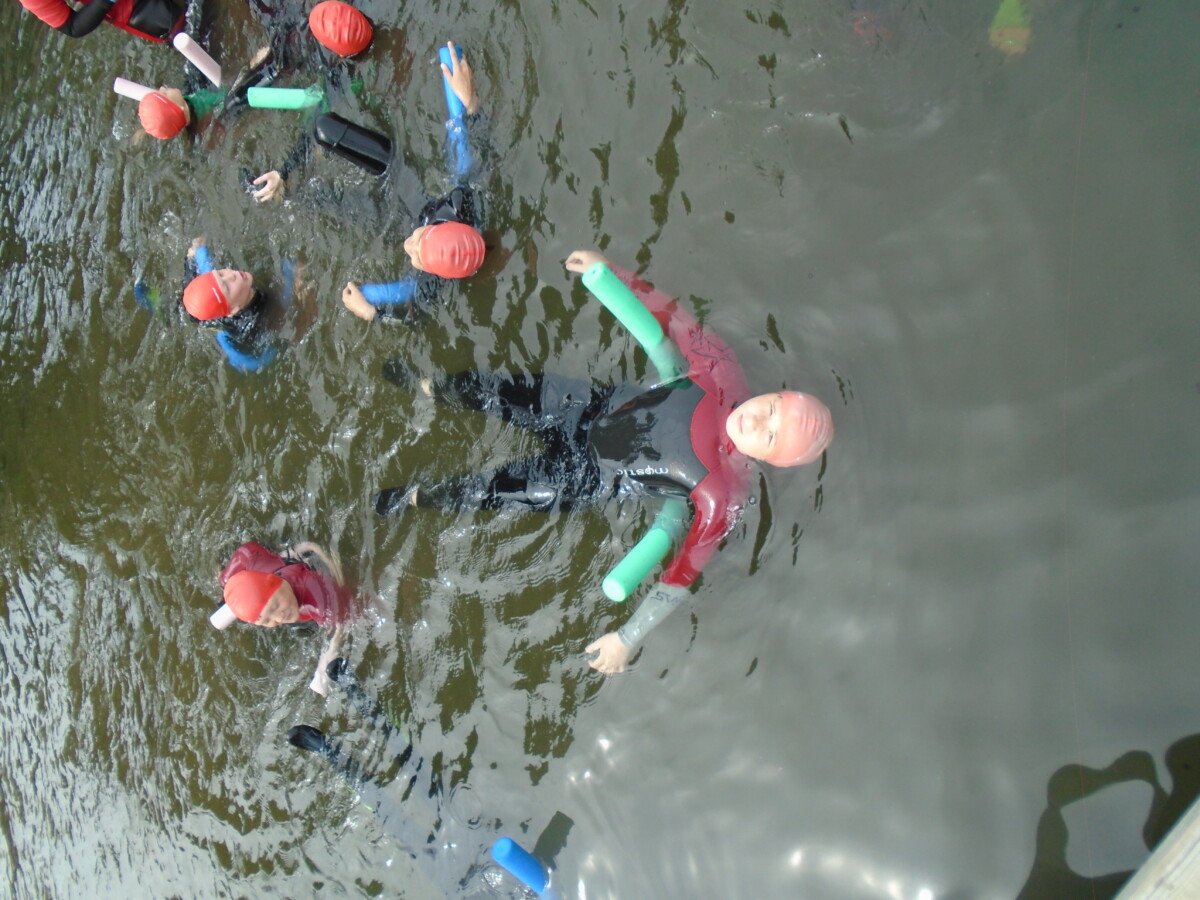
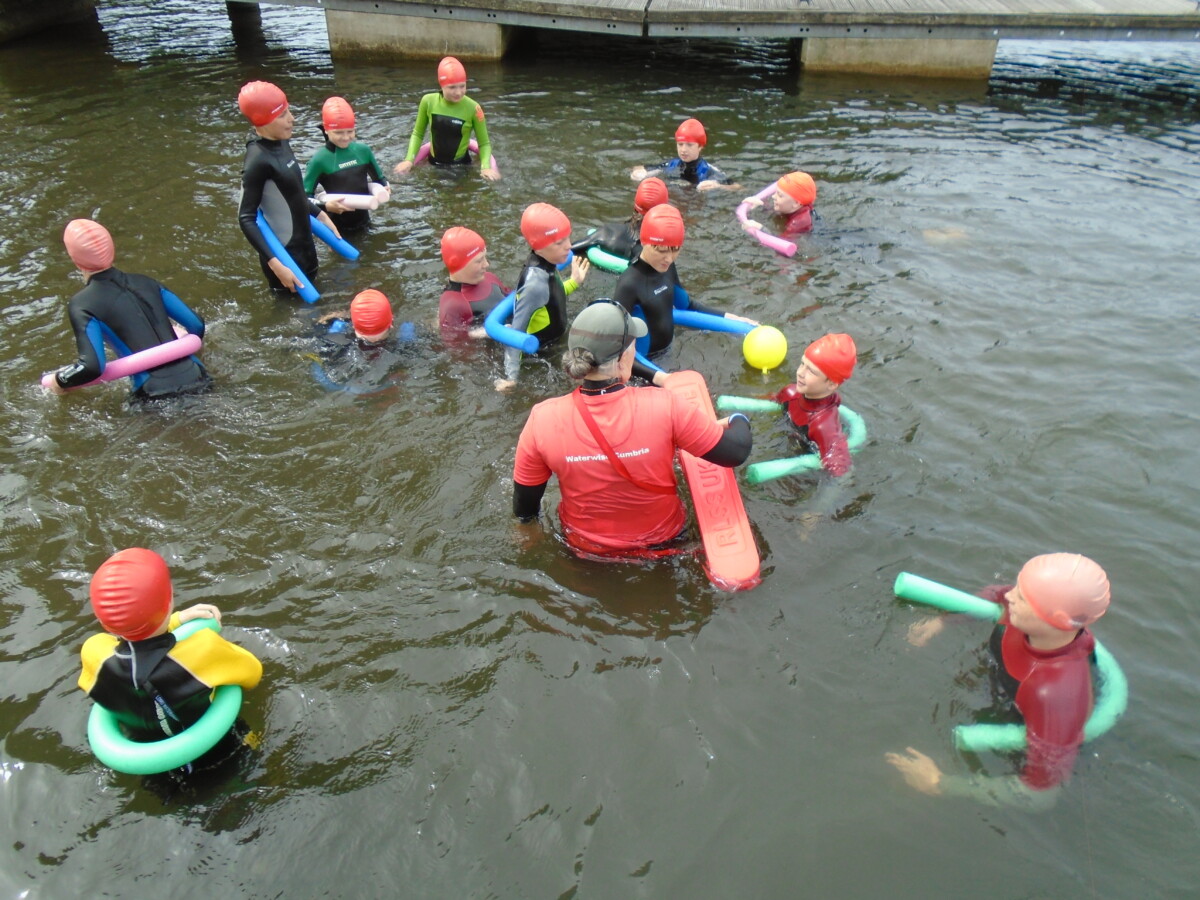
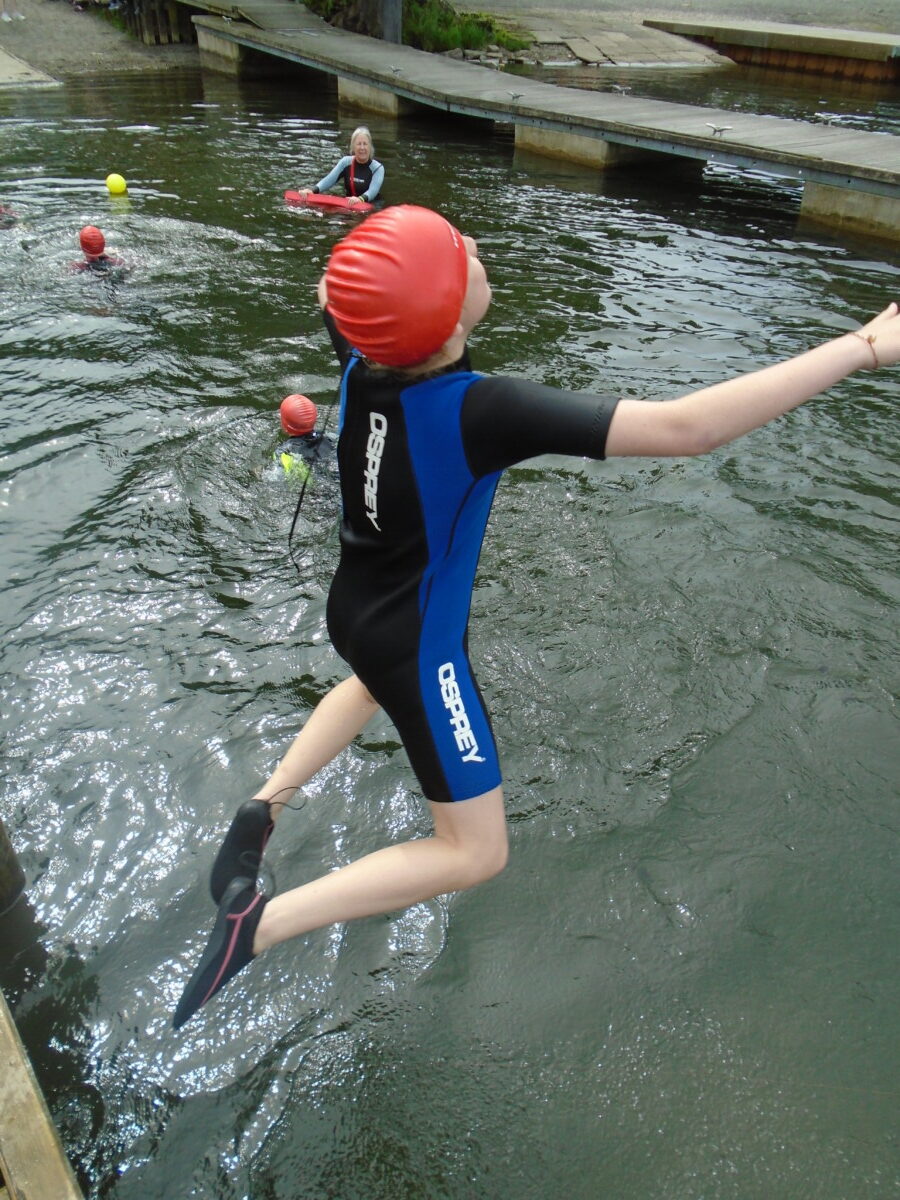
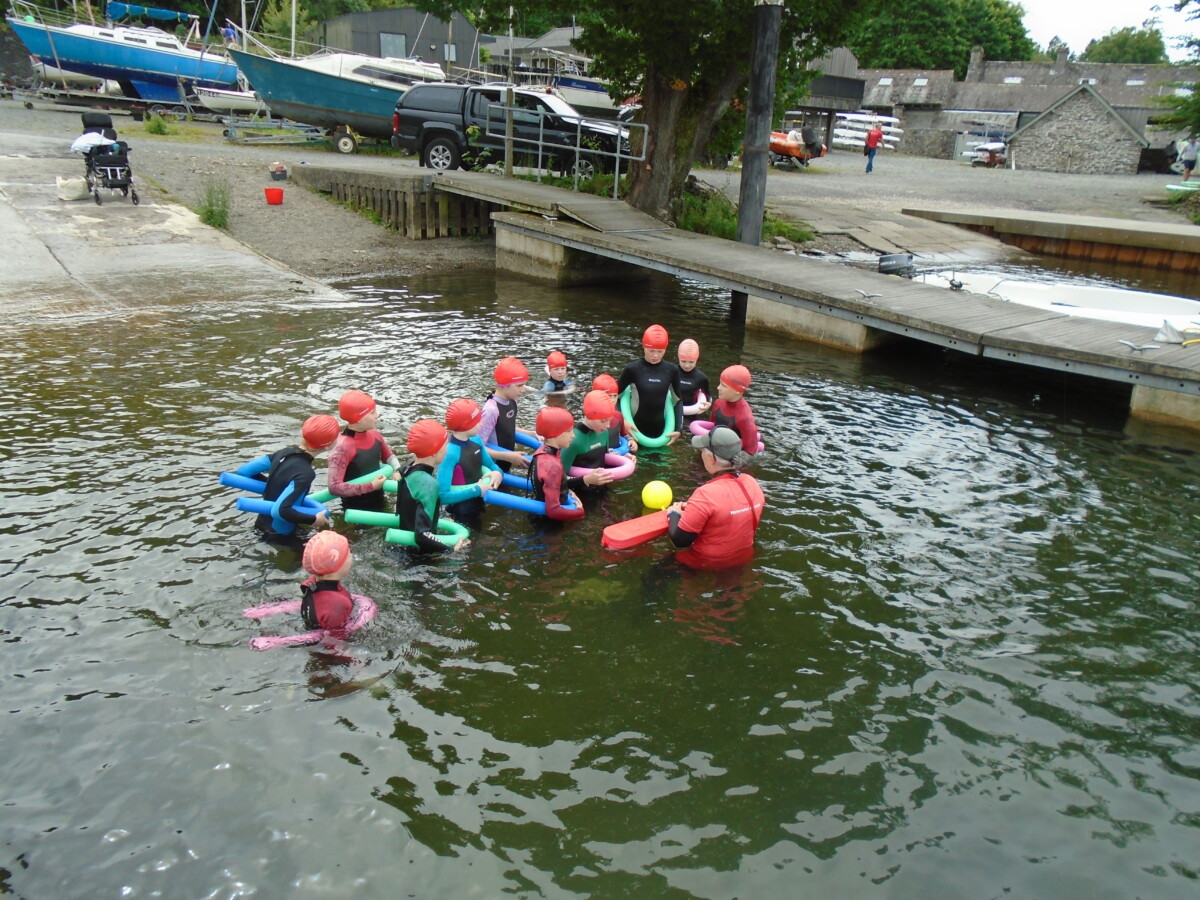
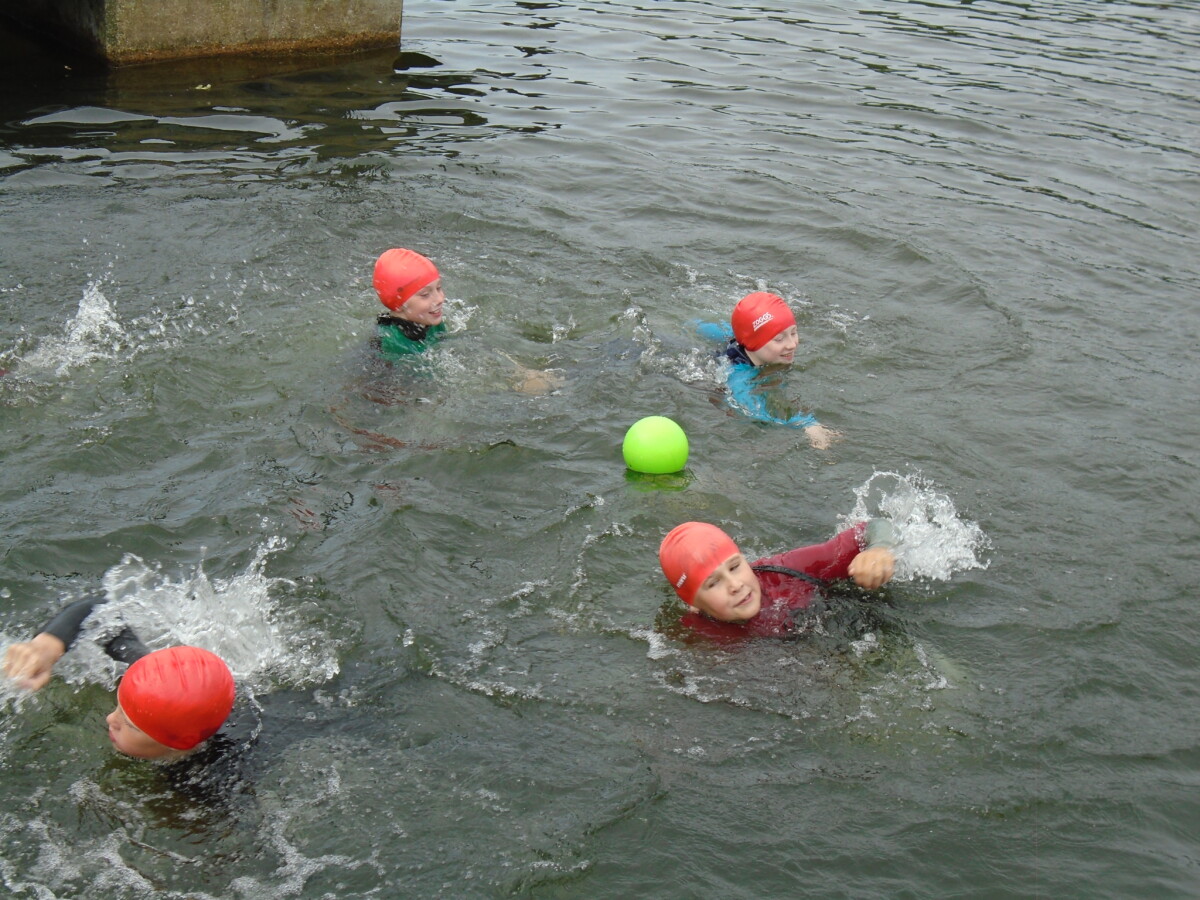
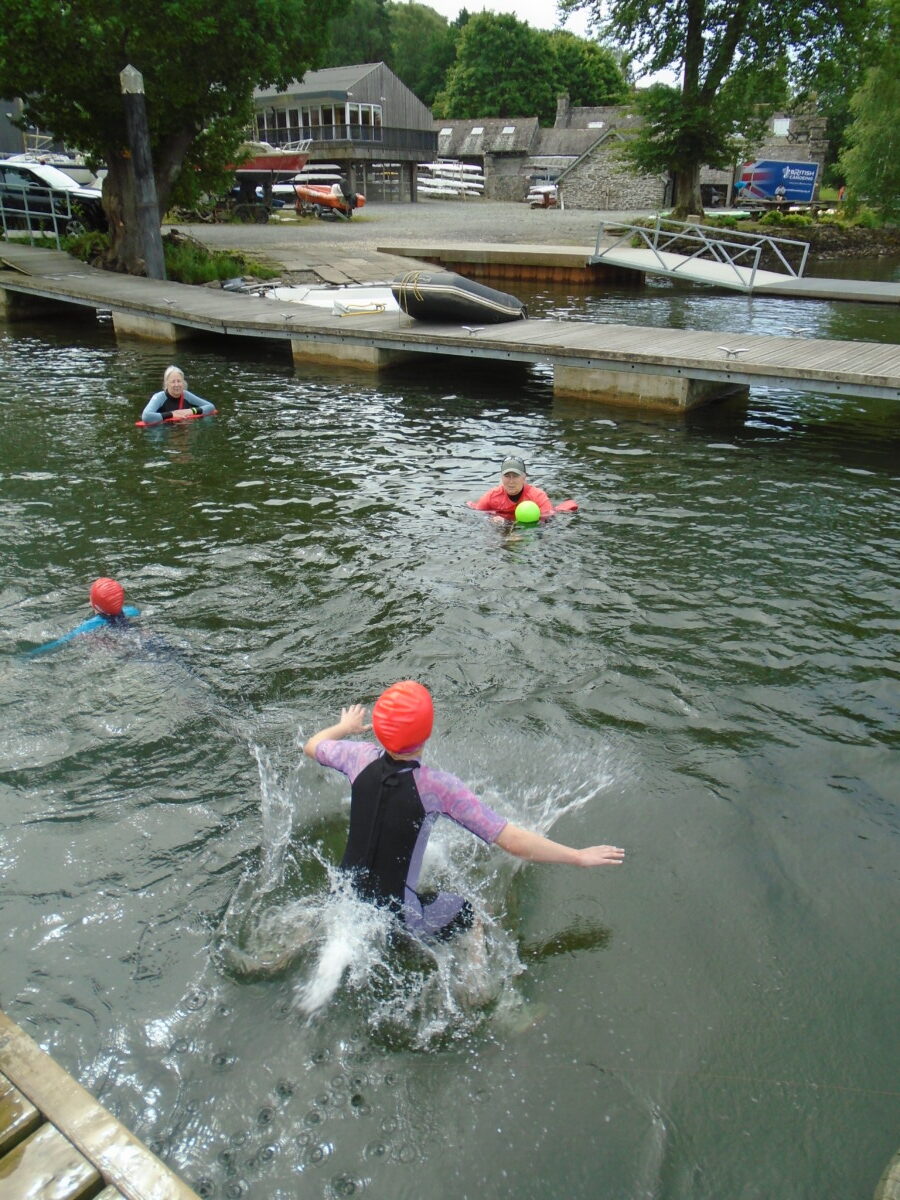
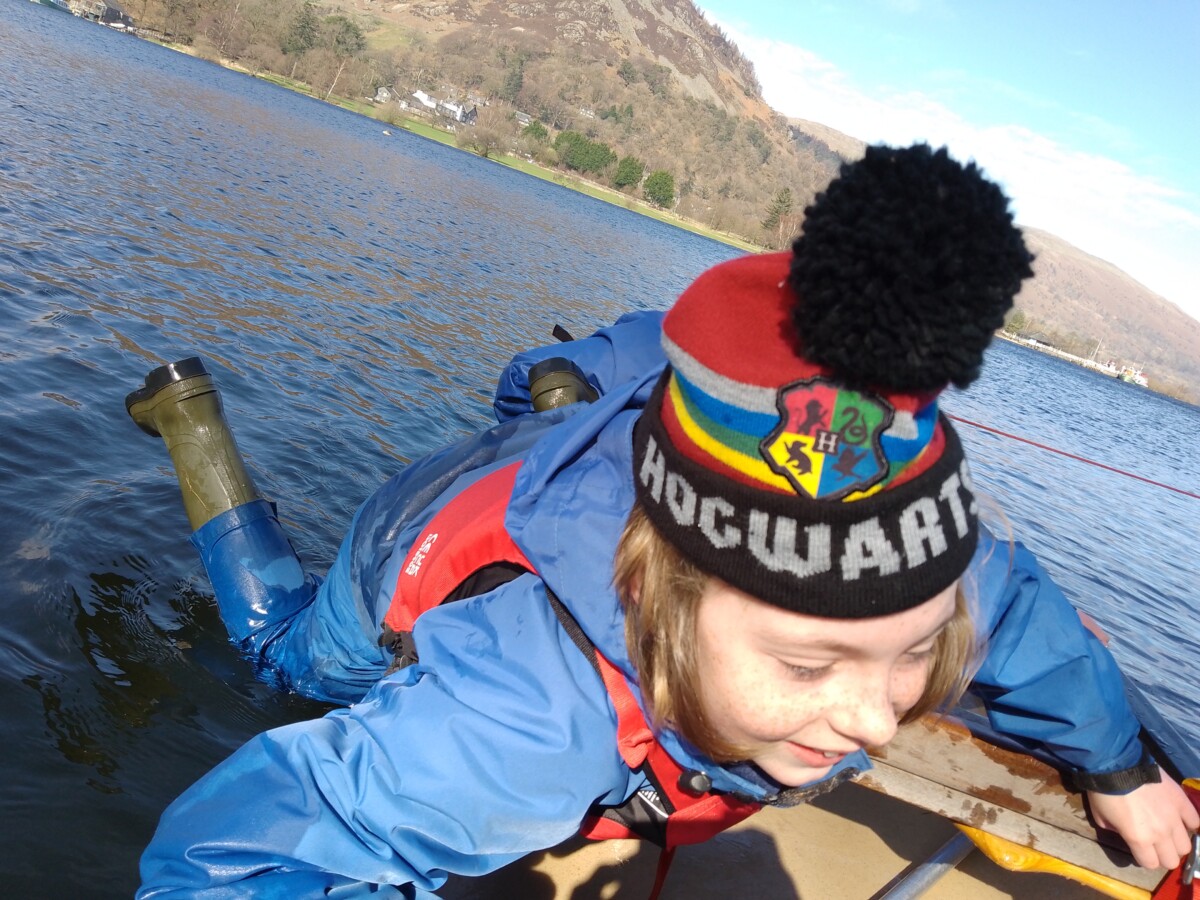
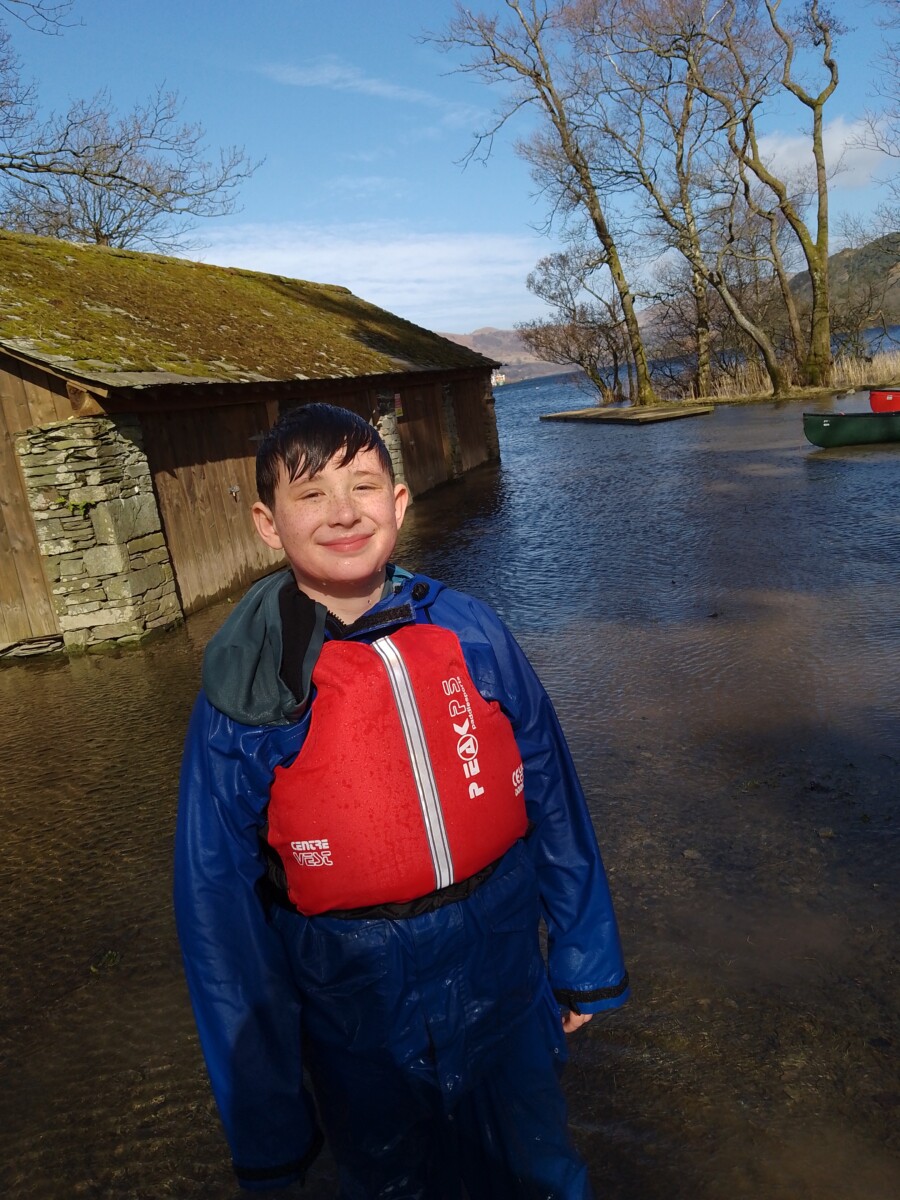
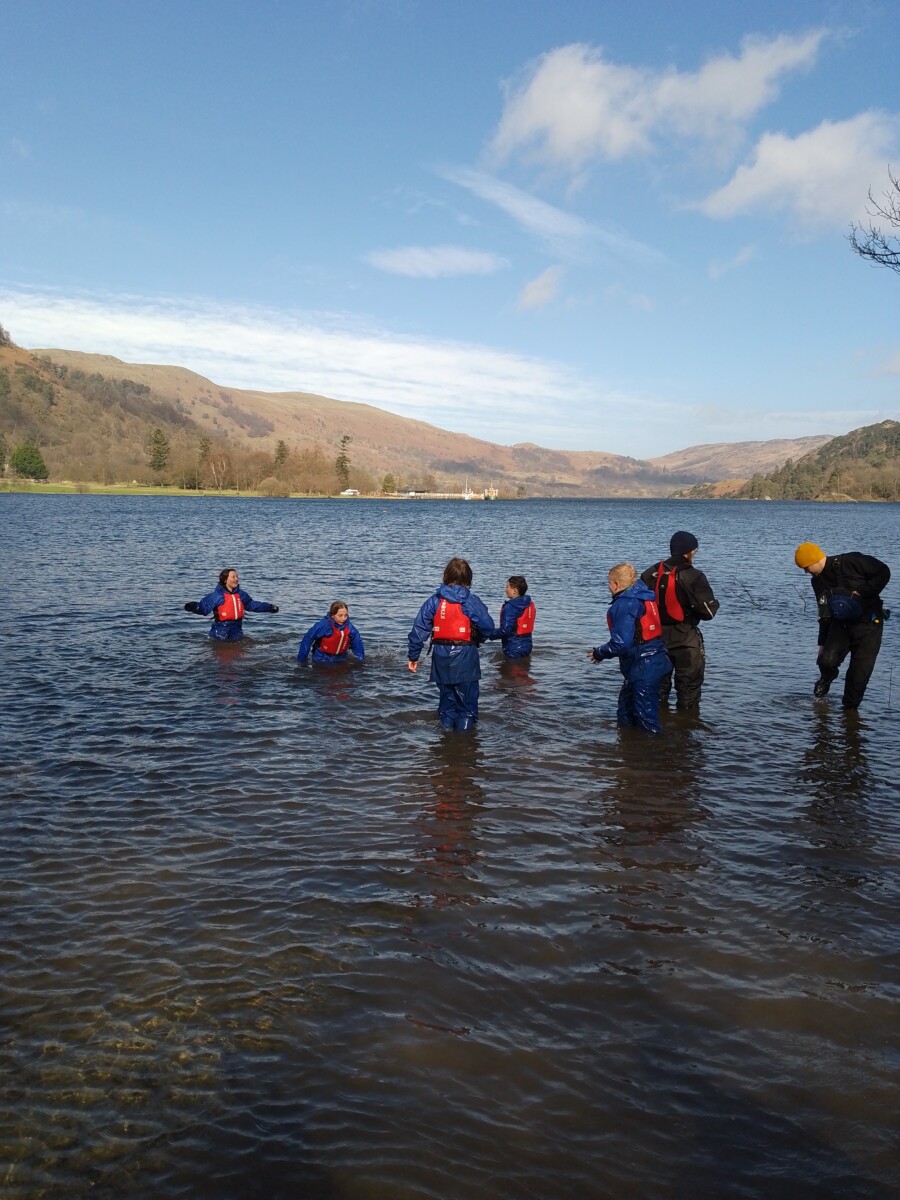
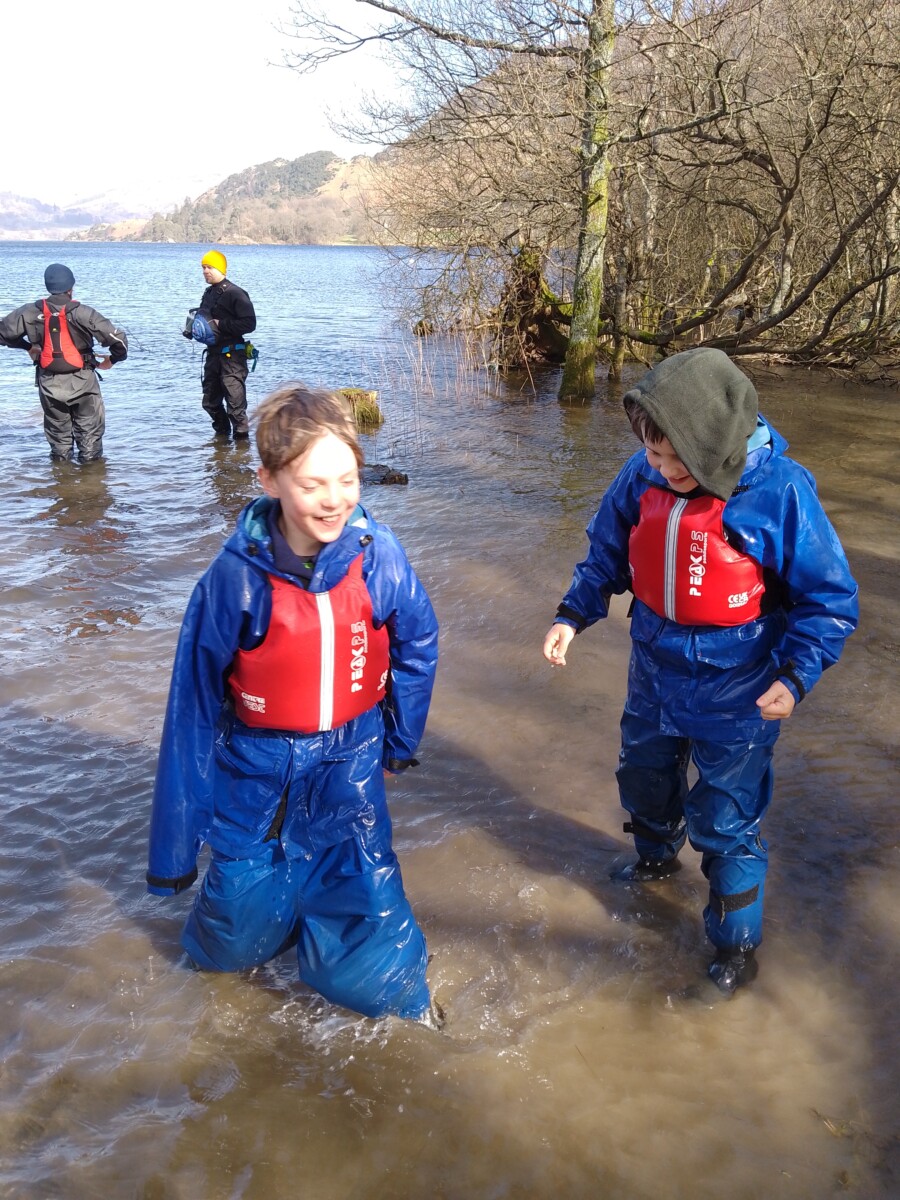
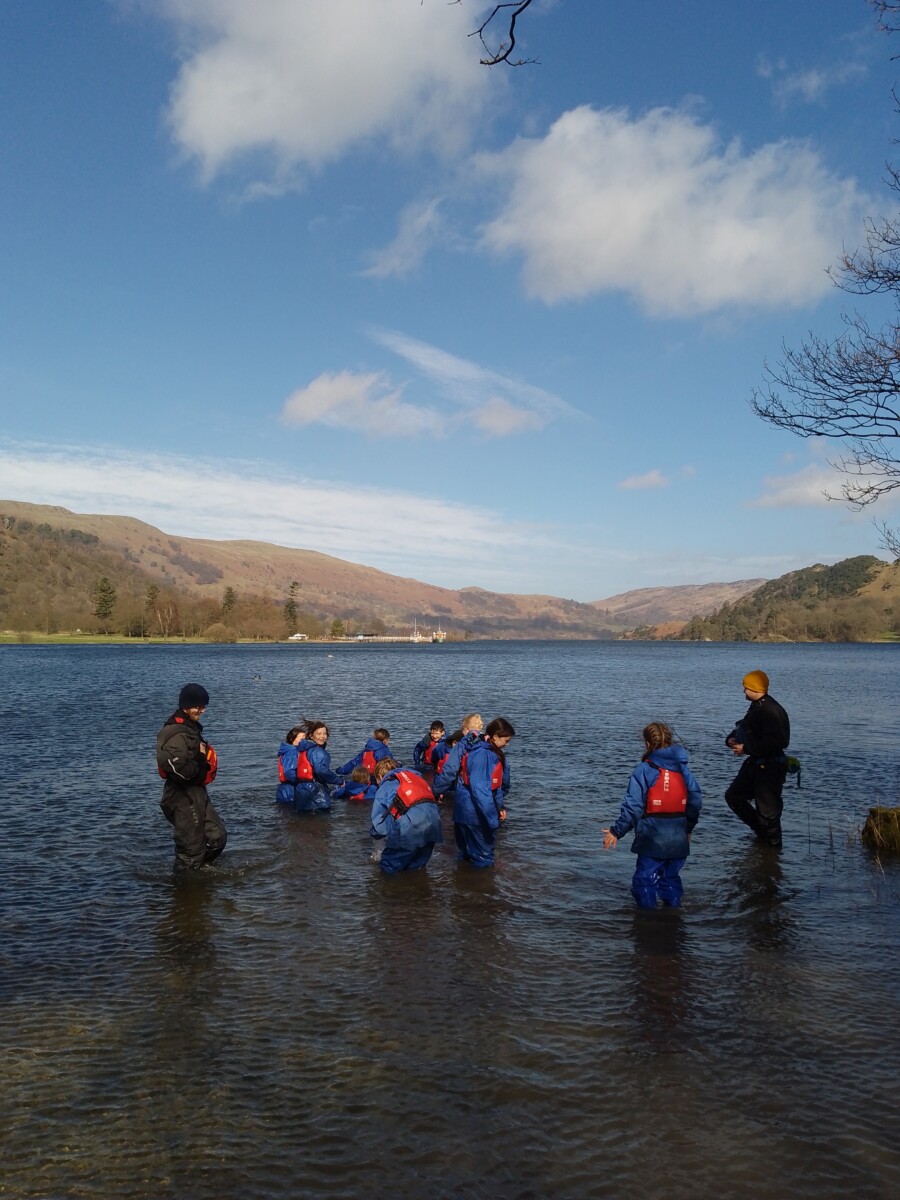
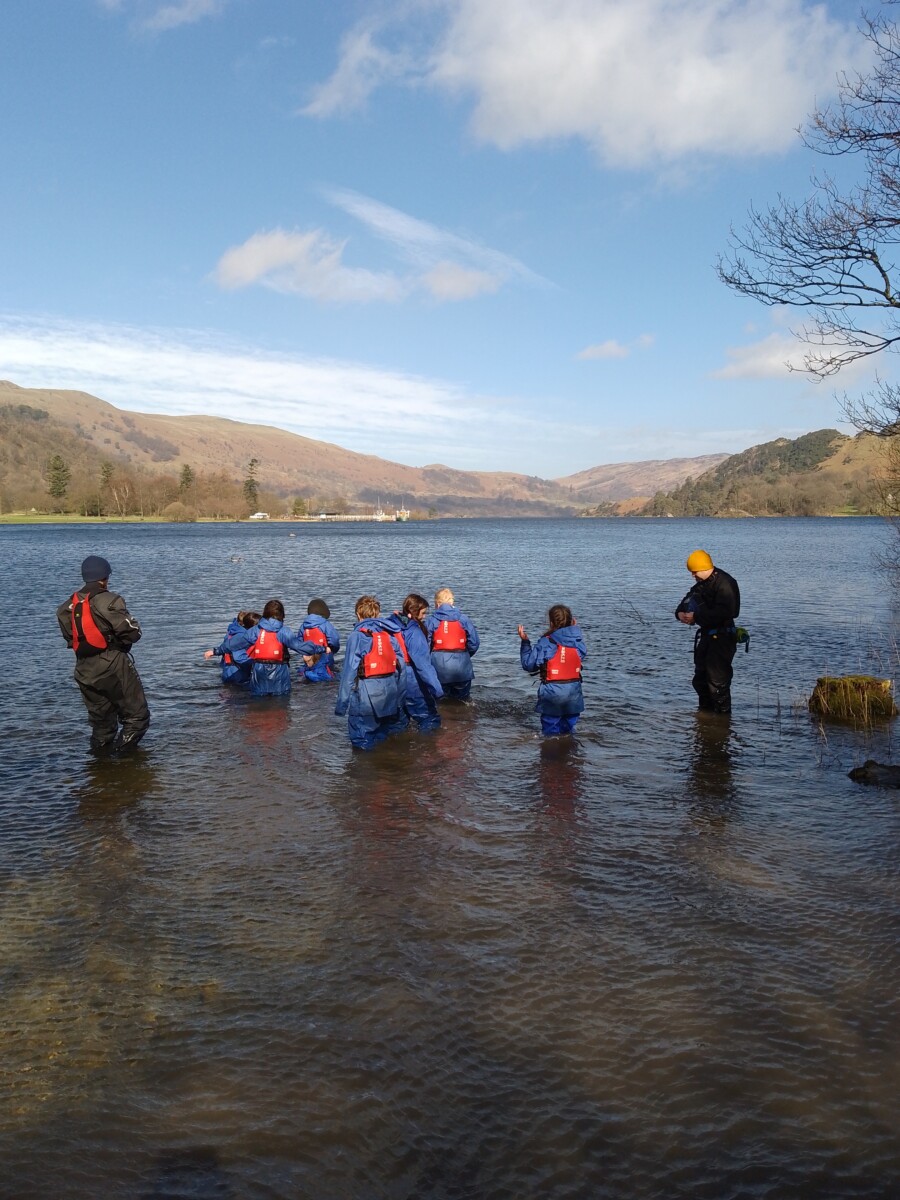
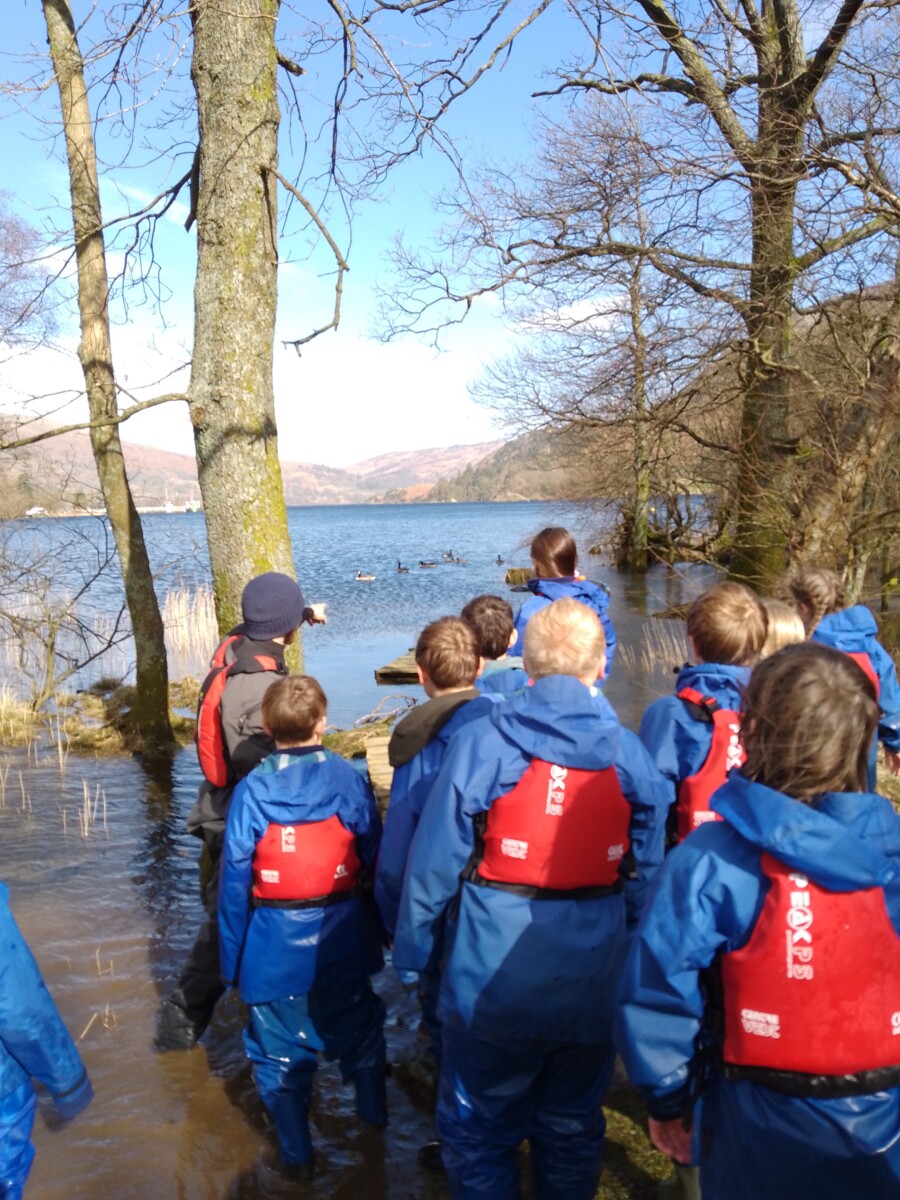
Class 4 had a lovely day out at Fell Foot recently. In the morning, we all took part in open-water swimming lessons led by Jacqui from WaterWise Cumbria. Following on from our assembly about what to do if you end up in difficulty in water, it was a great opportunity to practise the skills that could save a life. Remember: float to live!

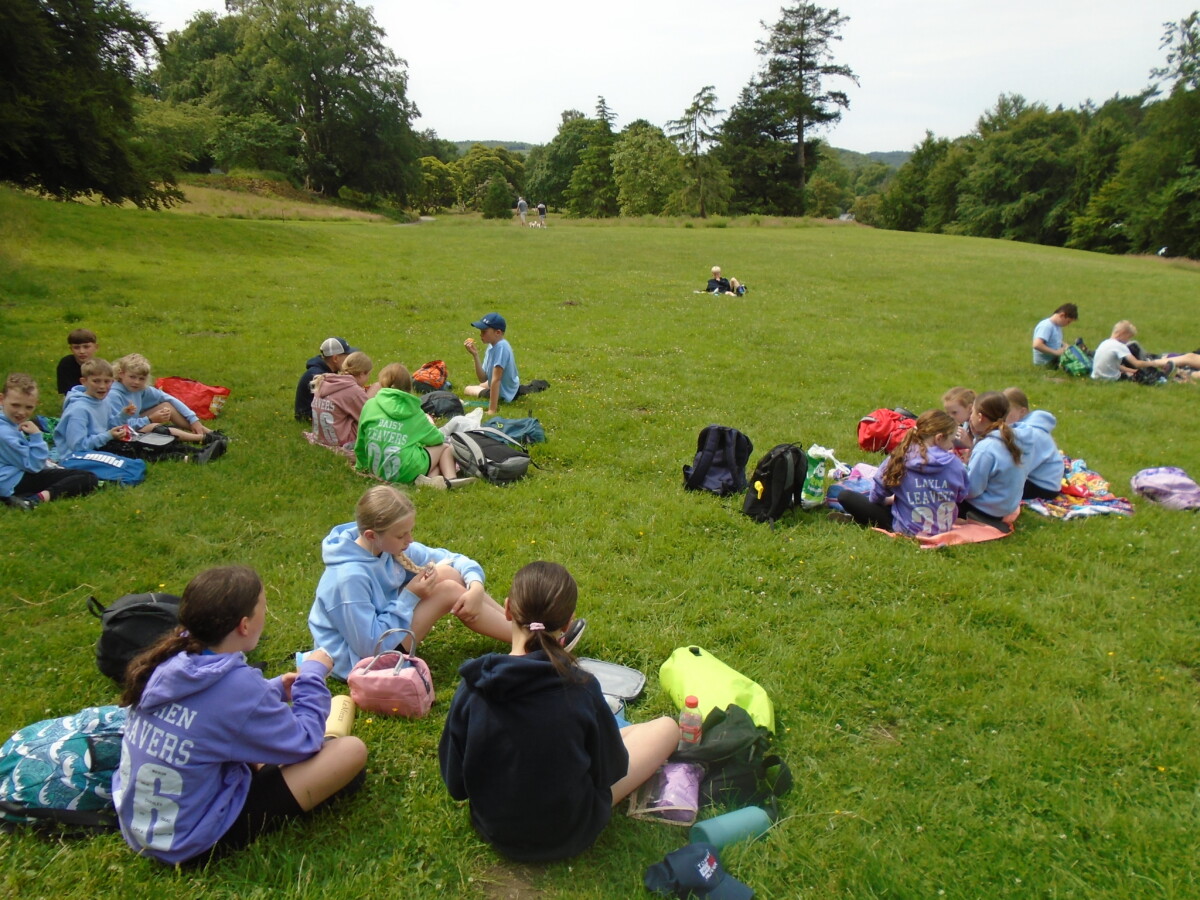
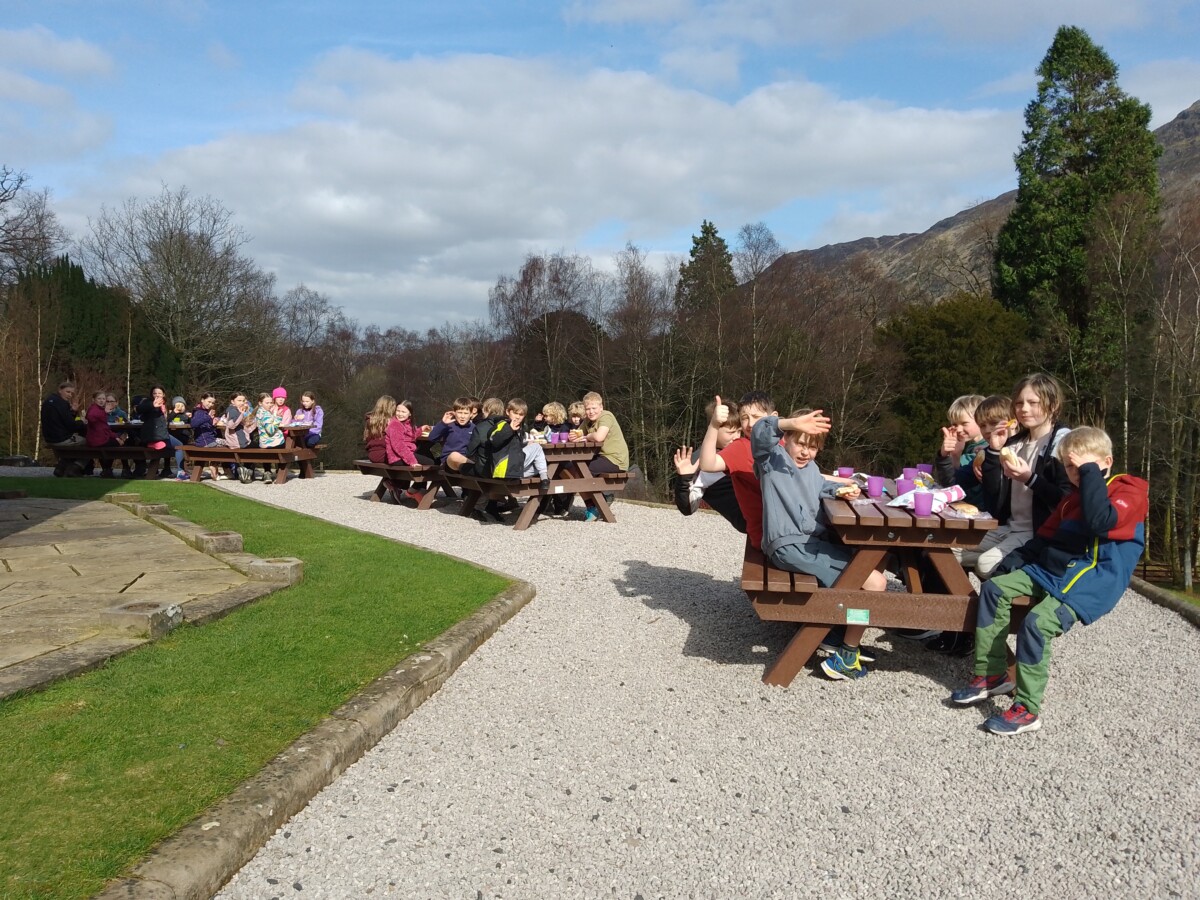
The afternoon was spent orienteering for year 5 students, while year 6 got the paddleboards out to have a play on the lake! Did you know that you can fit all of year 6 on a single paddleboard? (Just!)


A Very Busy Class 4 Week!

This week, our pupils have enjoyed a range of rich and varied activities, designed to deepen their understanding across the curriculum and inspire curiosity beyond the classroom.

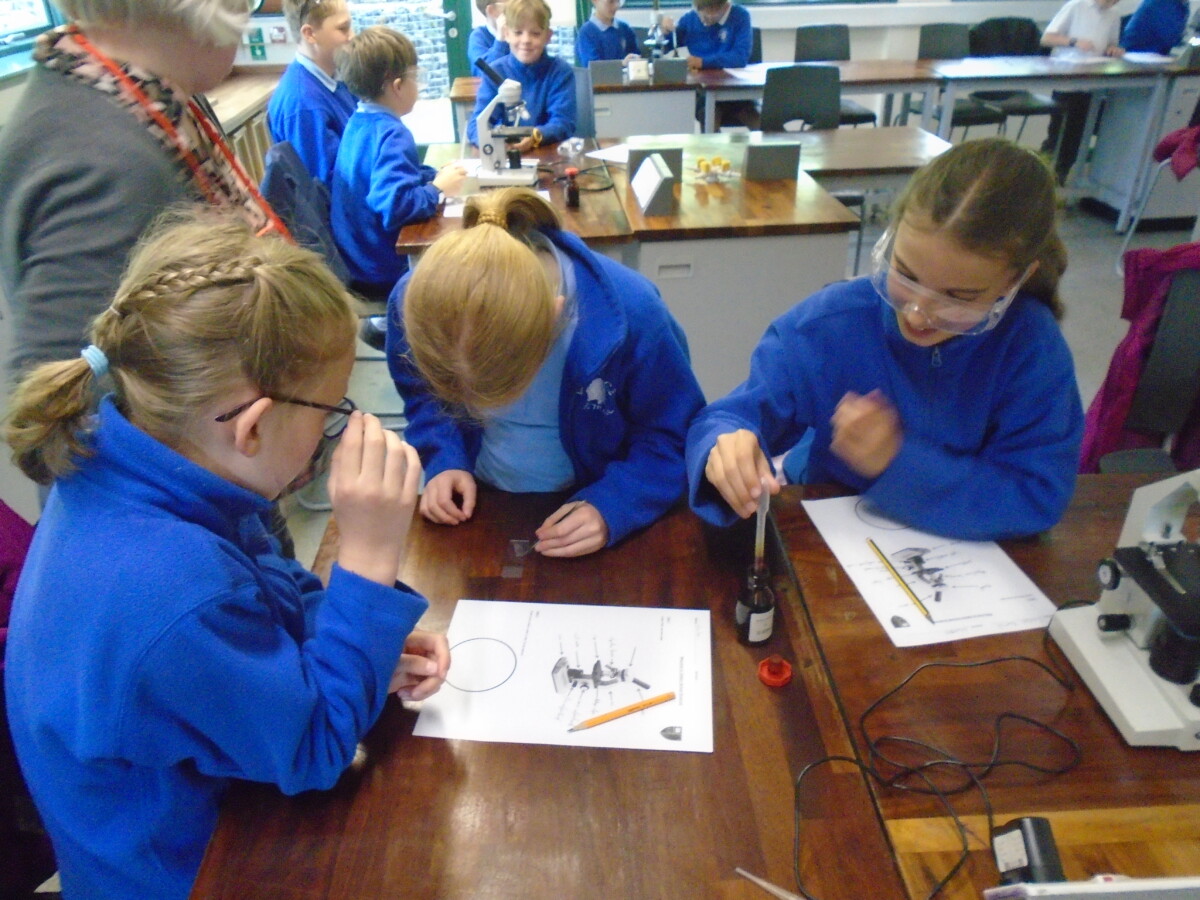
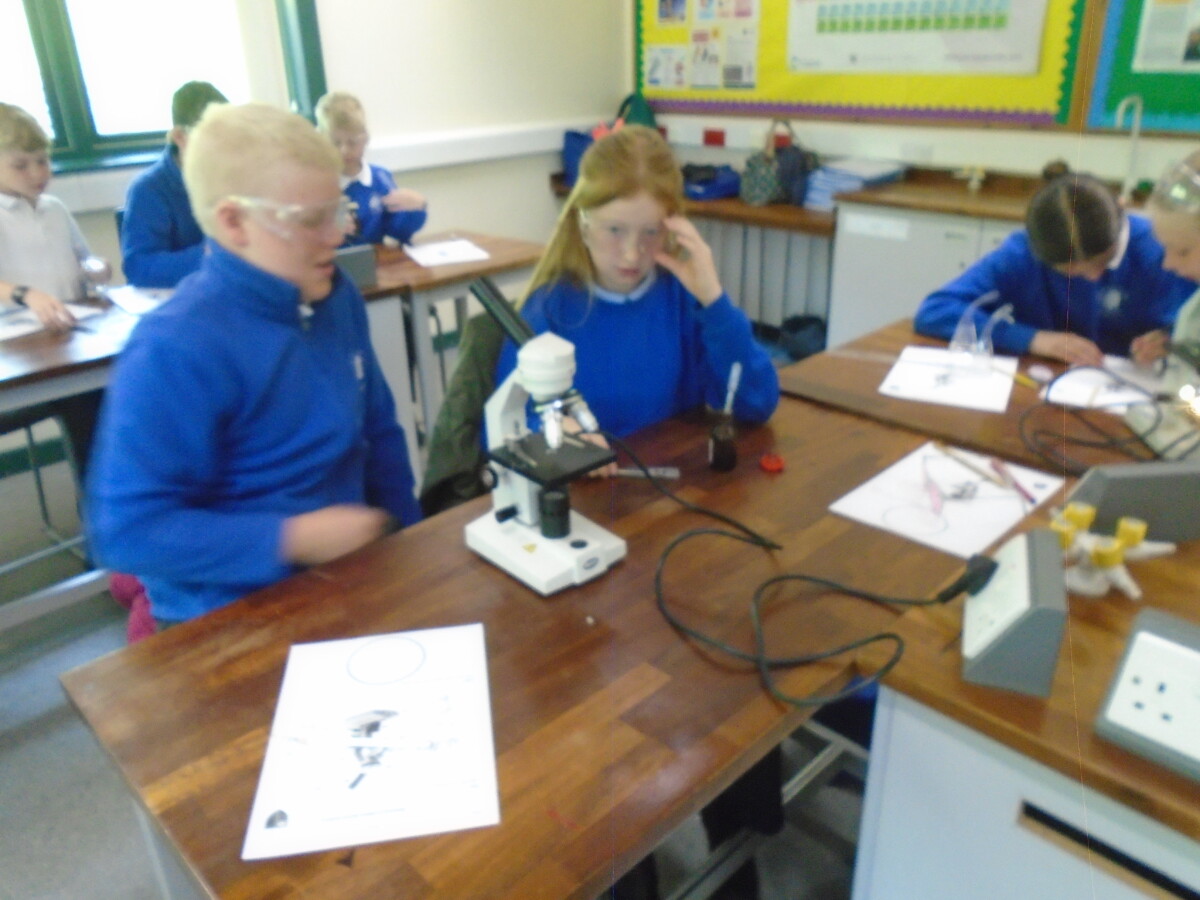
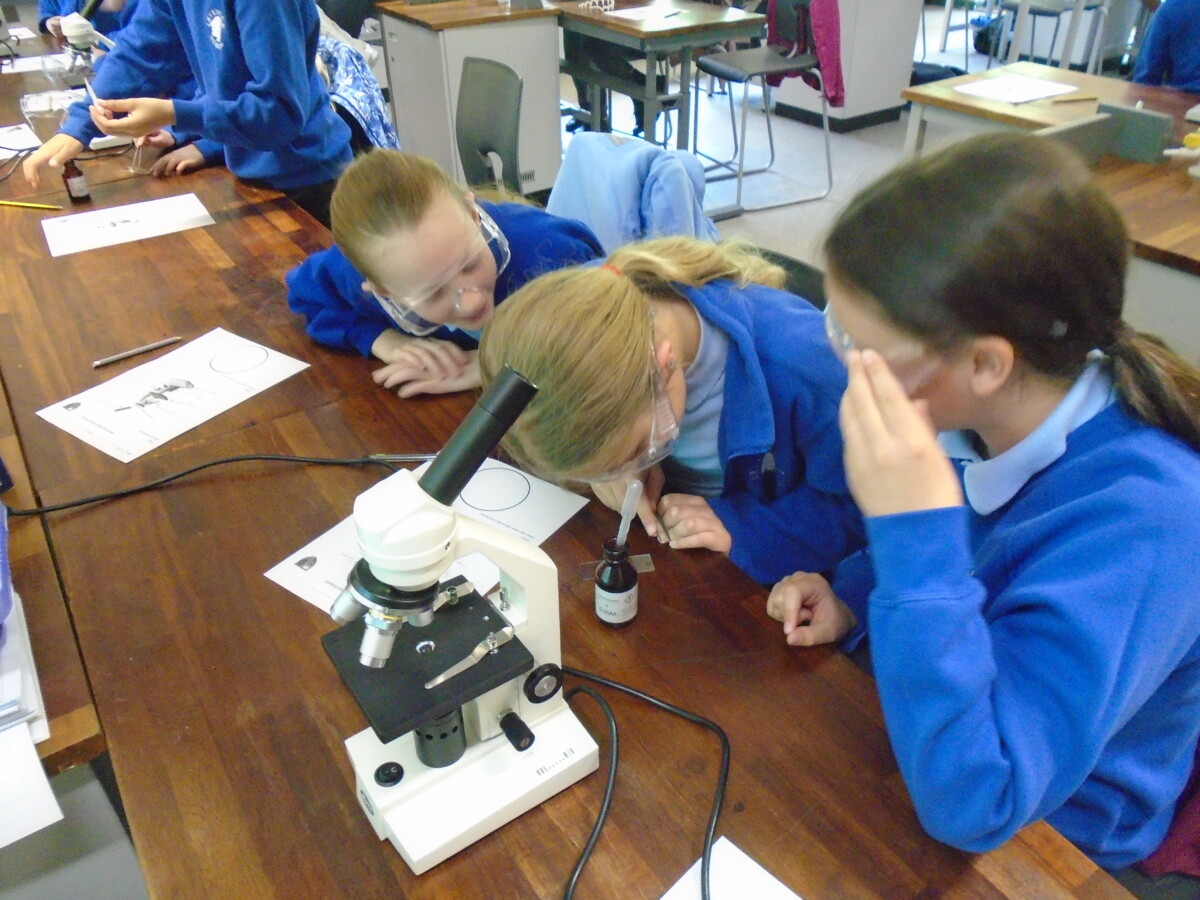
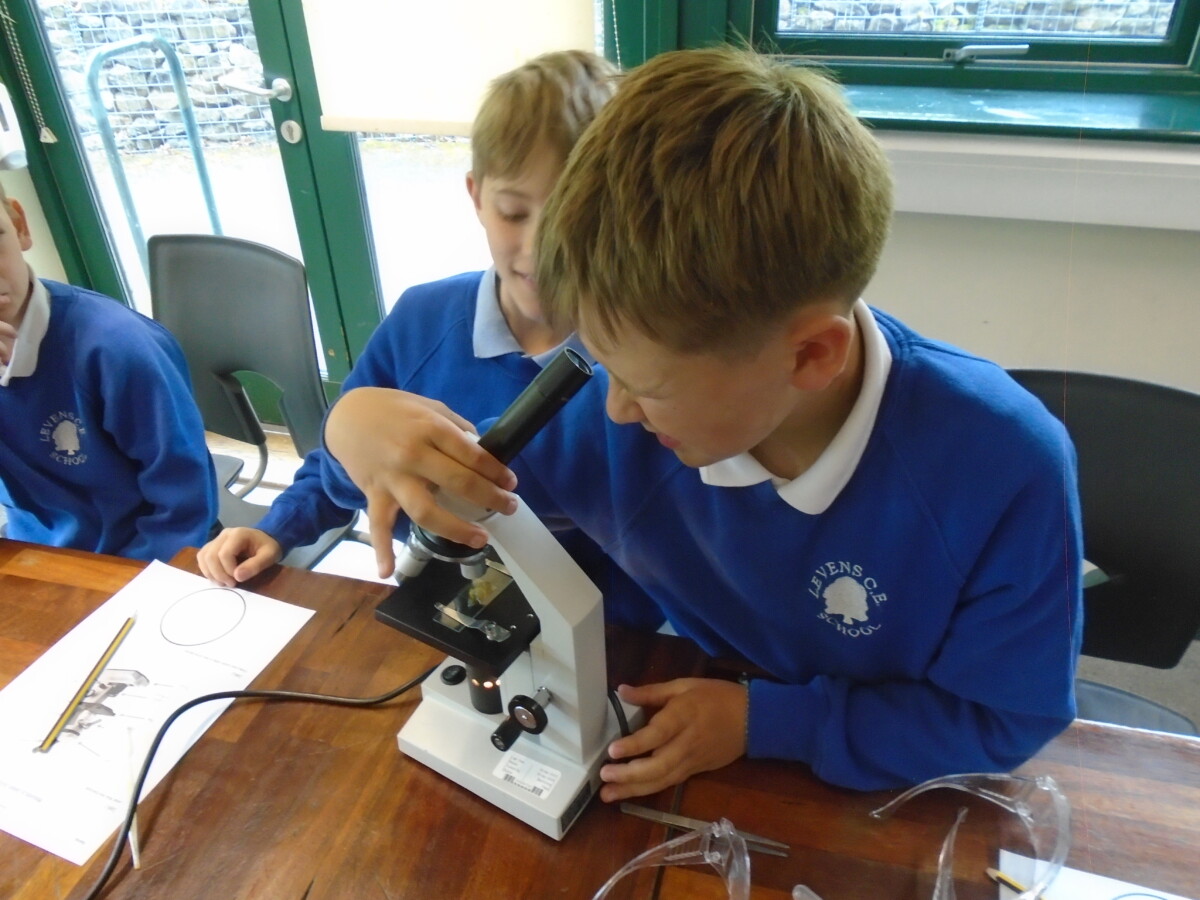
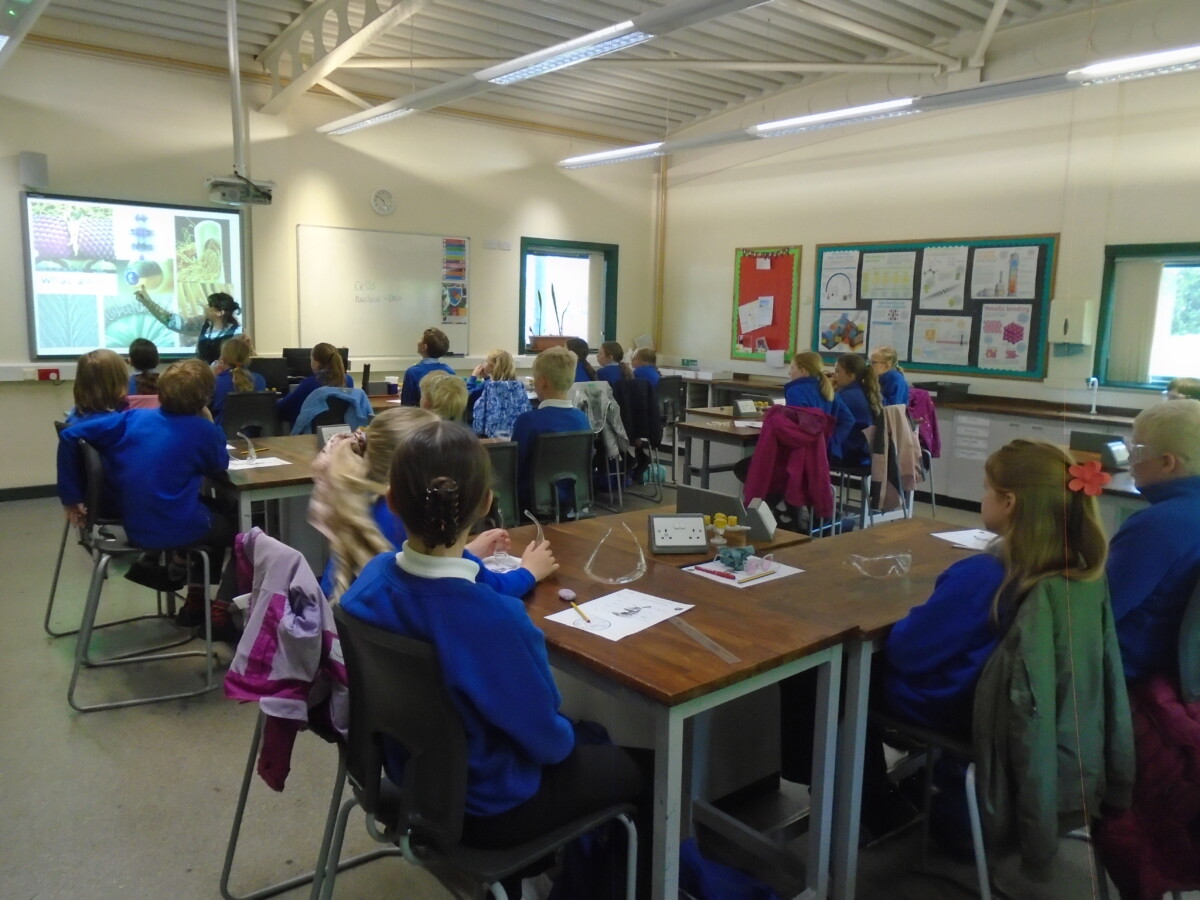
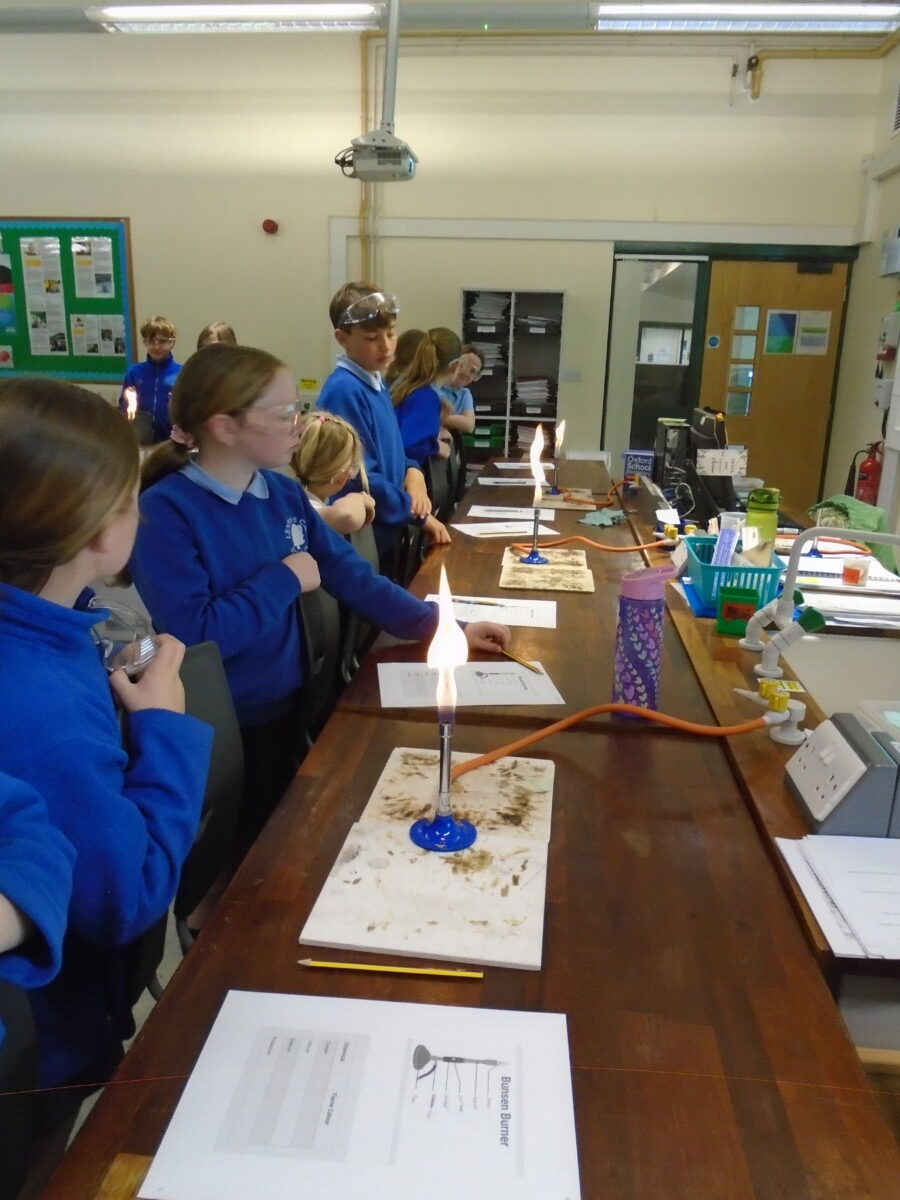
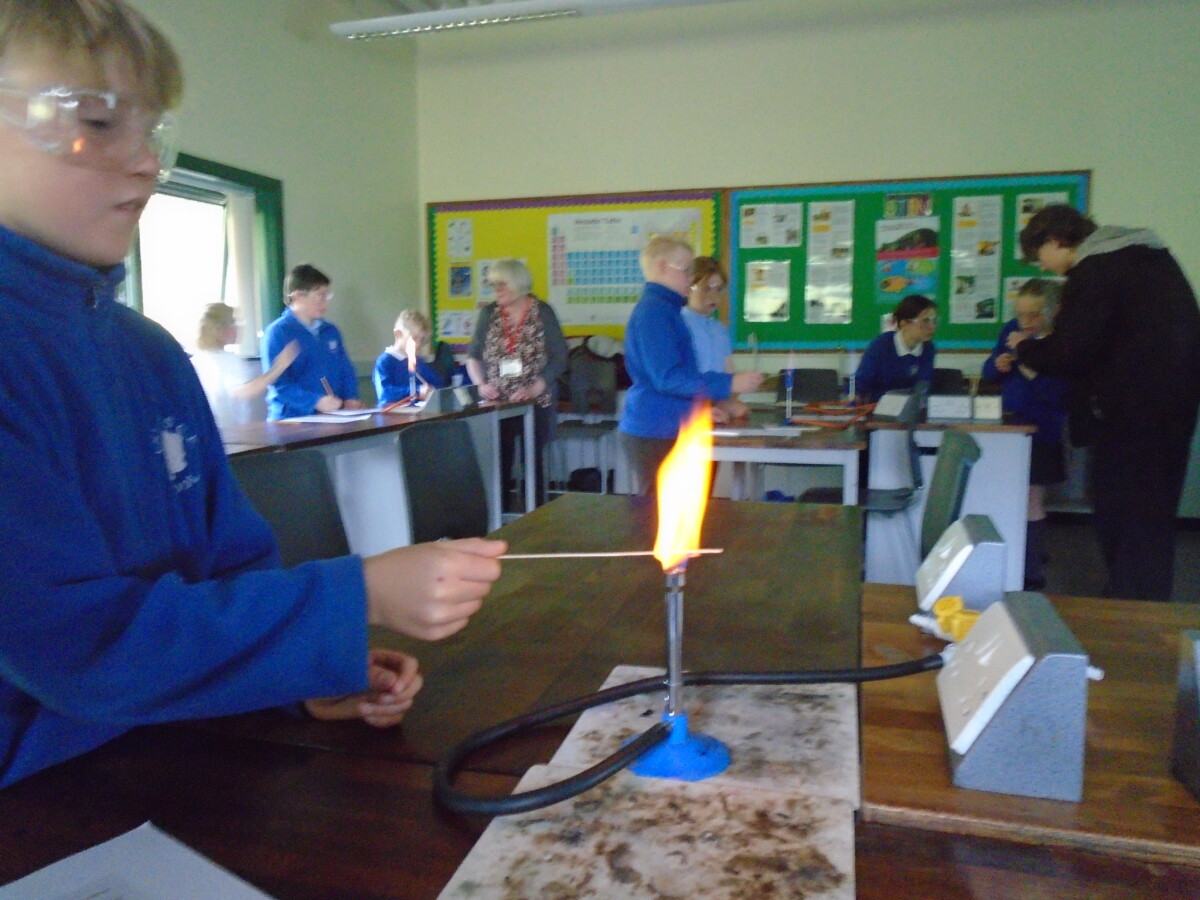
A highlight of the week was our visit to a local secondary school science laboratory. Pupils had the opportunity to work in an authentic laboratory environment, using microscopes to carefully observe onion cells. This hands-on experience allowed them to apply their prior knowledge of living things and develop their scientific enquiry skills. Pupils also investigated how different chemicals affect the colour of a Bunsen burner flame, sparking excitement and thoughtful discussion about chemical reactions.

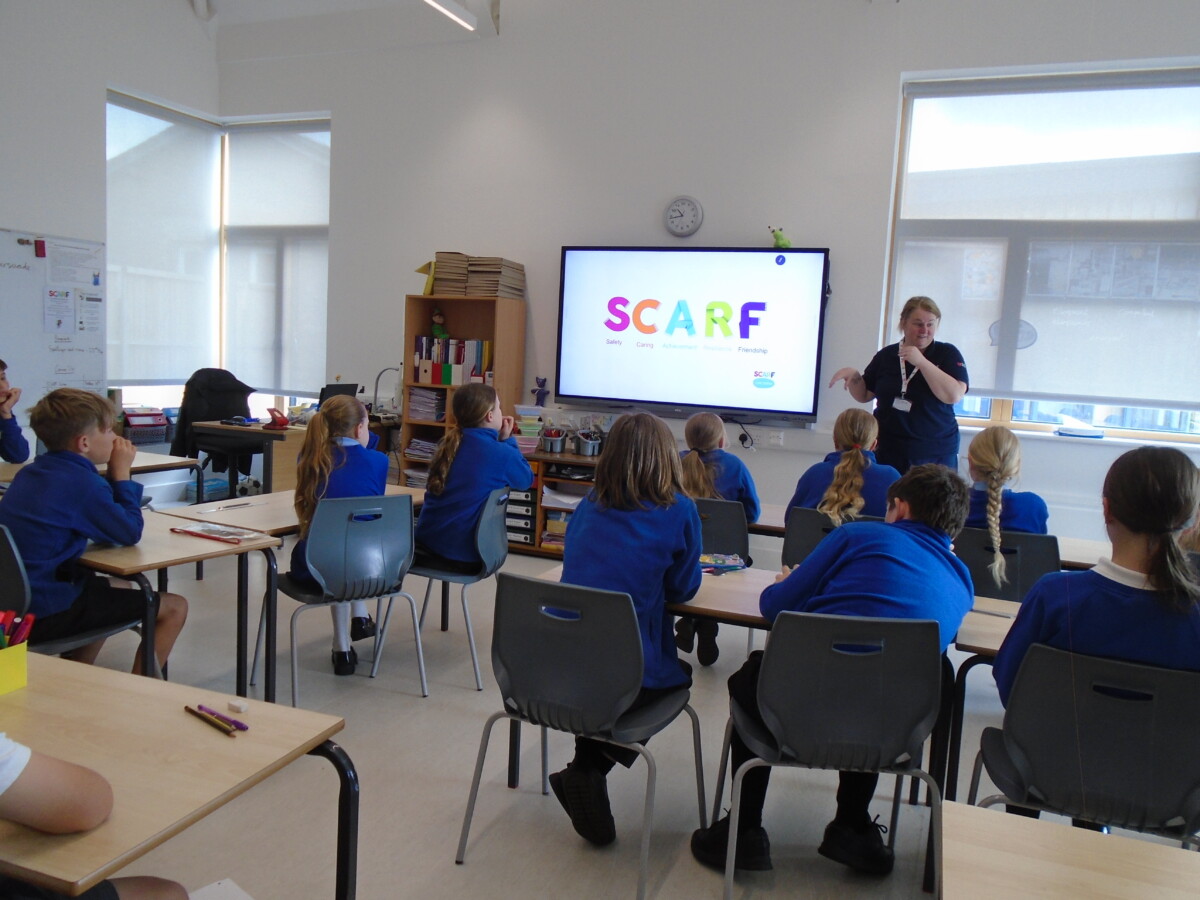
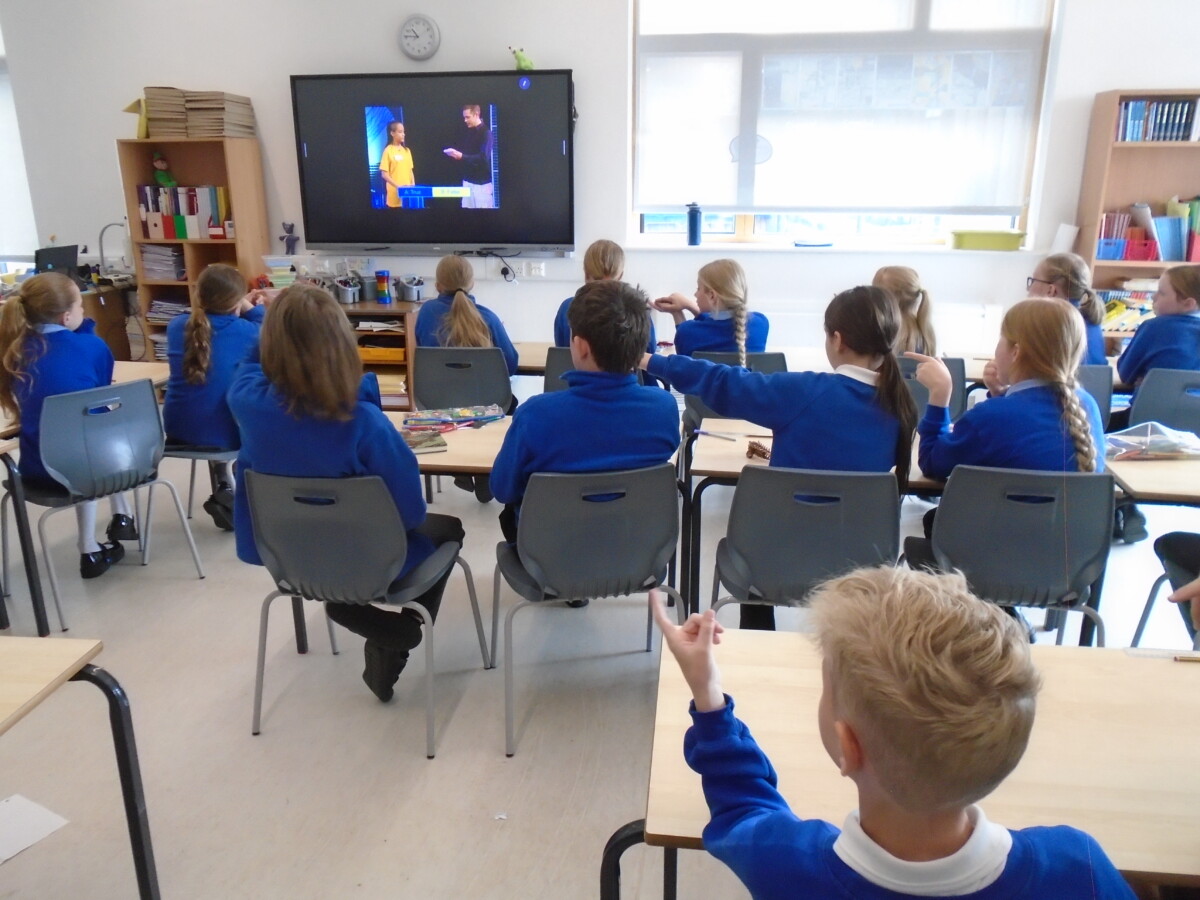
We were also delighted to welcome a visitor from SCARF, who led an engaging and informative session on the risks associated with both legal and illegal drugs. Through clear, age-appropriate discussion, pupils developed their understanding of making safe and informed choices, supporting the PSHE curriculum. The session was made even more memorable with a visit from Harold the Talking Giraffe, who helped to reinforce key messages (and give us stickers!)

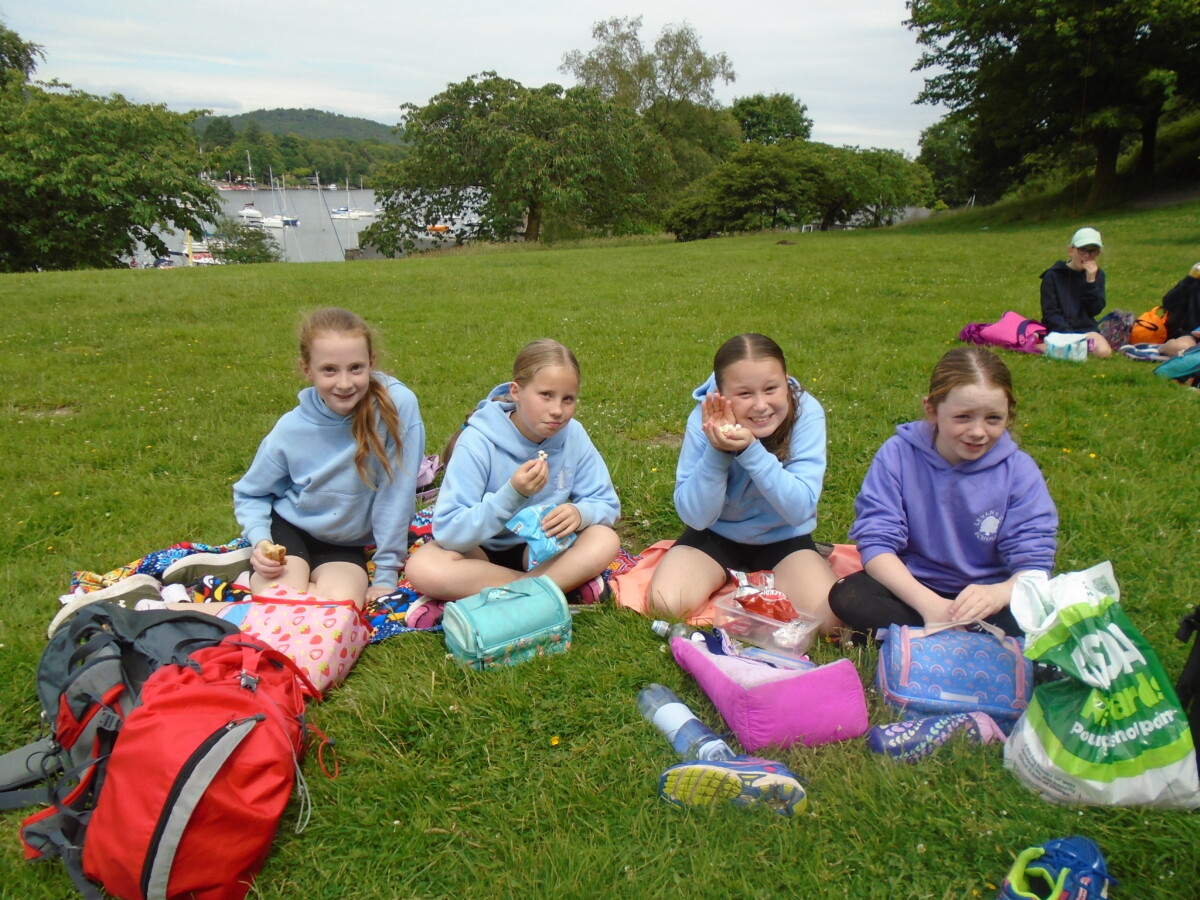
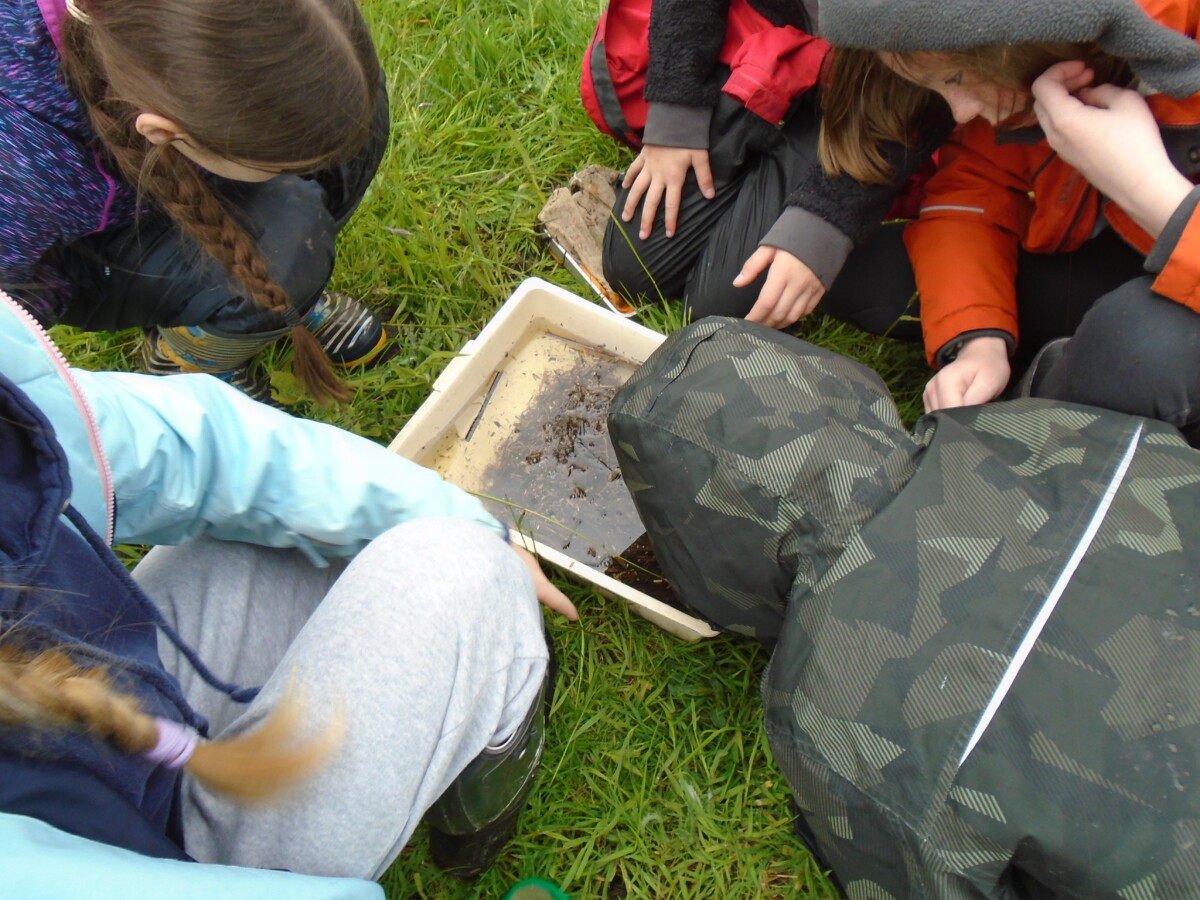
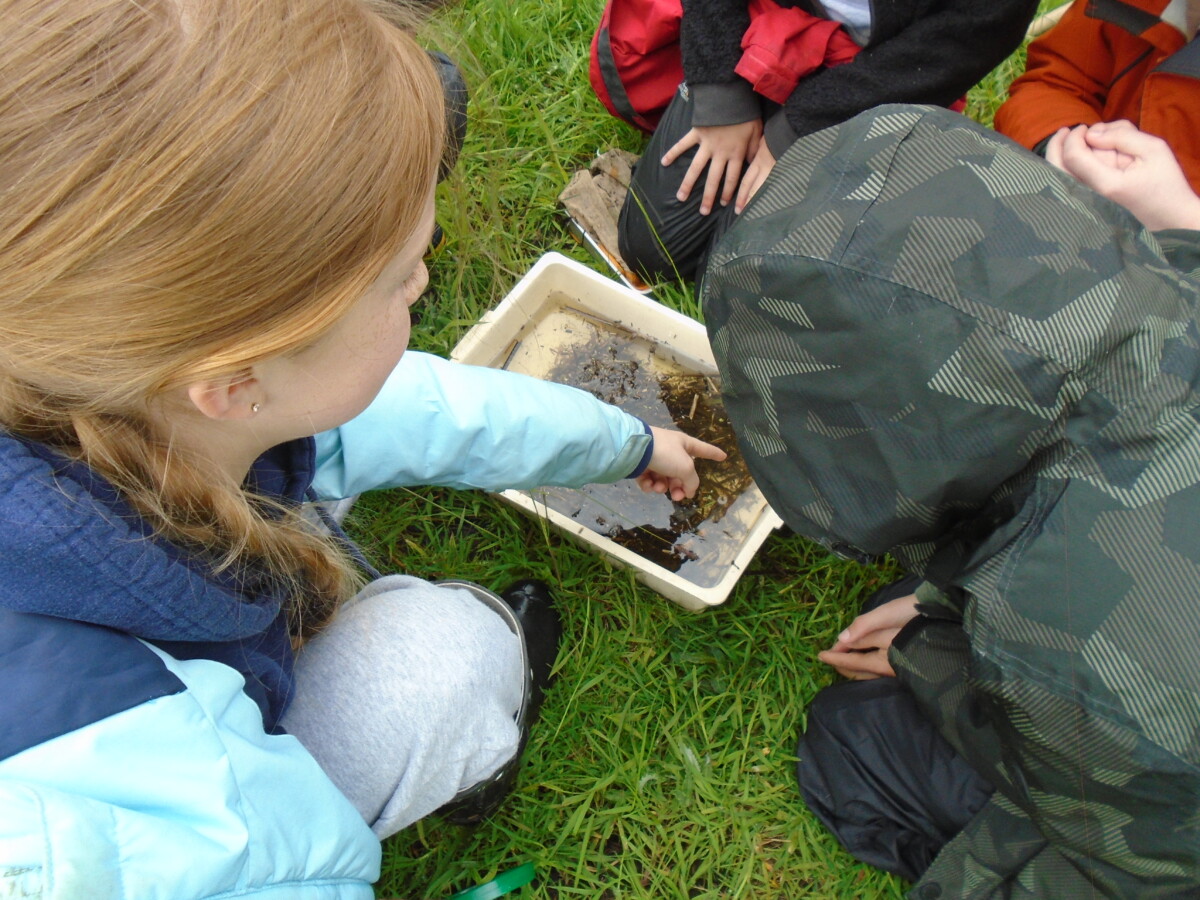
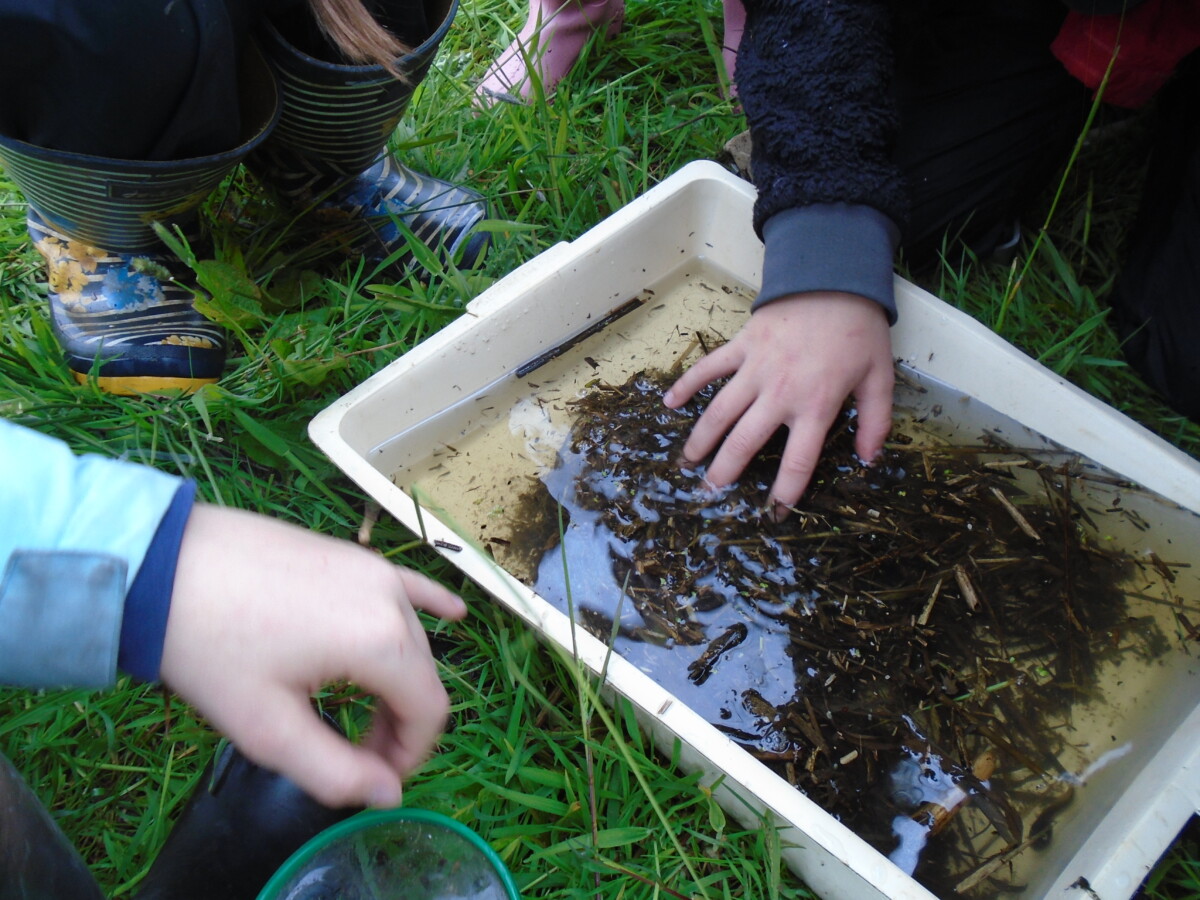
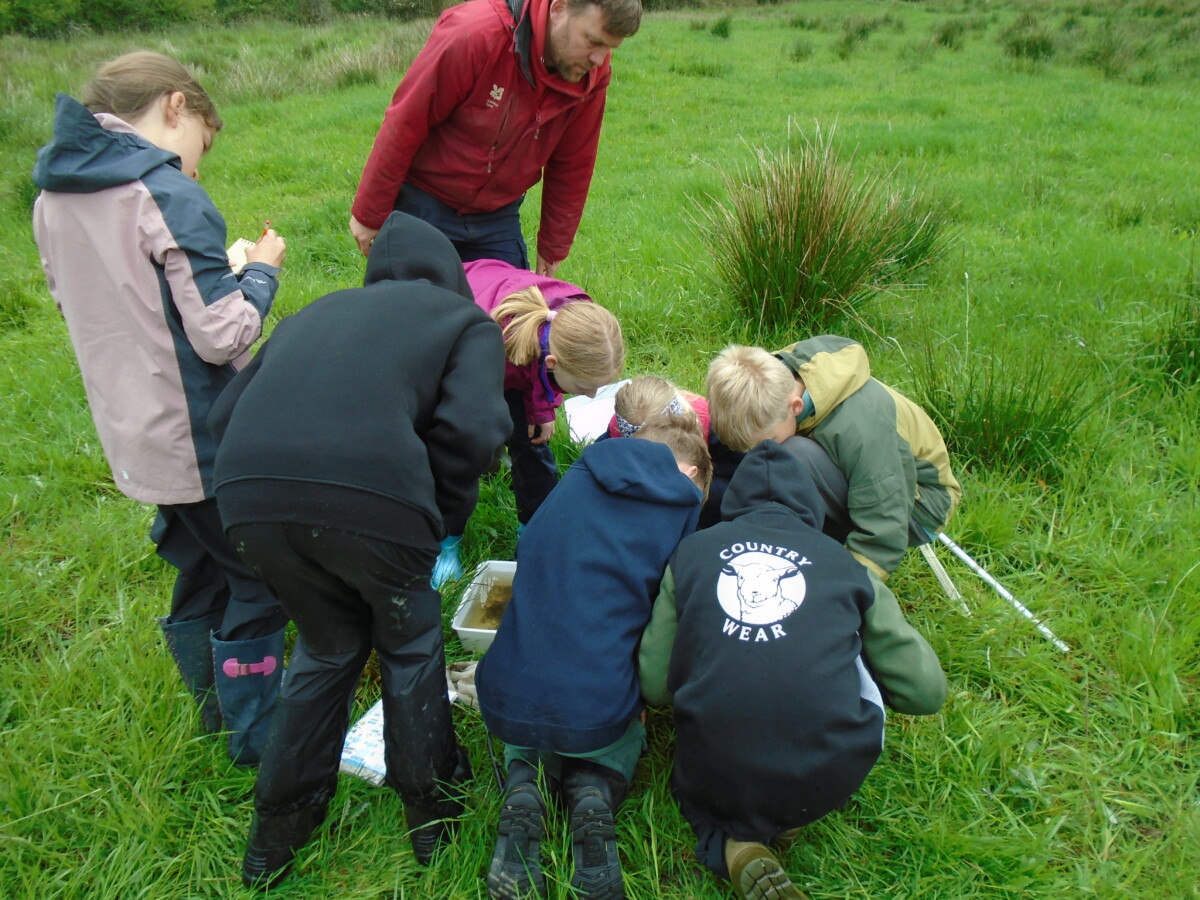
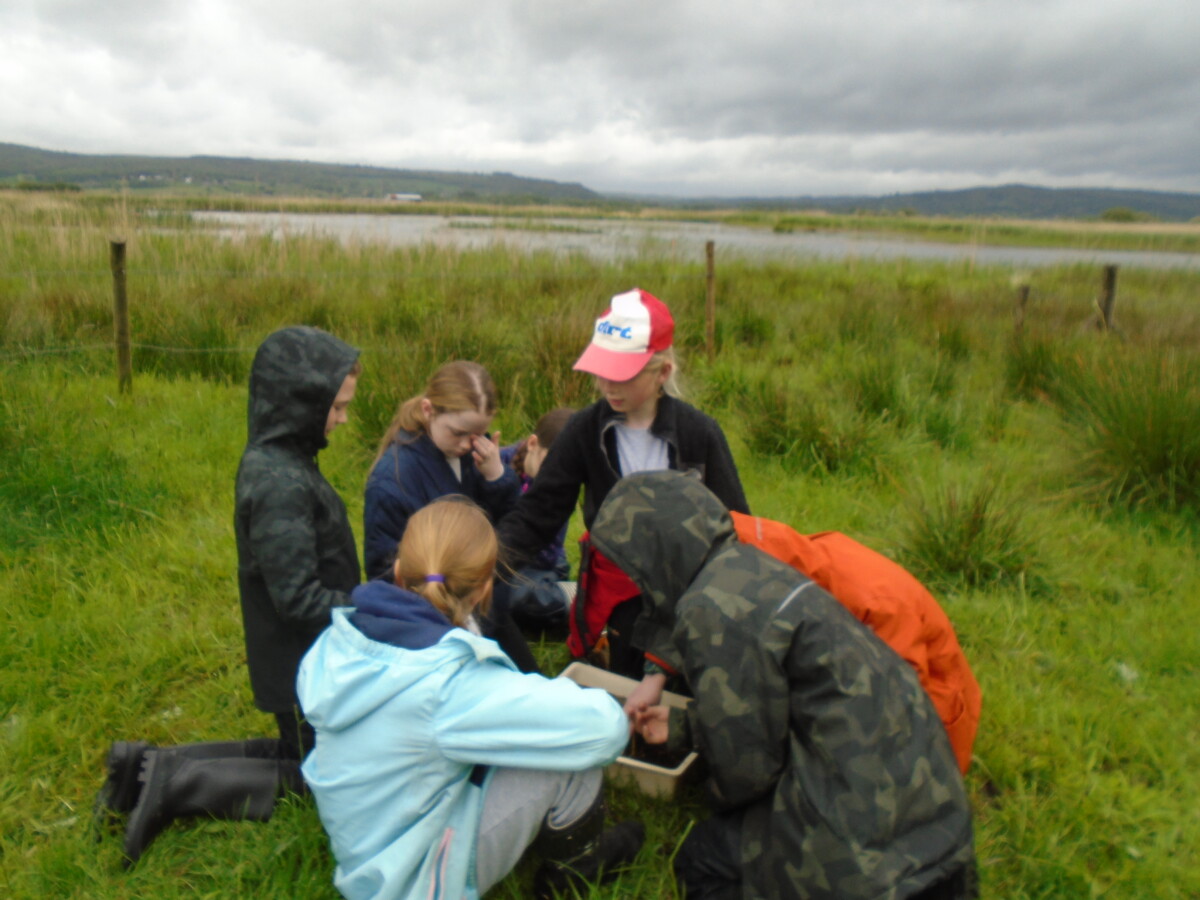
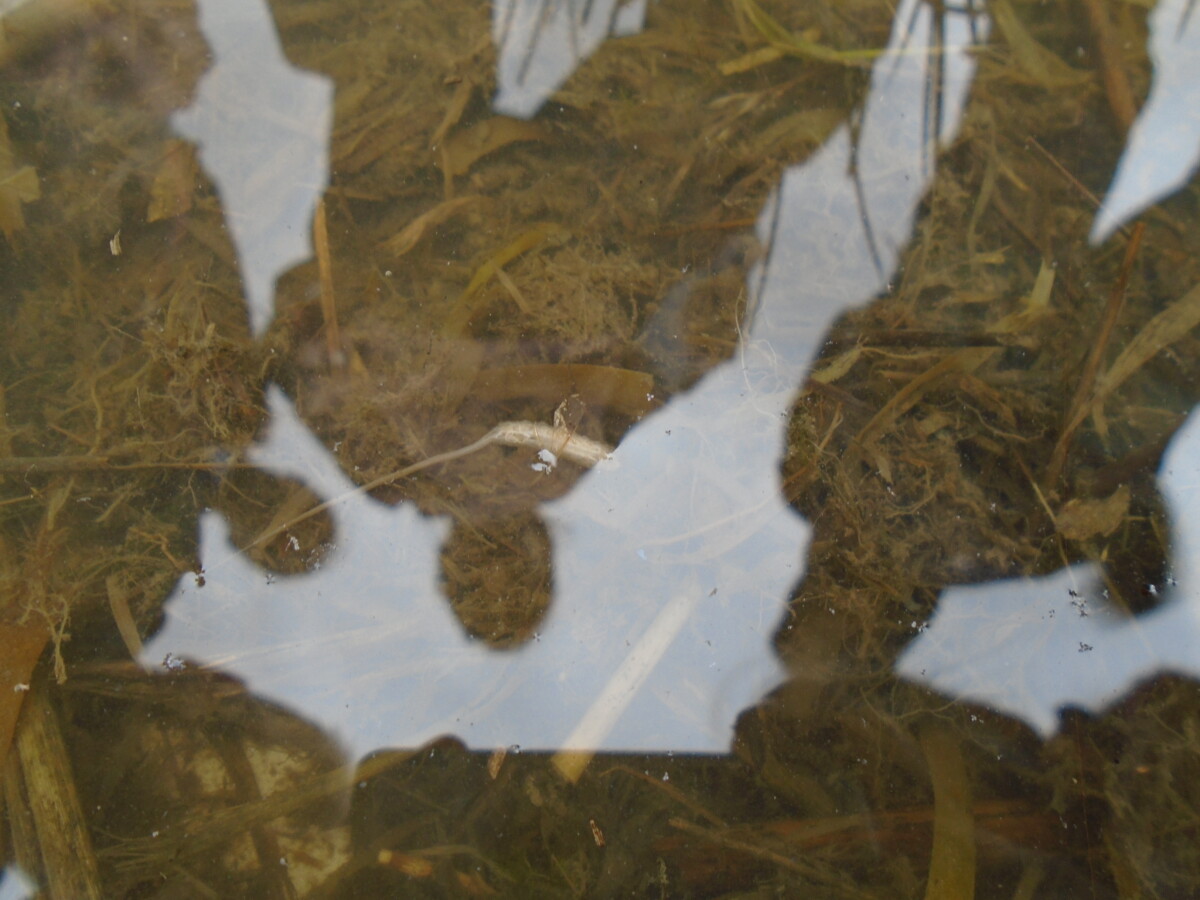
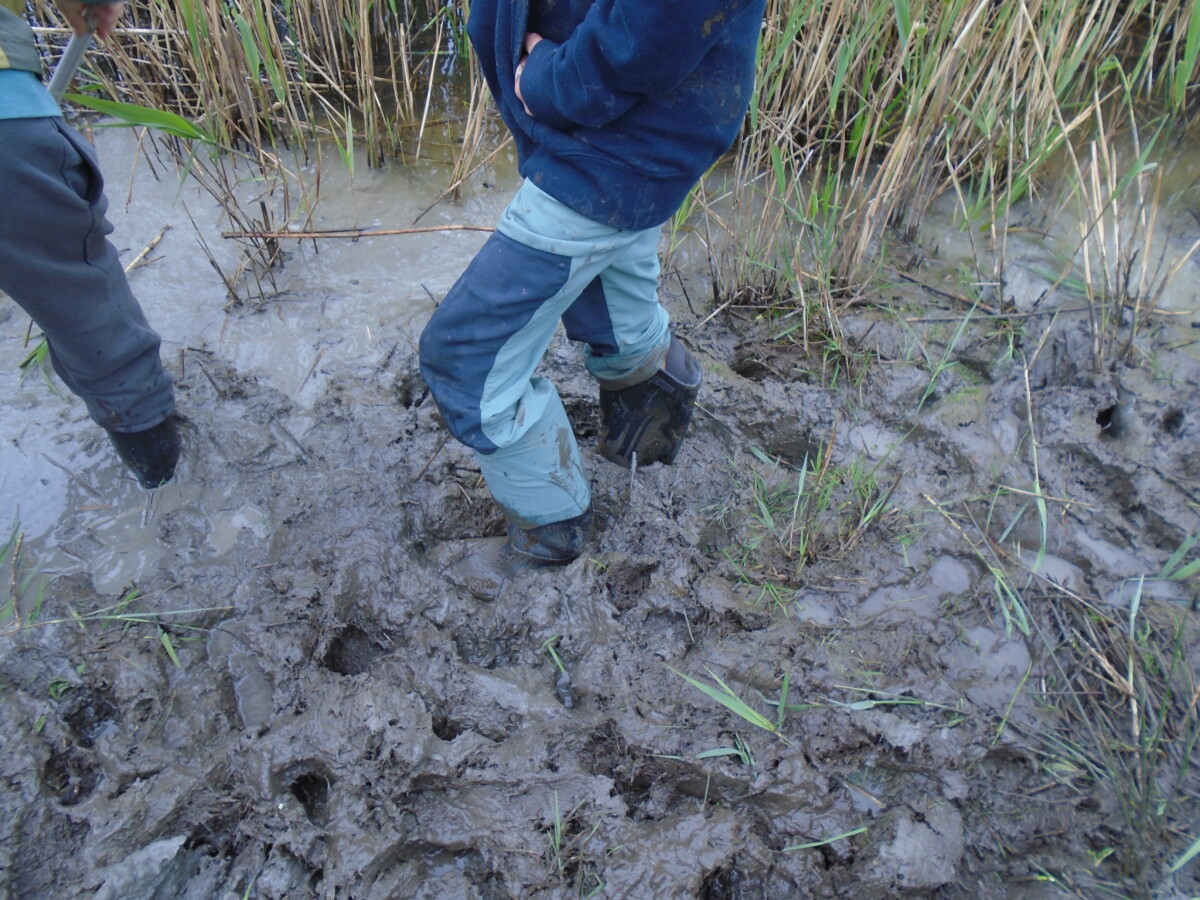
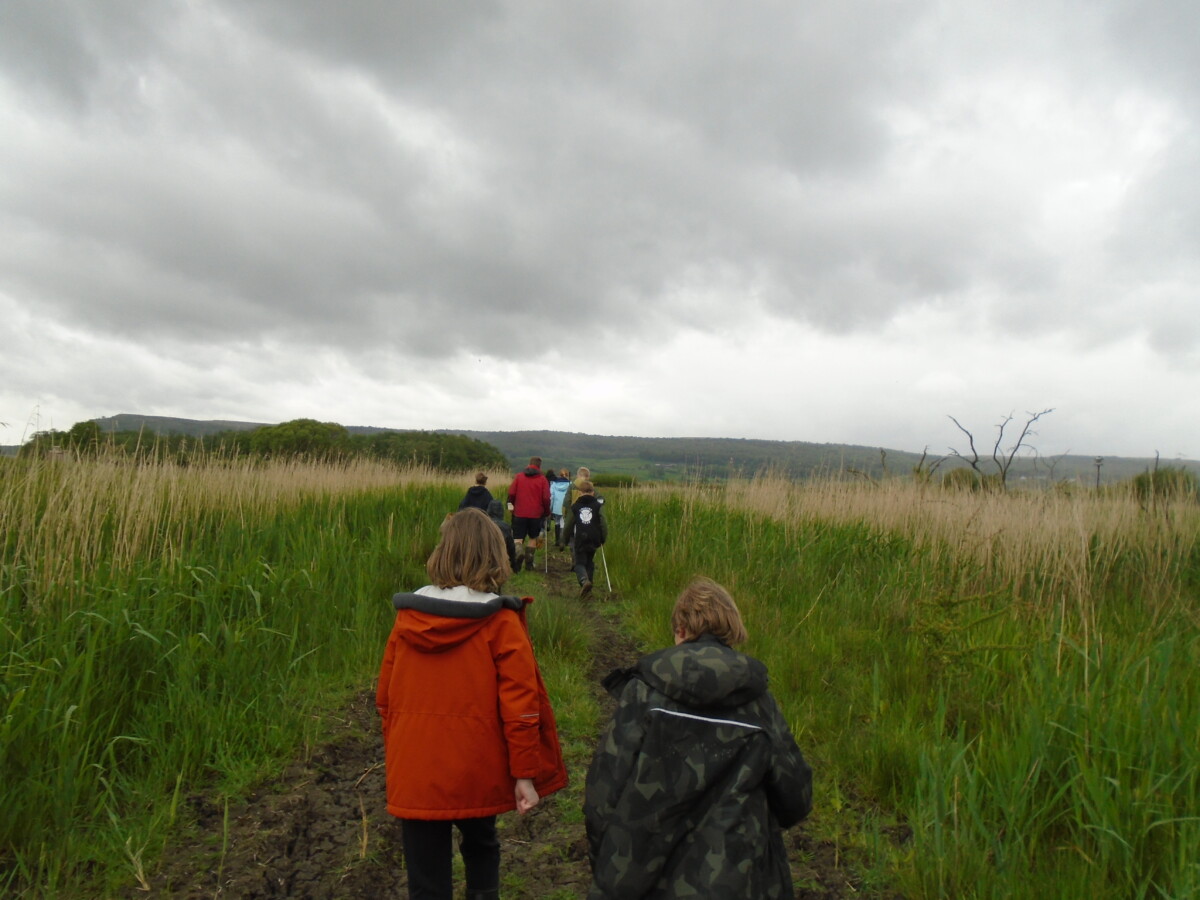
Later in the week, pupils visited Park End Wetlands, where they took part in a fieldwork investigation to assess water quality. Developing their scientific sampling techniques, they measured both the number and variety of invertebrate species present. This is an activity completed by Levens pupils in the past, so it was a great opportunity to measure the health of the wetlands over time. Mrs Mason who supported on the trip was even there when the wetlands were first developed and planted by the community!

The week concluded with a special assembly, where pupils had the opportunity to share their learning with parents and carers. As part of this, they developed their oracy skills, preparing short presentations about an aspect of the week that had particularly interested them. Pupils worked hard to speak confidently without relying on a script, focusing on maintaining eye contact and using a clear, expressive voice.

I am incredibly proud of the pupils’ enthusiasm, curiosity and independence. It has been a fantastic way to end the term and get outside the classroom walls following the hard work our year 6 pupils put in throughout SATS week.

Check out a selection of photos from the week below!


Exploring Mountains Through Contour Lines

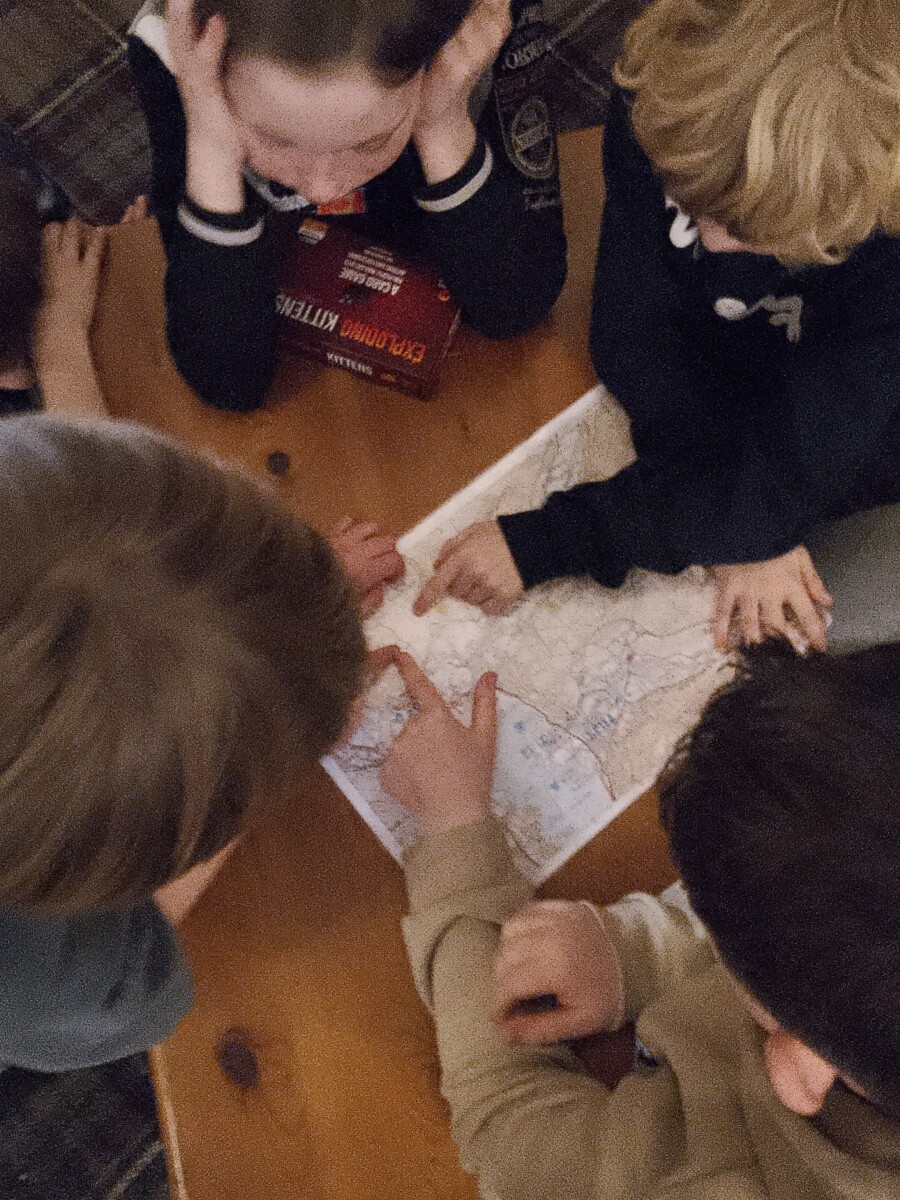
This term, our geography learning has taken us on an exciting journey into the world of maps and mountains. We have been studying contour lines and learning how they are used to show elevation and height on maps.

To begin with, we explored contour maps of familiar local places, including Patterdale Hall and Levens village. Looking at areas we know well helped us to understand how contour lines work in real life. We noticed that:

  • Closely spaced contour lines show steep slopes, such as hillsides or valleys
  • Widely spaced contour lines show flat or gently sloping land

By comparing the maps with what we know of these locations, we were able to see how hills, valleys and flatter areas are represented on Ordnance Survey maps.

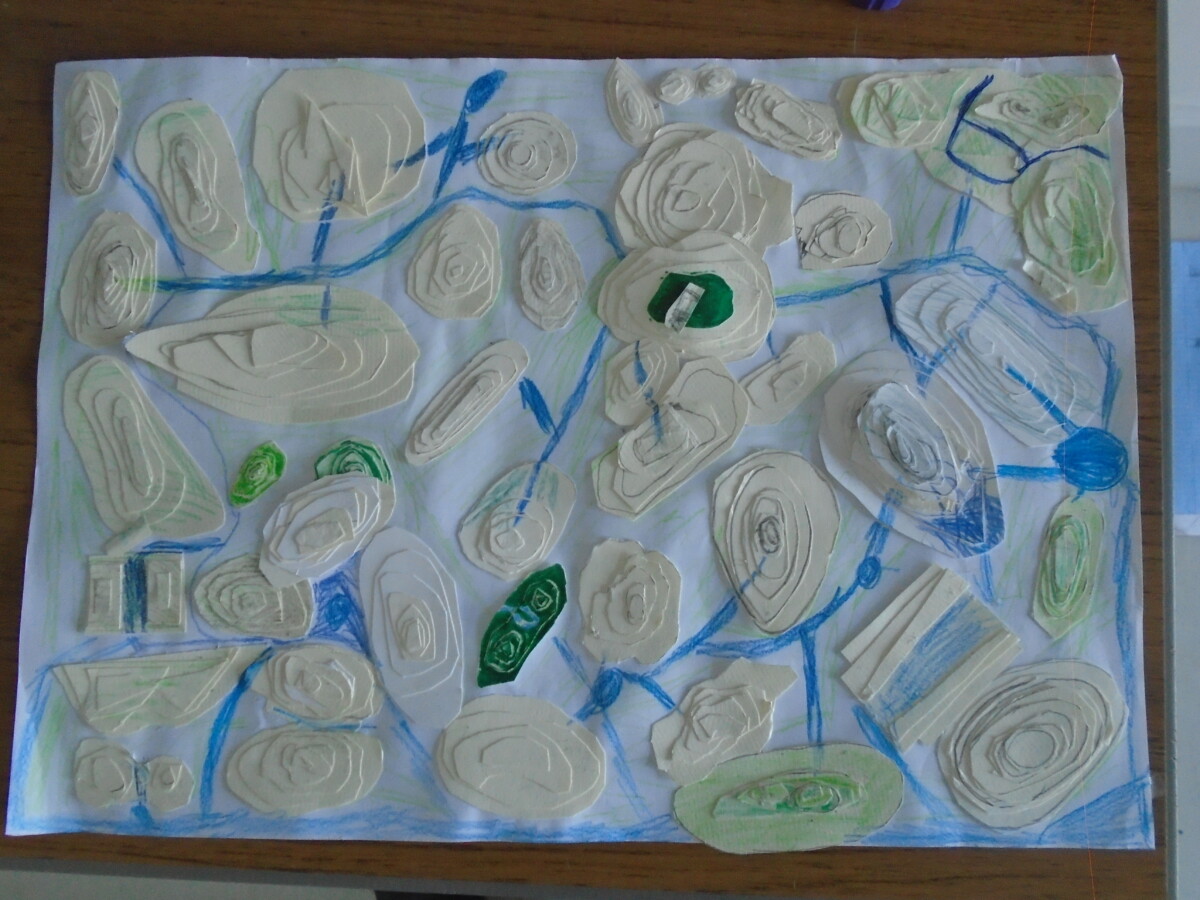
To bring our learning to life, we then designed and built our own mountains using thick card. Each layer of card represented a different contour line, stacked carefully to show increasing height. This helped us visualise how a flat map can represent a three‑dimensional landscape.

Each mountain was unique. Some had:

  • Steep cliffs and sharp peaks
  • Wide, flat plateaus
  • Gentle slopes and rounded summits
  • Valleys and passes between high points
  • In one case, a dramatic overhanging cave opening!

Once our individual mountains were complete, we combined them into one large imaginary mountain range, creating an exciting landscape with a variety of elevation features. Some students also noticed that this is how features like rivers and lakes are formed in nature, so we added some of those too.


LEGO League 2026!

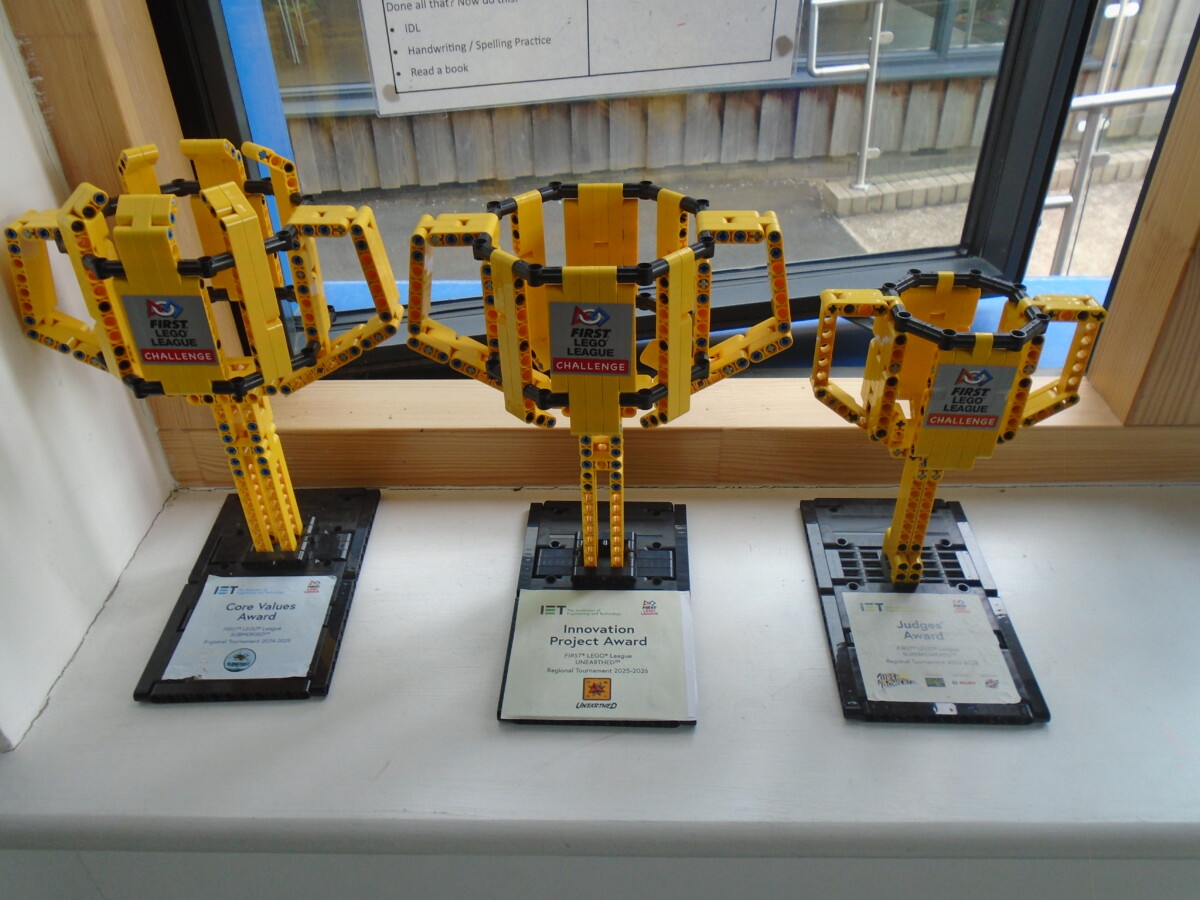
A slightly late blog, but with a good excuse – we’ve been busy building another trophy for the collection!

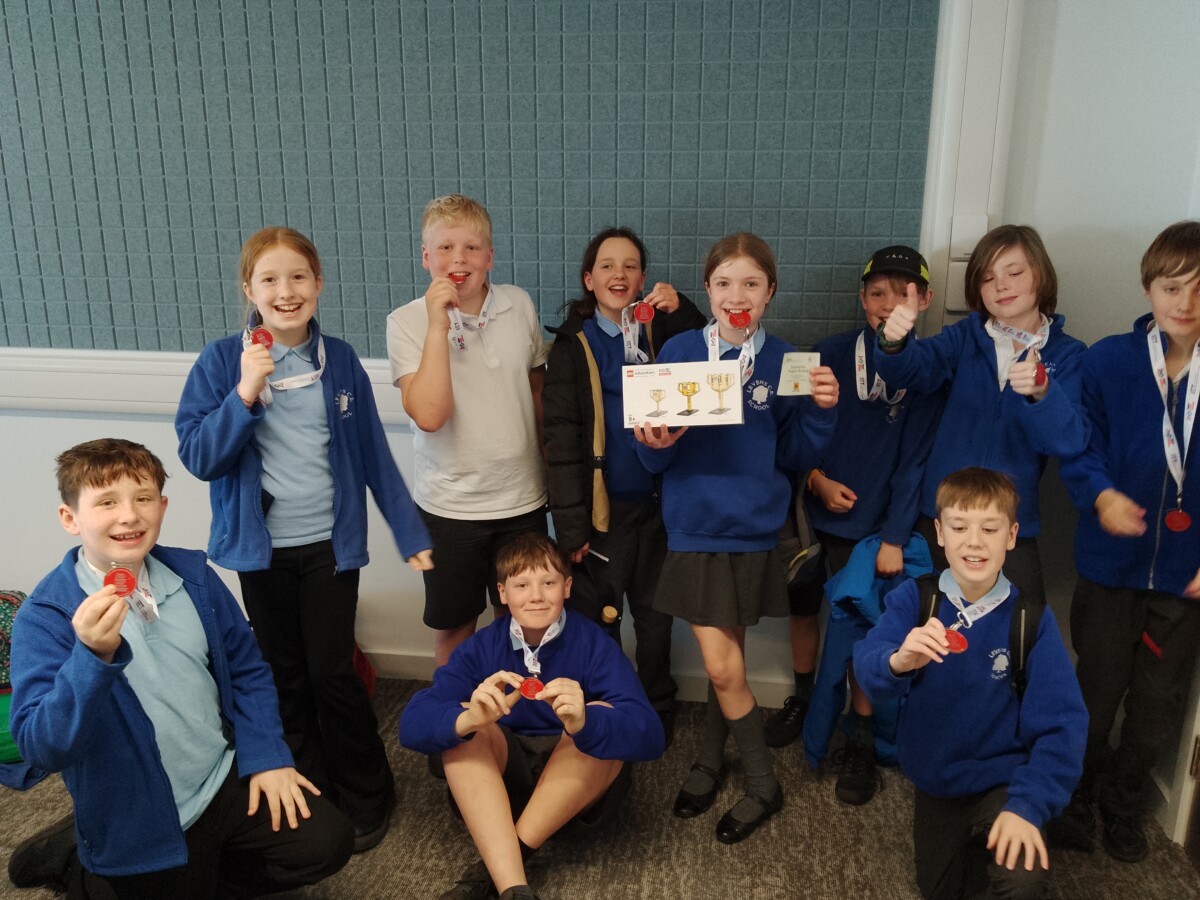
Yes, we’ve been to the Cumbria LEGO League competition once again. What’s more, we’ve returned with a trophy for the third year in a row!

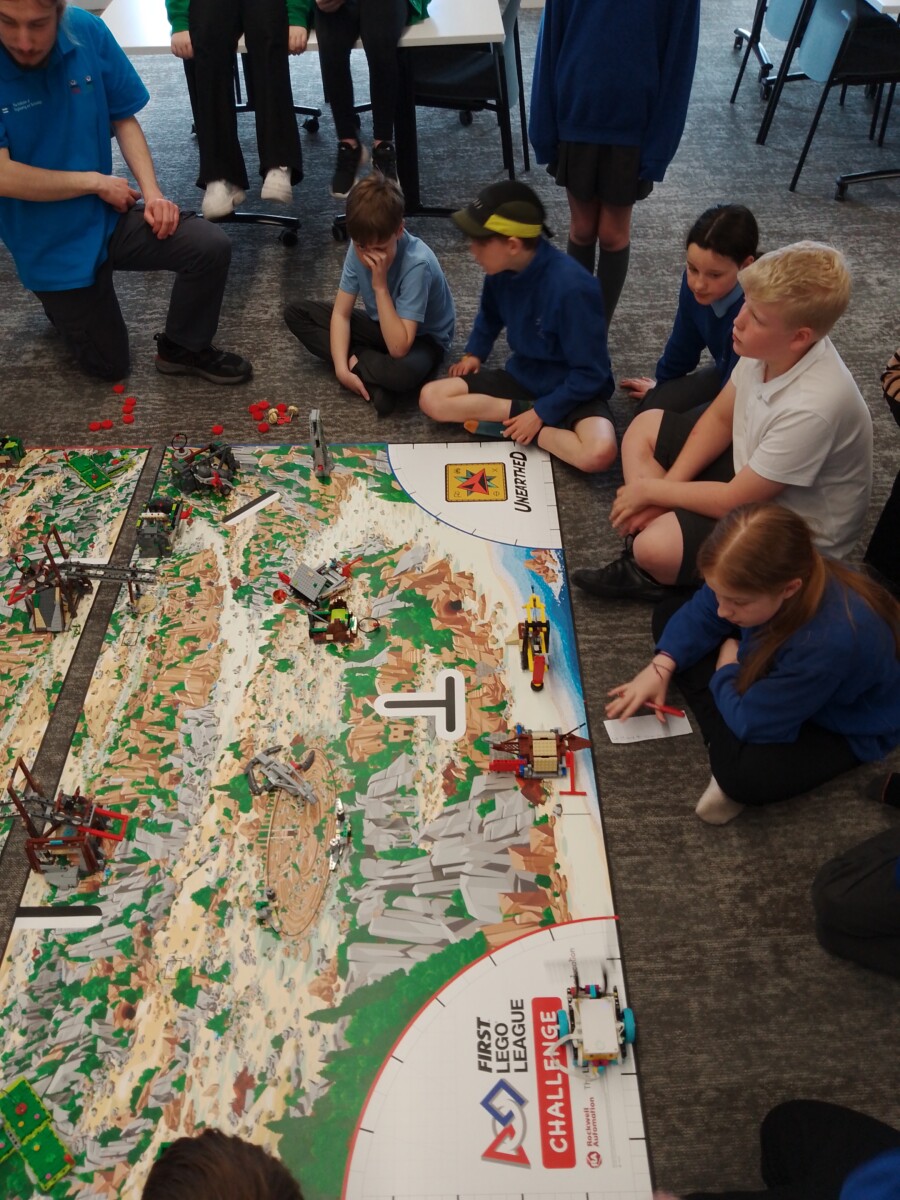
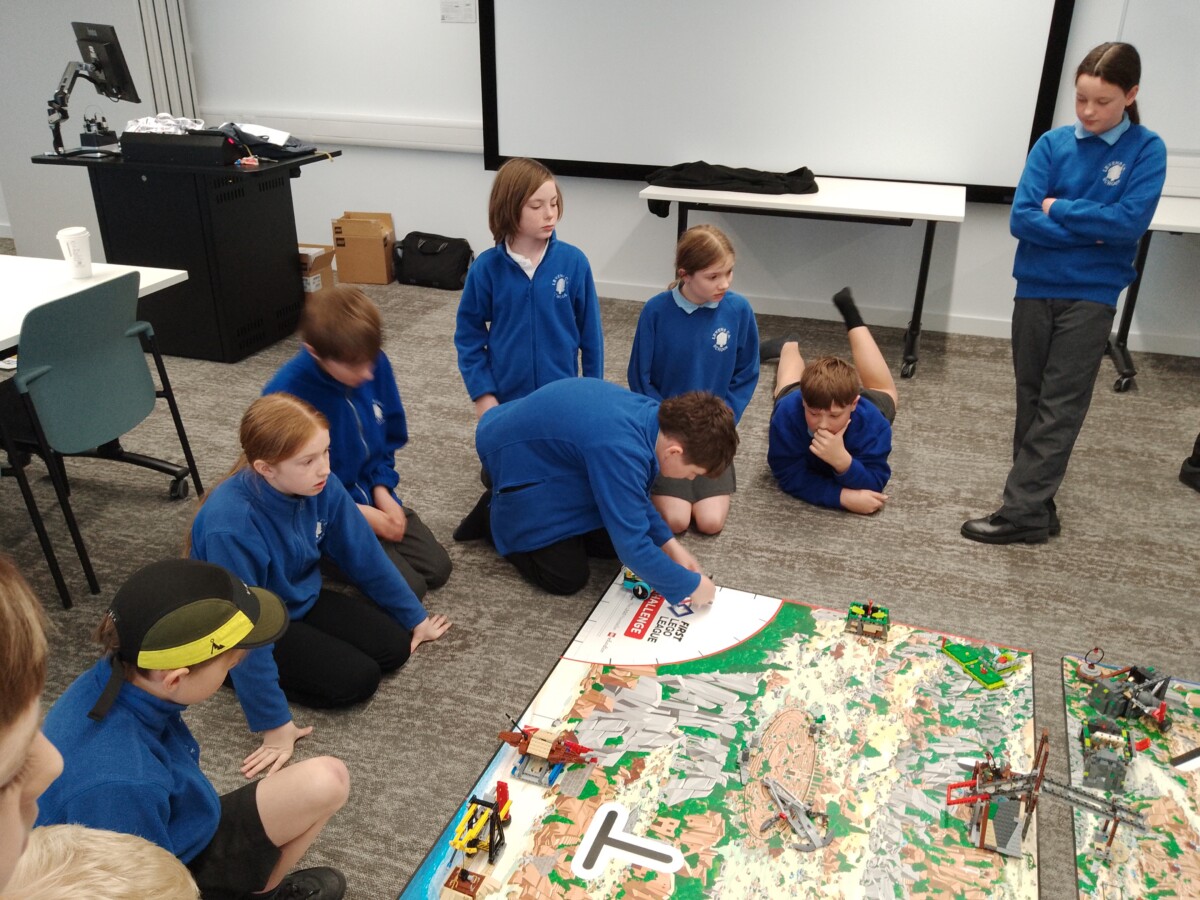
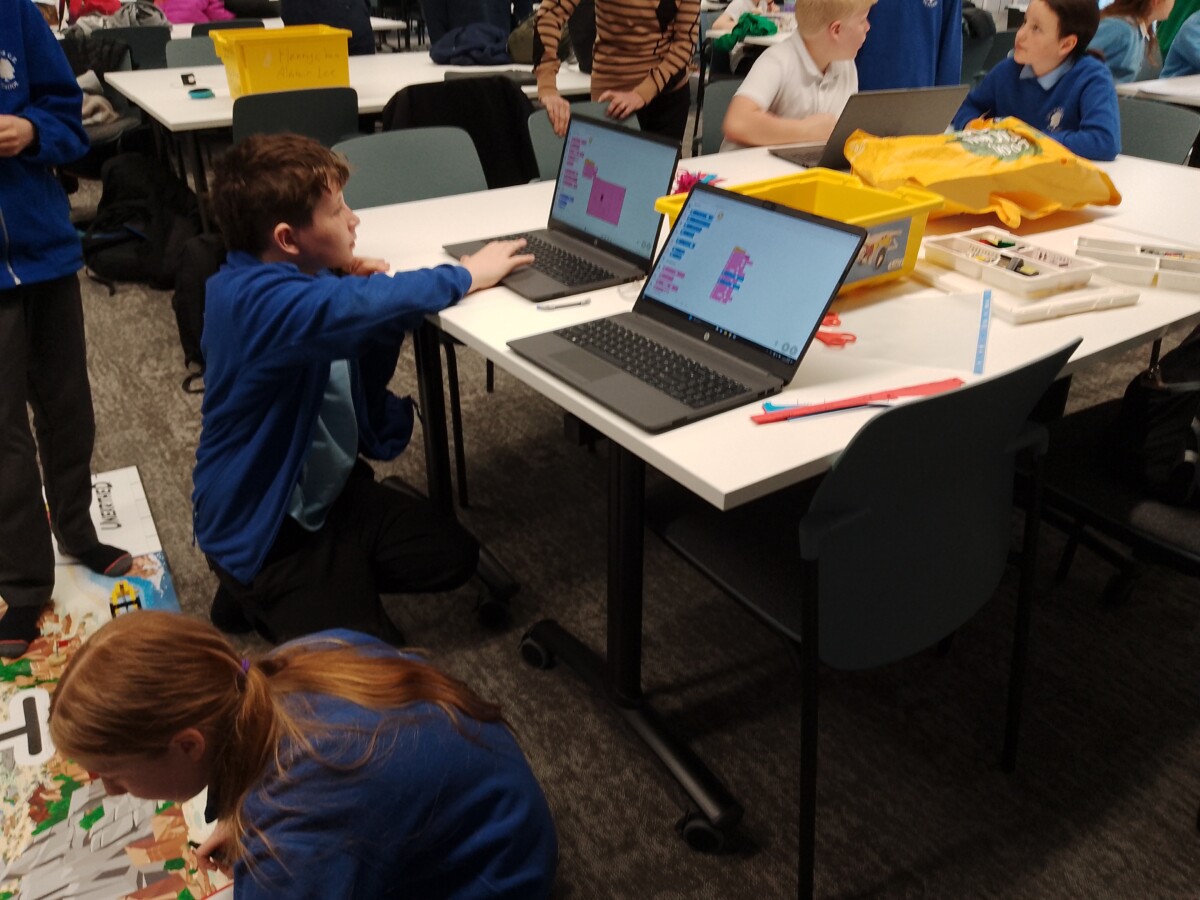
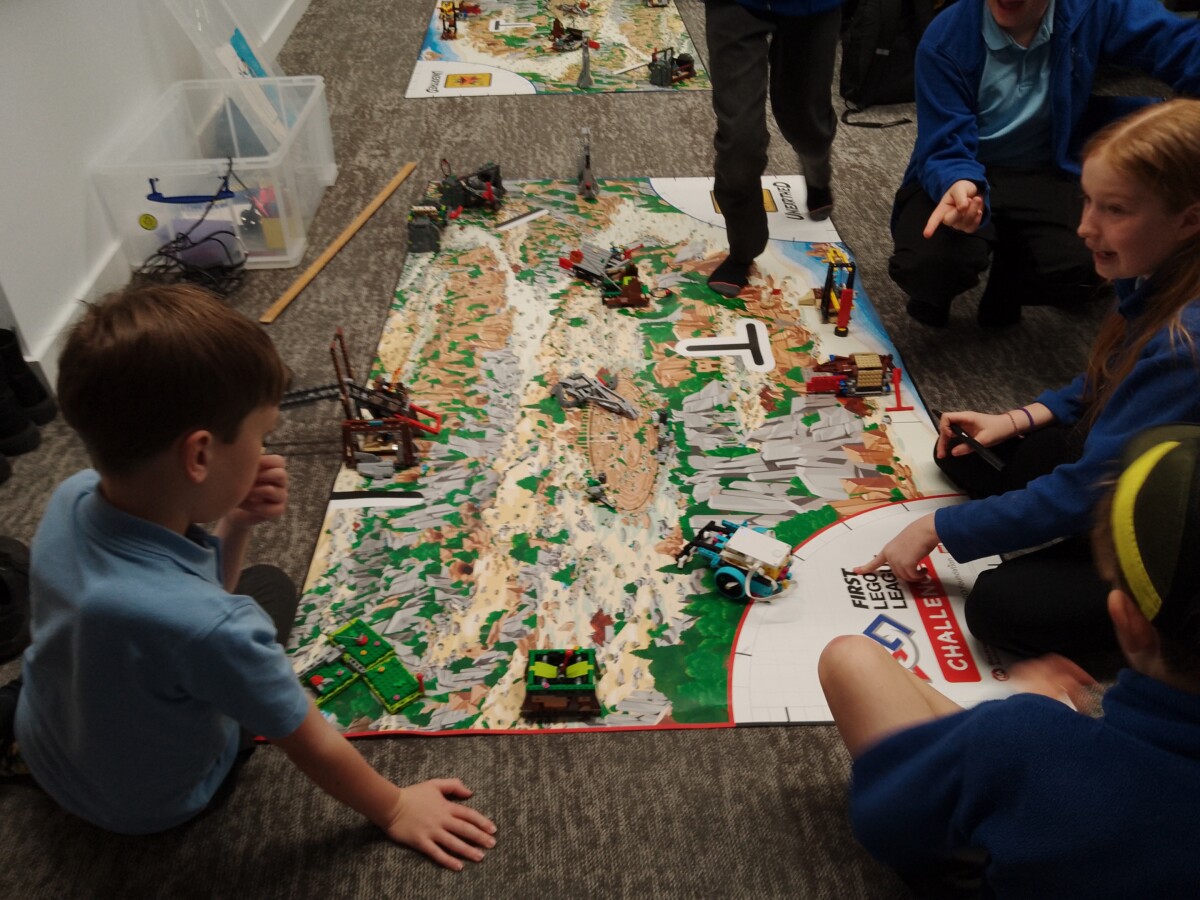
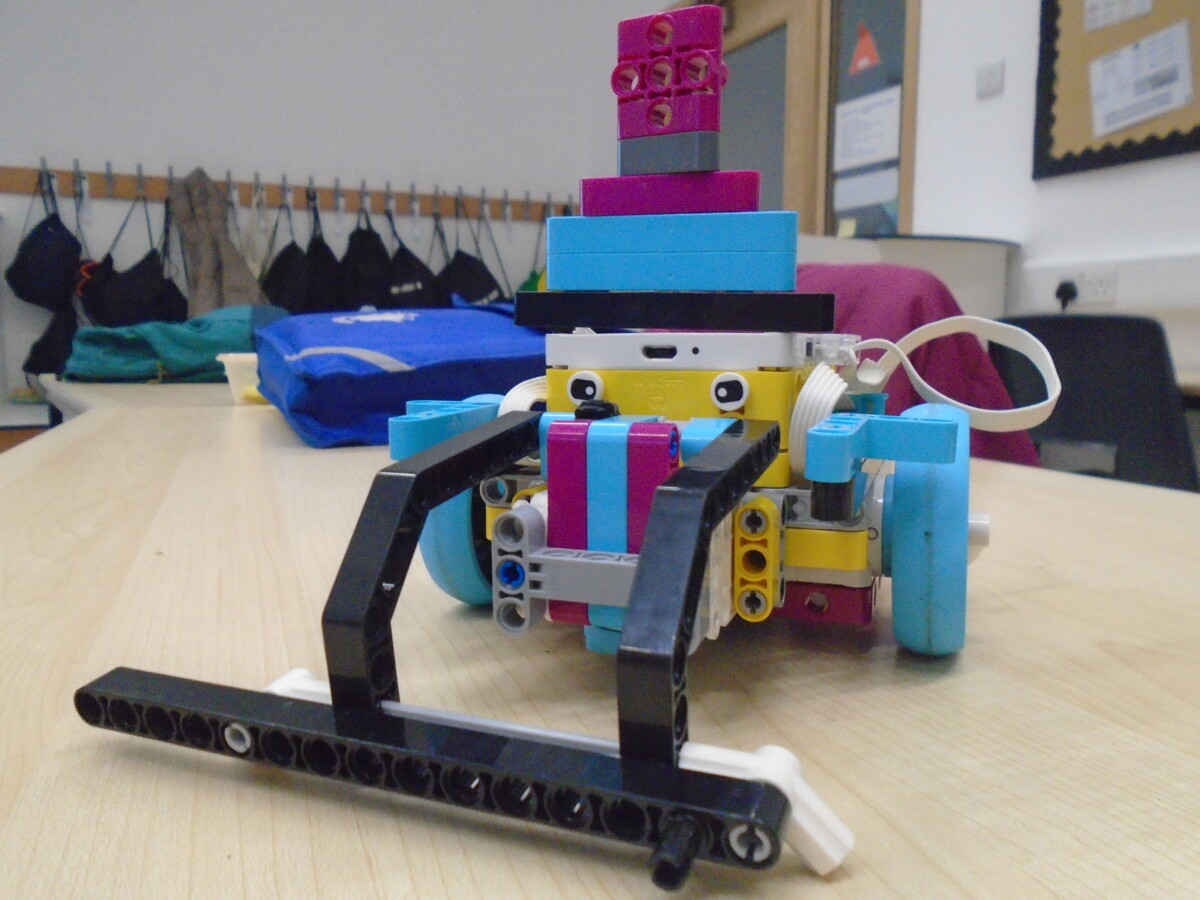
LEGO League is an exciting international STEM competition that challenges young people to think like engineers, programmers and innovators. Working in teams, the children designed, built and programmed a LEGO robot to complete a series of missions linked to the theme of “archaeology’. Alongside this, they researched a problem in the field of archaeology, developed an innovative solution and presented their ideas to judges.

And it’s the innovation project that won the trophy this time. Our idea was to use use the power of AI to scan and identify possible historical artefacts discovered by regular people. Metal-detectorists, mud-larkers, builders, people digging flower beds; all of these people often stumble across interesting artefacts without knowing anything about what they’ve discovered. With our app, simply taking a photograph could give a quick indication of whether what has been found is important and interesting, or just an old pot. With help, we even used AI to mock up a version of what we think the app could look like. The judges were very impressed!

Check out the photos of the day below. Maybe next year we’ll get through to the national finals!


The Children’s Reviews of Patterdale!

Class Four pupils have been writing reviews about last week’s three-day trip to Ullswater!  As you can tell from their writing, they thoroughly enjoyed every moment……

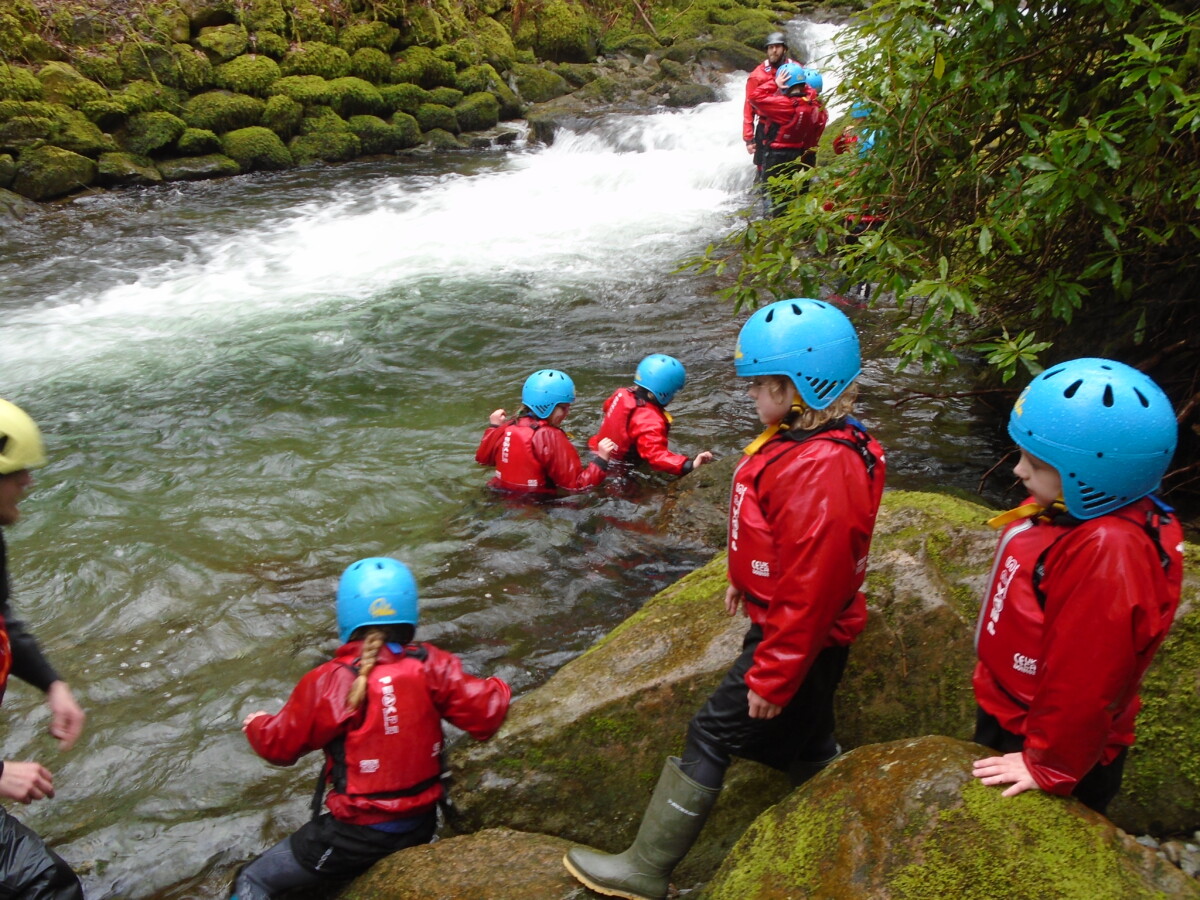
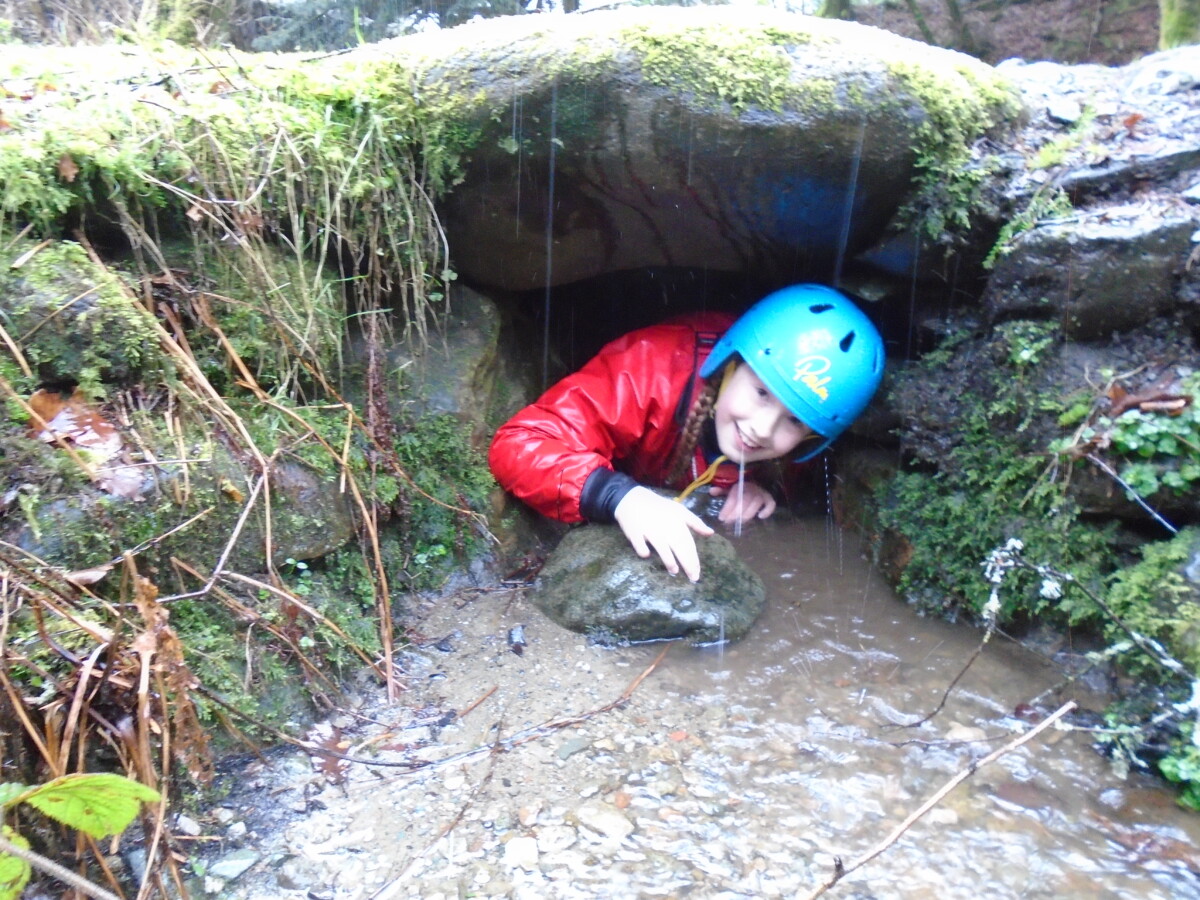
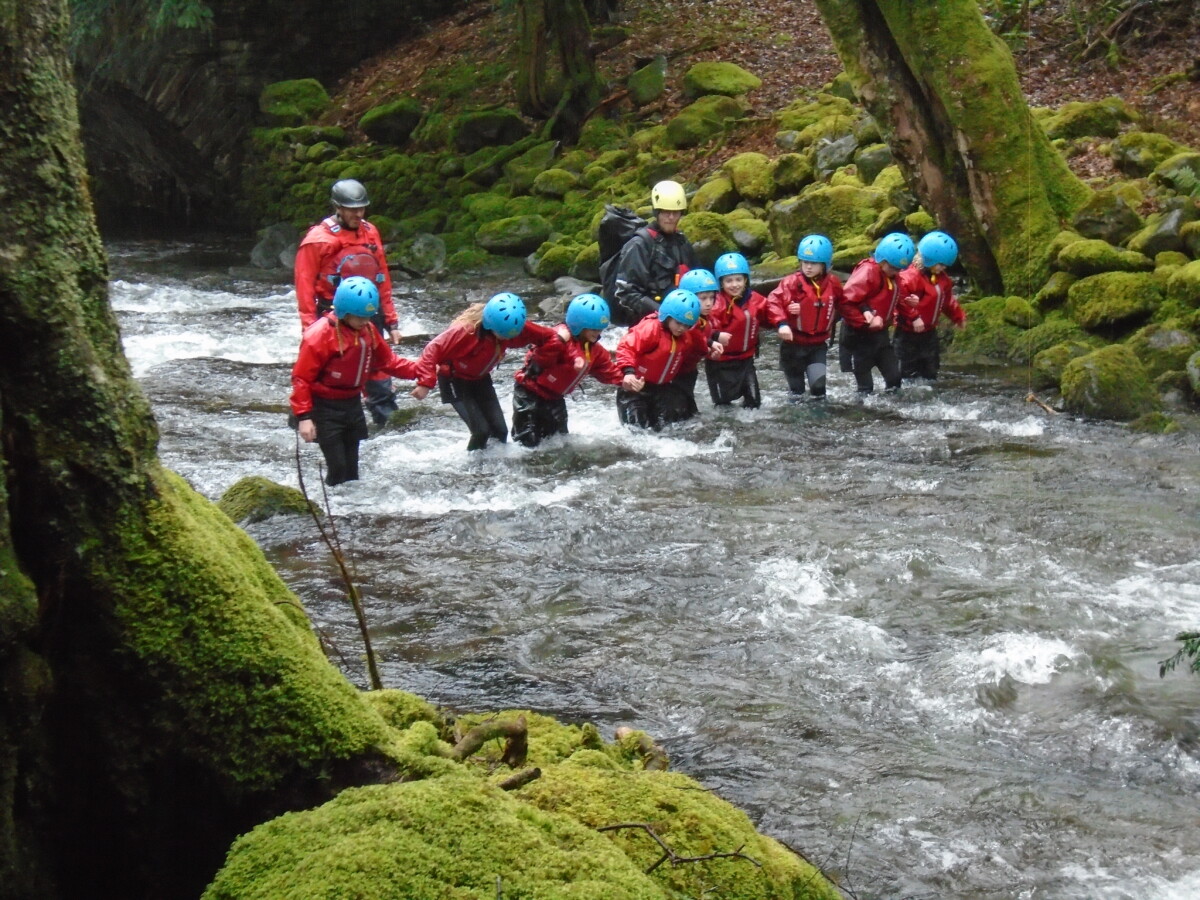
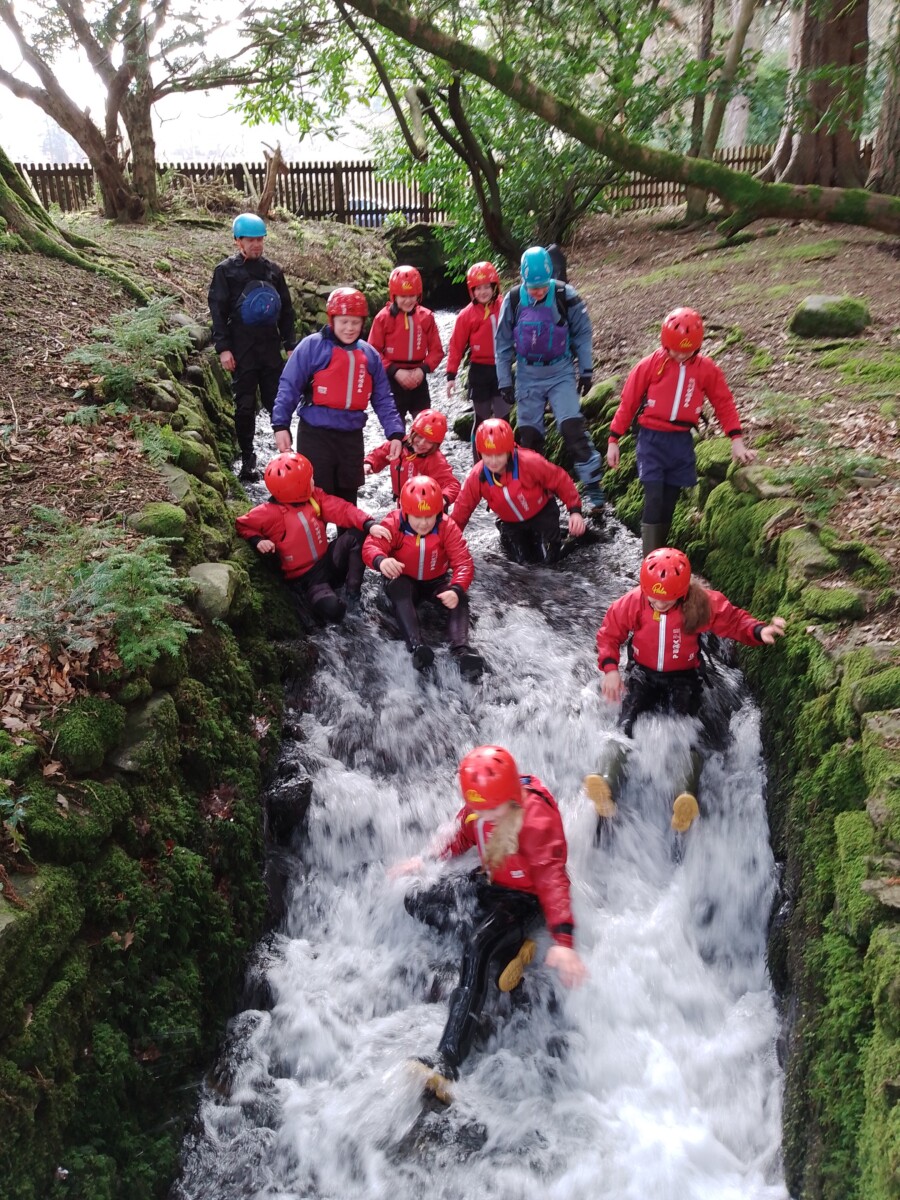
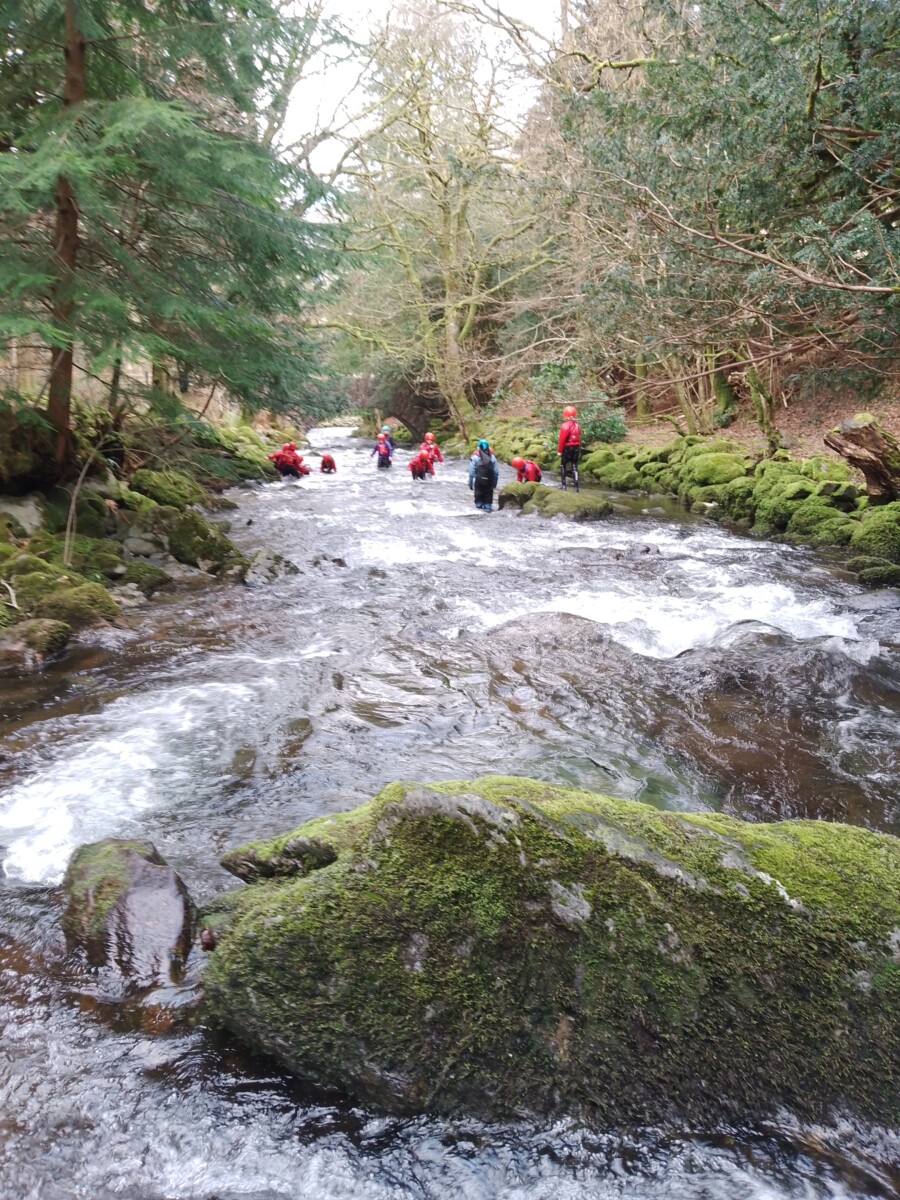
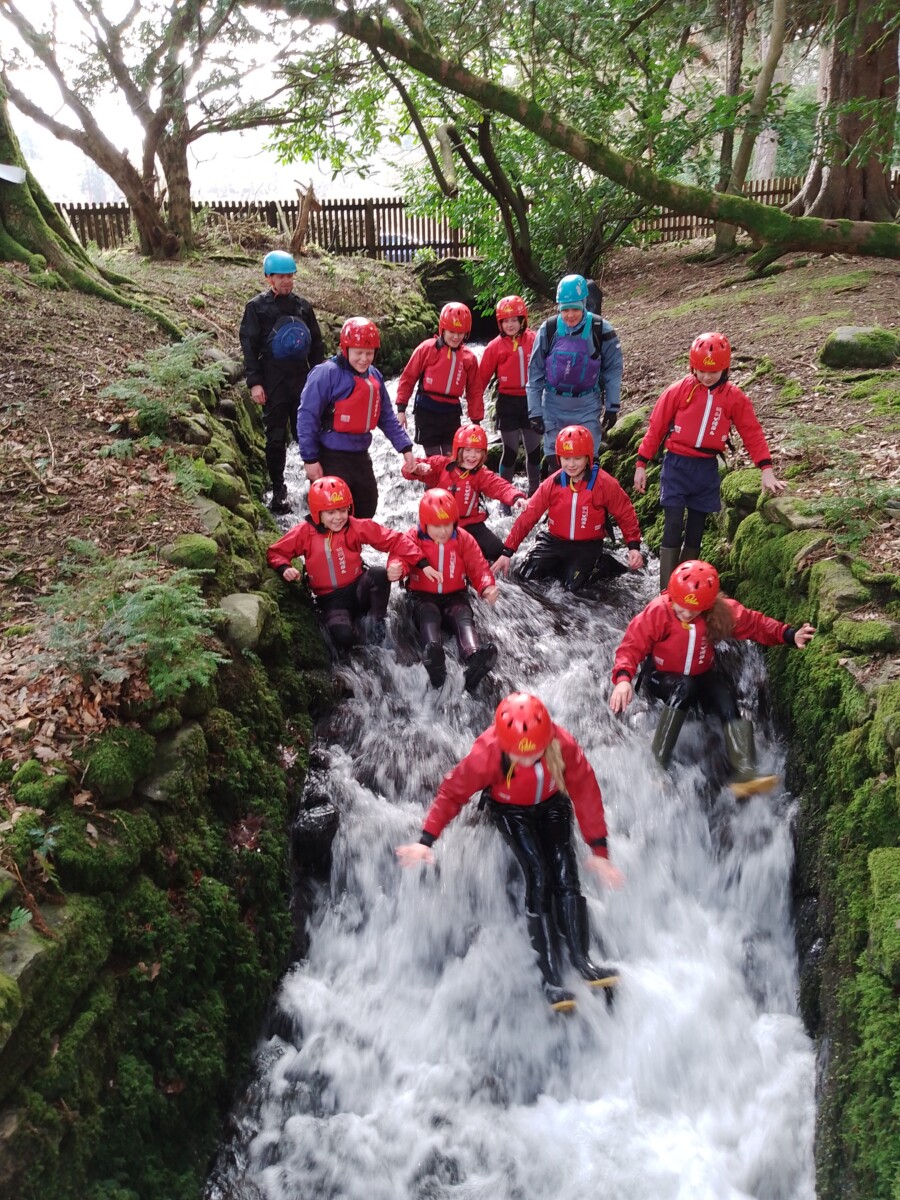
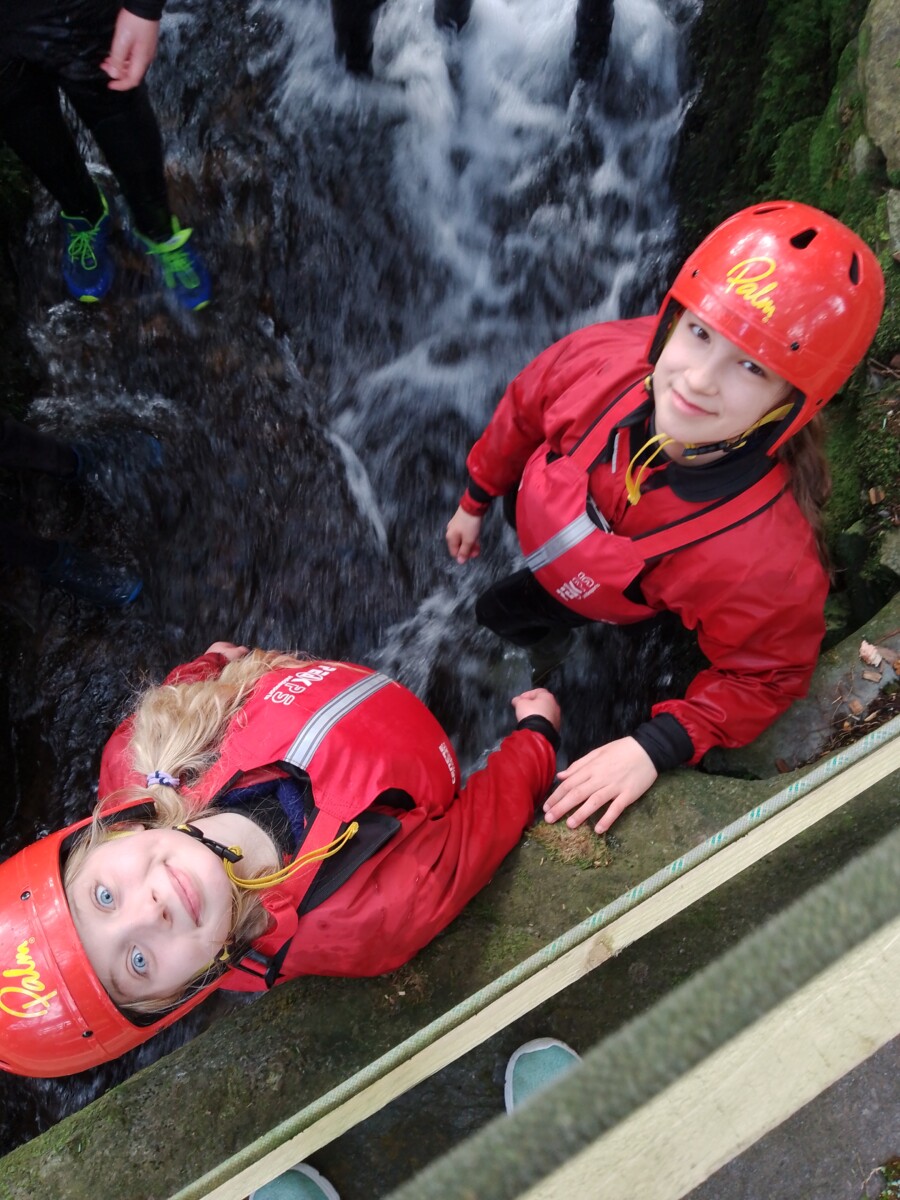
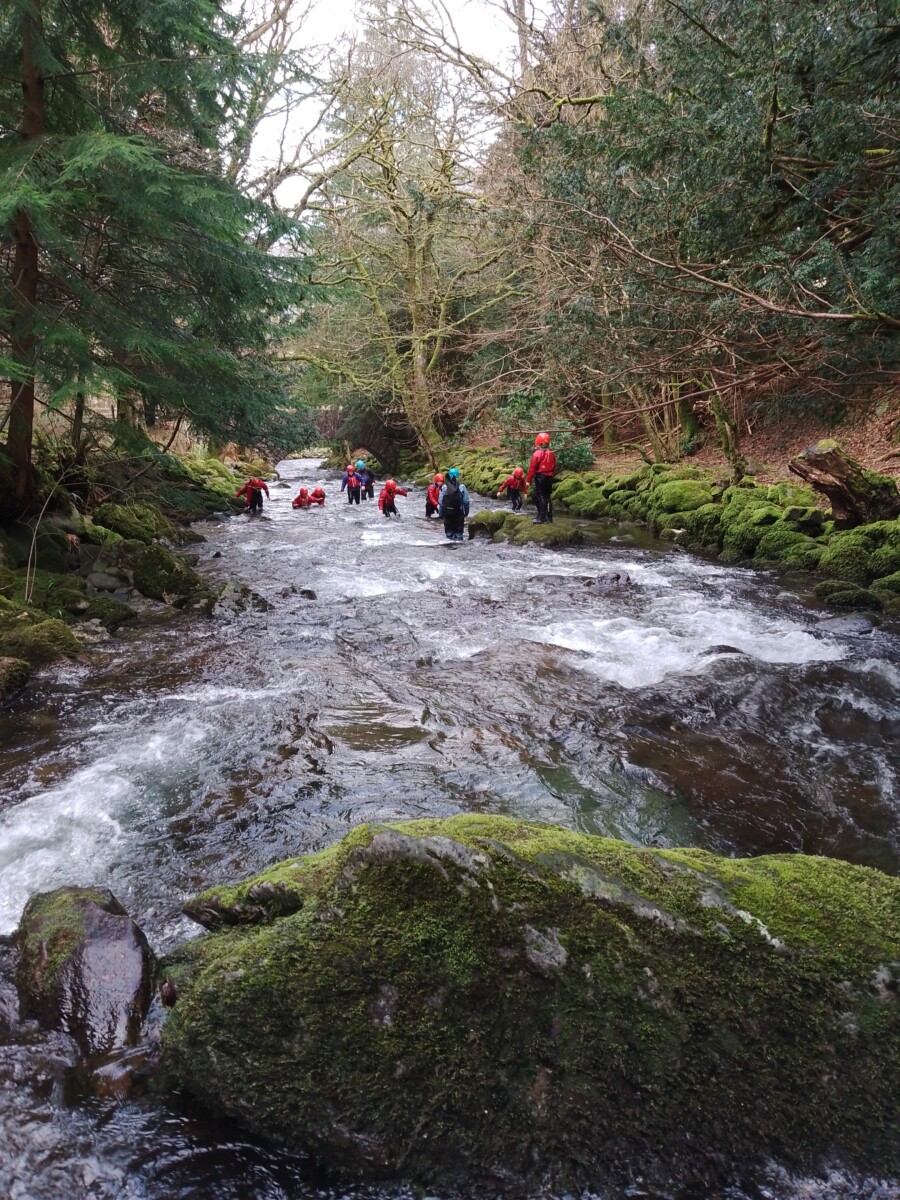
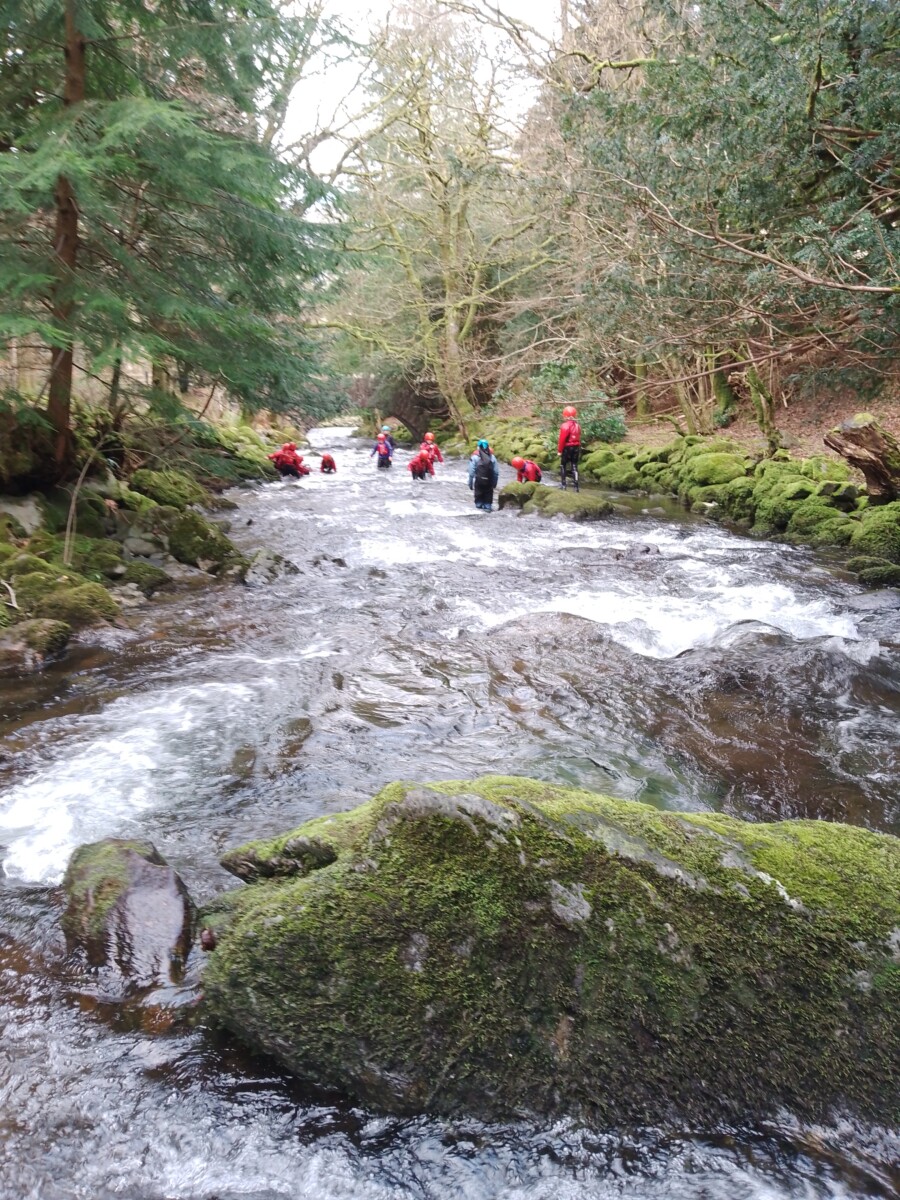
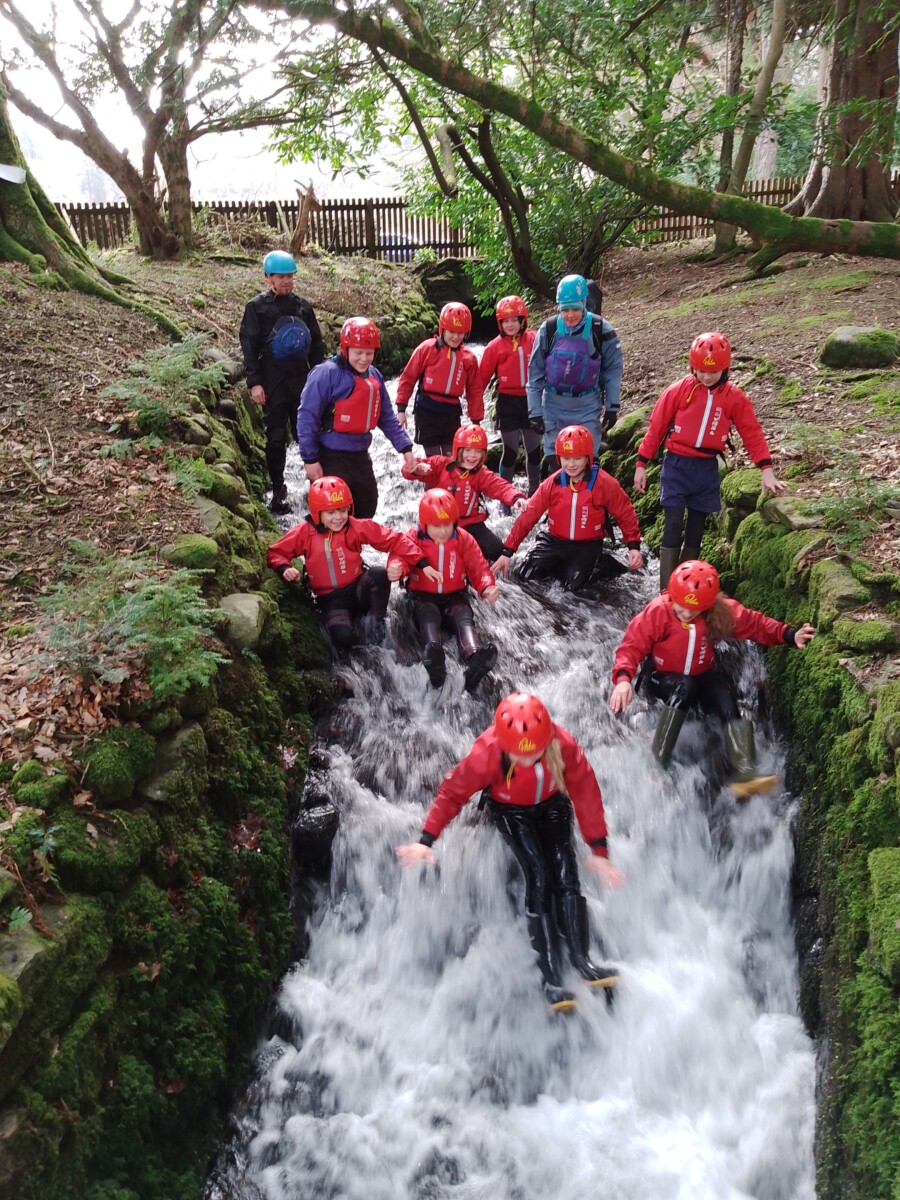
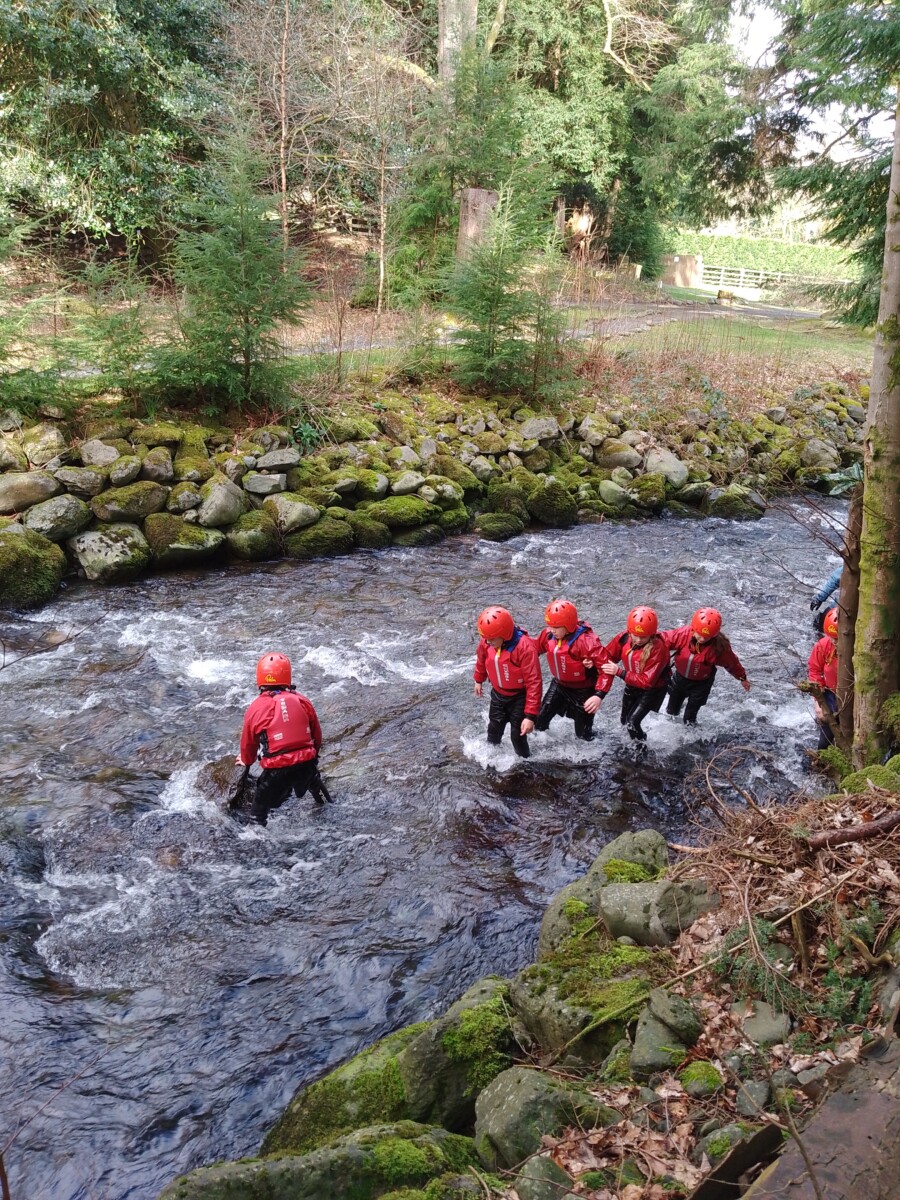
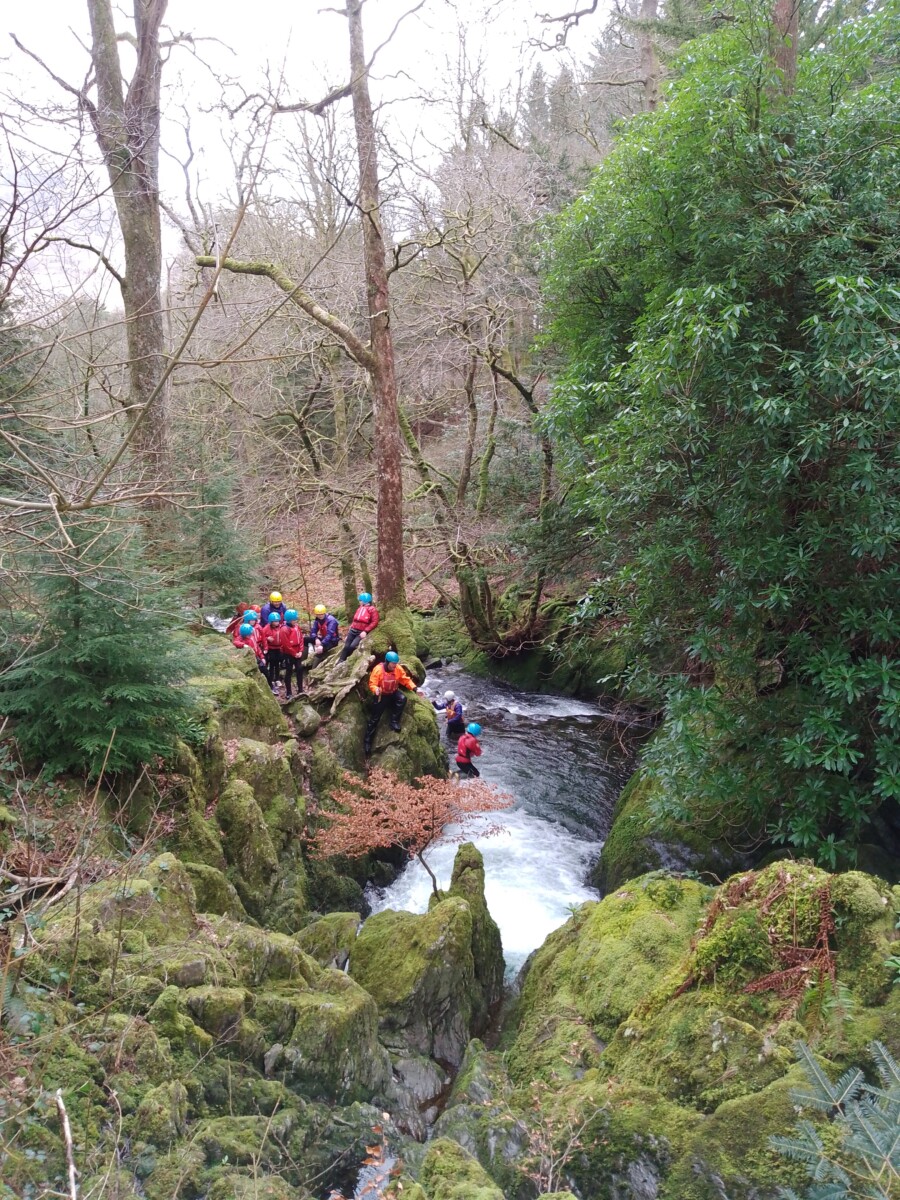
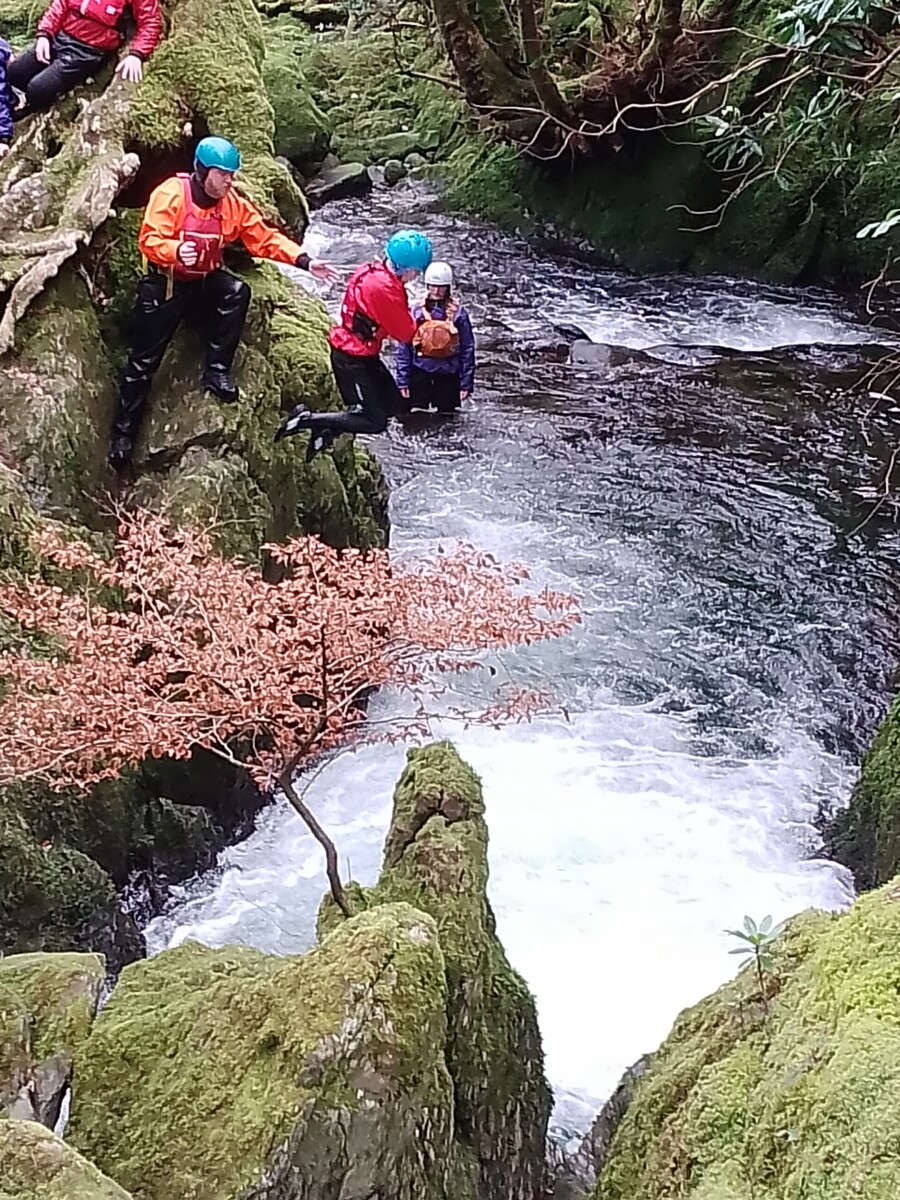
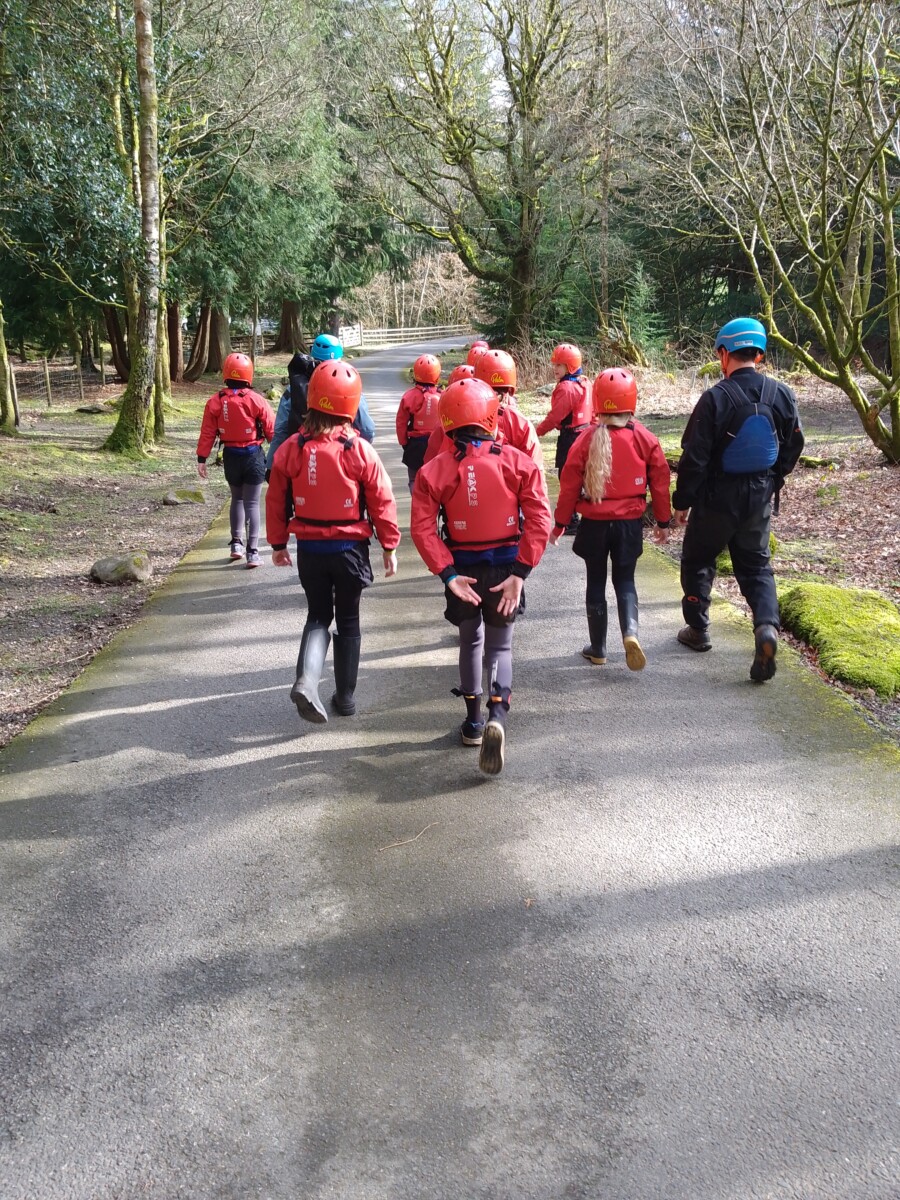
On Monday 16th March, we set off to Patterdale Hall. When we arrived, we were told all about the place and the building and then we began lunch. We then opened our bags and packed for our first activity. Our favourite activity was ghyll scrambling, even though it was freezing! There were several optional jumps, tunnels and even a slide in the current. All of those fun activities took a lot of courage and help from friends to keep us going. We got out of the ghyll after scrambling up it, but we still felt as cold as before. We warmed up a bit after a small walk back to the changing rooms and began to take our fleeces and wetsuits off.

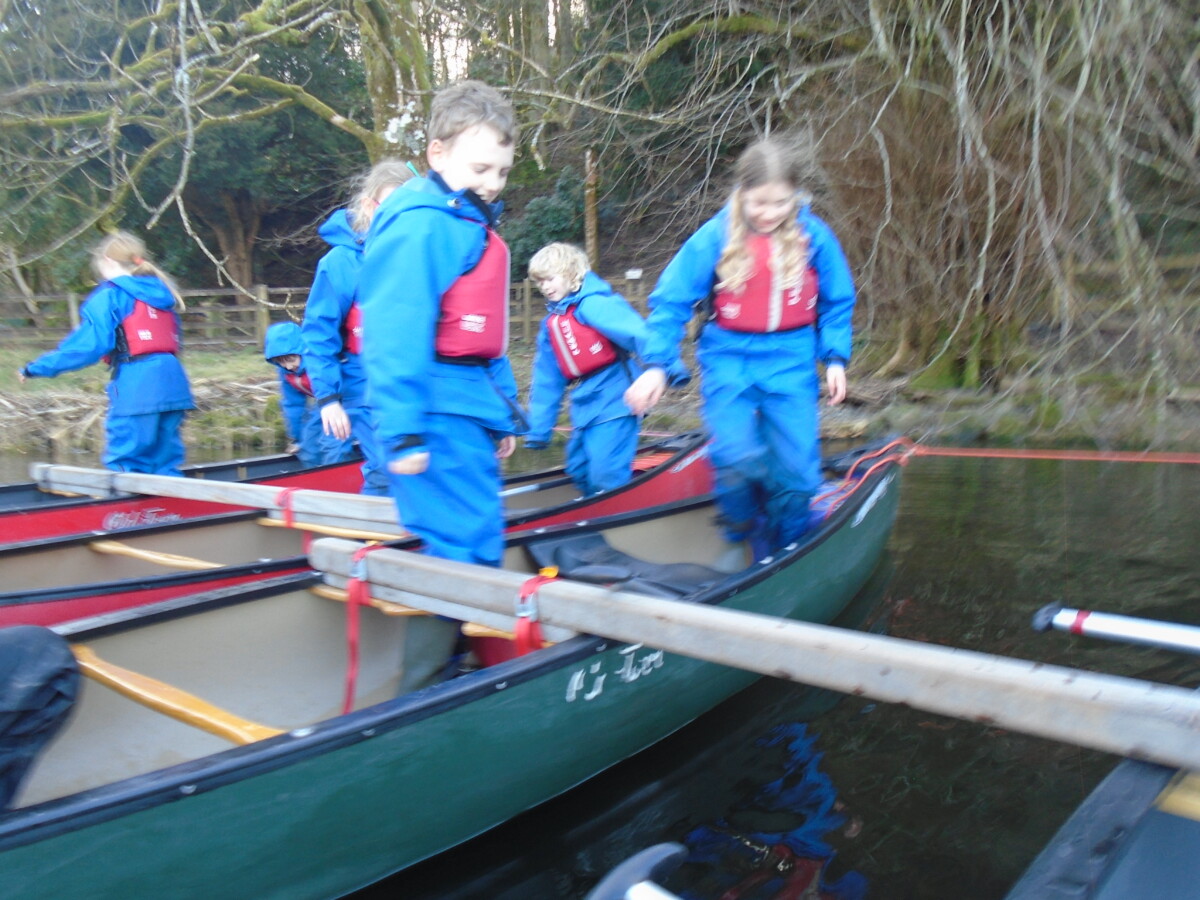
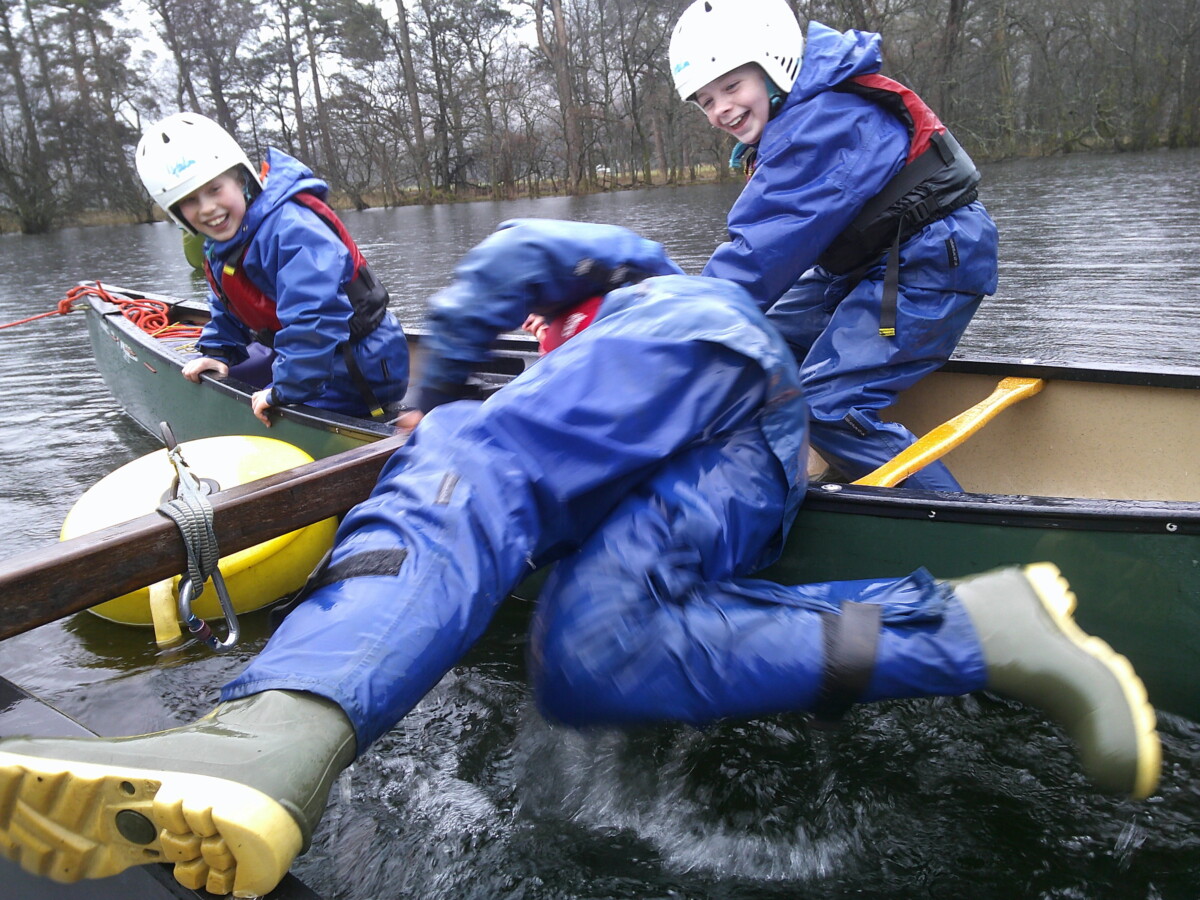
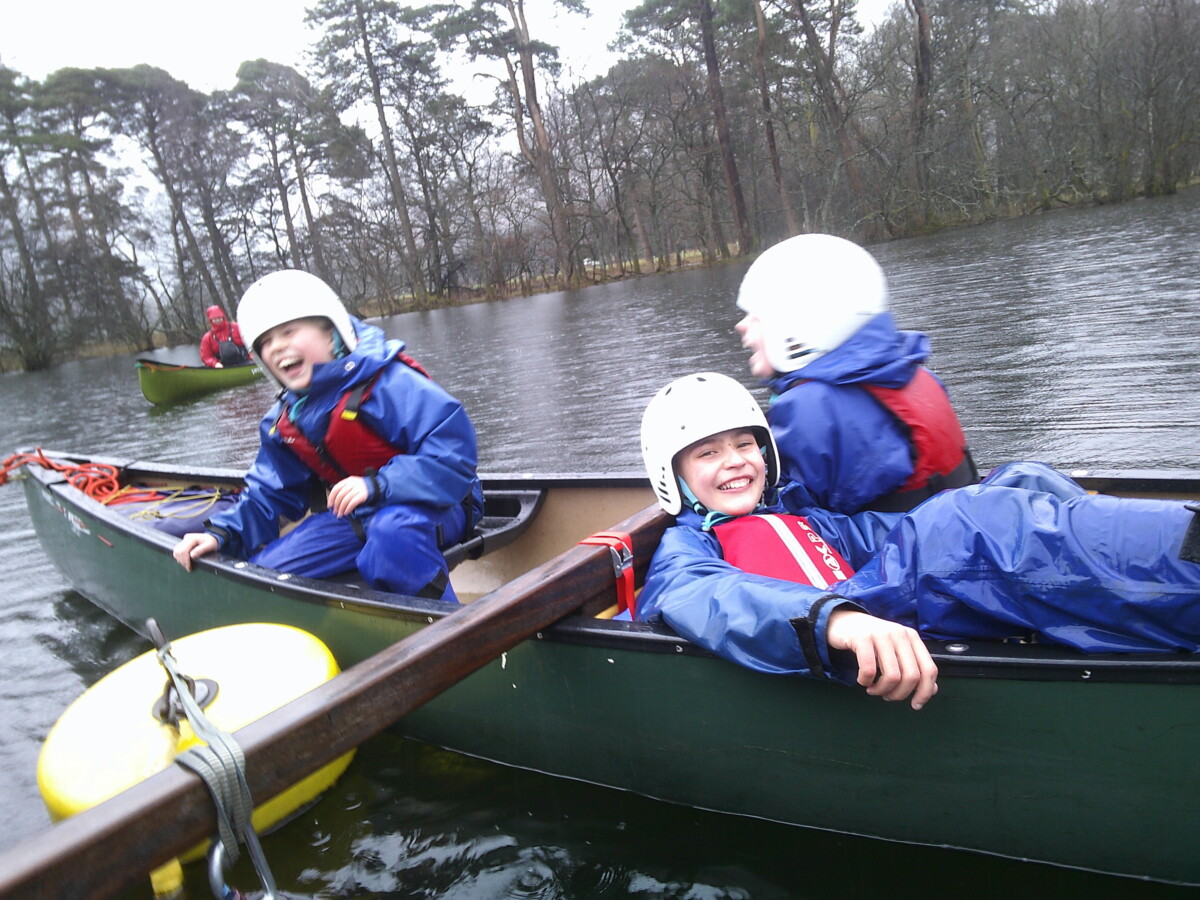
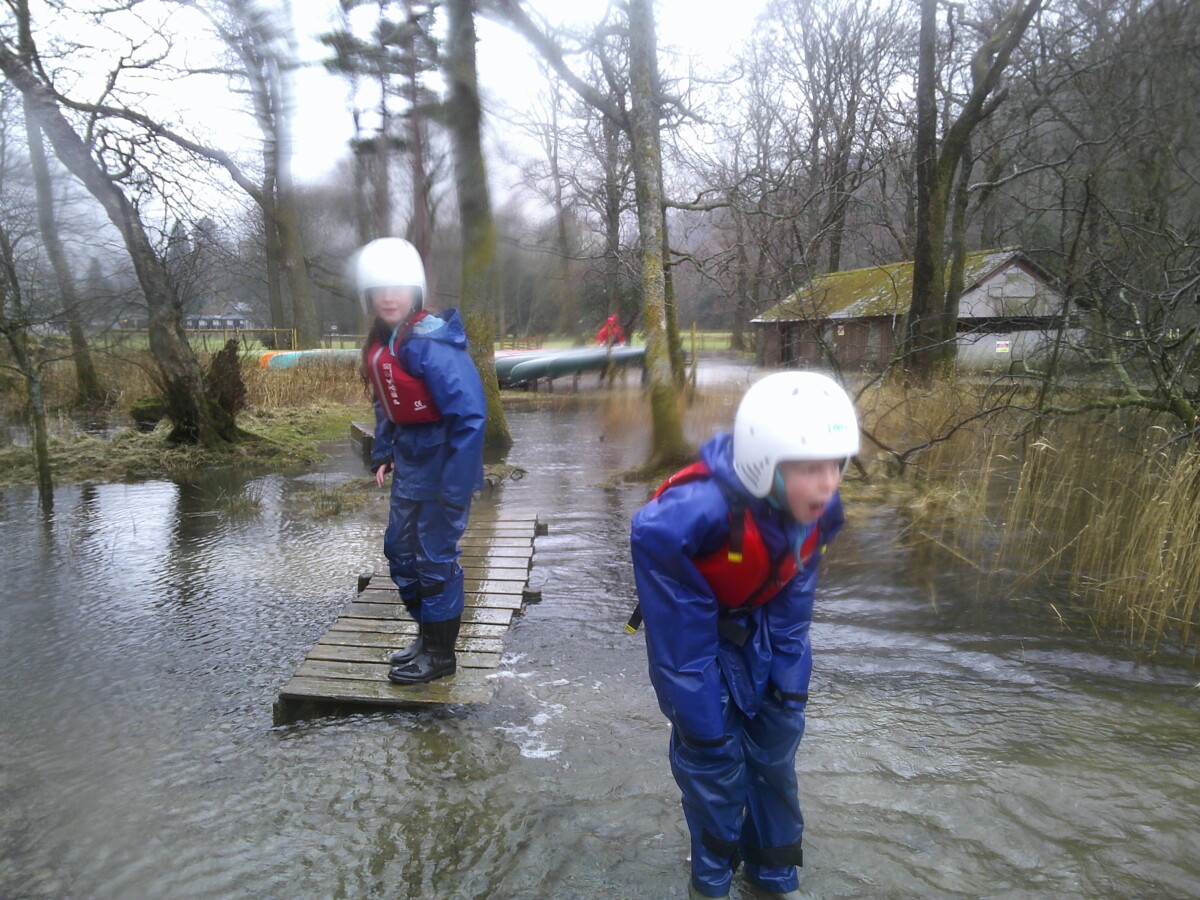
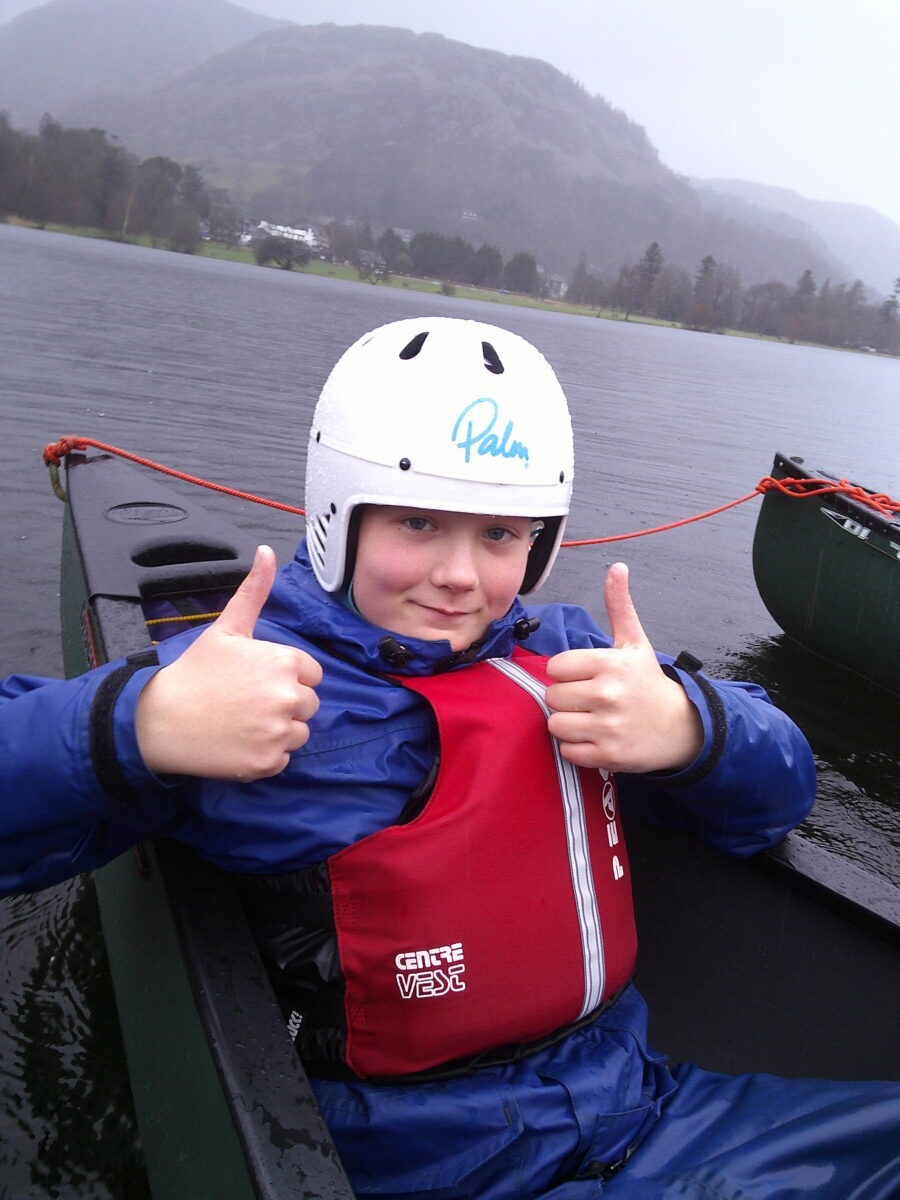
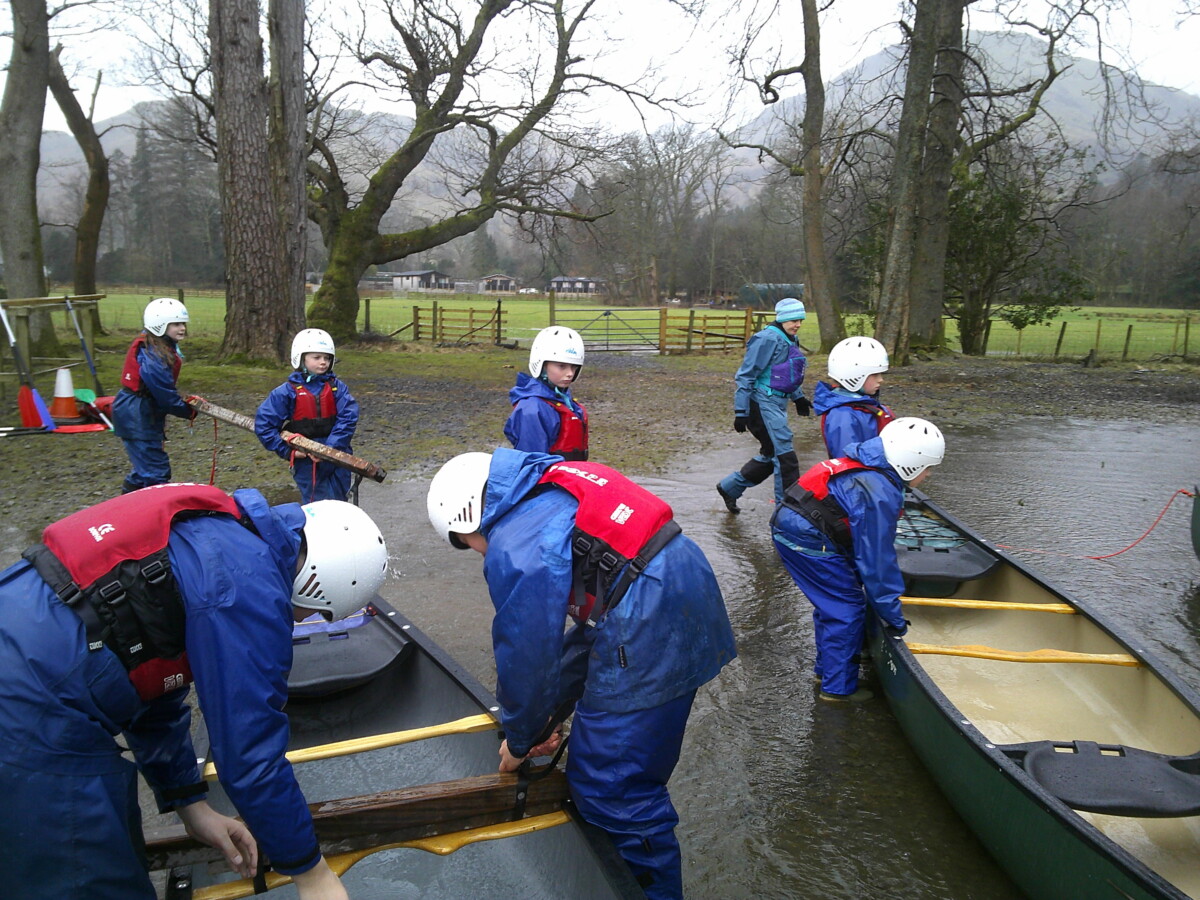
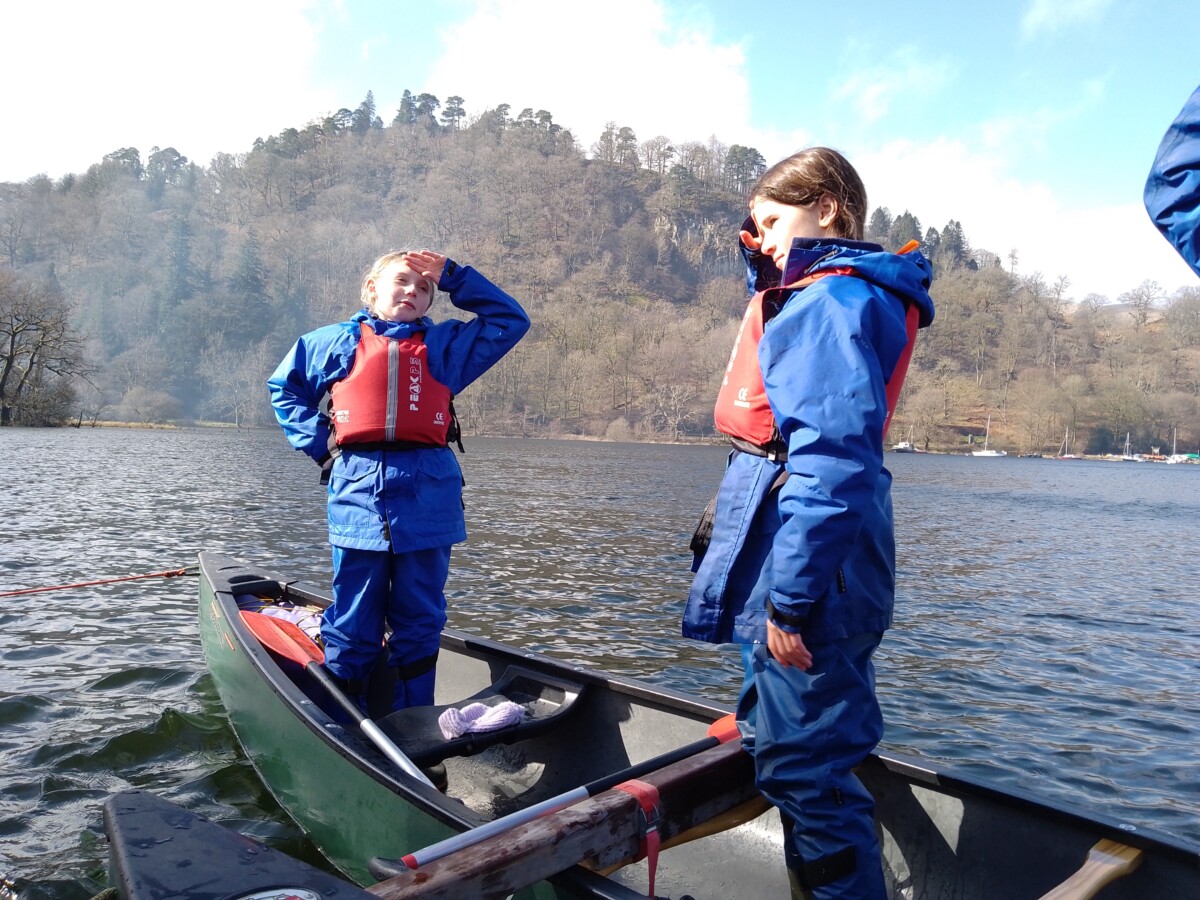
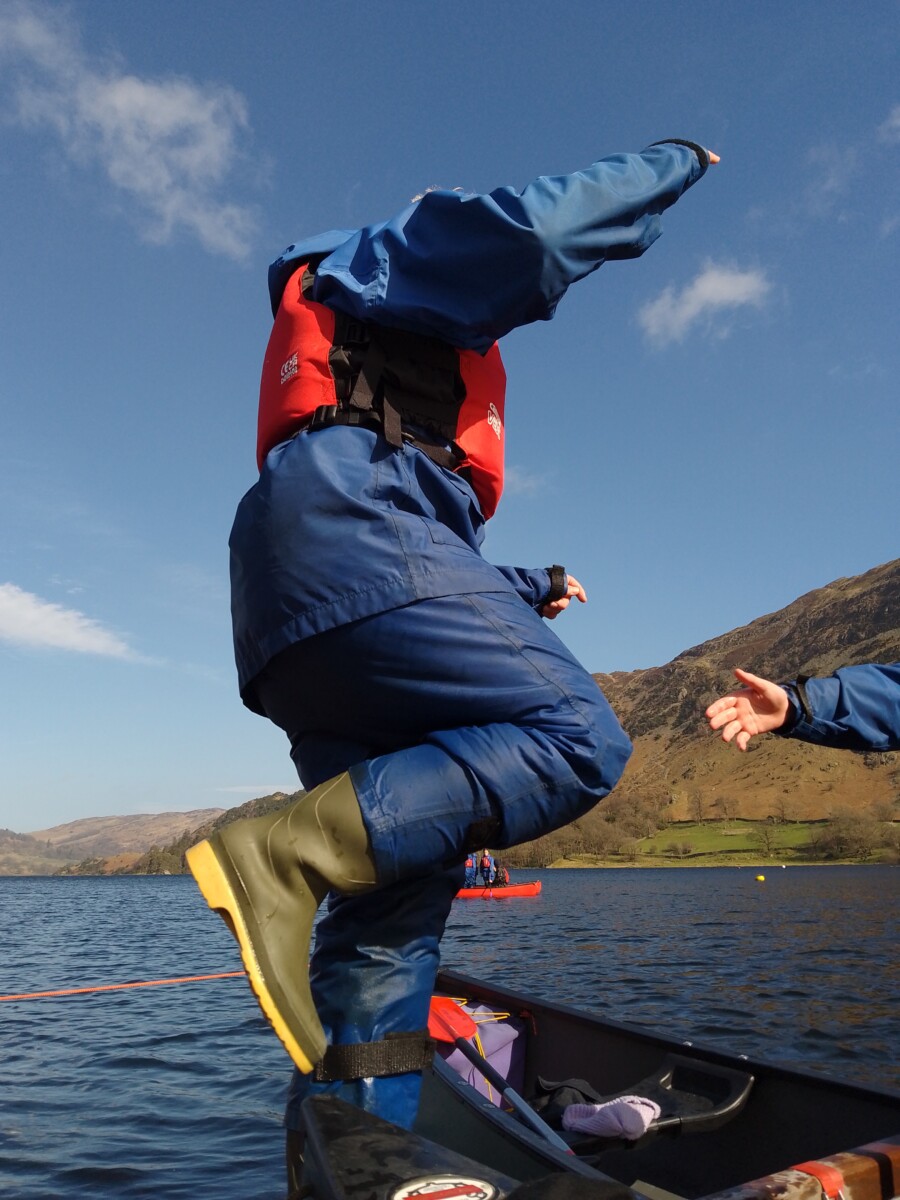
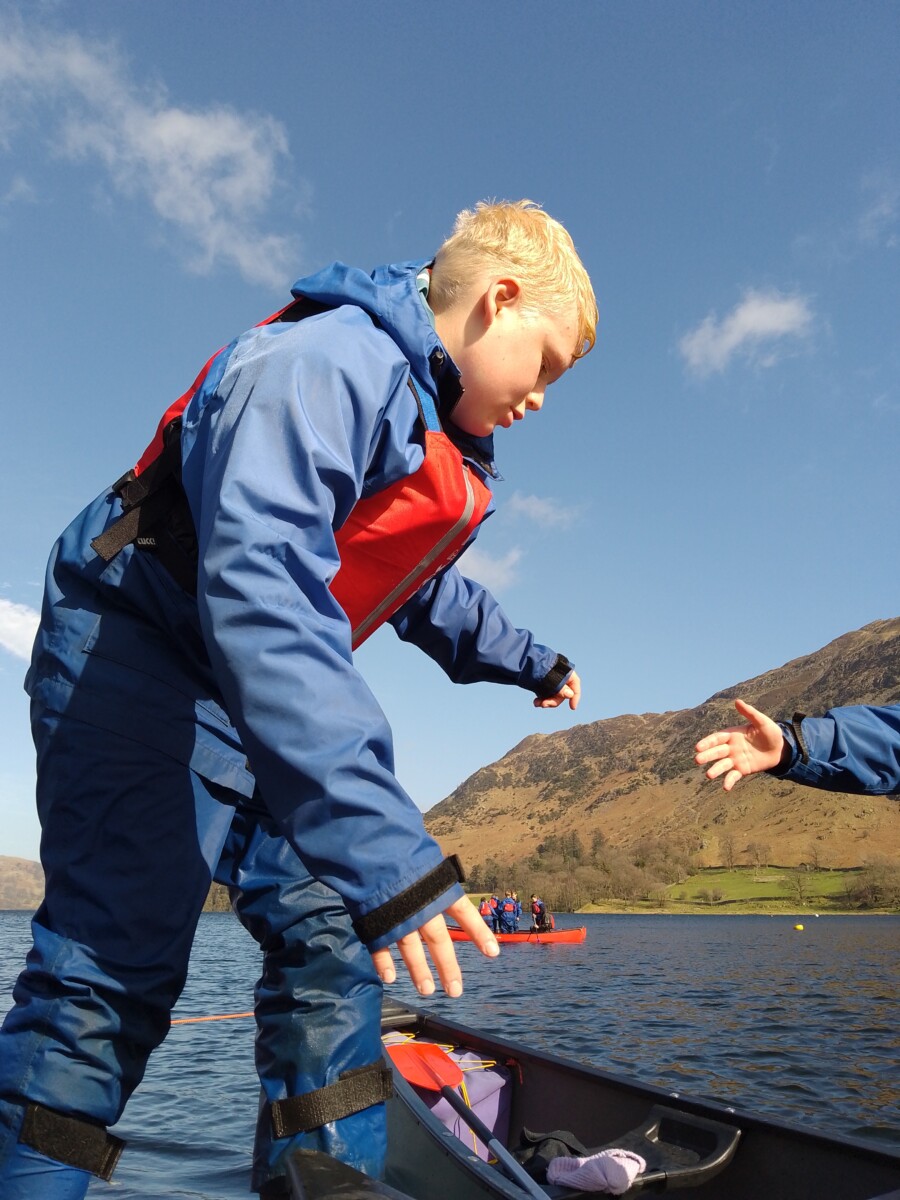
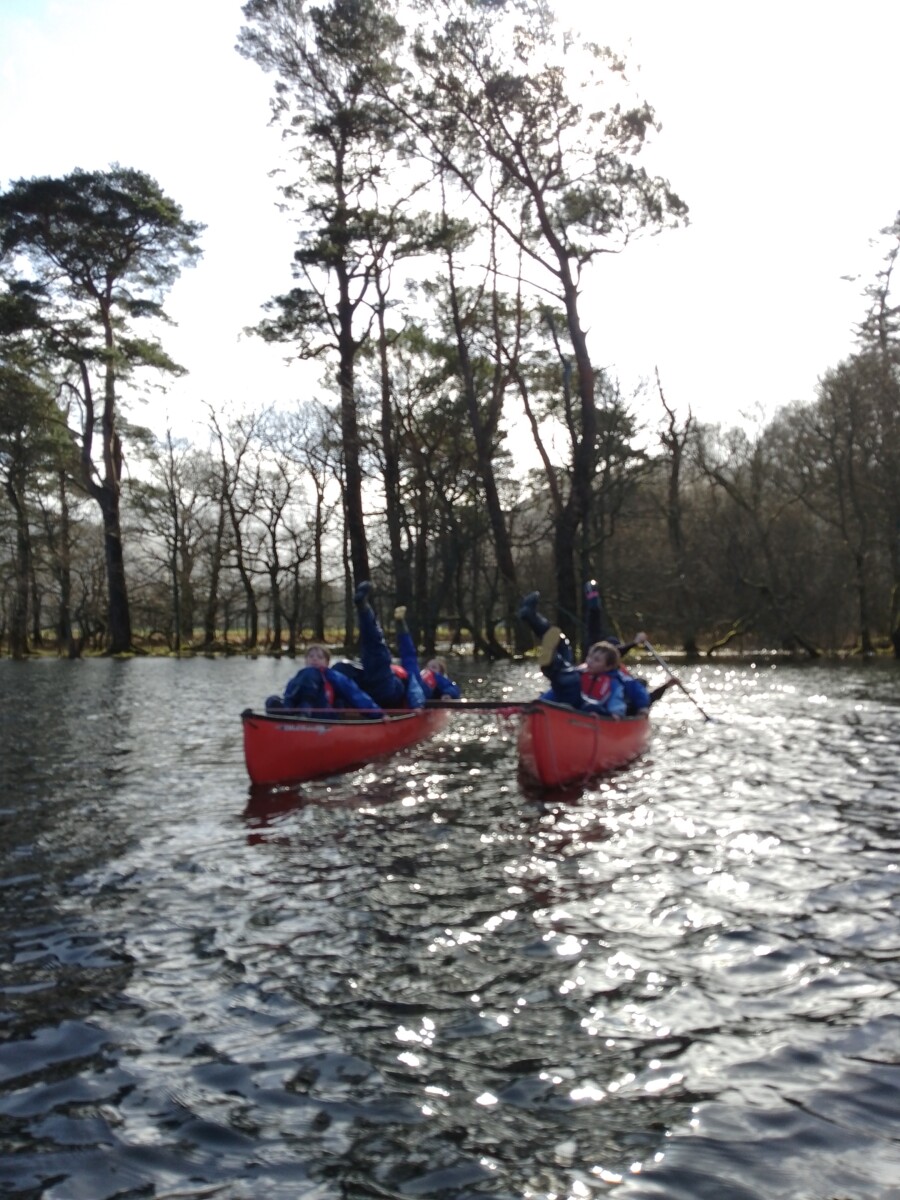
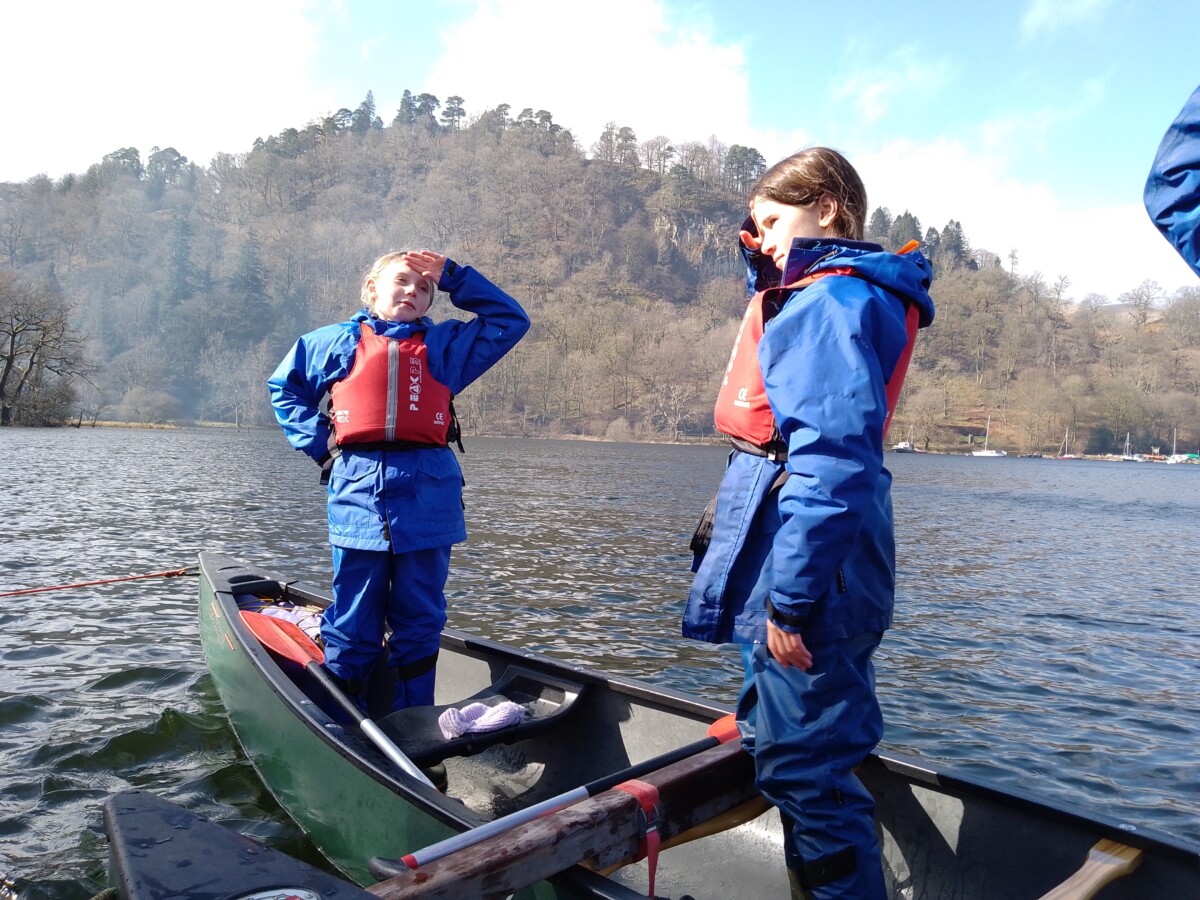
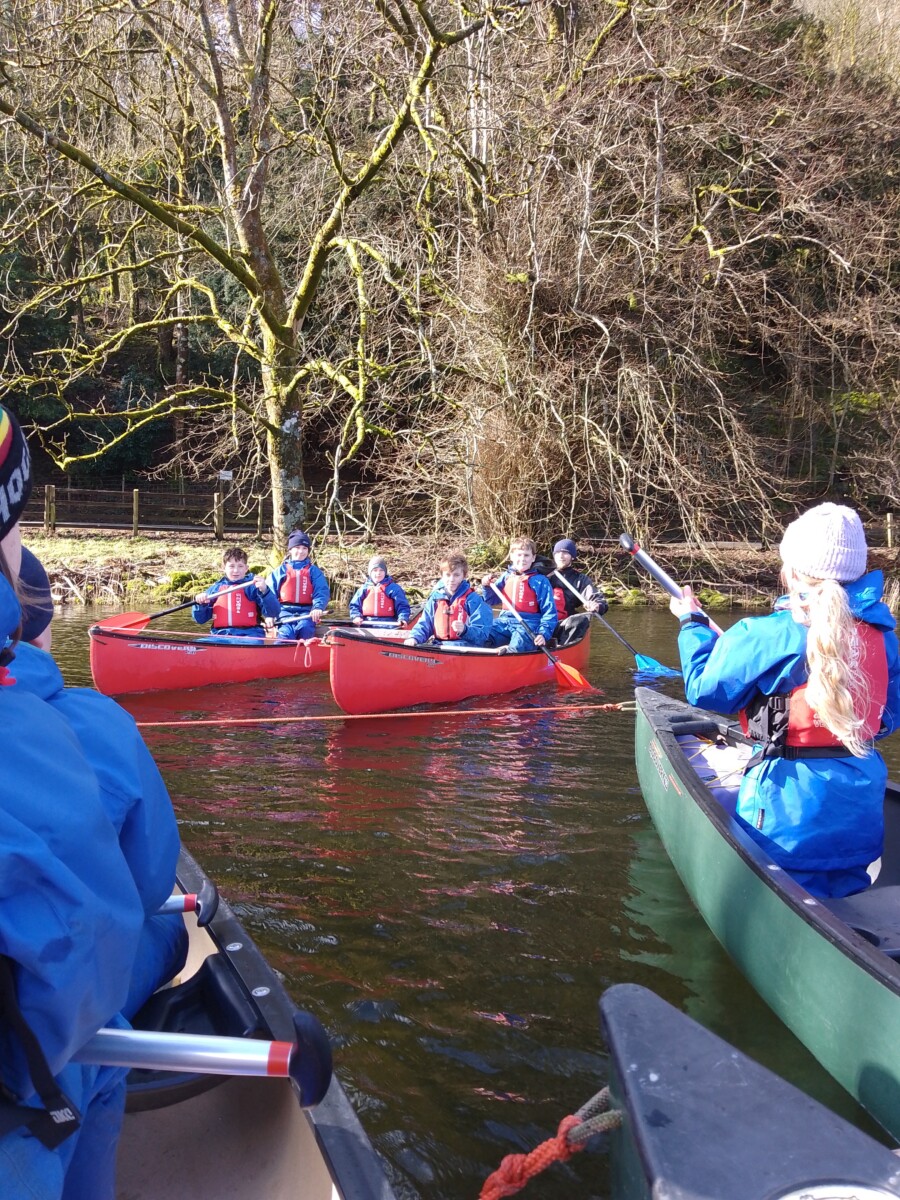
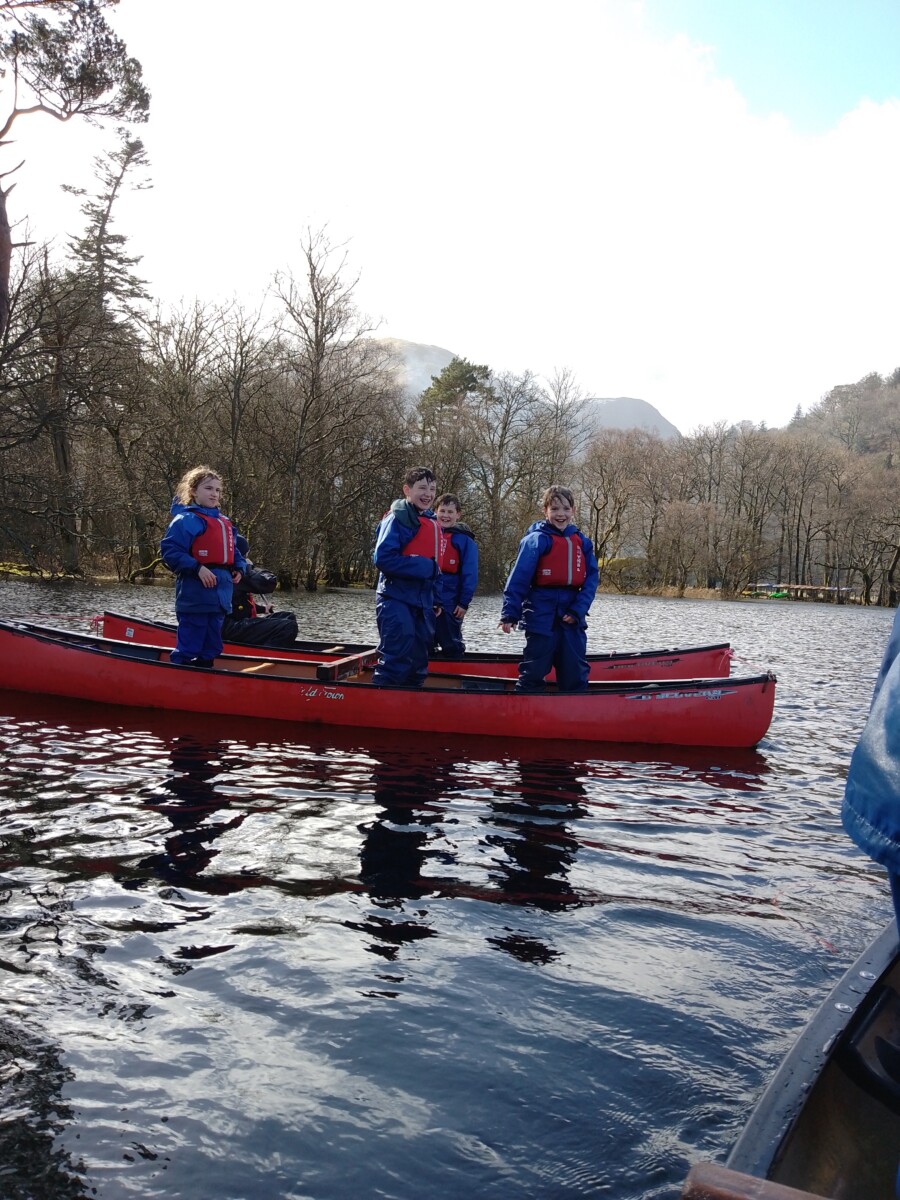
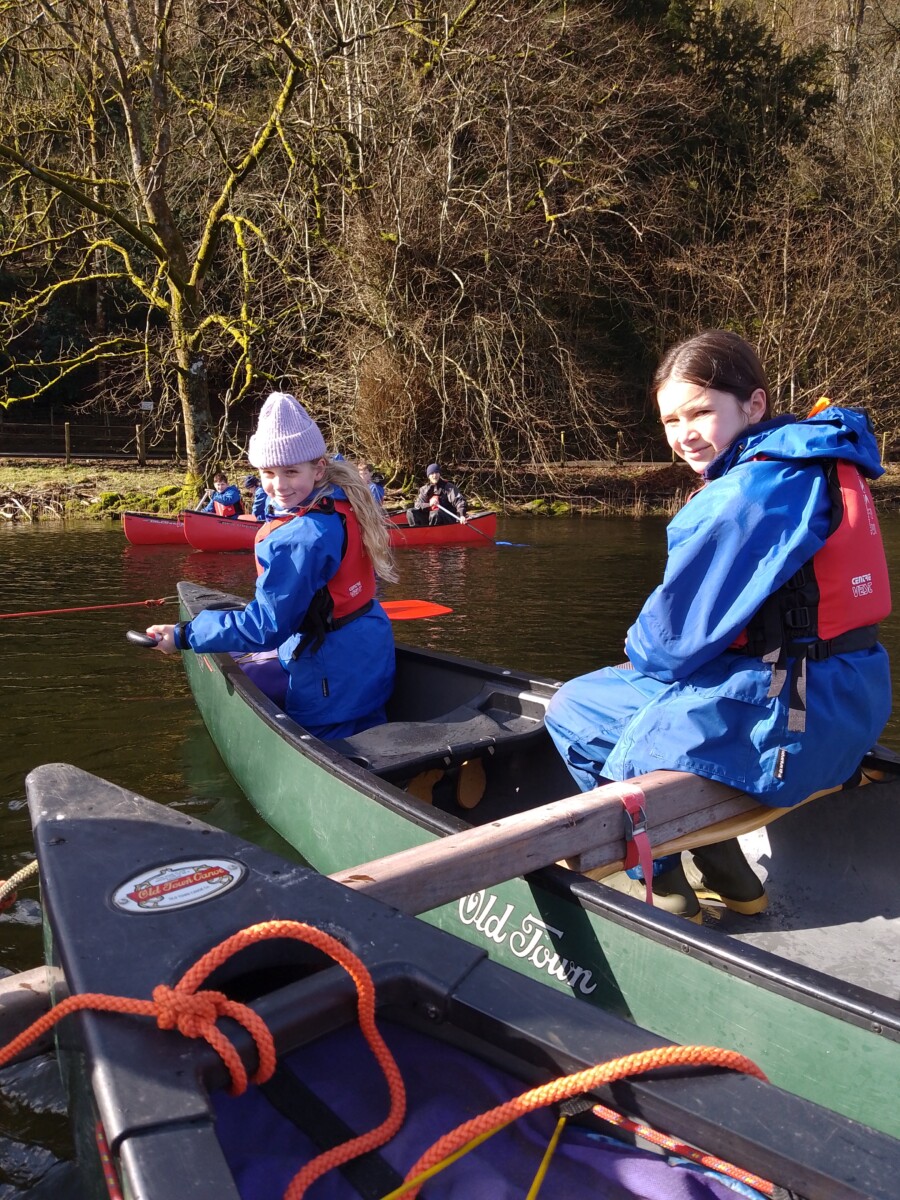
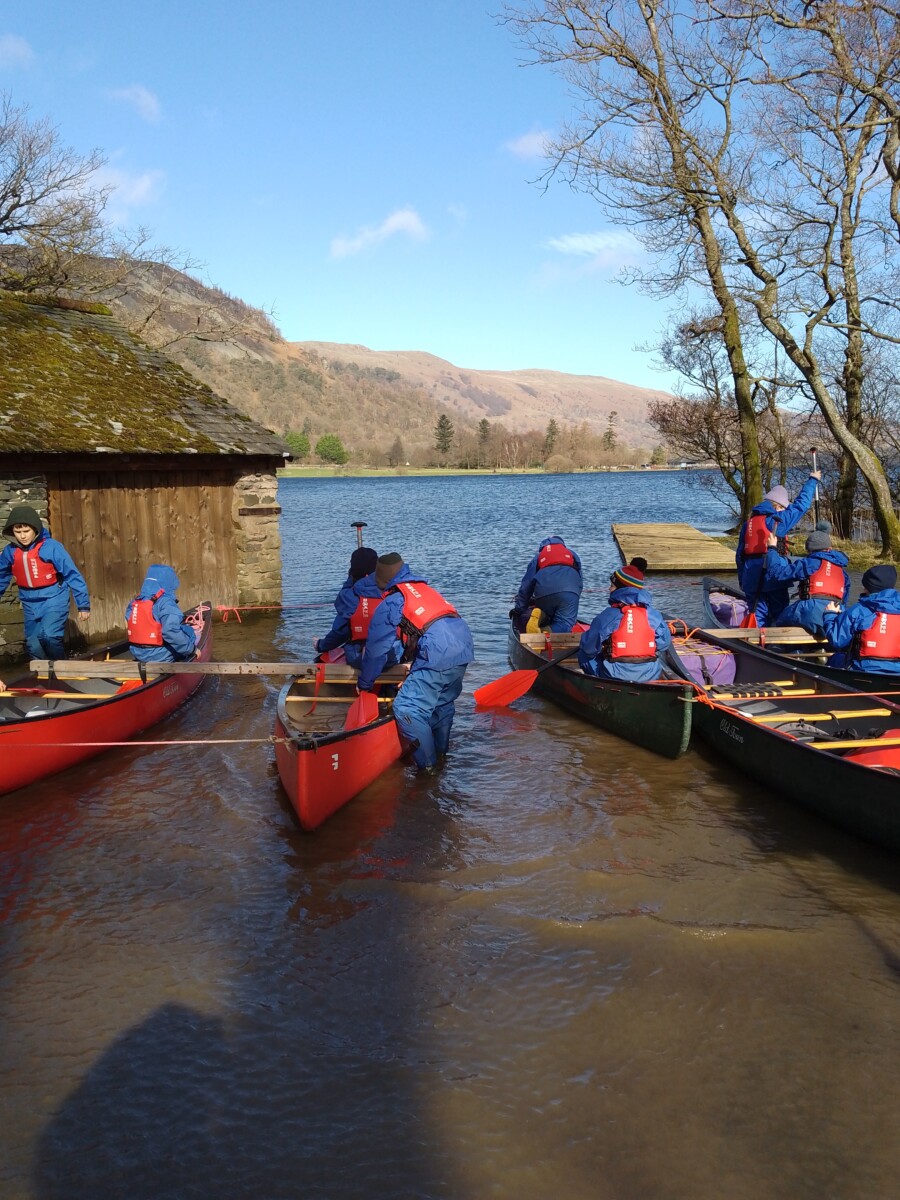
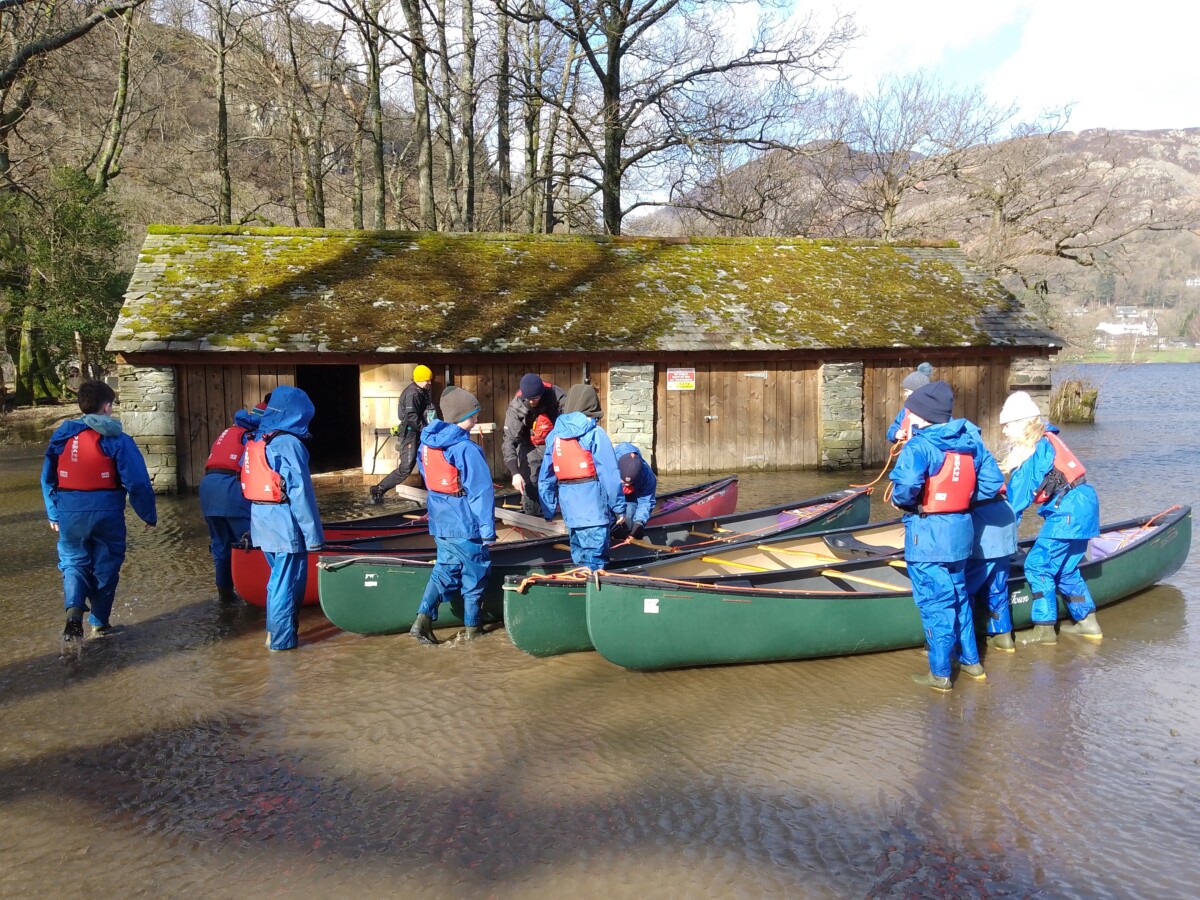
Another water activity was canoeing. After getting the paddles and canoes ready, we were allocated into small groups on each canoe. We set off in our two groups and began rowing towards some land. After about five or ten minutes, we were at our goal. We played some fun games there and then began making our way to a corner where the wind couldn’t catch us. We played some more fun games like: fruit smoothie: when your fruit was said, you had to spin around in a circle and shout “YOOOO!”; also a game where you were assigned an animal and when that animal was said, you had to swap places with another person across all the canoes and finally dunk a body part!

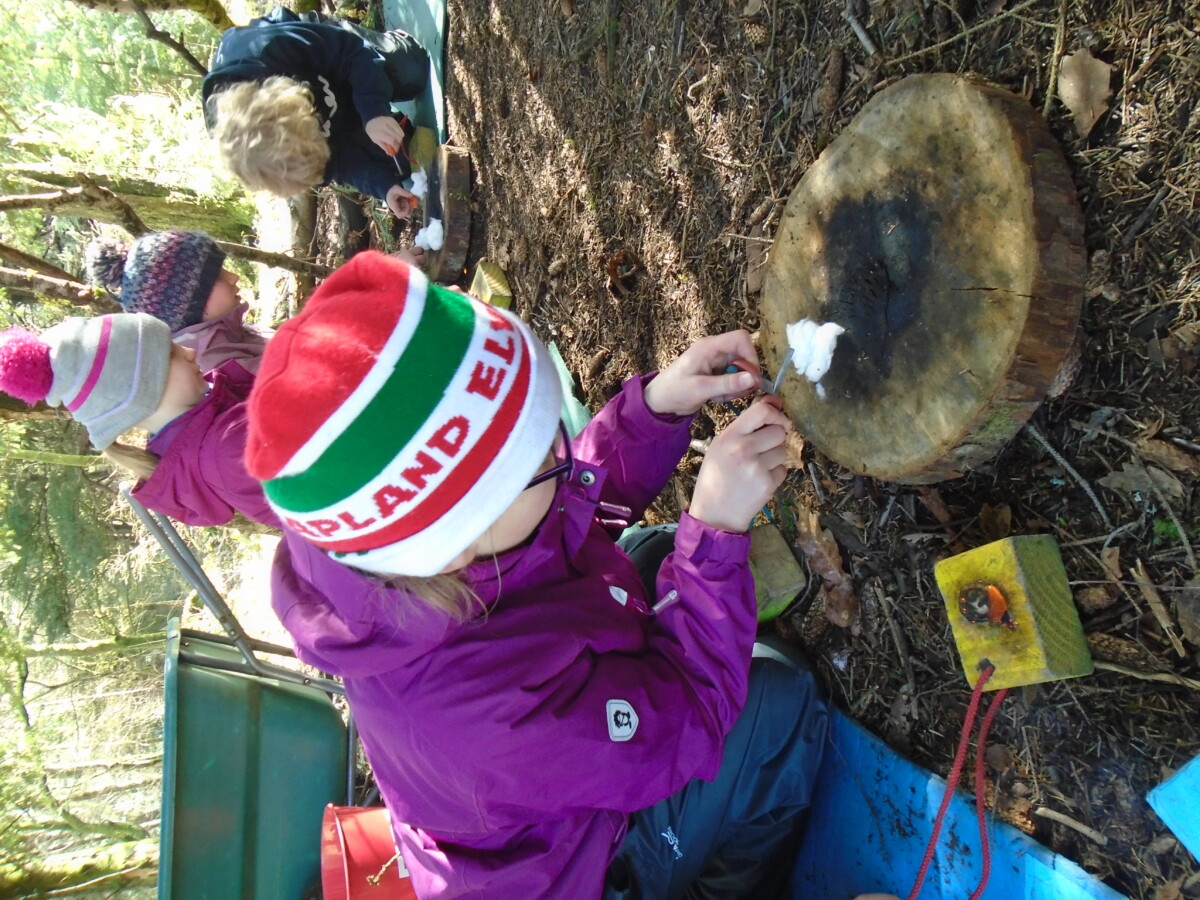
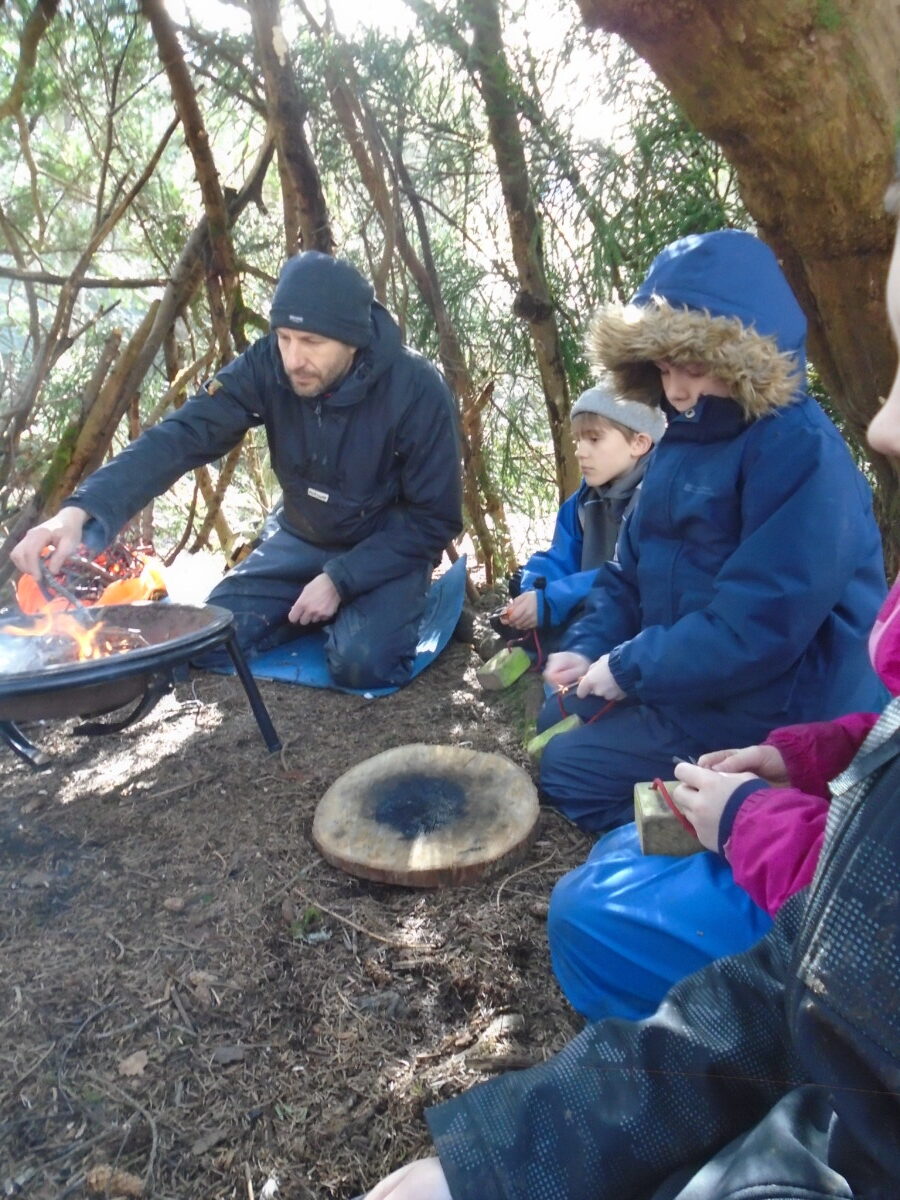
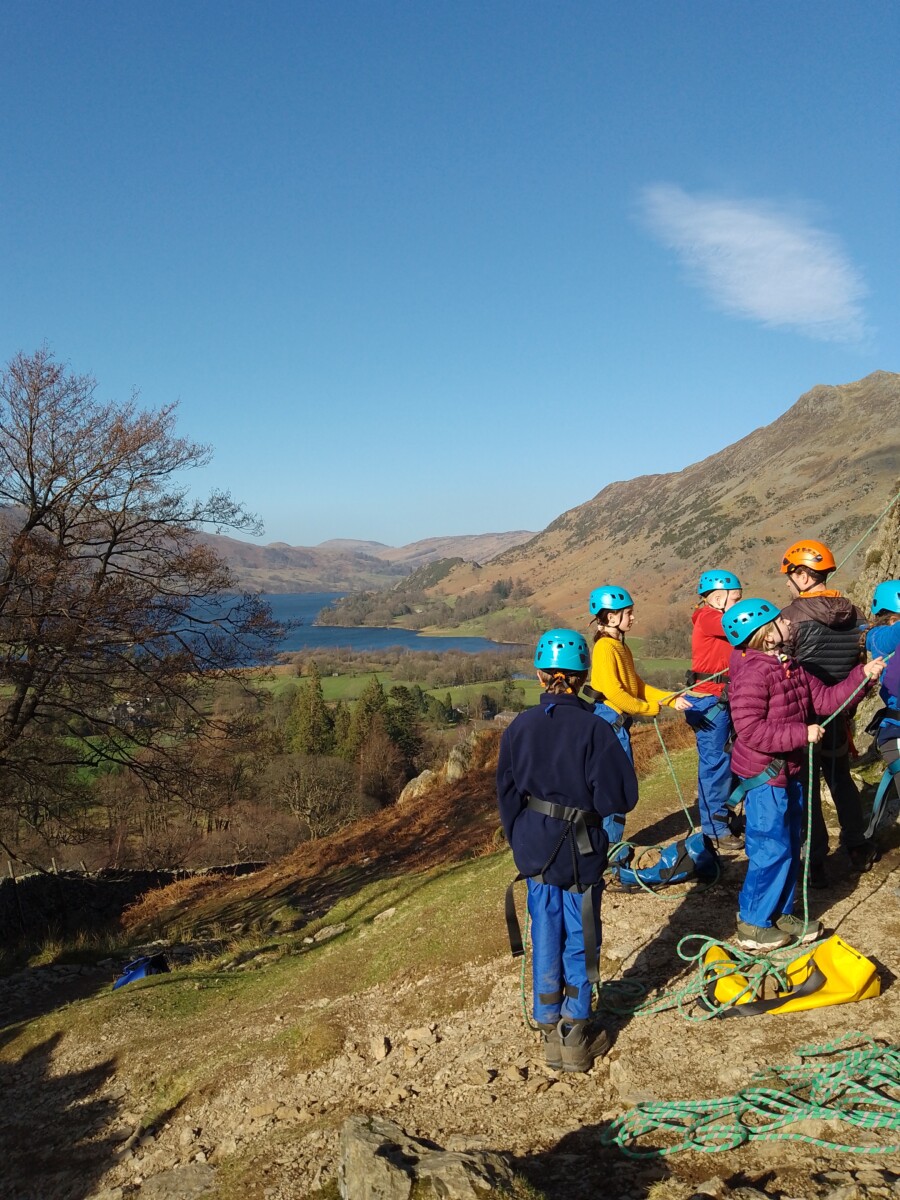
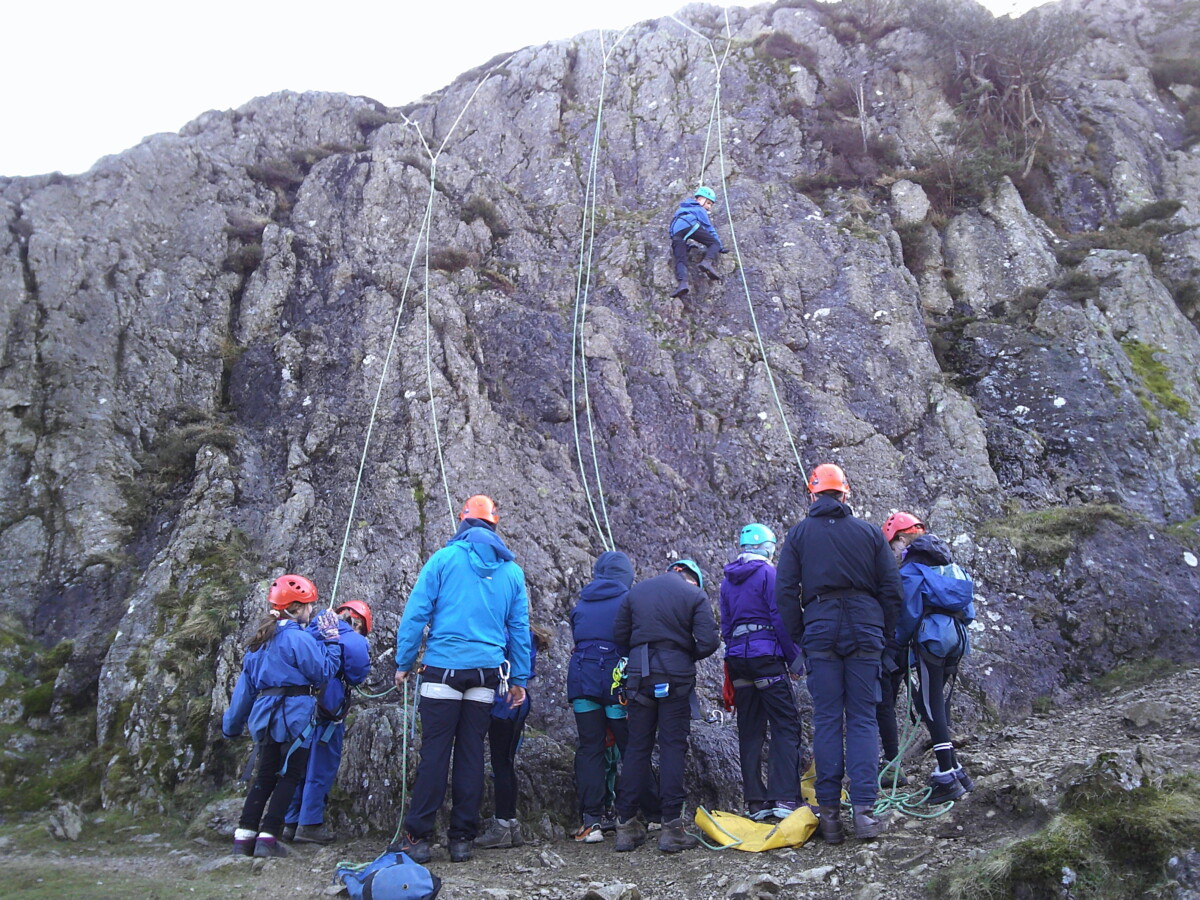
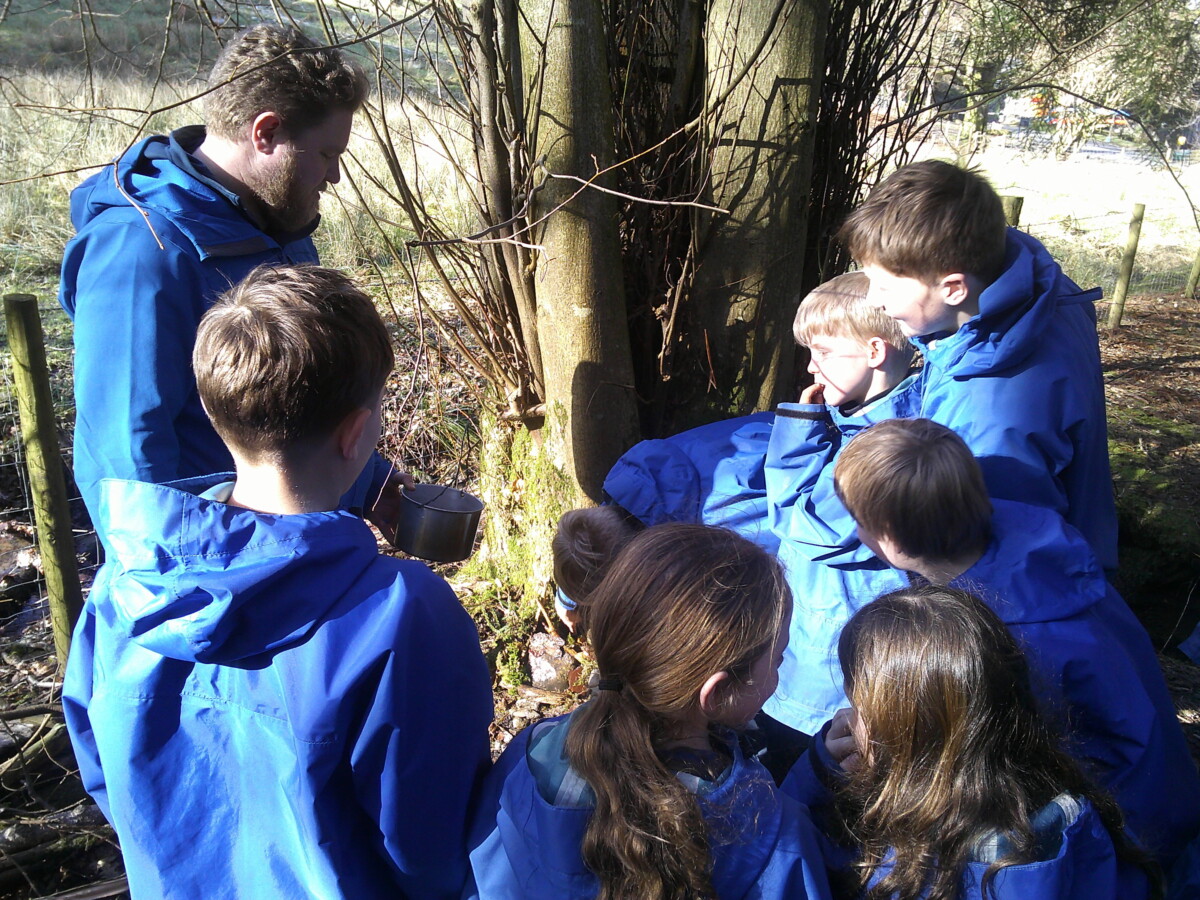
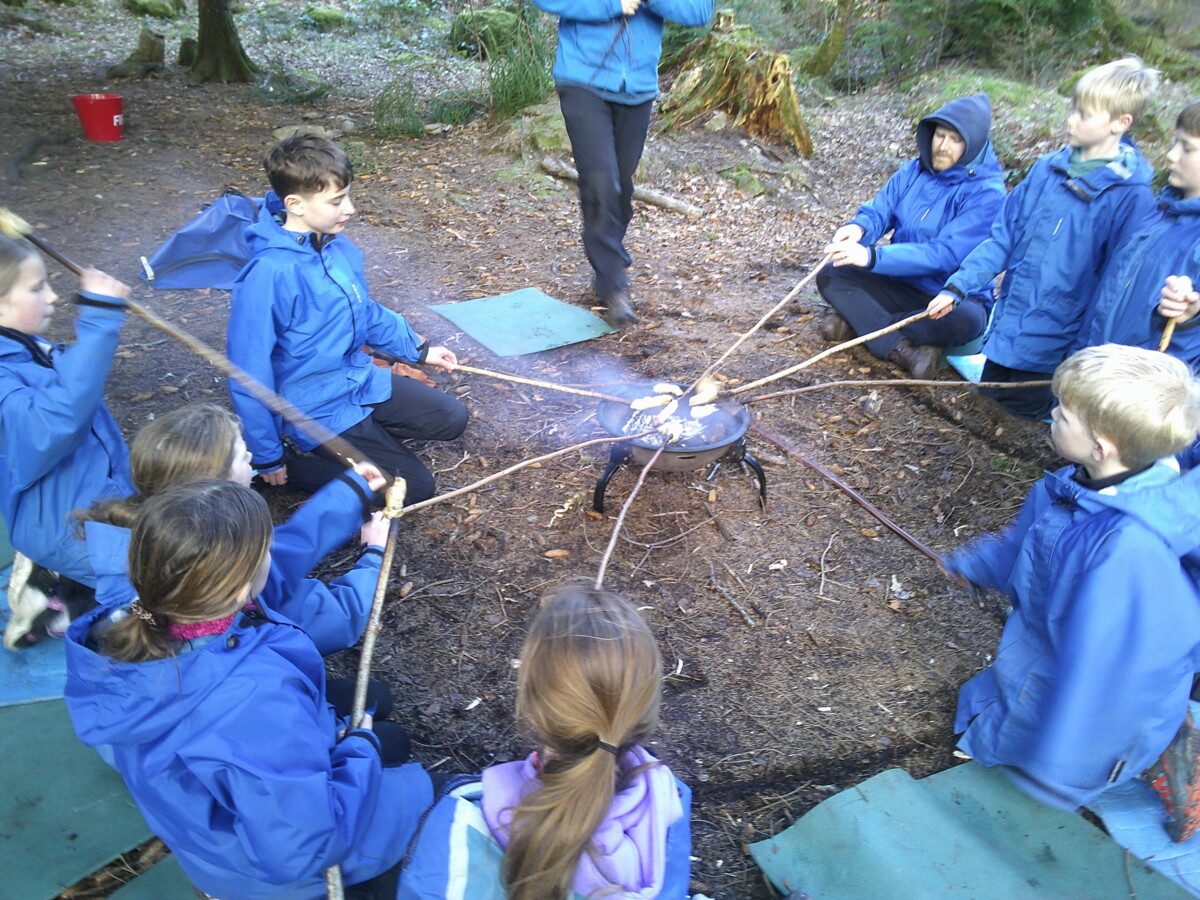
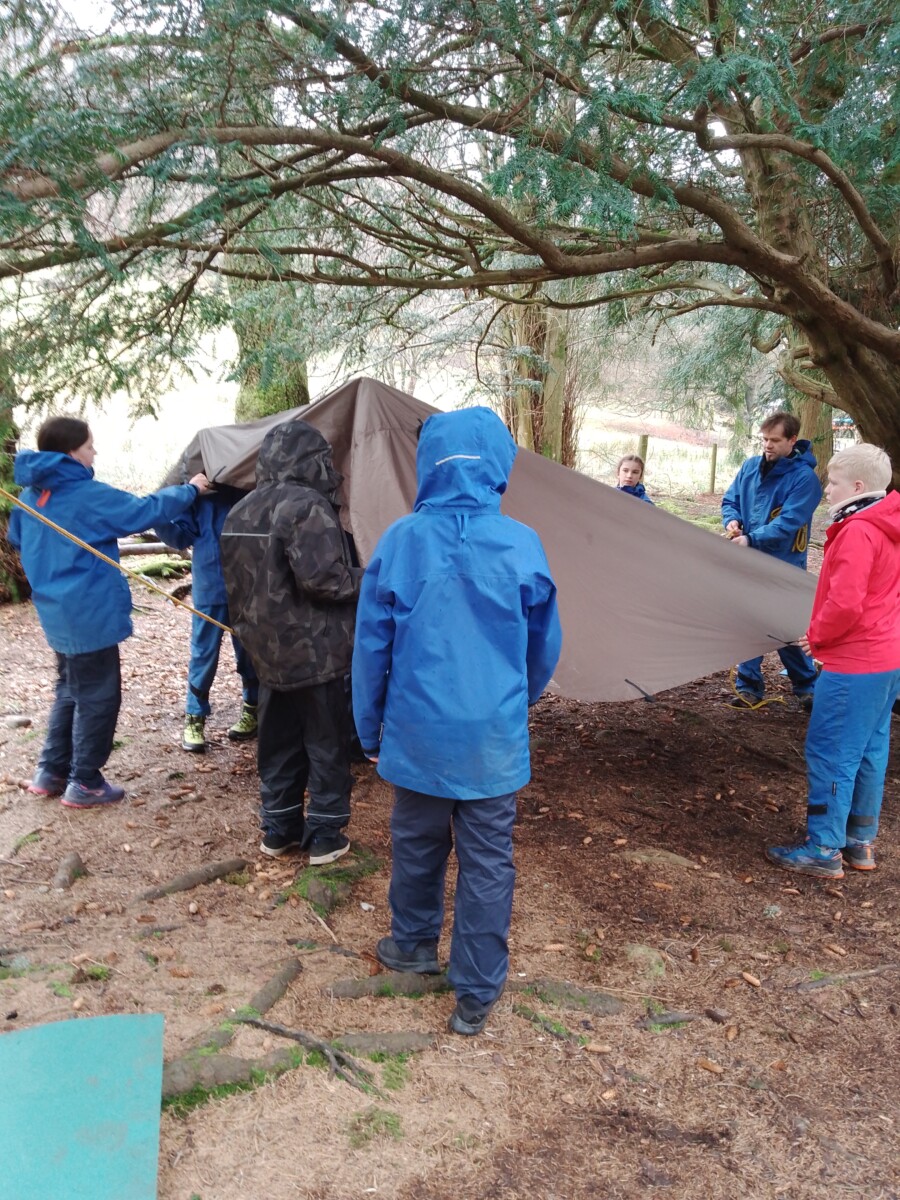
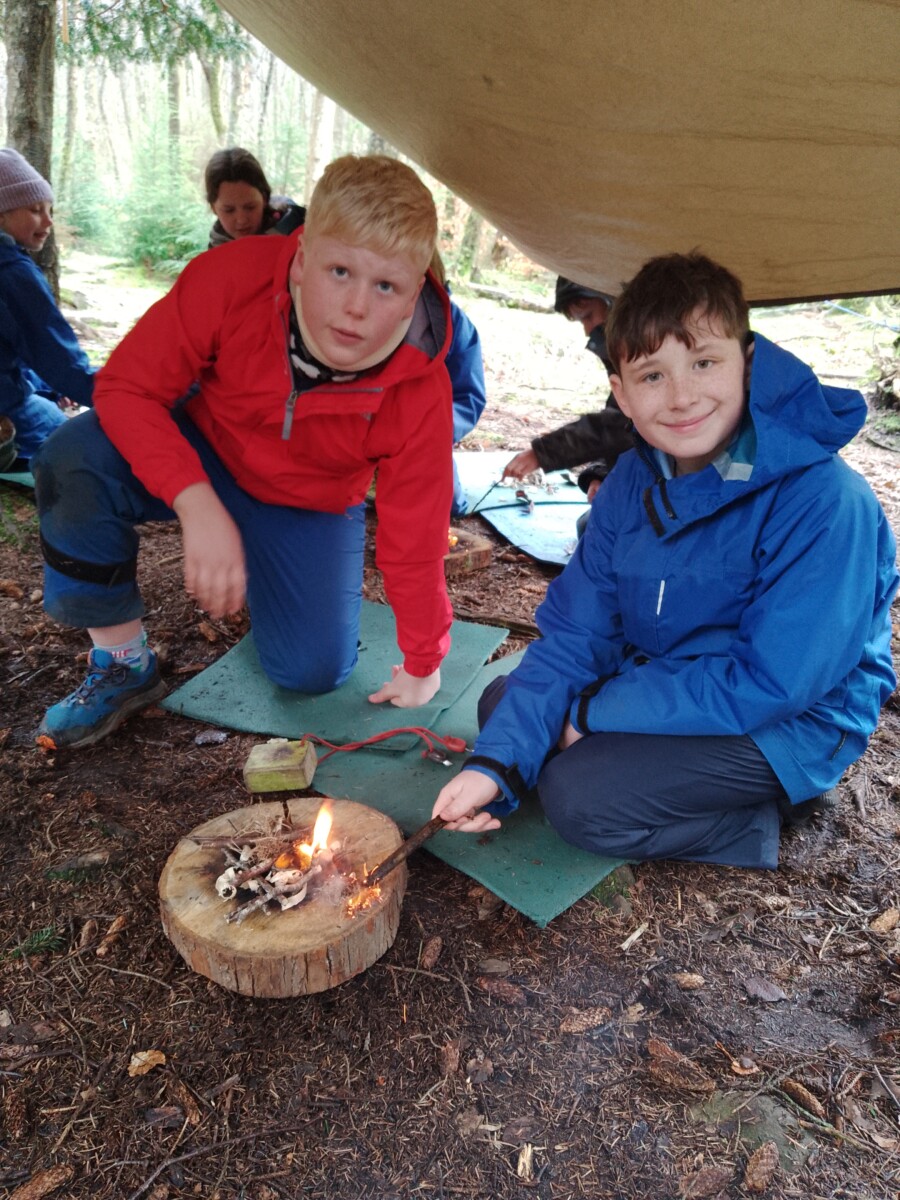
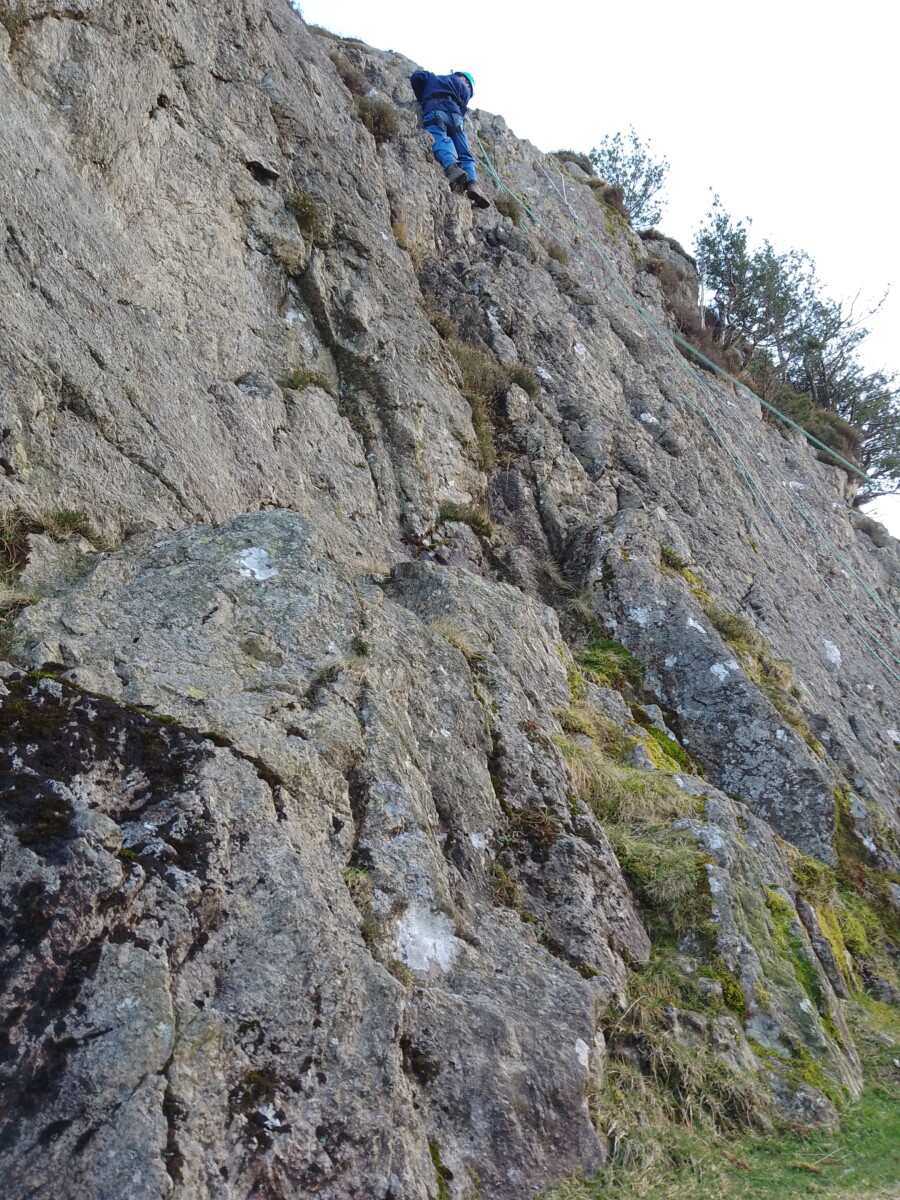
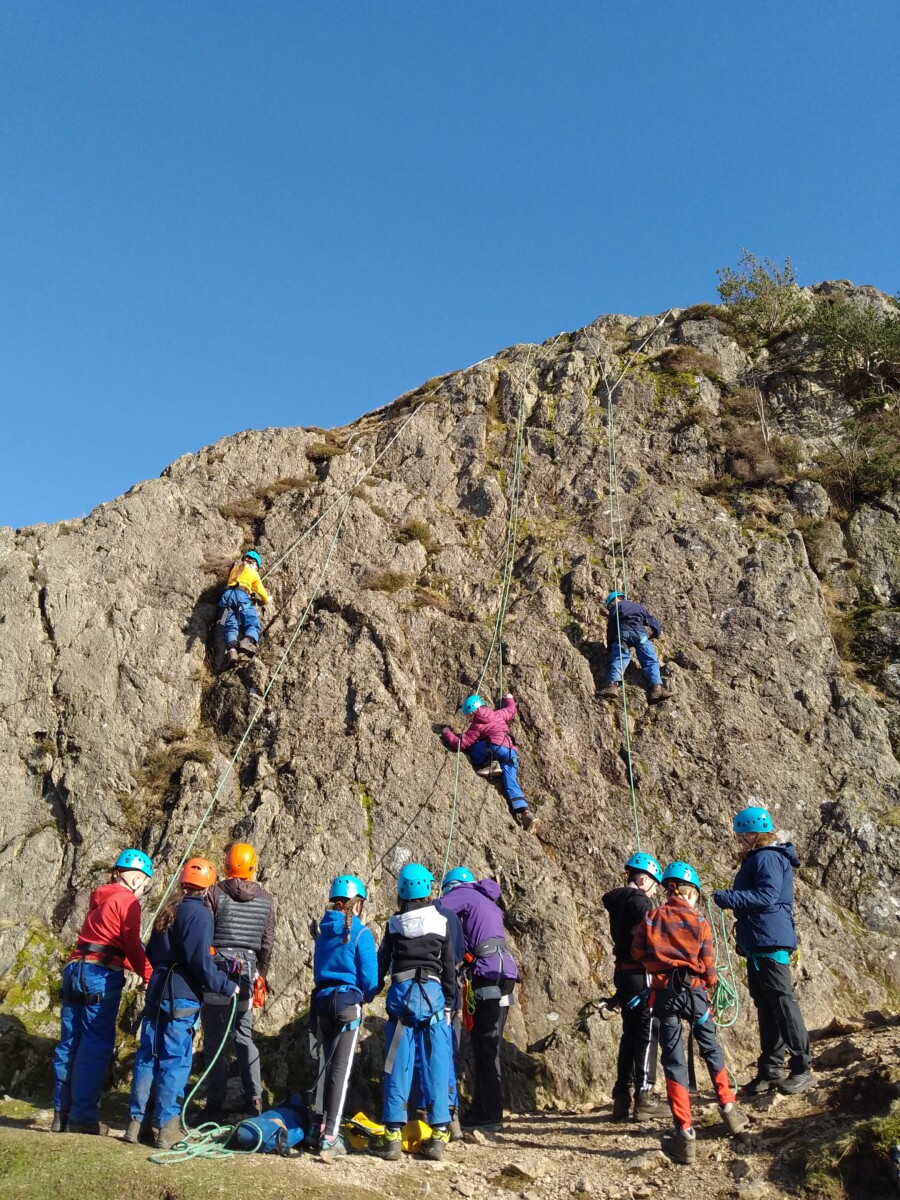
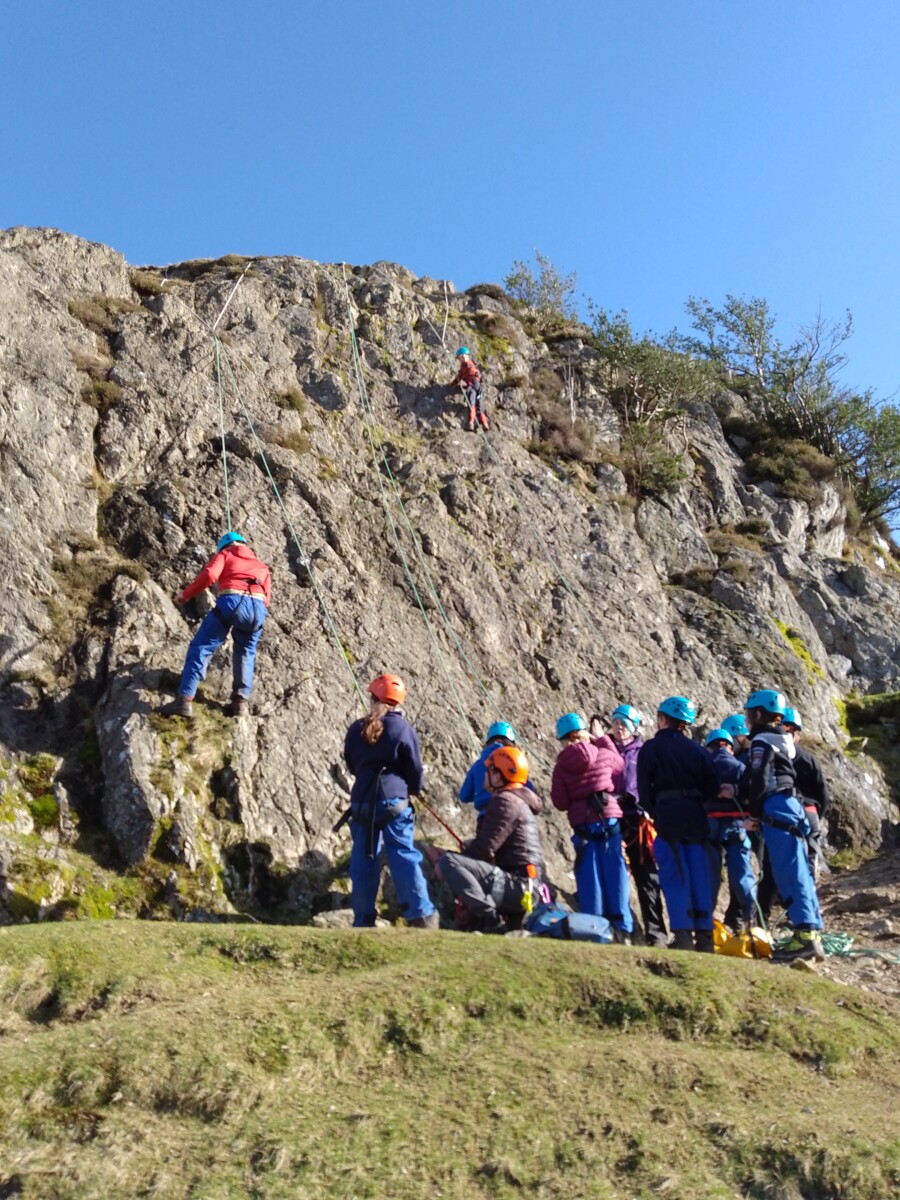
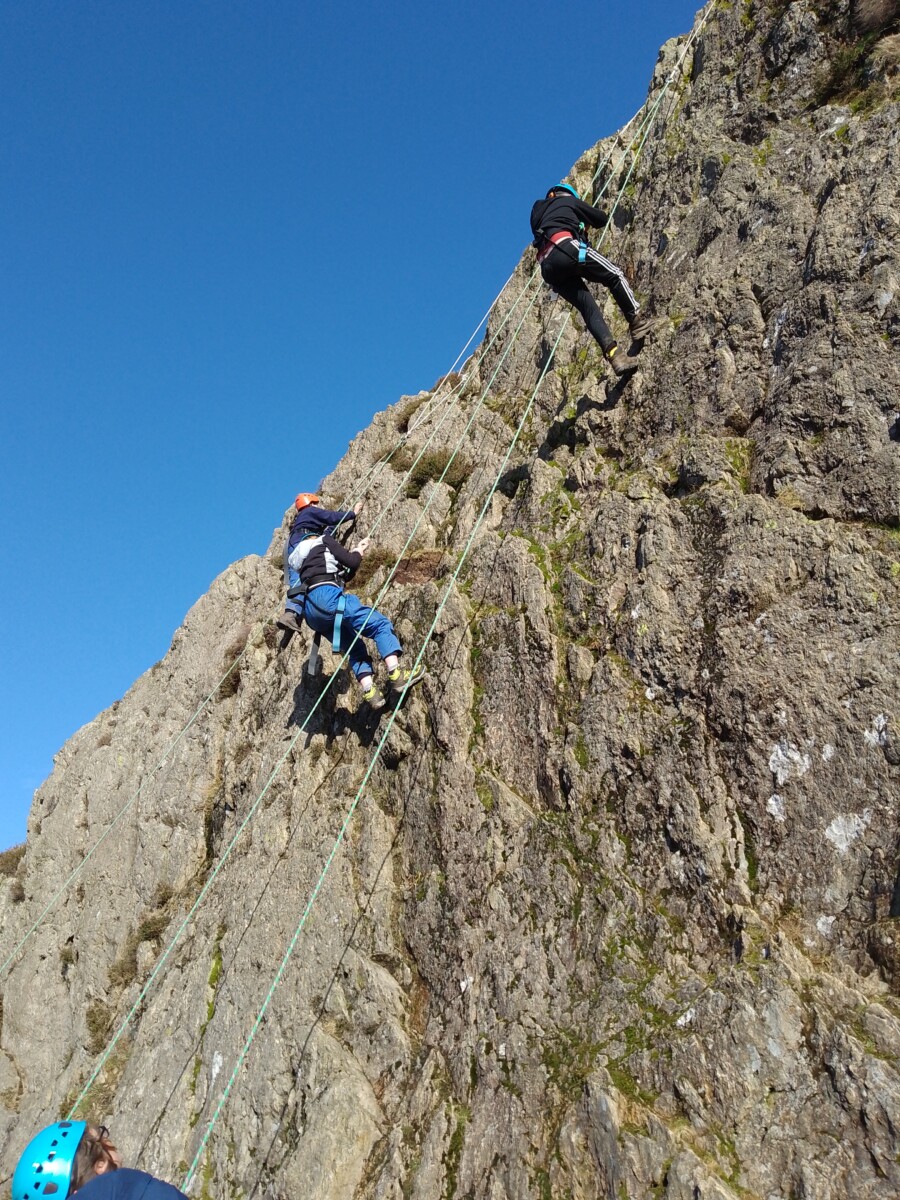
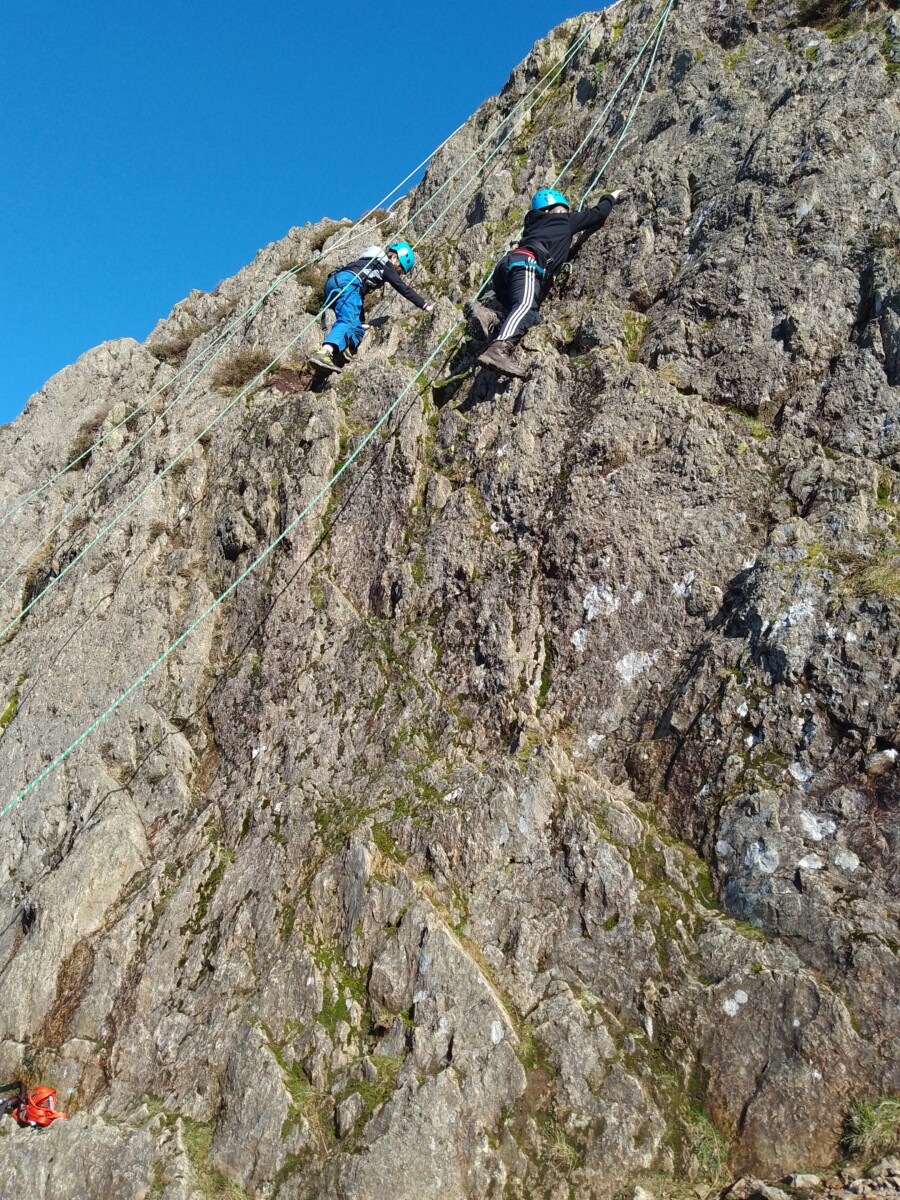
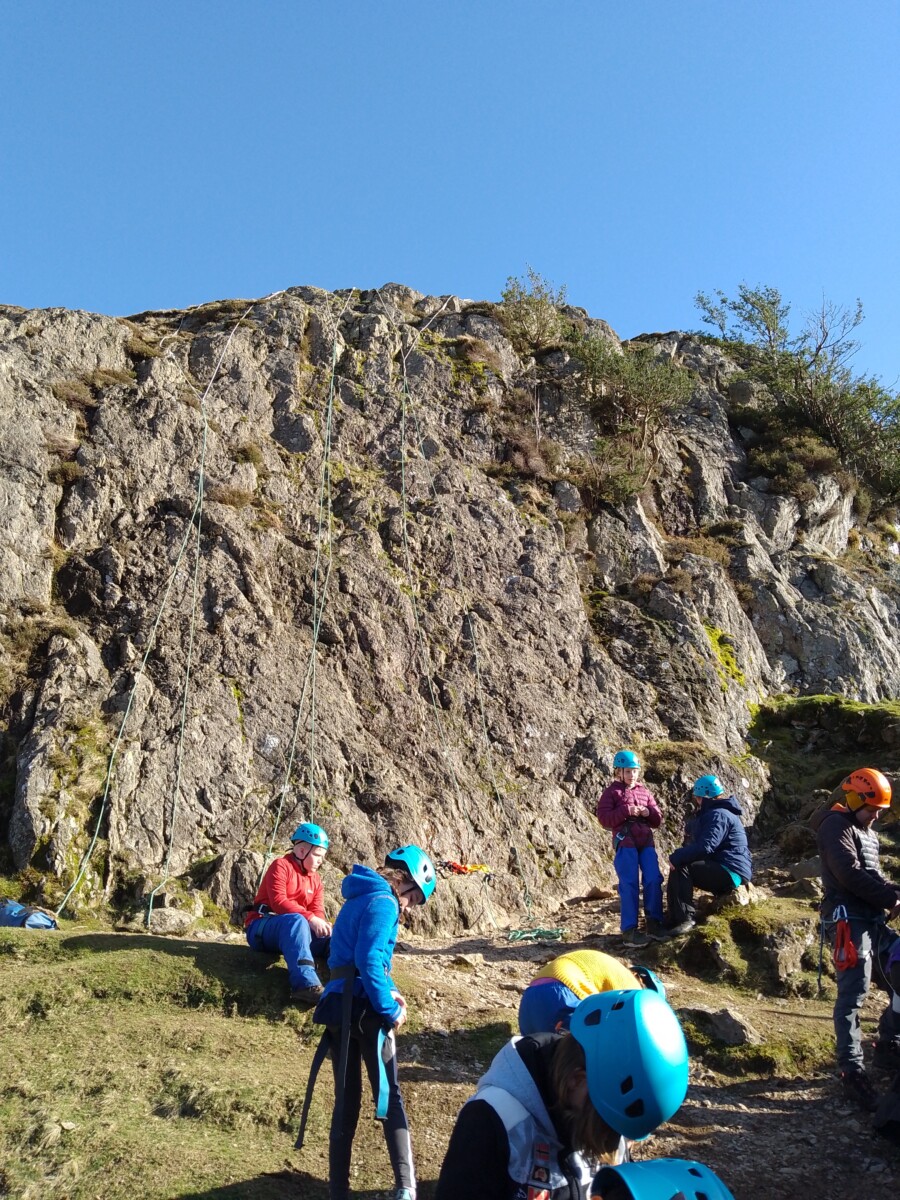
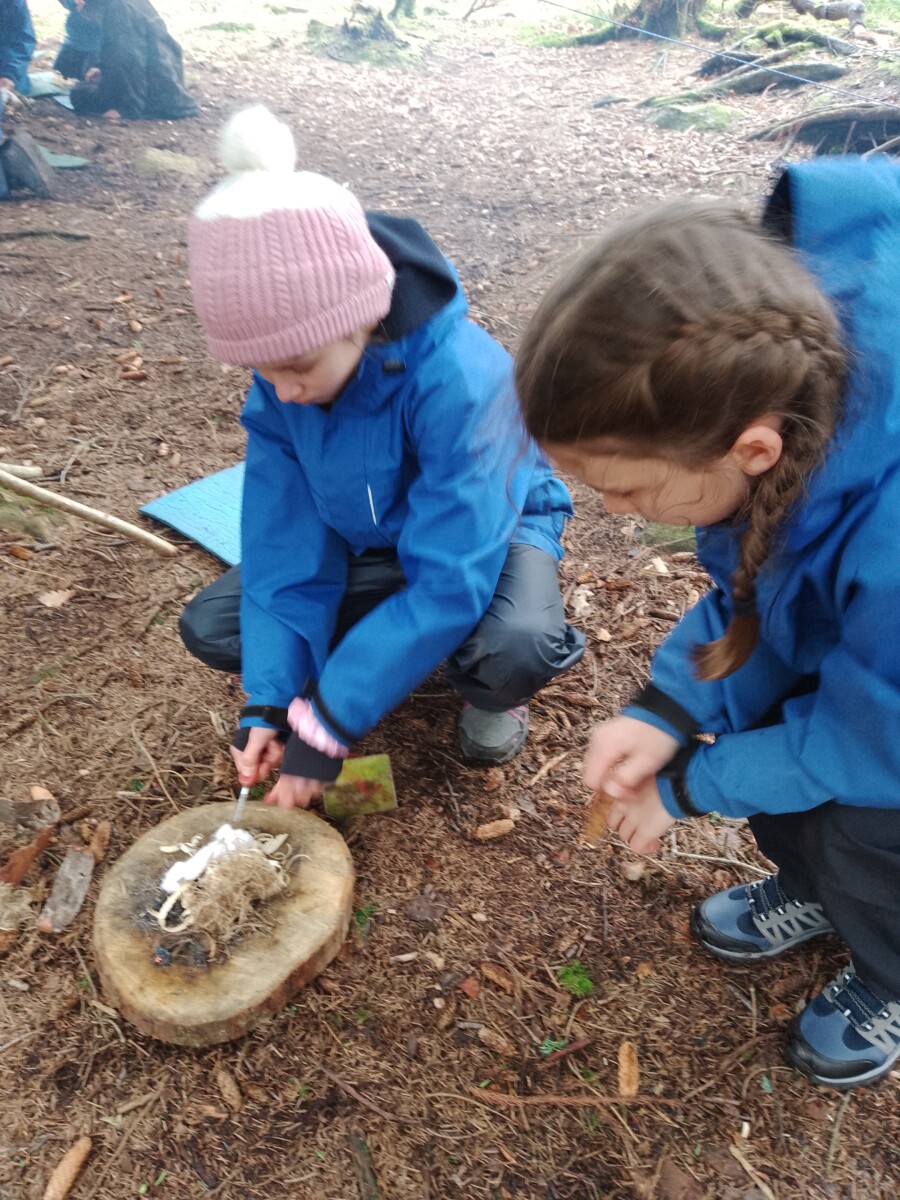
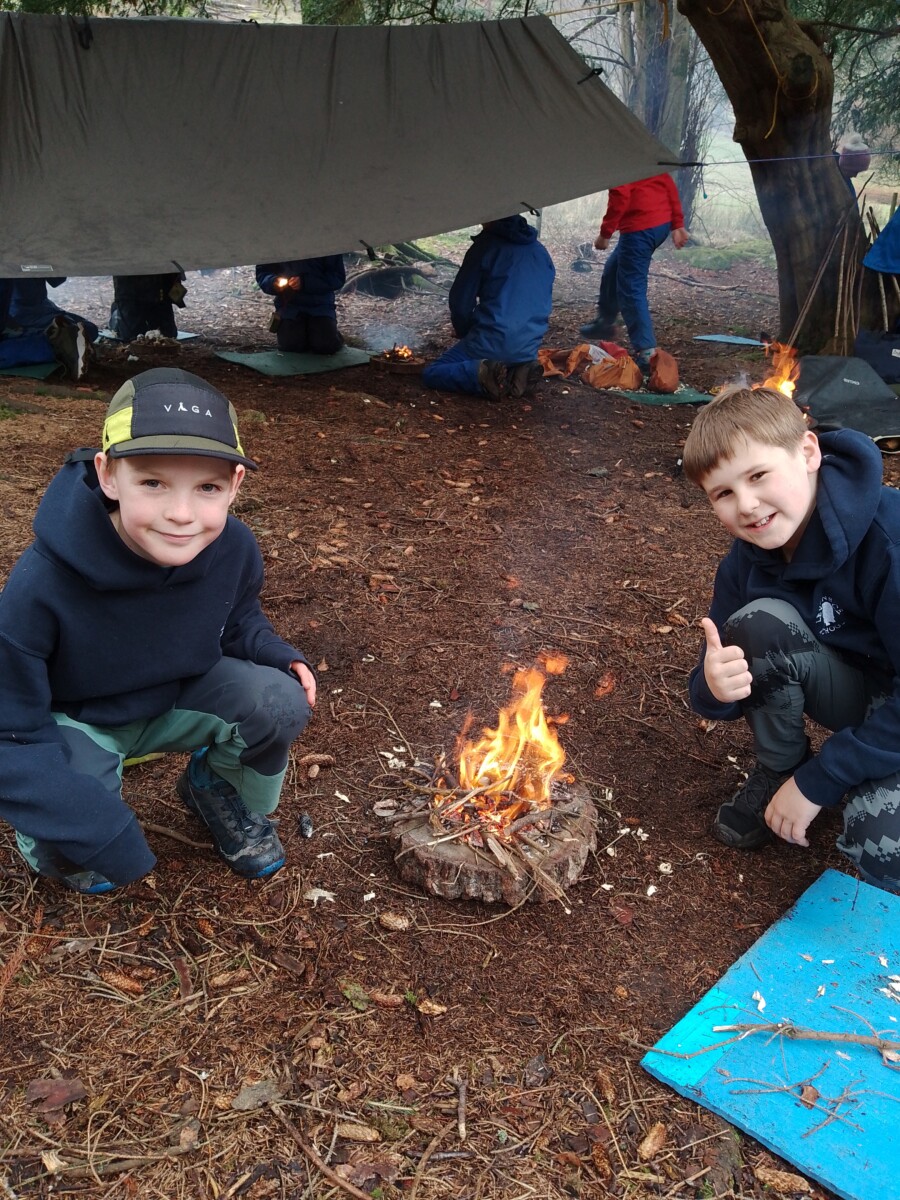
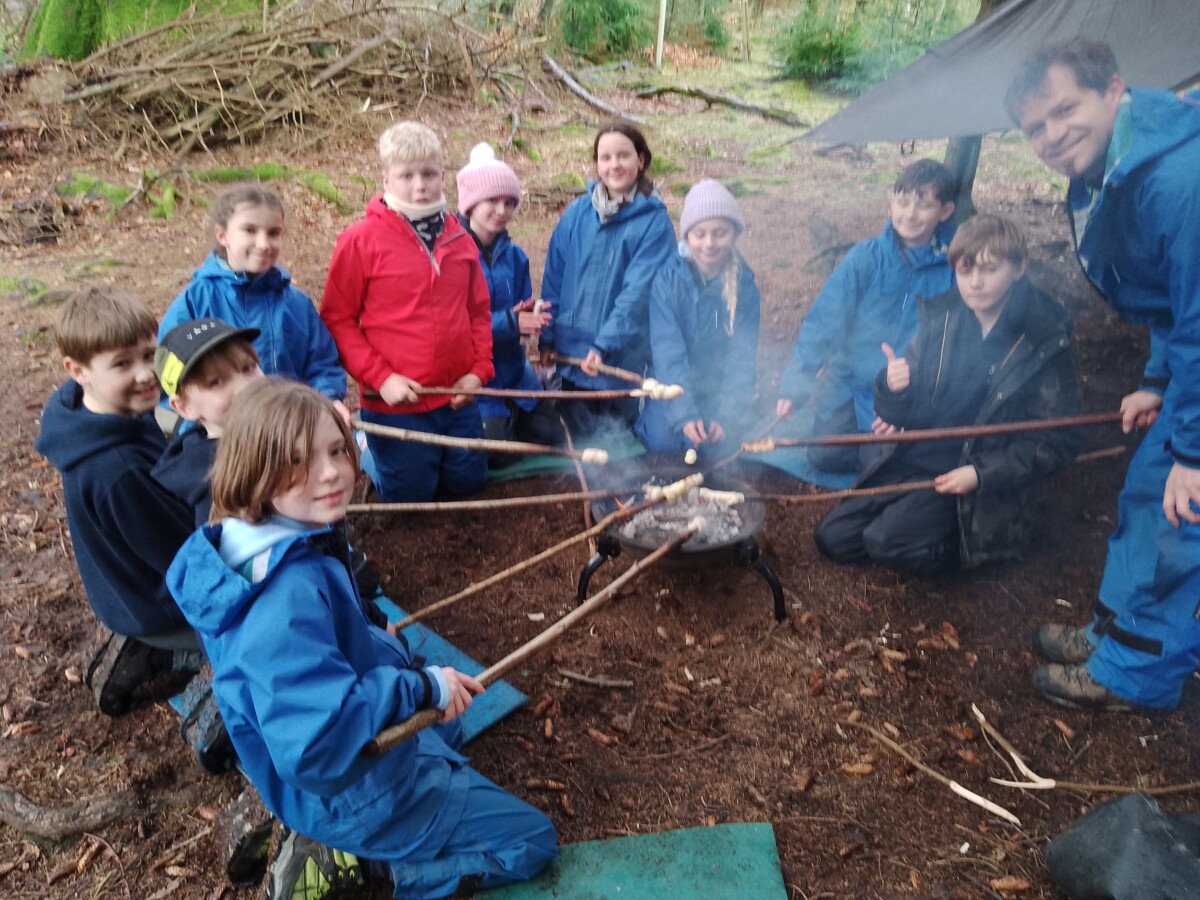
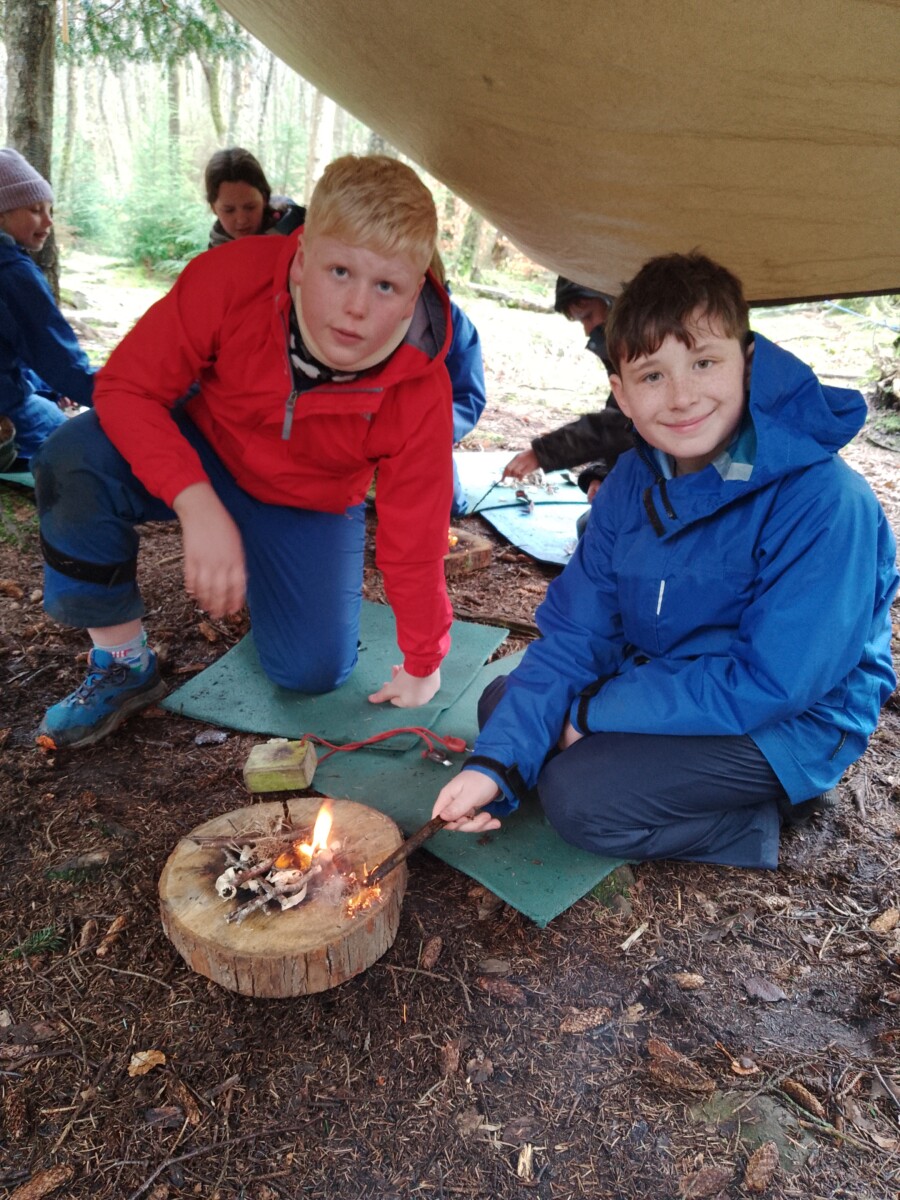
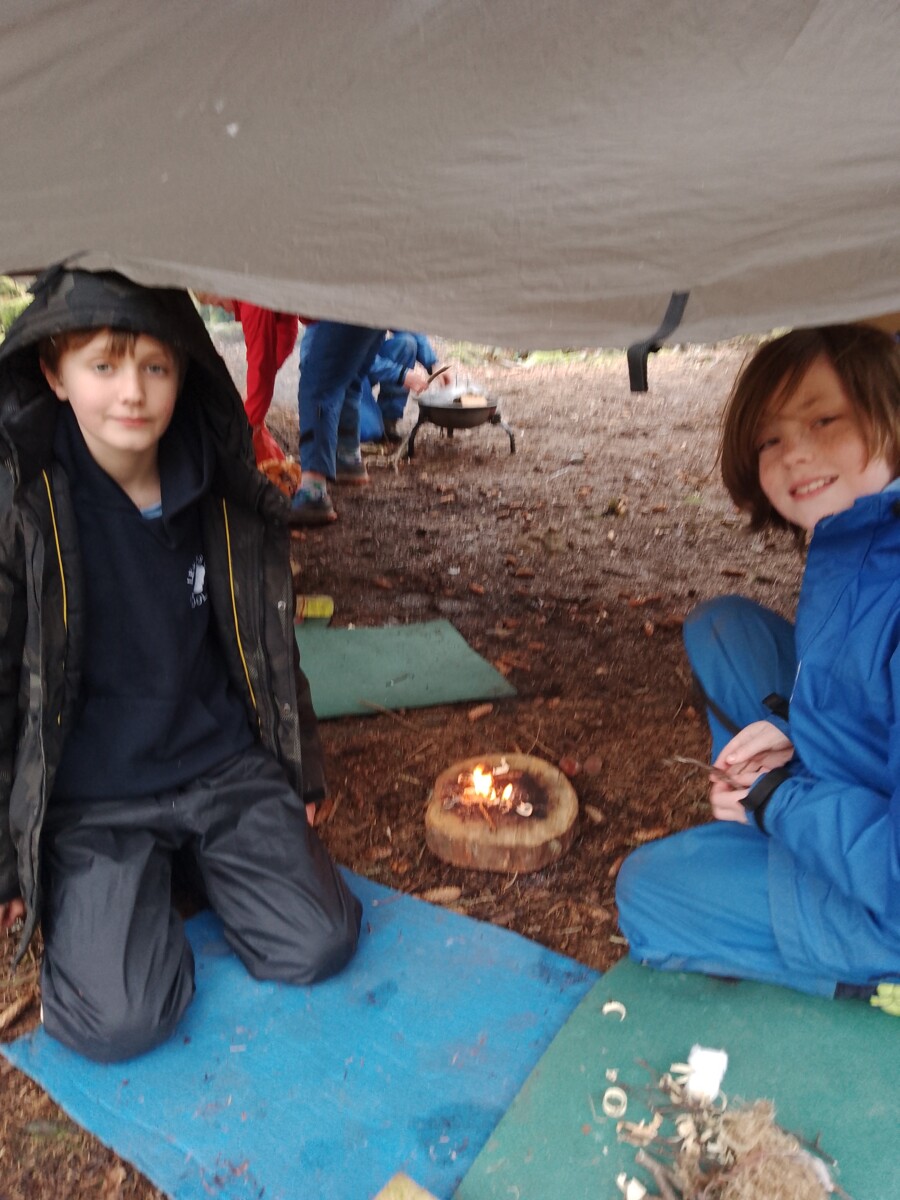
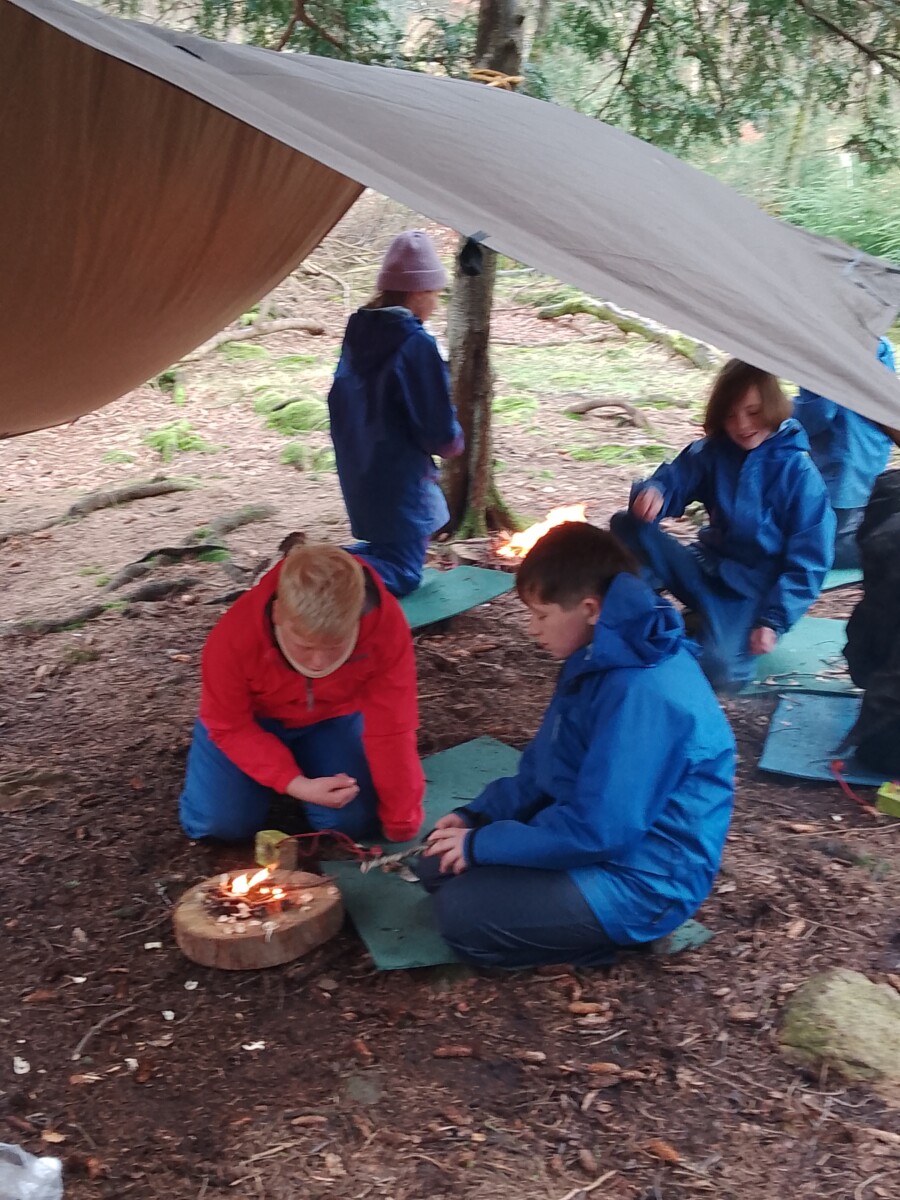
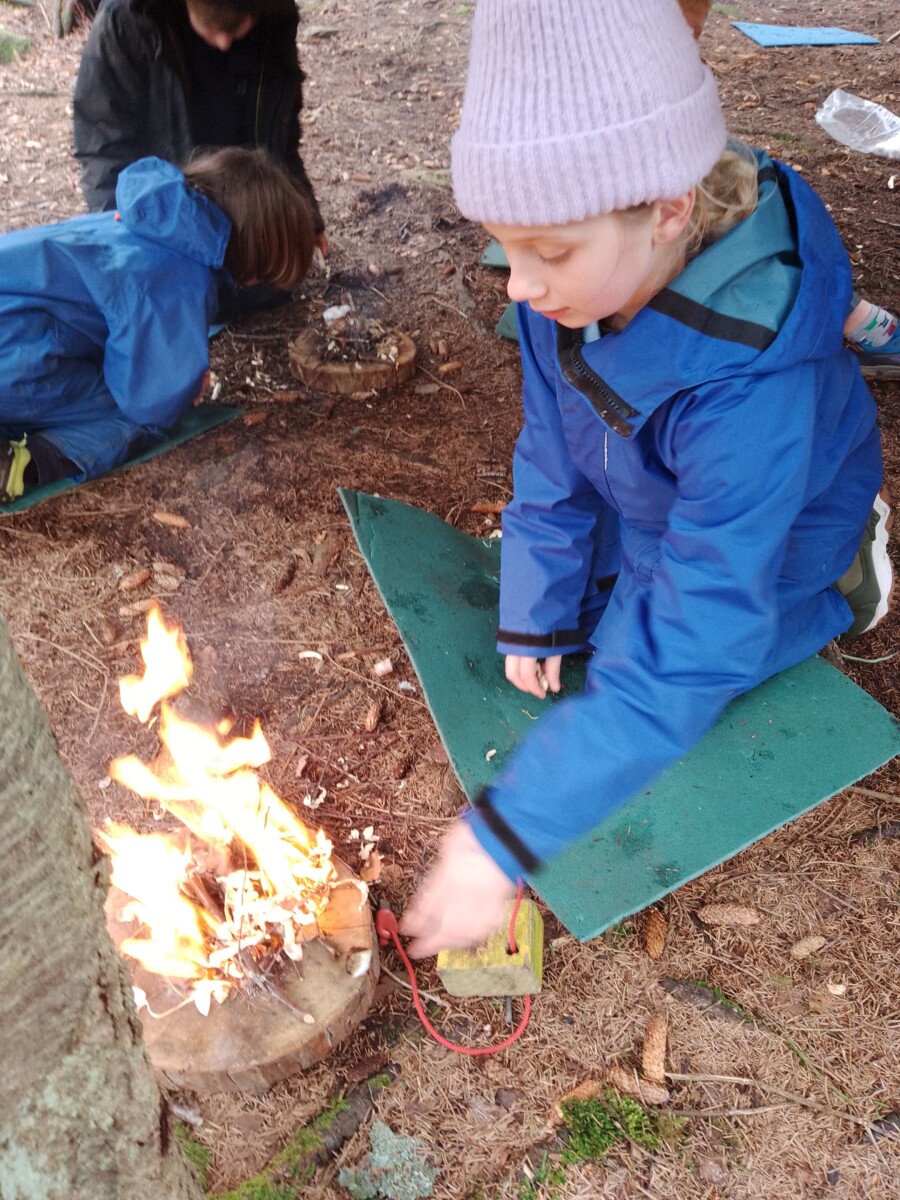
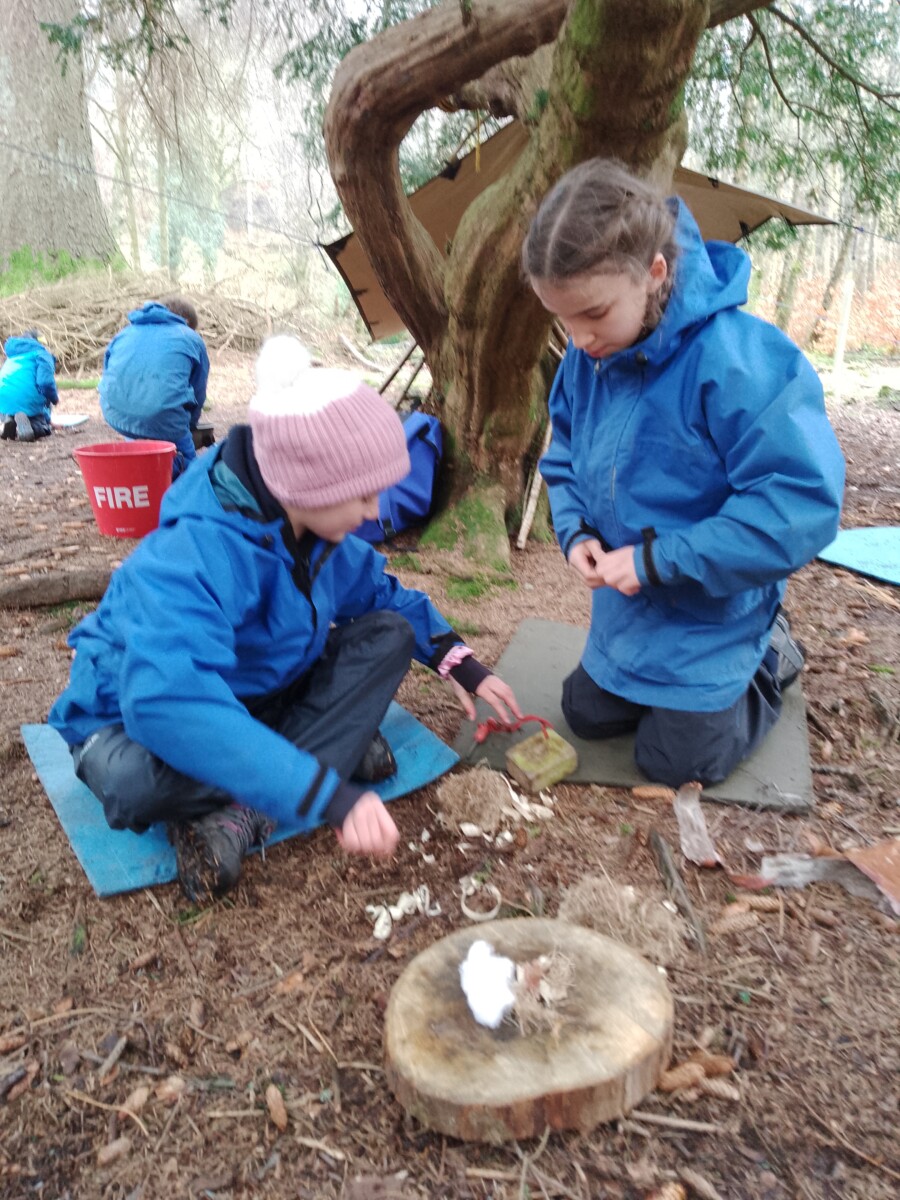
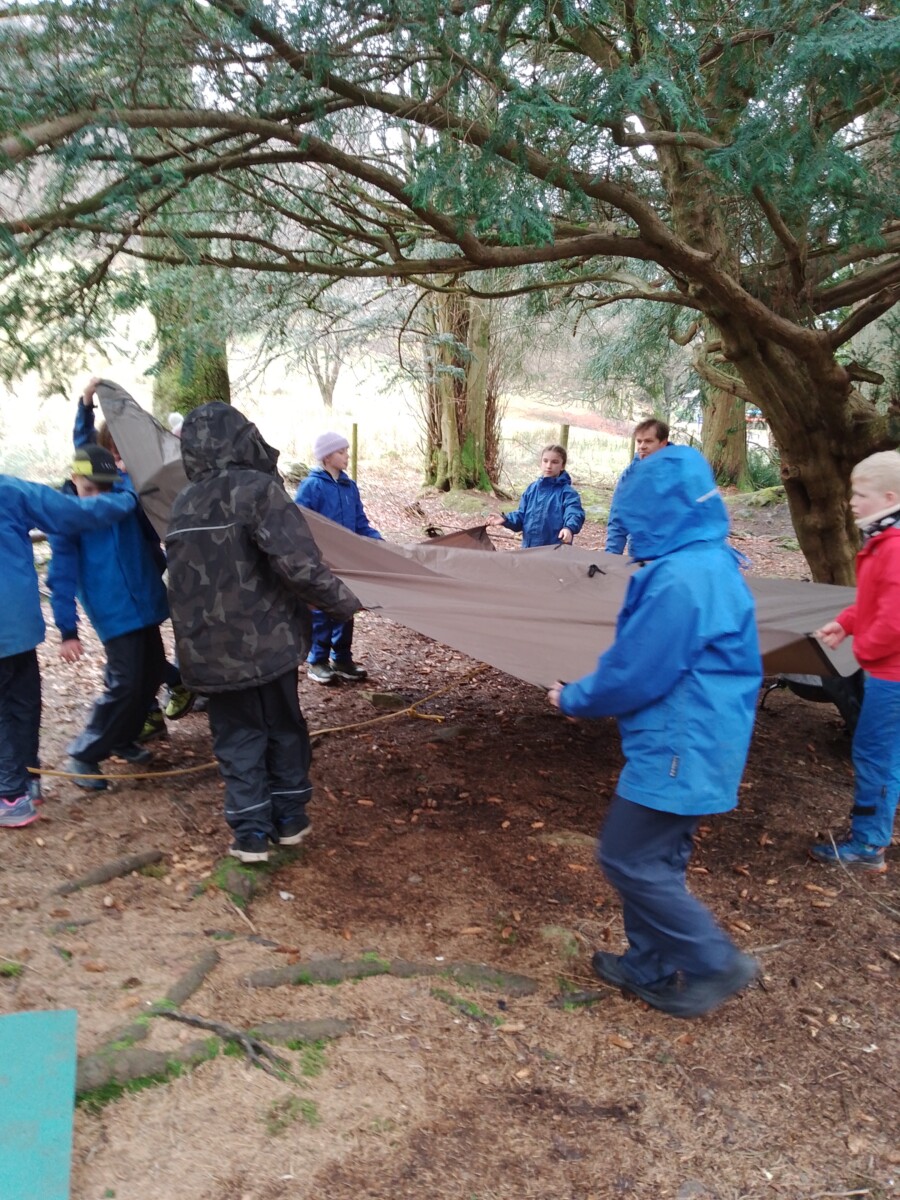
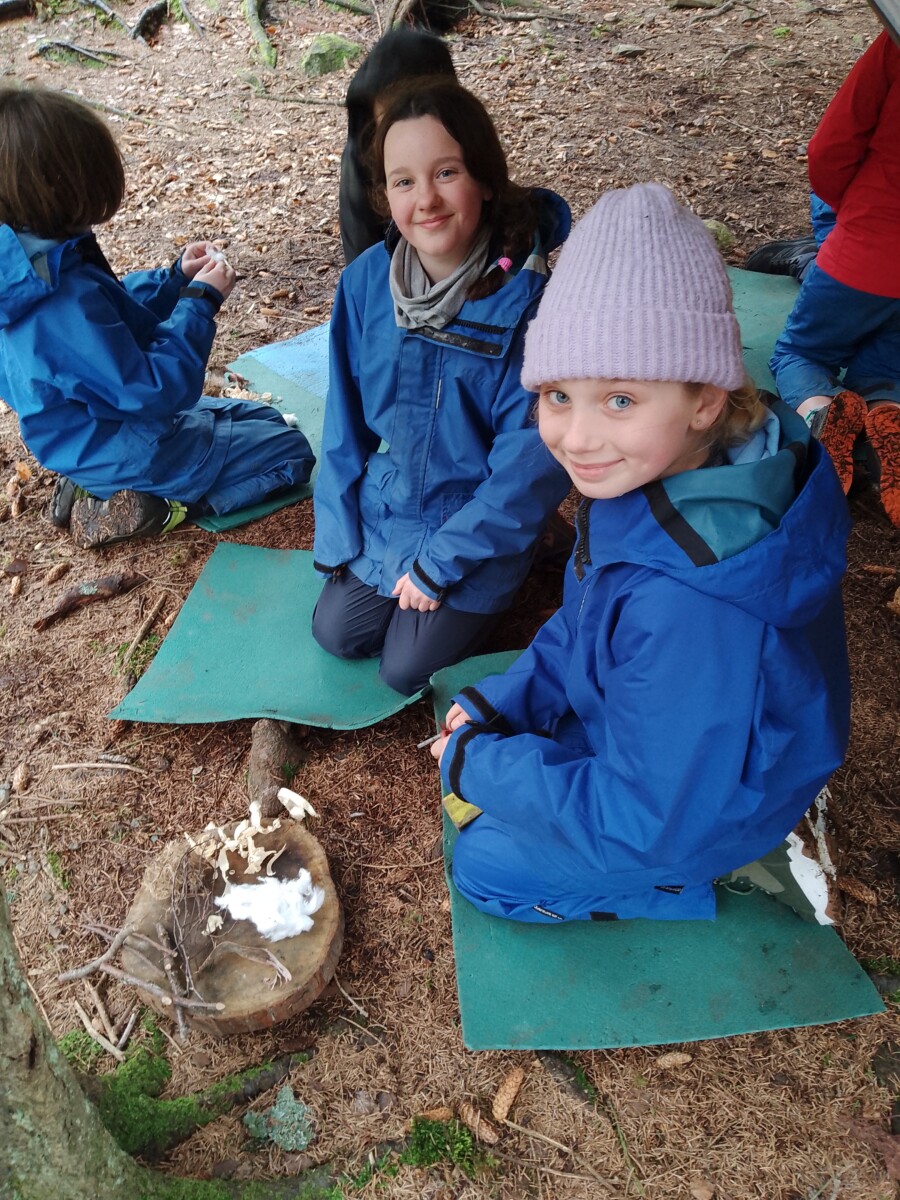
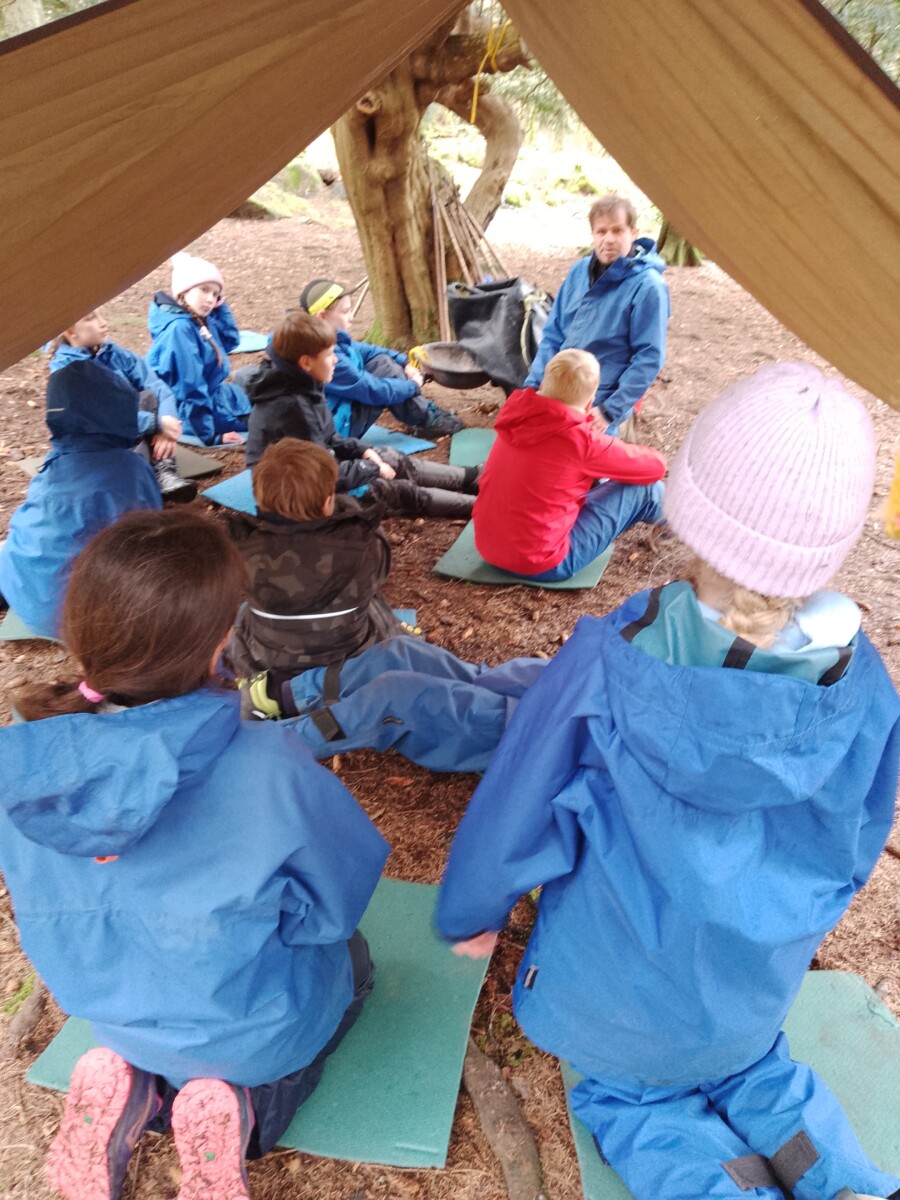
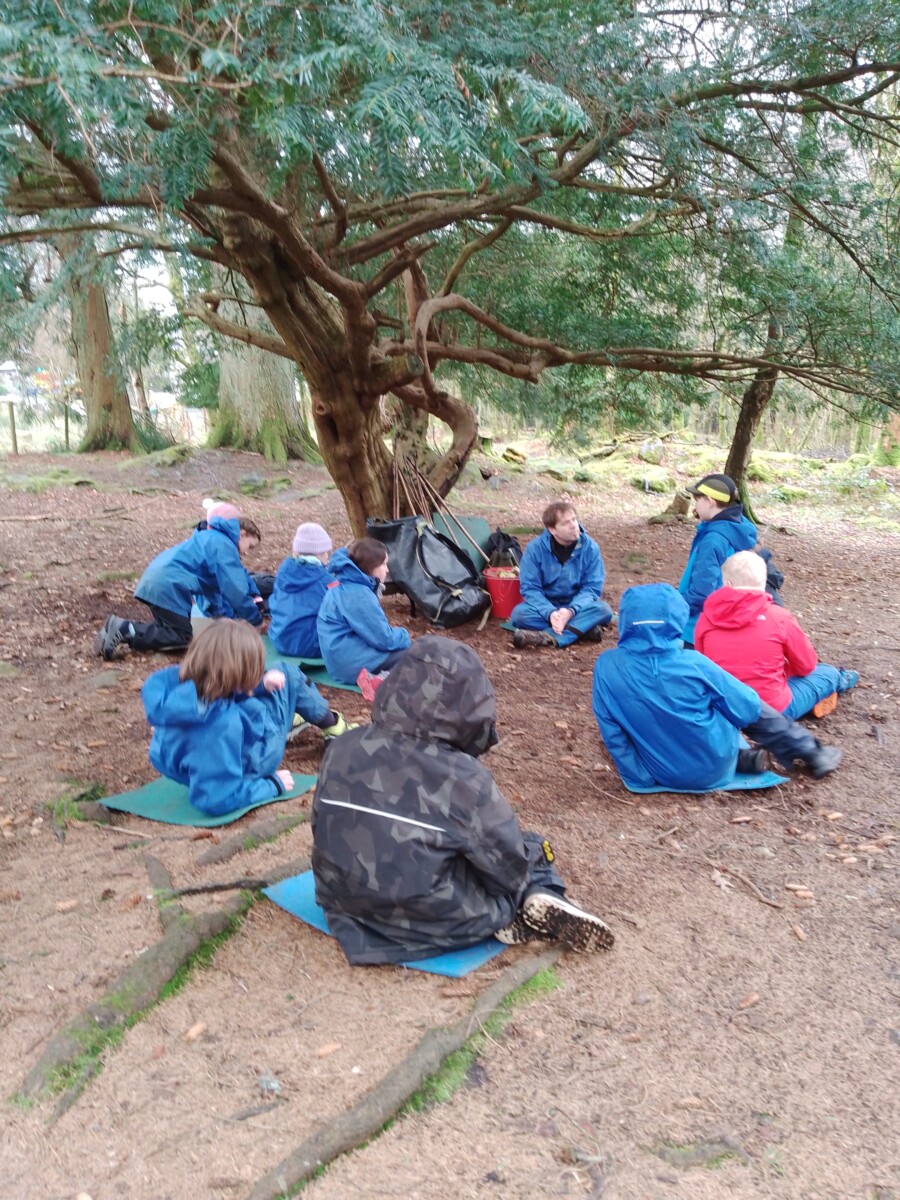
We also did some more land activities like bushcraft and rock-climbing. Rock-climbing tested our trust for each other and our instructors. Our instructors had to tie a very secure knot and our friends had to help pull the rope so that if we fell, we wouldn’t fall very much at all. When we reached the top – which would have been impossible without our friends – we had to lean back and de-scale slowly. We then would reach the bottom and swap turns with the other two people in our group. In bushcraft, we had to build a shelter (with a lot of team-work), make bread over a fire and light a mini cotton fire as well. All of these skills took a lot of determination but were really fun. We also got to try some vinegar leaves which were fabulous too.

All of the rooms were really good: the beds were comfy, the shelves were very handy and the rooms were quite spacious. The bathroom was wonderful and the shower worked perfectly fine (just like a home one). The bunk–beds felt very nice and gave us a cosy vibe.

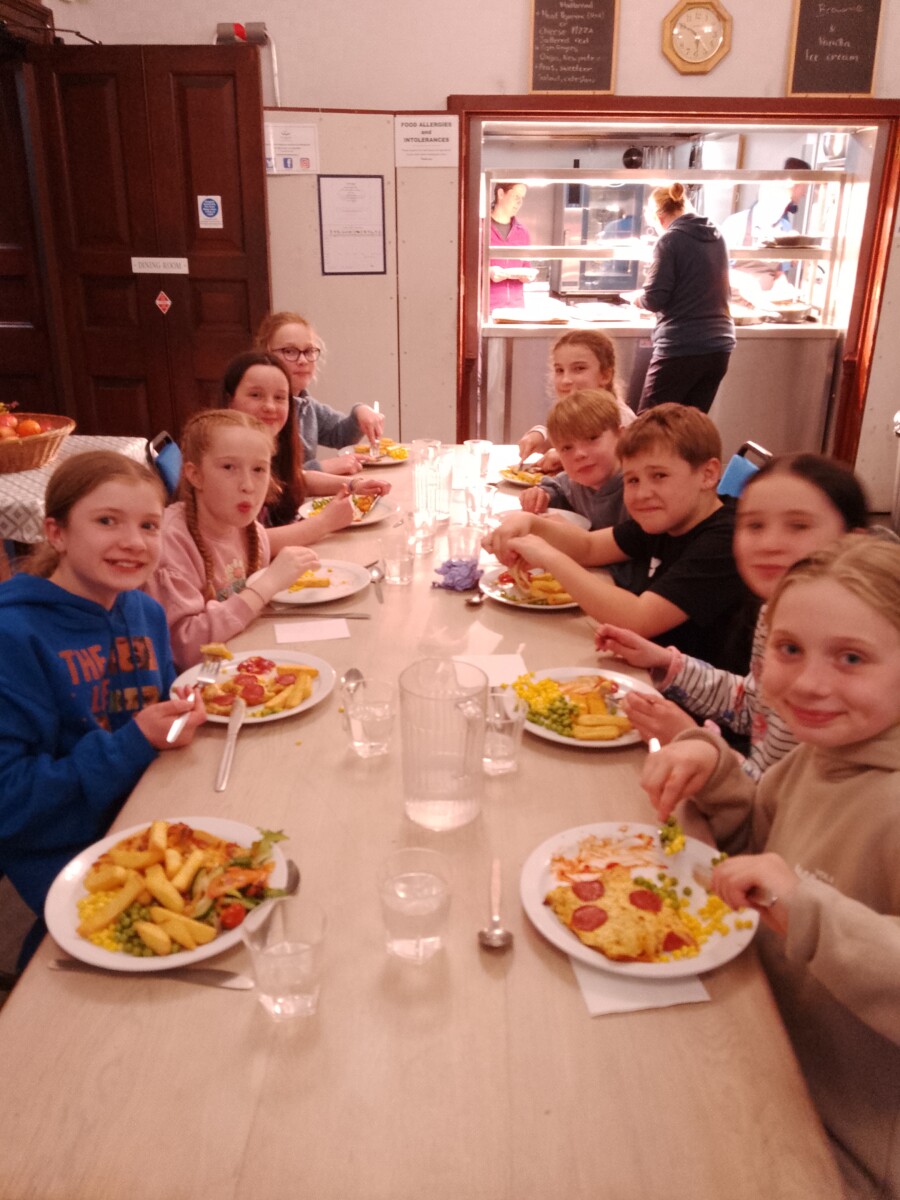
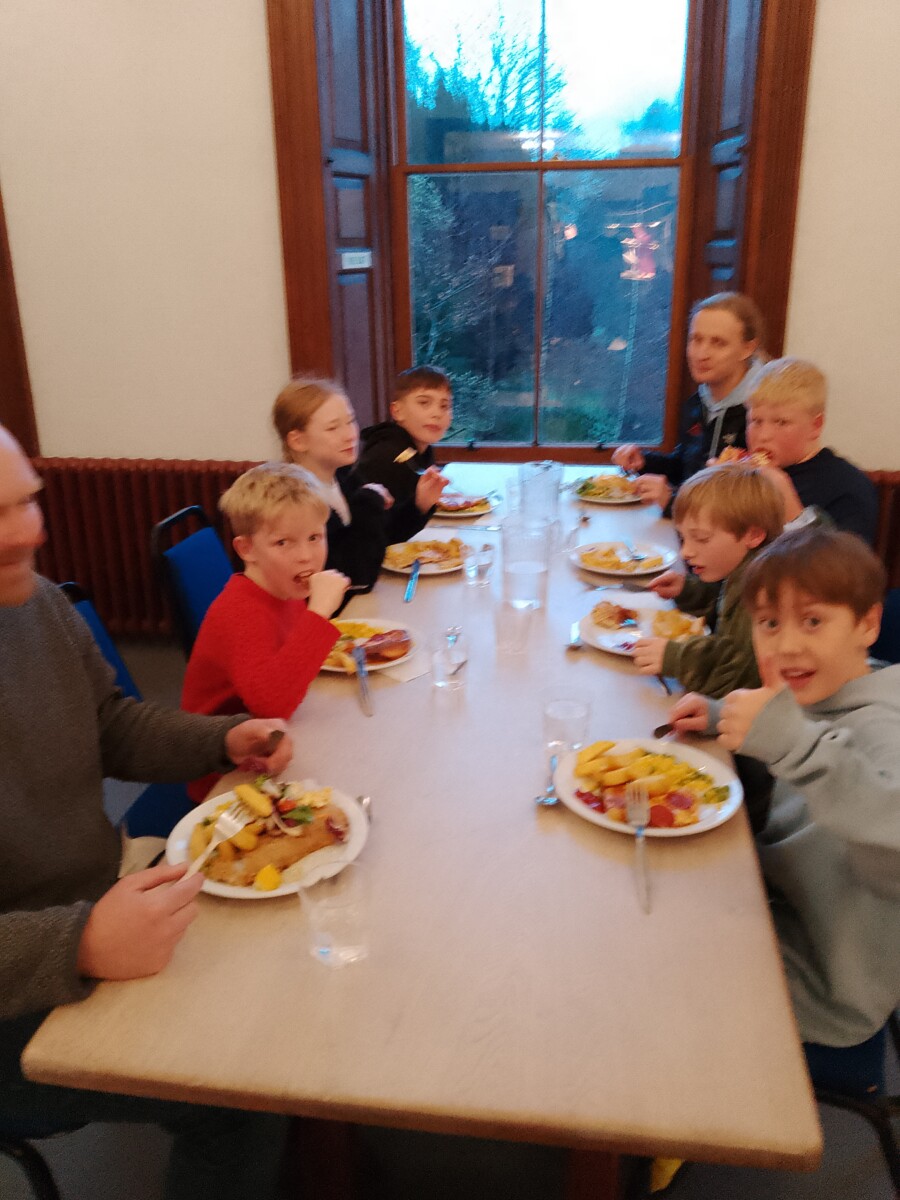
The food was amazing and it is some of the best food we have ever had. The chicken–skewers and pizza were our favourite food and the pudding was delicious.

We really enjoyed Patterdale Hall and definitely recommend it to future years.

By Ashton & Grayson

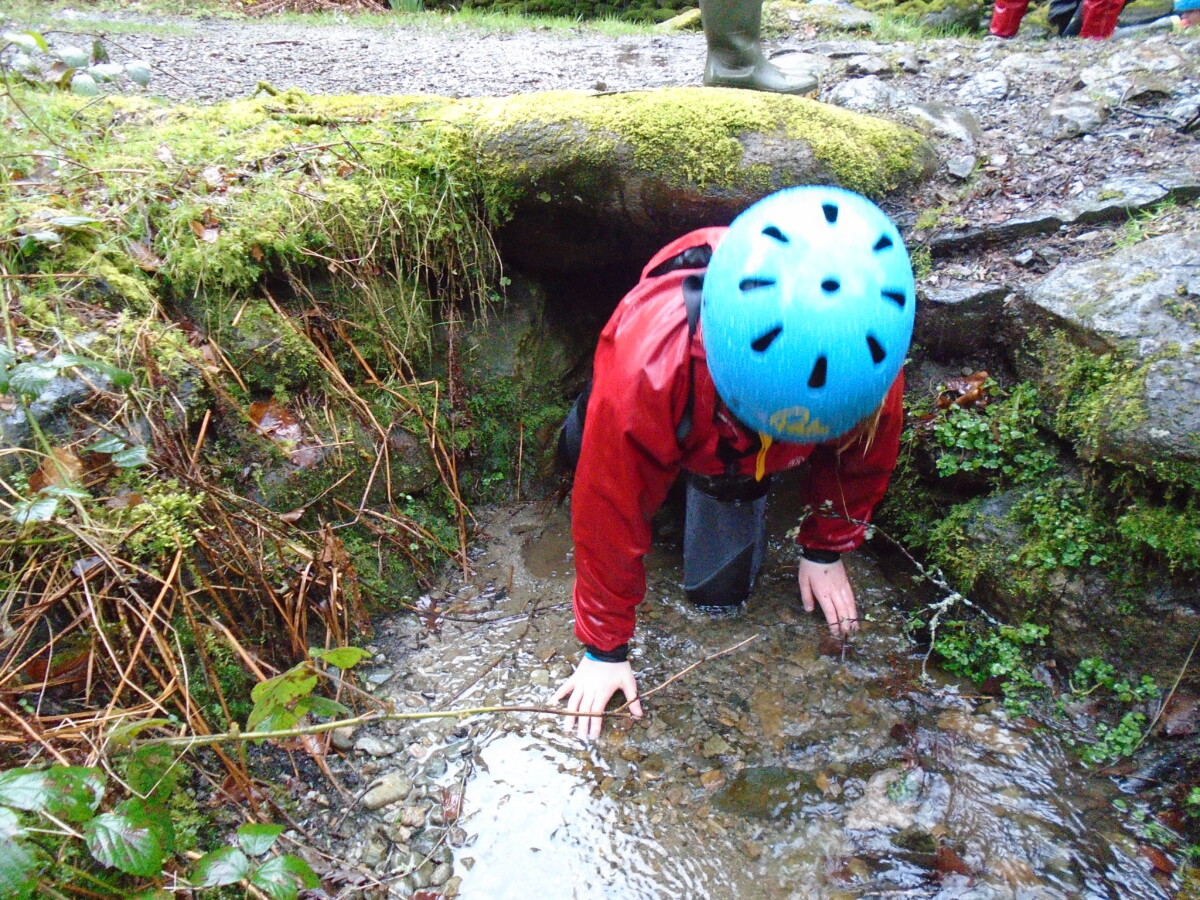
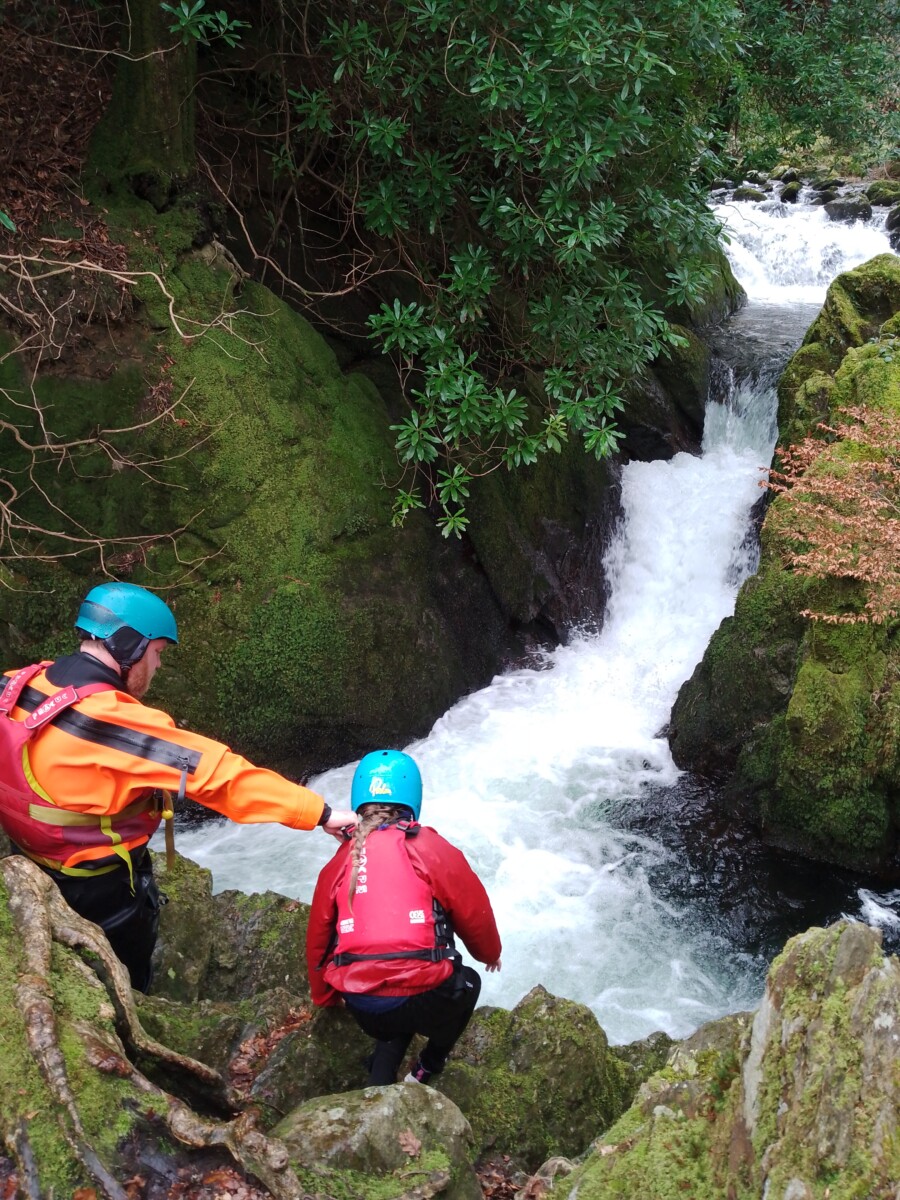
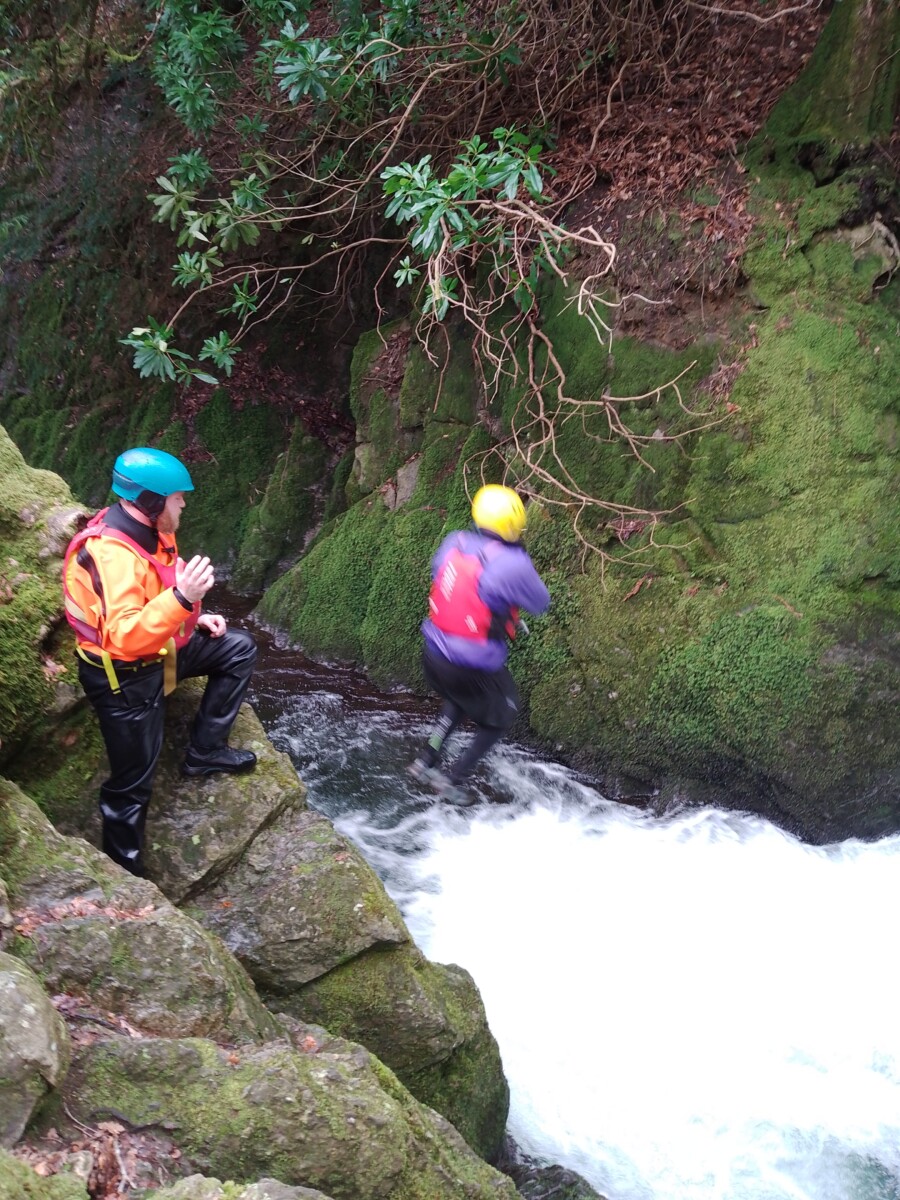
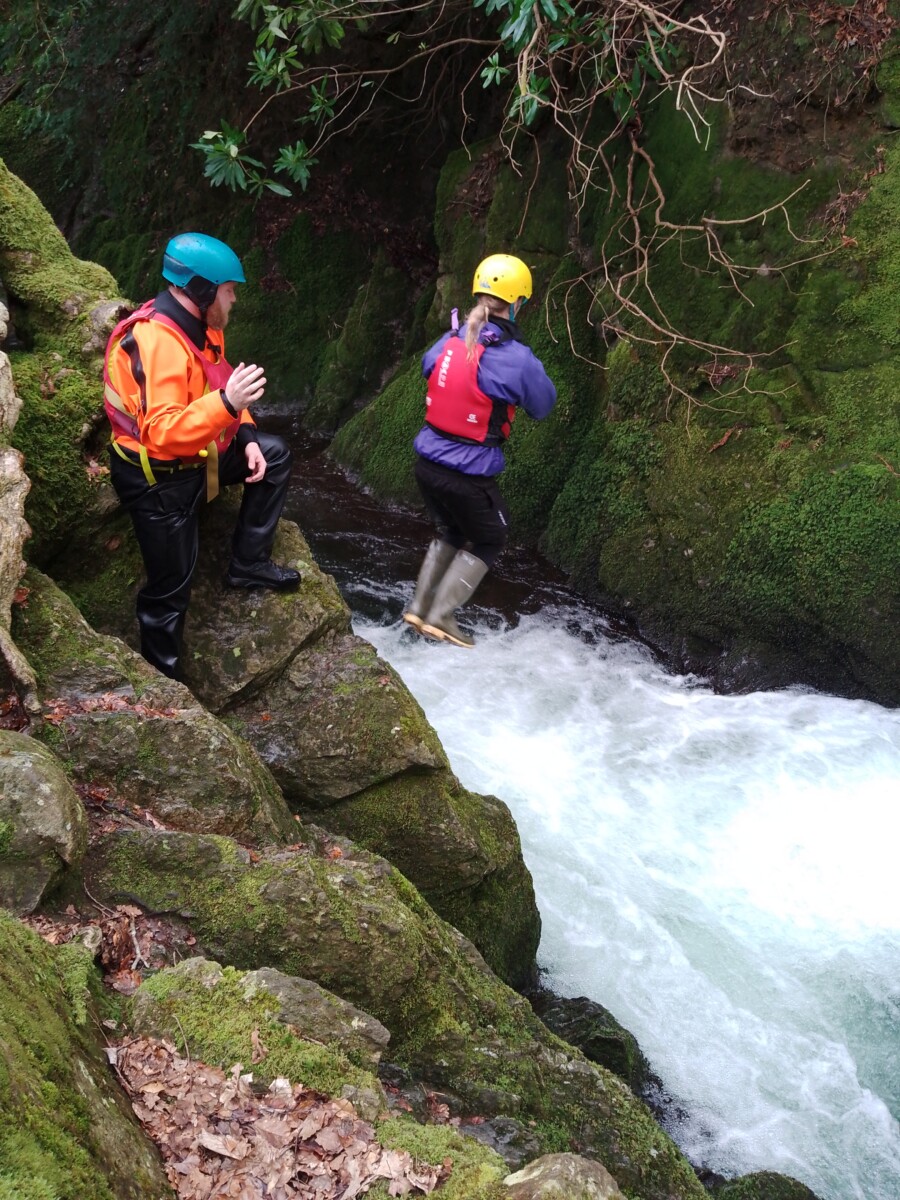
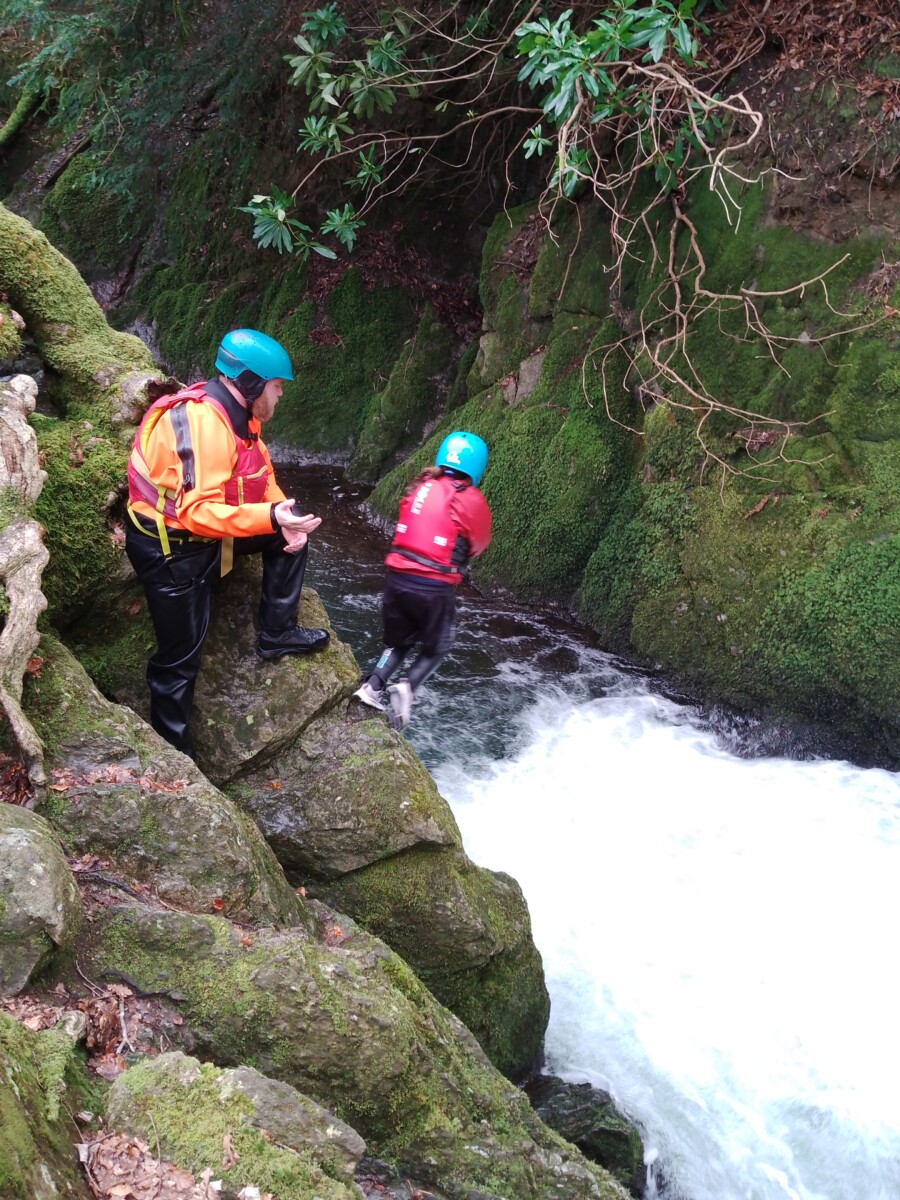
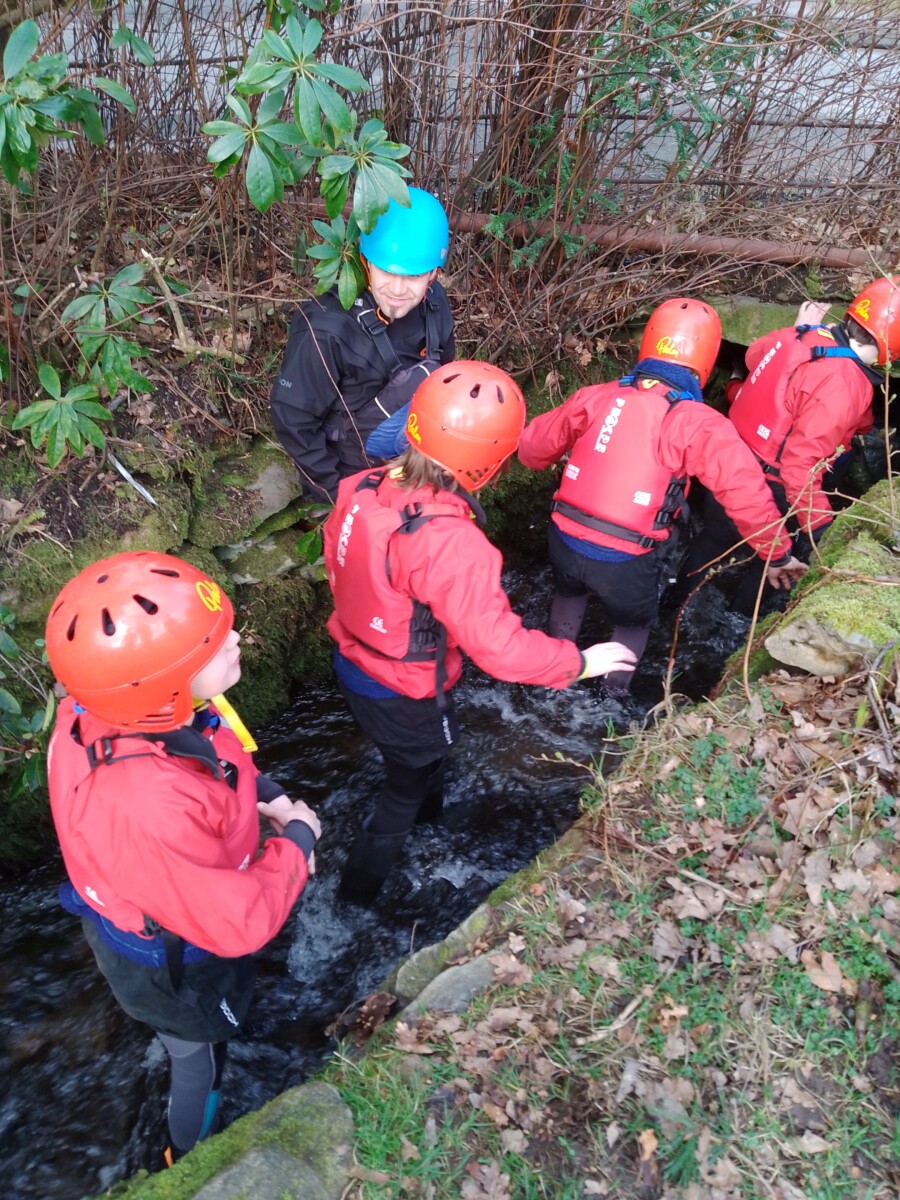
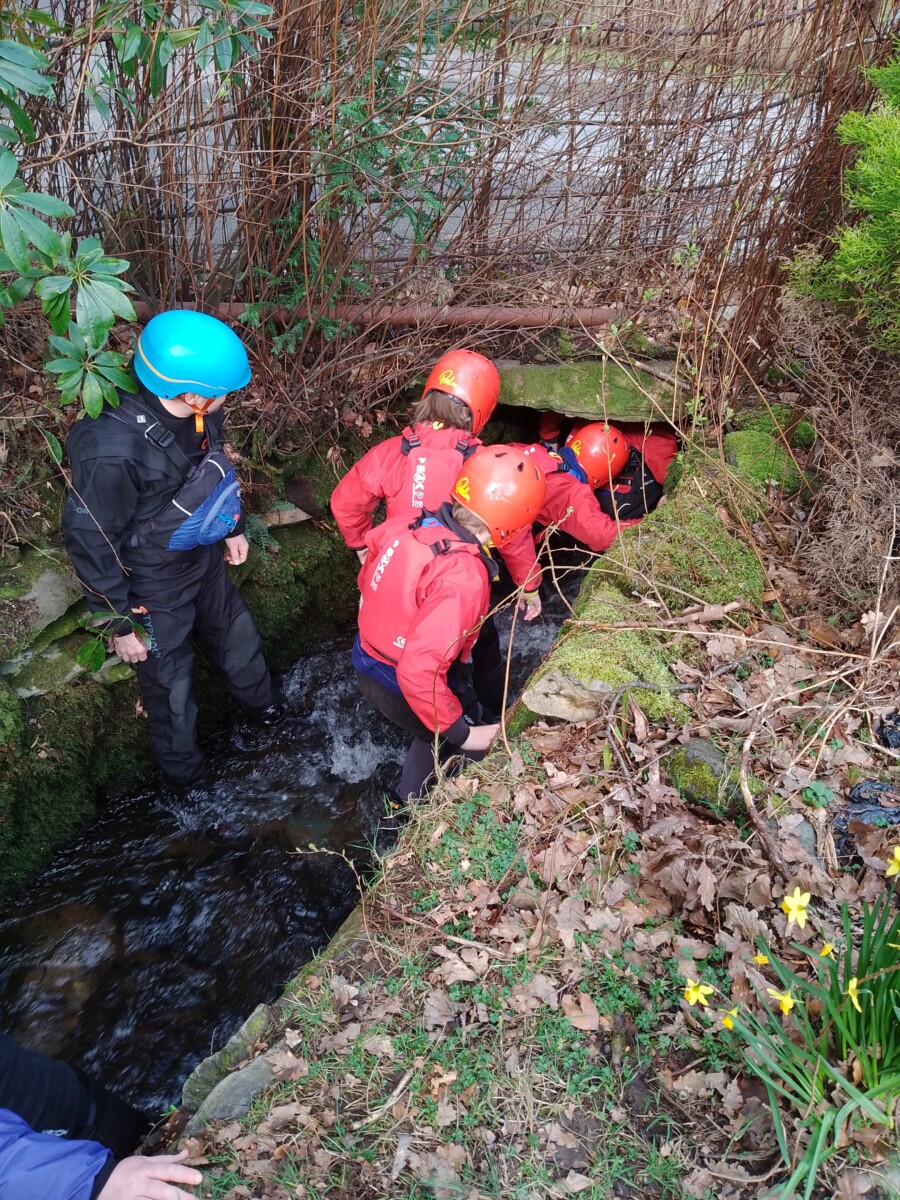
Thank you to all the teachers who have given us an amazing experience. We really enjoyed ghyll -scrambling (where we jumped from the top of about a 7ft drop). We also enjoyed army crawling through tight spaces: like tunnels.

We also loved the climbing; it wasn’t just a climbing wall it was a proper rock-face. It was much harder to climb but much more of a pleasure to go up.

Next, we were given canoes and we started to advance towards our goal. When we got there we played fruit salad (were when the instructors shouted a fruit and if you were that fruit you had to swap with another person who was the same fruit as you). After that, we raced and of course our canoe won!

Bradley and Robin

We really enjoyed the experience at Patterdale Hall! On the first day we went canoeing, even though the weather was bad we had a fun time. We enjoyed the part where we did the fruit salad game and we all had to swap places. We also enjoyed when we had to get the ducks out of the water. We then went back and got dry and went down into the lounge to get lunch, after that we went upstairs to go and see our rooms and started to unpack. Our rooms were really wonderful and tidy, we also had room checks every morning and night.

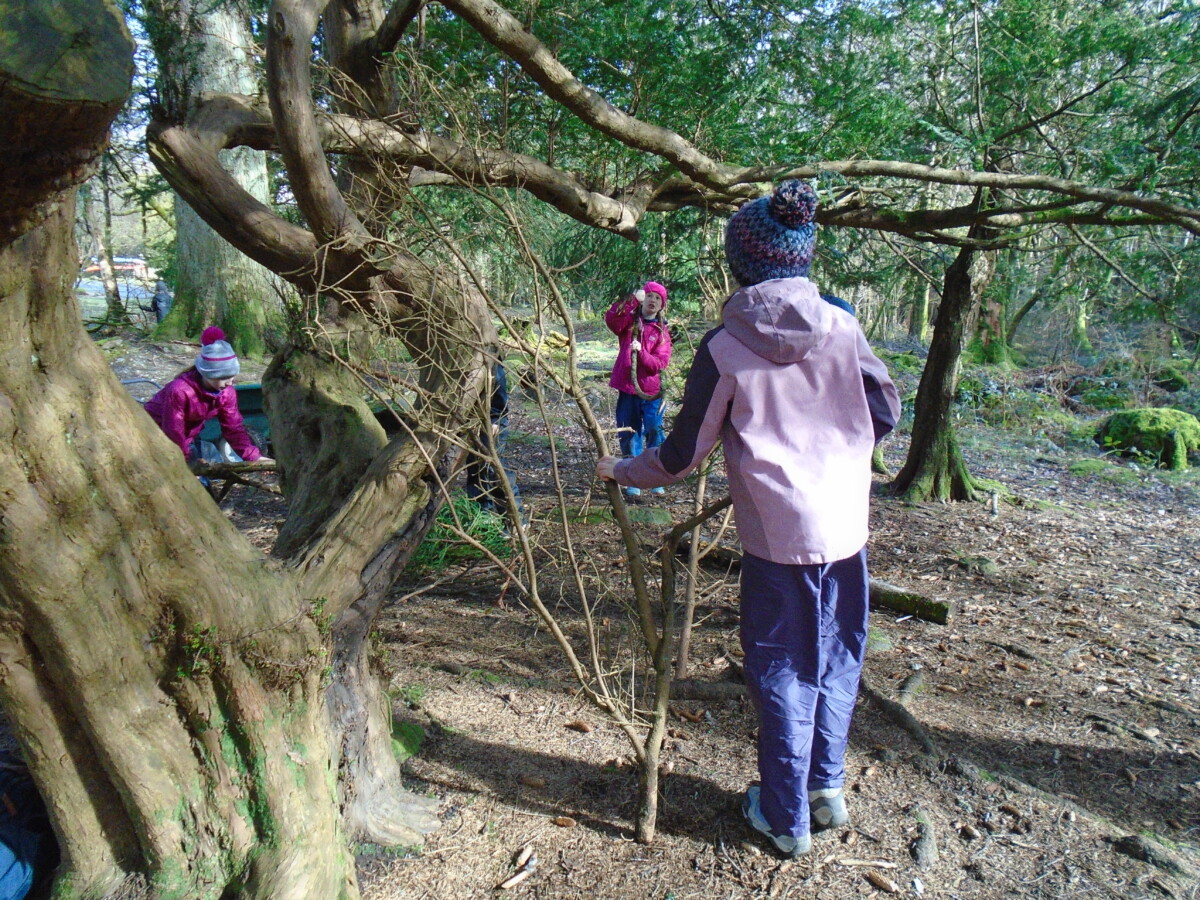
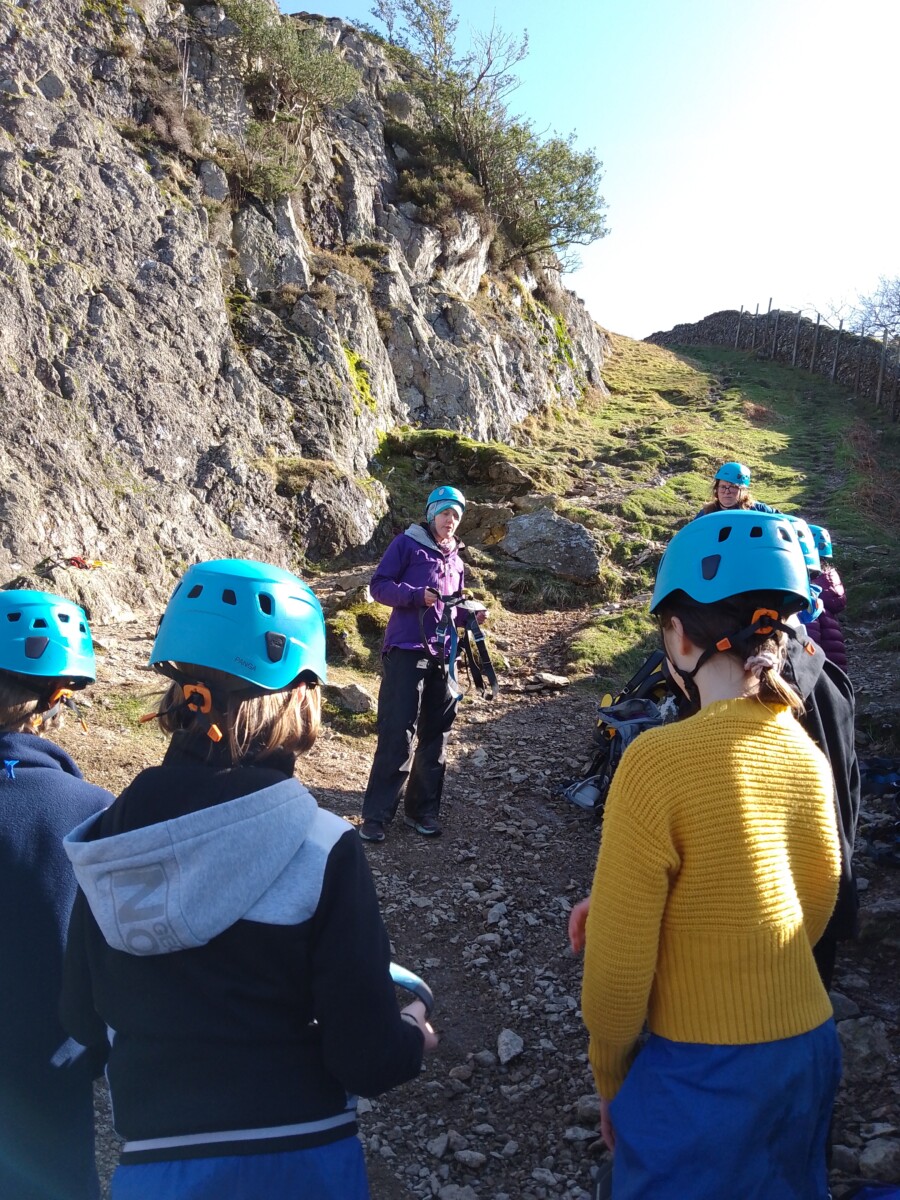
On the second day, we woke up and got ready for the day, then we went downstairs for breakfast and it was amazing! We then went back up and got our day bags ready for rock climbing. When we got up the hill, we got harnesses on ready to climb. We had to step out of our comfort zone and try new things, as well as climbing we helped others by belaying and pulling the ropes. We then went back and went to have our lunch, after that we got ready to do bushcraft although we didn’t need as much things for it. When we got to the place for bushcraft, we started by putting all our stuff down and playing a game, we had some ducks and had to hide them one group at a time and we had a time limit. We then had to make a shelter for a rubber duck in case anything happened to a real duck. We started by grabbing loads of supplies such as: sticks, stones and leaves. Our instructor was great and encouraged us to do more things. We also went outside for some free time playing things like tig (which was really fun).

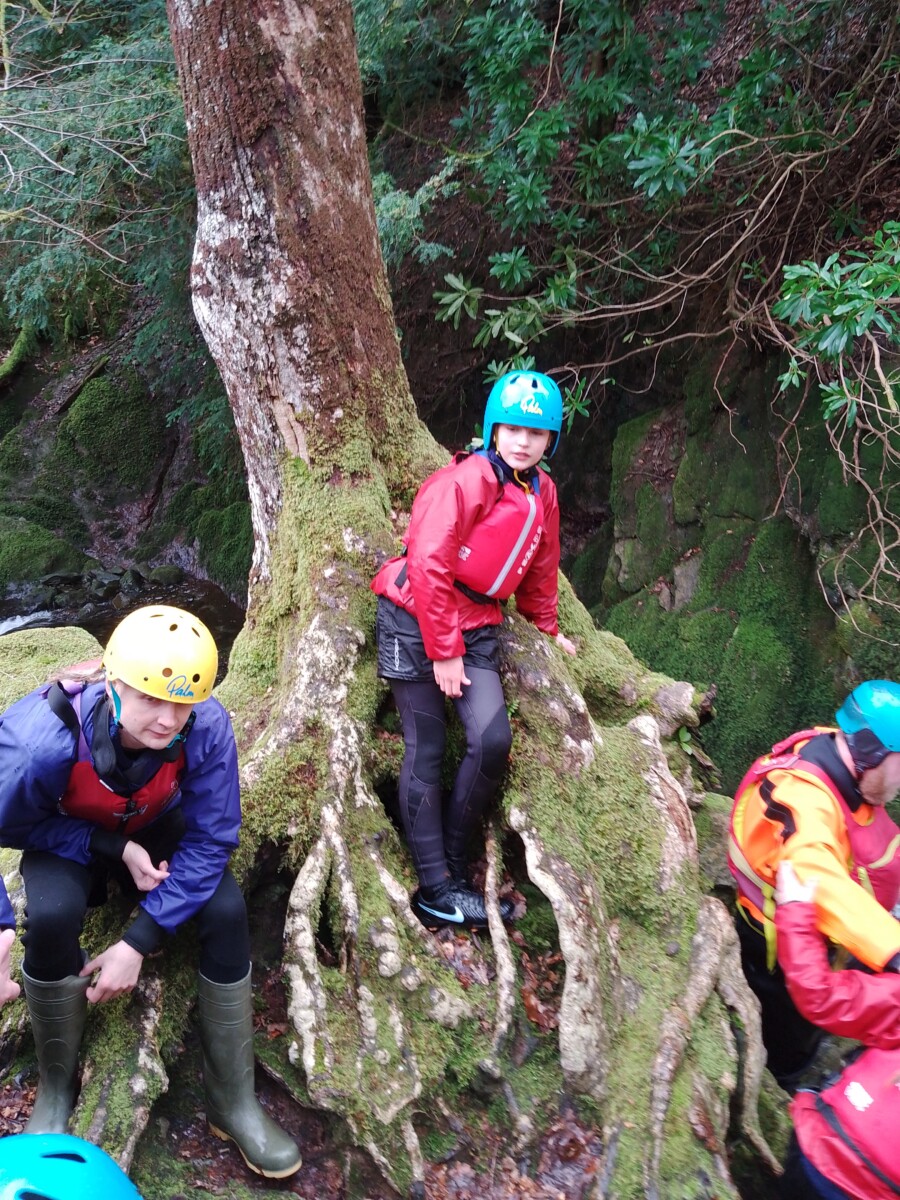
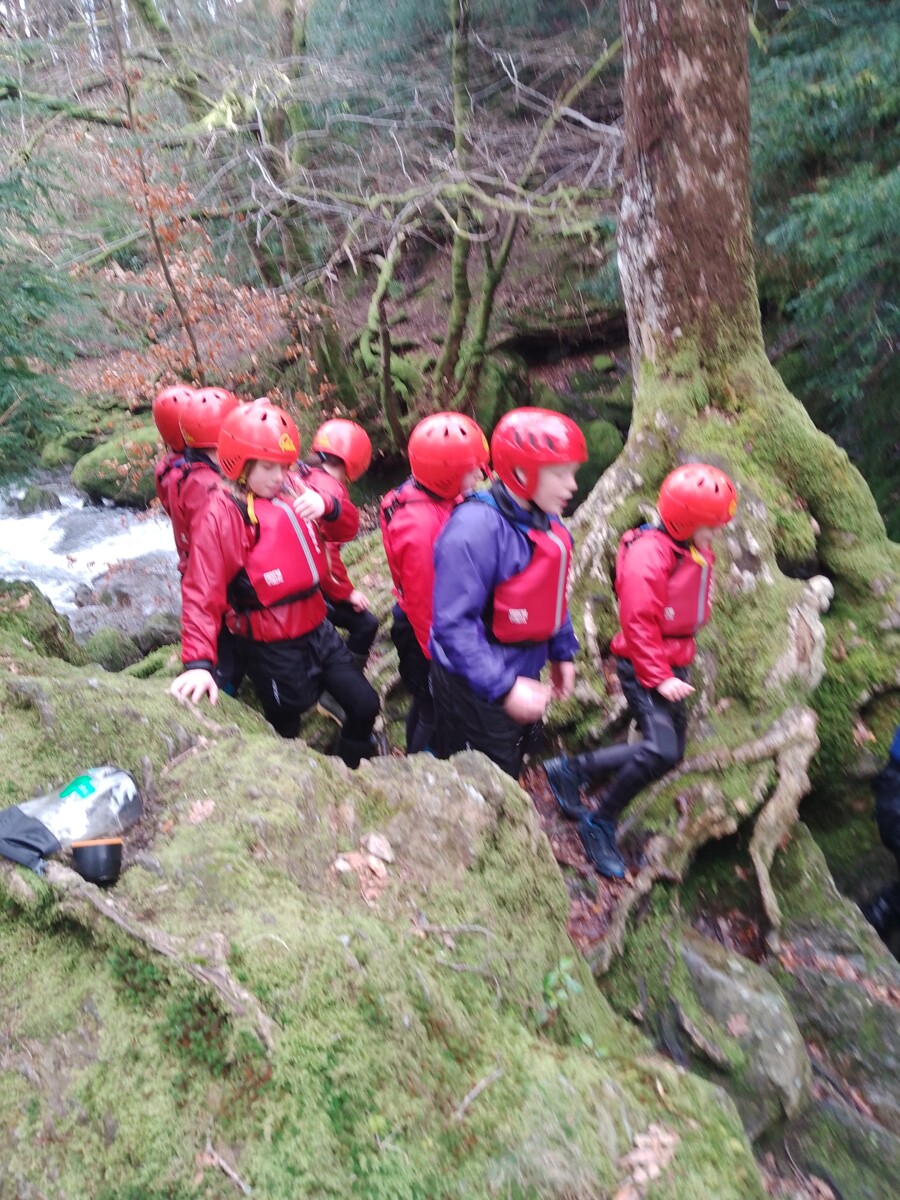
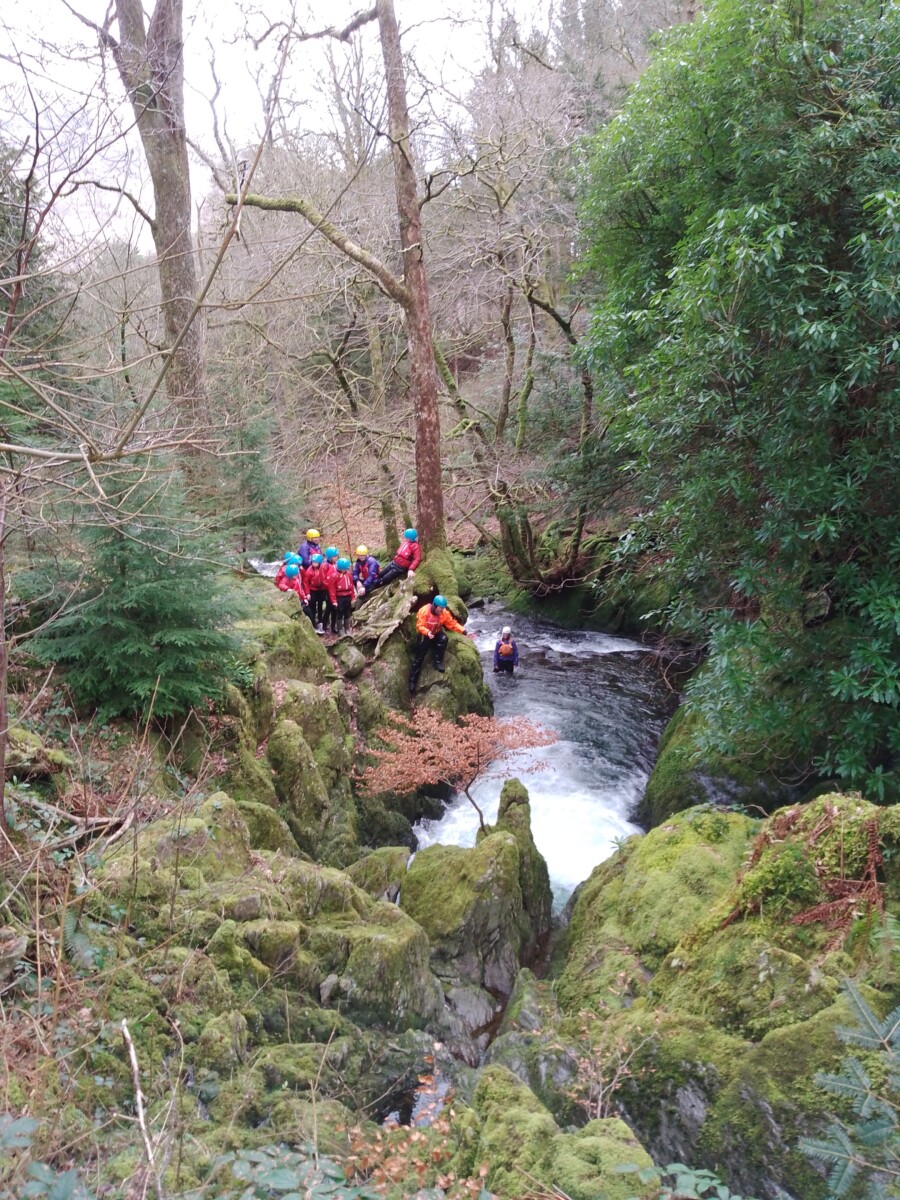
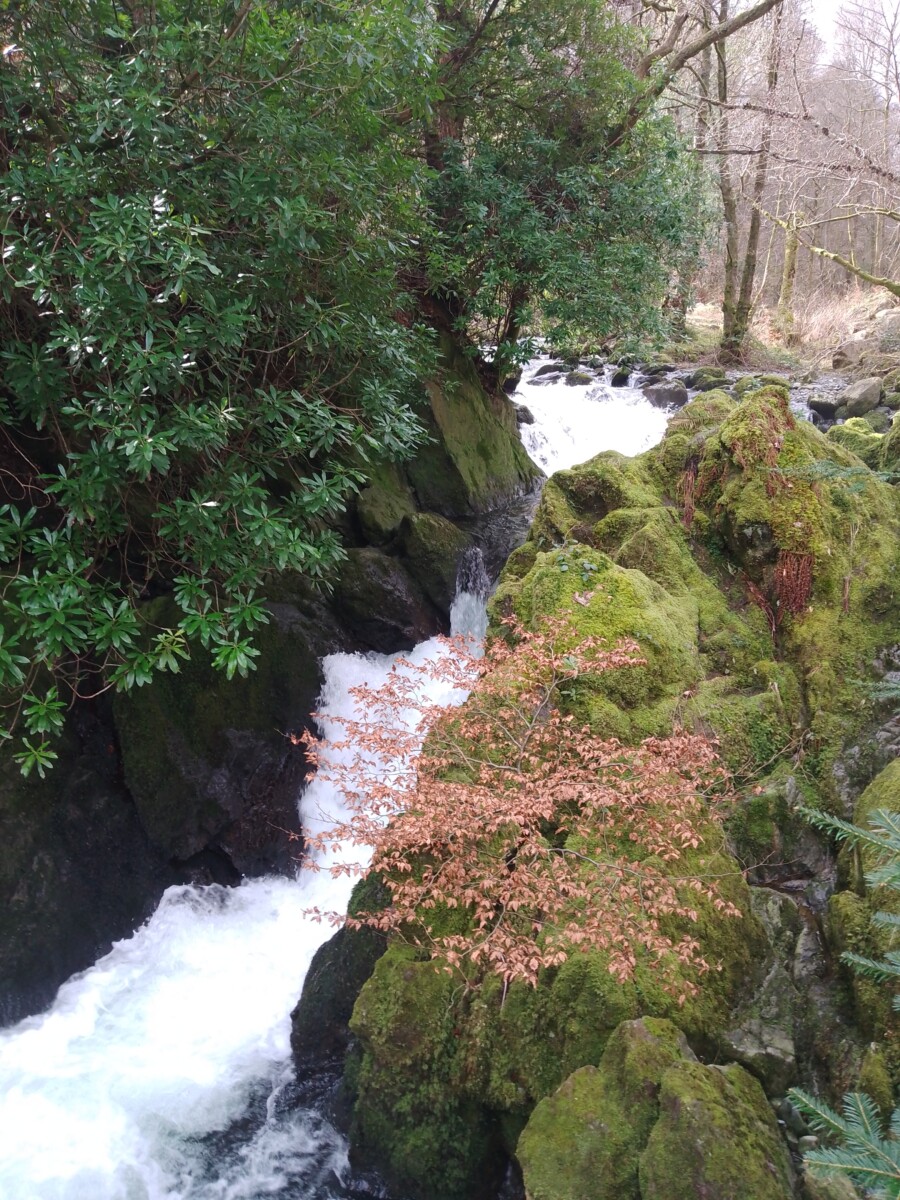
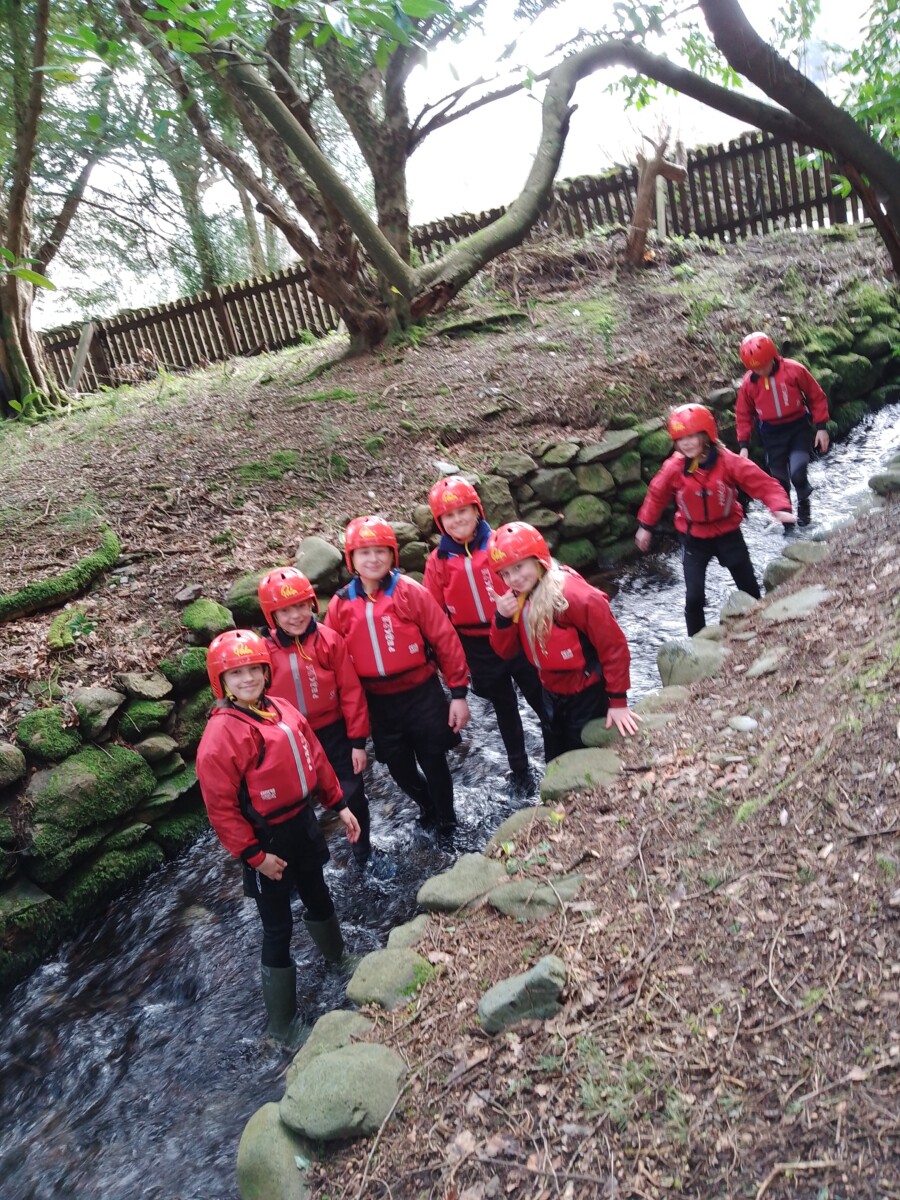
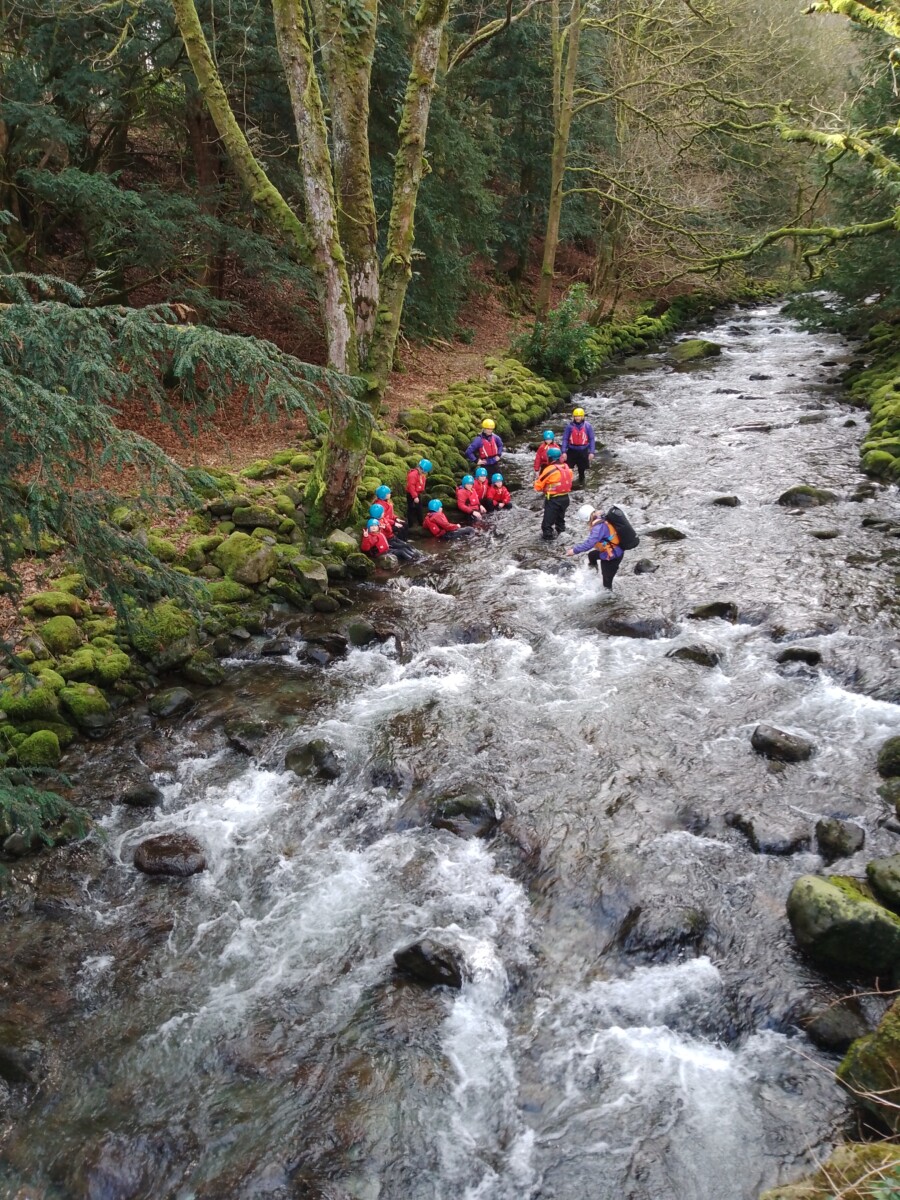
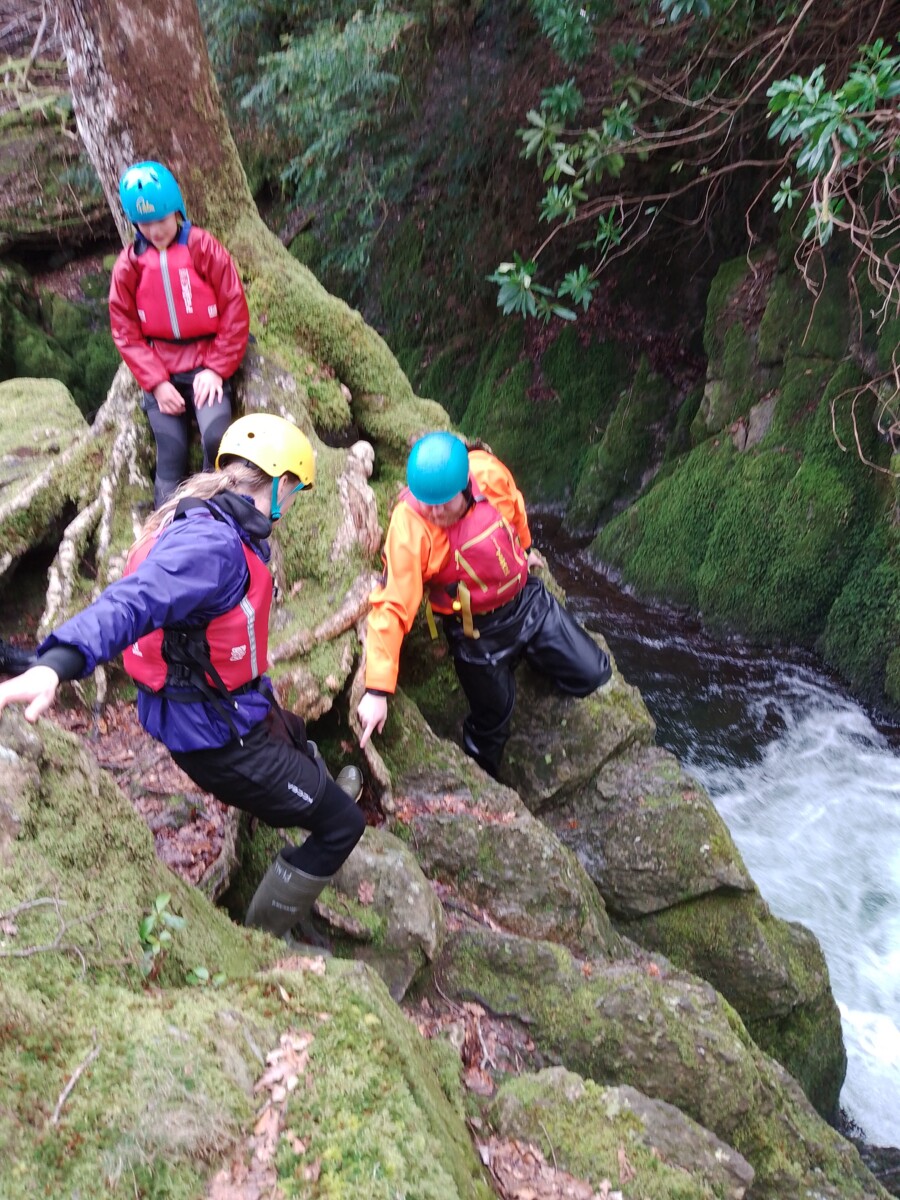
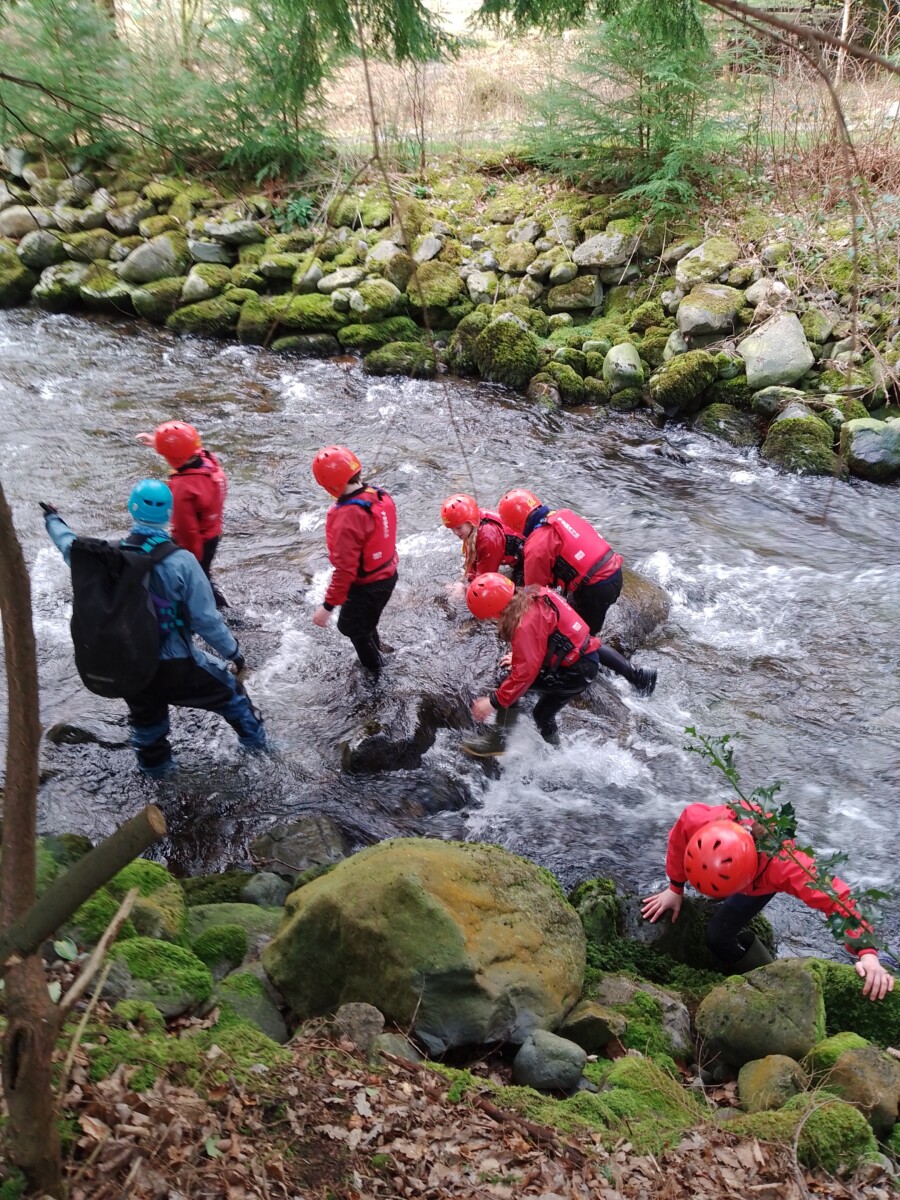
On the third day we woke up, got ready, then went to have our breakfast (which was really scrumptious!) Then after that we grabbed our day bags and headed off to the cloak room where we had to get on our wet suits and our fleeces, we then headed down and started walking where we were doing ghyll scrambling.  Once we got there, we had a choice to get into the ghyll, we could either go through a tunnel or go in normally. Once we had got in, our instructors told us about which coloured rocks are slippery so we don’t hurt ourselves or trip over. We also had to go through a tunnel which made us a bit nervous but our instructors encouraged us and it turned out to be really fun.

LAYLA & ALICE

We did lots of fun activities ghyll-scrambling, canoeing, rock-climbing and bushcraft. All of us enjoyed our activities at Patterdale Hall. Ghyll scrambling was quite challenging: we were all pushed out of our comfort-zones, Our instructors were great and extremely trust-worthy. They helped us all when we were scared and encouraged us to things we weren’t comfortable with. We did a short jump of a rock and then a towering jump. It was really thrilling even though we were scared.

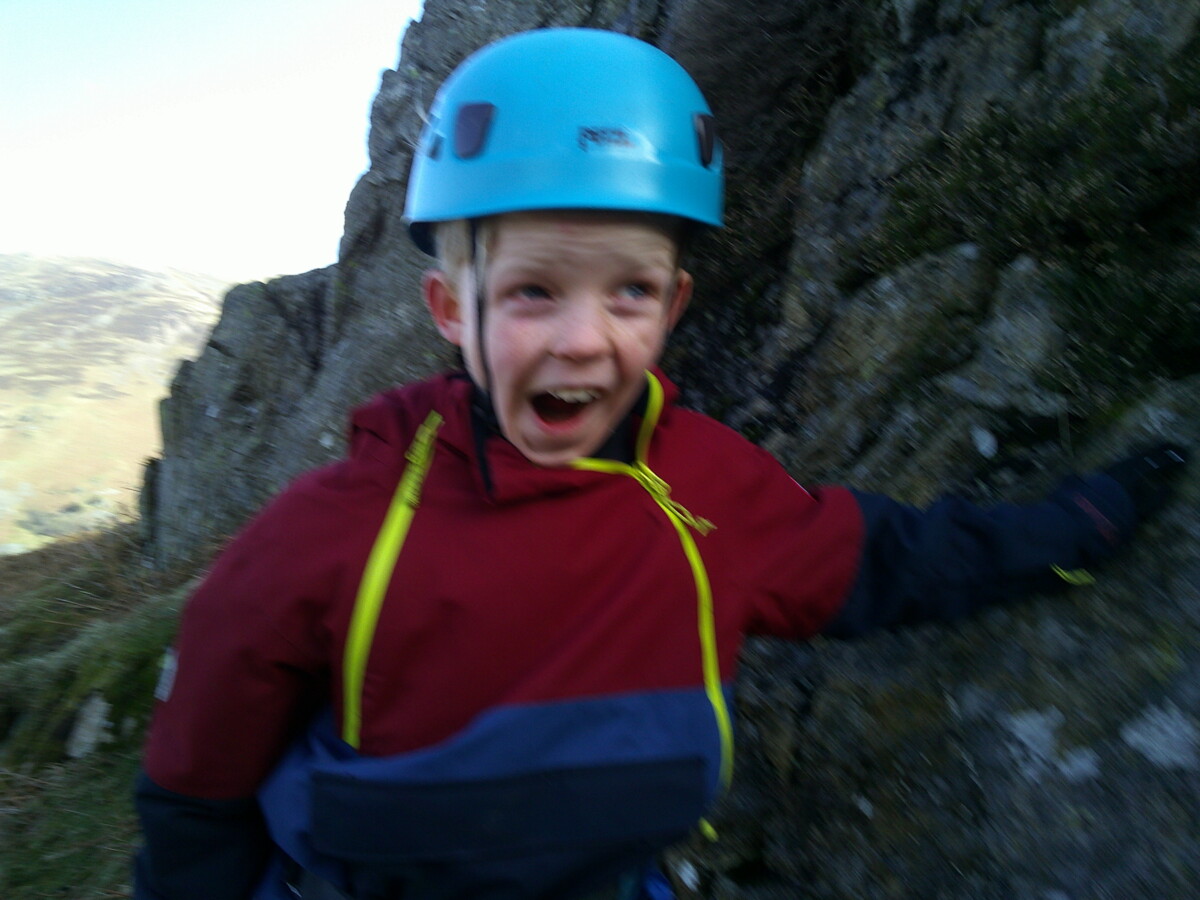
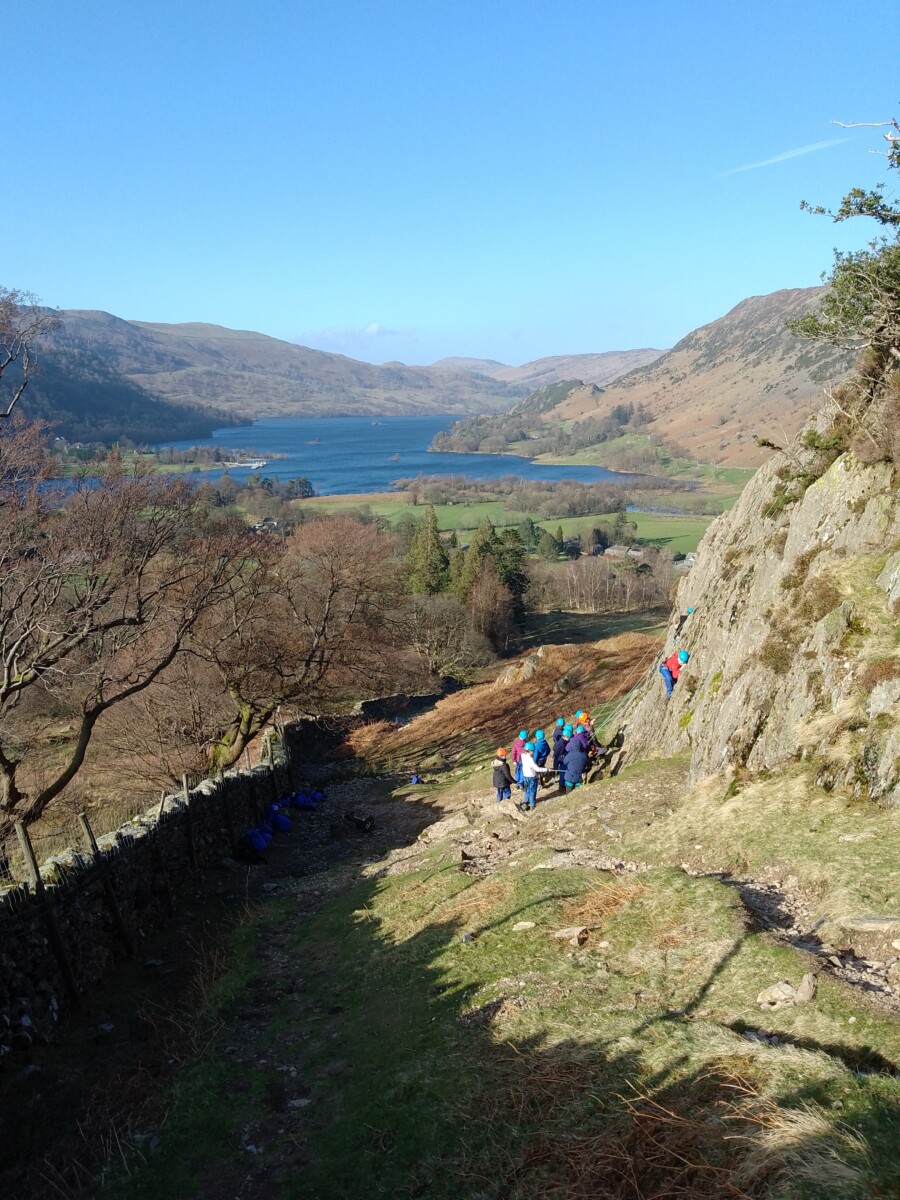
Rock-climbing was very fun as well. They were real rocks near the top of a hill (Arnison-Crag). We were in groups of three: one person was climbing; another was belaying and someone else was pulling out the leftover rope after the belayer. It looked quite small but when we were at the of the climb it was larger than it looked and u could see all Ullswater, which is a lake near Patterdale, and people on canoes.

By Mason and Harley

Recently we have been on a residential to Patterdale Hall where we had lots of fun and loads of challenges, we really put ourselves out of our comfort zone. Even if we were very anxious: for example when we went ghyll-scrambling We were really nervous at first because we didn’t know if we were good at it or not.

In the morning we had cereal; after that you can get a English breakfast including: bacon, sausage, egg, potato . Our experience was amazing, I couldn’t of asked for a better residential . Not just us, but all of Class 4 had a great time! We are so grateful for all the staff and all the entertainment.

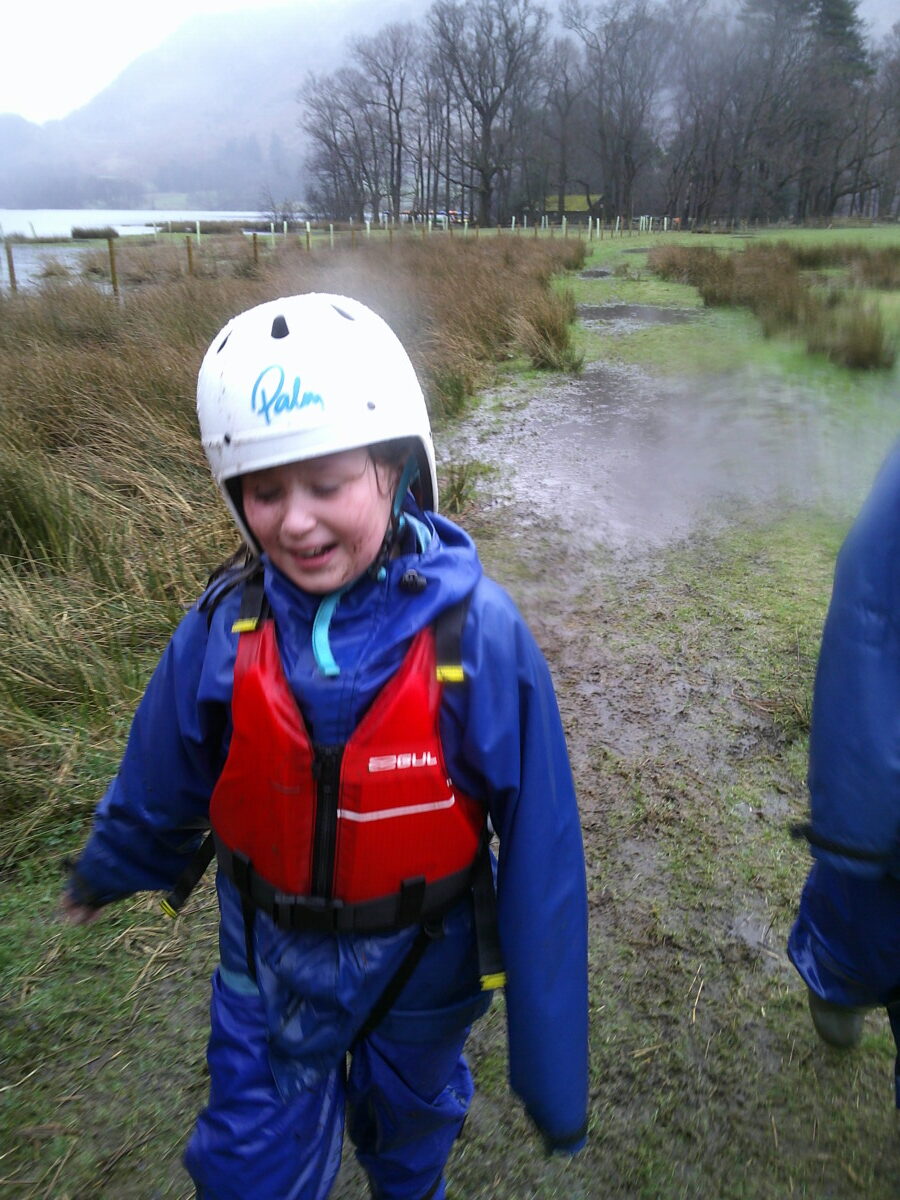
On the way back from canoeing, the path was extremely slippery . One of us face-planted in the mud and I can tell you that I was not expecting that!

Lois and Skyla

We went to Patterdale Hall which was a life-lasting memory and a great experience. We were getting nerves, but now the trip has passed, it feels silly because we had such a great time!

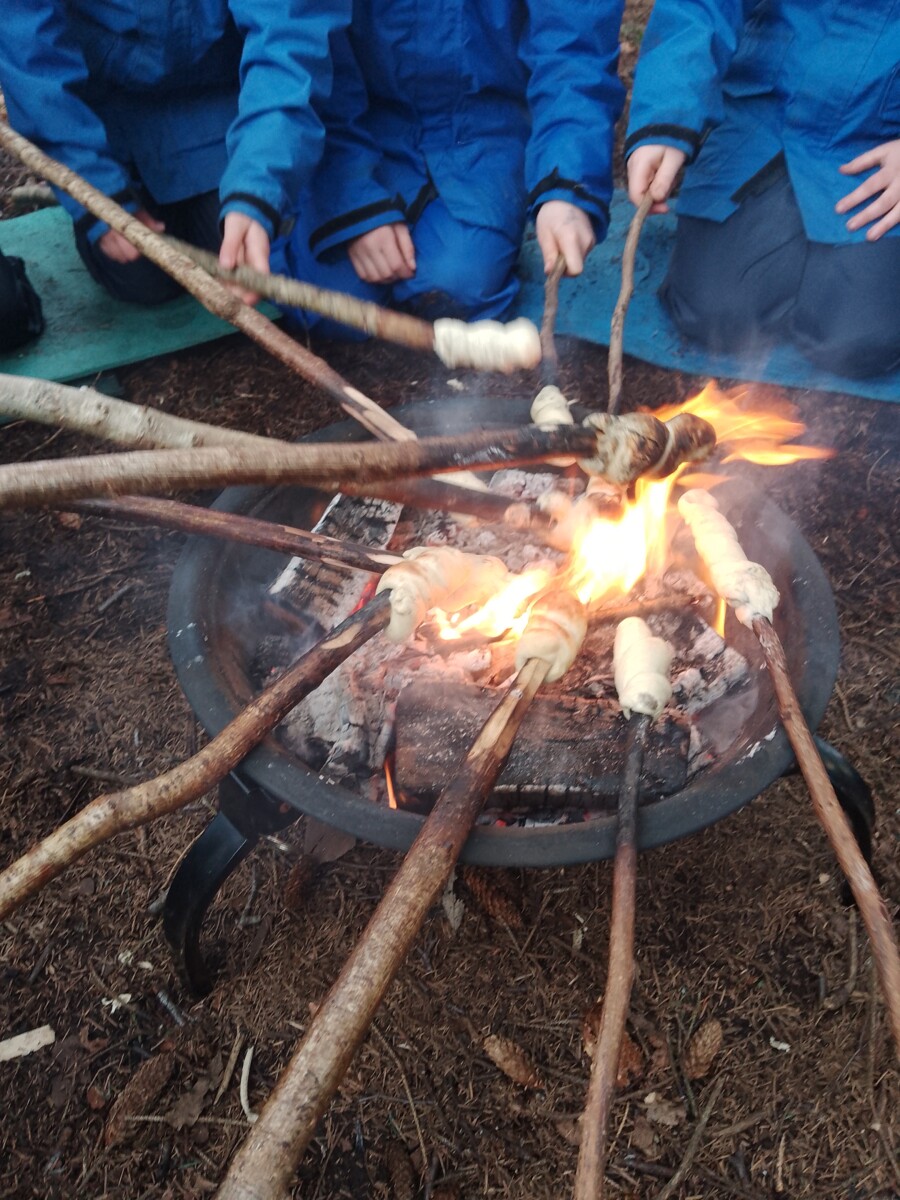
We had a great adventure with bushcraft on the first day. We made fires and cooked dough on the fire. It tased delicious! We had so much fun. We enjoyed making animal houses and learning more about the outdoors.

That is not all the fun we had, next we did canoeing. It was so amazing! We played lots of games but our favourite game was when we had to dunk different body parts into the water. We got a brain-freeze, I’m still recovering!

After that great fun, we did climbing. We walked up the beautiful country side hills. It was an extraordinary view. It was really incredible! We learnt a lot of new skills.

Our favourite activity was ghyll-scrambling!  We got into wet suits and set of to the ghyll. It was challenging at times, but with team work and determination, we all had a great time! We all had a go at the different jumps and some people had to go at going through the tunnels.

All of the instructors were amazing, they supported us when we needed it. They taught us amazing new skills.

By May and Isabel



Epic Adventures enjoyed by Class 4 in Patterdale


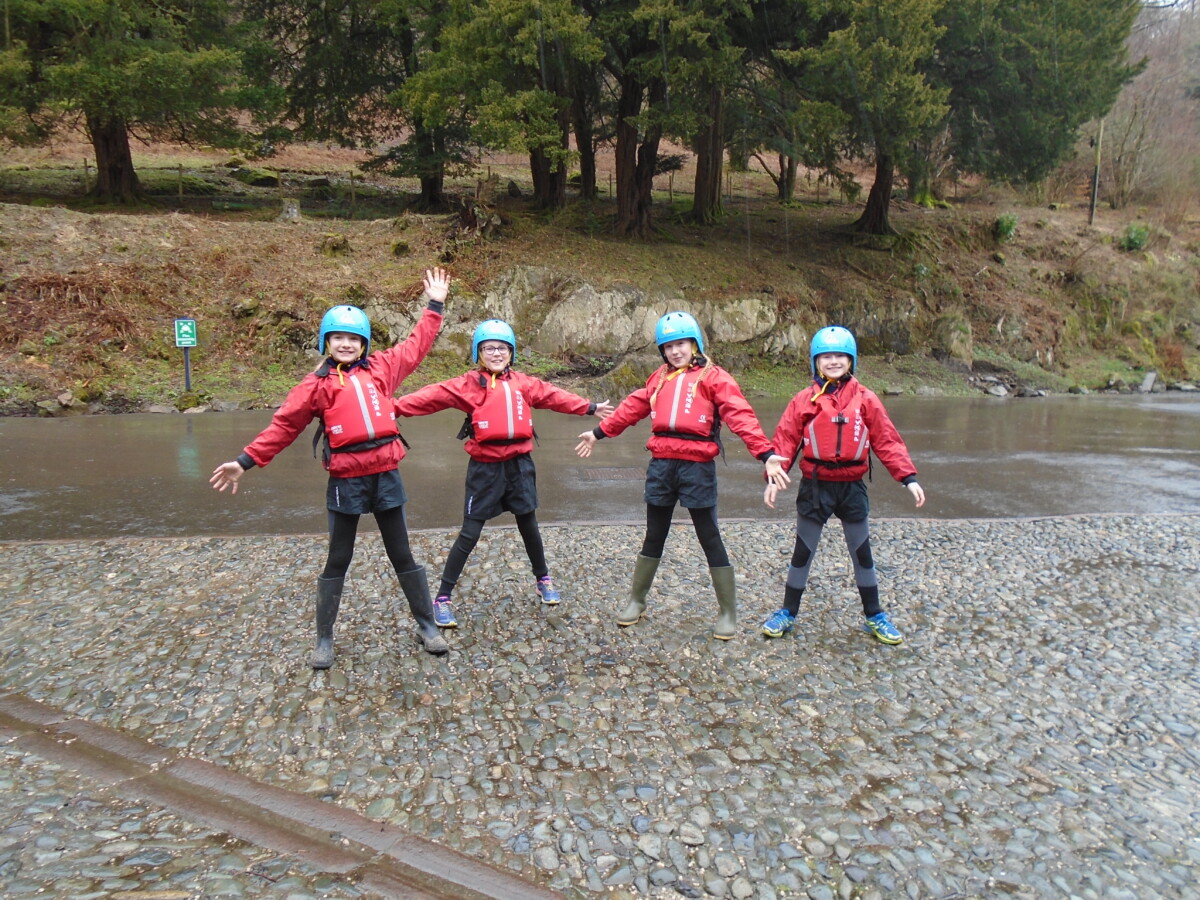
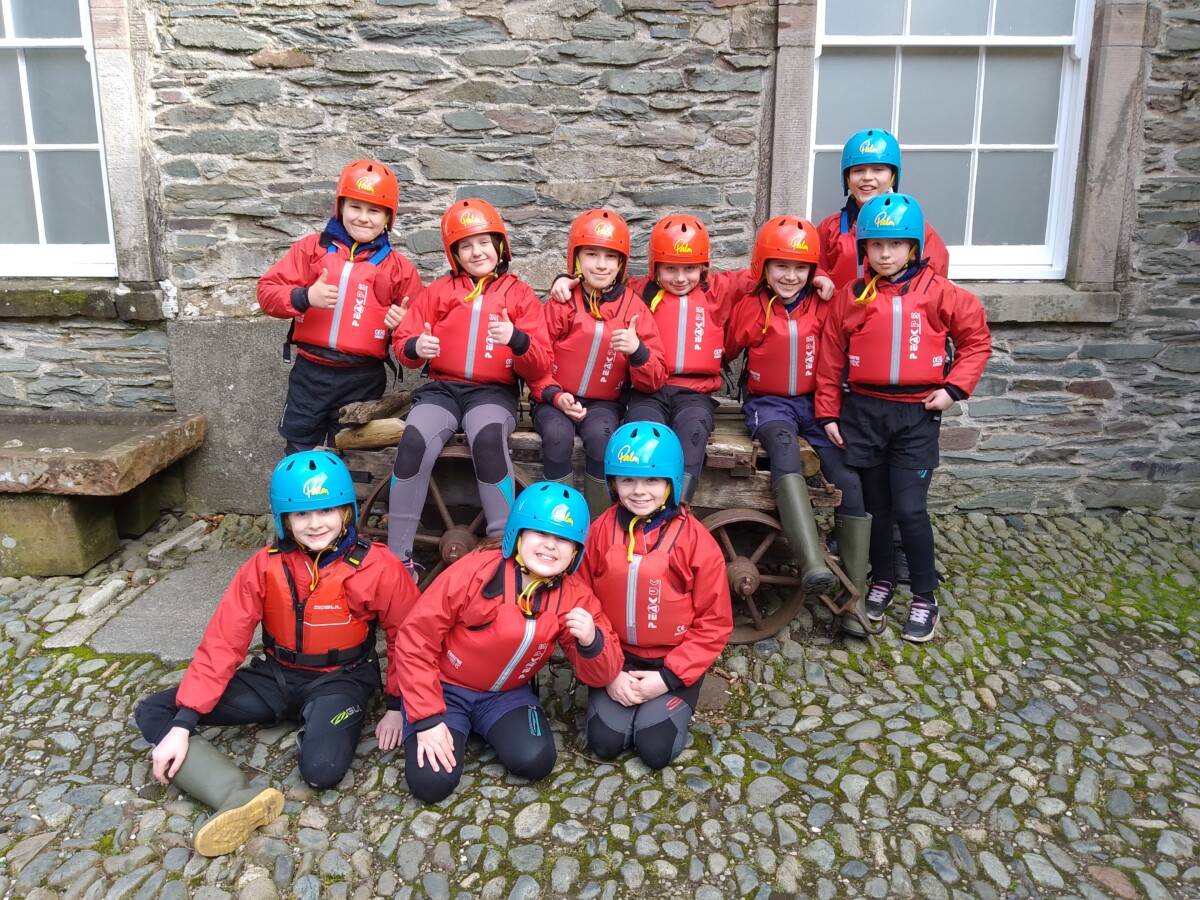
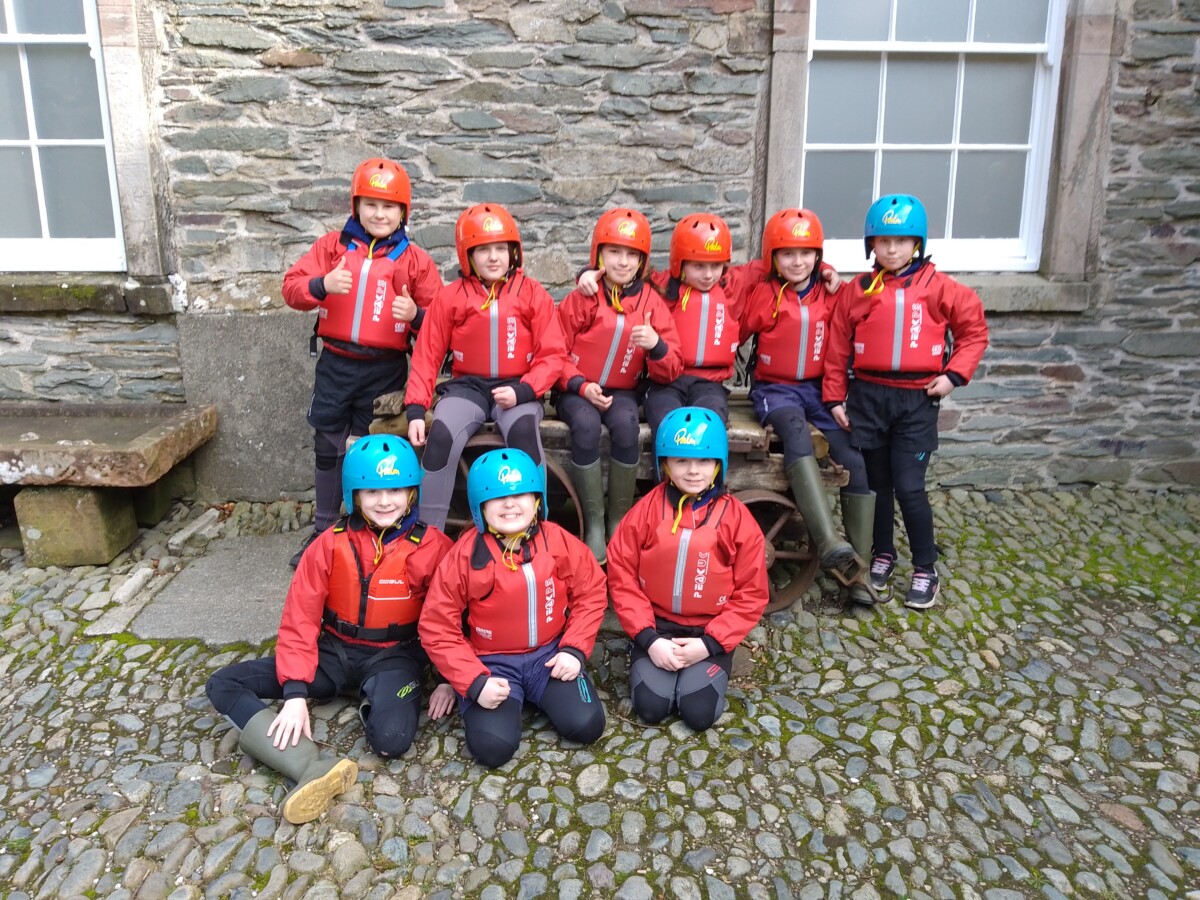
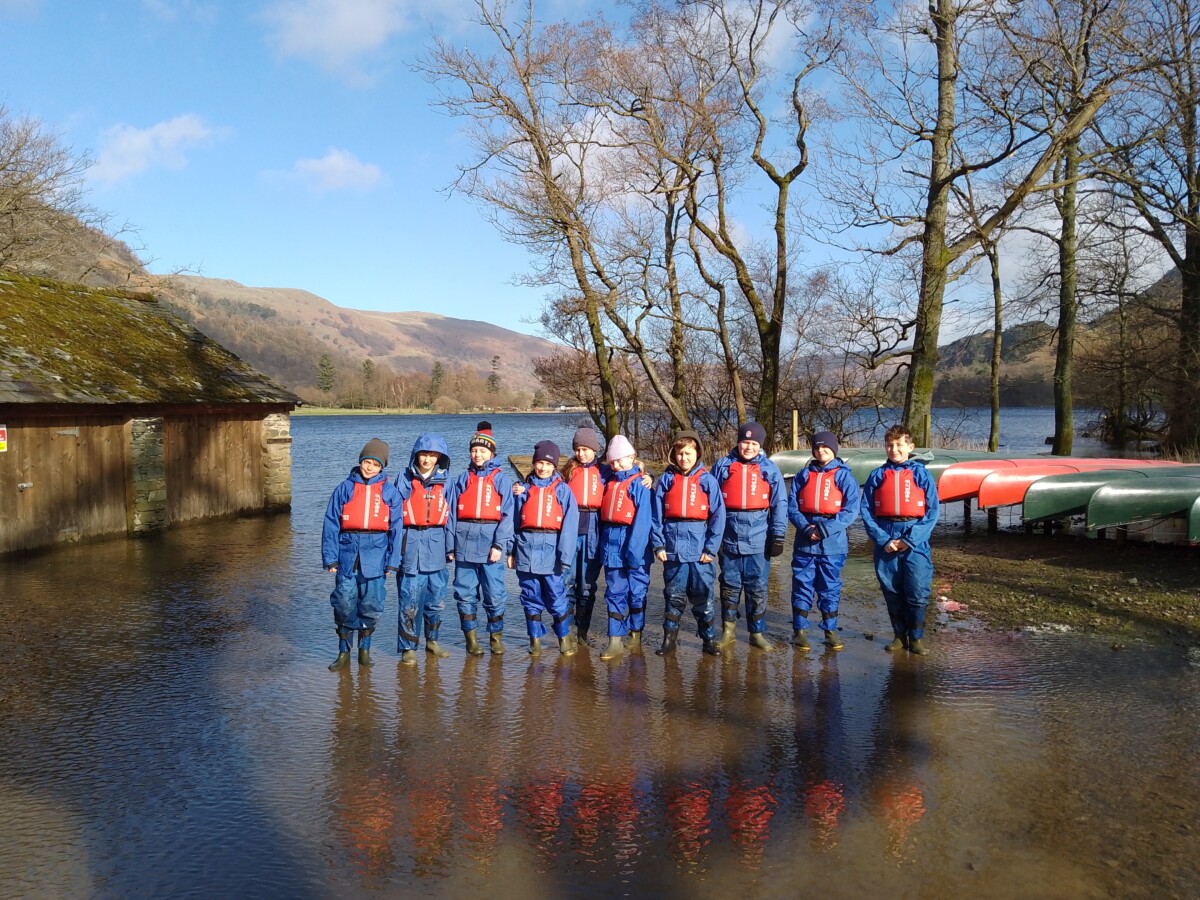
Class 4 have just returned from Patterdale: the most exhilarating three-day experience out of the classroom and the usual school week!  Thank you to all the children:  they showed incredible courage, determination and enthusiasm for every challenge and were so supportive of each other’s achievements.  Thanks also to all the adults accompanying the visit, who have done their utmost to ensure everyone felt safe, confident to step out of their comfort zones, and supported.
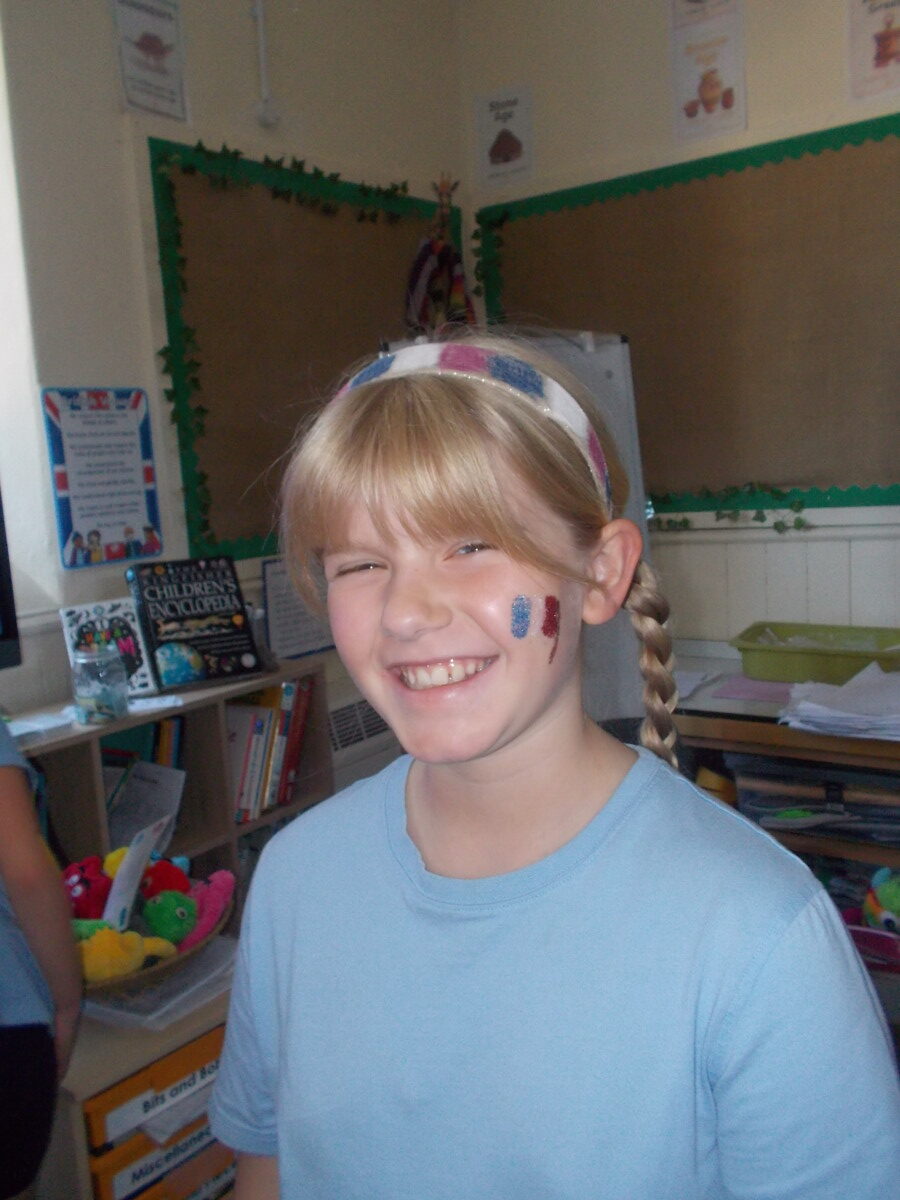
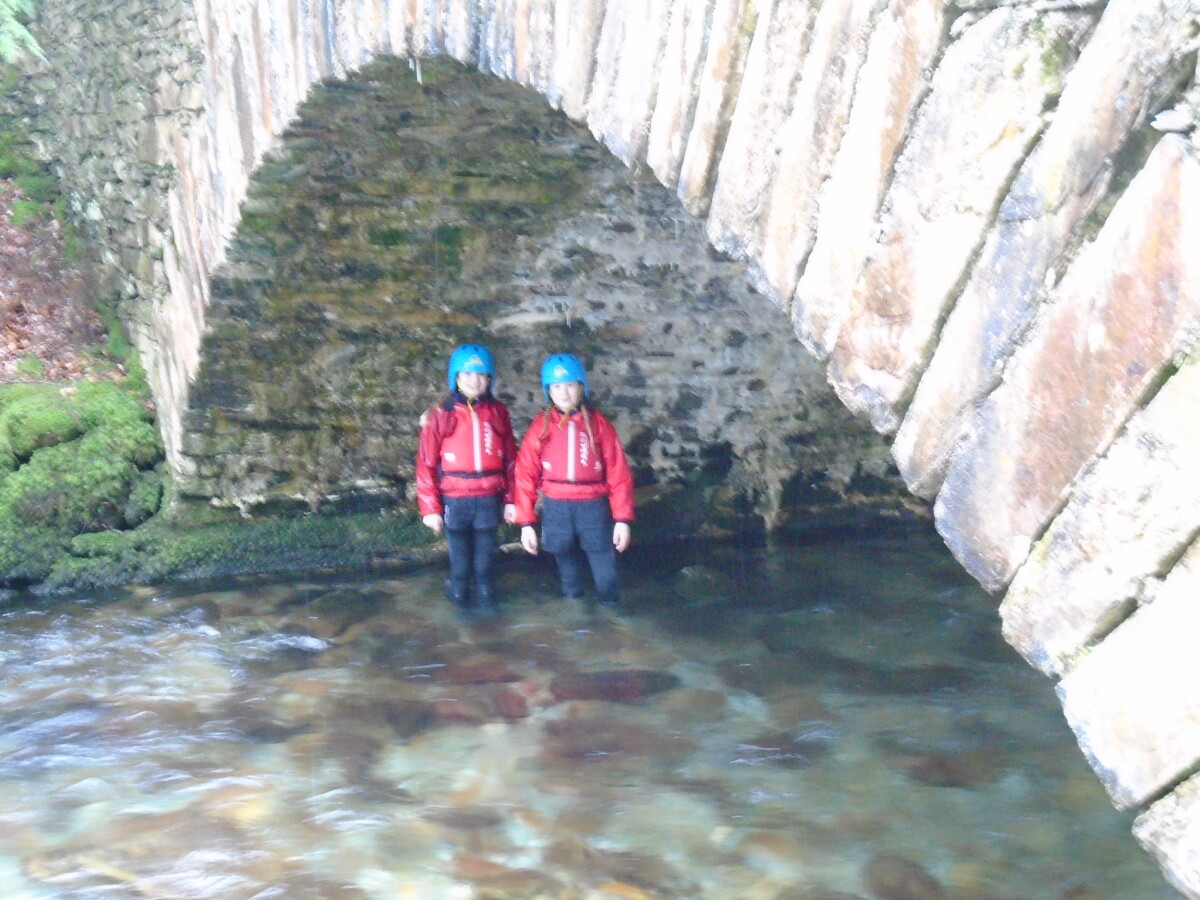
We have enjoyed every minute (well almost)!

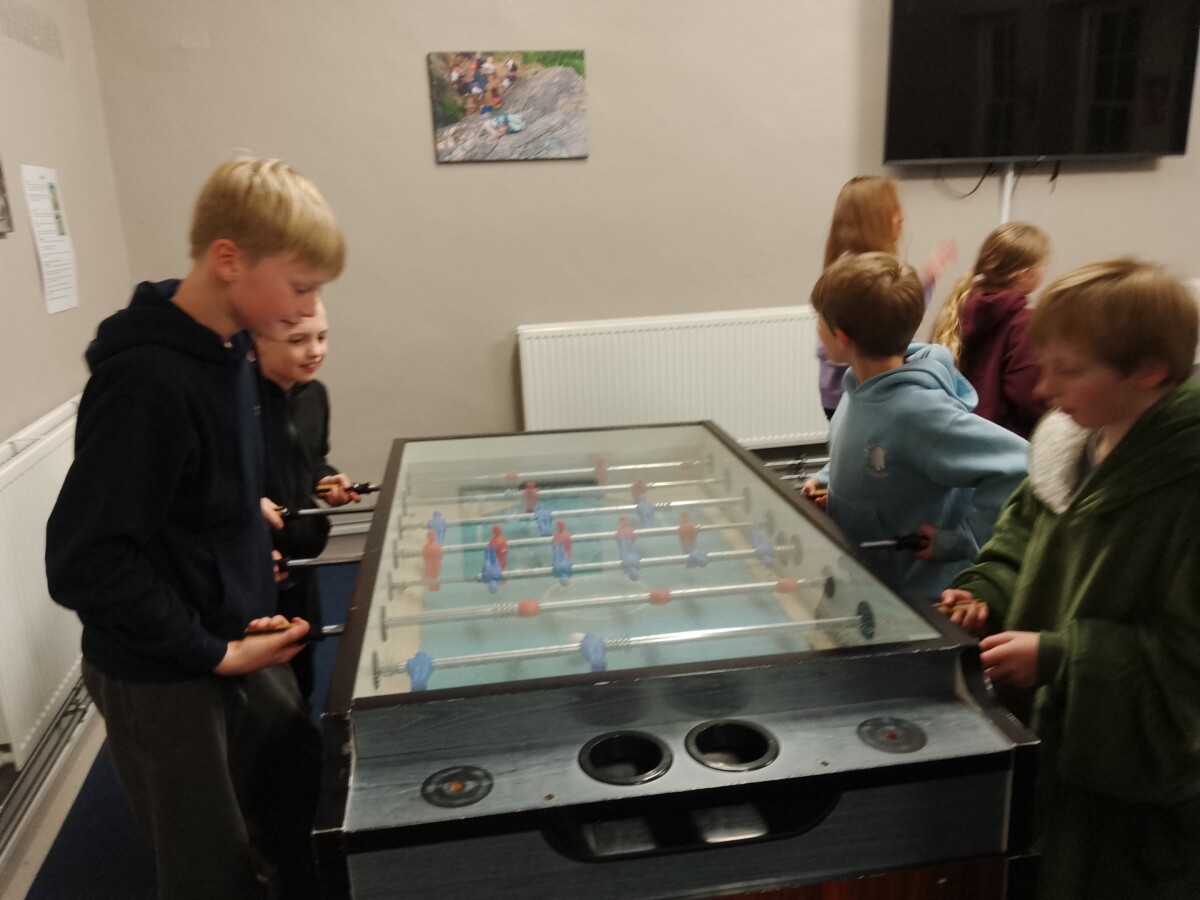
Here’s just a few photographs from just one of our three cameras. There are more to follow:


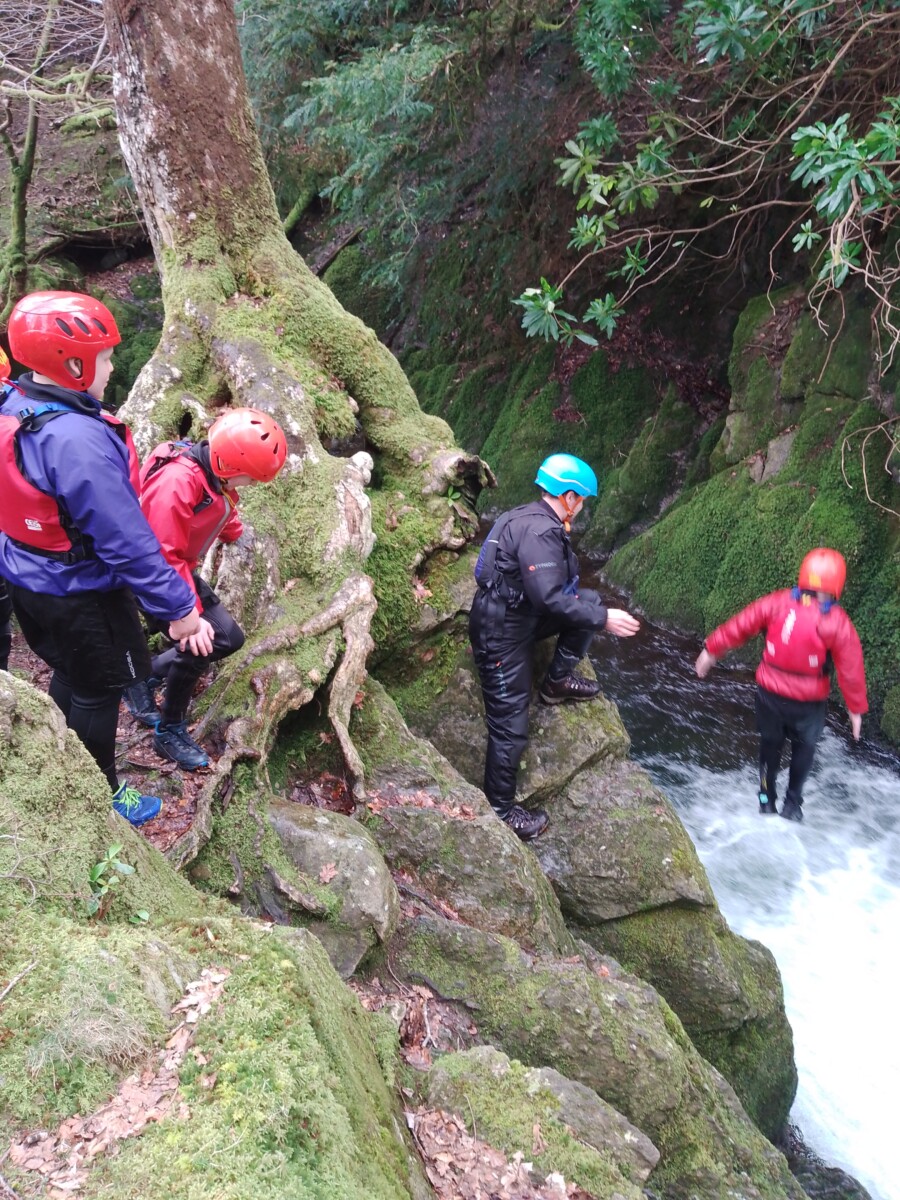
Scrambling in the Gyhll……

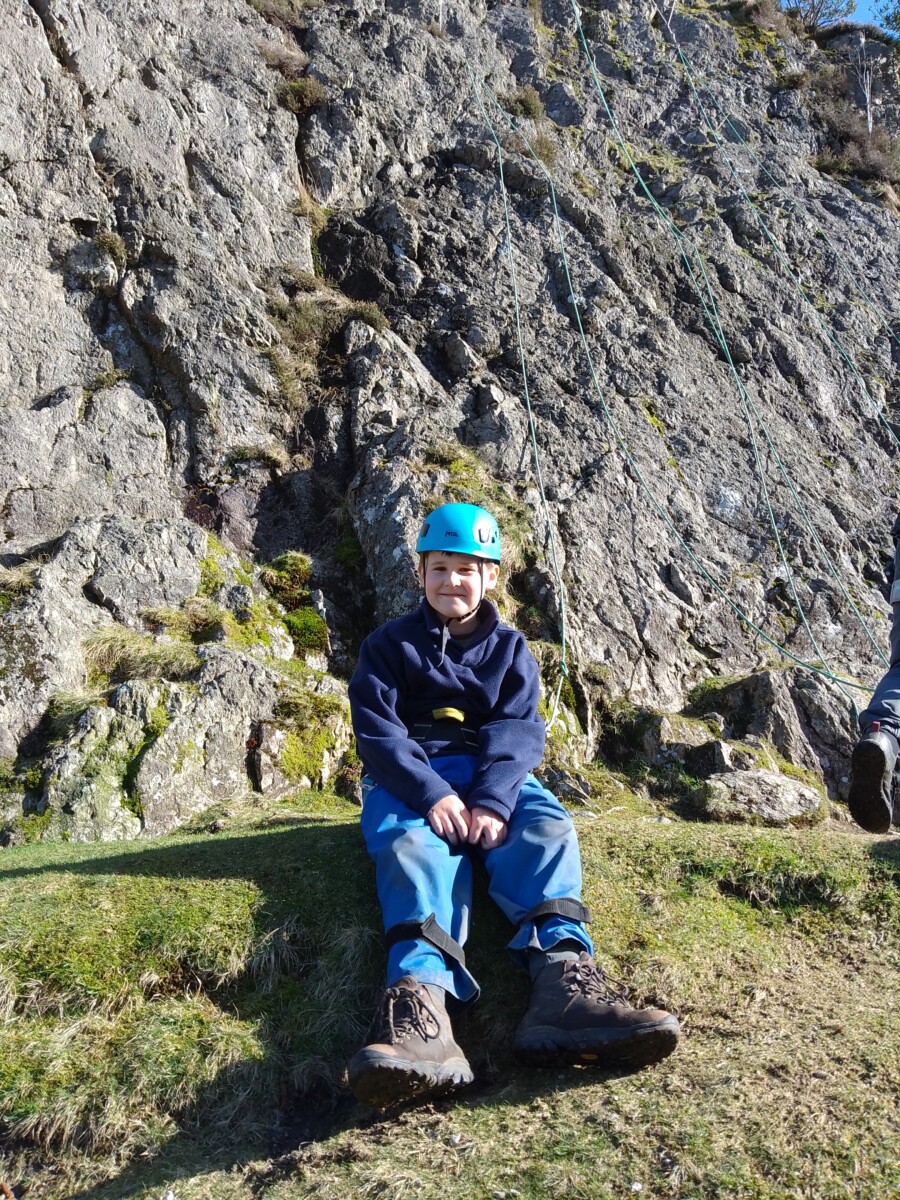
Rock Climbing……

Crazy games on the canoes…..

Bushcraft and Baking…..


Levens X-Country Runners go for Gold!

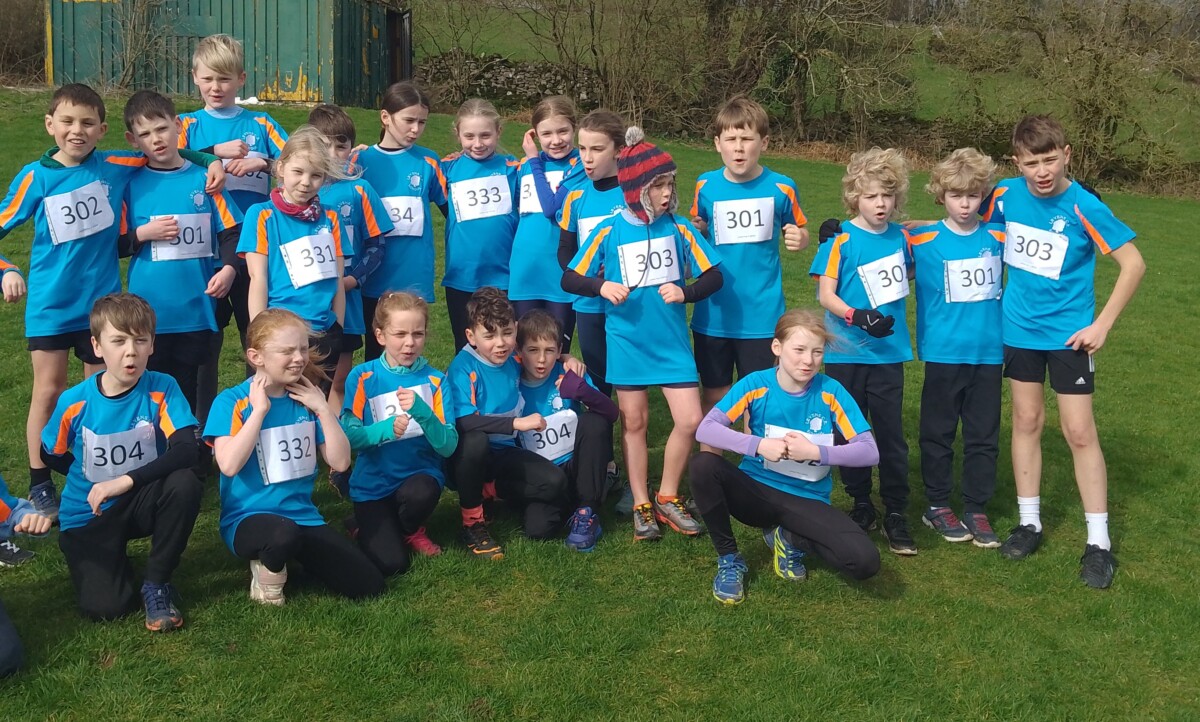
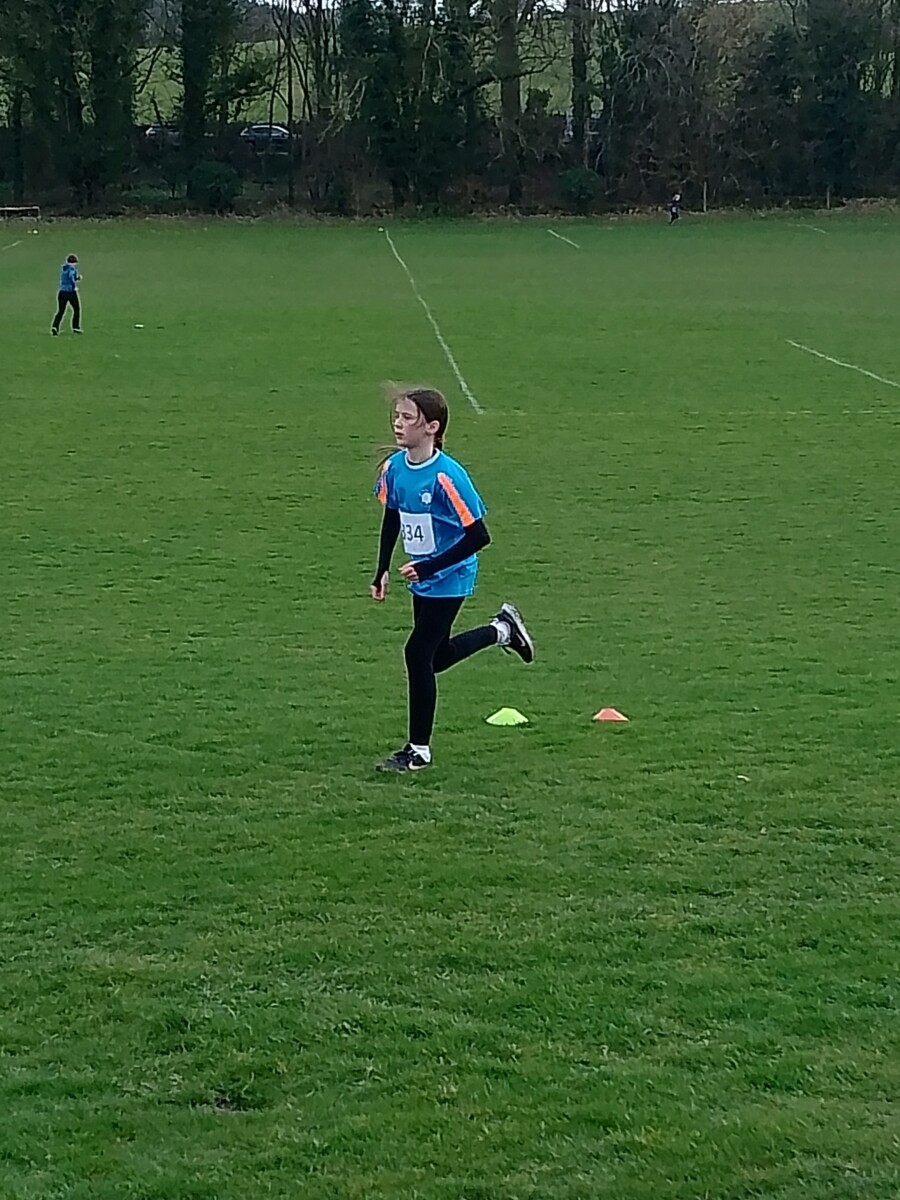
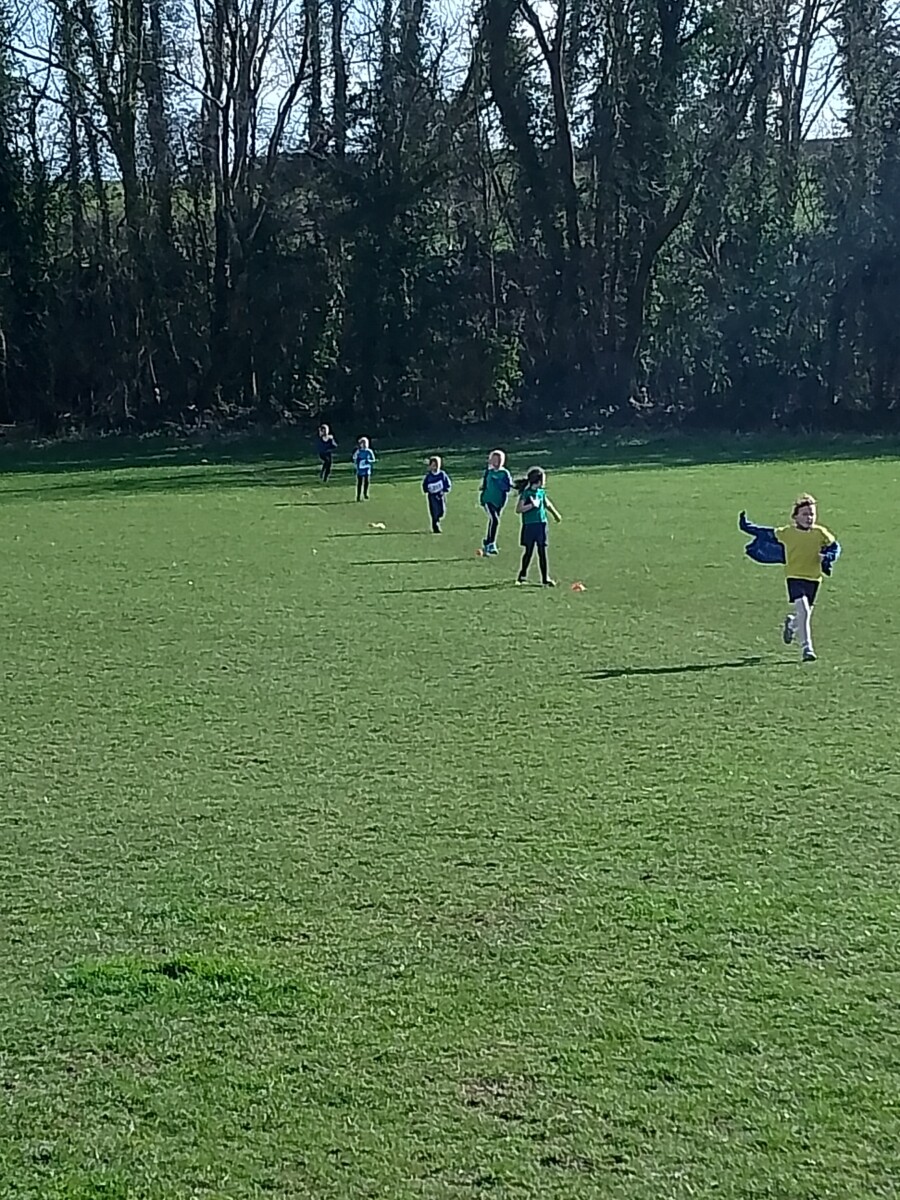
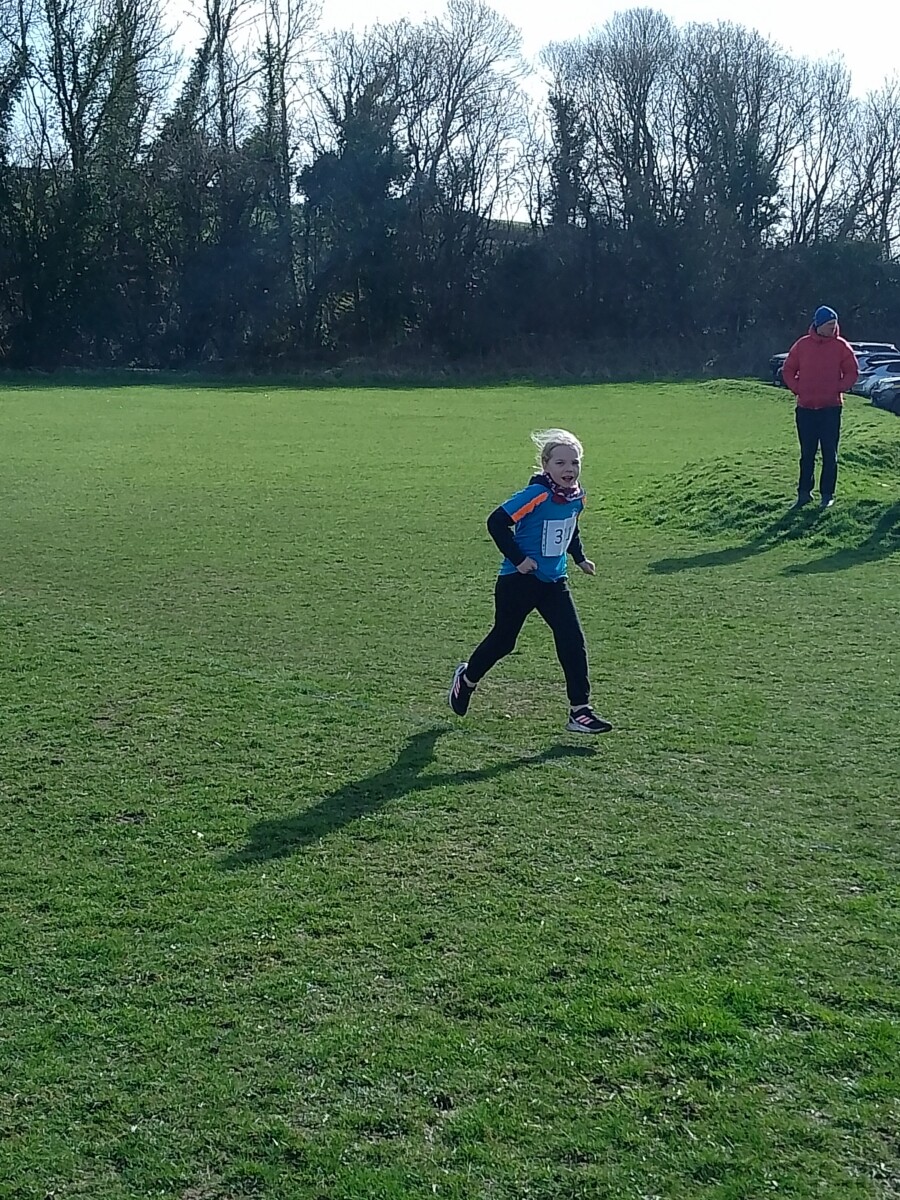
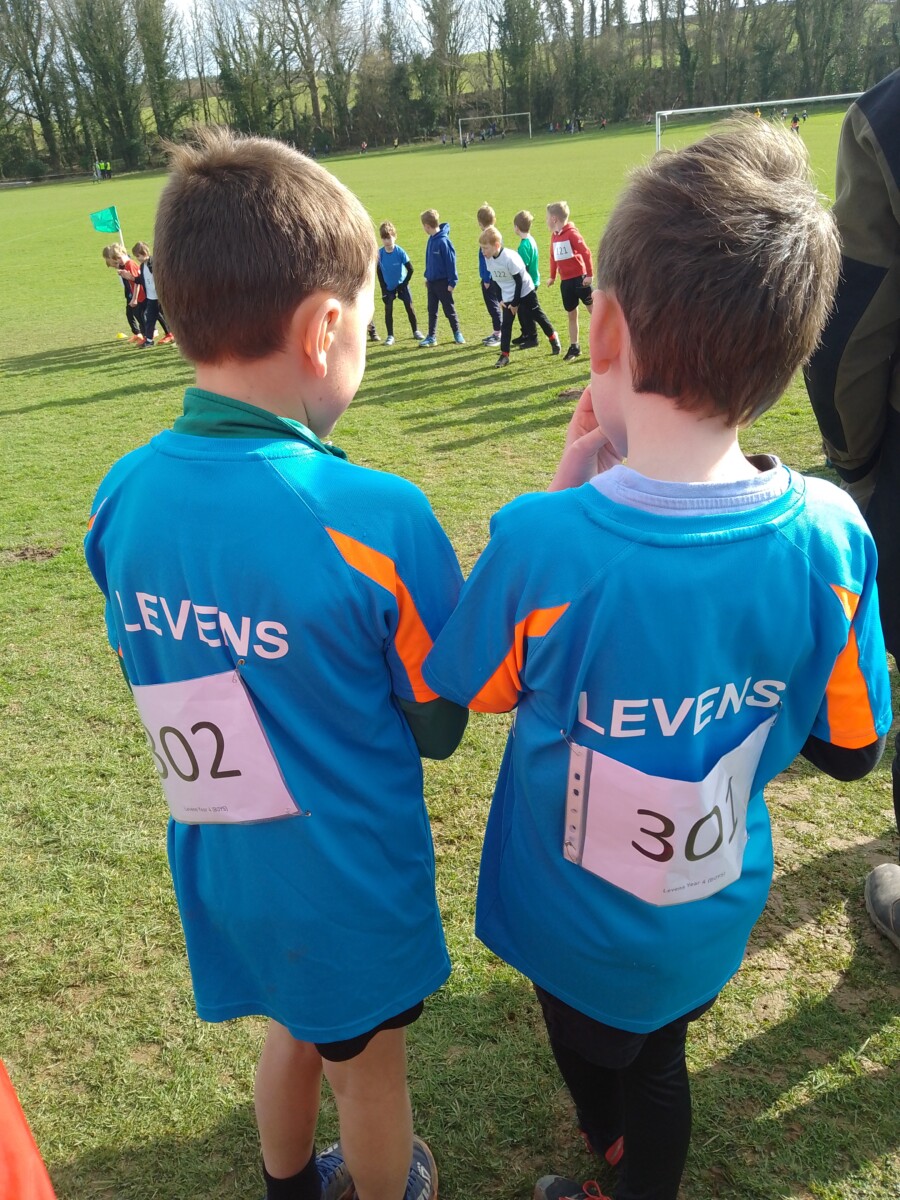
What an afternoon of amazing resilience, determination and endless energy!  The Levens’ running reputation lives on with today’s incredible athletes pushing themselves to the finish line.  Not only did every runner complete their best ever run, they also cheered on the side lines supporting their team mates every step of the way.  It was wonderful to have such great support from parents and wider family members too!

We have returned with four medals: a gold in the year 5 girls race; a silver in the year 4 boys; a bronze in the year 6 boys and the year 6 girls too!

We are yet to hear our overall placing as a team, but couldn’t be more overjoyed with such enthusiasm, effort and endurance from everyone!


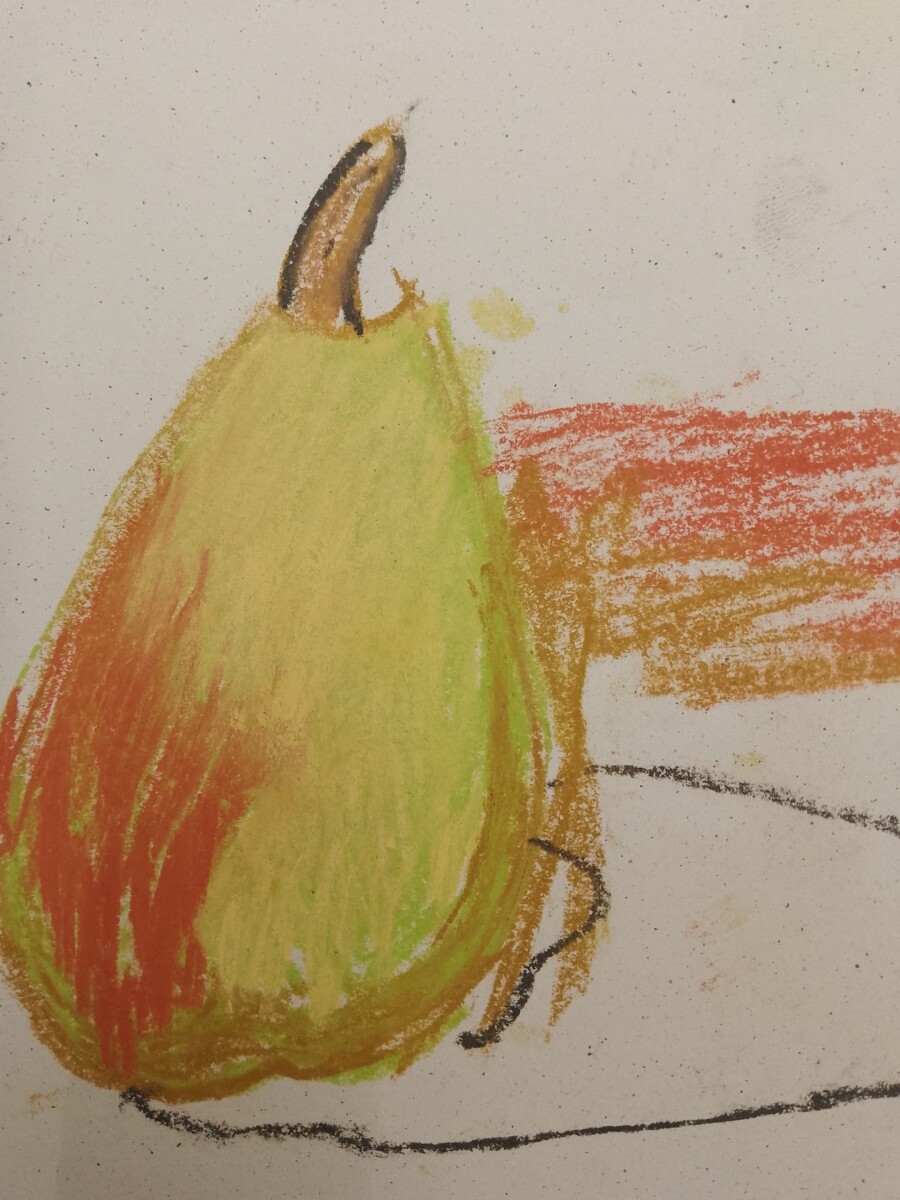
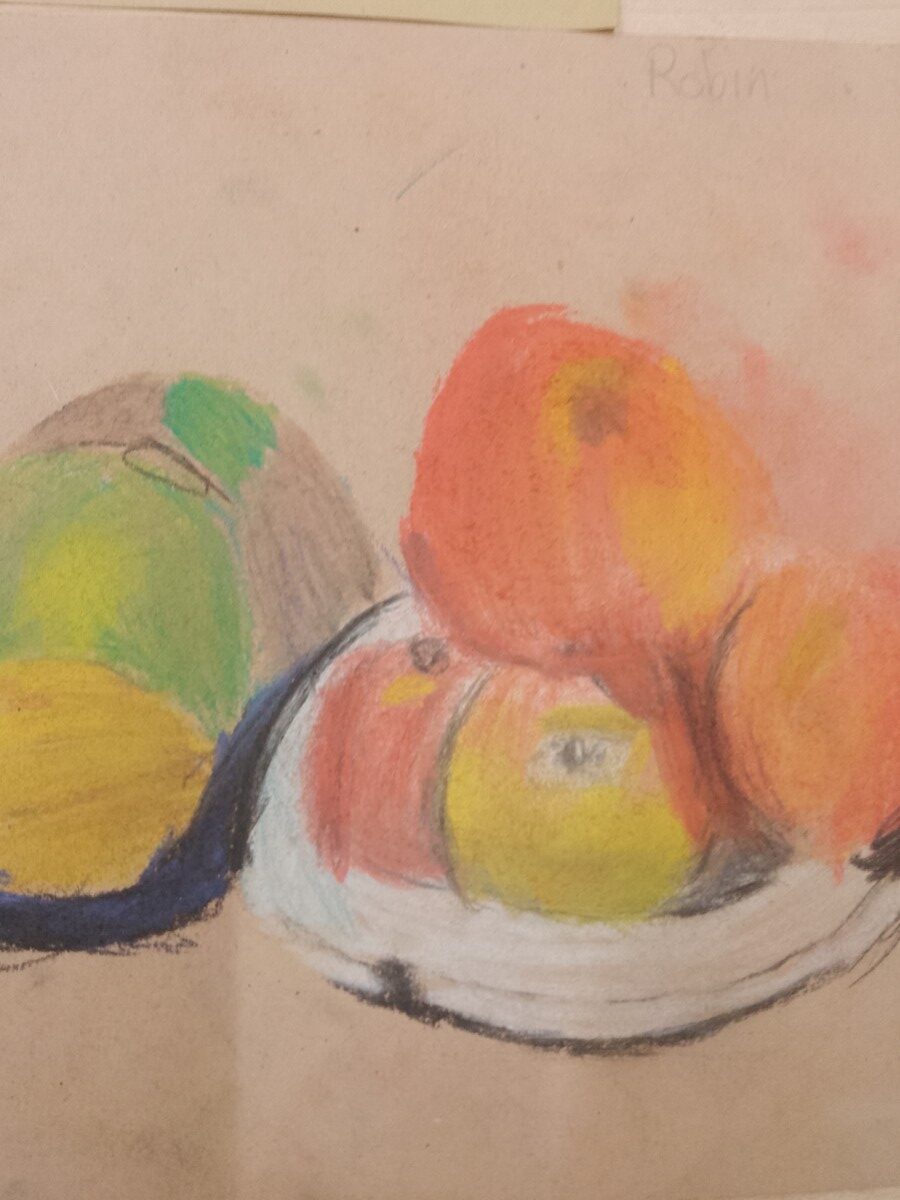
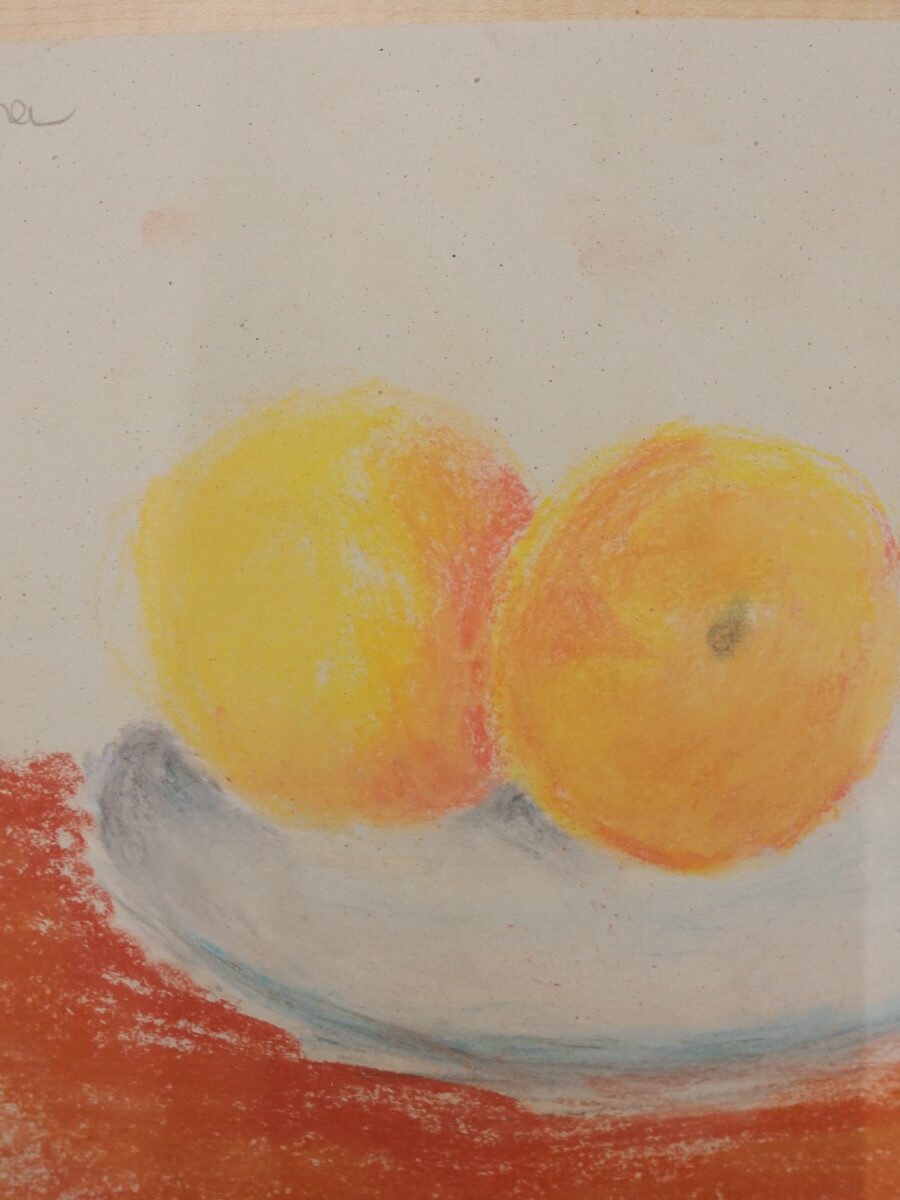
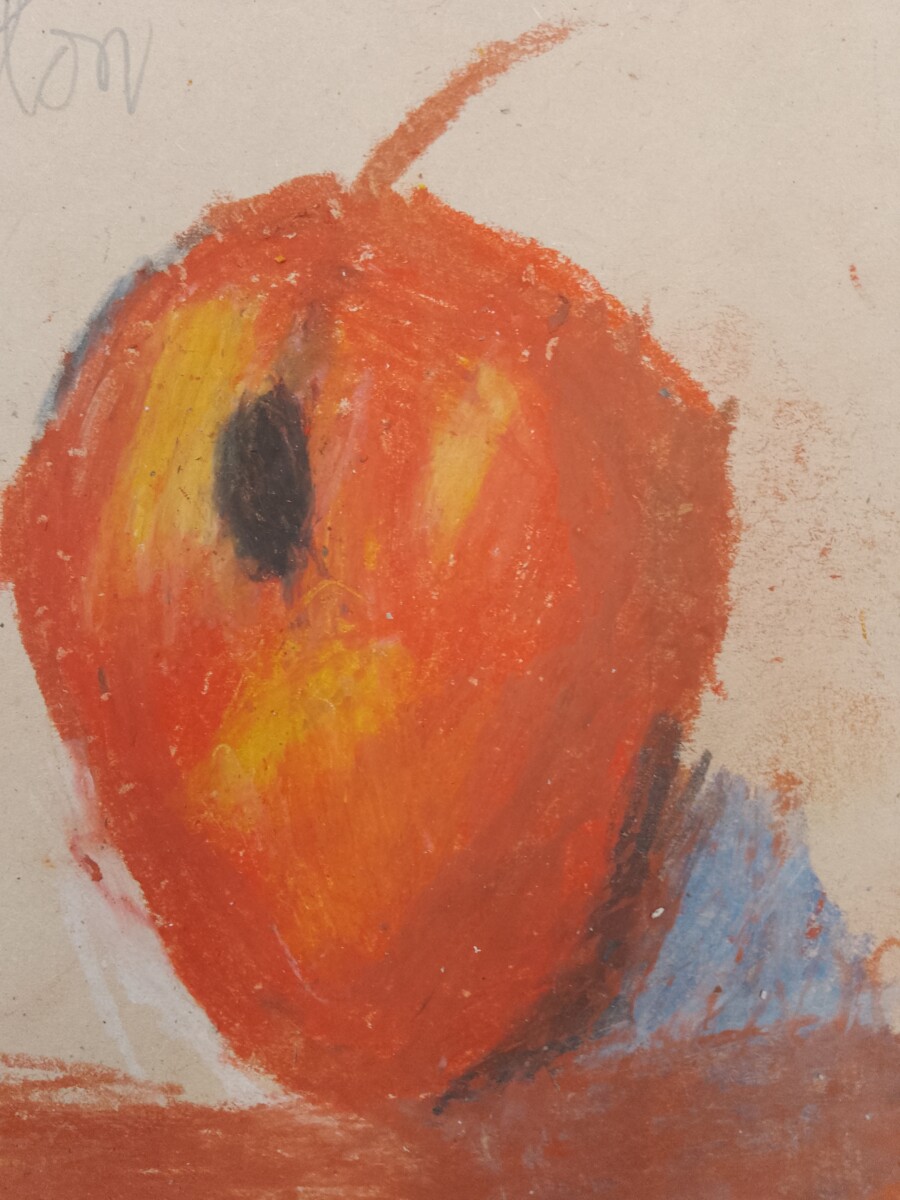
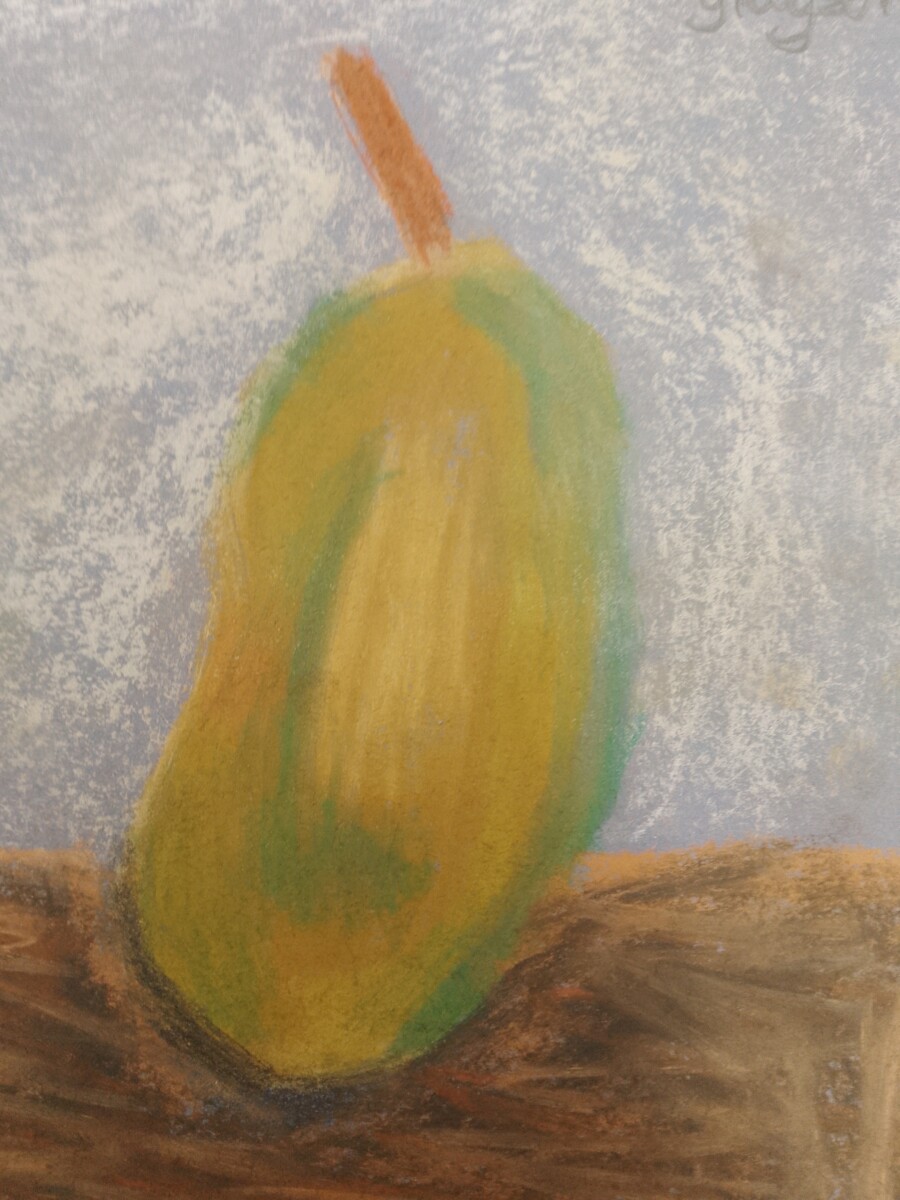
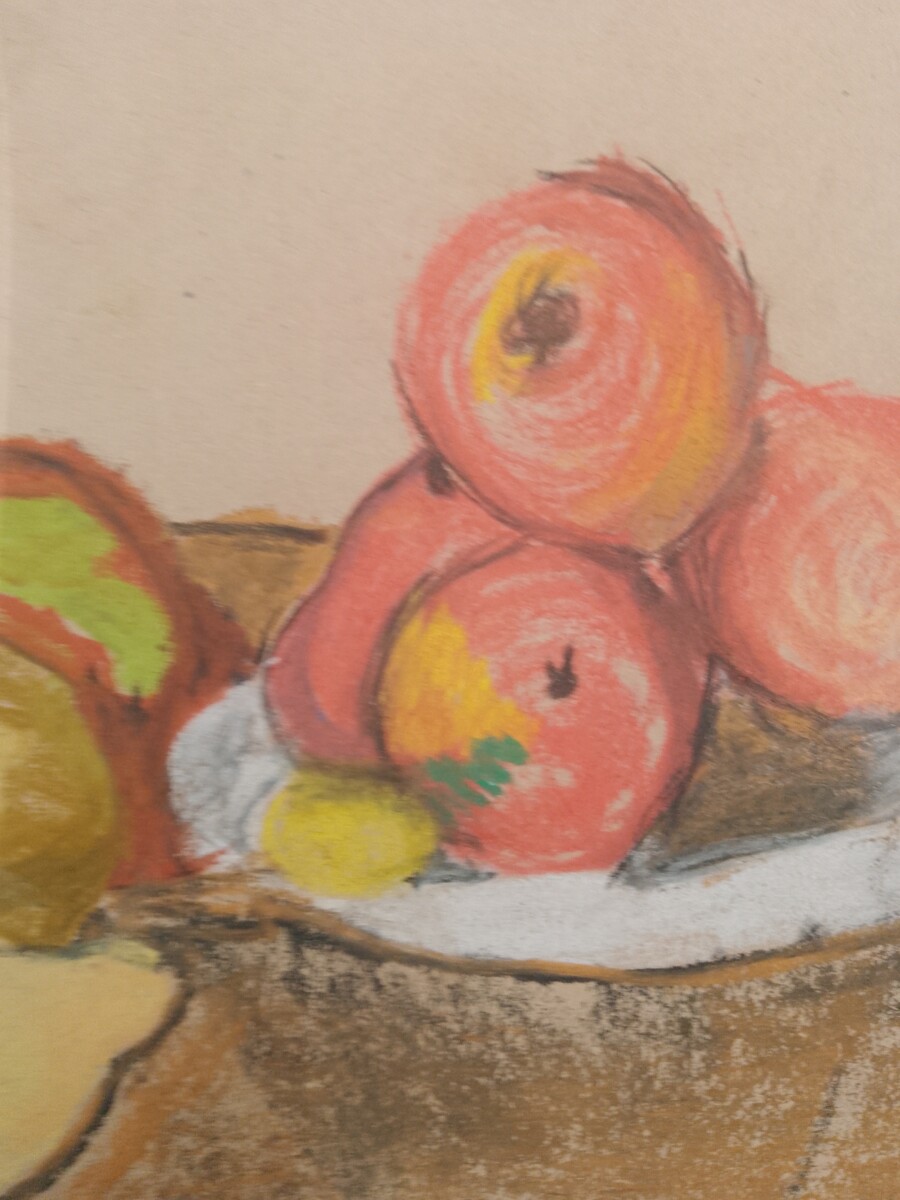
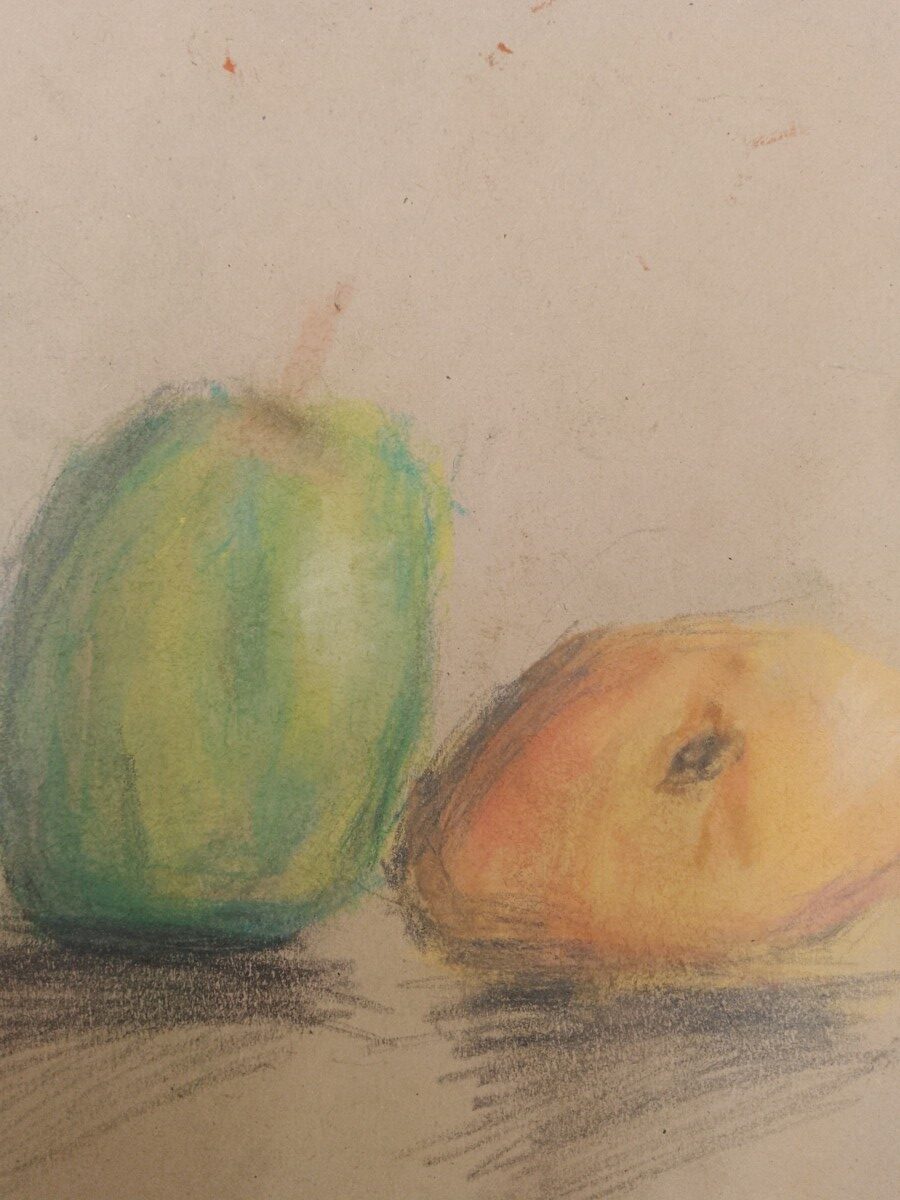
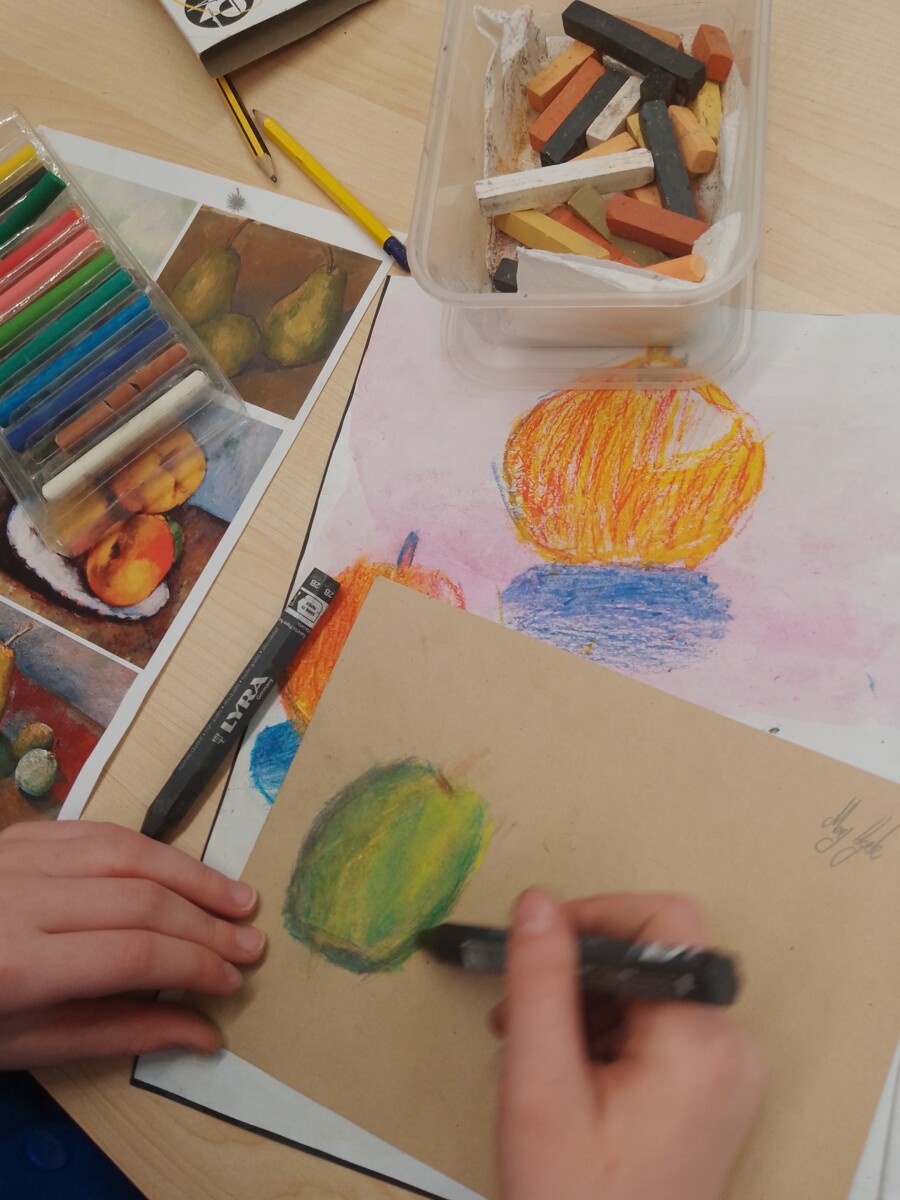
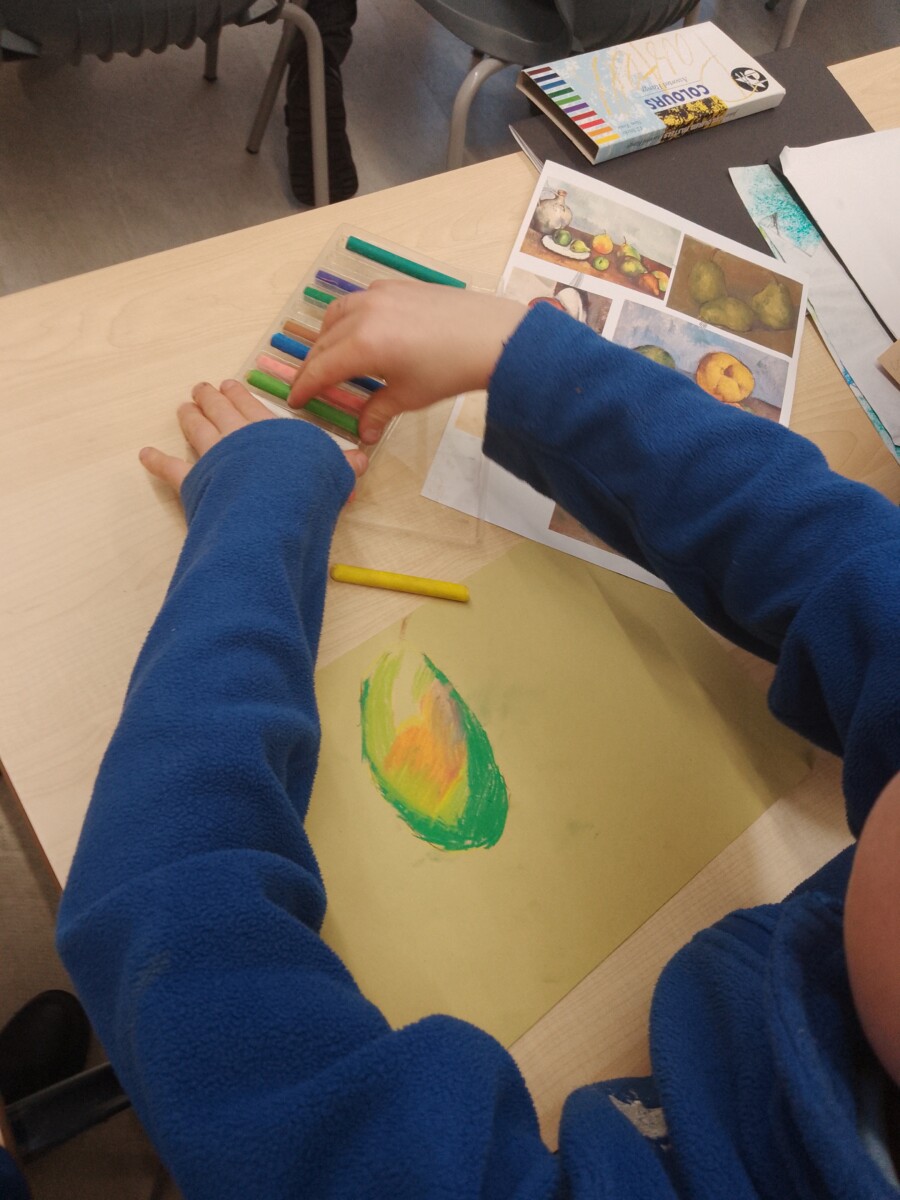
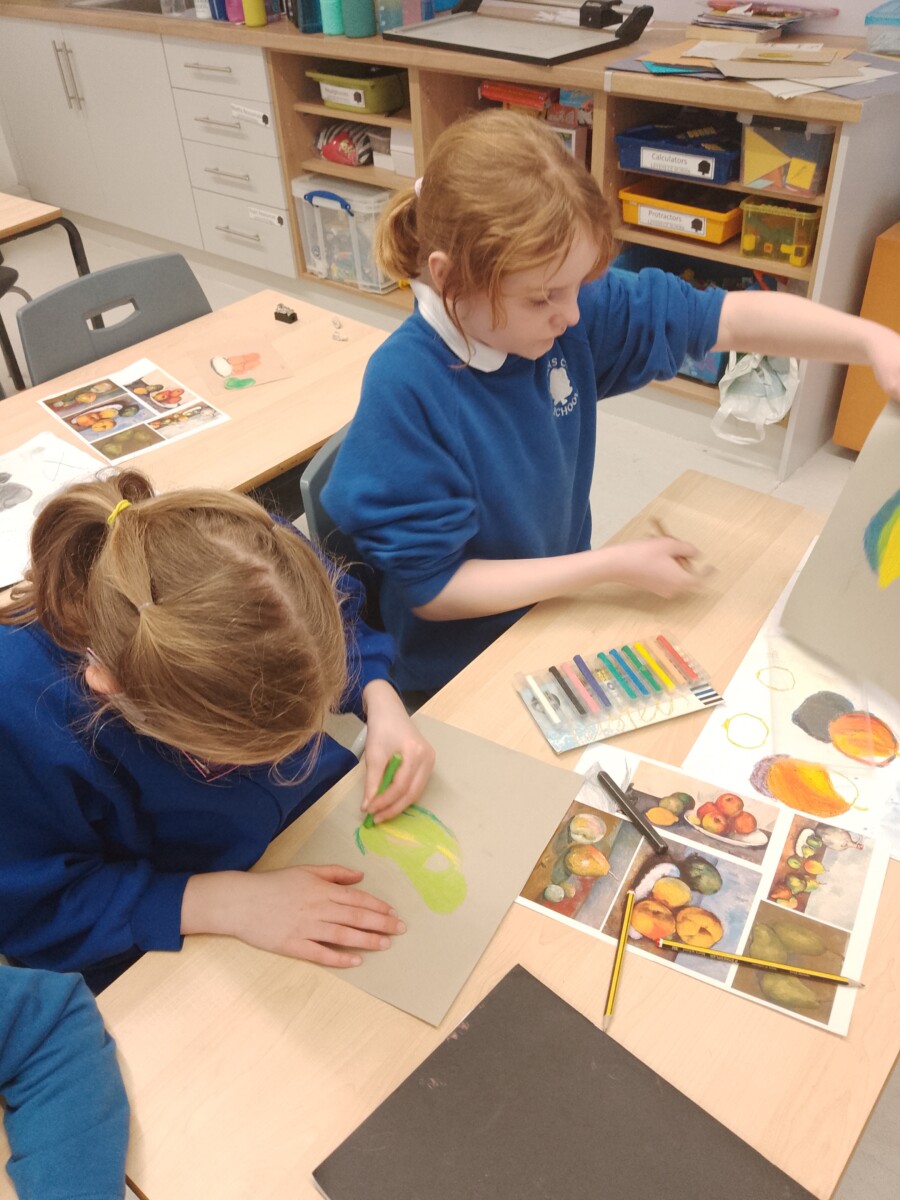
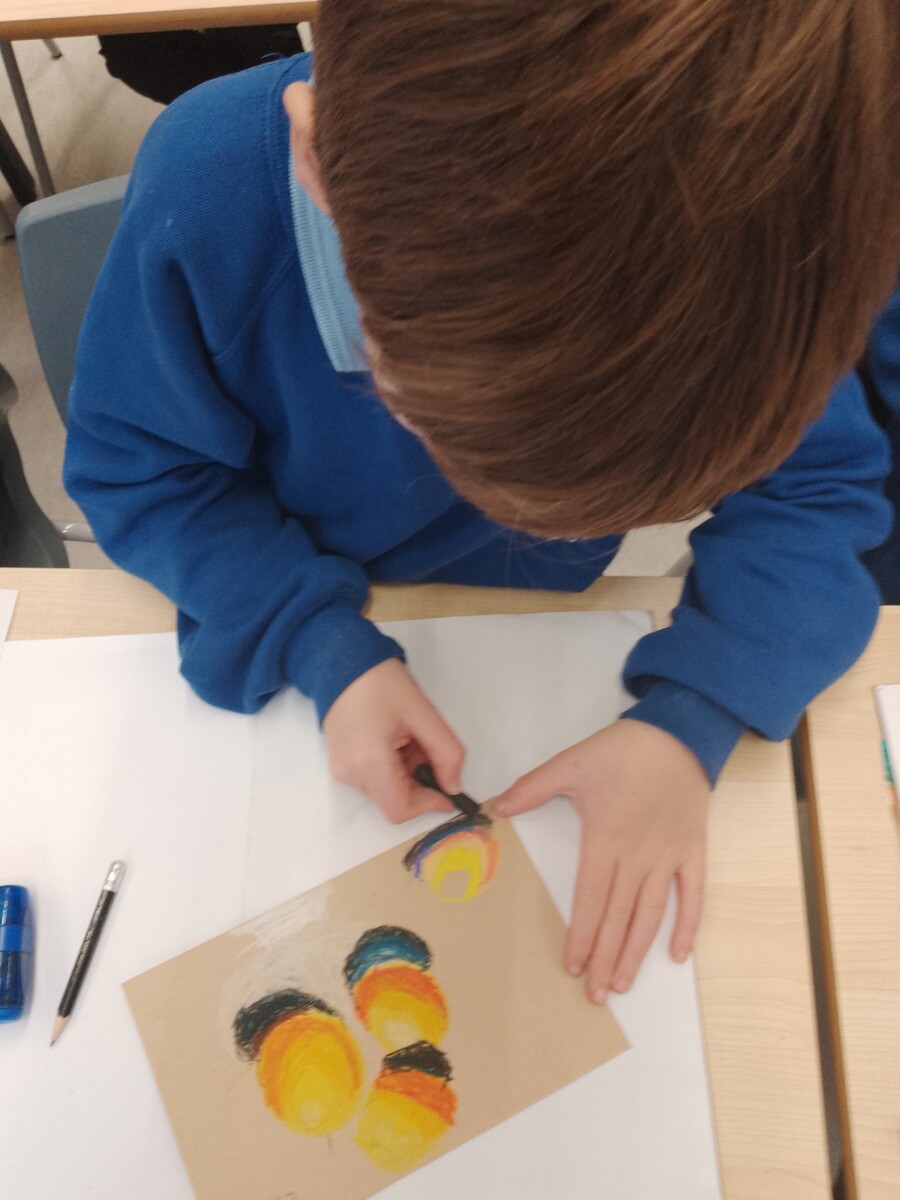
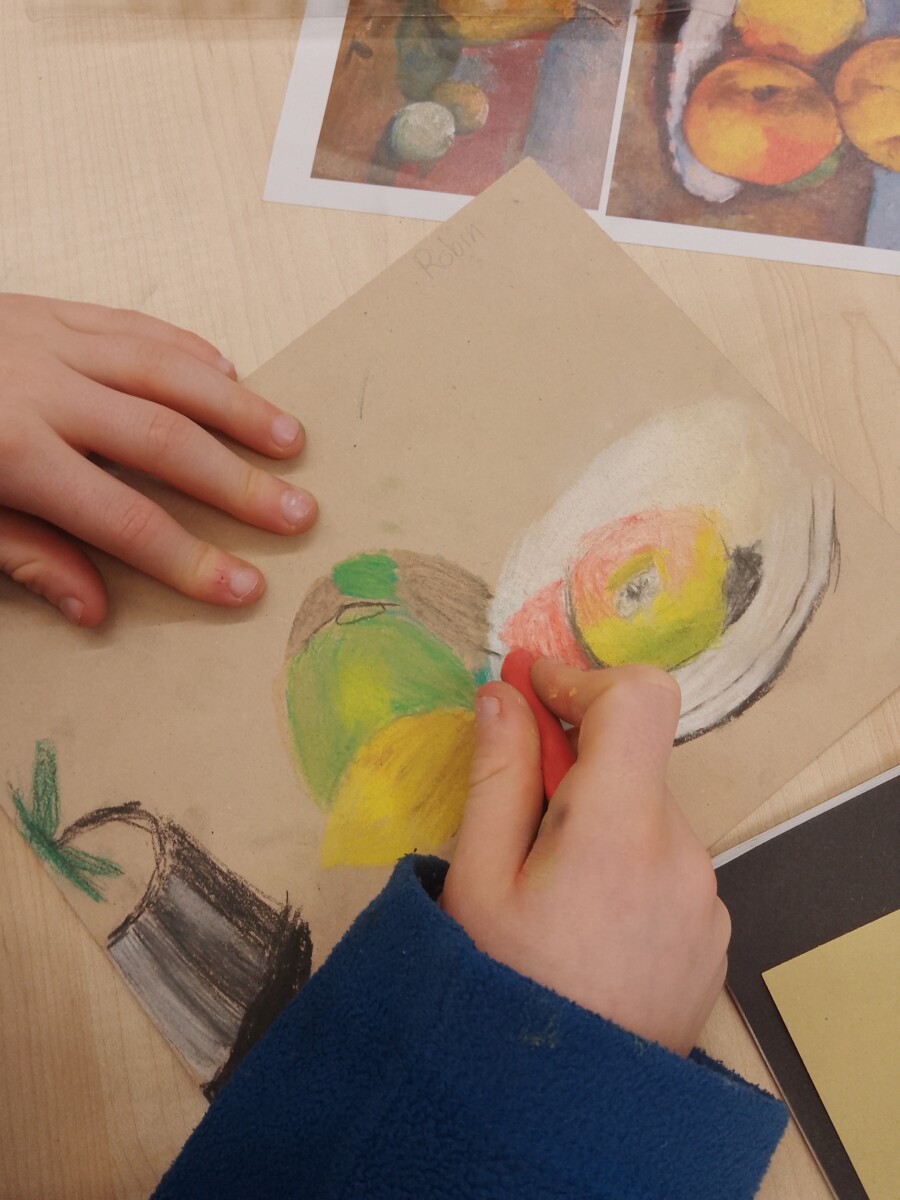
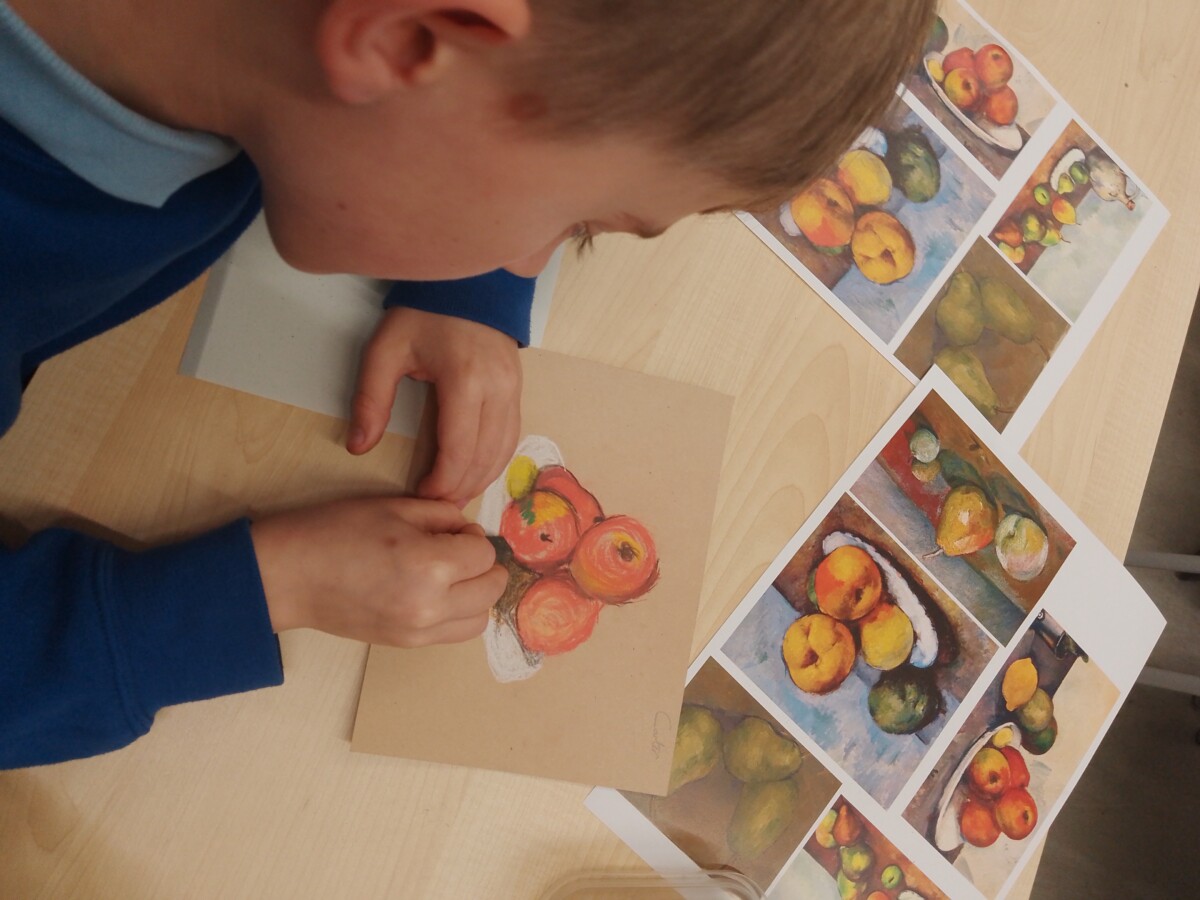
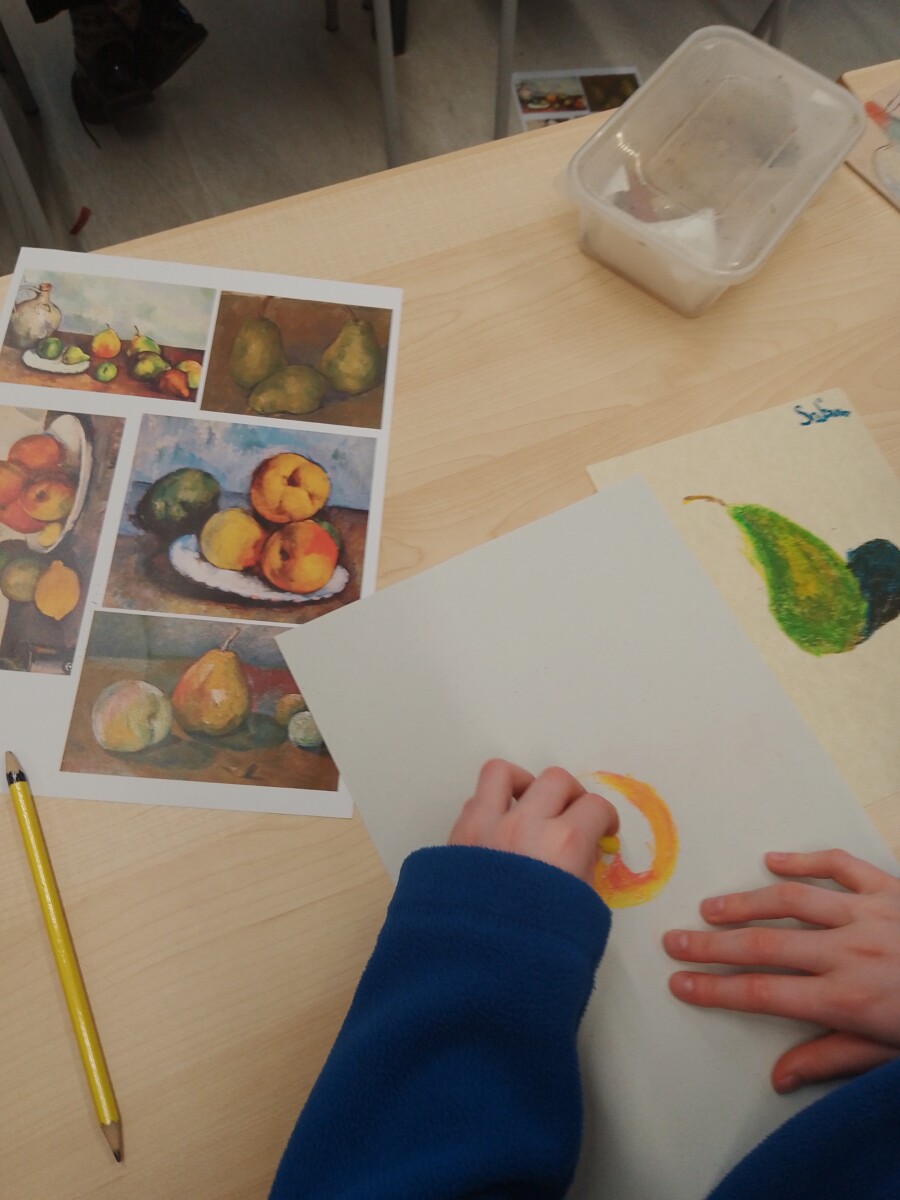
Still-life studies from Class 4

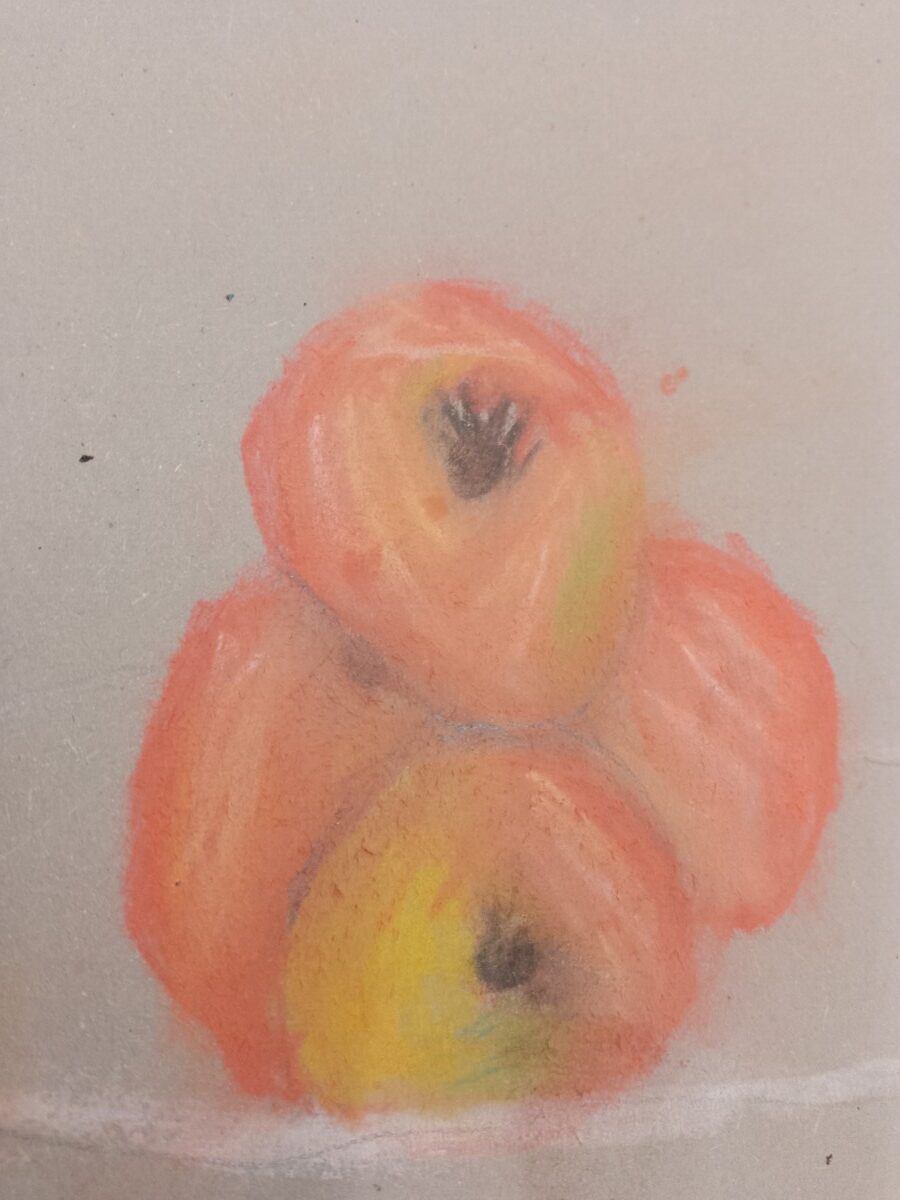
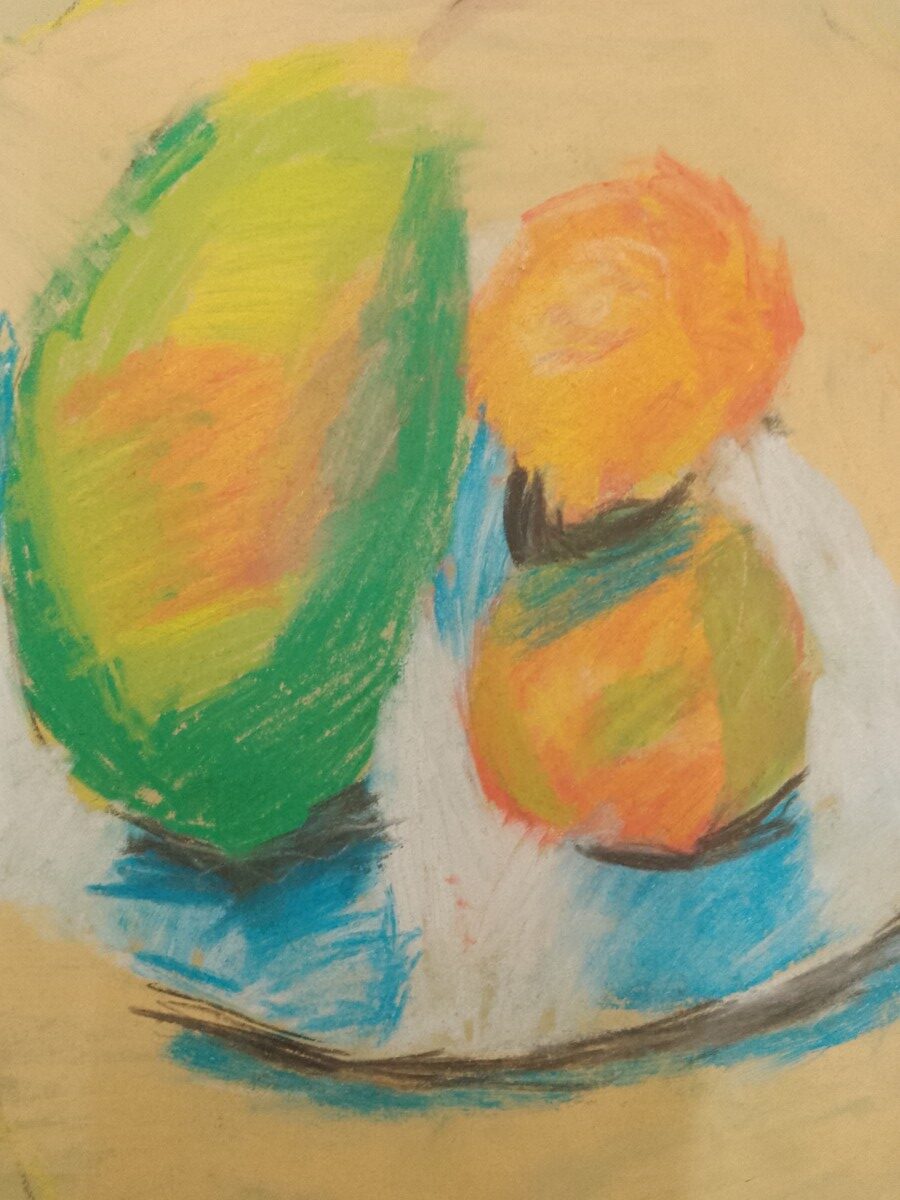
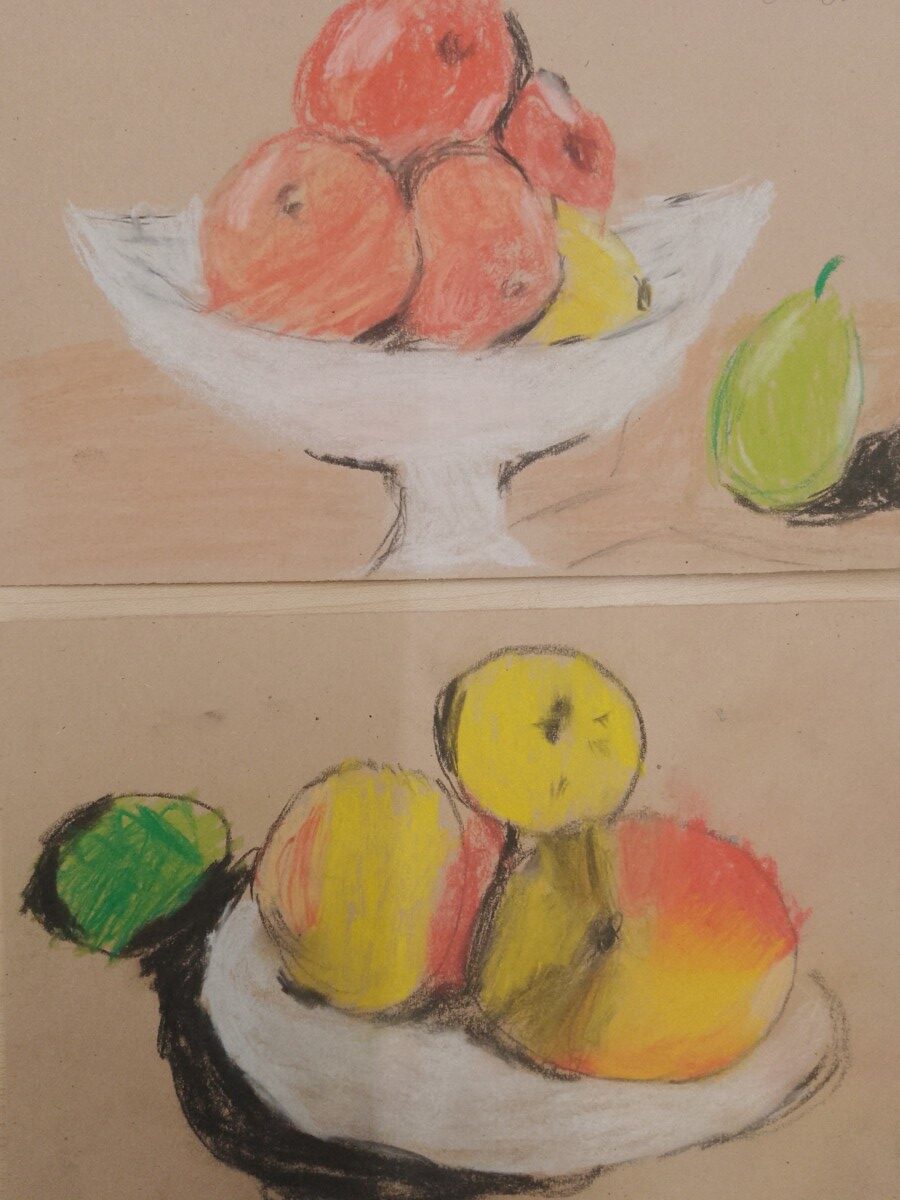
Class 4 have been studying the work of Paul Cezanne using different types of pastels.

Cezanne used texture, colour and tone to create two dimensional studies of objects.  We were fascinated by how he used such expressive brush strokes and bold colours to bring life to his work.


Water Resistance in Class 4

In science, our Year 5 and 6 pupils got hands-on (and a little wet!) in our investigation into water resistance. The classroom was transformed into a mini research lab as students explored how different shapes move through water and how streamlined designs can affect speed.

Before any clay touched the water, the children discussed the idea of a fair test. Together, they identified the variables that needed to stay the same throughout the experiment, such as:

  • The amount of modelling clay used (by weight)
  • The height from which the shape was dropped
  • The depth and temperature of the water
  • The type of container

The only variable they changed each time was the shape of the clay. This careful planning ensured that any difference in results was due to water resistance alone.

Each clay shape was dropped into a tall tank of water three times, and pupils recorded each time carefully using a stopwatch. By calculating the average time, they were able to produce more reliable results and spot inconsistencies.

As with all good science experiments, not everything went perfectly smoothly—some pieces of data stood out as obvious anomalies. Pupils discussed possible reasons for this: Was the shape released accidentally at an angle? Did an air bubble get trapped? Was the timer started a fraction too late? These conversations helped pupils think critically about how scientific data is collected and why accuracy matters.

One of the most interesting moments came from a shape everyone assumed would fall slowly: a large, flat clay design. Instead of drifting gently downward, it tipped onto its side and shot straight to the bottom of the tank. This surprising outcome sparked lots of discussion about the meaning behind the data we had gathered, and how we need to think critically about this.