Monthly archives: April 2026


Exploring Mountains Through Contour Lines

This term, our geography learning has taken us on an exciting journey into the world of maps and mountains. We have been studying contour lines and learning how they are used to show elevation and height on maps.

To begin with, we explored contour maps of familiar local places, including Patterdale Hall and Levens village. Looking at areas we know well helped us to understand how contour lines work in real life. We noticed that:

  • Closely spaced contour lines show steep slopes, such as hillsides or valleys
  • Widely spaced contour lines show flat or gently sloping land

By comparing the maps with what we know of these locations, we were able to see how hills, valleys and flatter areas are represented on Ordnance Survey maps.

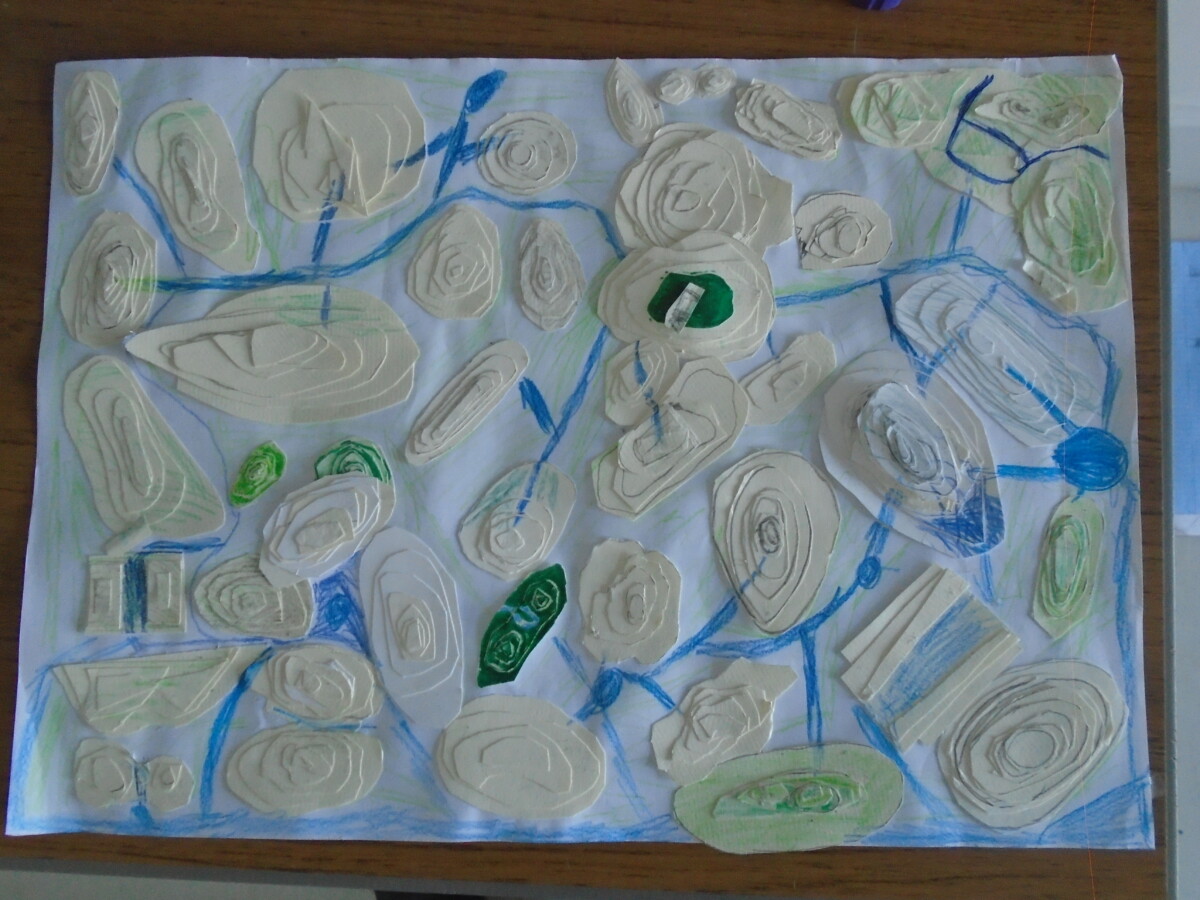
To bring our learning to life, we then designed and built our own mountains using thick card. Each layer of card represented a different contour line, stacked carefully to show increasing height. This helped us visualise how a flat map can represent a three‑dimensional landscape.

Each mountain was unique. Some had:

  • Steep cliffs and sharp peaks
  • Wide, flat plateaus
  • Gentle slopes and rounded summits
  • Valleys and passes between high points
  • In one case, a dramatic overhanging cave opening!

Once our individual mountains were complete, we combined them into one large imaginary mountain range, creating an exciting landscape with a variety of elevation features. Some students also noticed that this is how features like rivers and lakes are formed in nature, so we added some of those too.
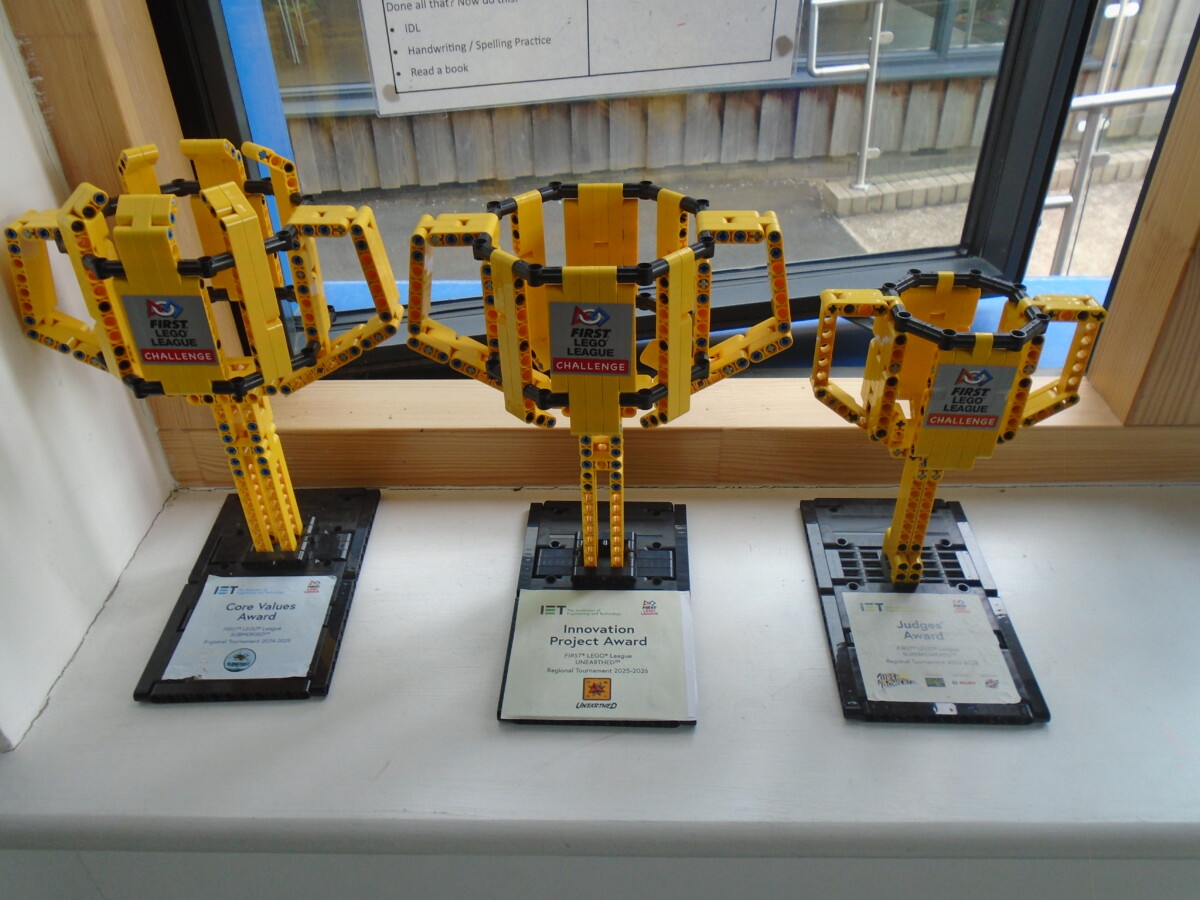
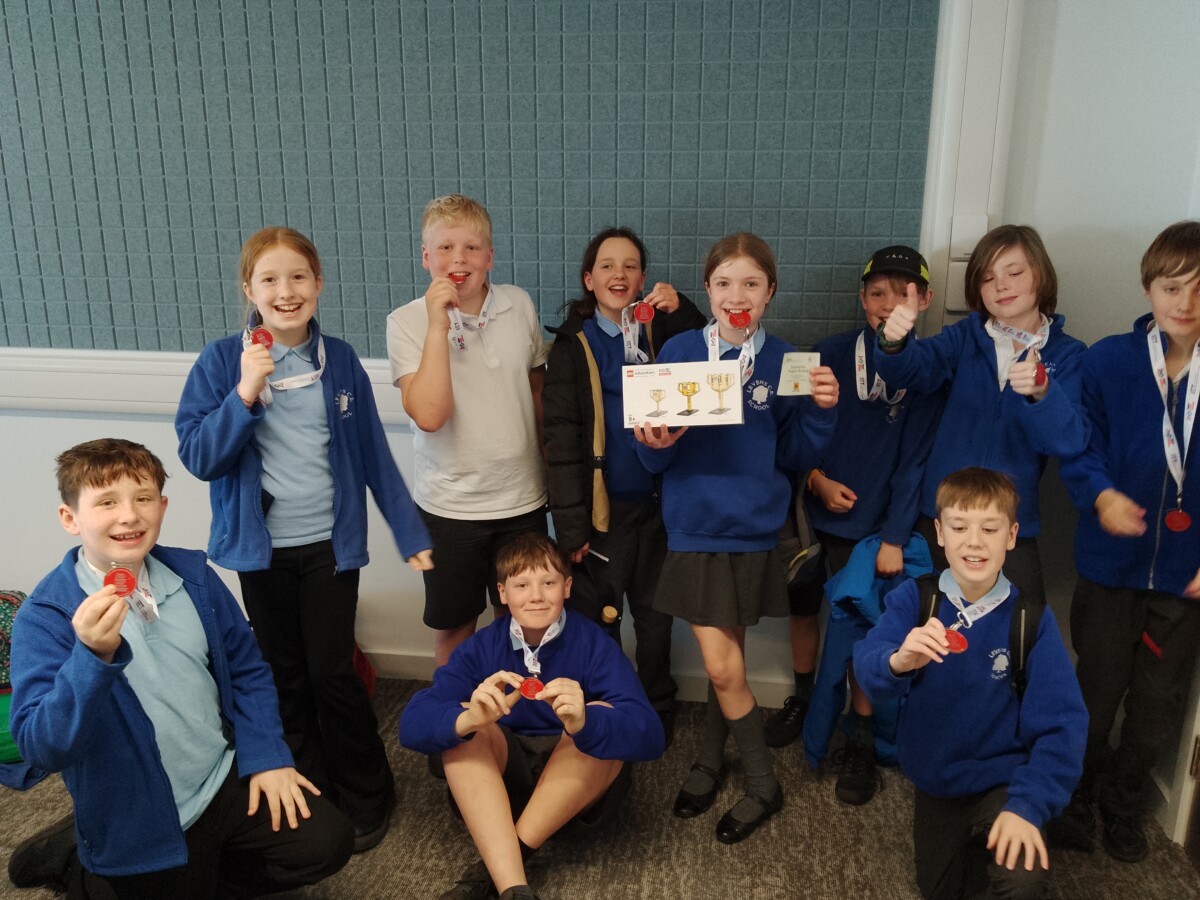
LEGO League 2026!

A slightly late blog, but with a good excuse – we’ve been busy building another trophy for the collection!

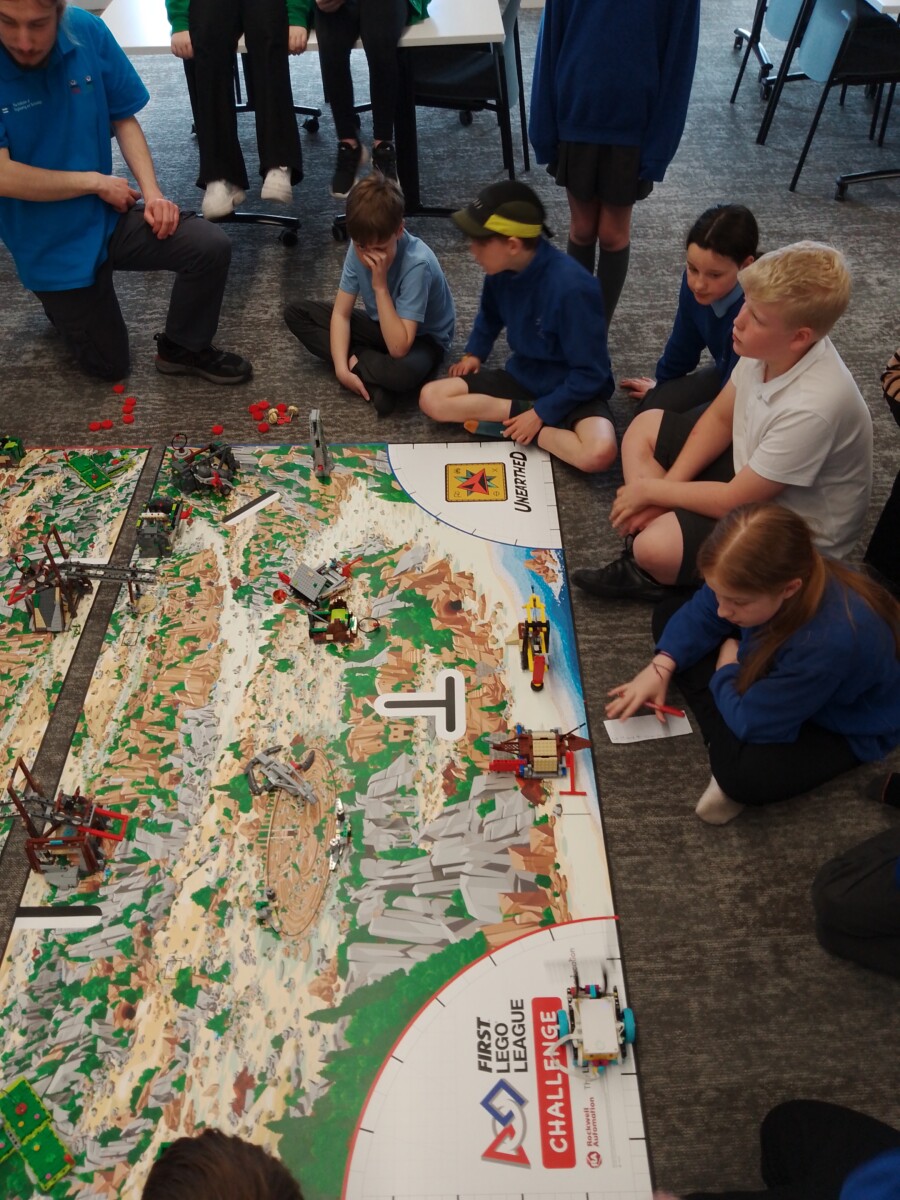
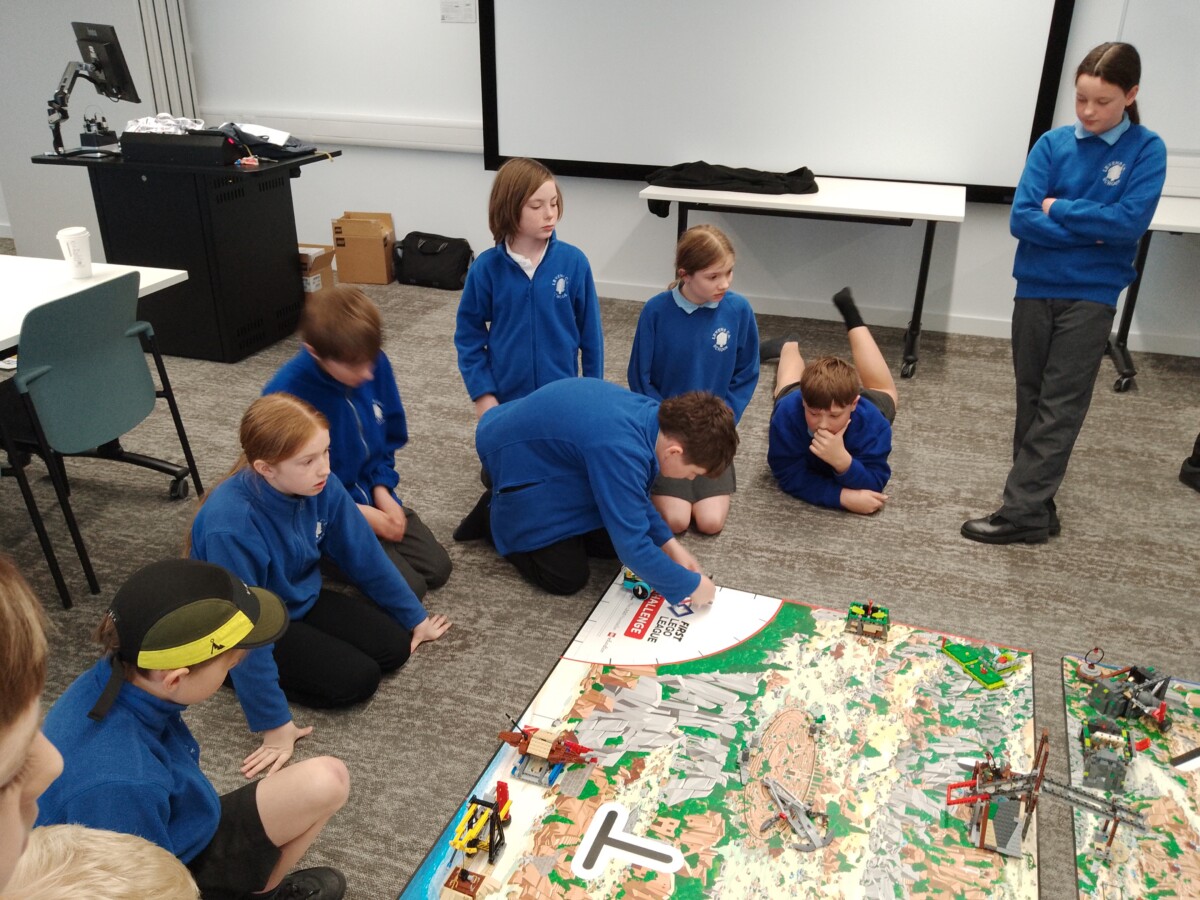
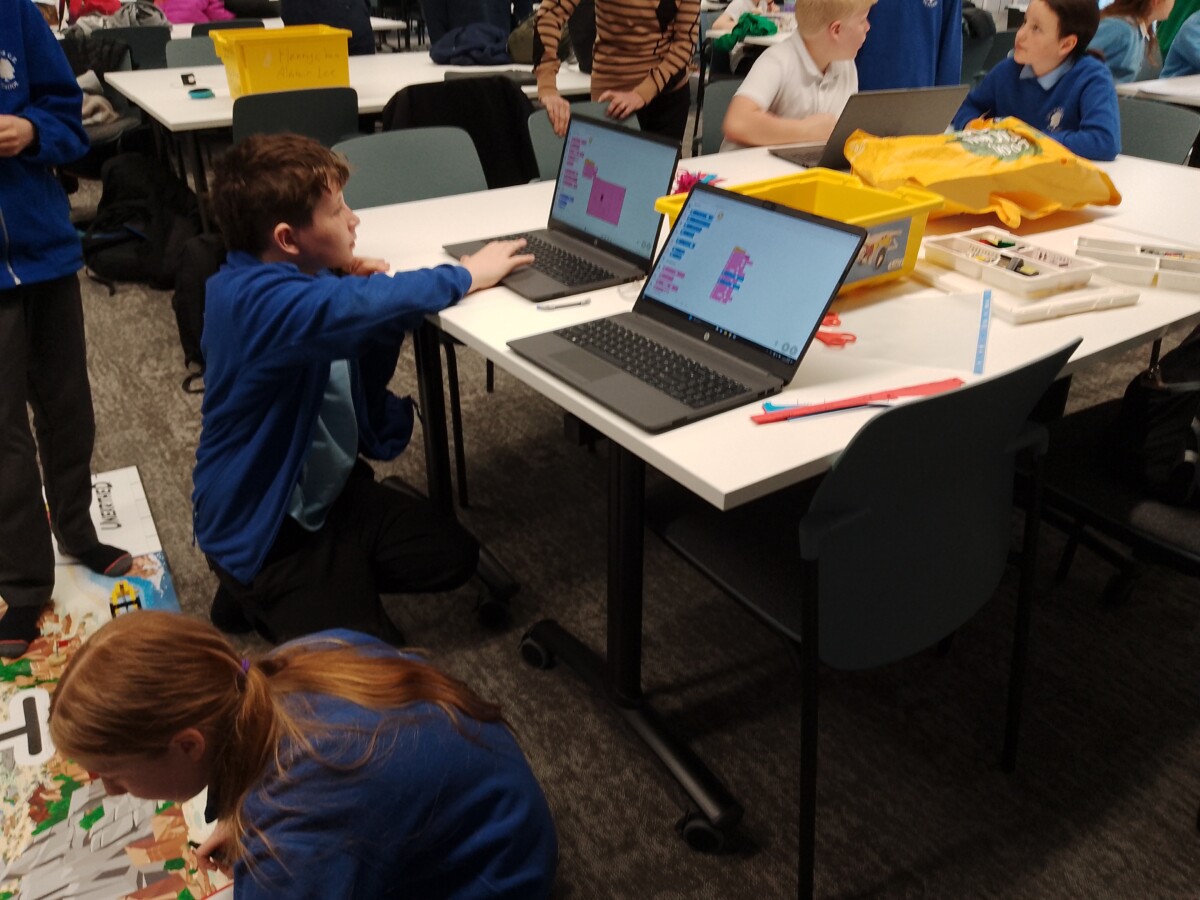
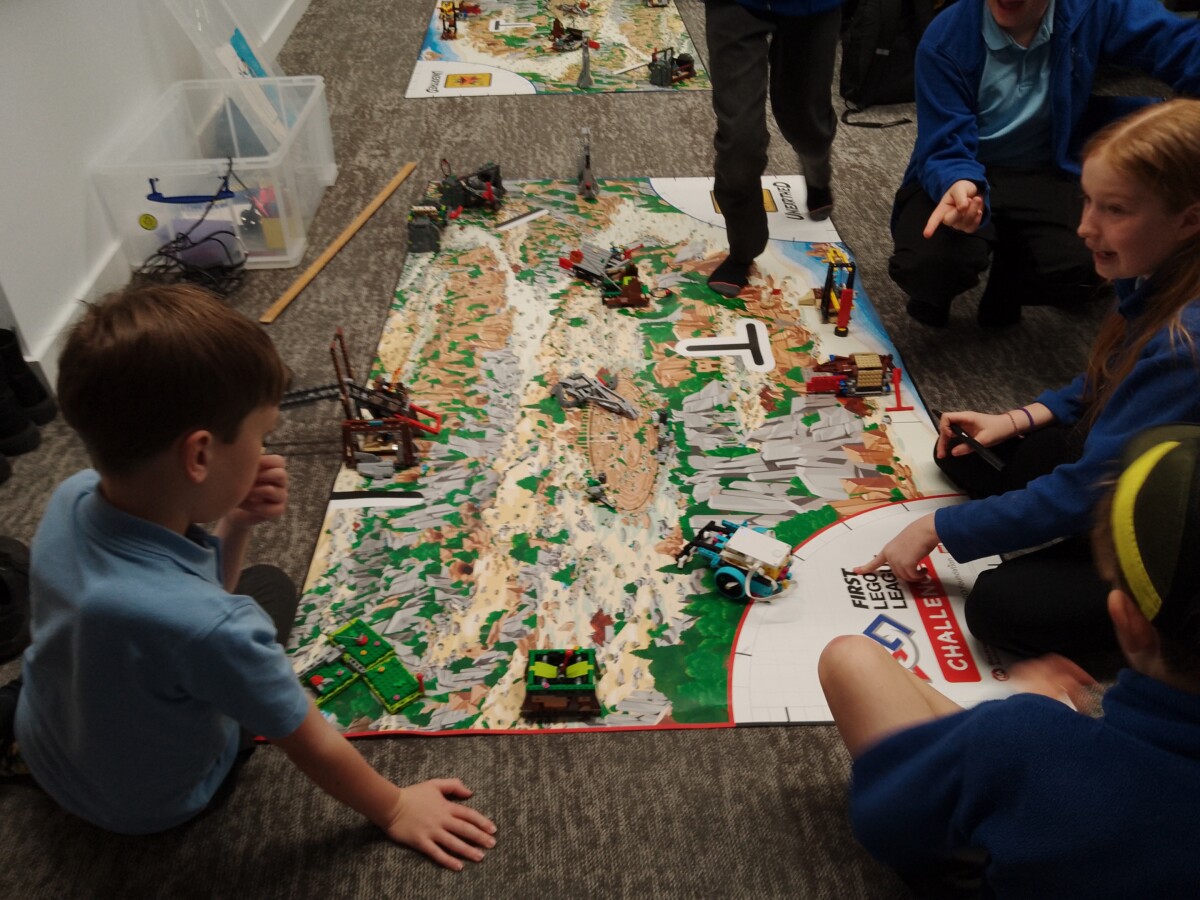
Yes, we’ve been to the Cumbria LEGO League competition once again. What’s more, we’ve returned with a trophy for the third year in a row!

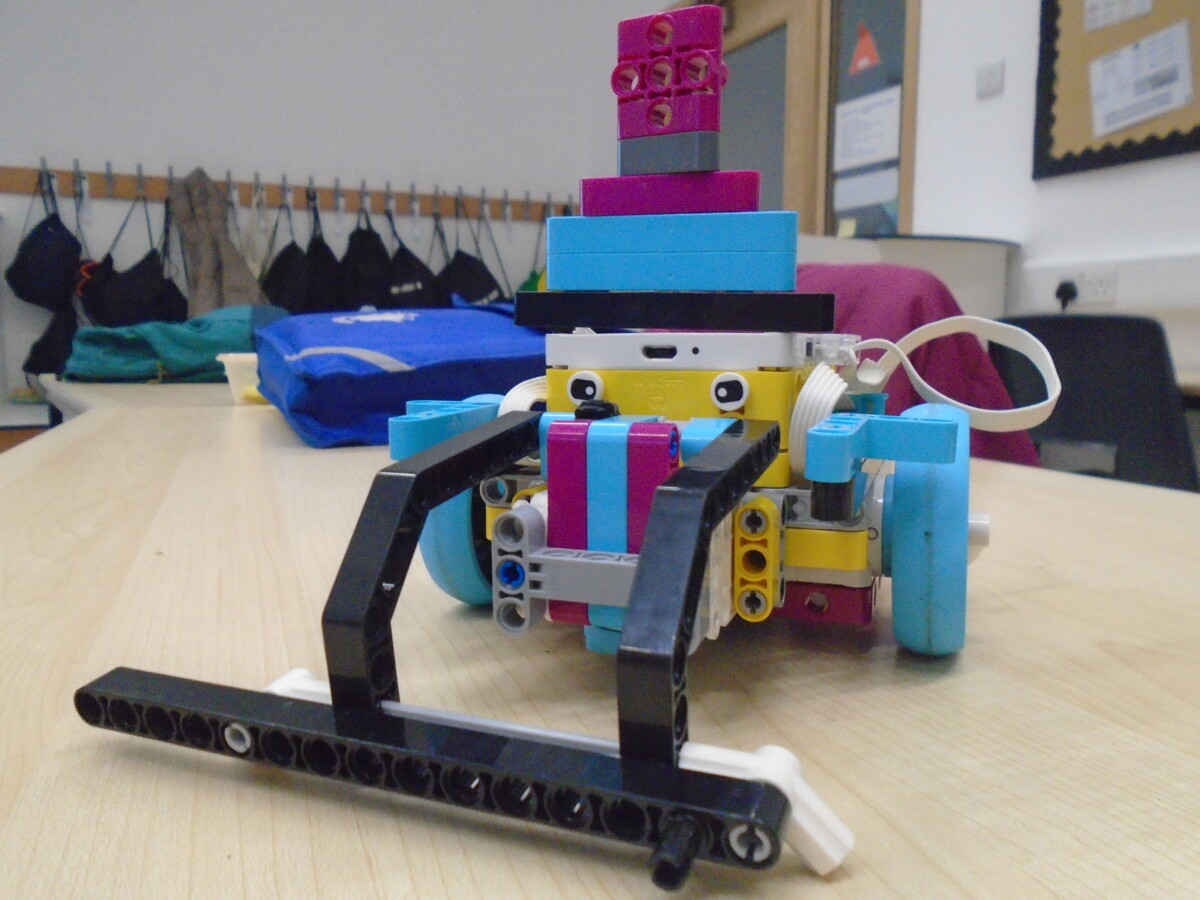
LEGO League is an exciting international STEM competition that challenges young people to think like engineers, programmers and innovators. Working in teams, the children designed, built and programmed a LEGO robot to complete a series of missions linked to the theme of “archaeology’. Alongside this, they researched a problem in the field of archaeology, developed an innovative solution and presented their ideas to judges.

And it’s the innovation project that won the trophy this time. Our idea was to use use the power of AI to scan and identify possible historical artefacts discovered by regular people. Metal-detectorists, mud-larkers, builders, people digging flower beds; all of these people often stumble across interesting artefacts without knowing anything about what they’ve discovered. With our app, simply taking a photograph could give a quick indication of whether what has been found is important and interesting, or just an old pot. With help, we even used AI to mock up a version of what we think the app could look like. The judges were very impressed!

Check out the photos of the day below. Maybe next year we’ll get through to the national finals!


Screen Savvy badges

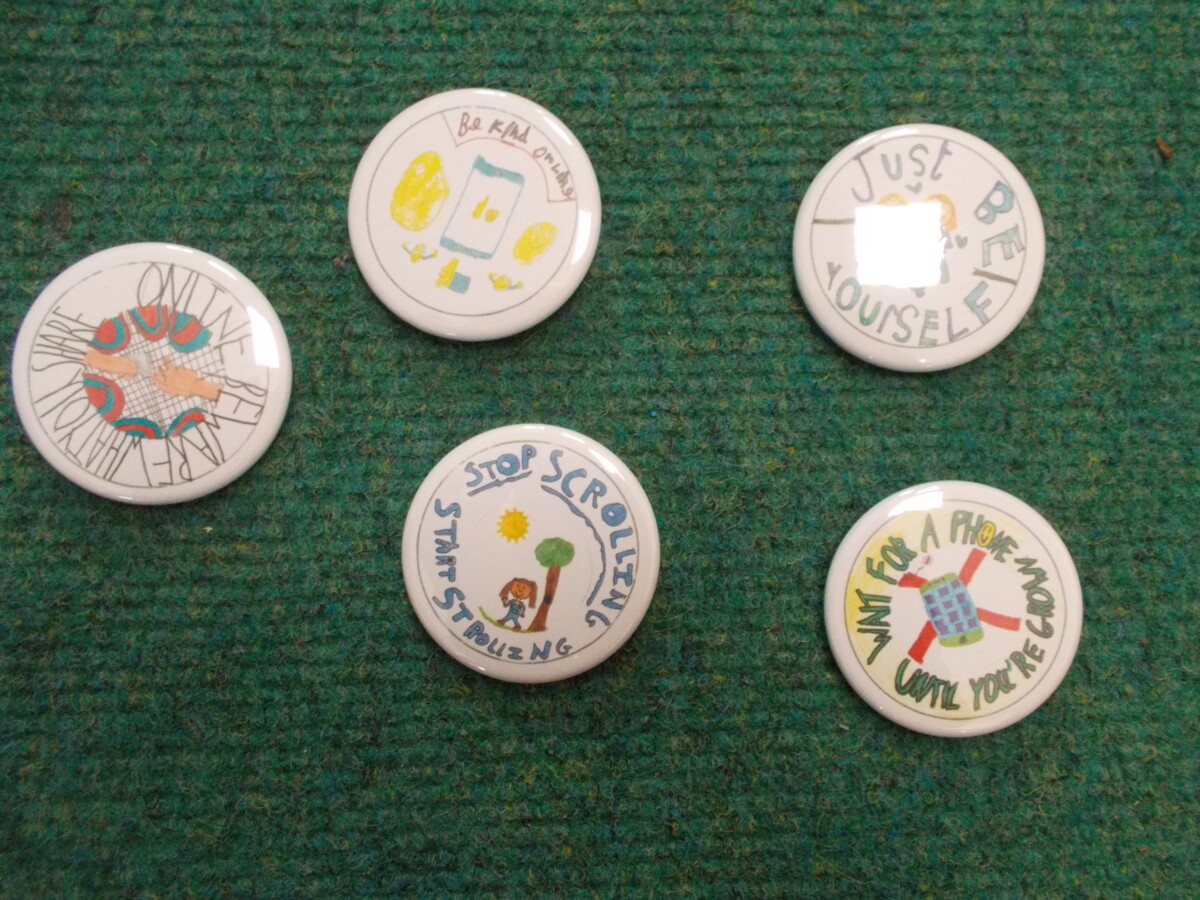
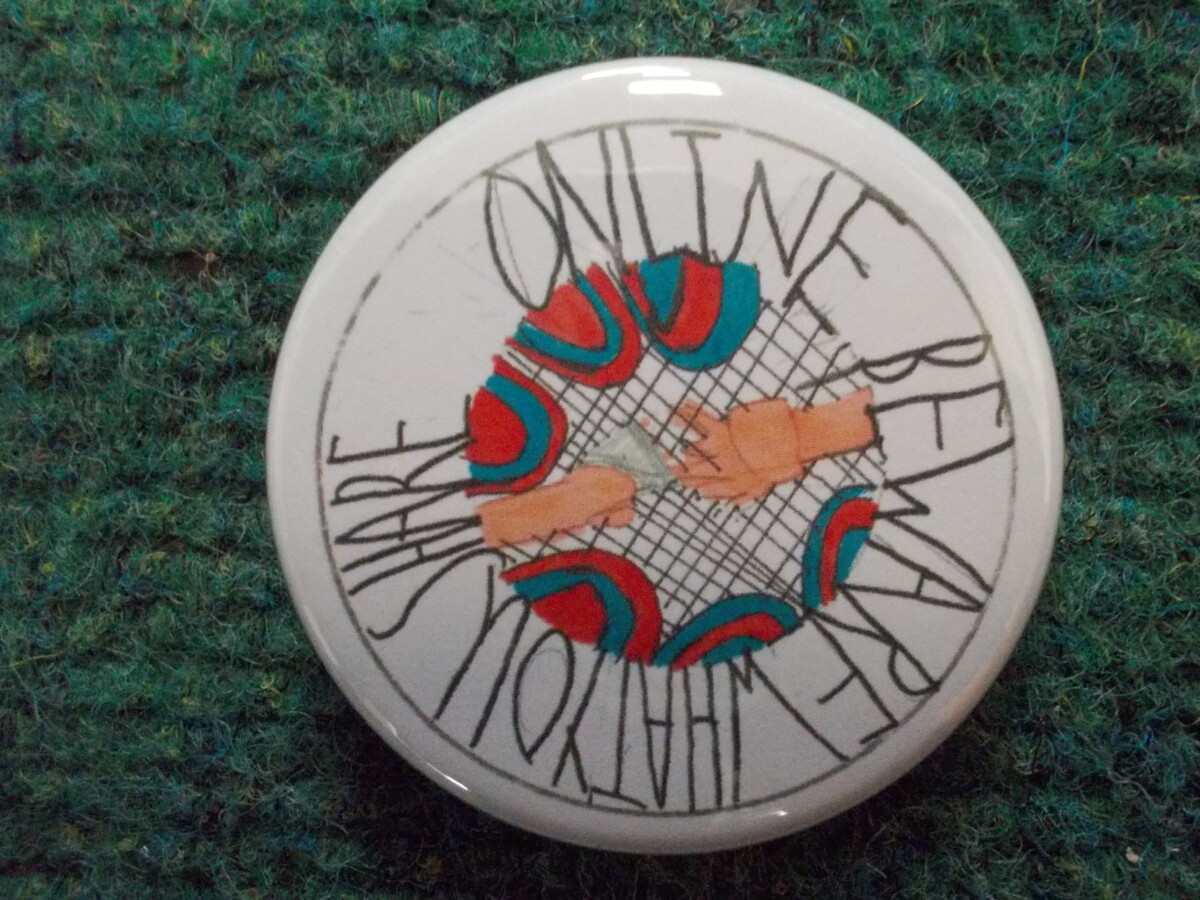
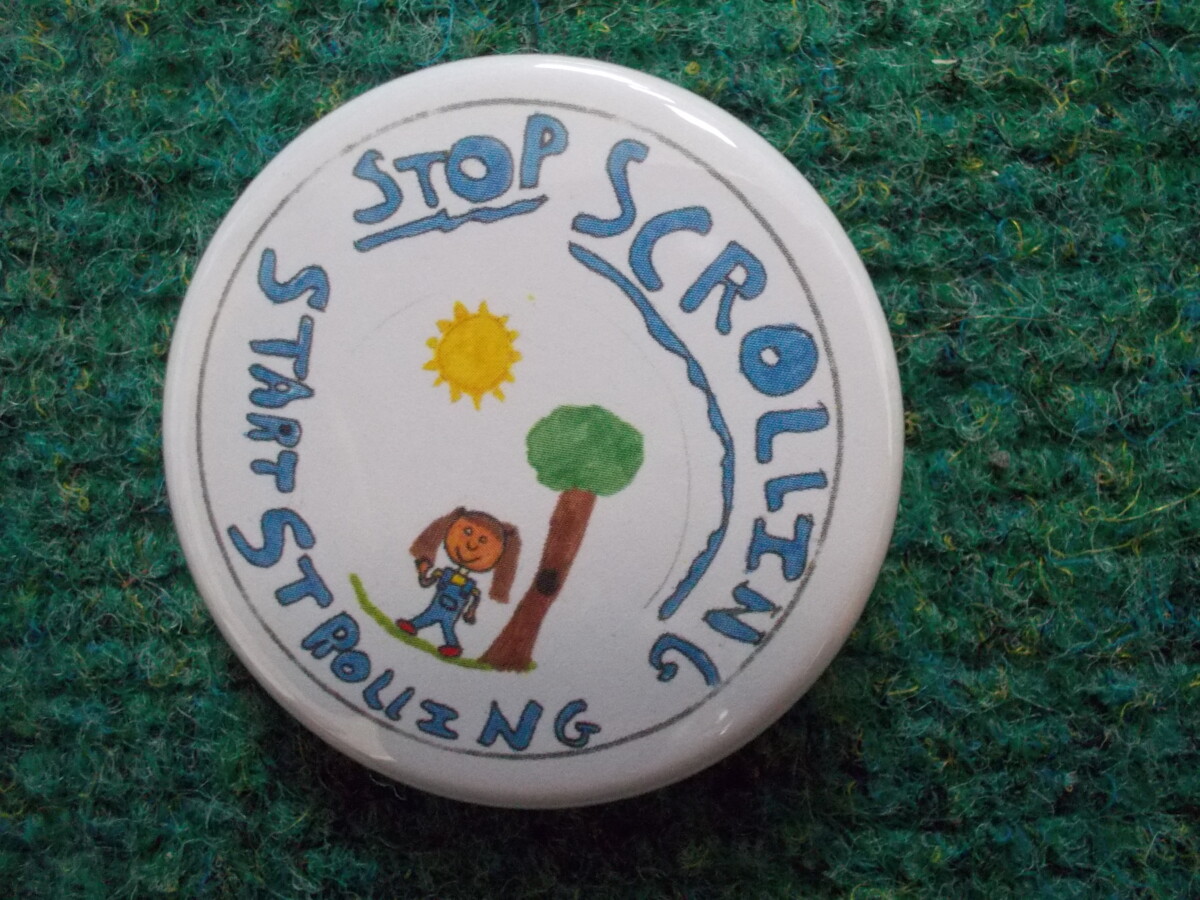
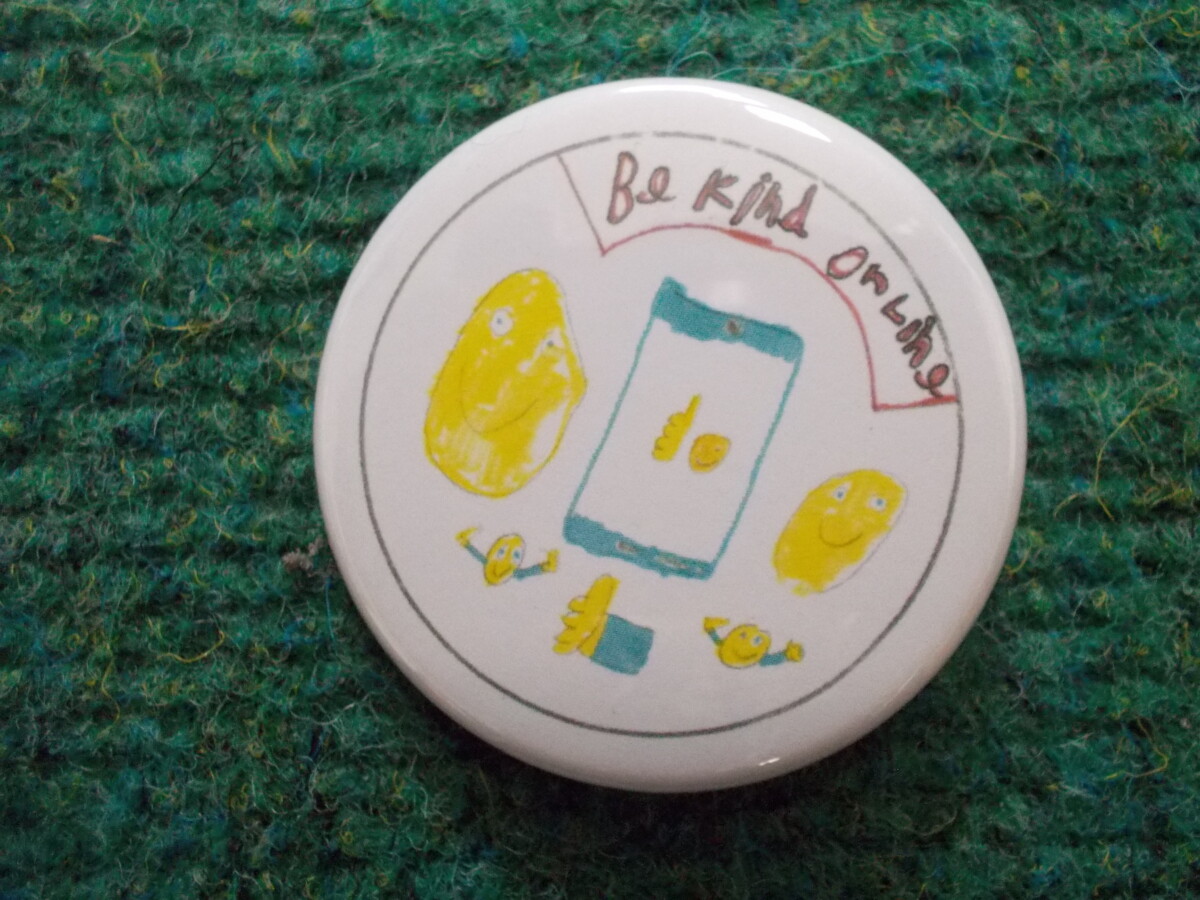
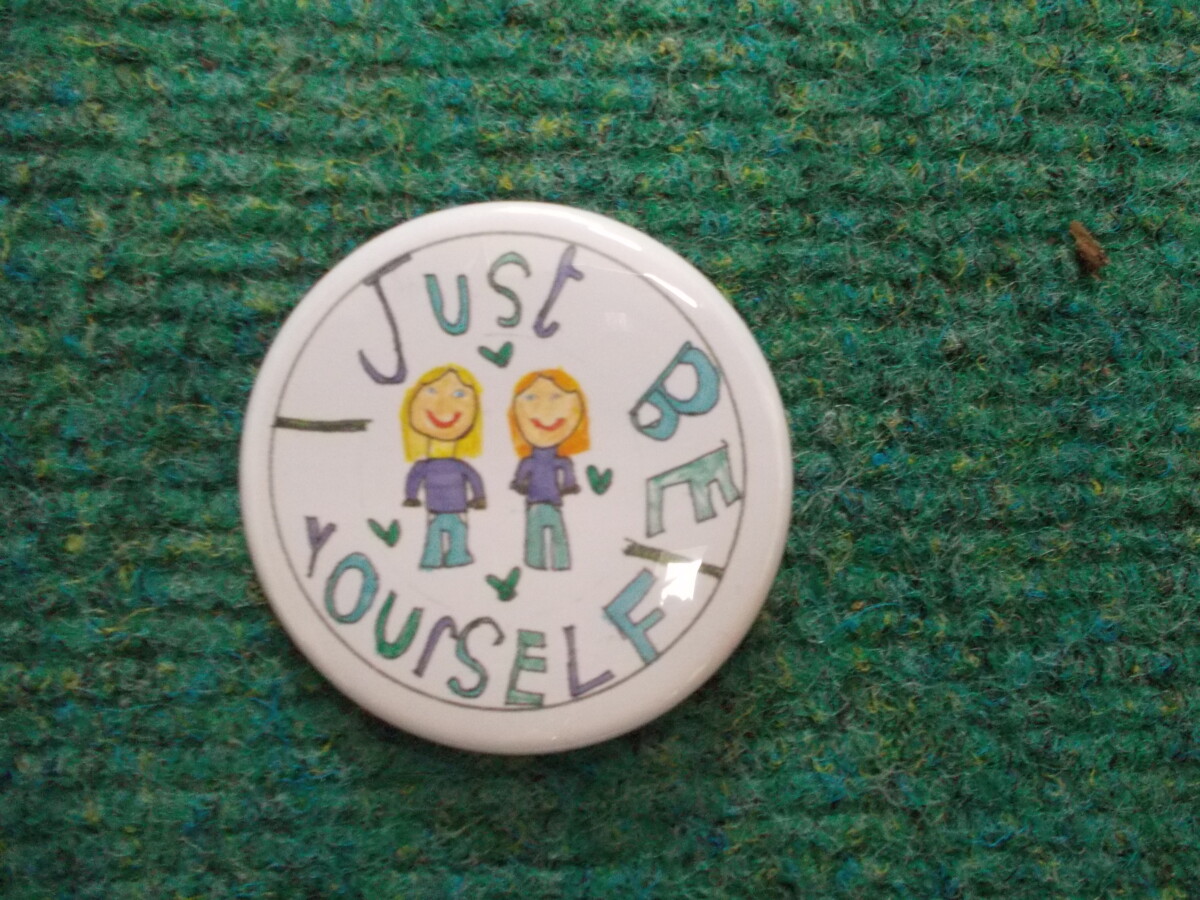
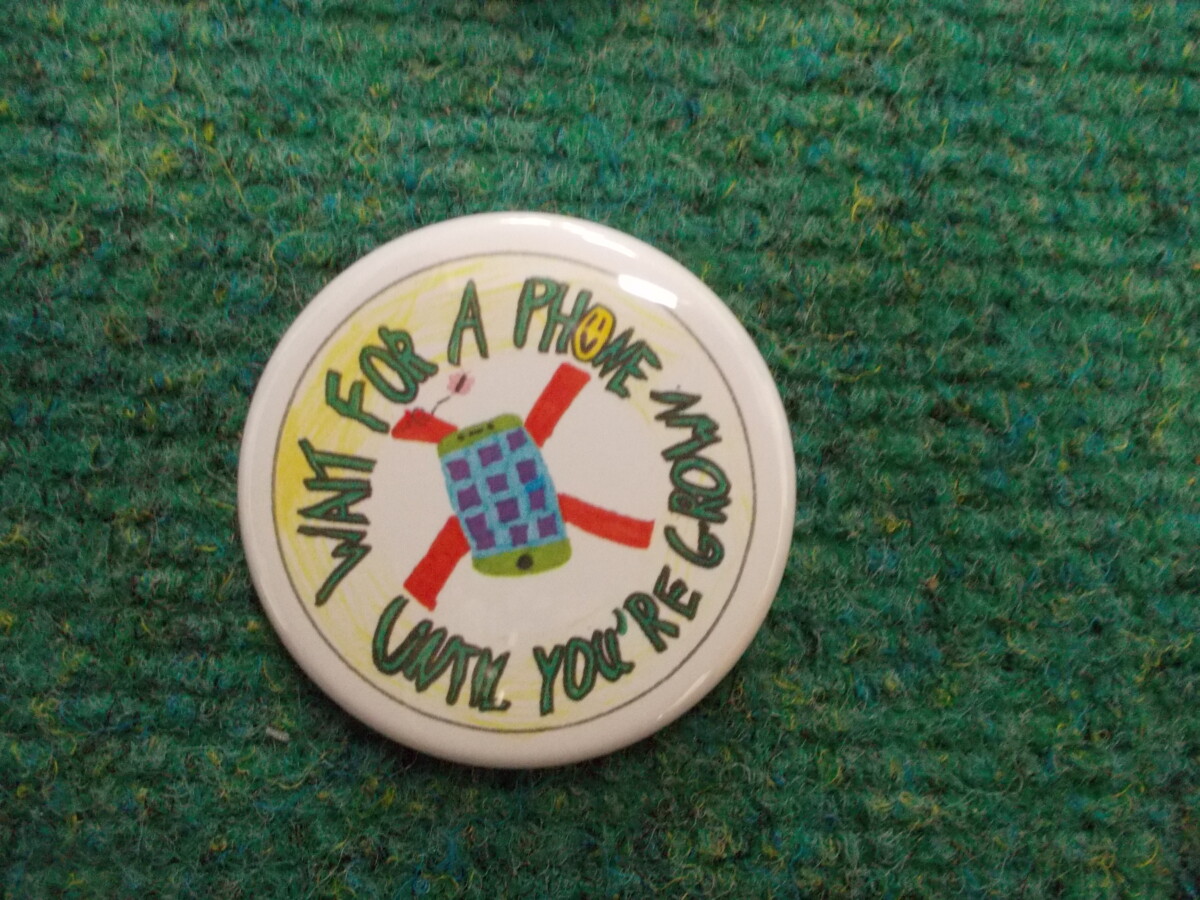
Following our fantastic workshop learning all about internet safety the final badge designed arrived in school. A grand reveal created great excitement as the children discovered which designs had been chosen for the badges. Thanks again Screen Savvy Kidz. www.facebook.com/screensavvykidz


Here are the brilliant badges!