WORLD BOOK DAY!
Come to school wearing a headband, hat or headdress related to a character of your choice!
Come to school wearing a headband, hat or headdress related to a character of your choice!
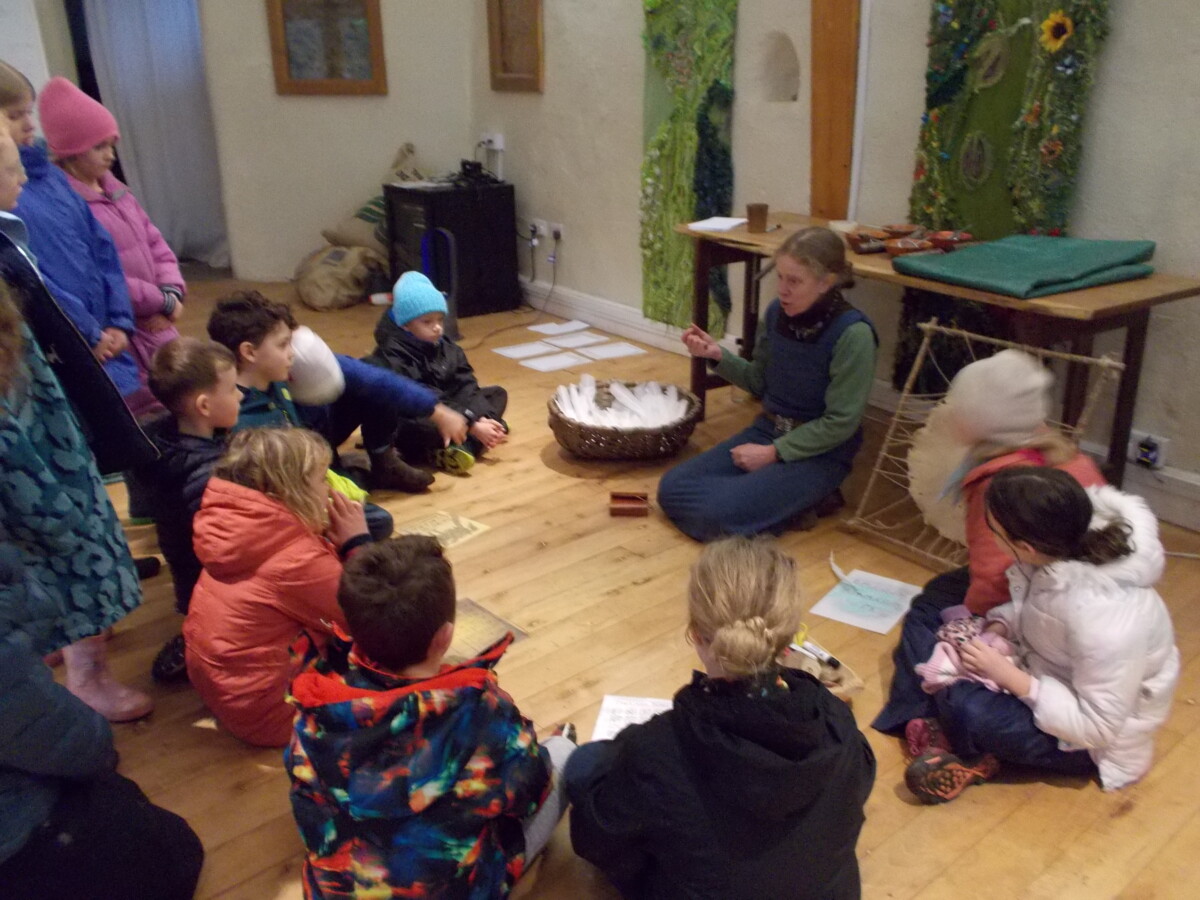
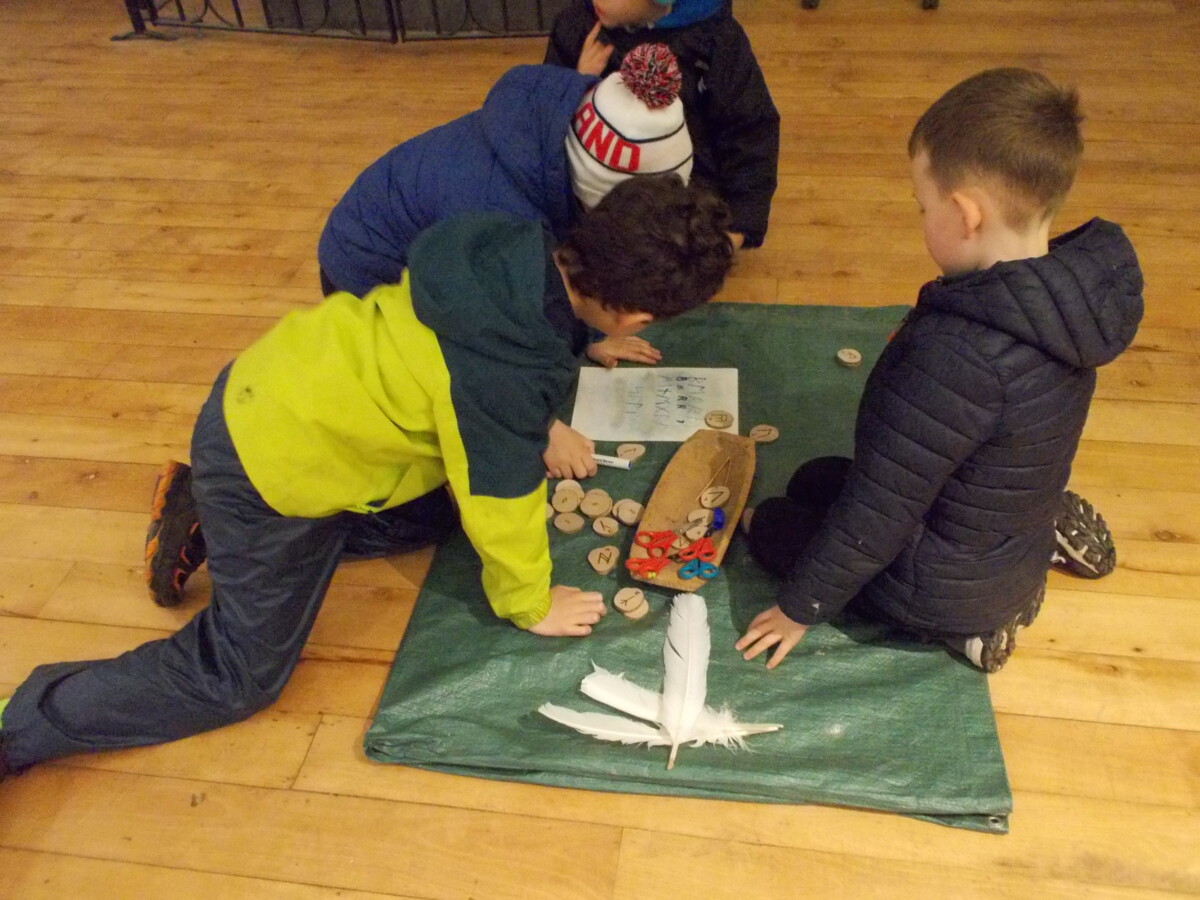
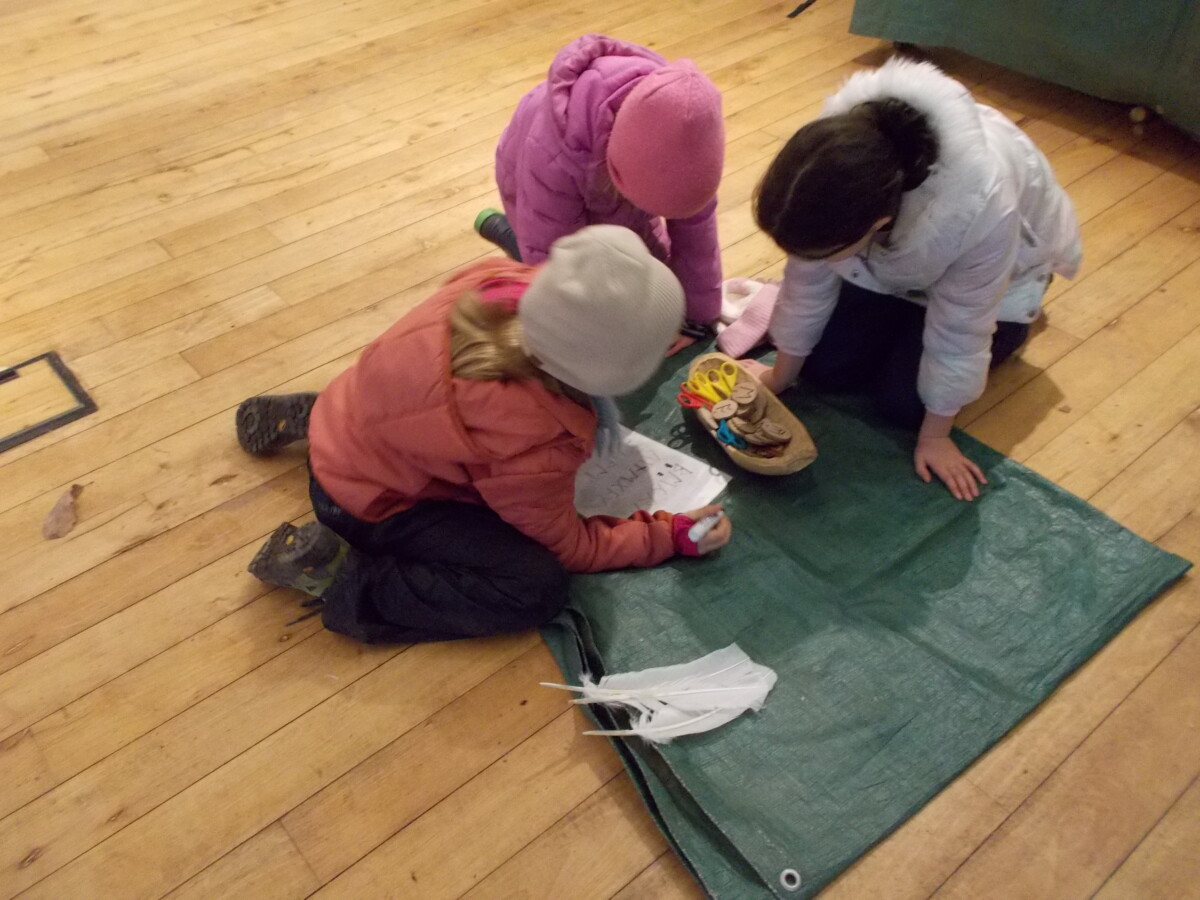
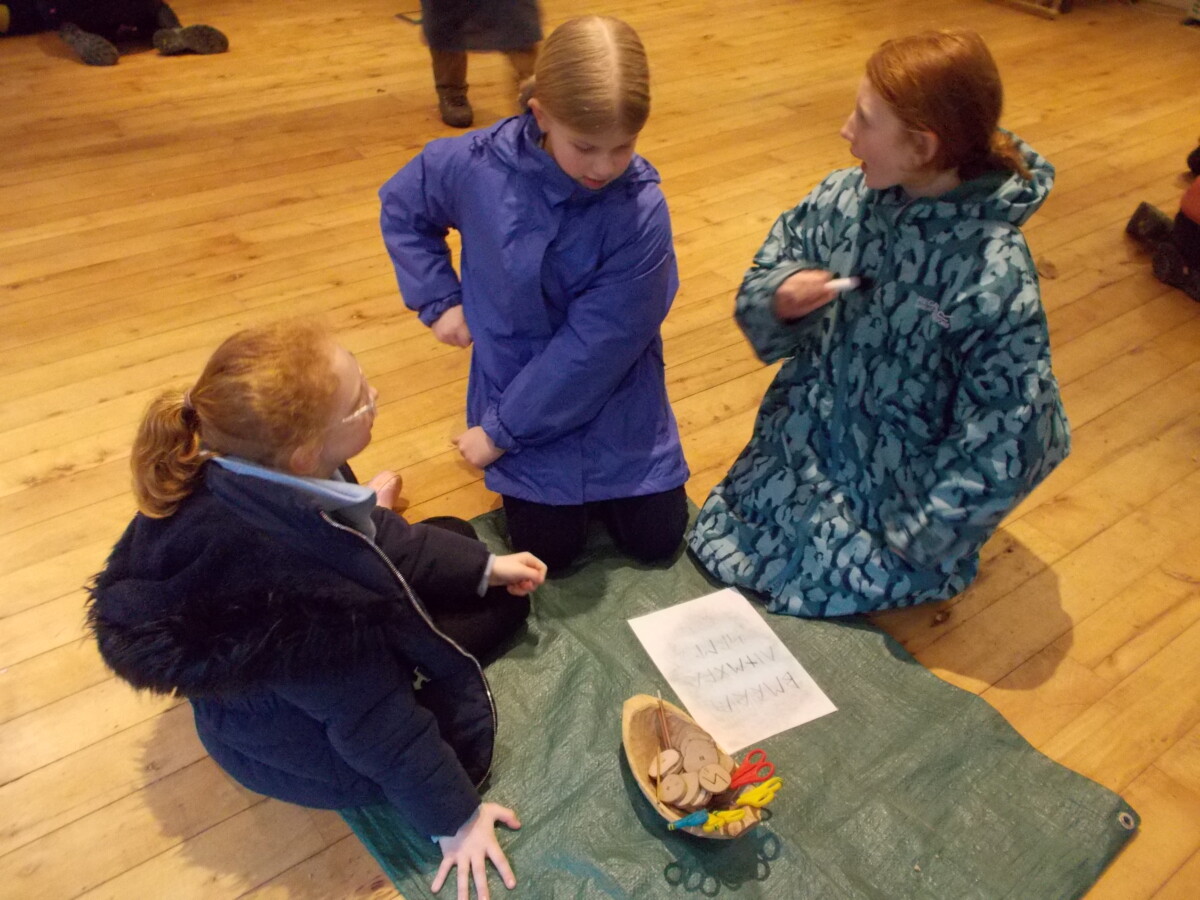
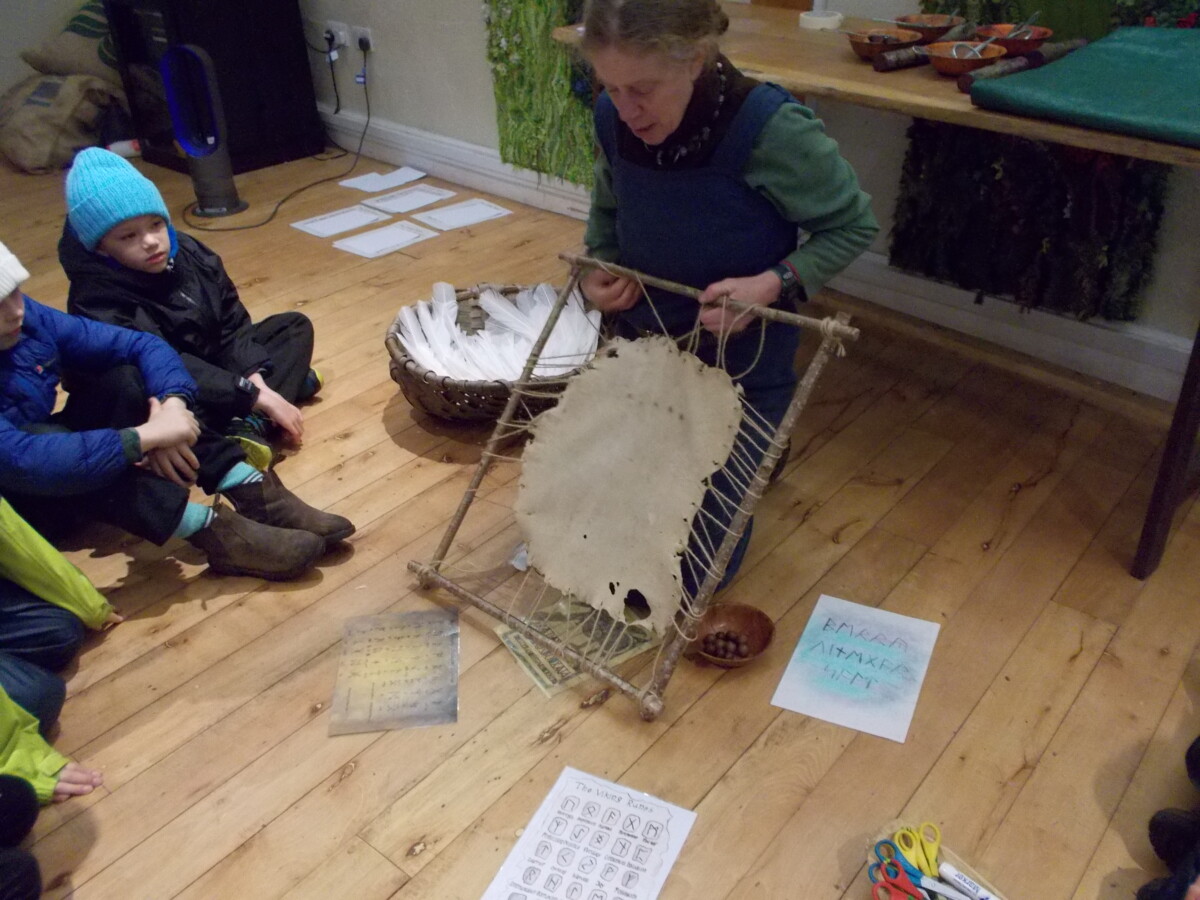
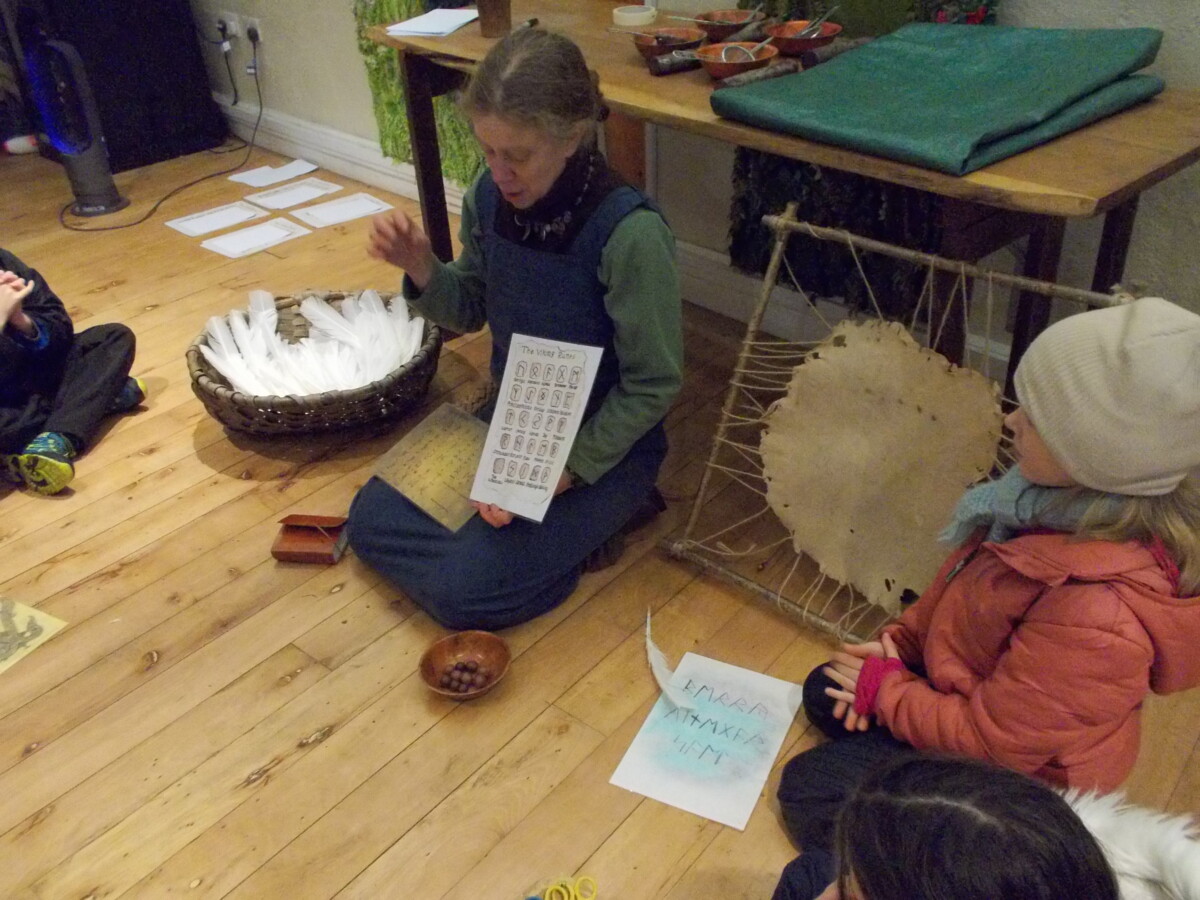
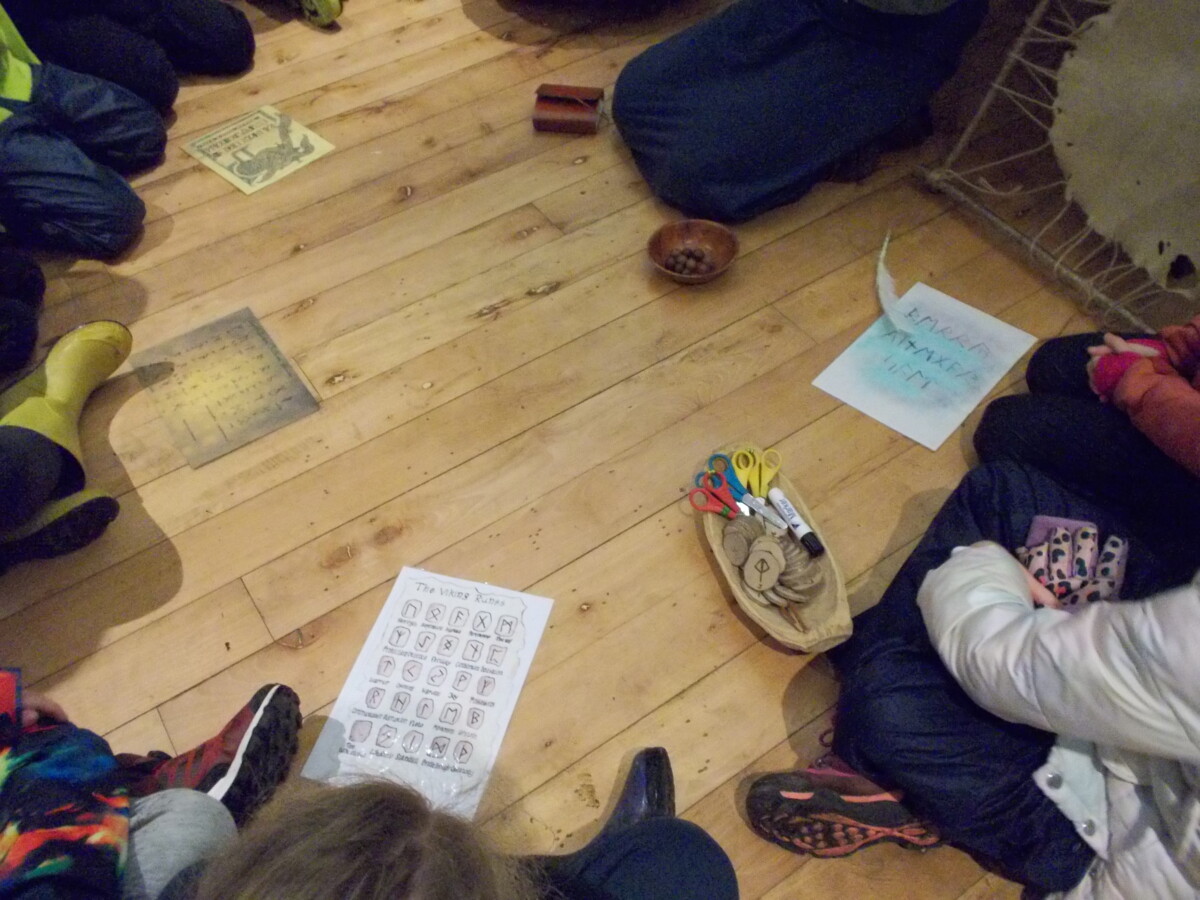
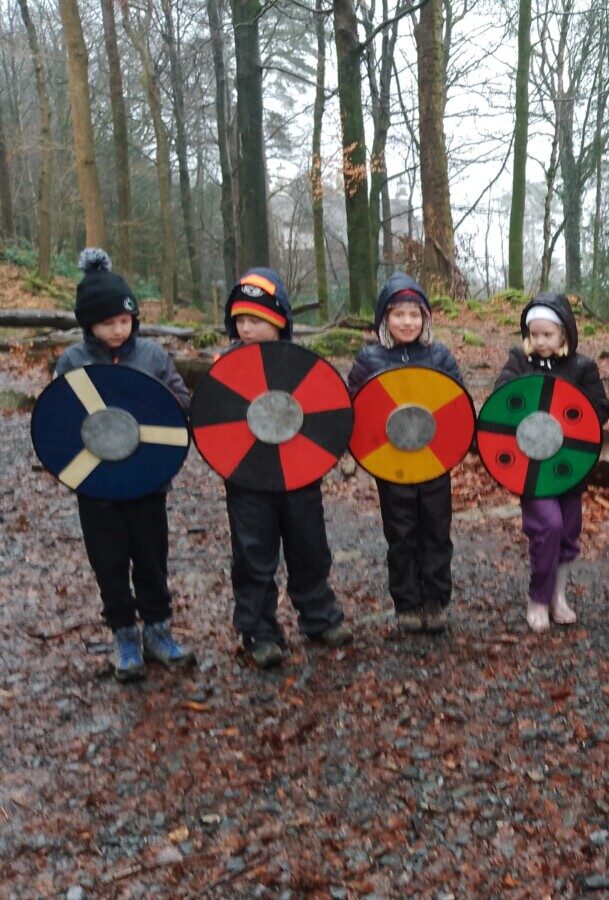
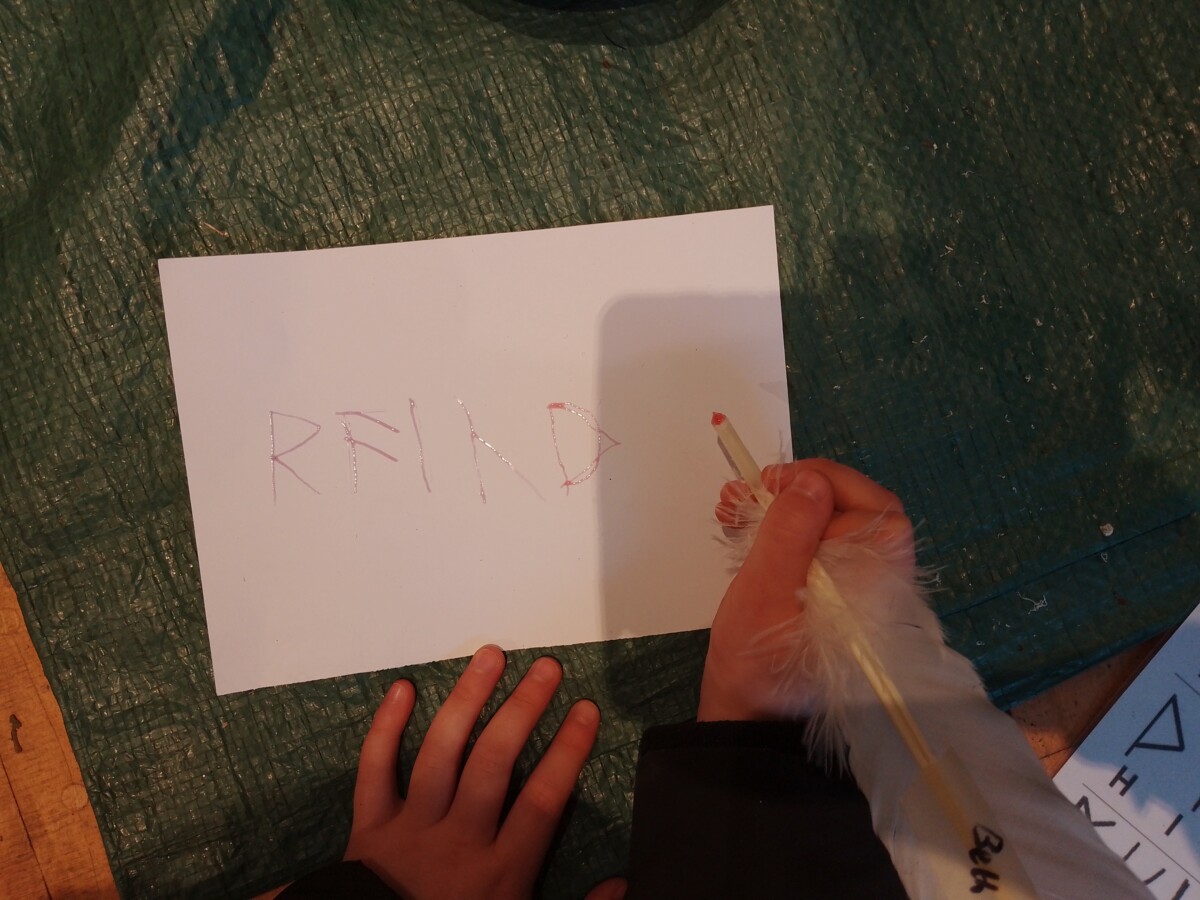
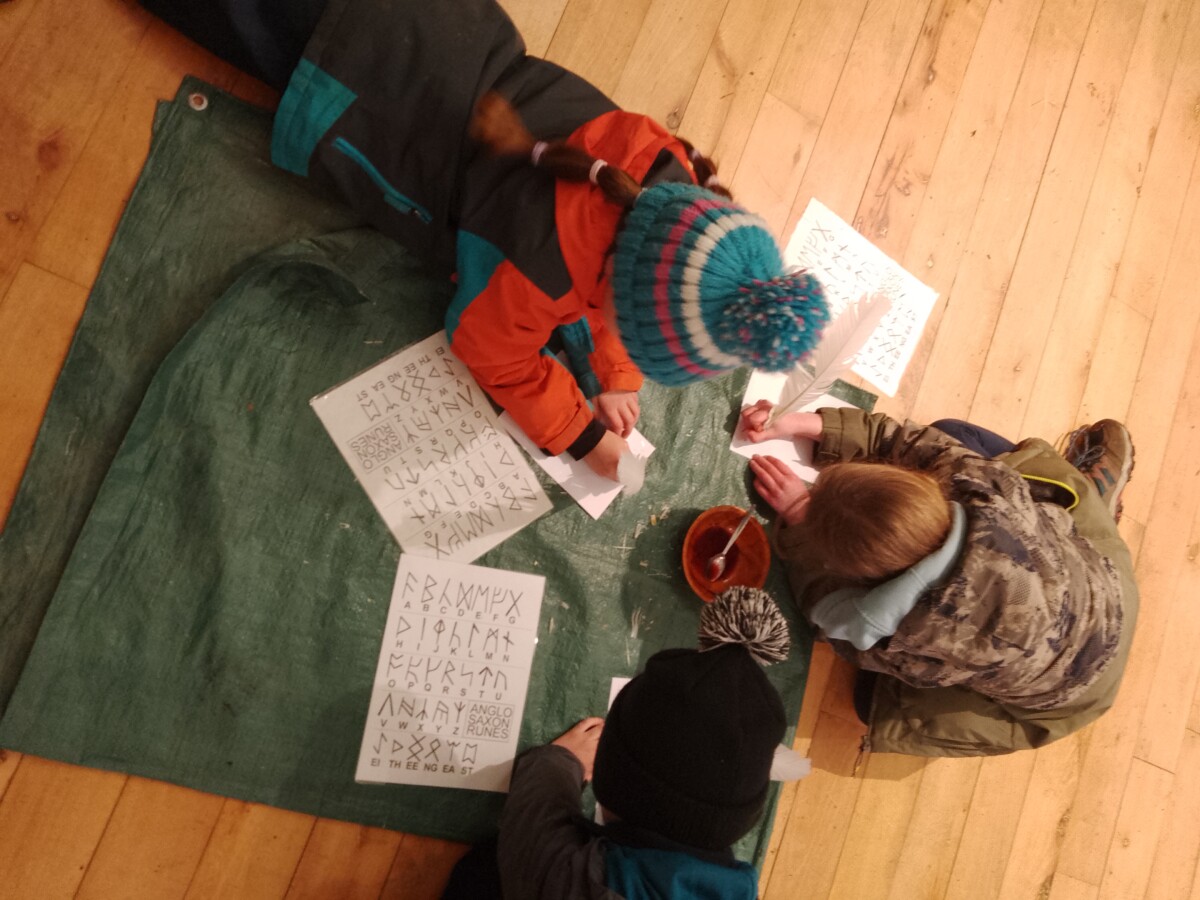
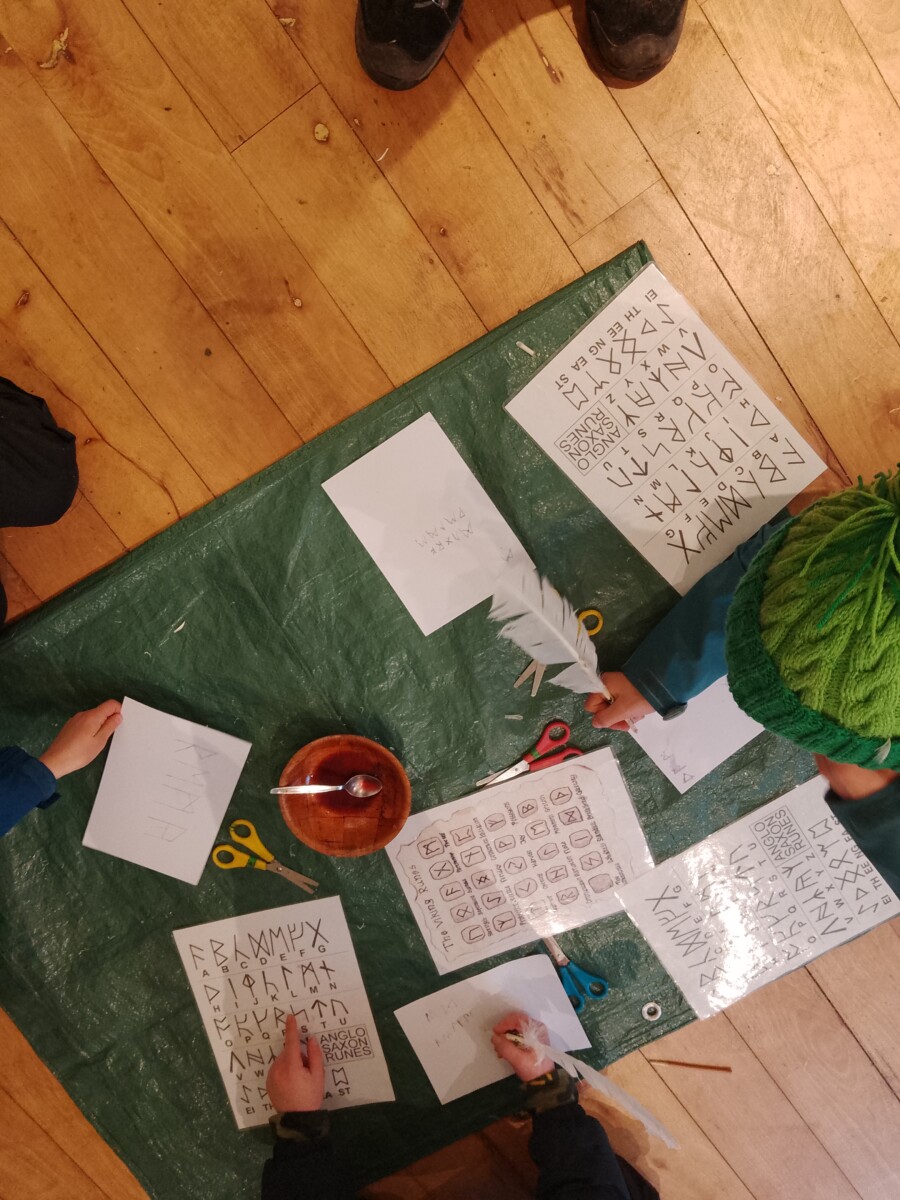
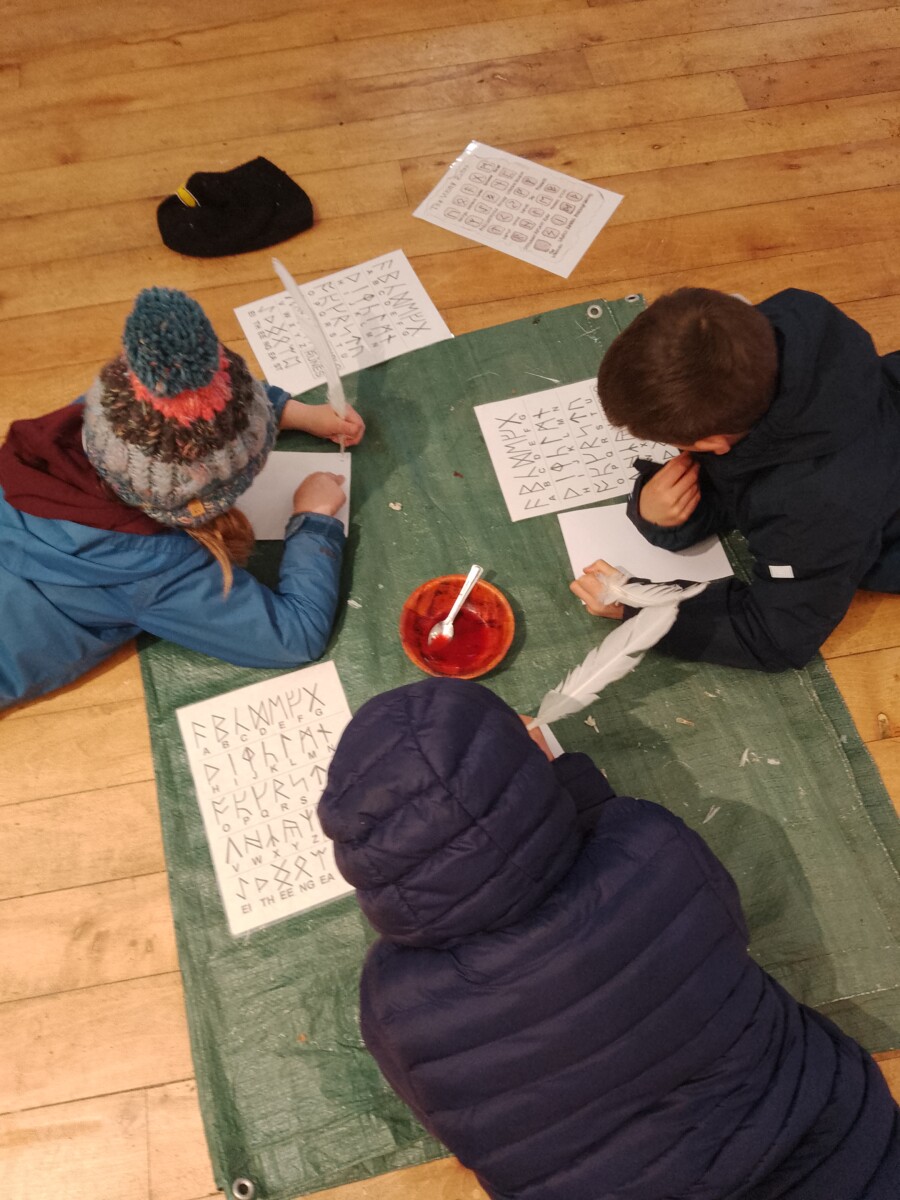
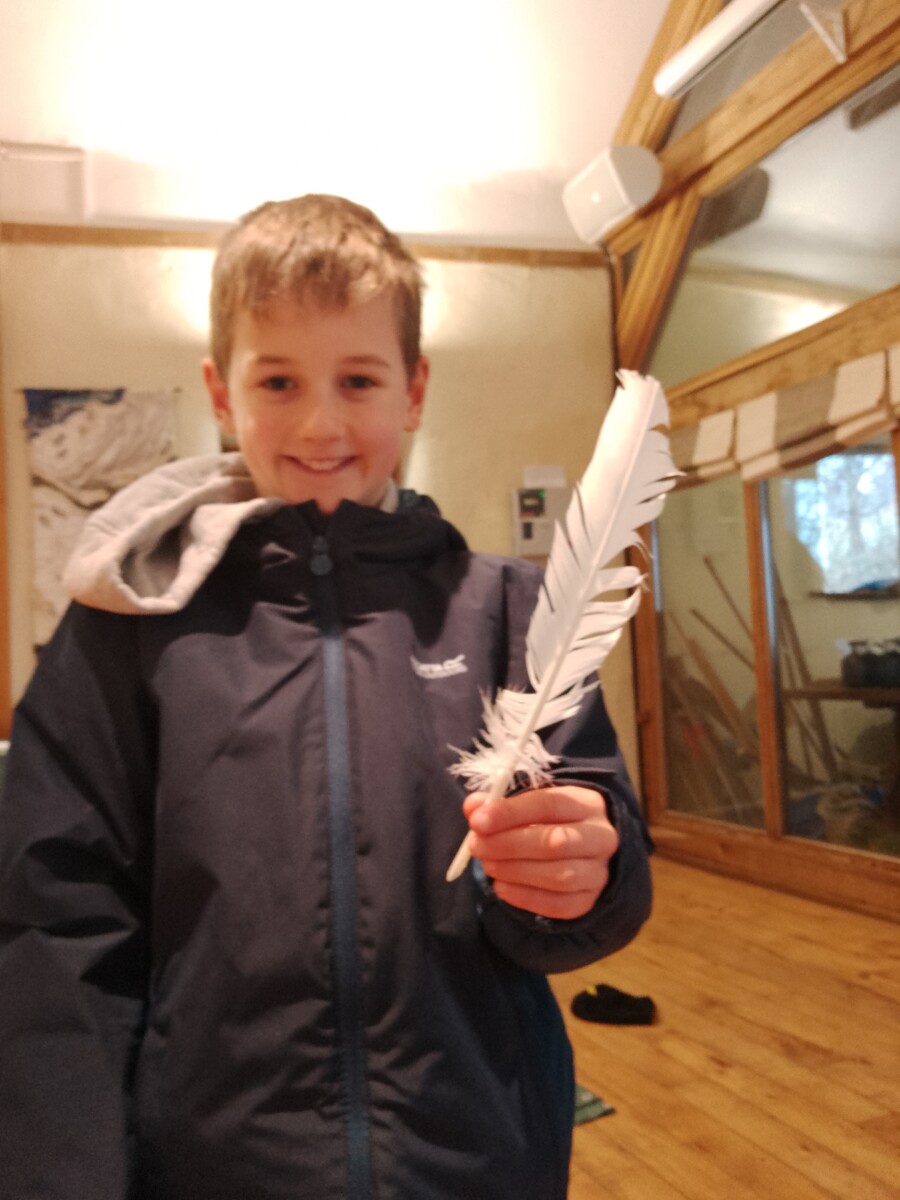
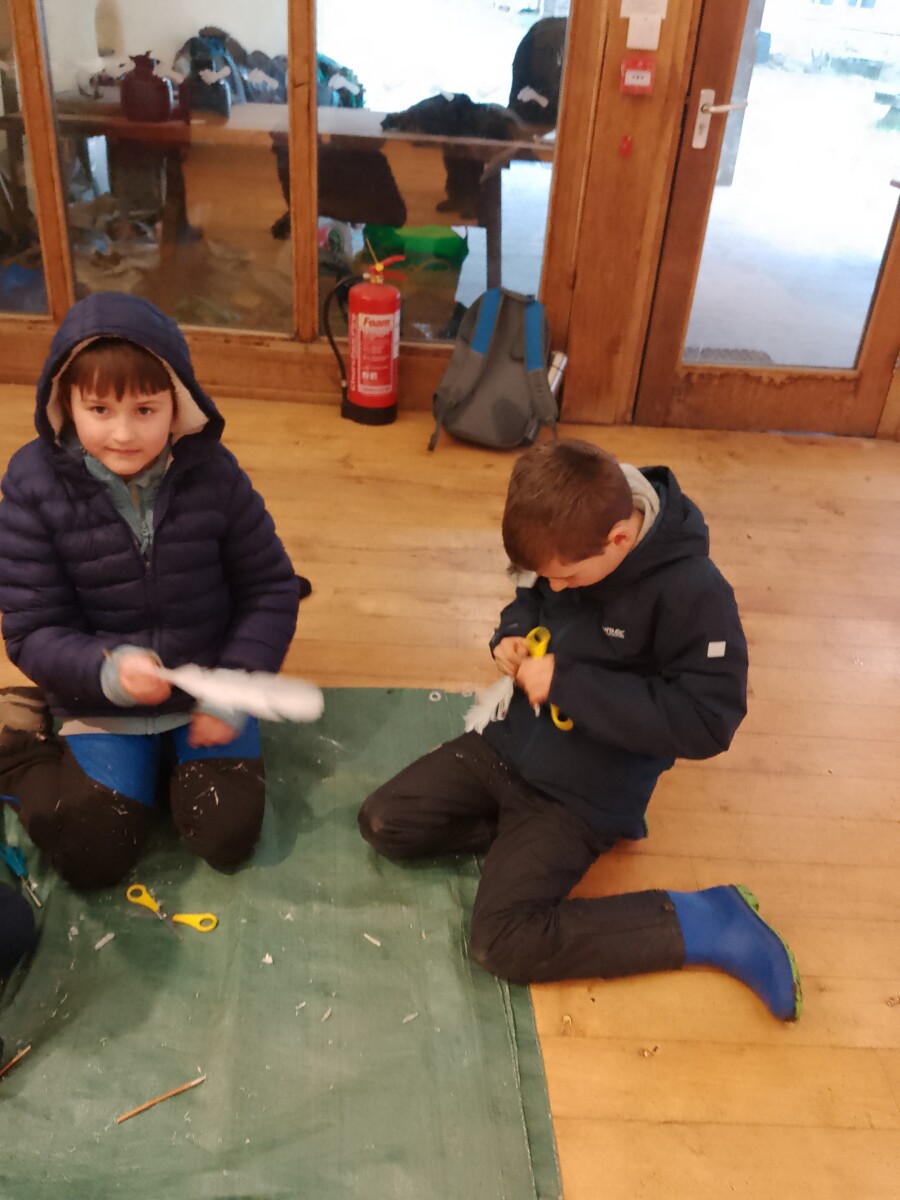
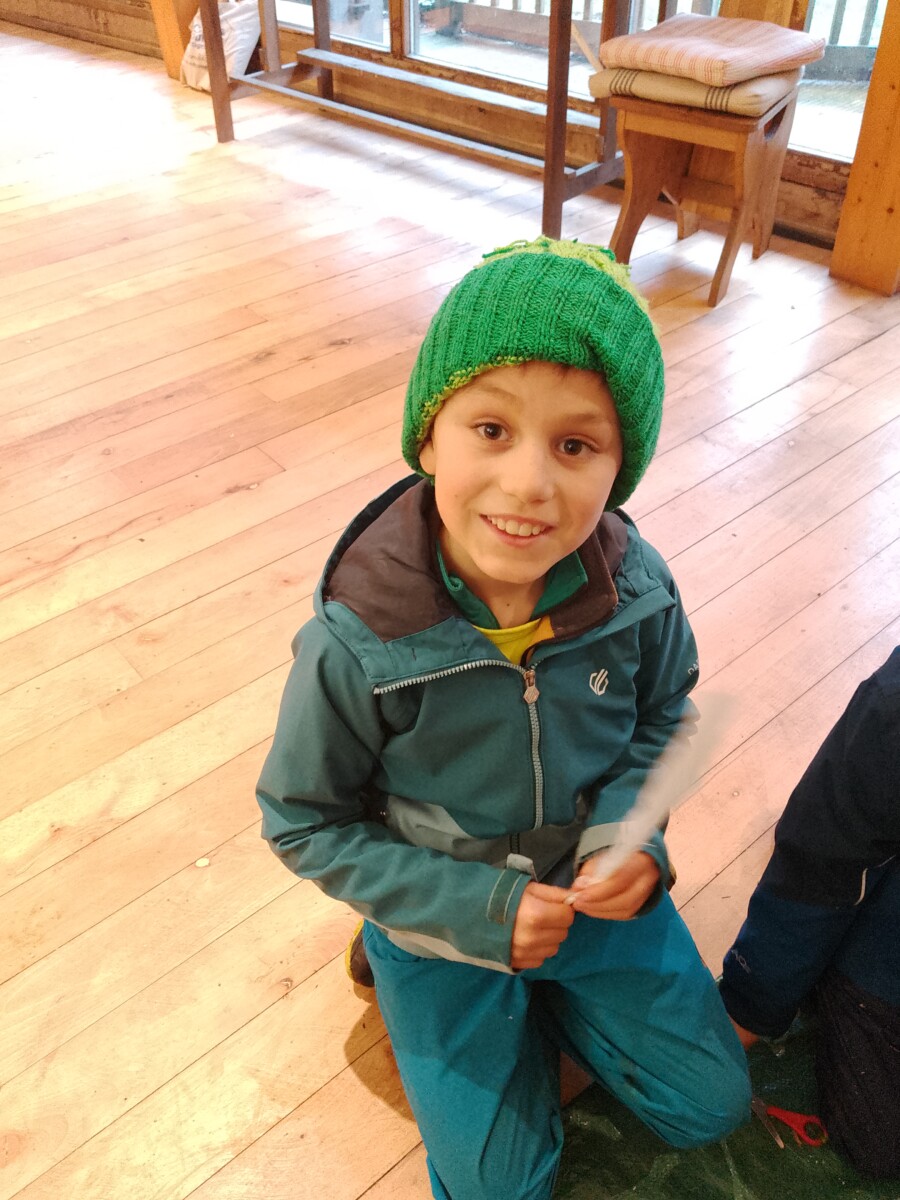
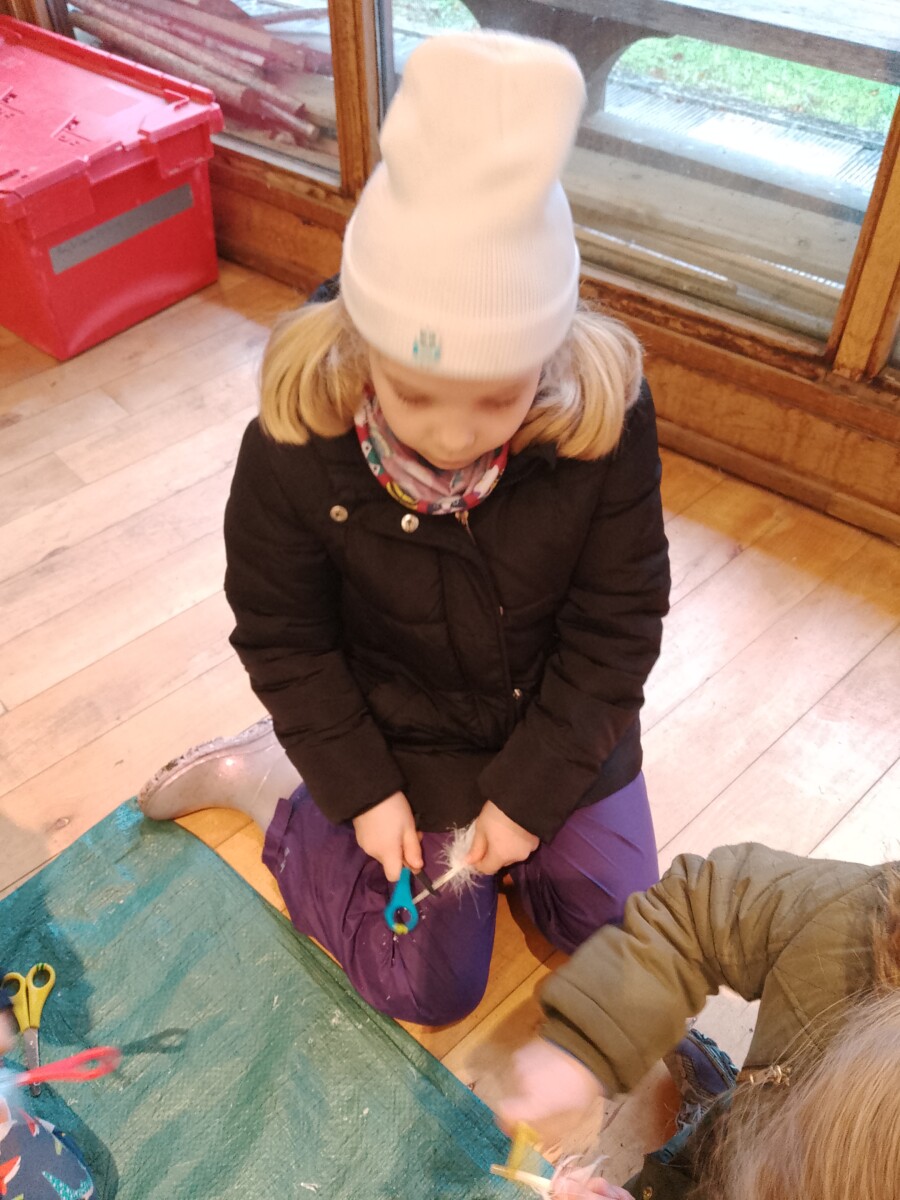
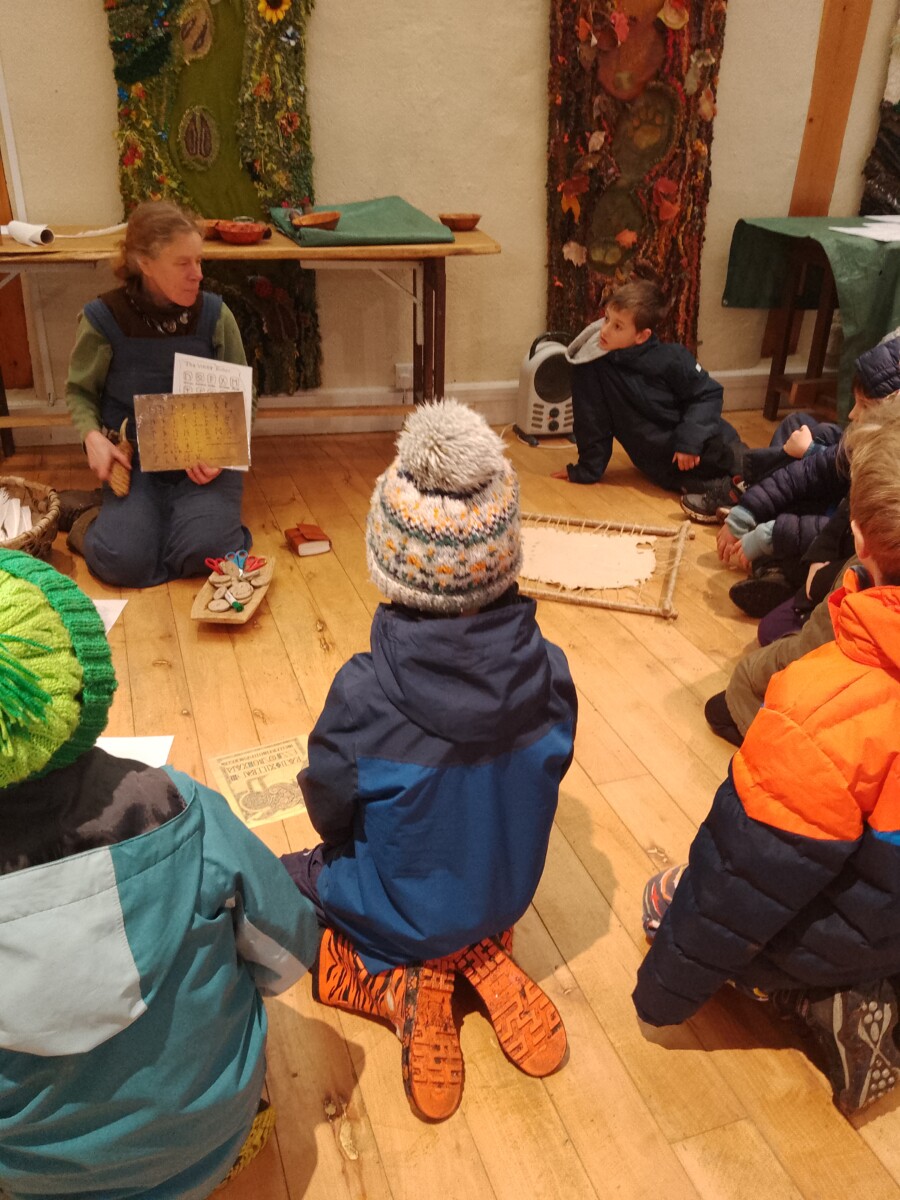
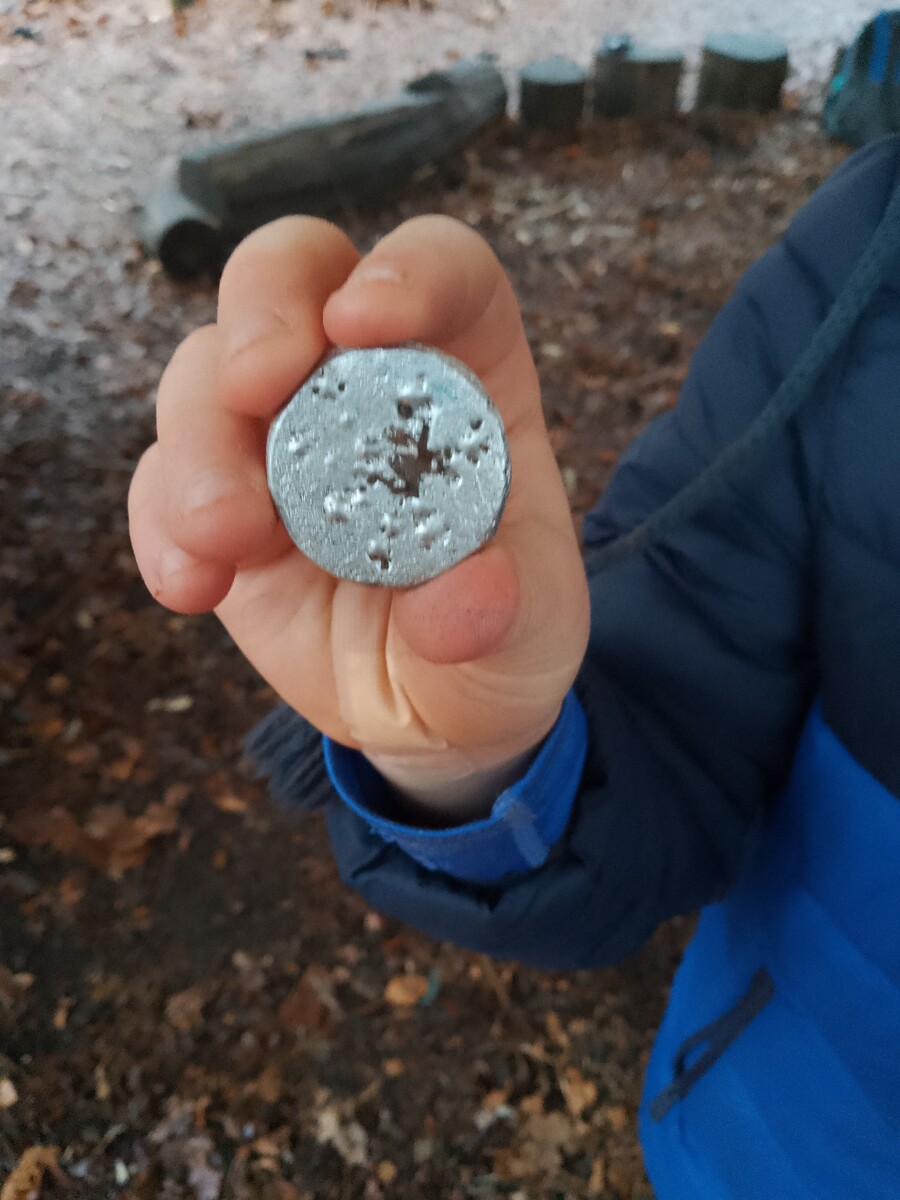
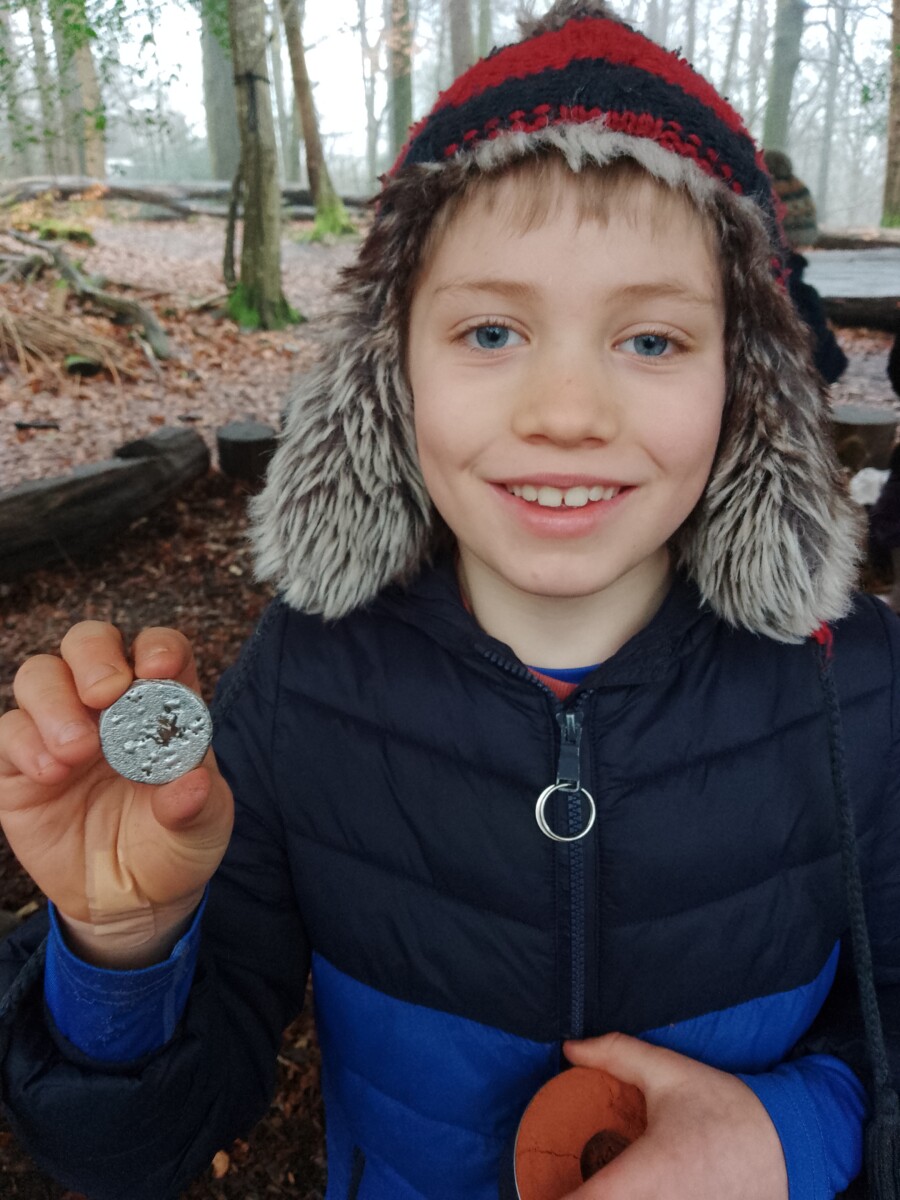
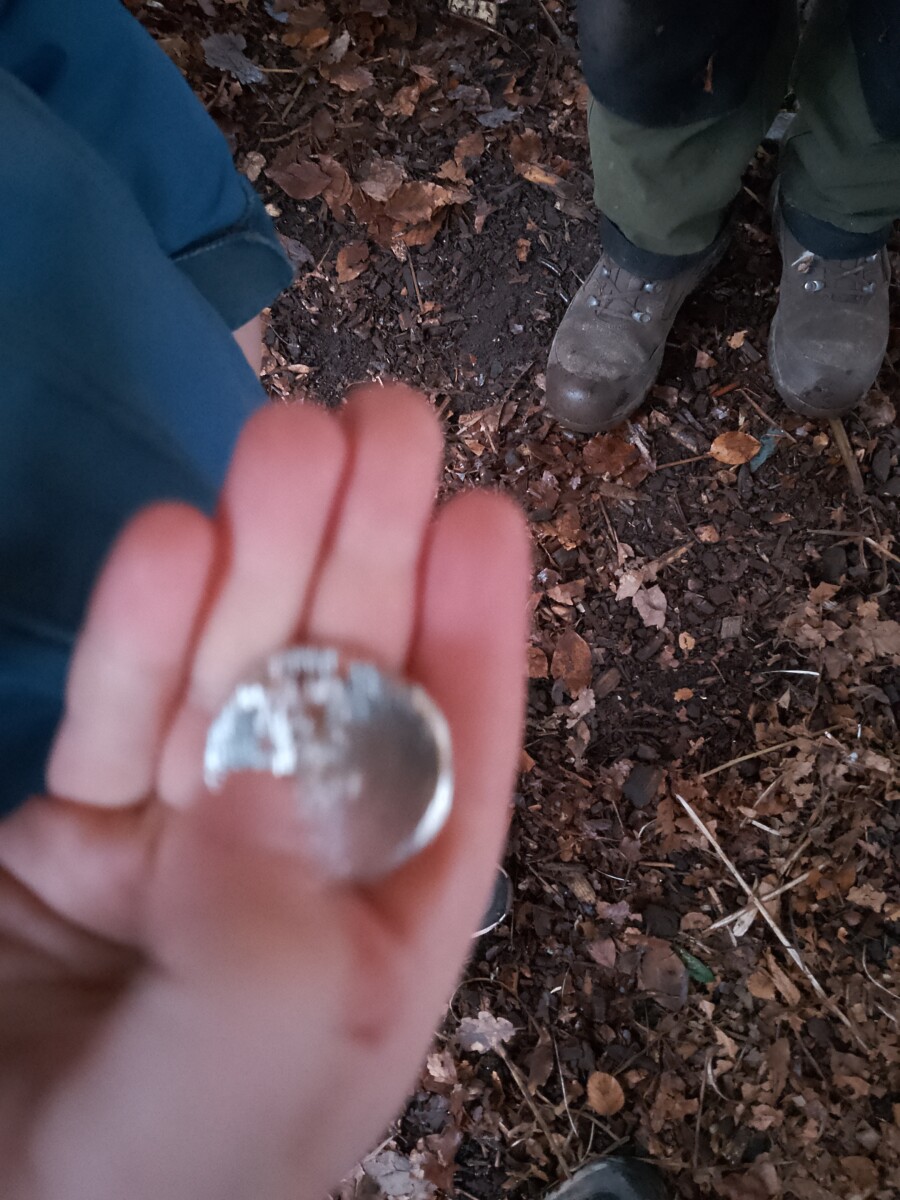
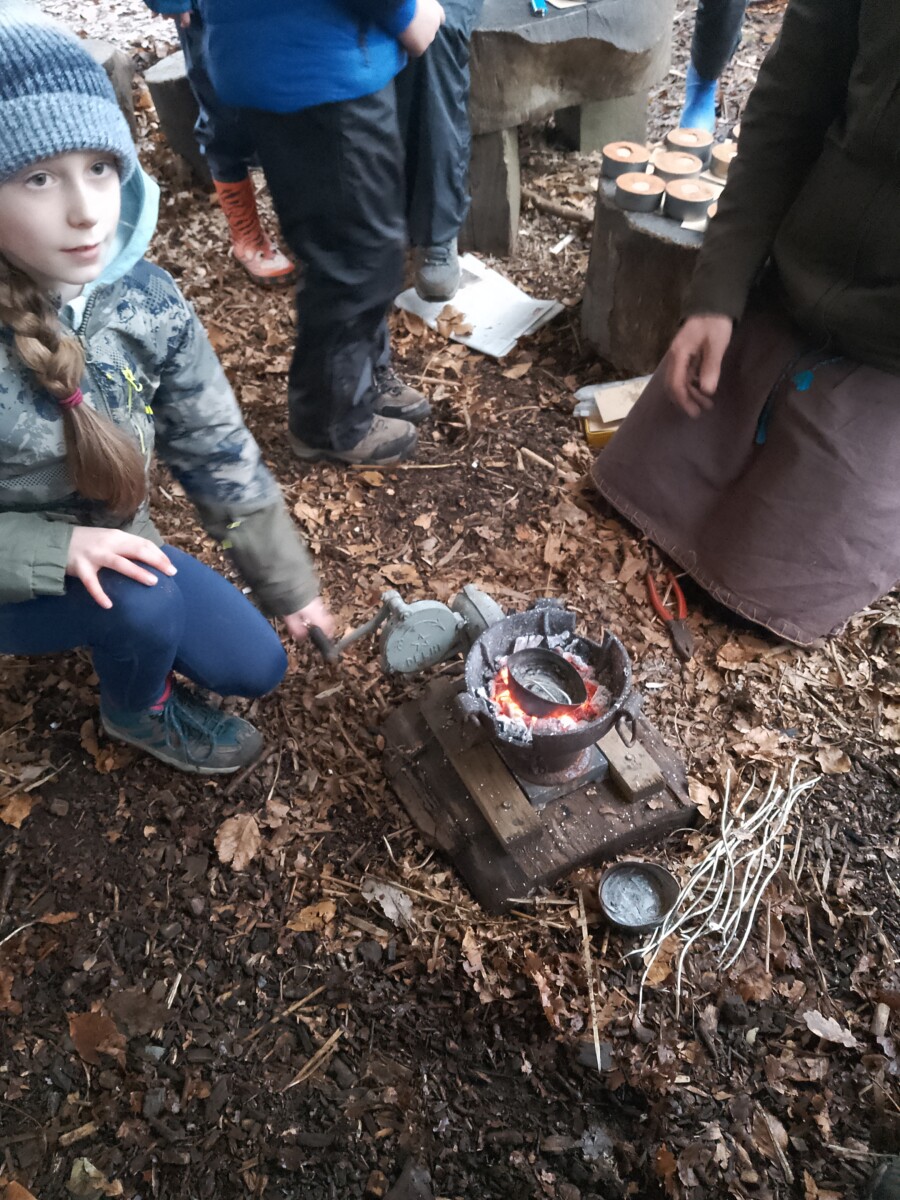
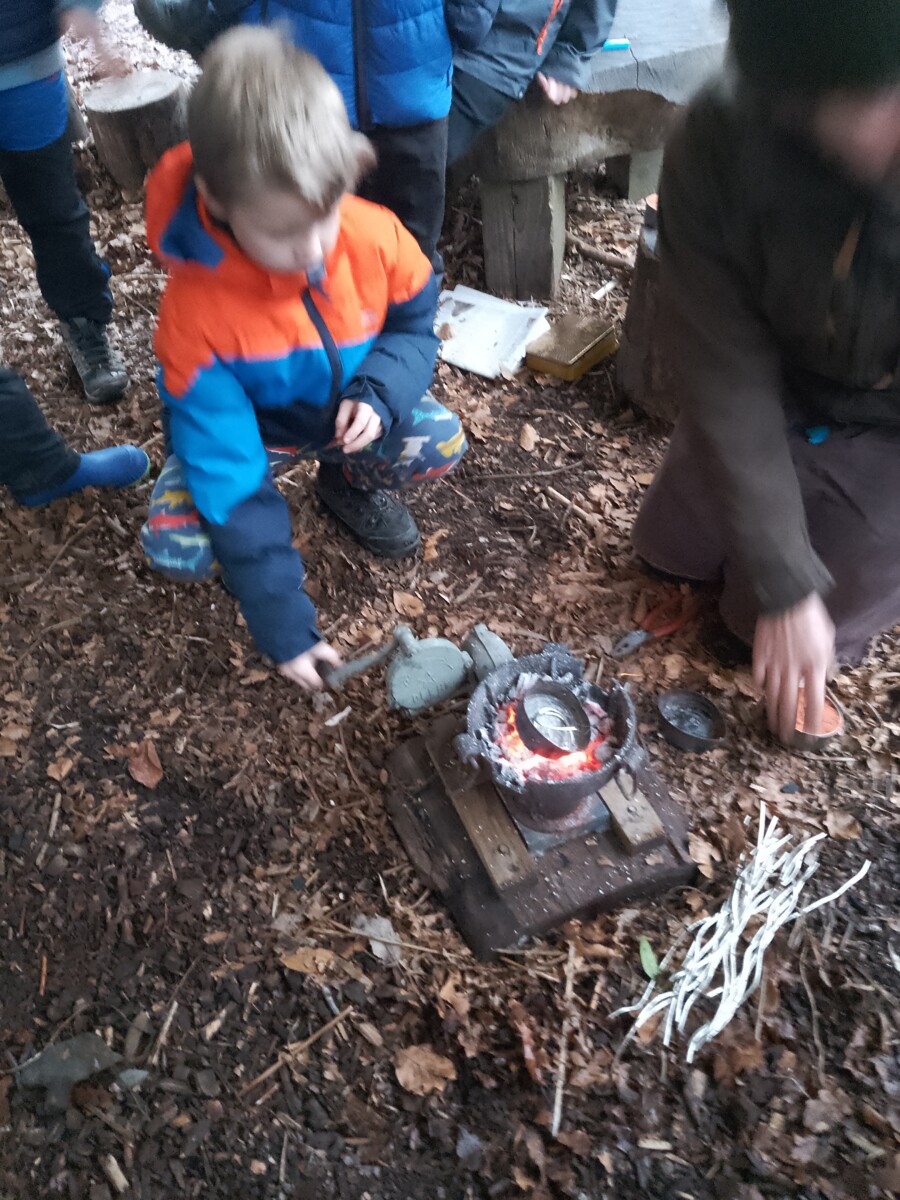
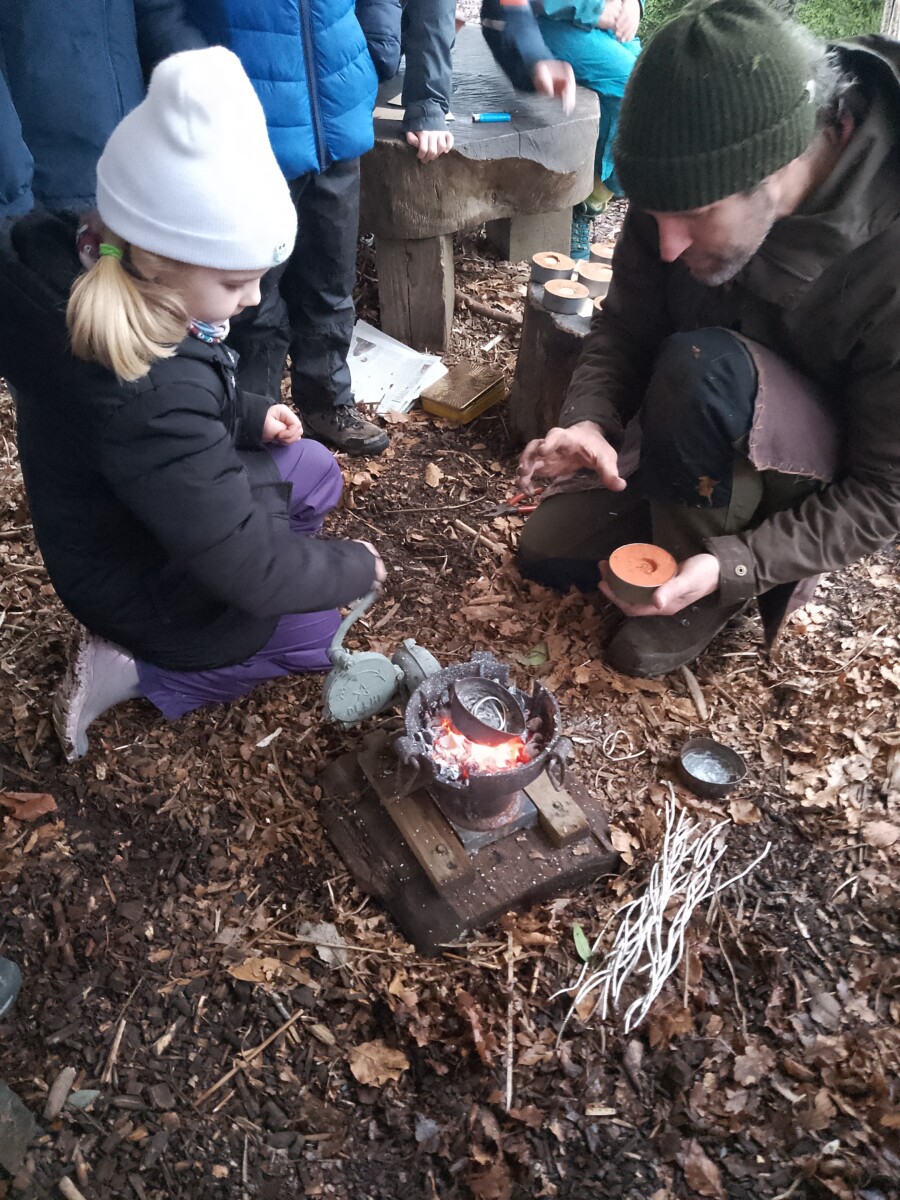
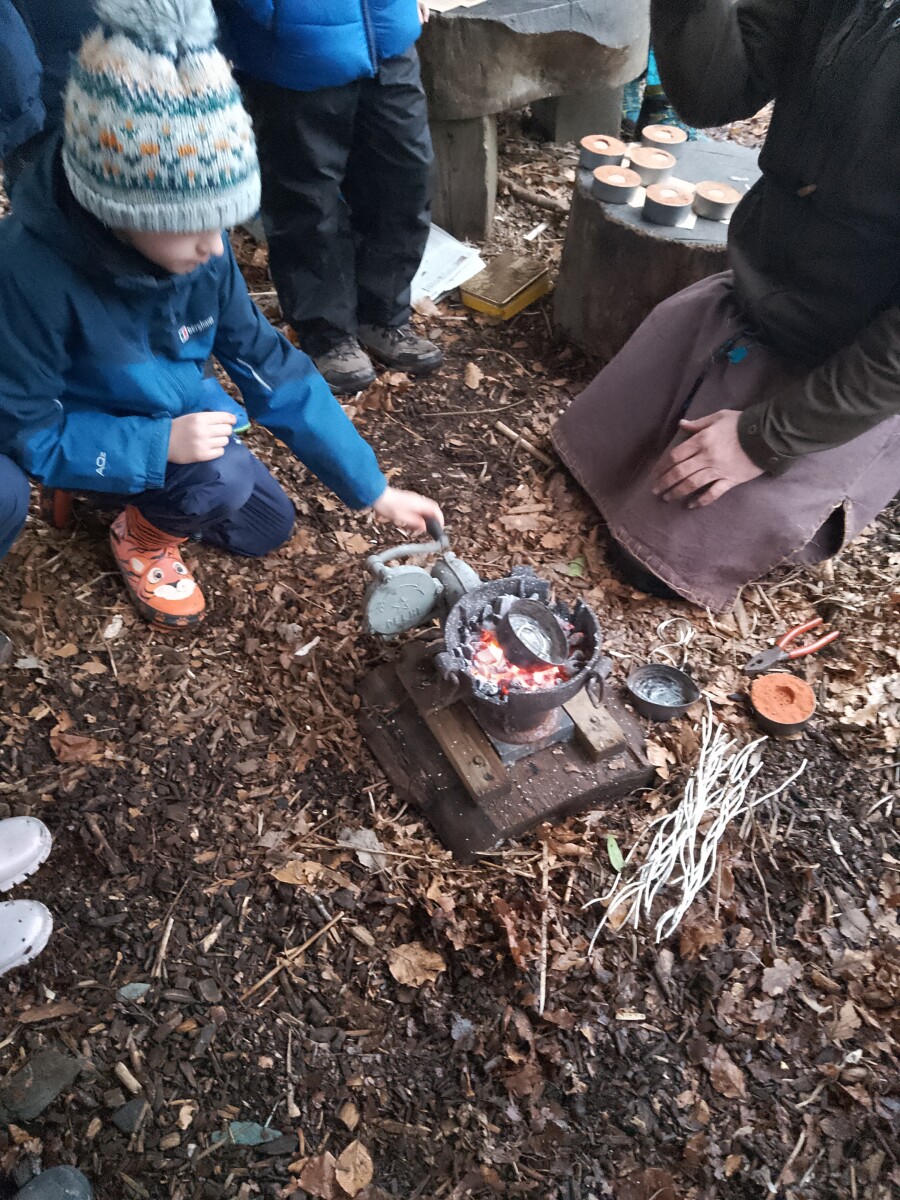
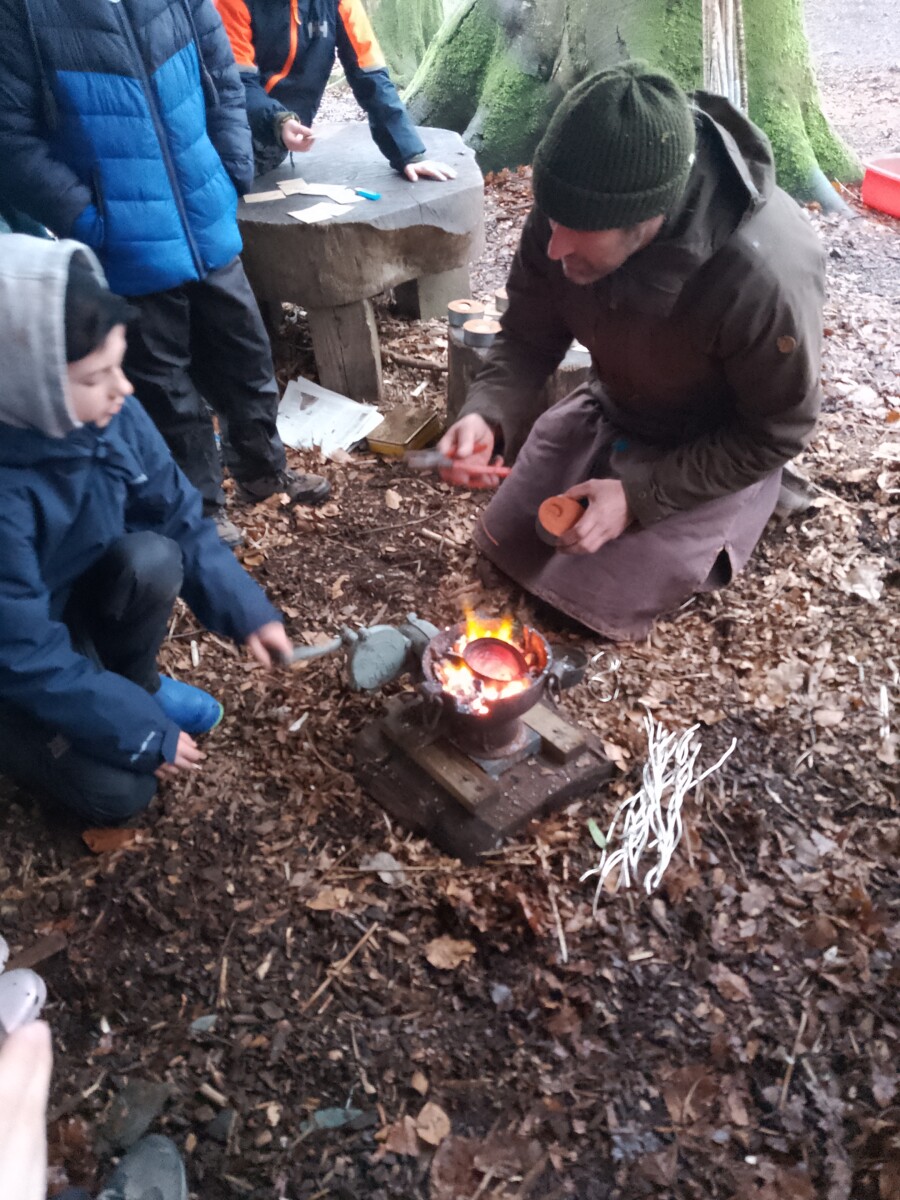
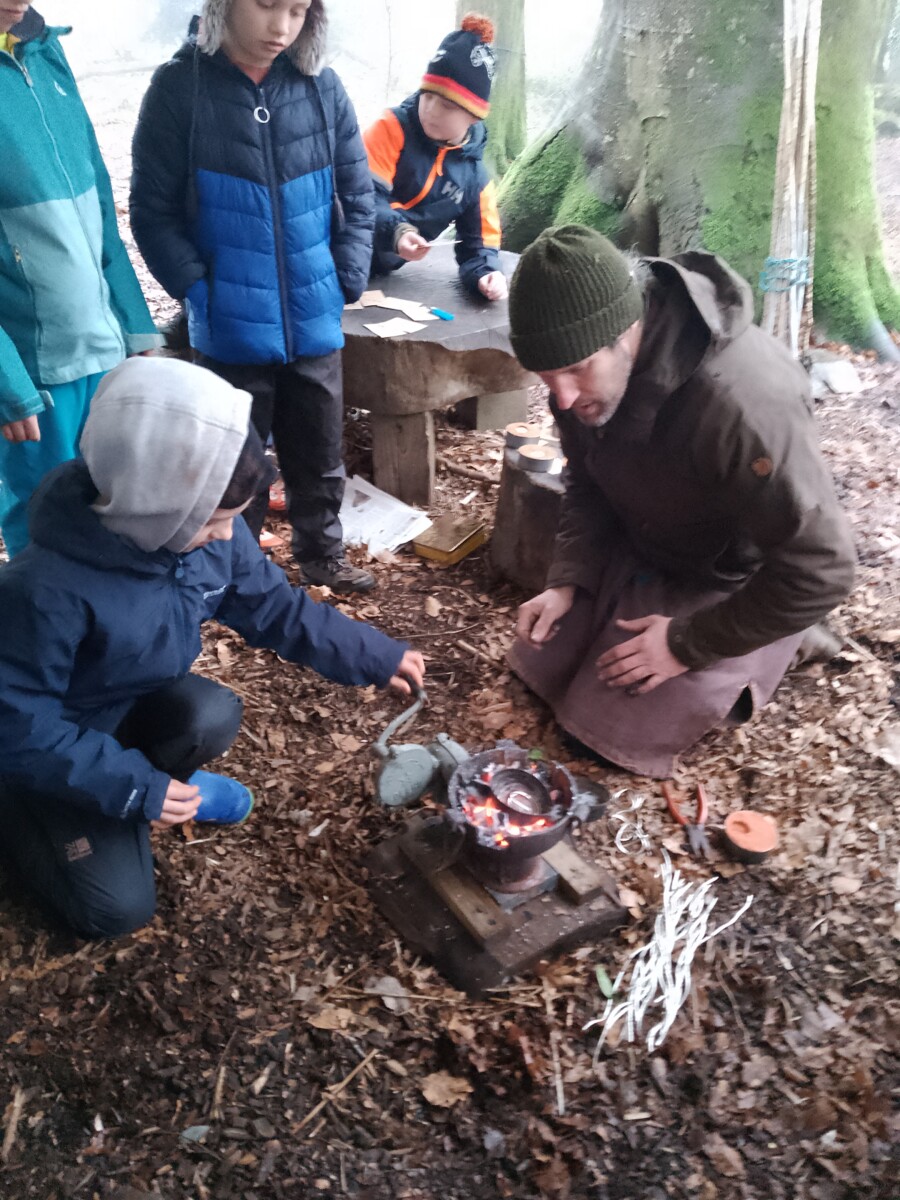
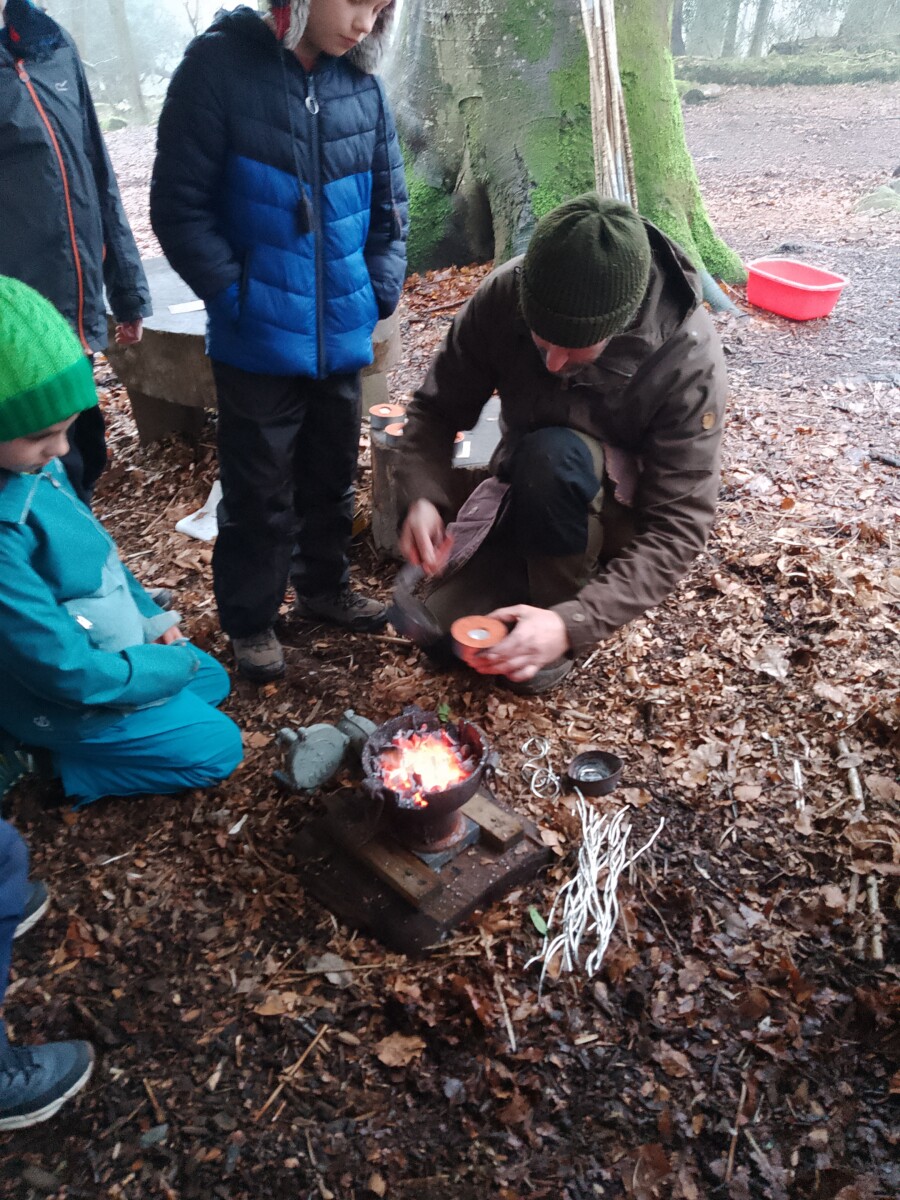
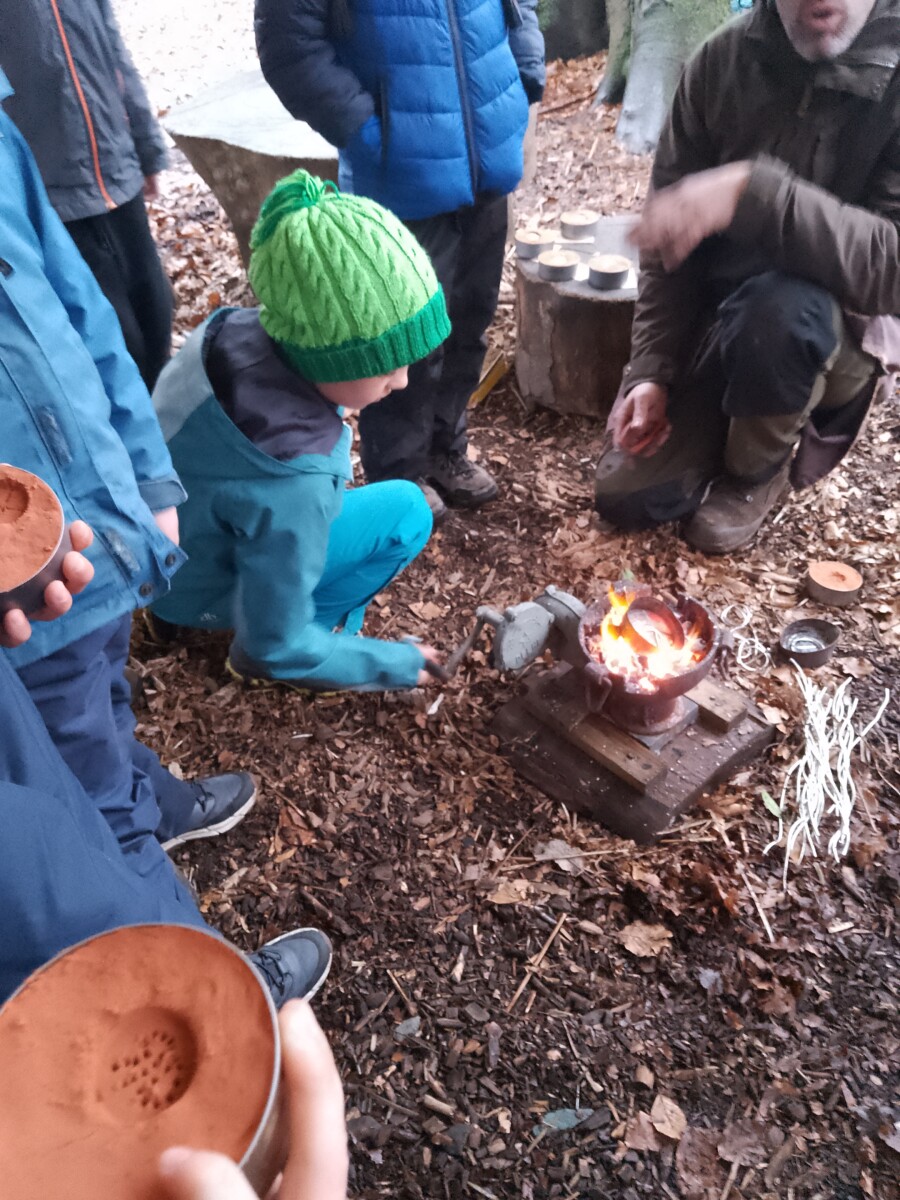
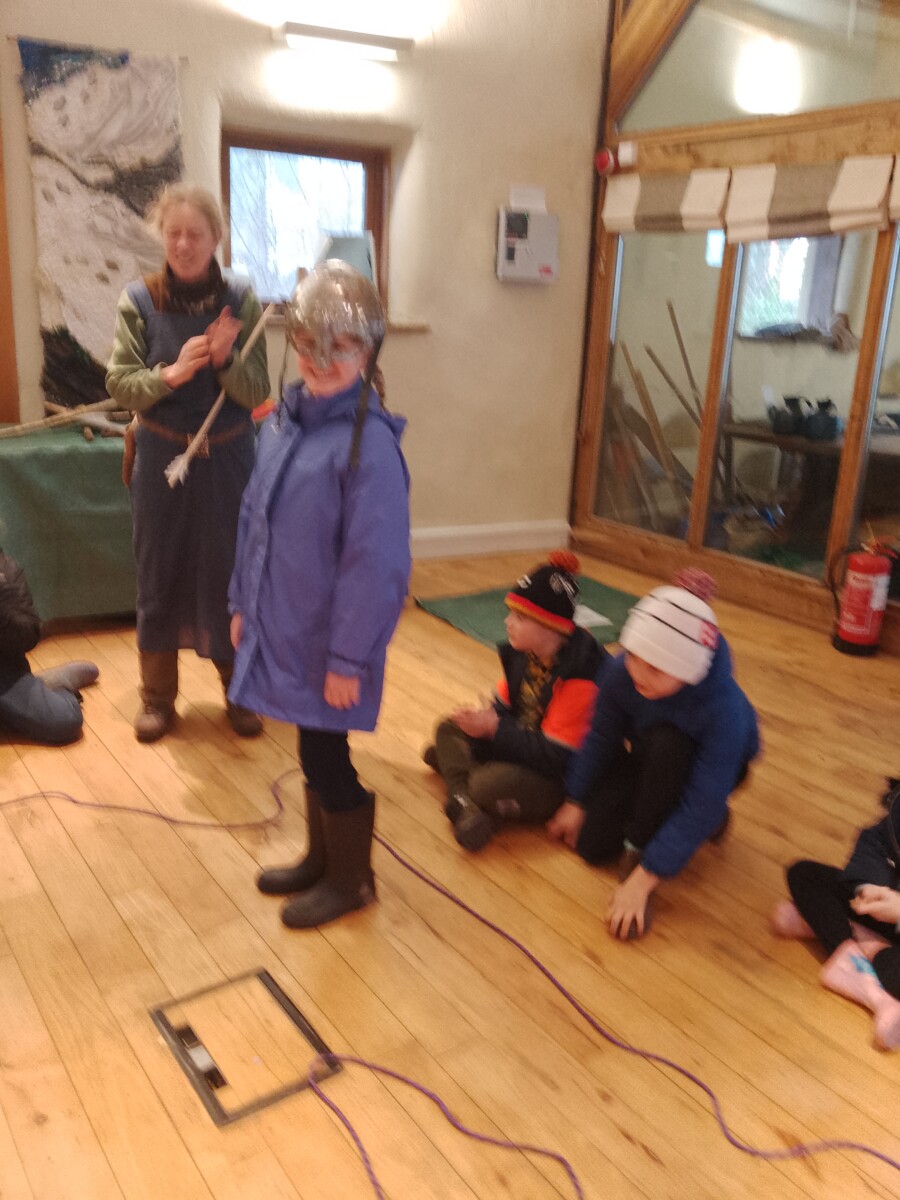
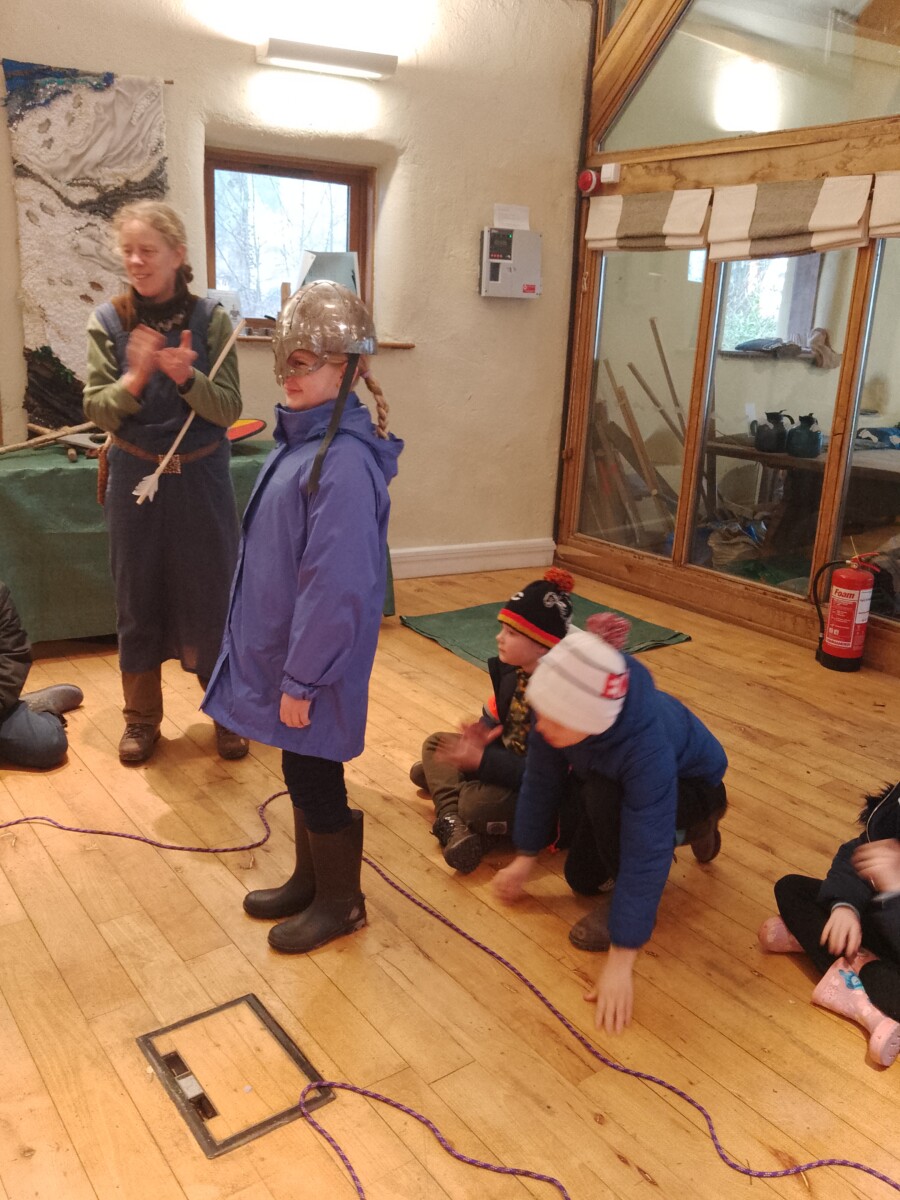
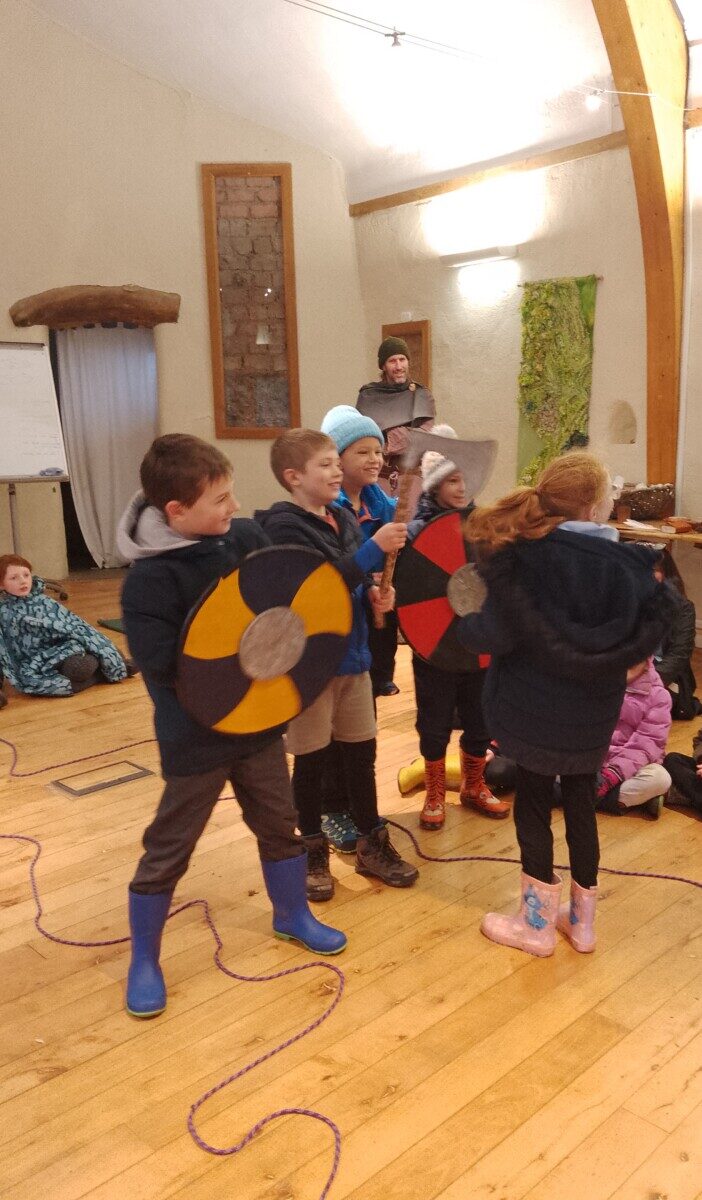
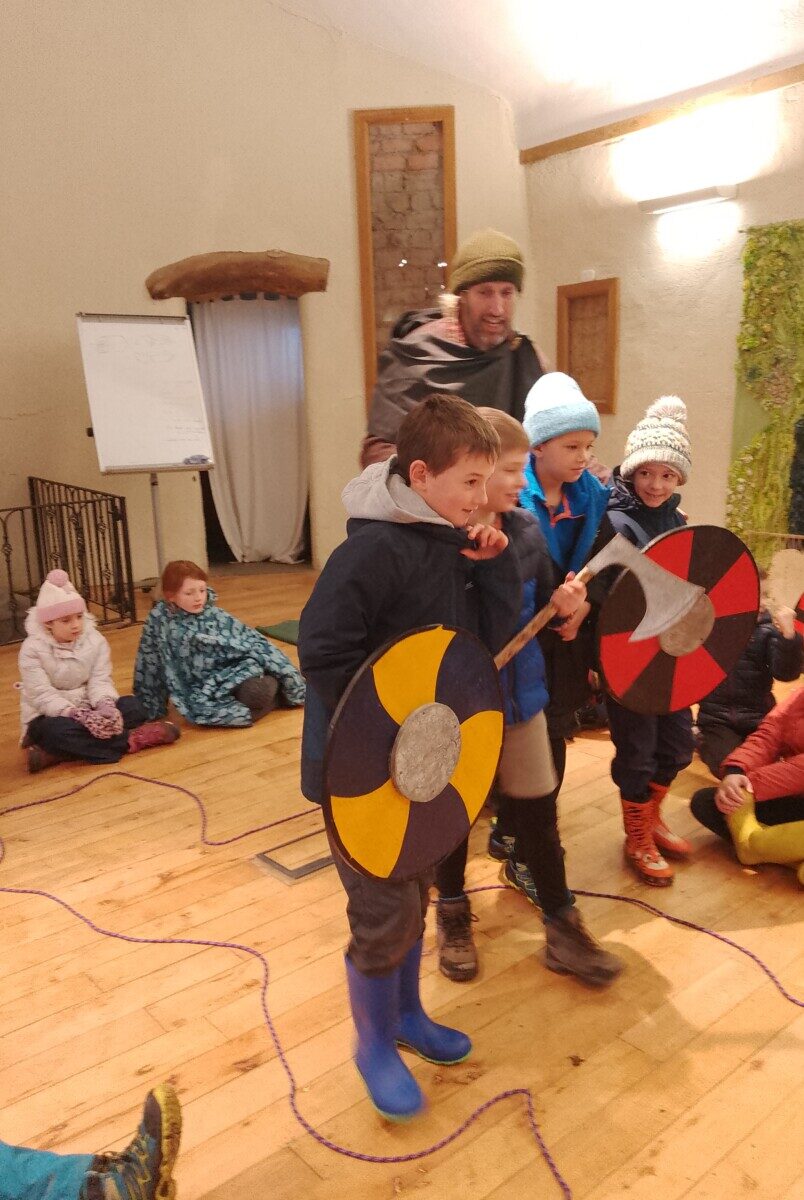
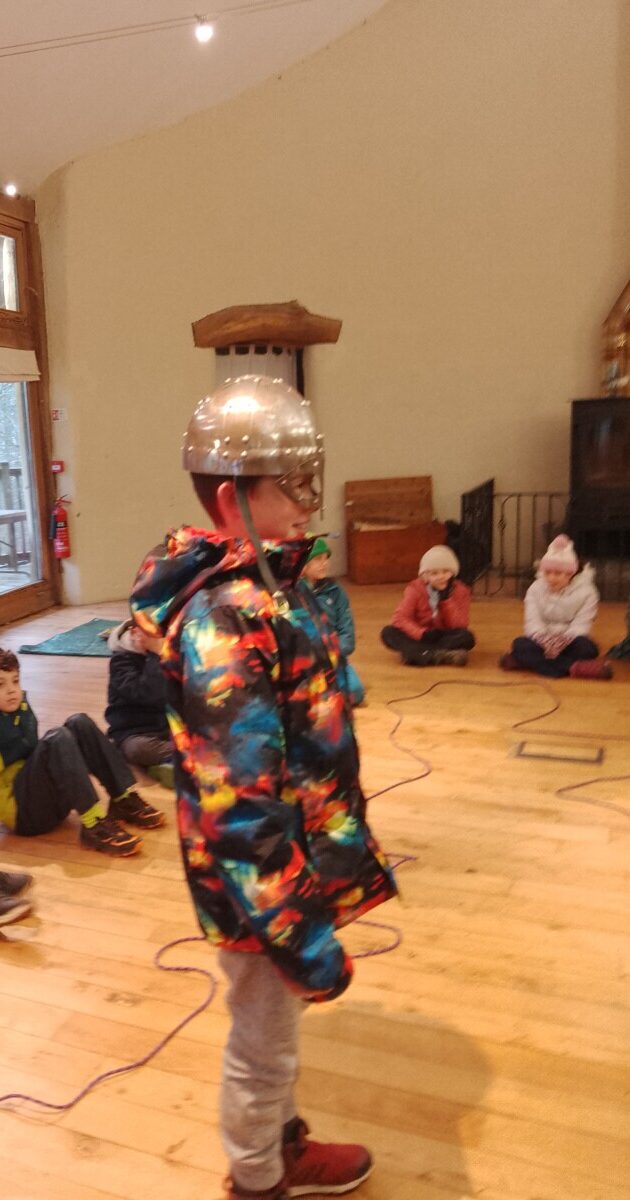
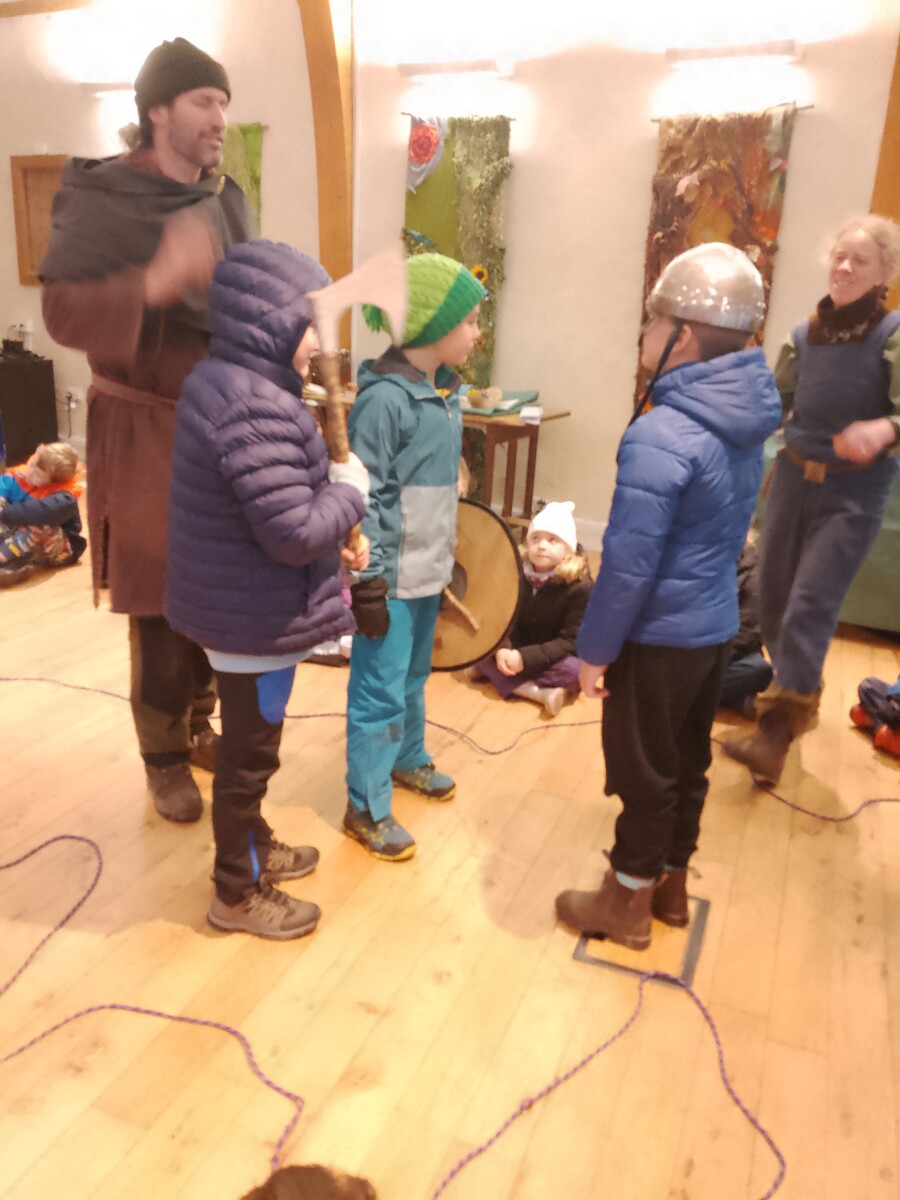
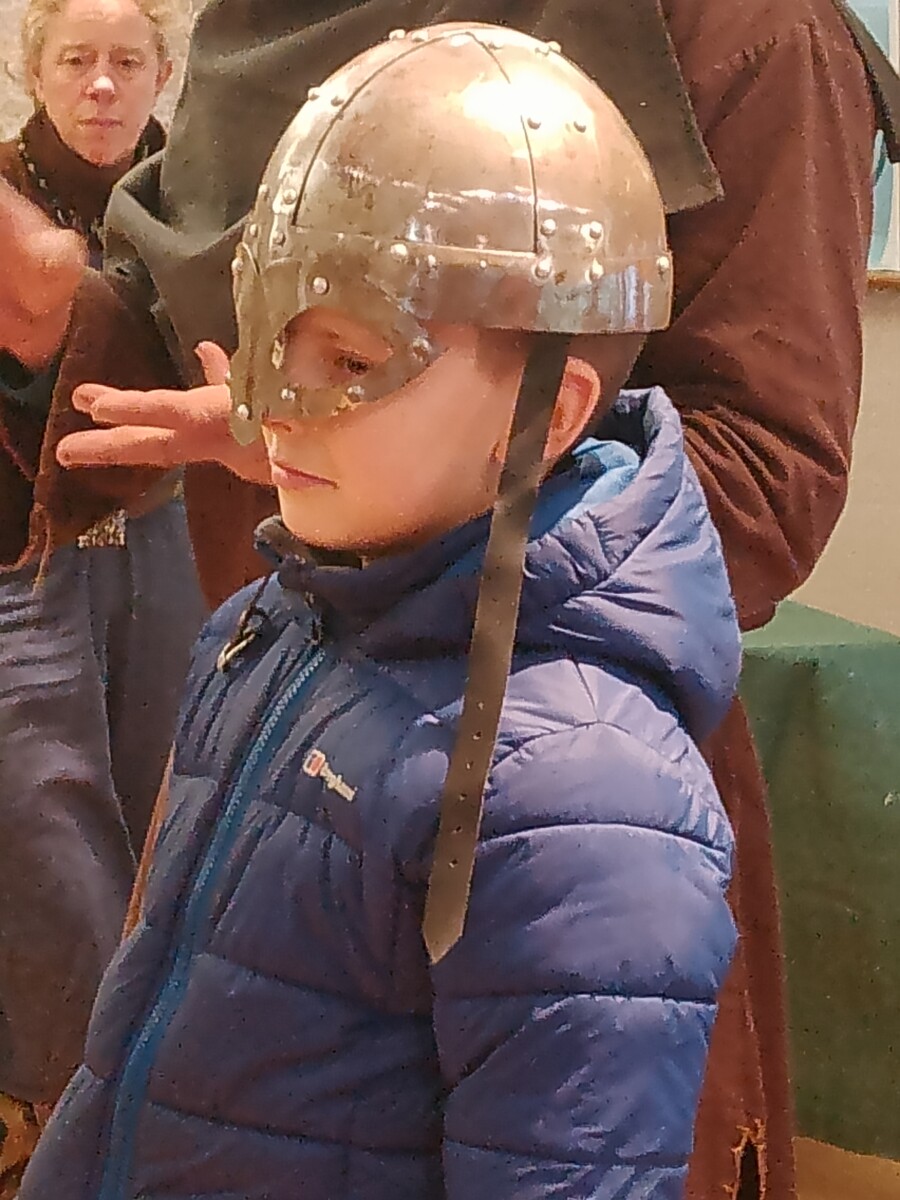
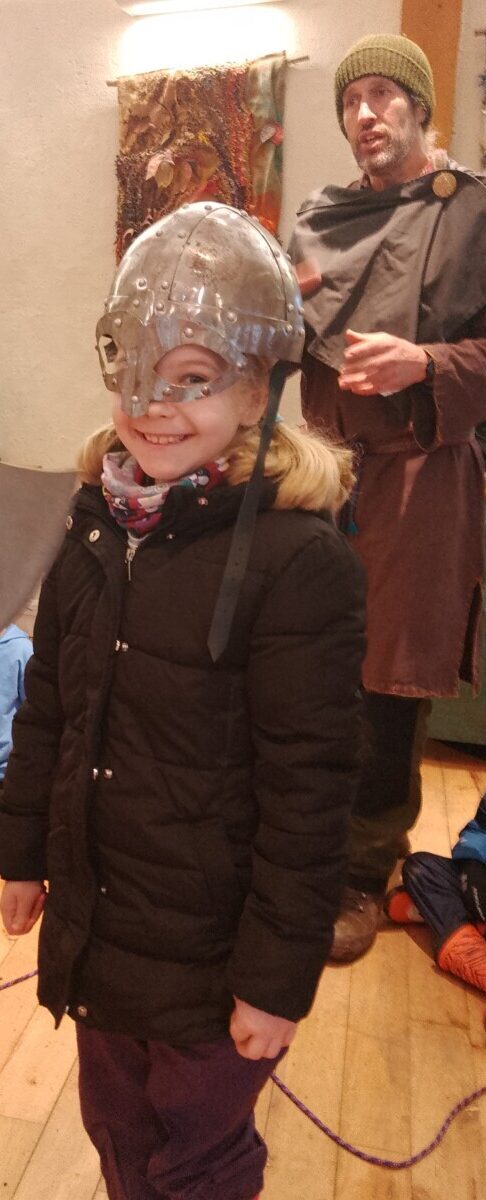
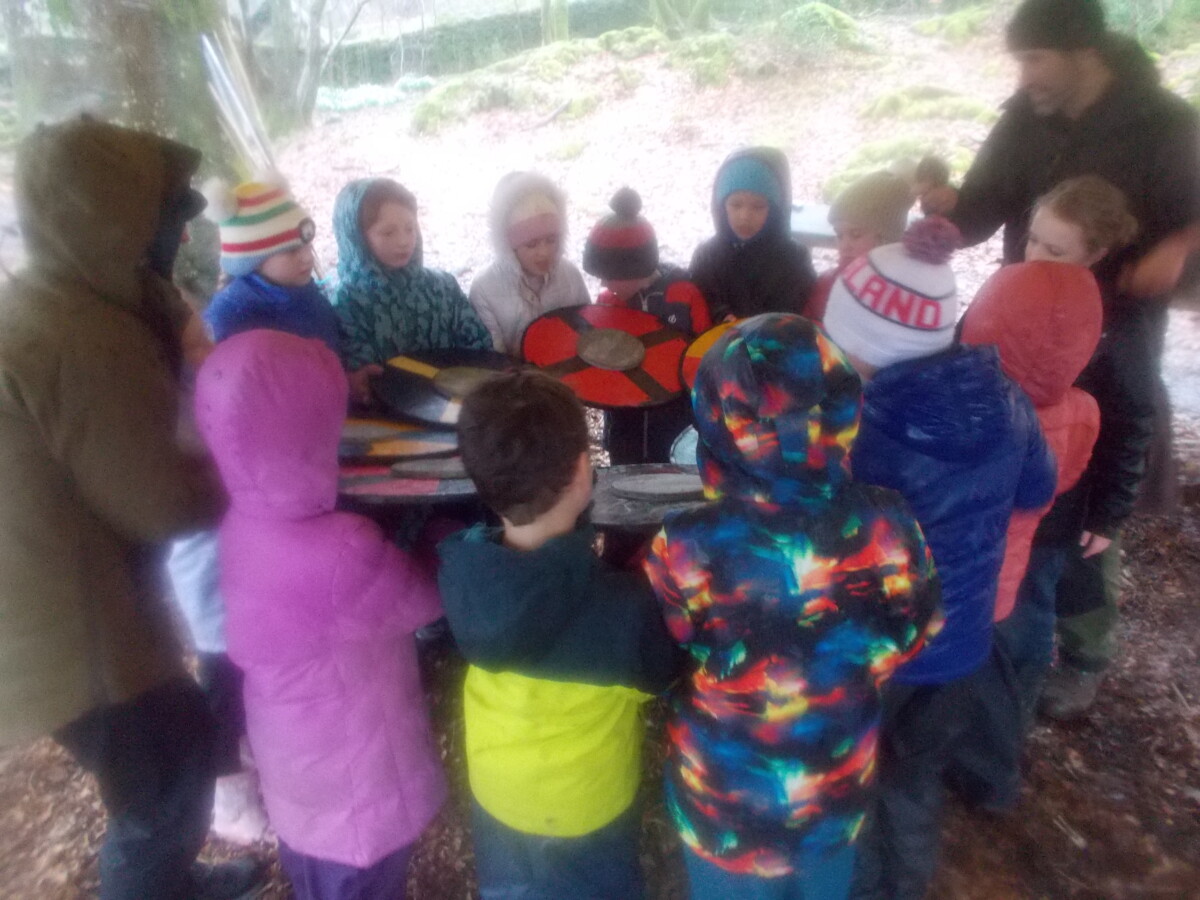
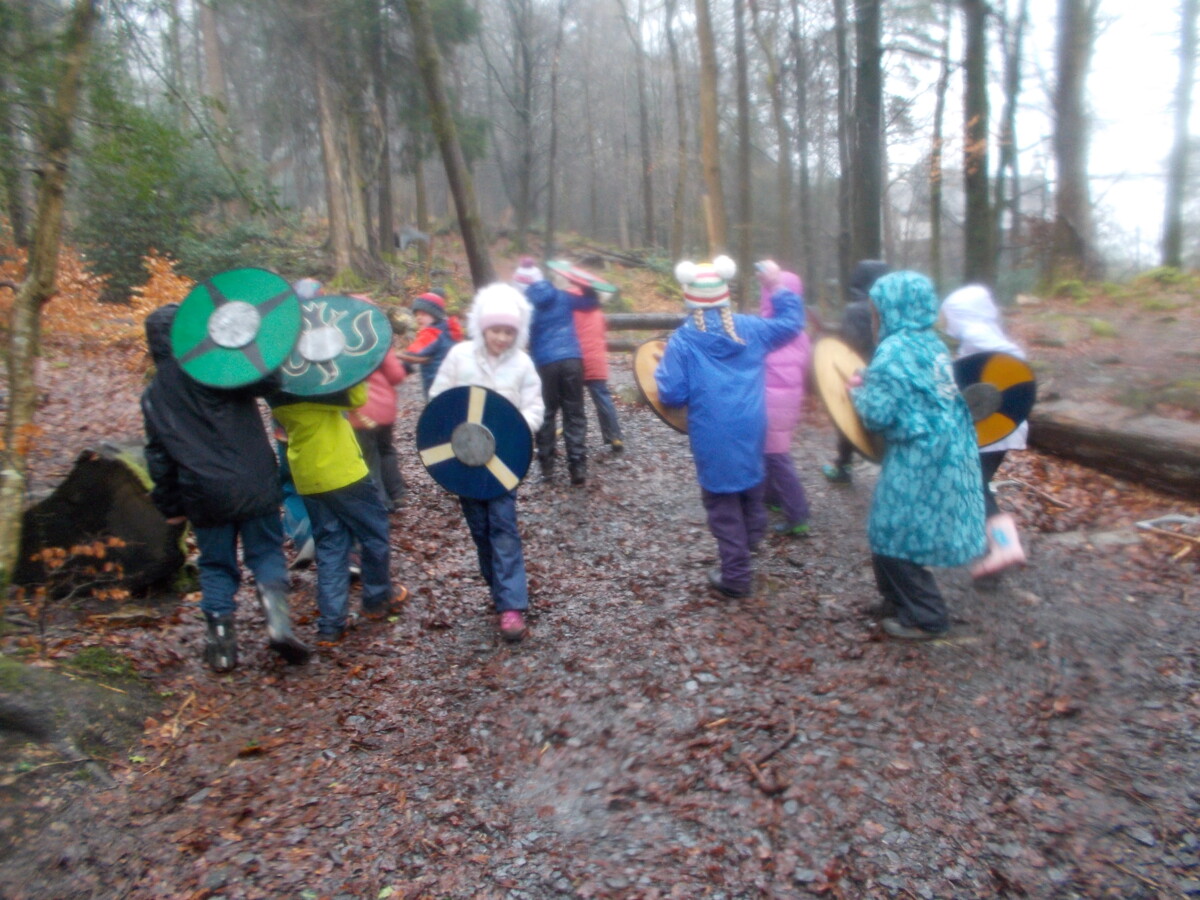
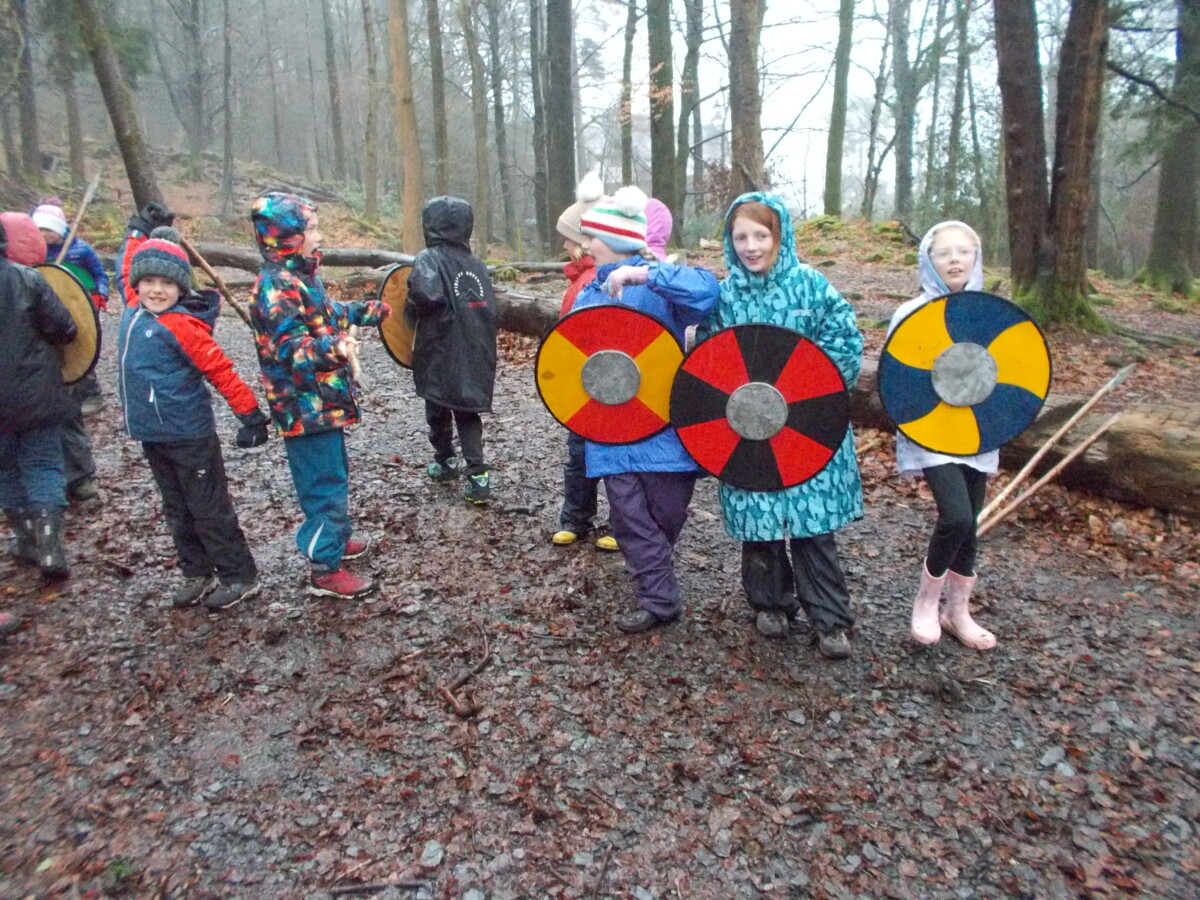
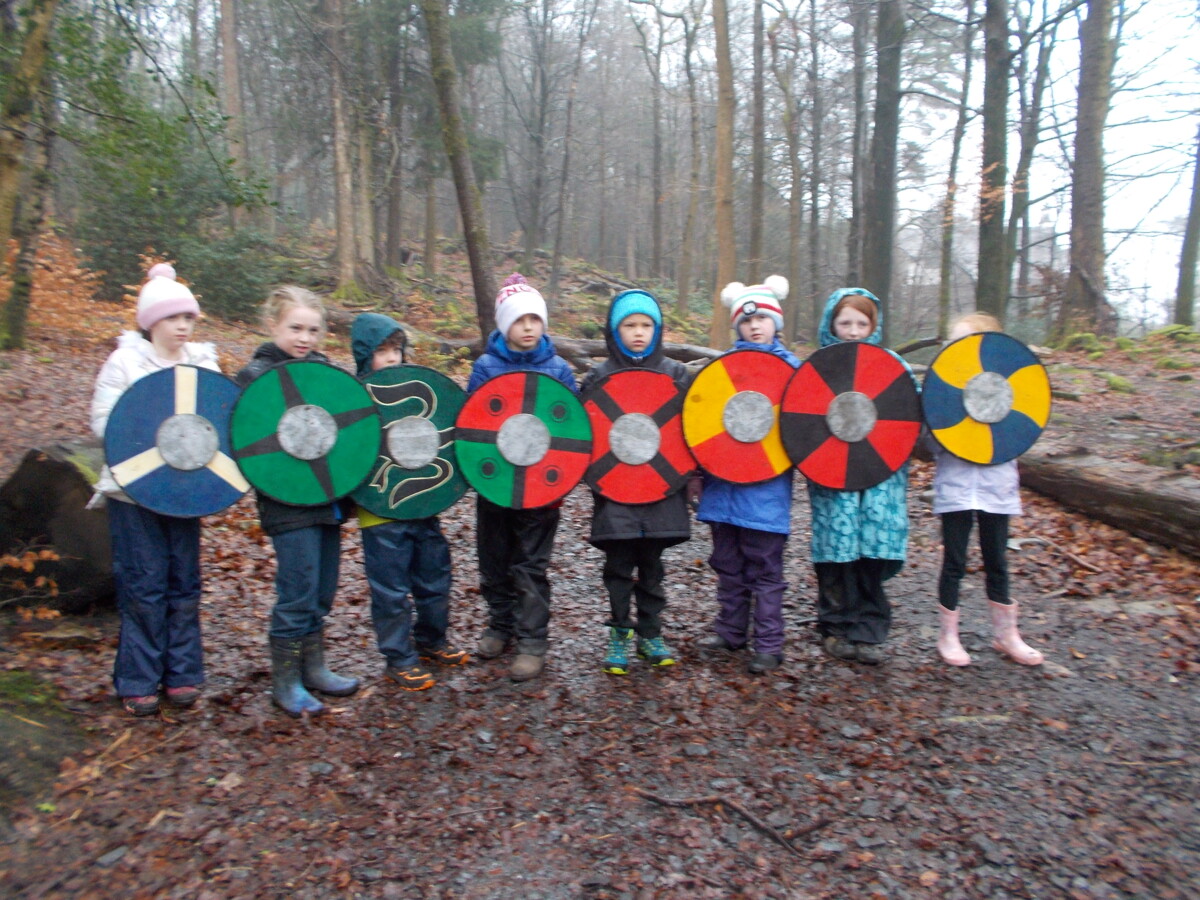
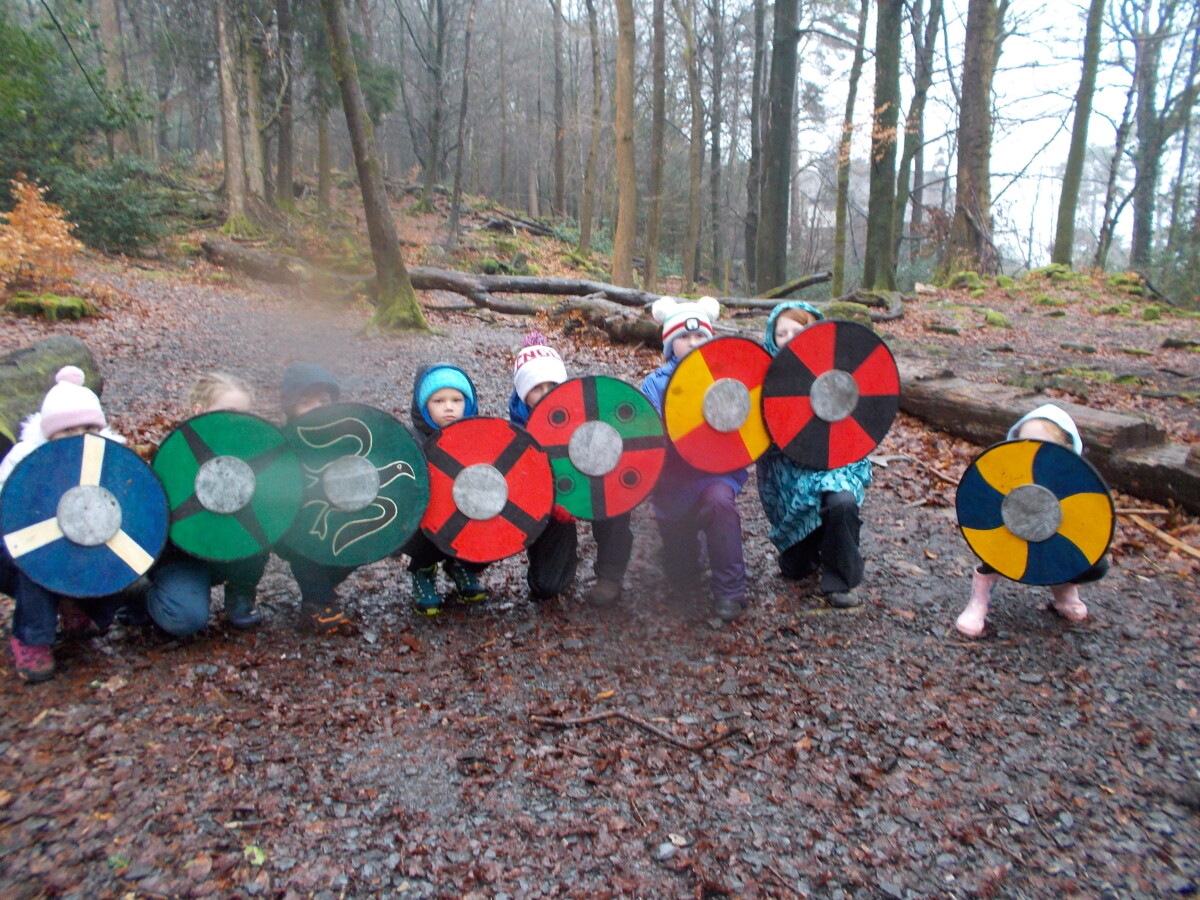
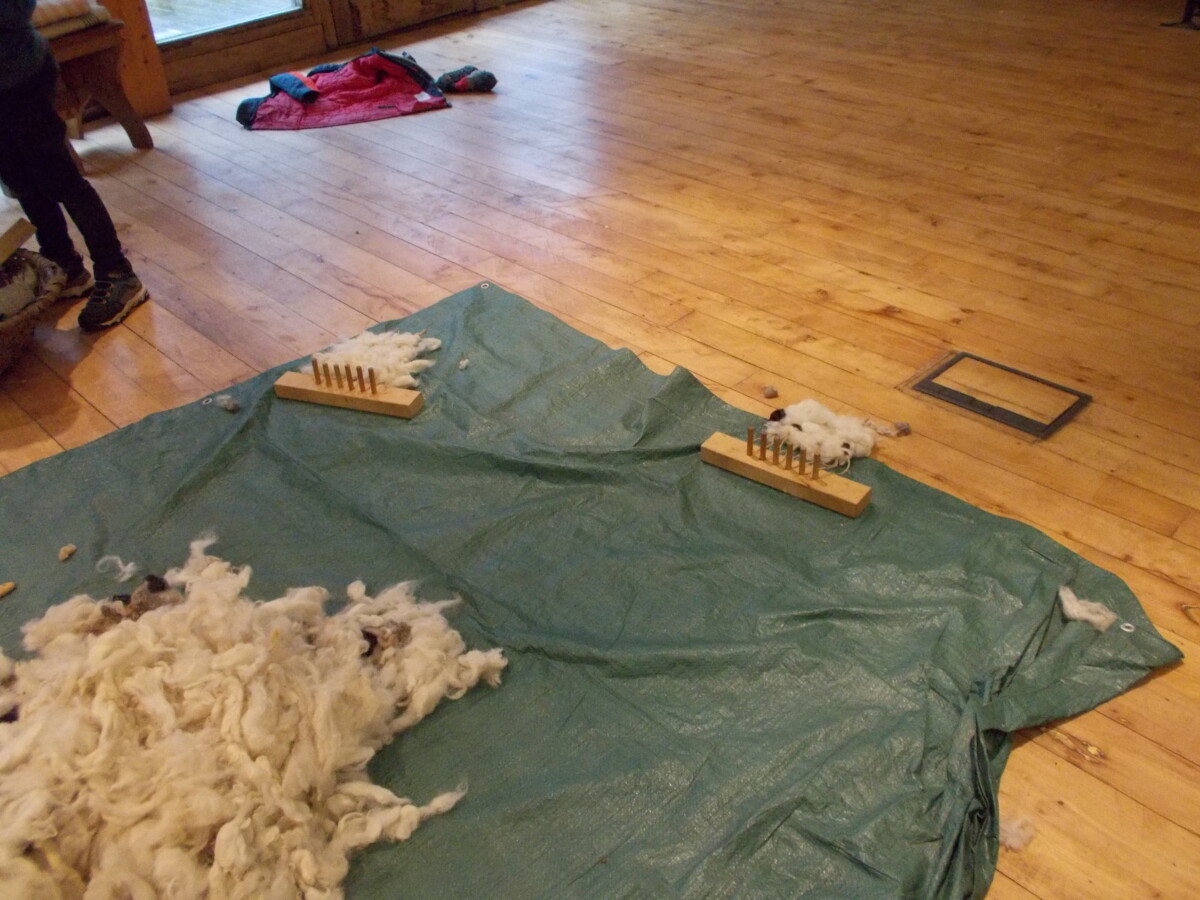
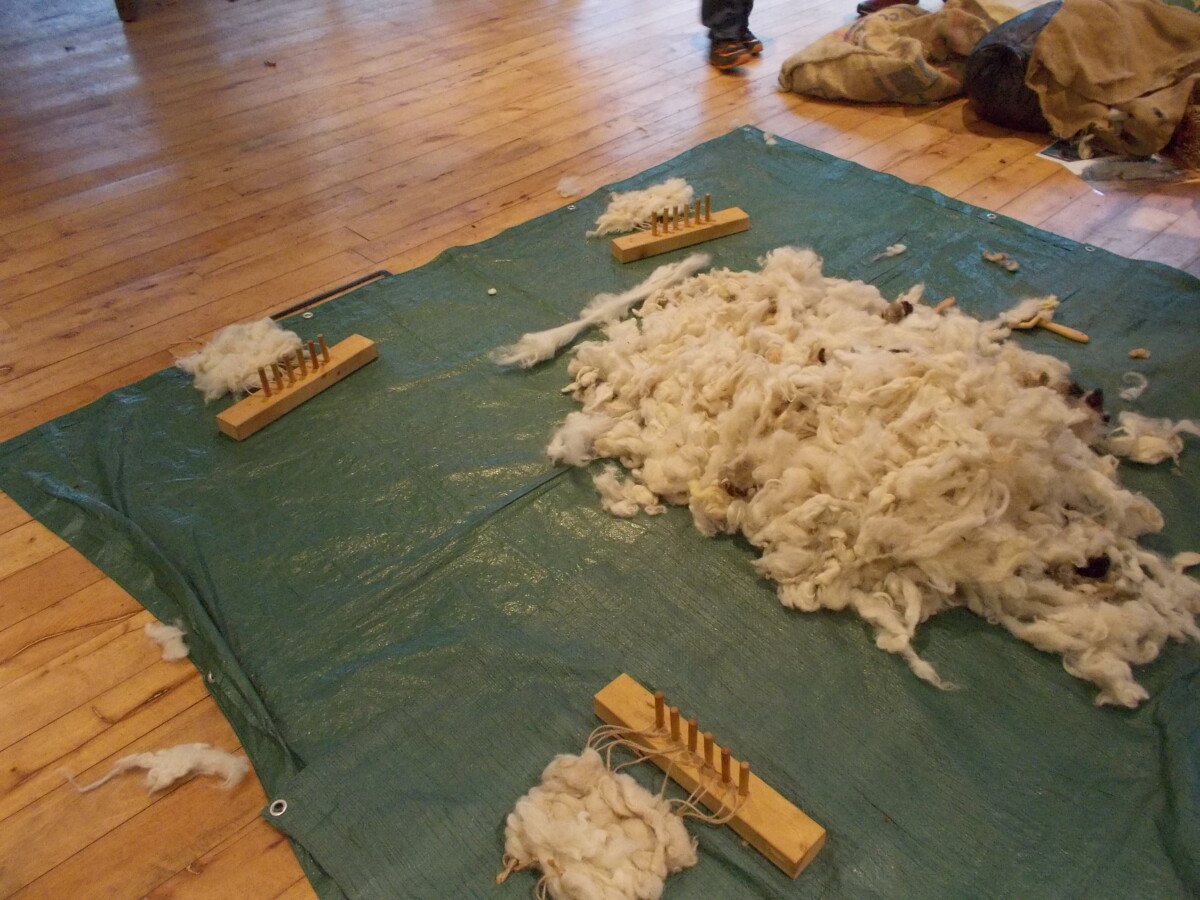
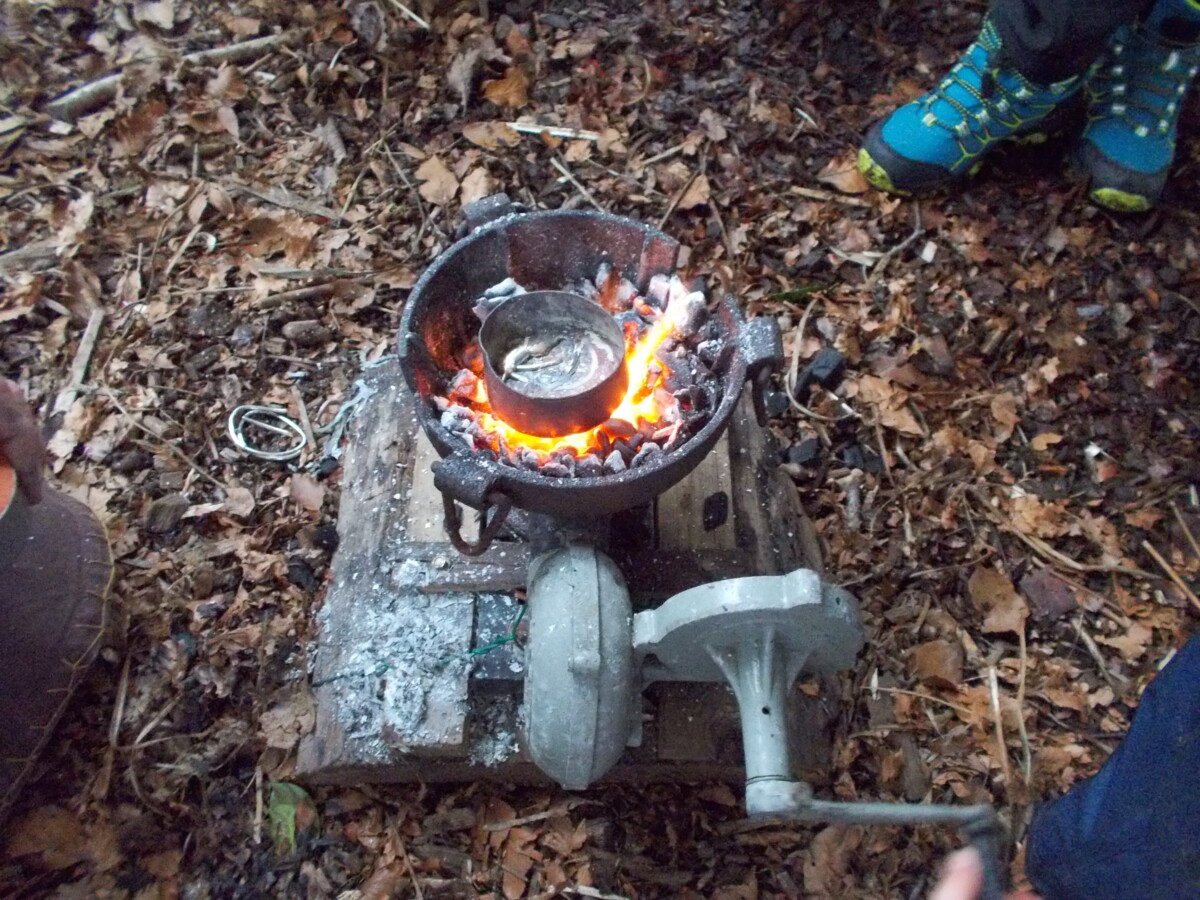
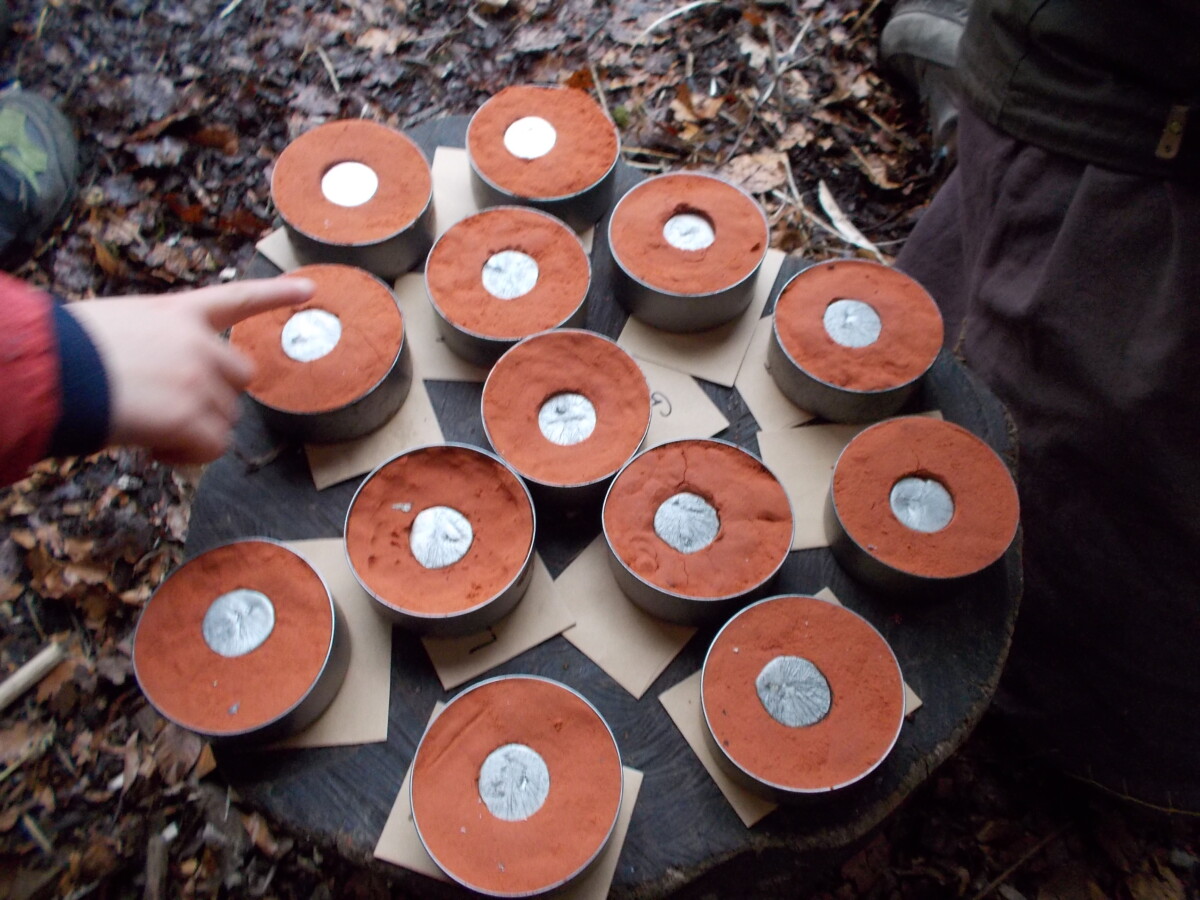
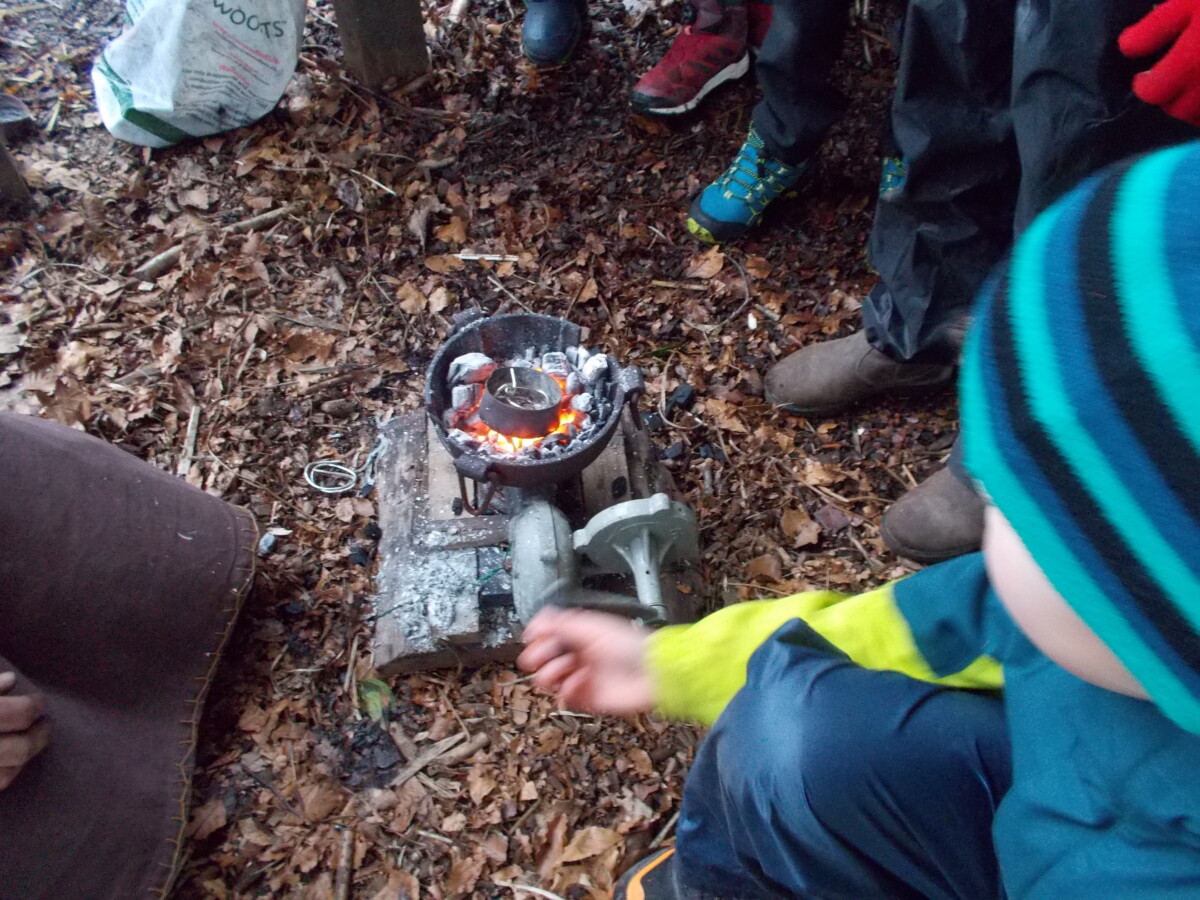
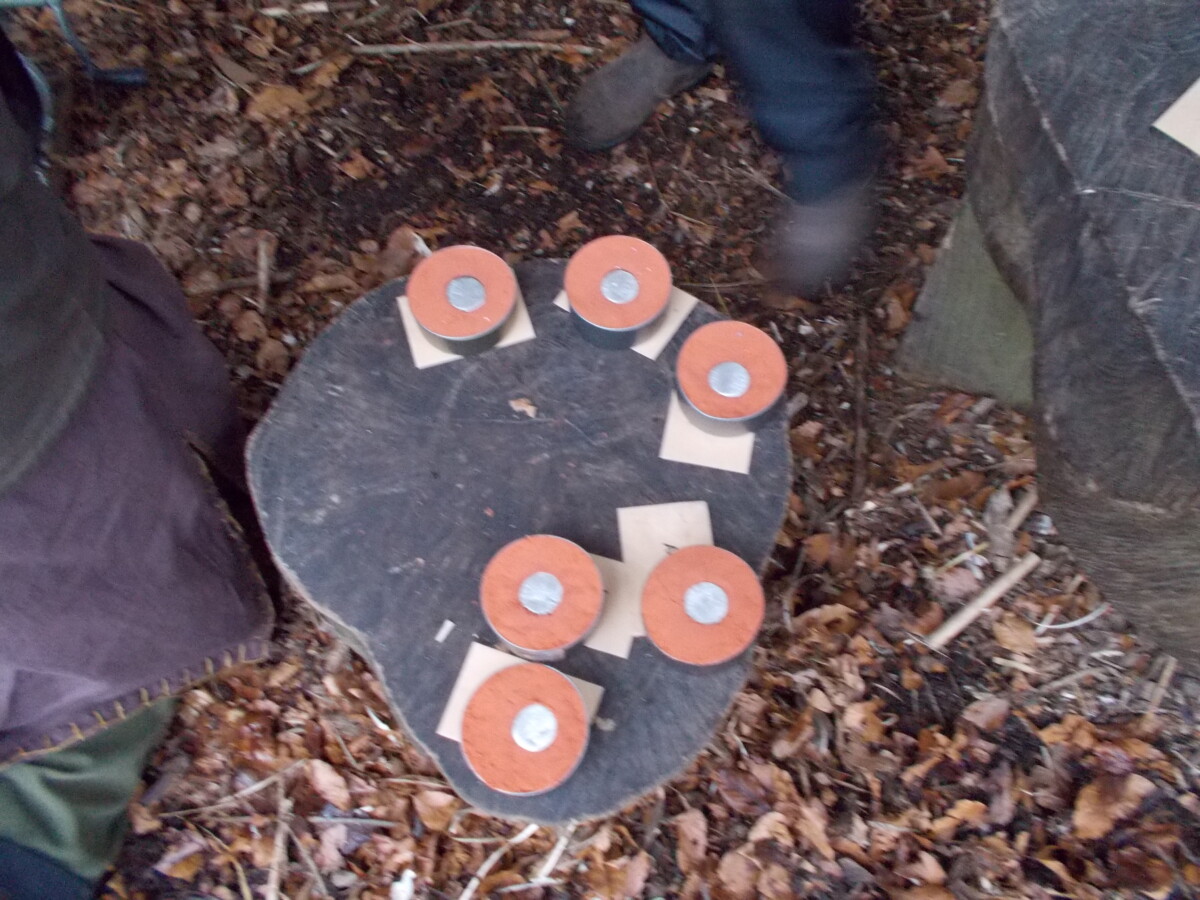
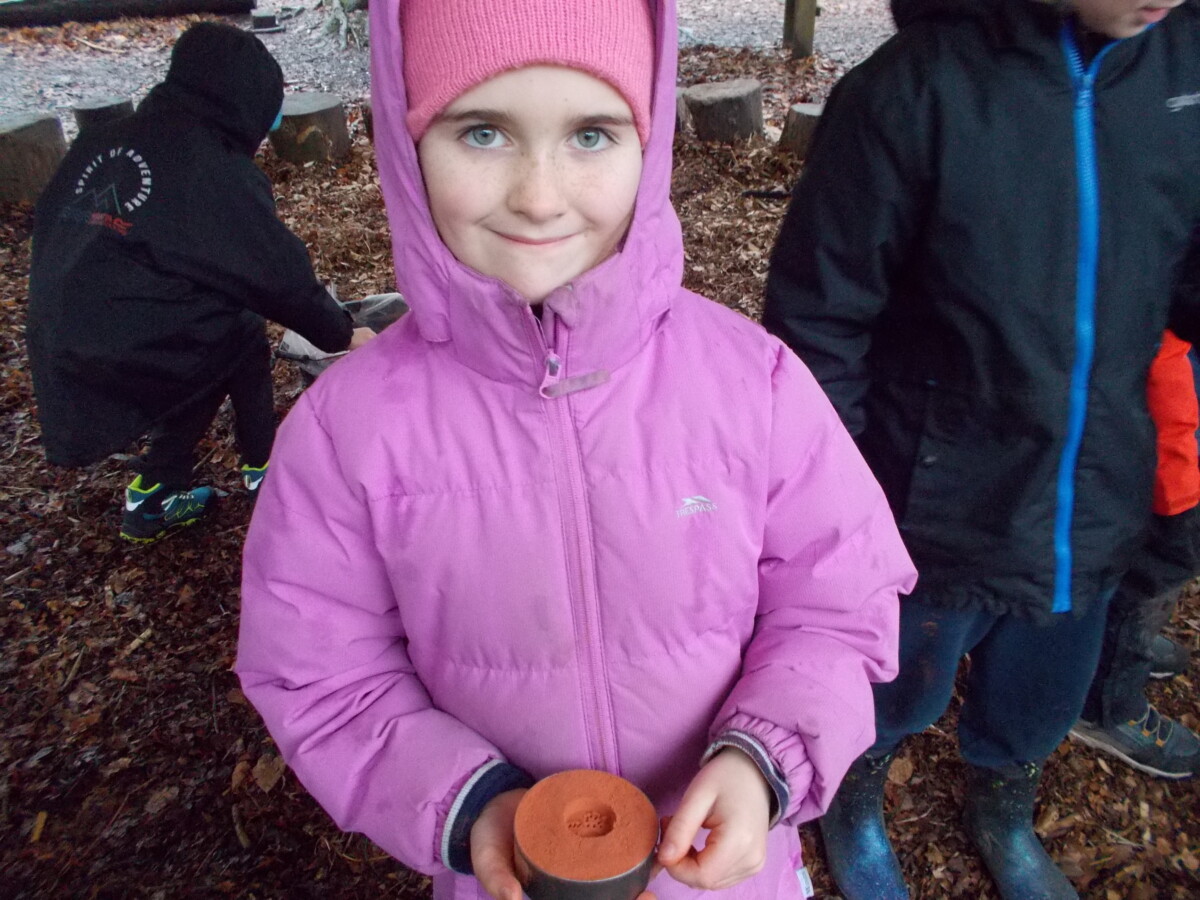
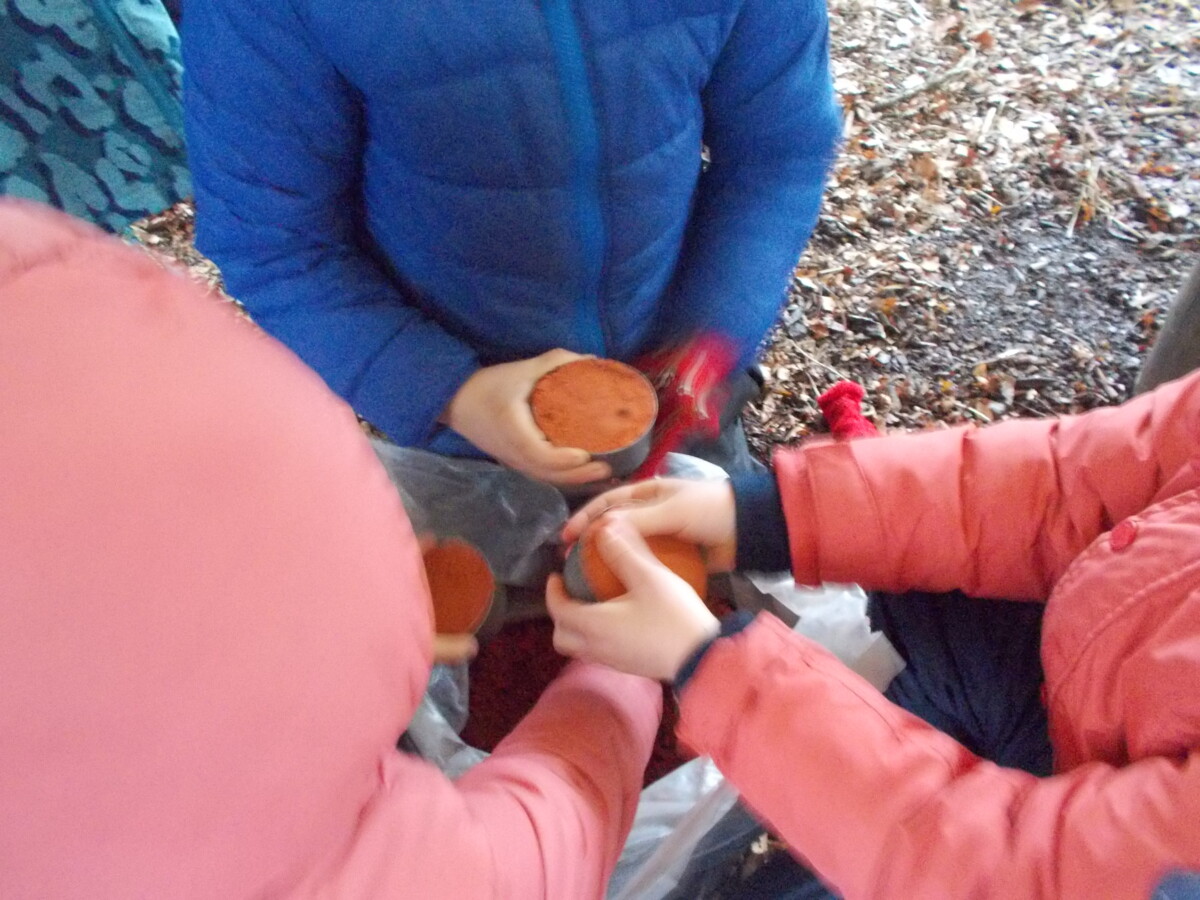
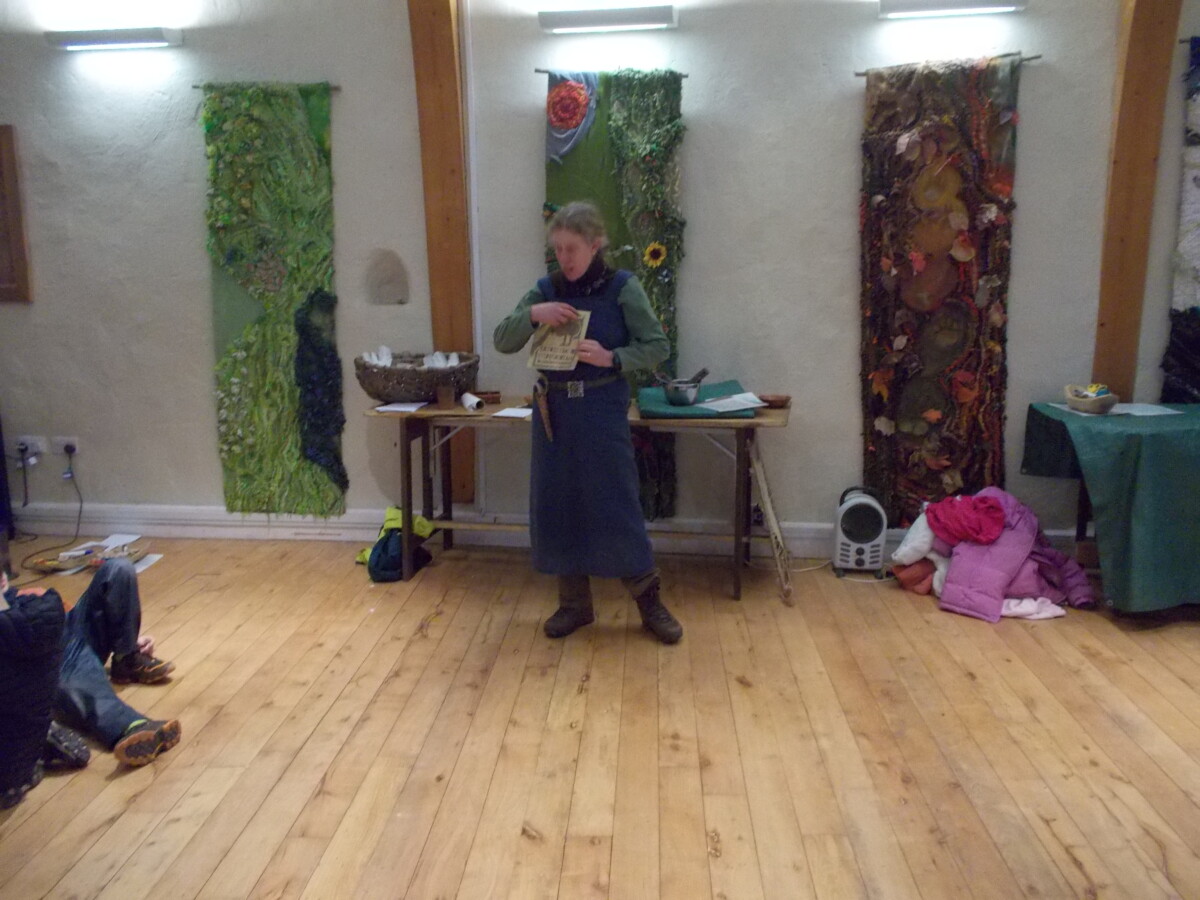
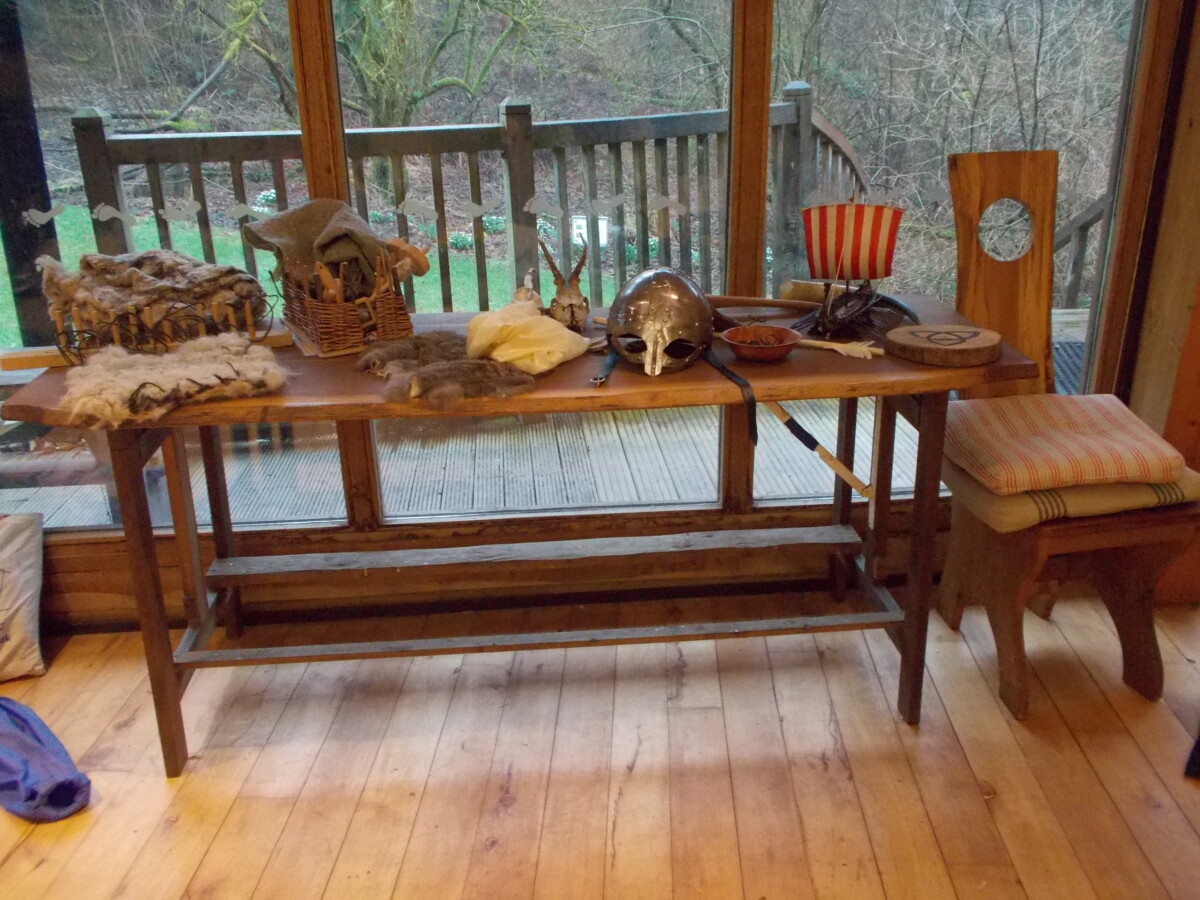
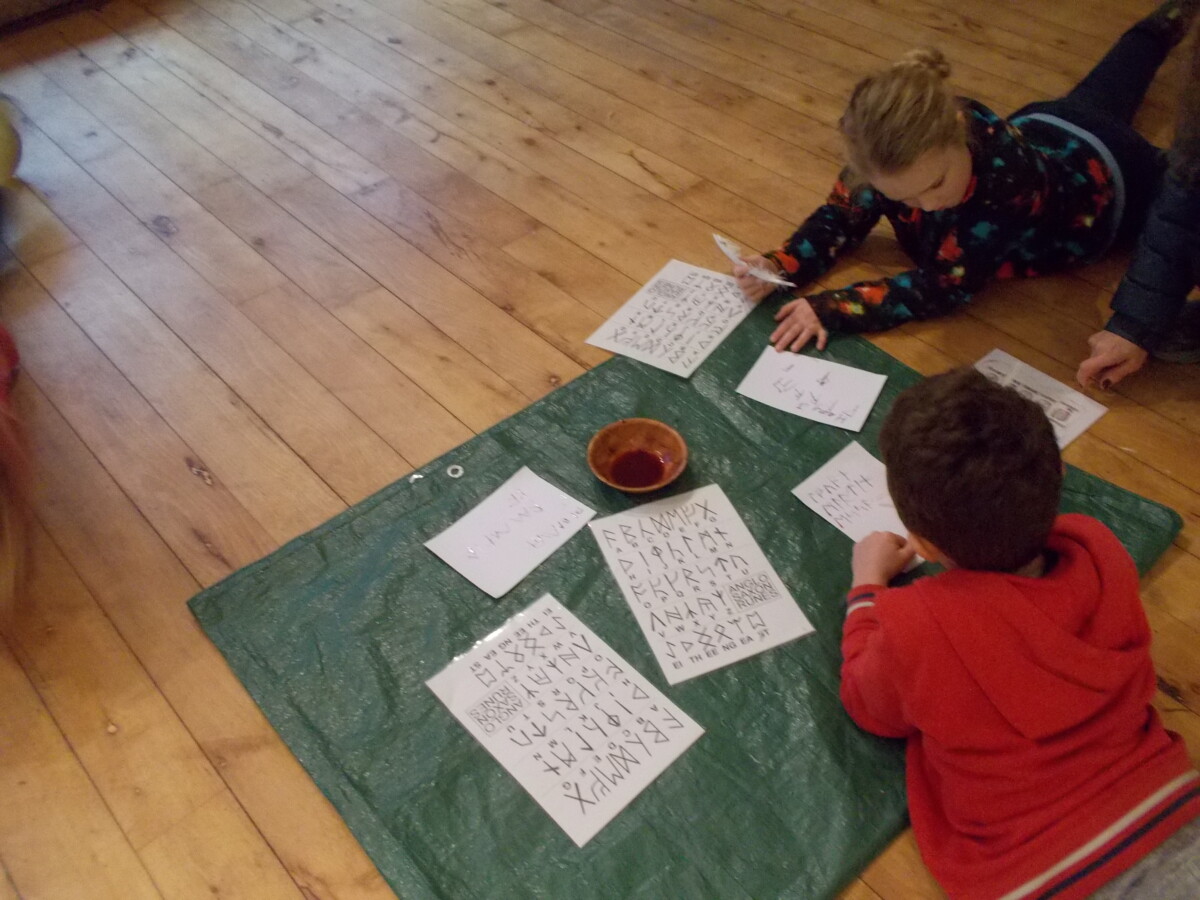
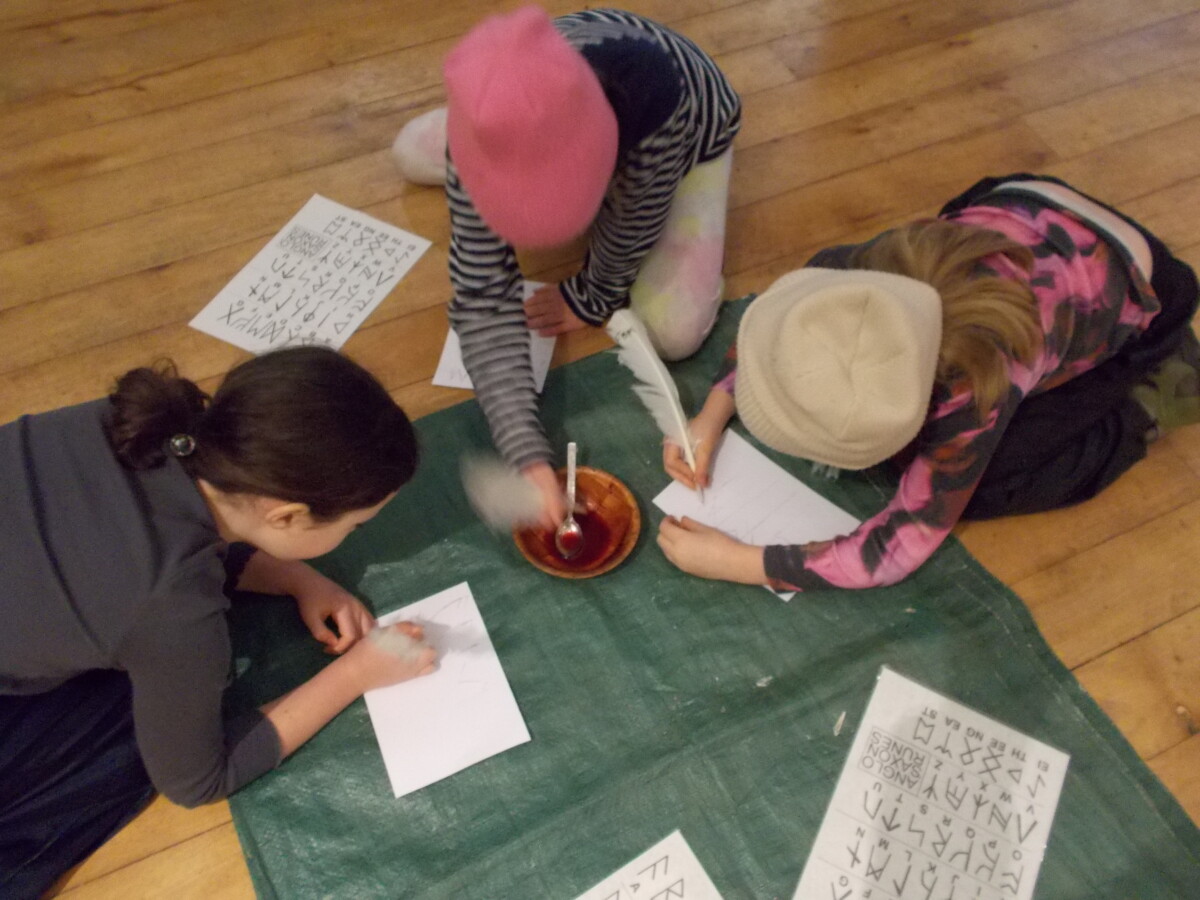
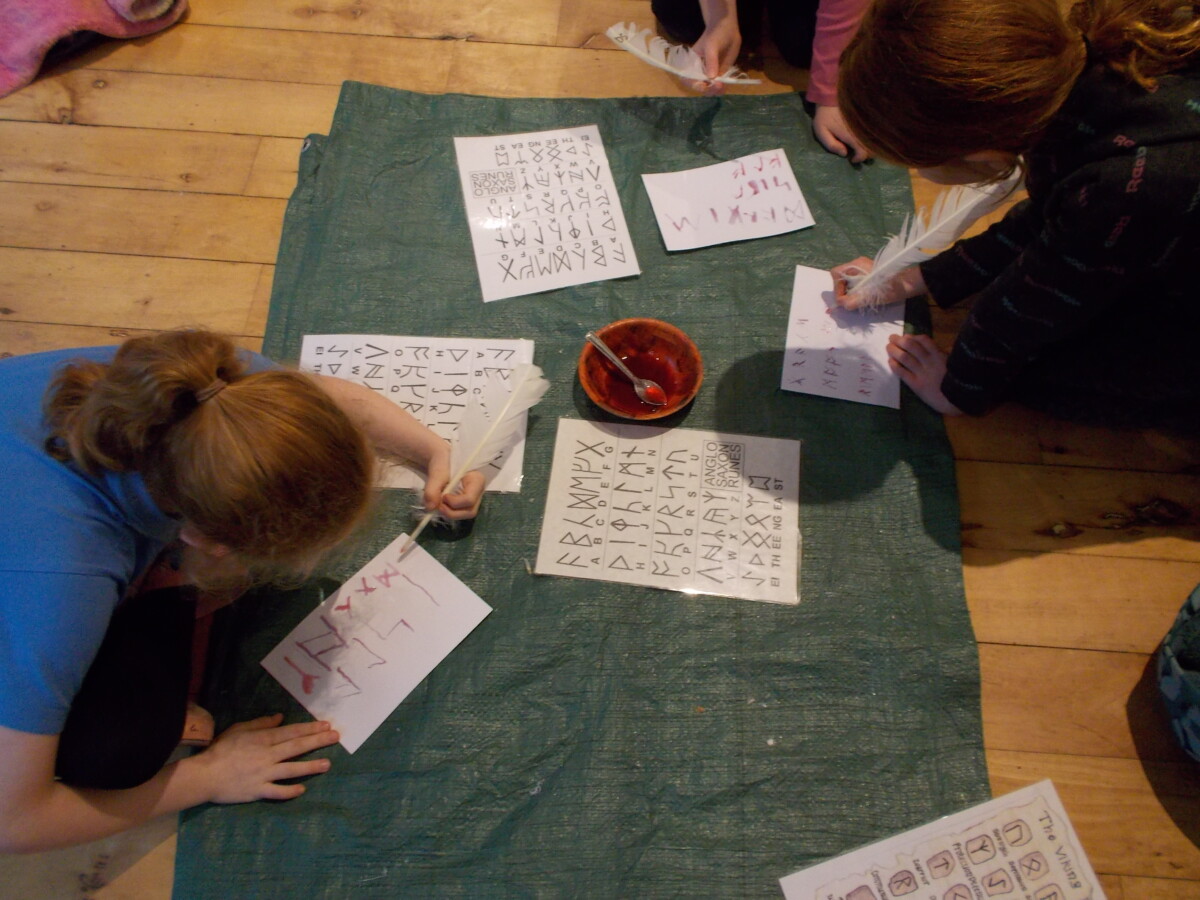
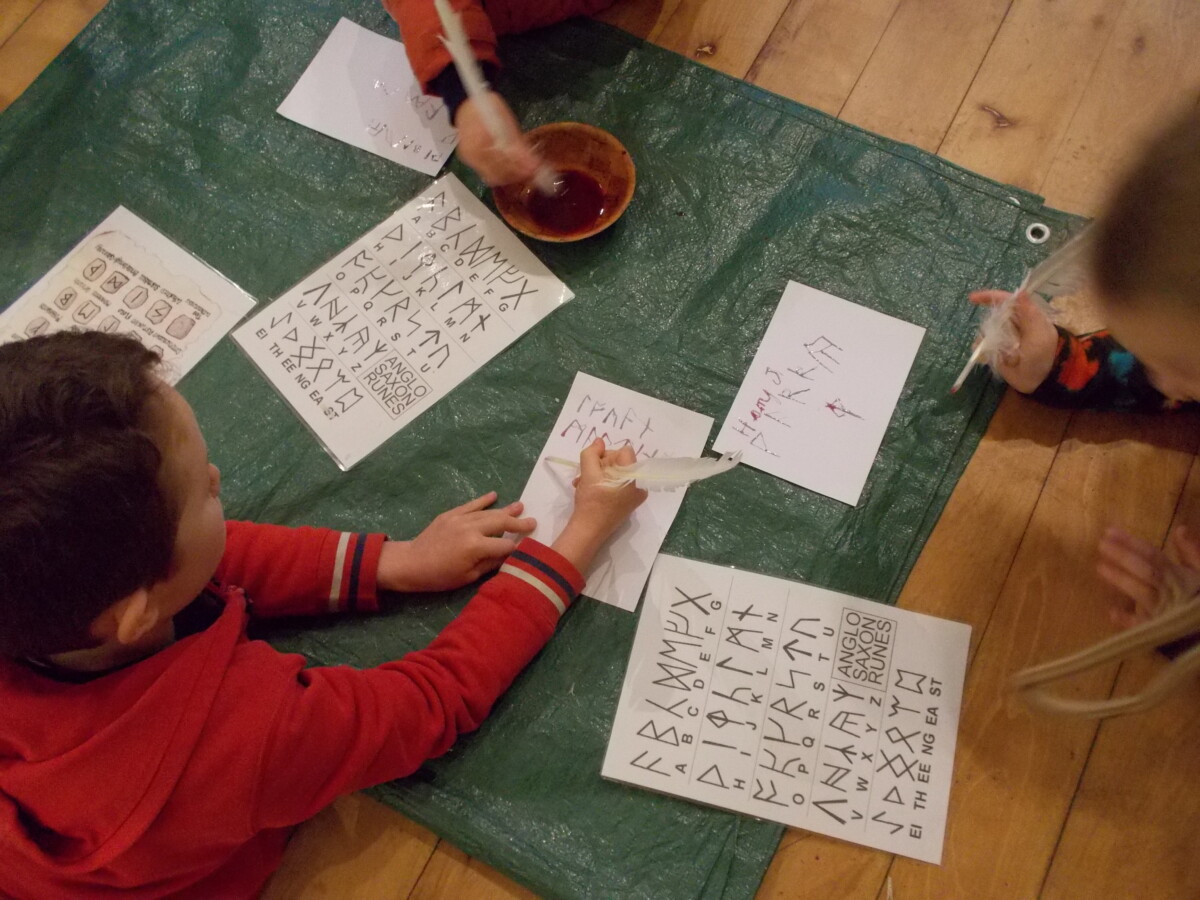
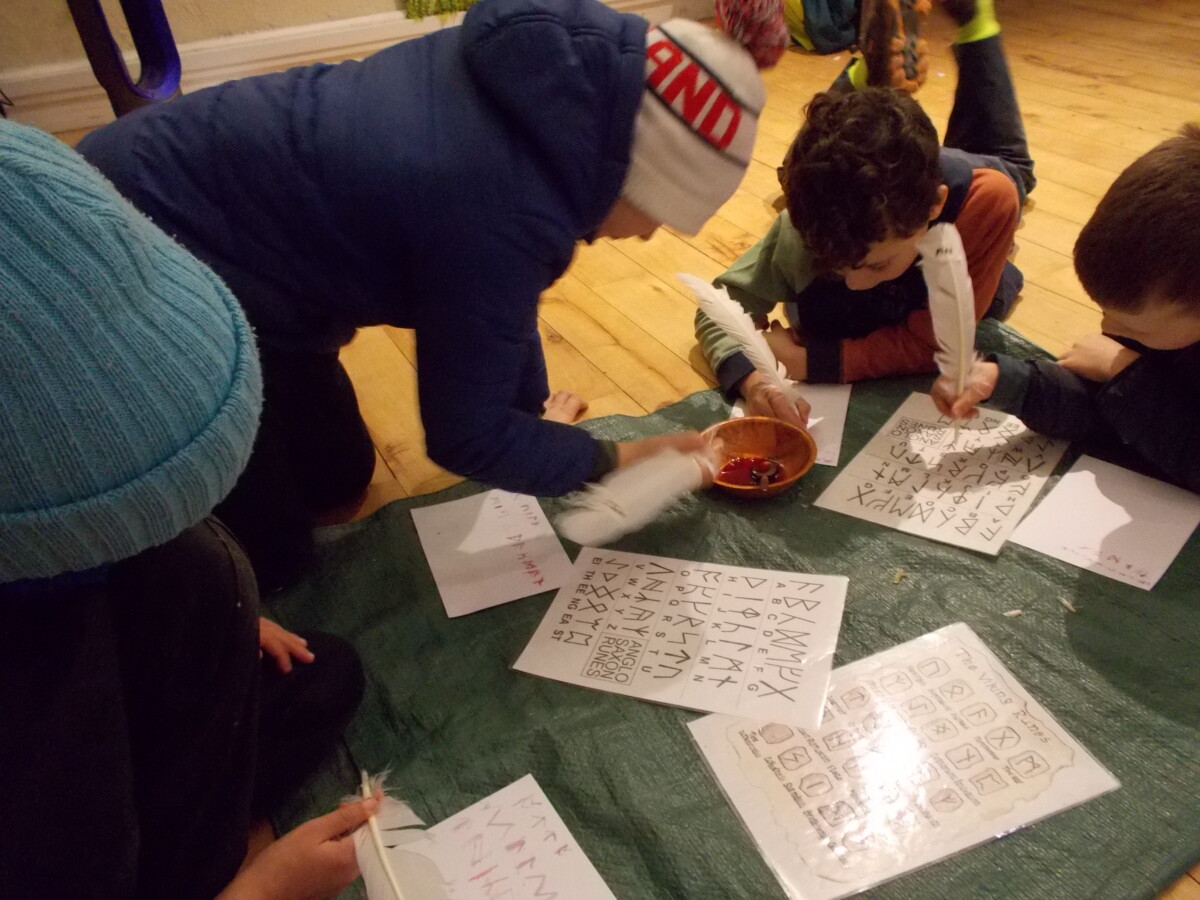
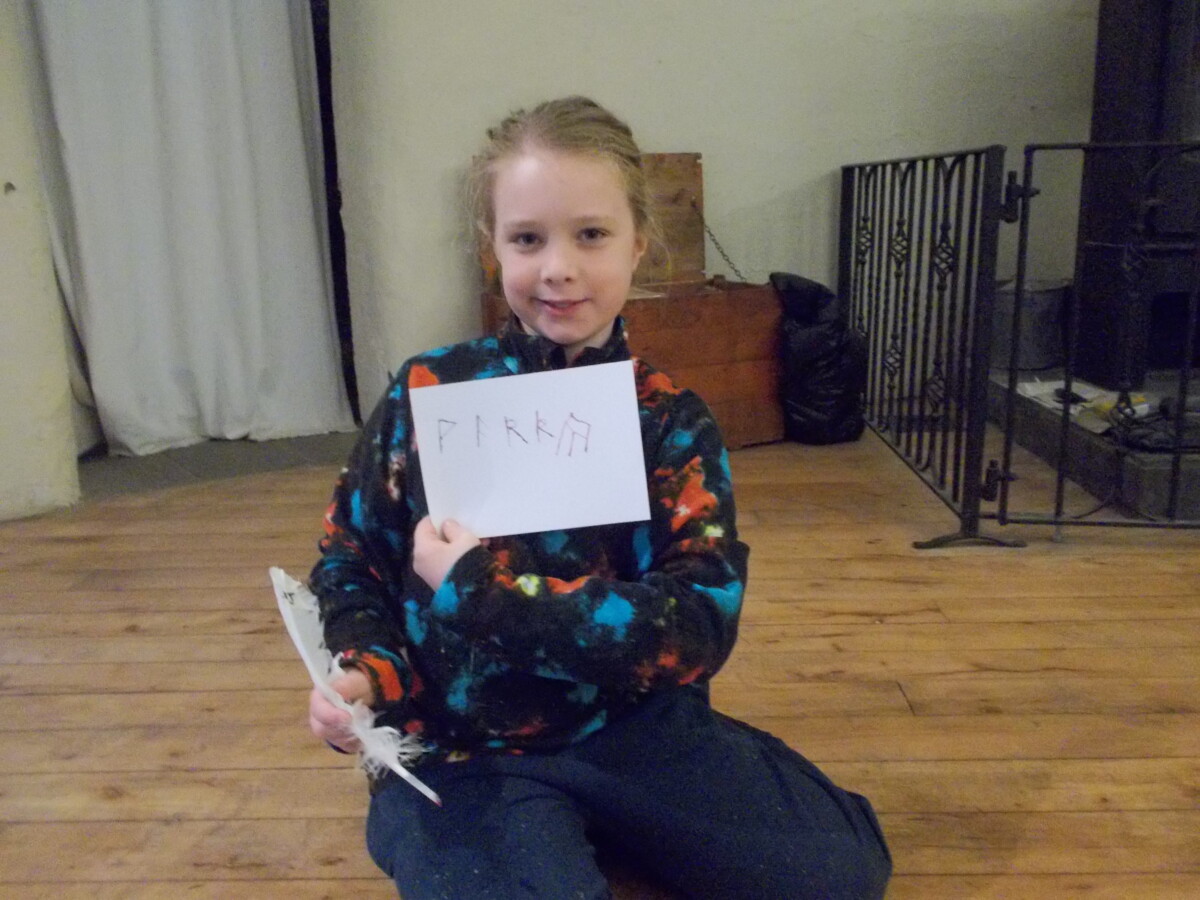
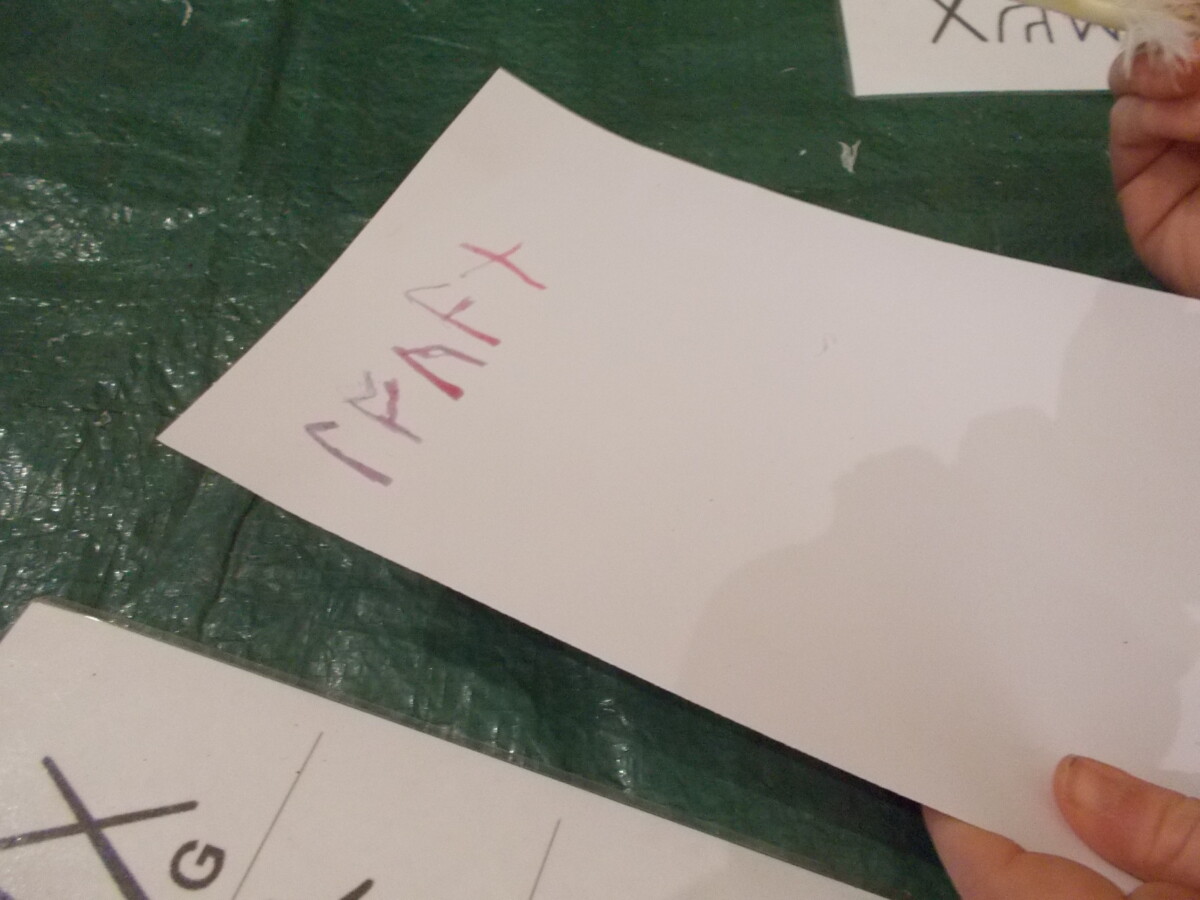
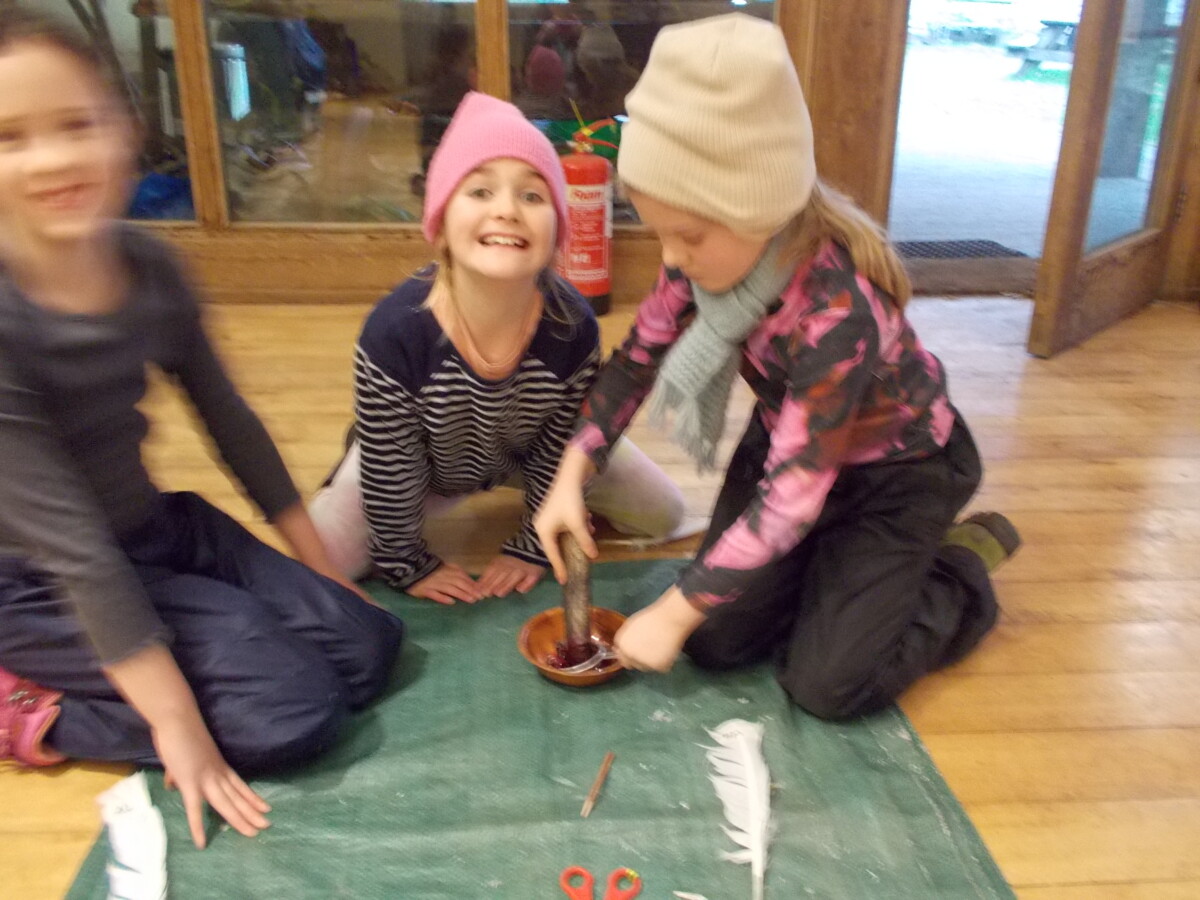
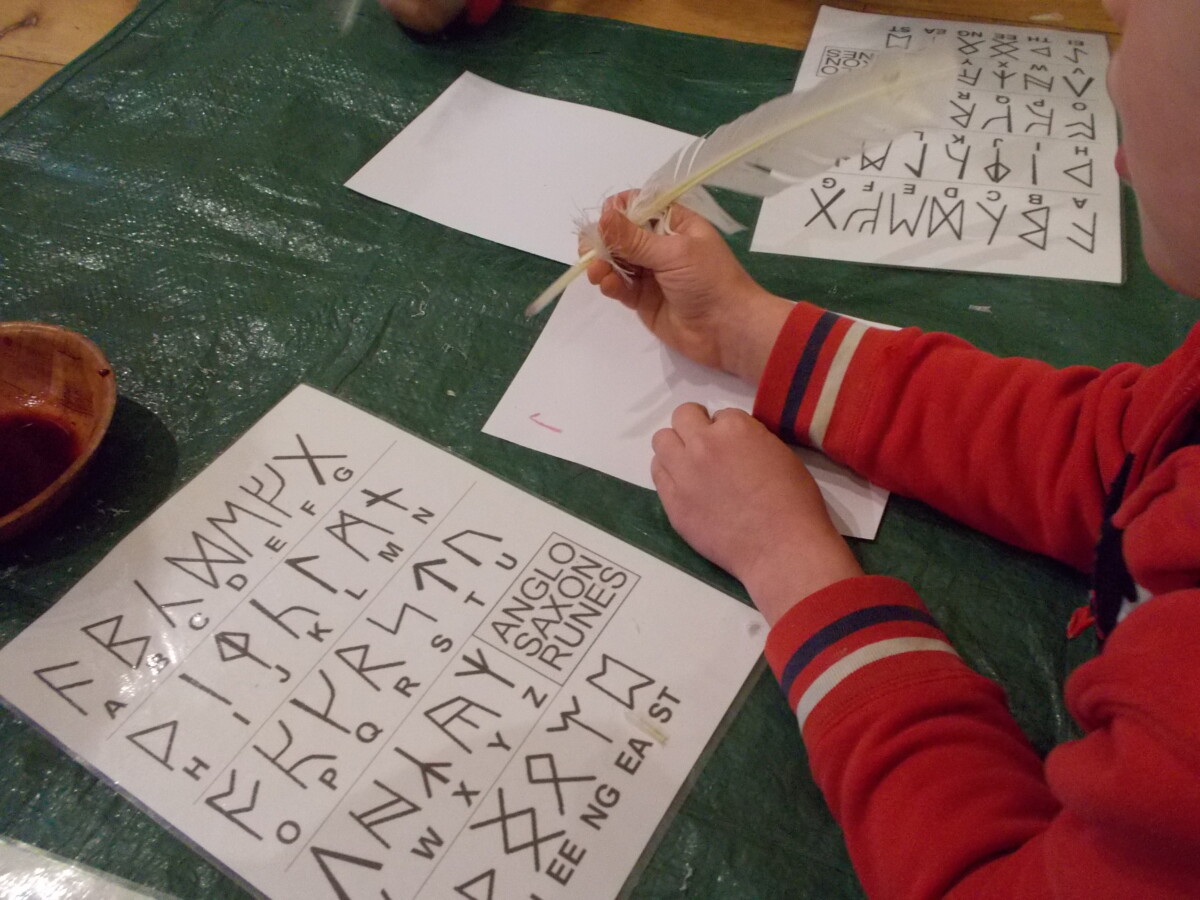
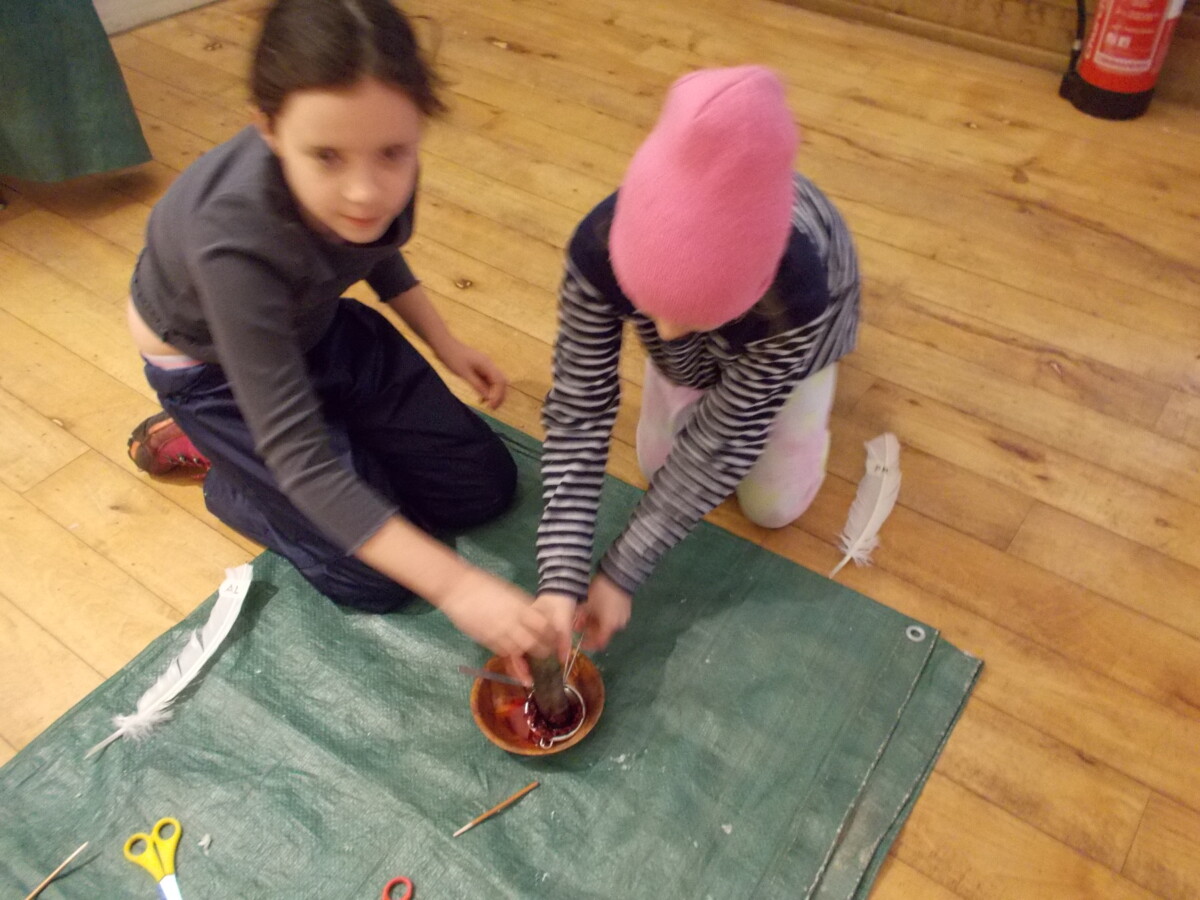
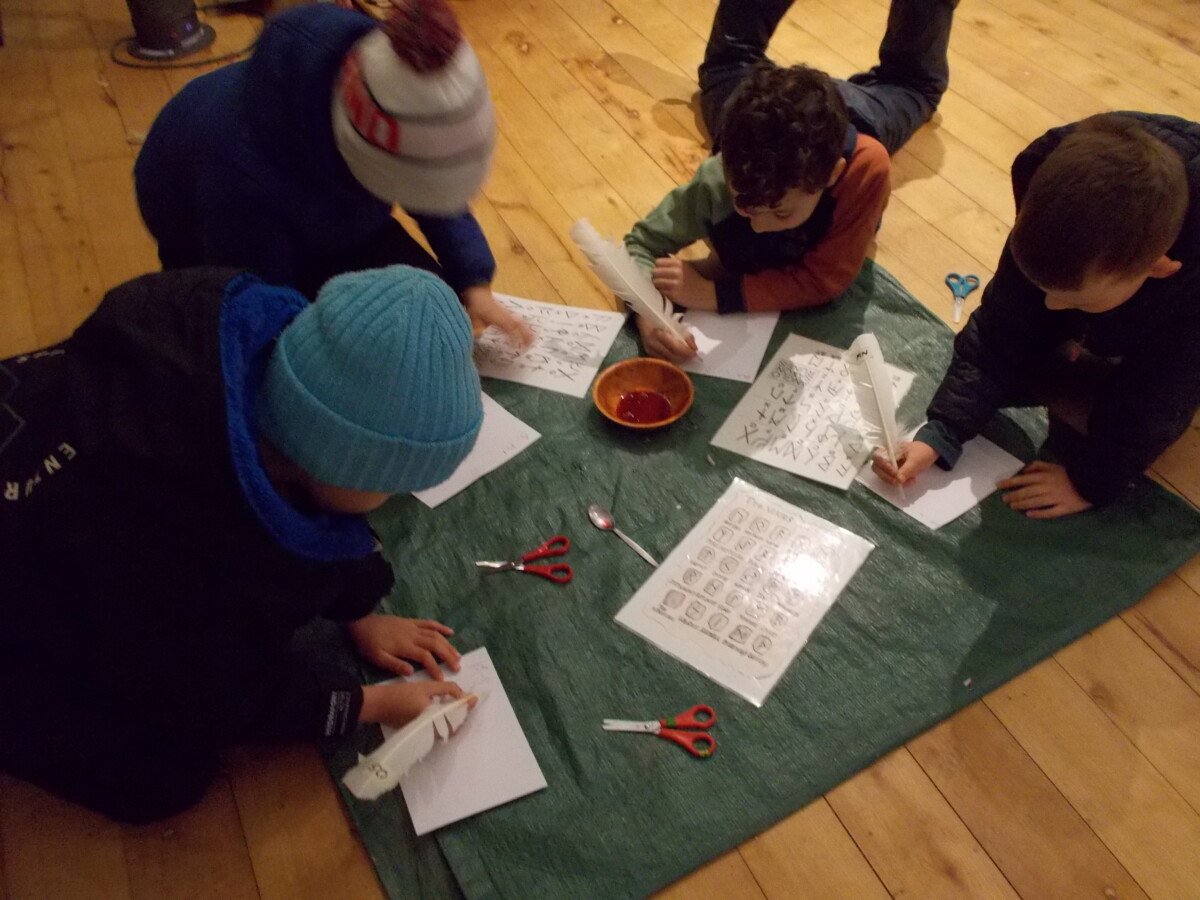
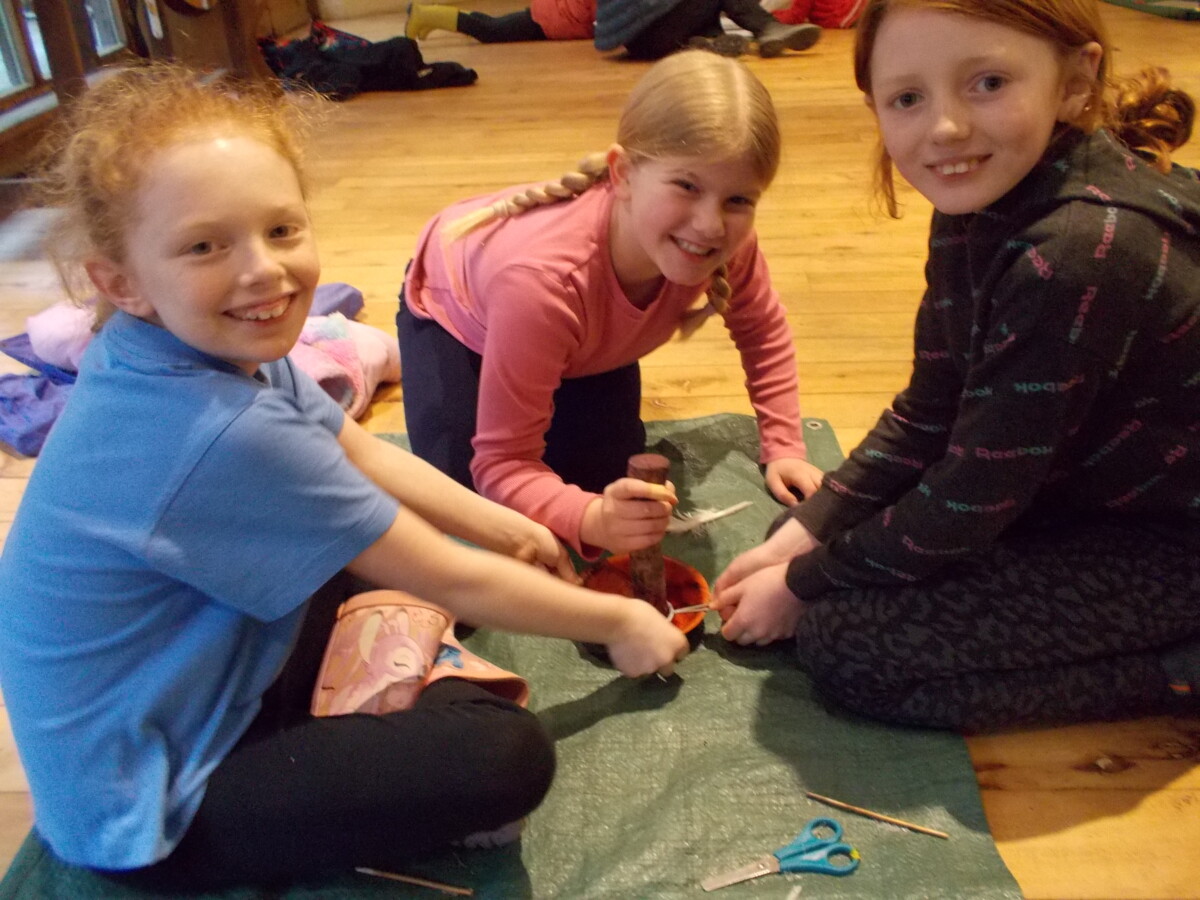
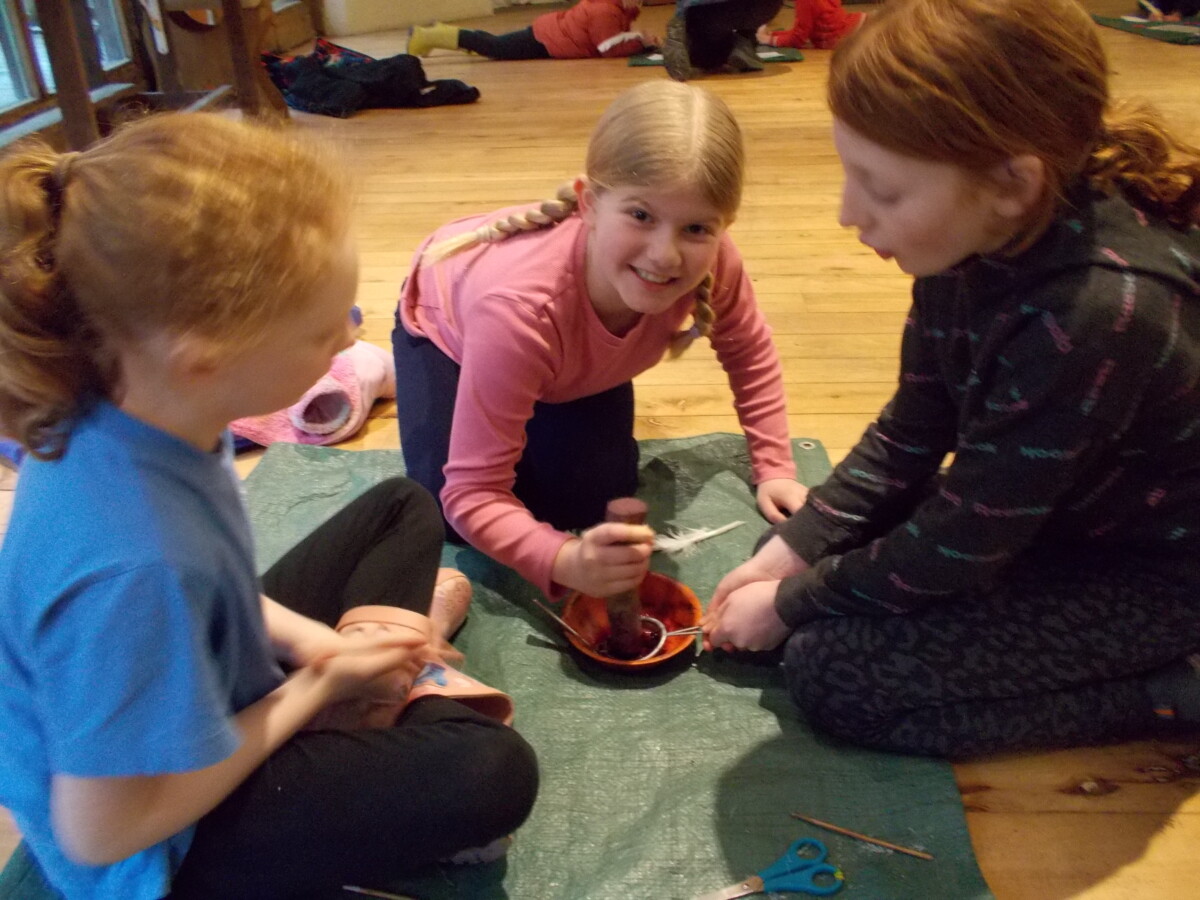
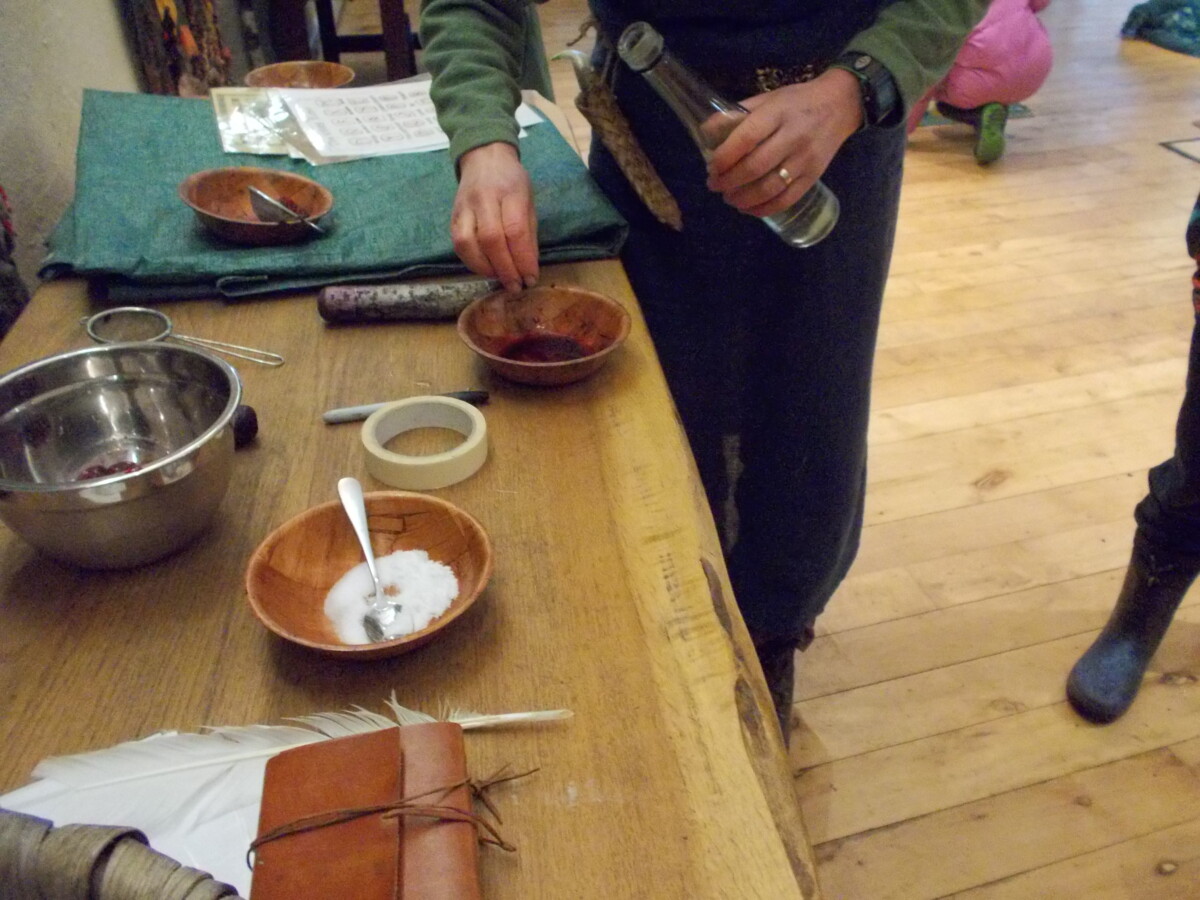
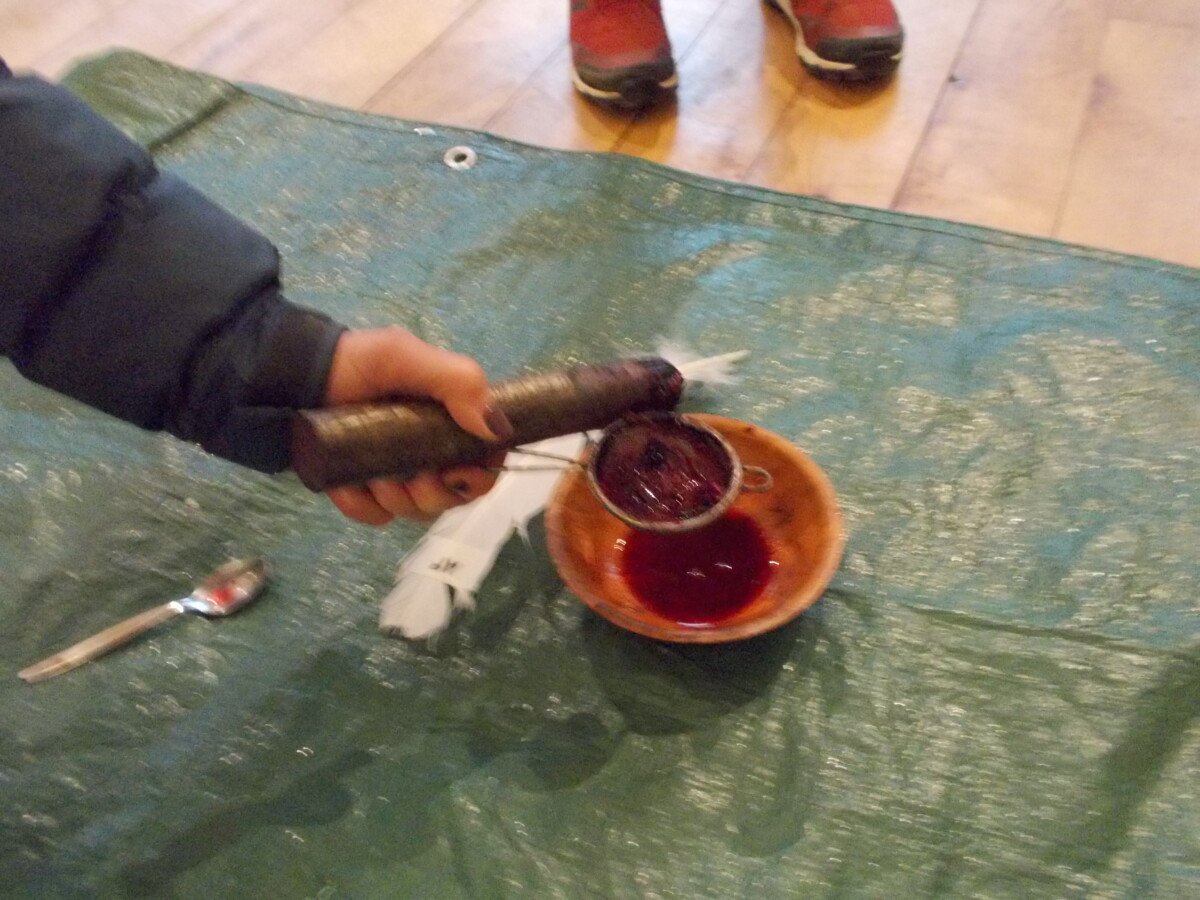
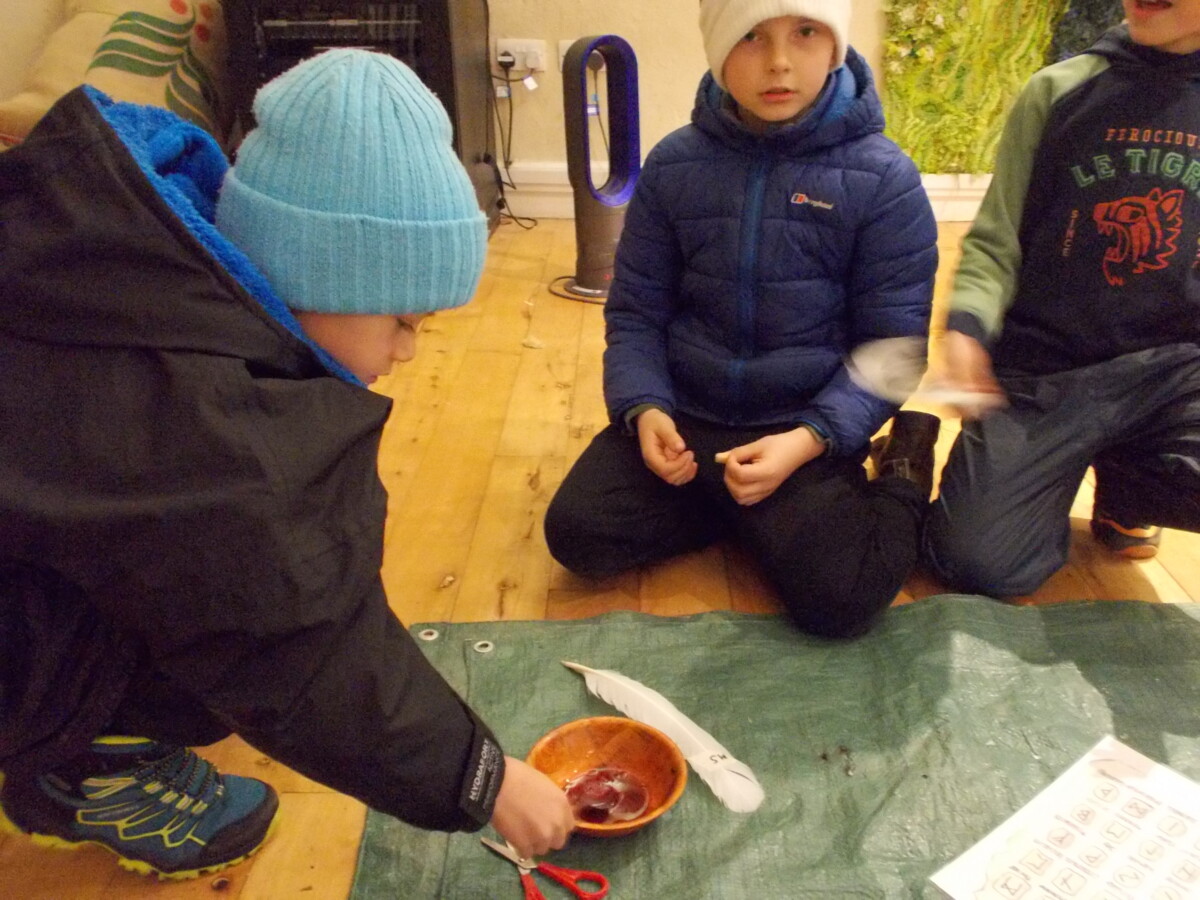
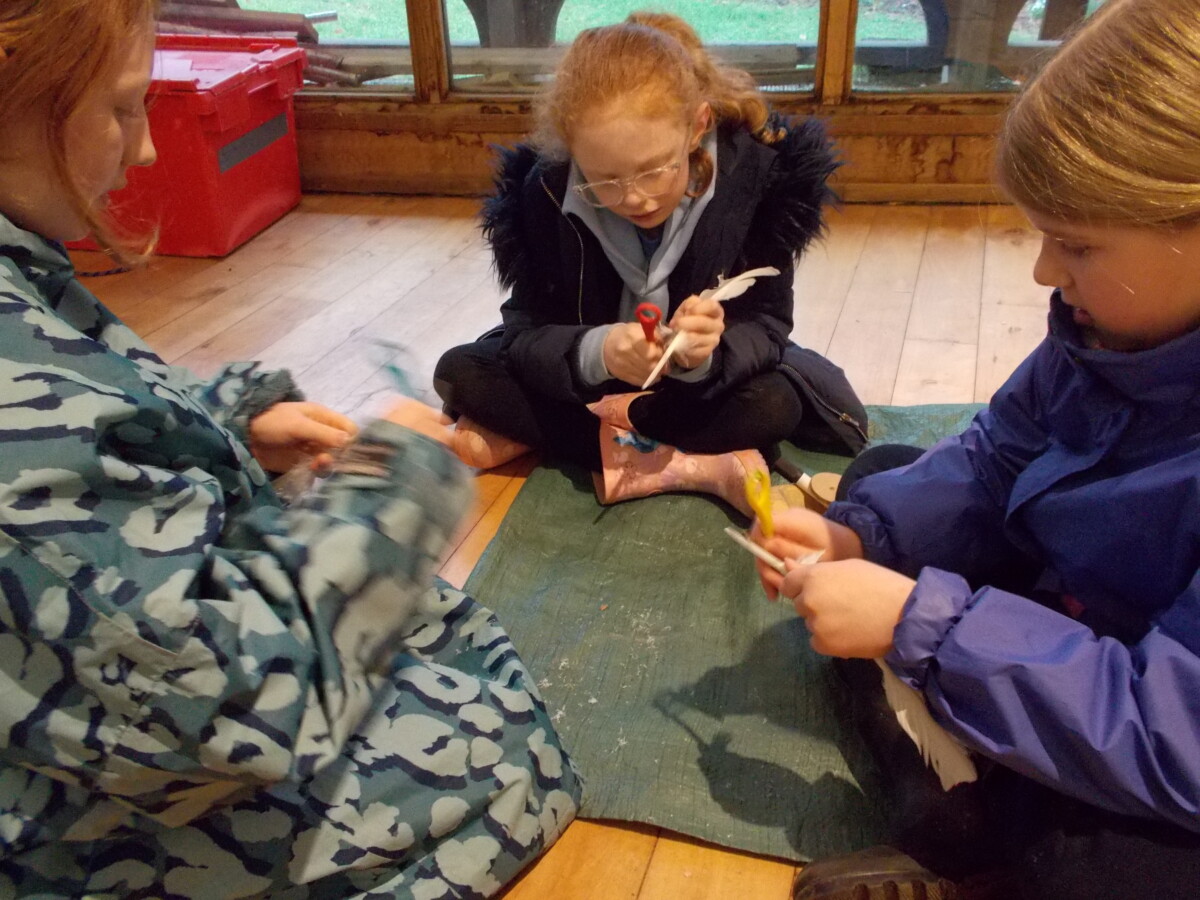
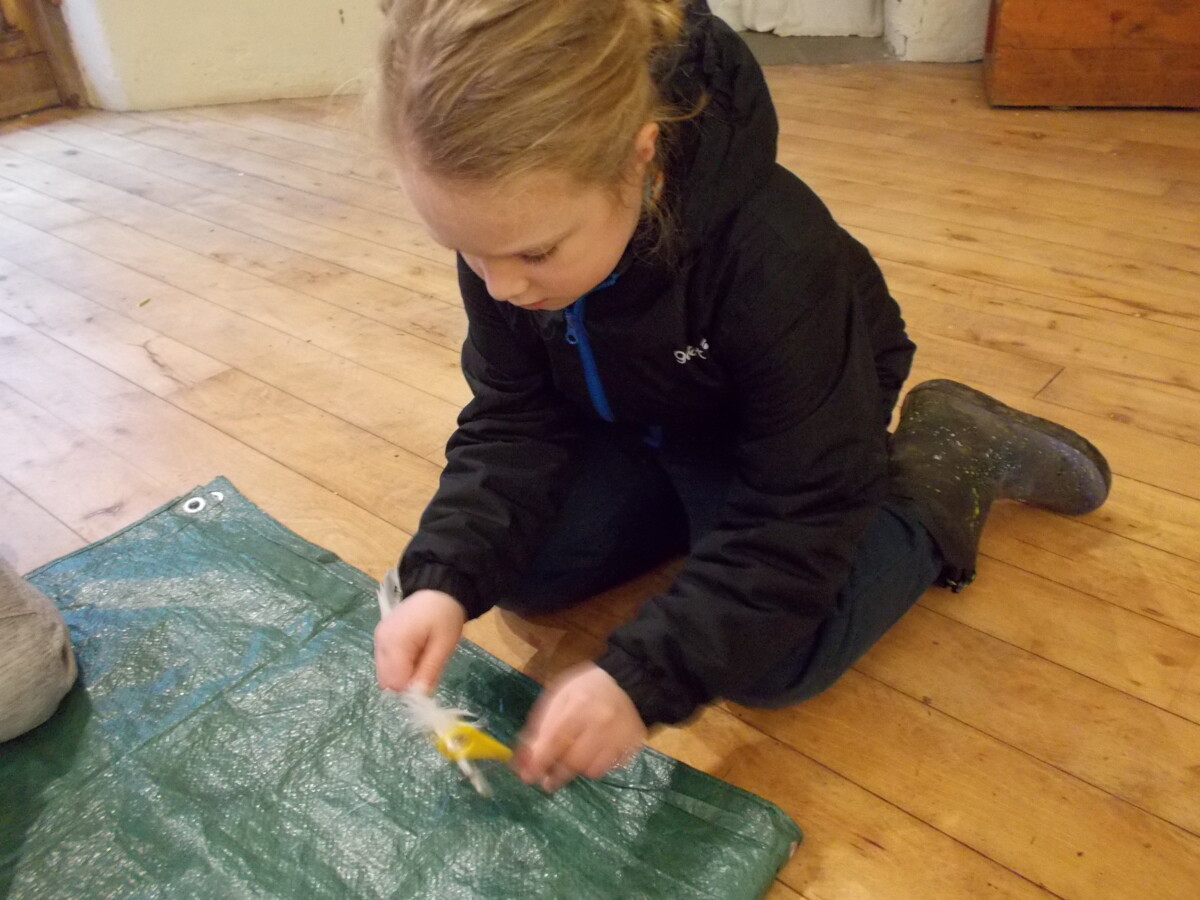
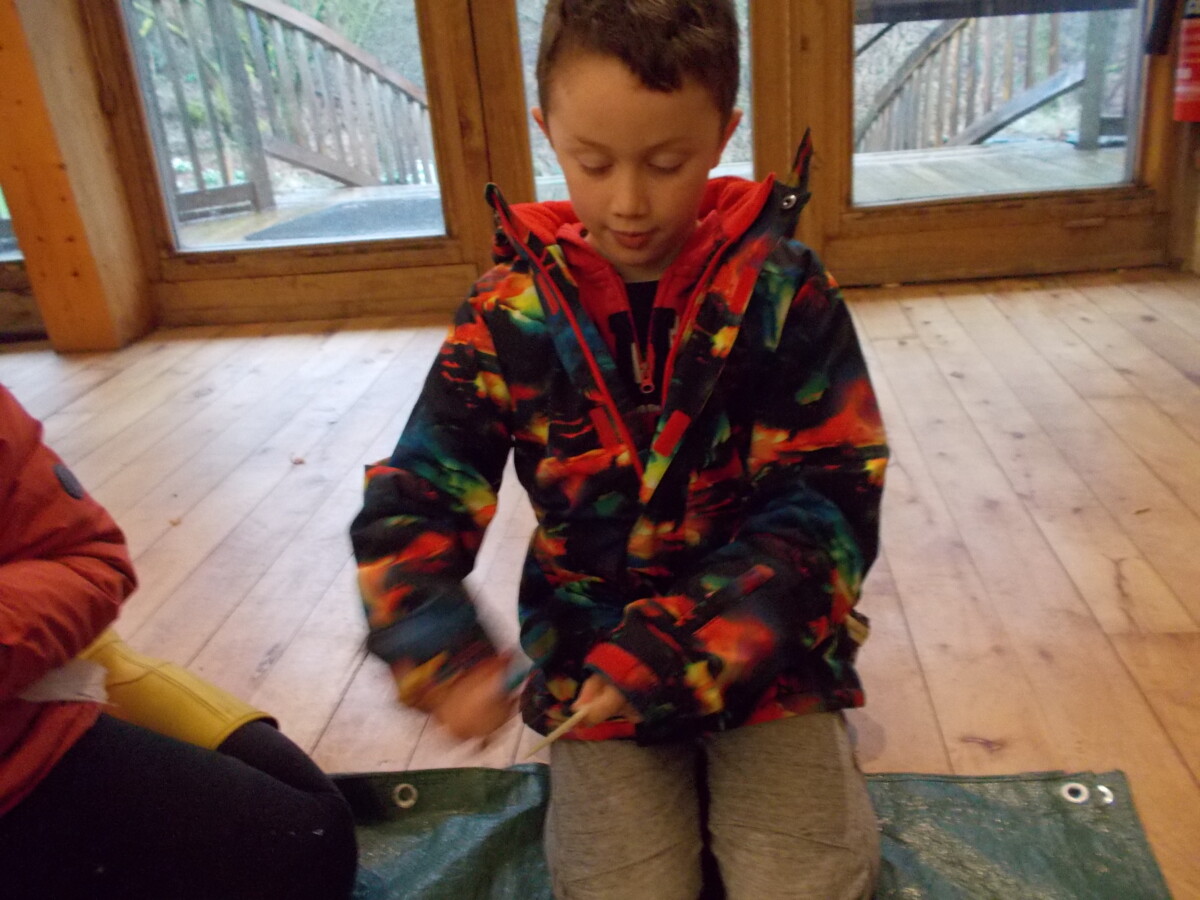
Class 3 had an amazing day taking part in a Woodmatters workshop at the Footprint Centre, Windermere. The day started with a history lesson of the period with the children playing the parts of the key historical figures. We then made our own Anglo-Saxon coins and also made ink and learnt how to write using Viking runes. After lunch, the children had battle drills learning about battle formation and instructions and completed the day by learning how to weave, We learnt about making Viking sails and were amazed that this would need between 200 and 300 sheep fleeces and would take one person 35 years to weave so teamwork was essential! Thank you to Woodmatters and our volunteers.
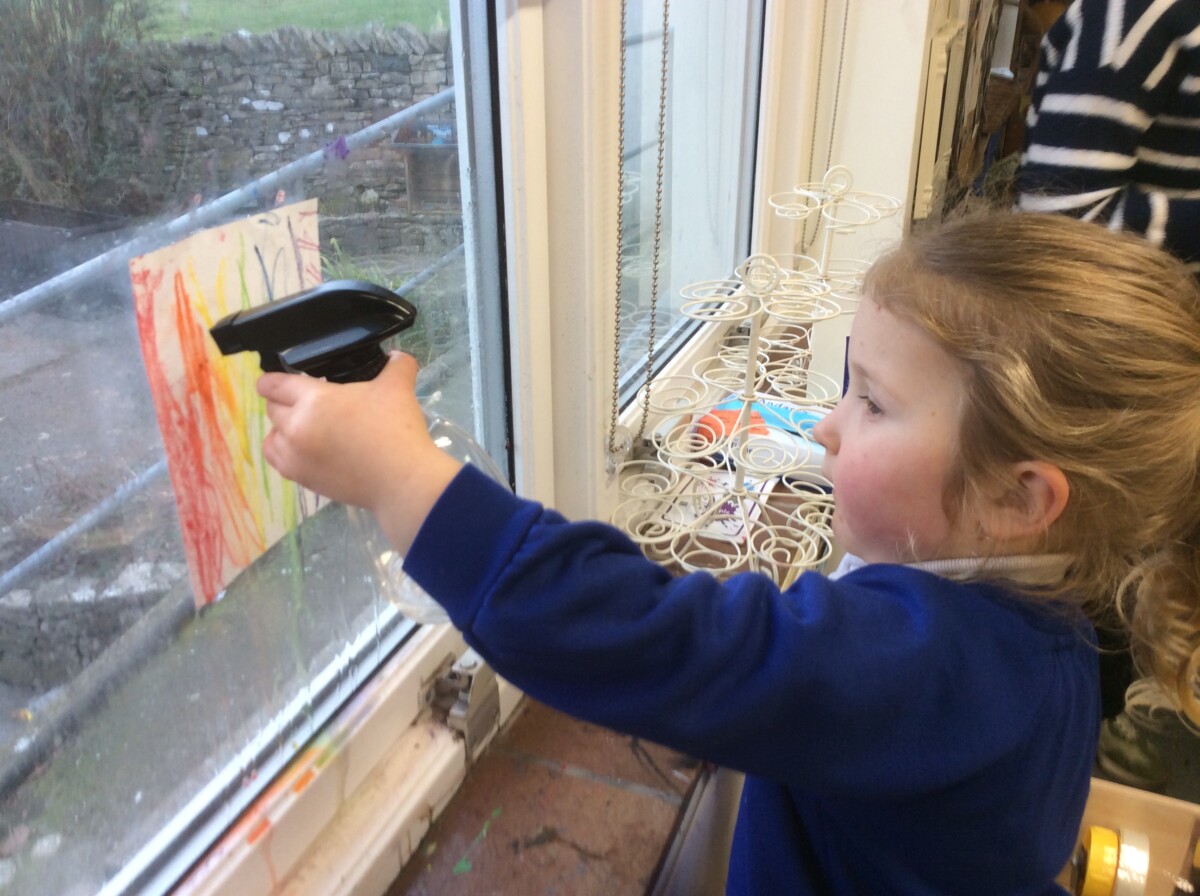
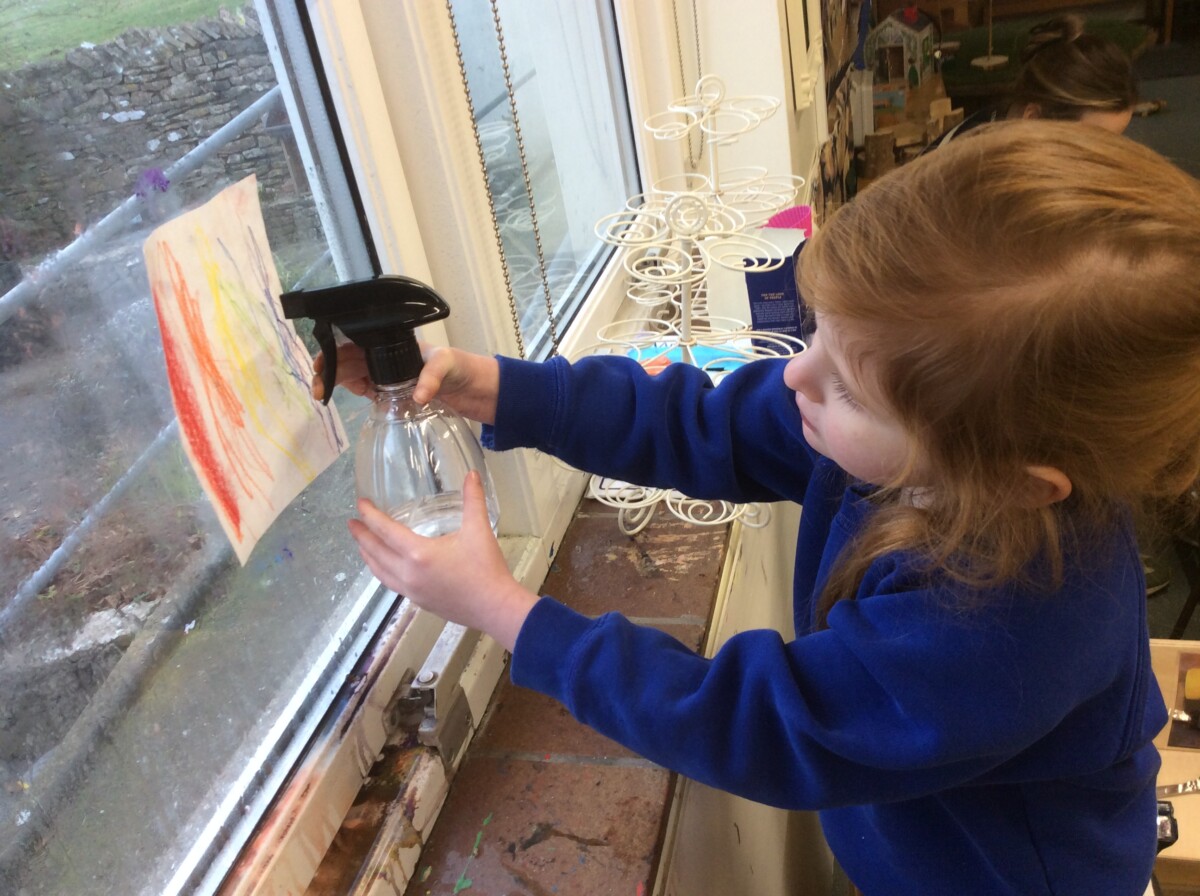
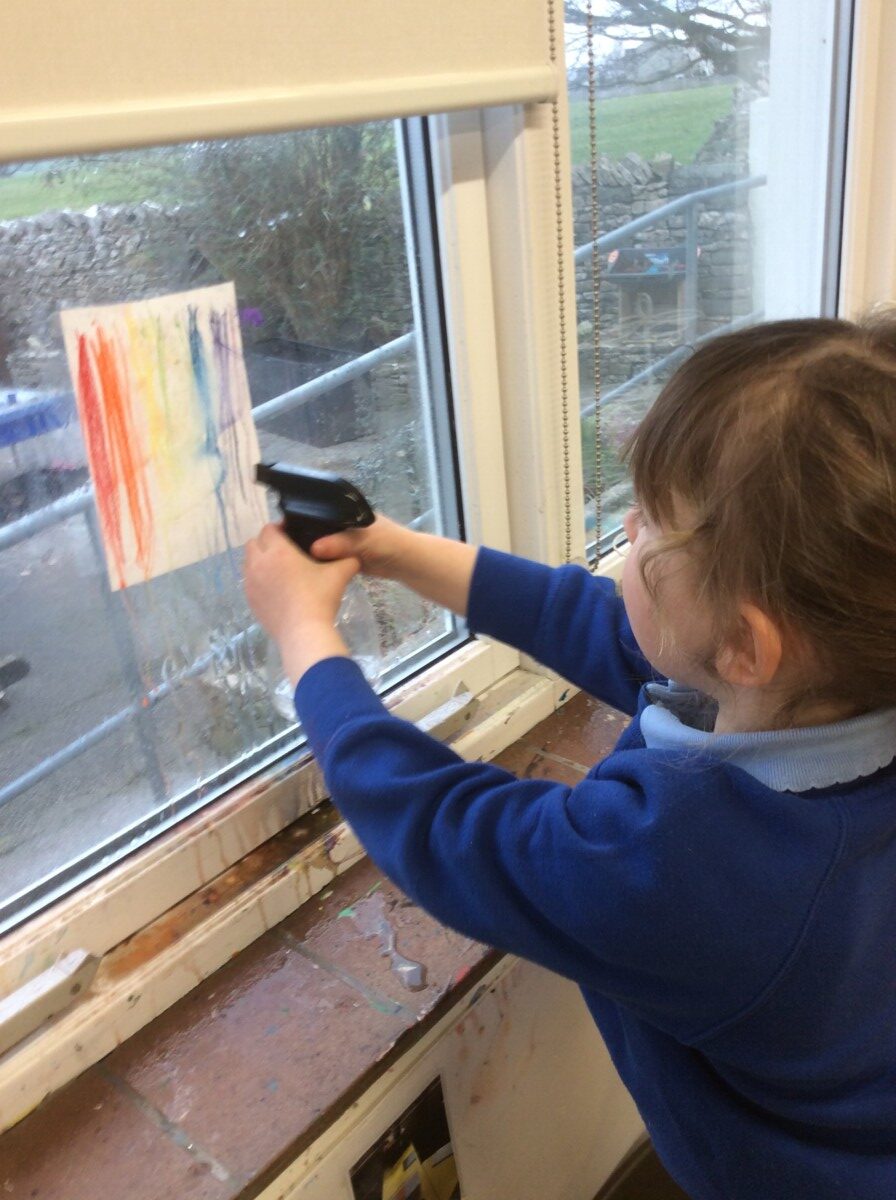
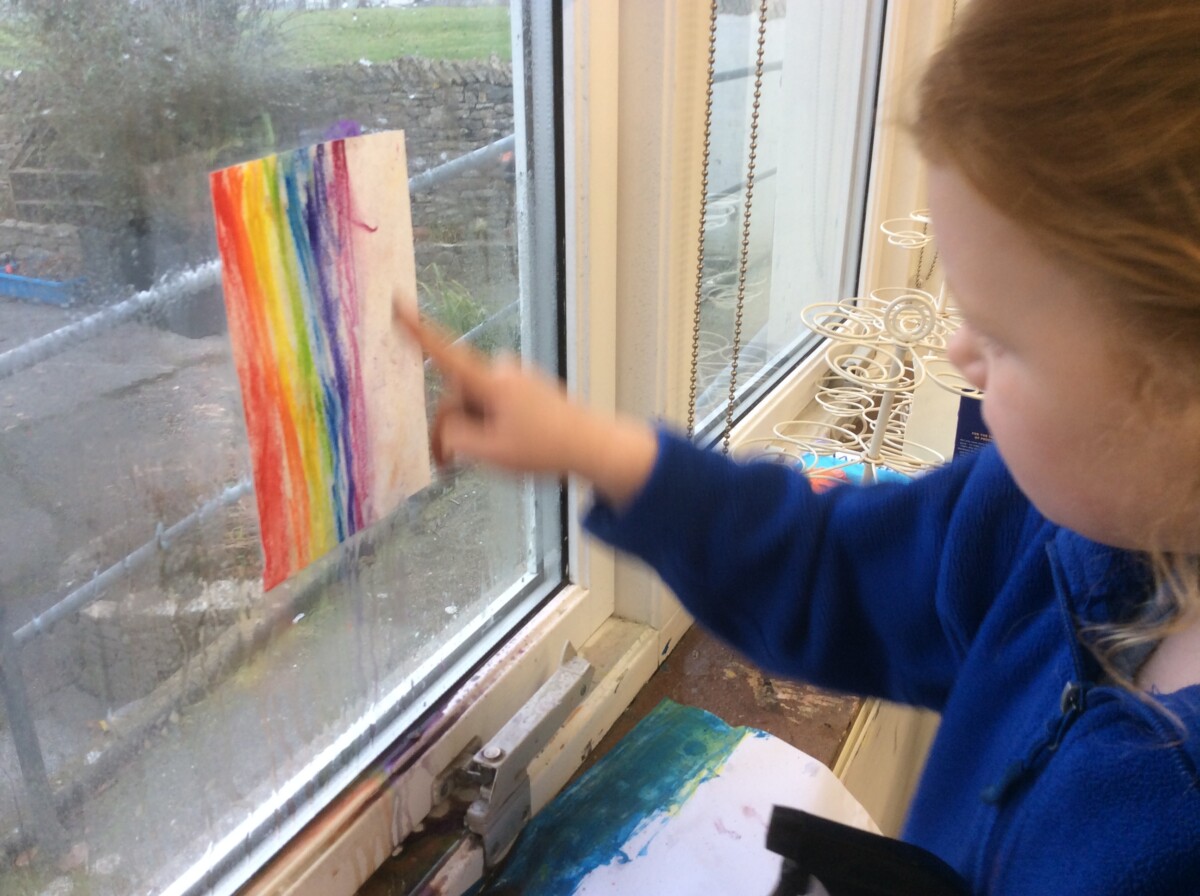
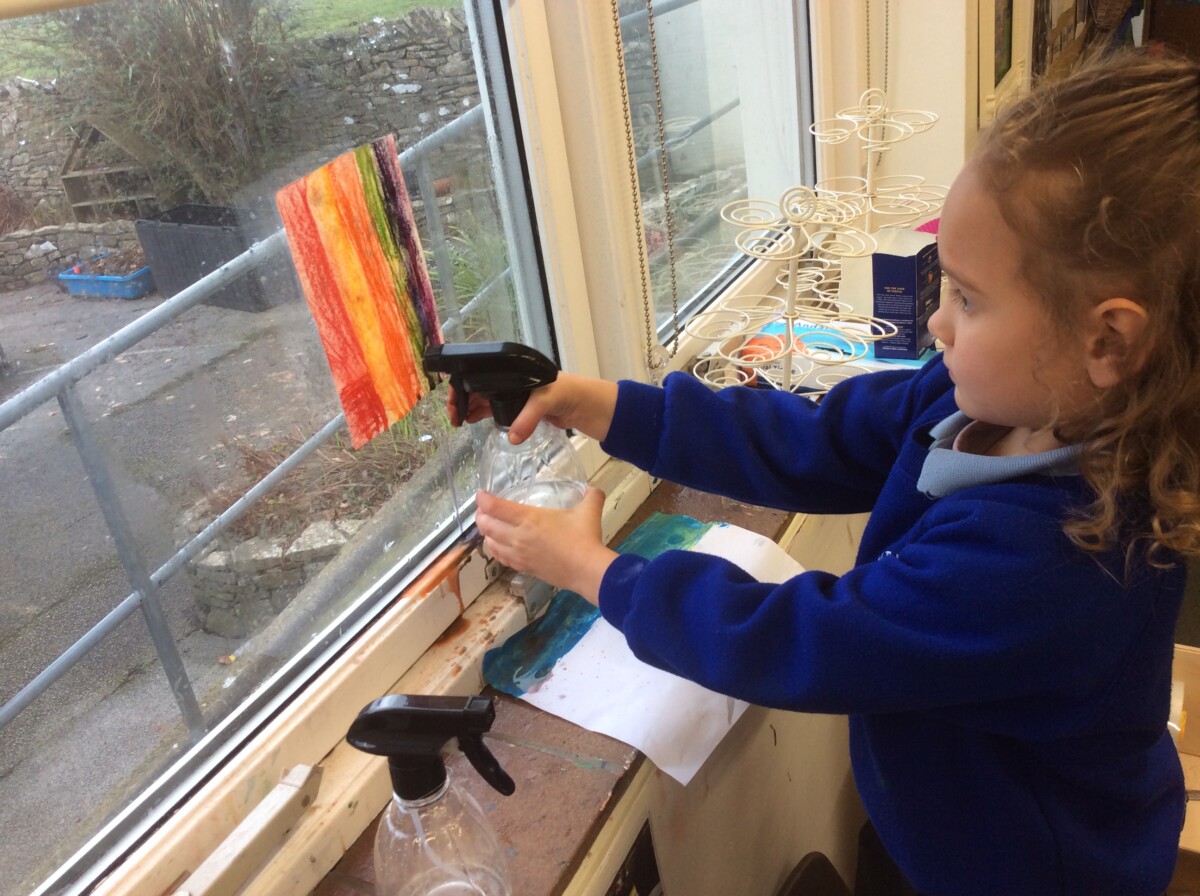
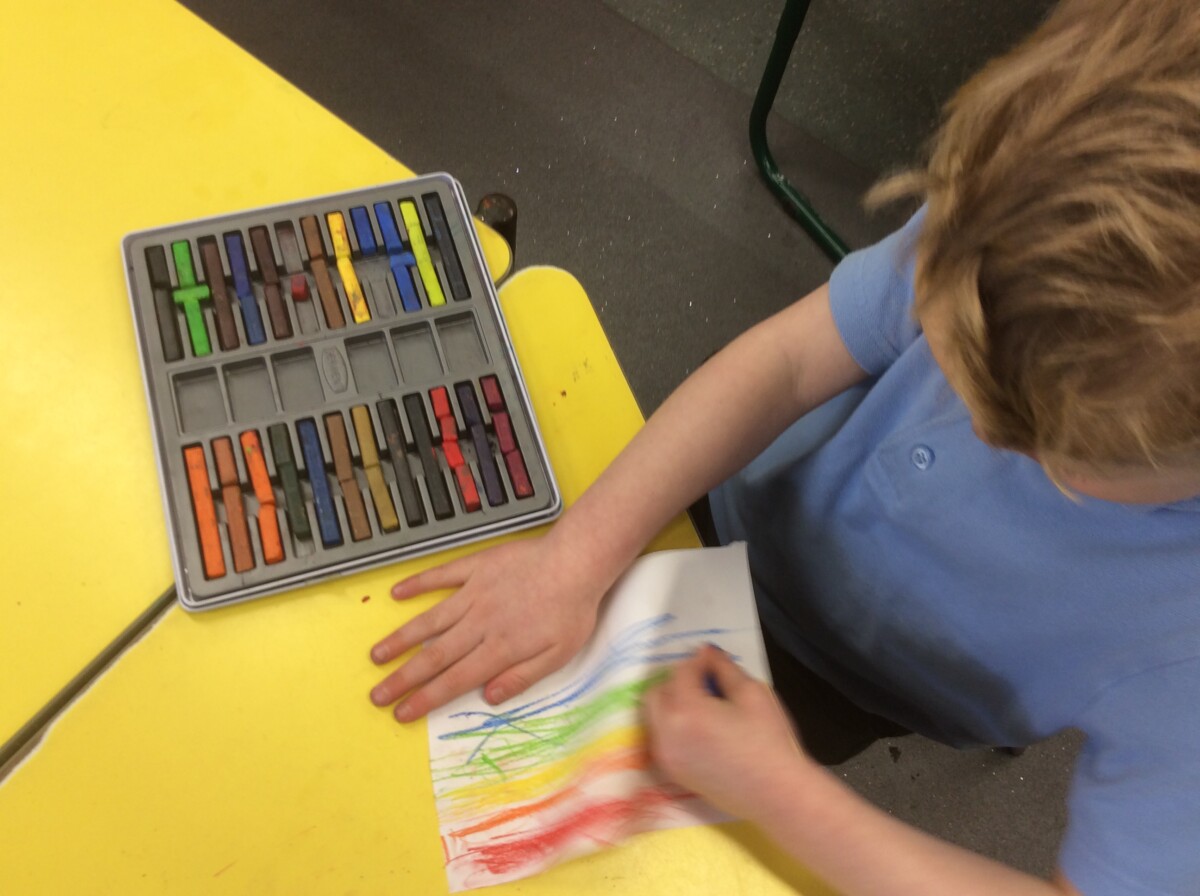
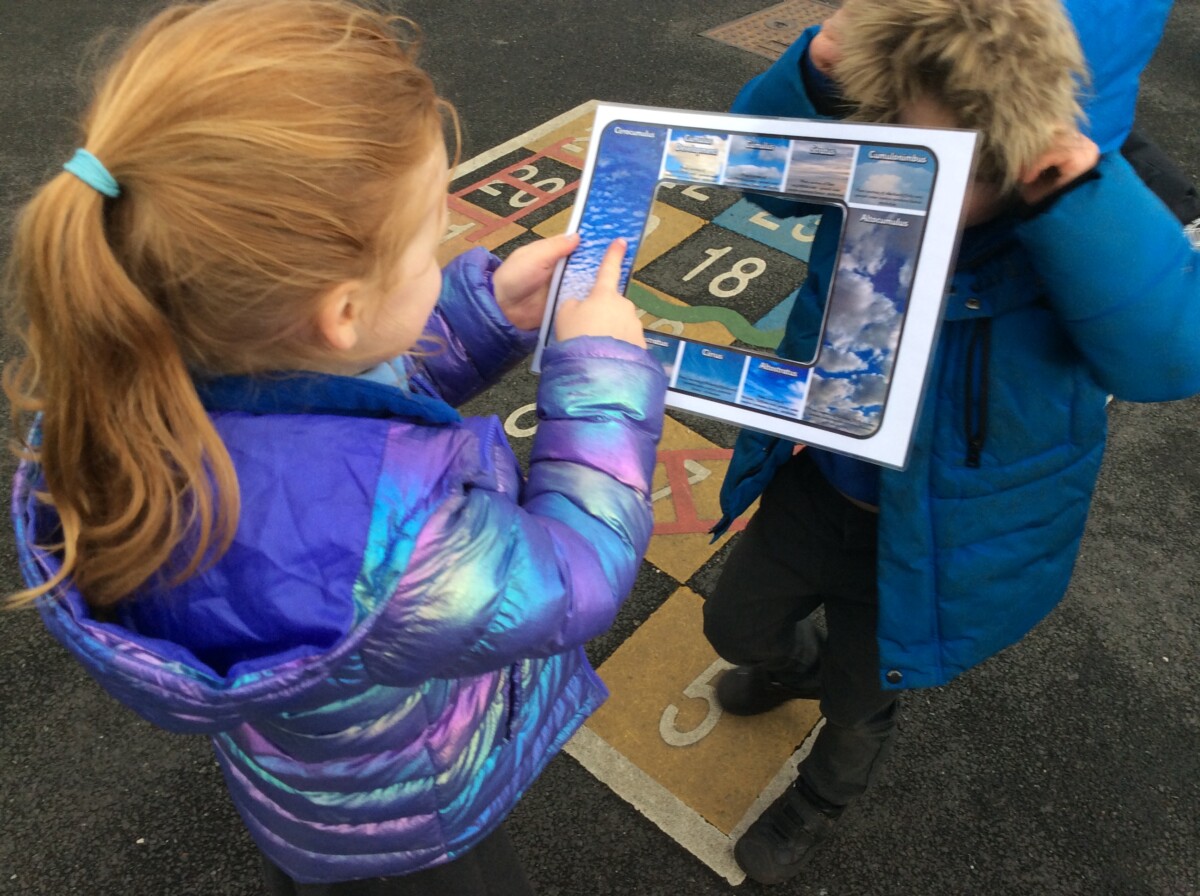
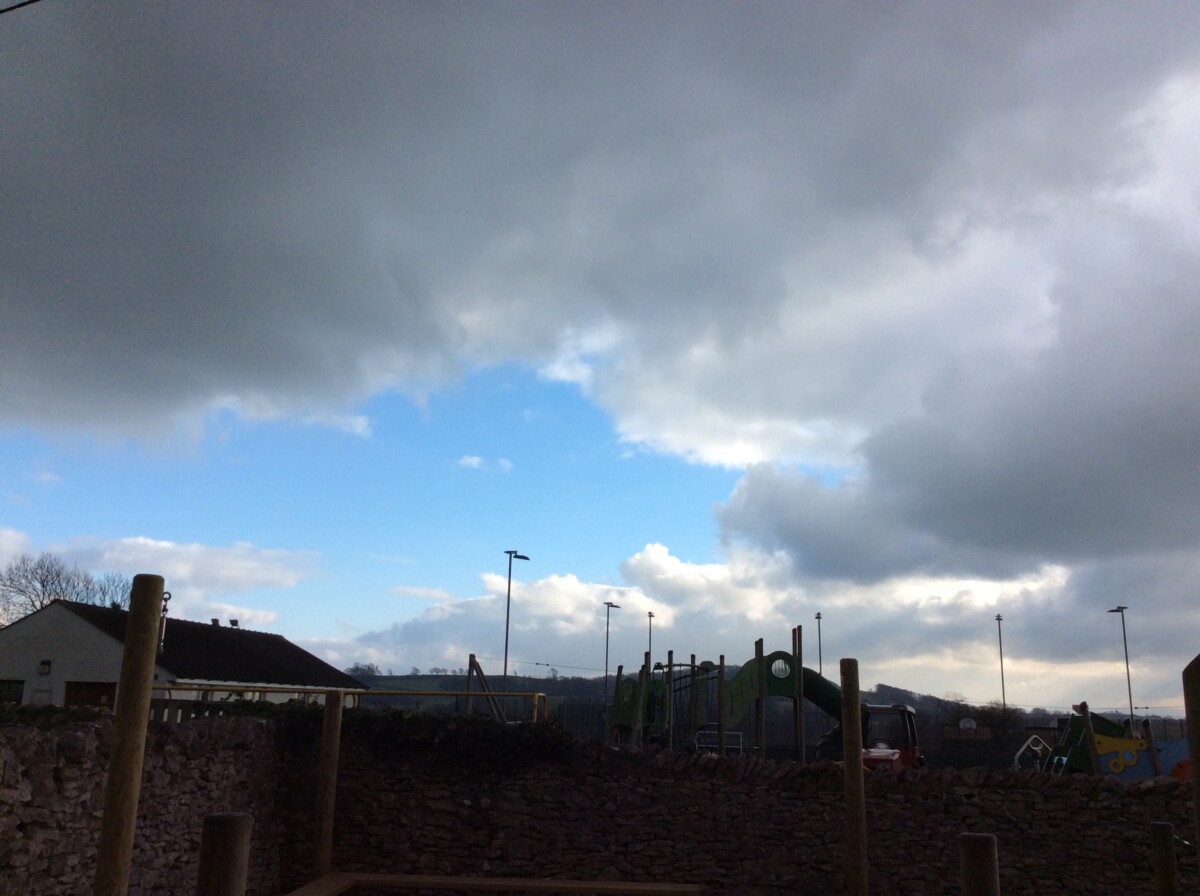
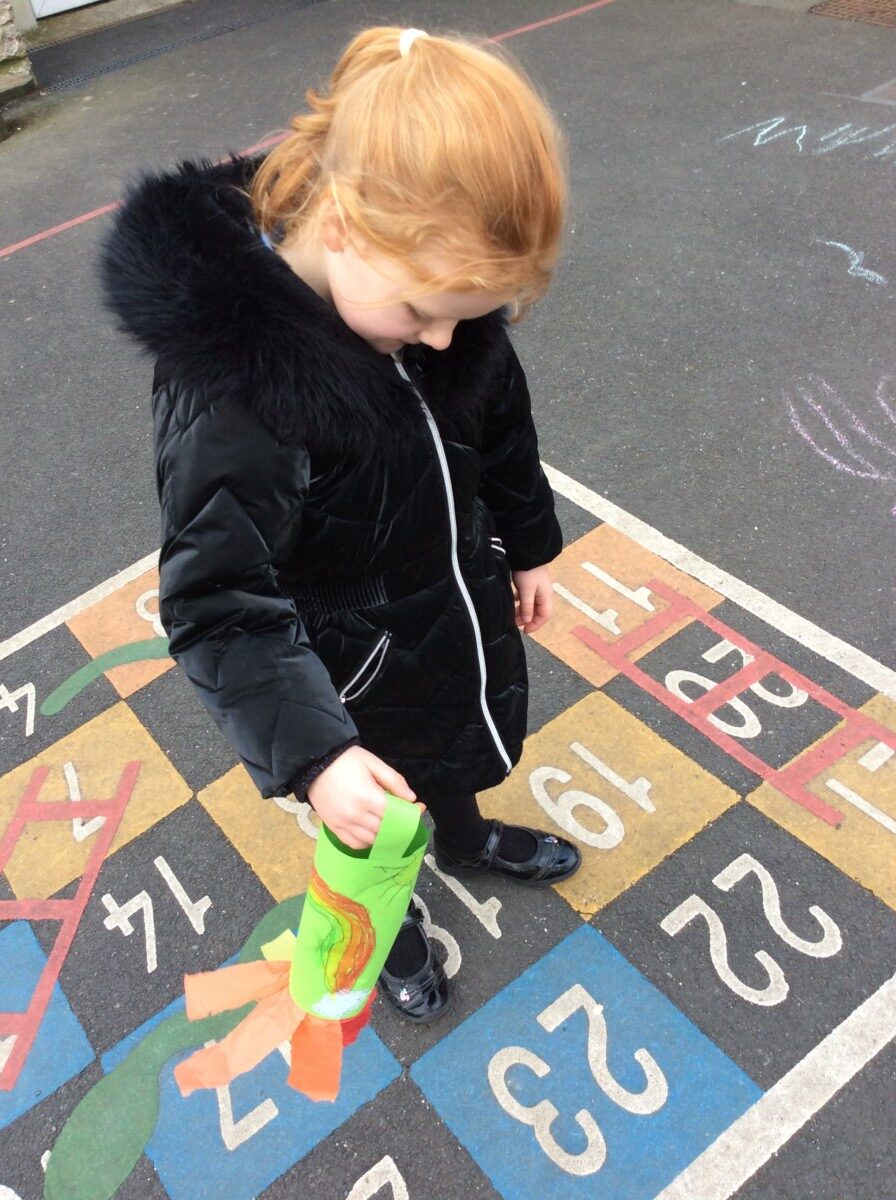
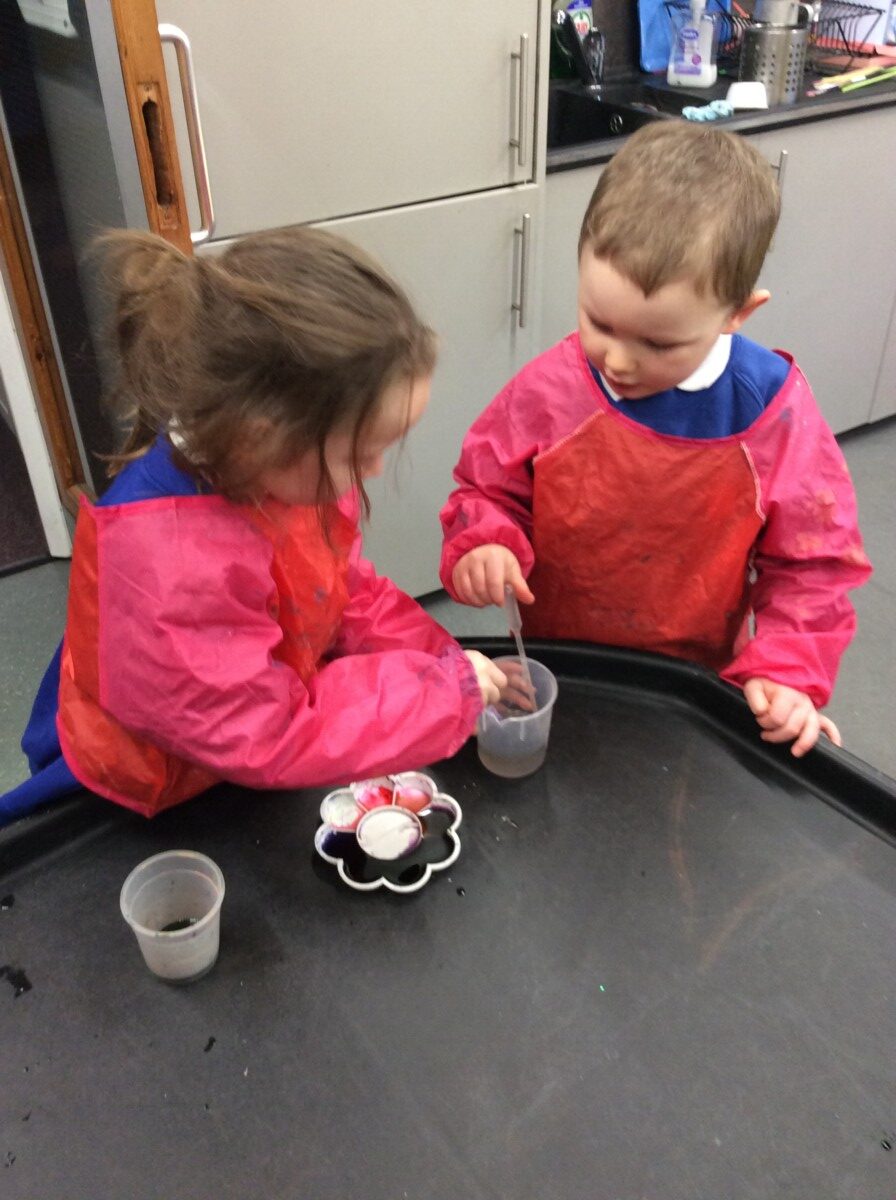
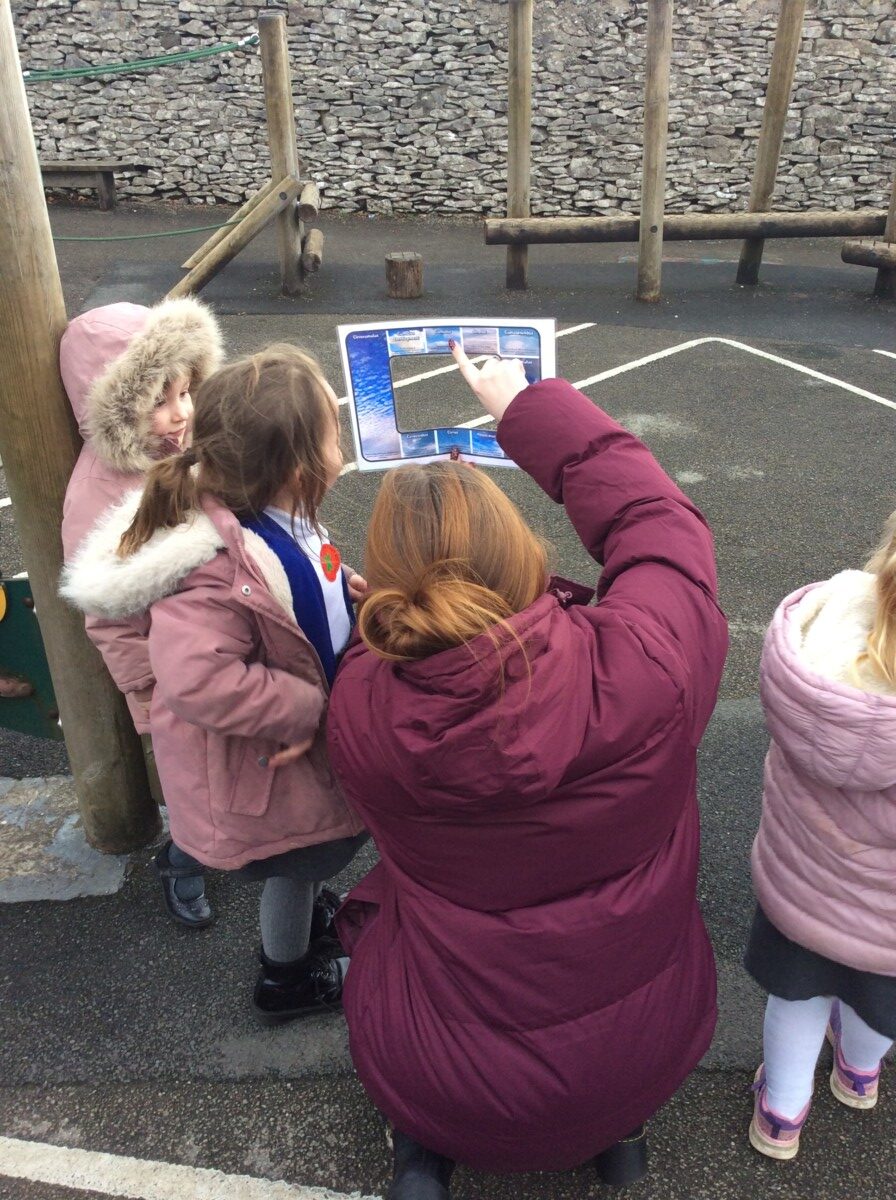
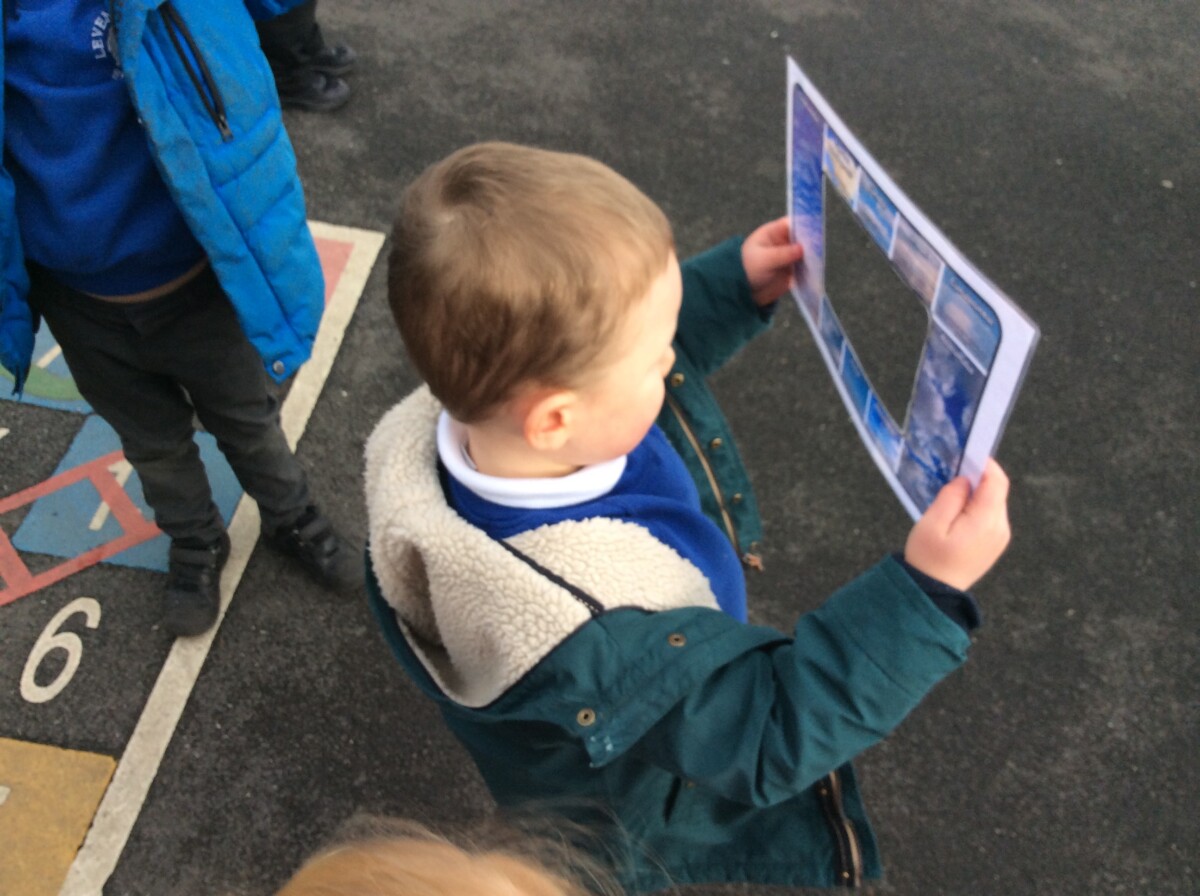
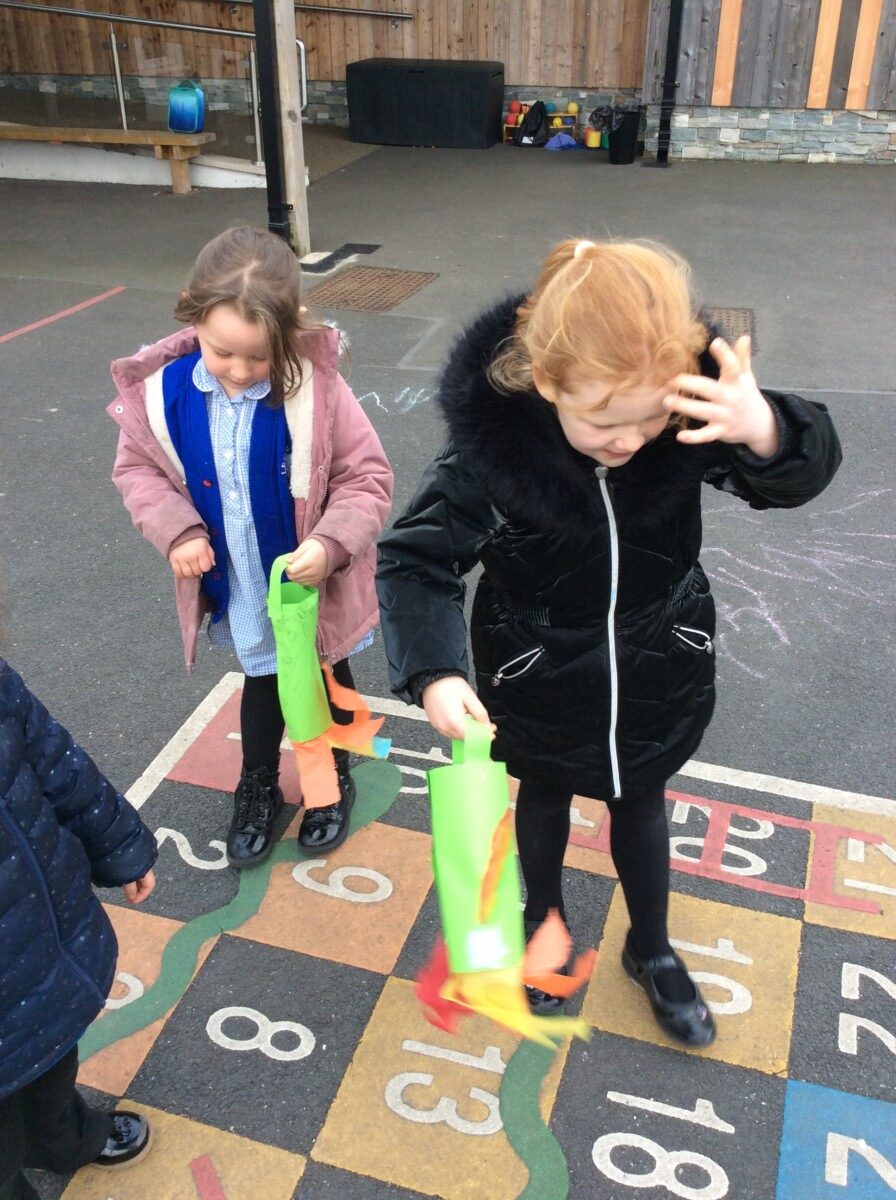
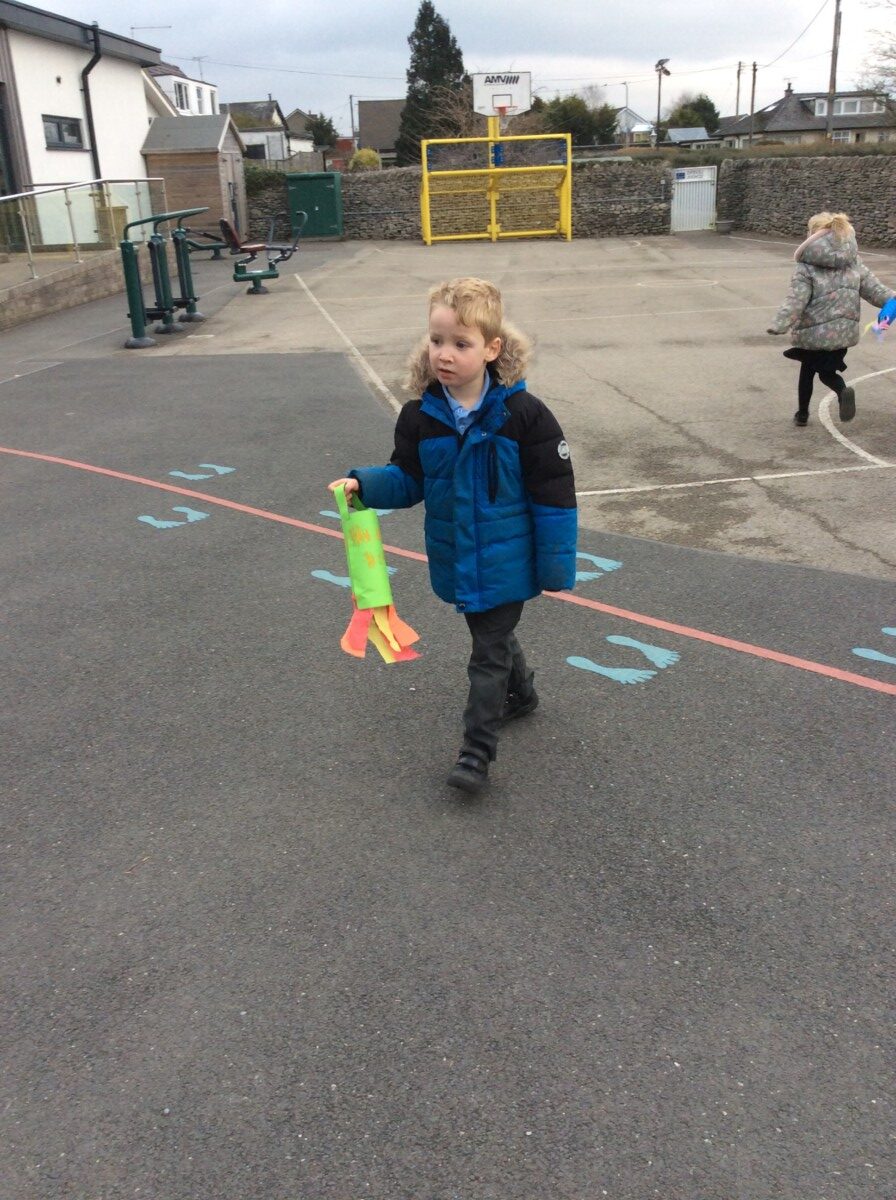
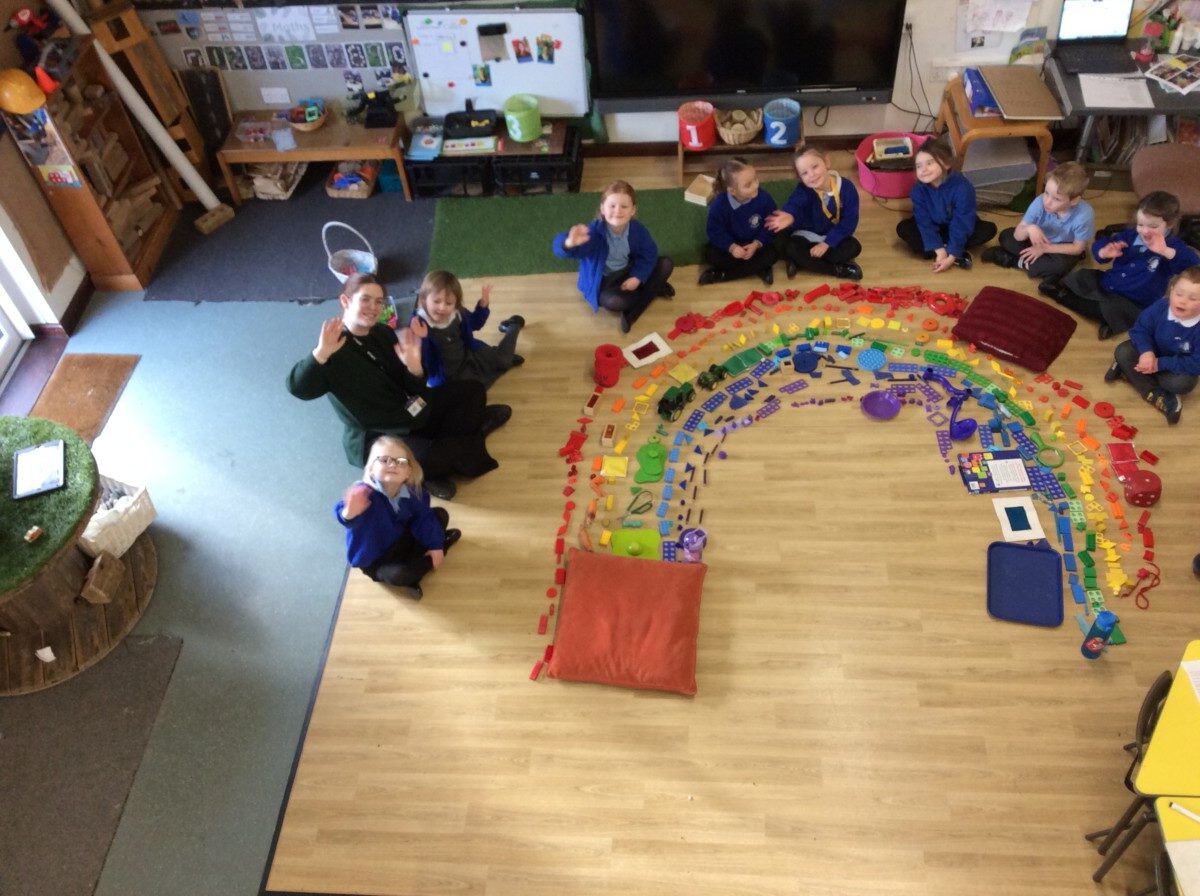
Despite the quick changing weather we have had over the past few weeks, Class One have enjoyed exploring all the variations! They have learnt about how wind can be useful and how we can tell if it is a windy day, despite not being able to see the actual wind itself, only its effects. Clouds were next on the list for exploring and the children enjoyed an afternoon cloud spotting outside and noticing the different colours and shapes of them and learning that the more grey and dark a cloud is, the more likely it is to rain! Finally, the children learnt how rainbows were created and enjoyed some rainbow art with Bob, exploring how colours can be mixed to create new ones and made their own, whole class rainbow!
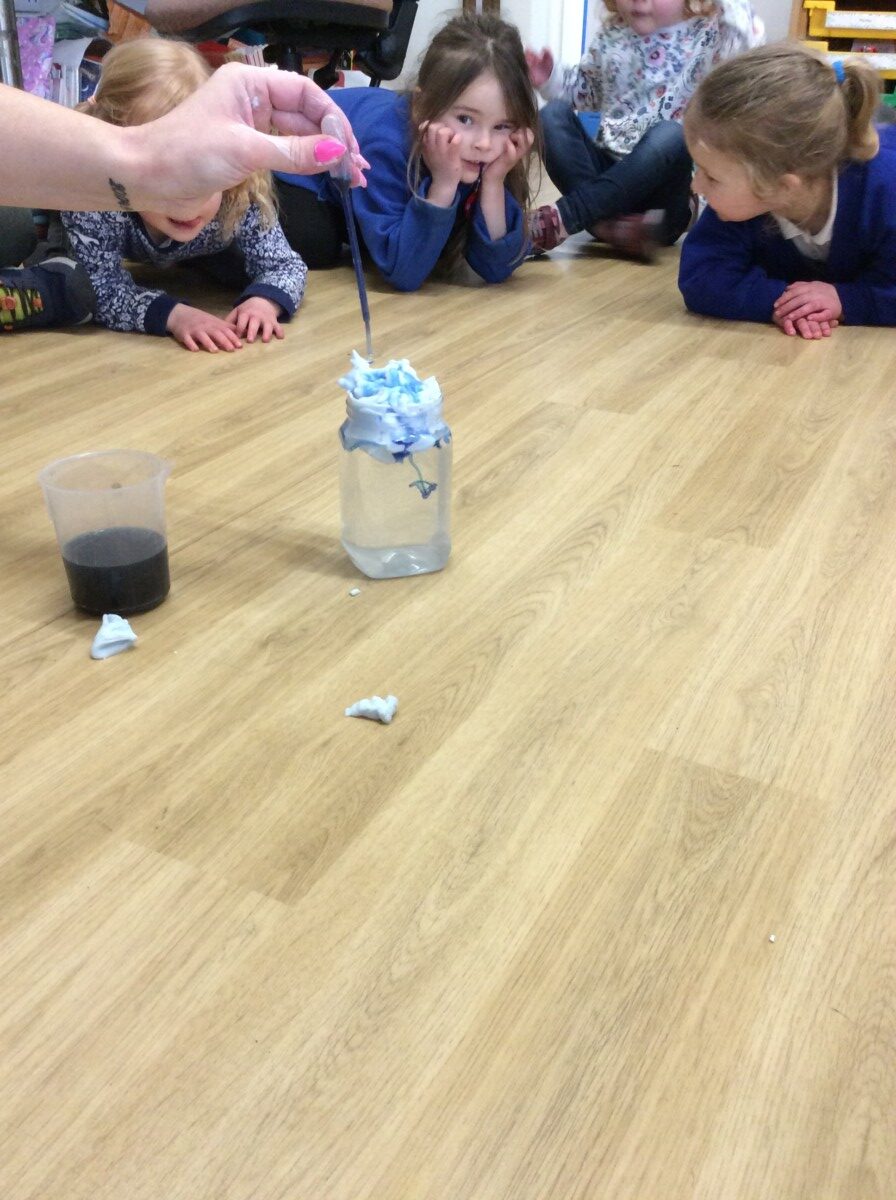
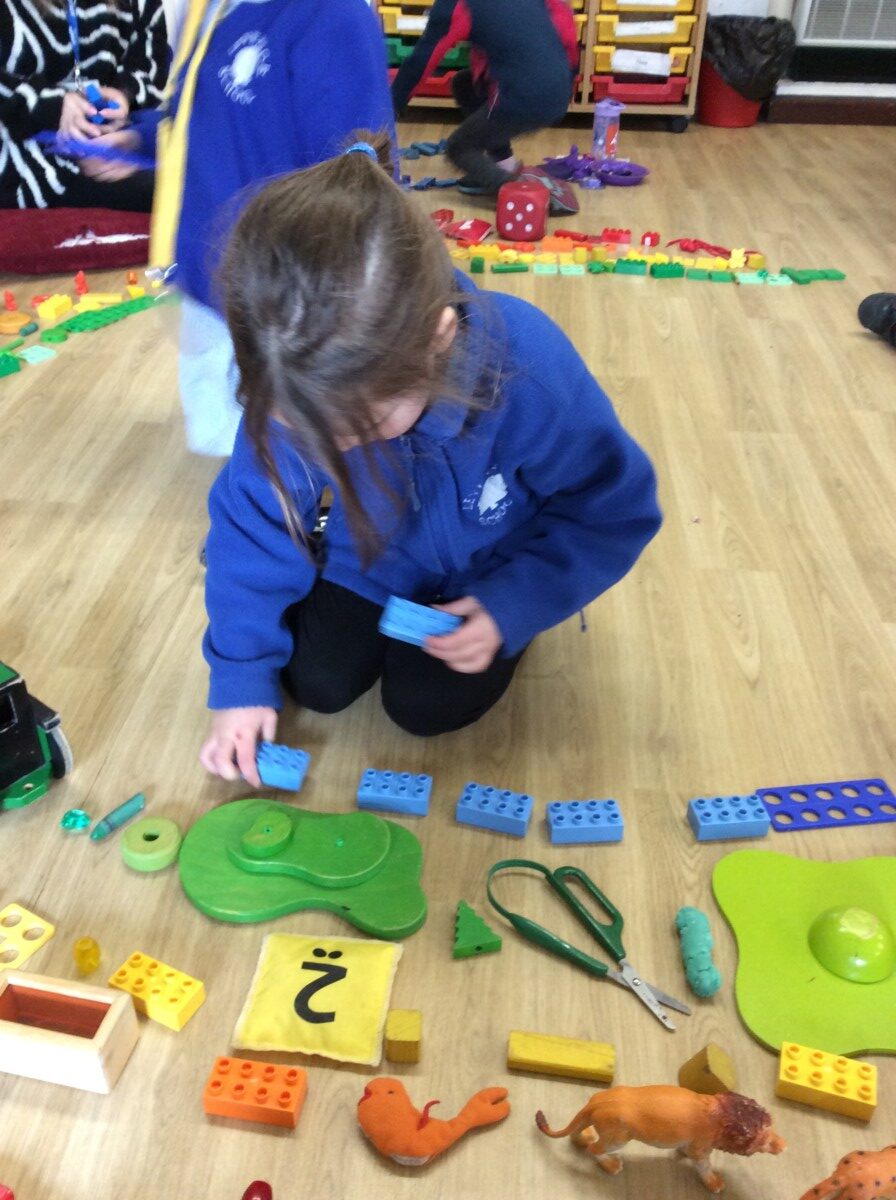
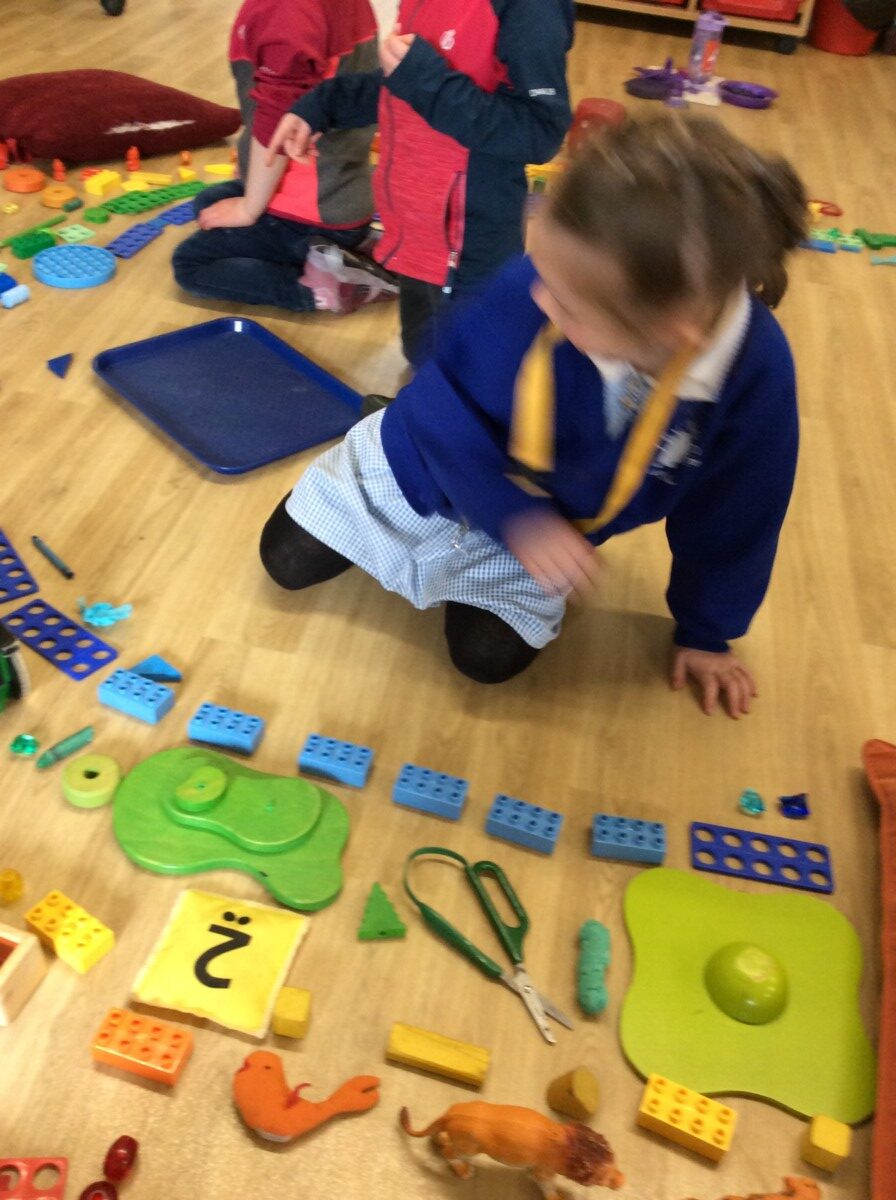
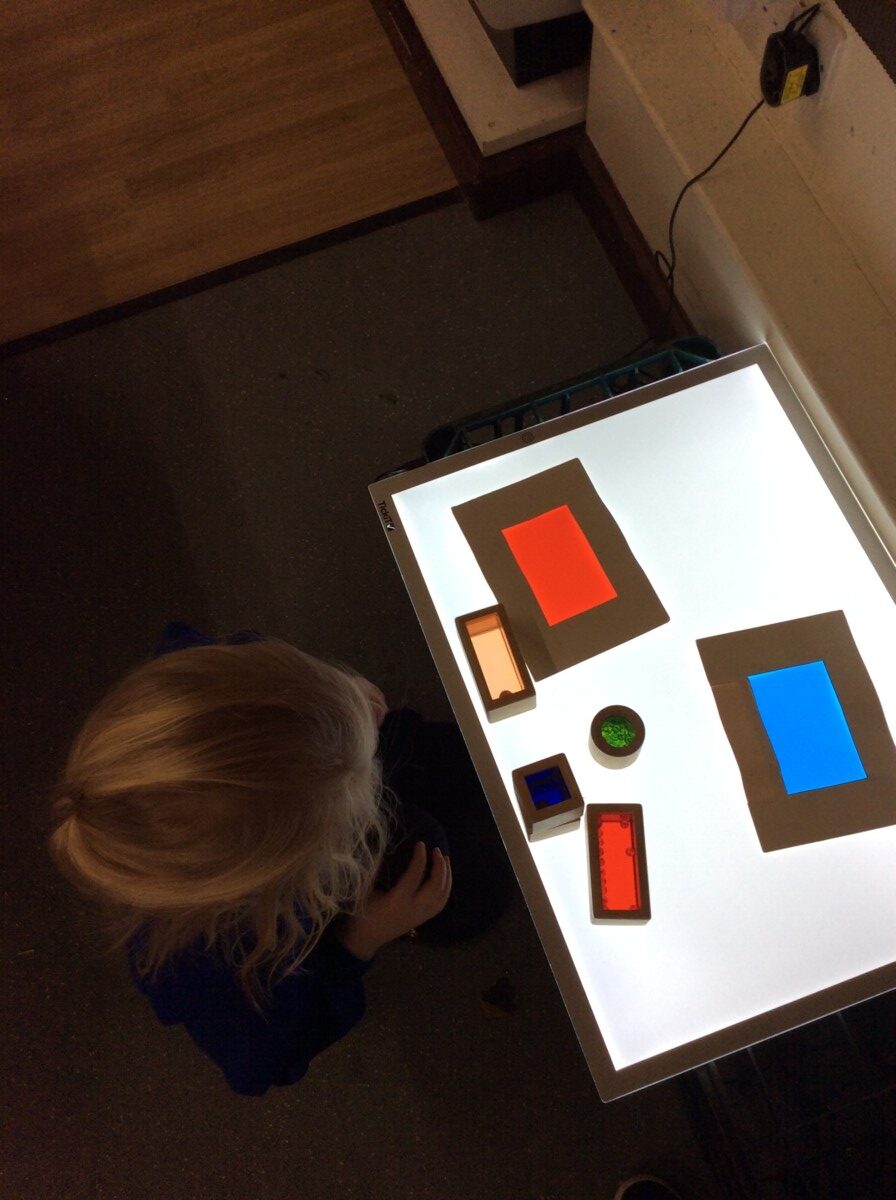
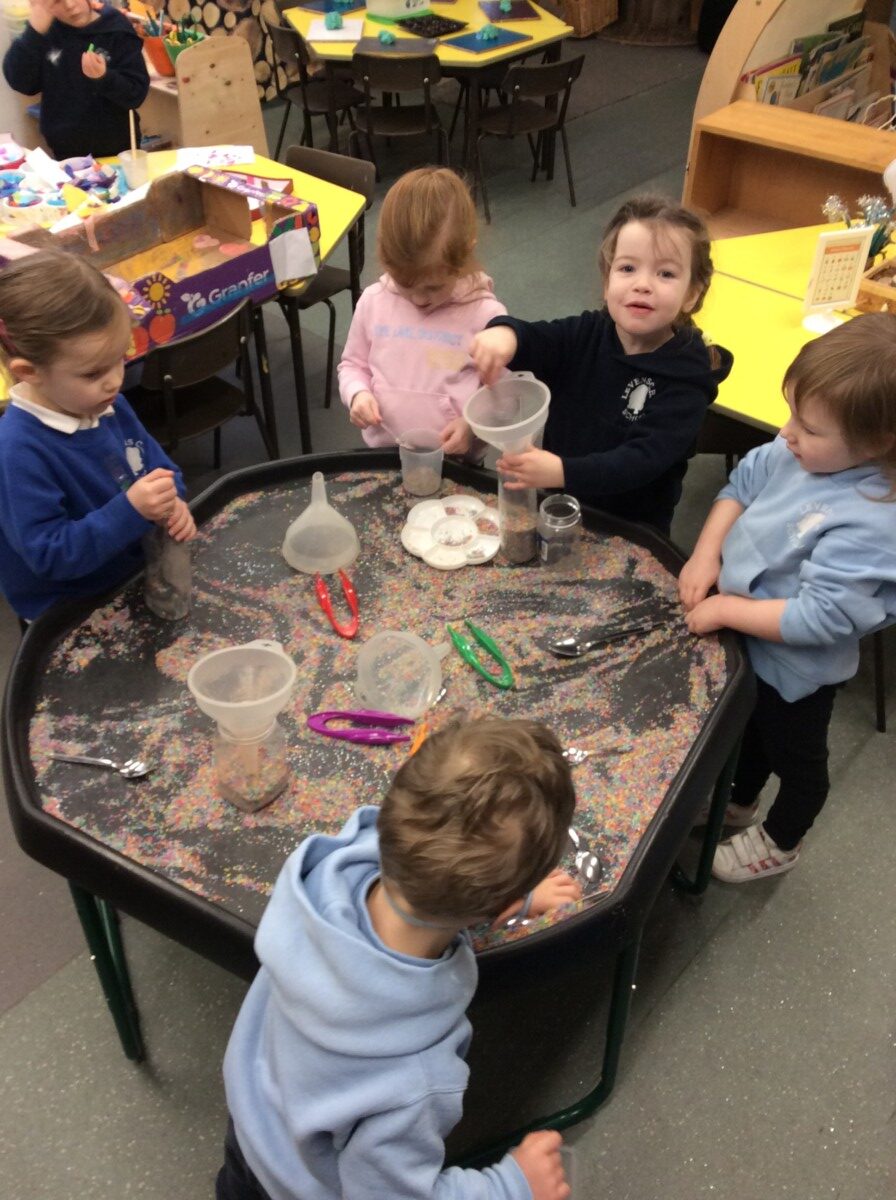
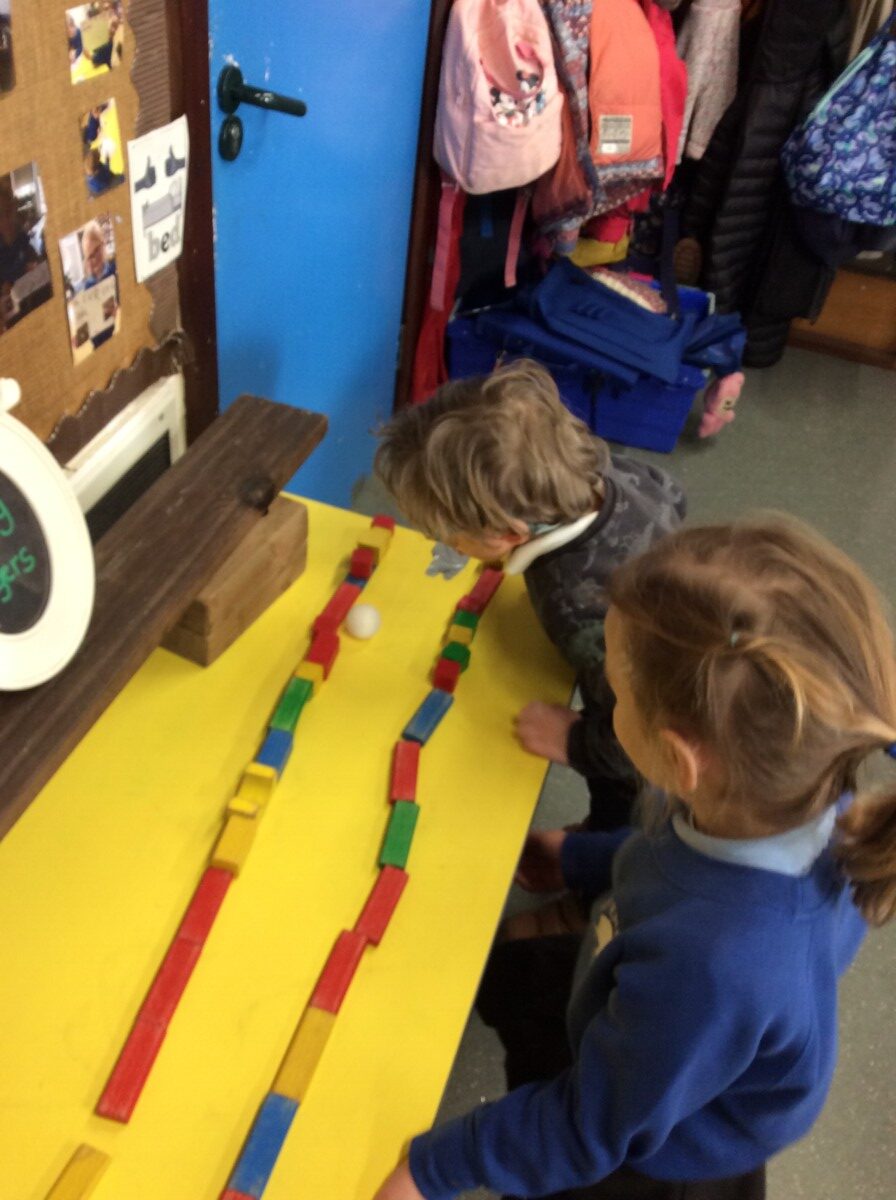
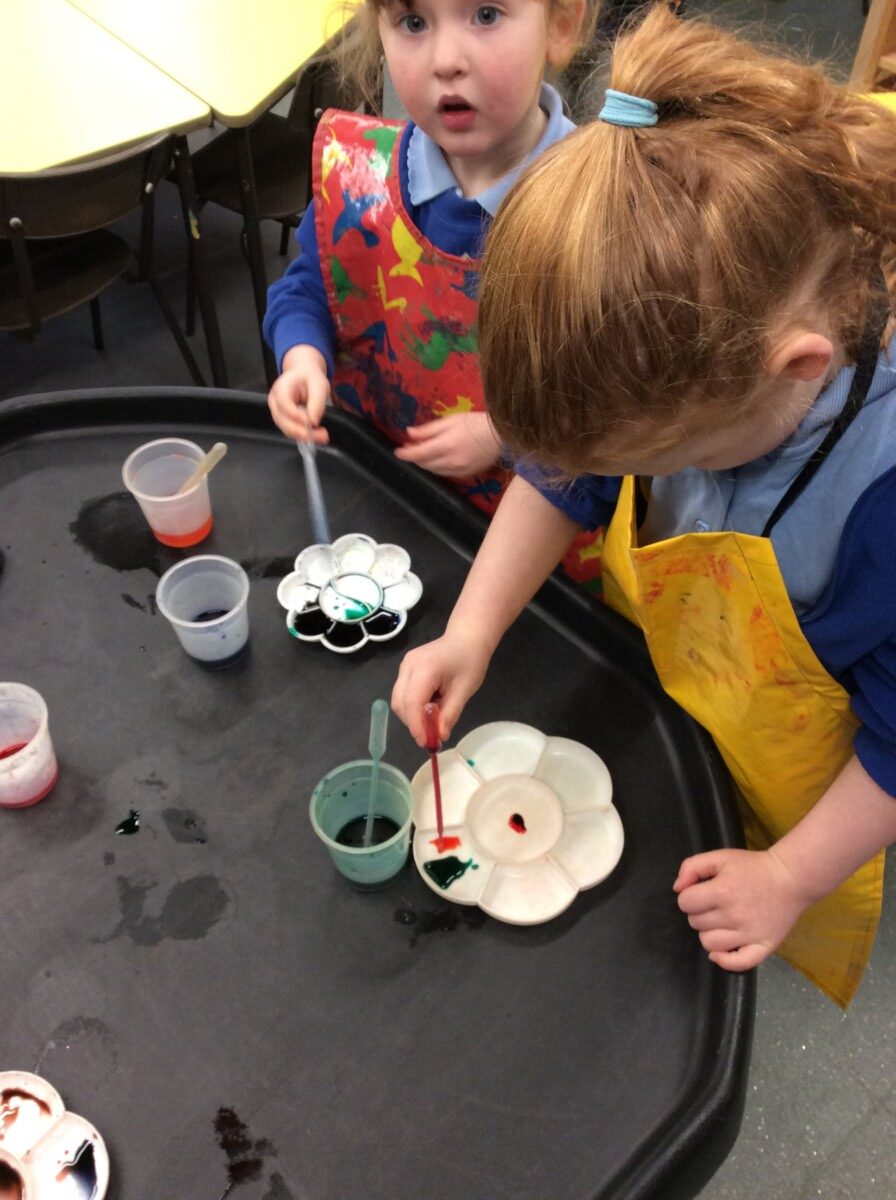
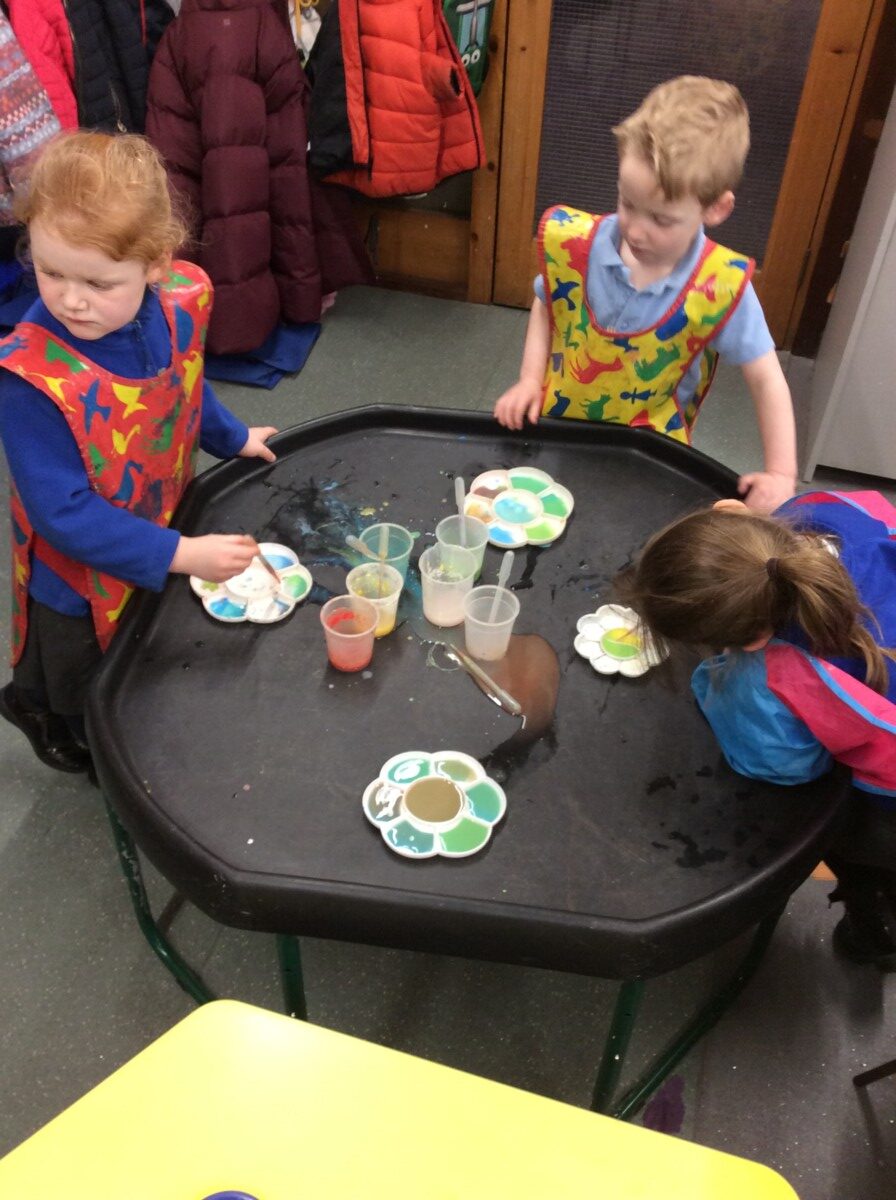
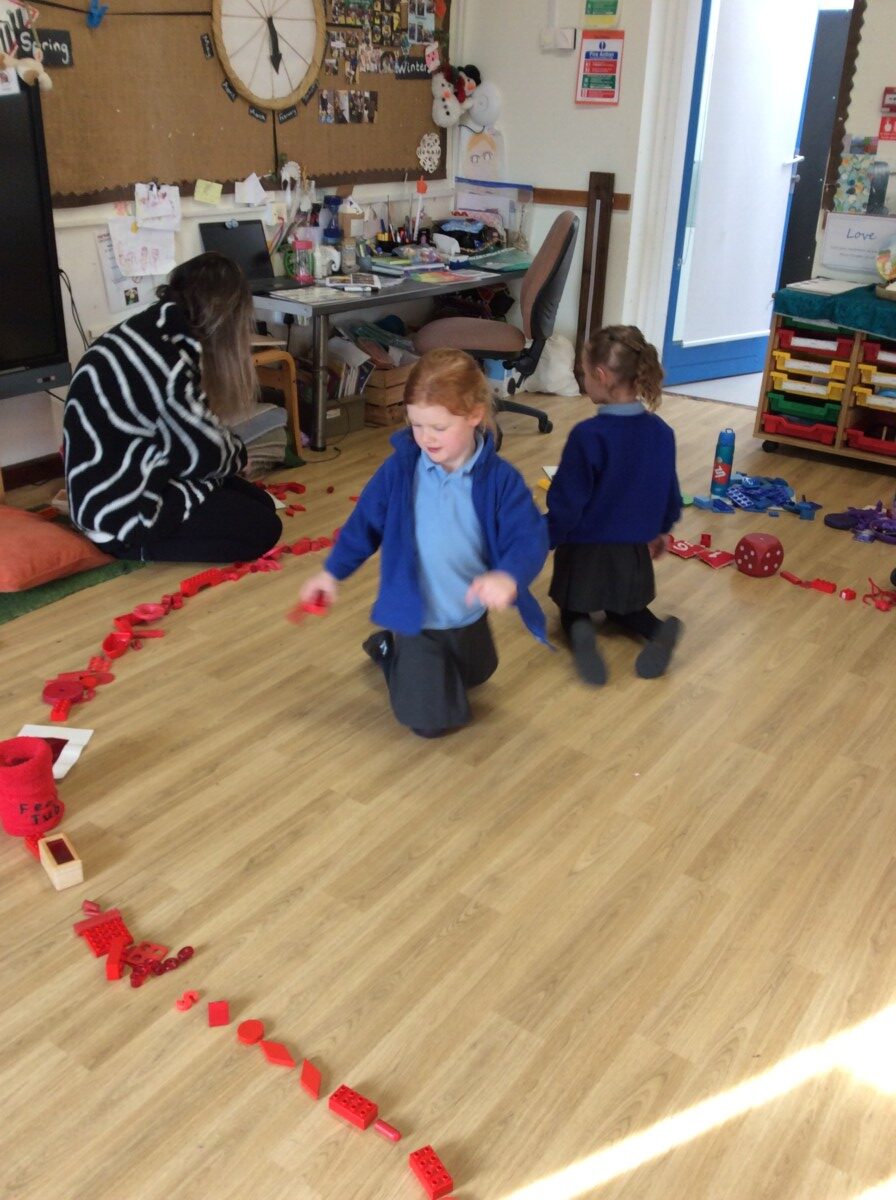
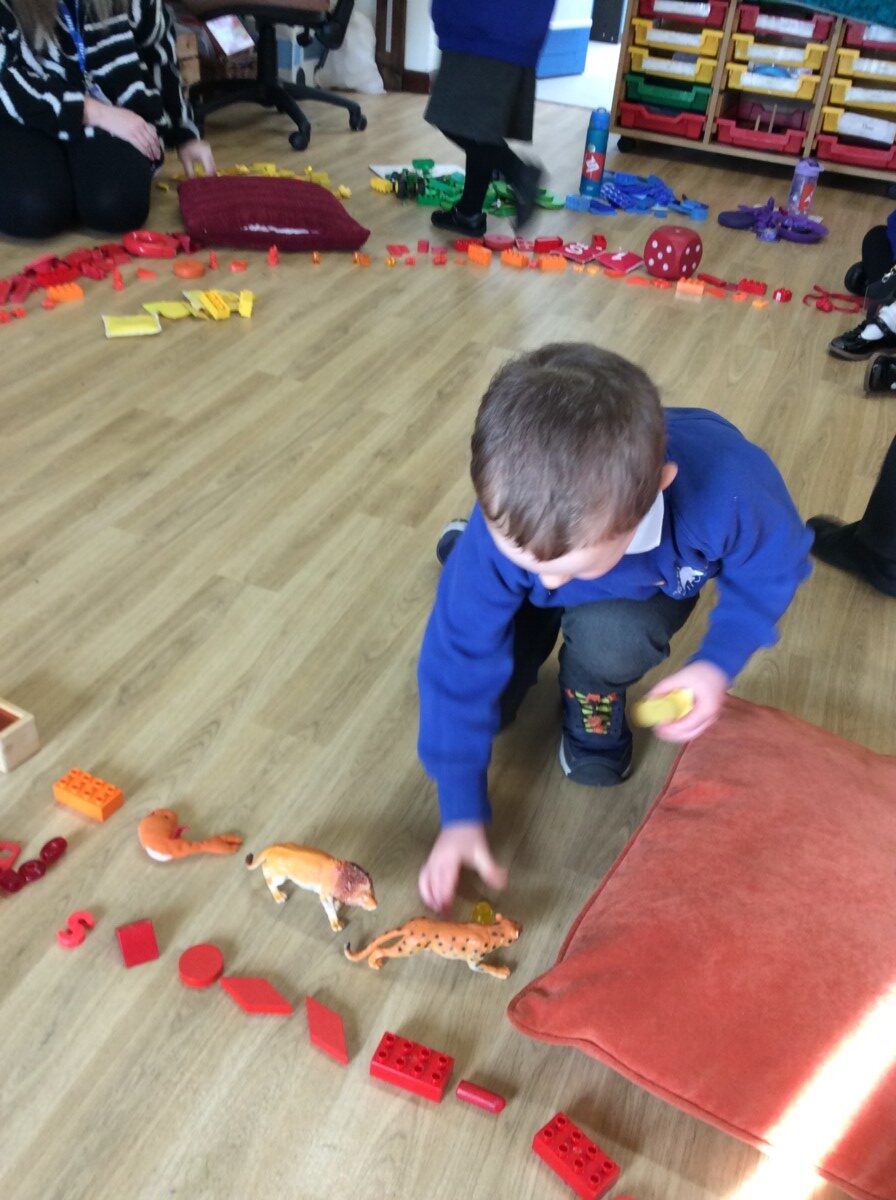
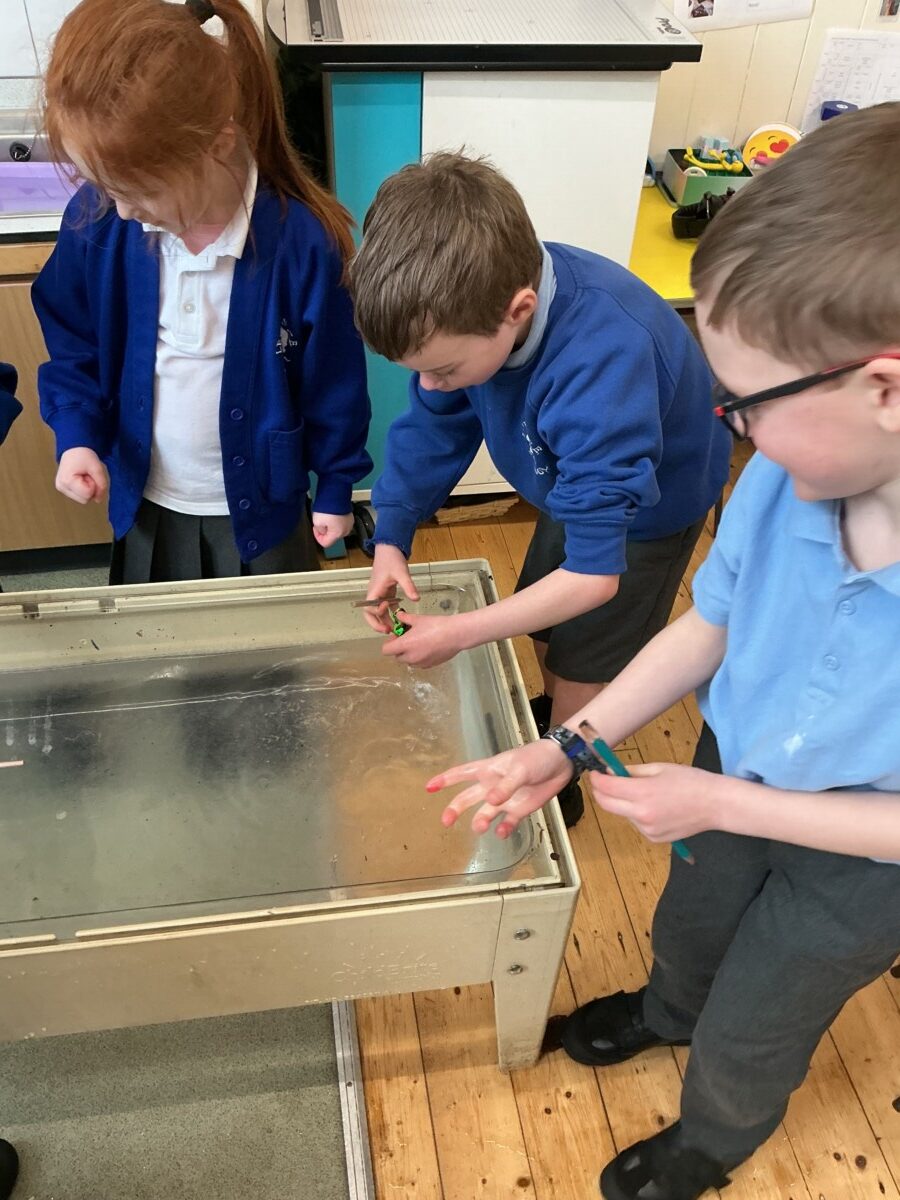
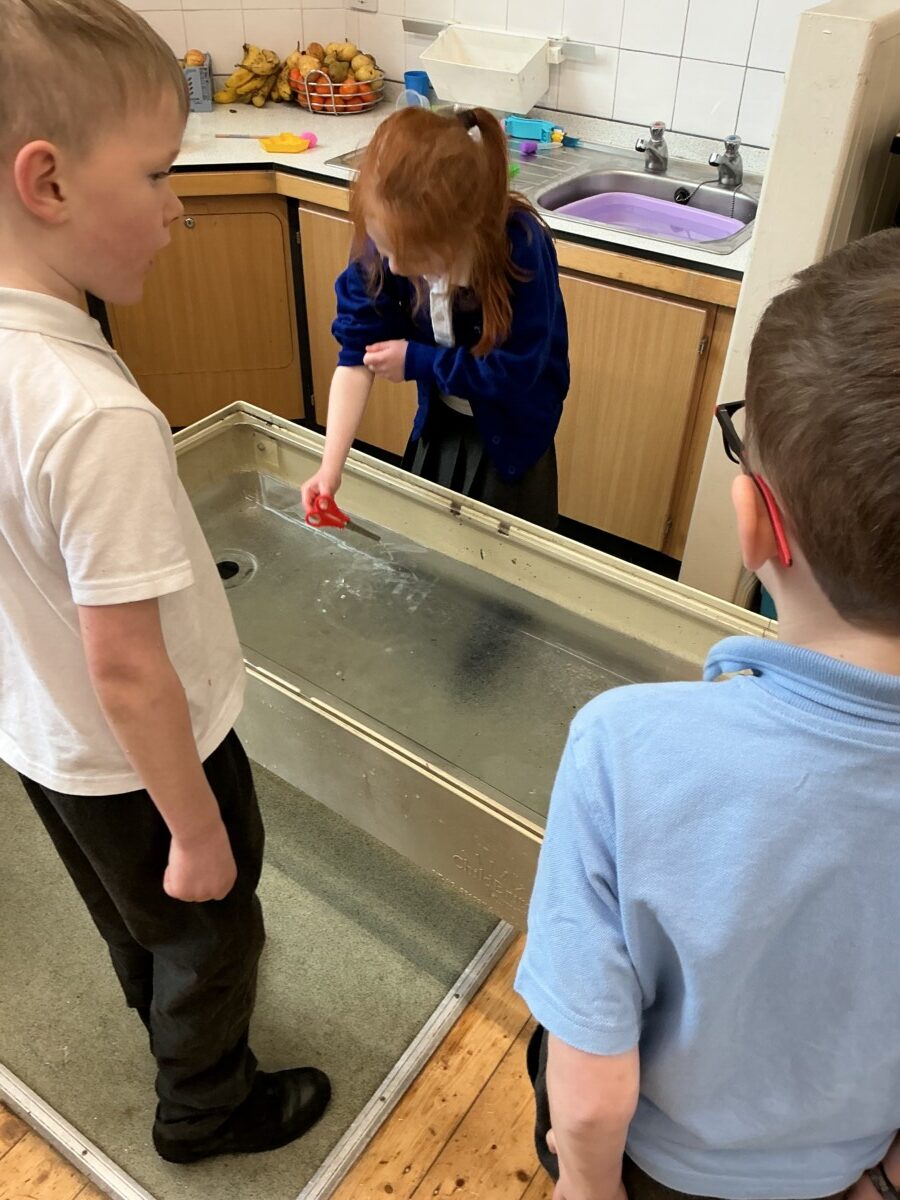
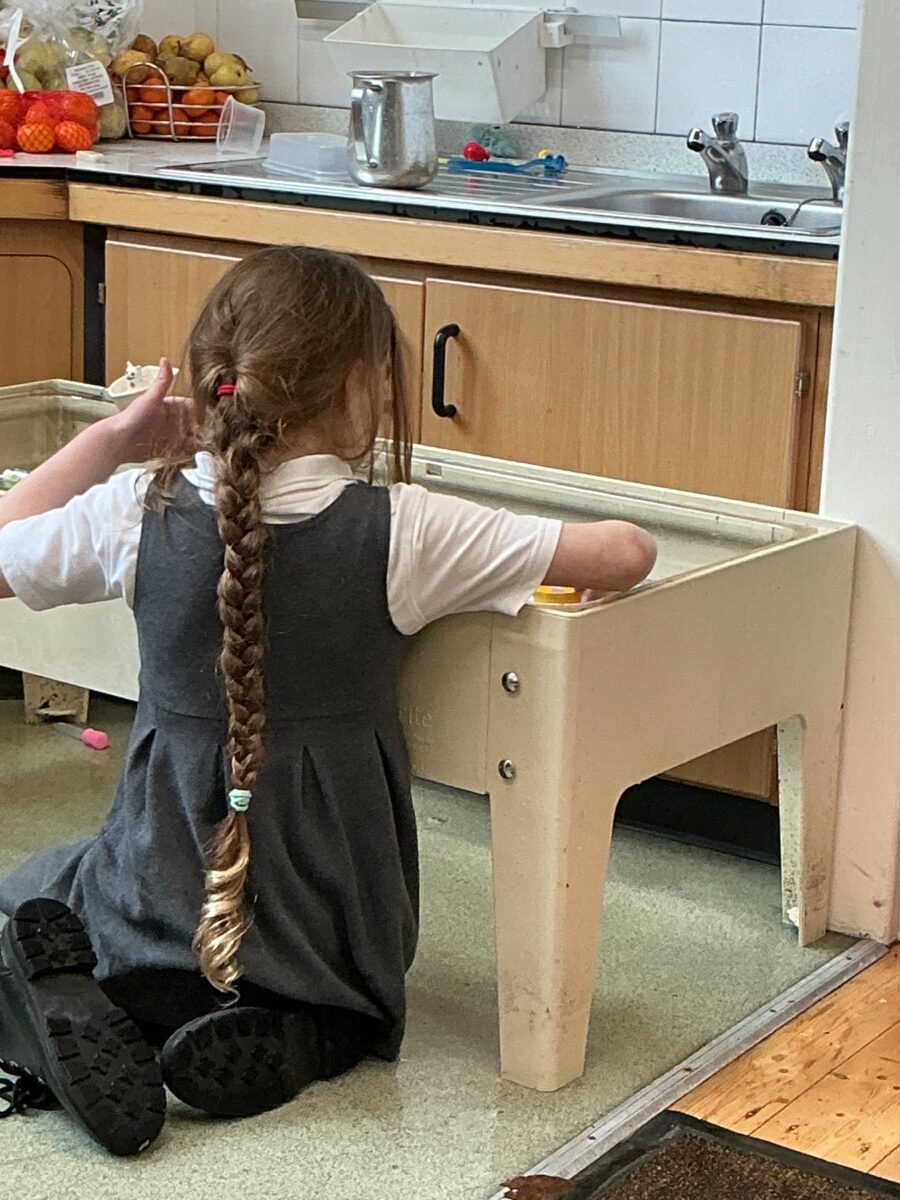
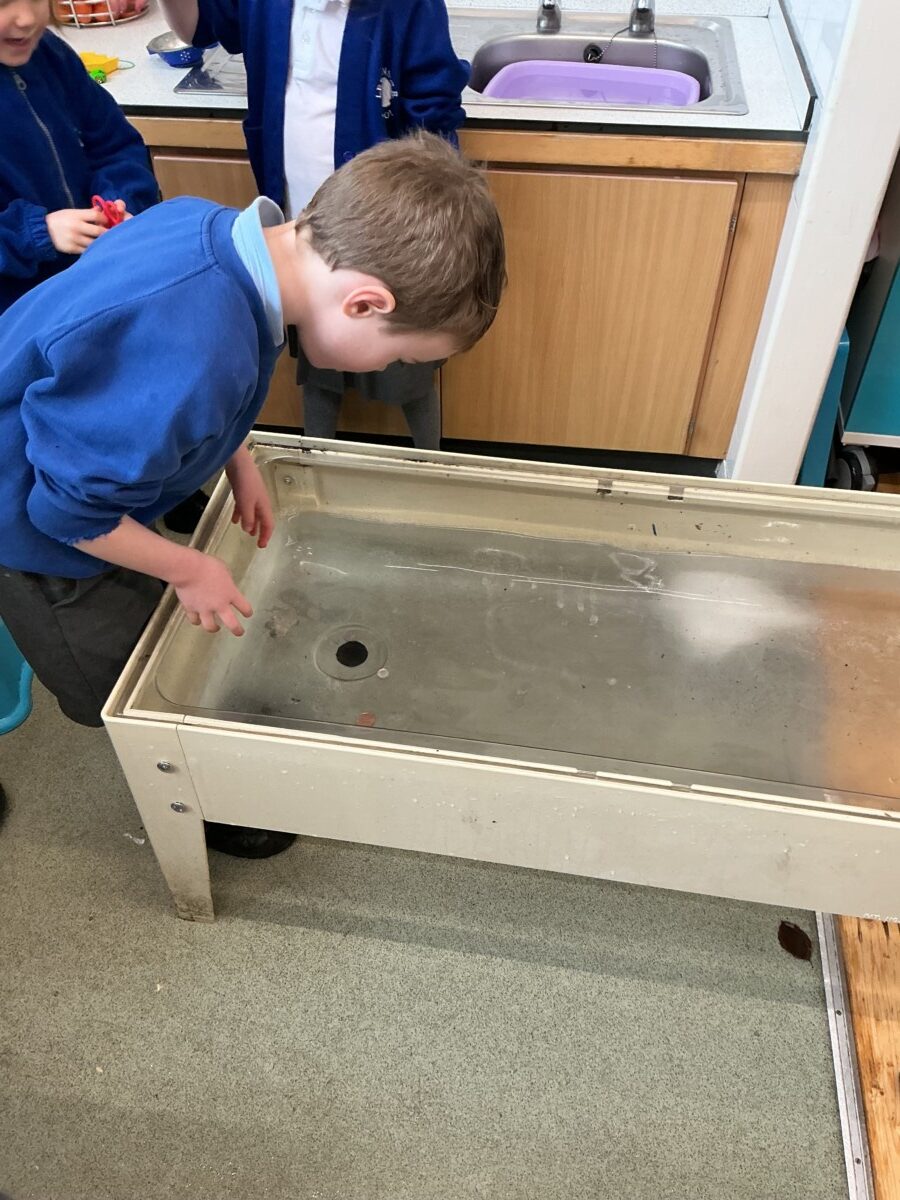
To start the year, Class 2 have been learning all about different materials in science. We have been exploring what objects are made from and thinking carefully about their properties.
Over the past two weeks, we have begun investigating the different properties of materials. Last week, we carried out an exciting experiment to find out which objects would sink and which would float!
Before testing each object, we made predictions and discussed our ideas. We talked about whether the material it was made from might affect what happened in the water. The children were fantastic at explaining their thinking and using scientific vocabulary.
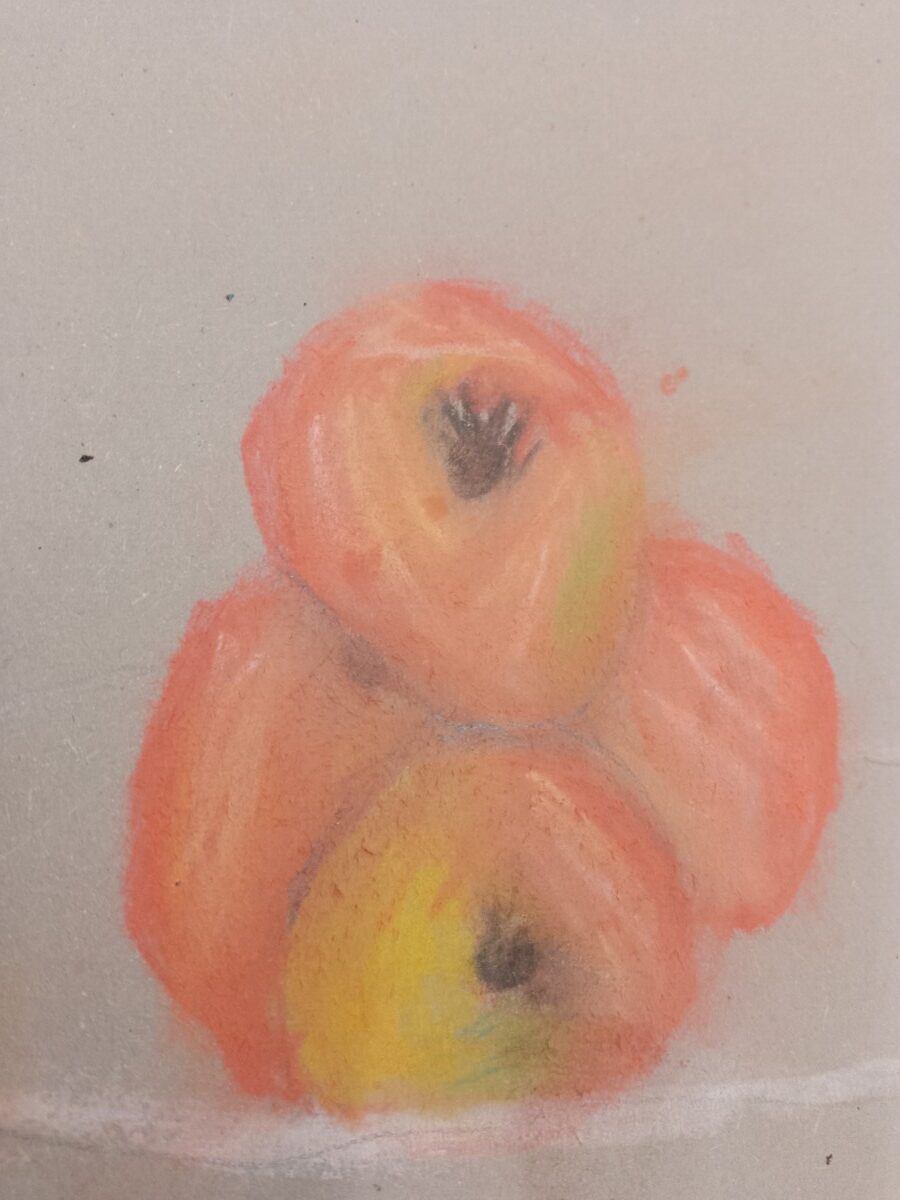
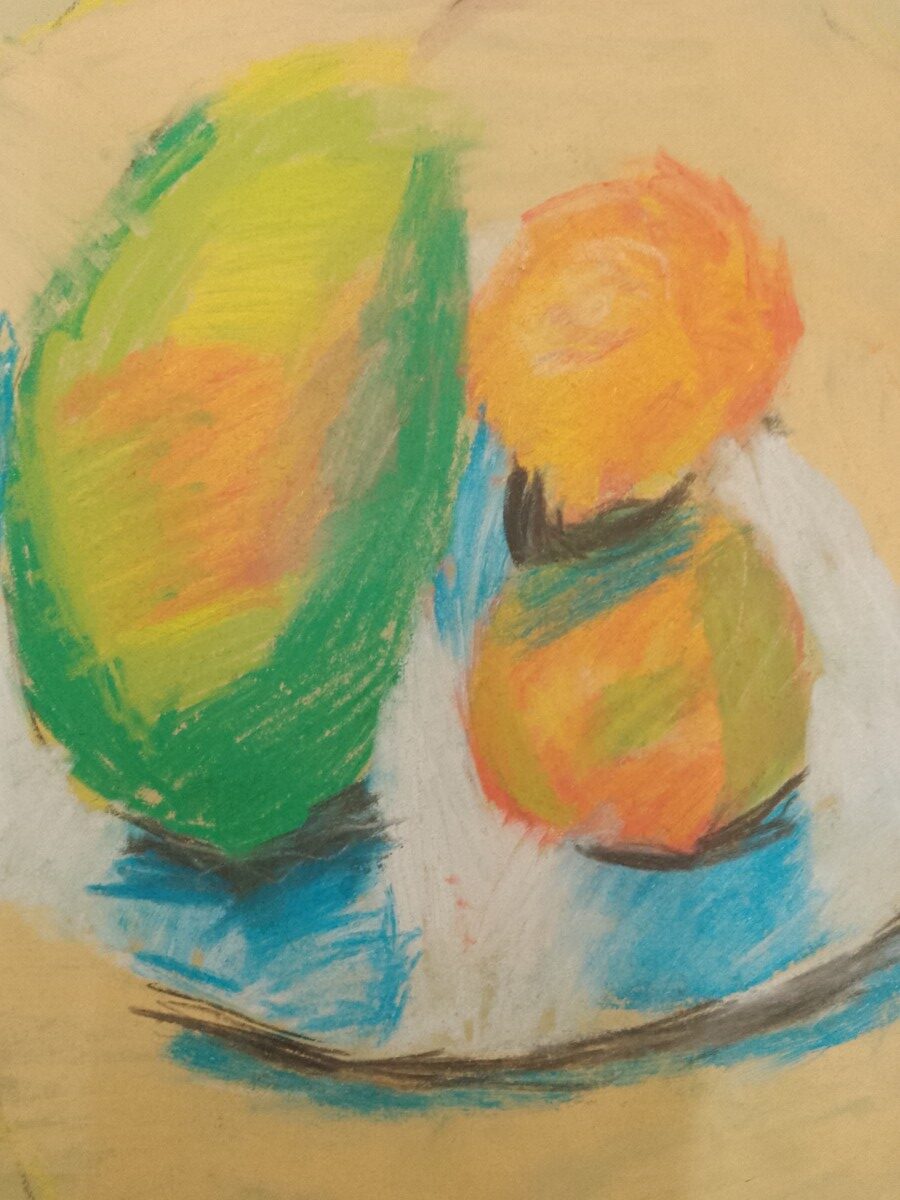
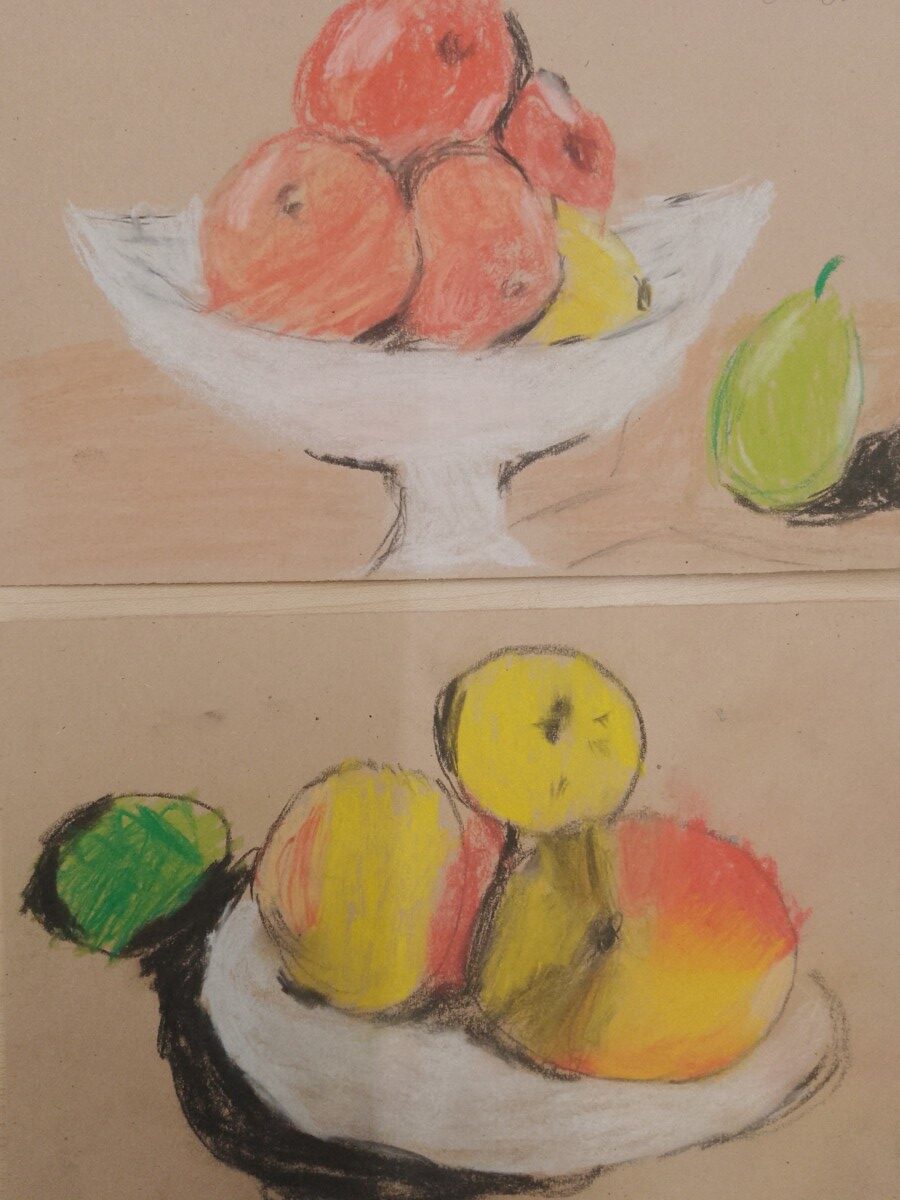
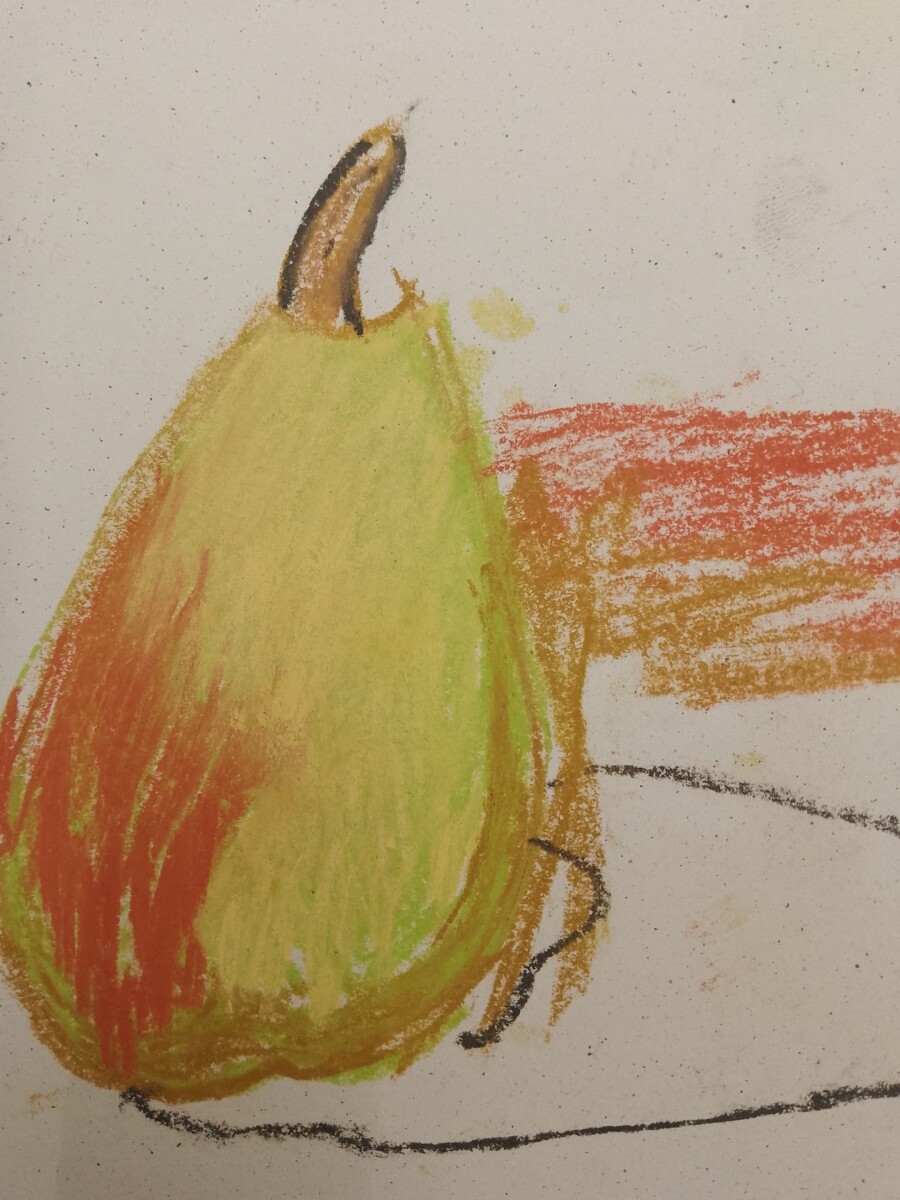
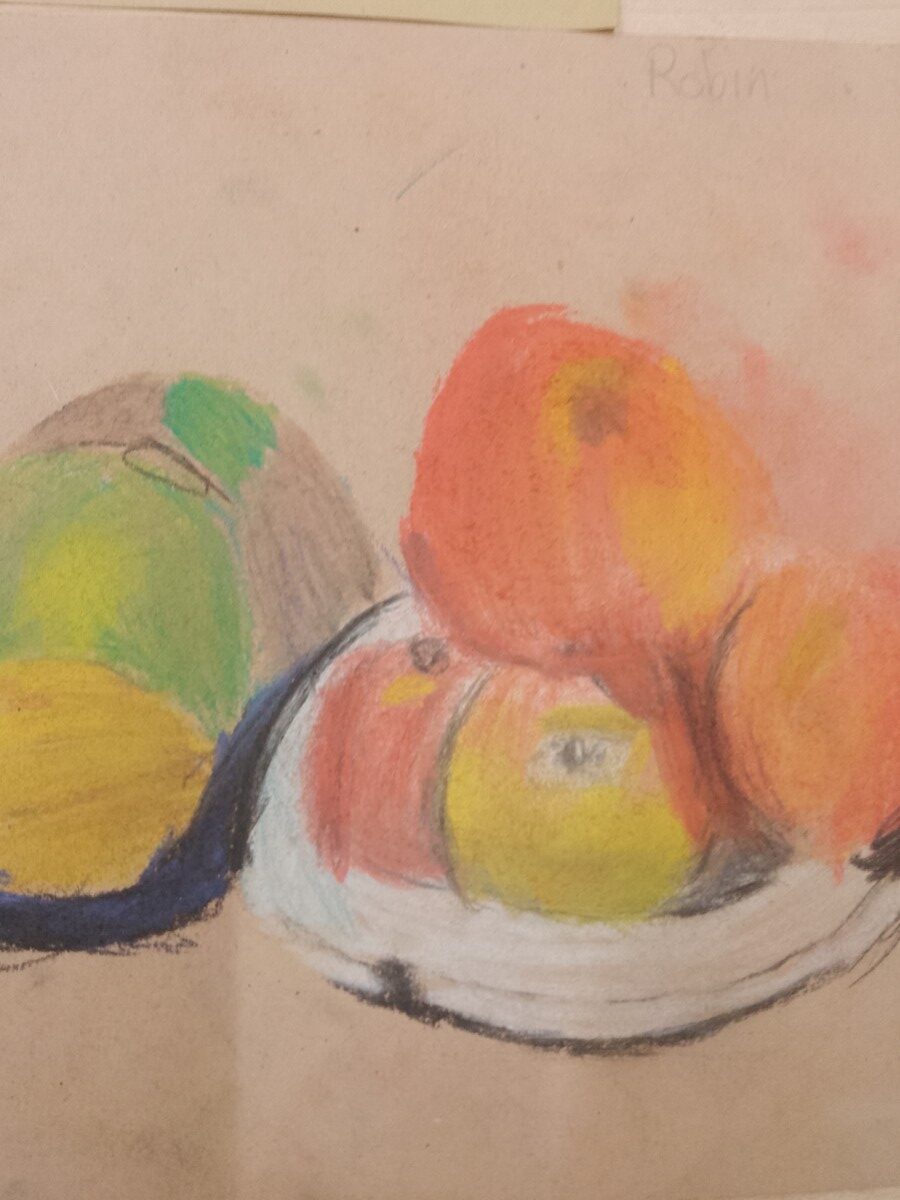
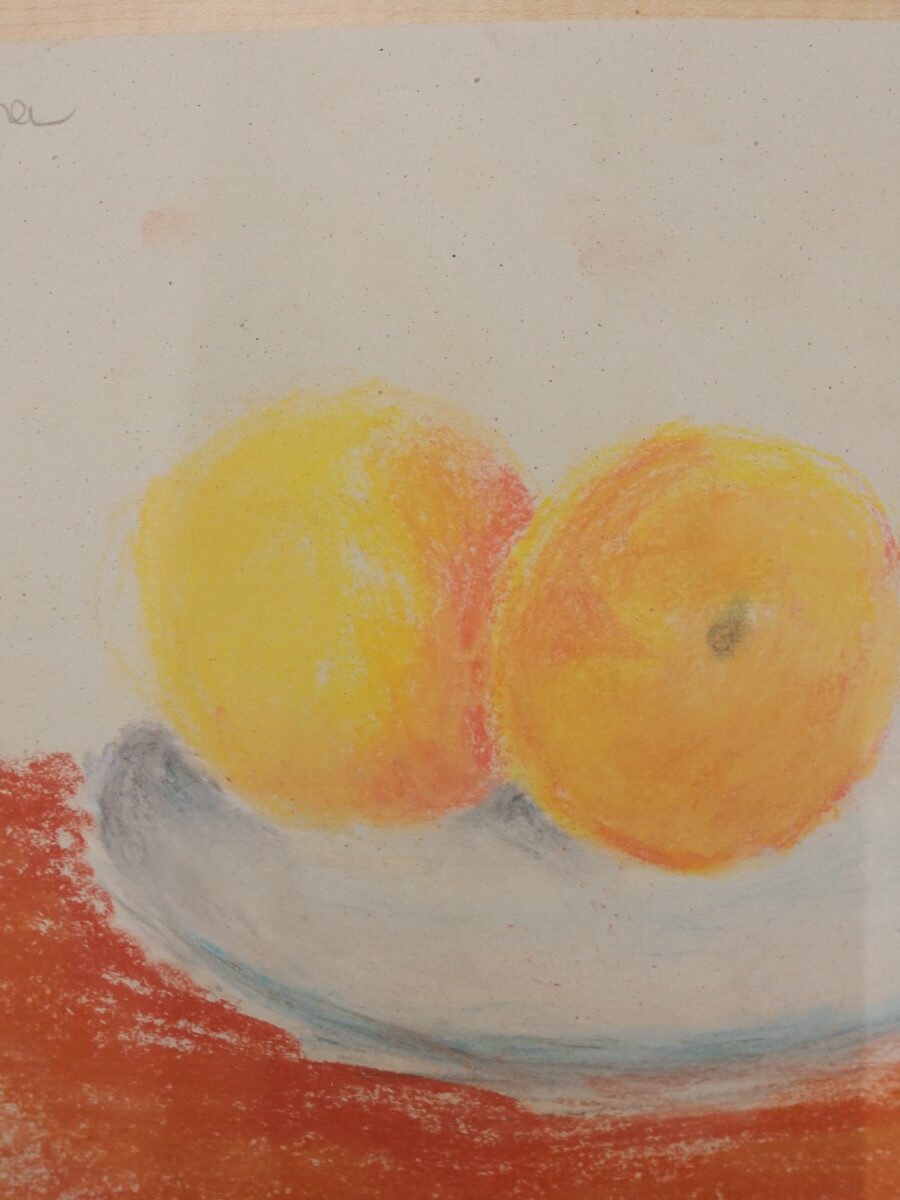
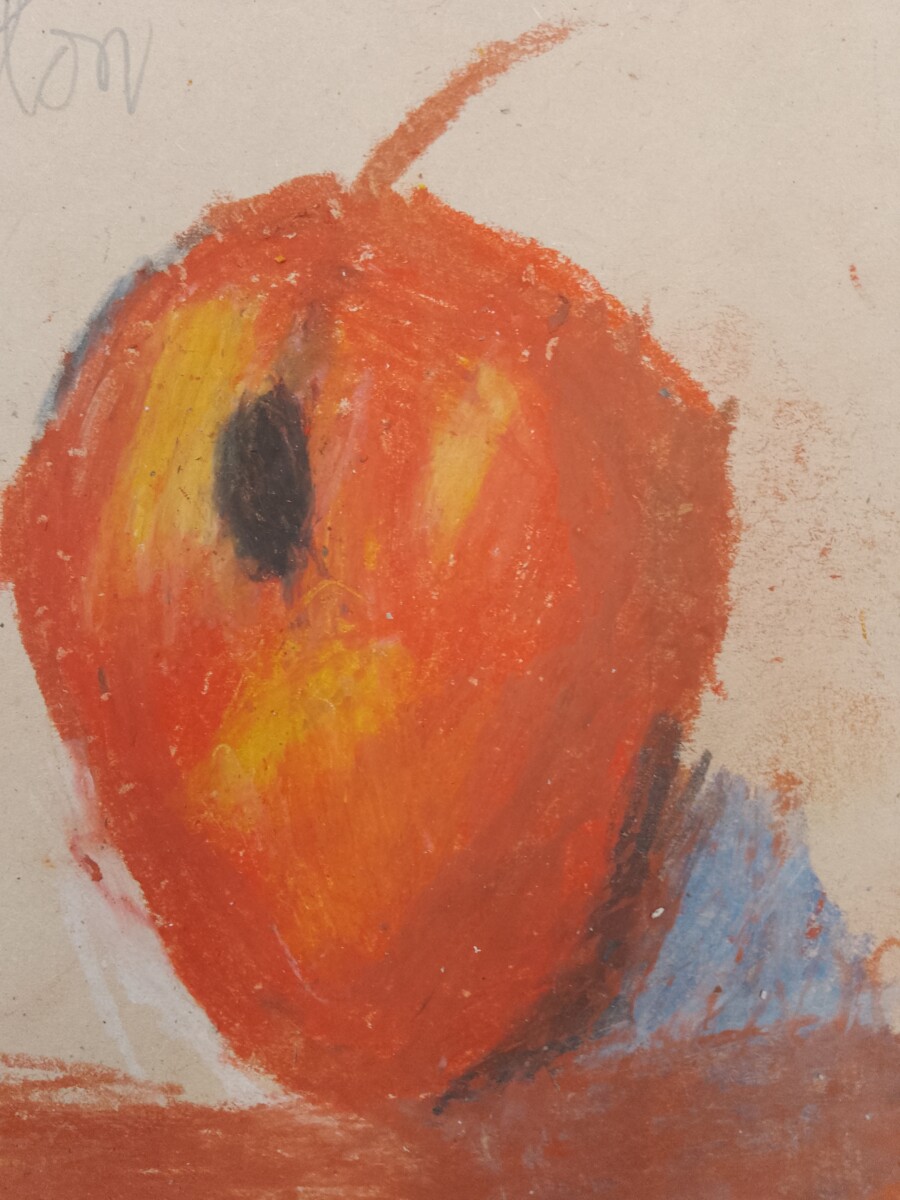
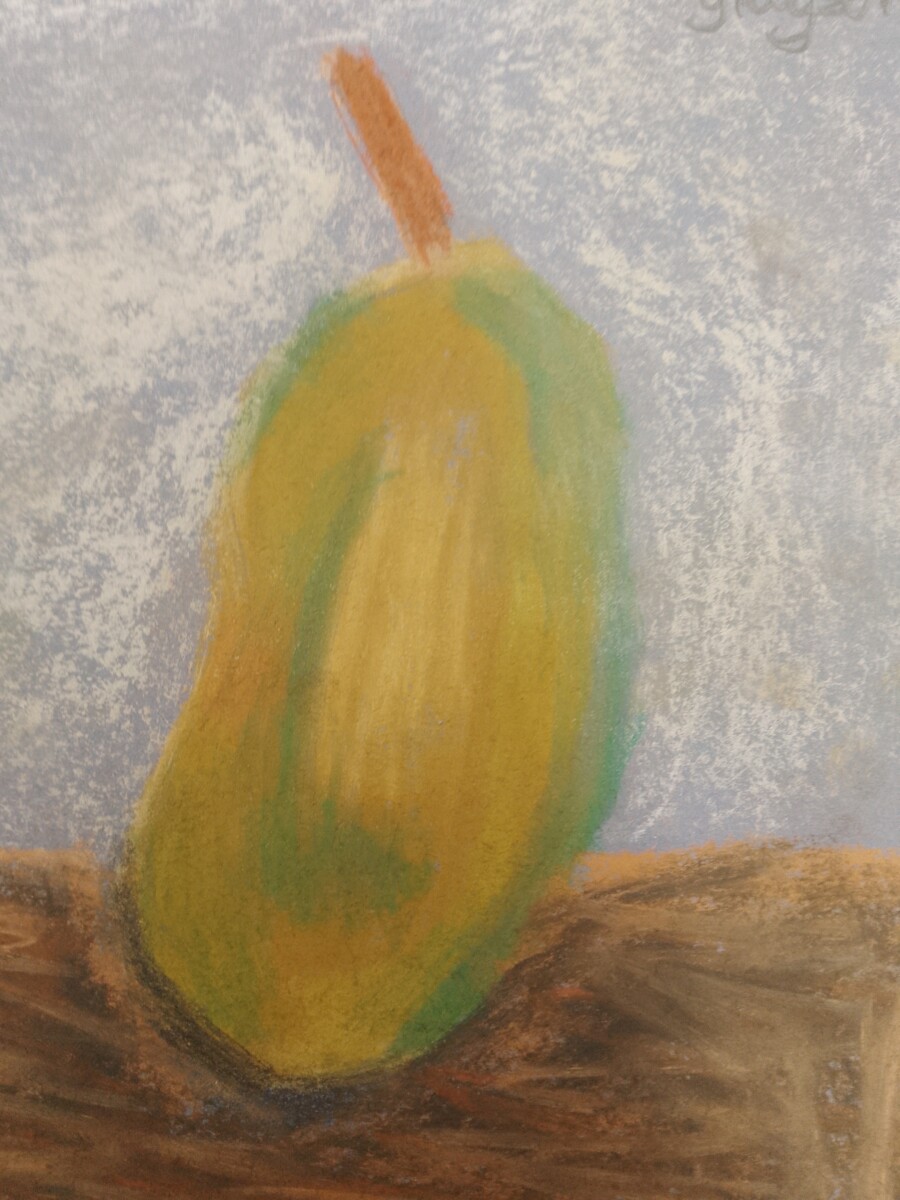
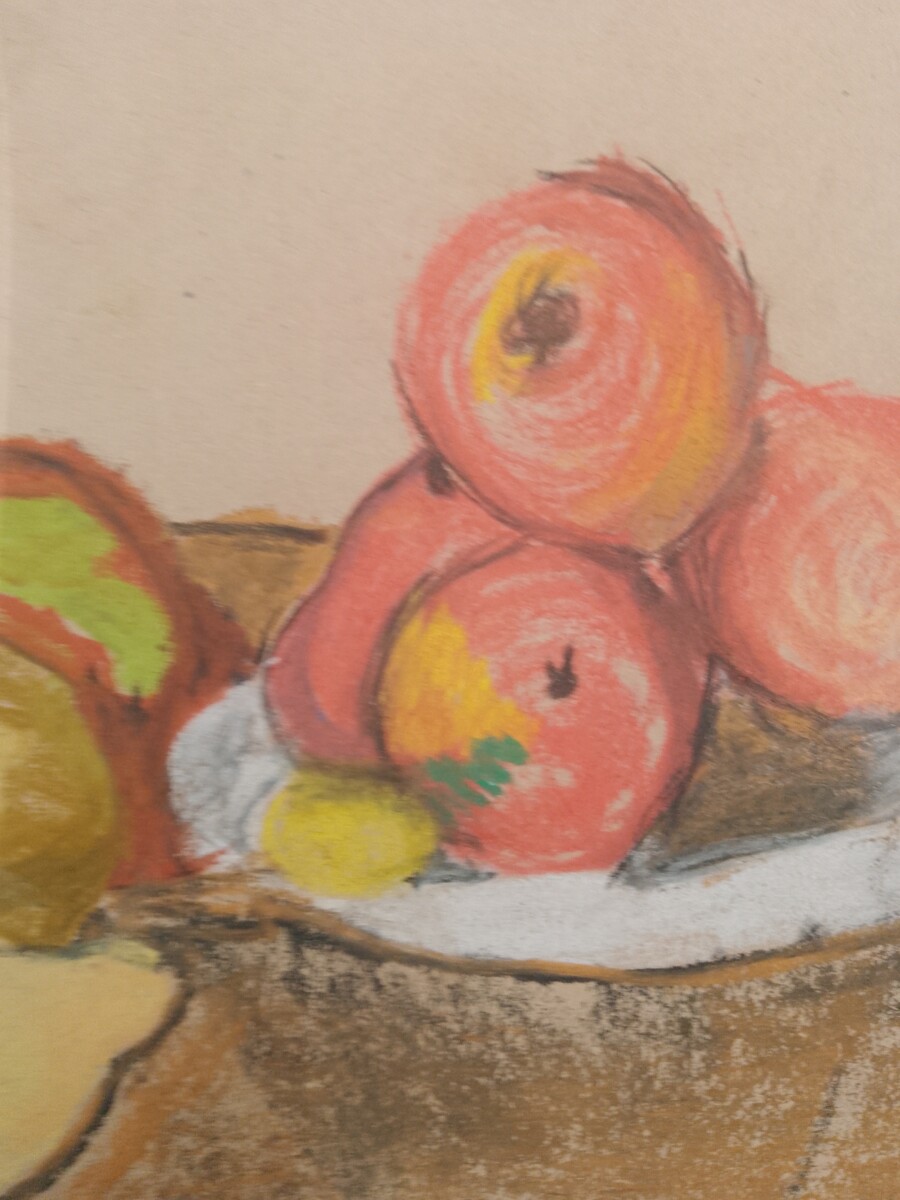
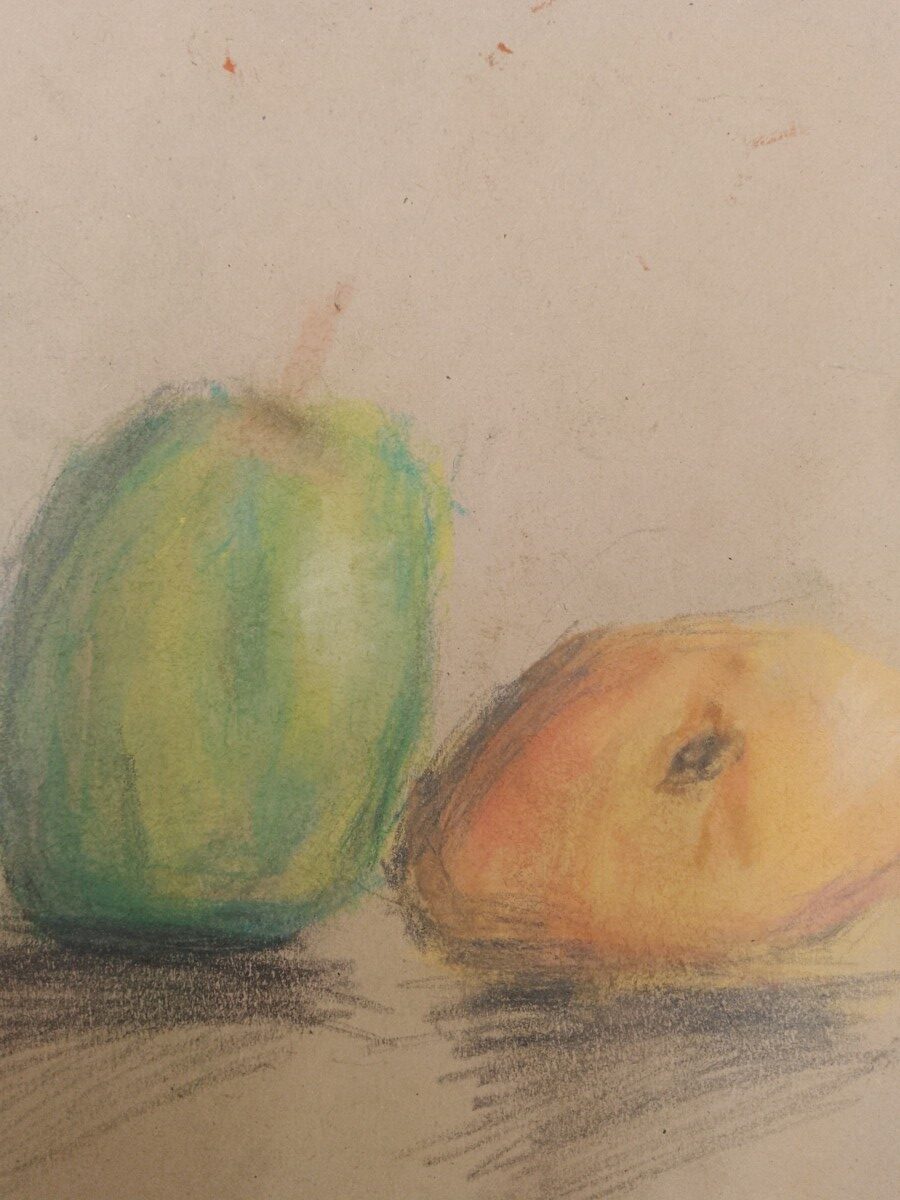
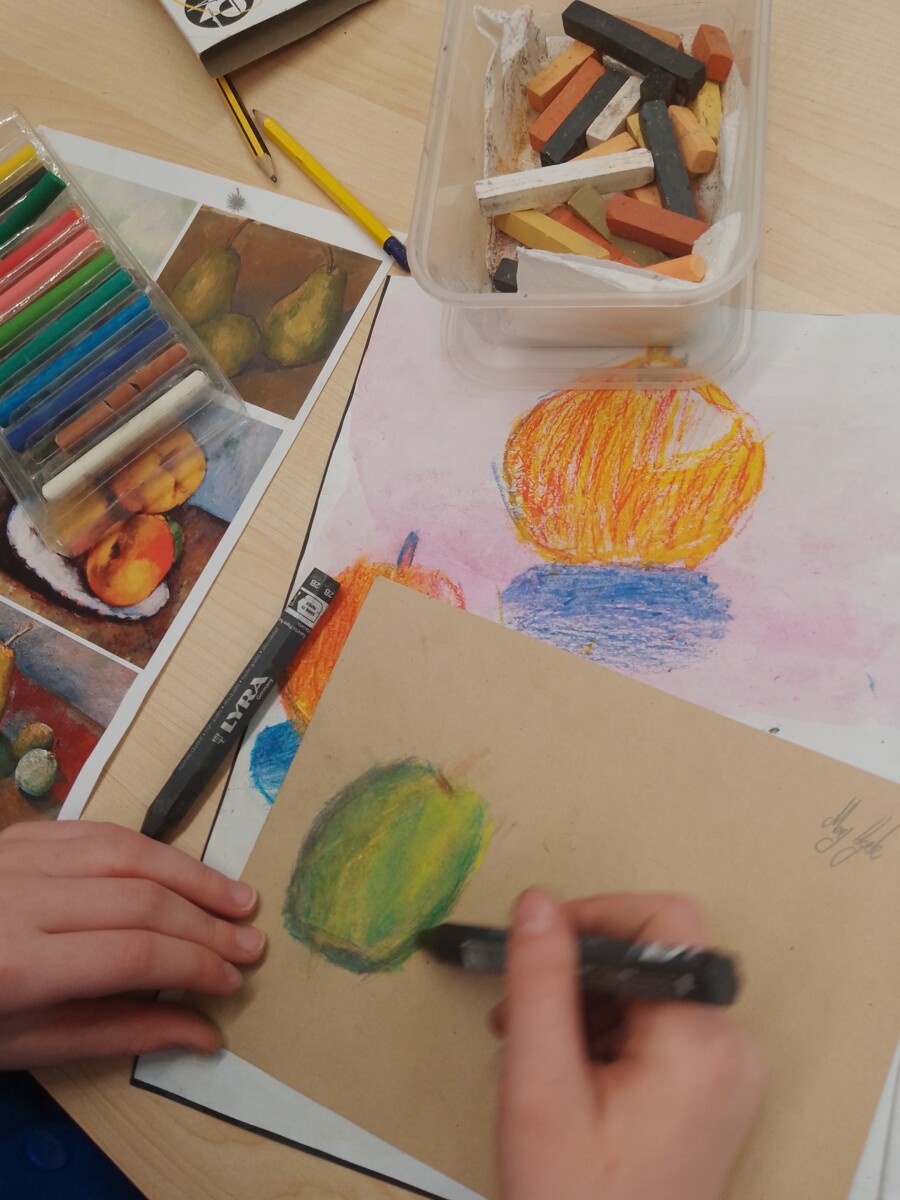
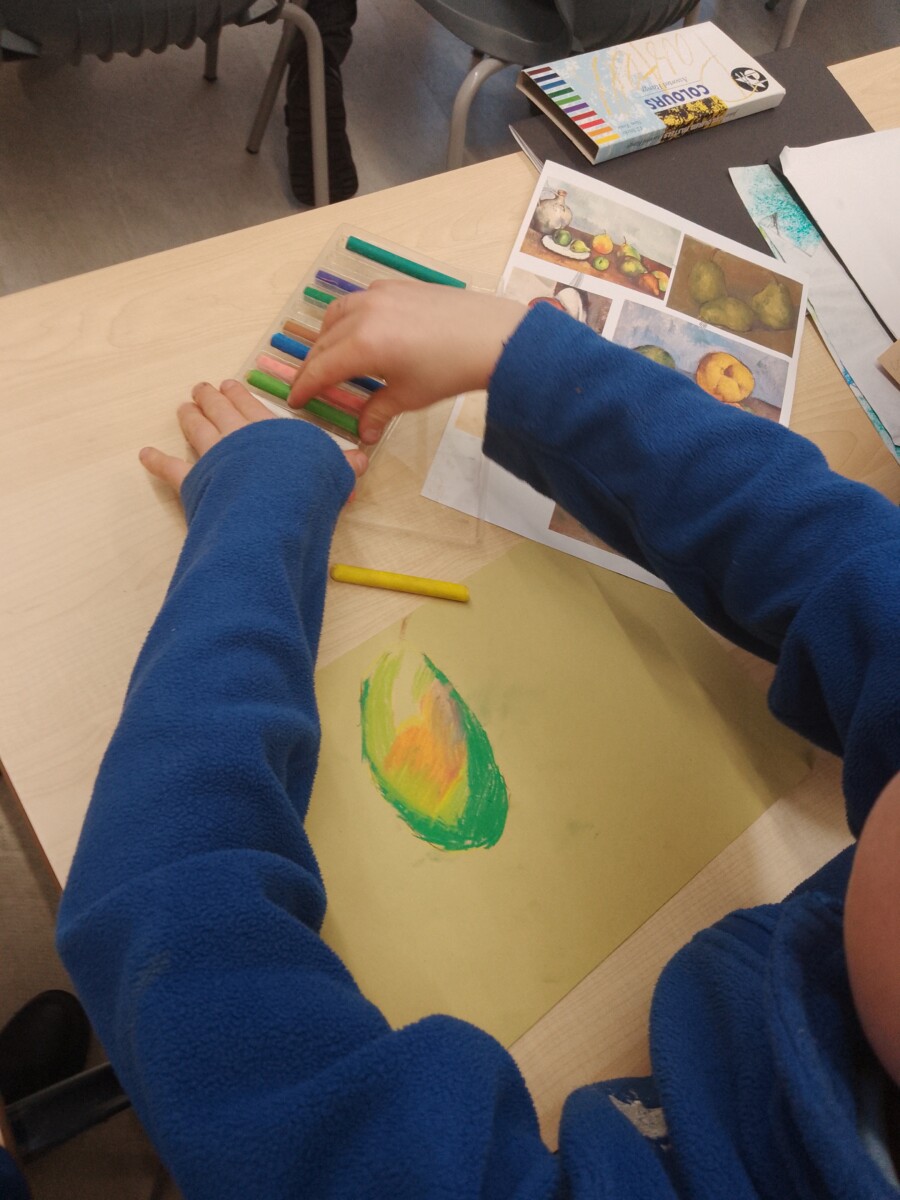
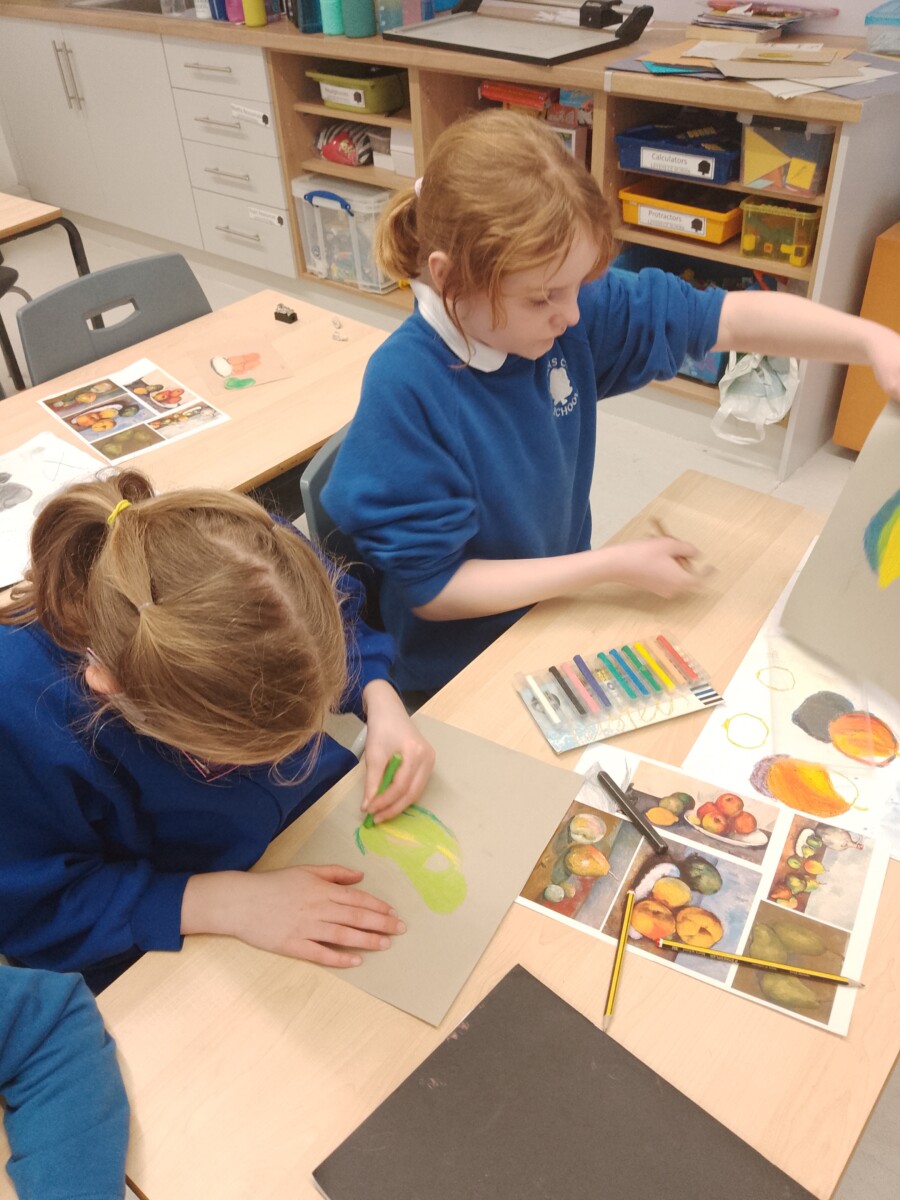
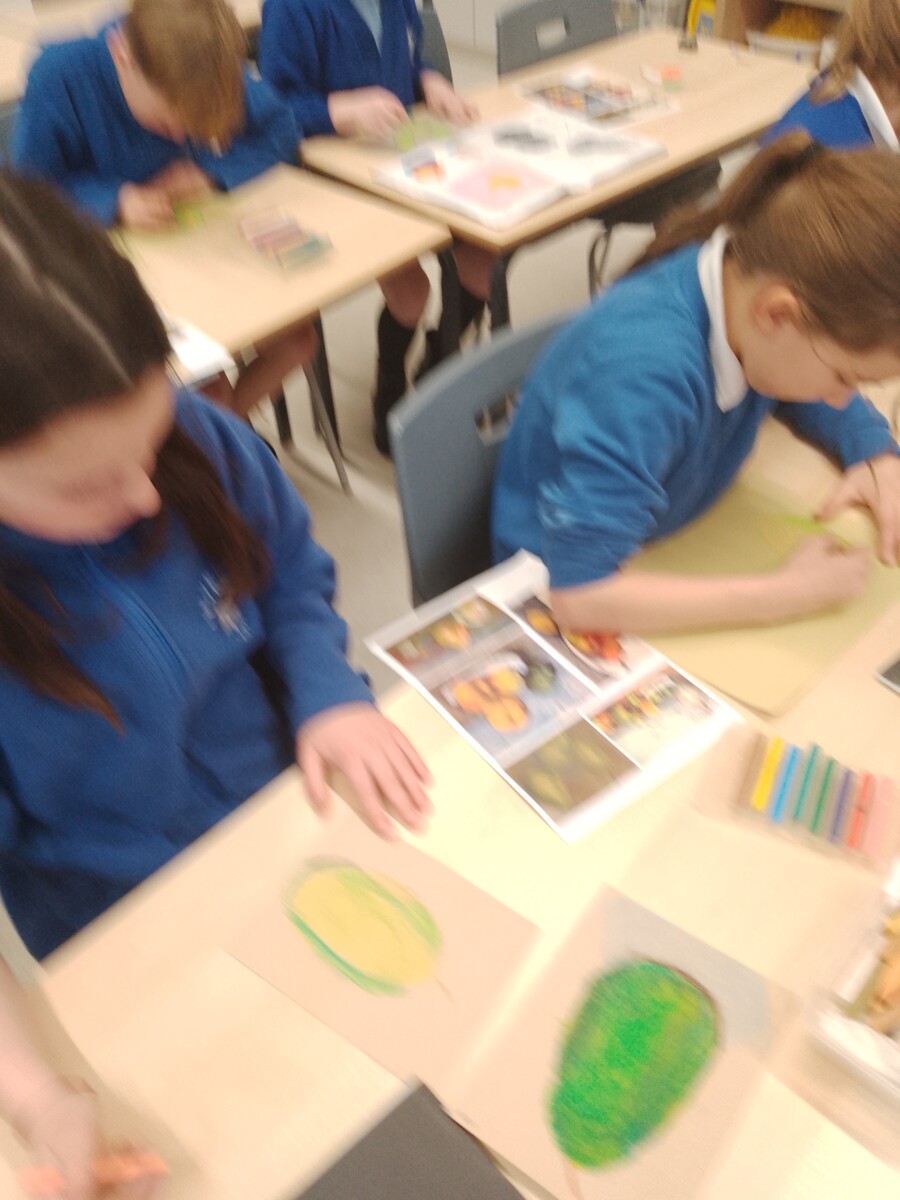
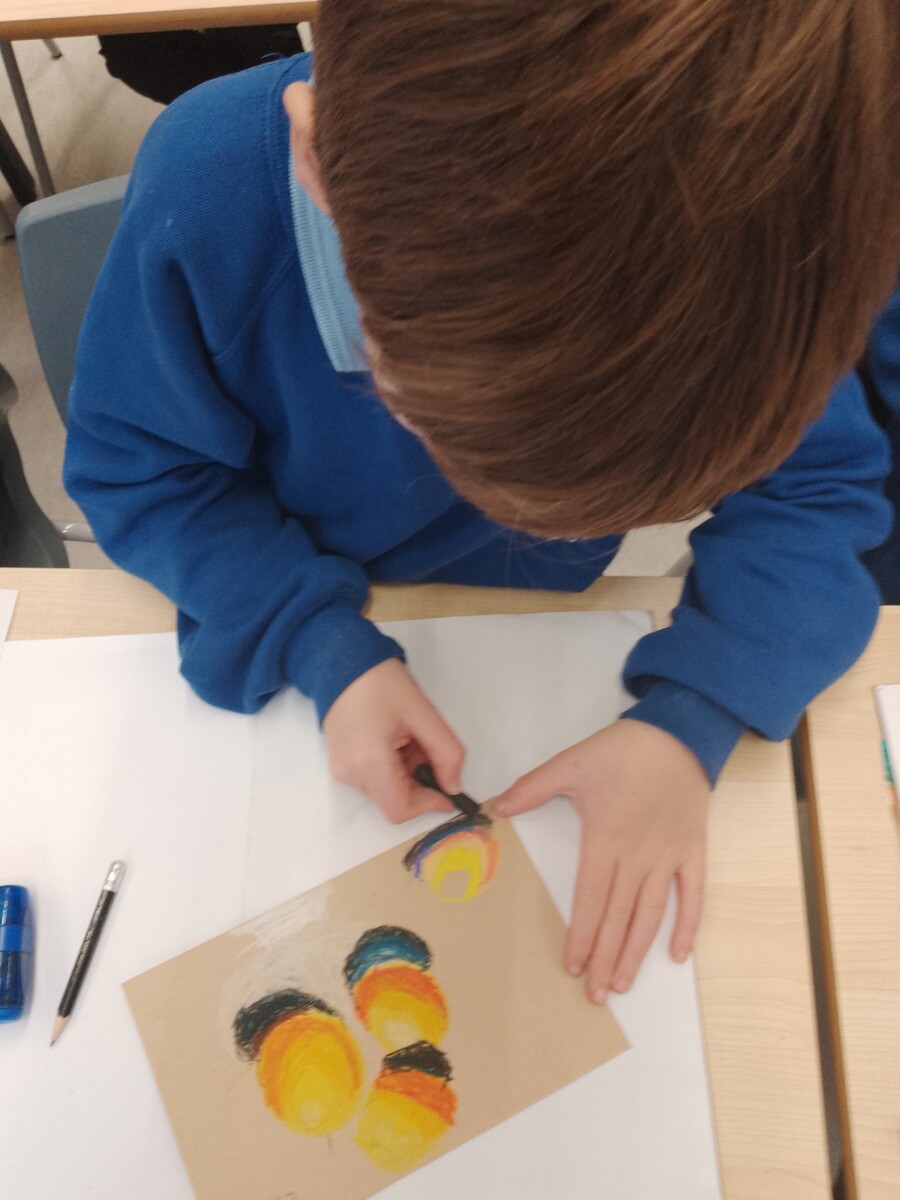
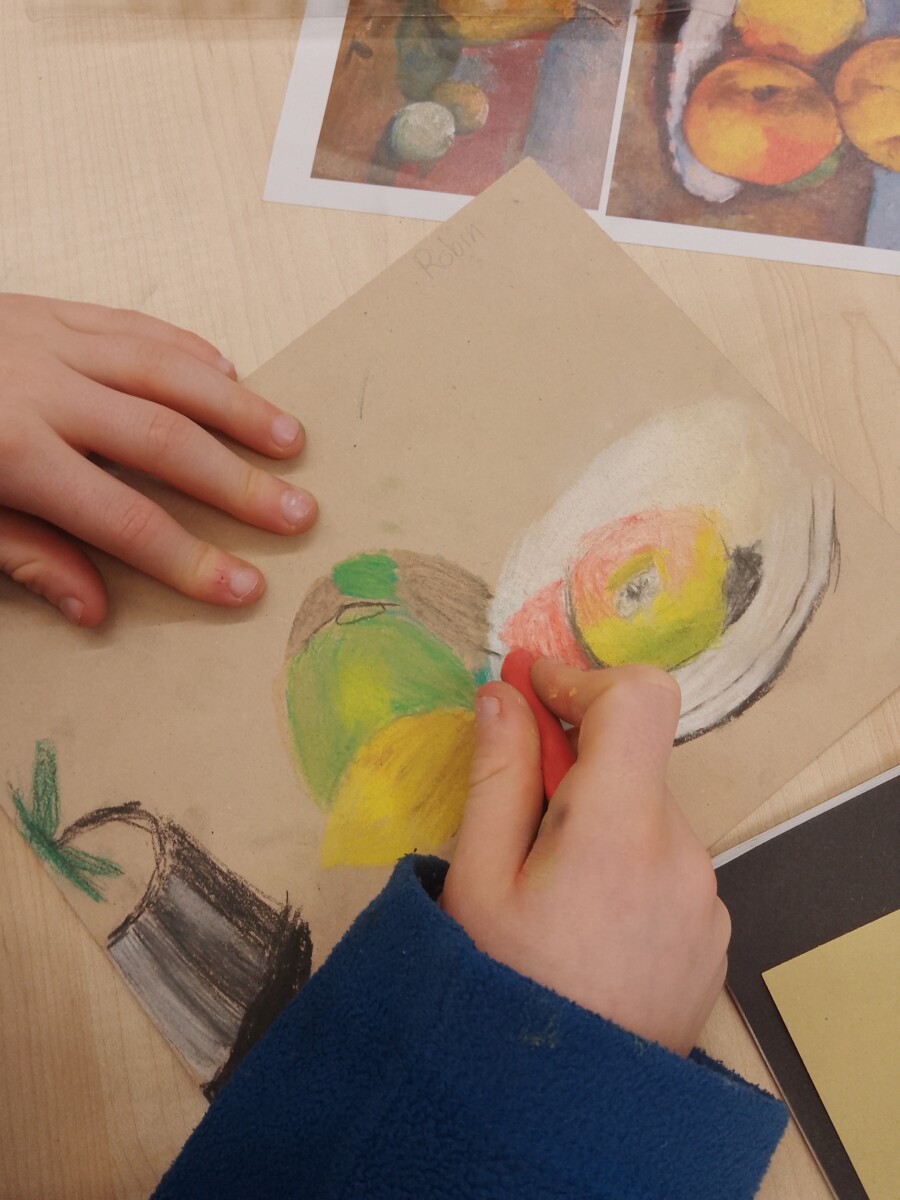
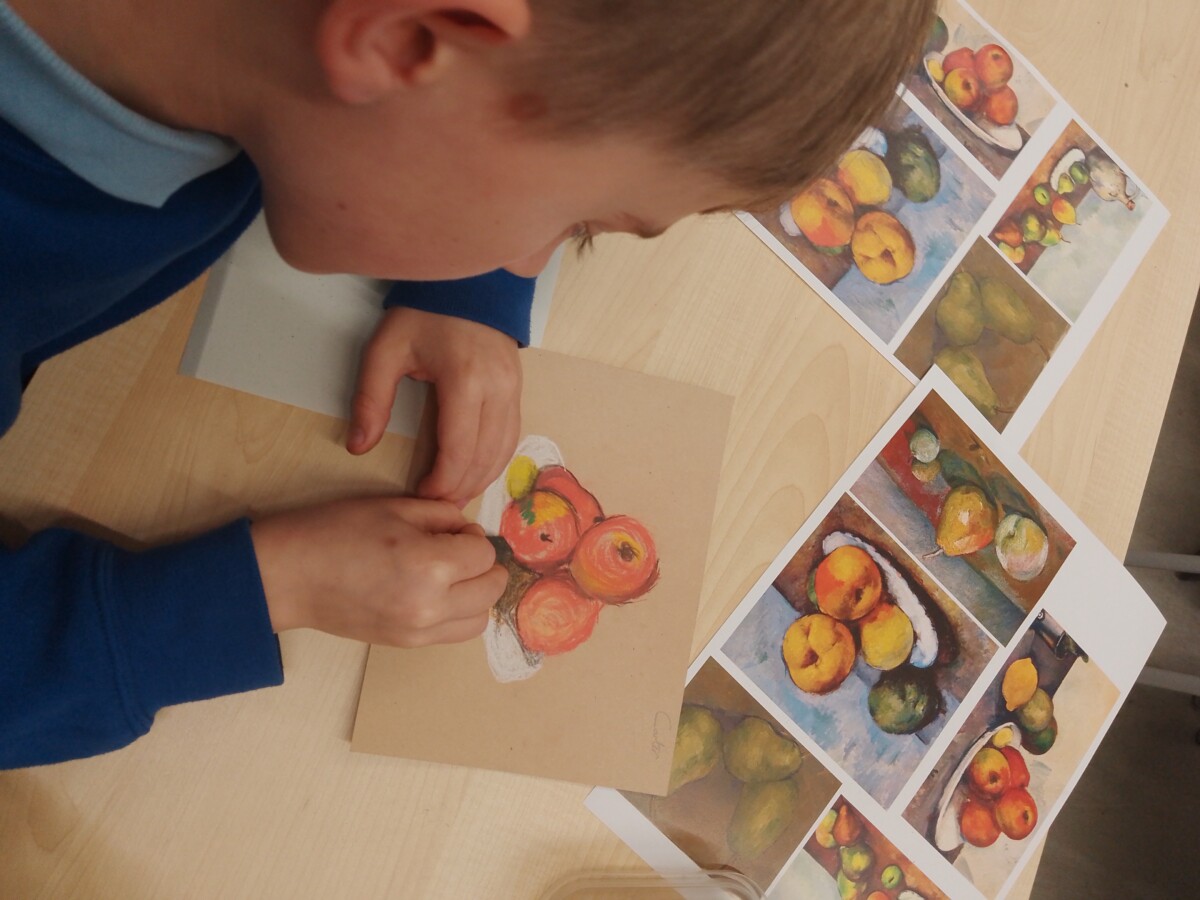
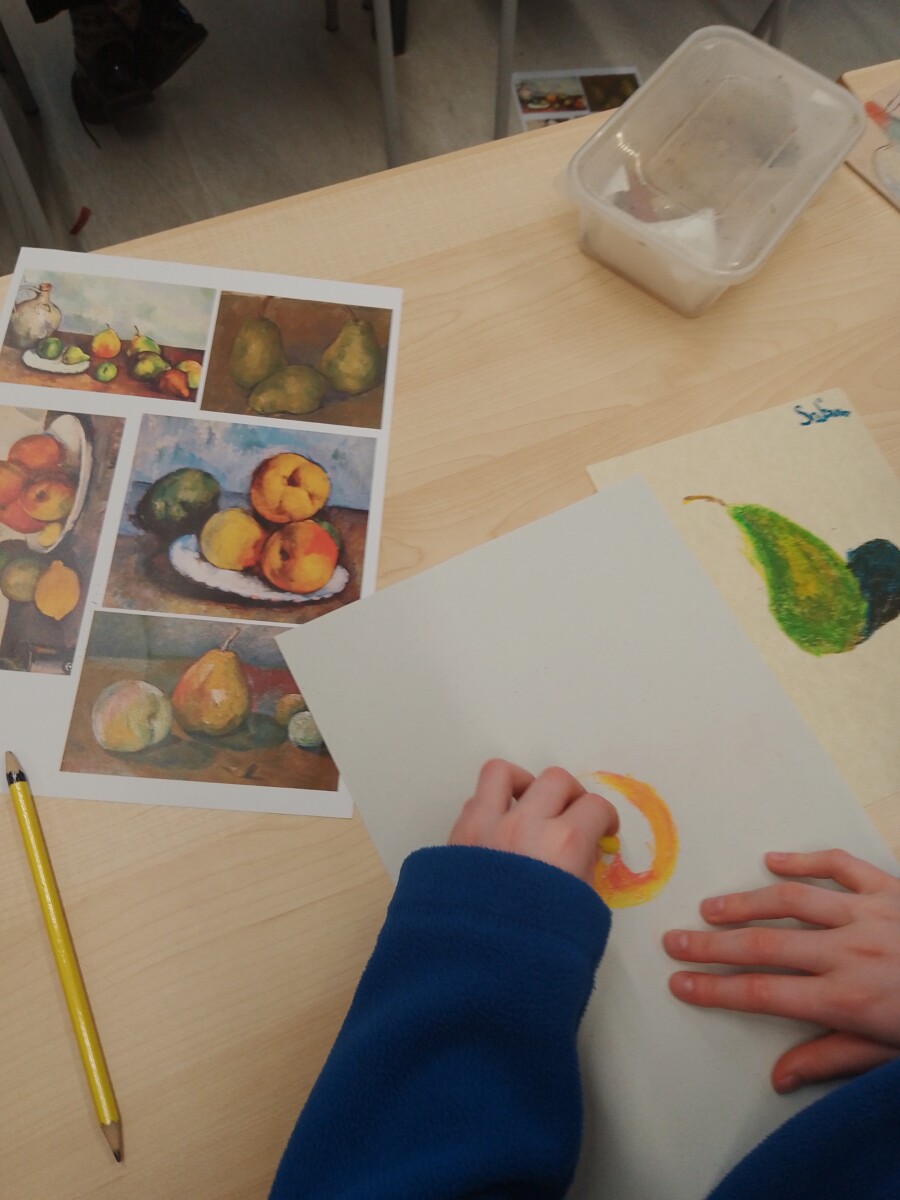
Class 4 have been studying the work of Paul Cezanne using different types of pastels.
Cezanne used texture, colour and tone to create two dimensional studies of objects. We were fascinated by how he used such expressive brush strokes and bold colours to bring life to his work.
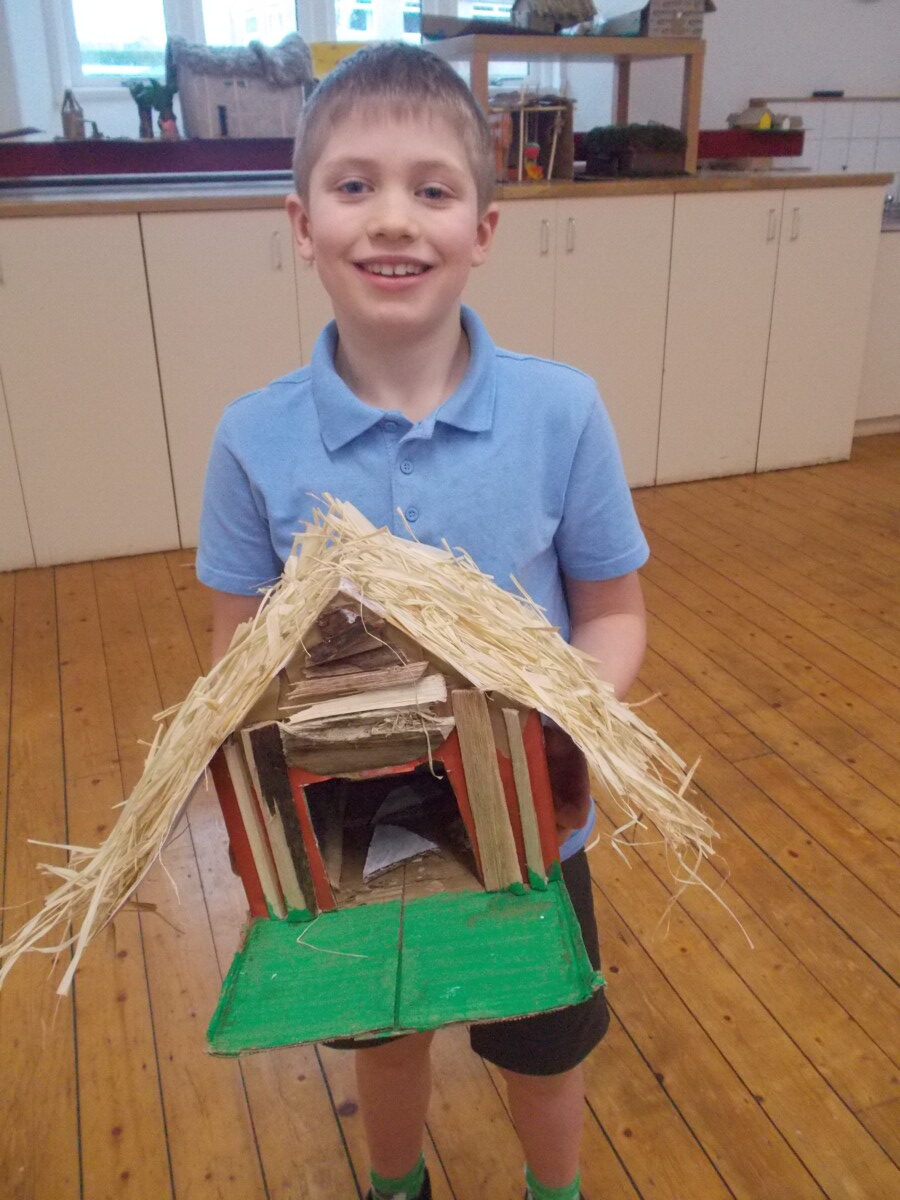
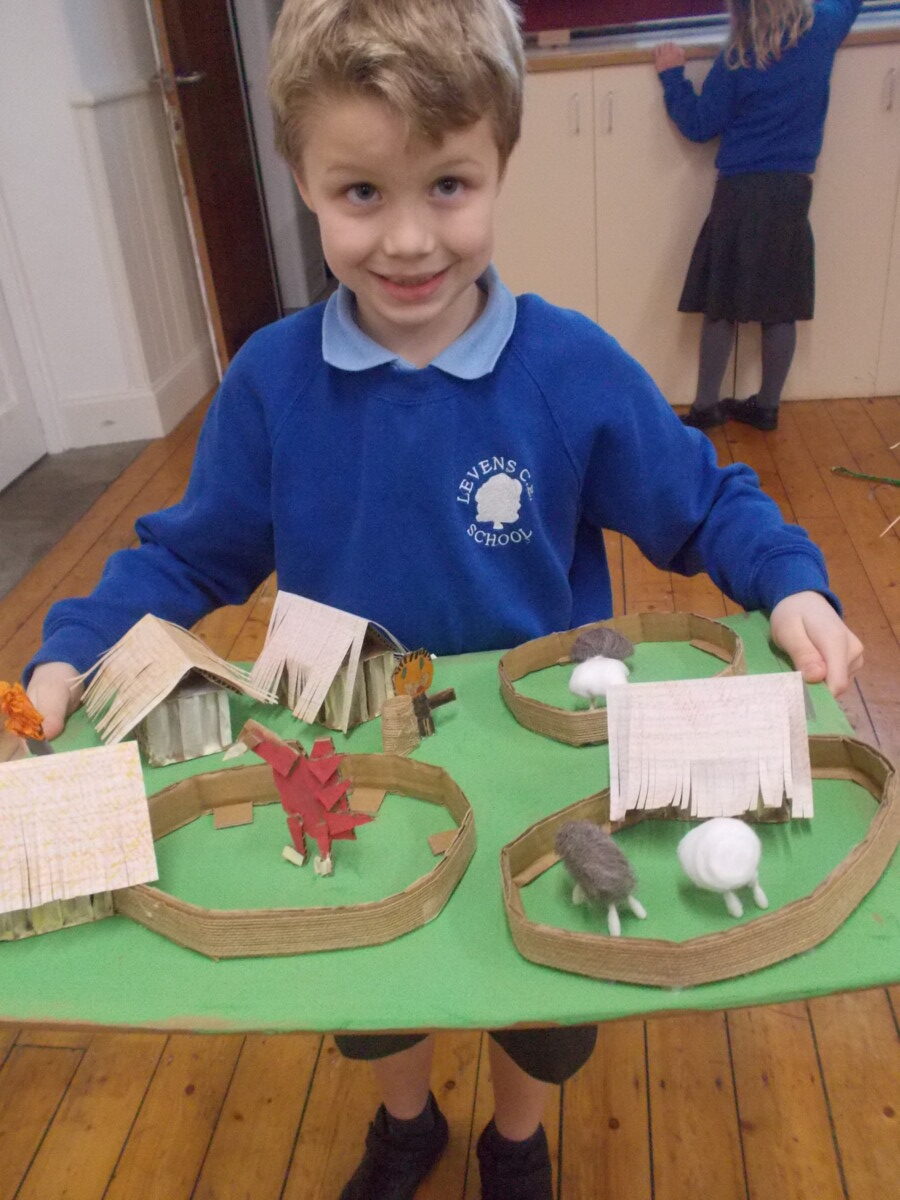
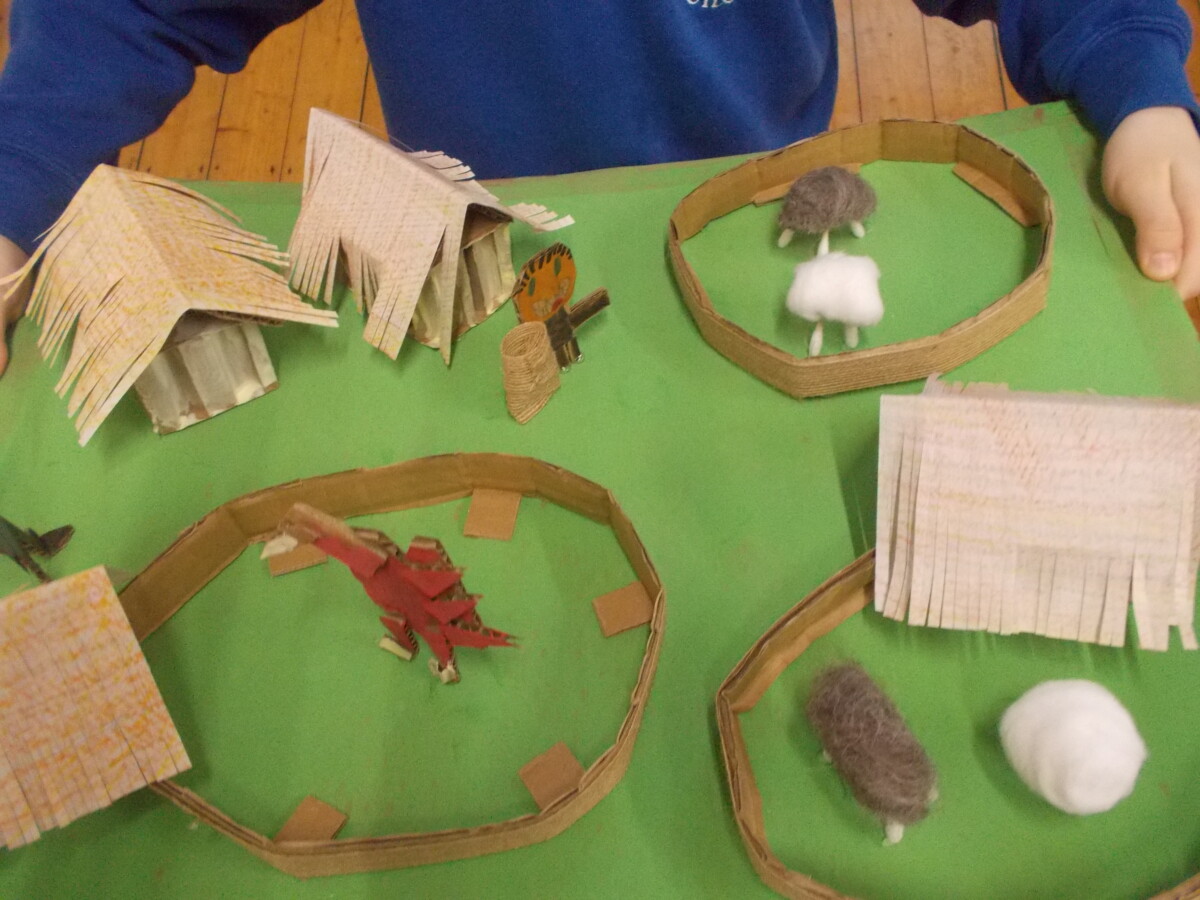
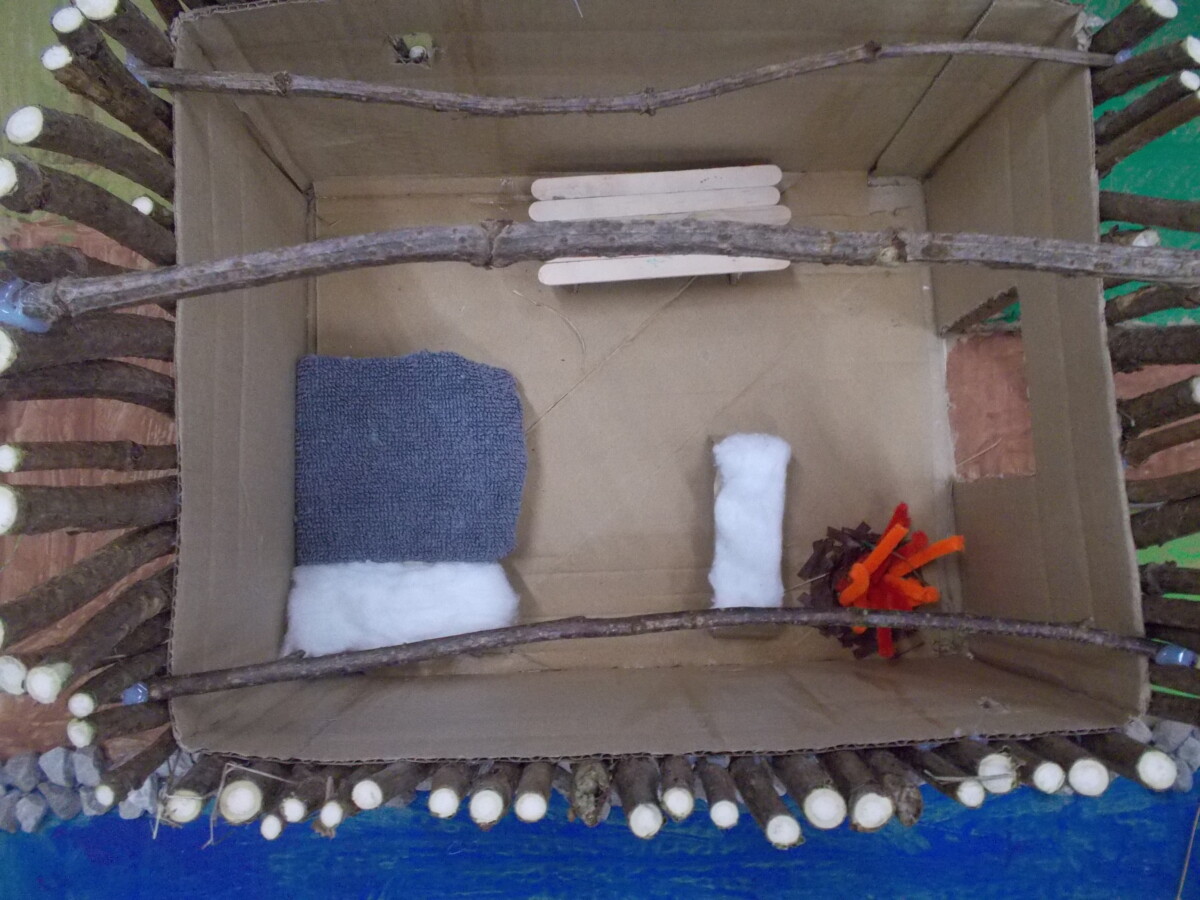
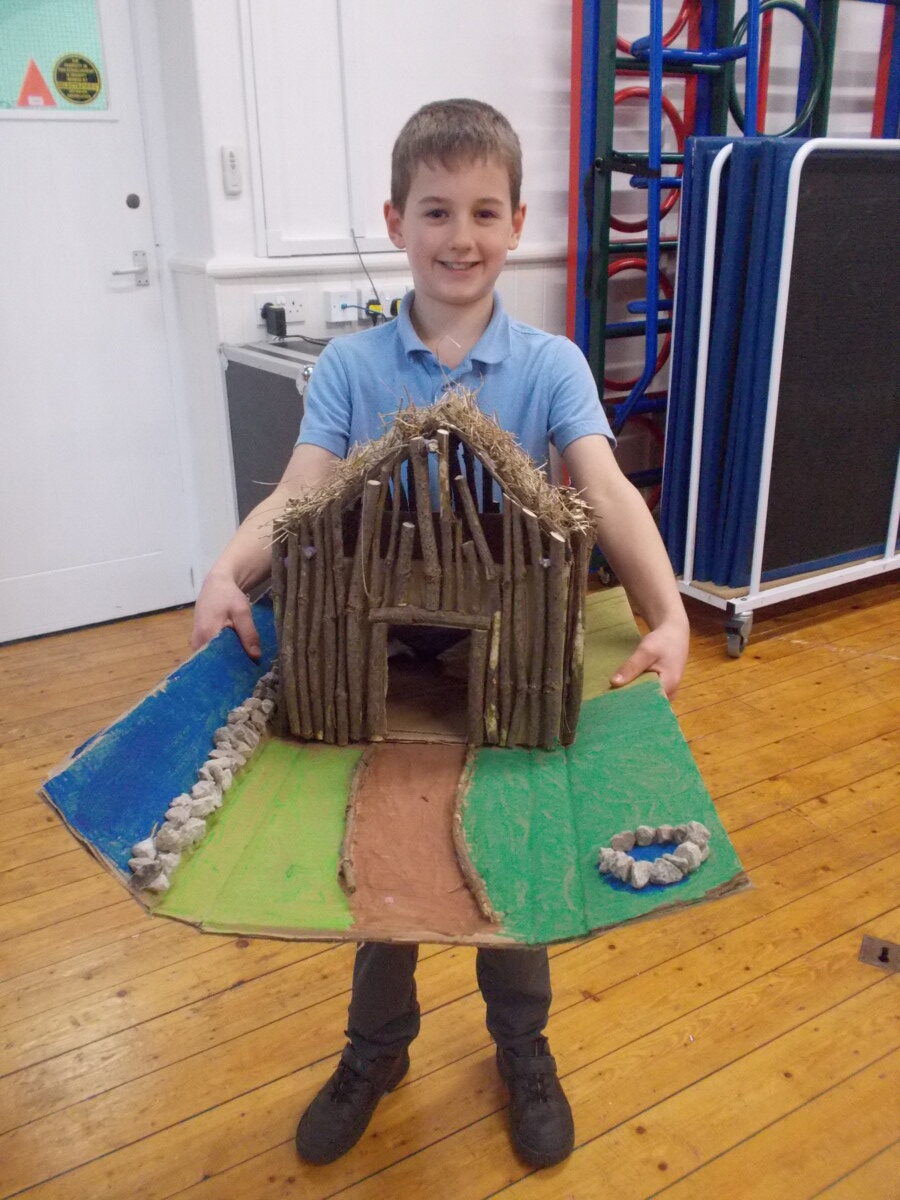
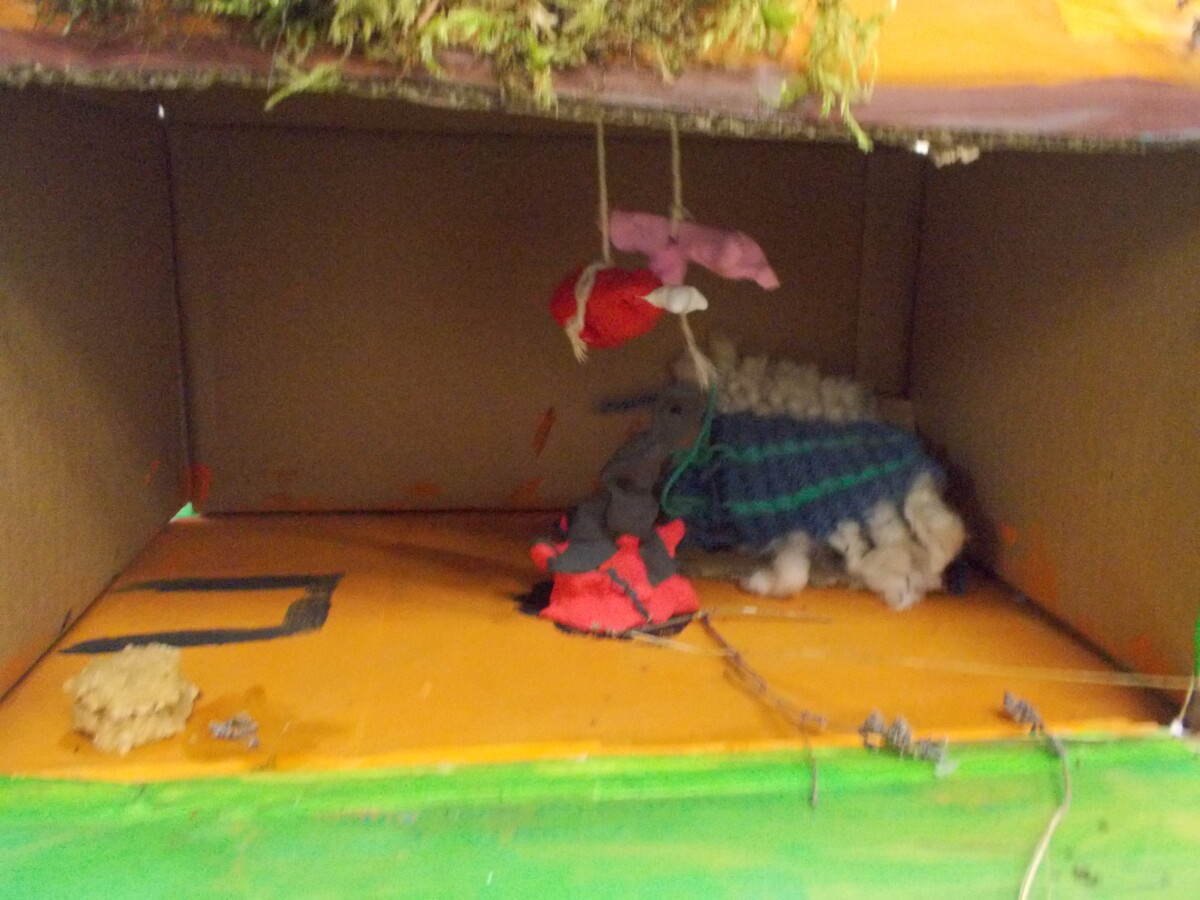
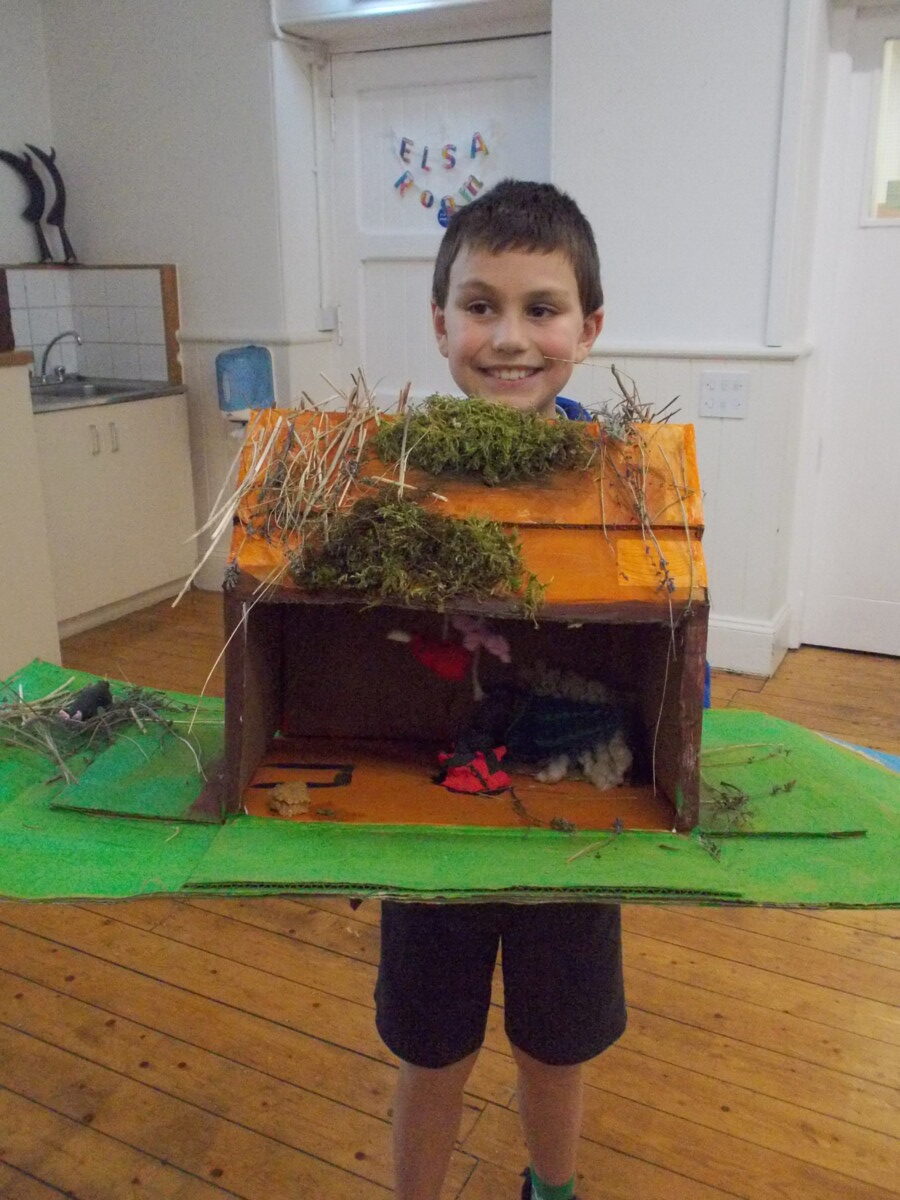
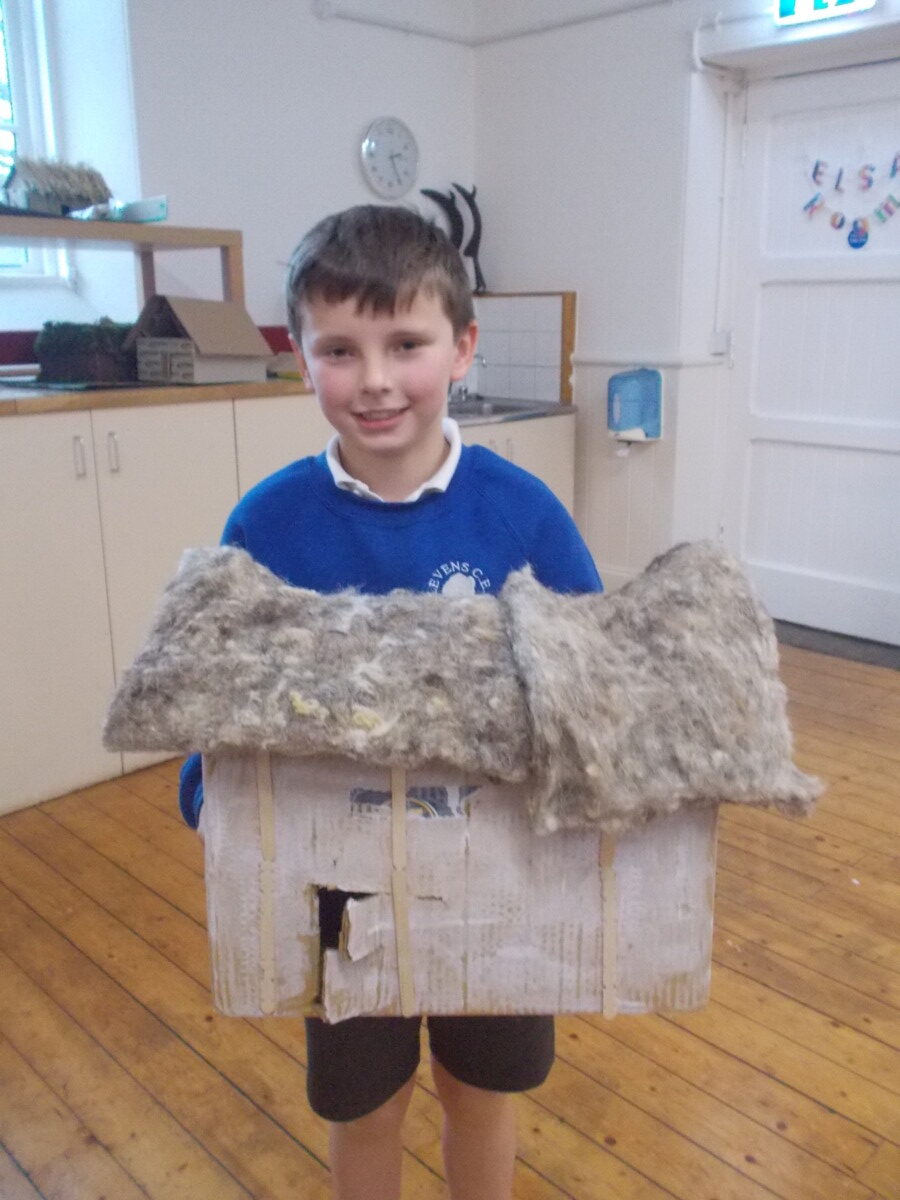
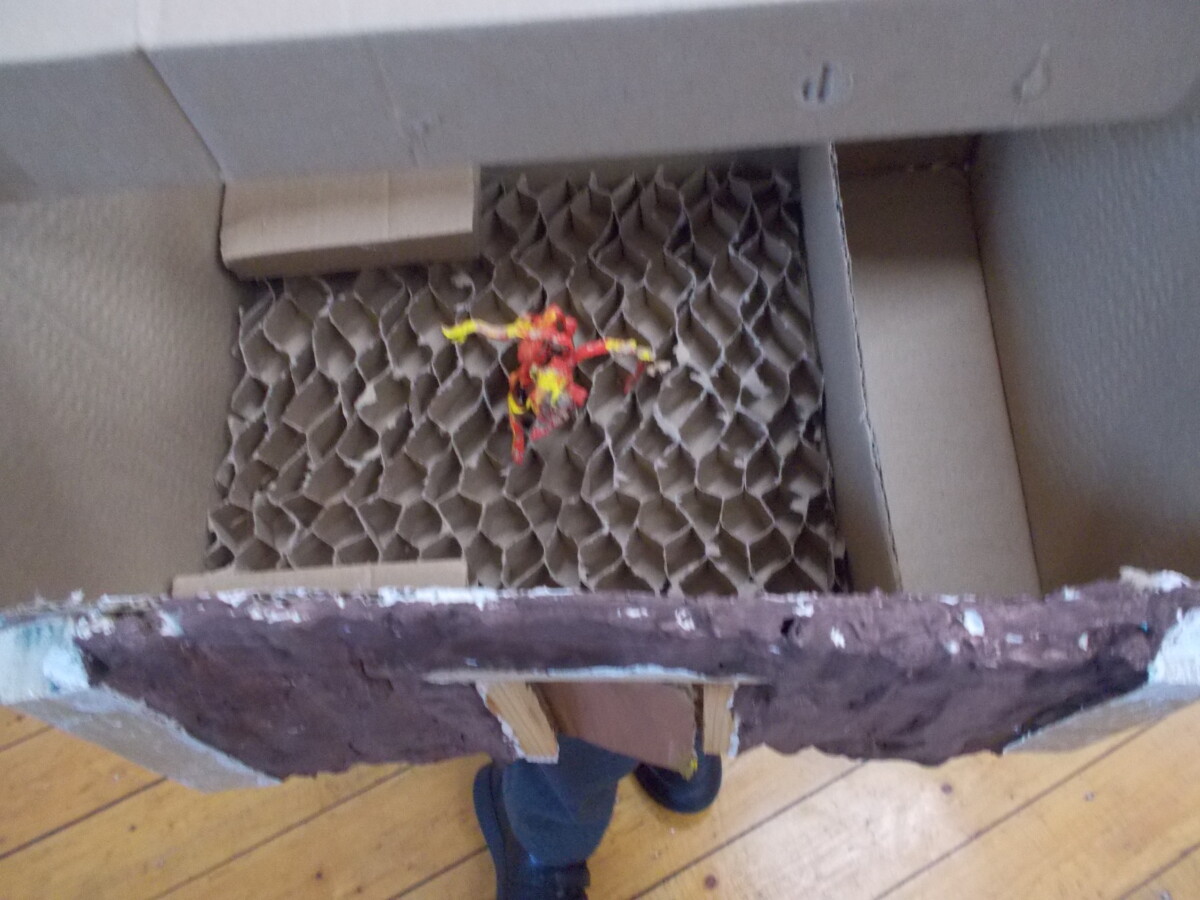
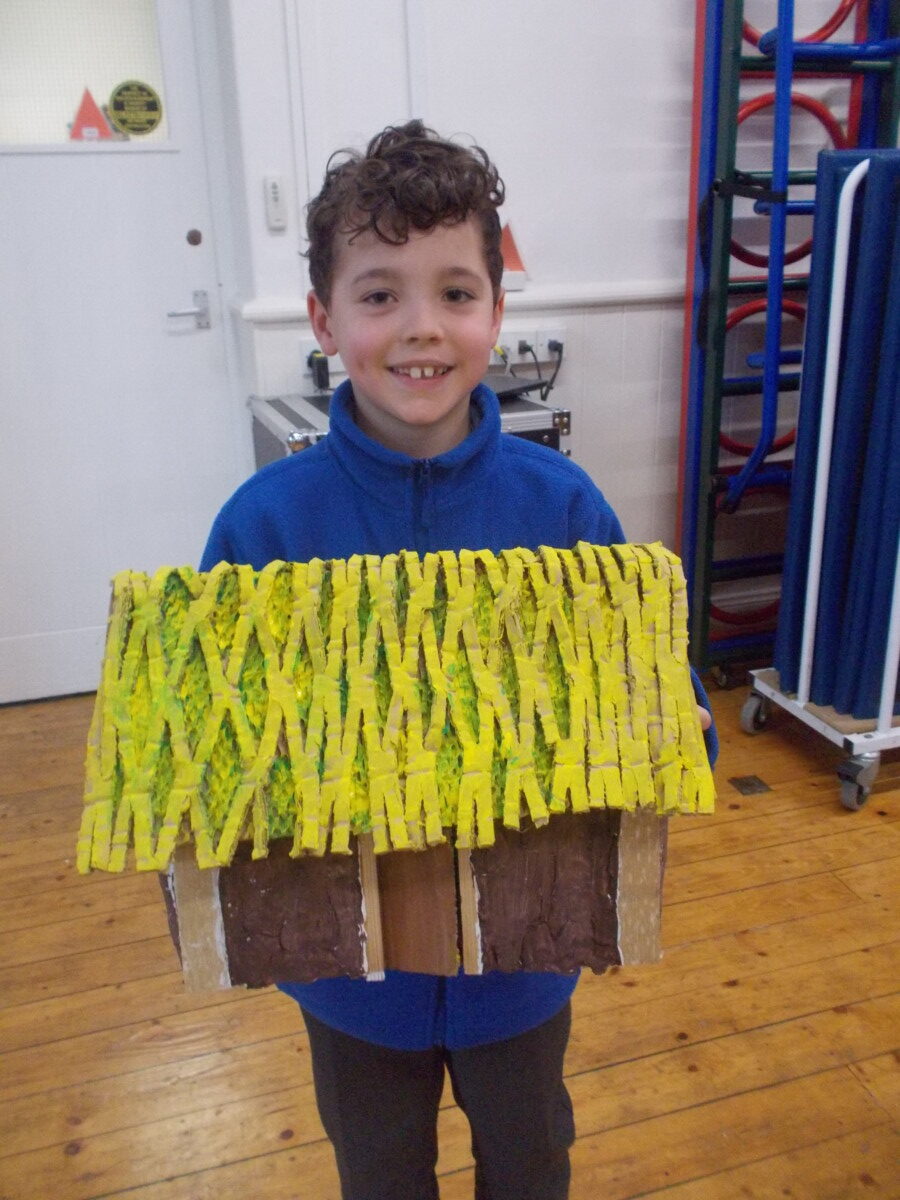
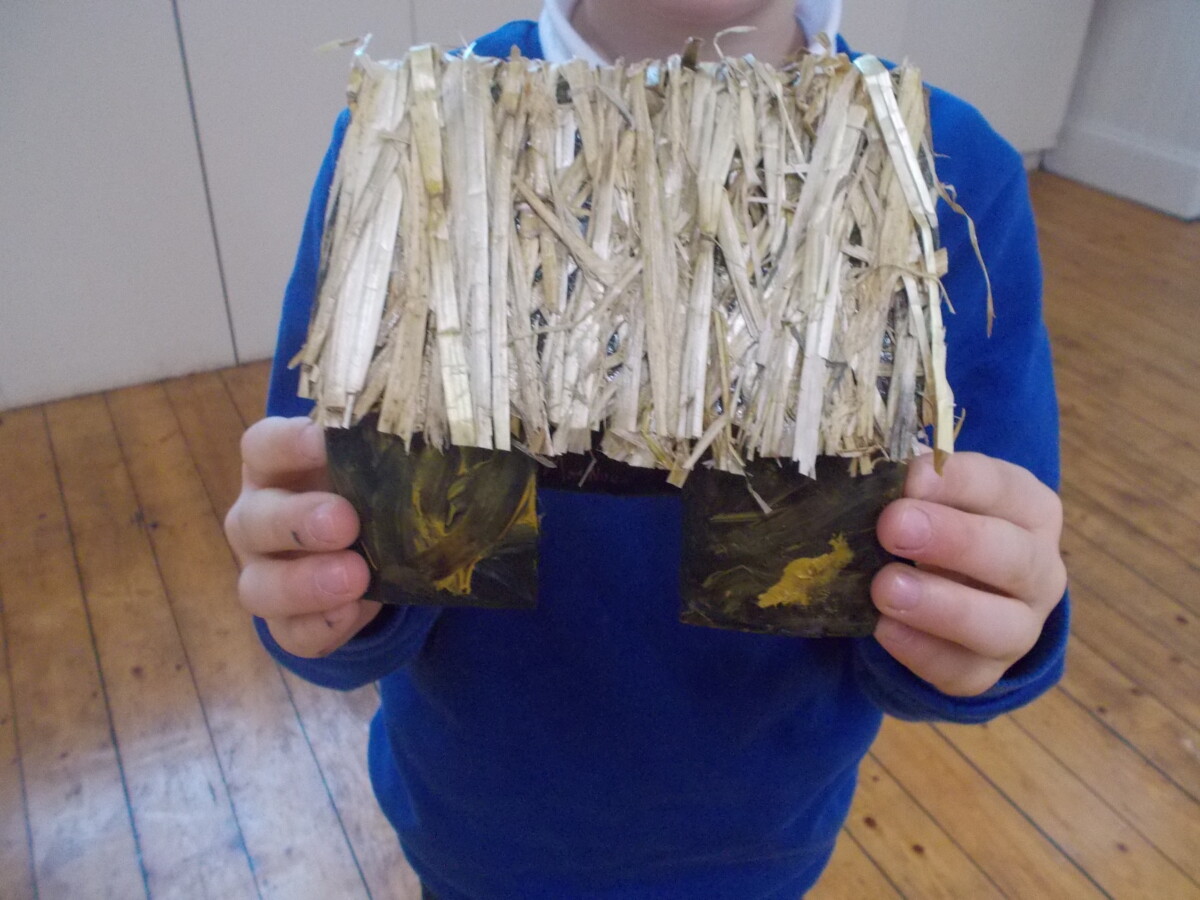
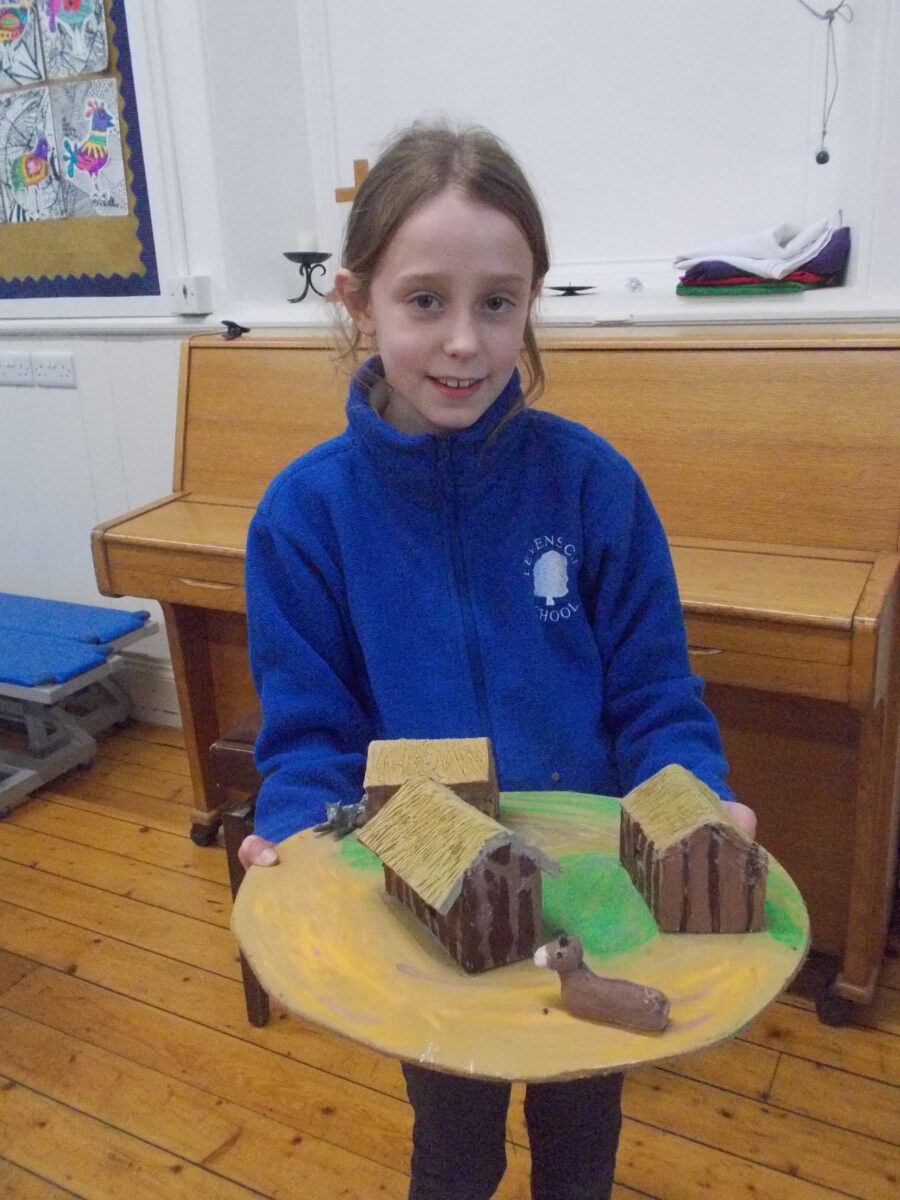
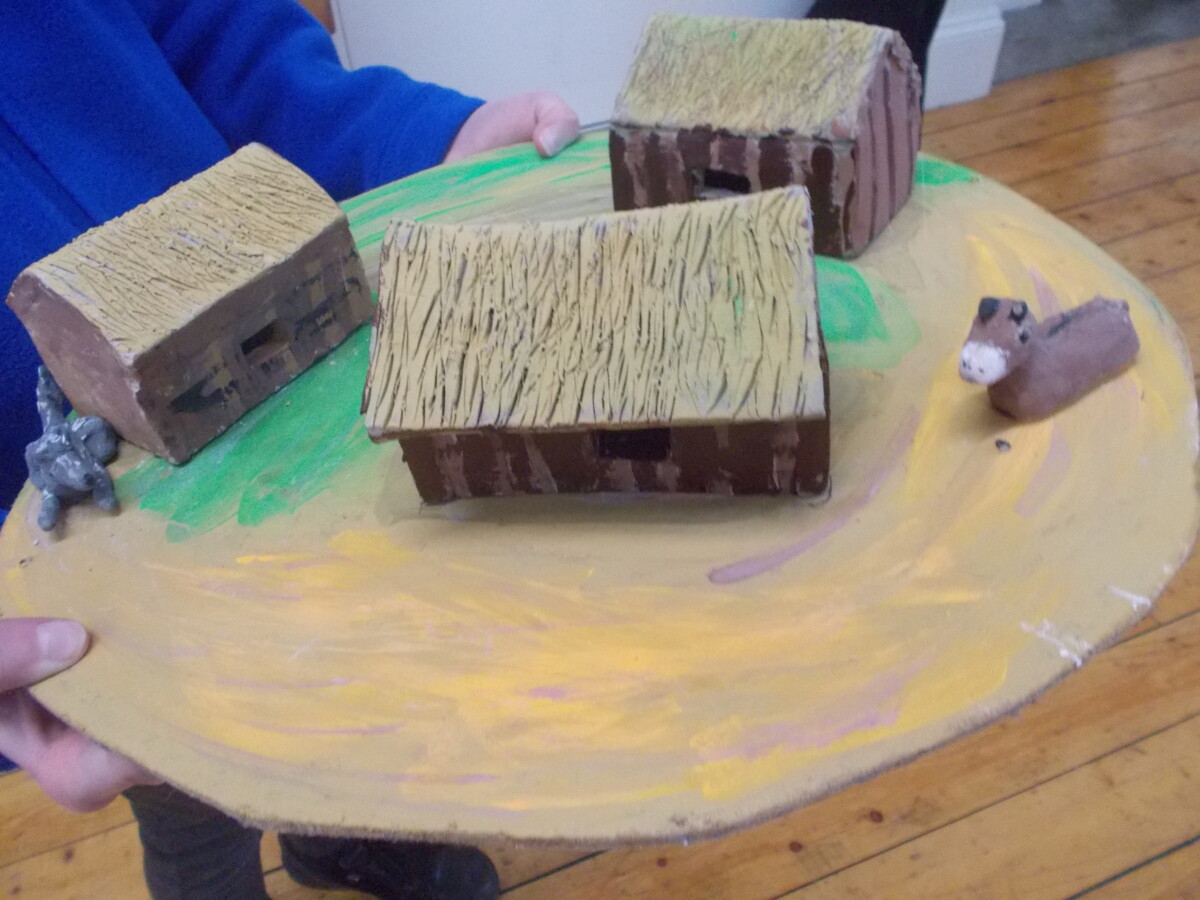
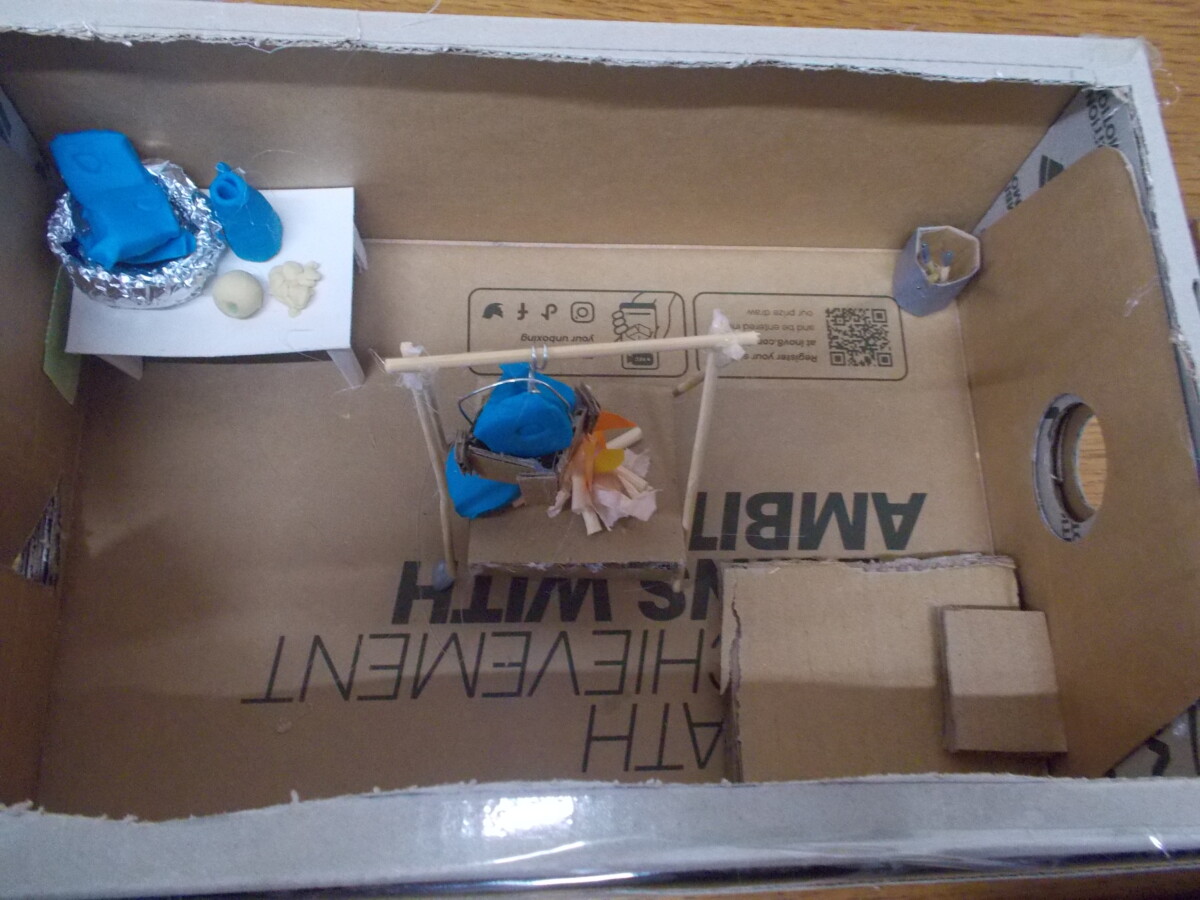
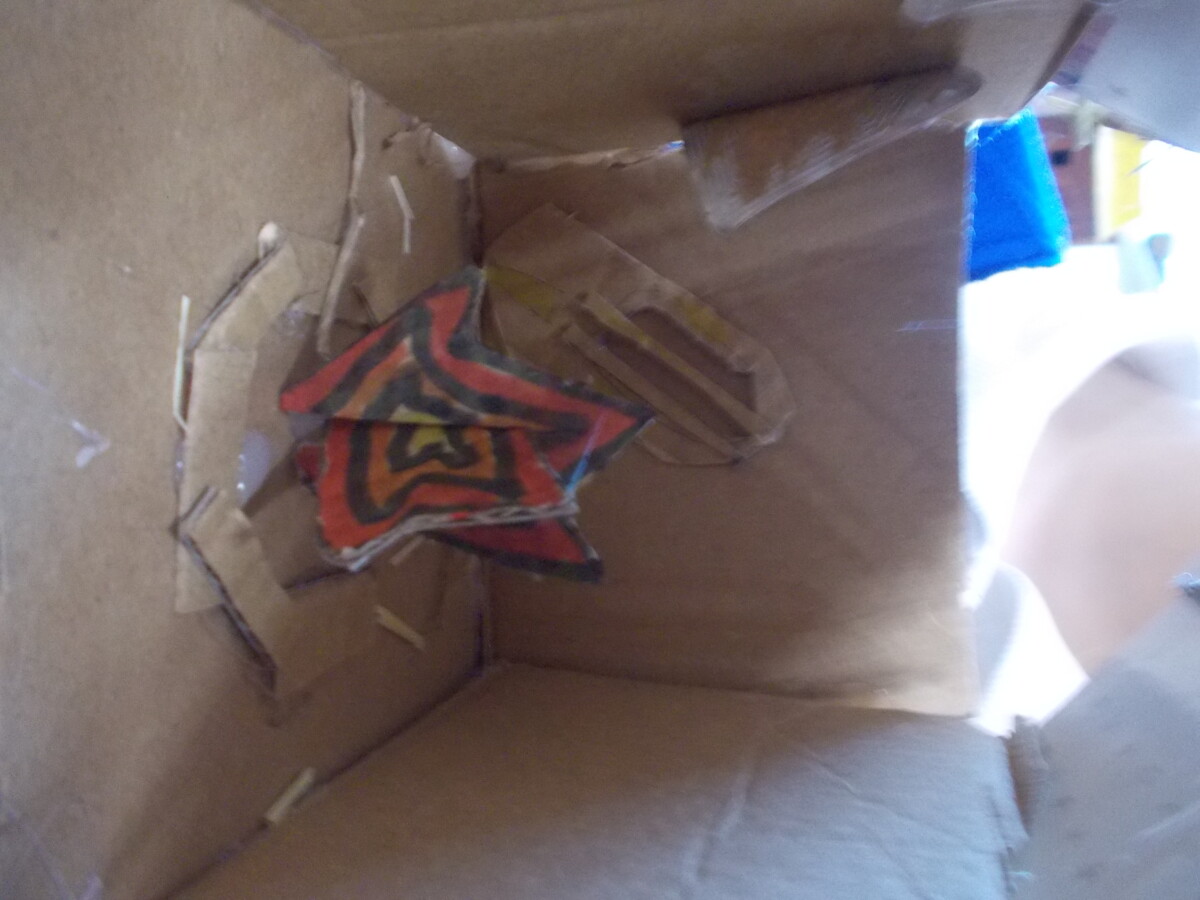
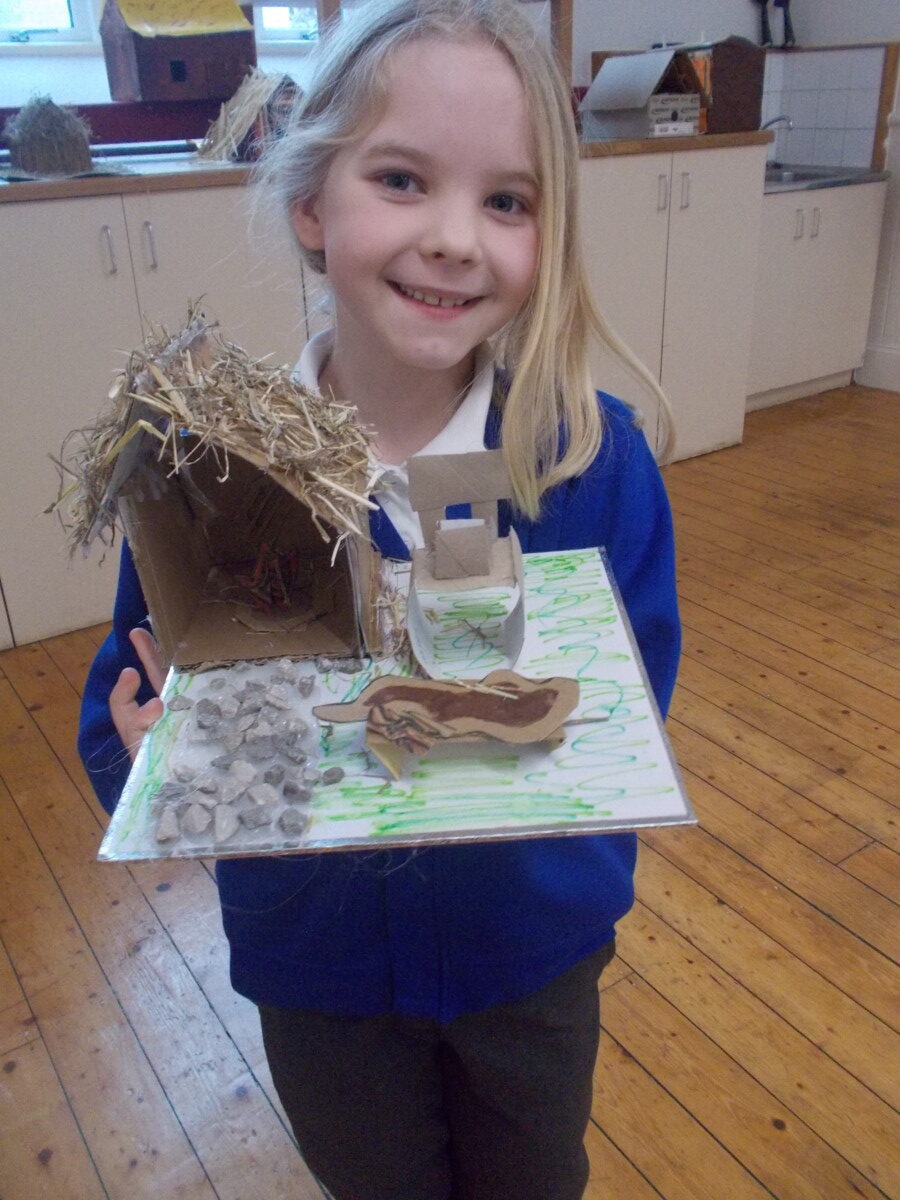
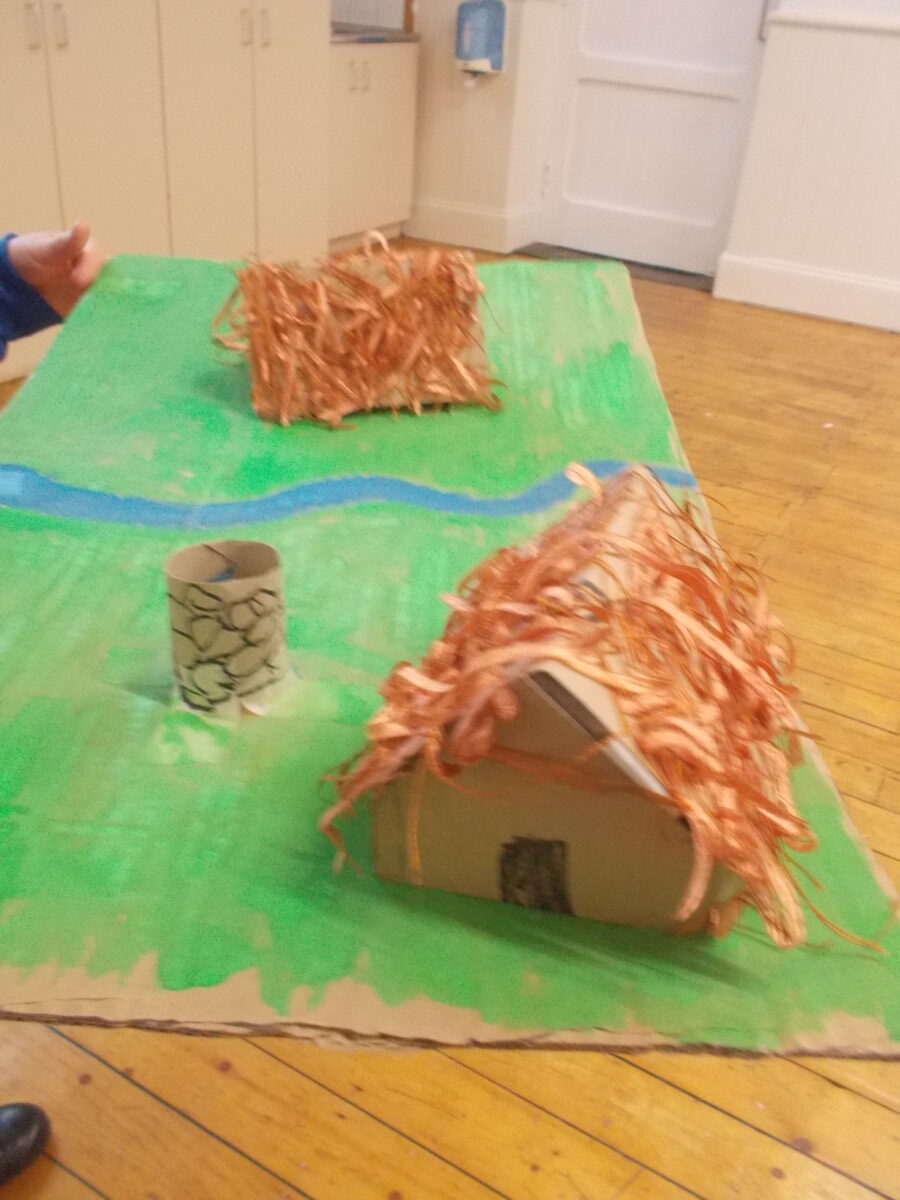
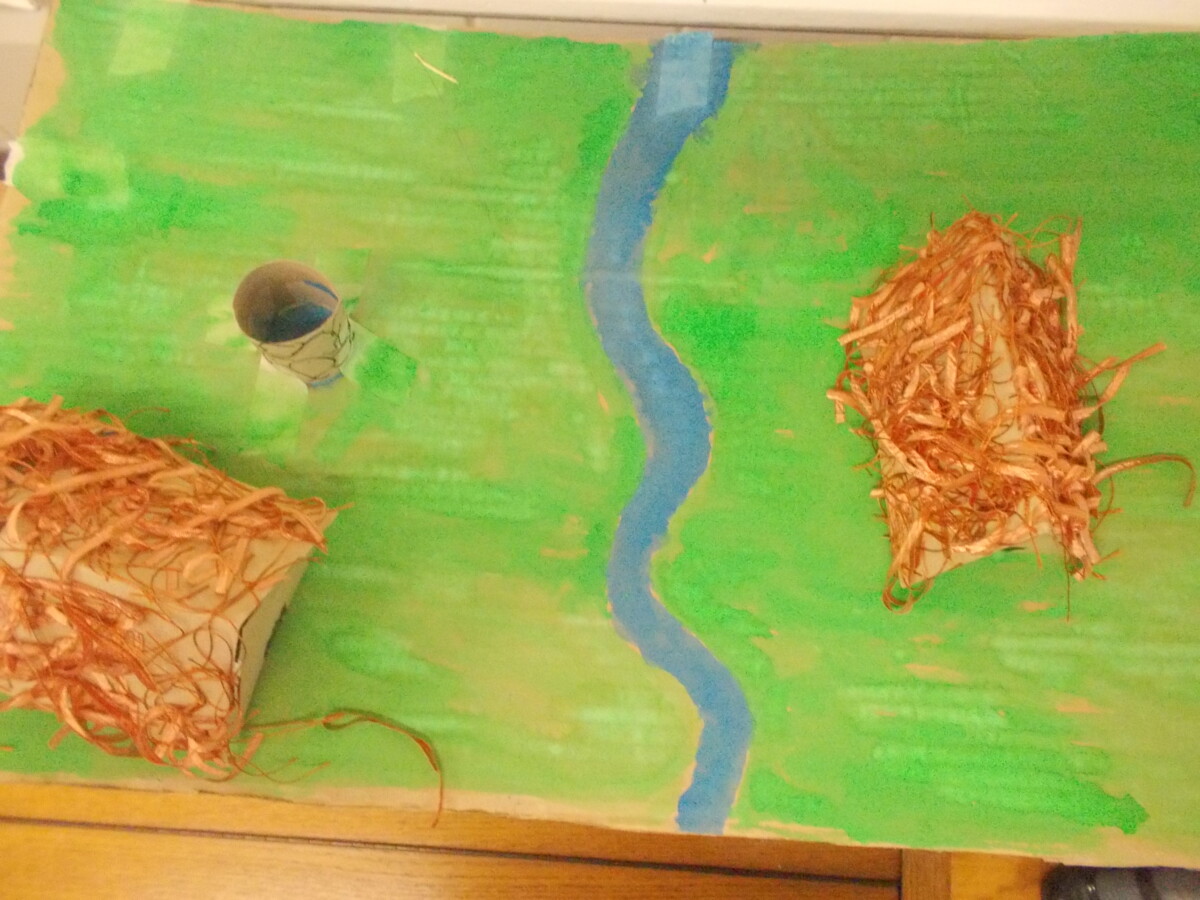
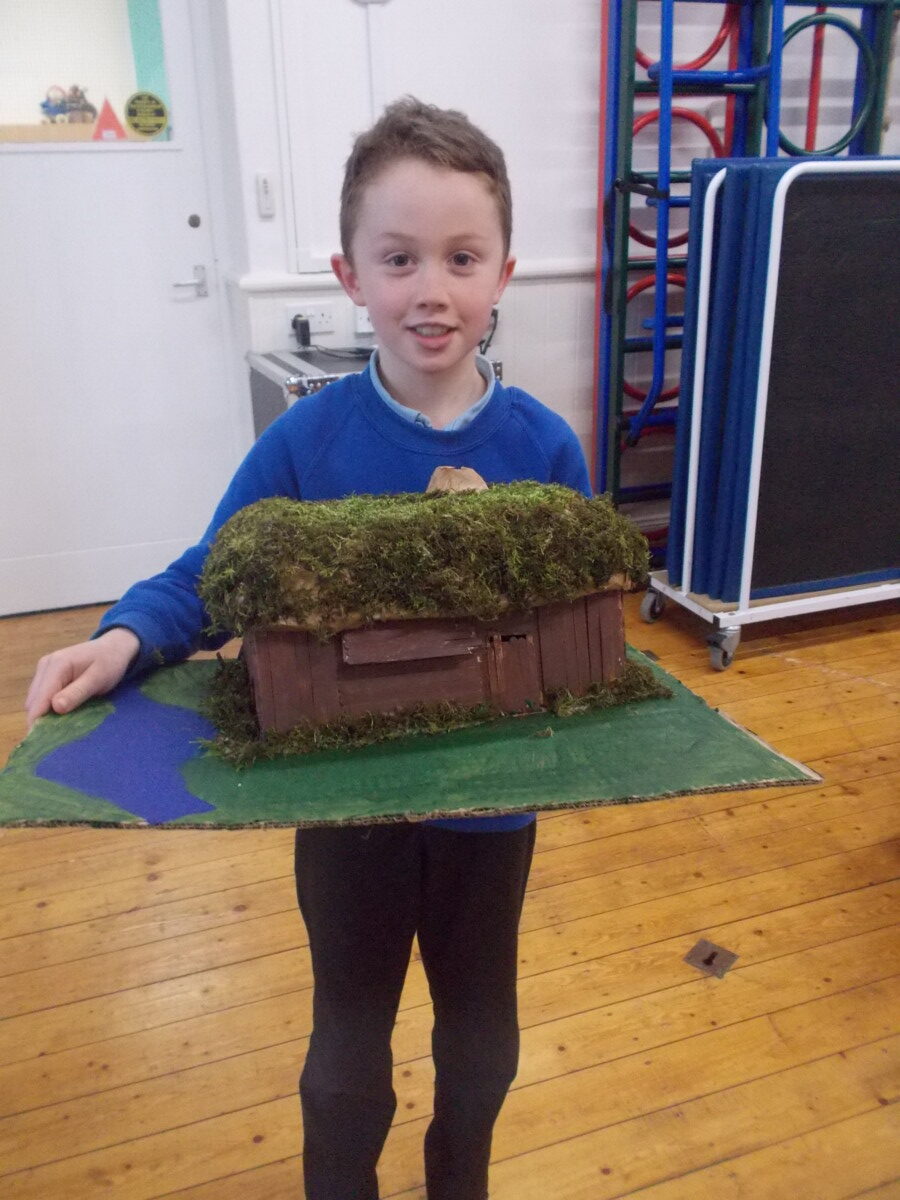
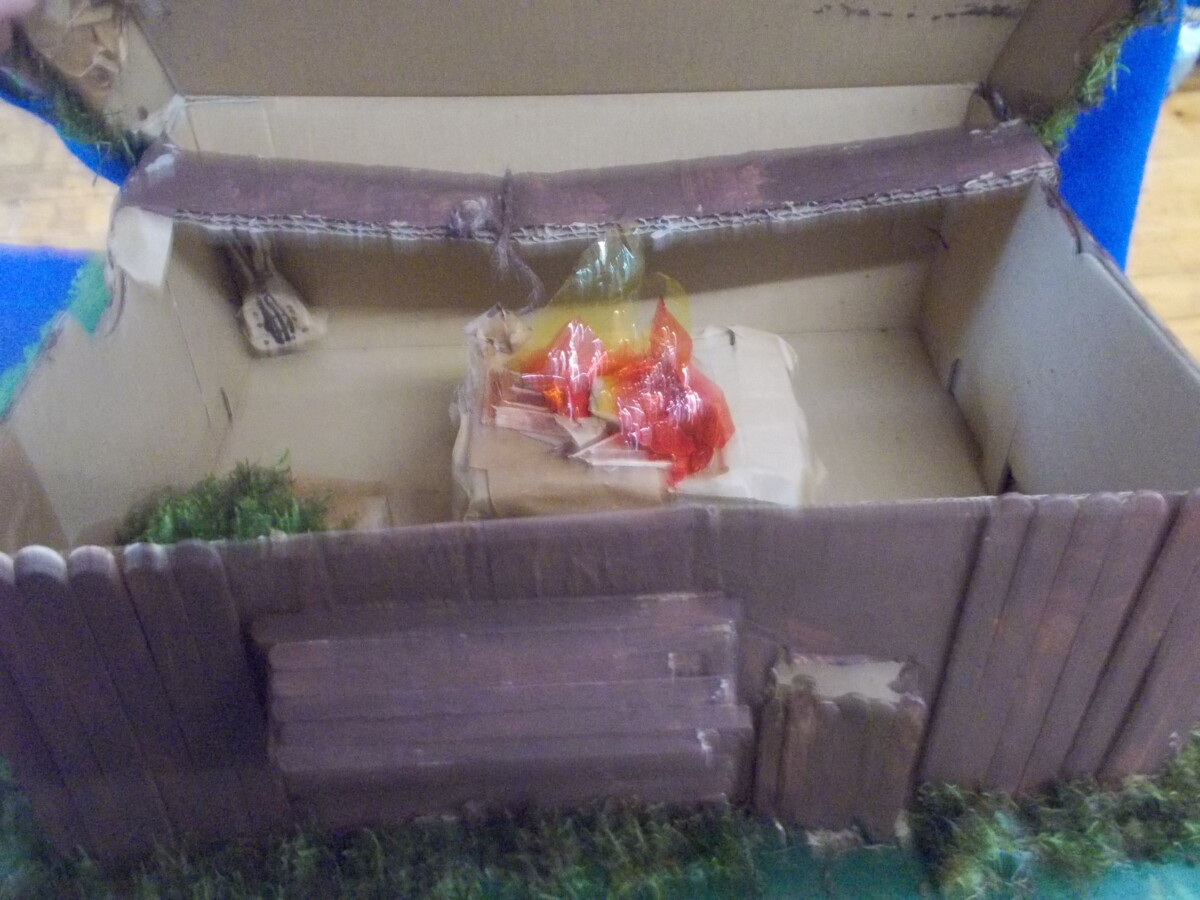
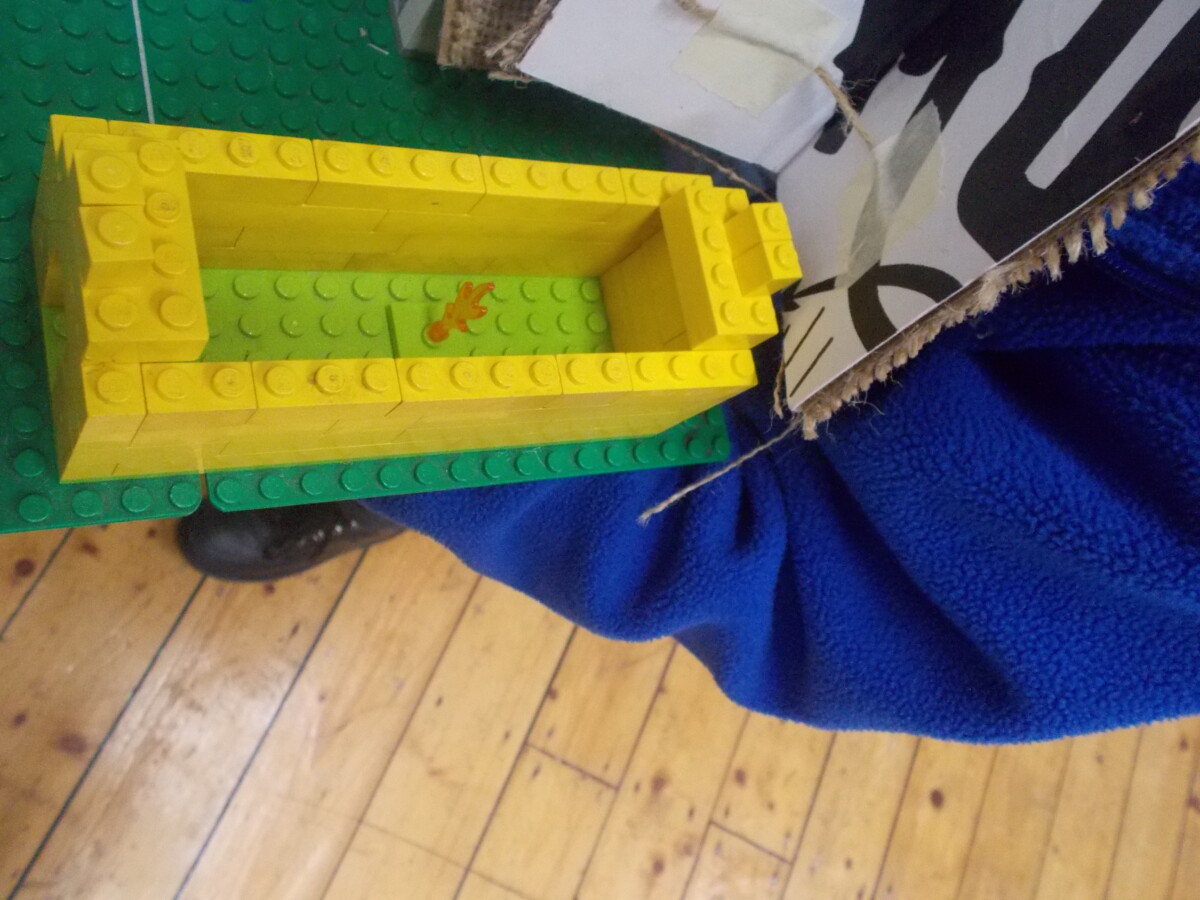
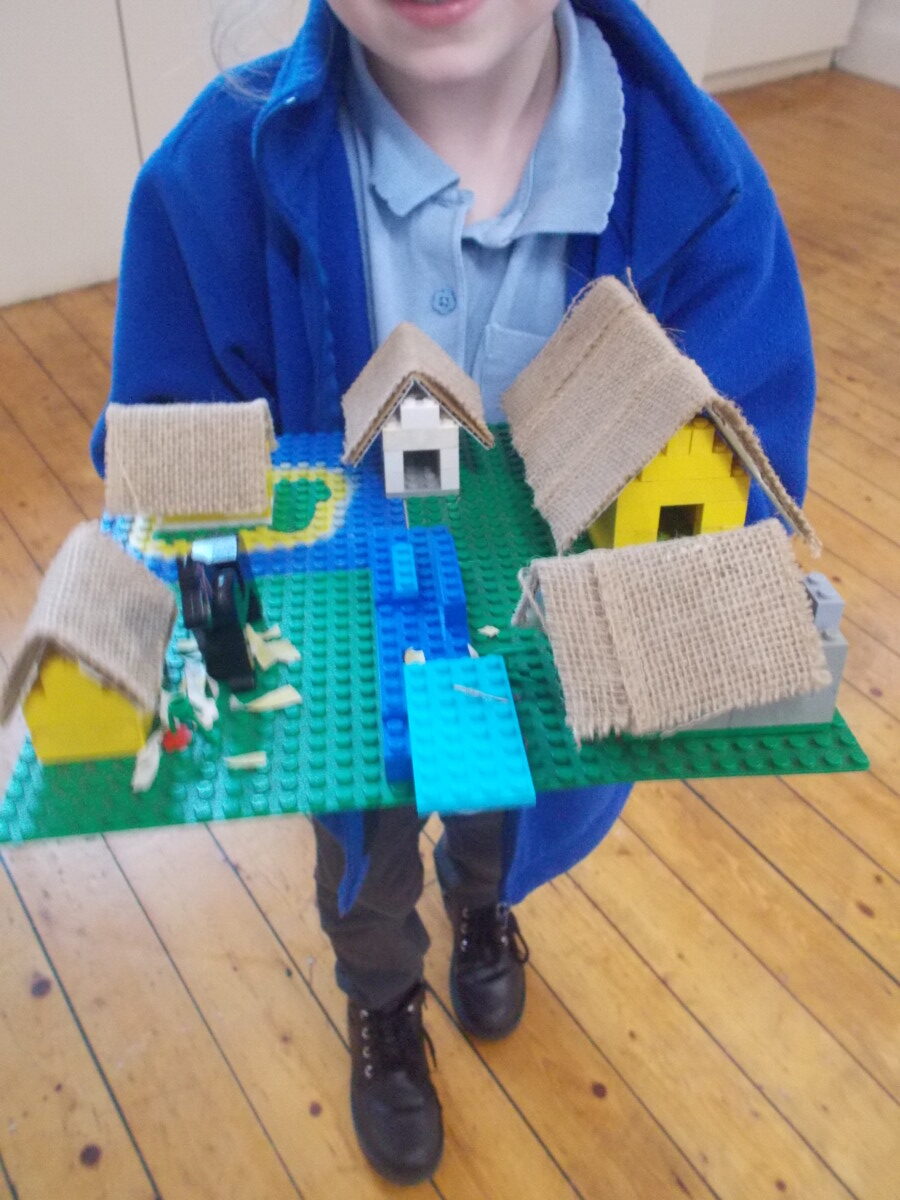
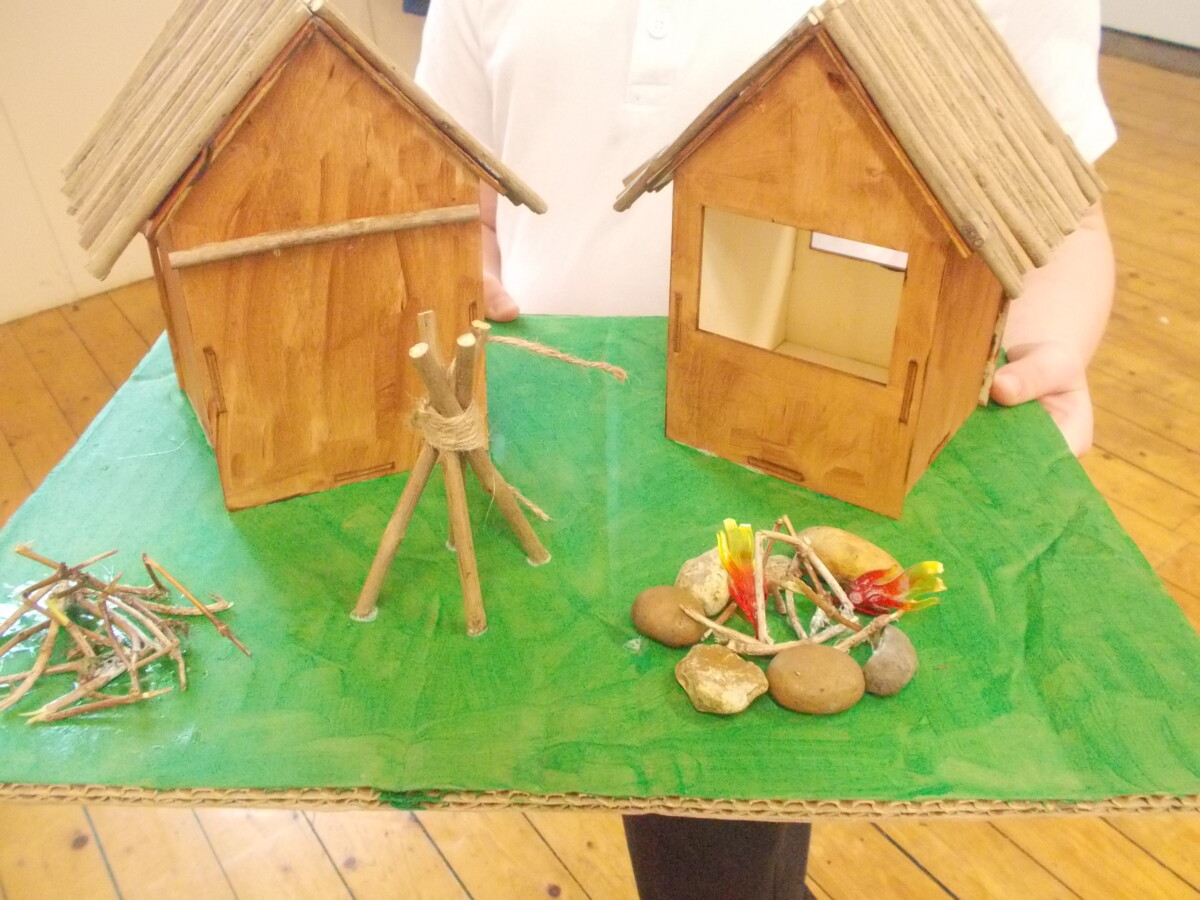
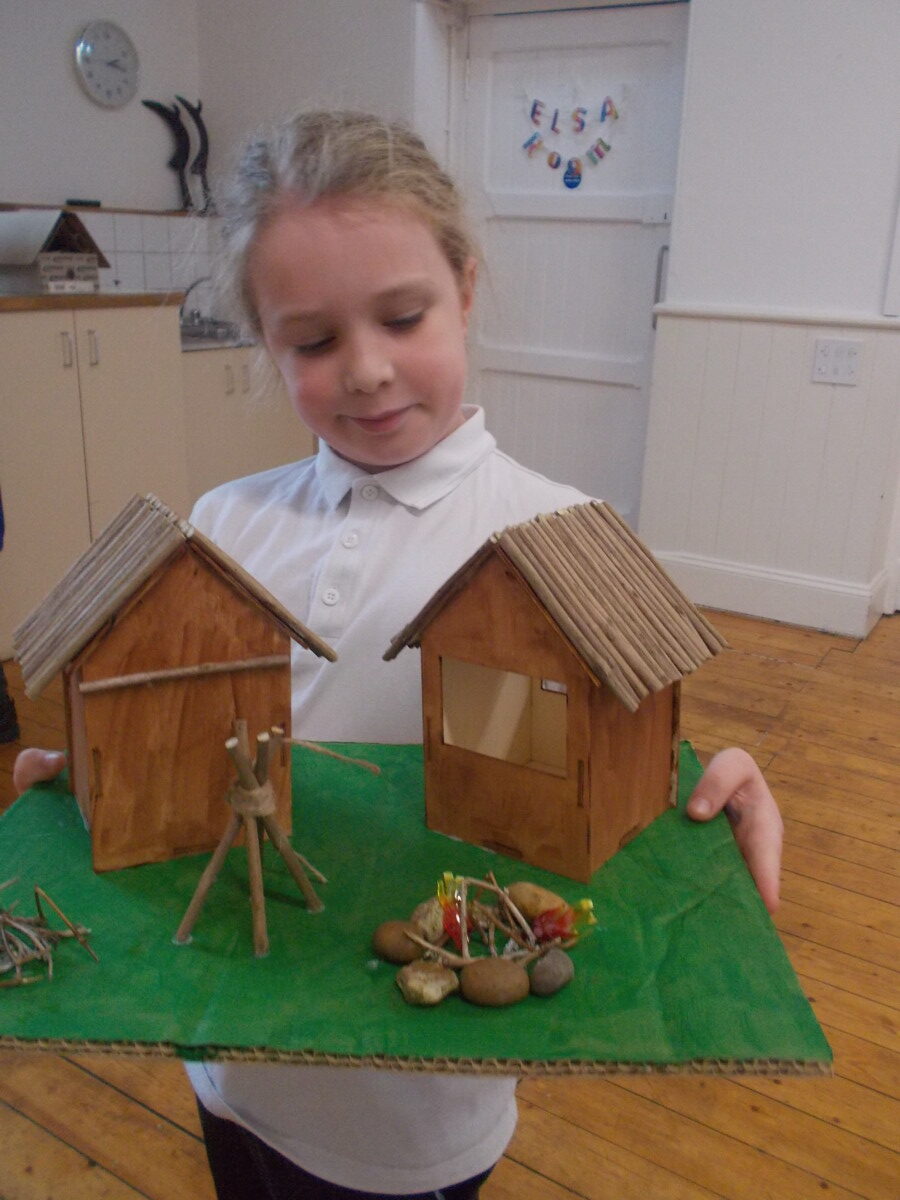
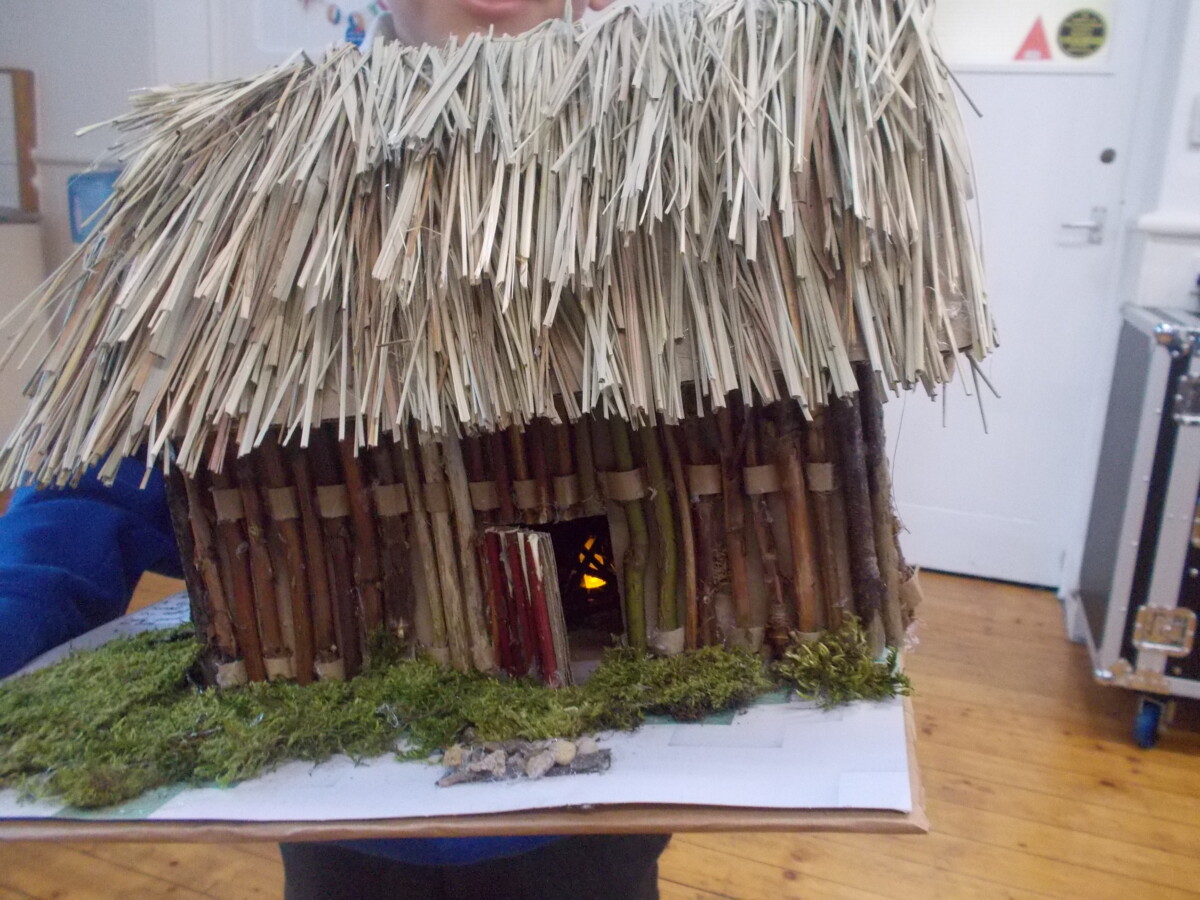
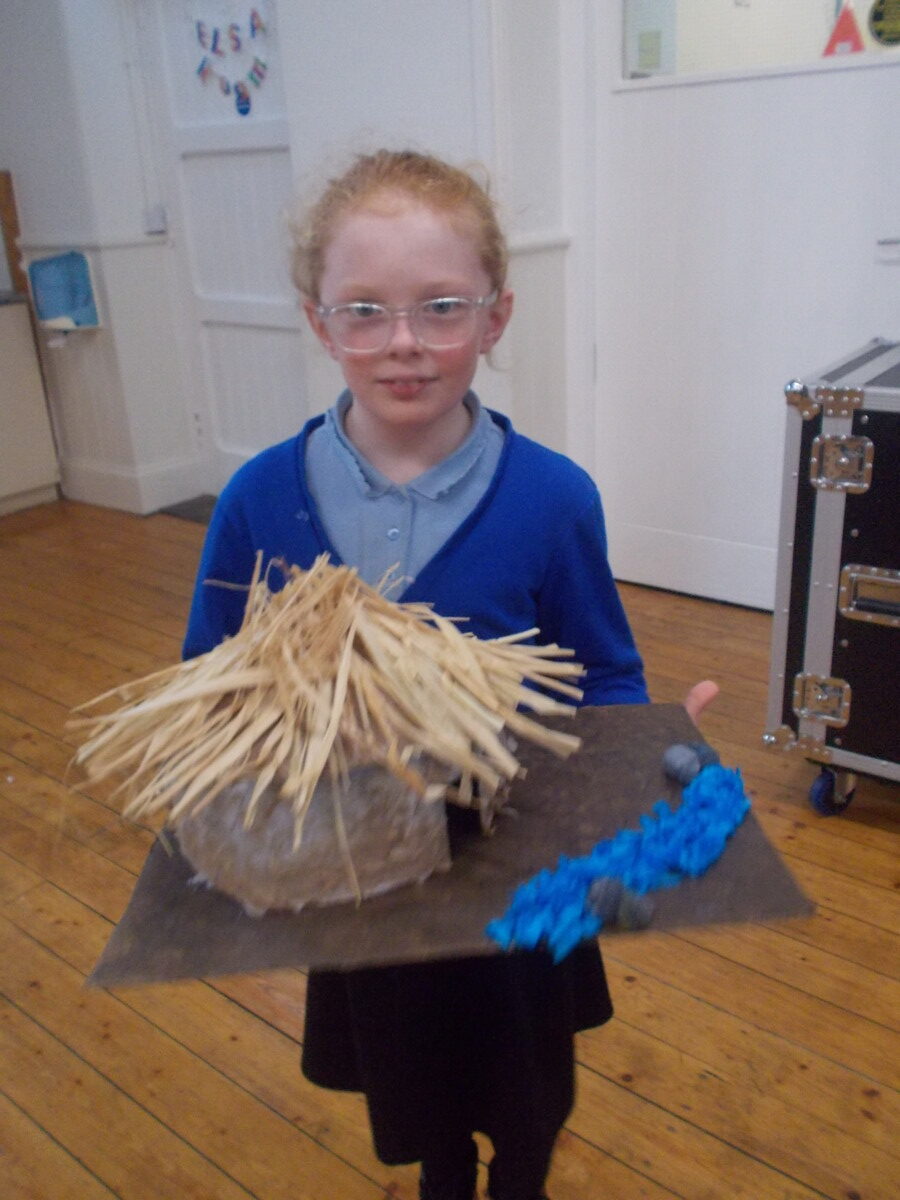
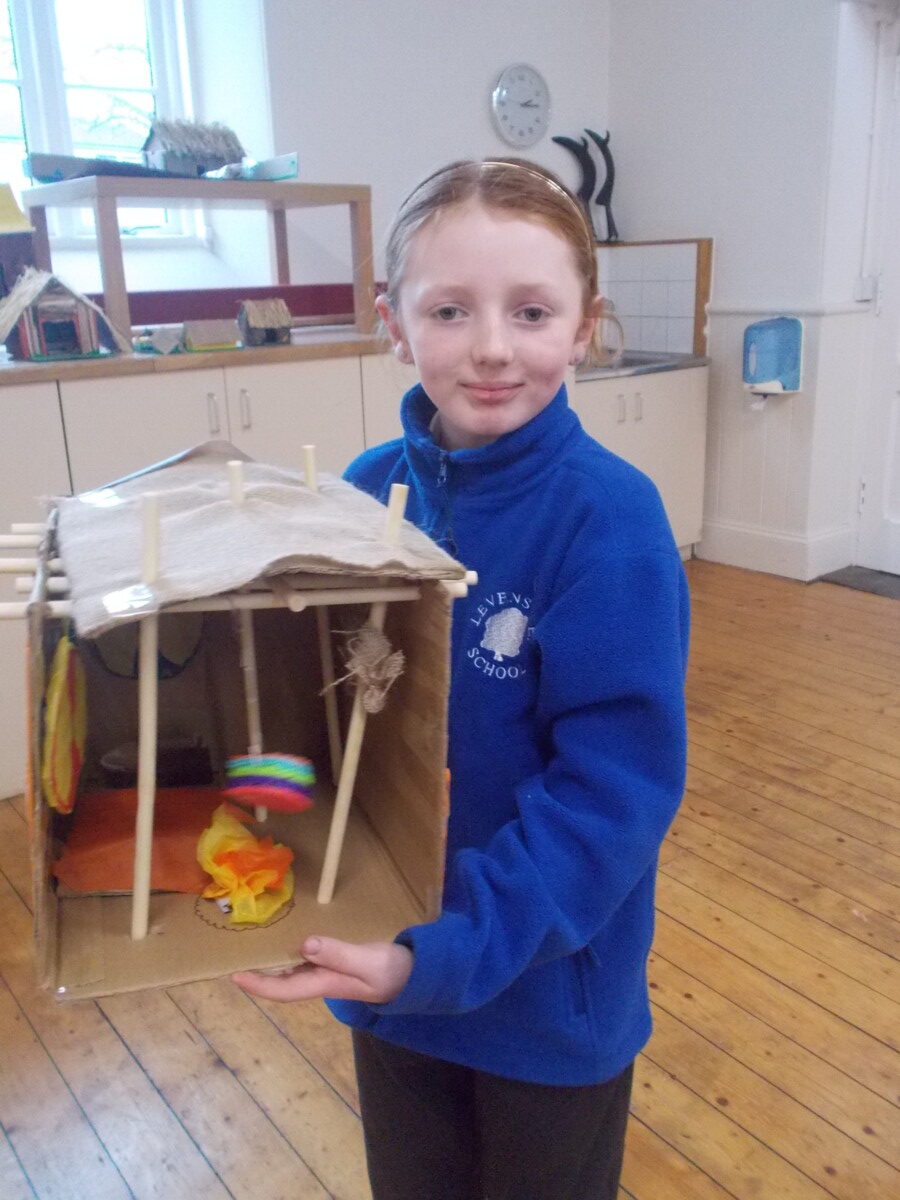
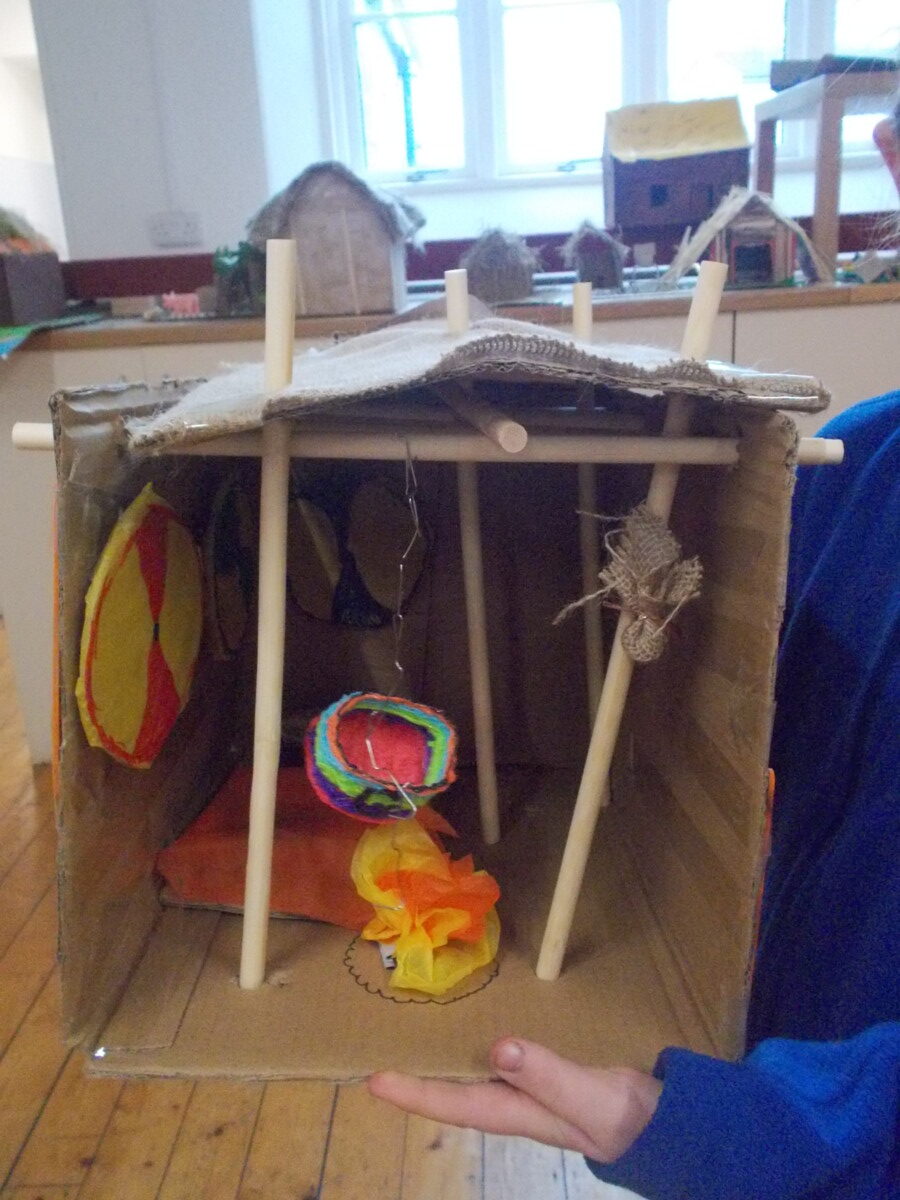
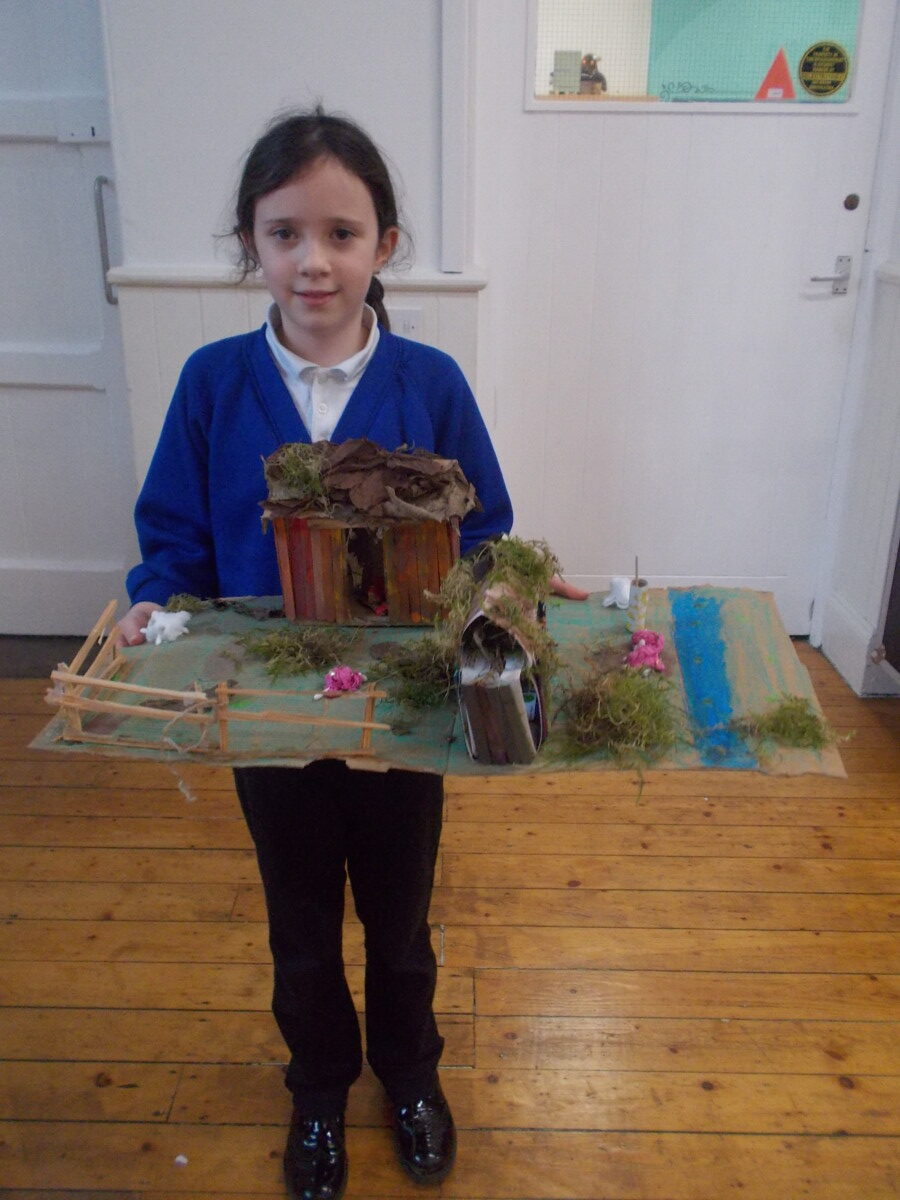
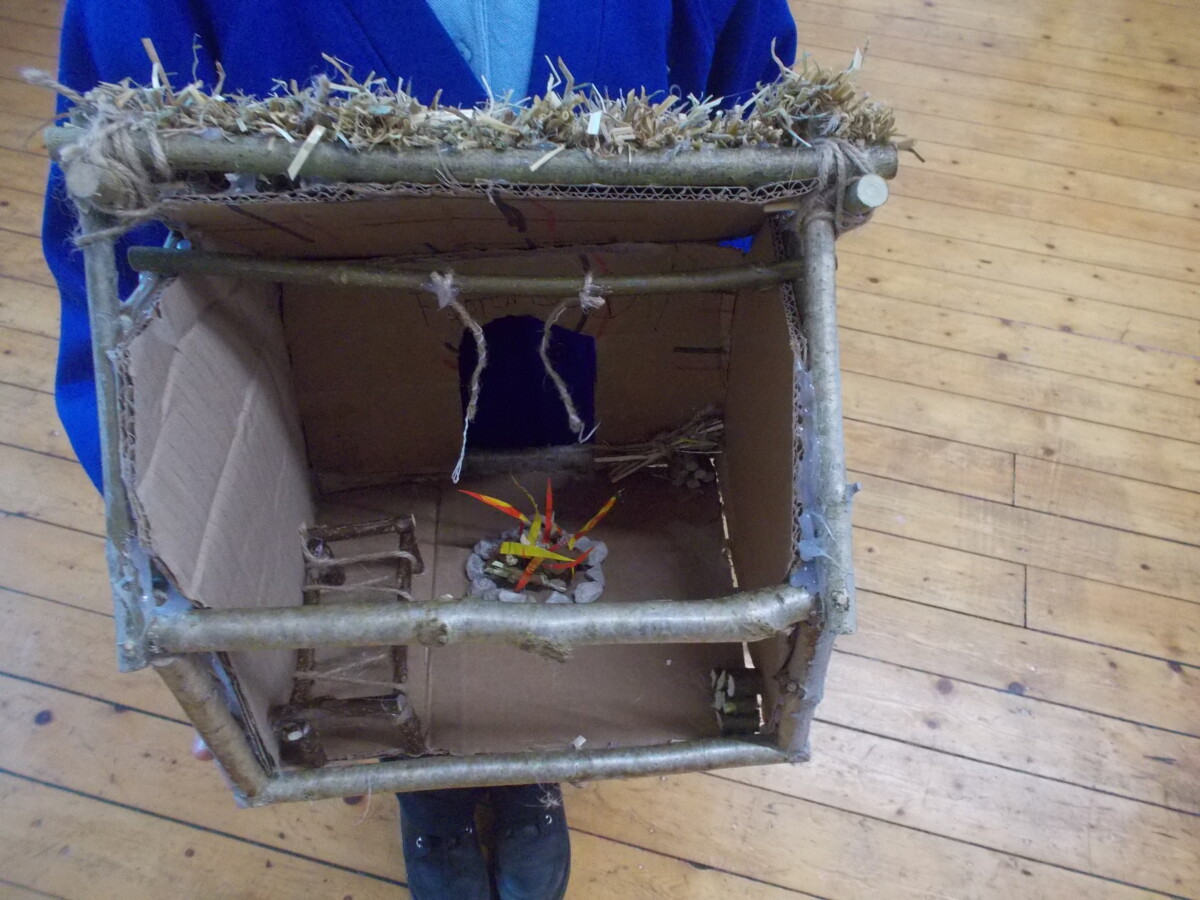
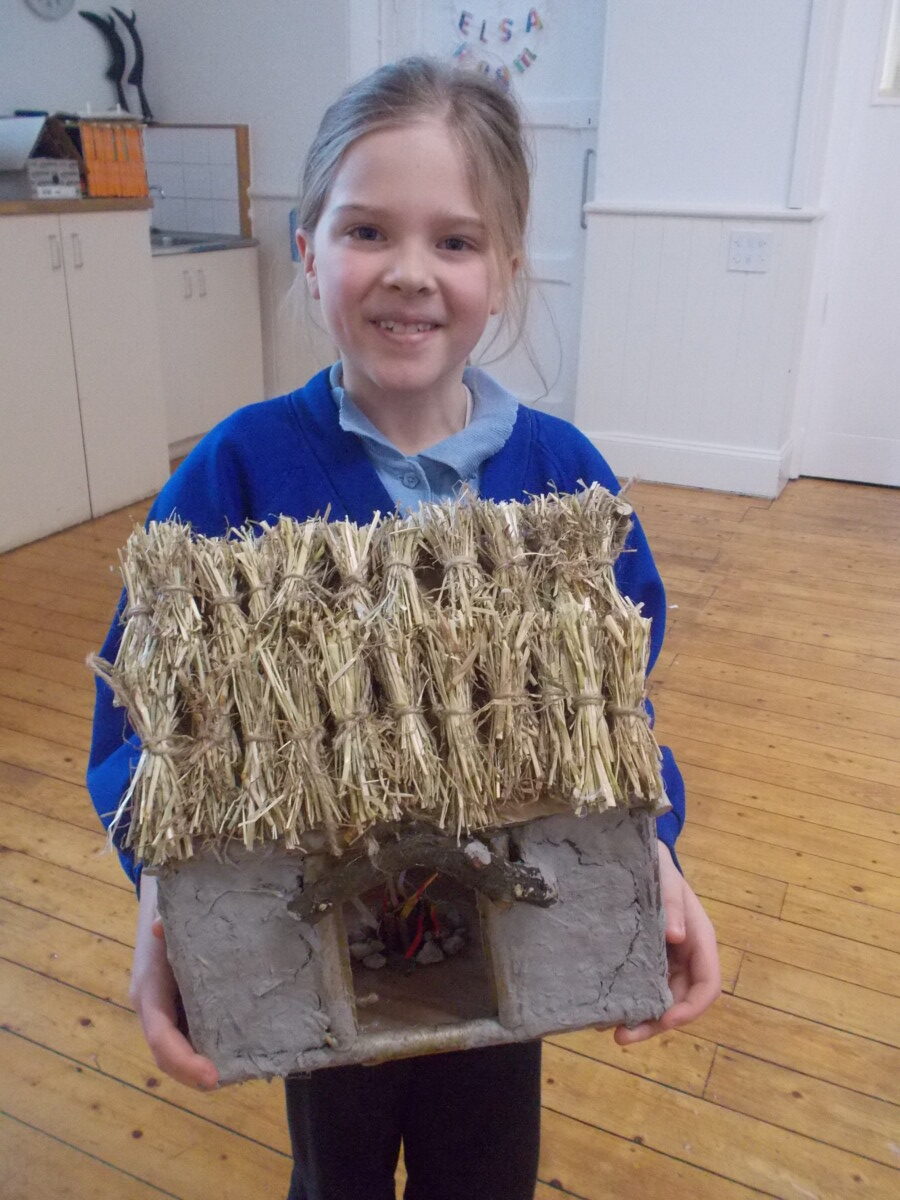
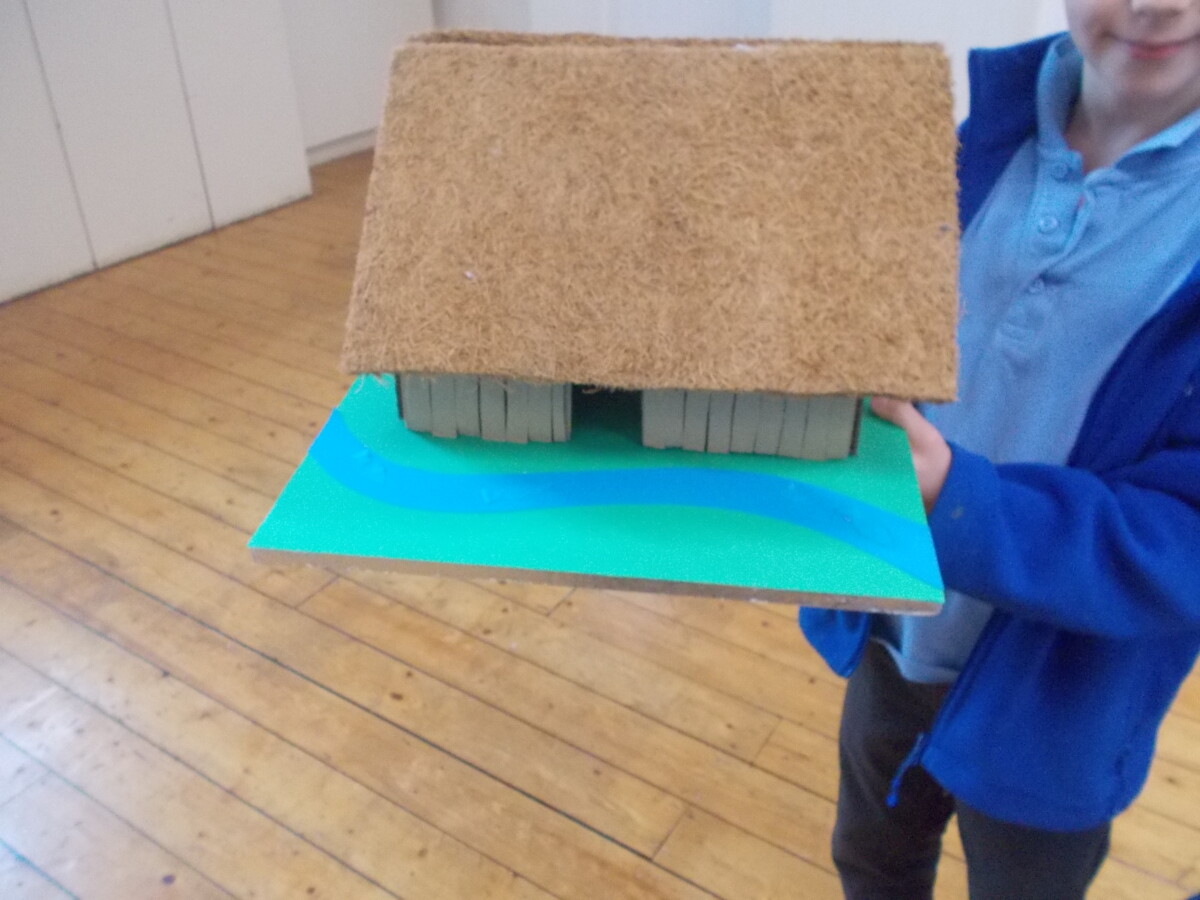
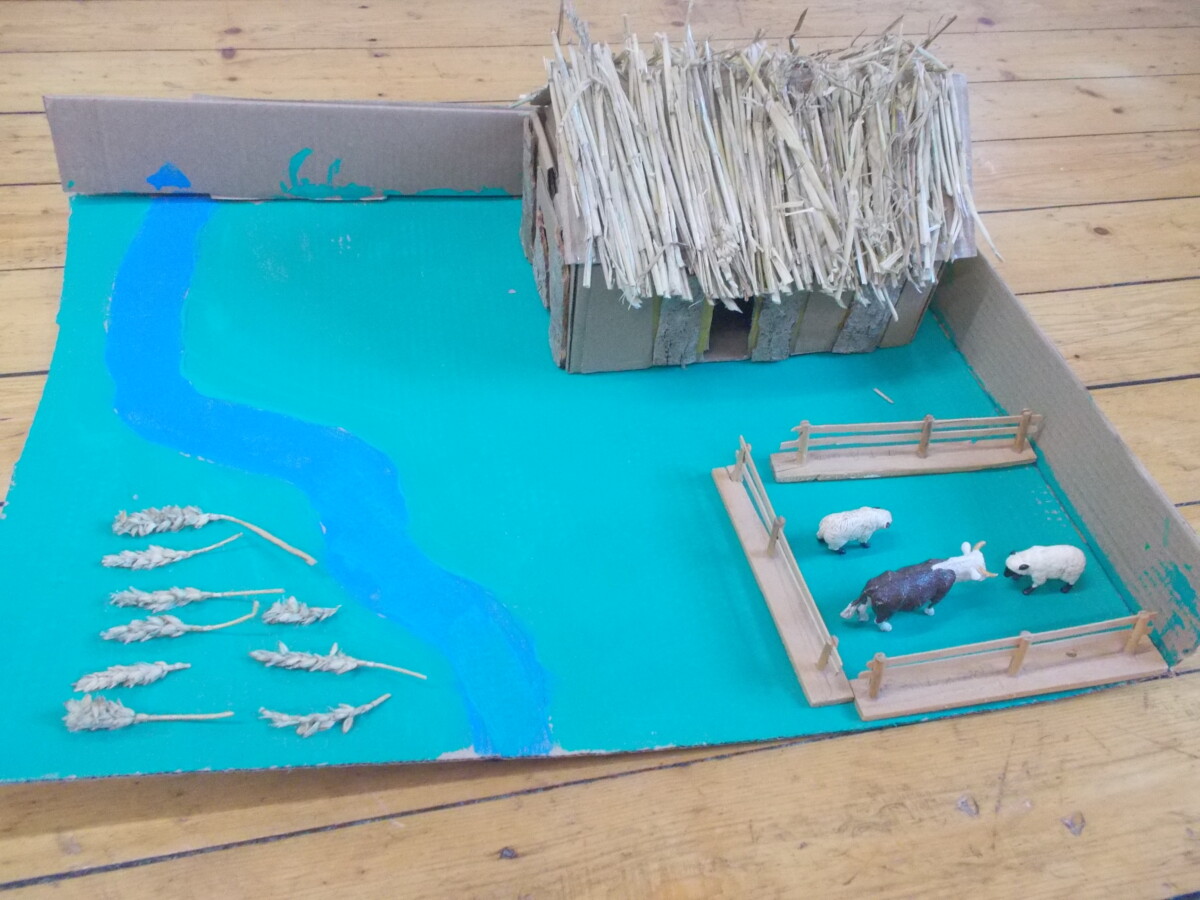
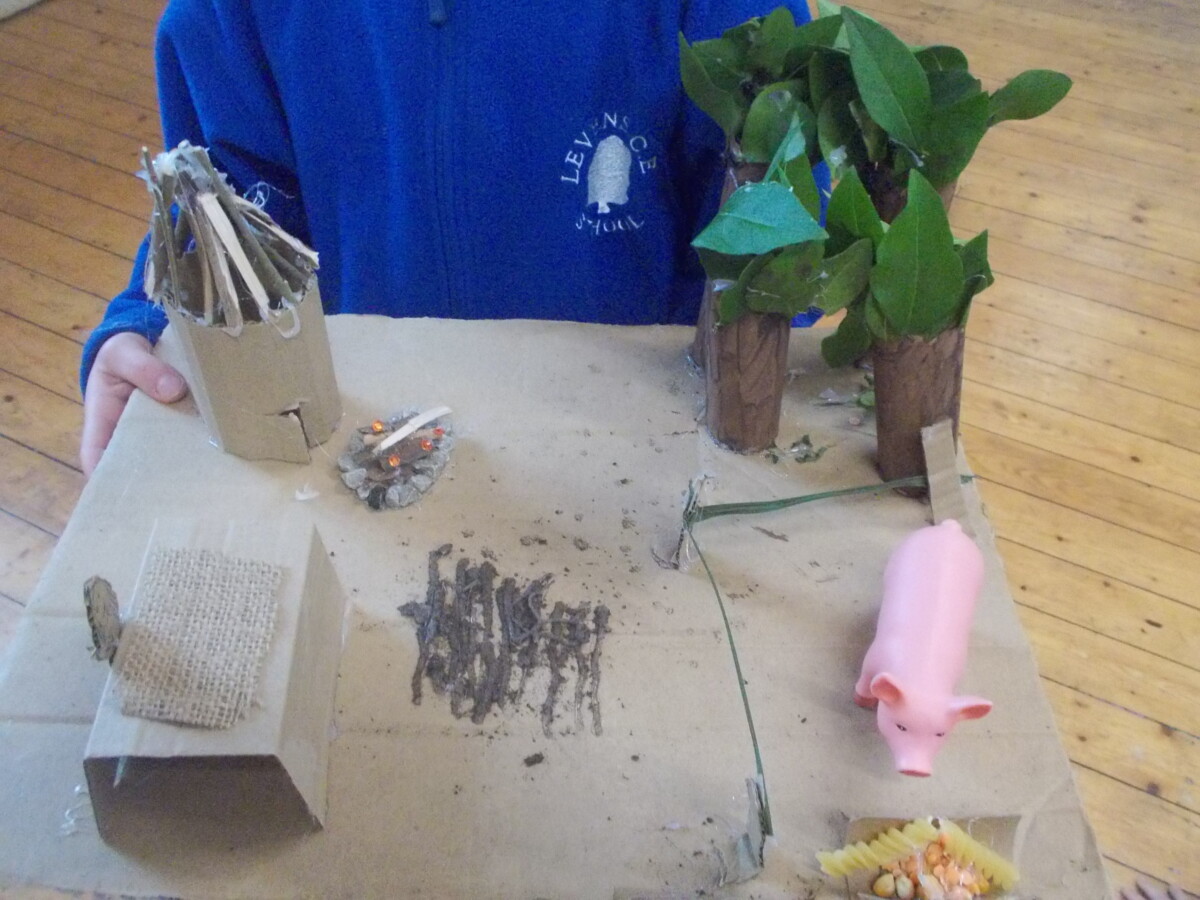
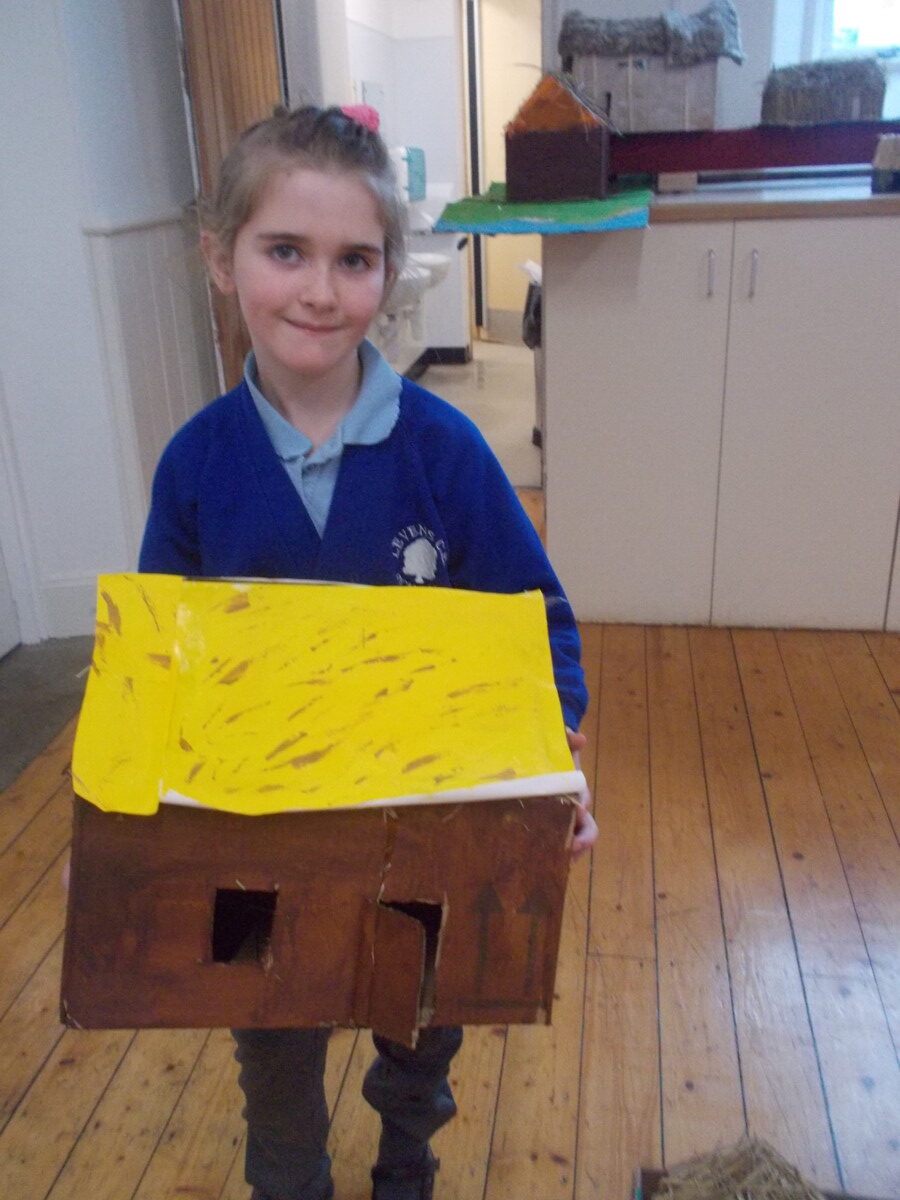
Class Three have made these fabulous Anglo-Saxon house and village models as a homework project. The children learnt about the key features of Anglo-Saxon houses and villages in lessons and have used this knowledge in their own models. The models include open fires in the middle of the houses, thatched rooves, wattle and daub walls, meat smoking over fires and rivers close by. The details are fantastic. Well done Class Three!








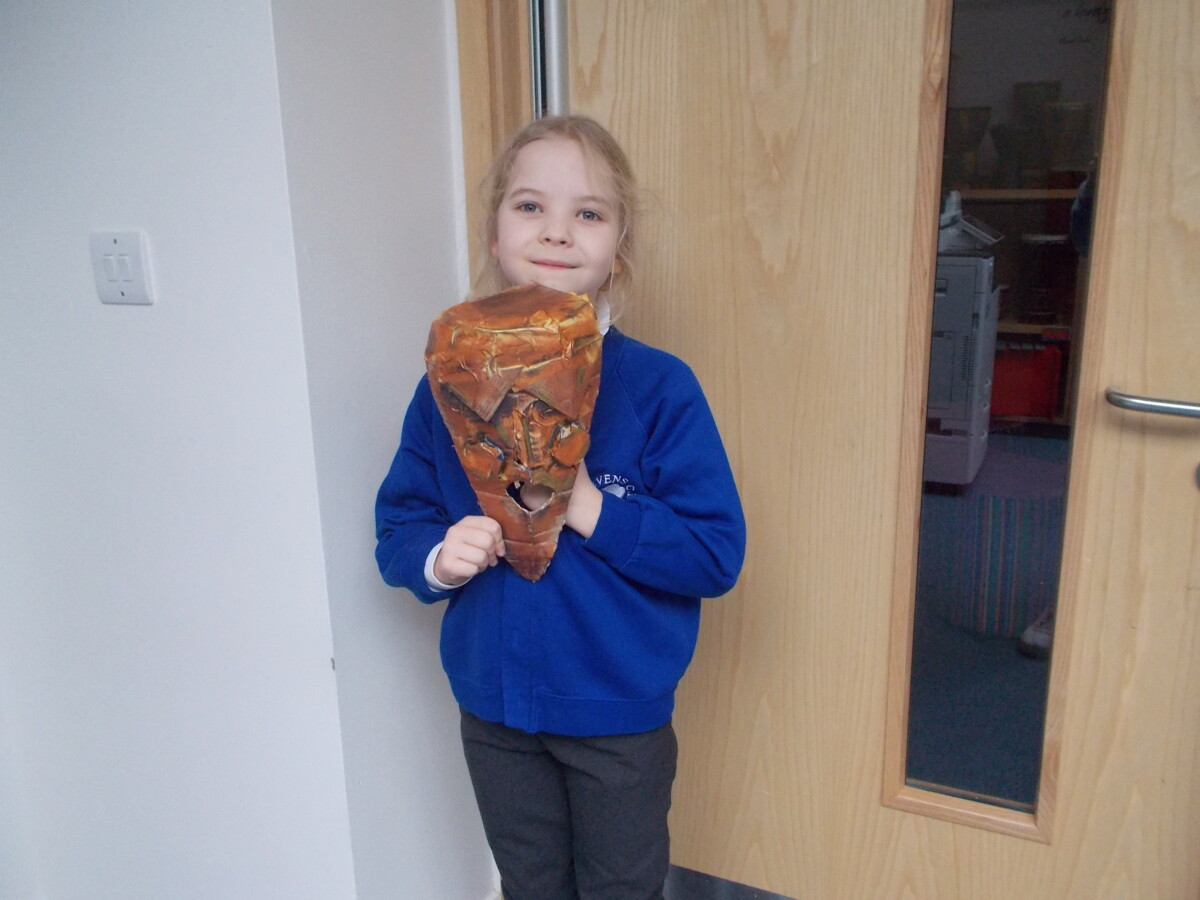
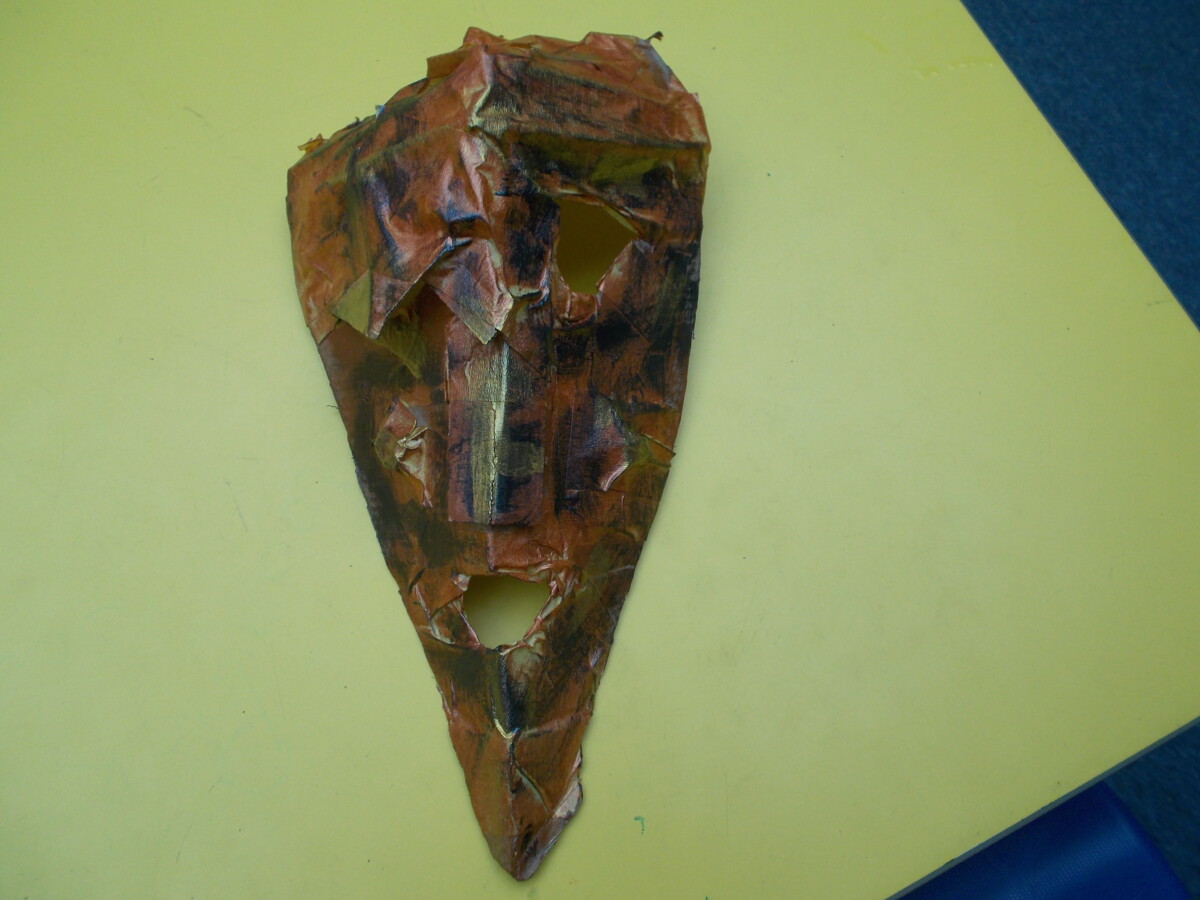
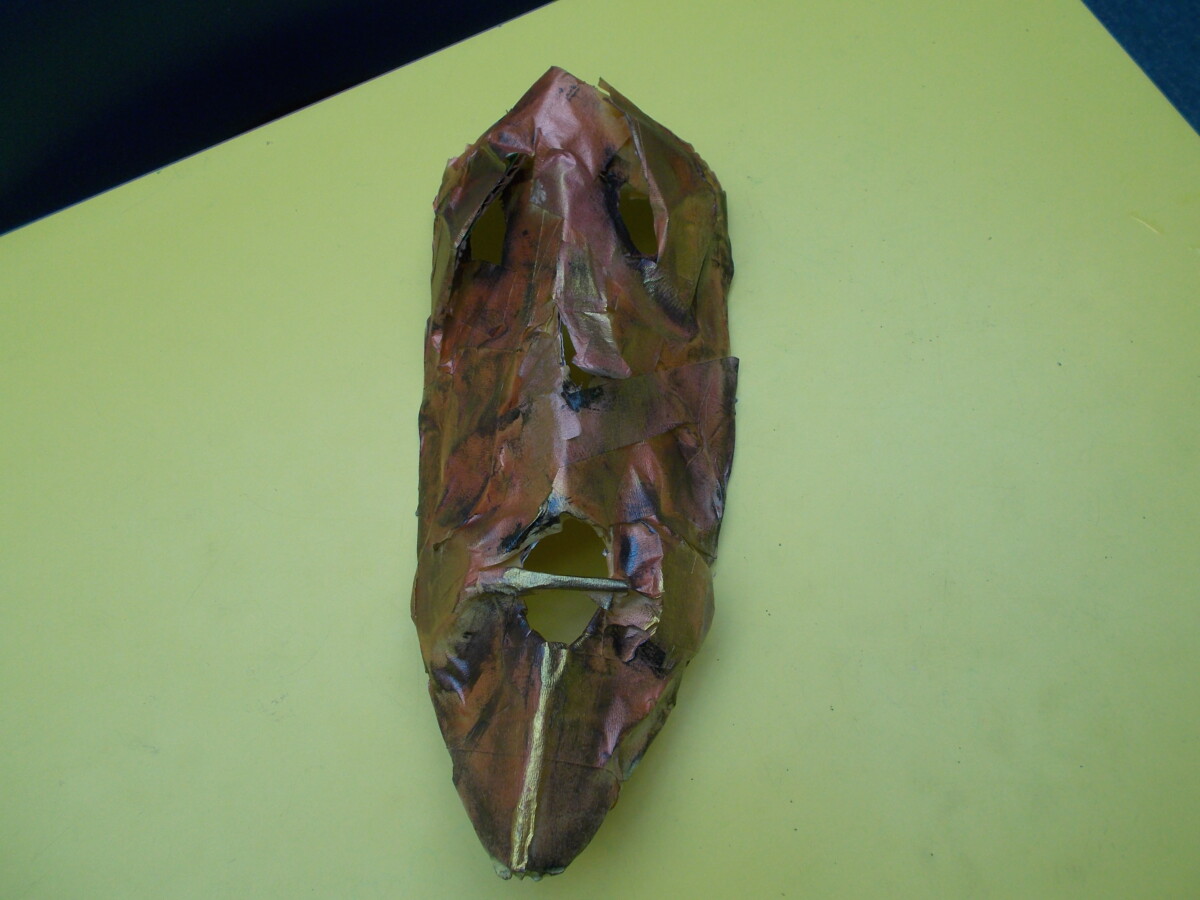
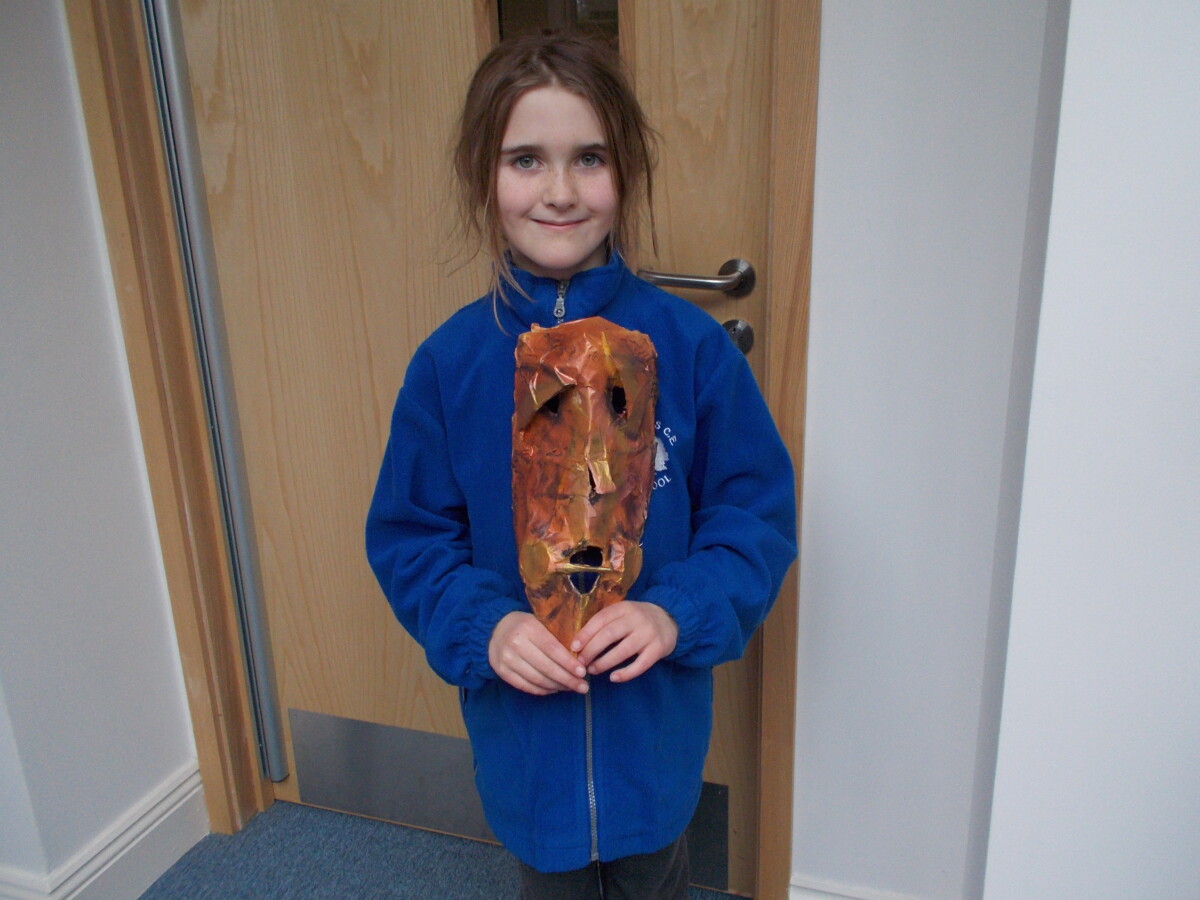
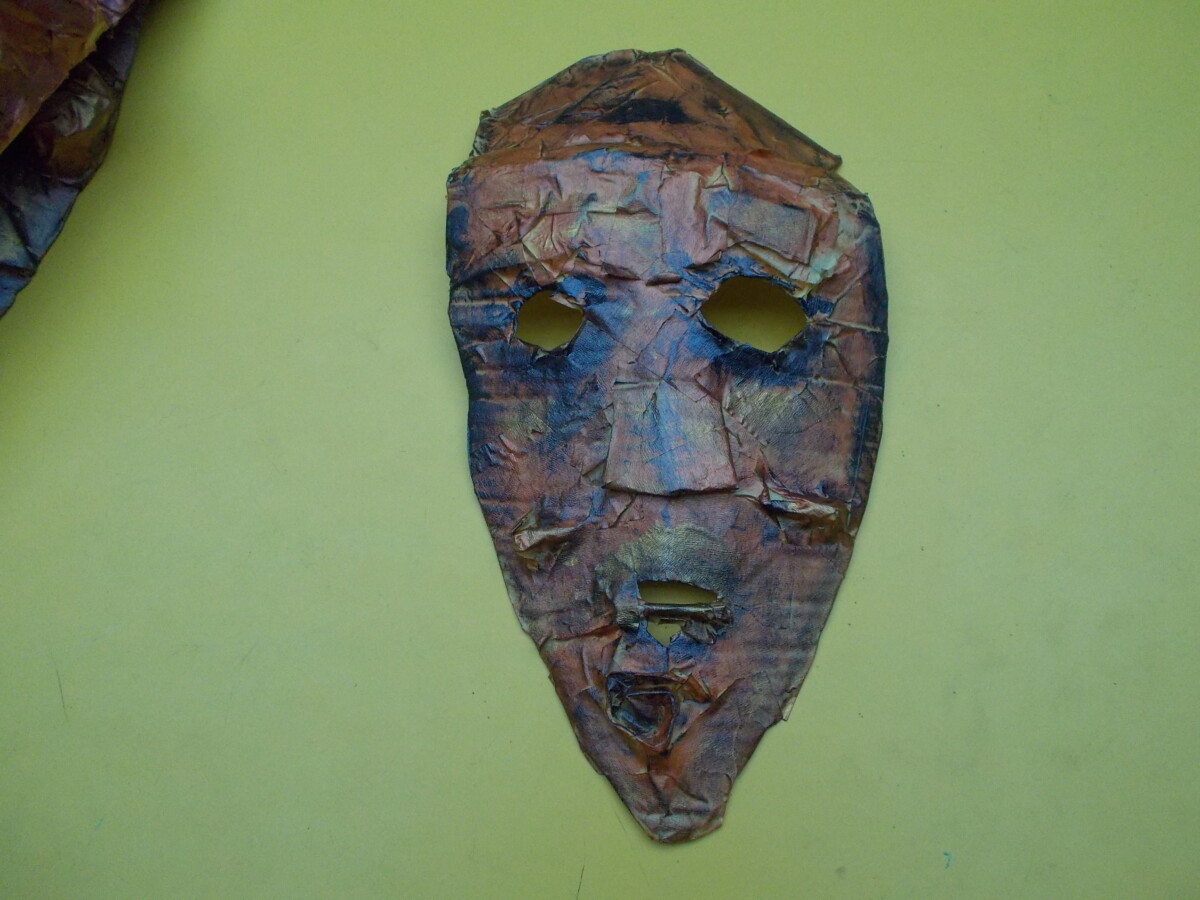
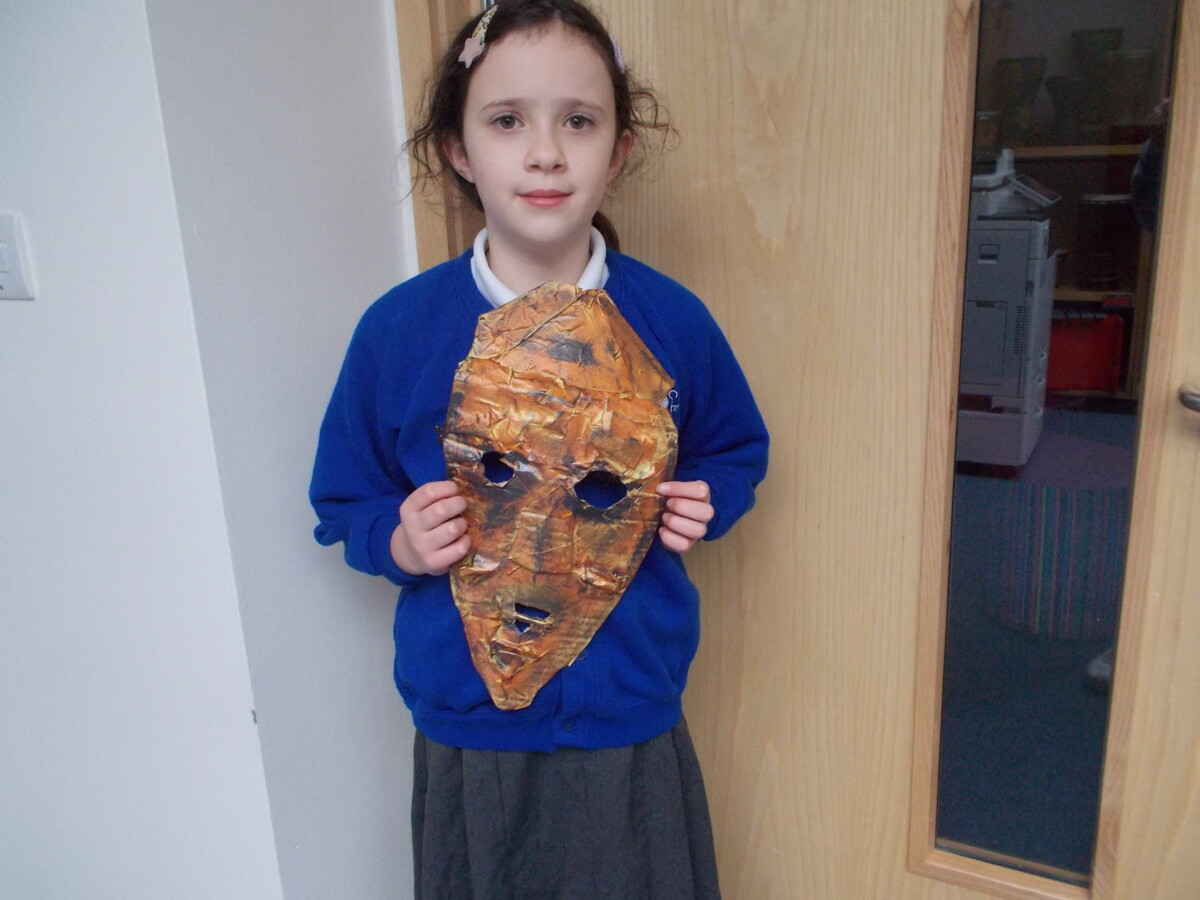
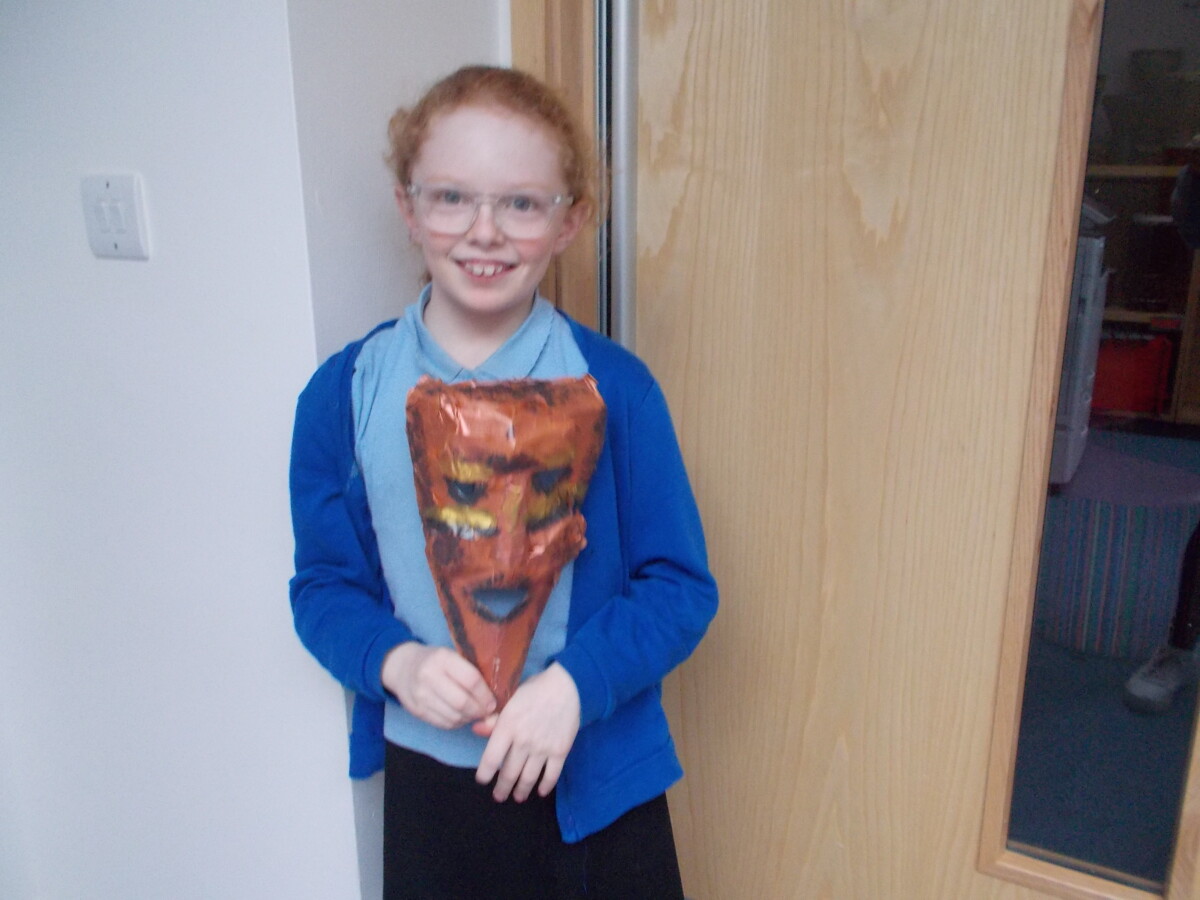
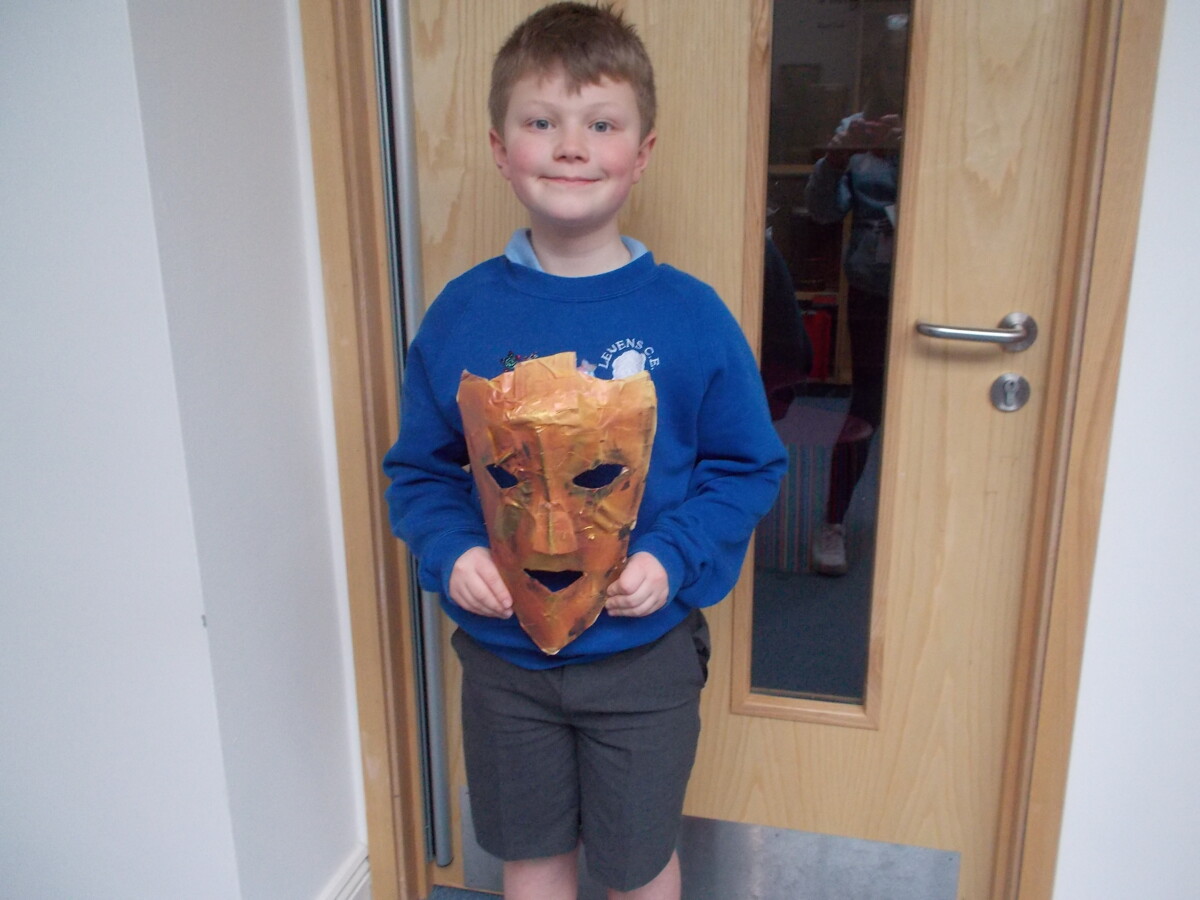
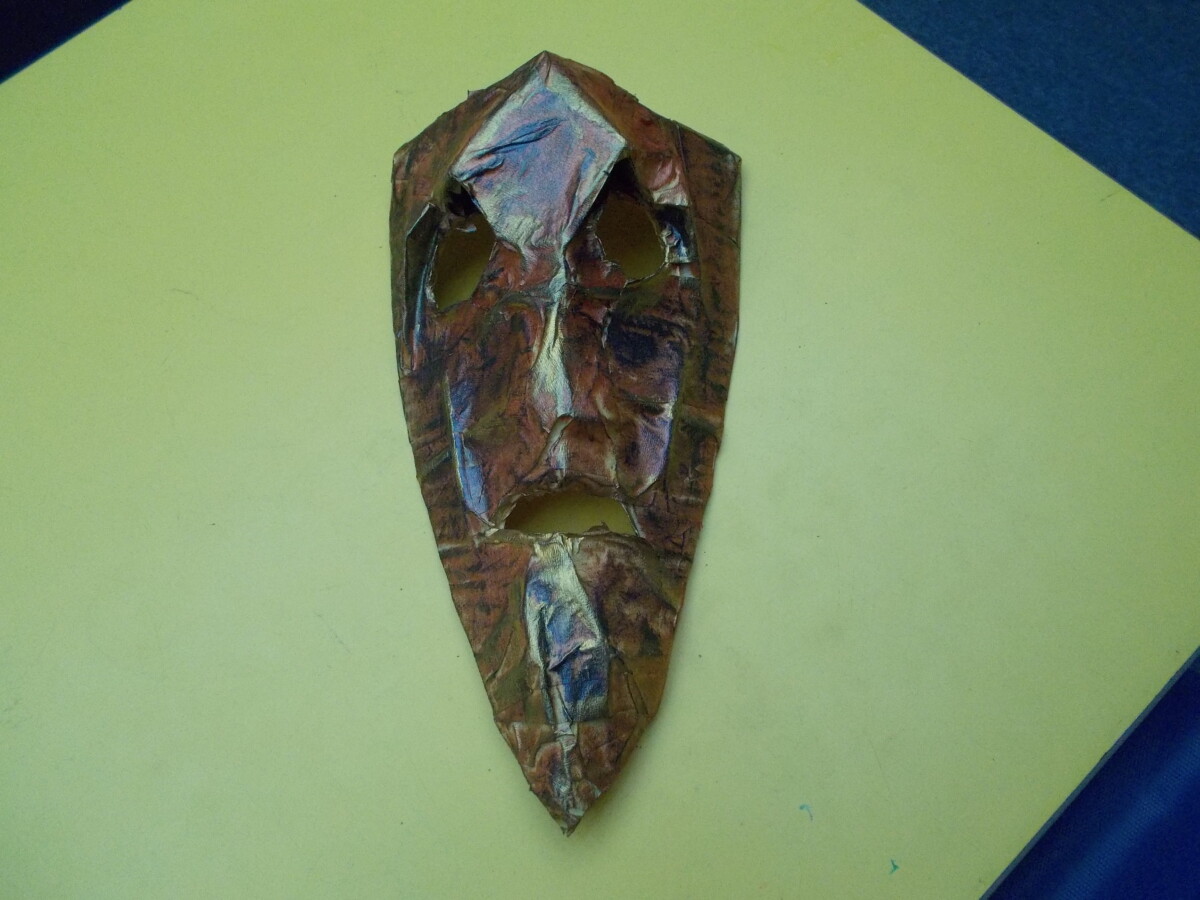
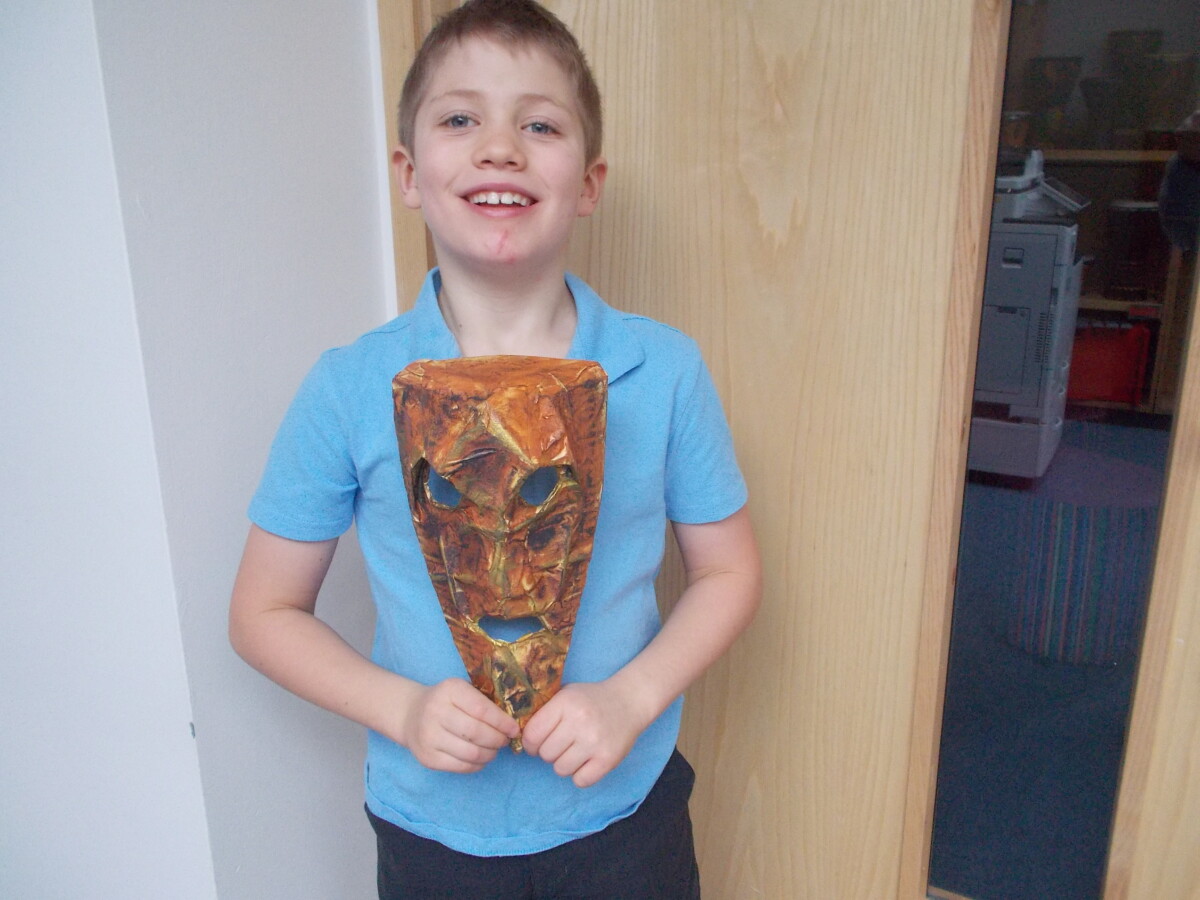
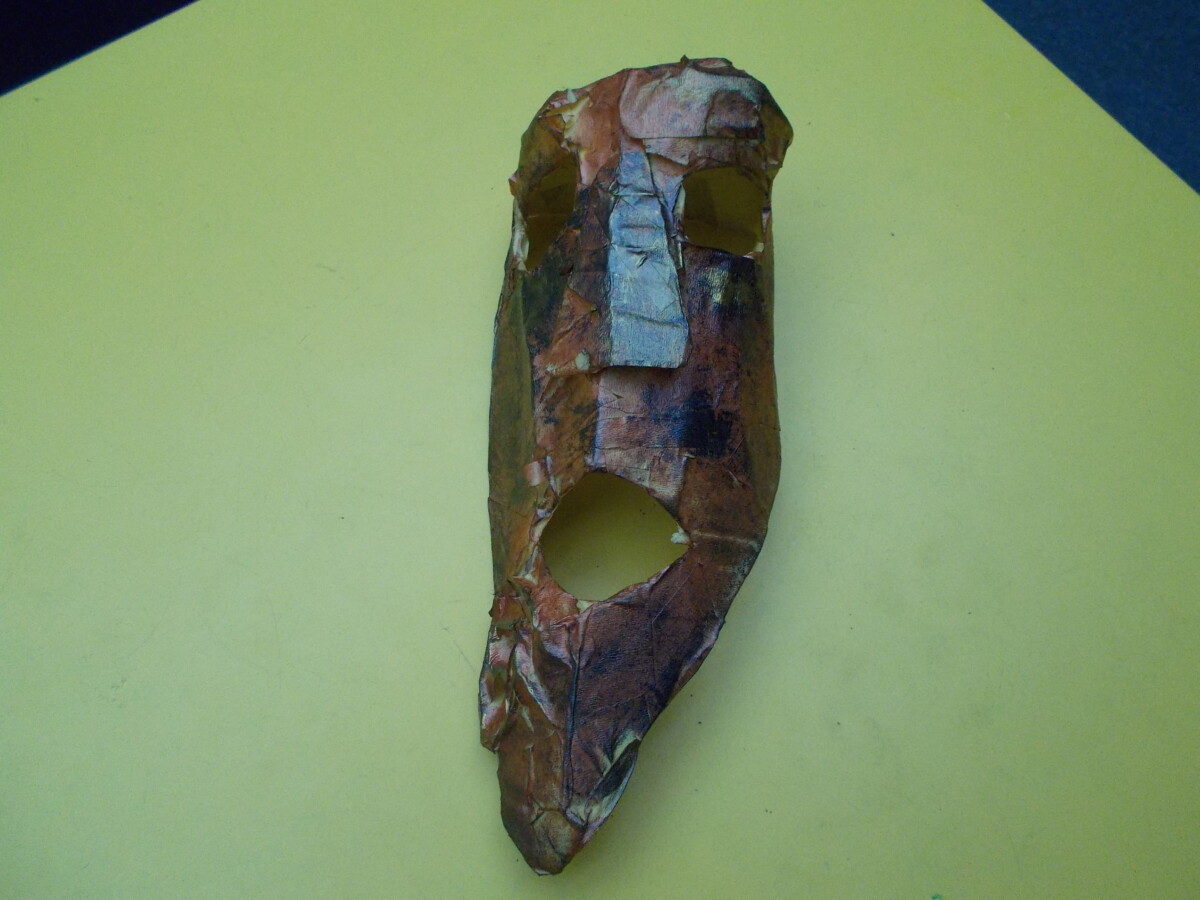
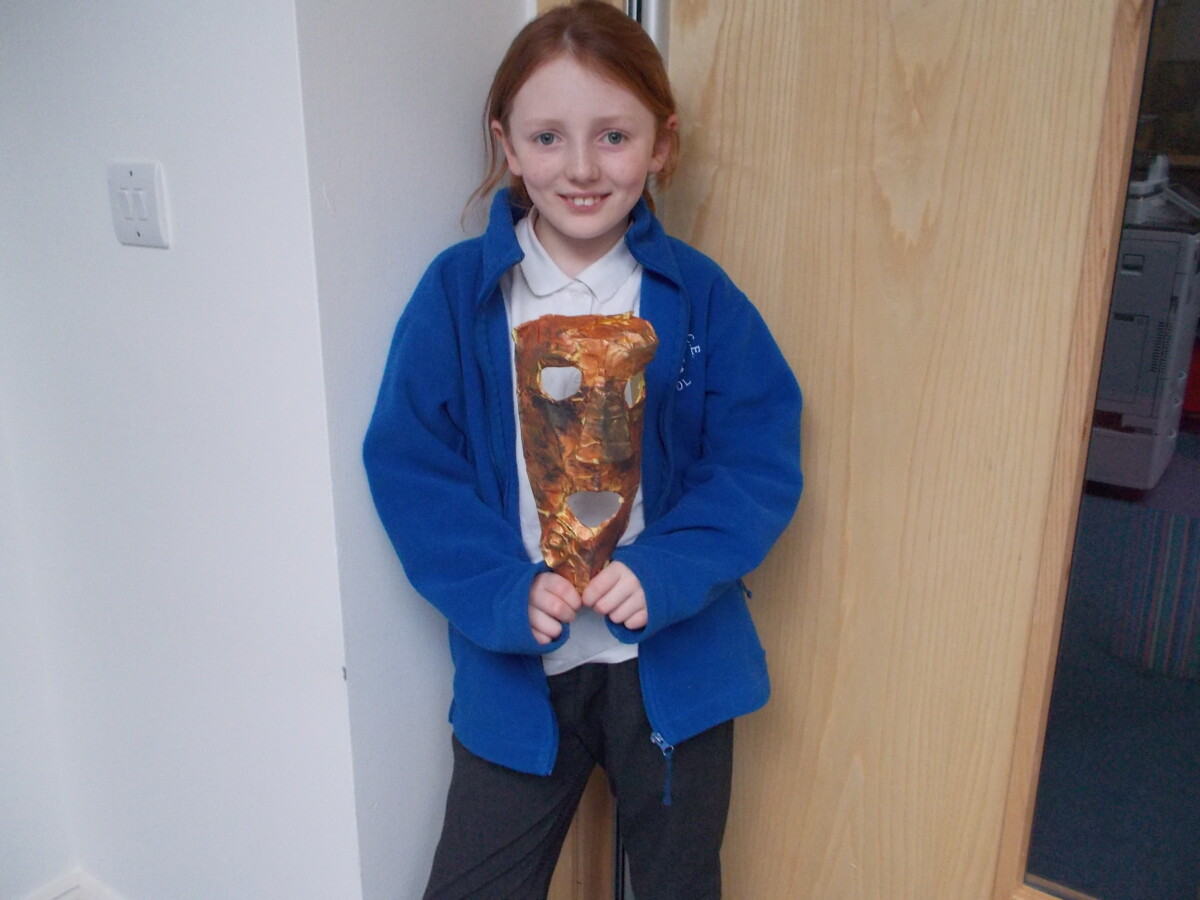
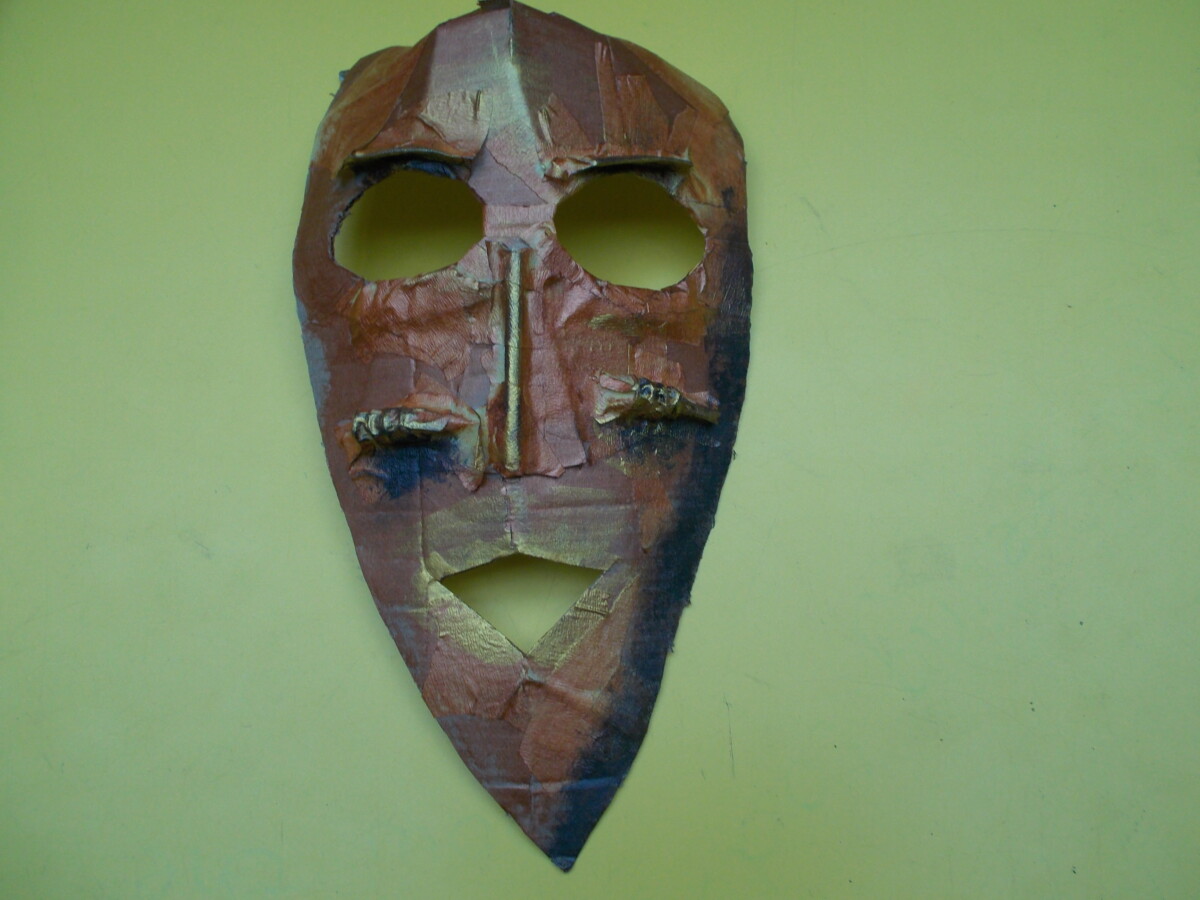
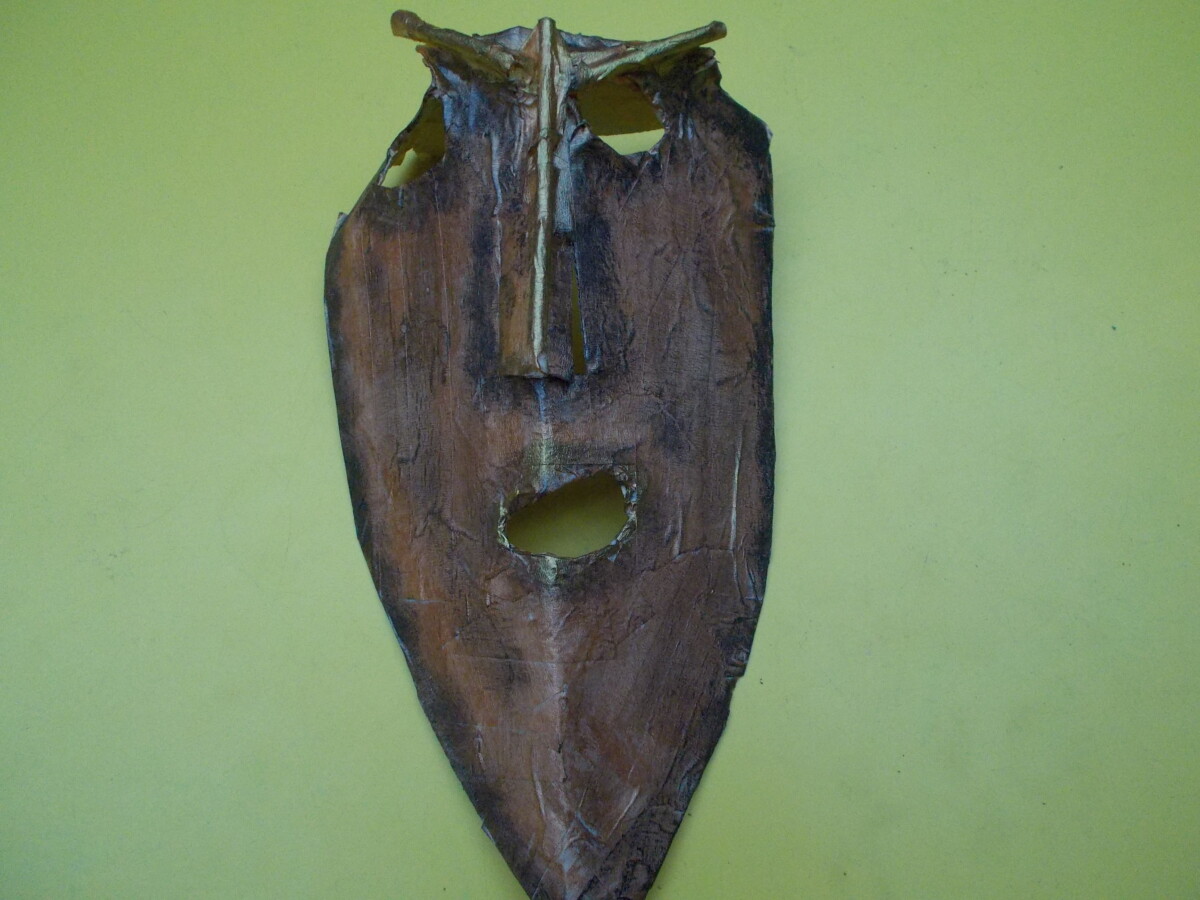
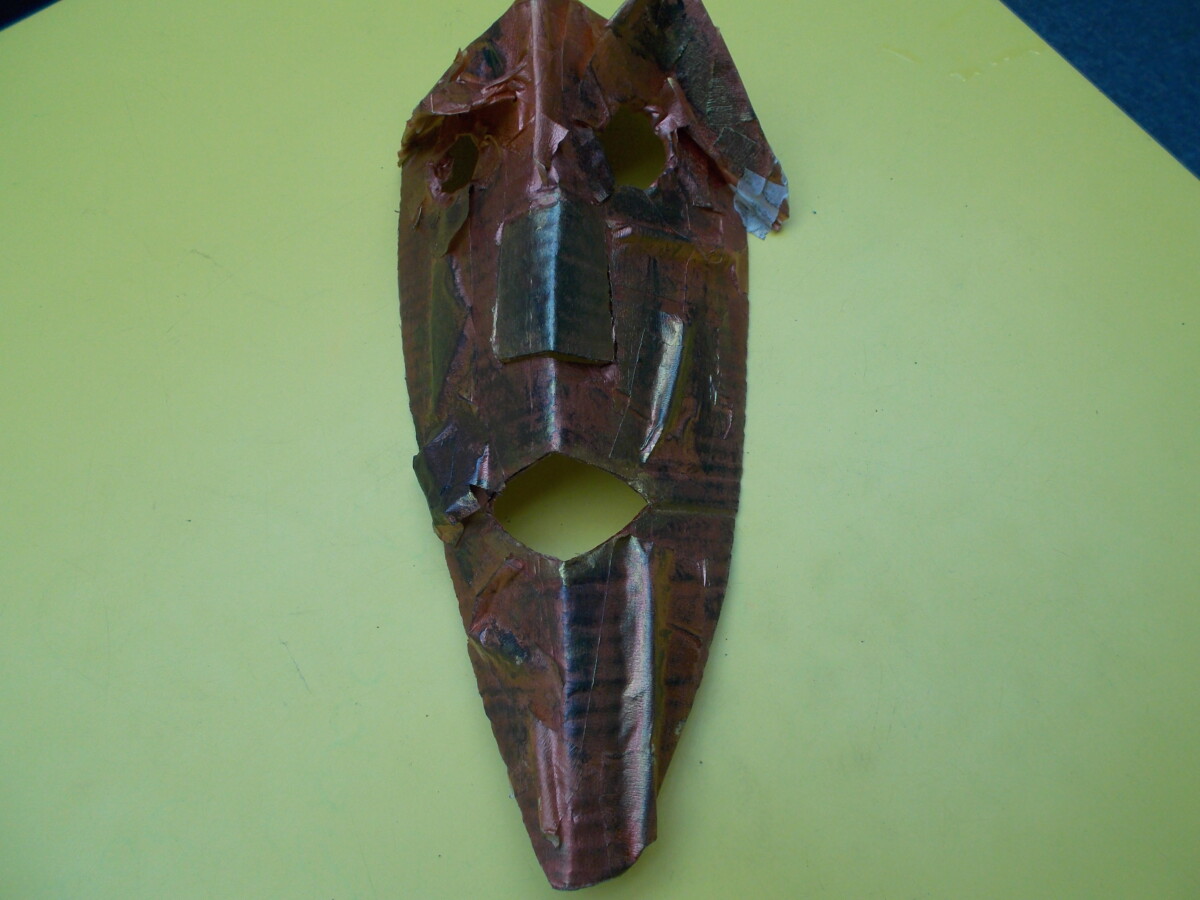
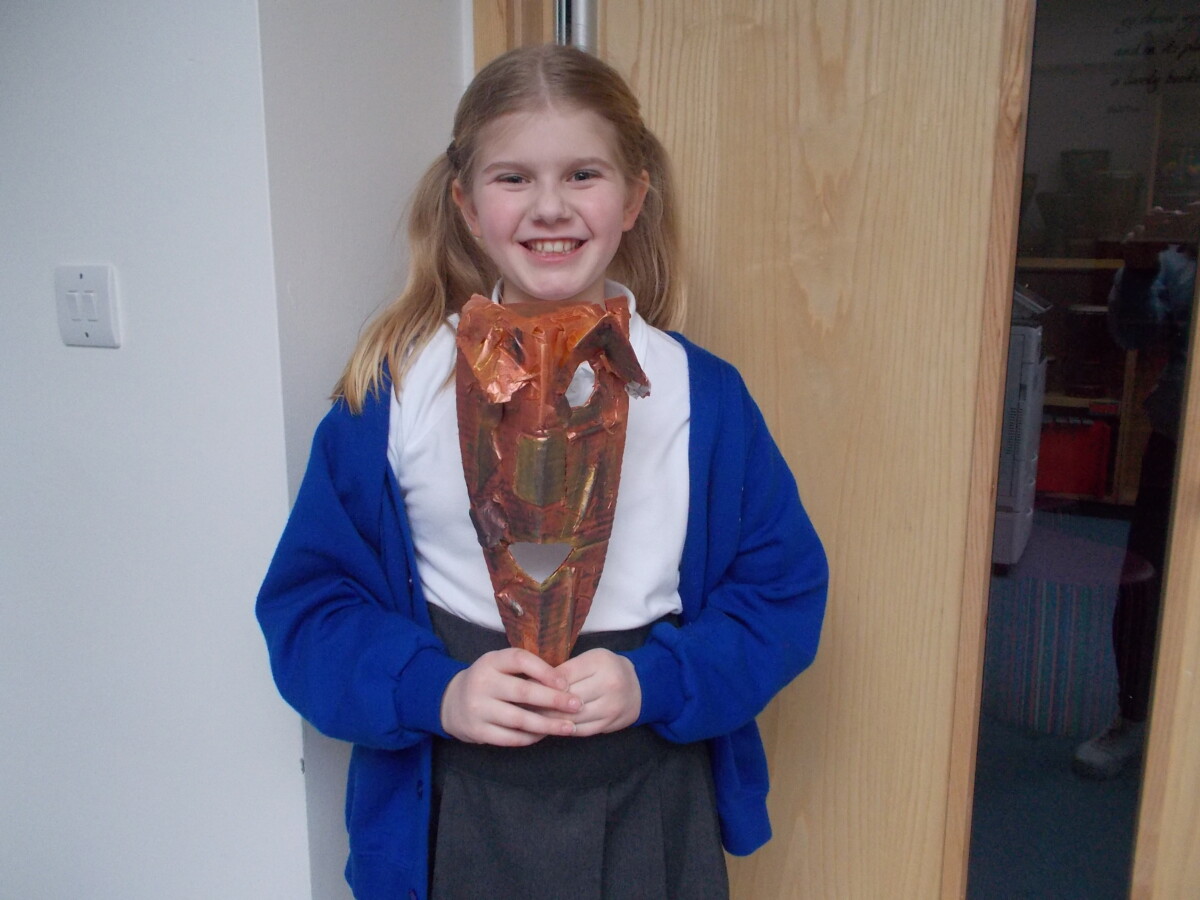
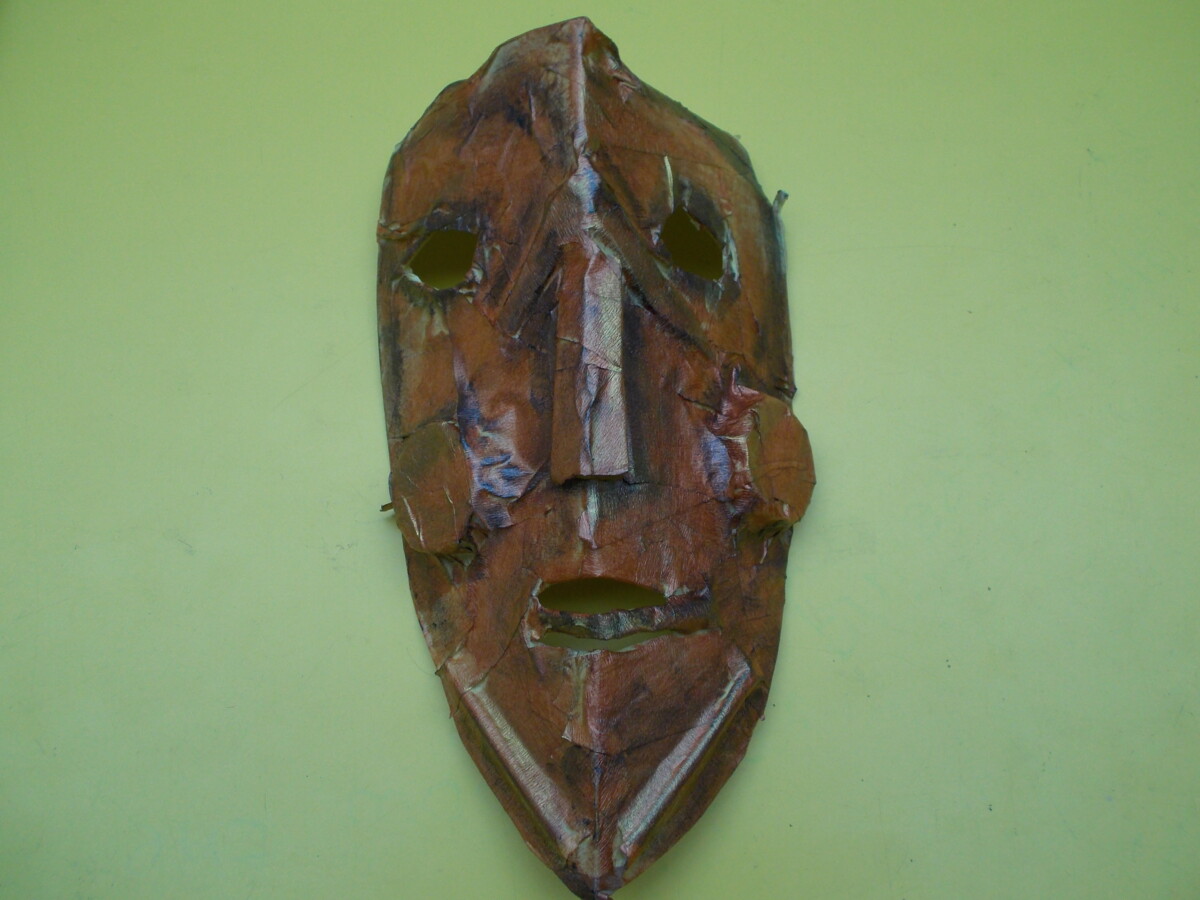
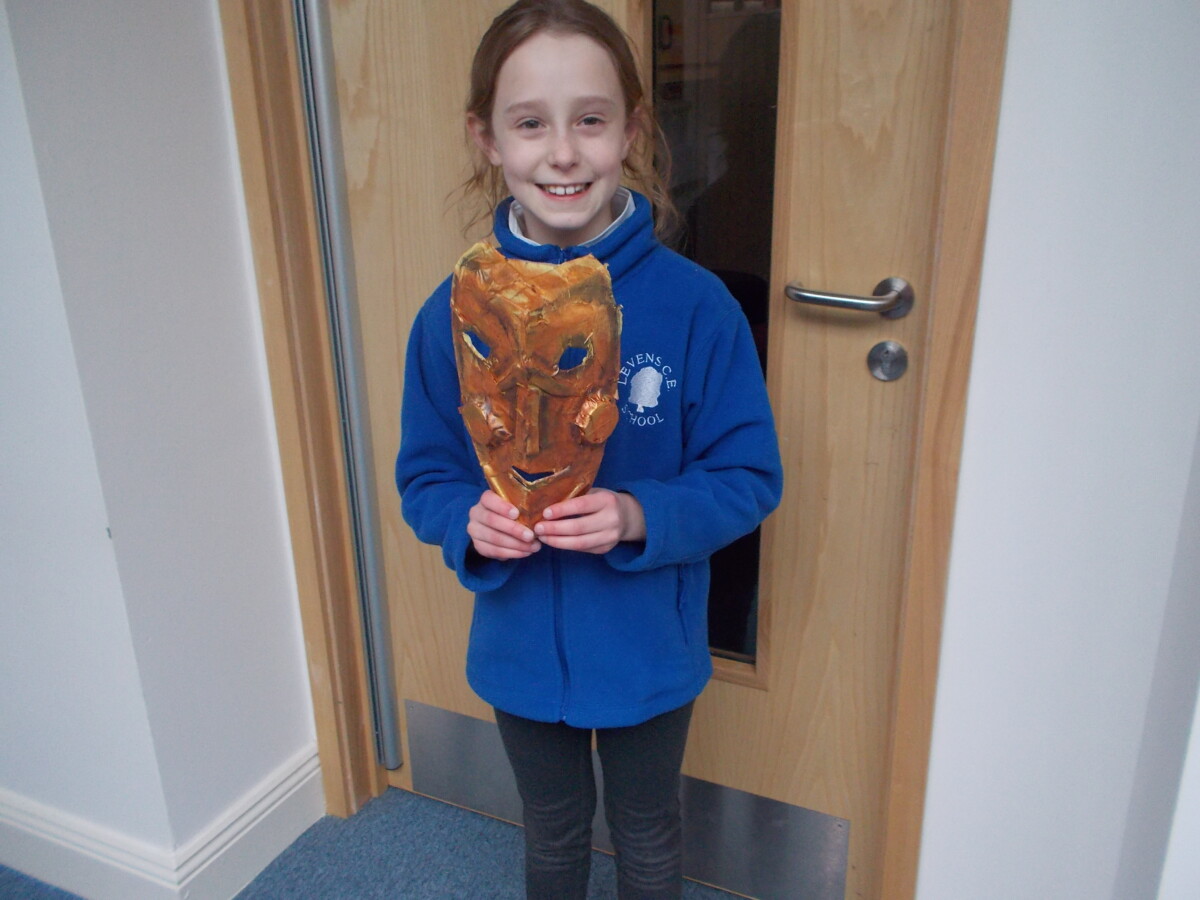
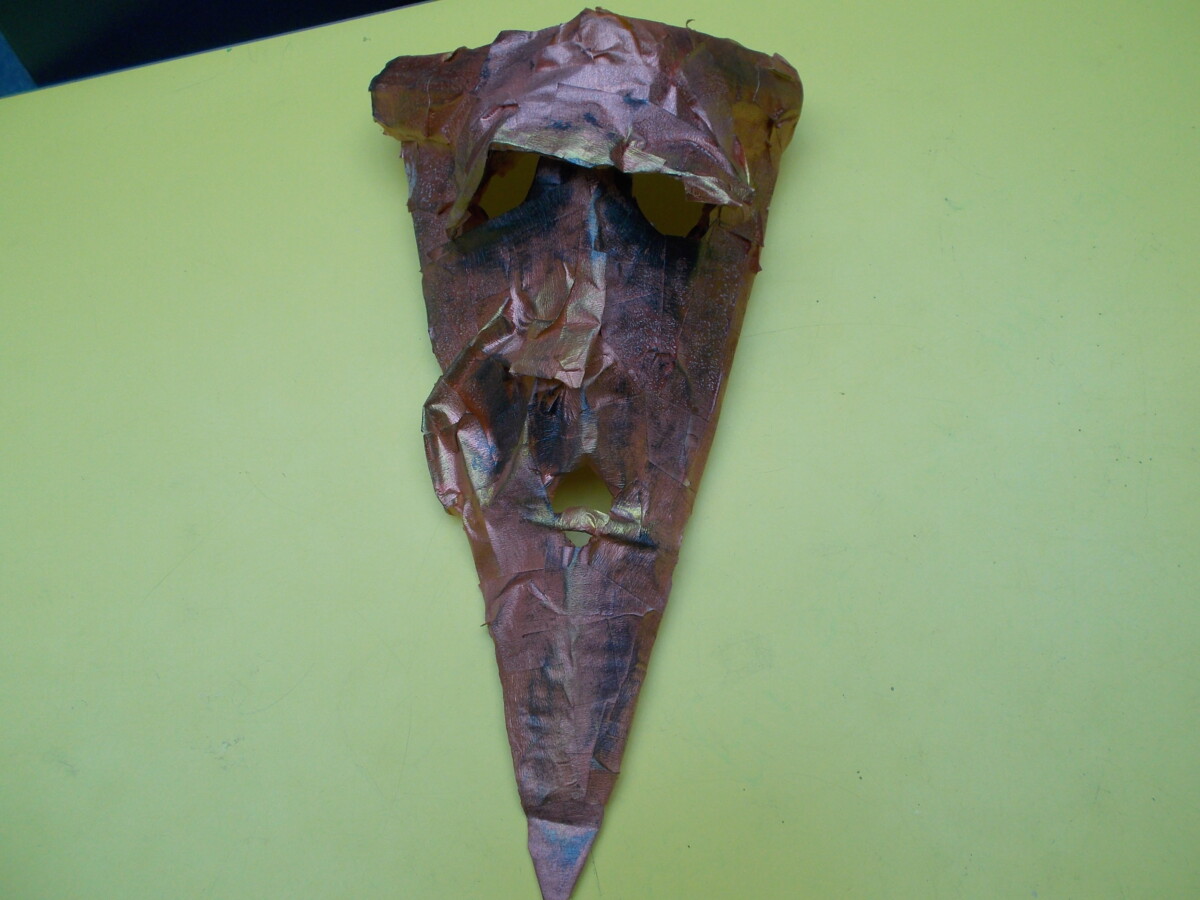
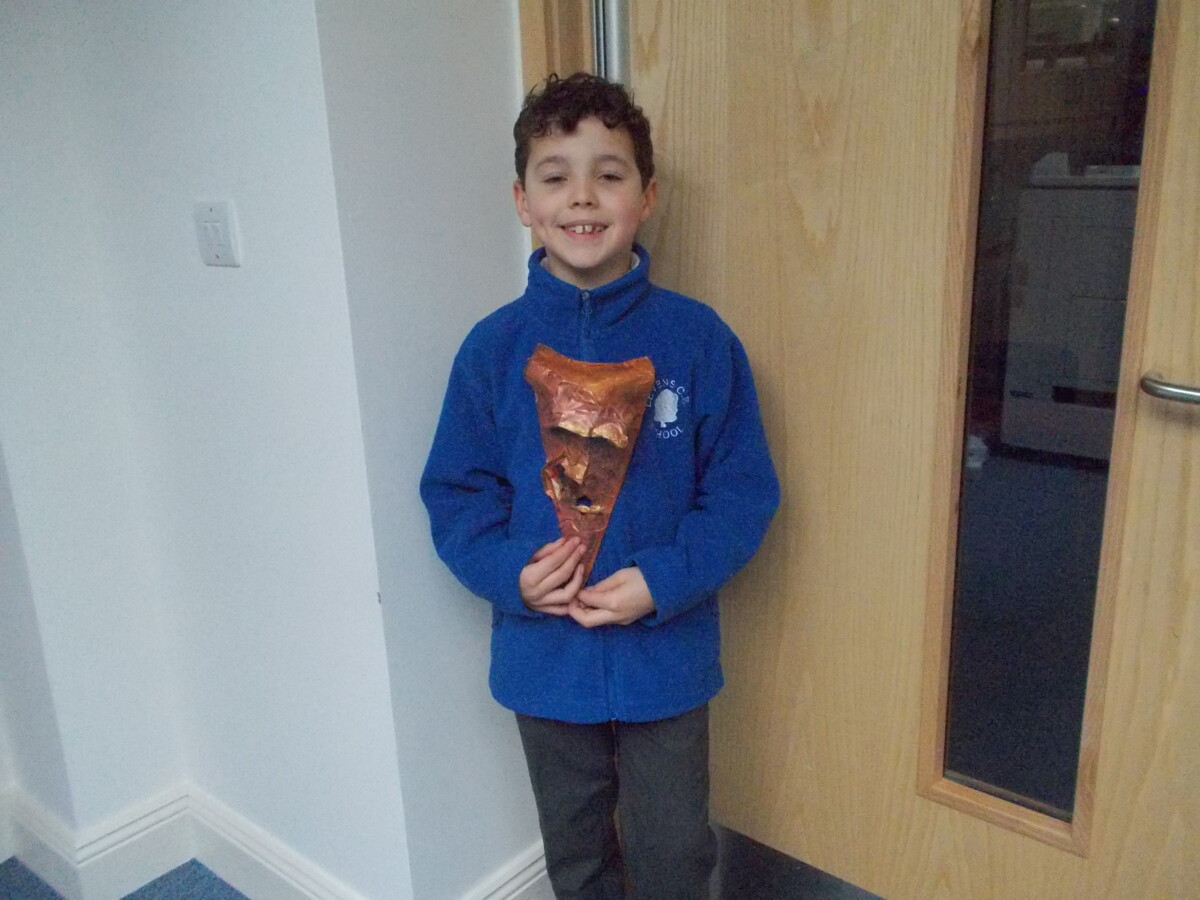
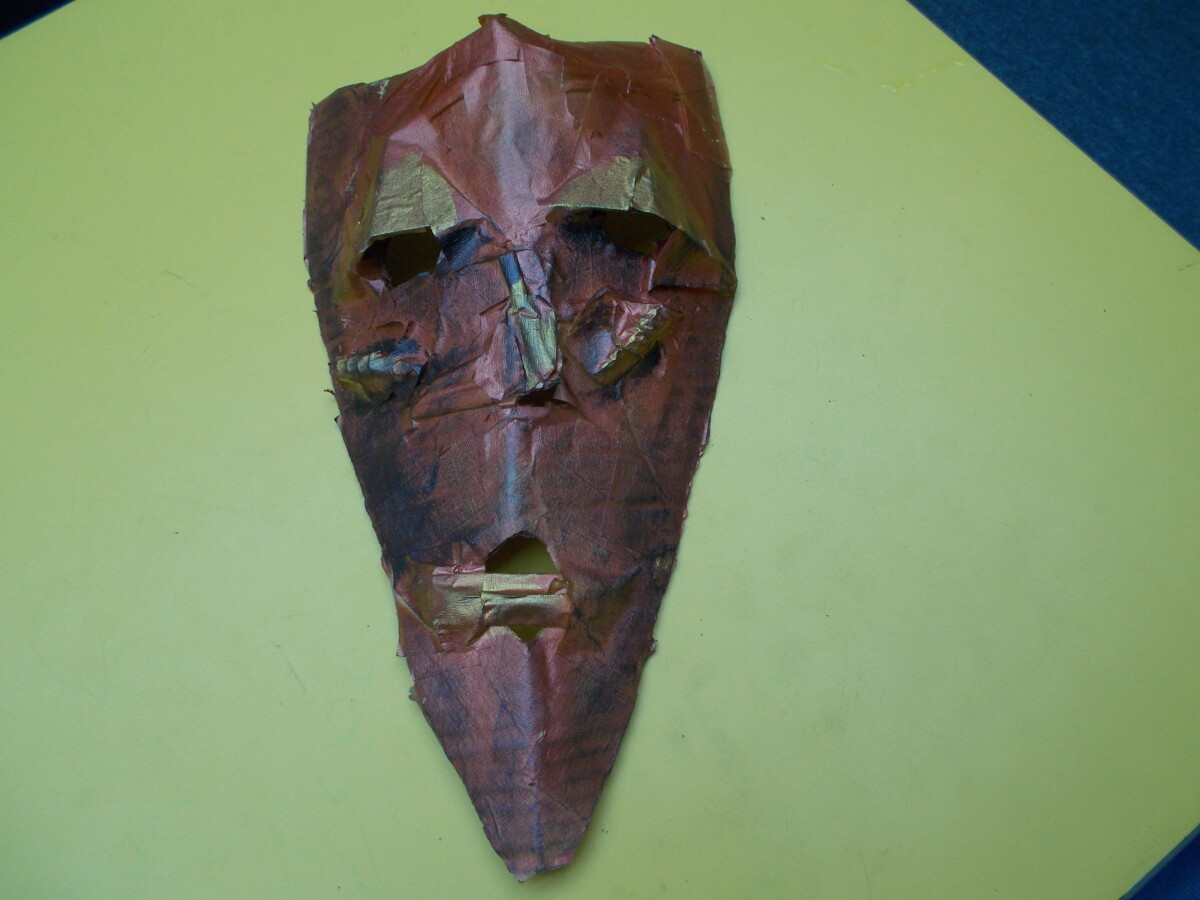
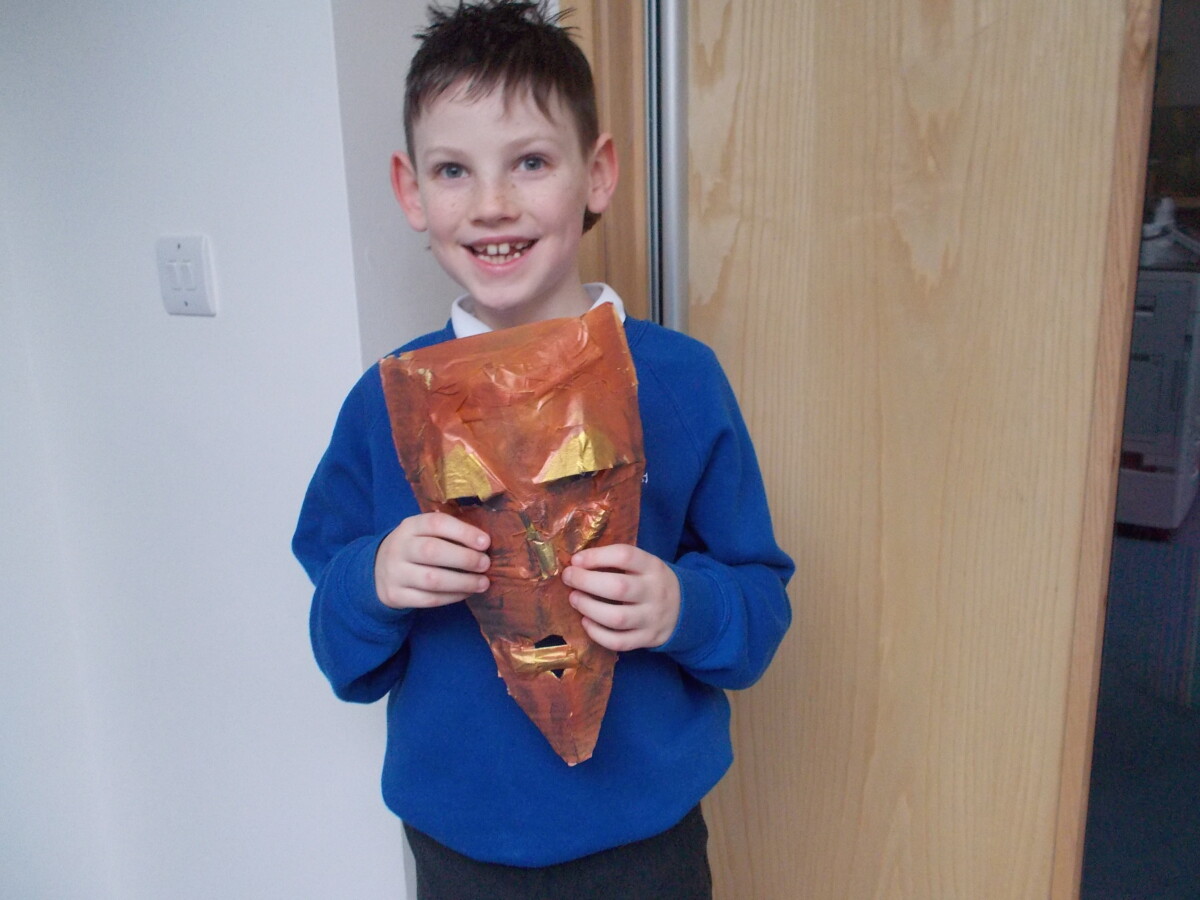
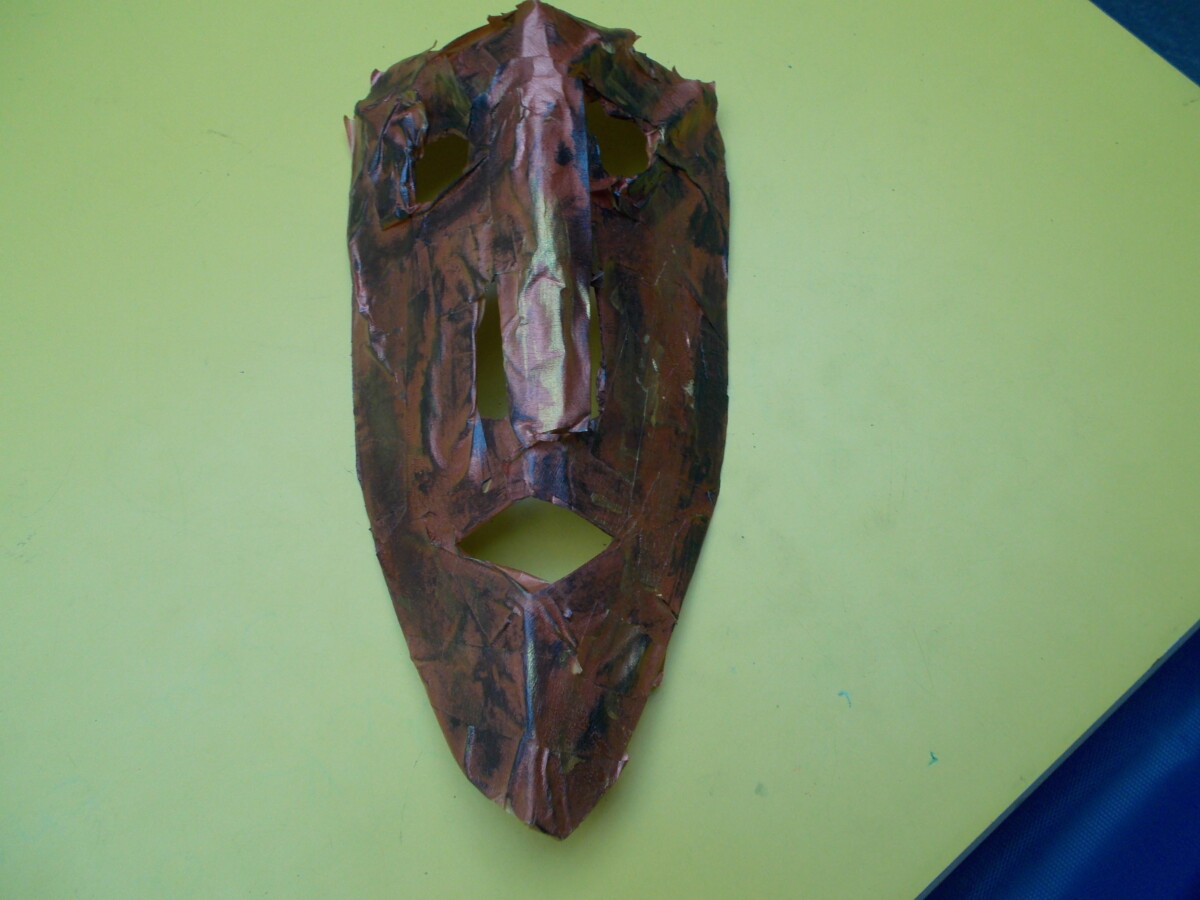
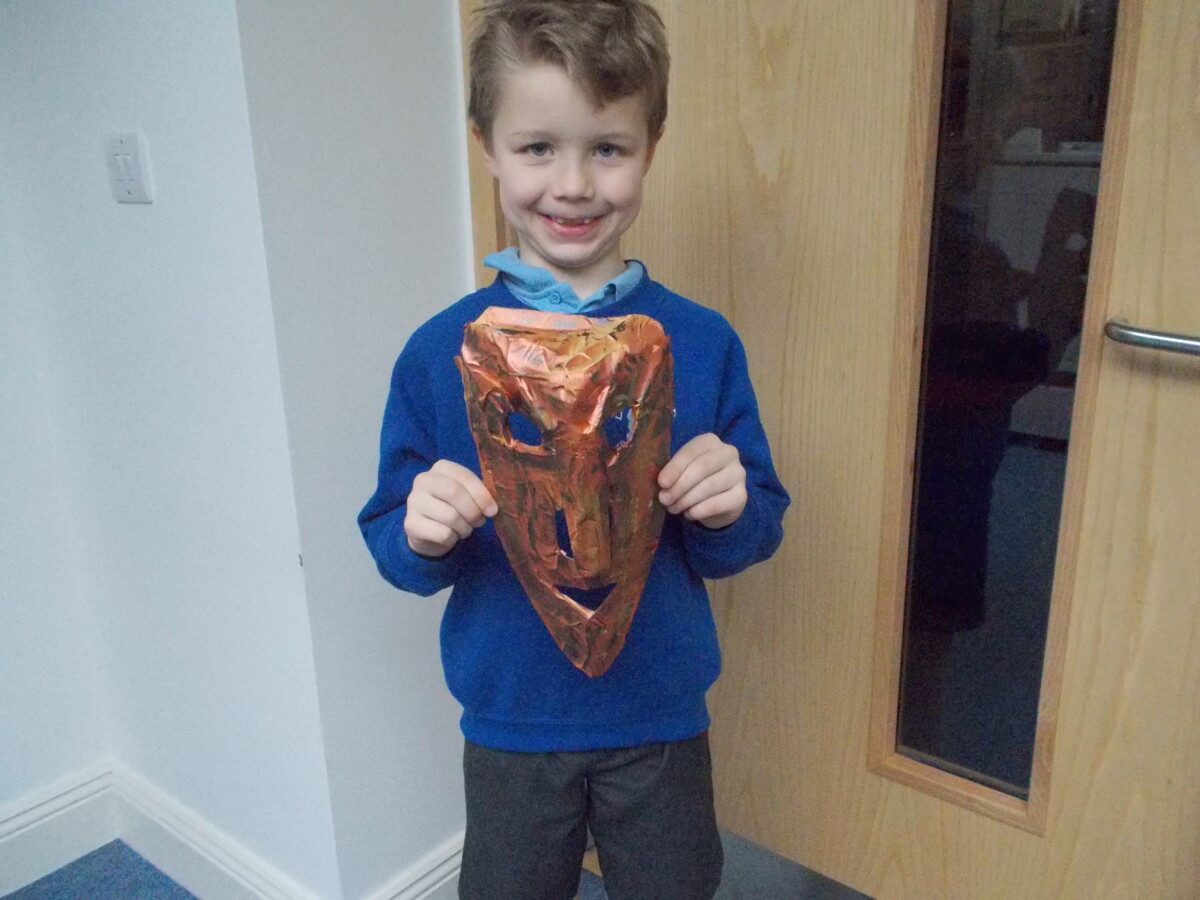
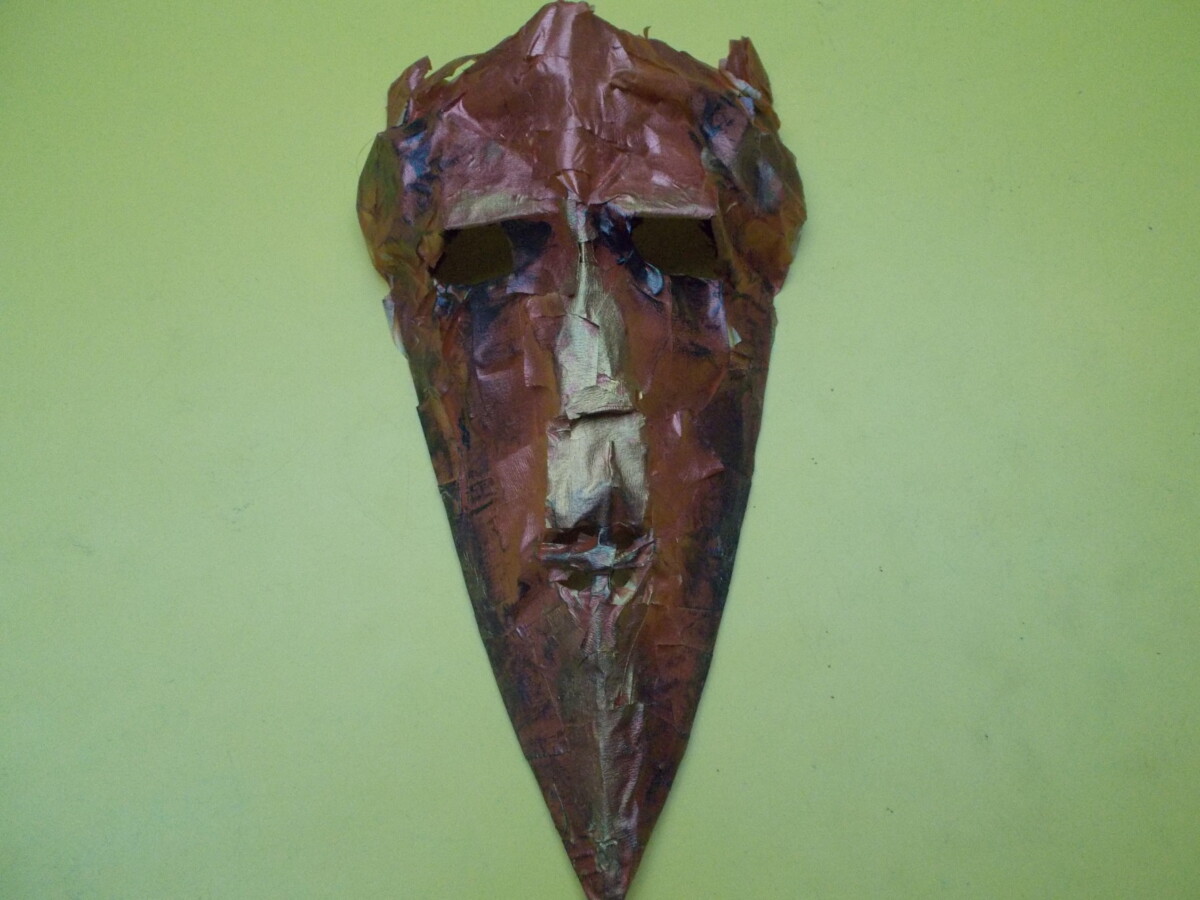
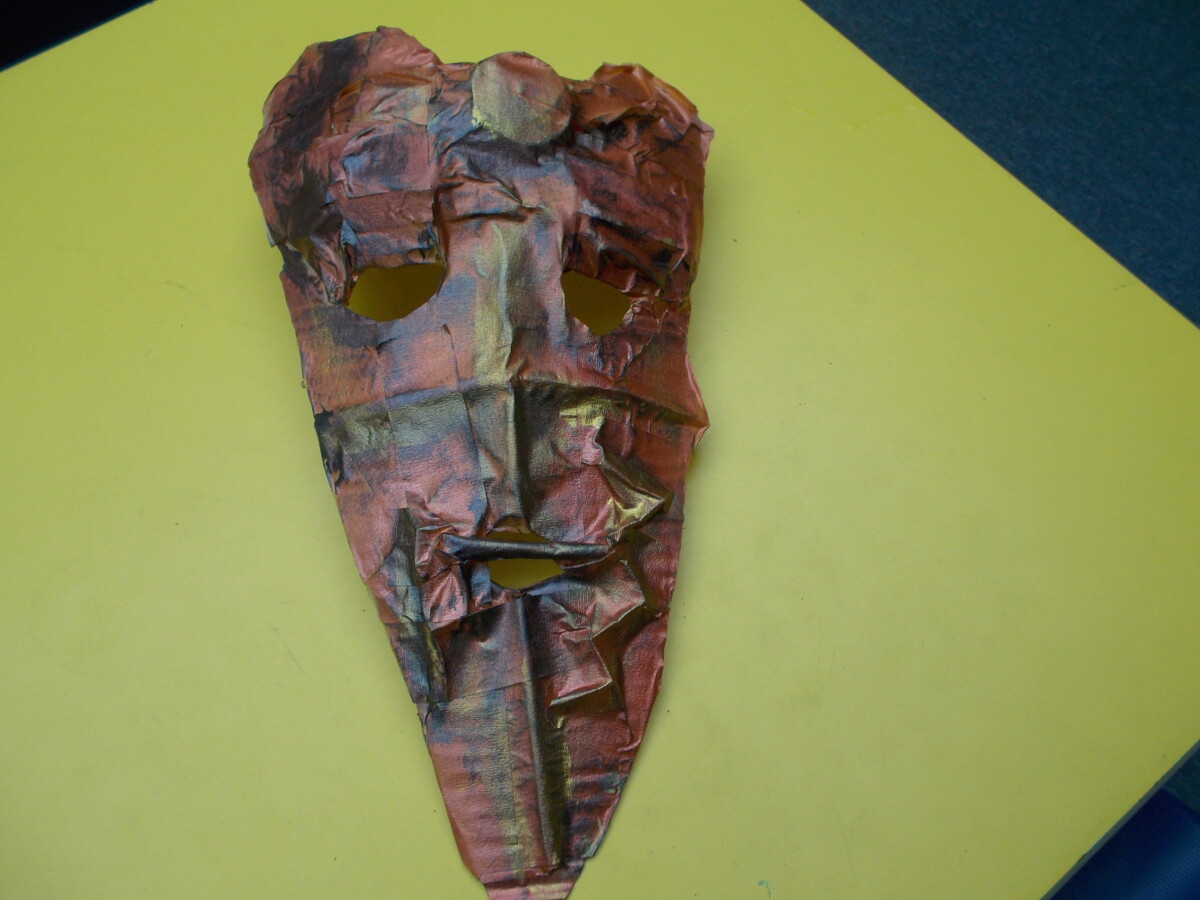
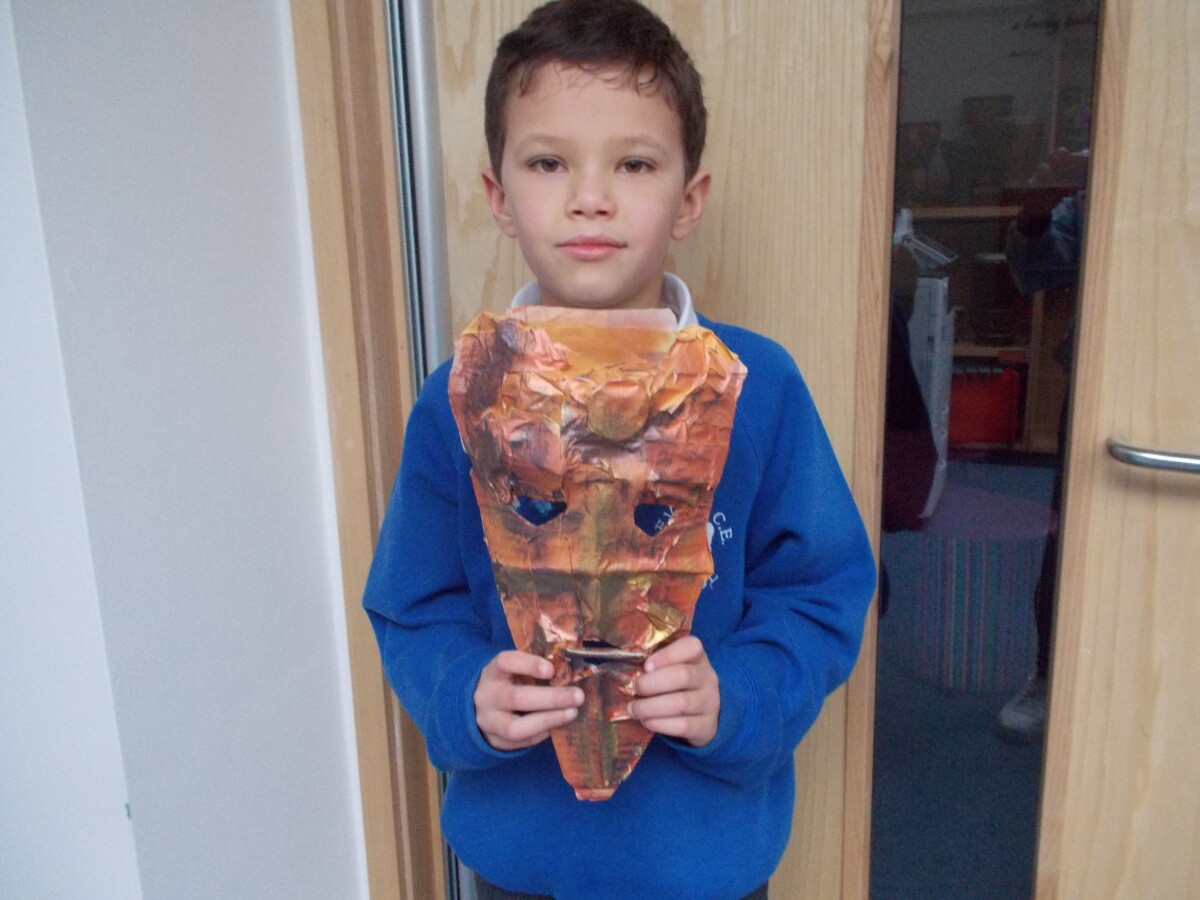
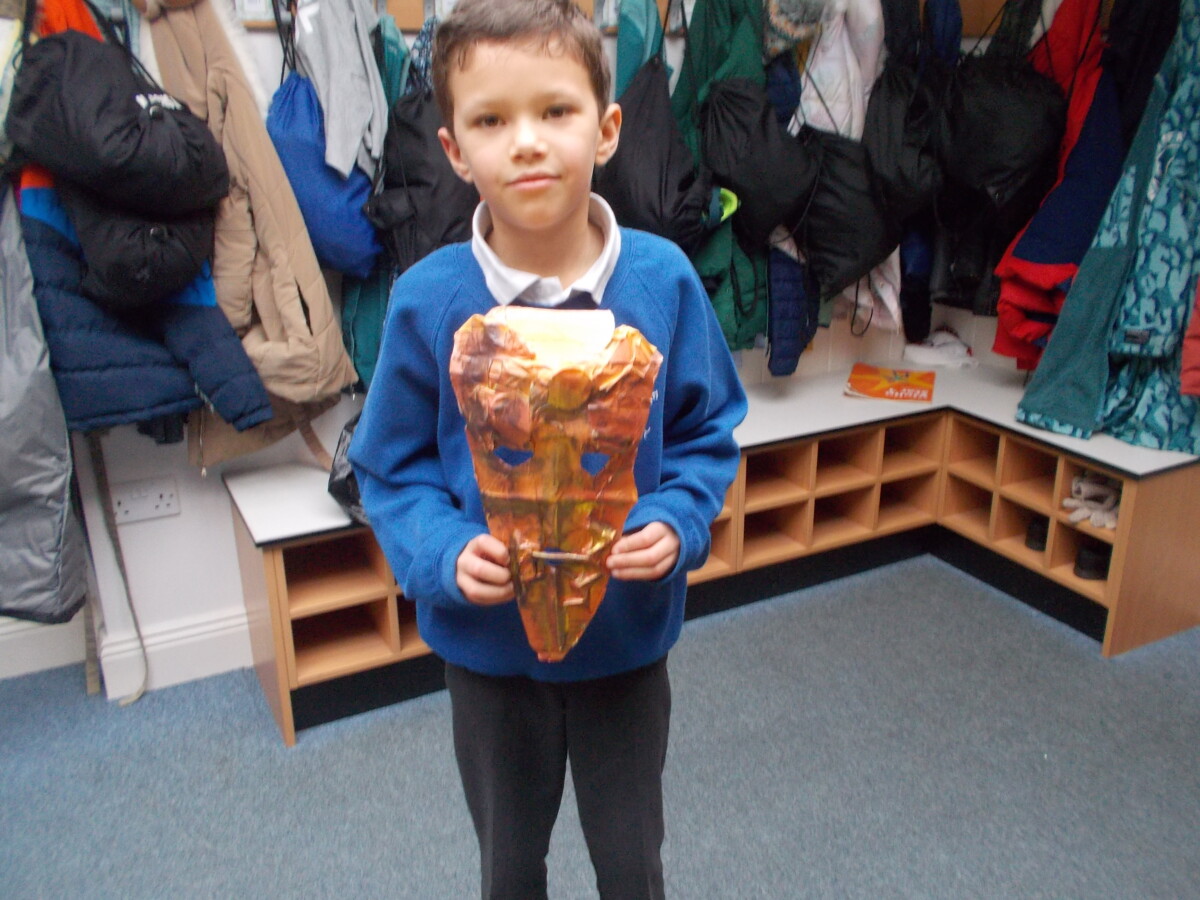
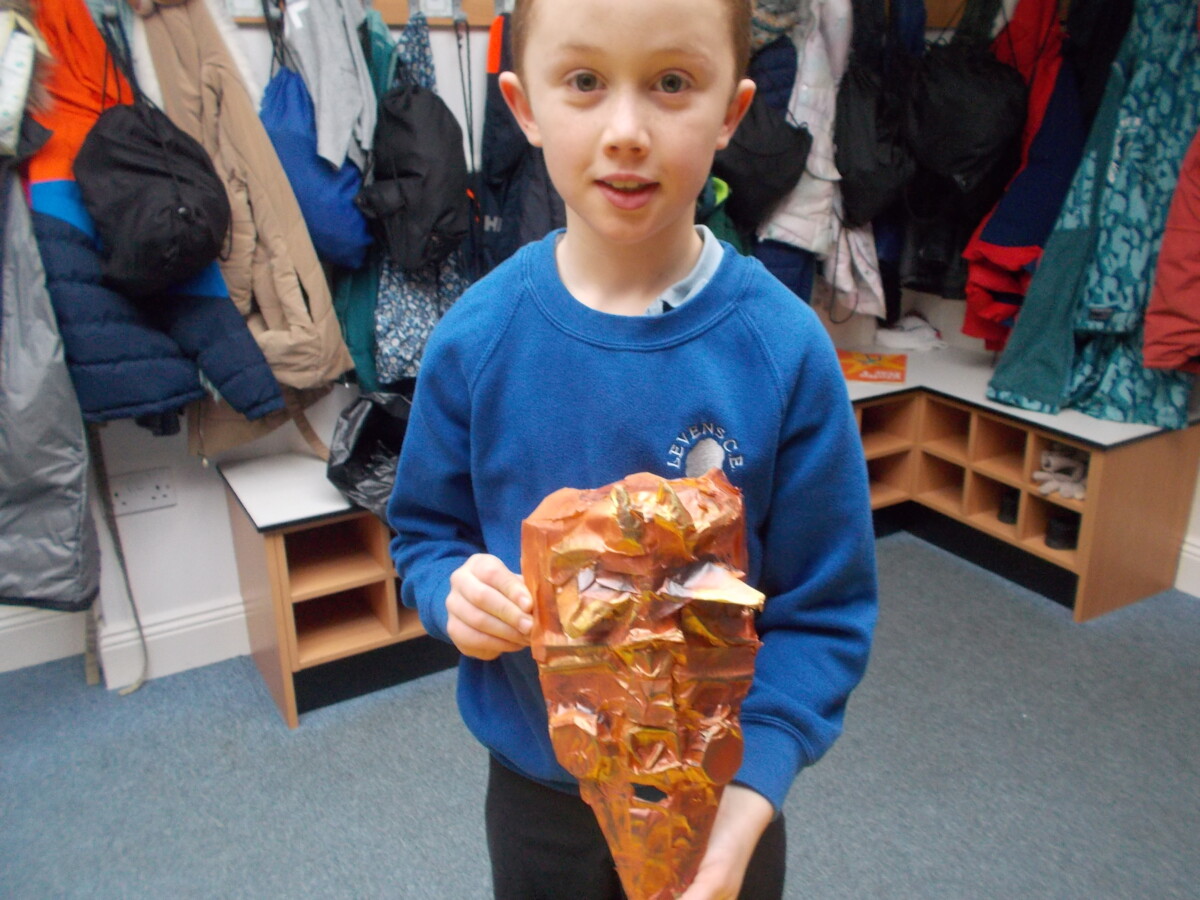
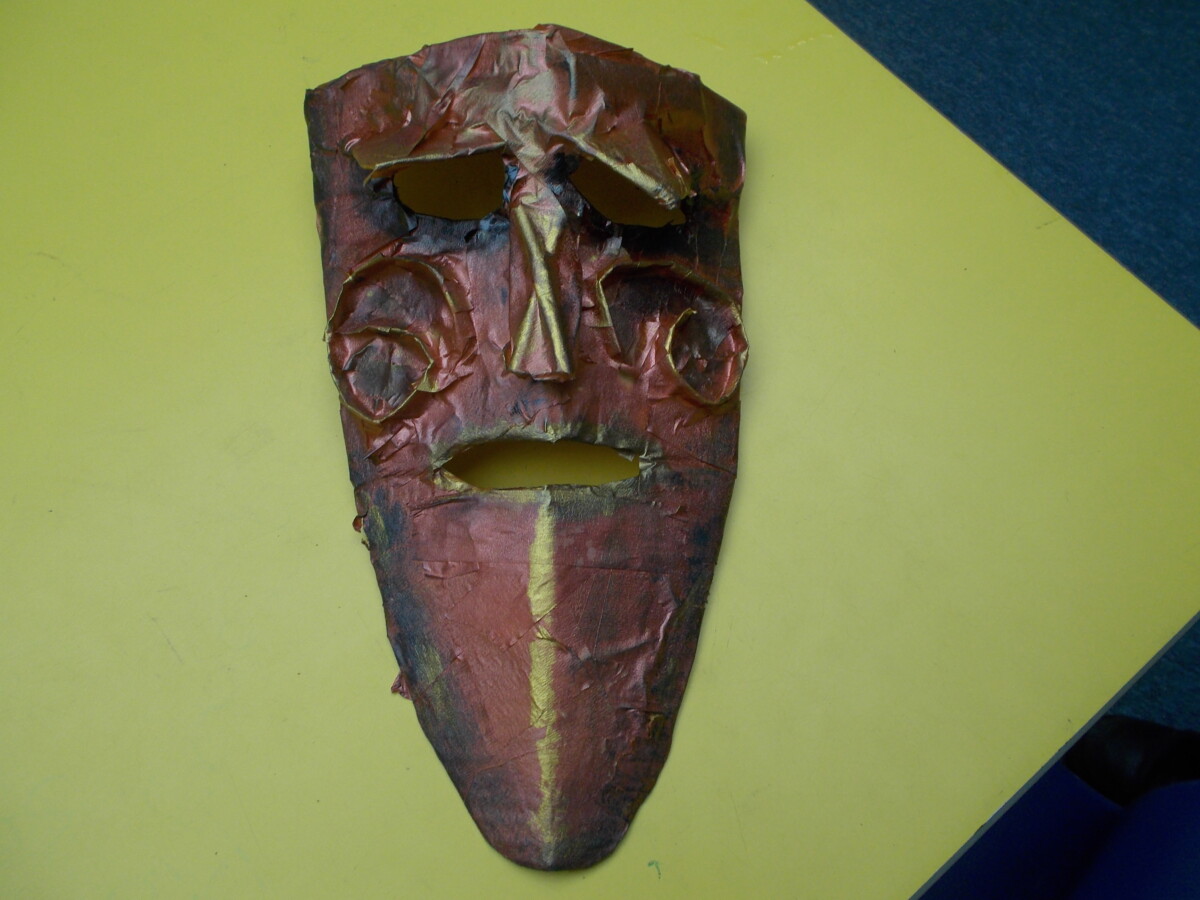
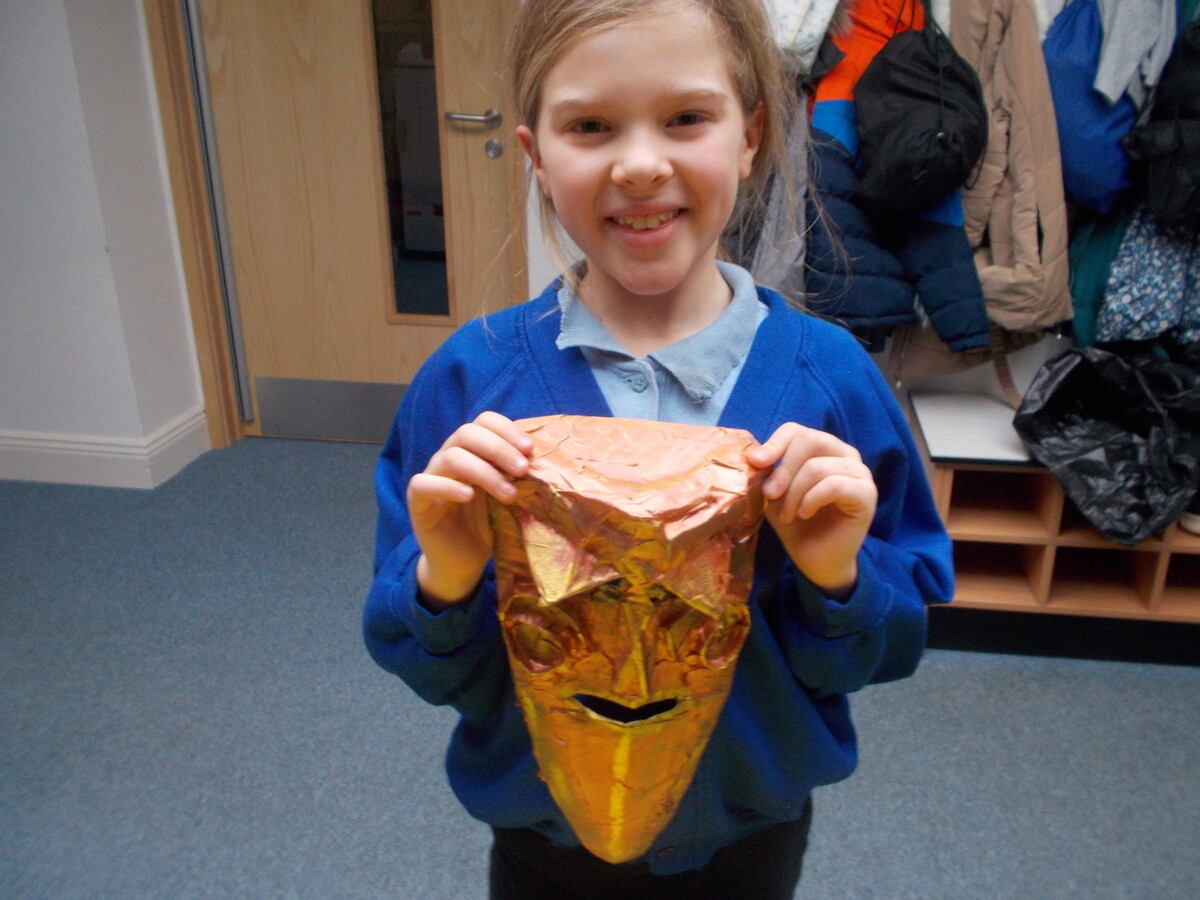
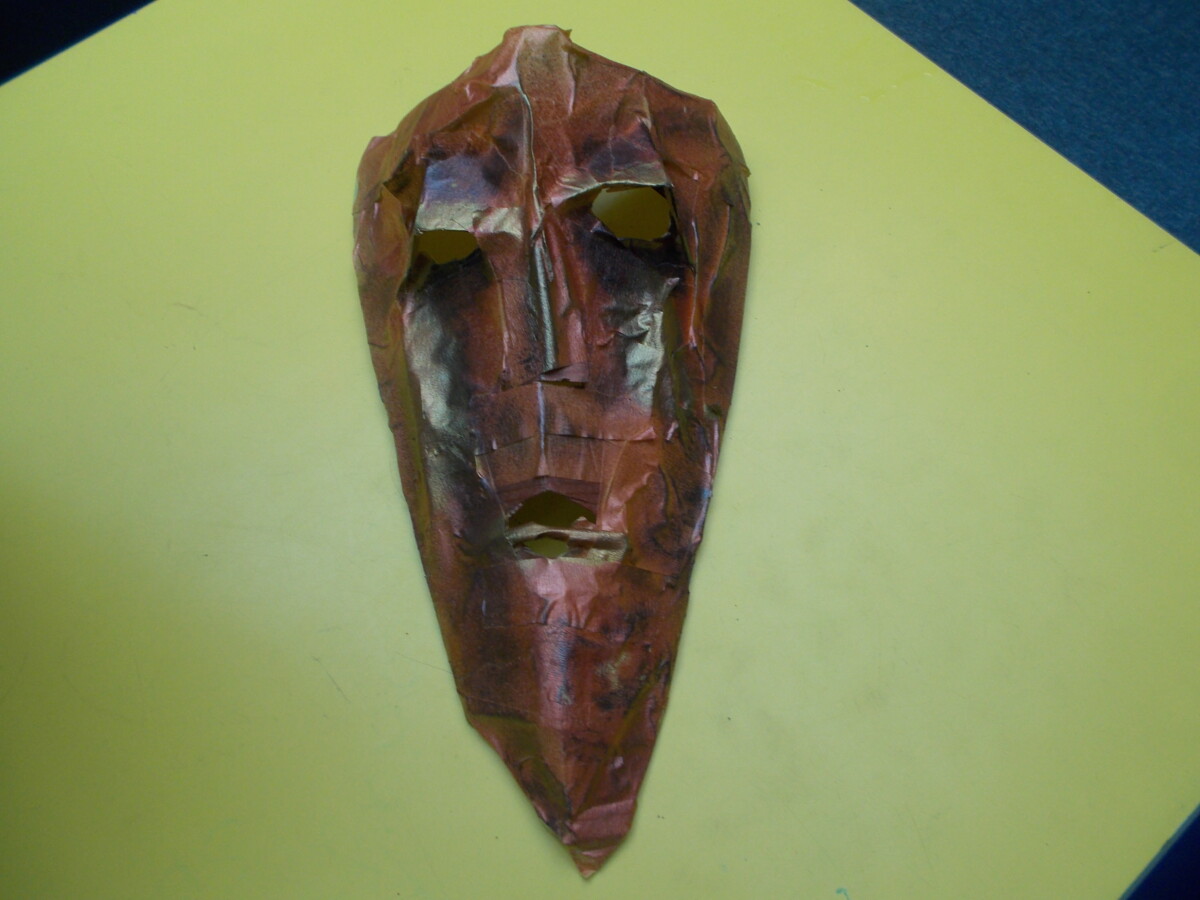
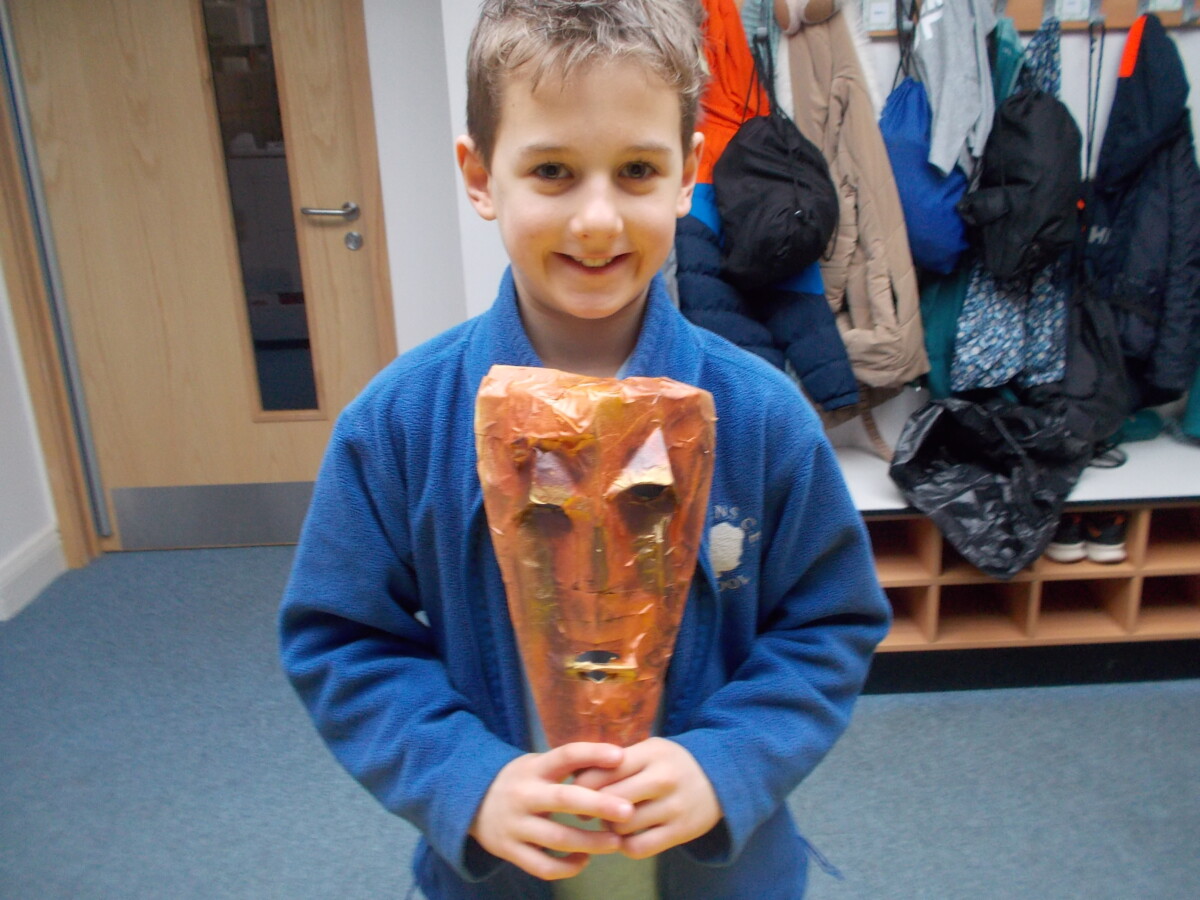
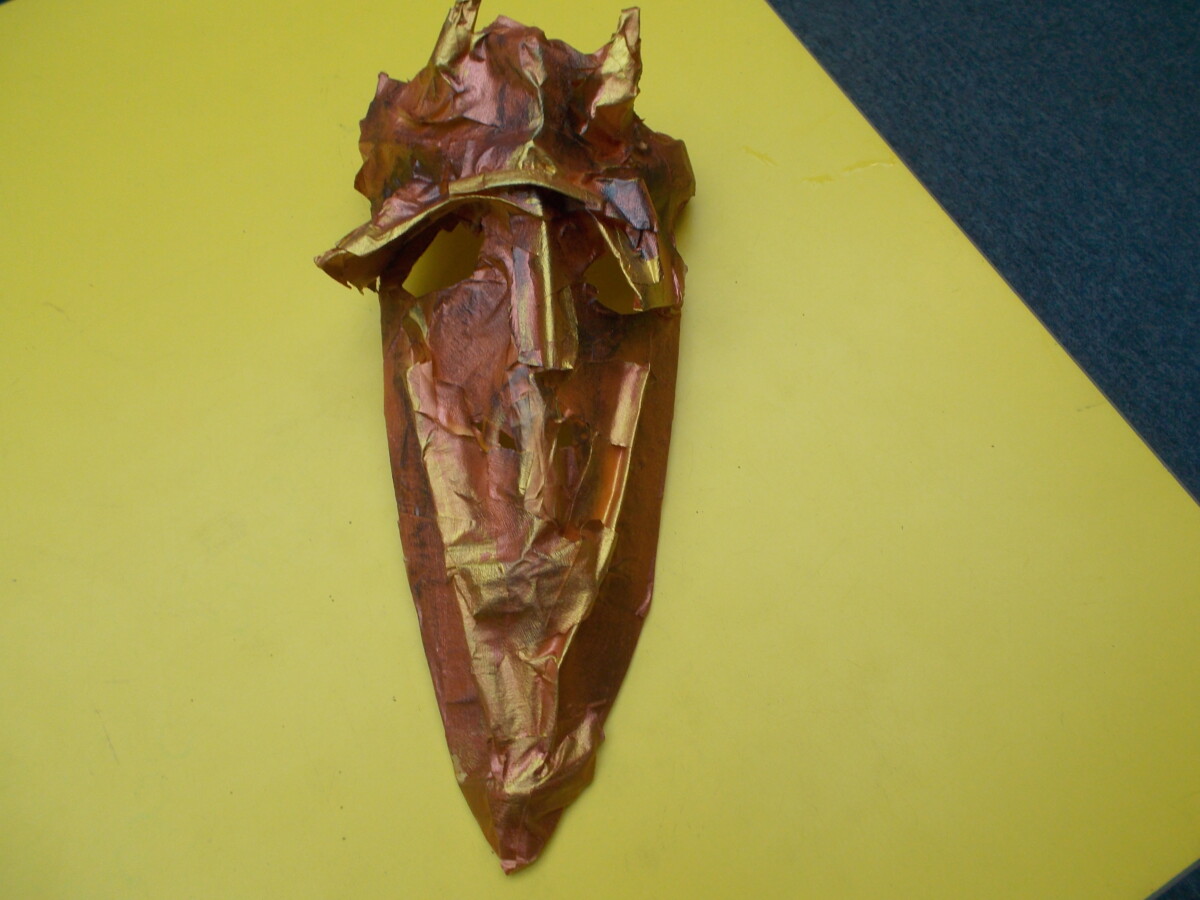
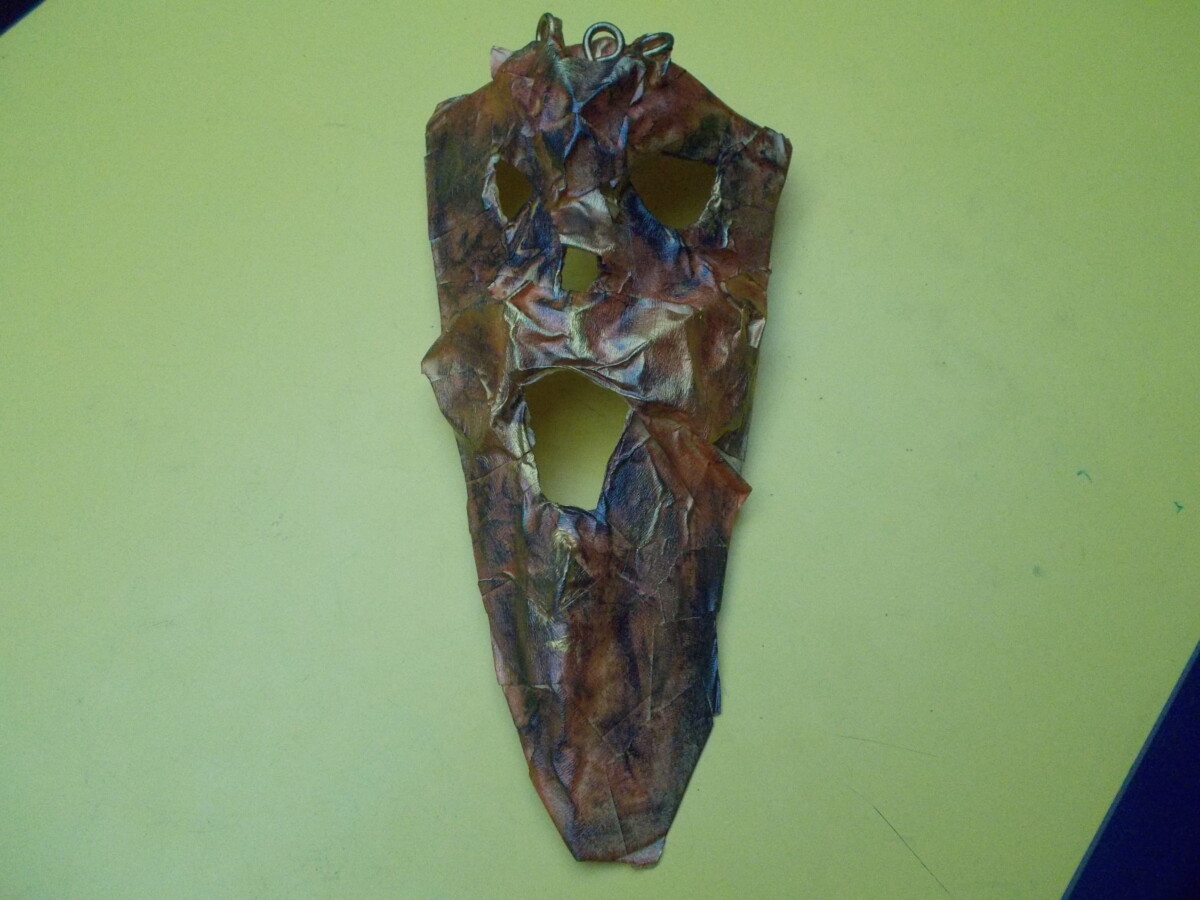
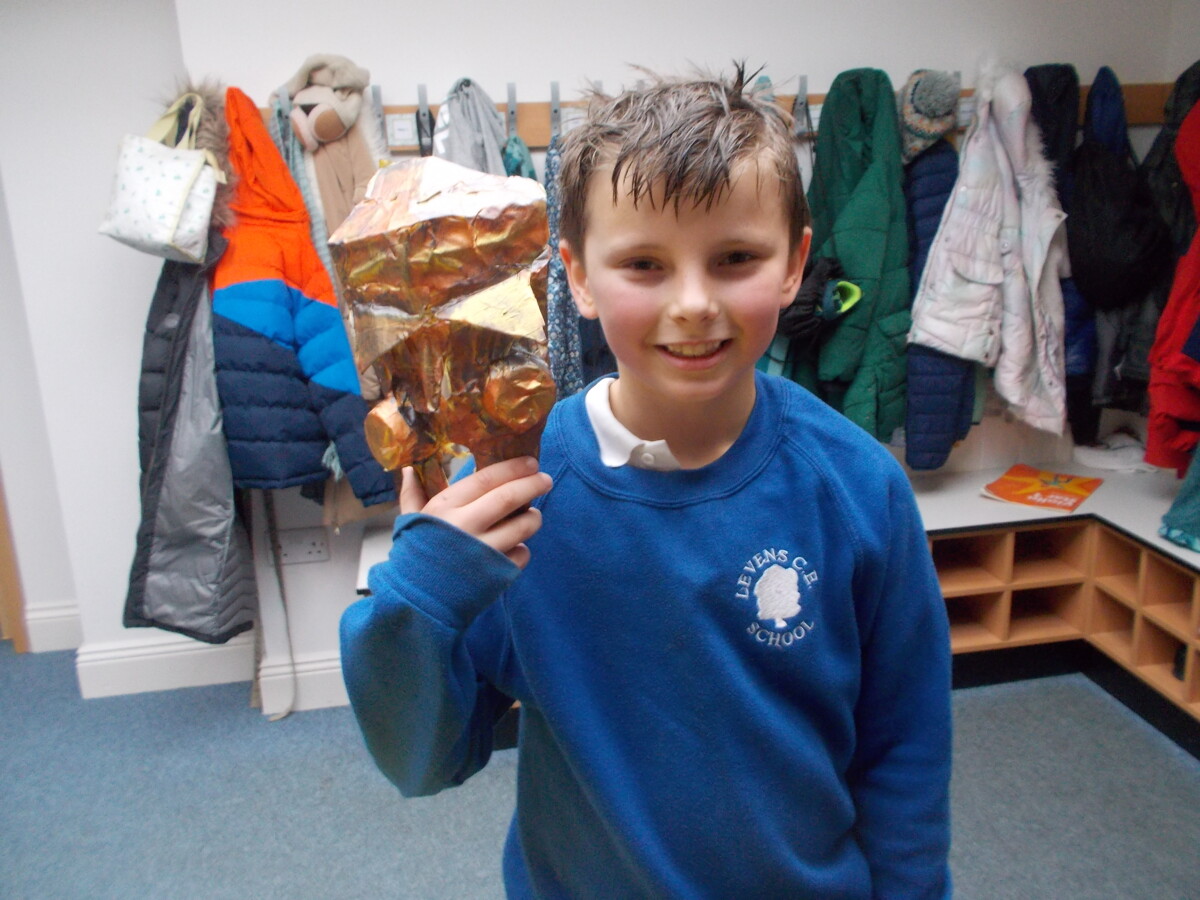
Linking in with our Anglo-Saxon topic, Class Three have been looking at the Sutton Hoo Mask and using this as inspiration for our own 3D masks. I think you will agree they look amazing.






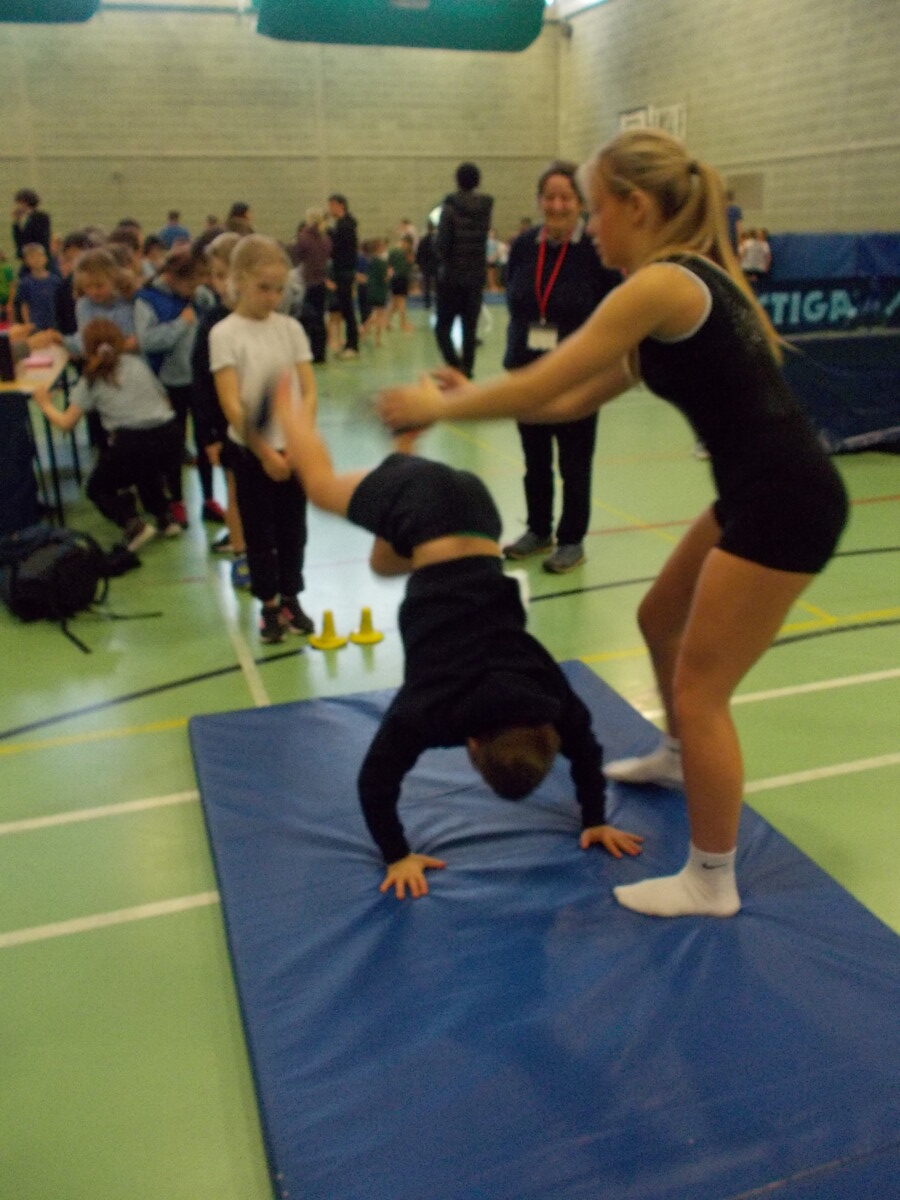
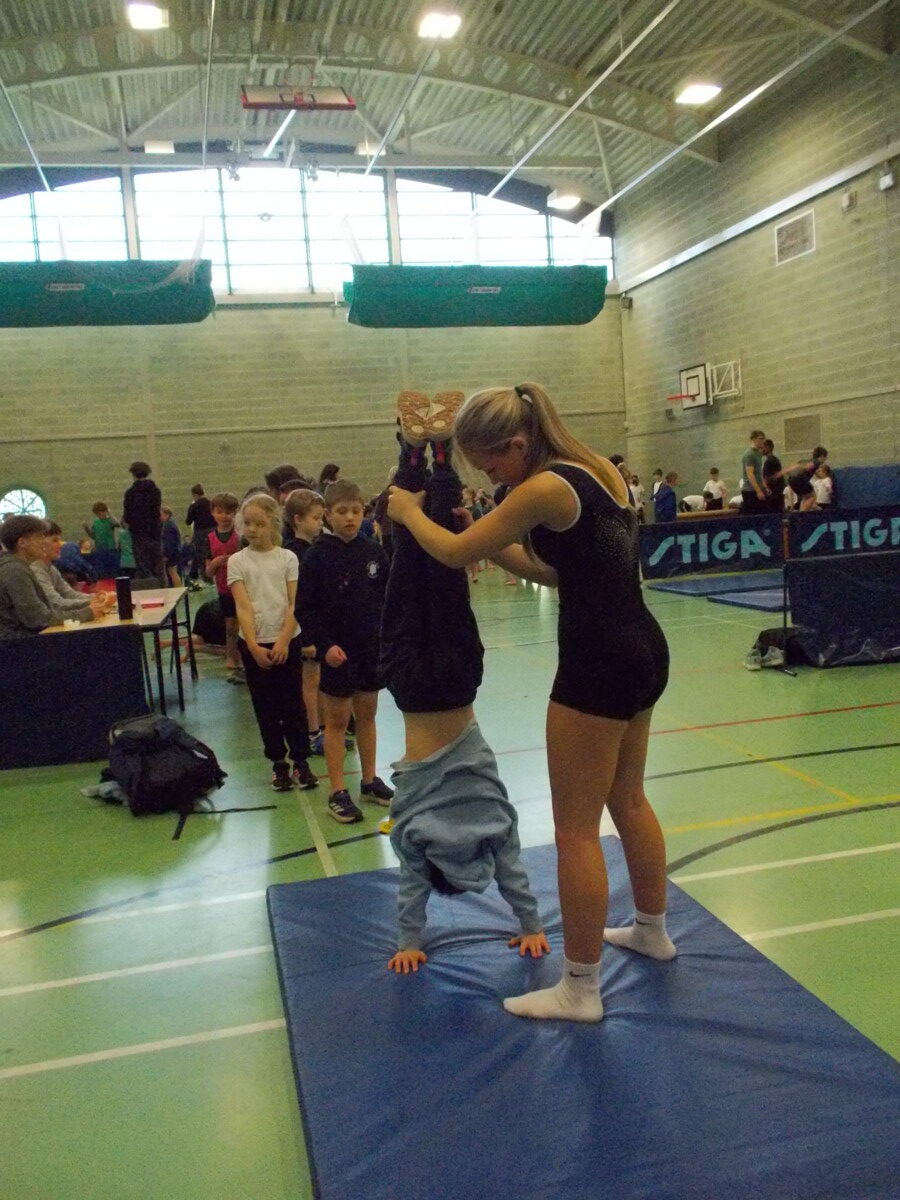
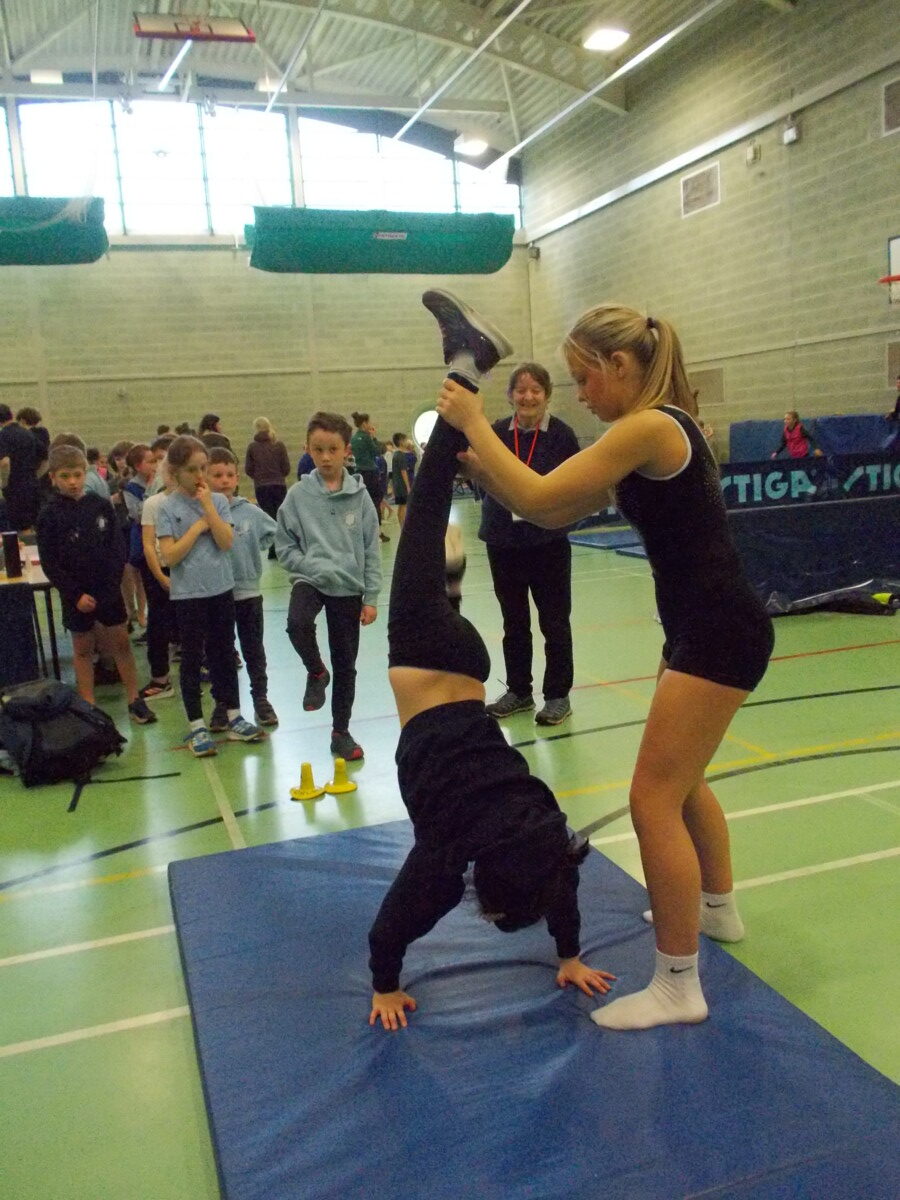
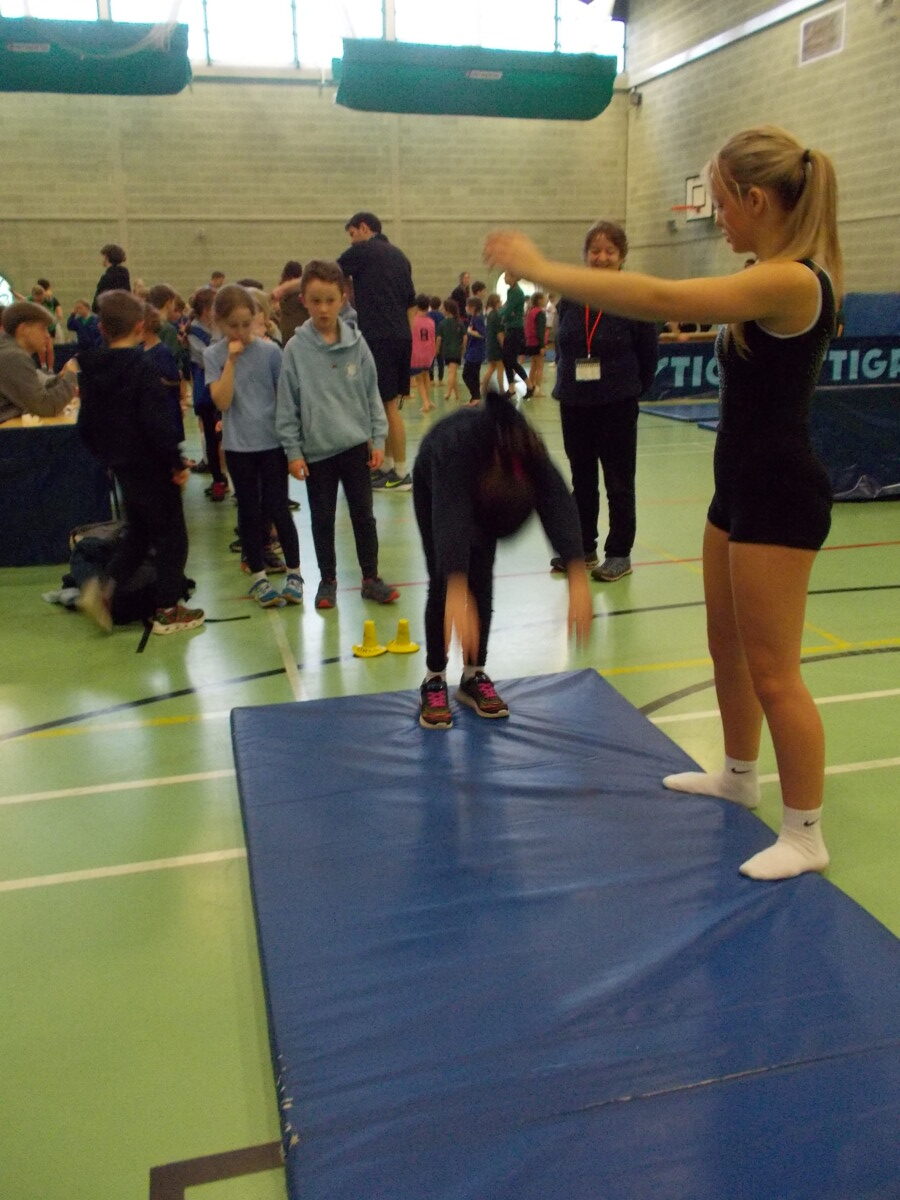
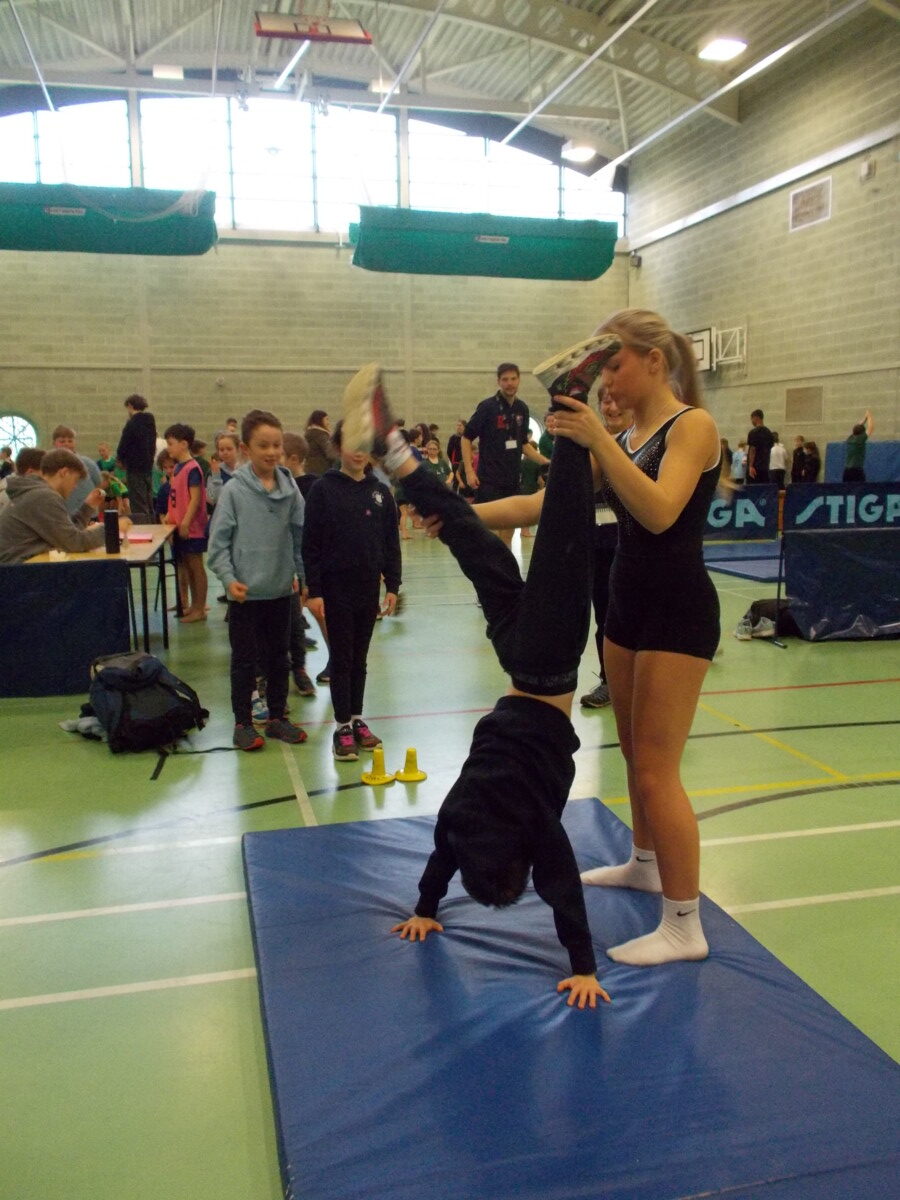
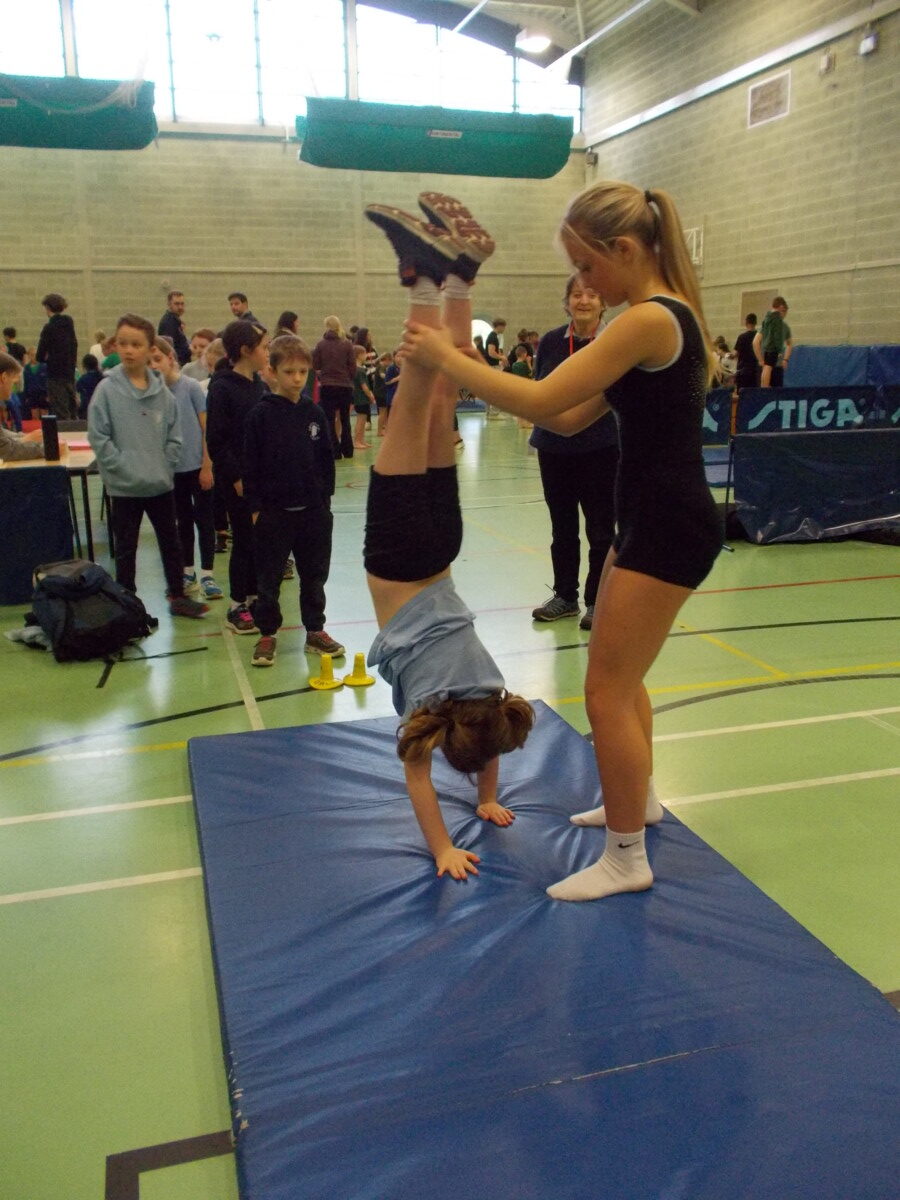
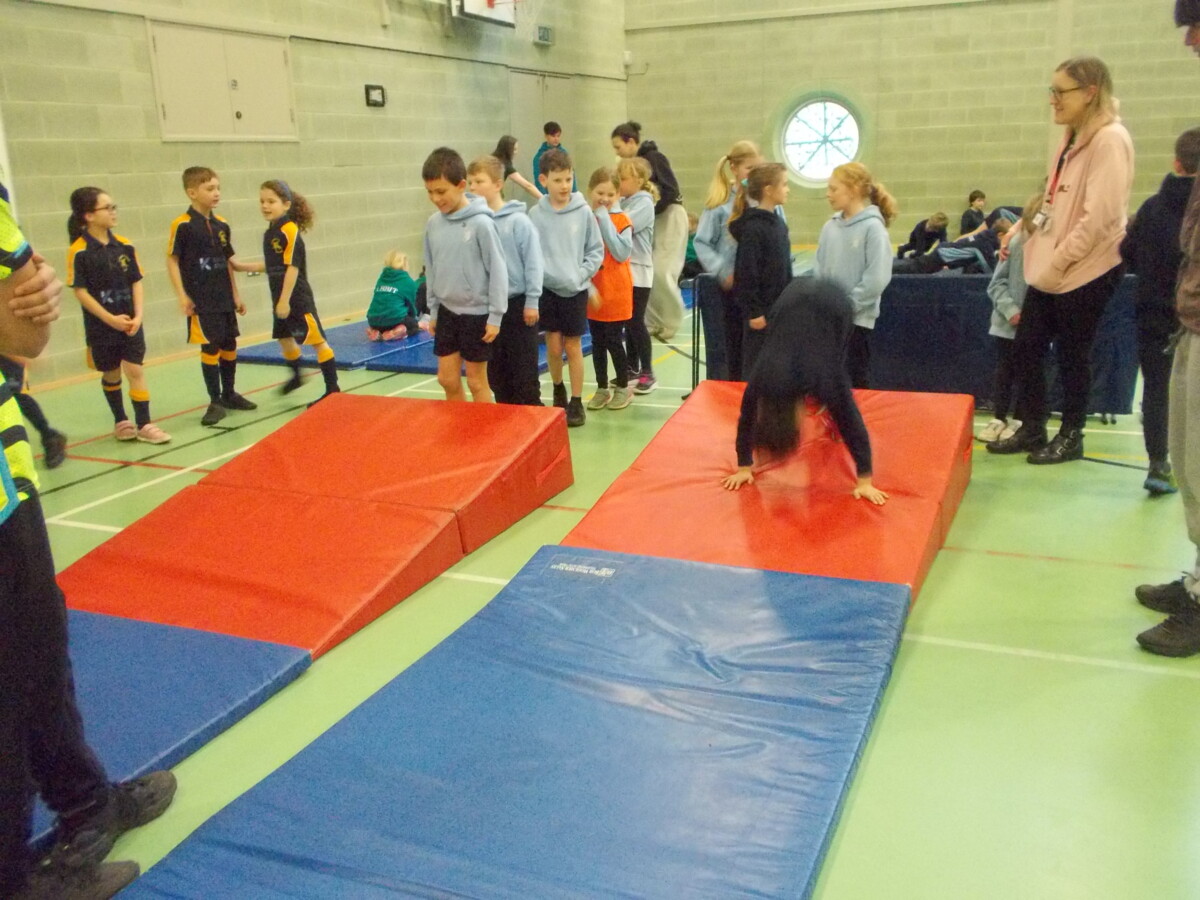
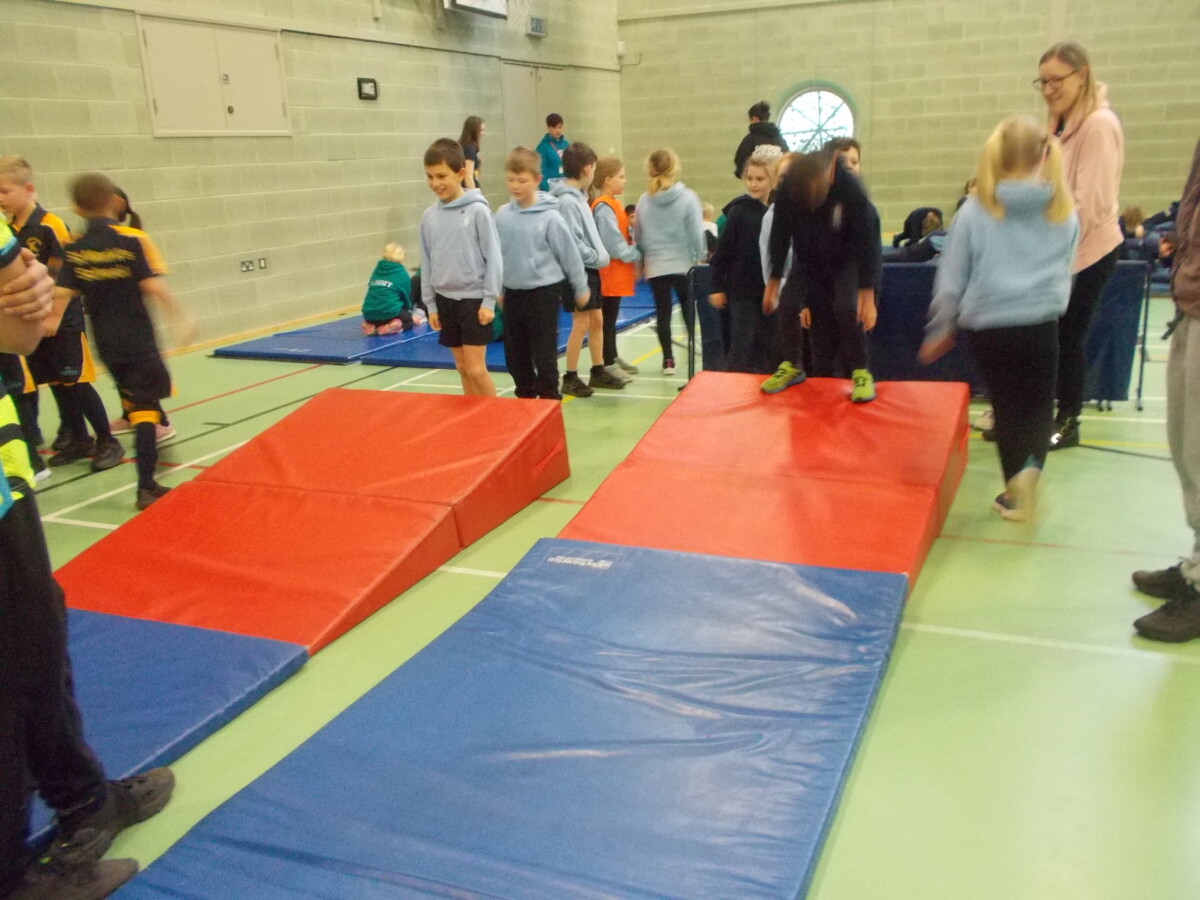
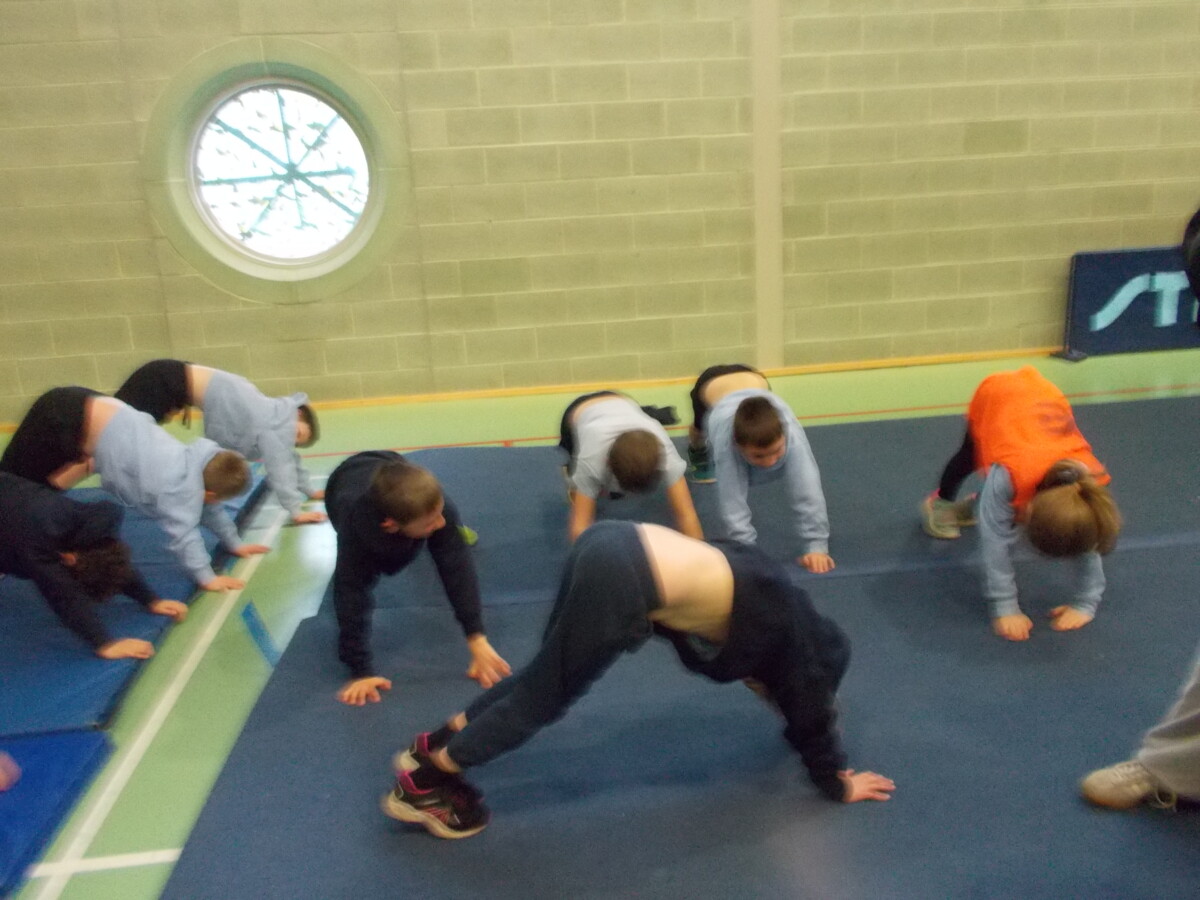
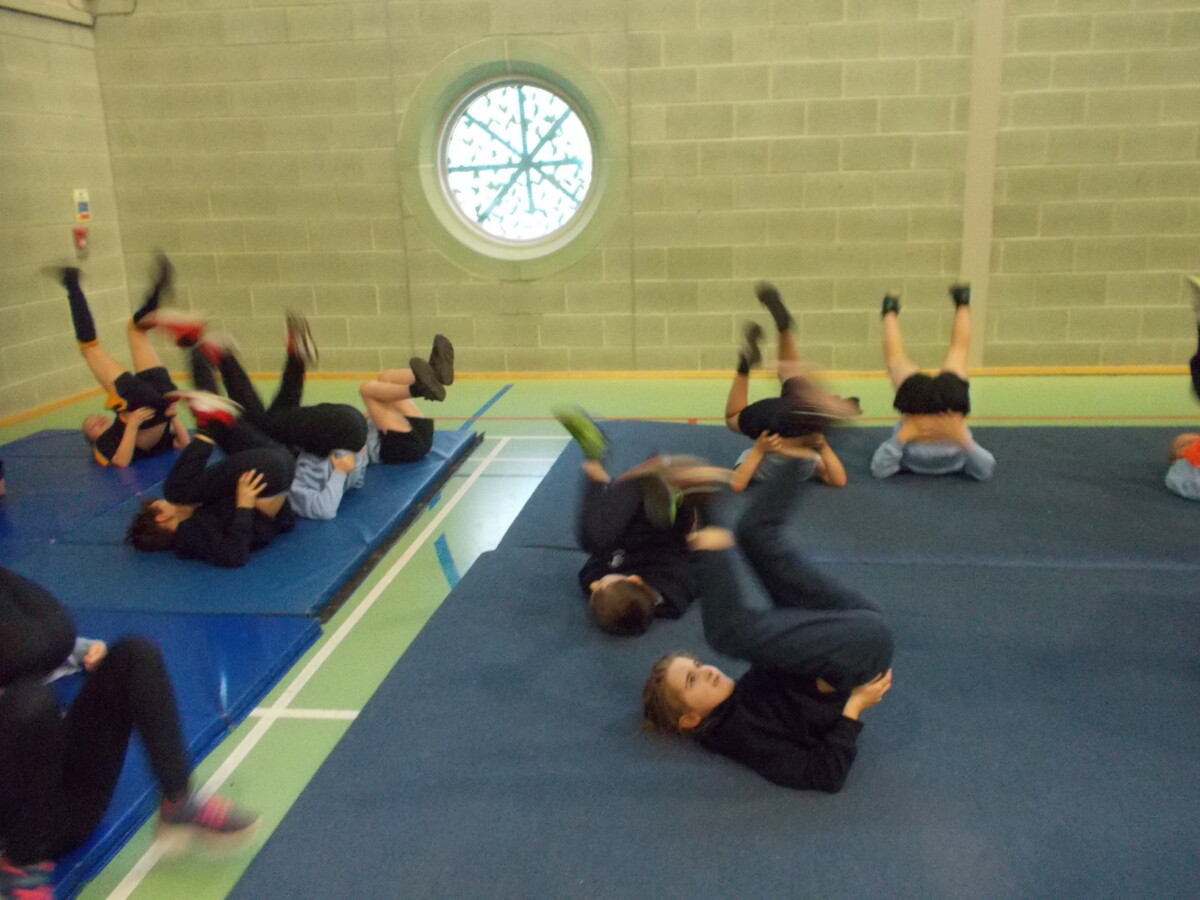
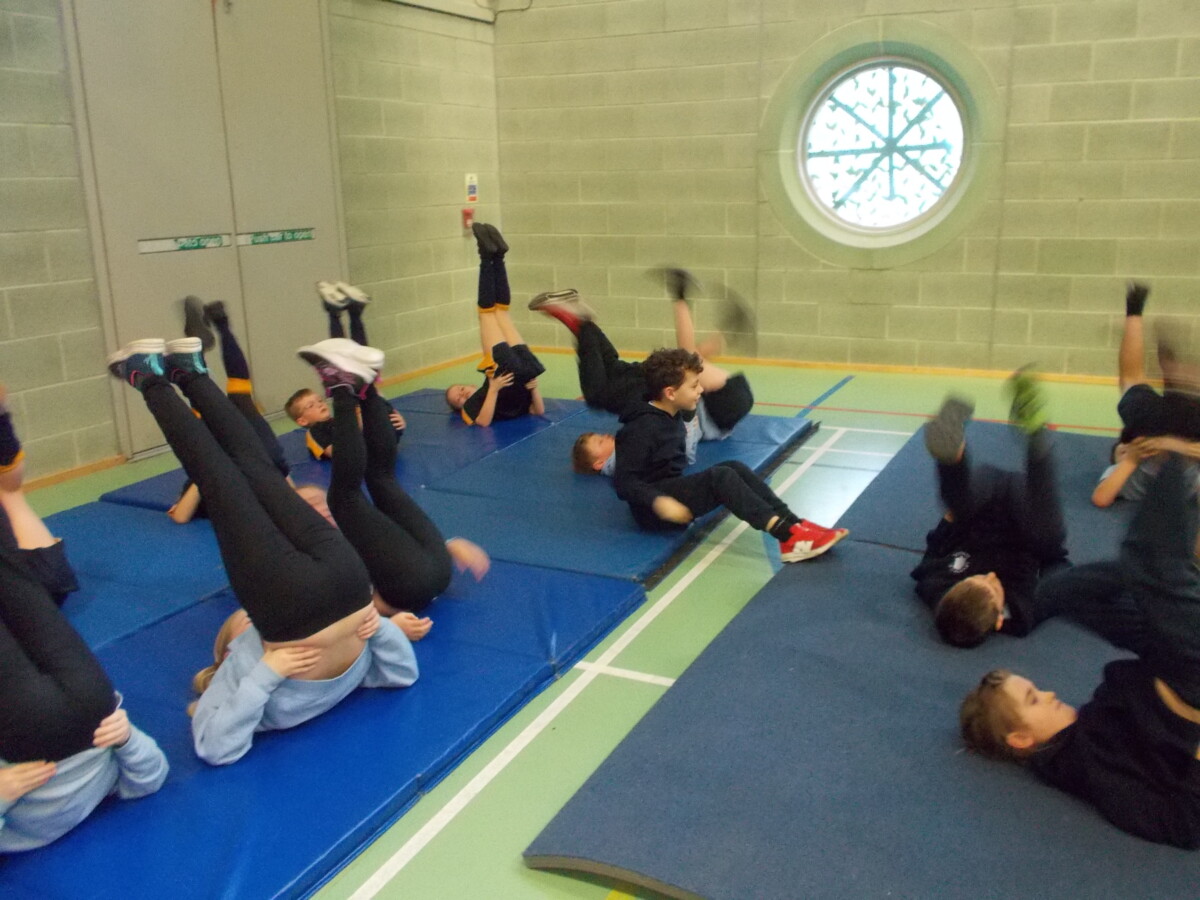
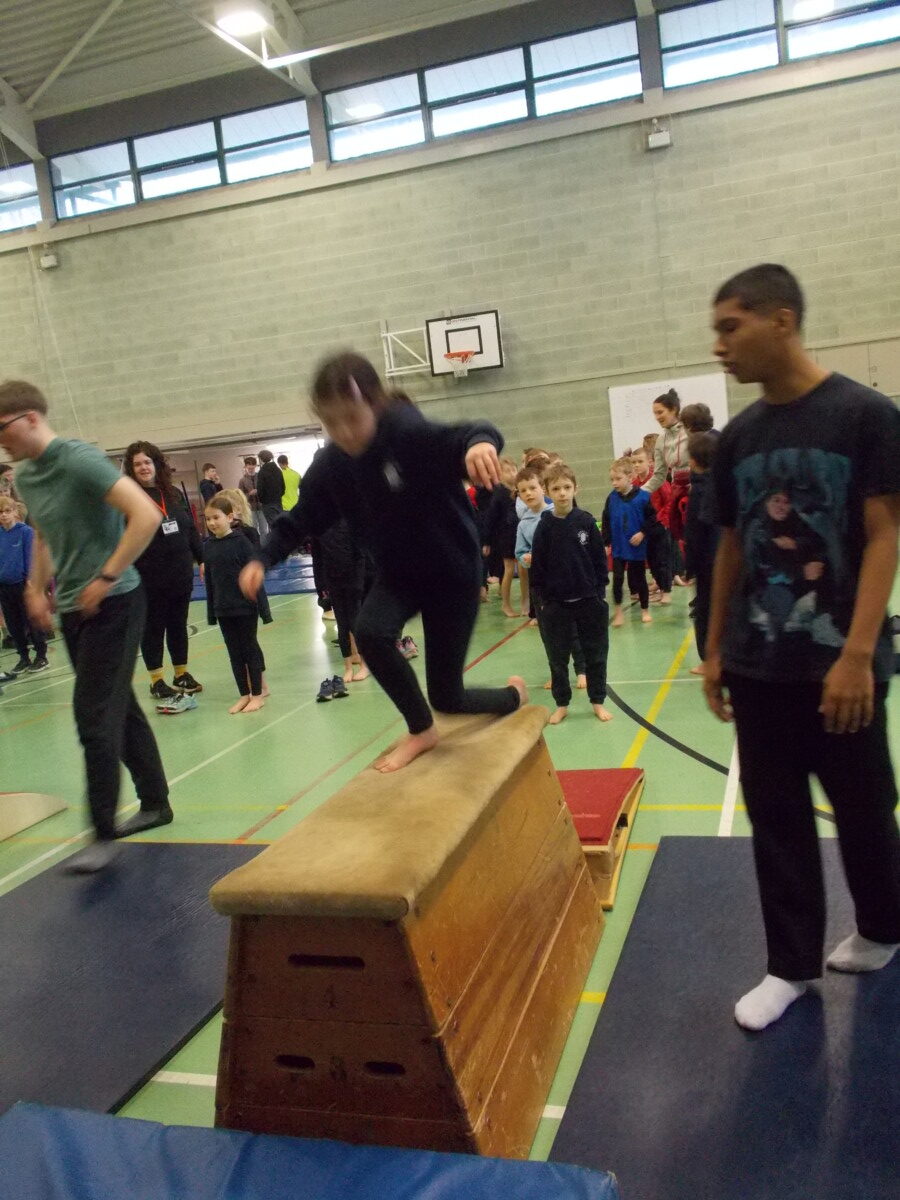
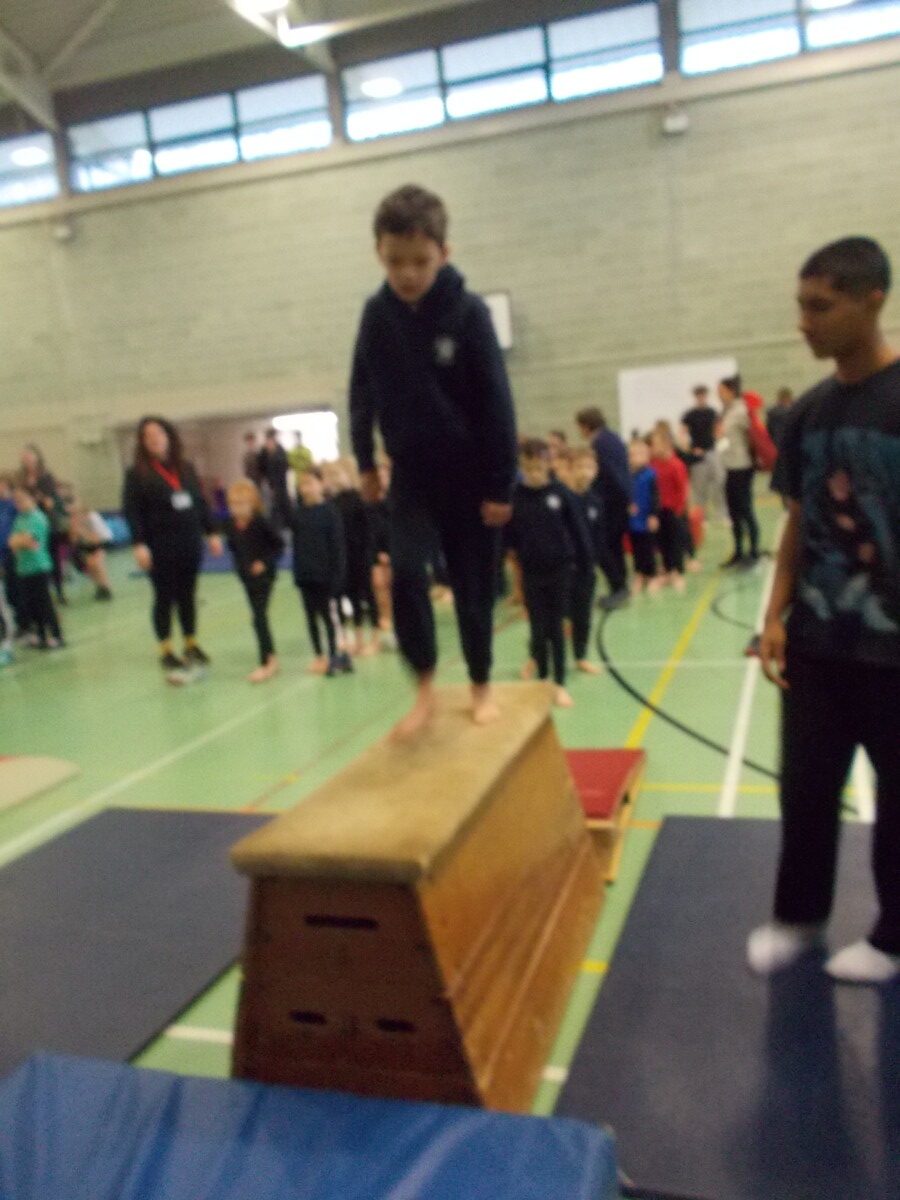
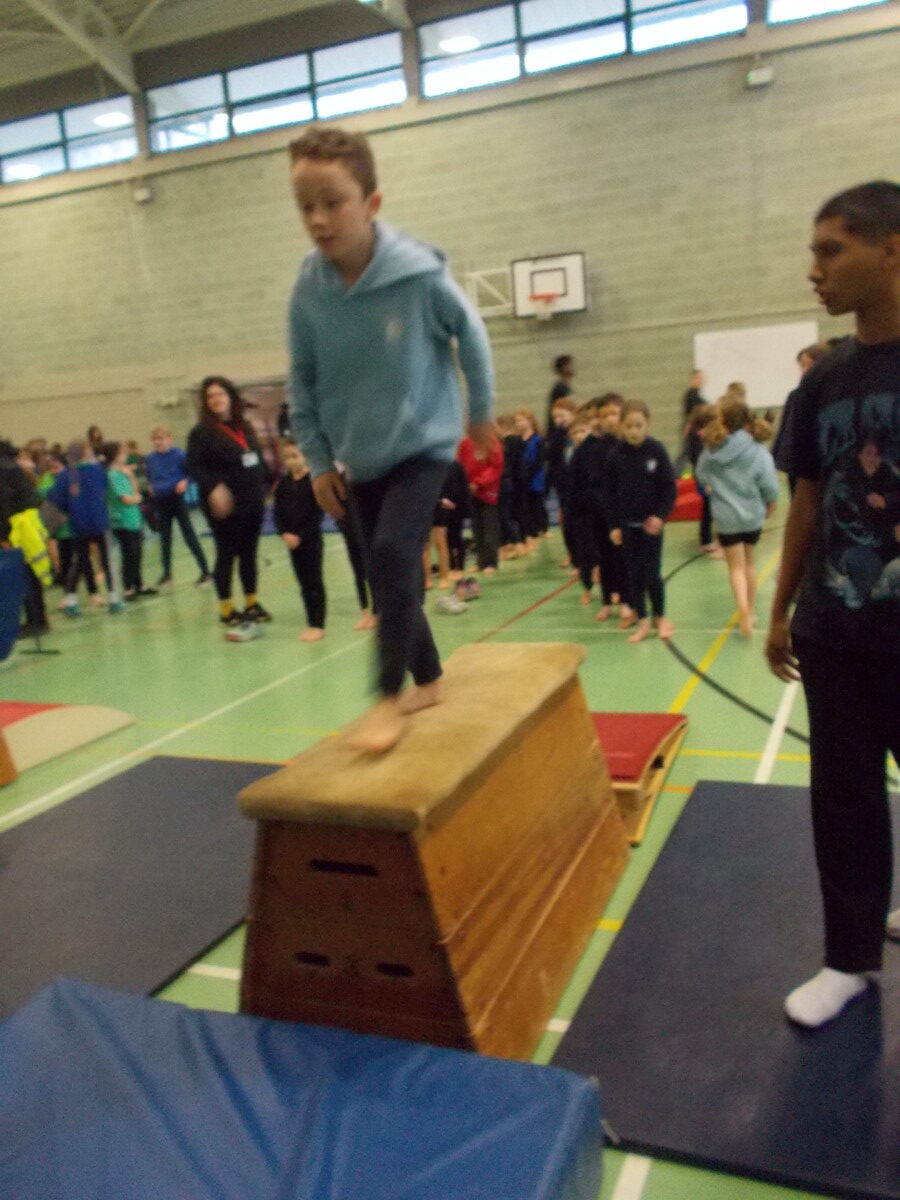
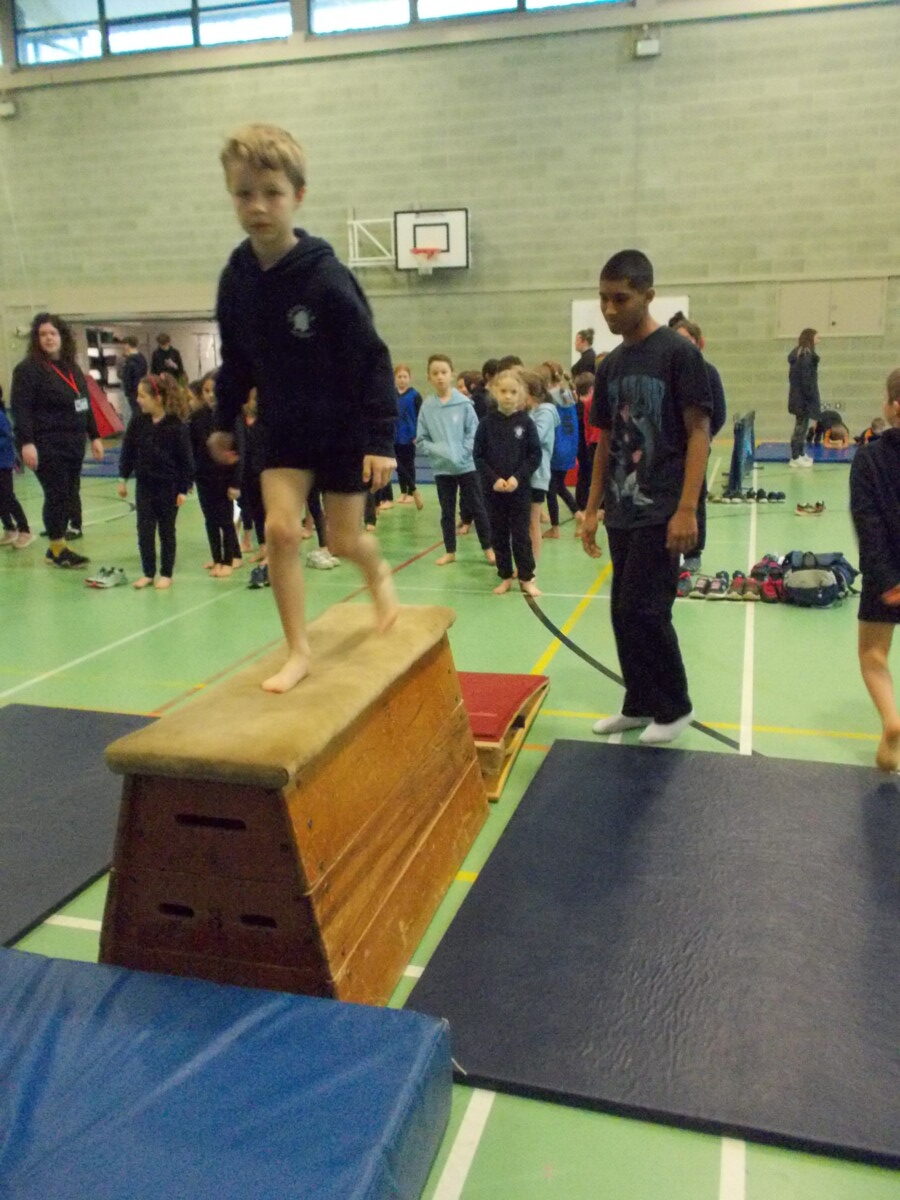
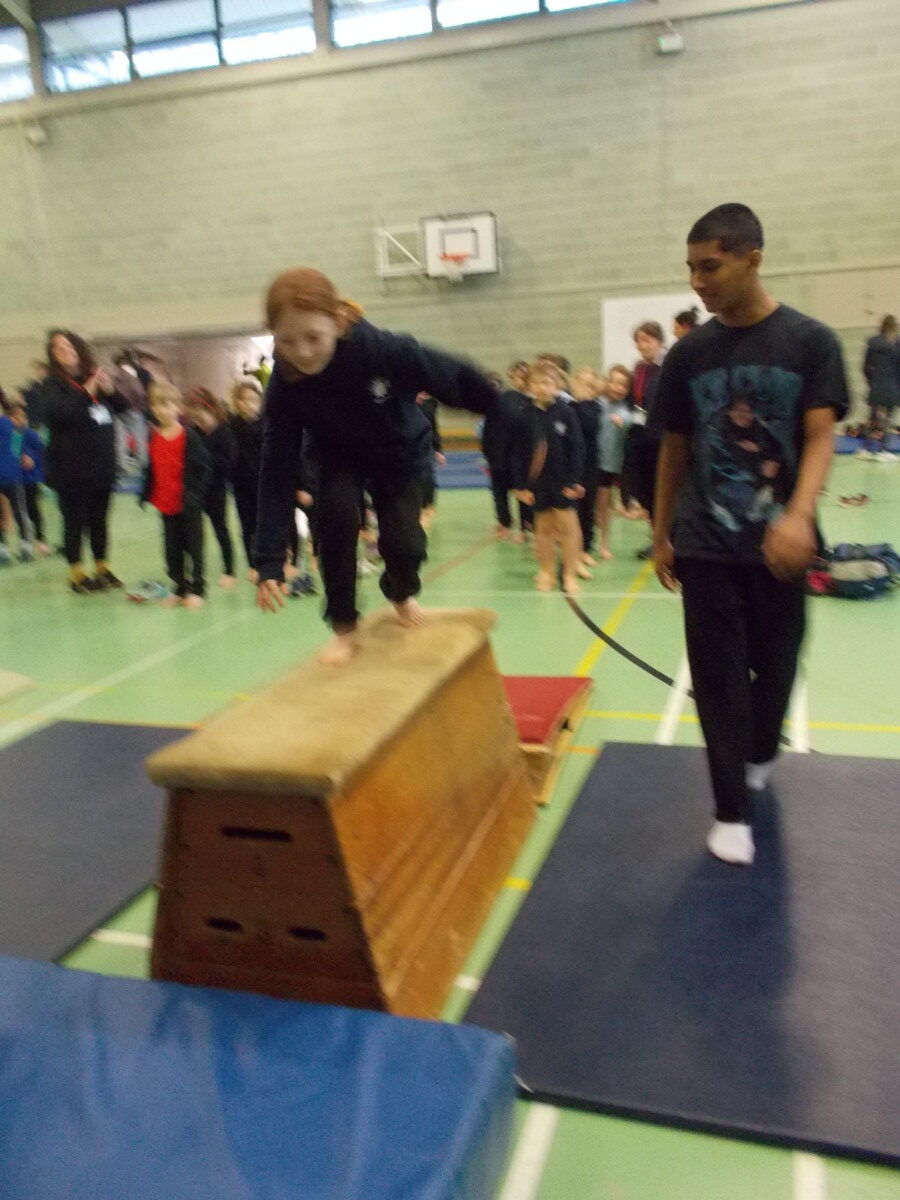
Class Three had a fantastic morning at Dallam Sports Hall completing a gymnastics carousel. The activities included learning how to cart wheel and do handstands. The children had a fantastic morning. Thank you very much to our helpers and to Dallam School for organising and hosting the event.




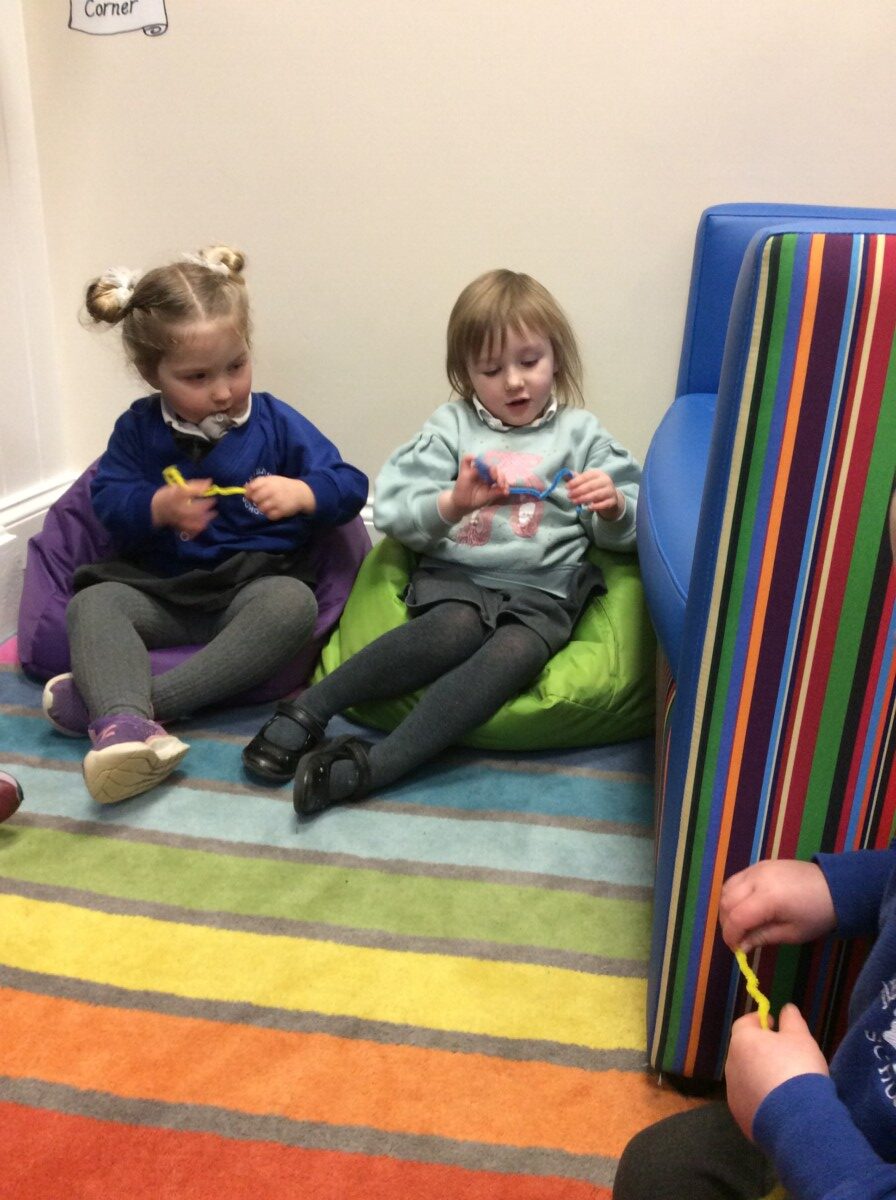
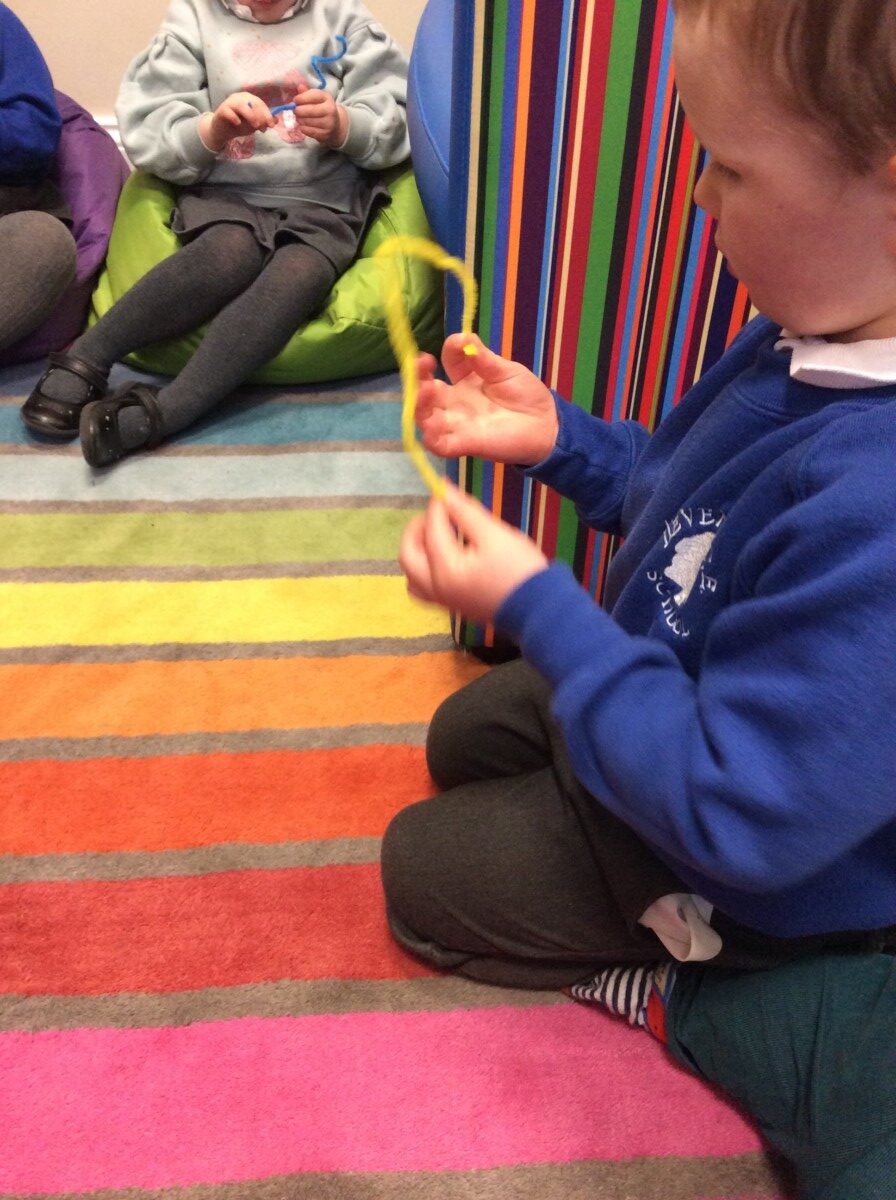
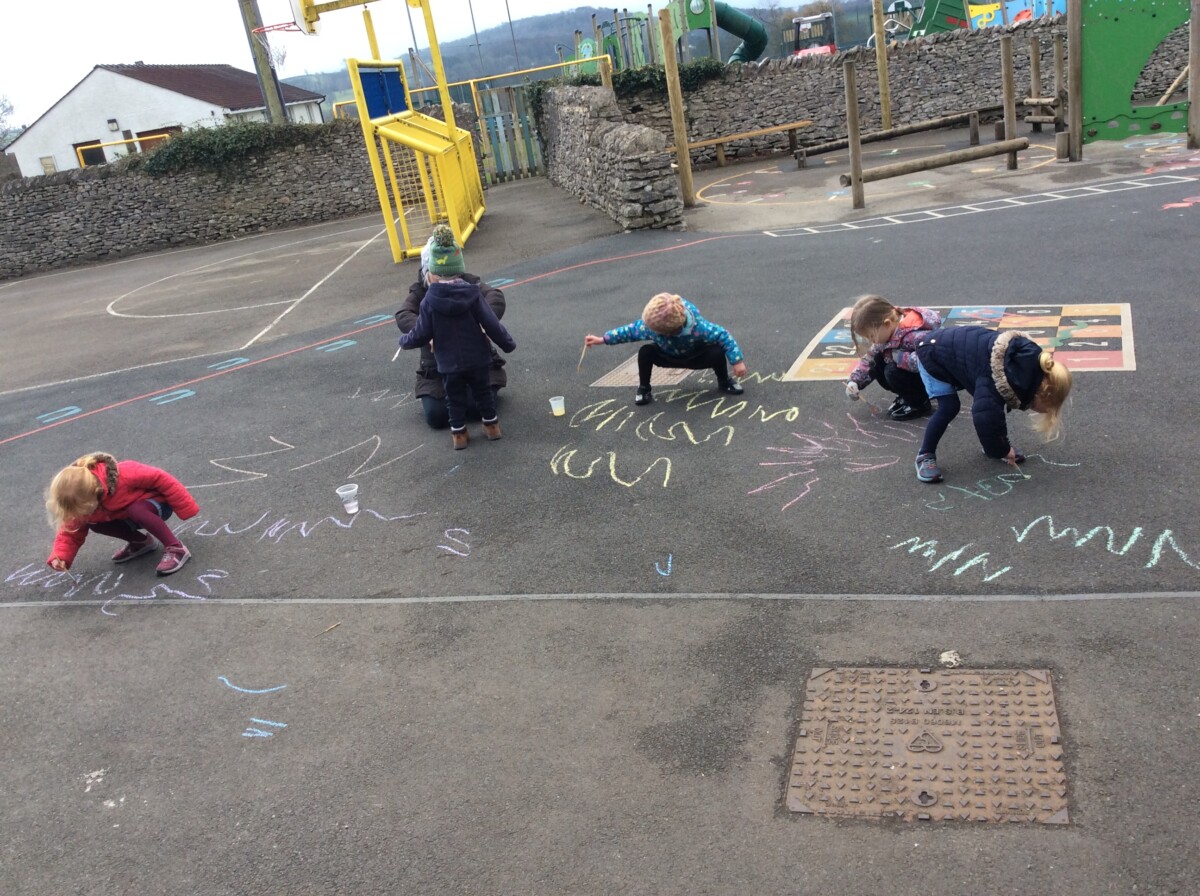
Nursery have been busy this half term, enjoying lots of practical activities to build their pre-writing skills. They have used pipe cleaners, ribbons and natural materials to create diagonals, zigzags and ‘jellies’ and formed them with paint dabbers, chalks, pens and on the interactive whiteboard.




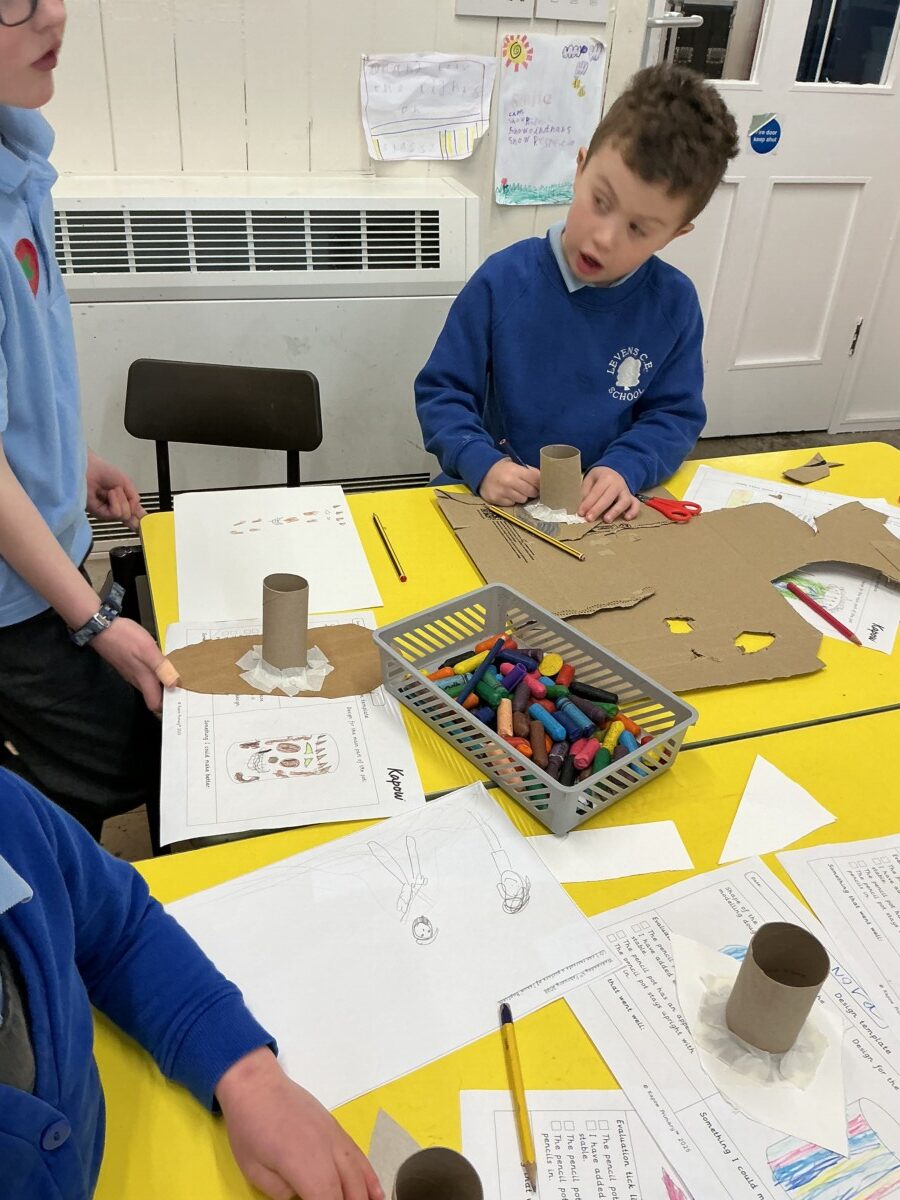
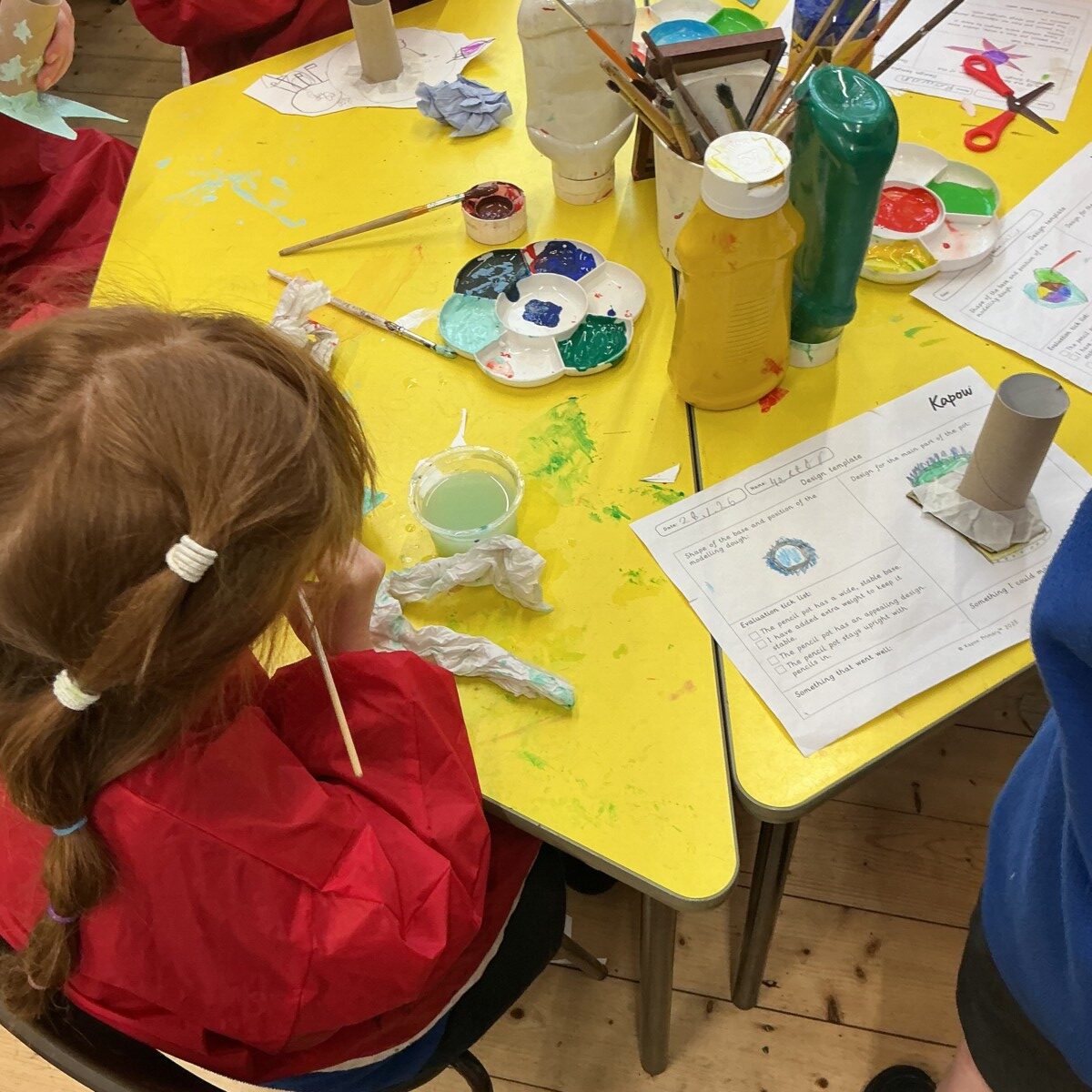
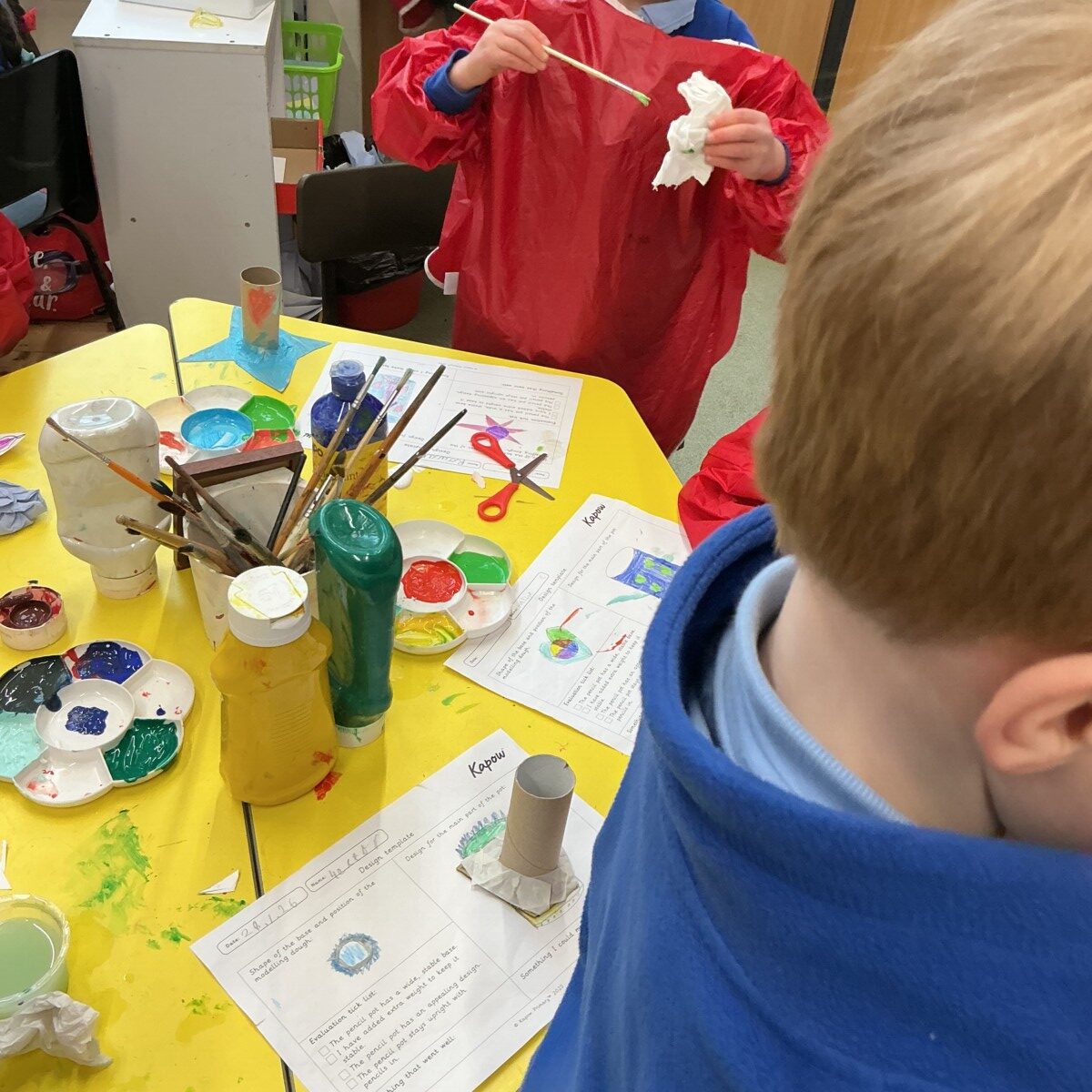
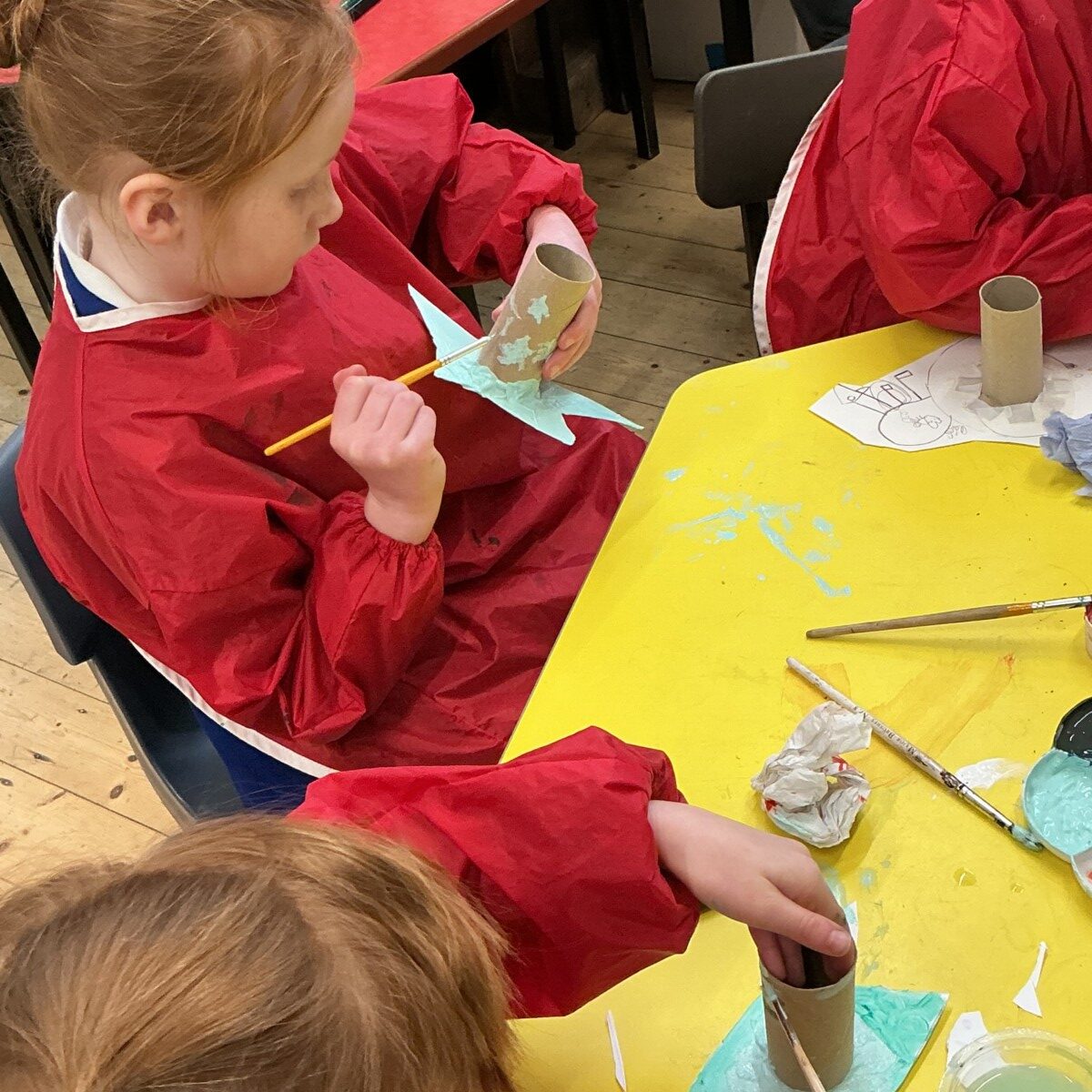
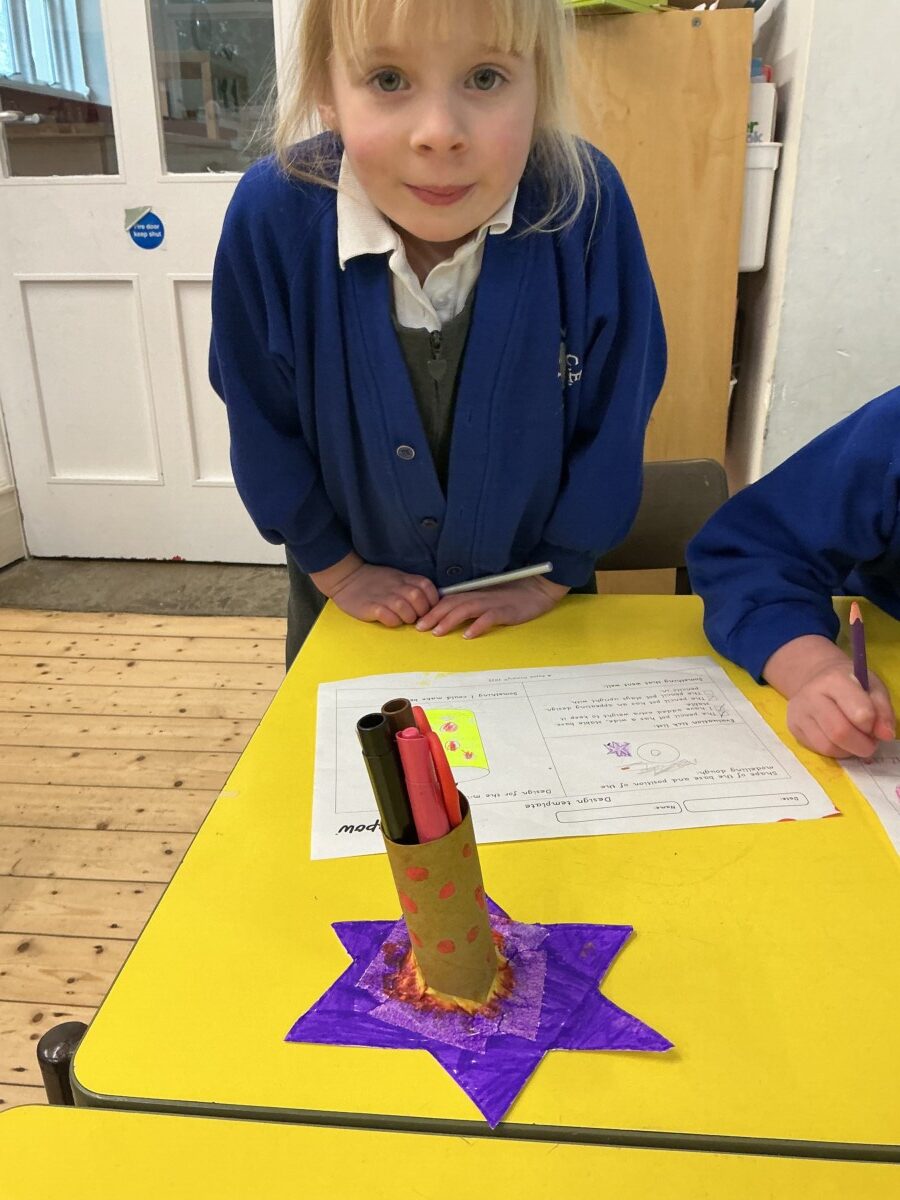
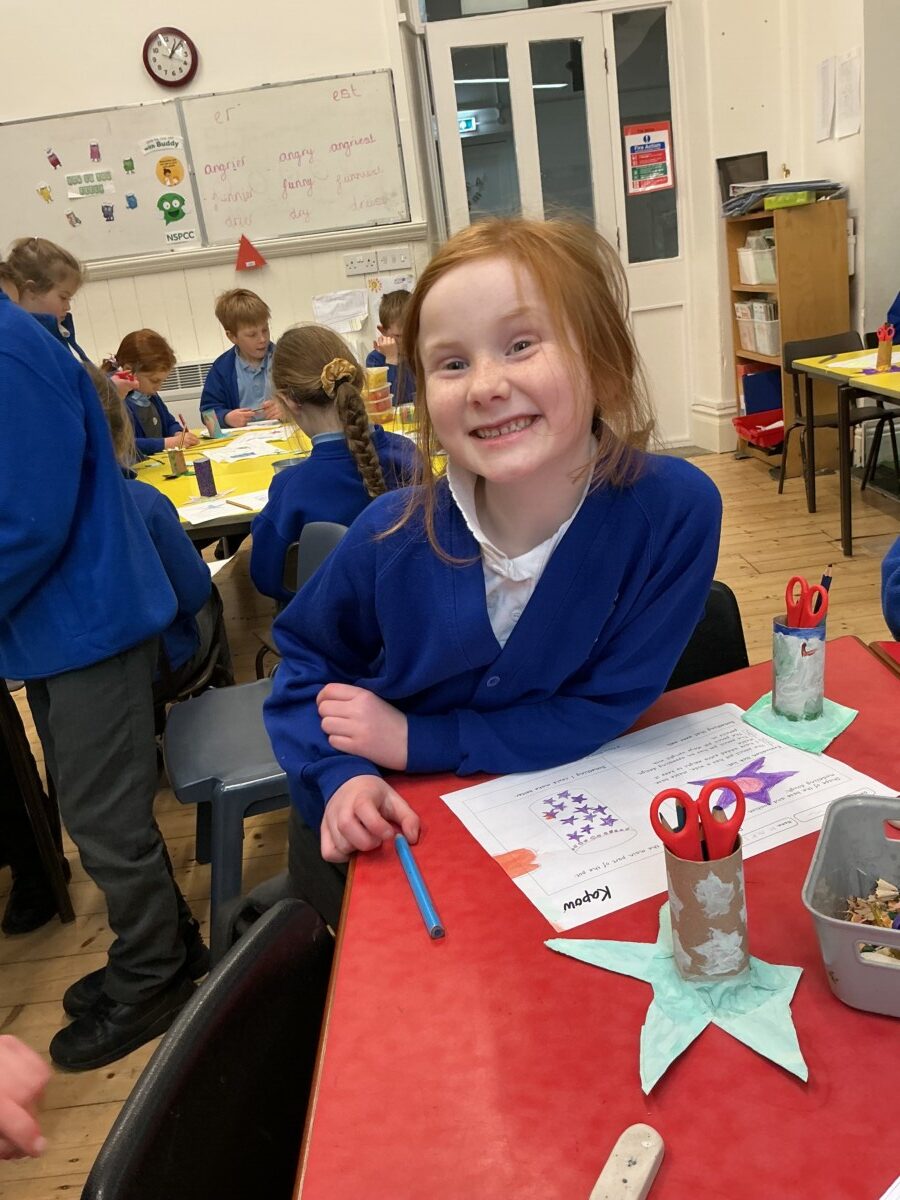
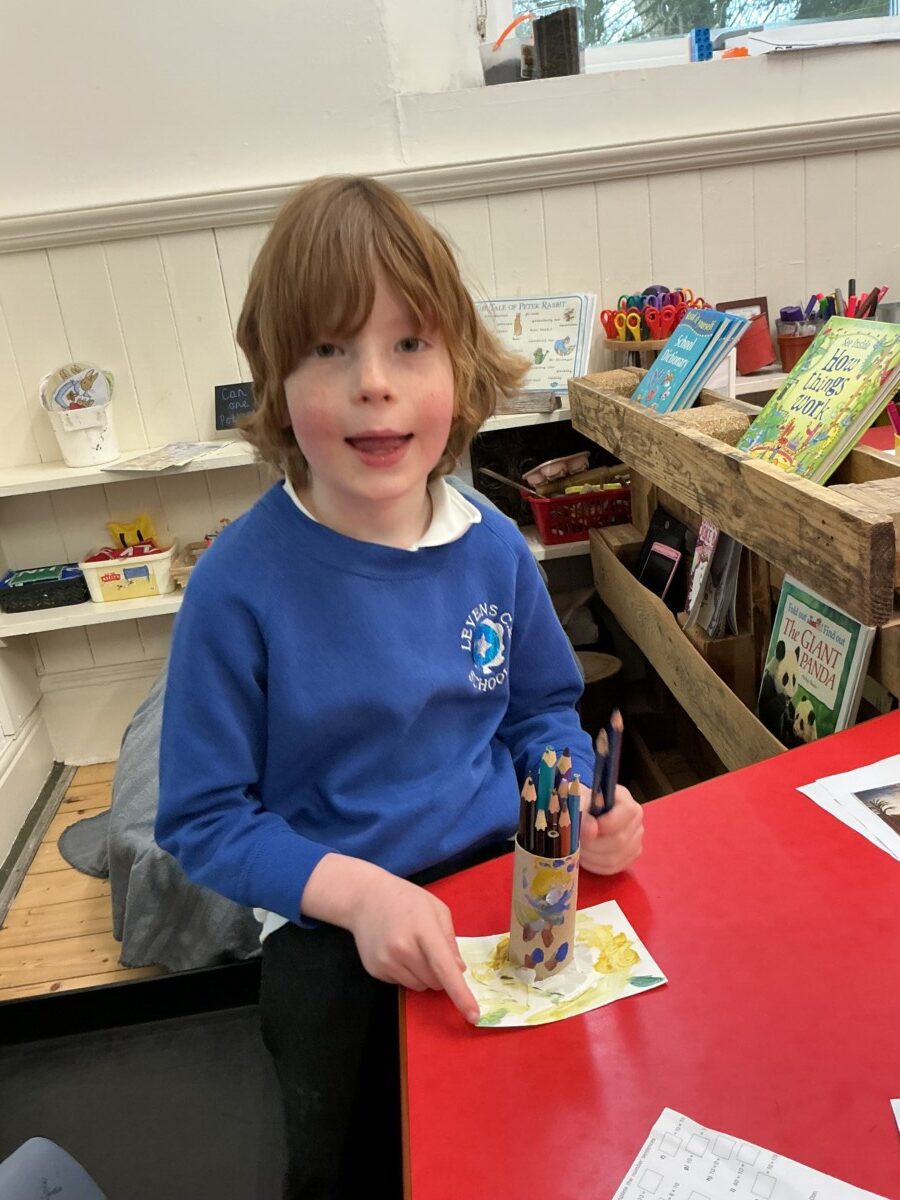
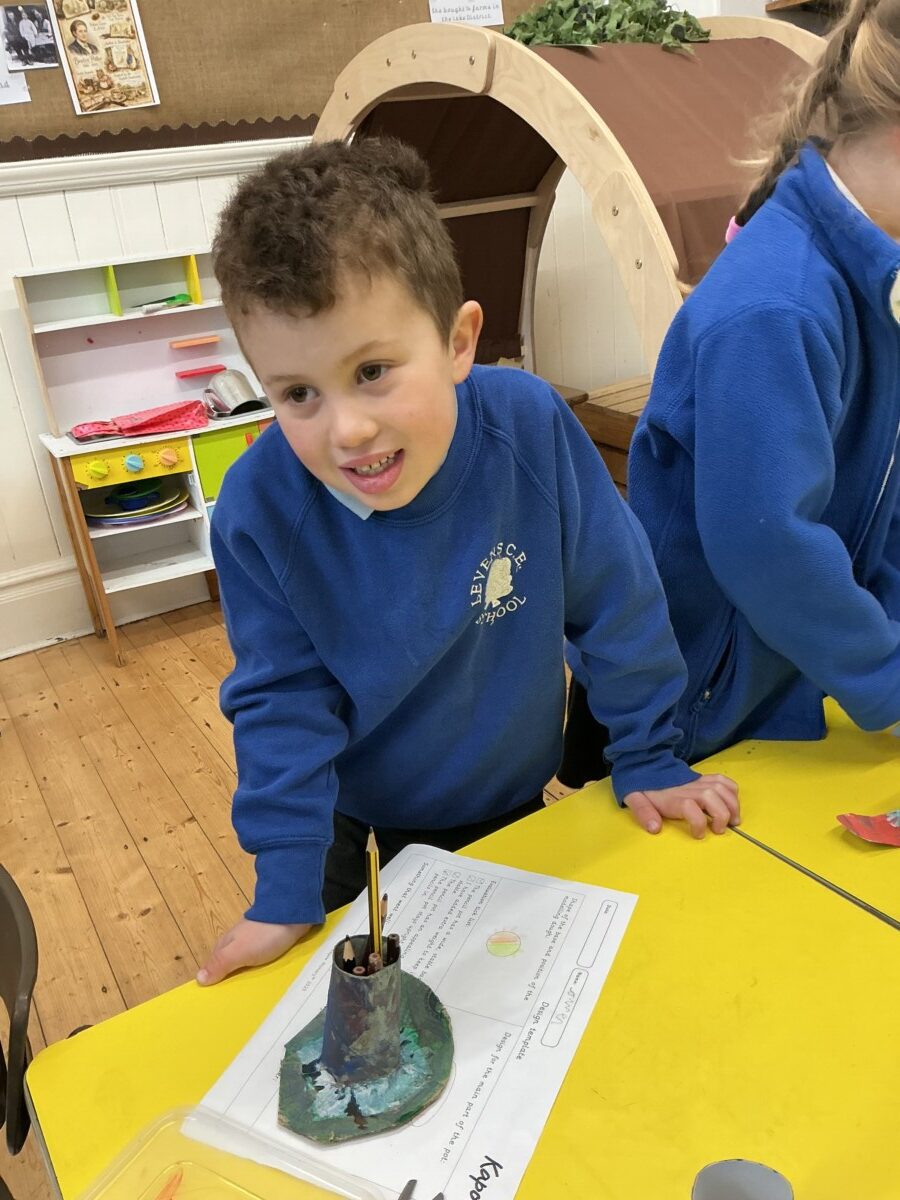
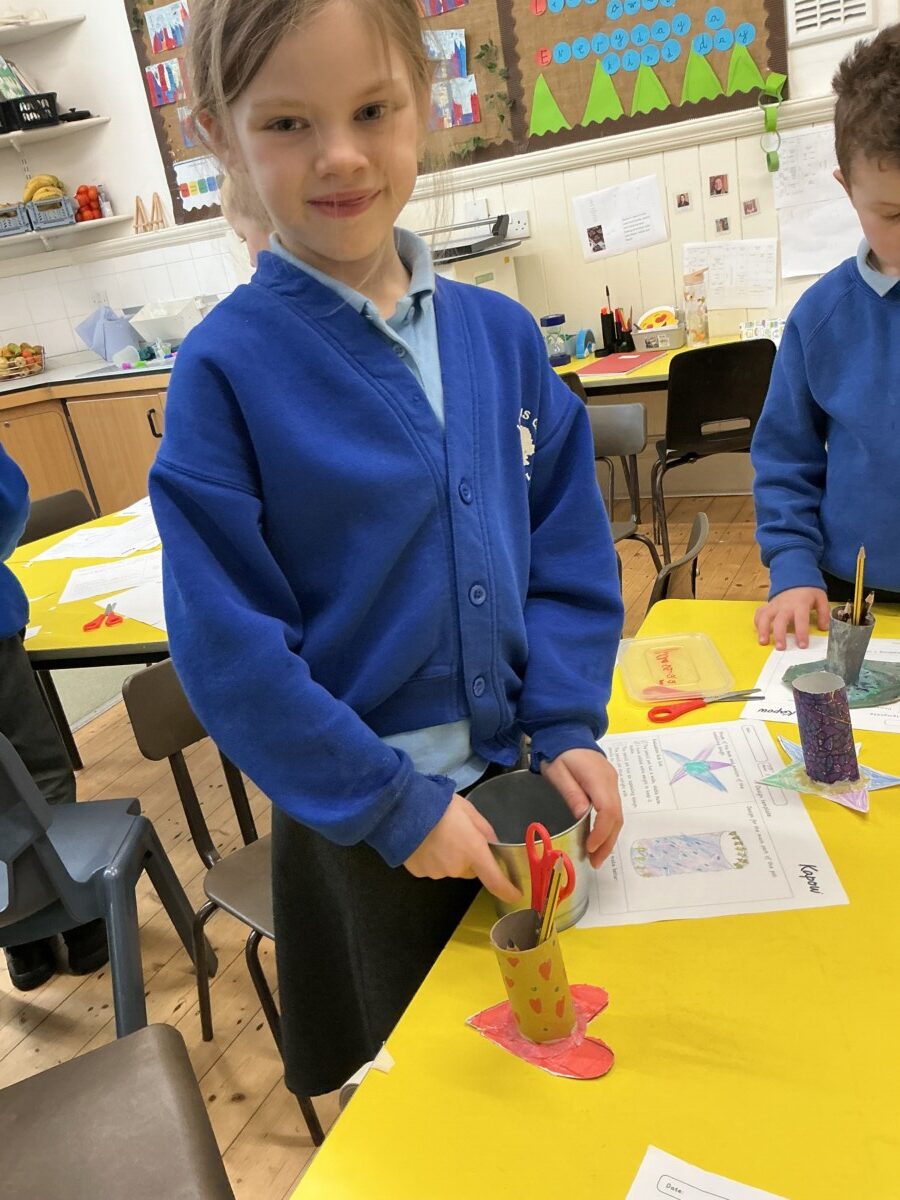
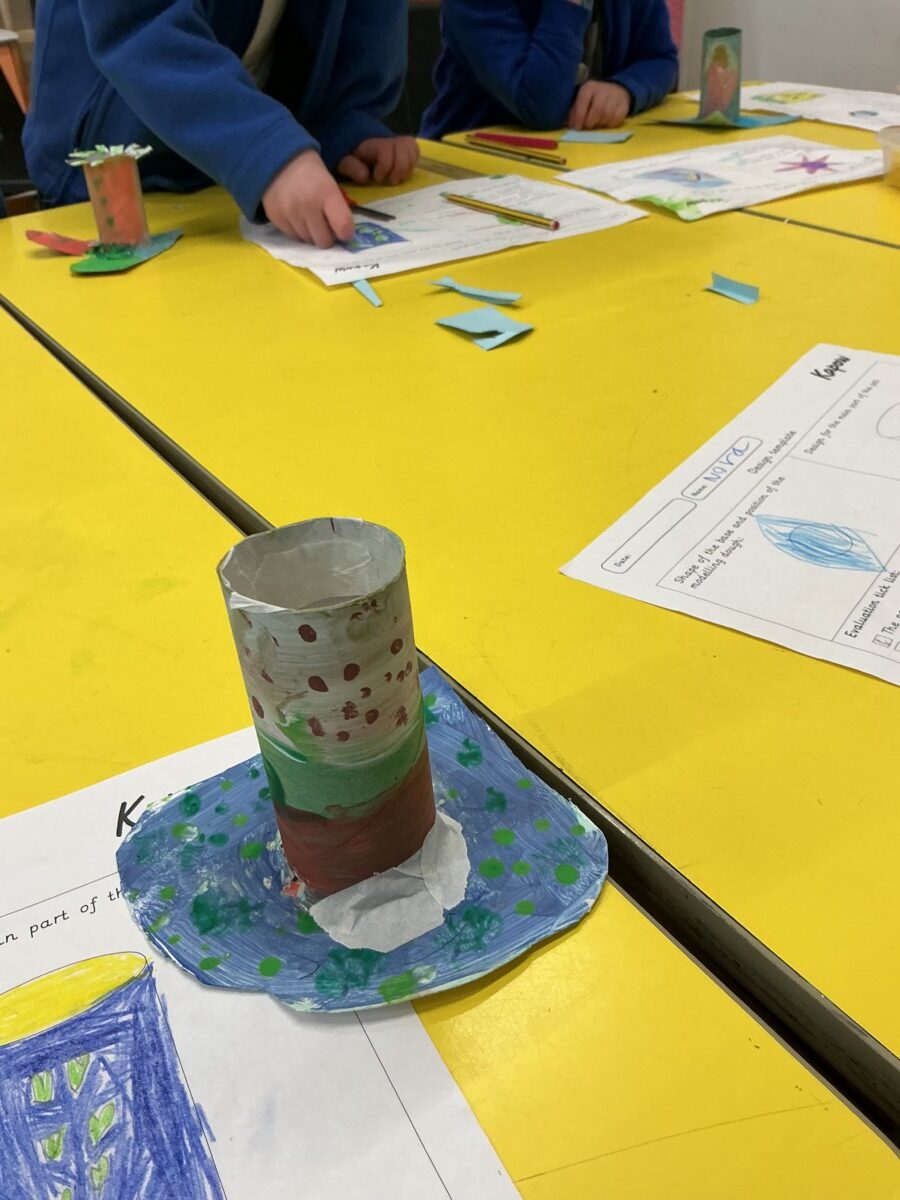
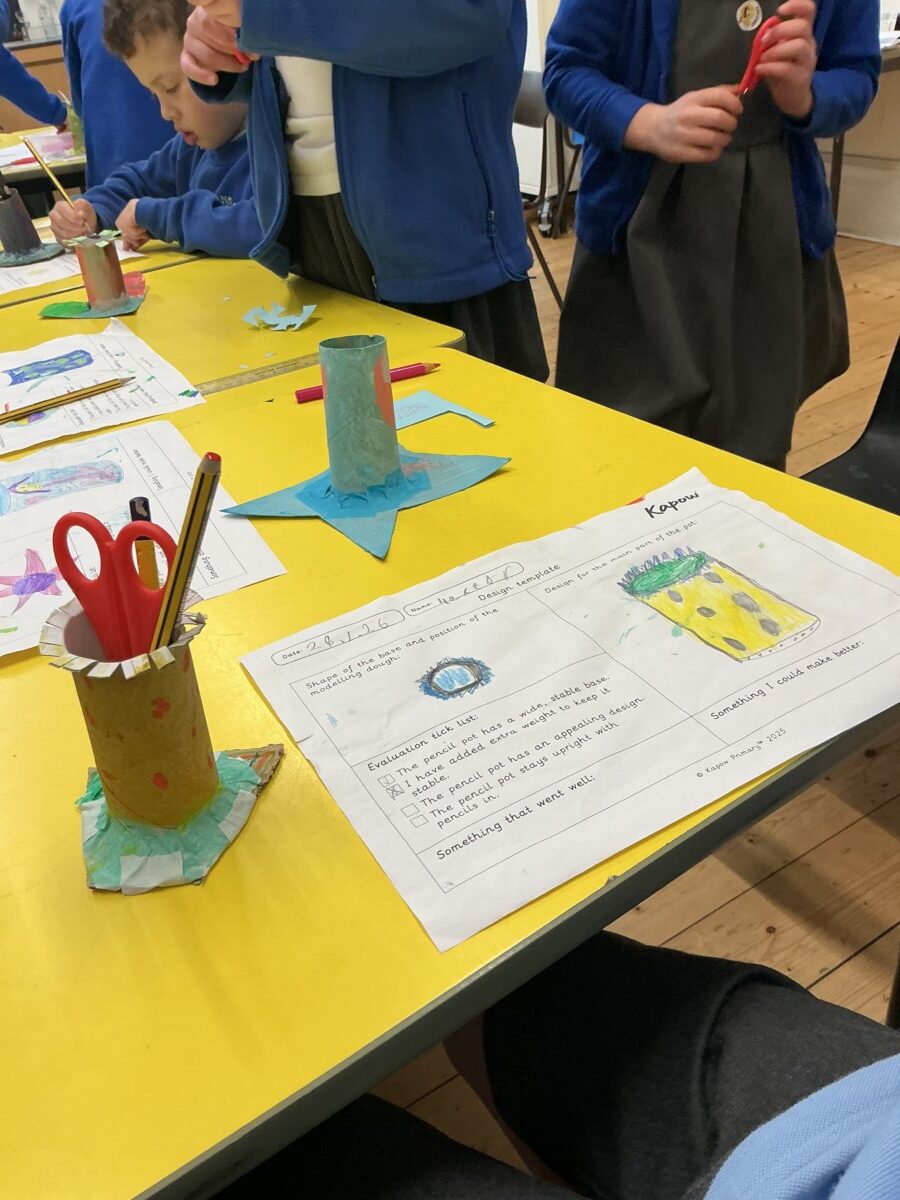
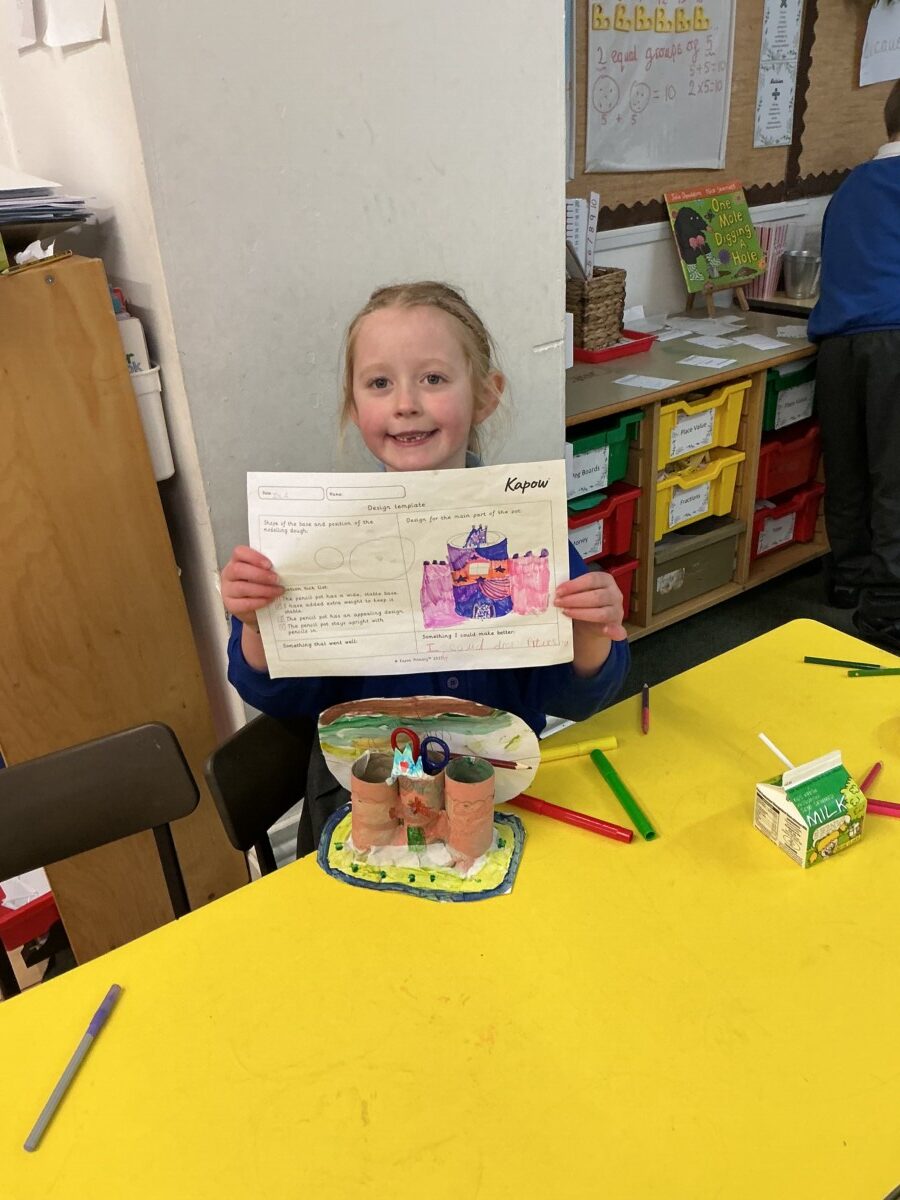
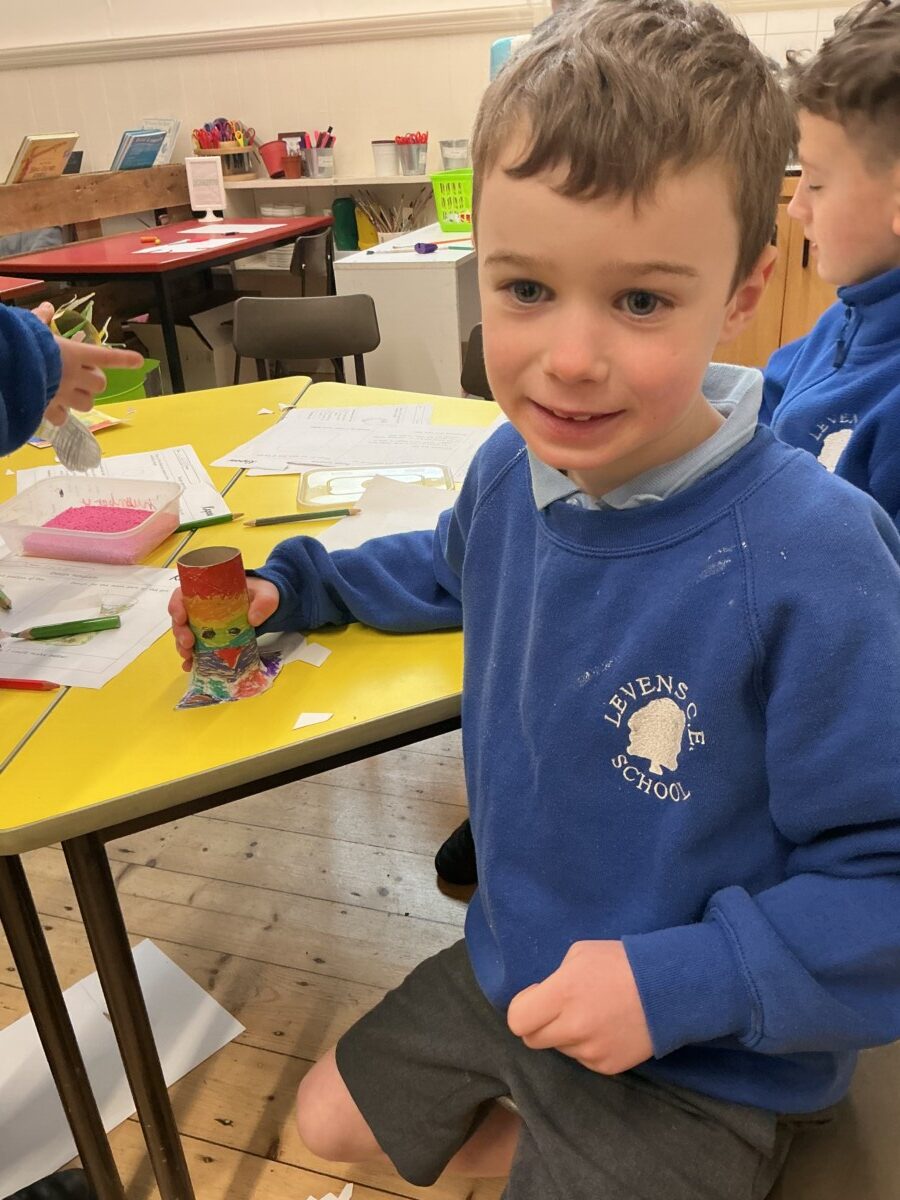
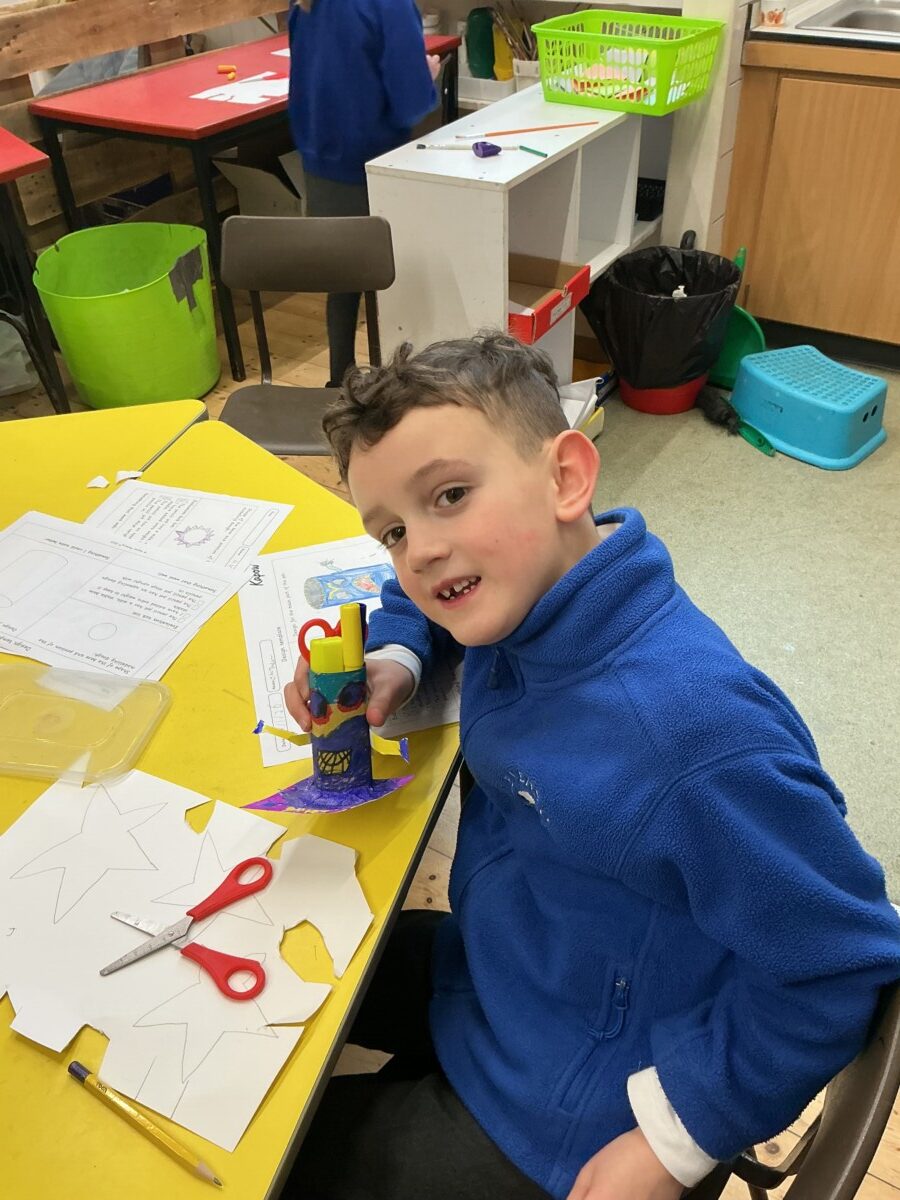
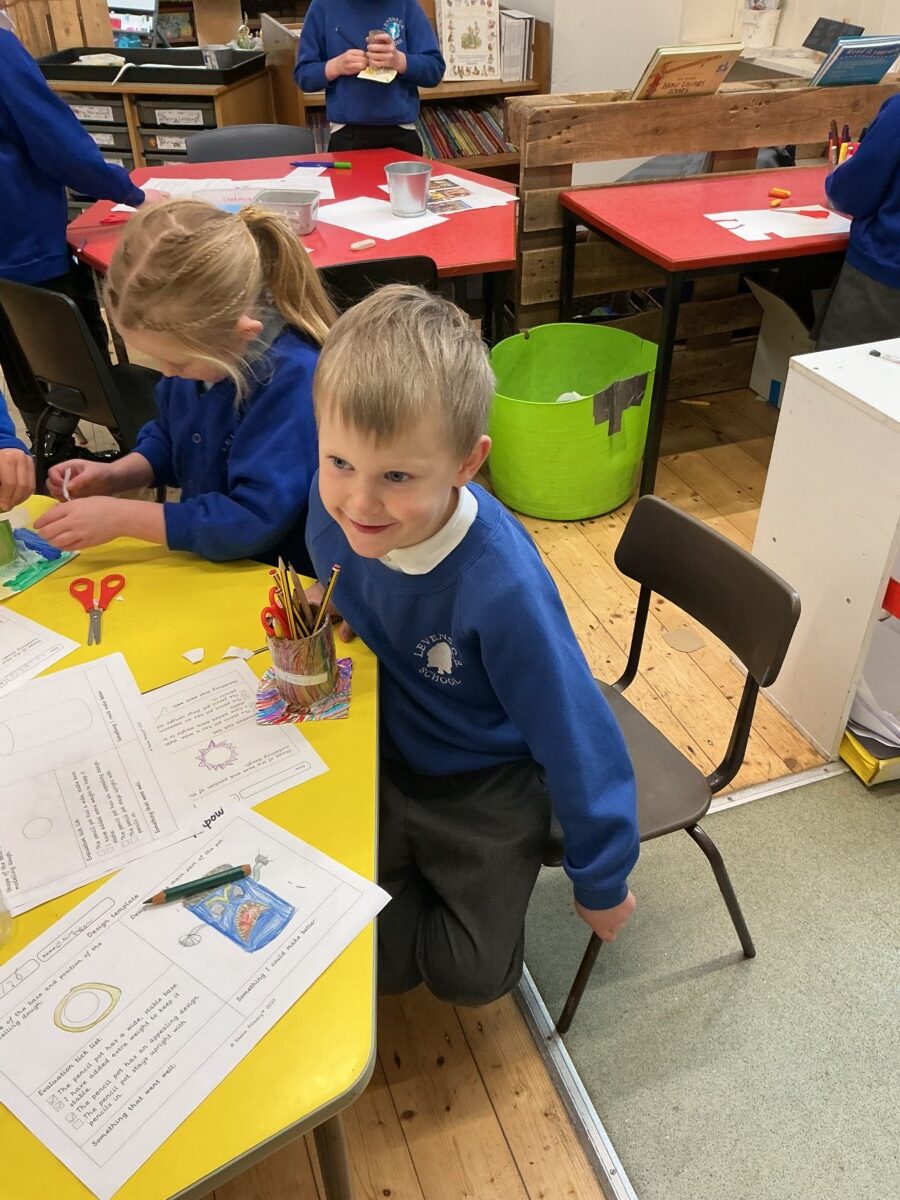
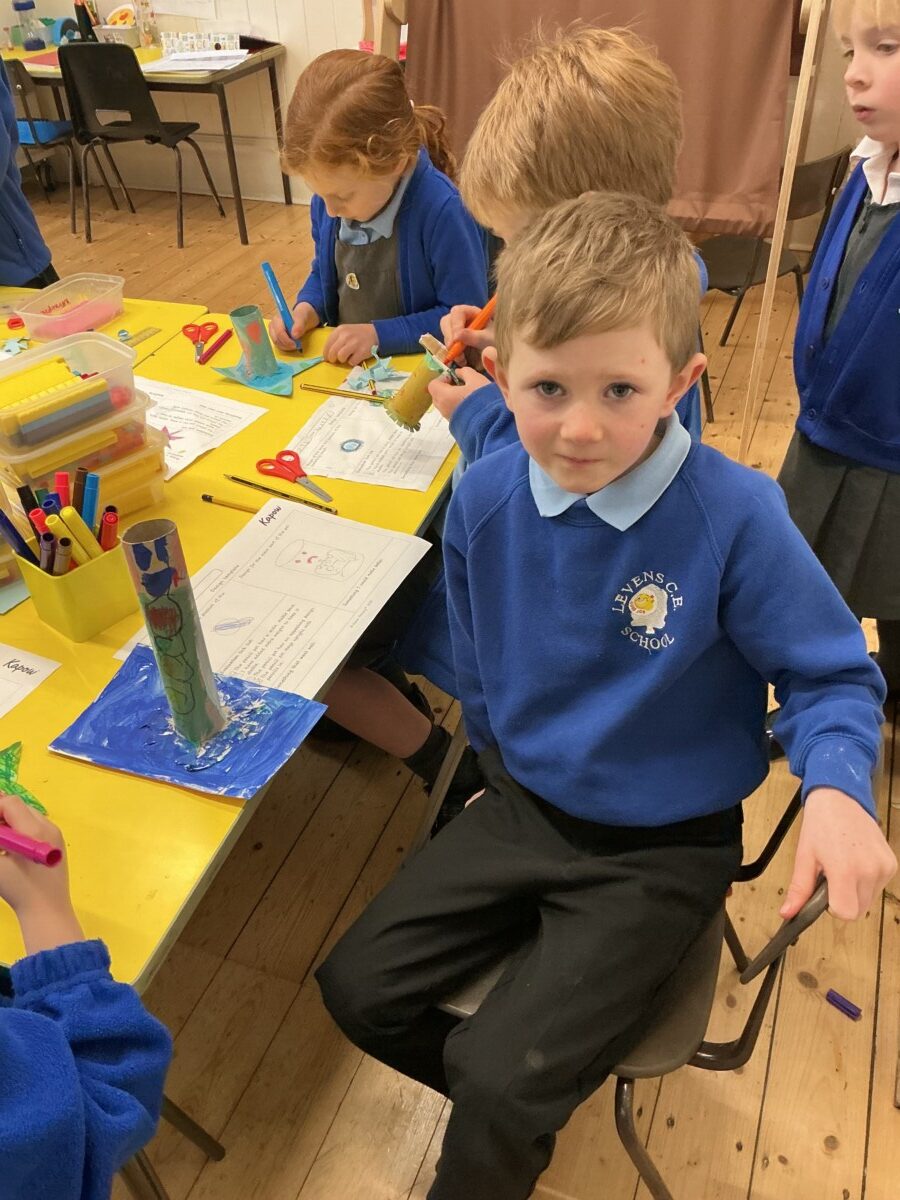
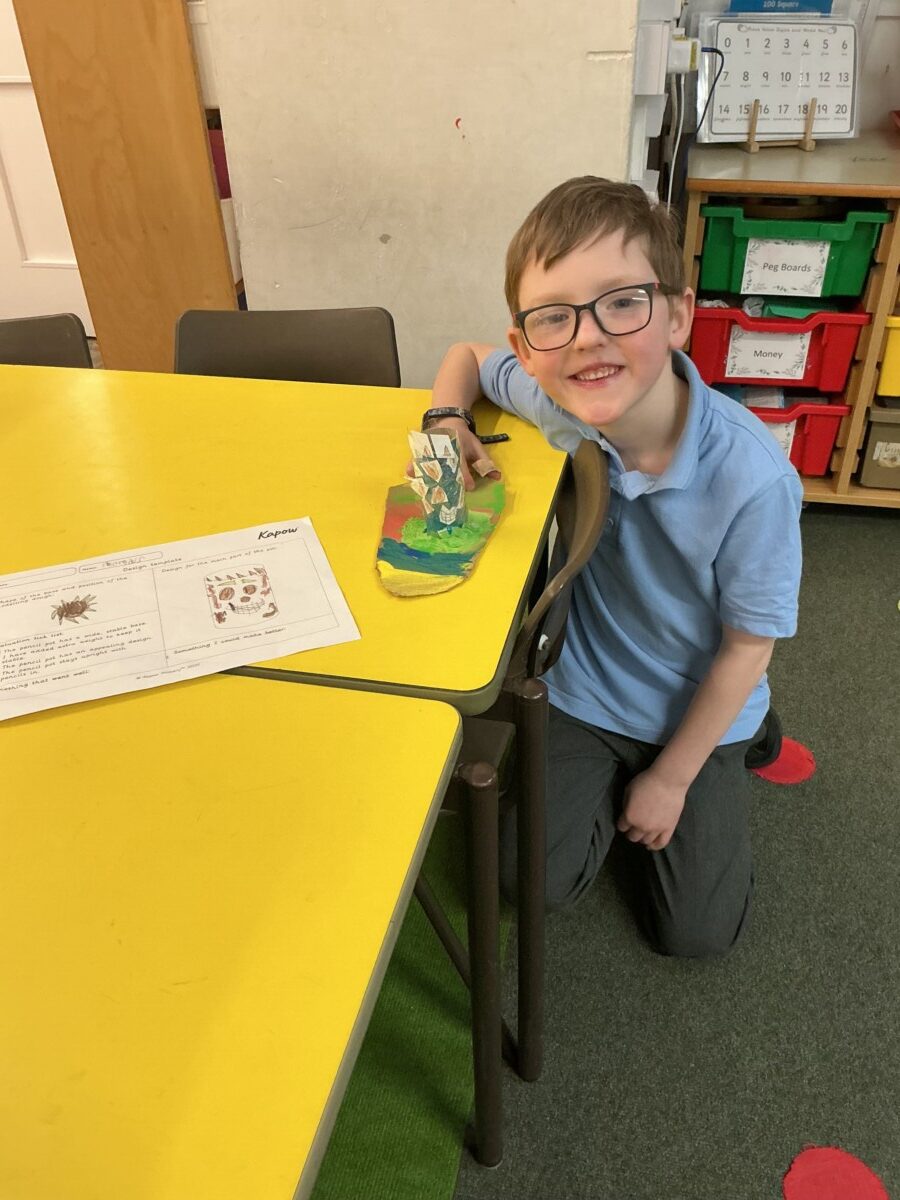
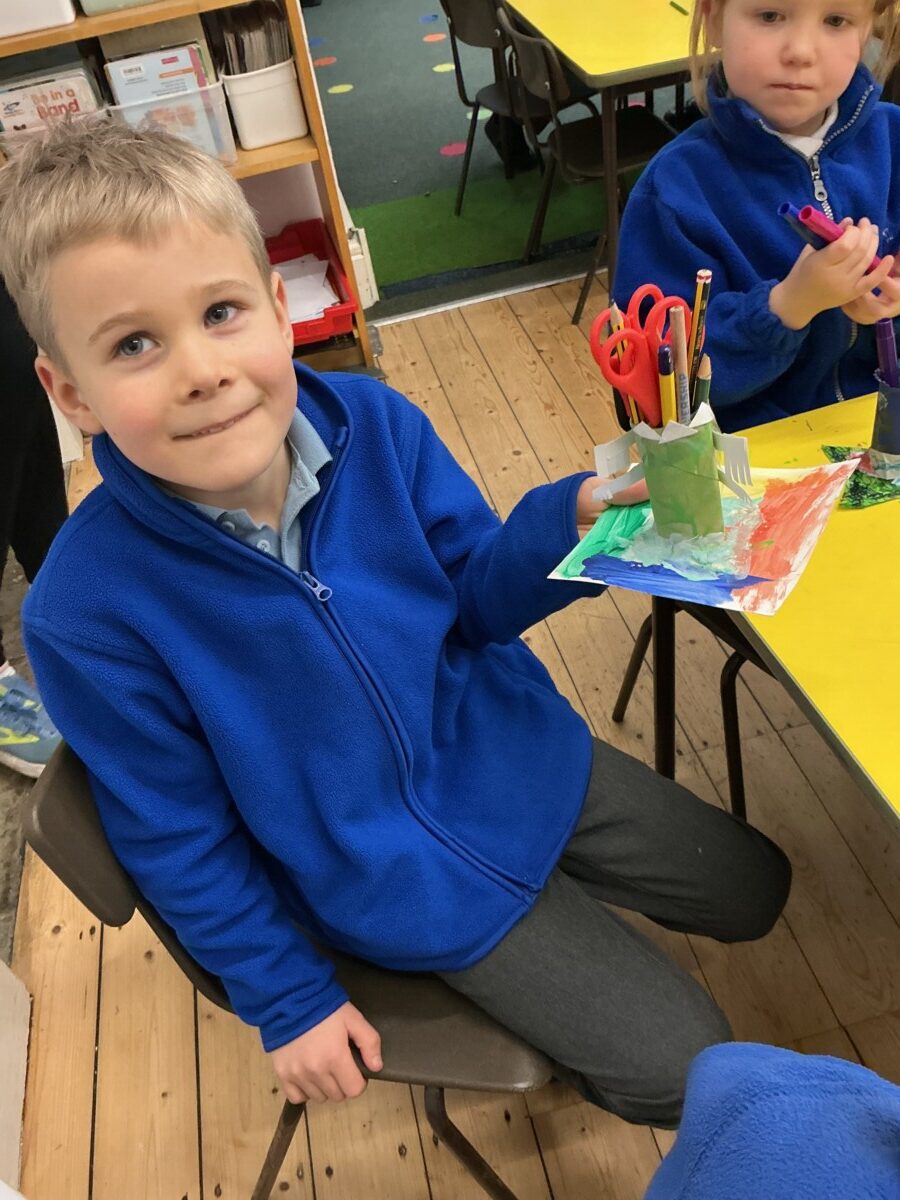
Class 2 have been creating their very own pencil pots in DT this half term! The children explored structures and learned what makes them stable. We discussed the meaning of the word stable and investigated how shapes and bases help structures stay upright. The children then designed their own pencil pots, thinking carefully about how to make them strong and balanced, and experimented with wider bases to improve stability. It was wonderful to see them using their creativity alongside problem-solving and design skills. Here are some pictures of the process below.