Class Three
Brewery Dance Festival
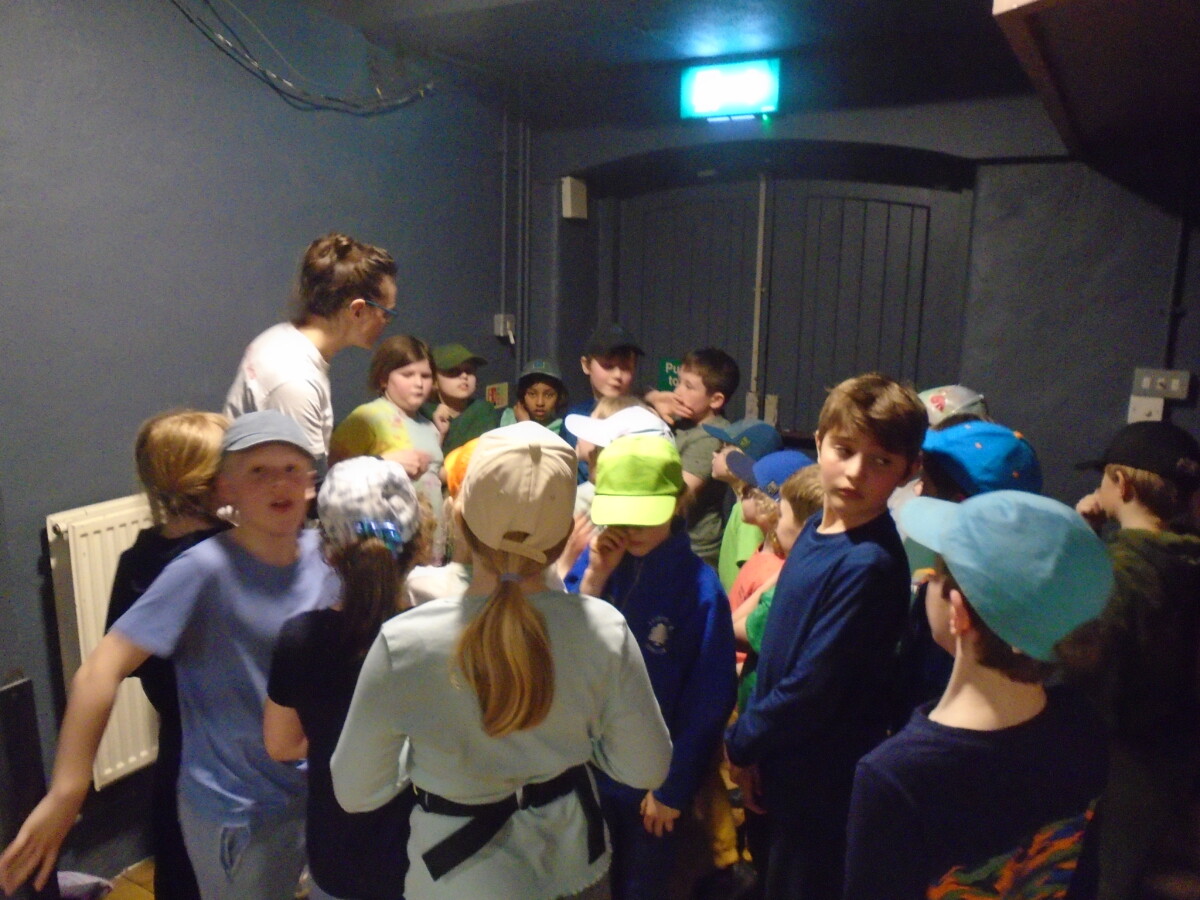
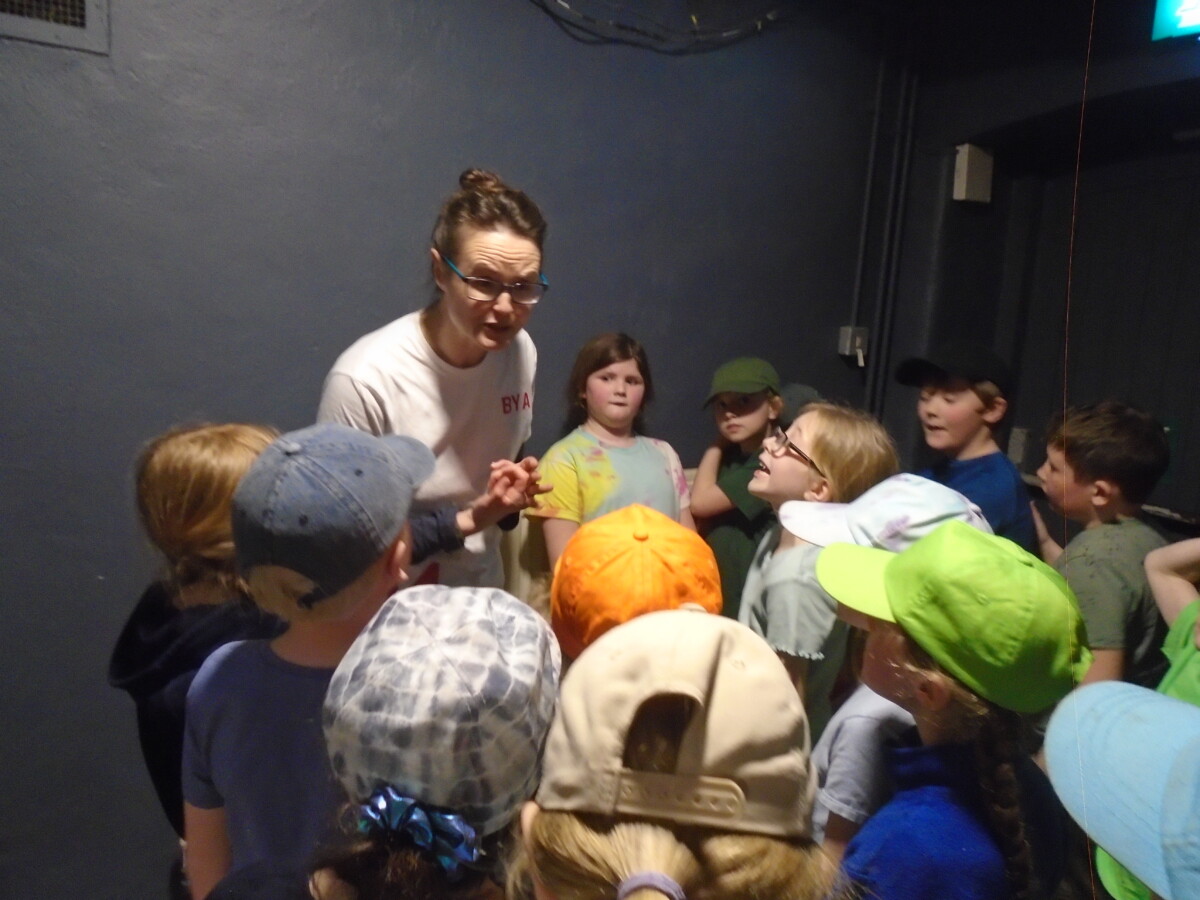
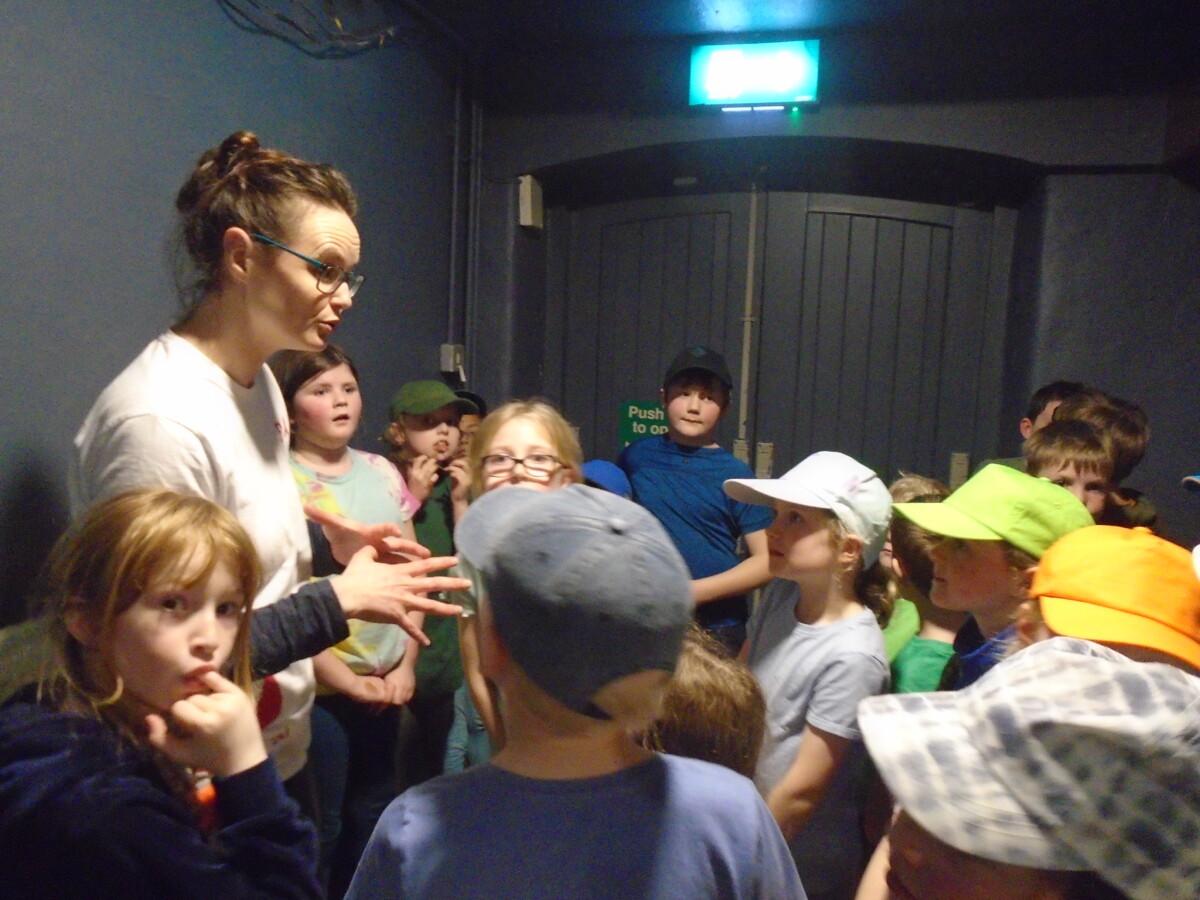
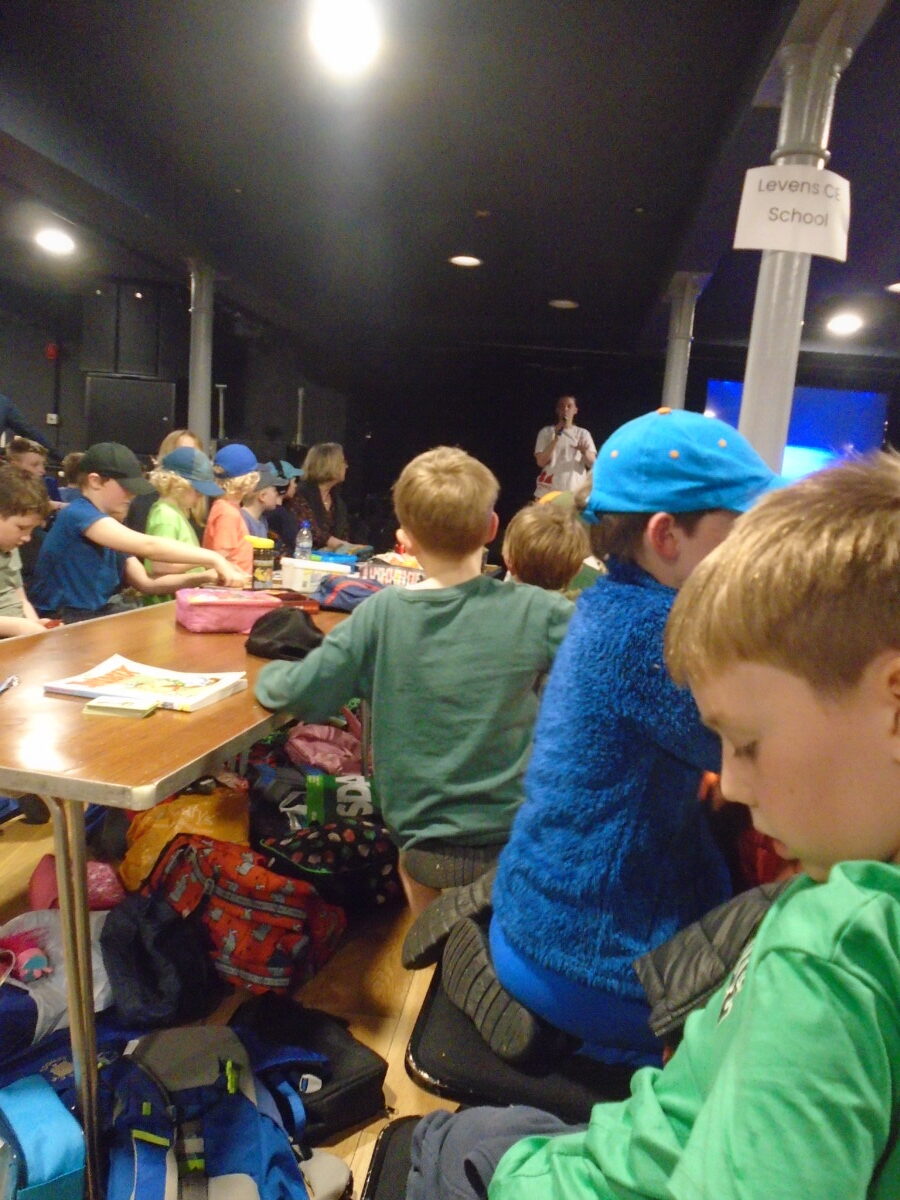
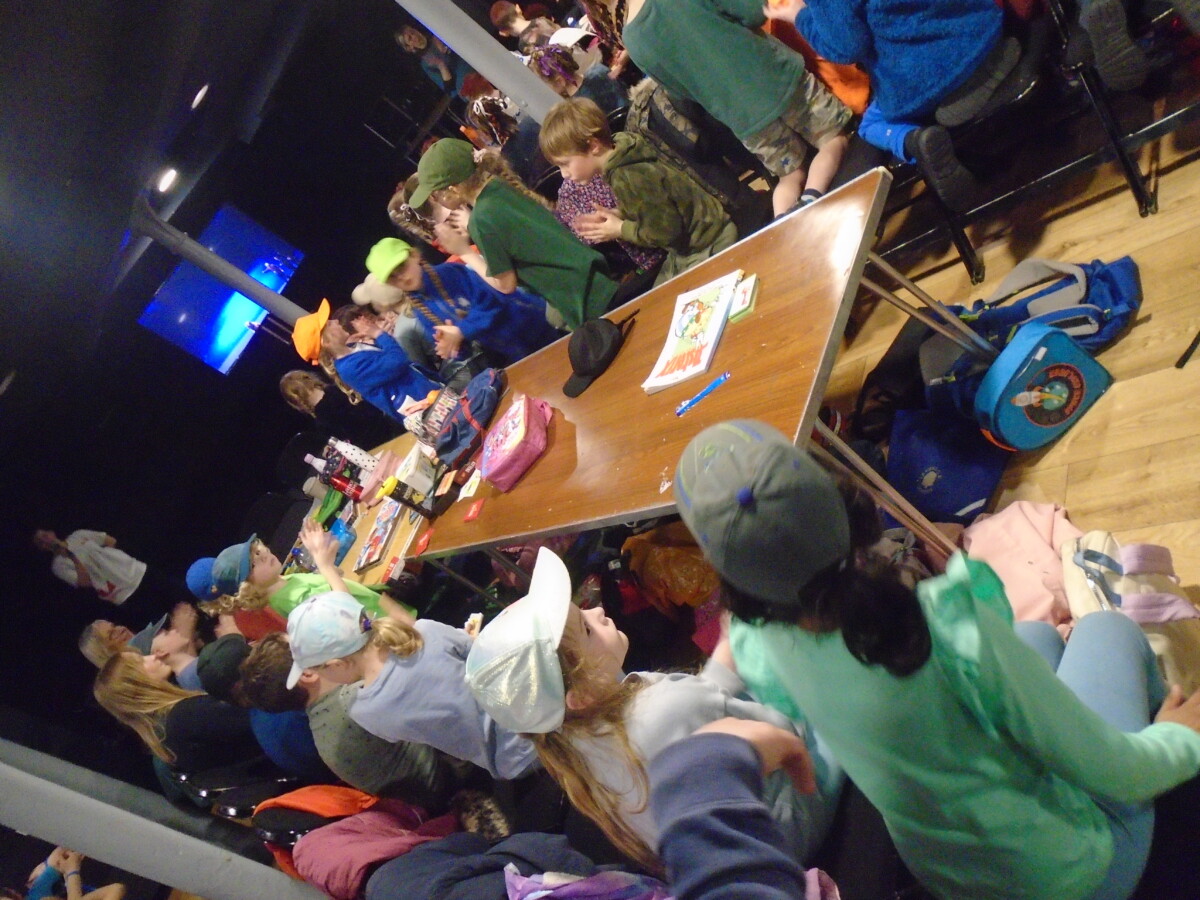
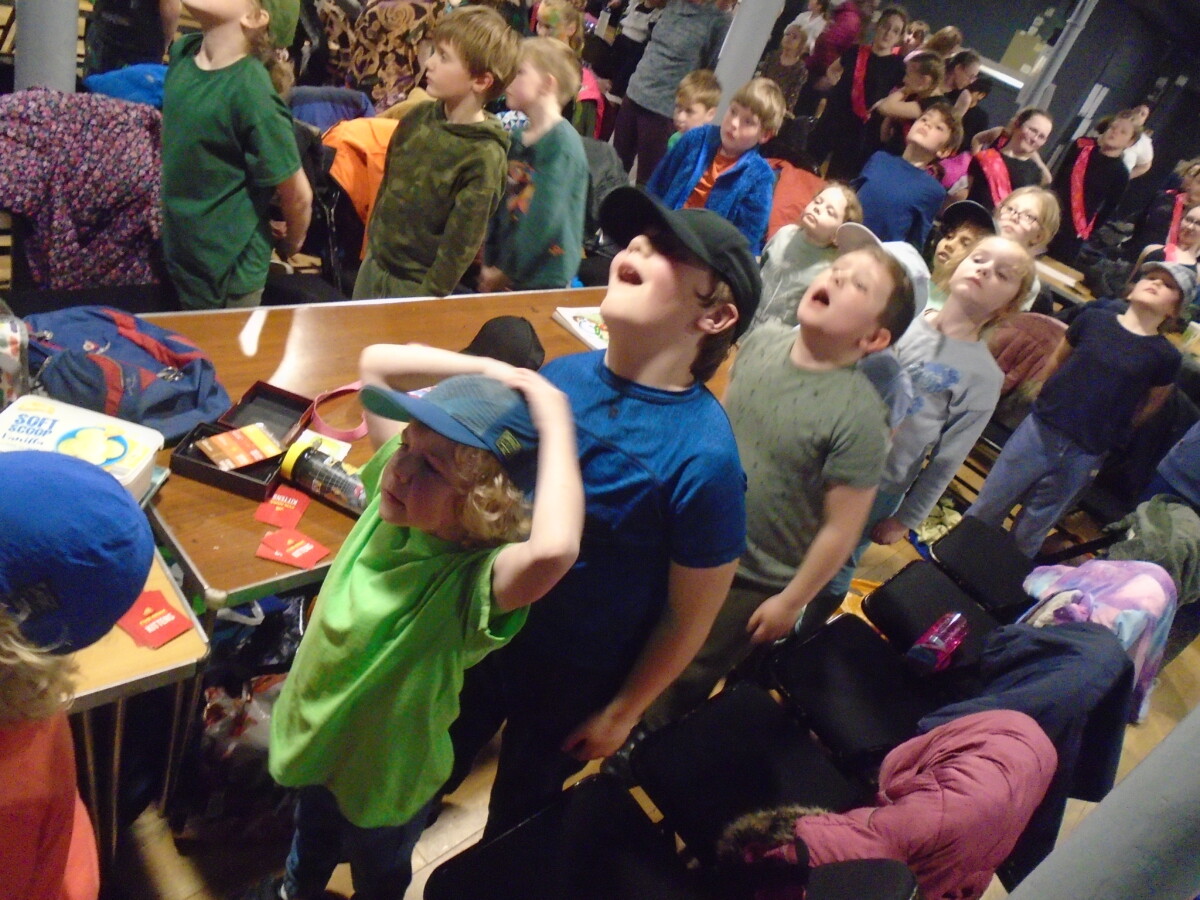
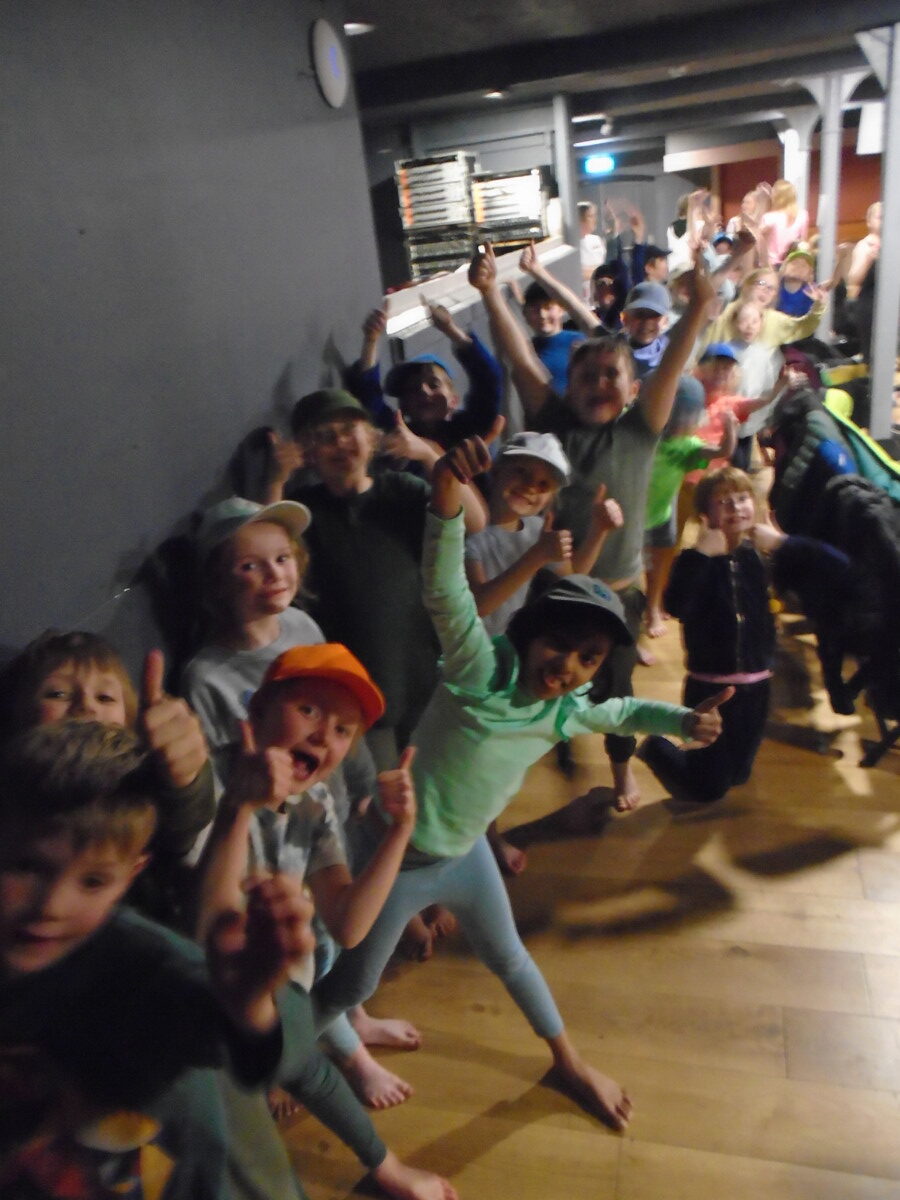
Congratulations to all our incredible dancers who took part in the Dance Festival at the Brewery Art Centre this week alongside other local schools. The dance, based on an explorer’s venture around the beautiful gifts of our Earth, portrayed our children’s creativity, agility and story-telling. The audience were enthralled!
Well done Class 3 on all your hard work putting it together and for being the most professional performers on the night – both onstage and behind the scenes backstage.

Elleray Cross Country Event
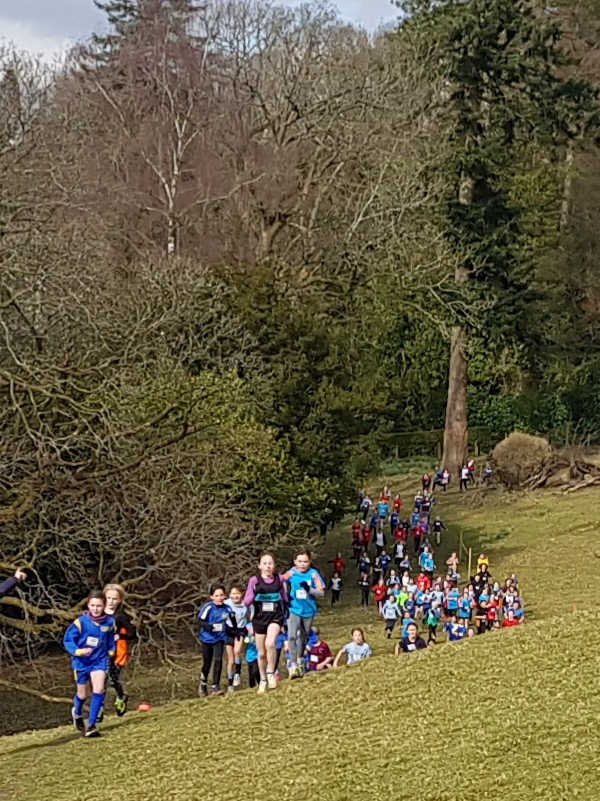
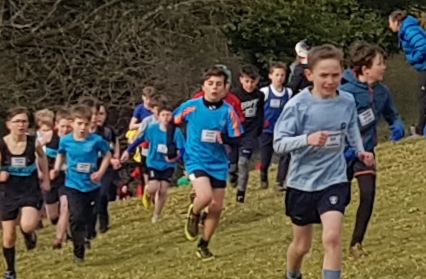
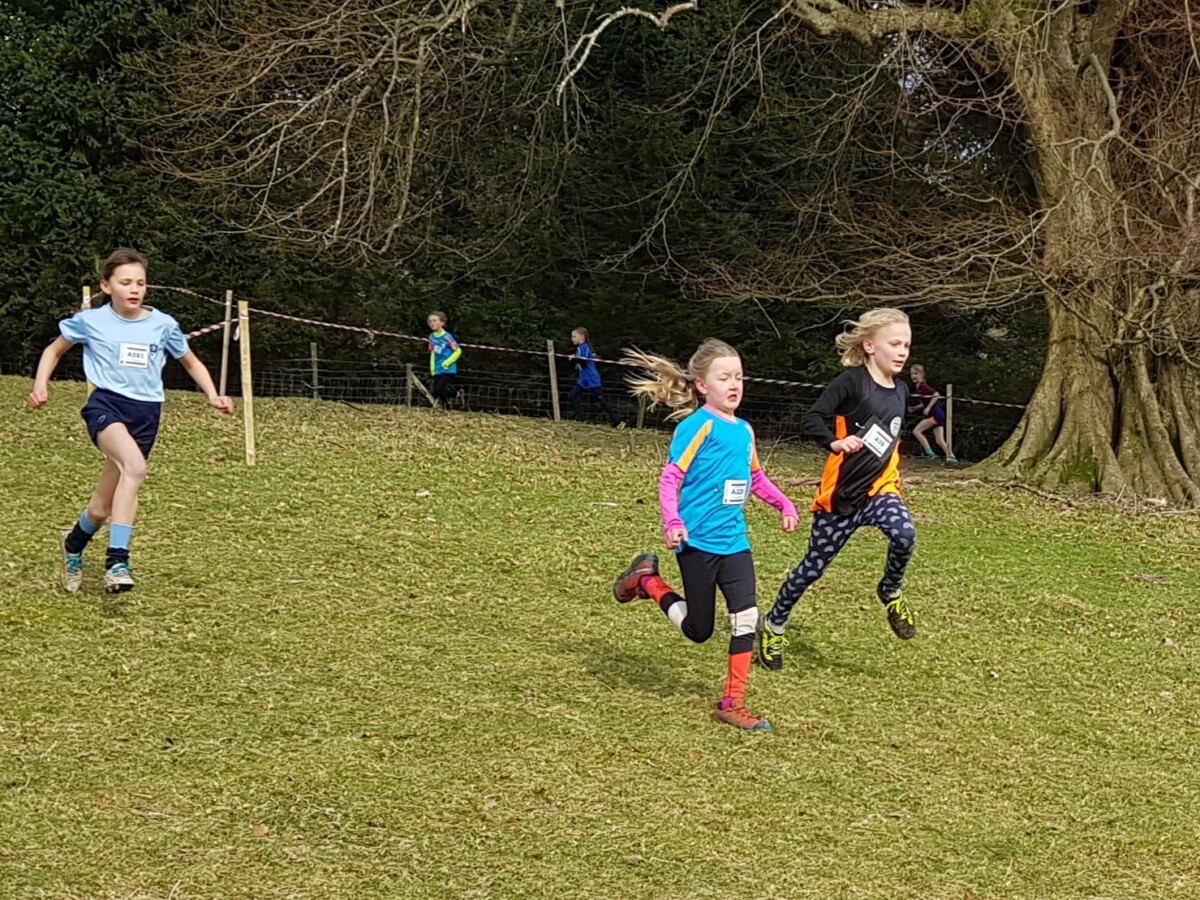
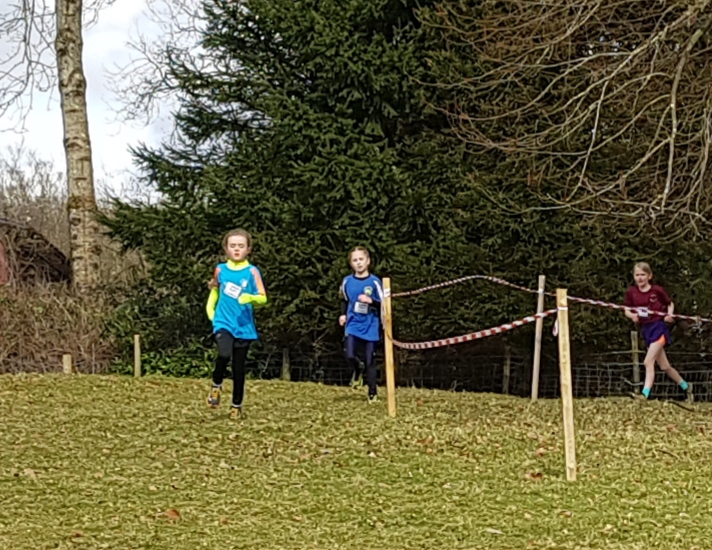
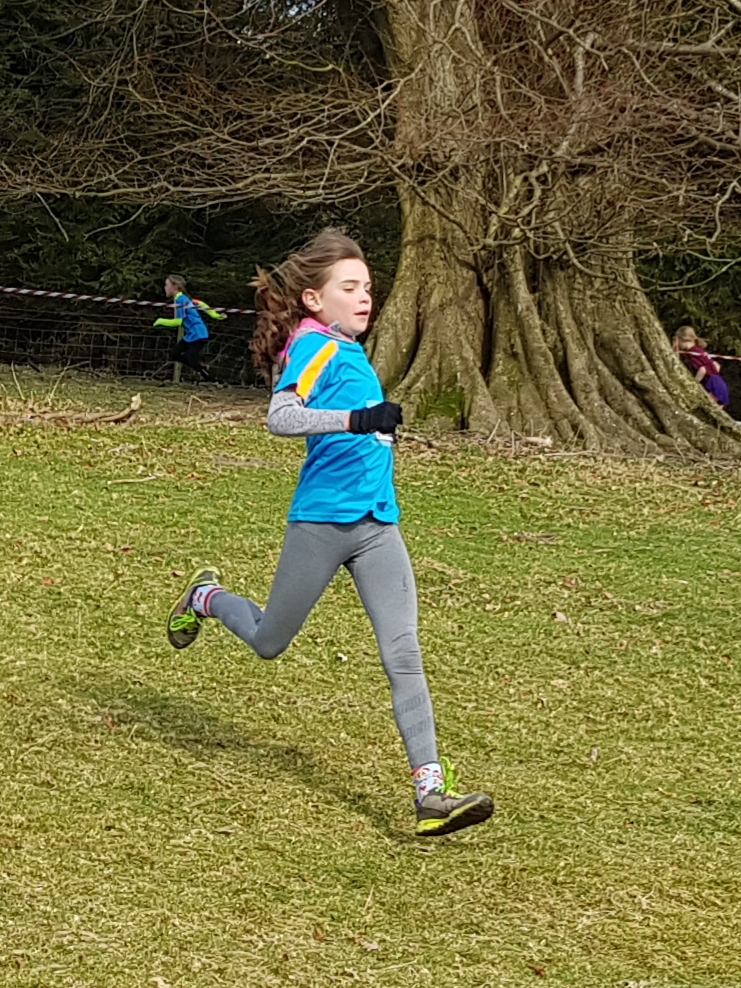
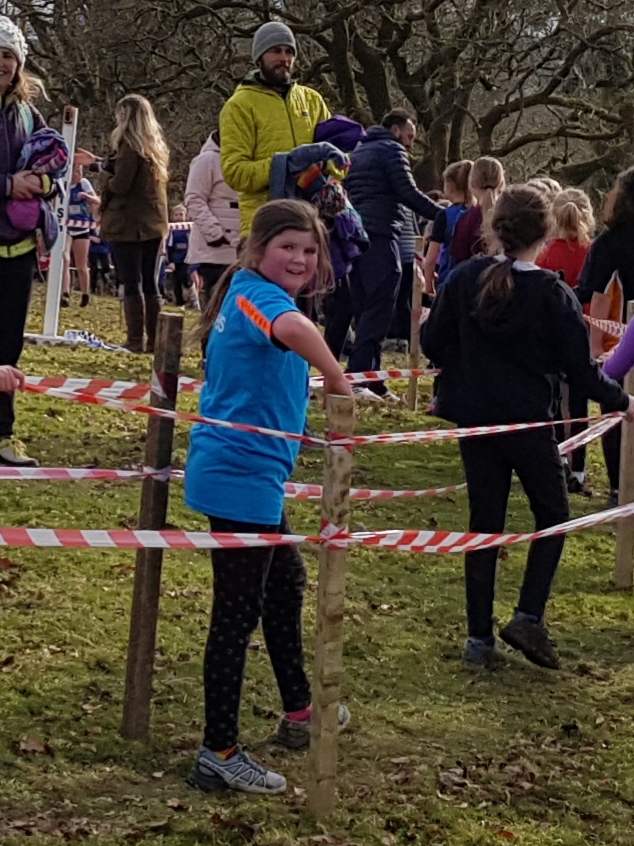
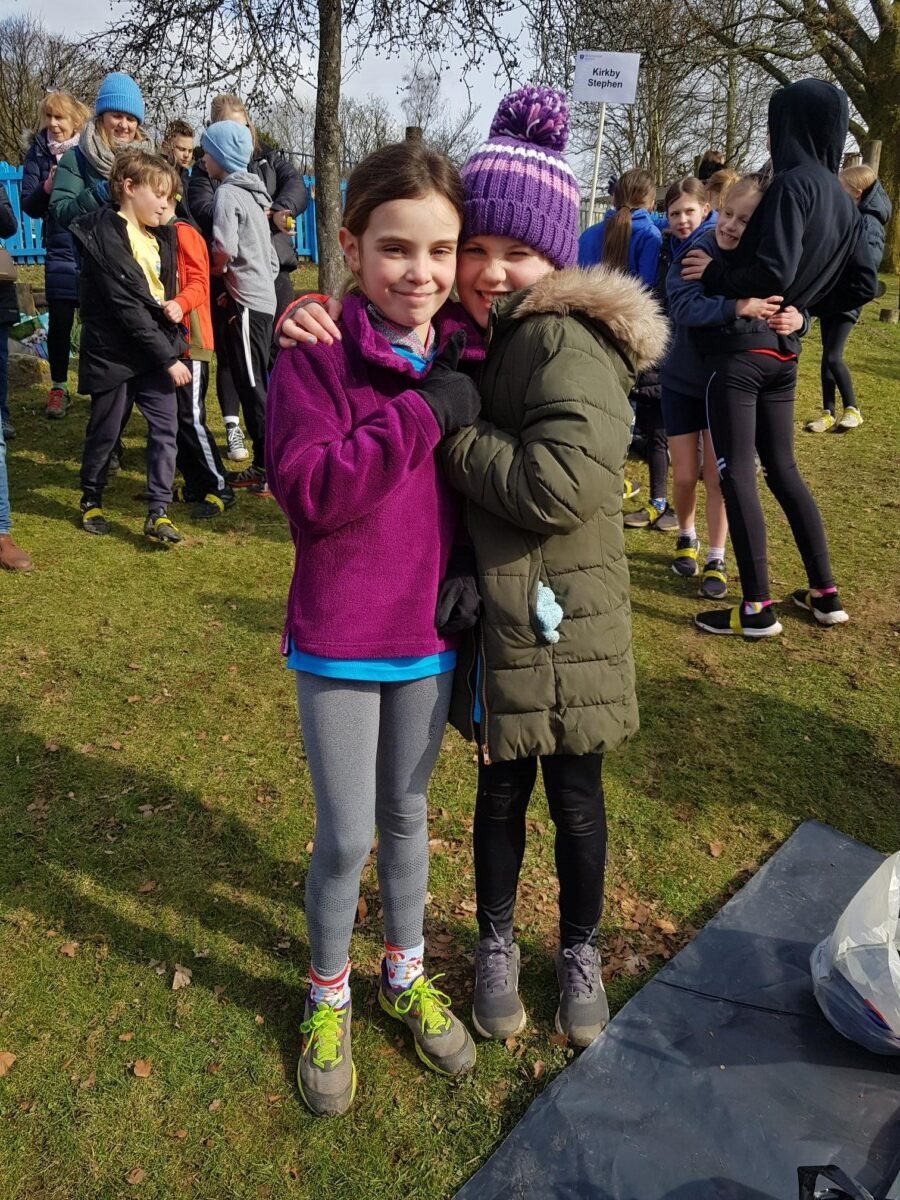
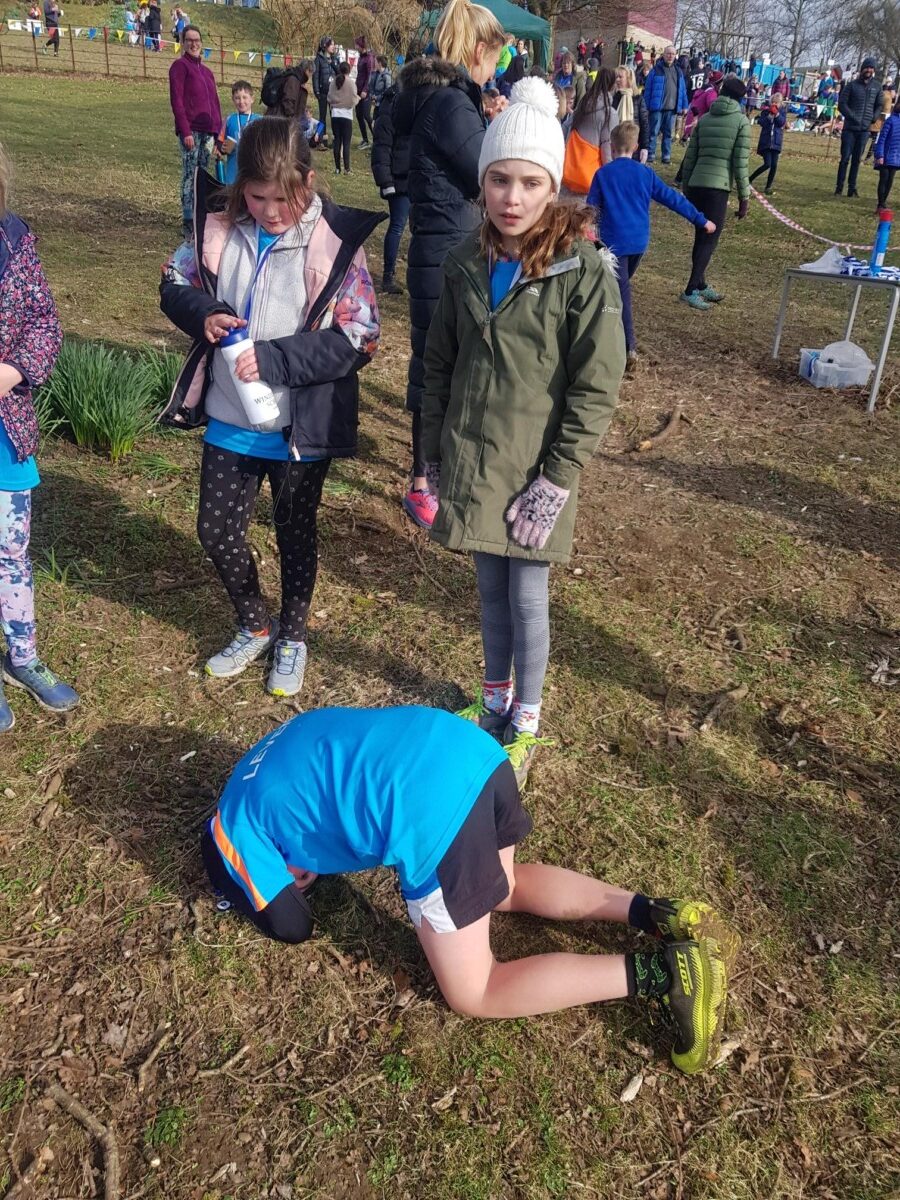
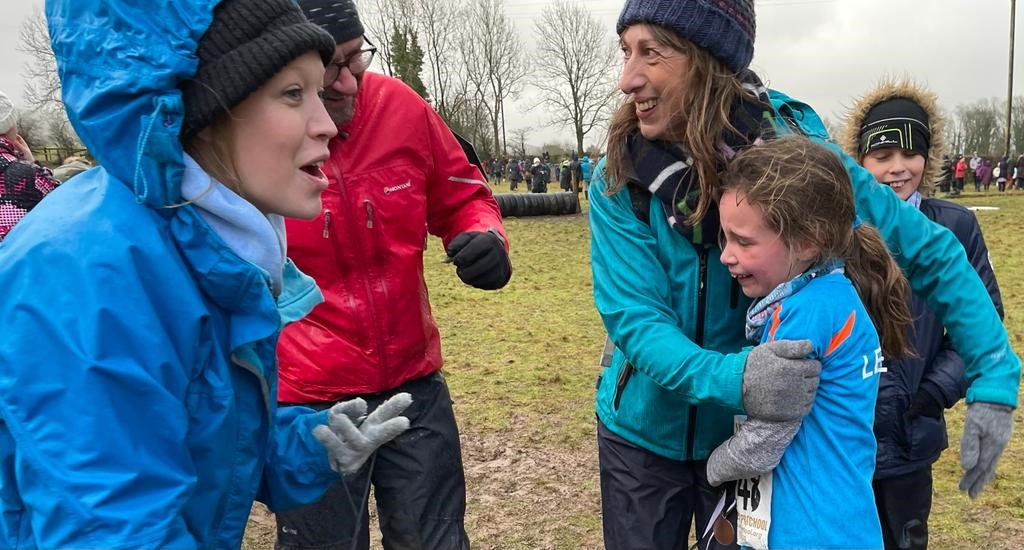
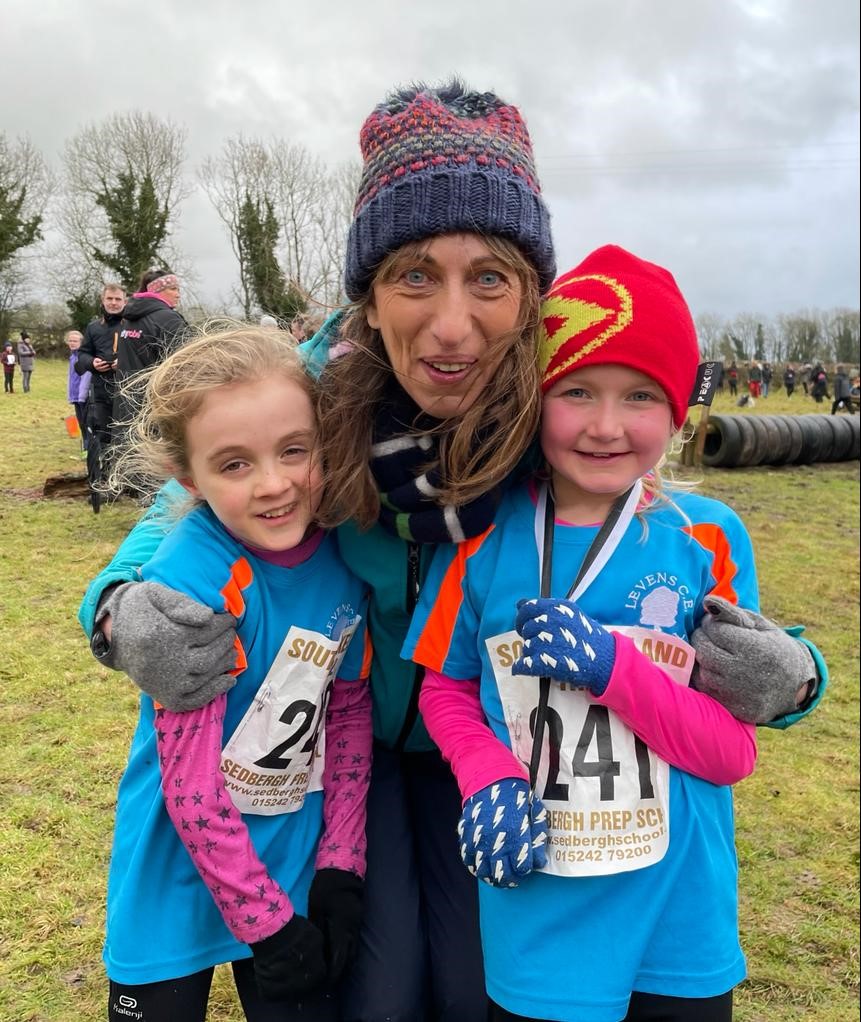
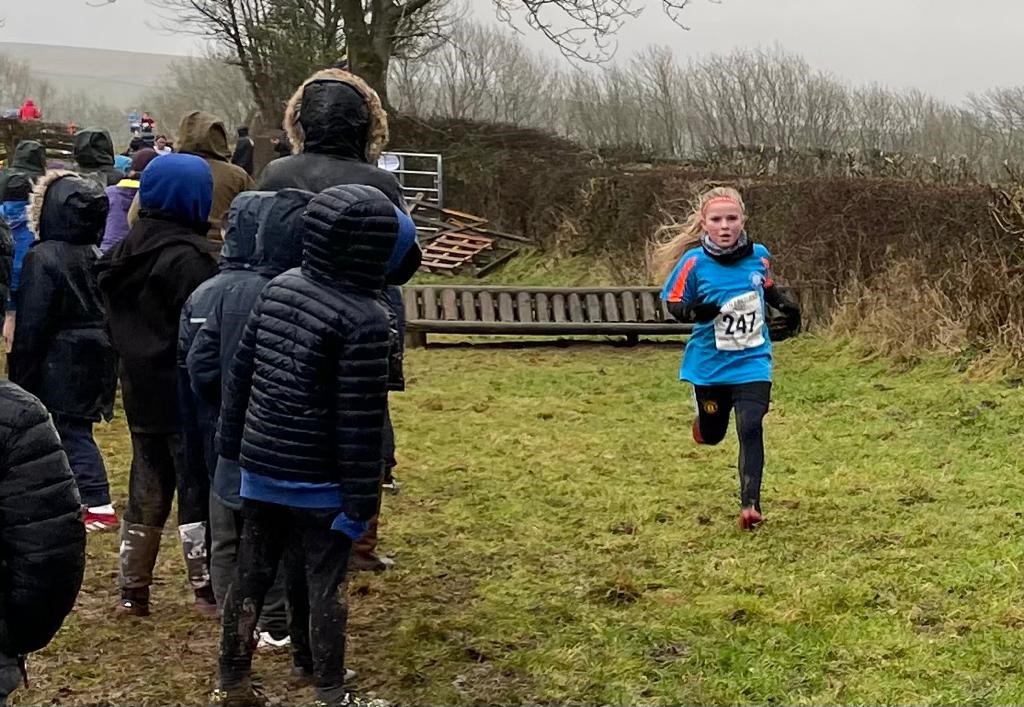
What an absolutely brilliant afternoon we all had at Elleray last week, participating in their terrific, challenging and rewarding cross country competition, running against 564 of the best runners that the county has to offer!
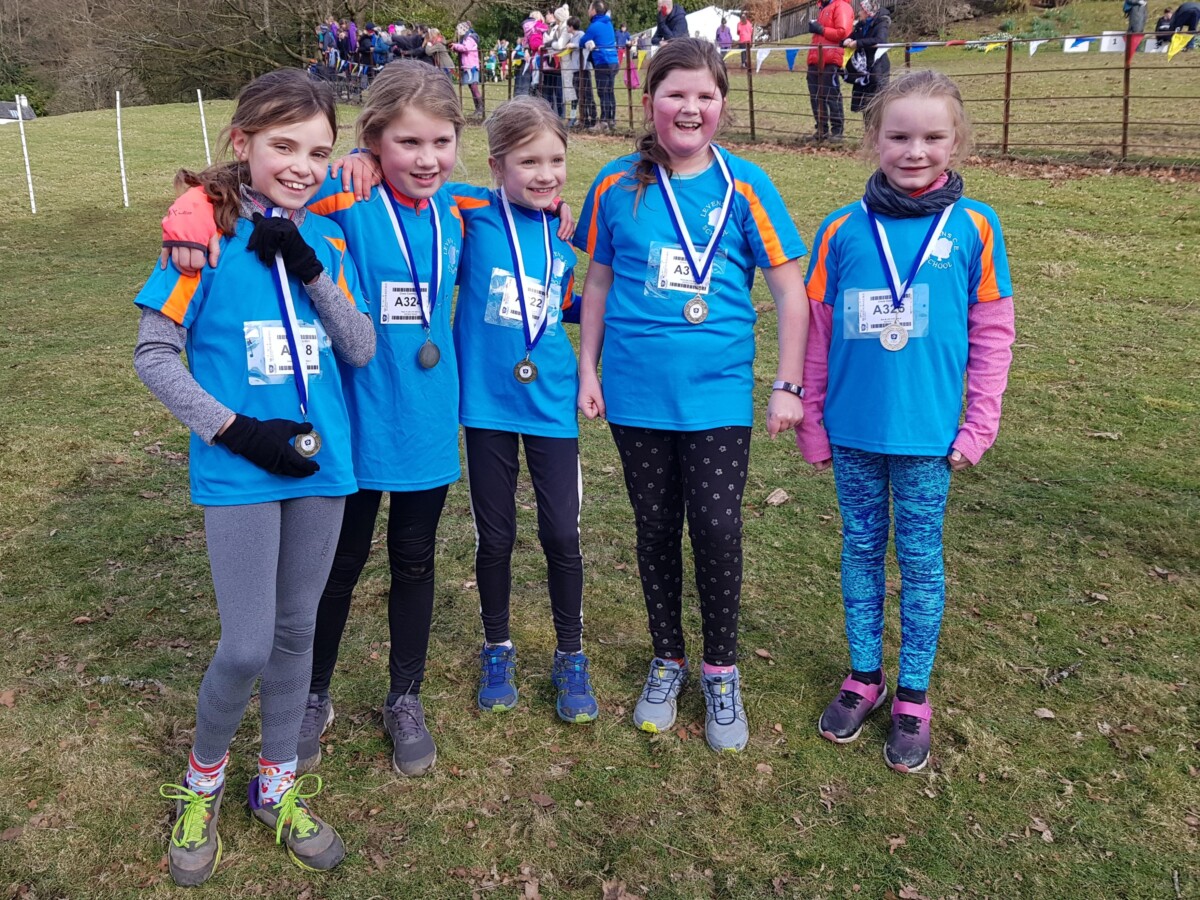
As totally expected, our team of 18 did not disappoint, everyone finishing the hilly, stream-ridden course with great personal gratification to be rewarded with a special medal and a burger/hotdog!
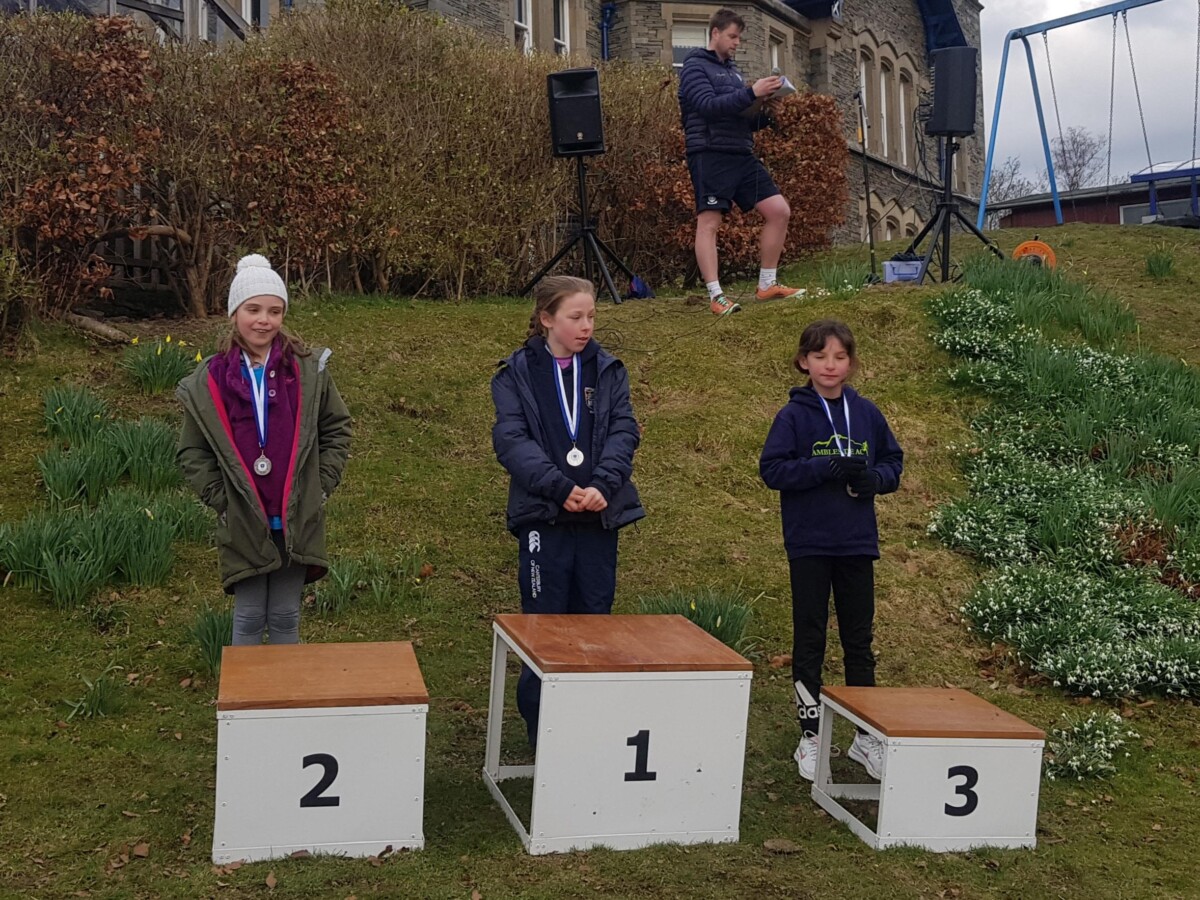
For a small school, we provide a terrific punch in cross country running, our Under 10 girls finishing second in the team competition, many children running against much older competitors. The day might have been incredibly cold, but staff and parents were warmed through with pride, appreciating every single effort, they could not have given more or tried harder.
Running Club concludes for the season this week with a celebration run through Levens Park and warming homemade refreshments served at Mrs Mason’s farm. We cannot wait to start again in September already…..


Fantastic Food- Class 3
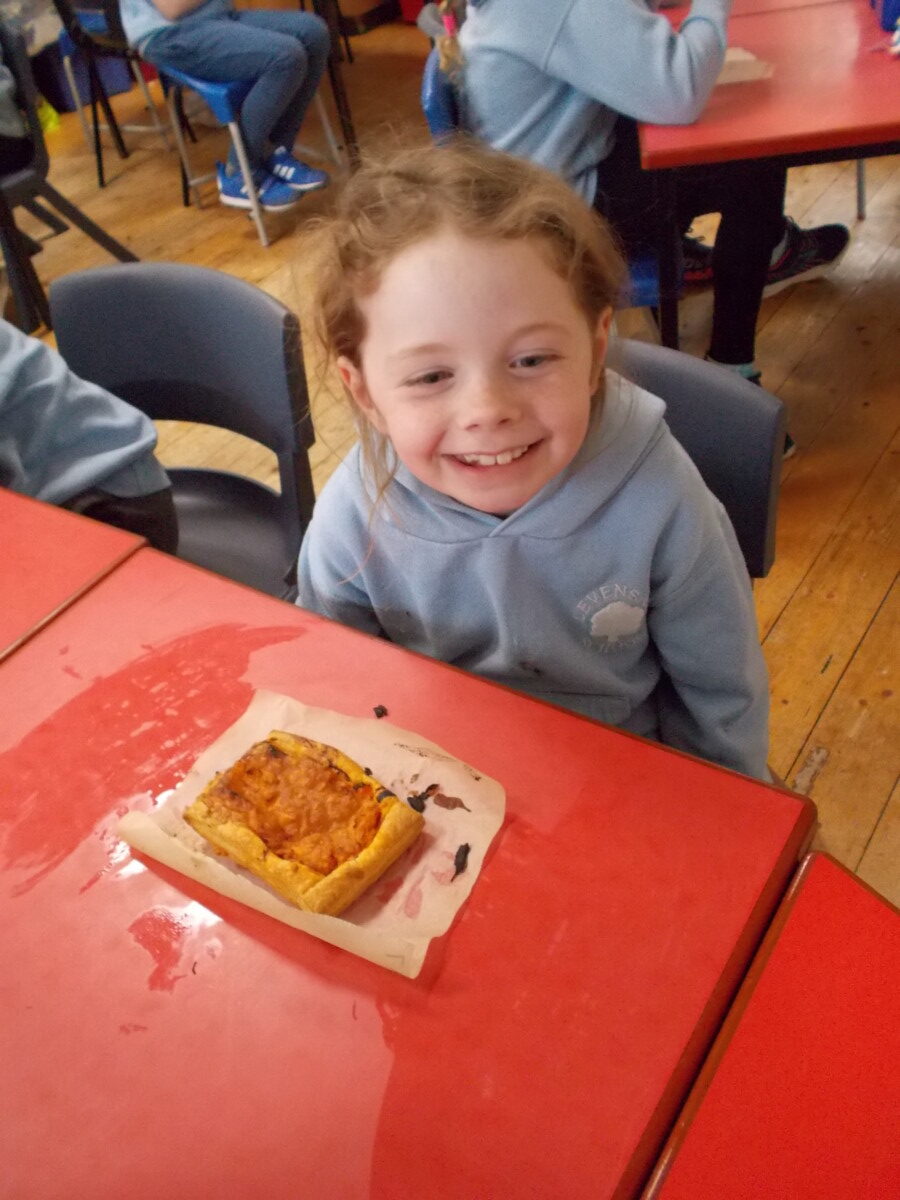
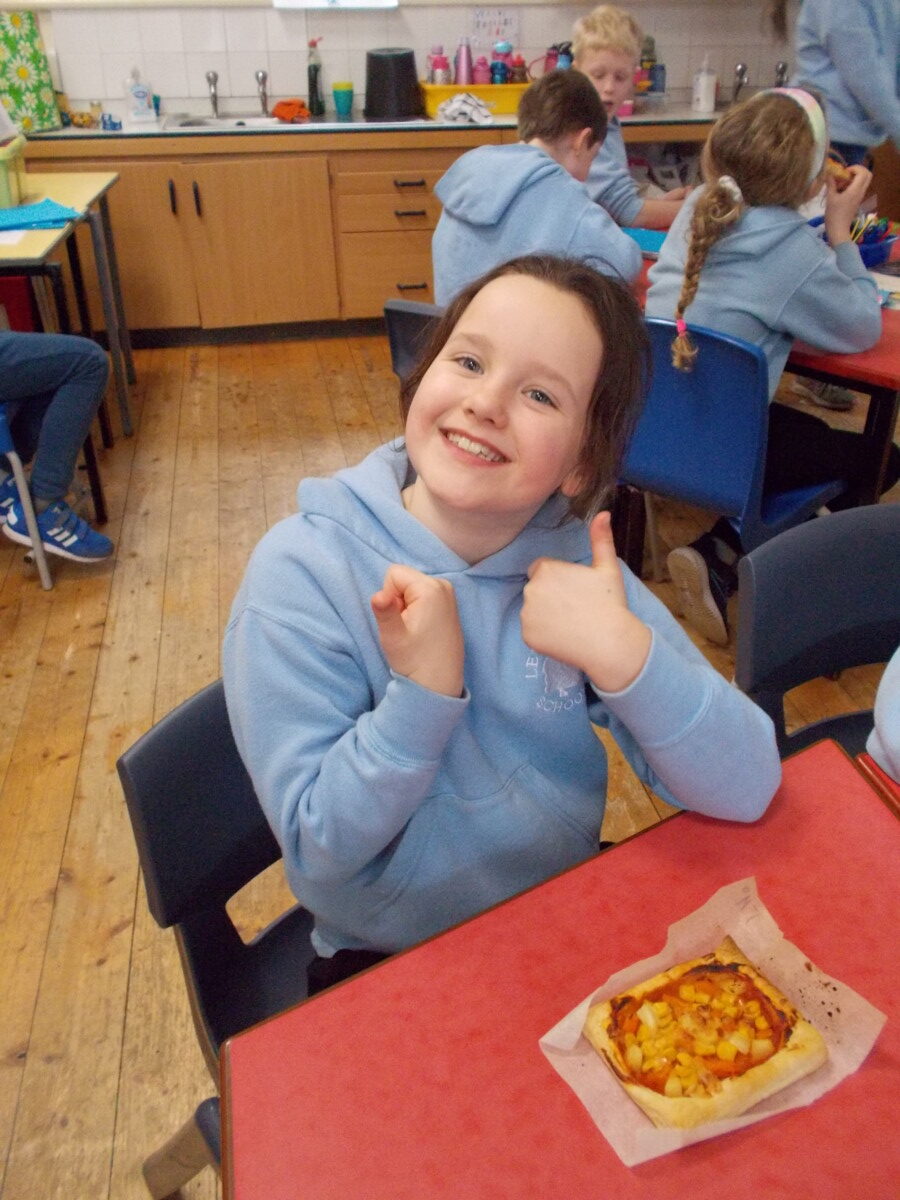
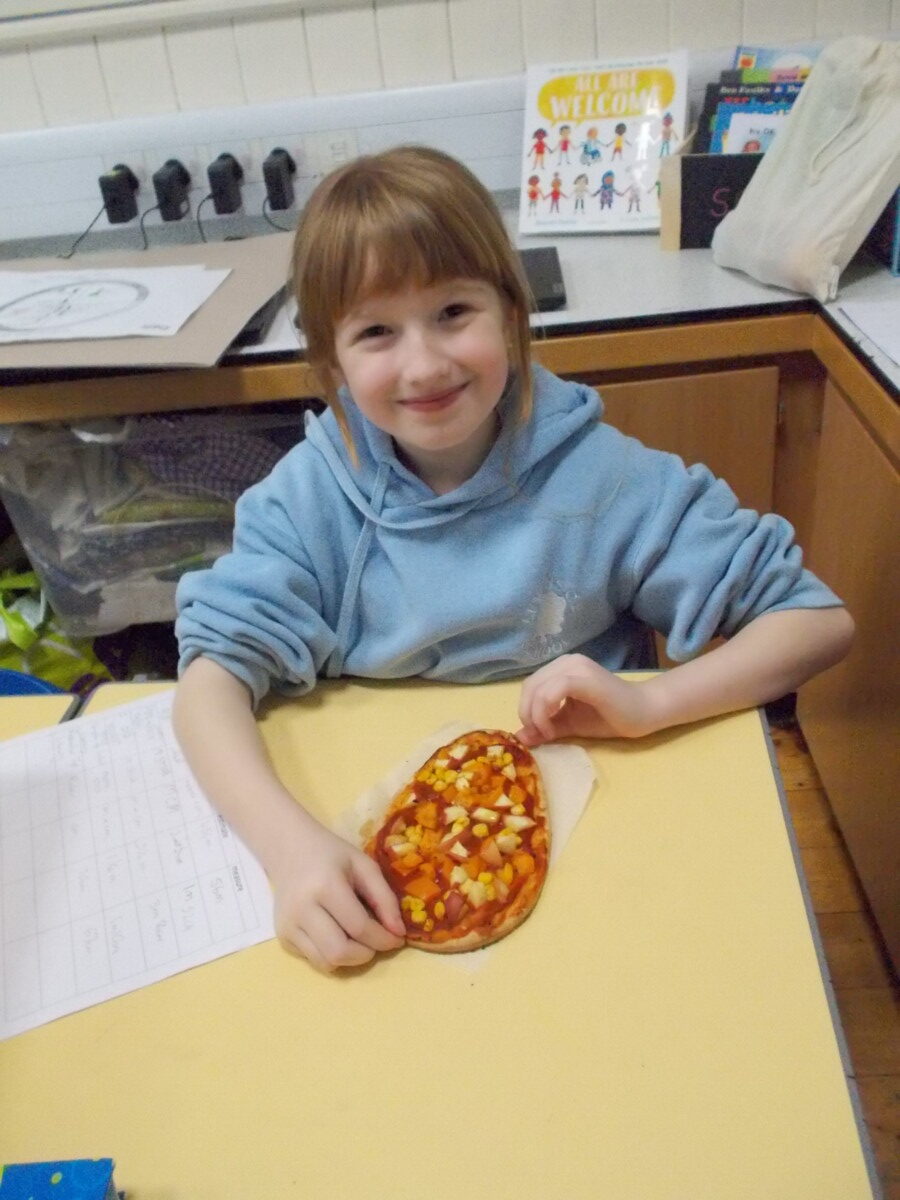
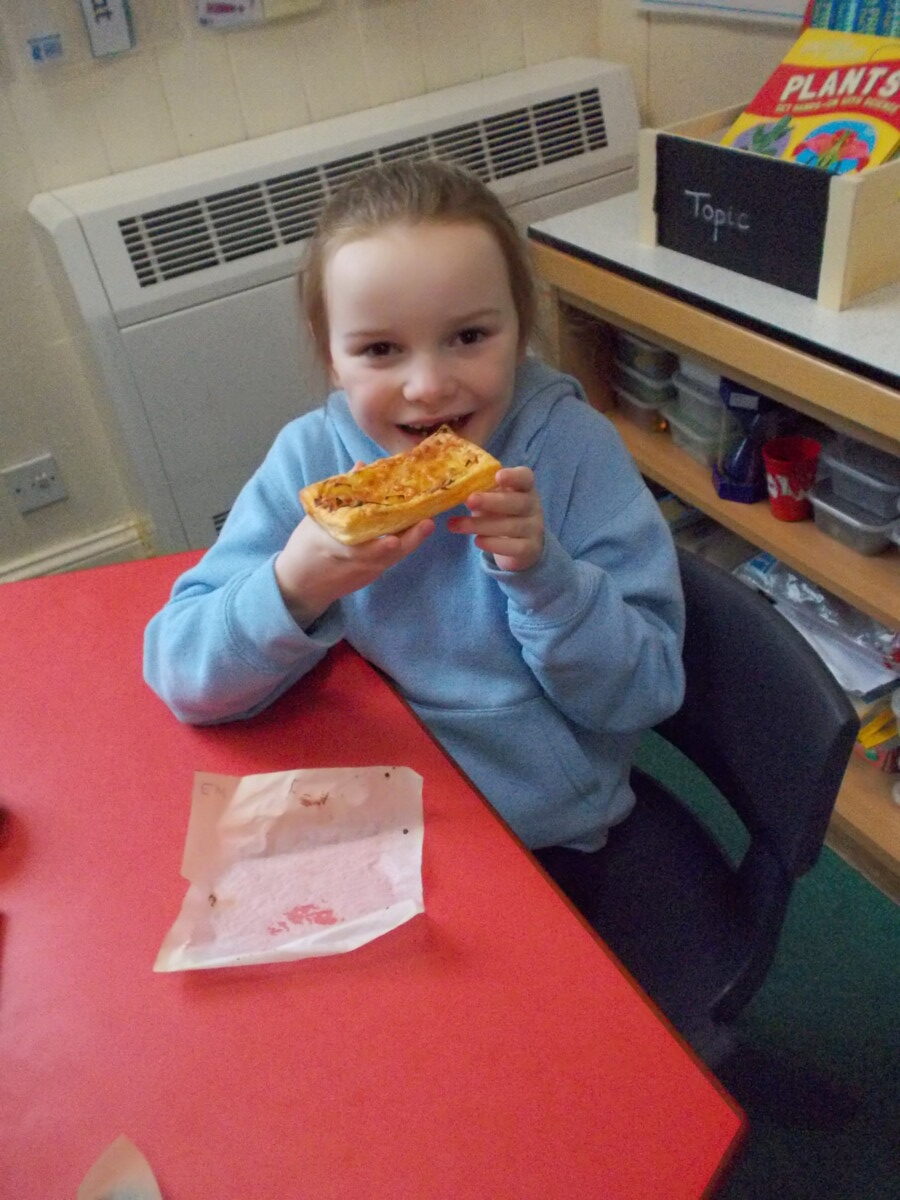
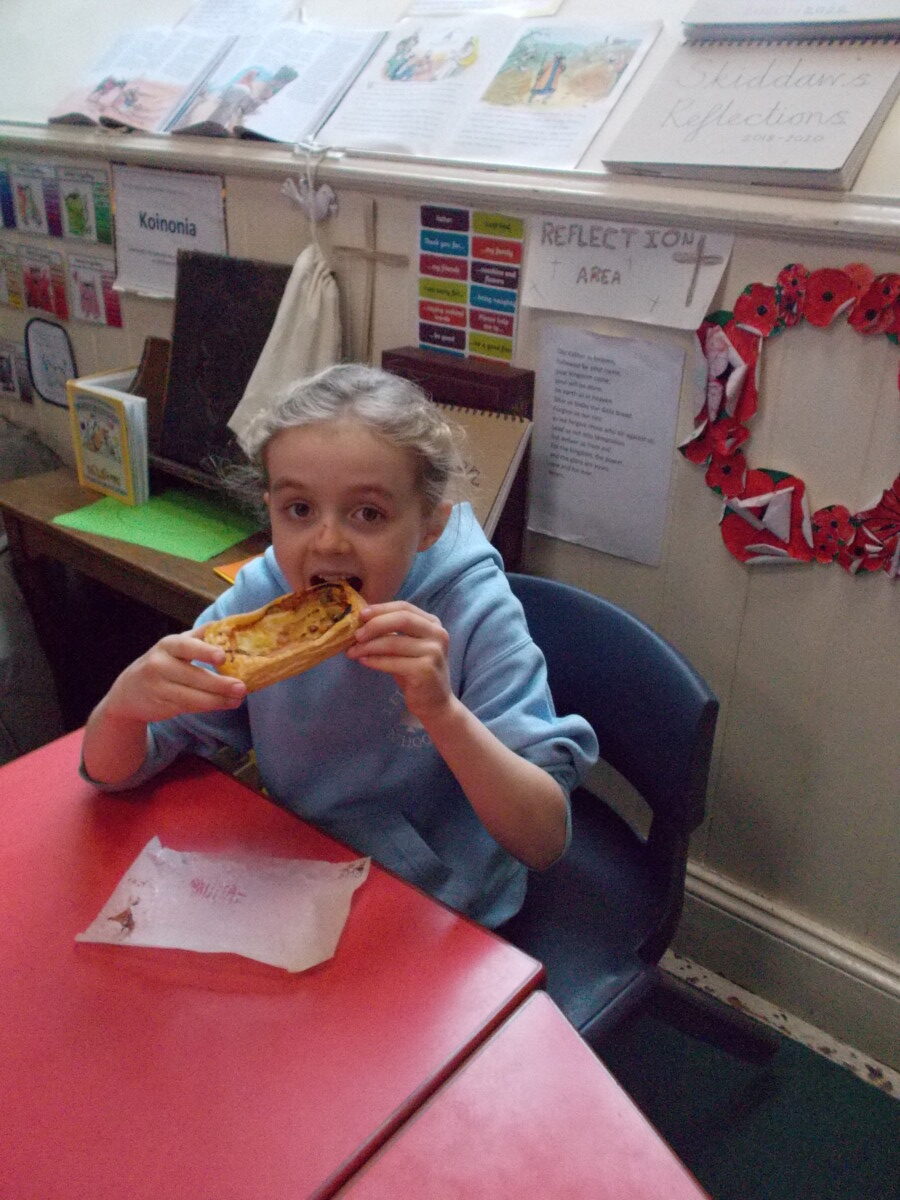
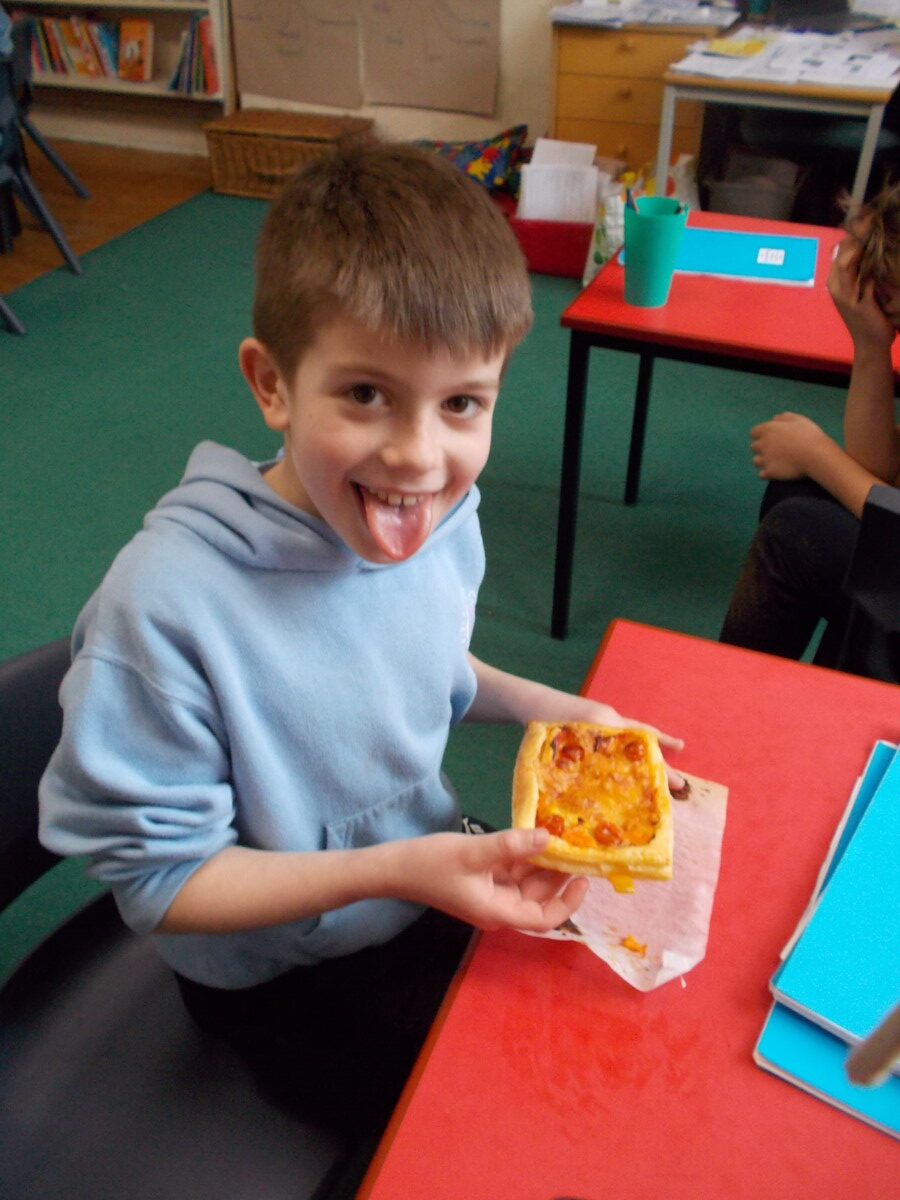
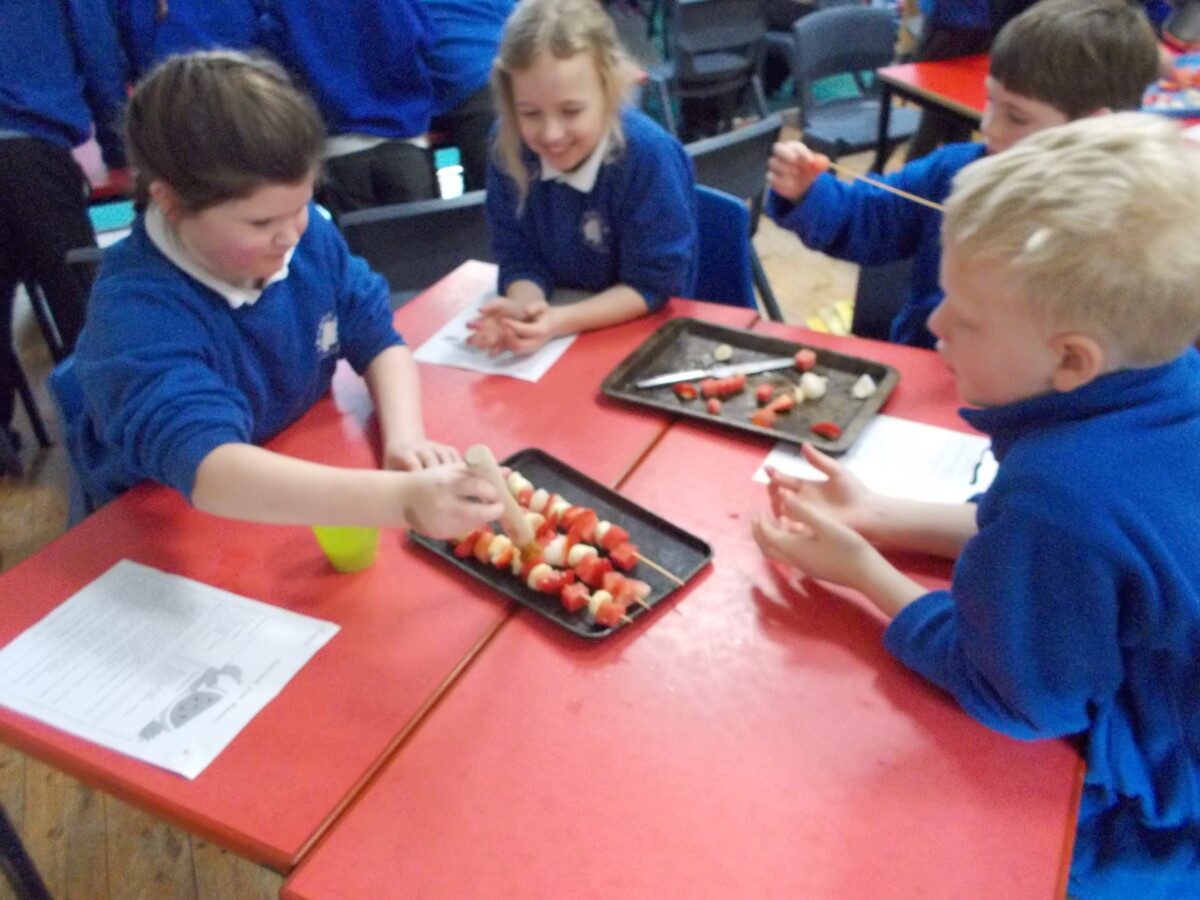
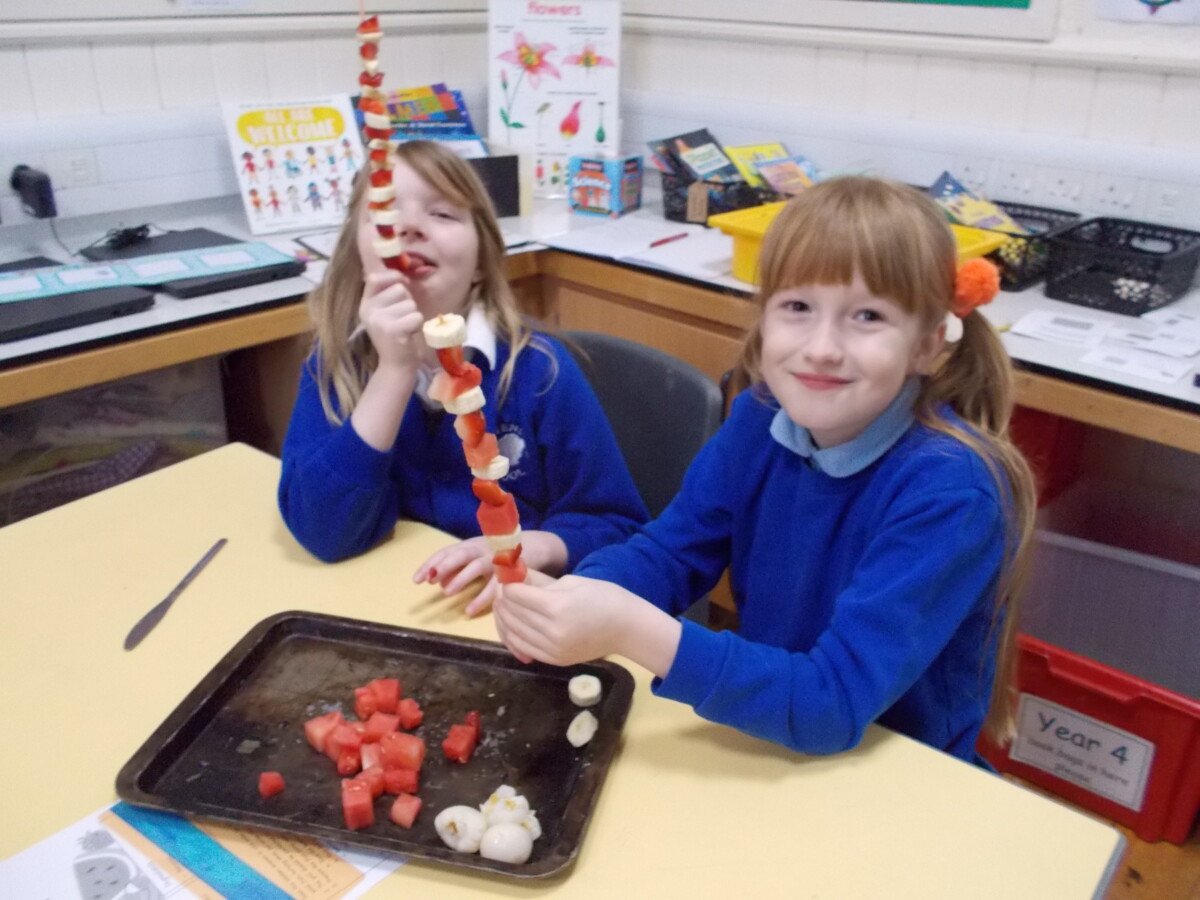
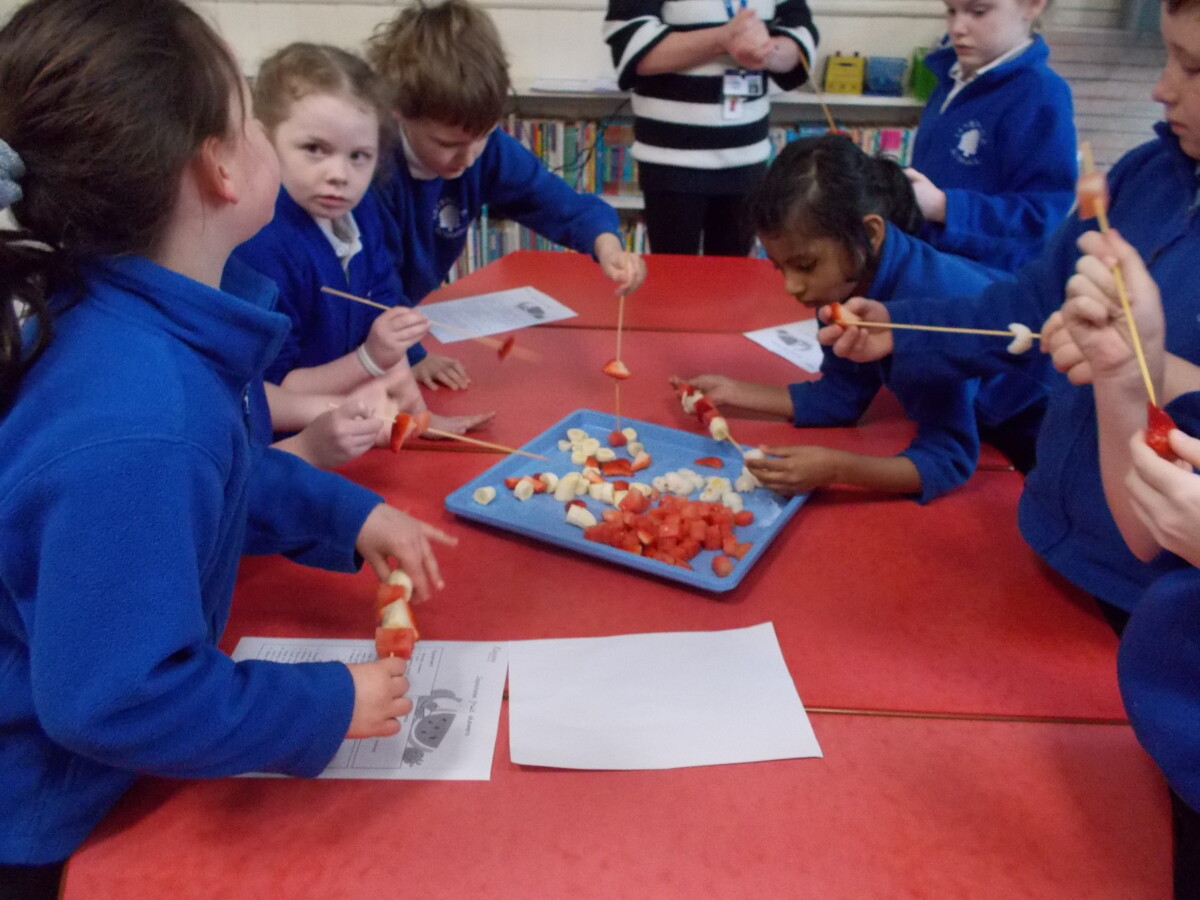
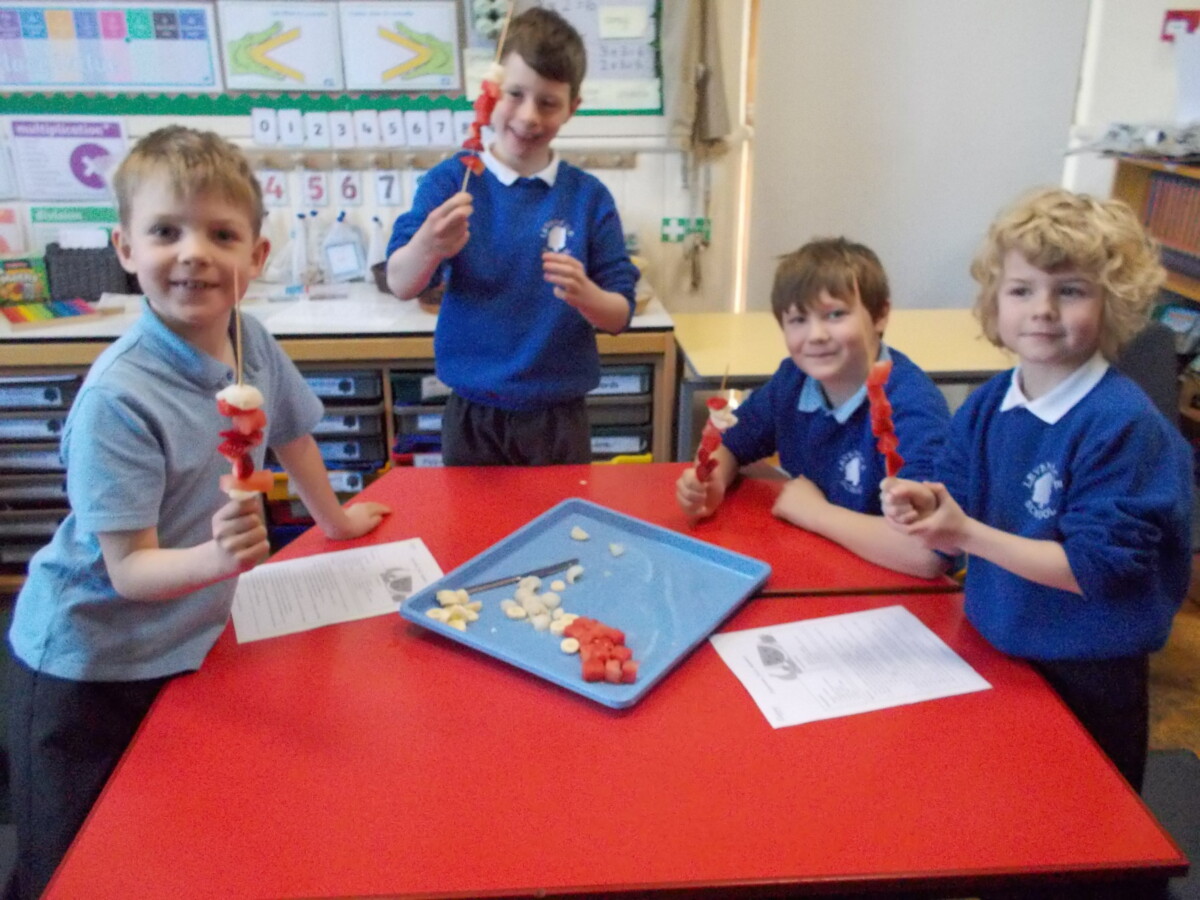
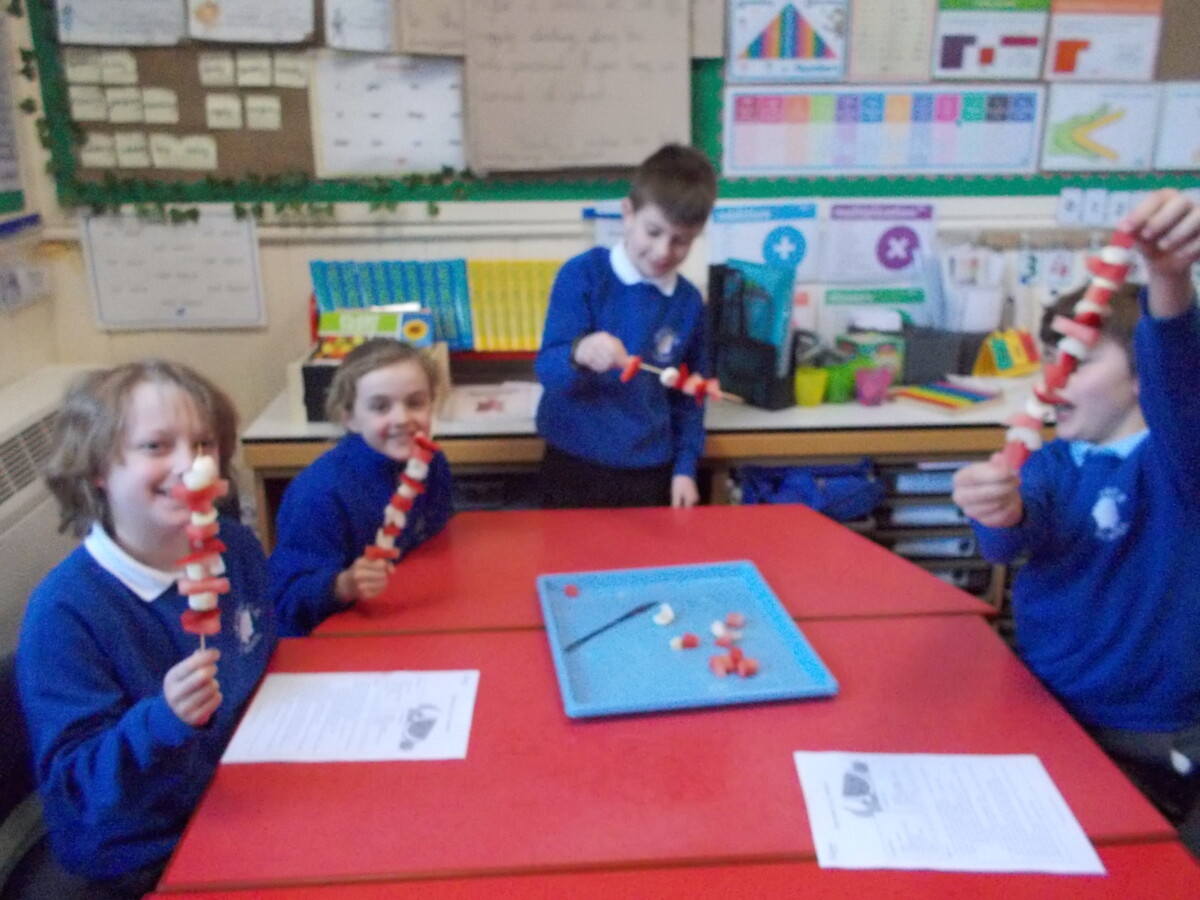
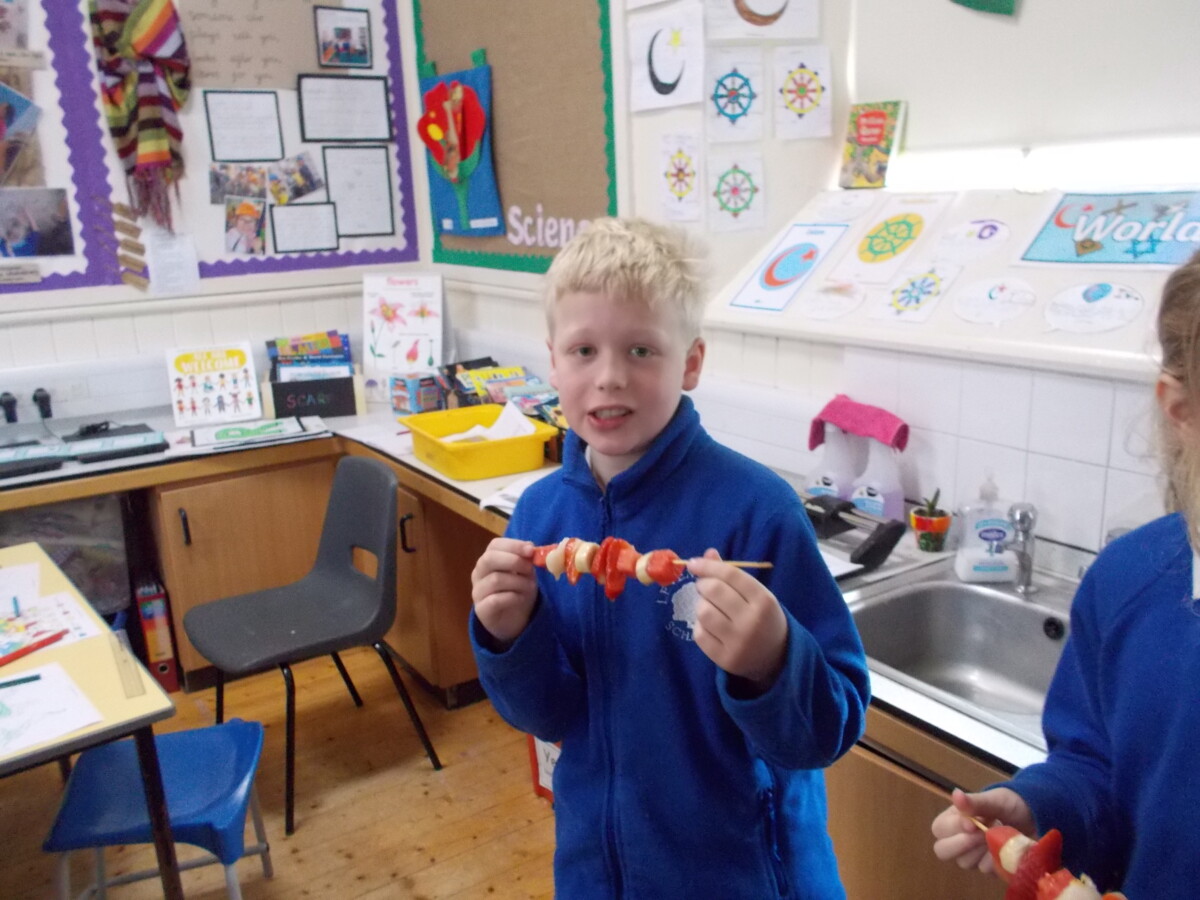
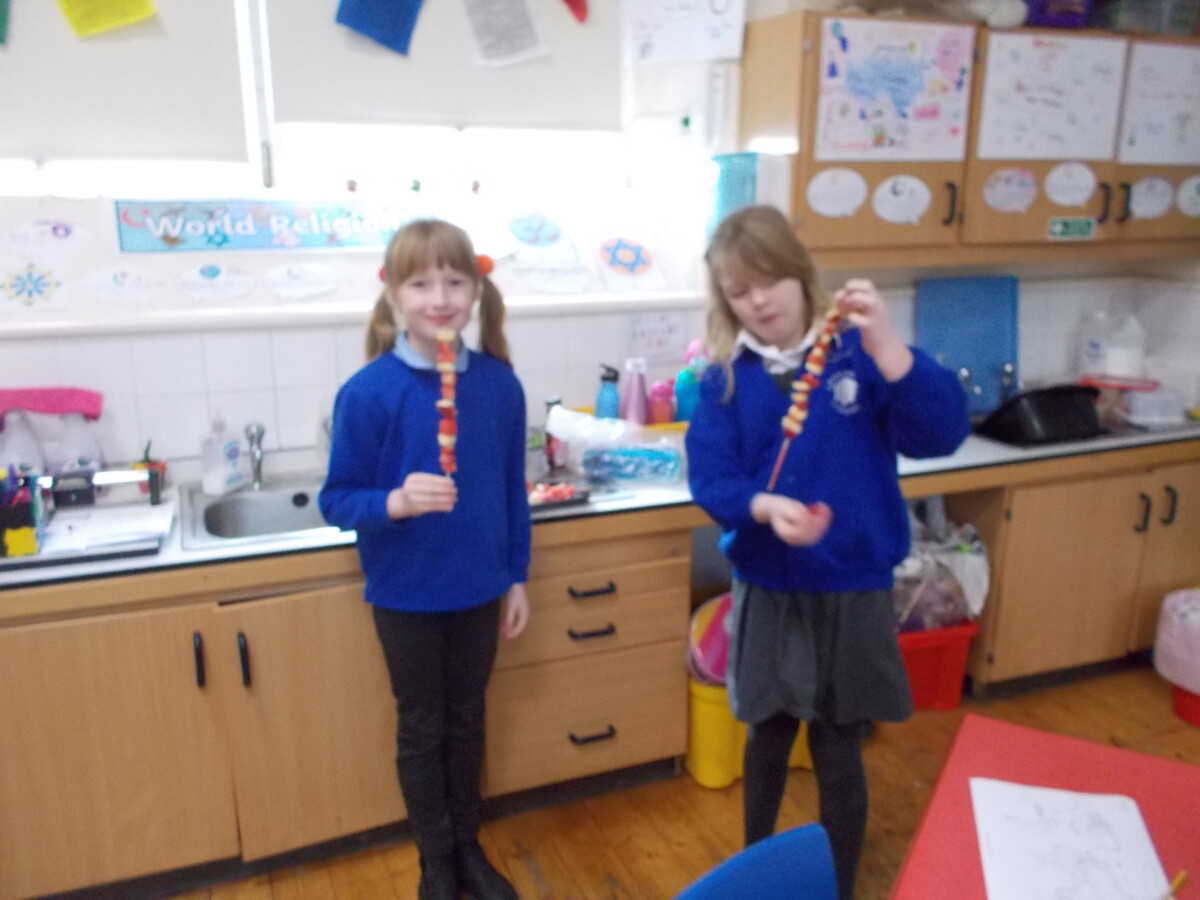
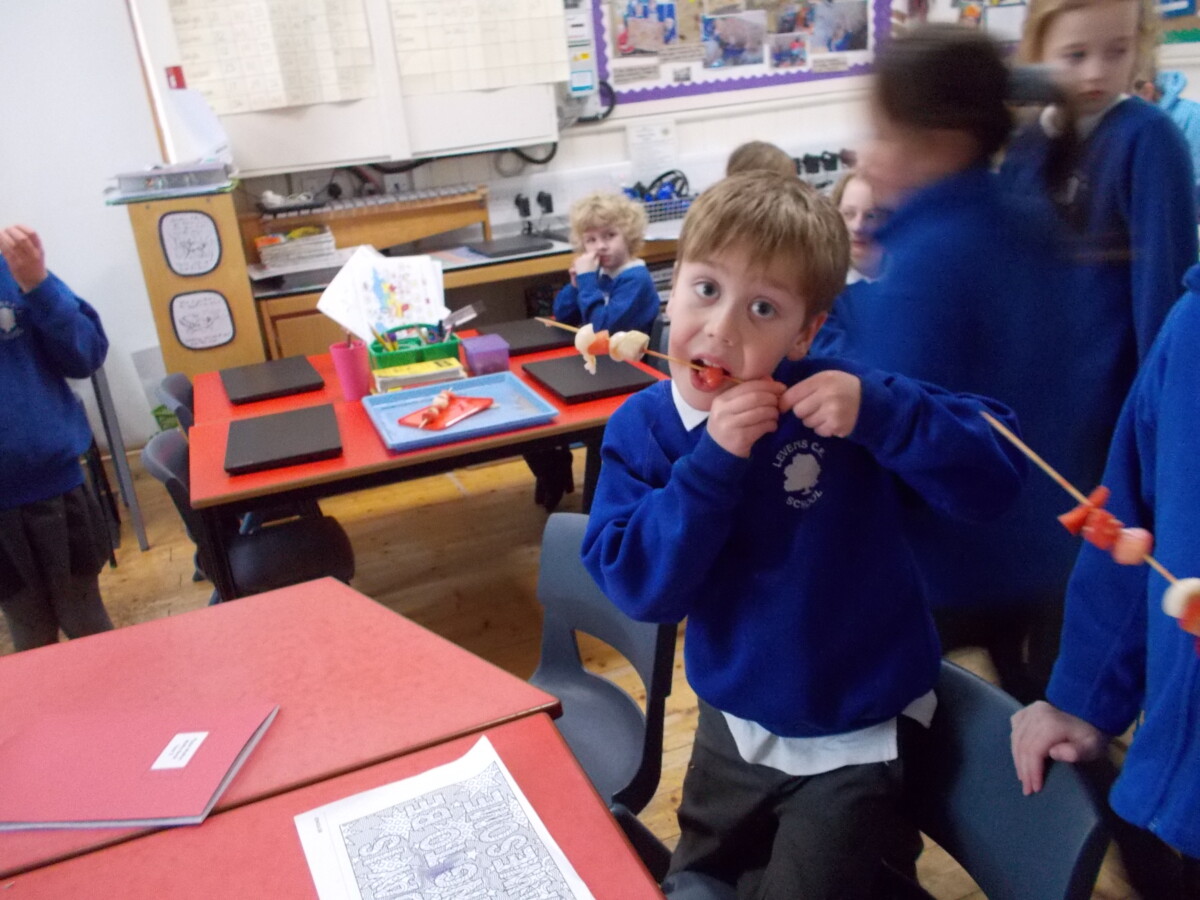
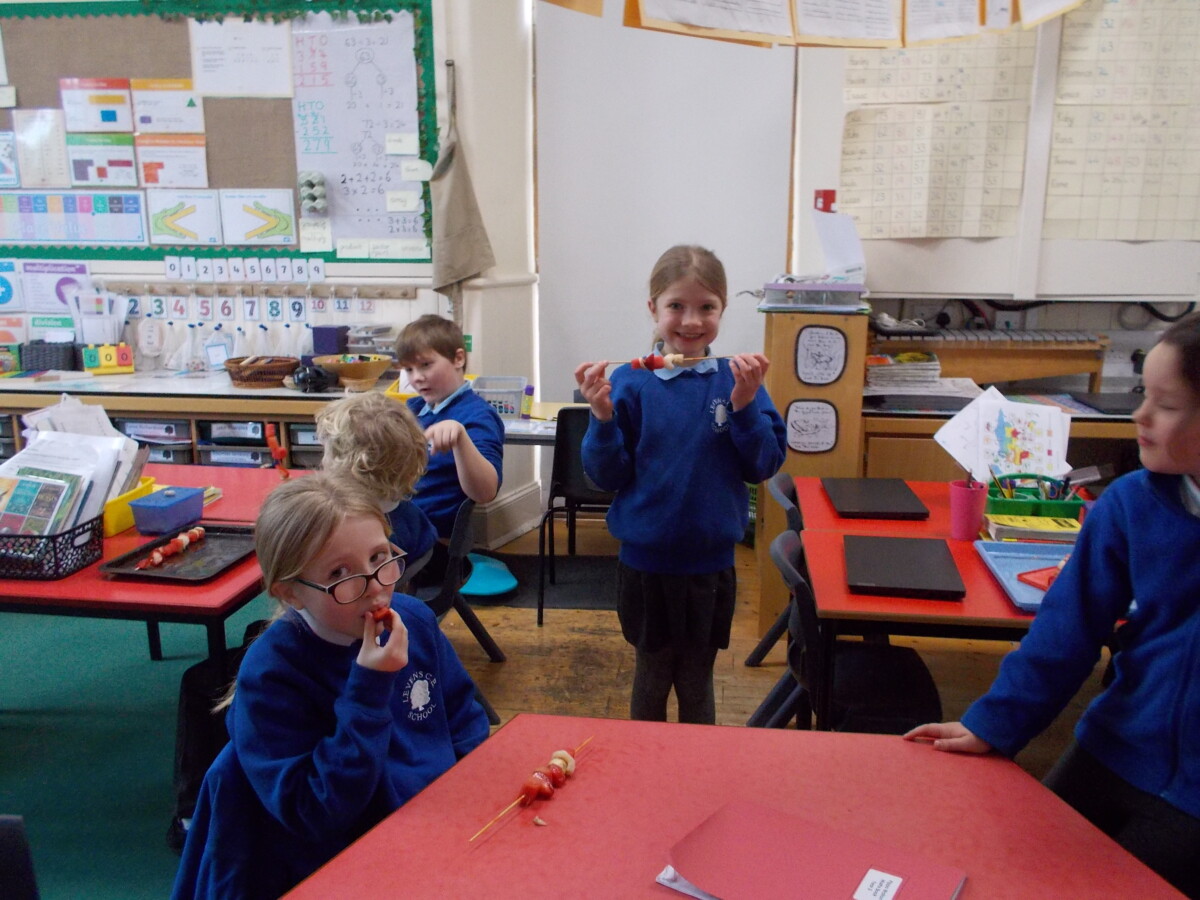
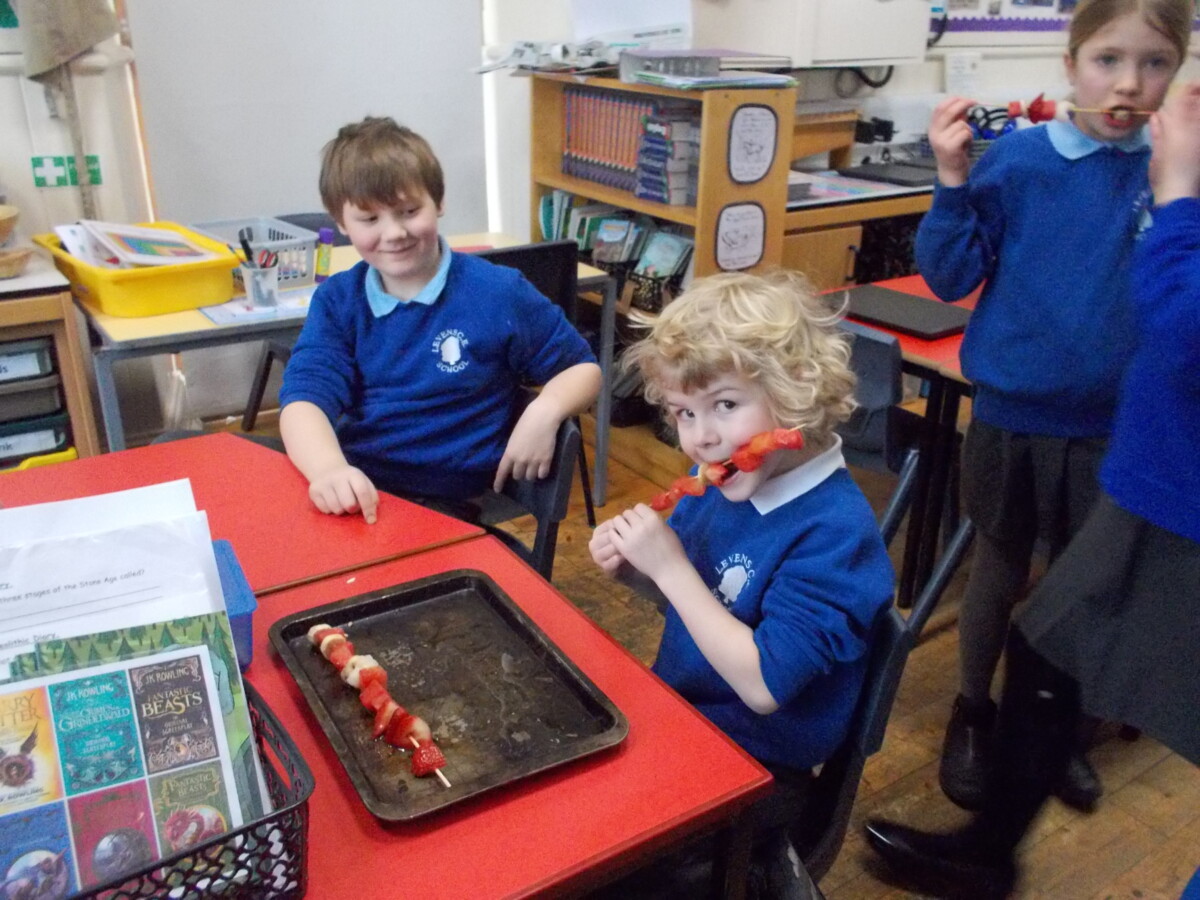
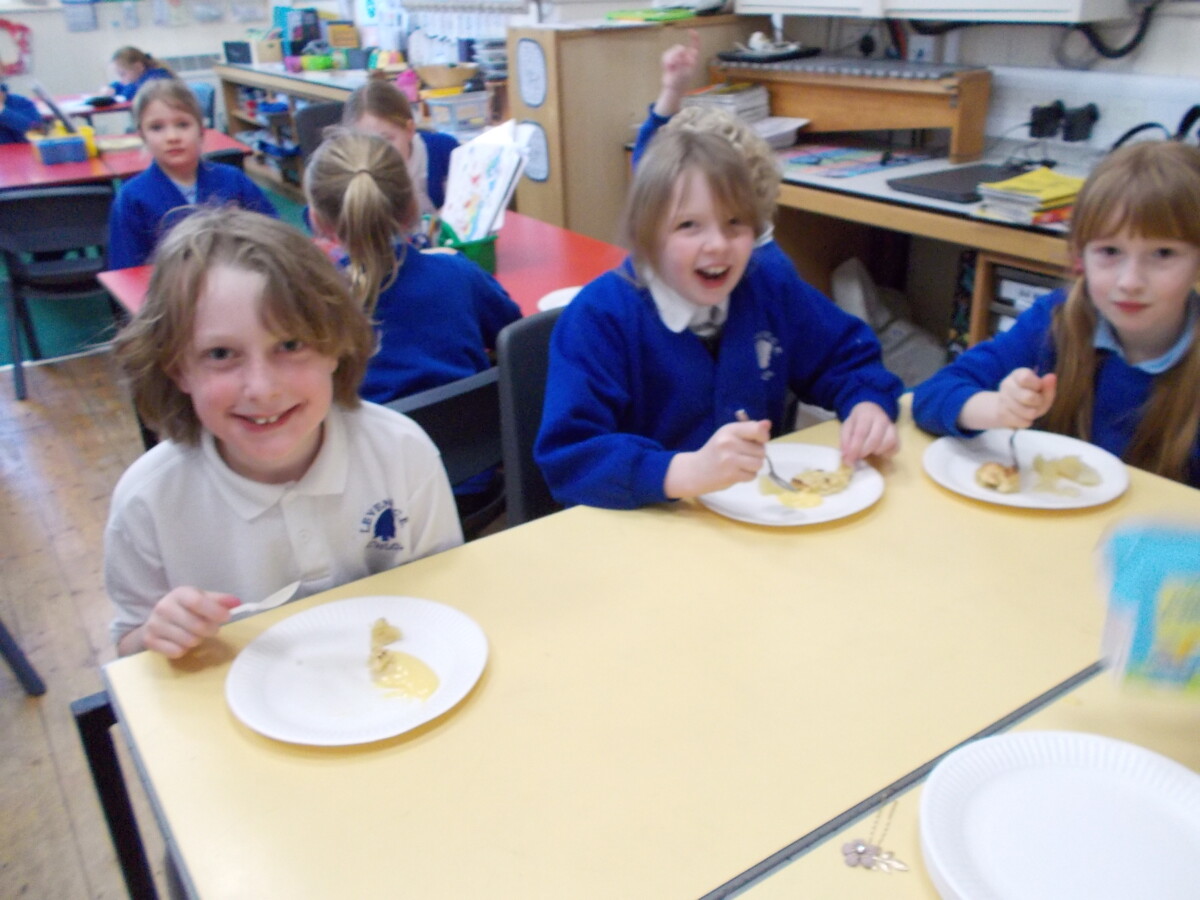
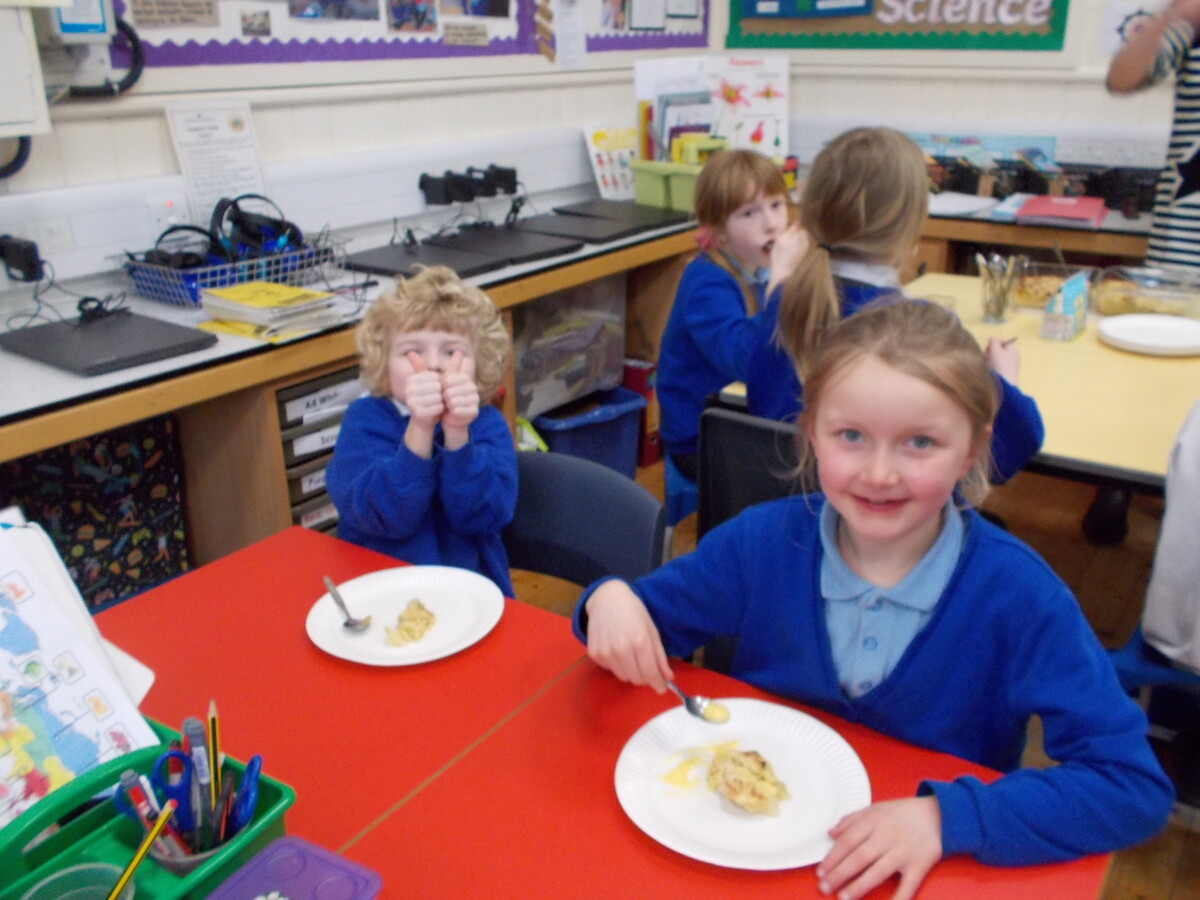
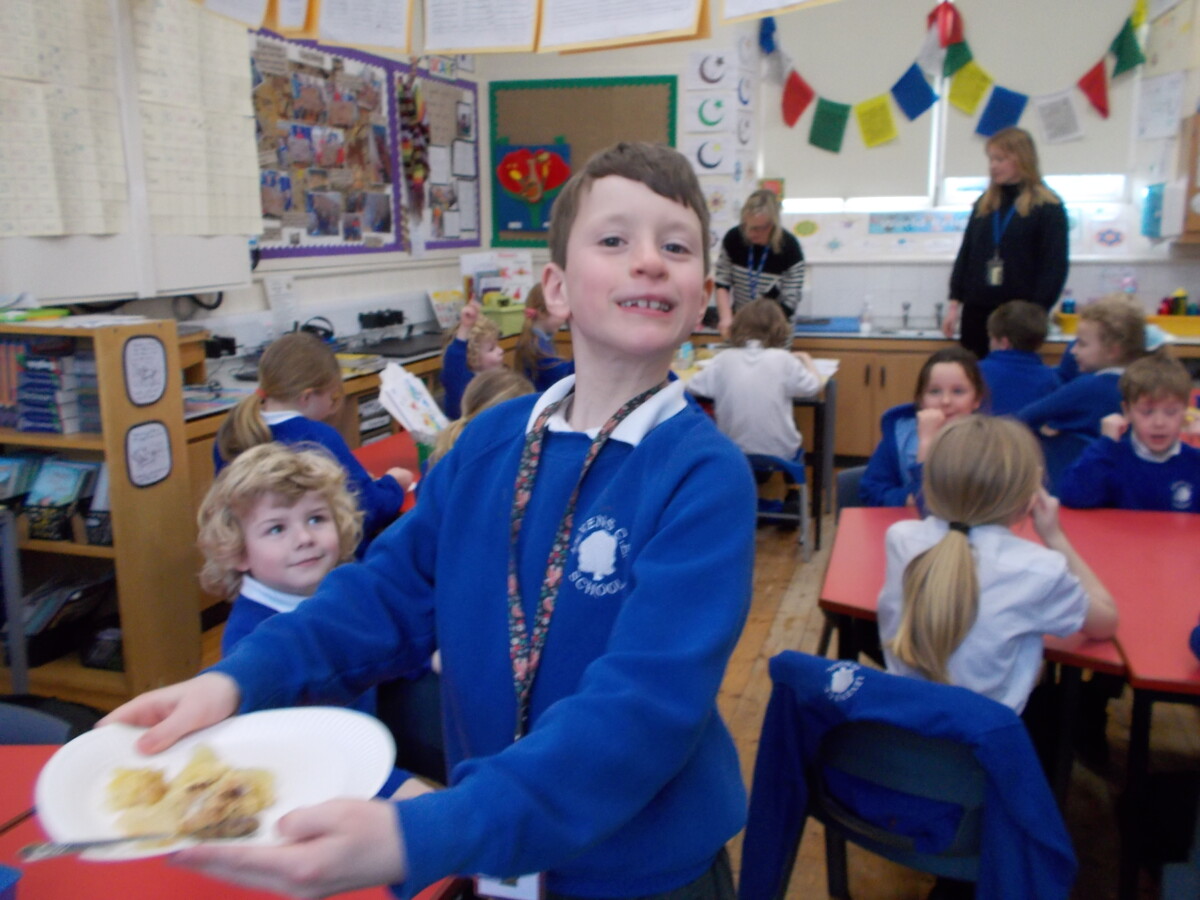
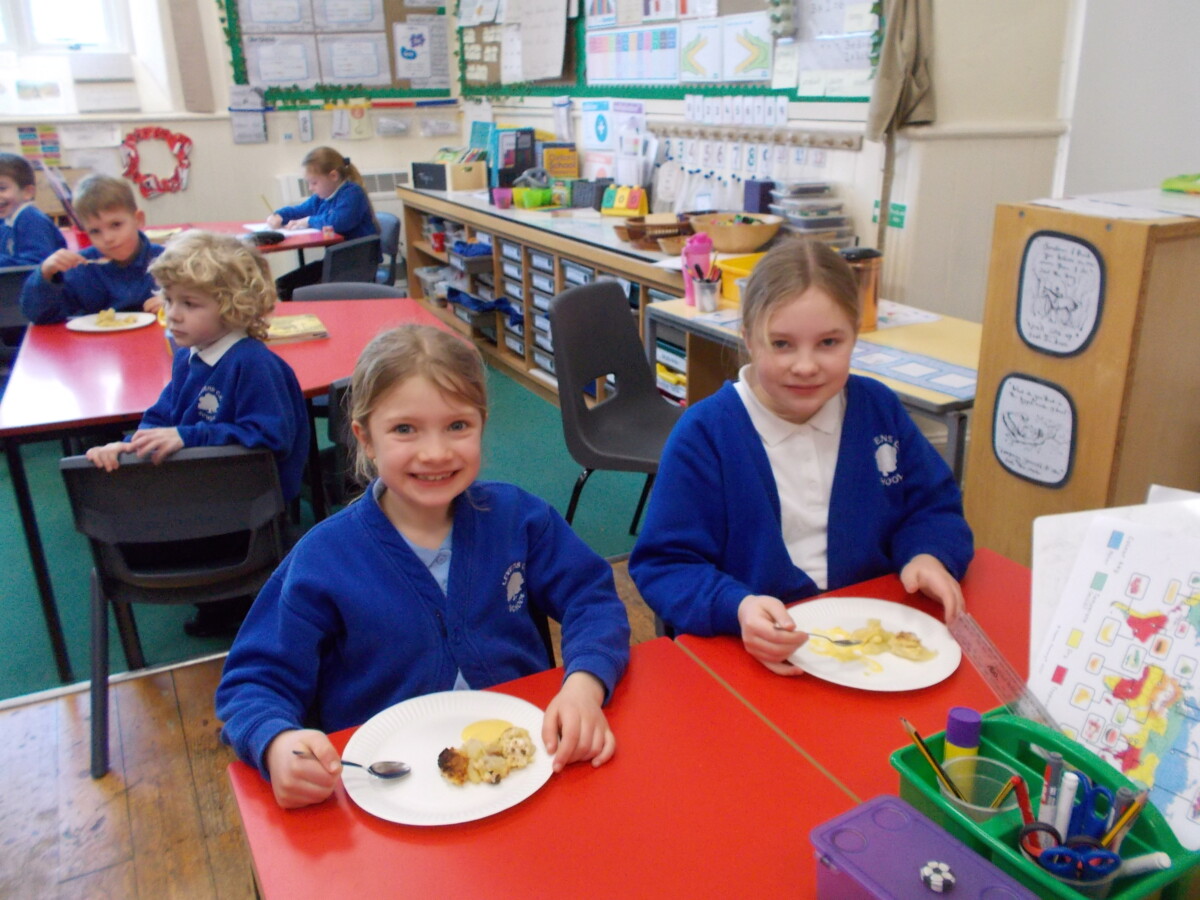
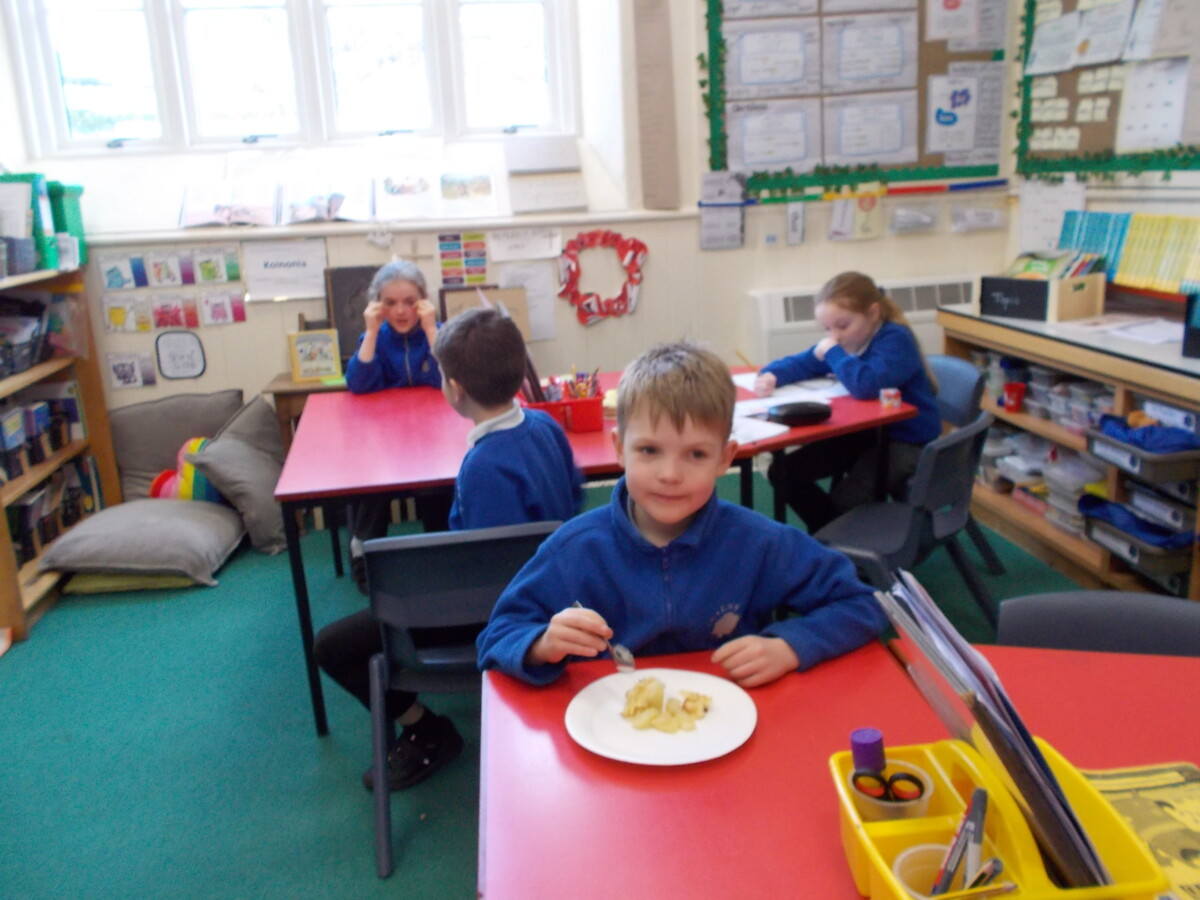
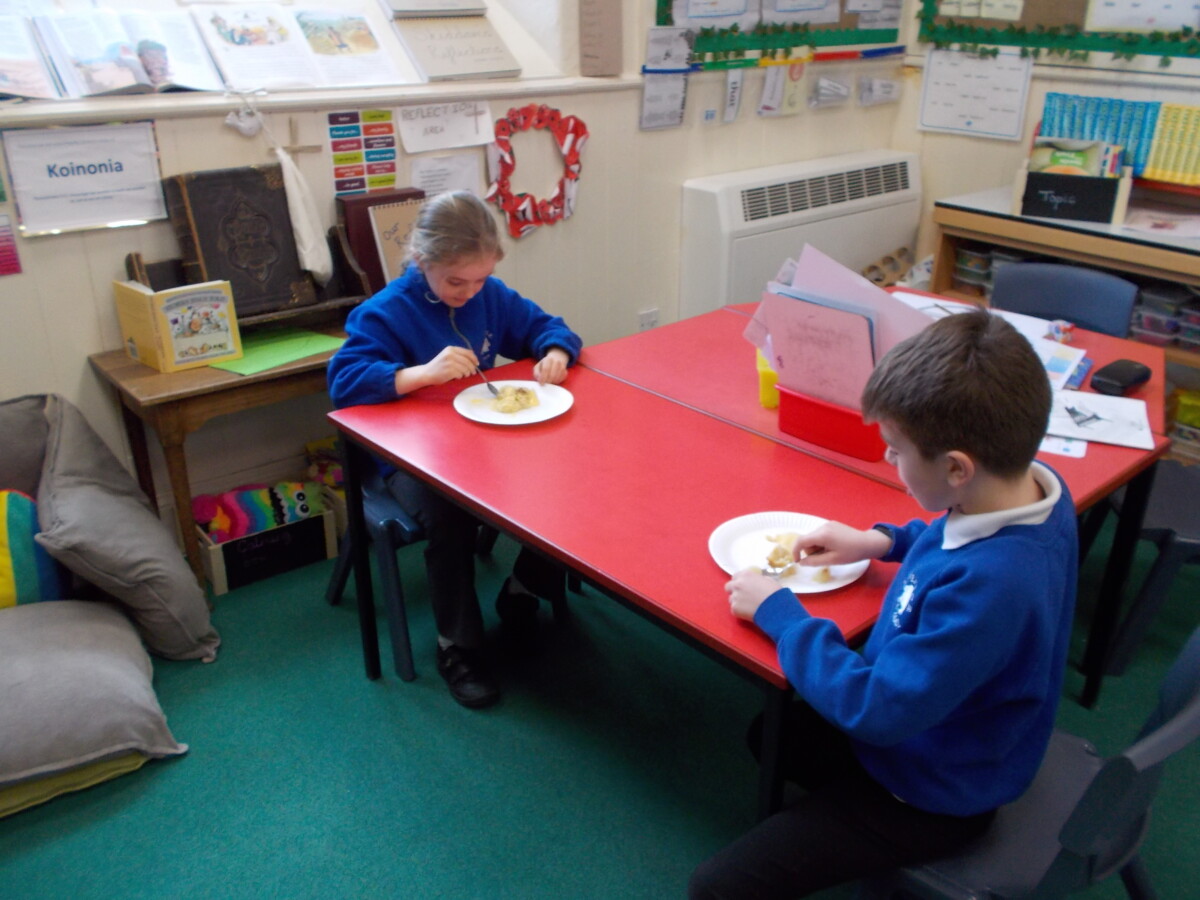
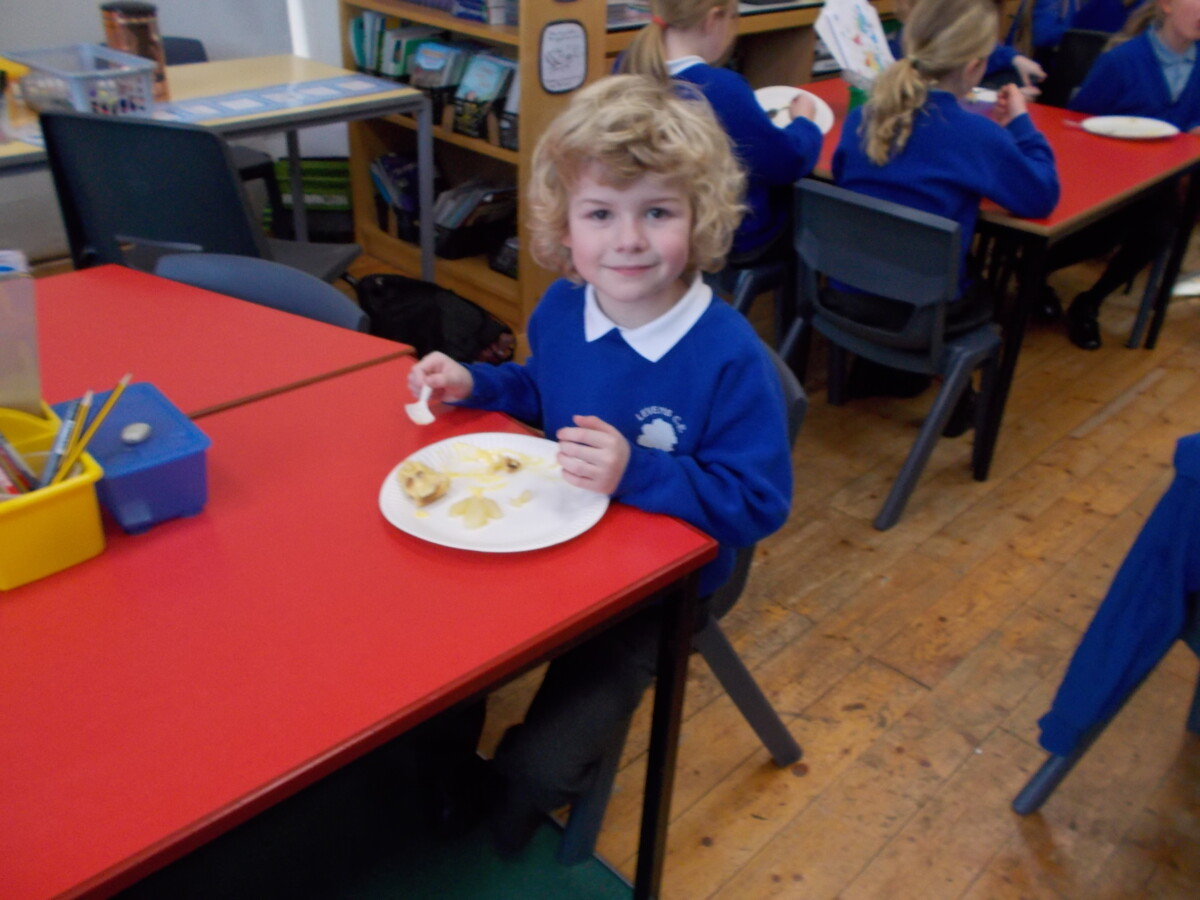
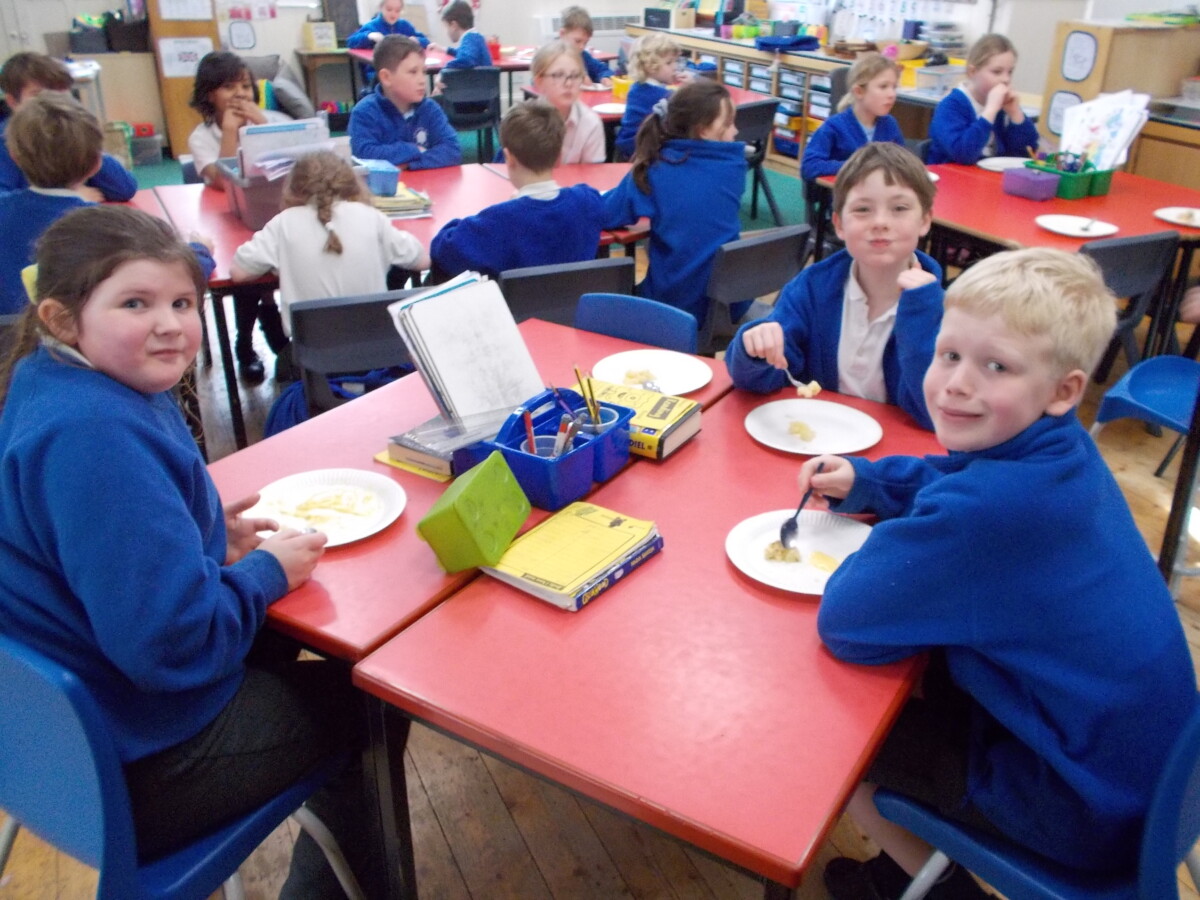
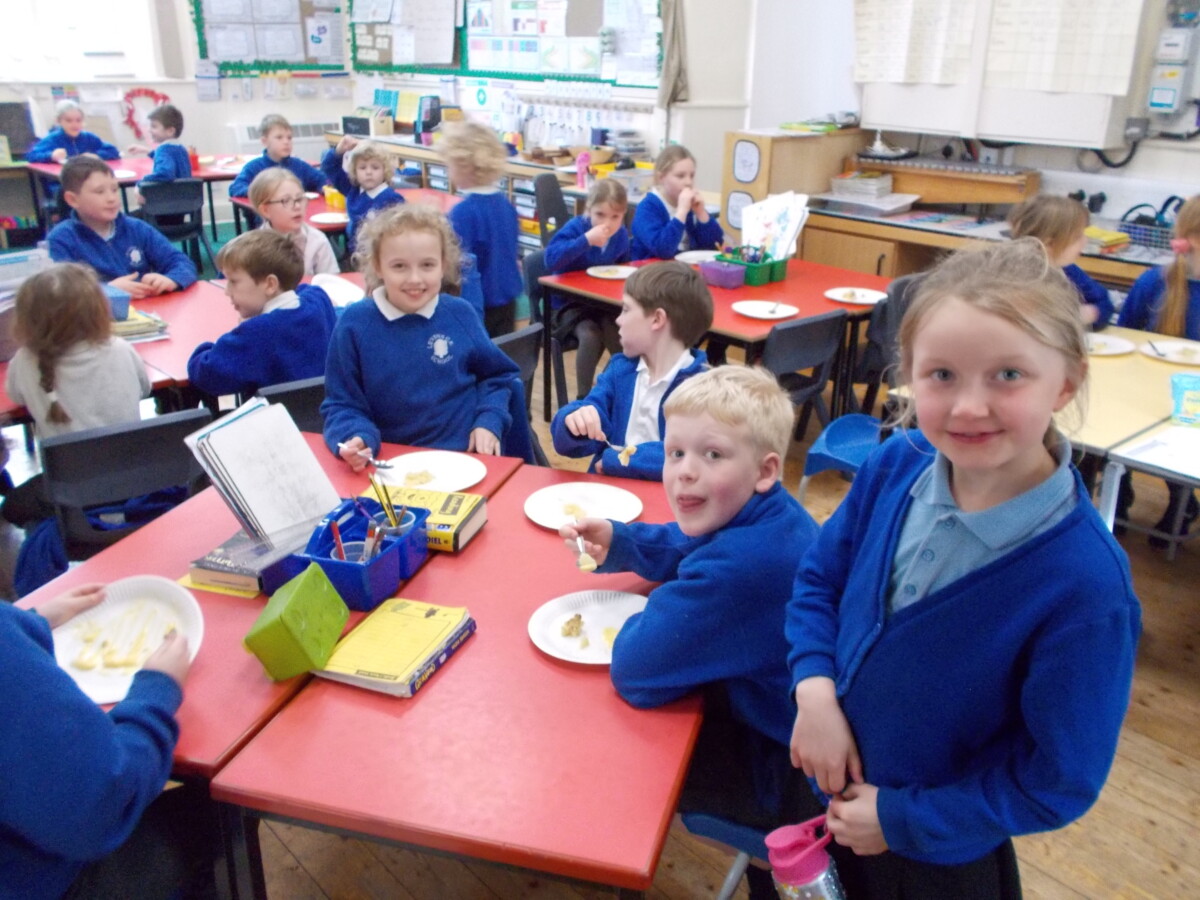
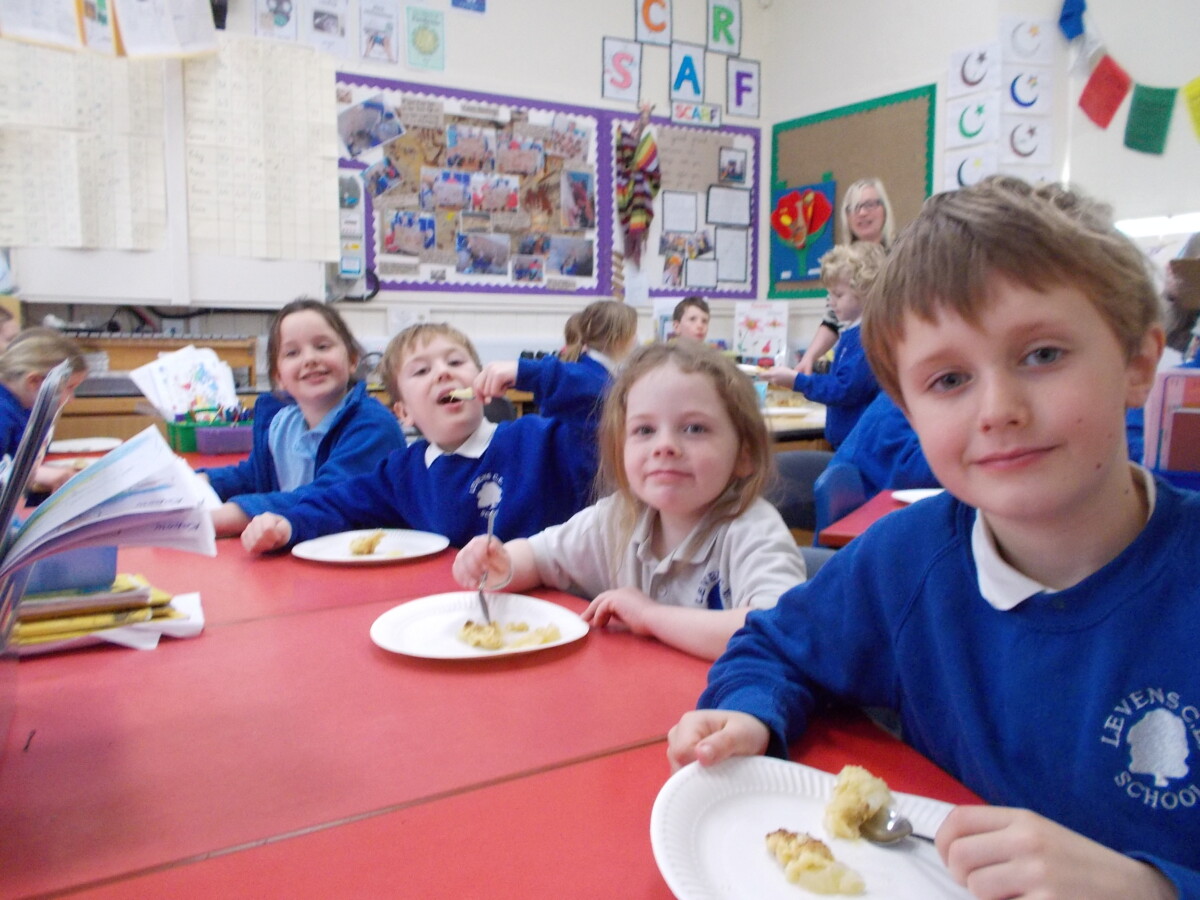
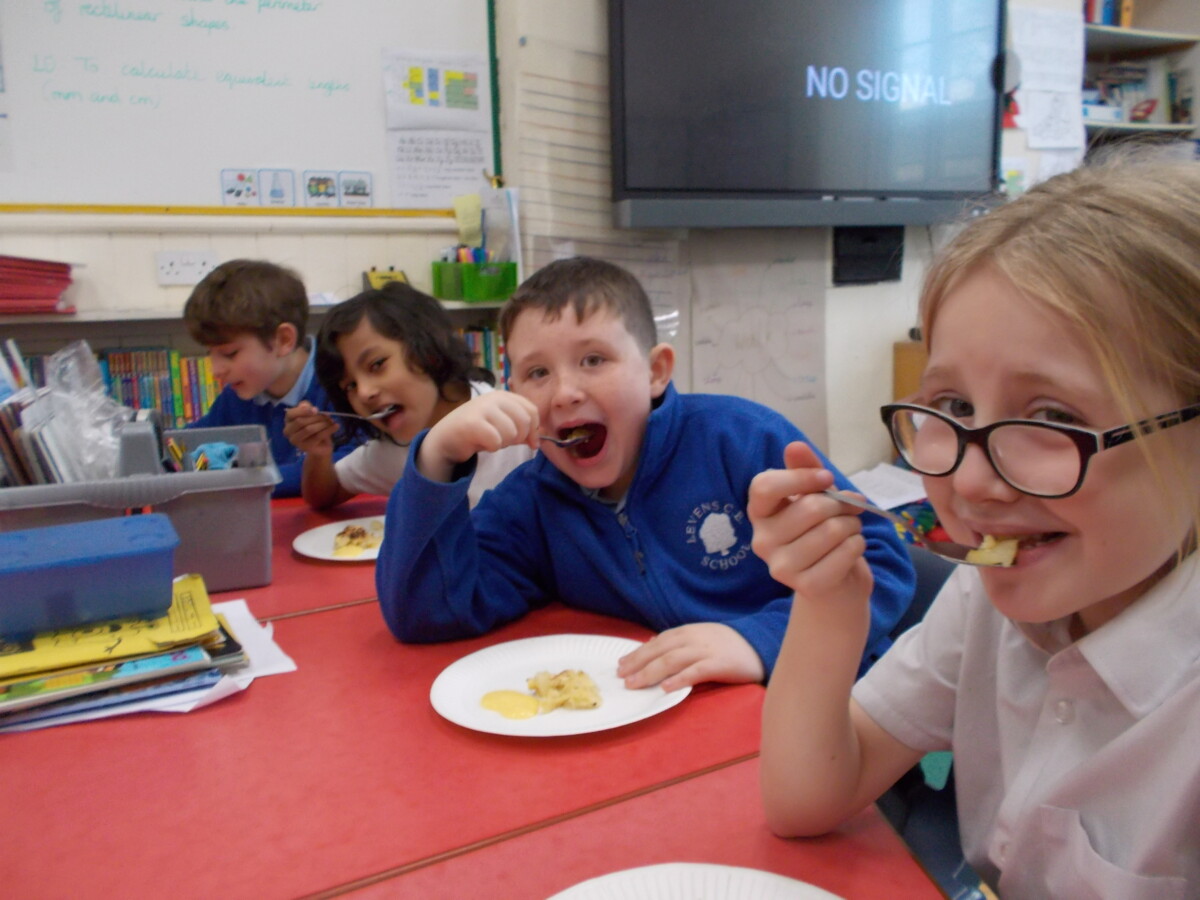
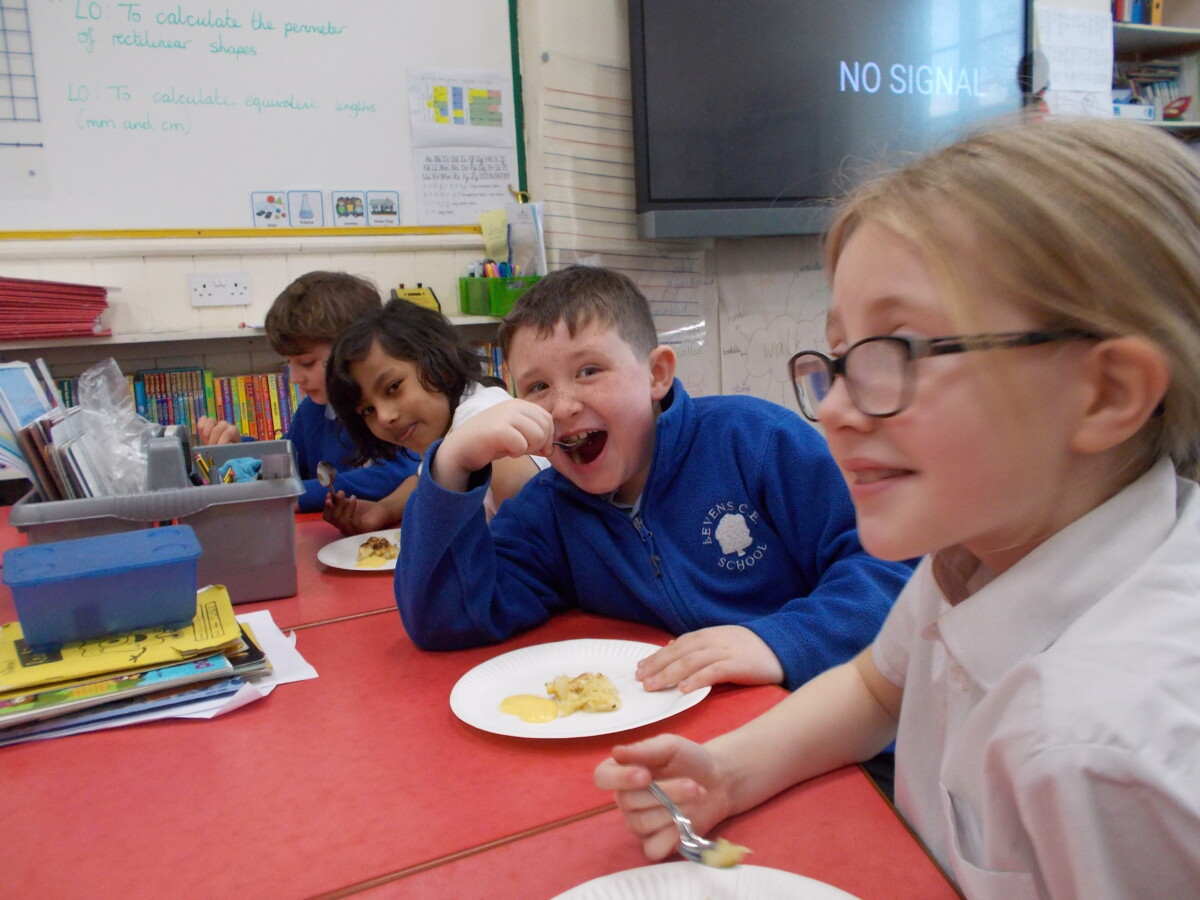
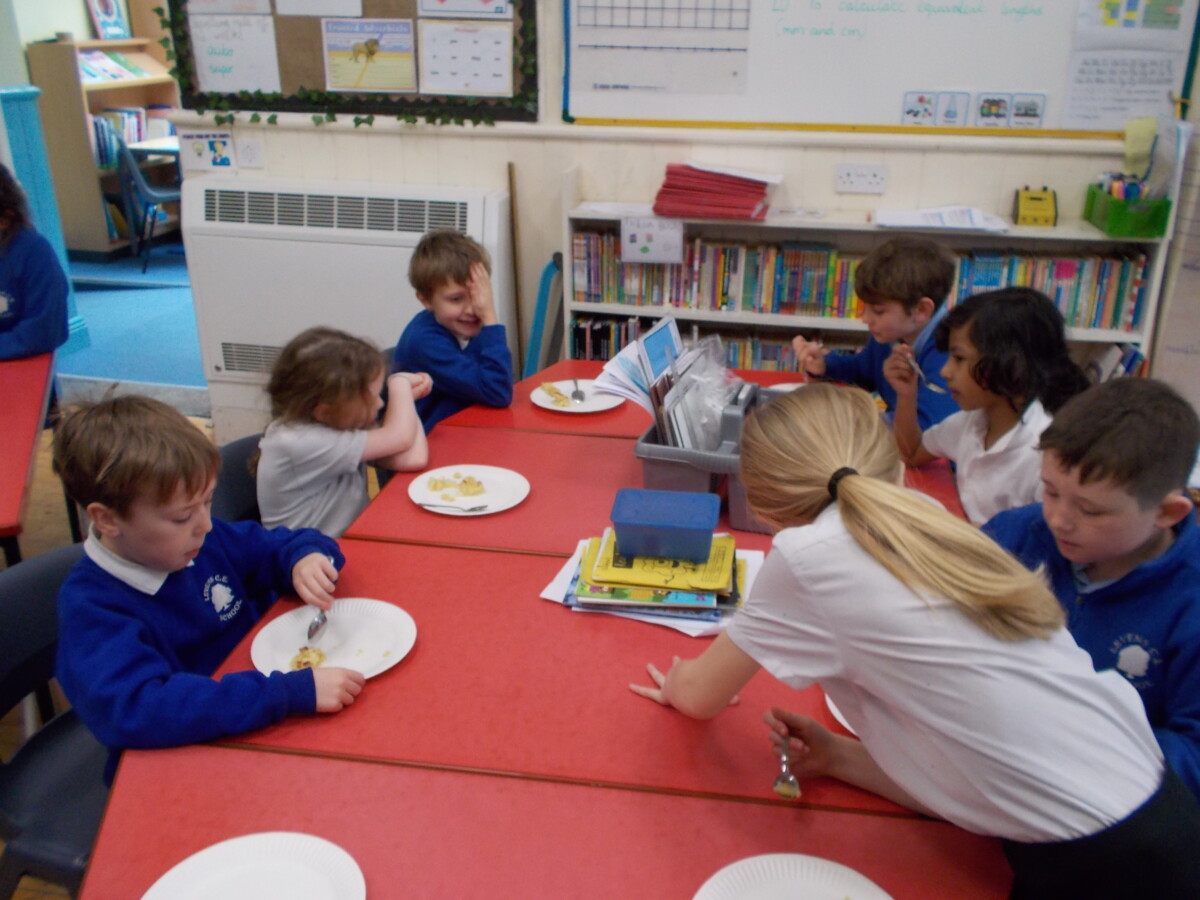
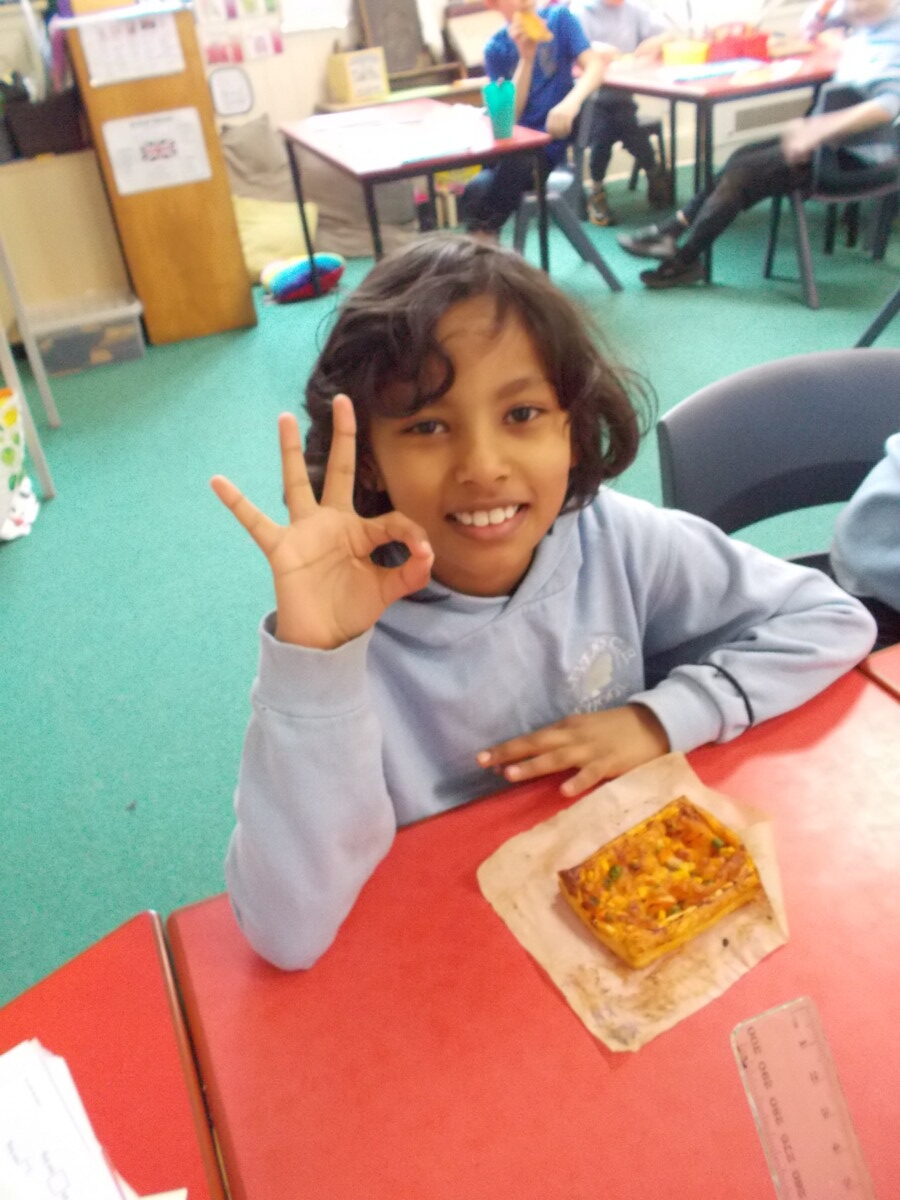
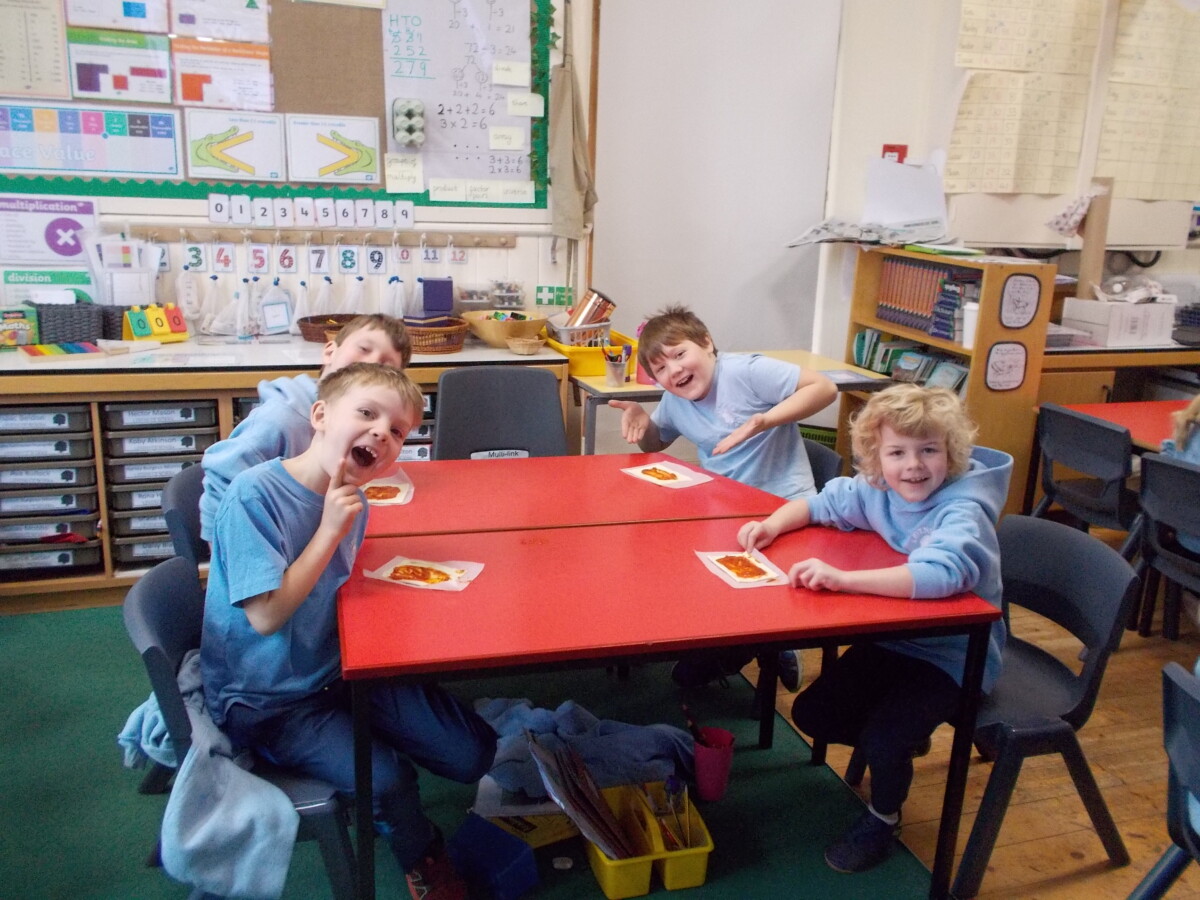
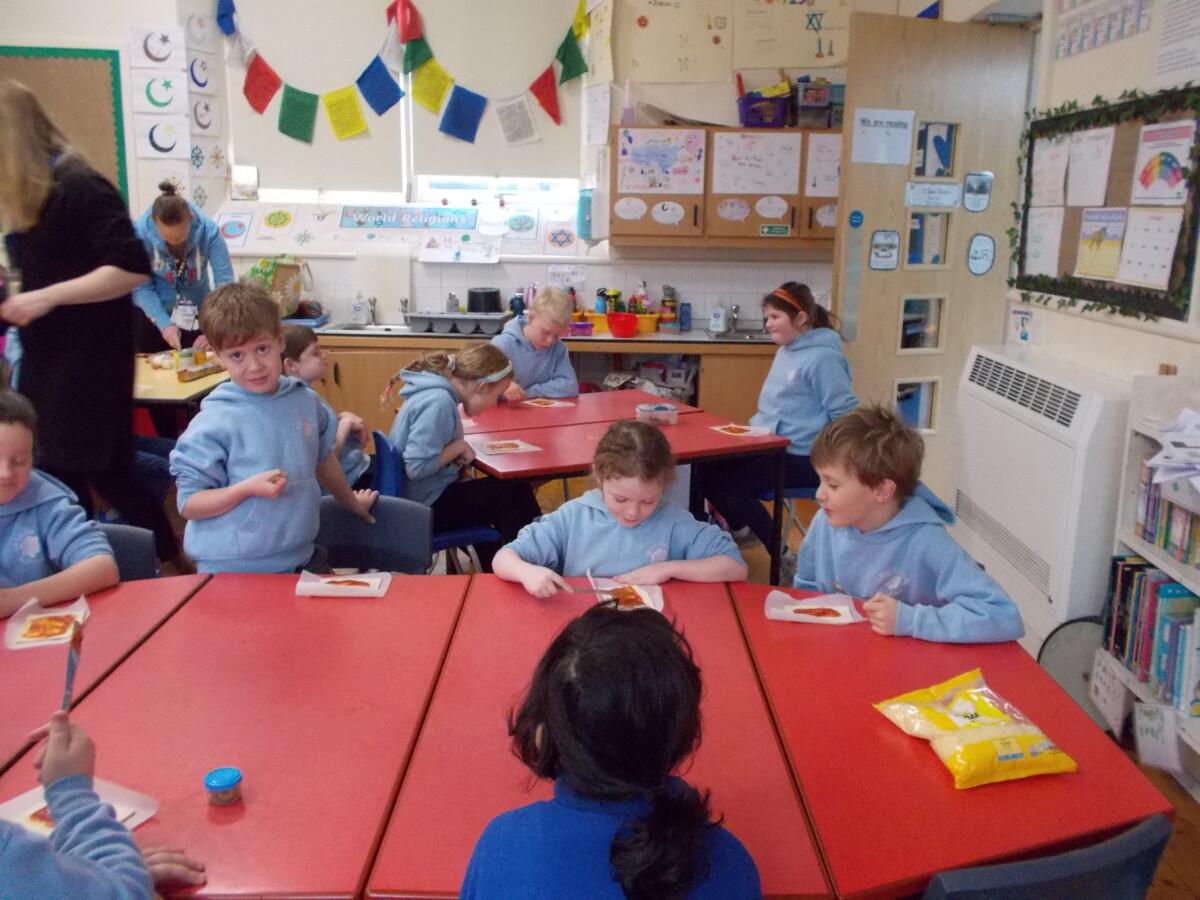
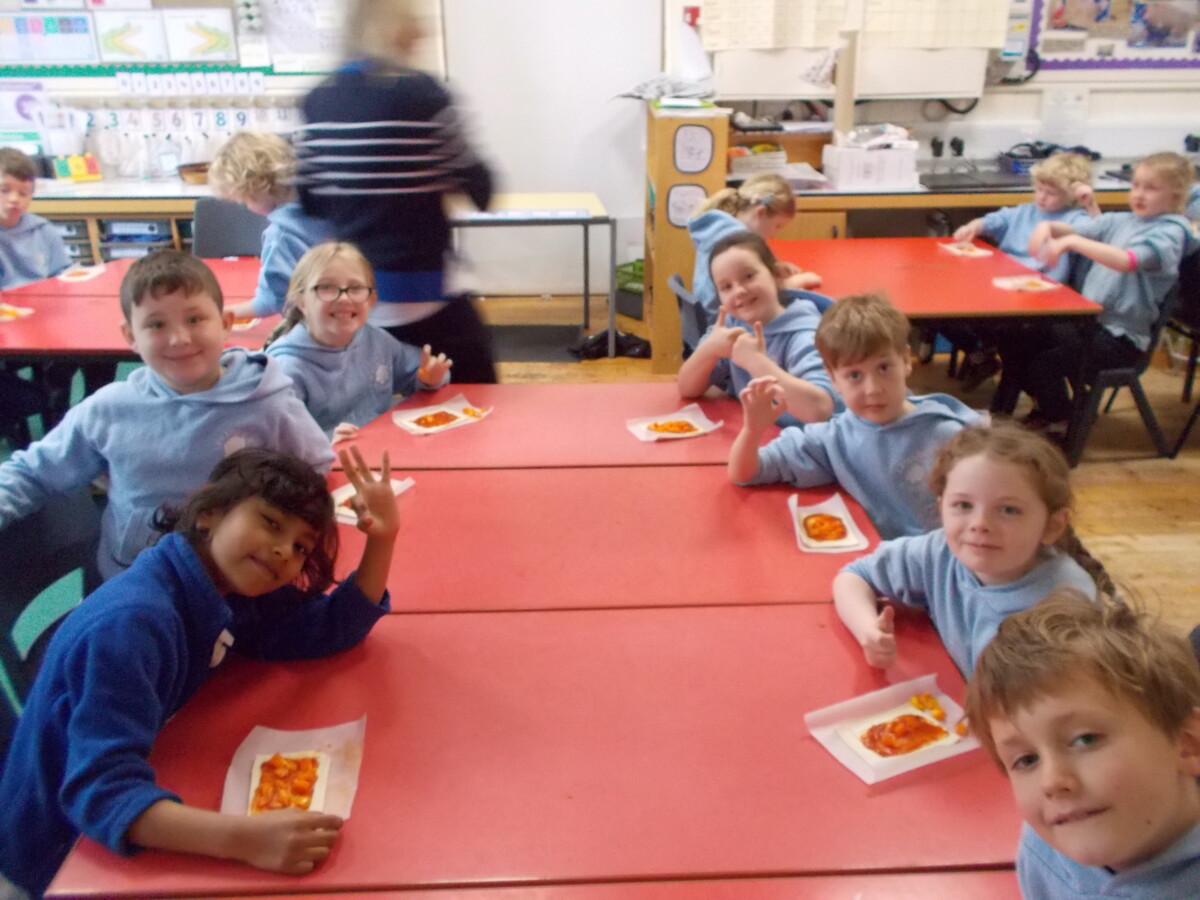
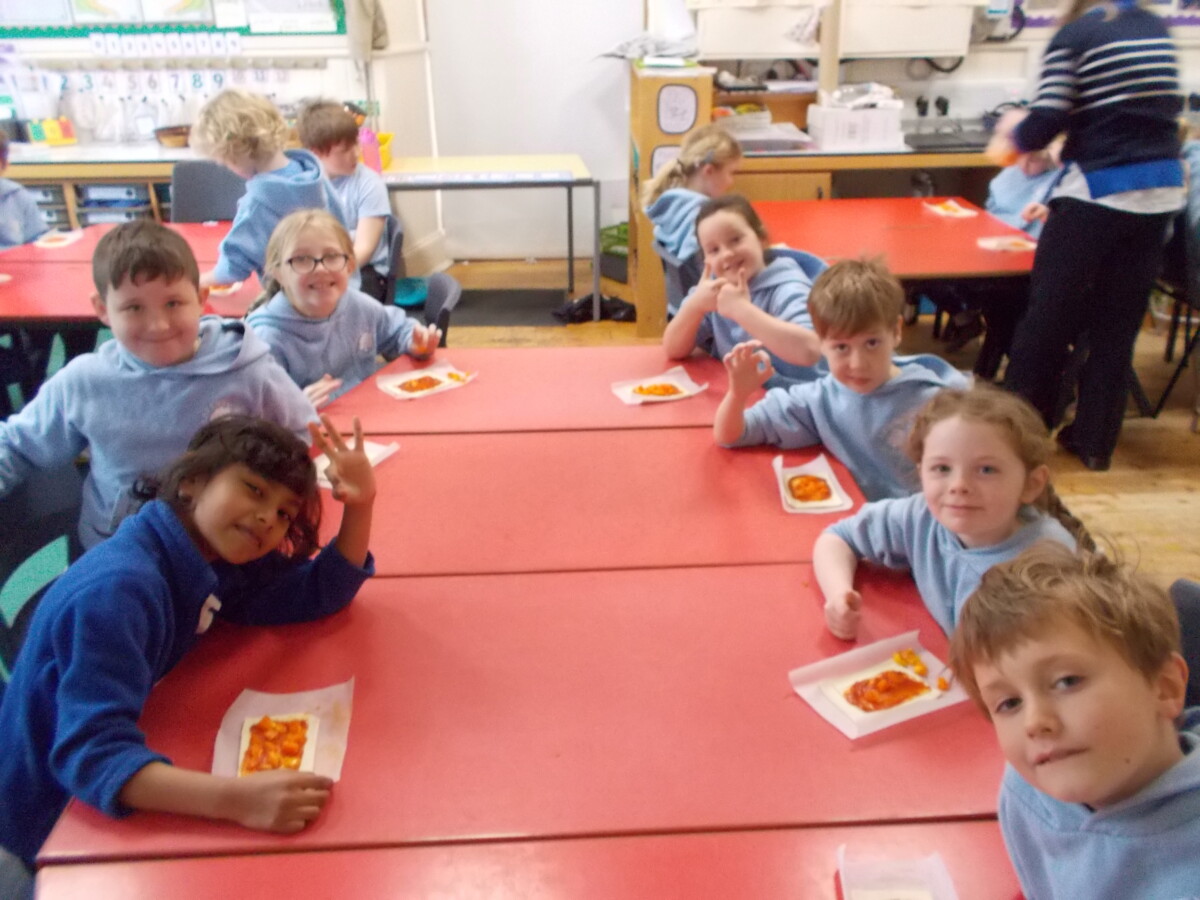
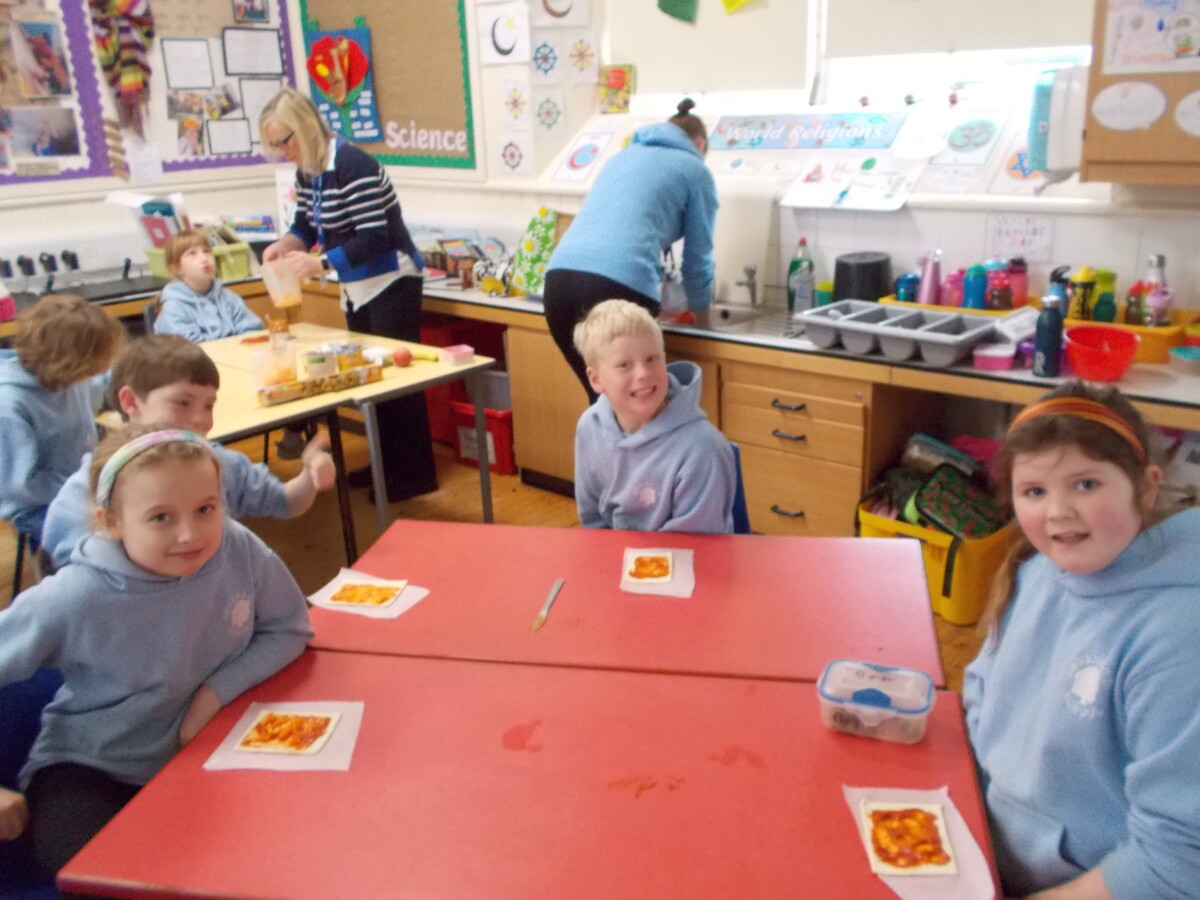
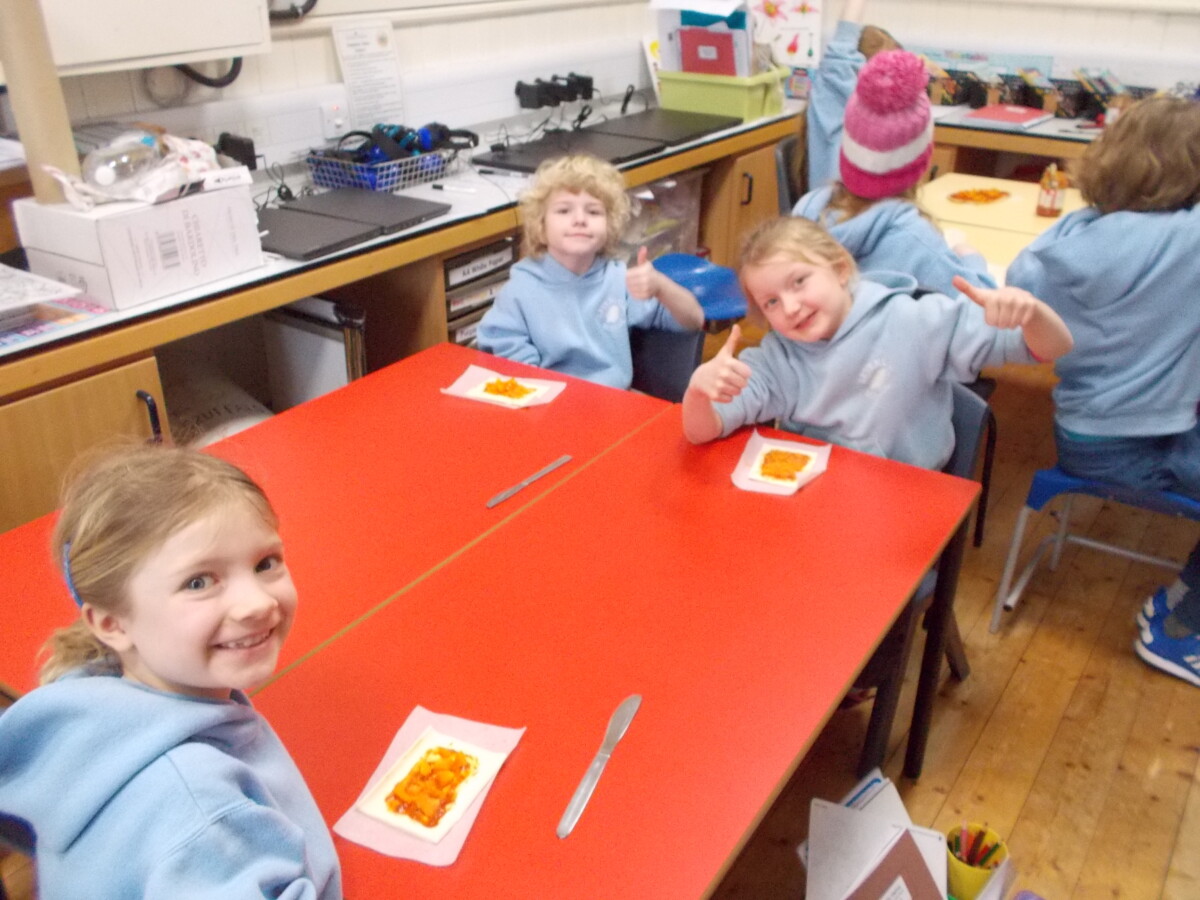
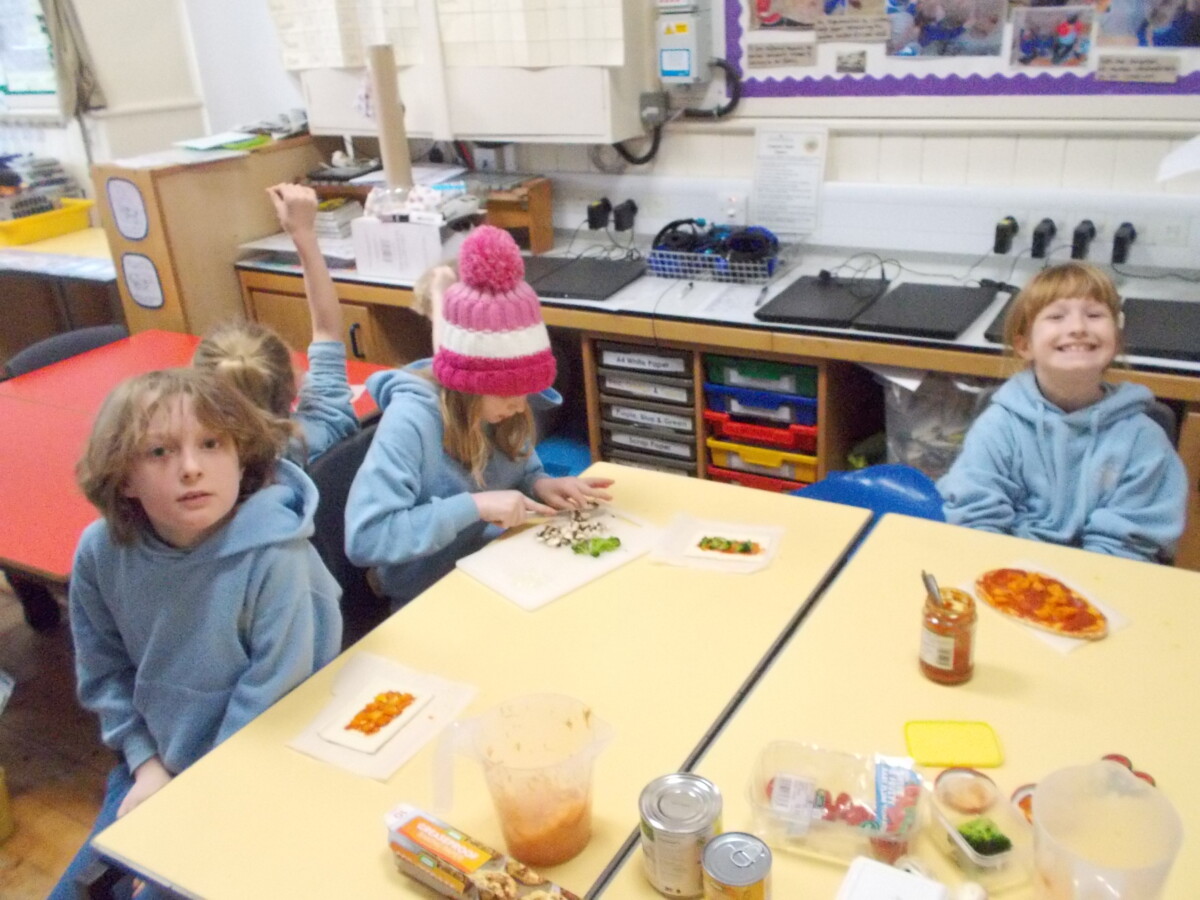
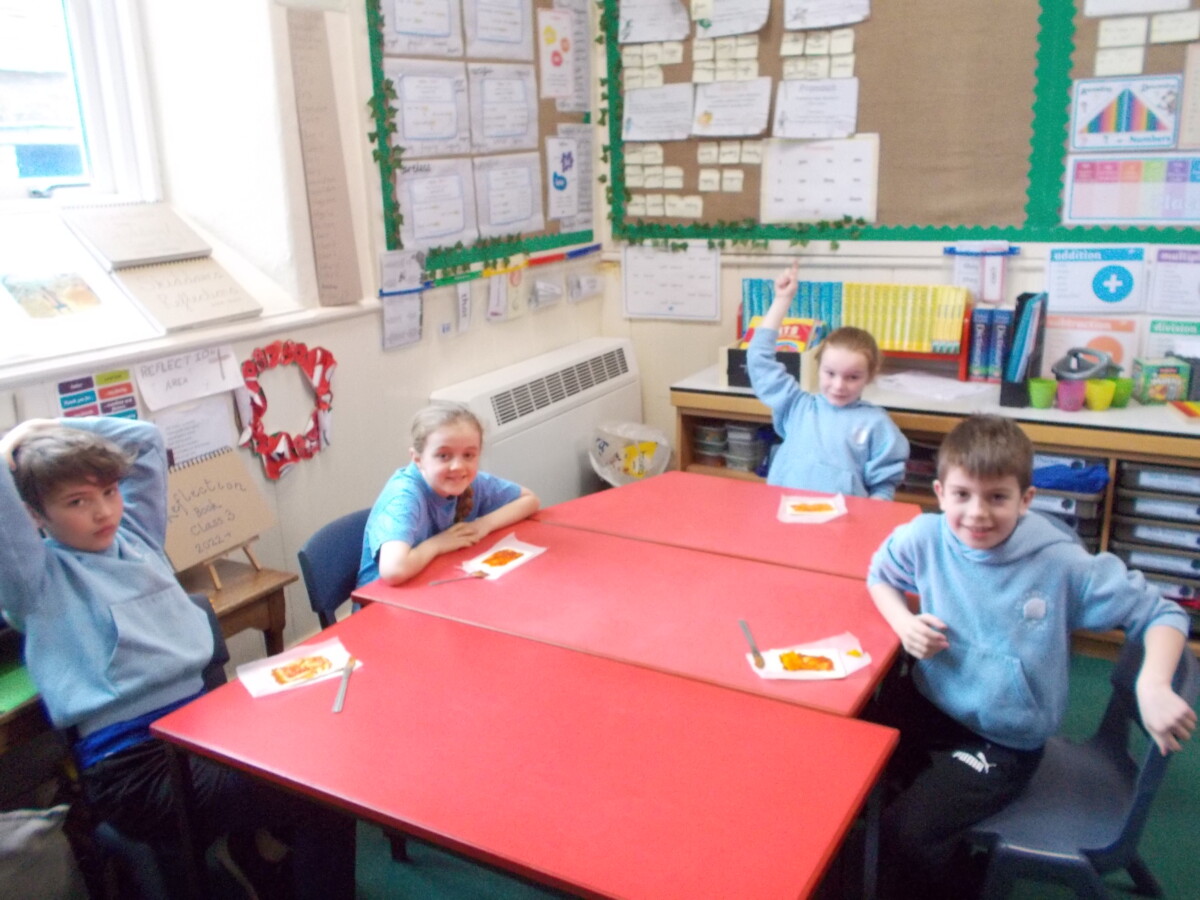
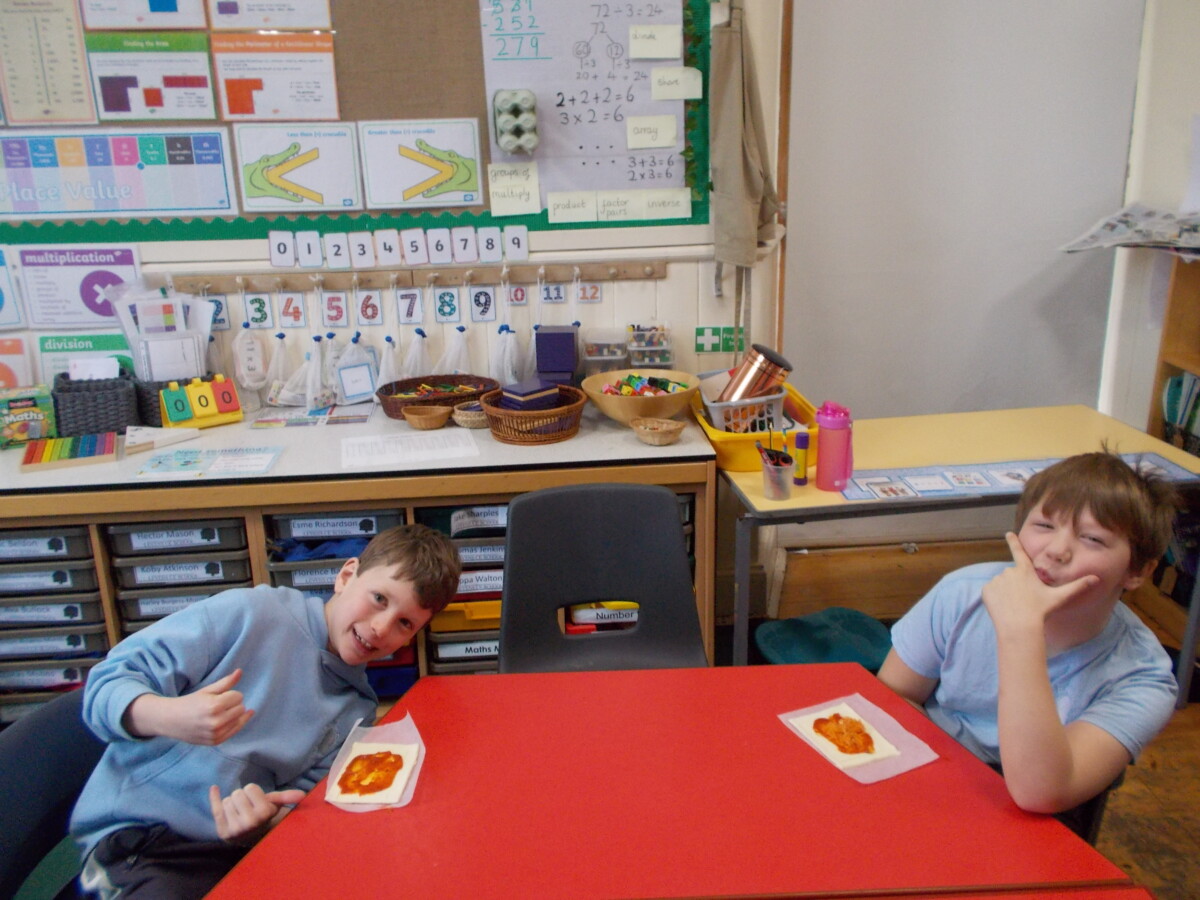
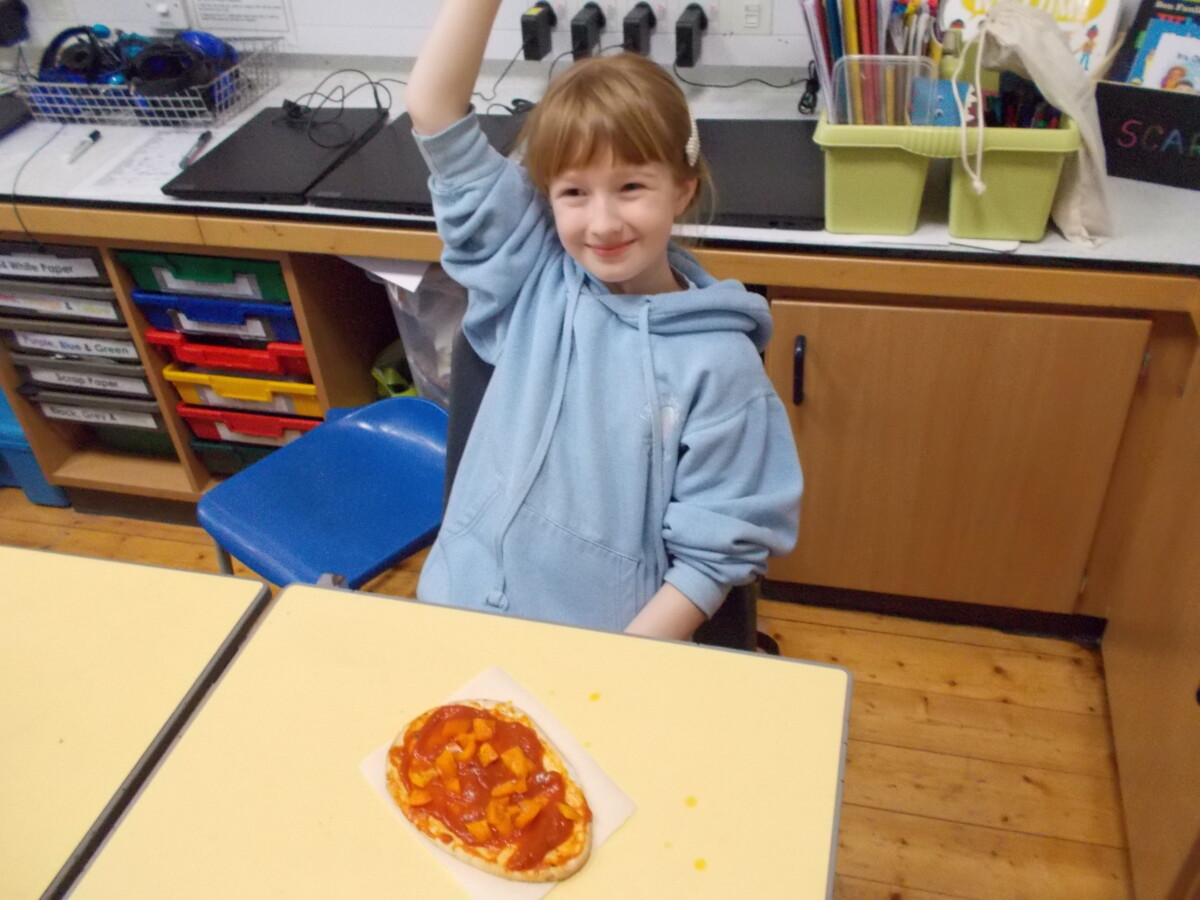
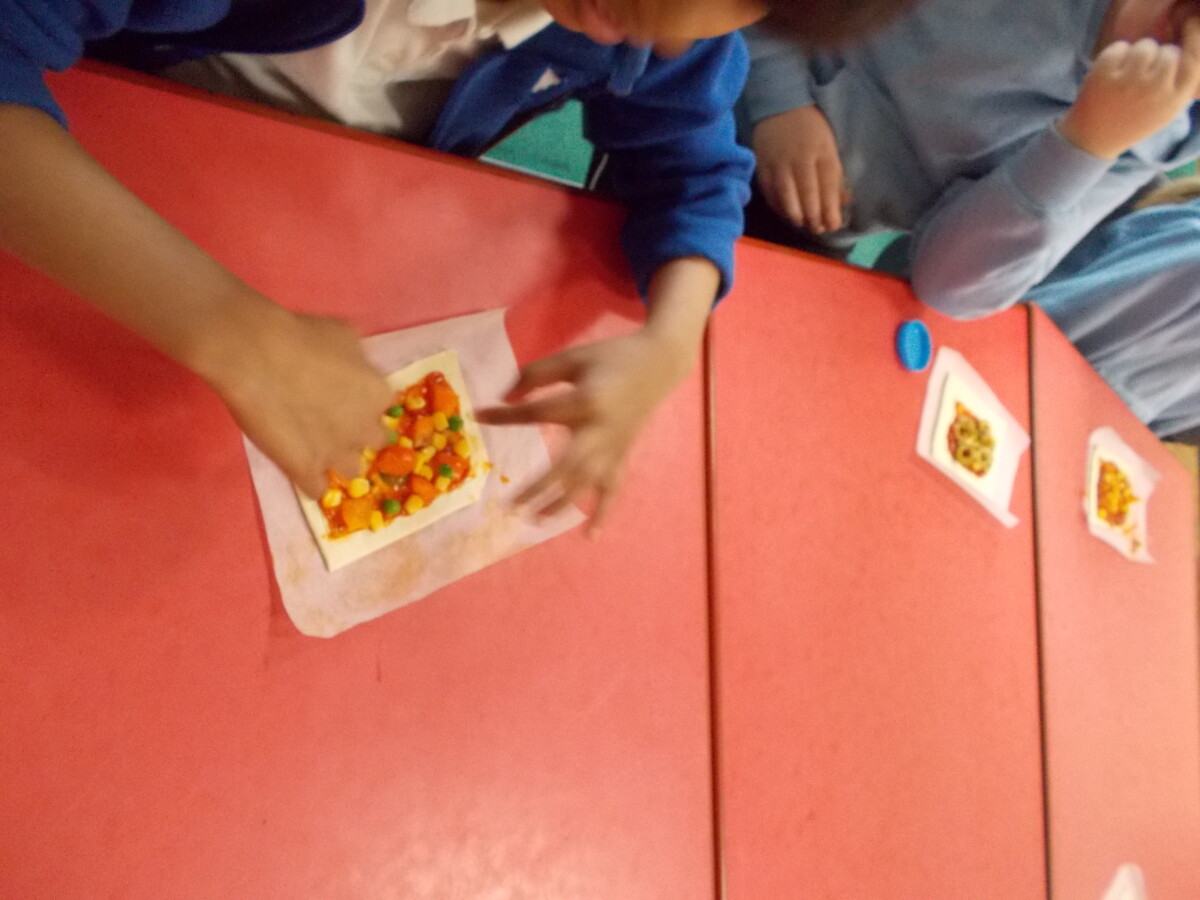
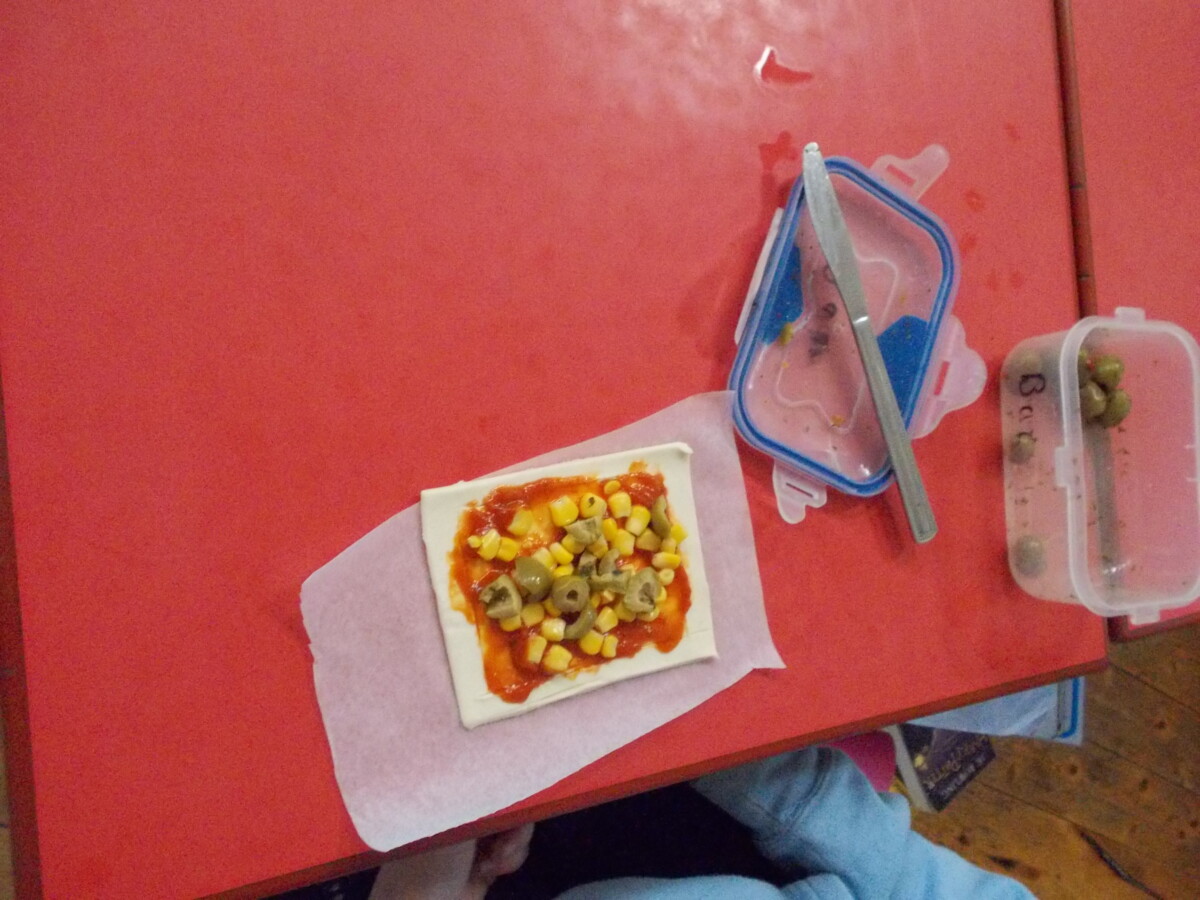
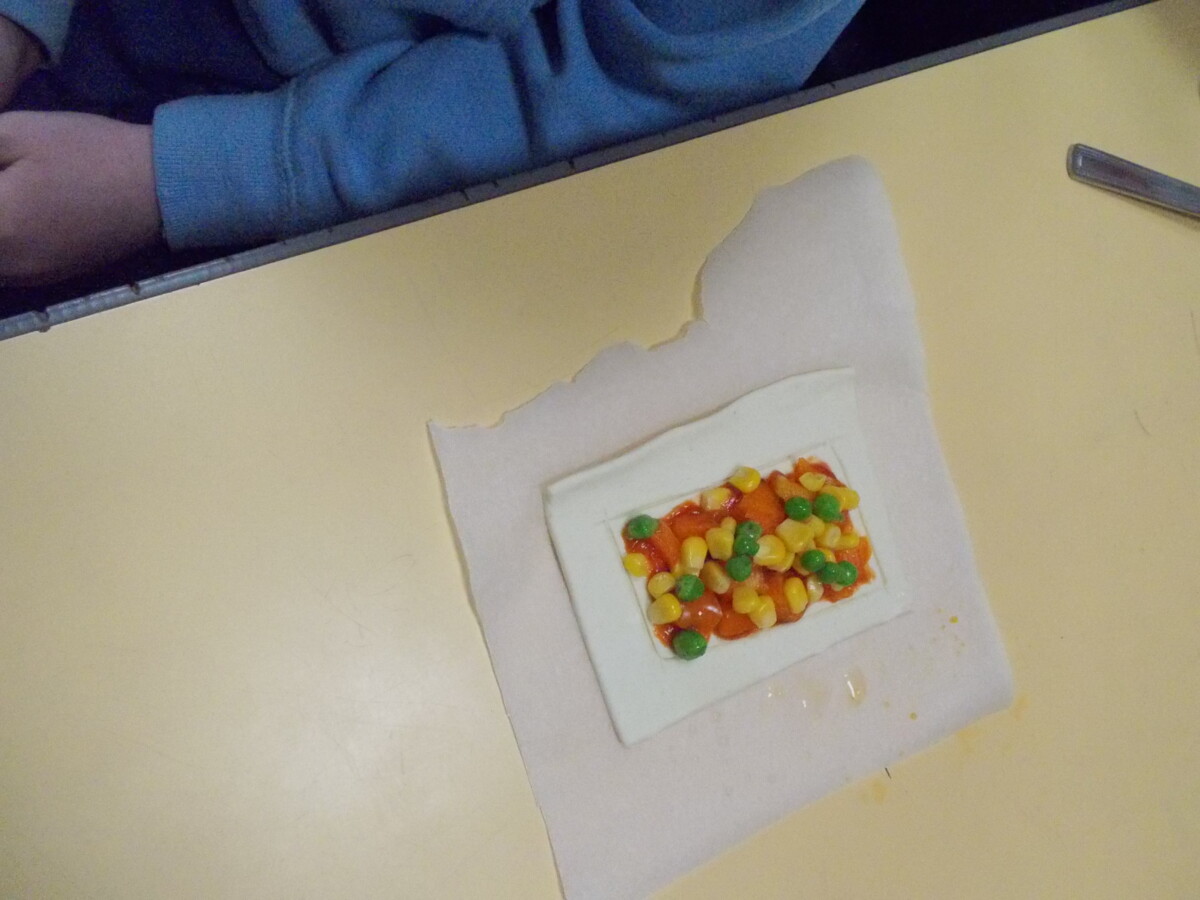
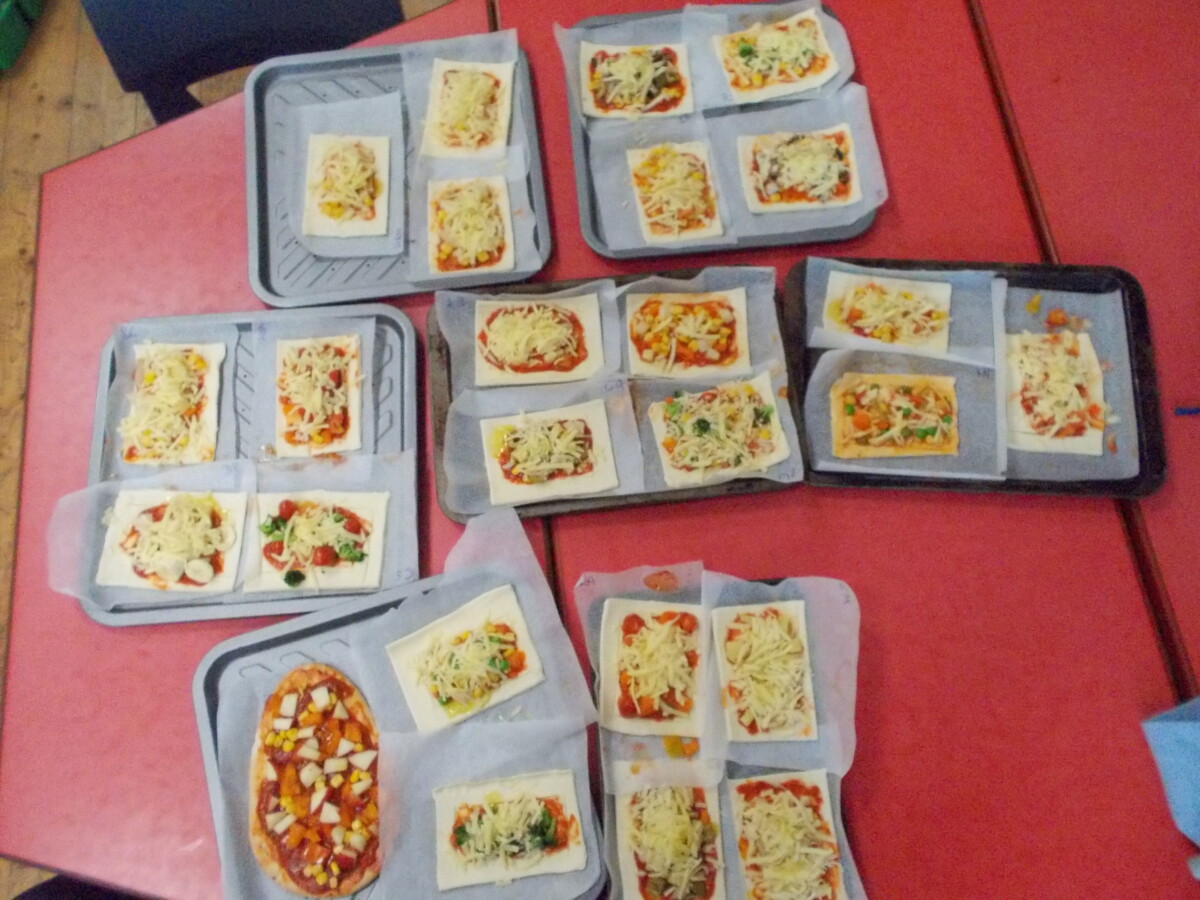
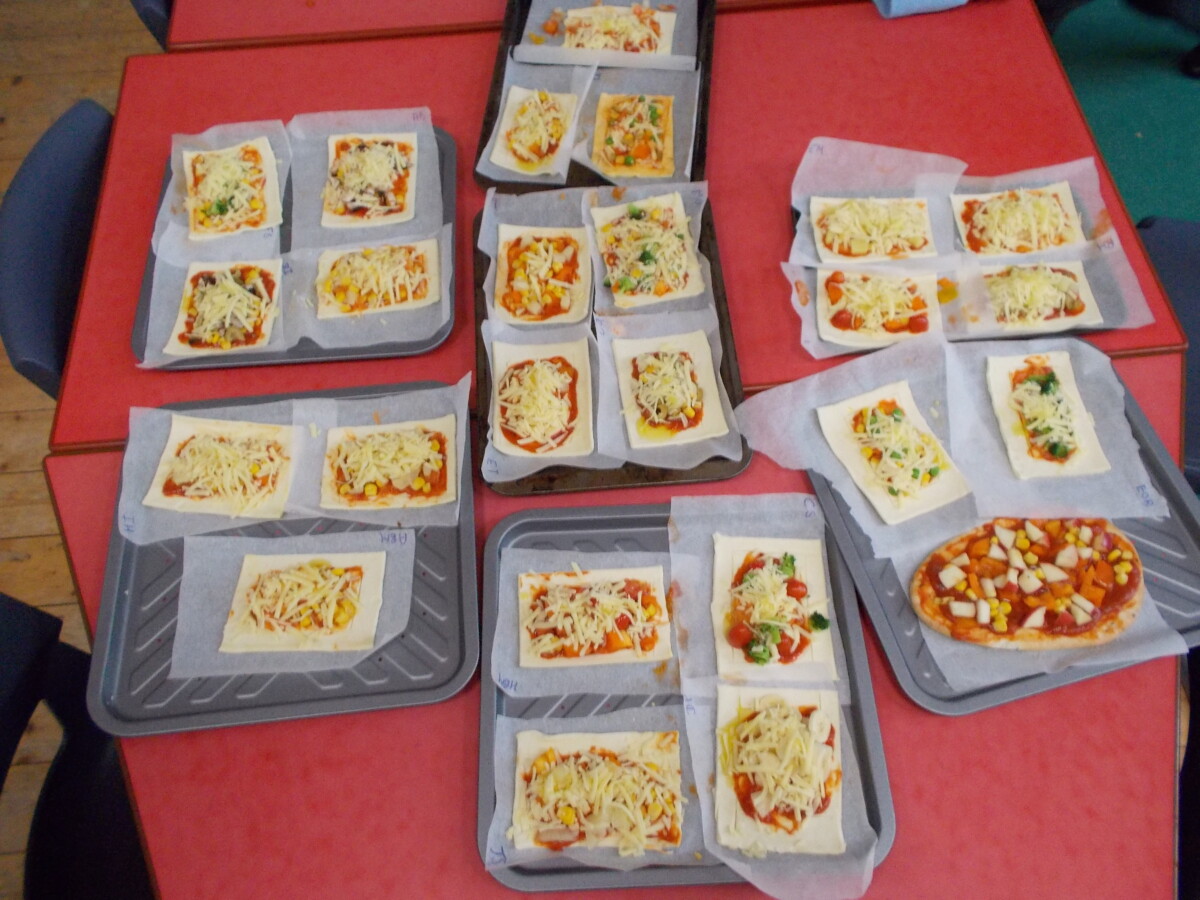
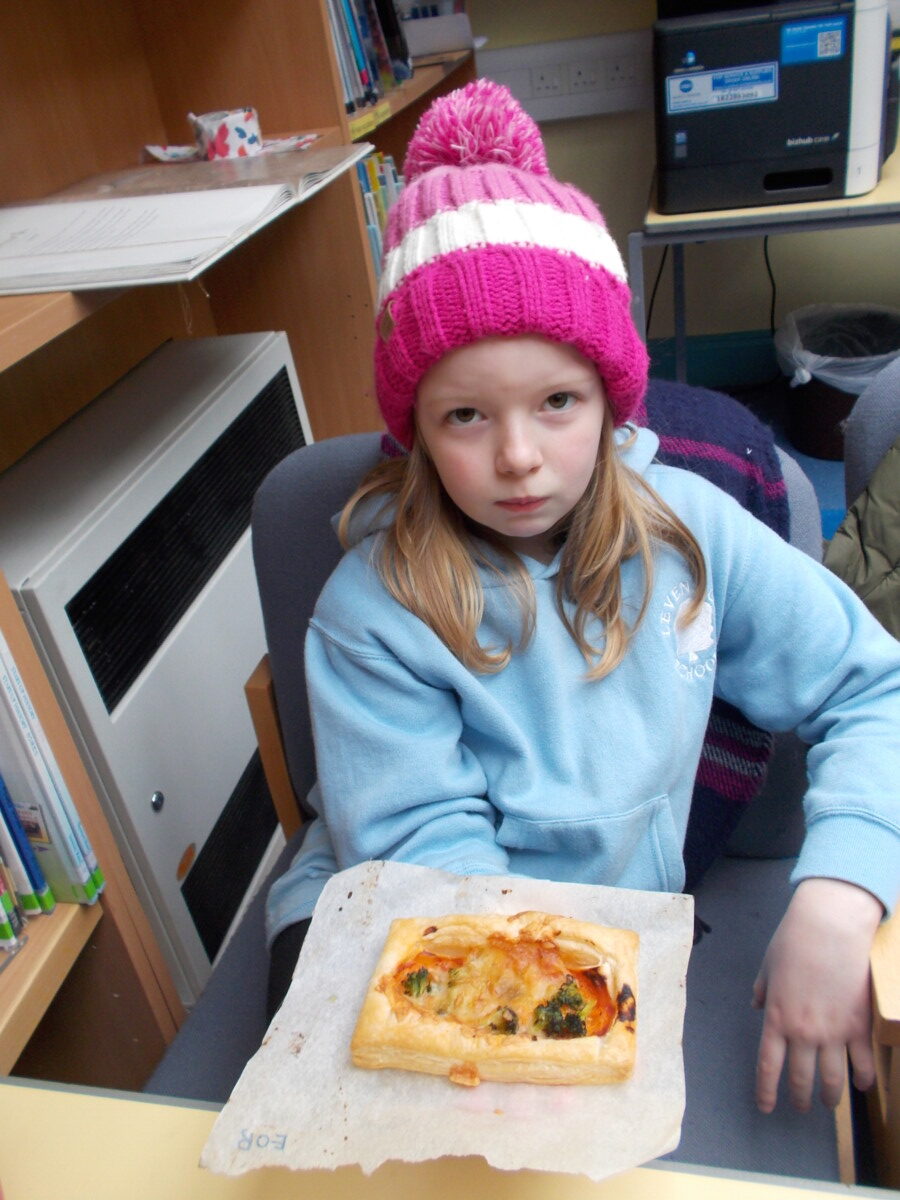
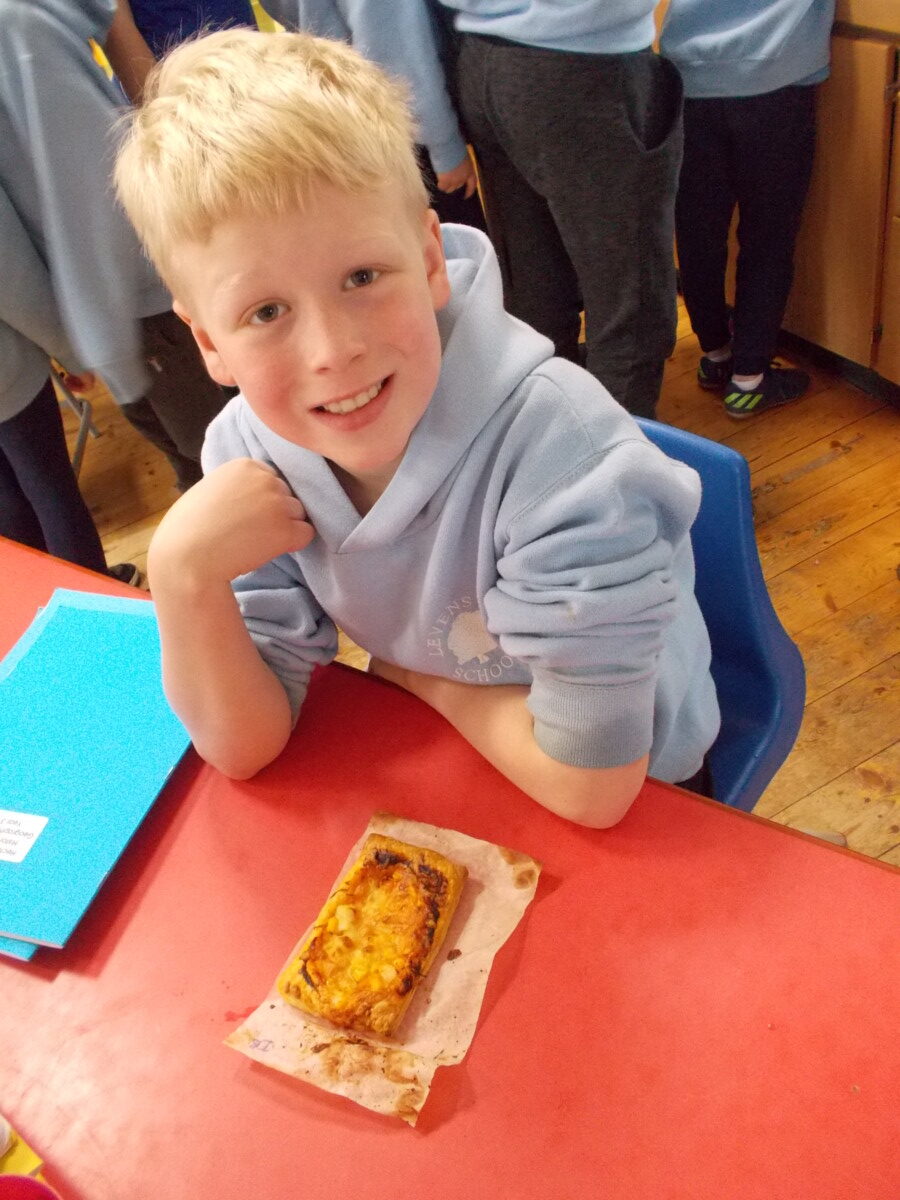
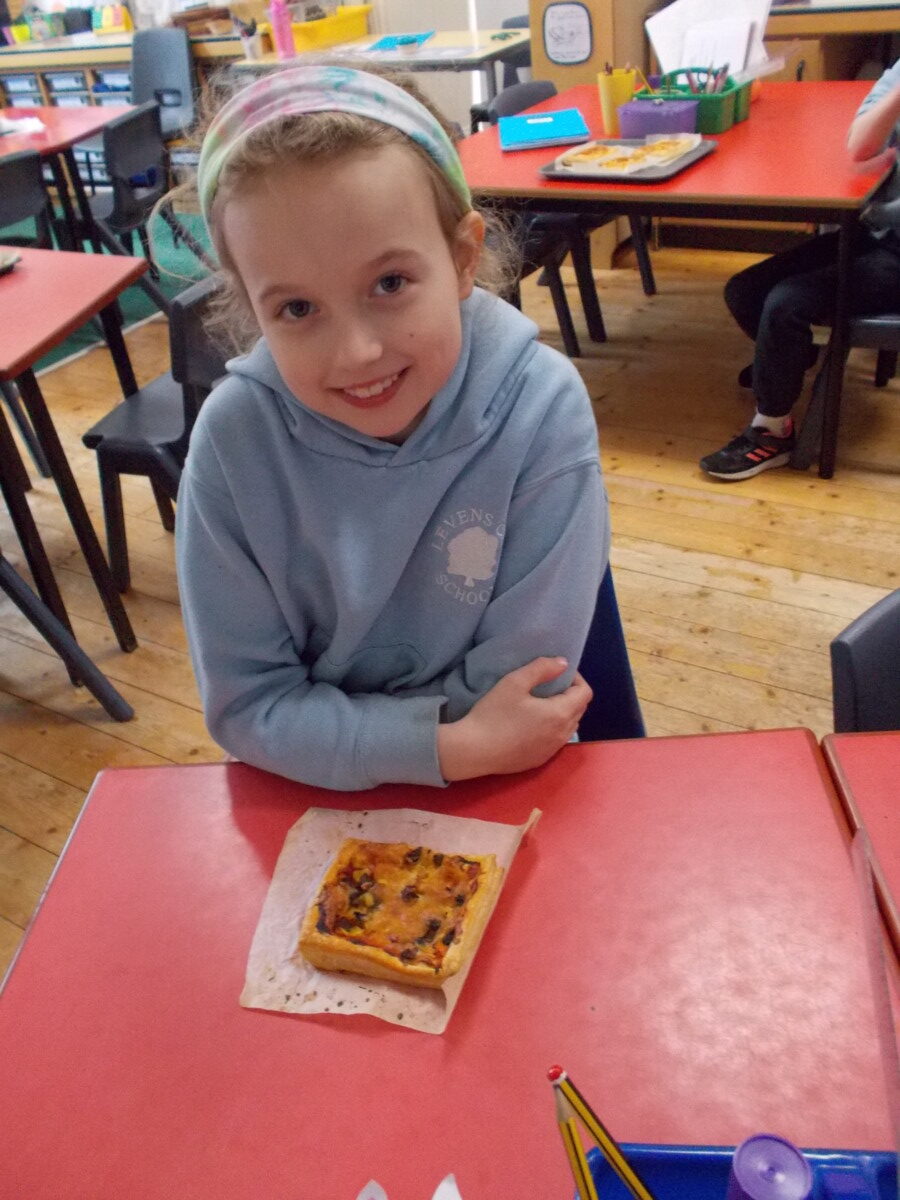
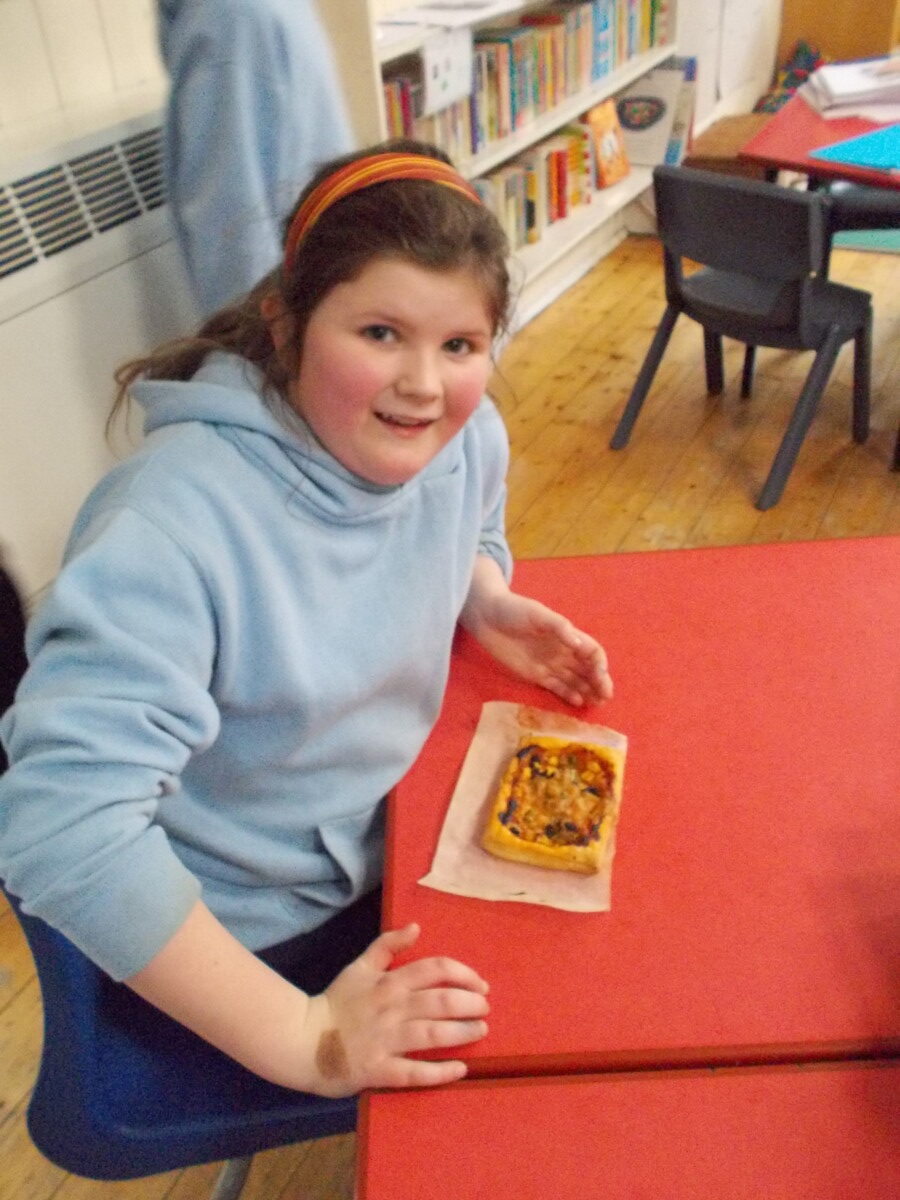
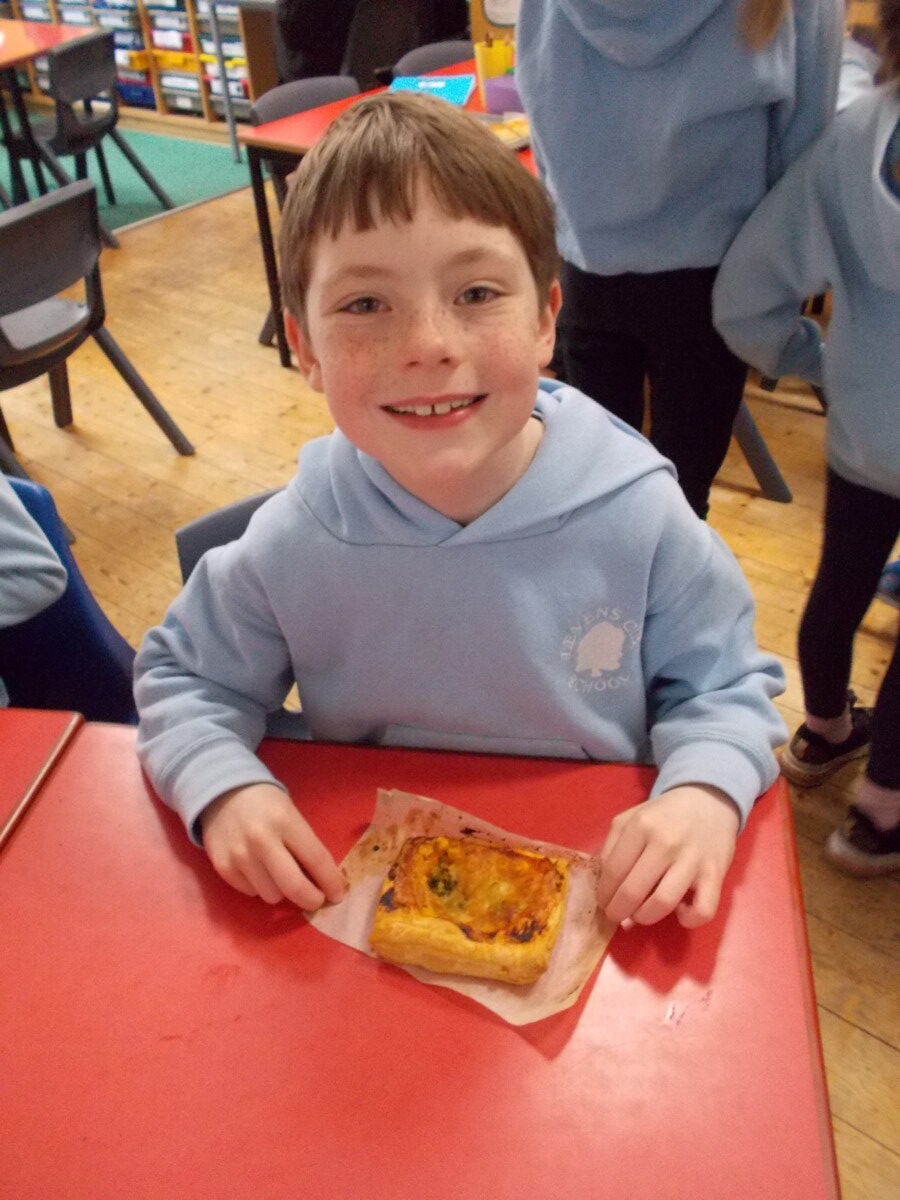
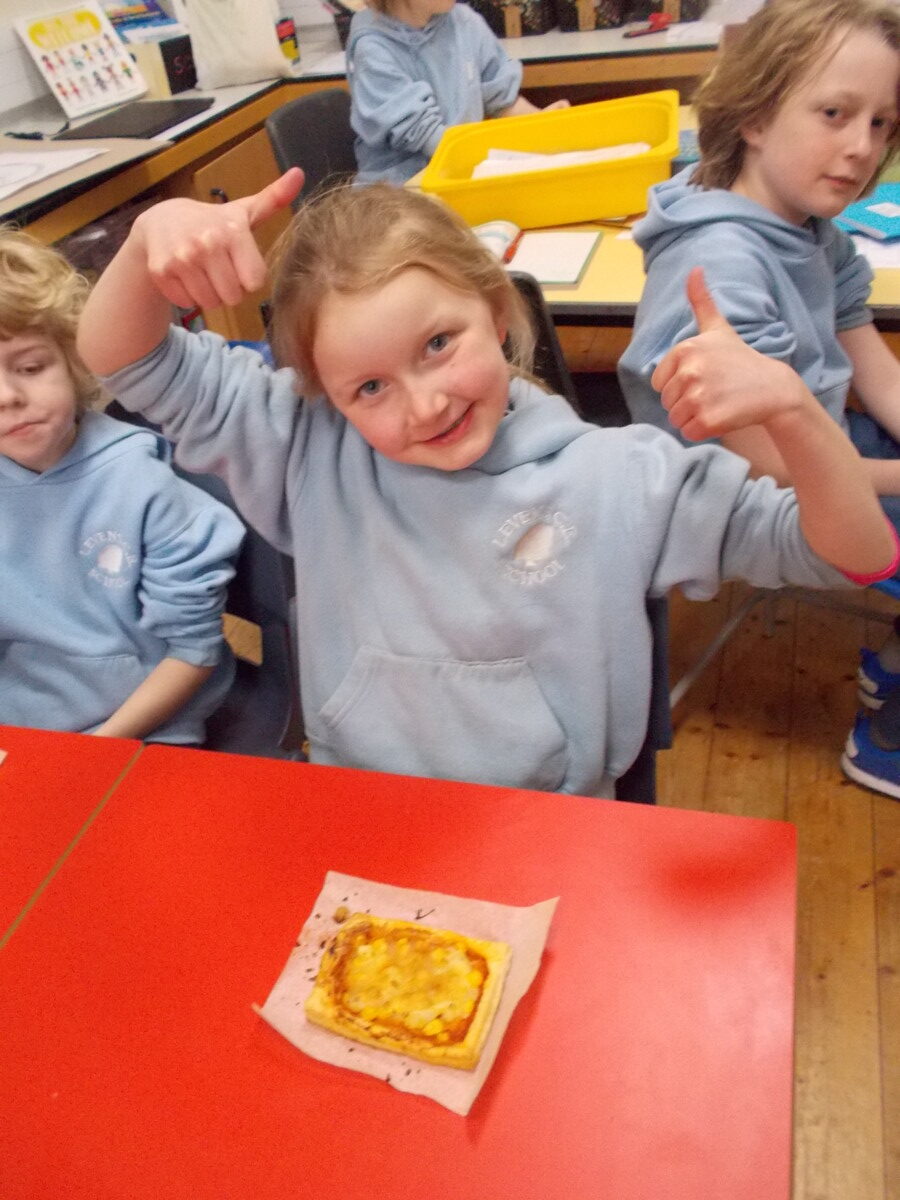
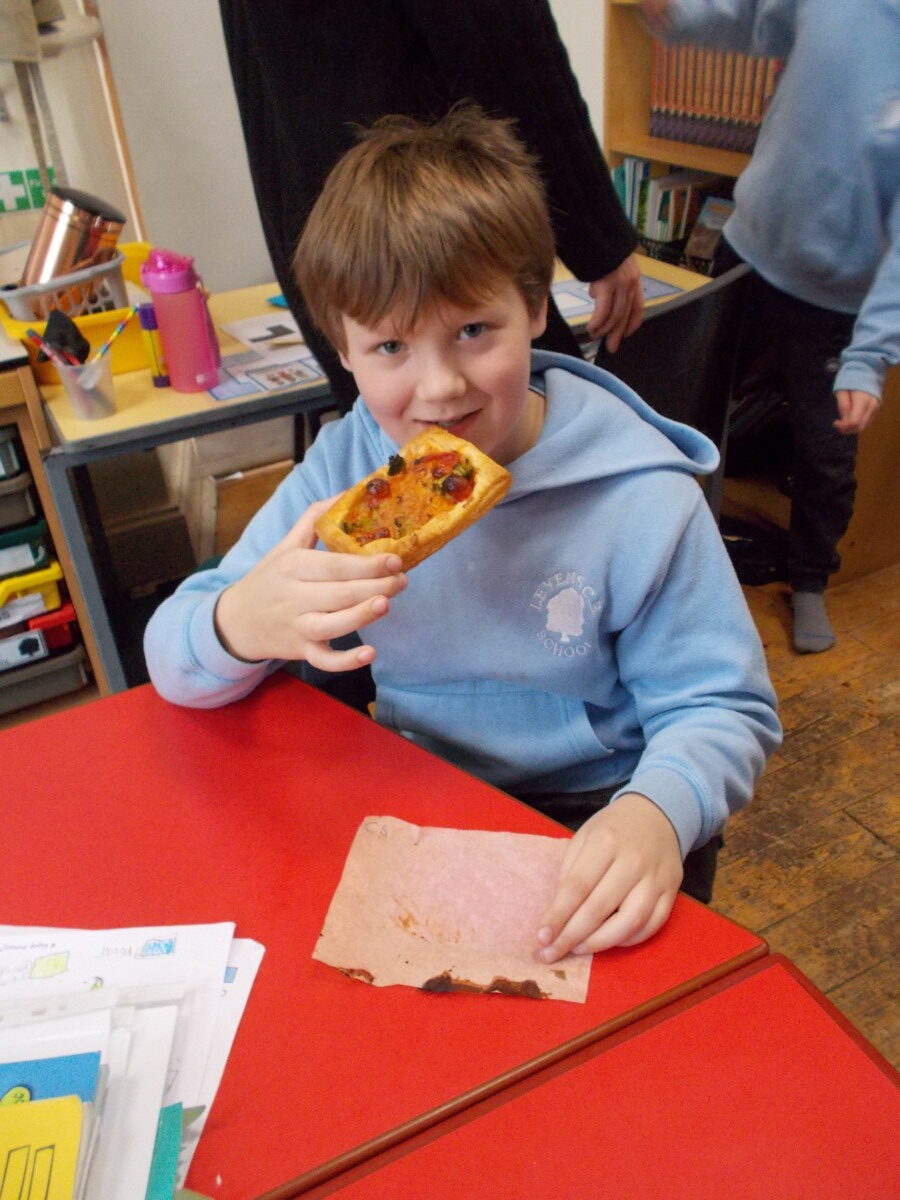
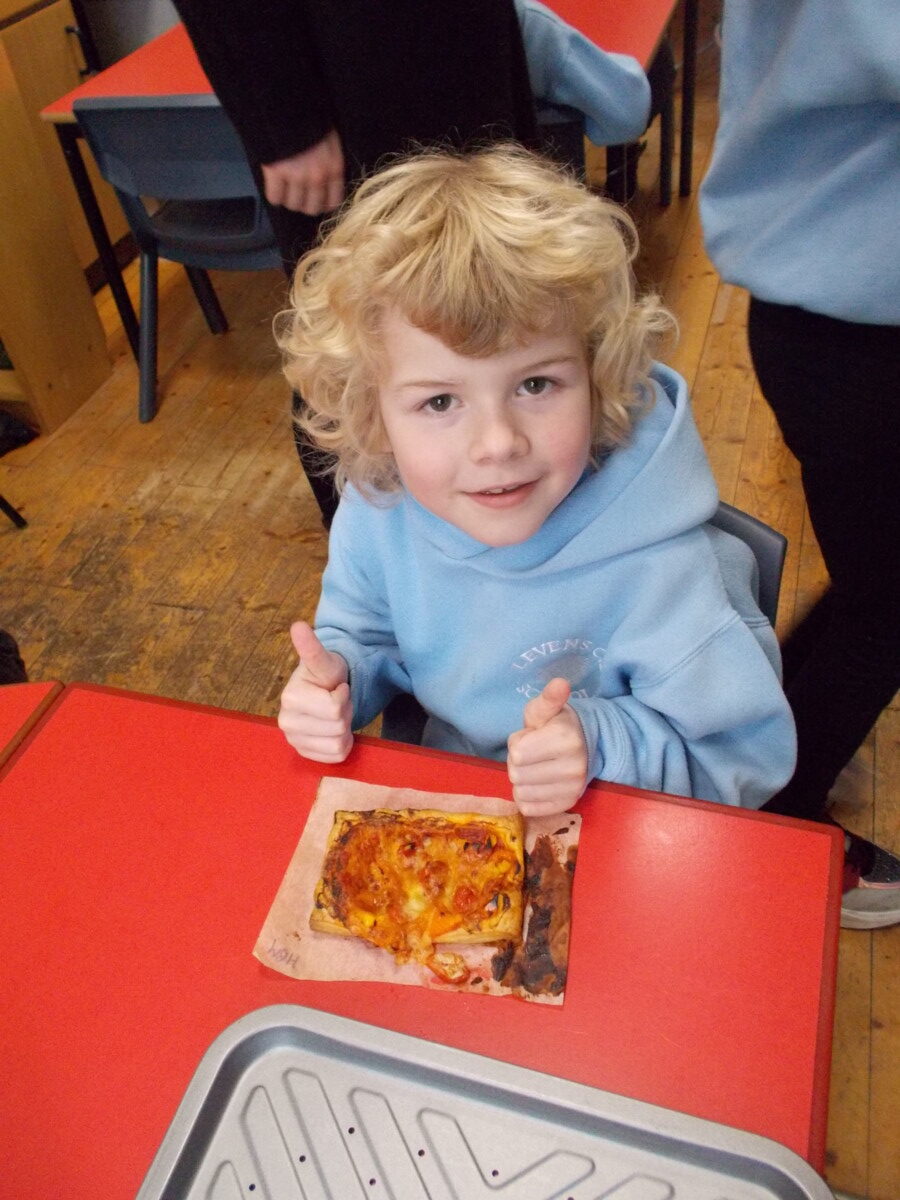
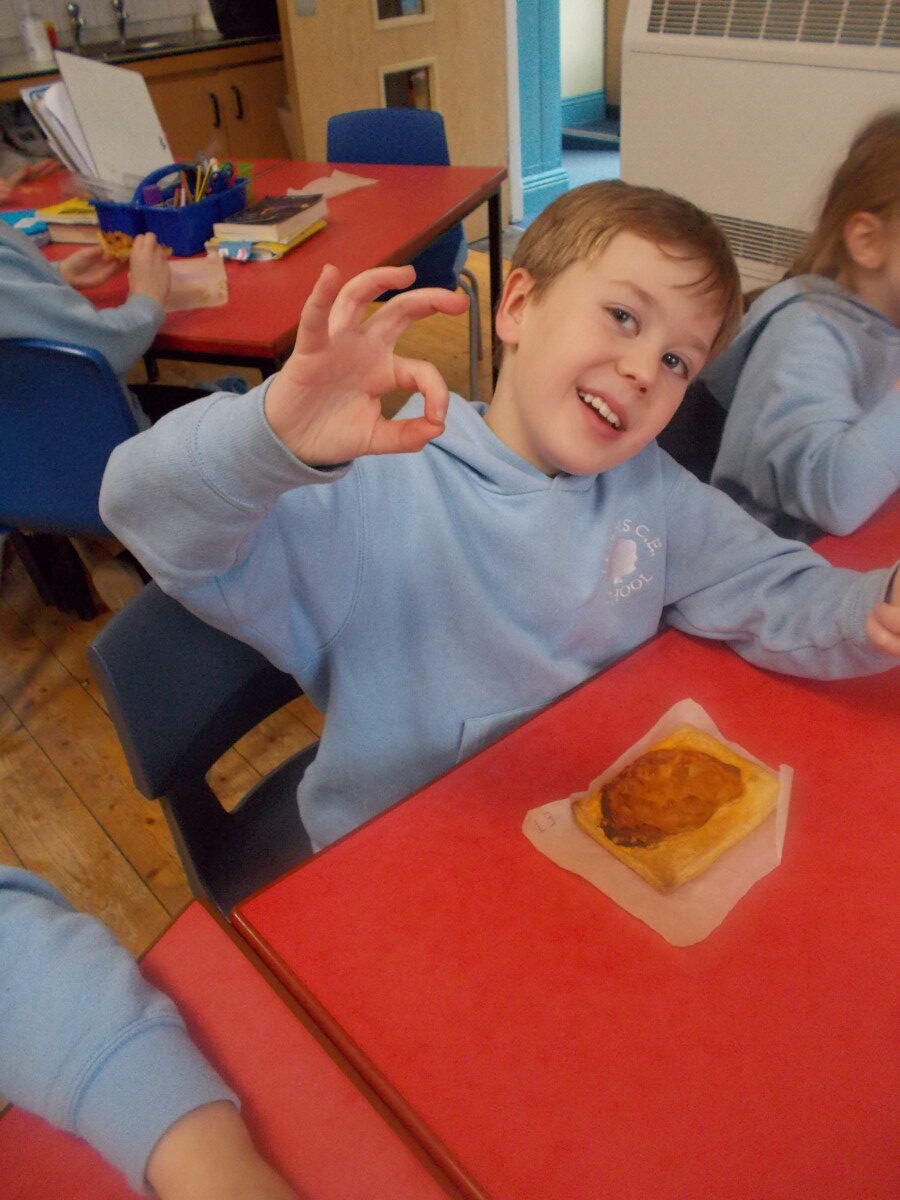
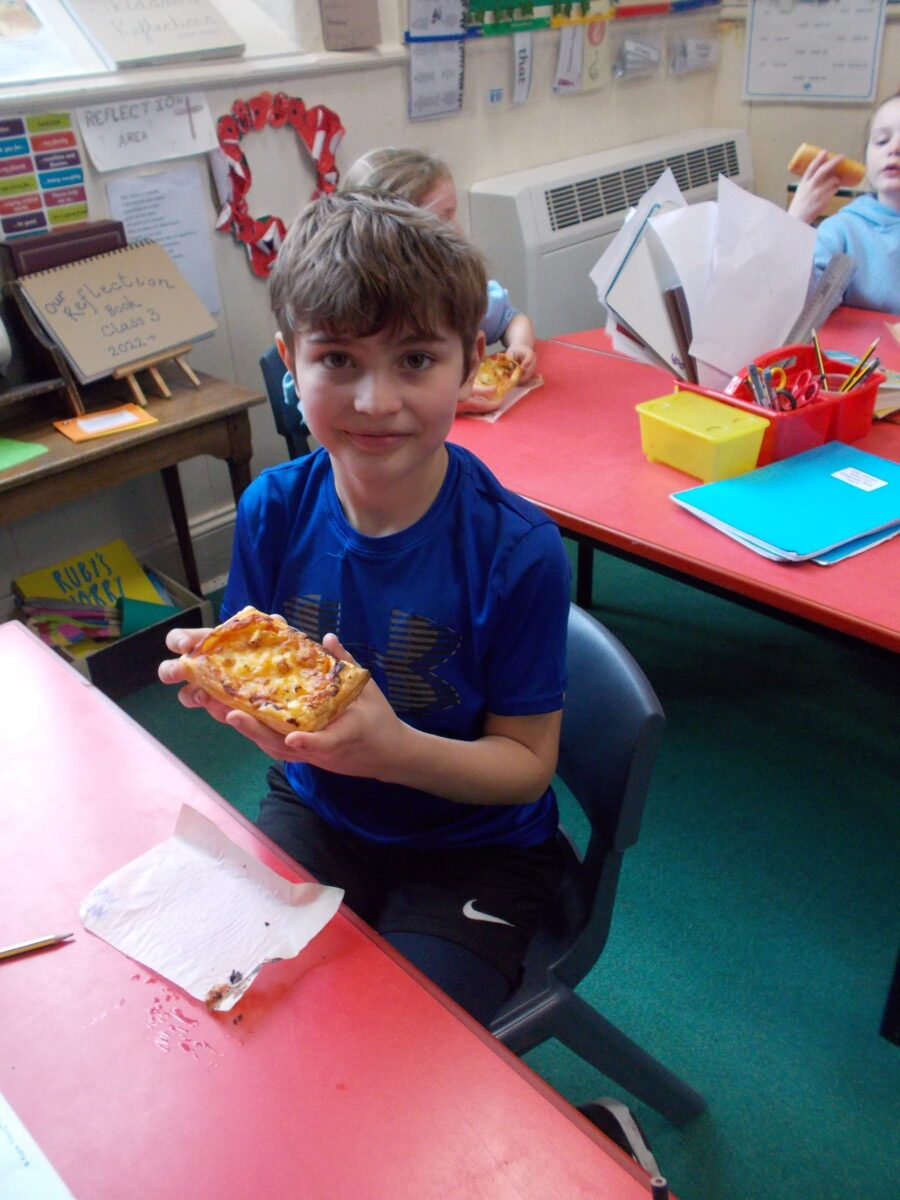
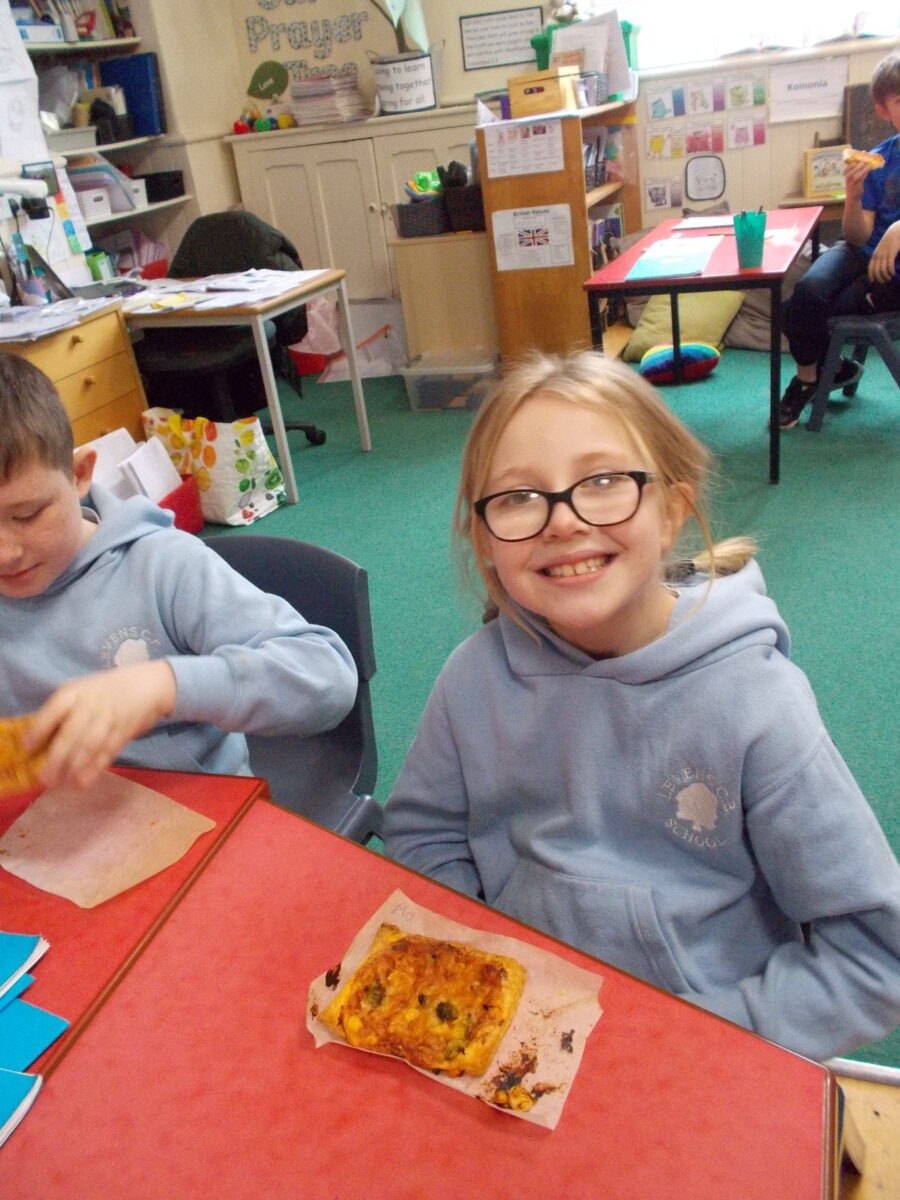
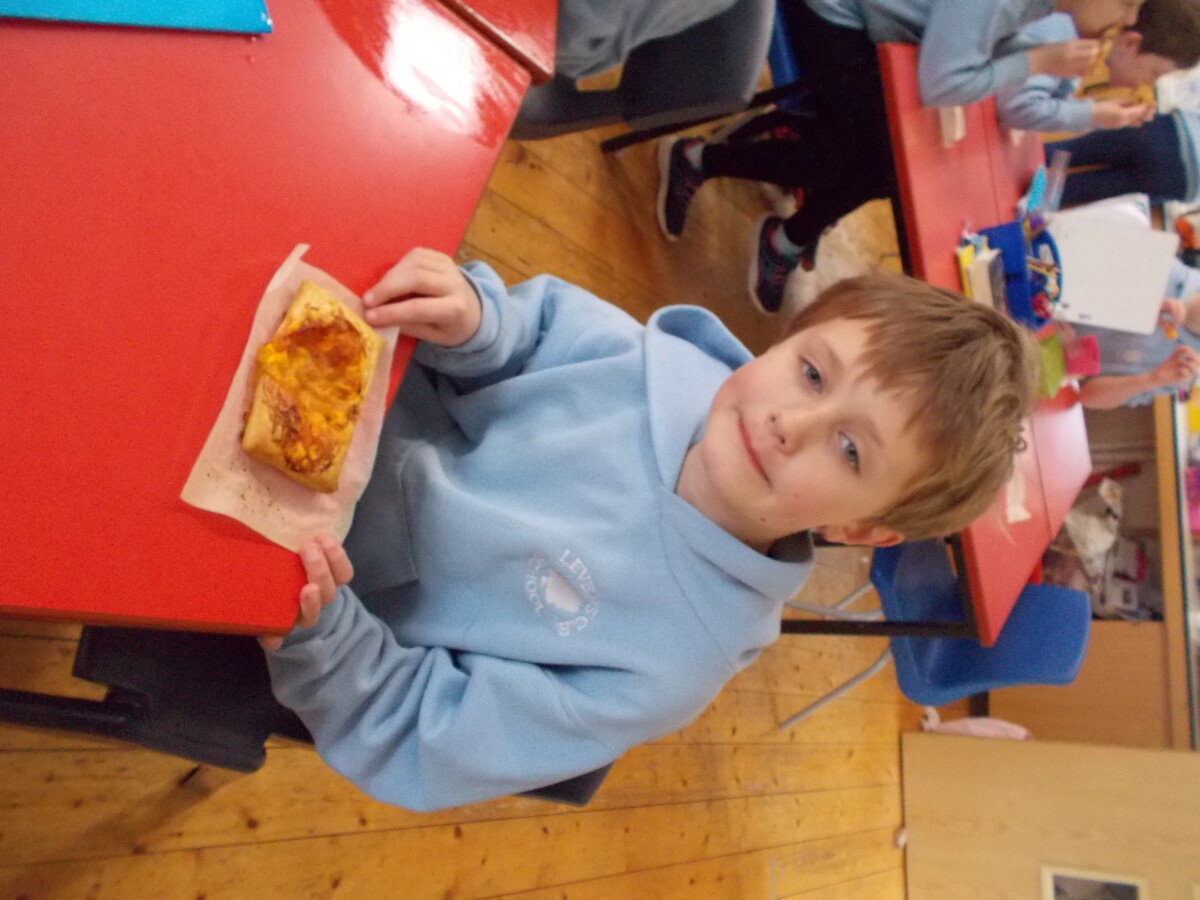
Class 3 have had an amazing time learning all about seasonal foods. We began by looking at the climatic zones of the world and where foods can grow. We then made Japanese fruit kebabs using strawberries, watermelon, lychees and bananas. We looked at seasonal foods in the United Kingdom and created seasonal food wheels. We then had great fun learning how to make apple crumble. It tasted delicious with custard! We found out about food miles and the environmental impact of this. Did you know on average a pineapple travels 5,000 miles to reach the UK! We then designed our own seasonal tarts. This was a little bit tricky, so we decided to use tinned and frozen foods as well. We followed recipes and made these, they tasted delicious.





Amazing Authors- Anthony Browne
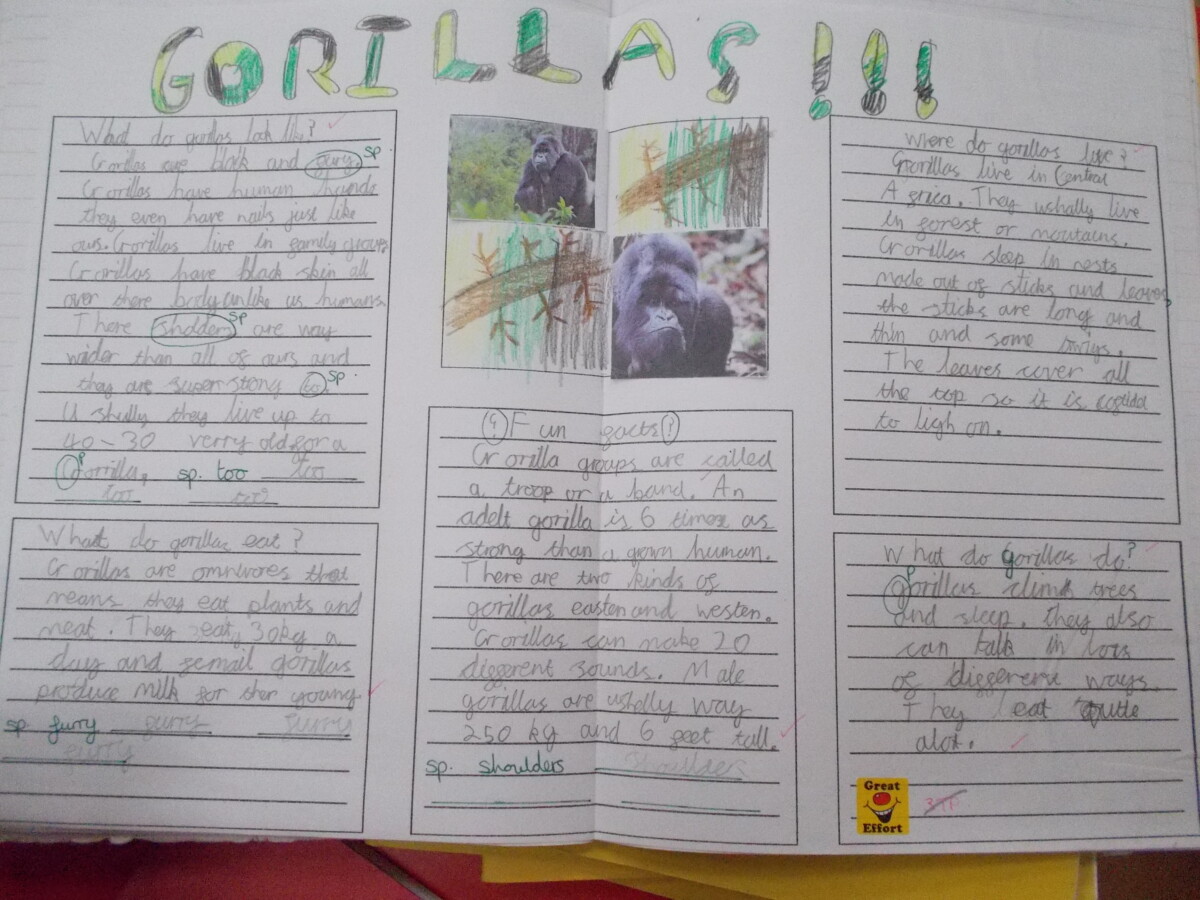
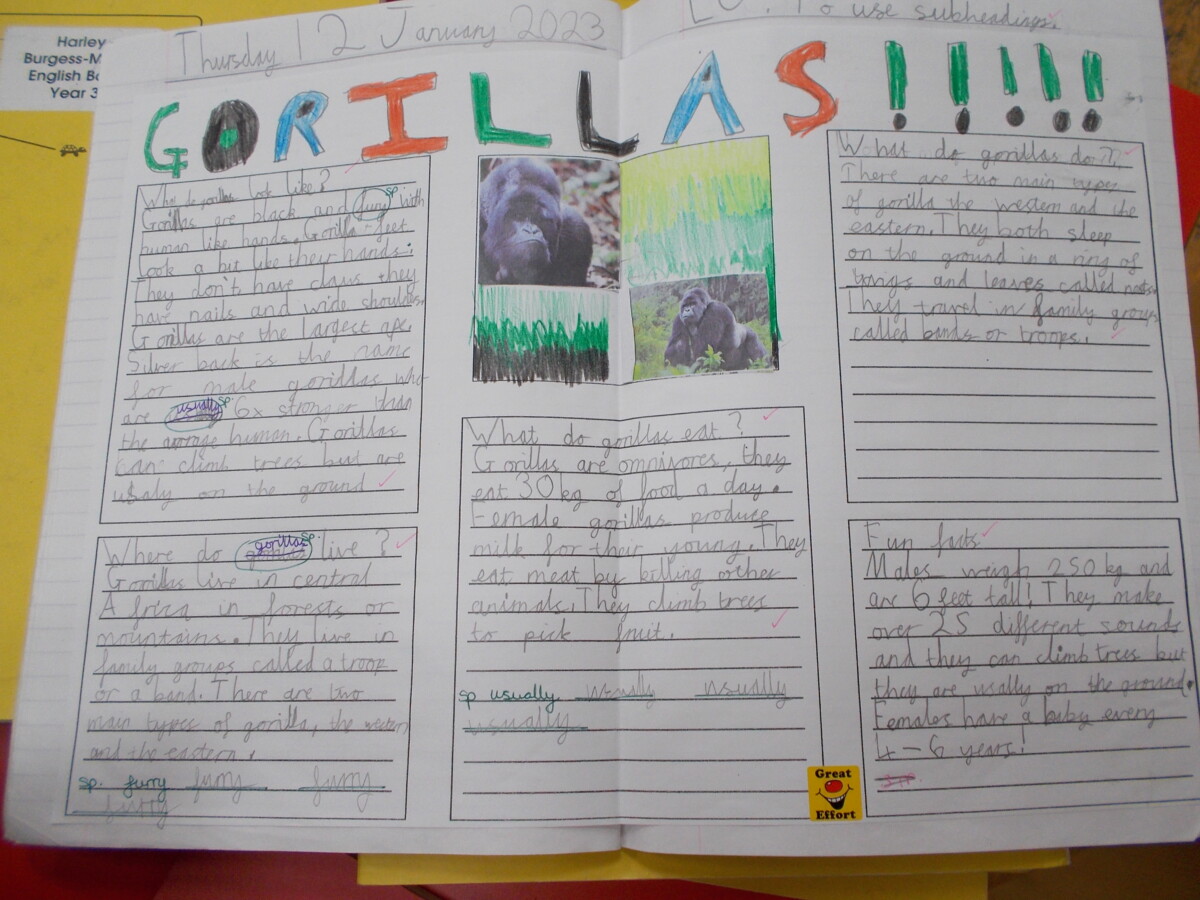
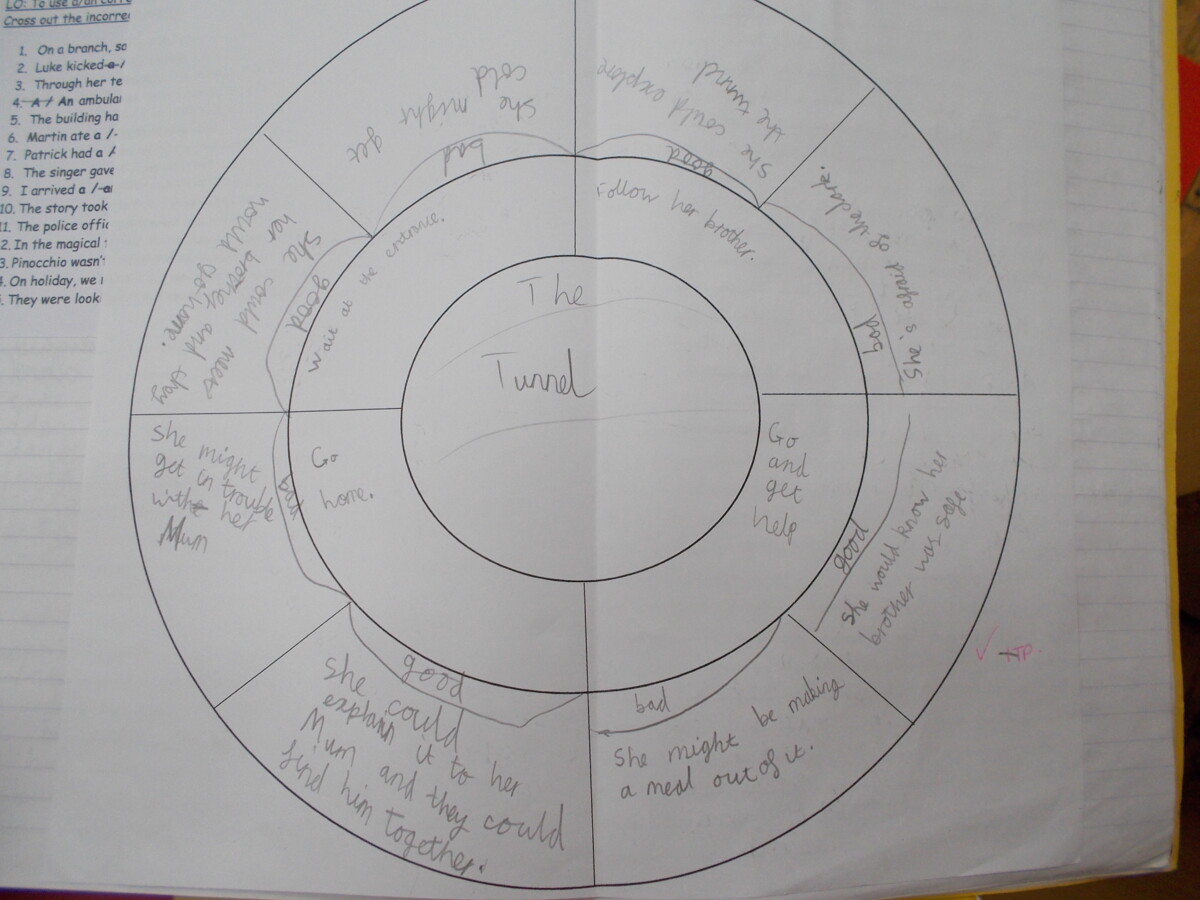

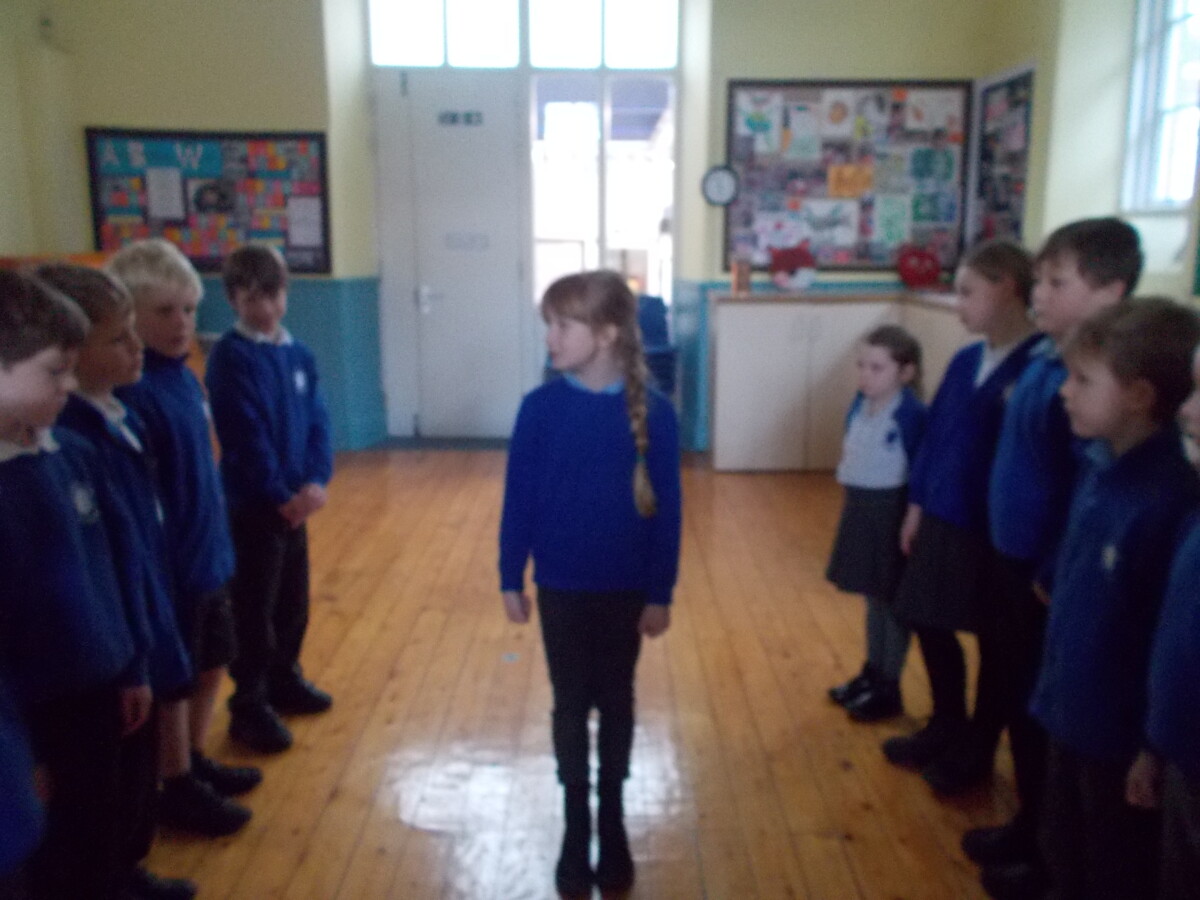


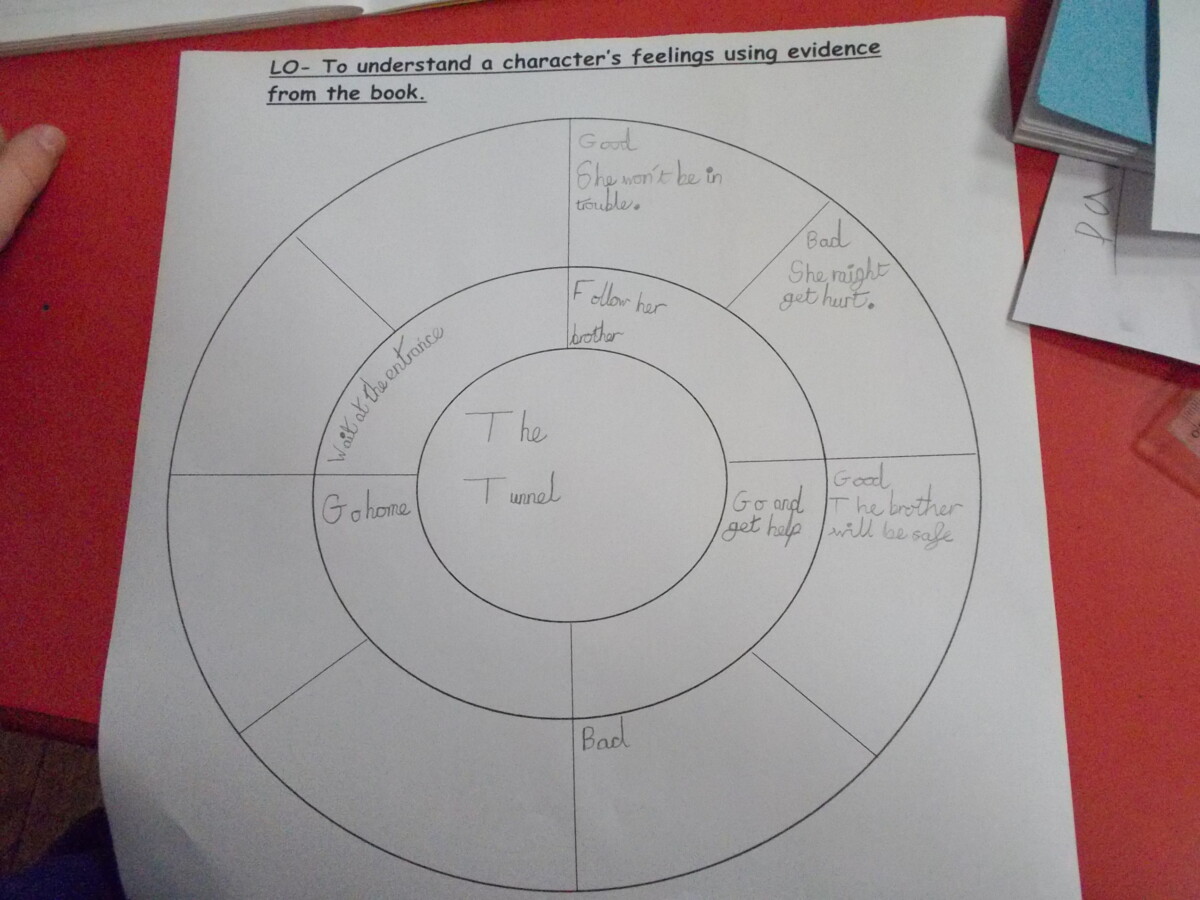
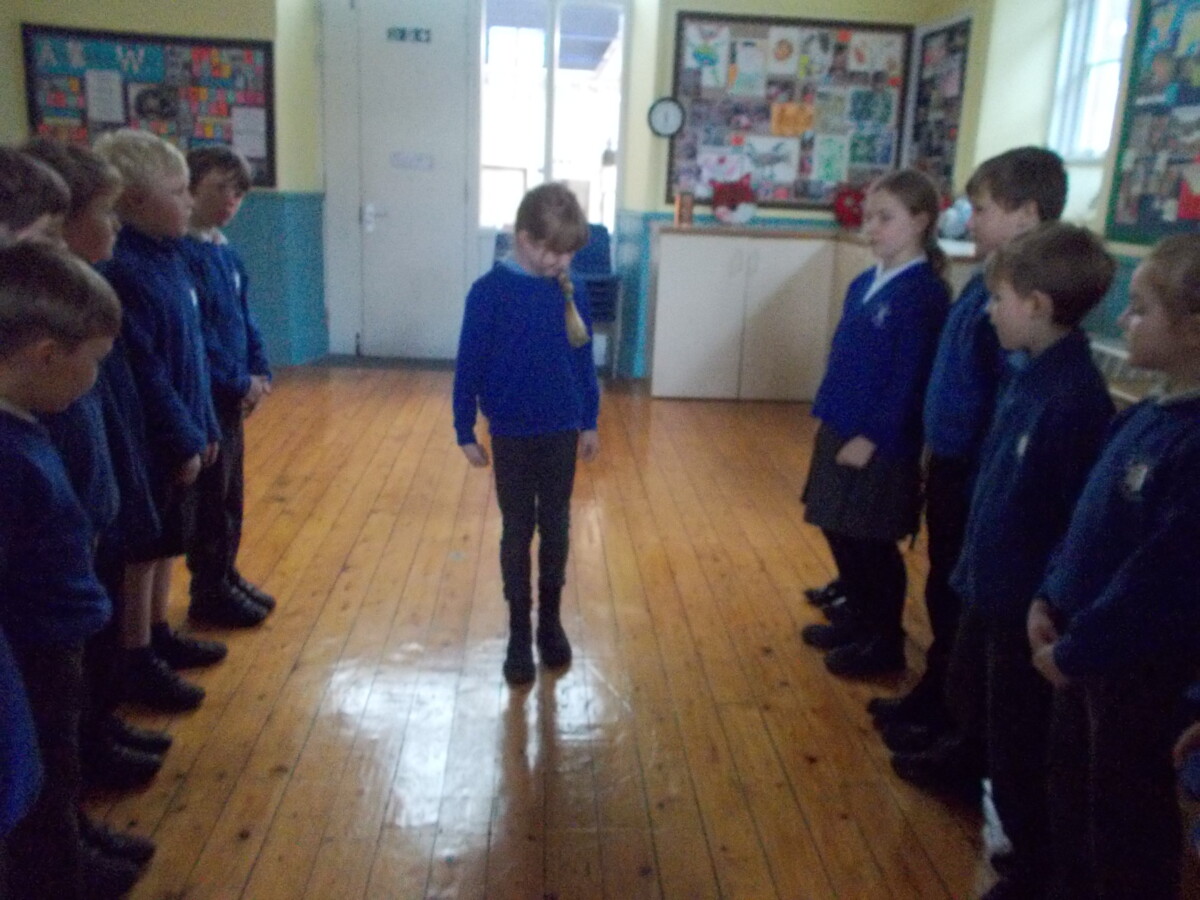
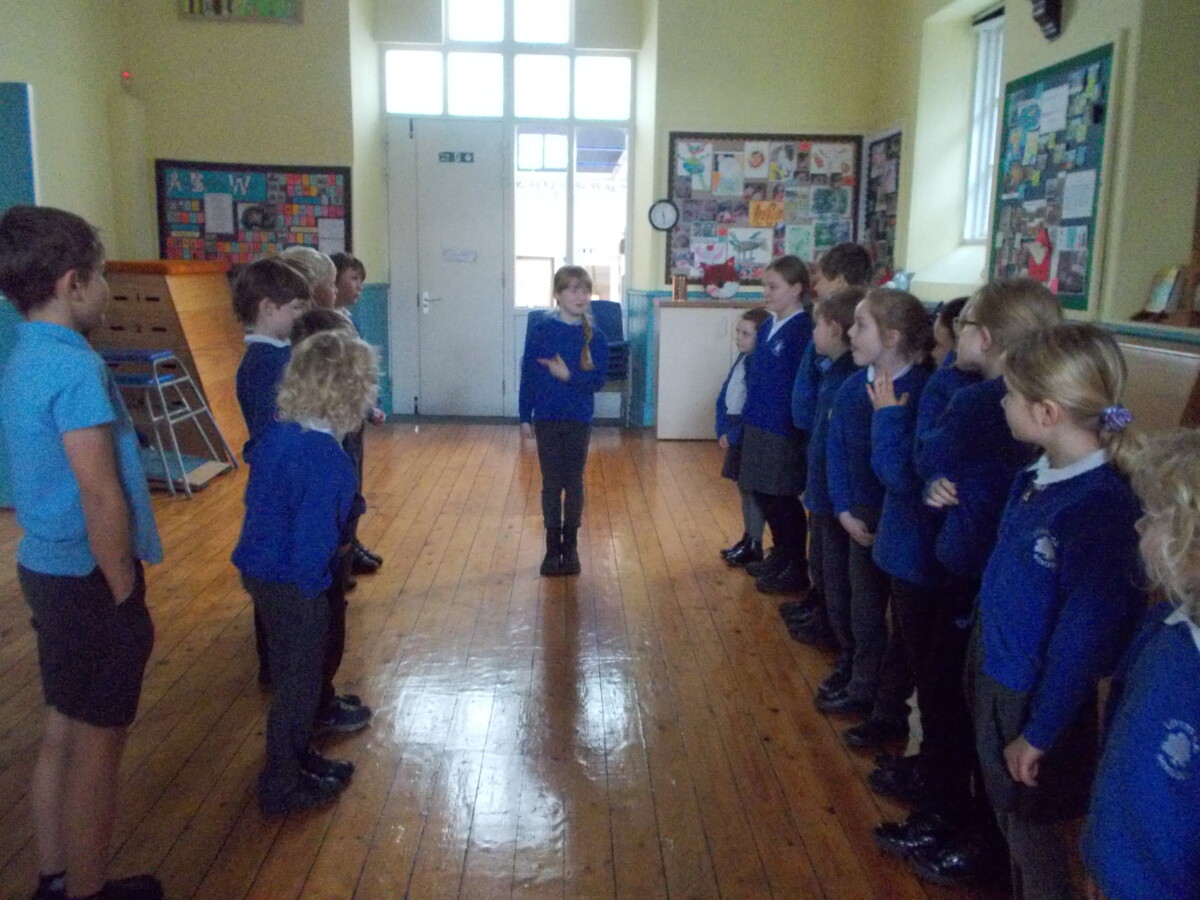
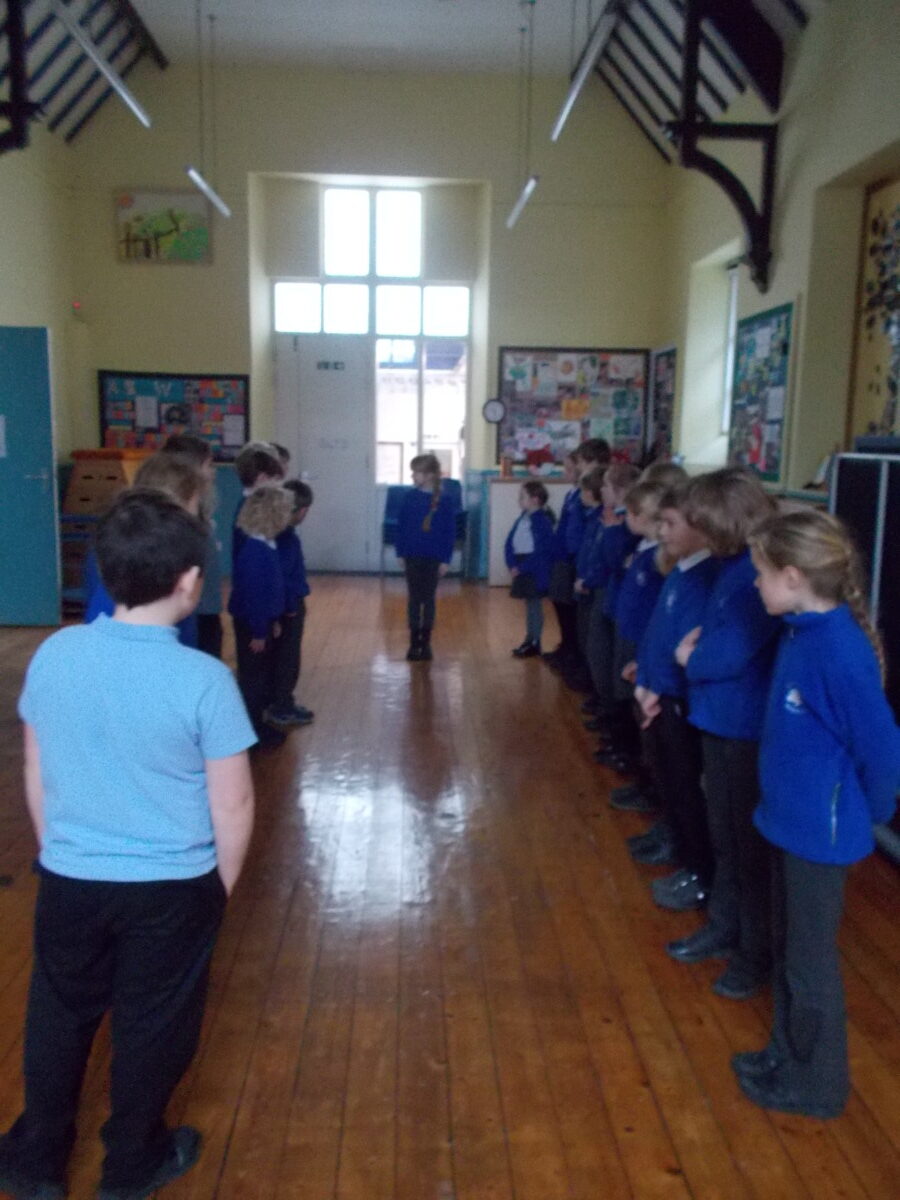
Class Three have loved looking at the books of Anthony Browne. We started the topic looking at the book ‘Gorilla’. The children thought about how the characters were feeling using inference. They moved onto to researching facts about gorillas and produced some amazing non-fiction reports, organising the facts under sub-headings. We then moved onto ‘The Tunnel’. The children made predictions about what would be at the end of the tunnel. We also considered the actions of the characters and carried out a conscience alley. The children gave the character advice and guidance. We followed this with the children producing decision wheels, these gave advantages and disadvantages of suggested next steps for the character Rose. The children then focused on diary writing and wrote an entry for Jack and Rose. We finally looked at ‘Voices in the Park’. The children loved the idea of writing about the same event from different views. To finish this topic, we wrote our own versions of the story and called them ‘Voices in the playground’. We can’t wait for you to read them!
South Lakes District Cross Country Trials
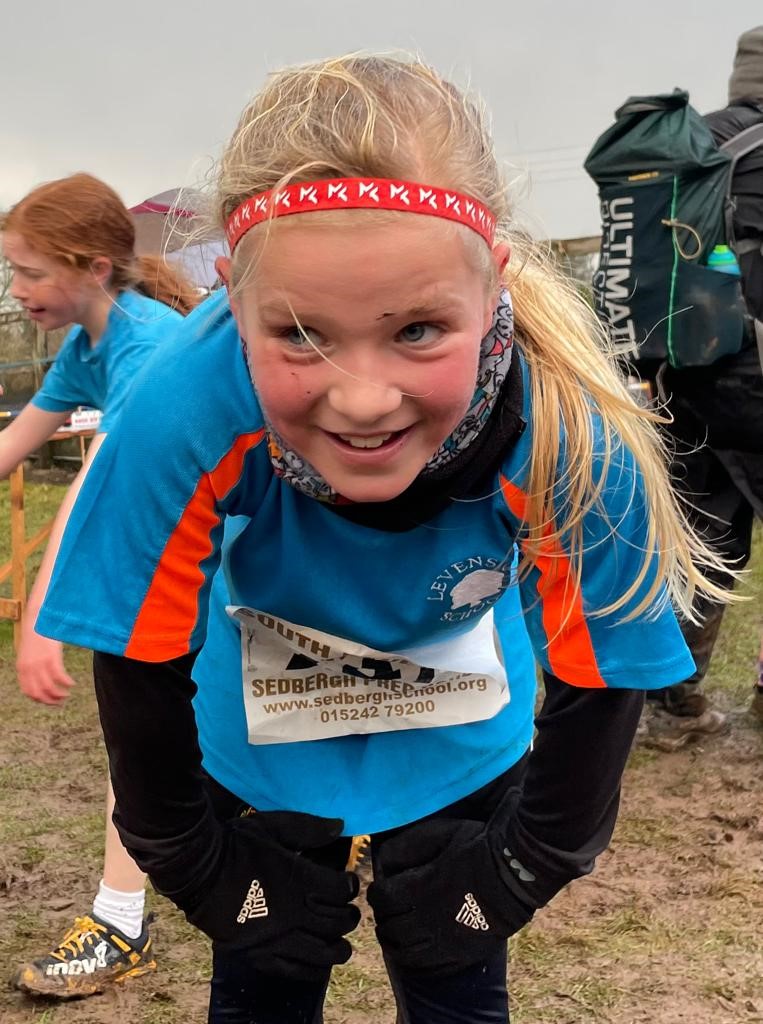
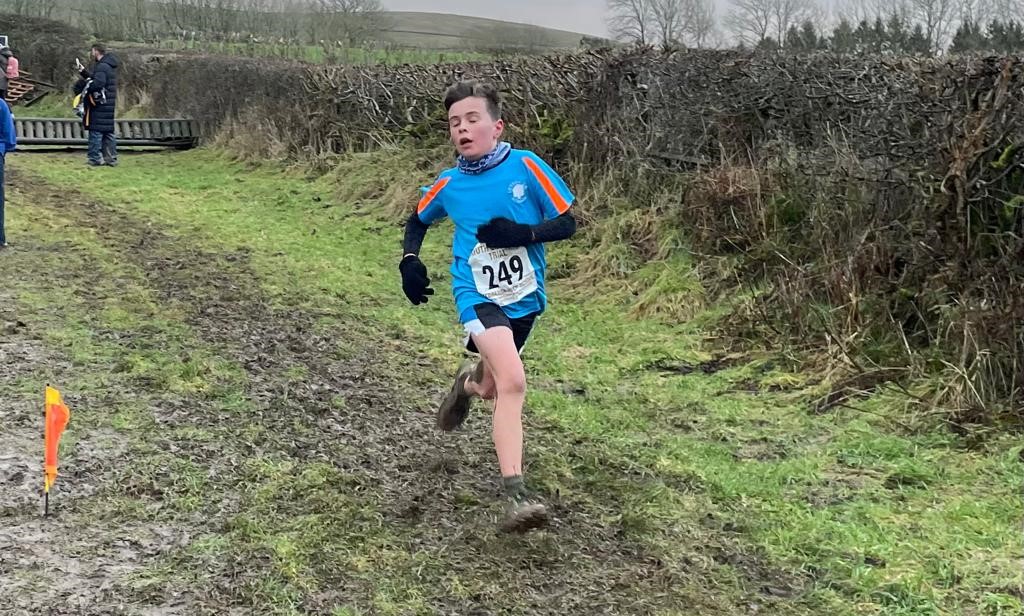
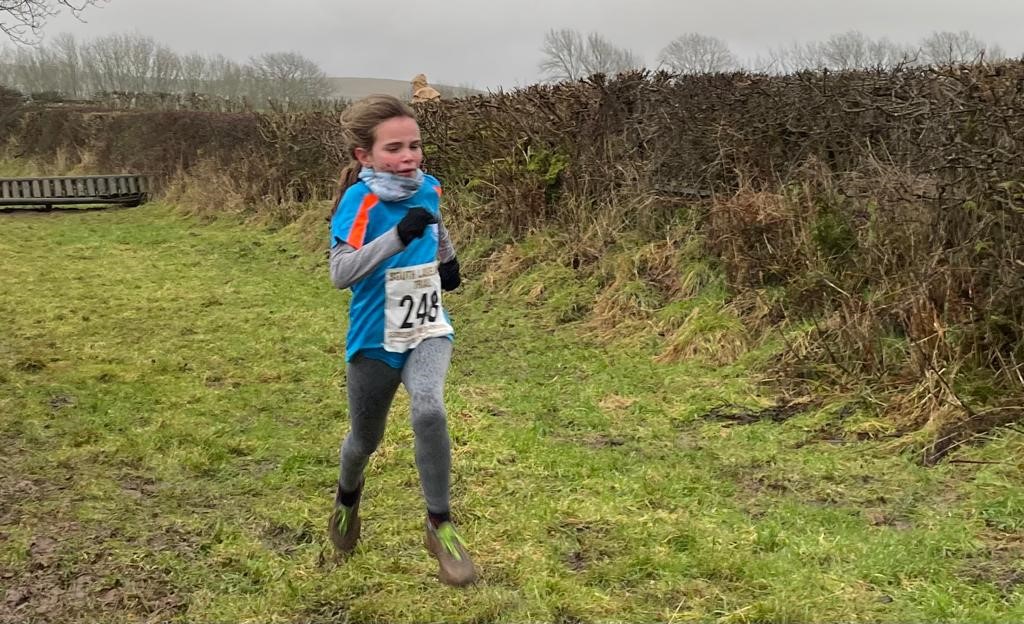
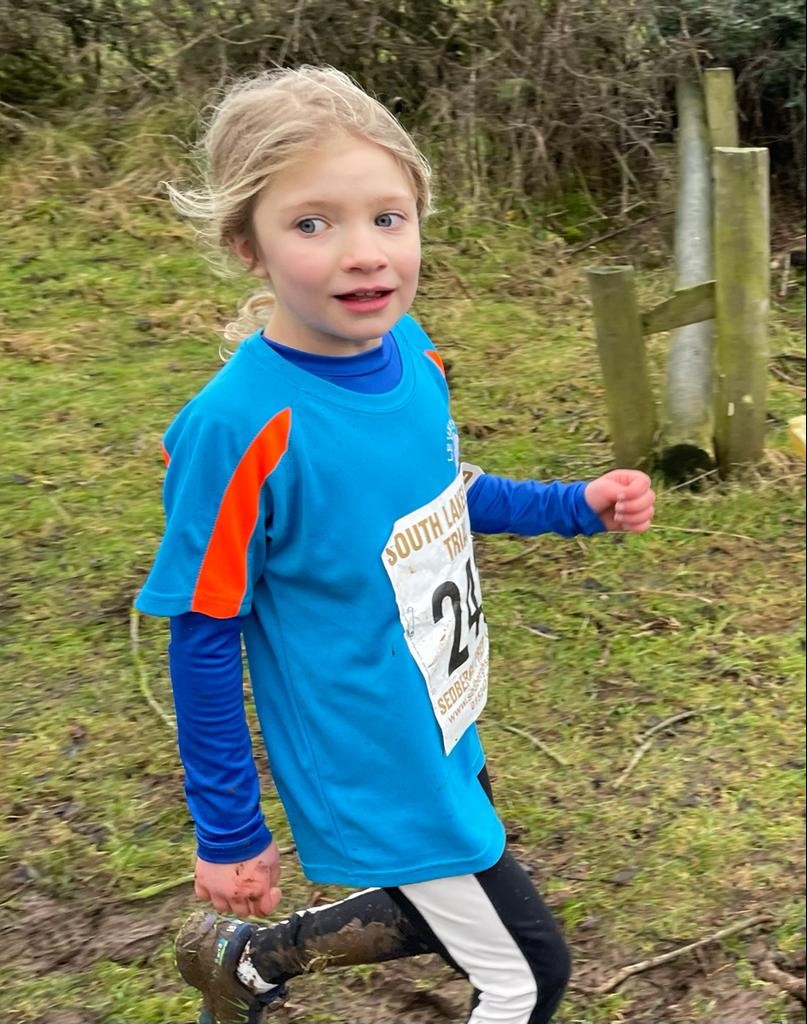
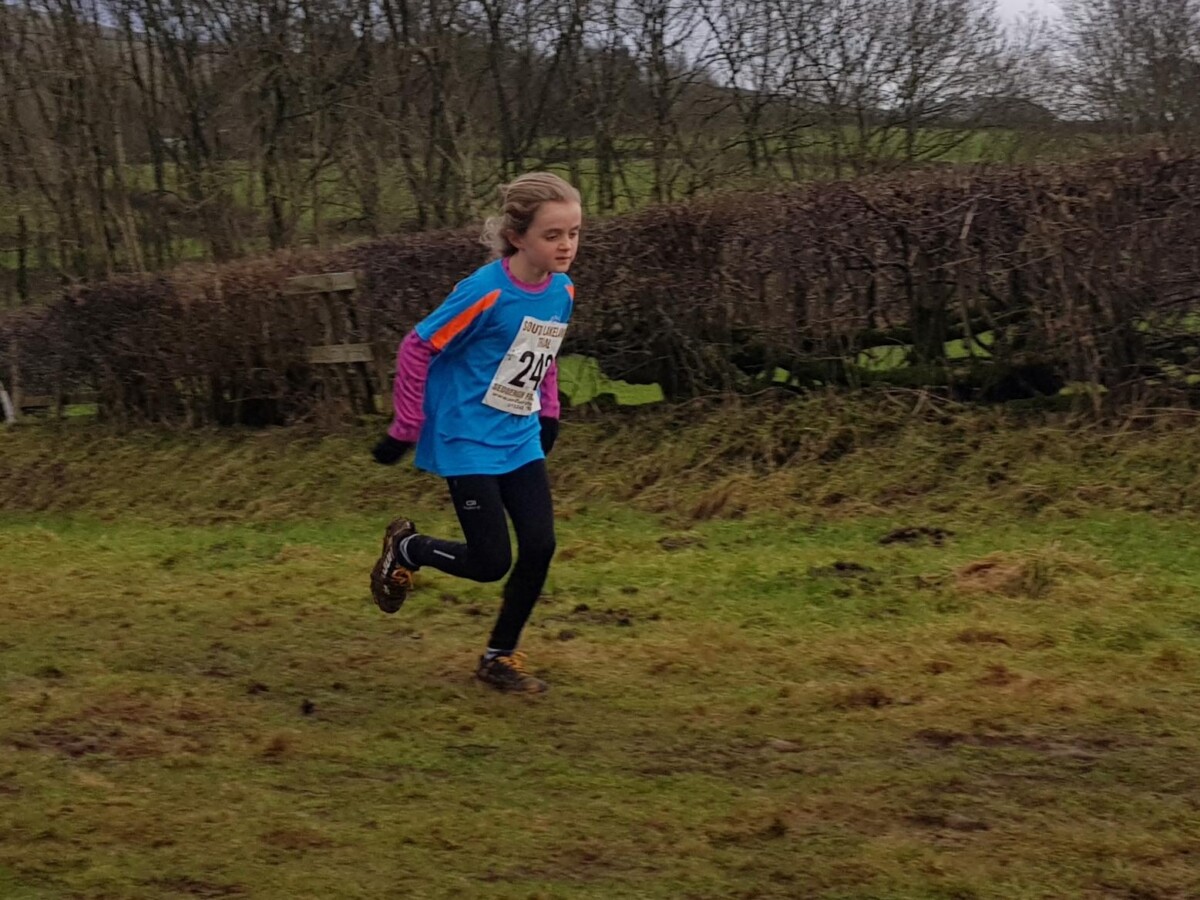
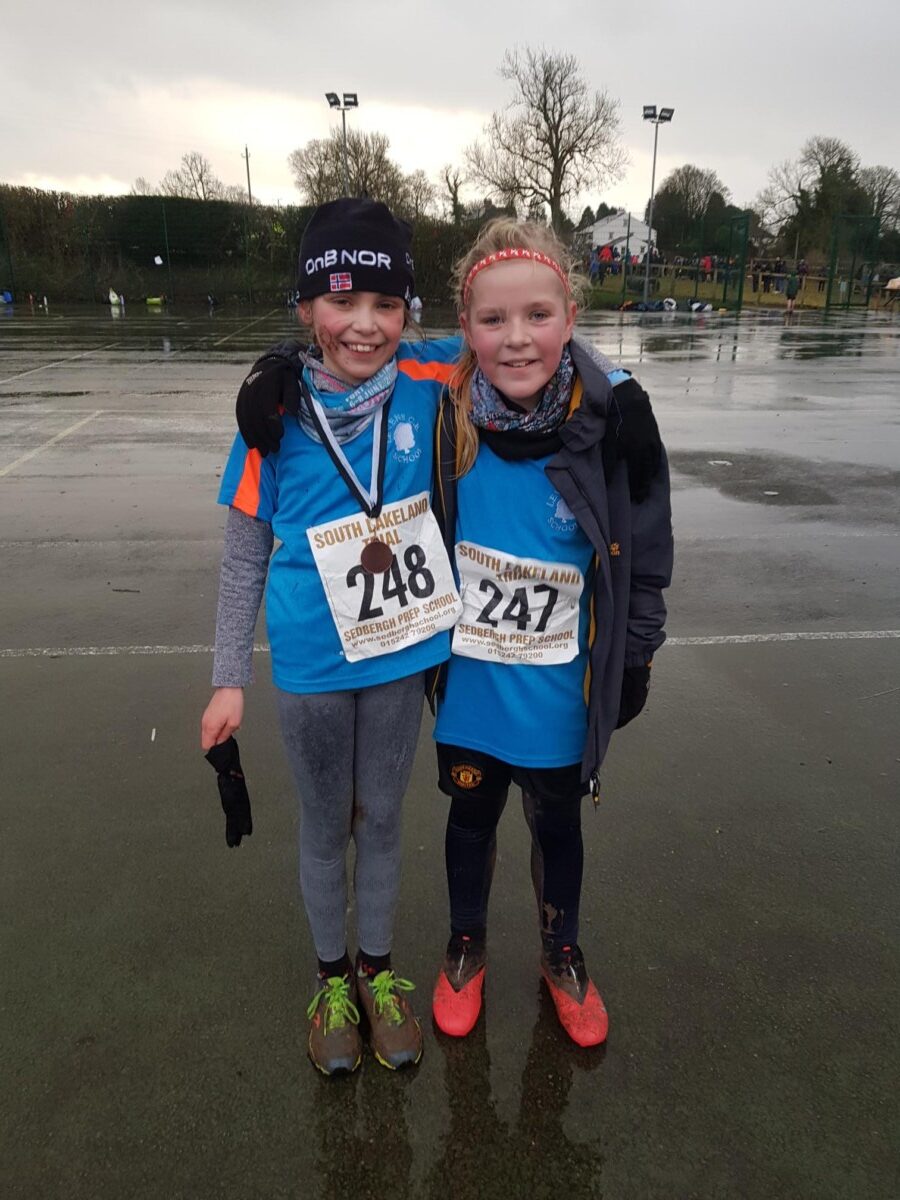
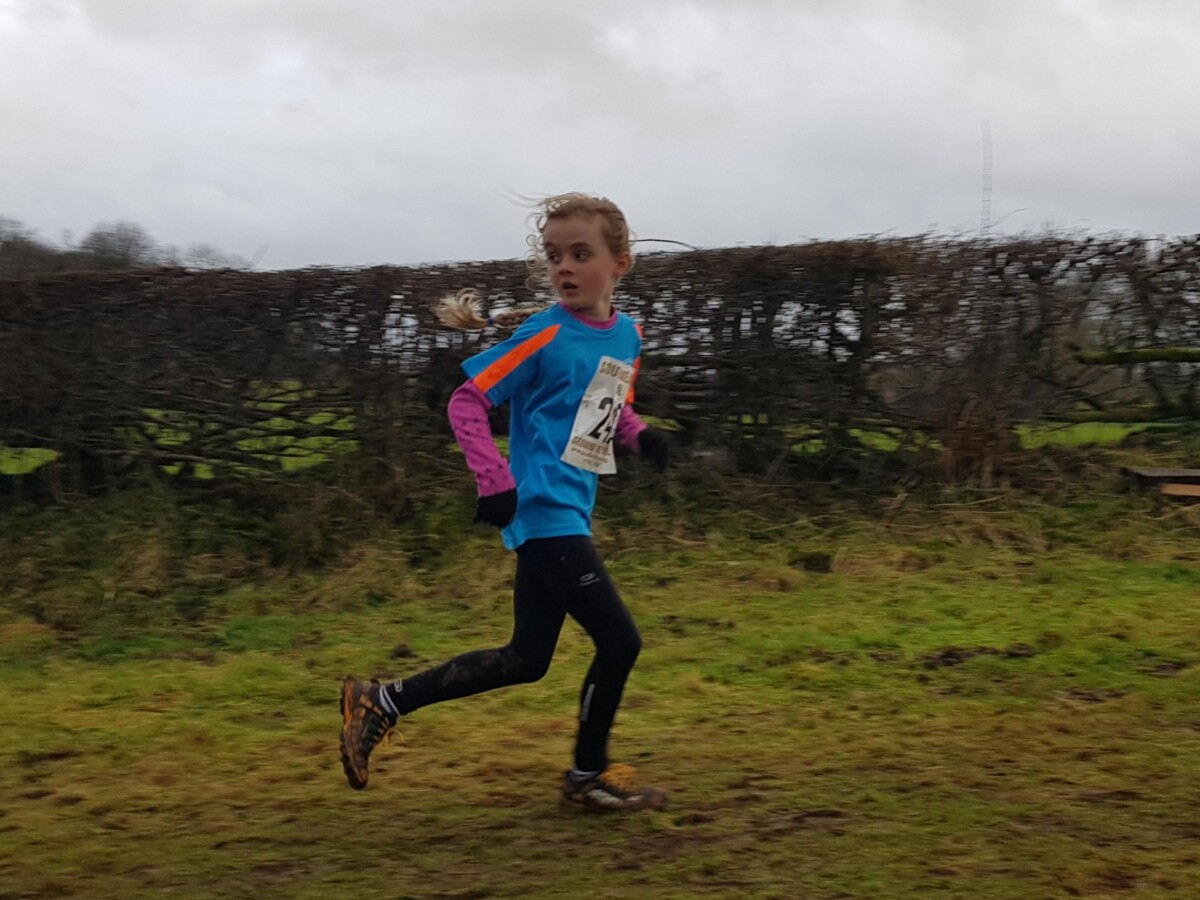
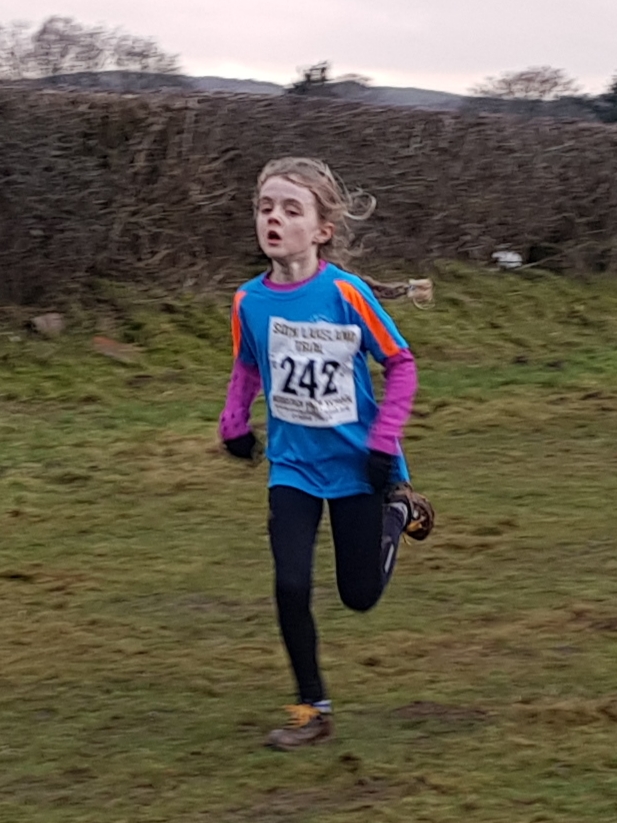
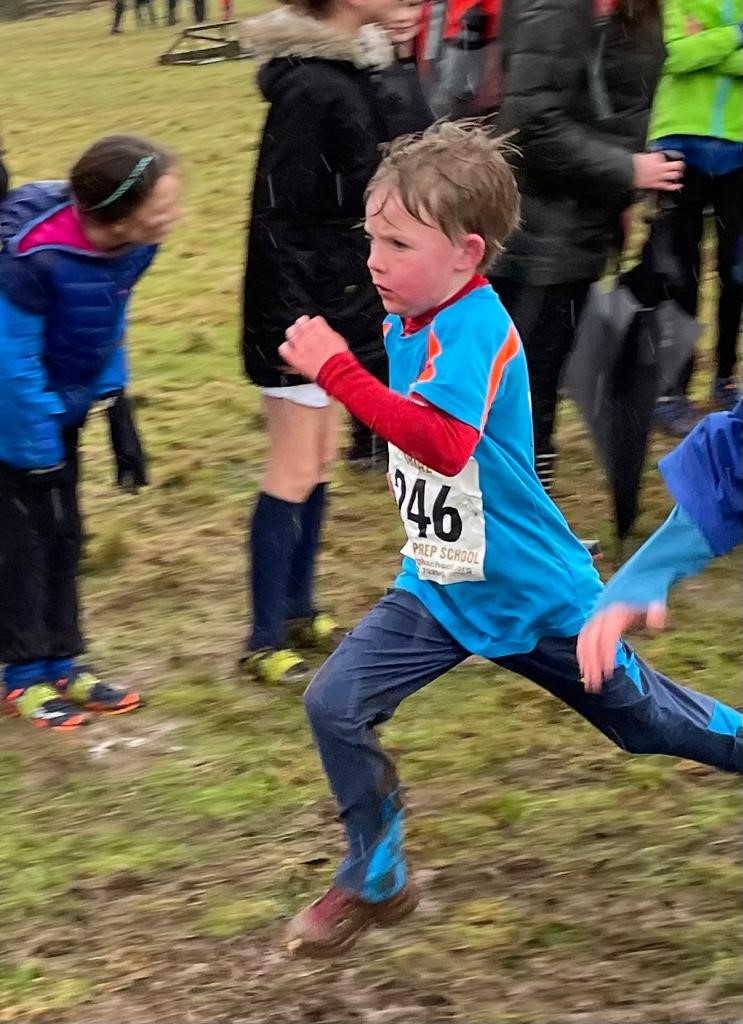
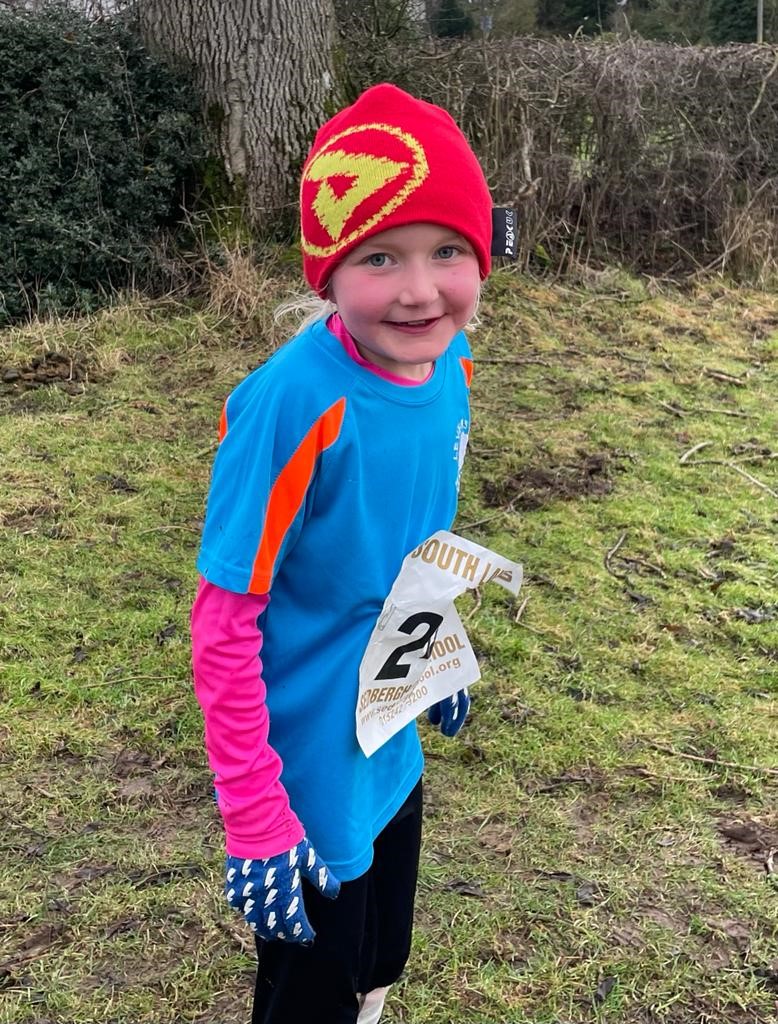
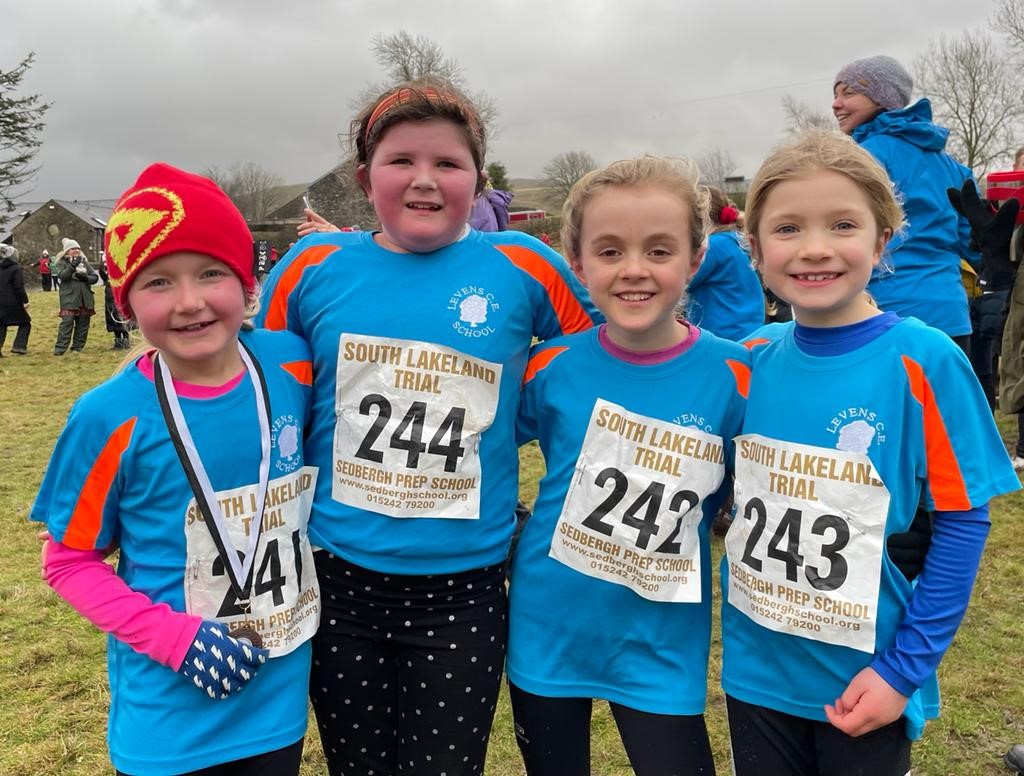
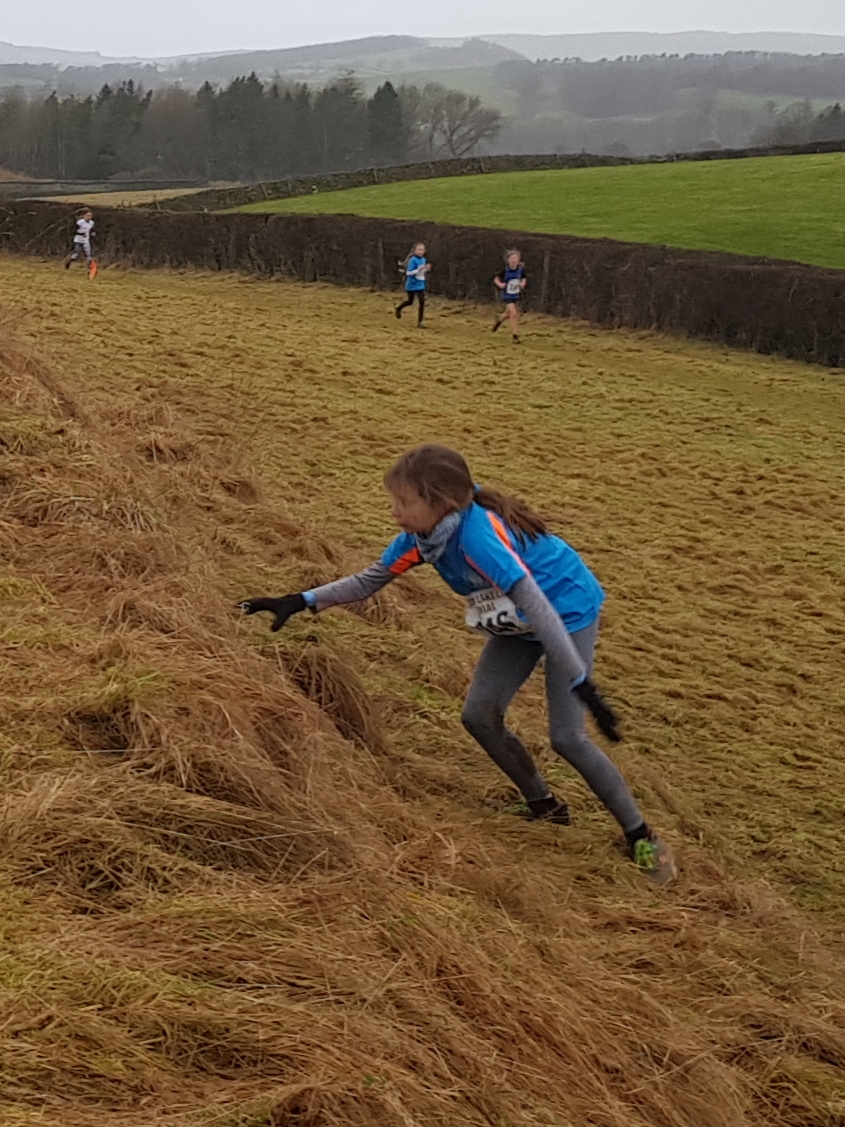
What a terrific and successful afternoon was had at the district trails this week and what a muddy delight to be there!
It was ‘touch and go’ for this event to even take place on Wednesday, following torrential rain for several days in the lead up. The ‘go ahead’ was finally given on the morning and our team of 9, excited and full of confidence travelled to the challenging and muddy course at Casterton to compete.
What effort, what support, and what an achievement by everyone, who excelled to run their best, in races against at least 80 of the best district runners.
I am delighted to report that everyone finished in the top 50%, and that 6 pupils qualified for the Cumbria finals on Tuesday 17th January.
We are so very proud!
The fun that is Running Club continues each Friday until the end of March when all runners will compete at the season finale at Elleray, what a team they all are!
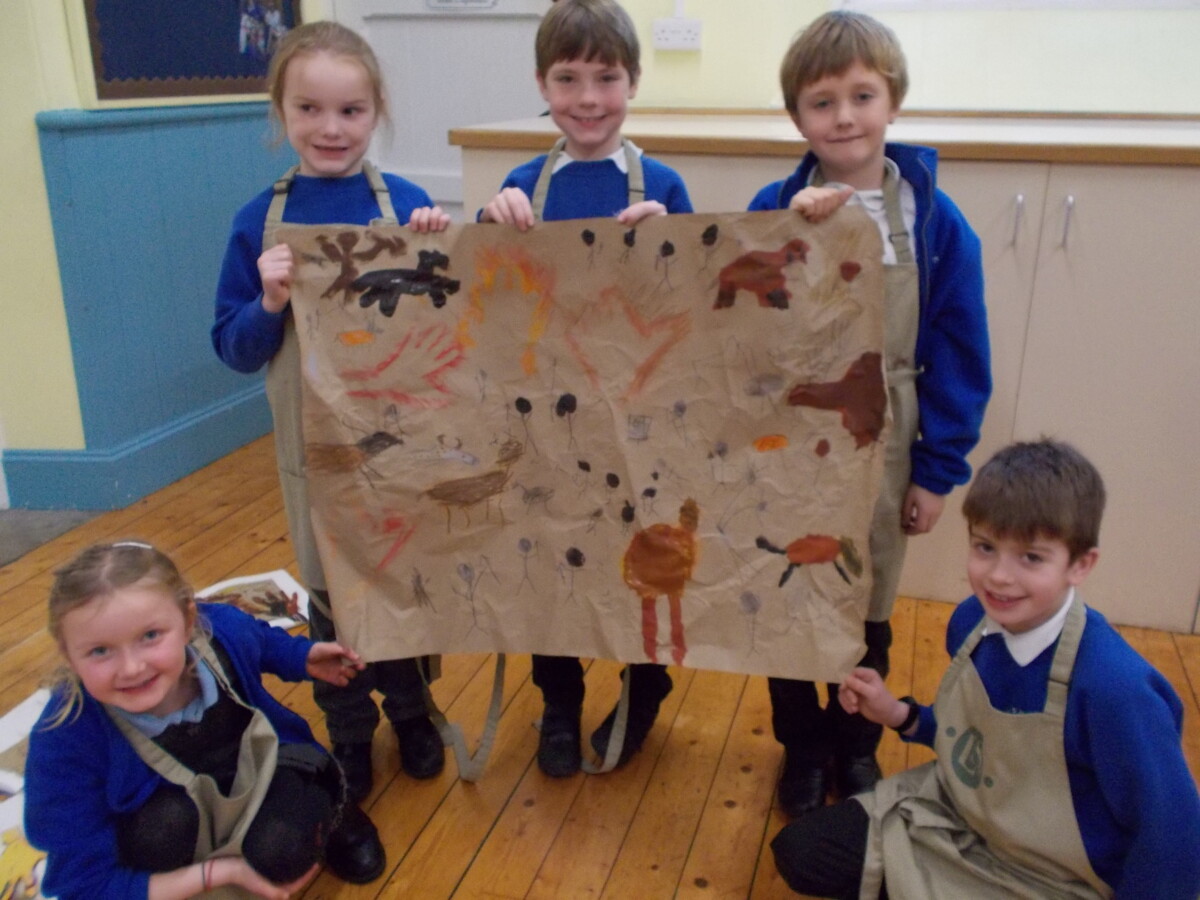
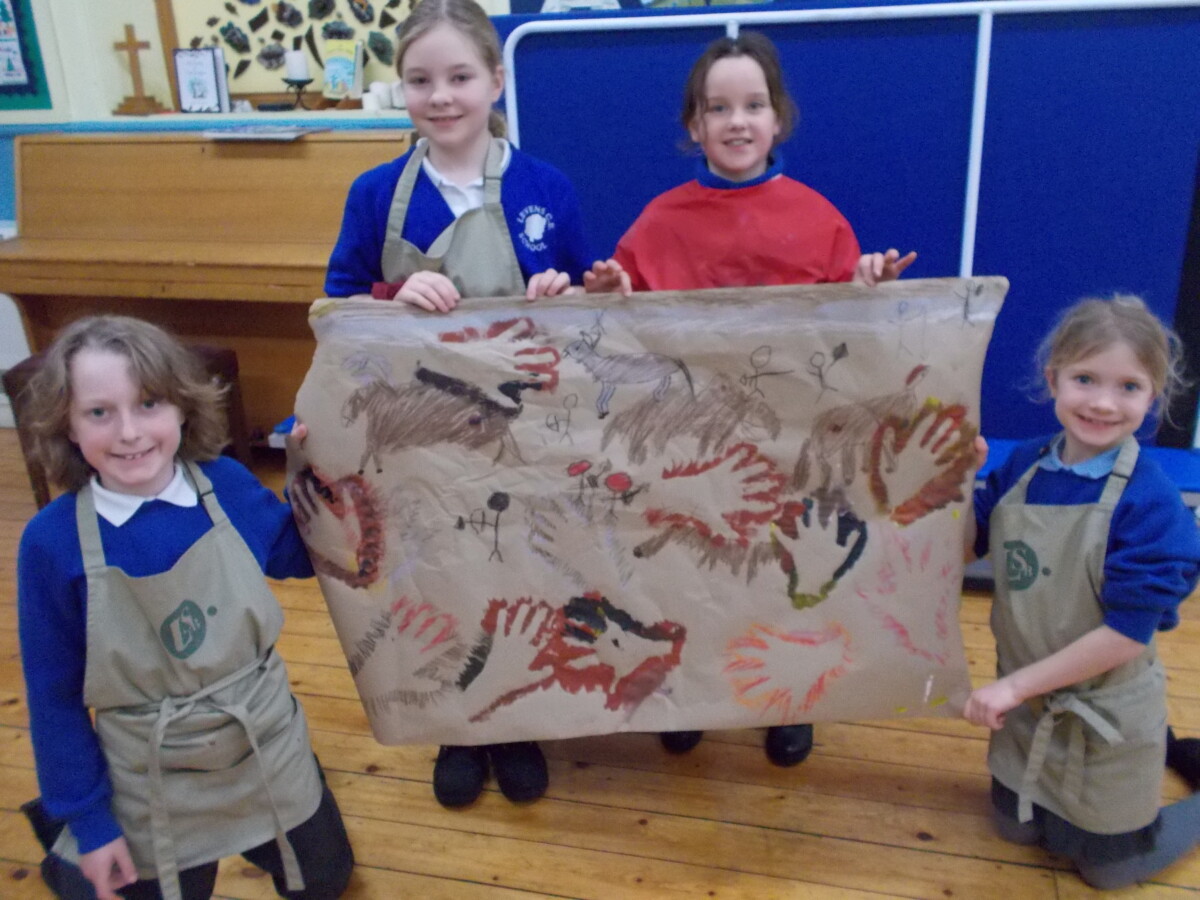
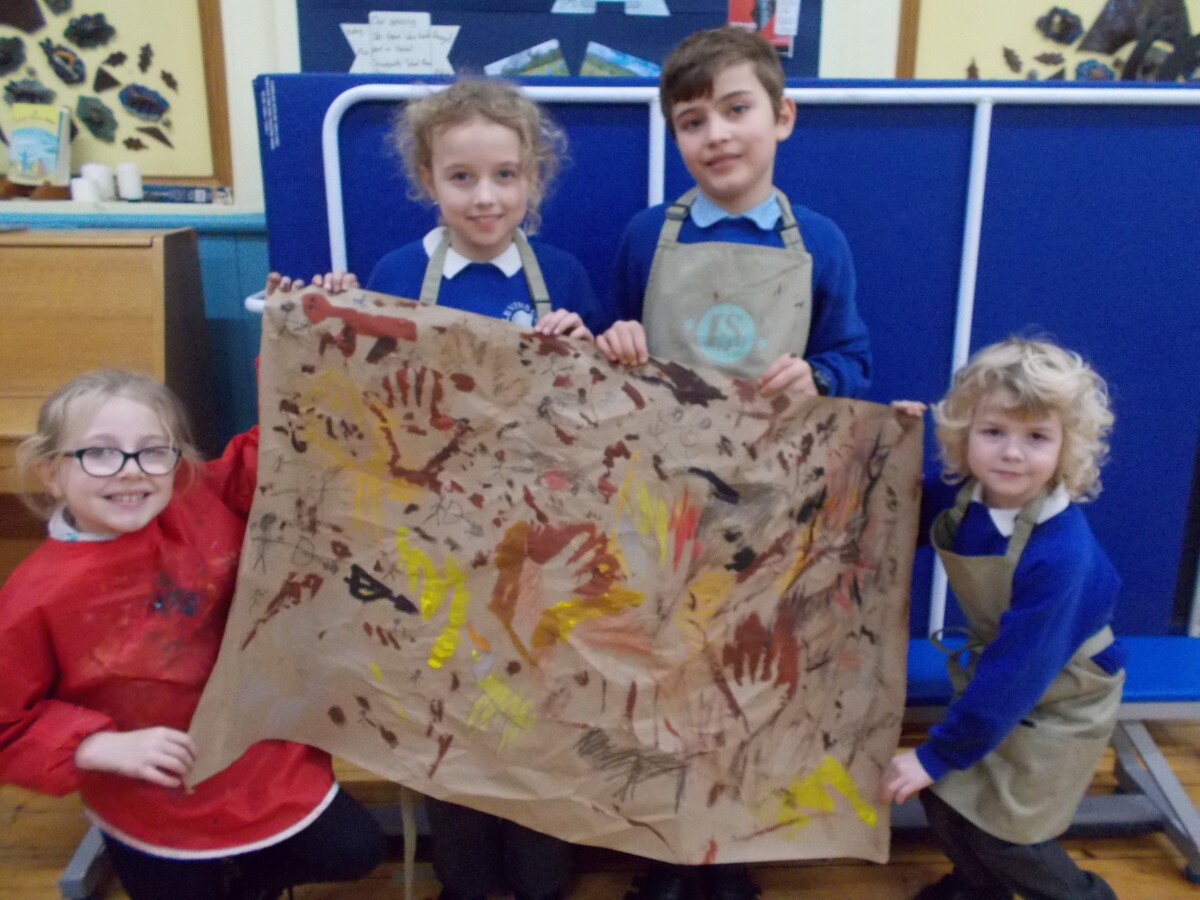
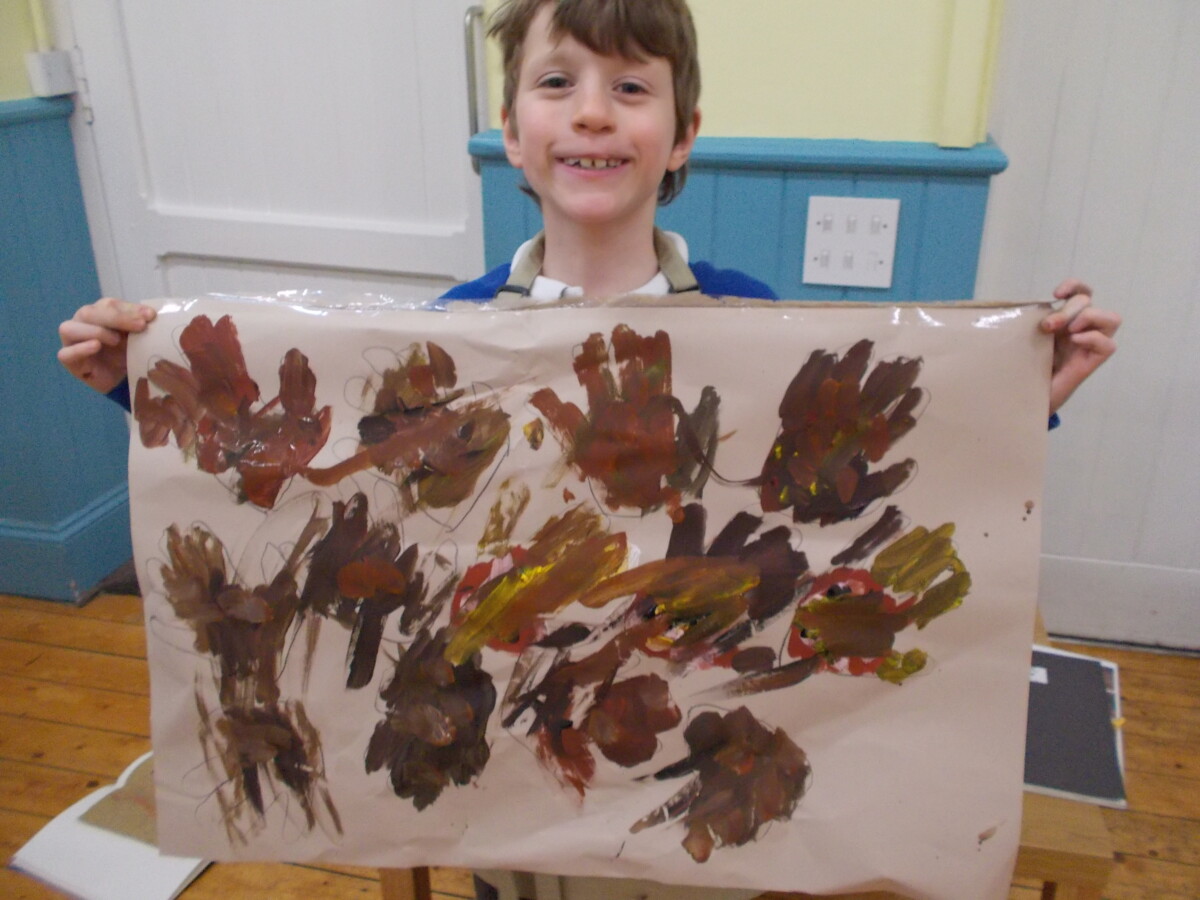
Cave Painting in Class 3
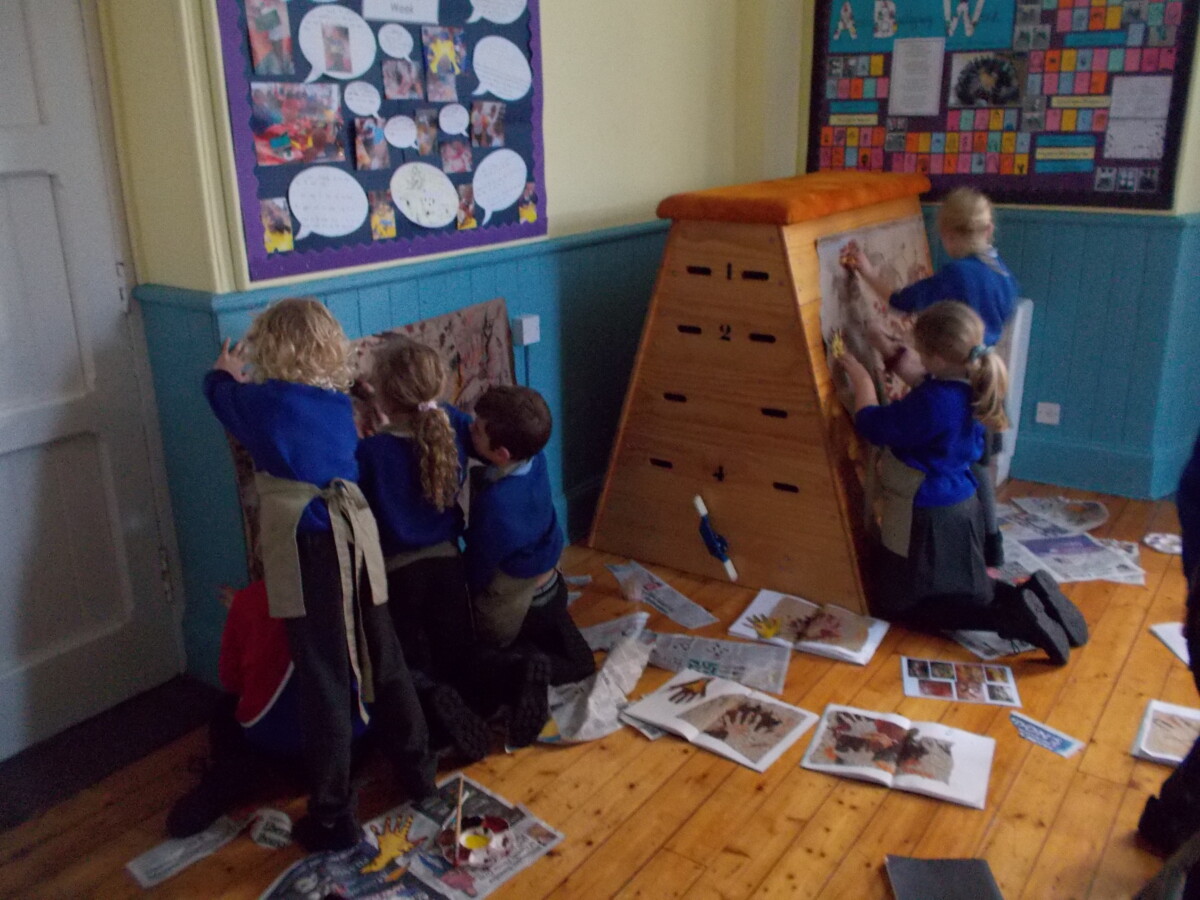
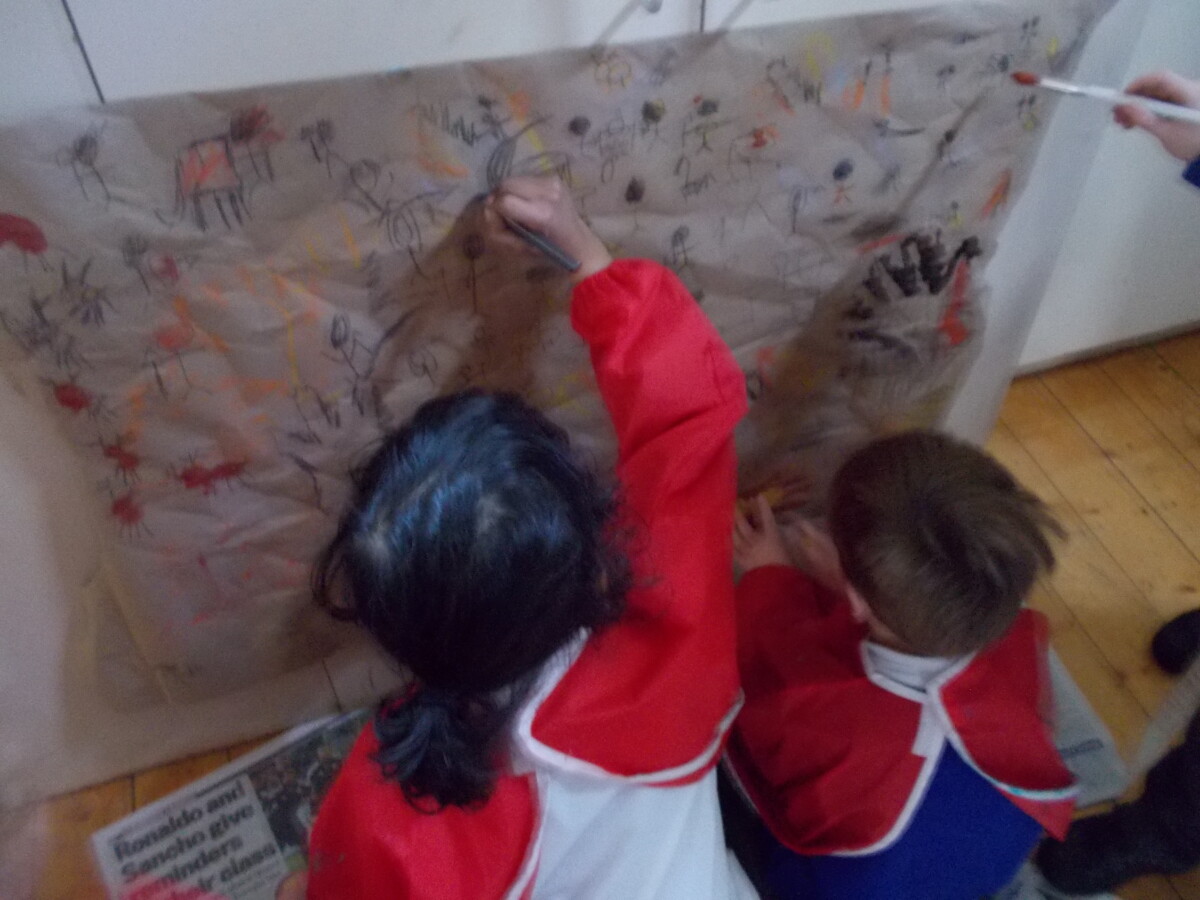
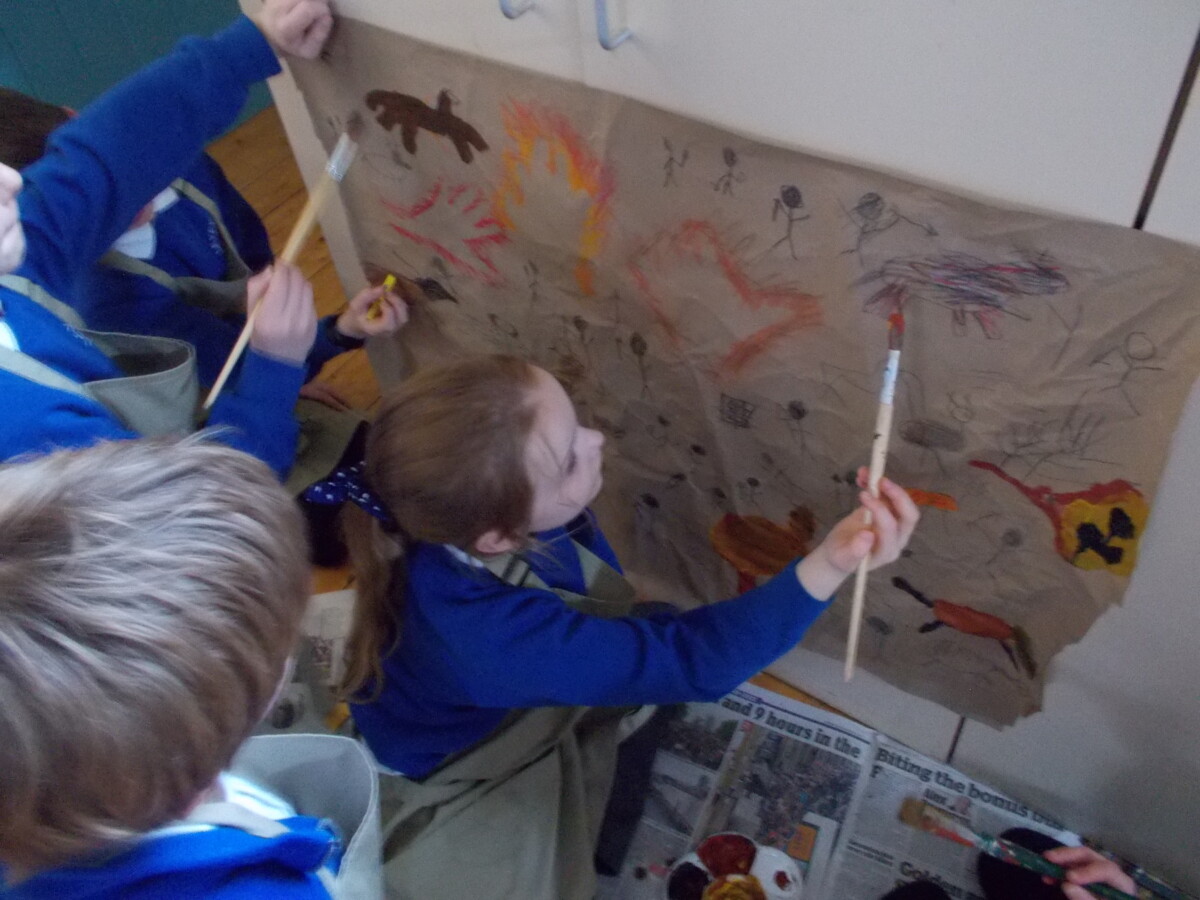
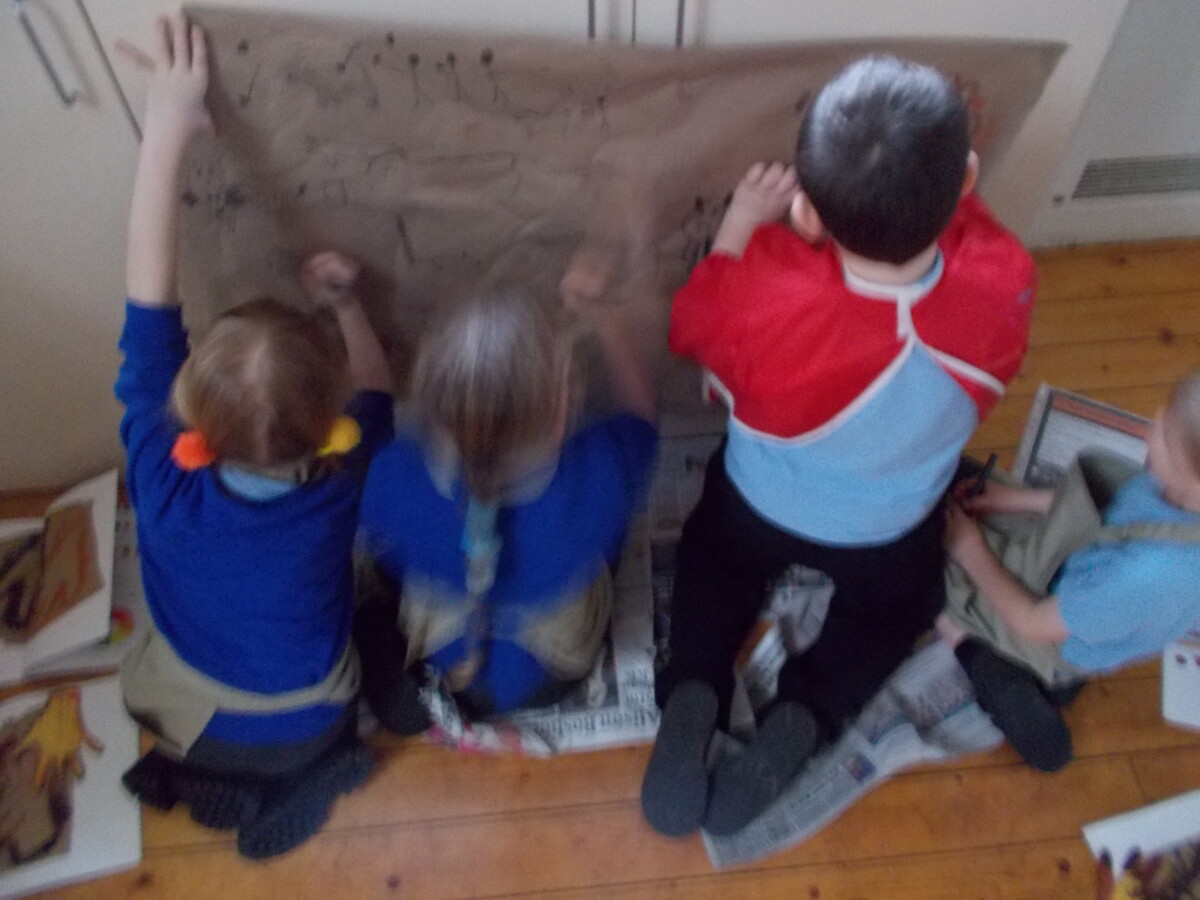
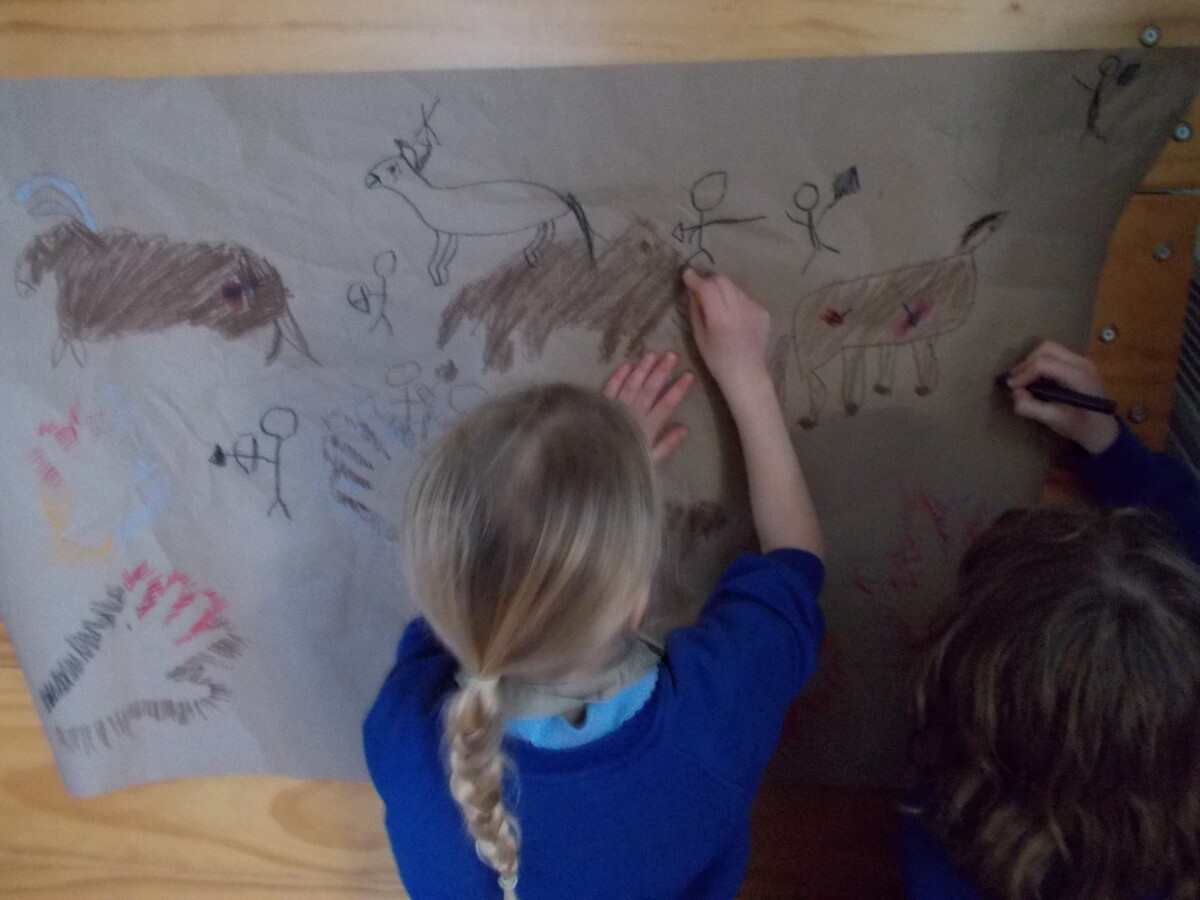
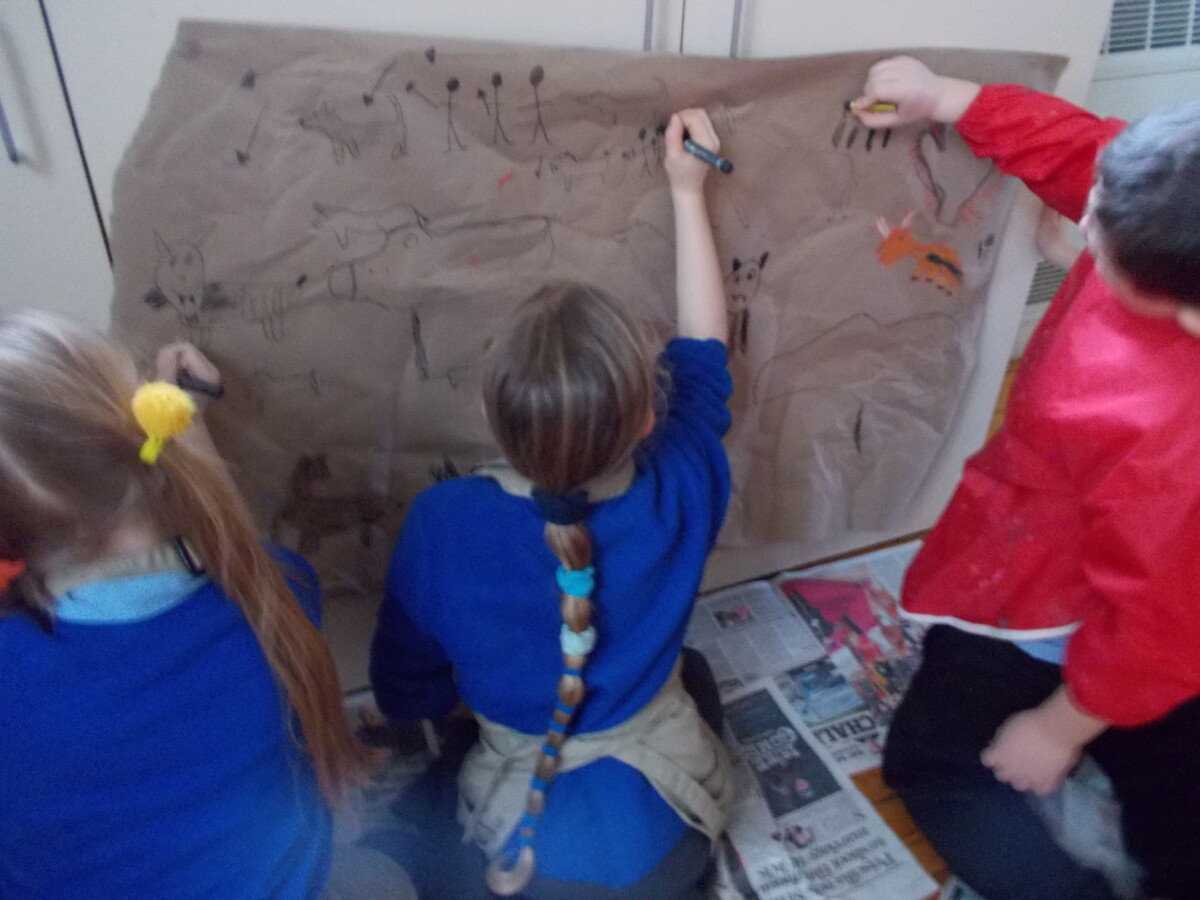

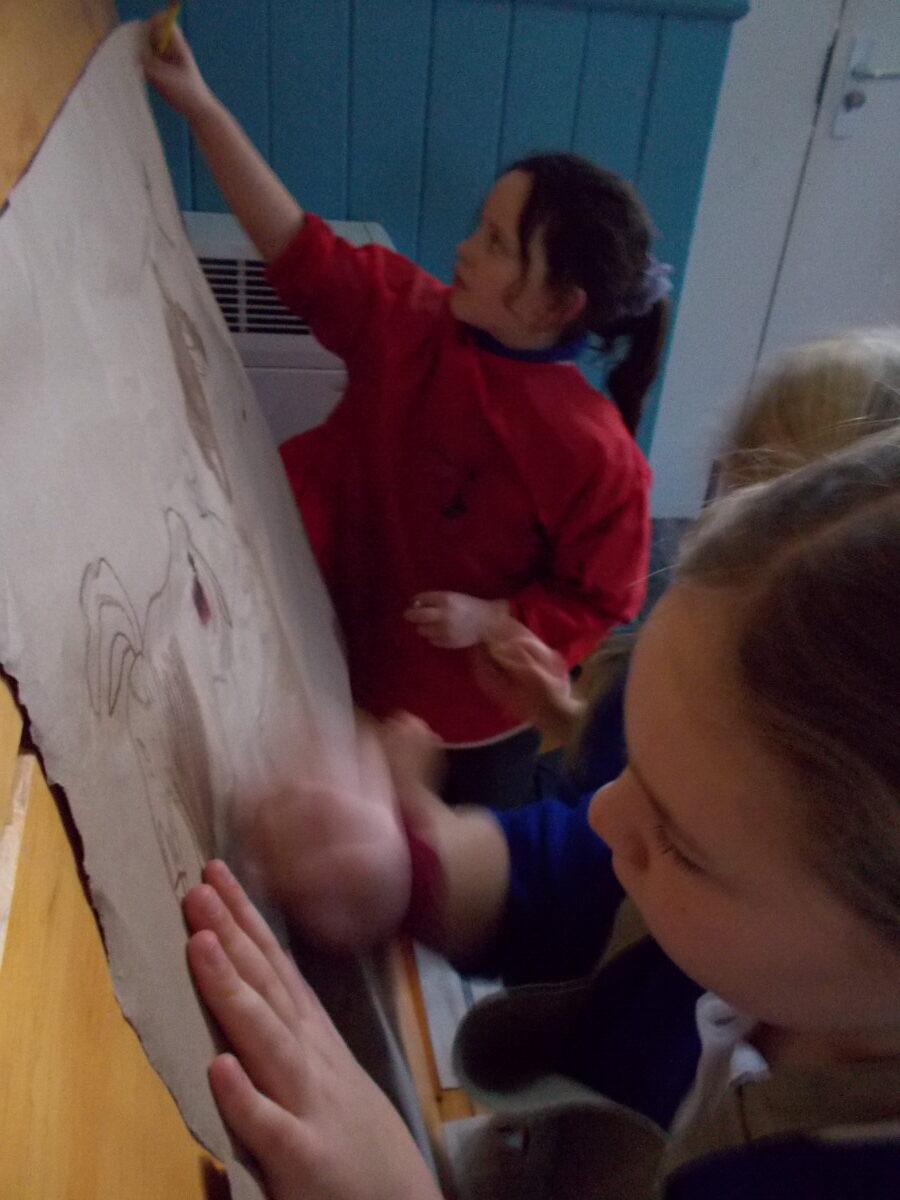
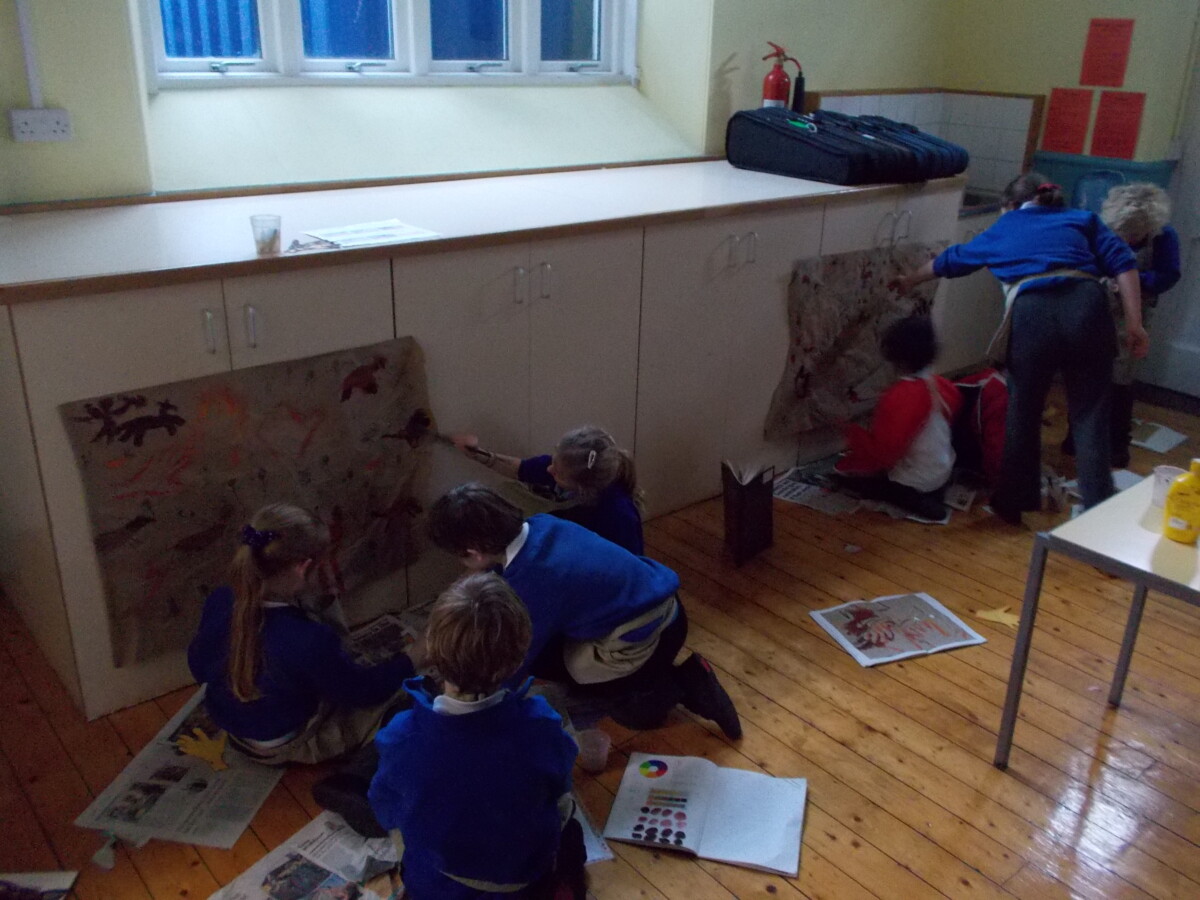
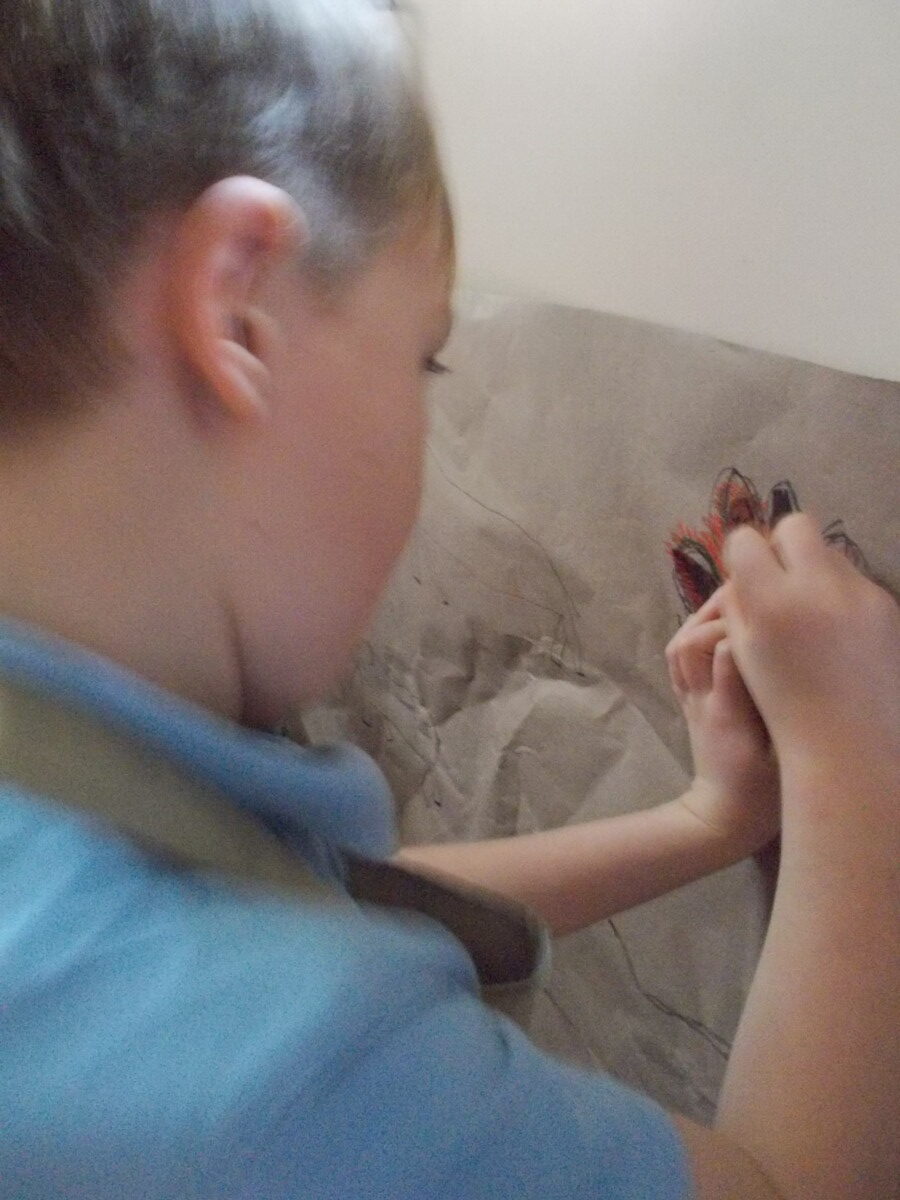
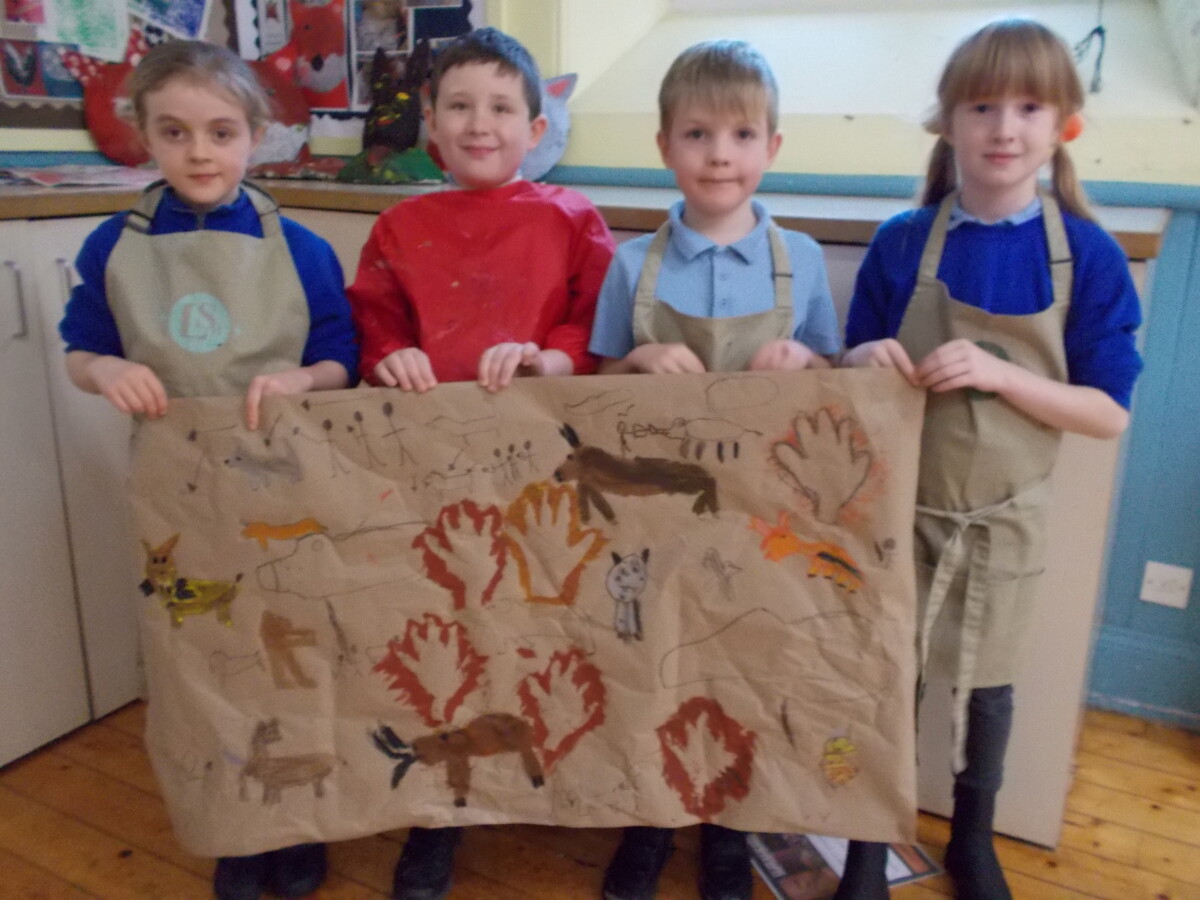
Class 3 have been finding out what it would have been like to be one of the world’s first artists, painting on the walls of caves with natural materials and only their hands to create images.
Inspired by the work of our ancient ancestors, we travelled back in time to our cave – the school hall – where we worked collaboratively to create images of hands, animals and people.
It was very different to our usual experiences in art lessons. The large pieces of paper had been crinkled and squashed to replicate the uneven surface of a cave wall; they had been positioned vertically so that we could feel what it would have been like to try to paint on walls; and the hall was dimly lit to imitate the dim light in a cave.
Unlike our ancient predecessors, we were able to use graphite sticks, acrylic paints and pastels.

Making Cushions in Class 3
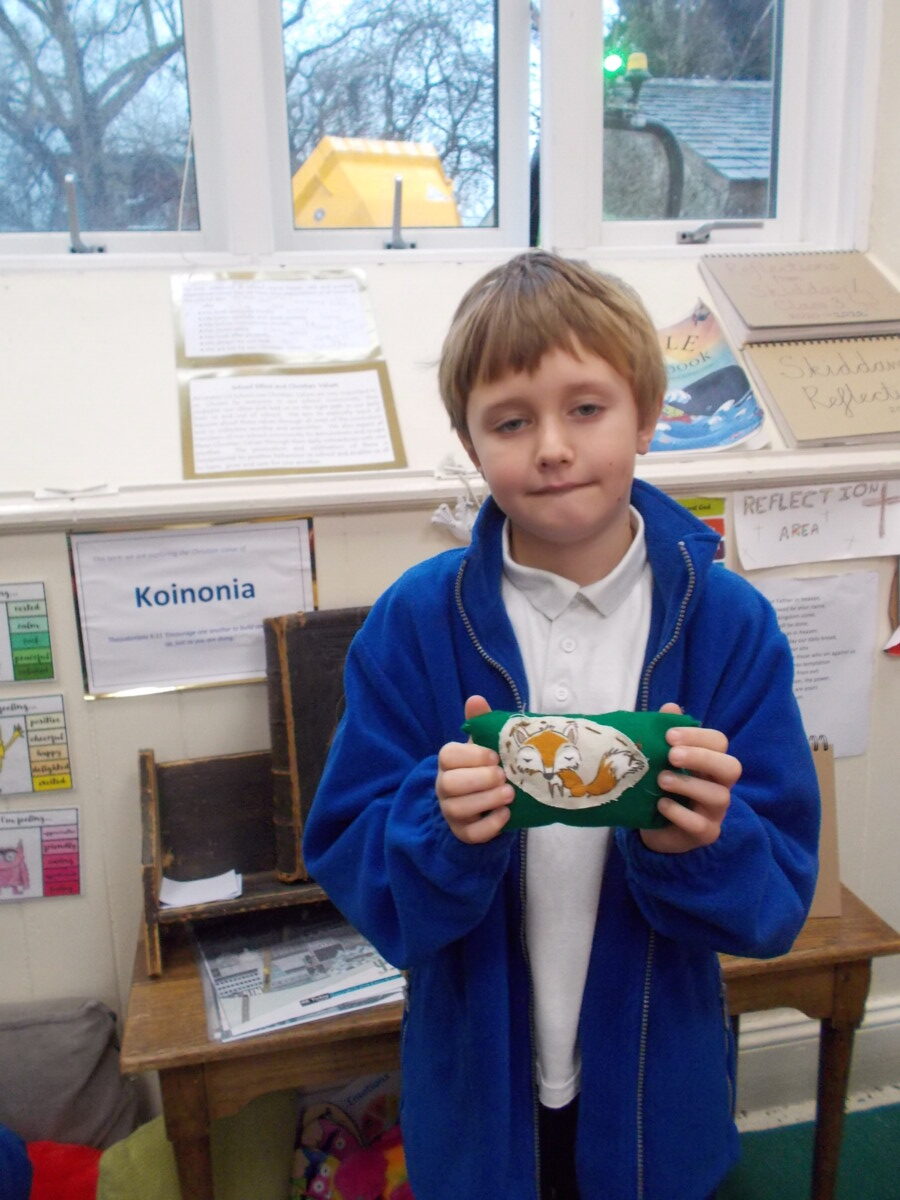
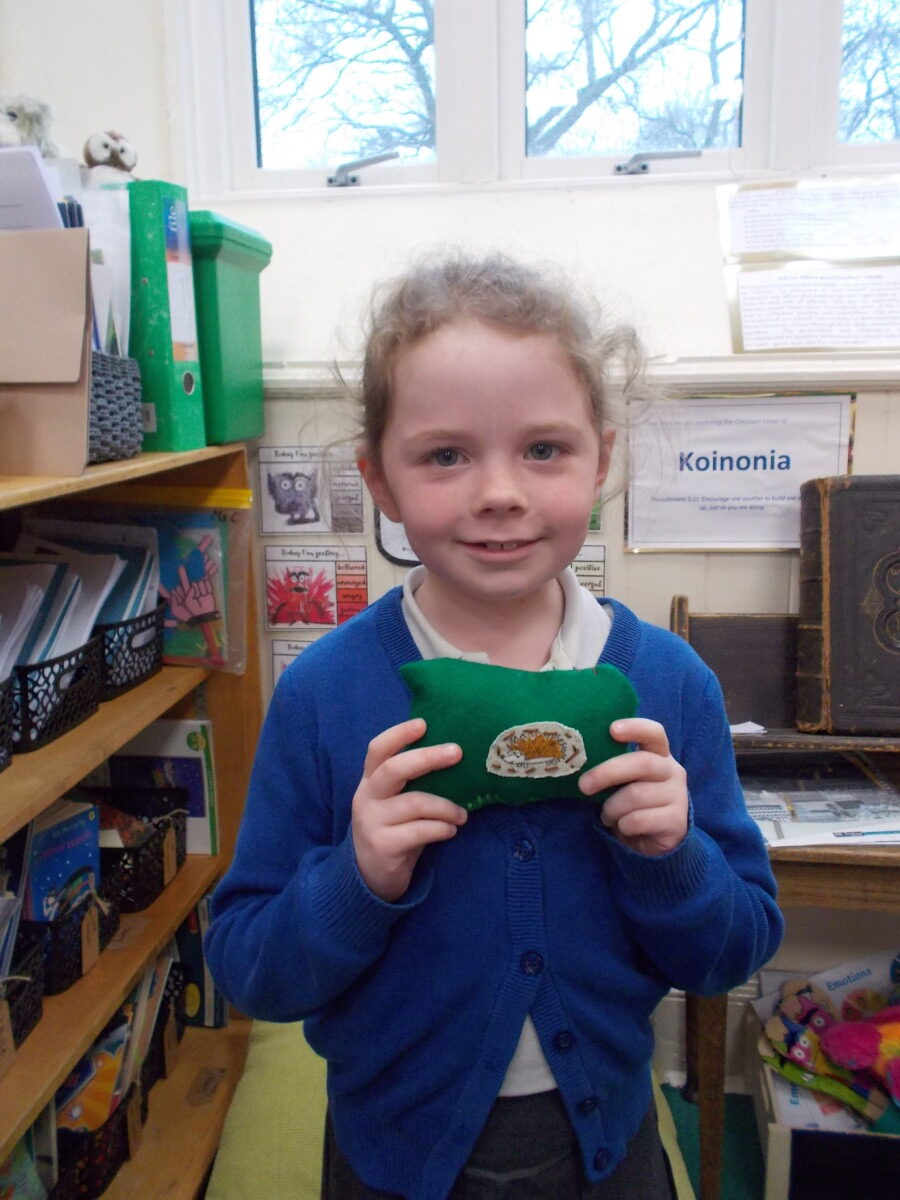
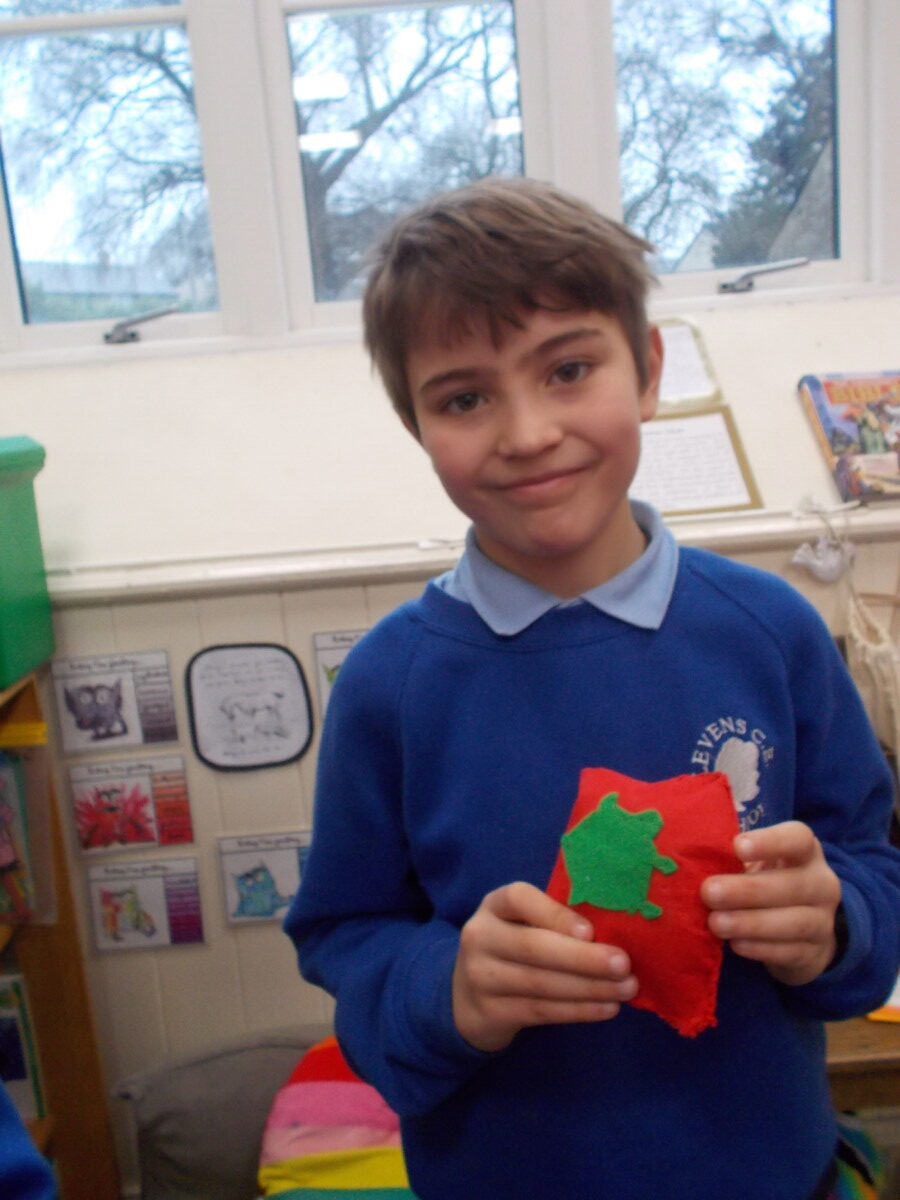
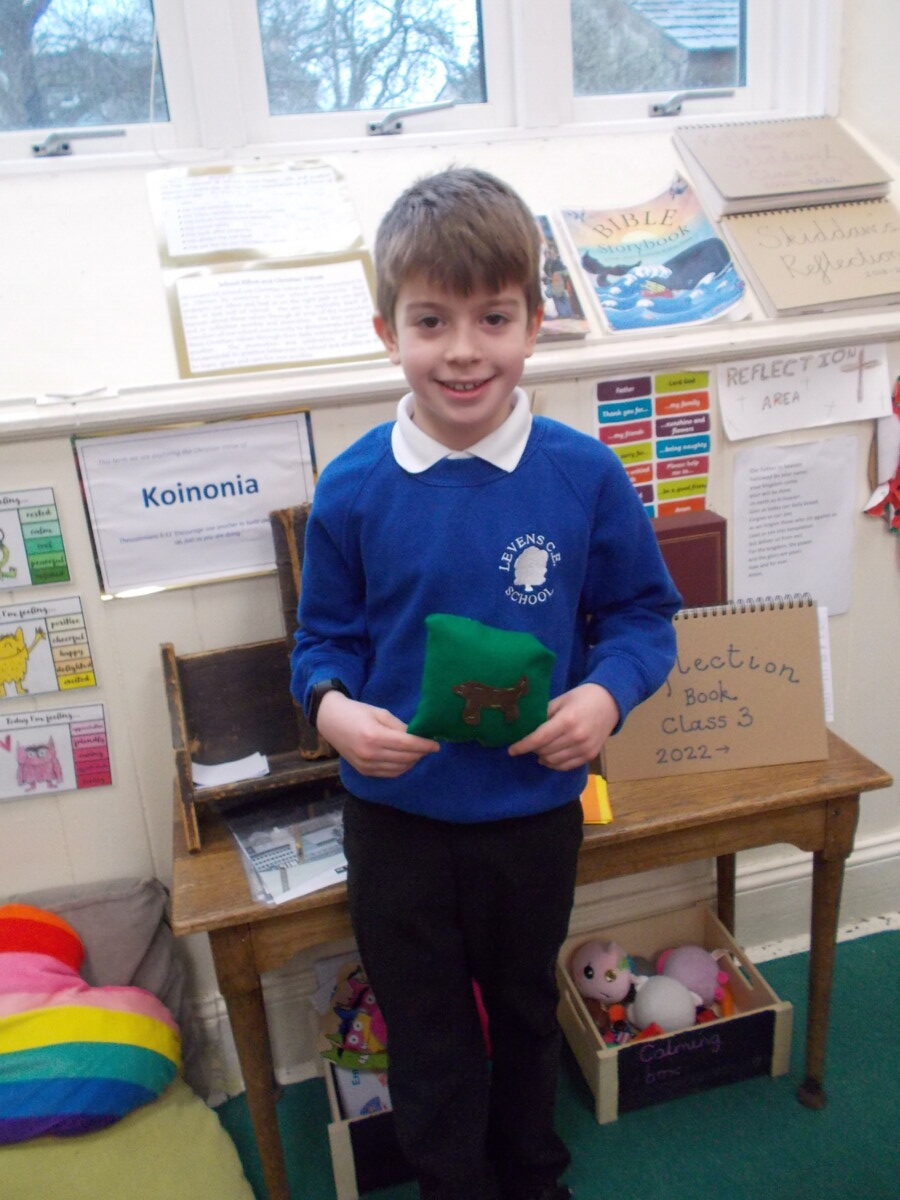
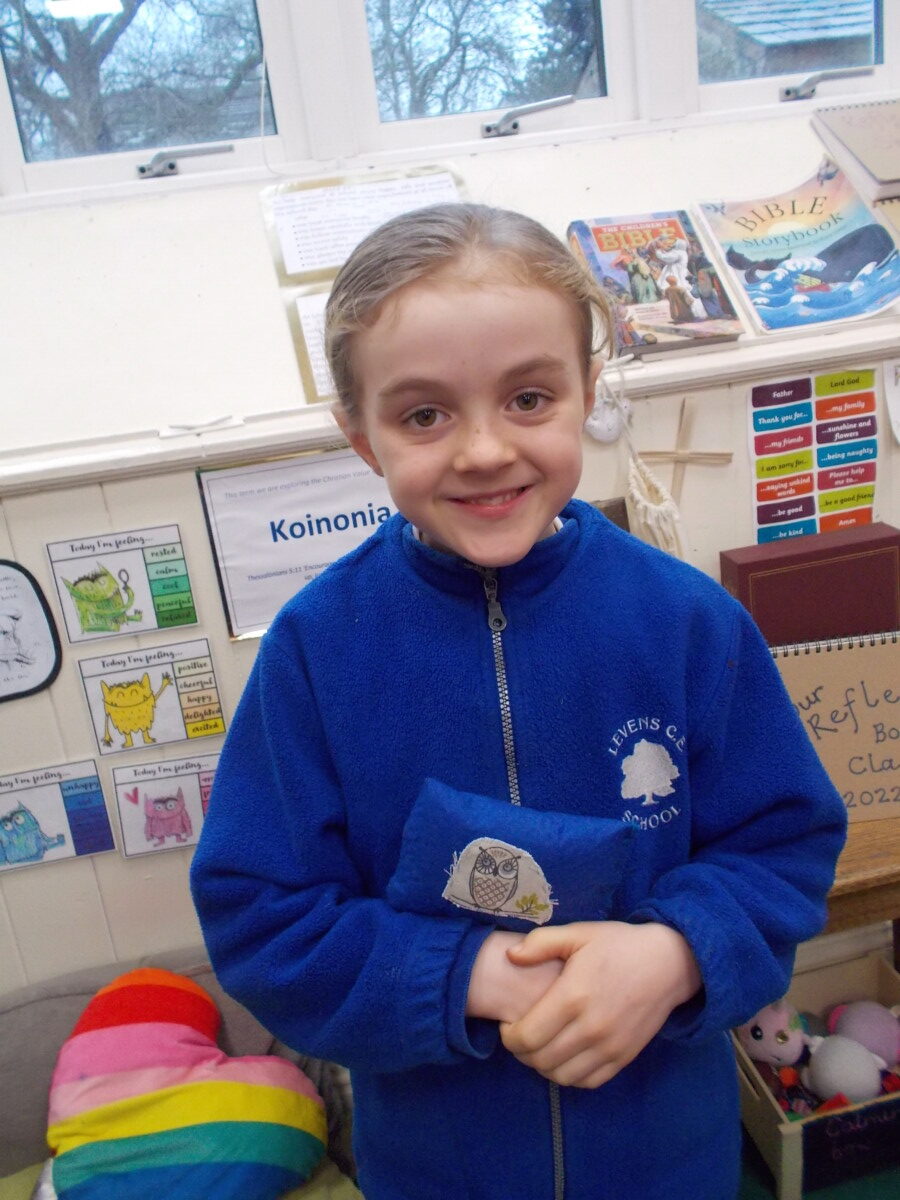
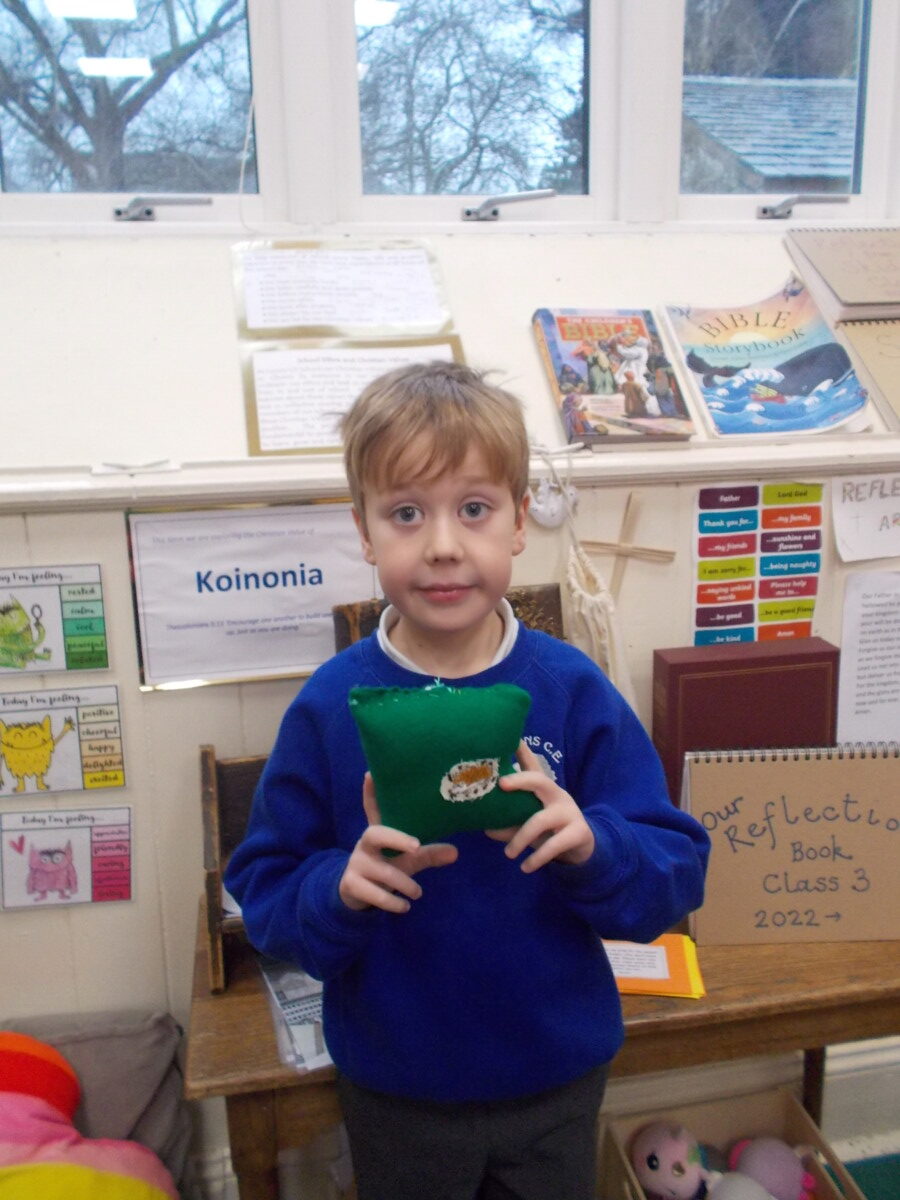
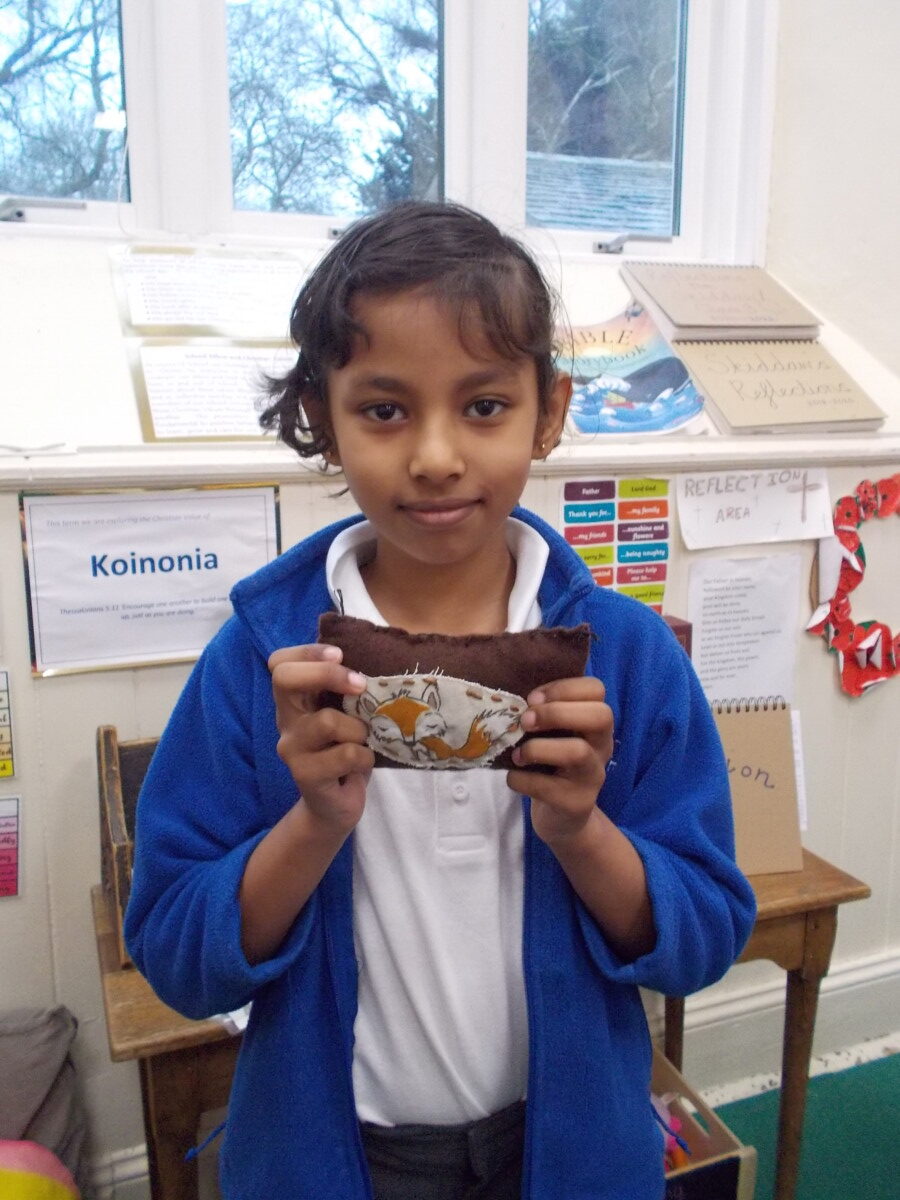
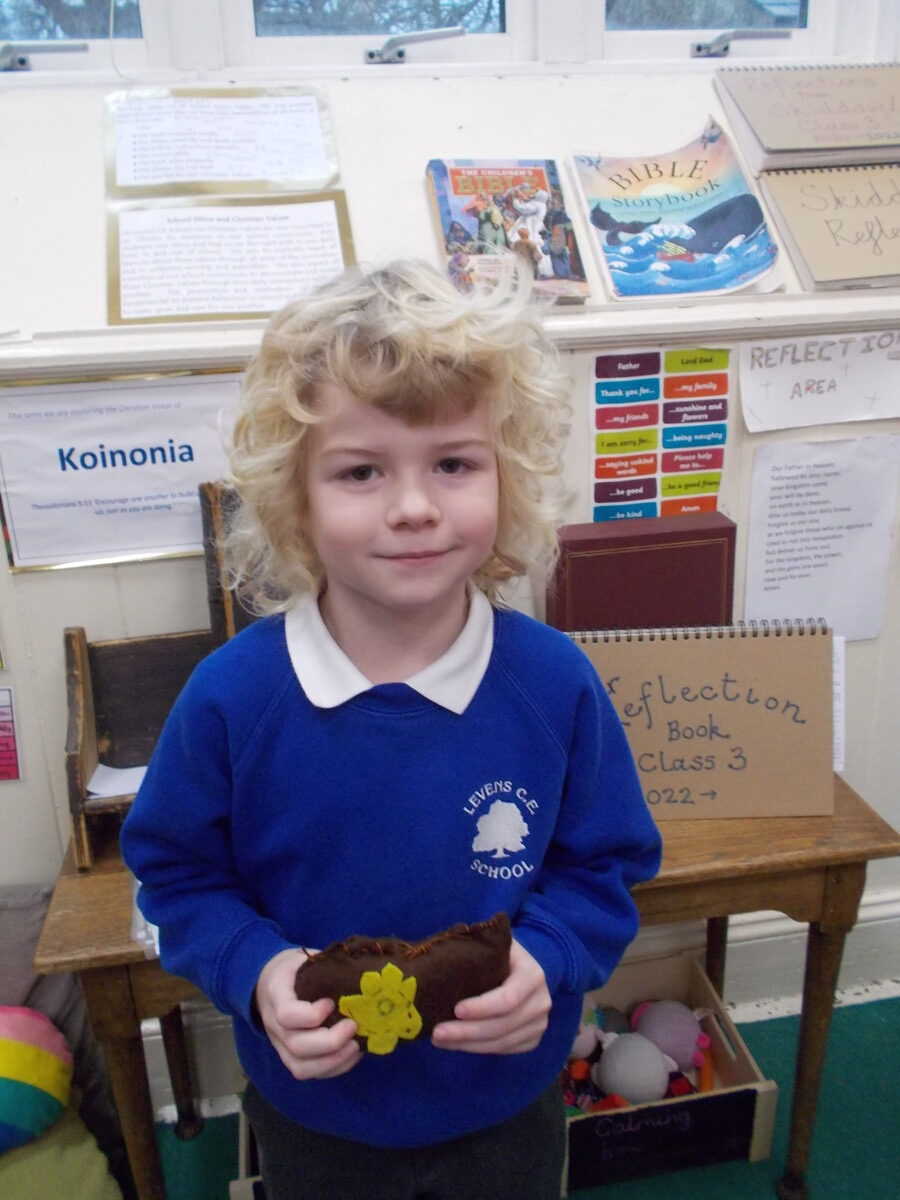
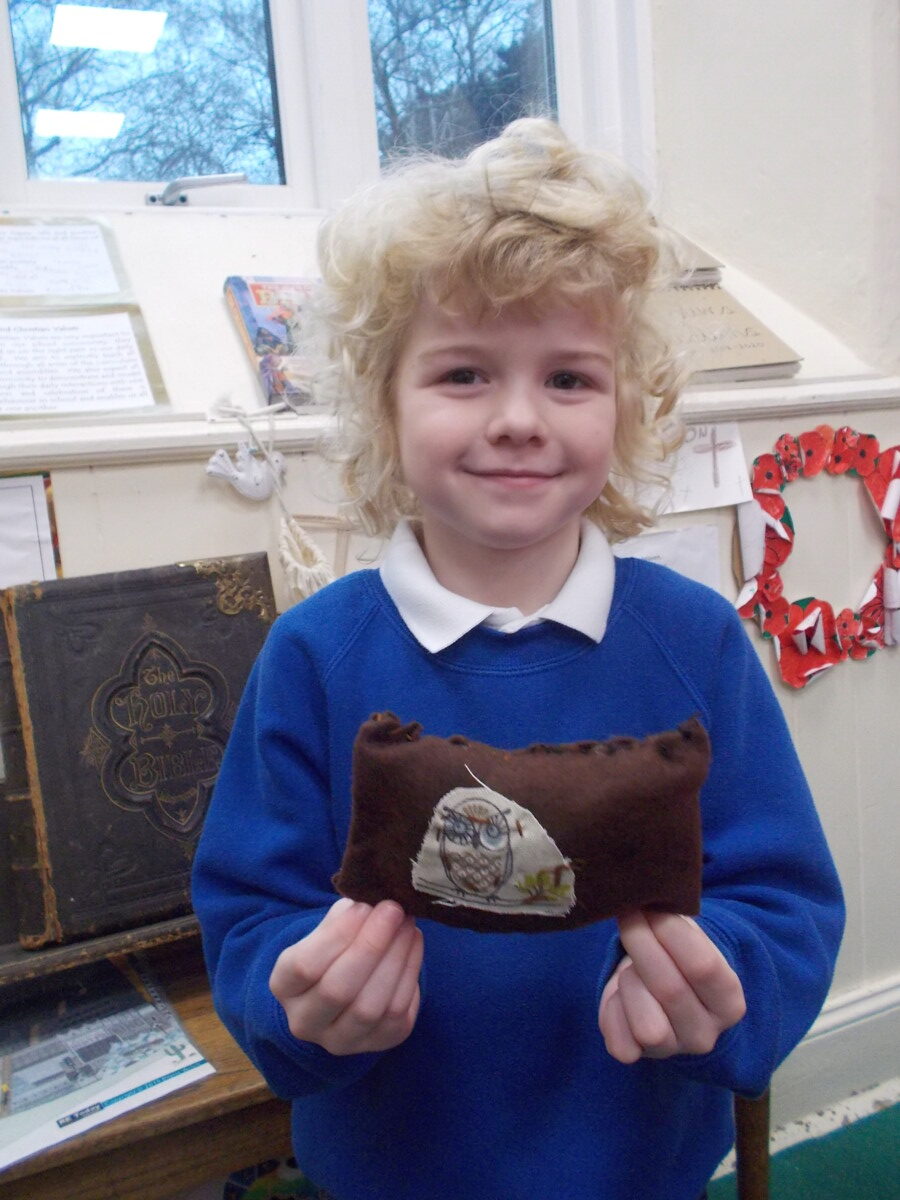
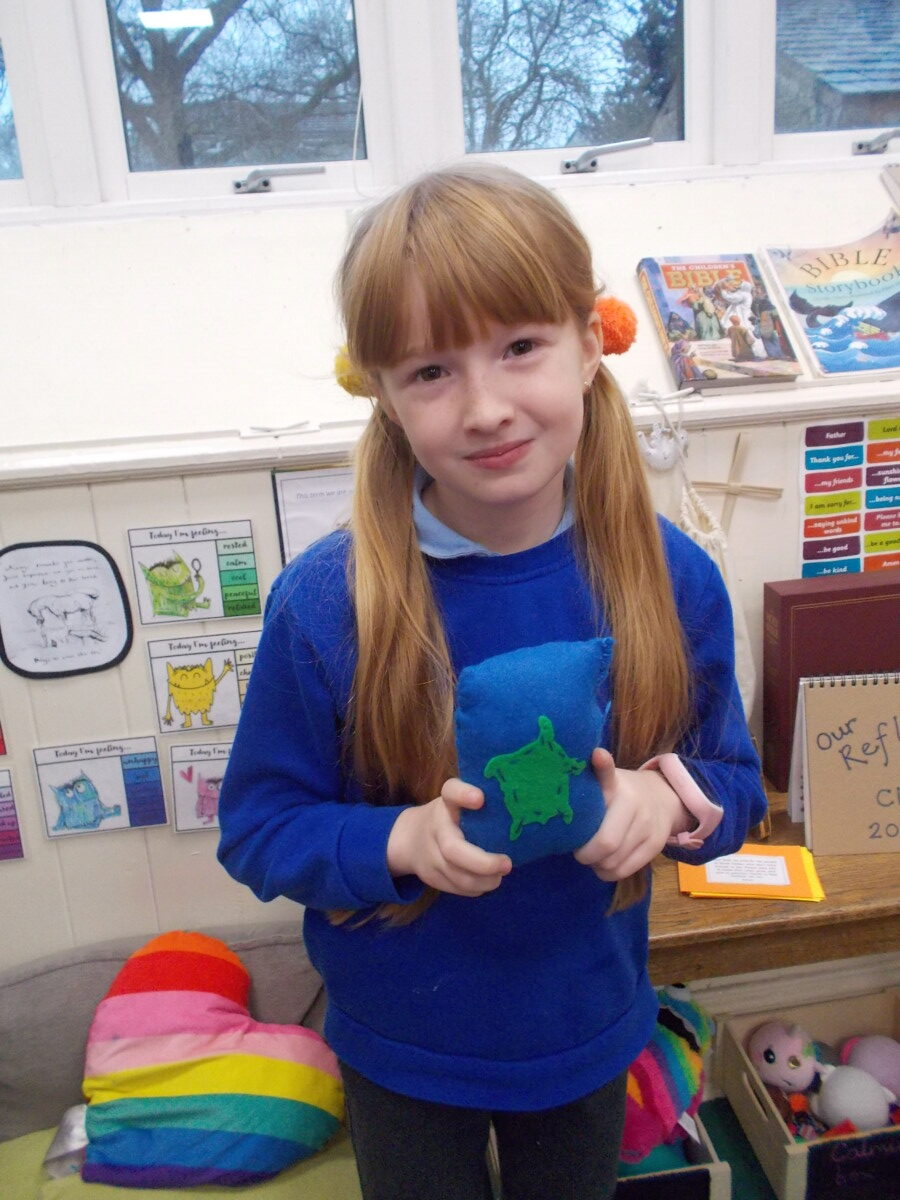
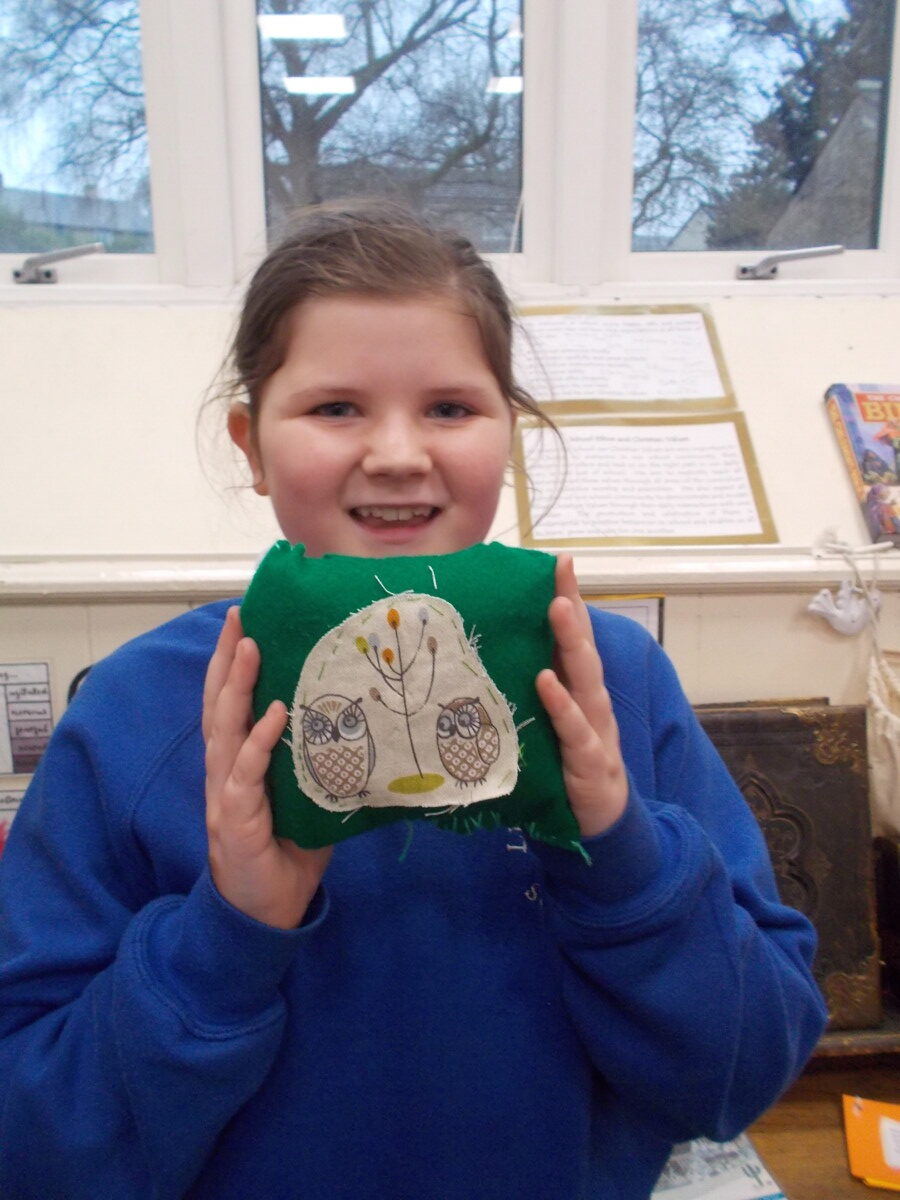
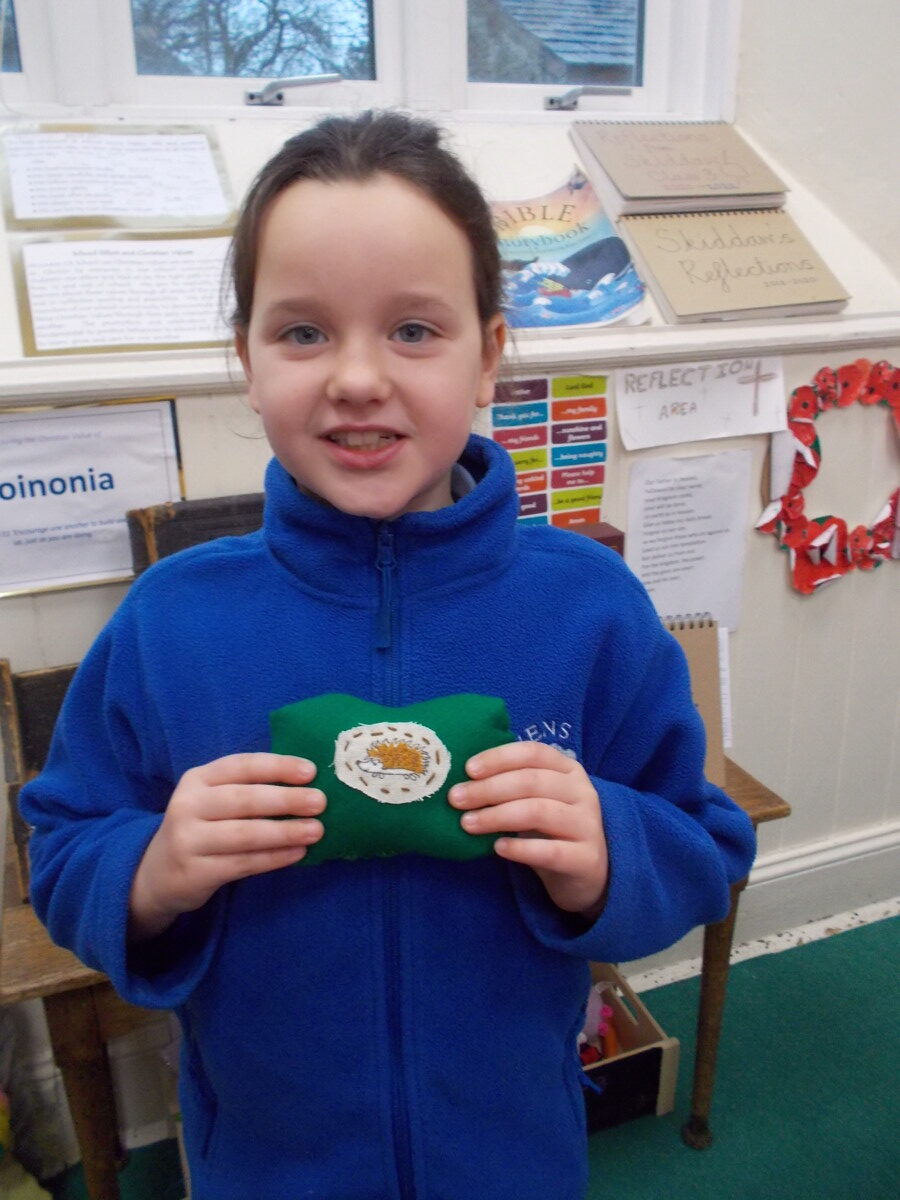
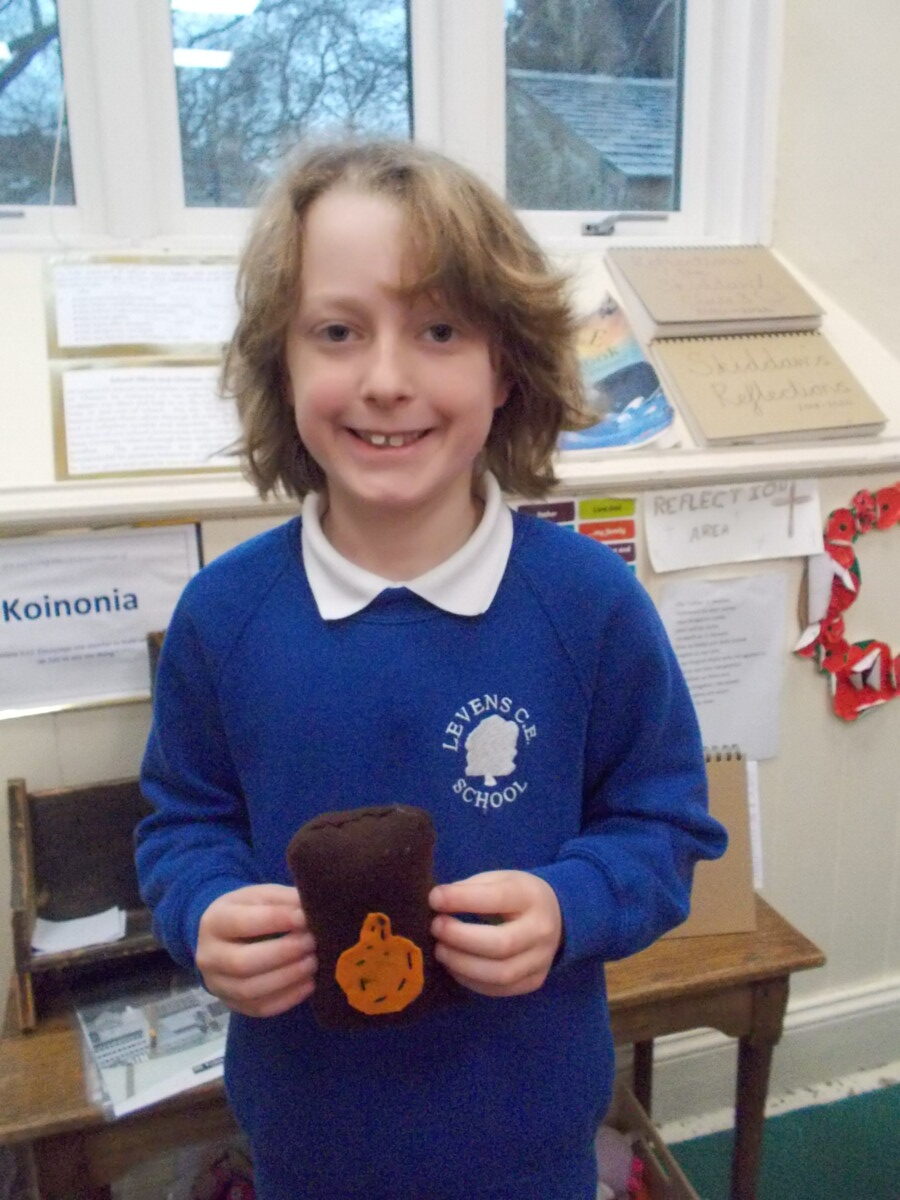
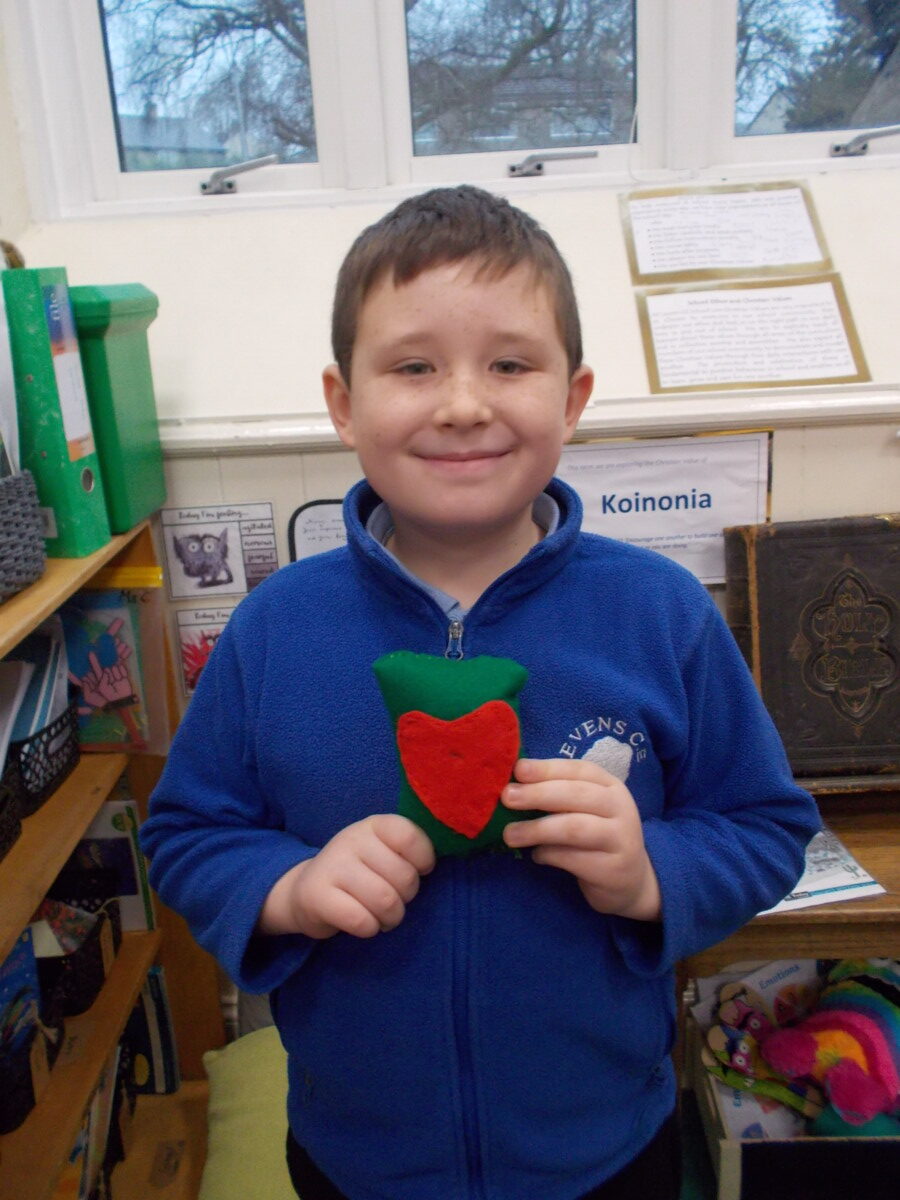
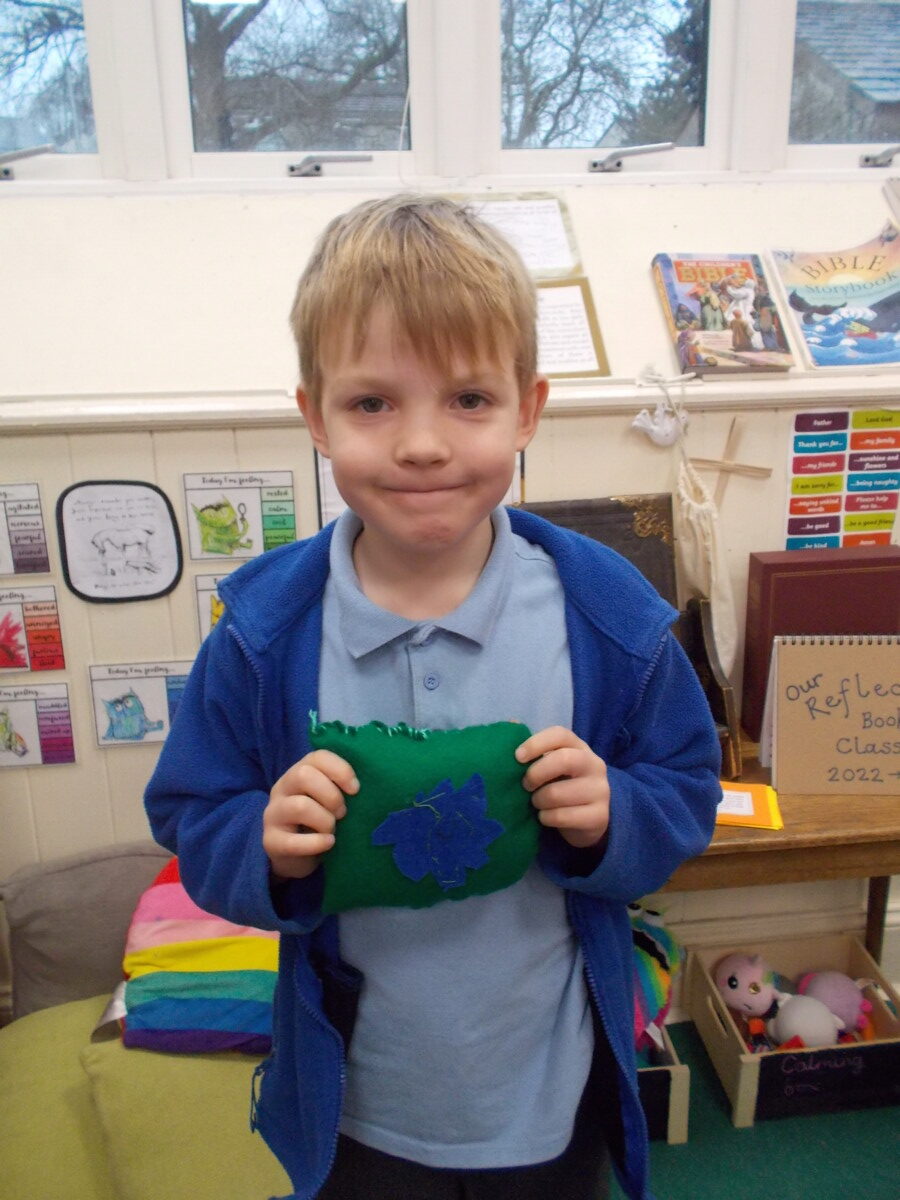
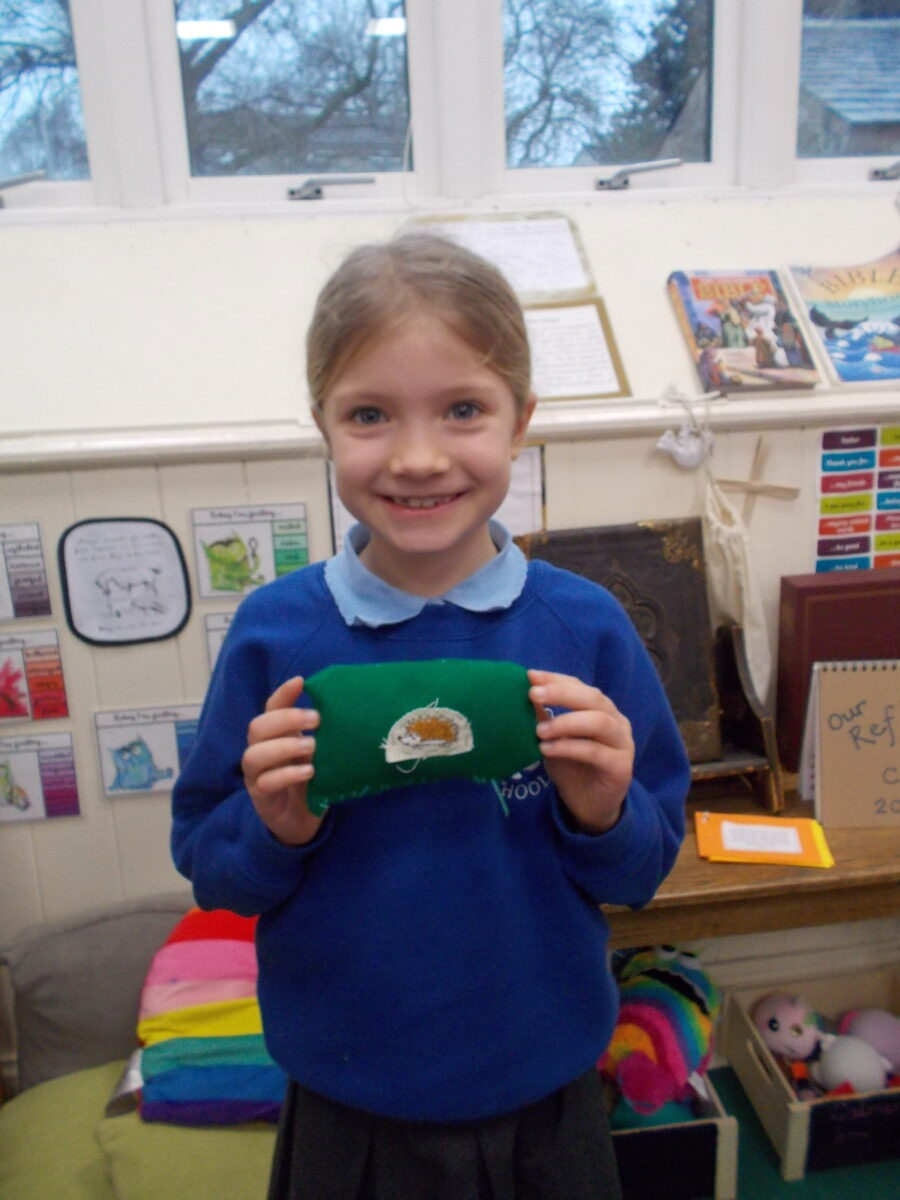
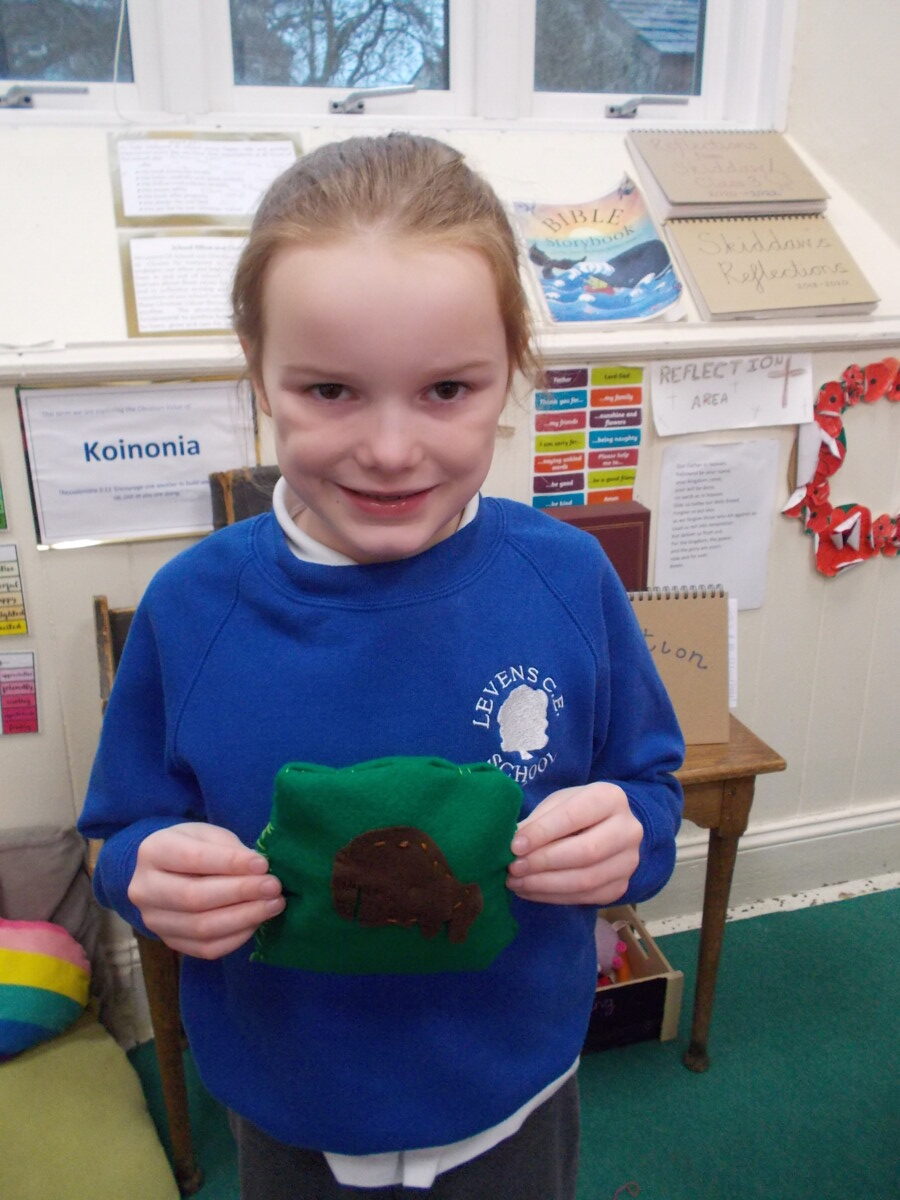
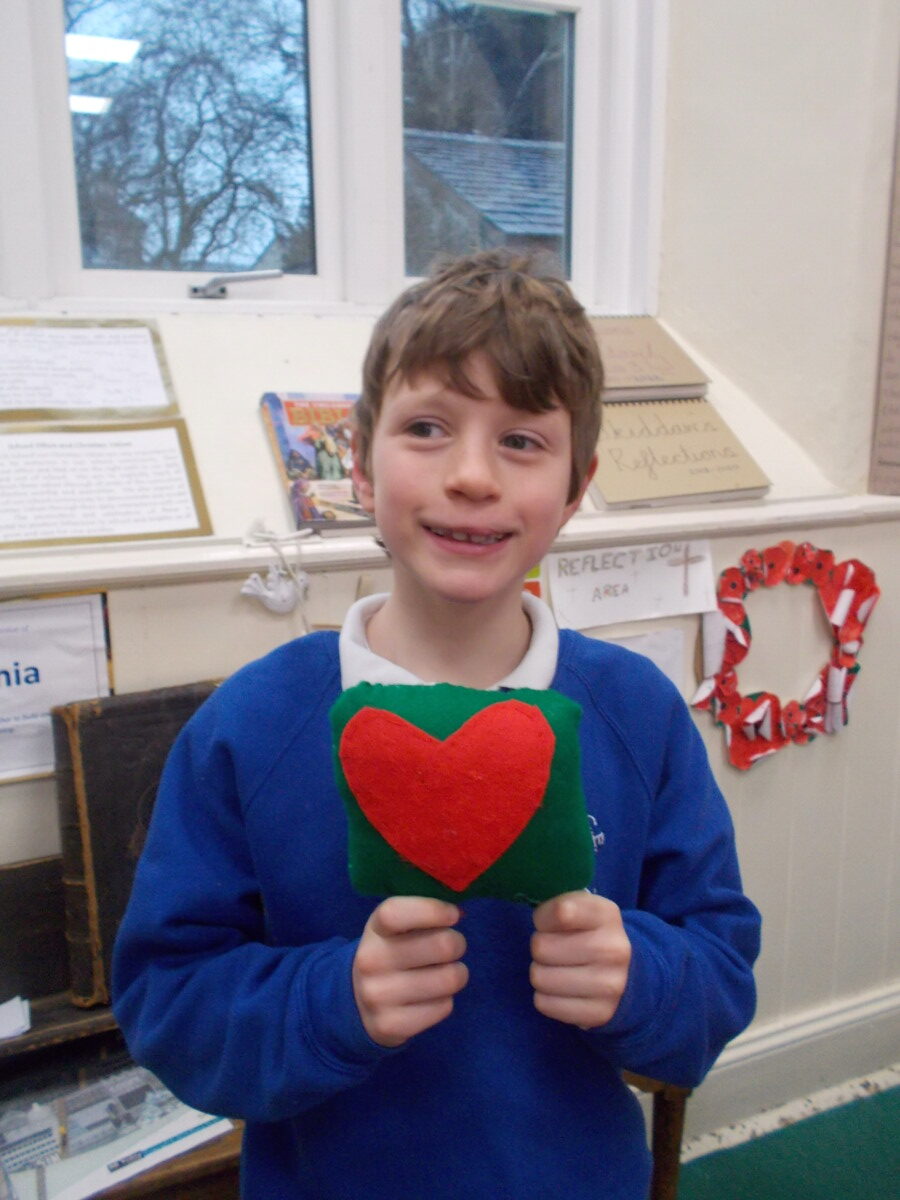
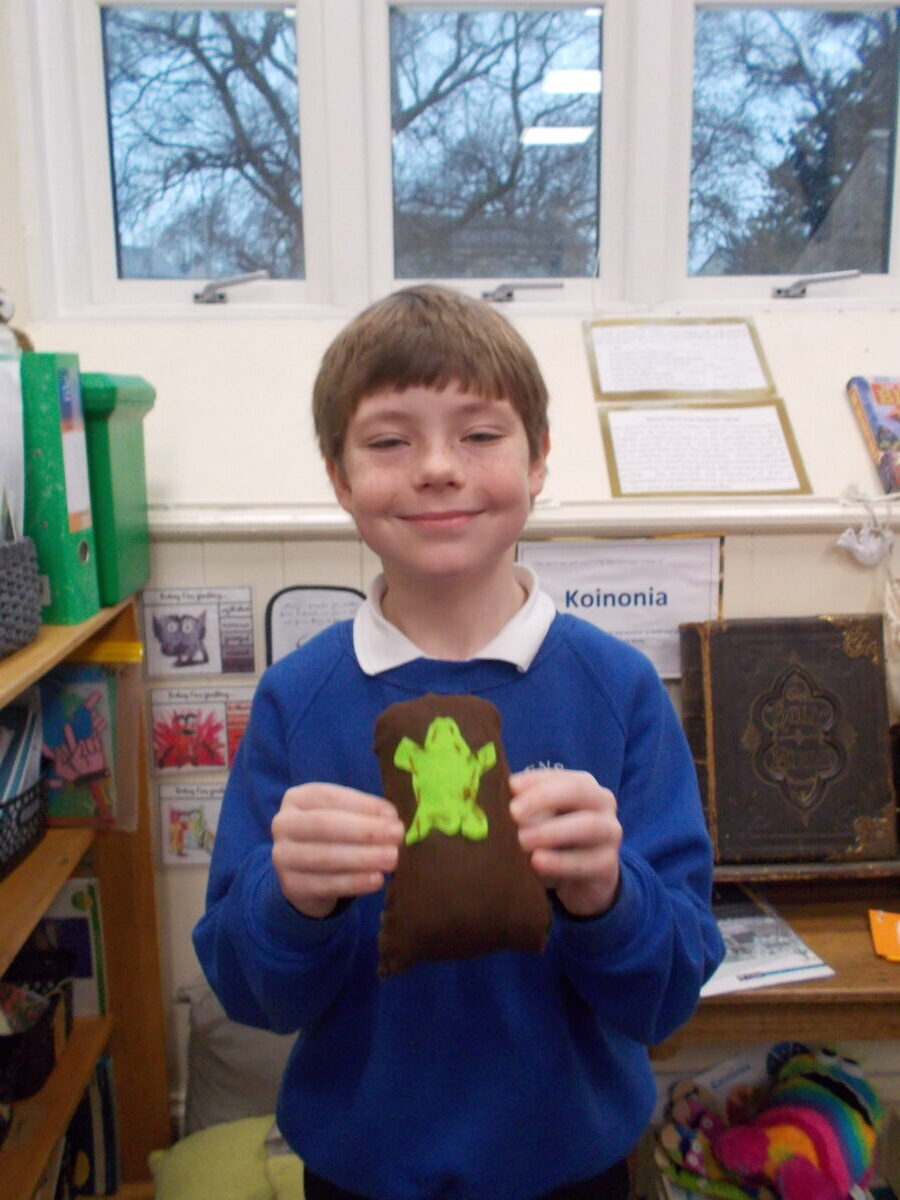
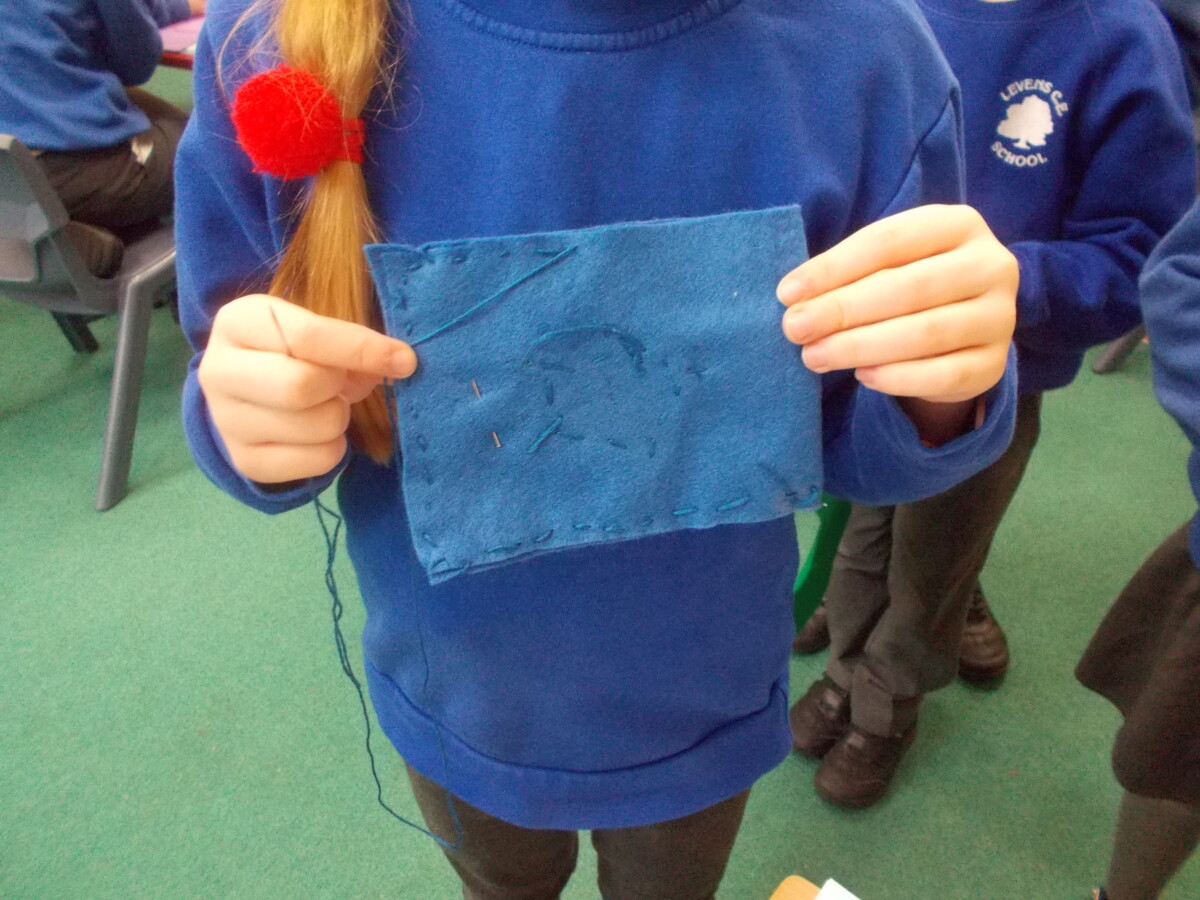
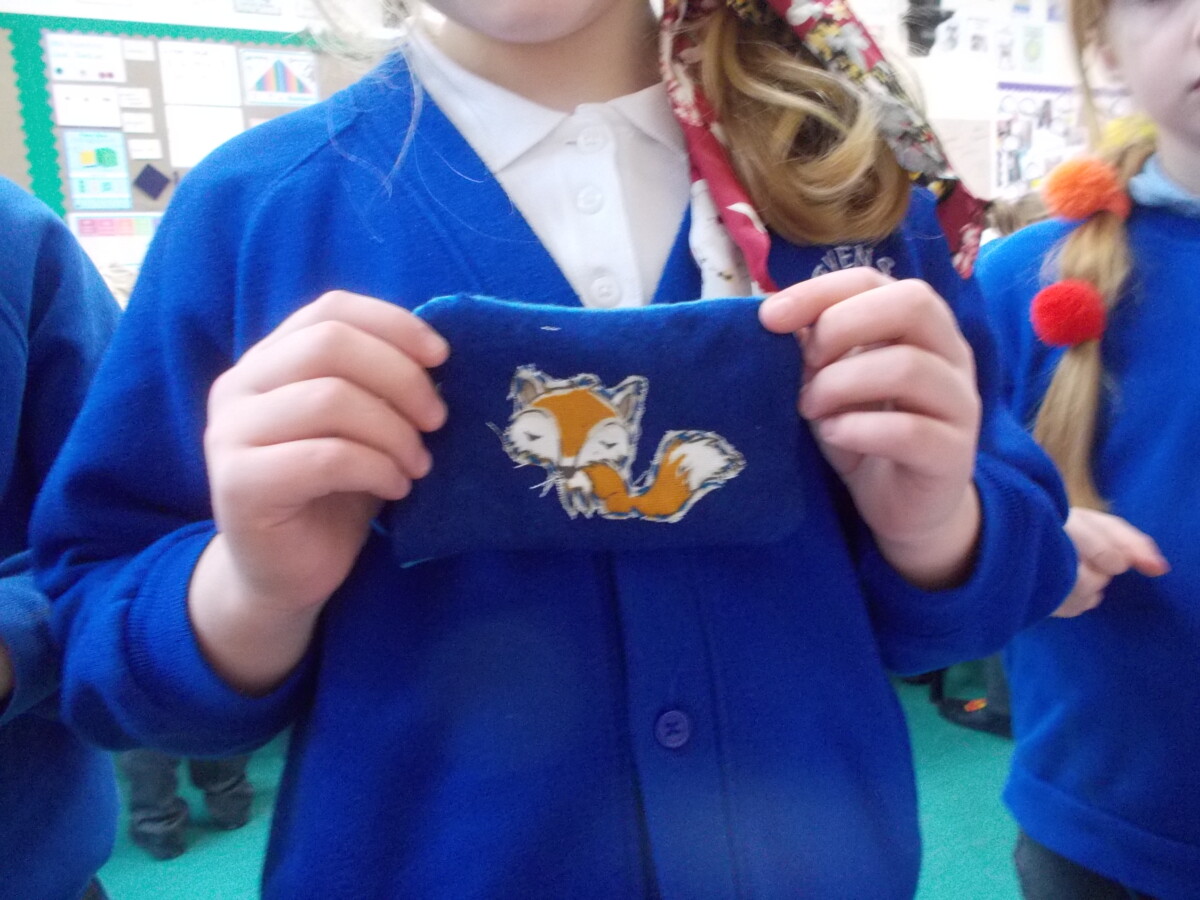
Class Three have had a wonderful time learning all about applique and cross stitch while making cushions for our D and T topic. The class showed resilience and great team work, helping each other when needed. We used running stitch, cross stitch and over sewing, along with applique for the decorations. I think you will agree they look fantastic!




Sketch Books in Class 3
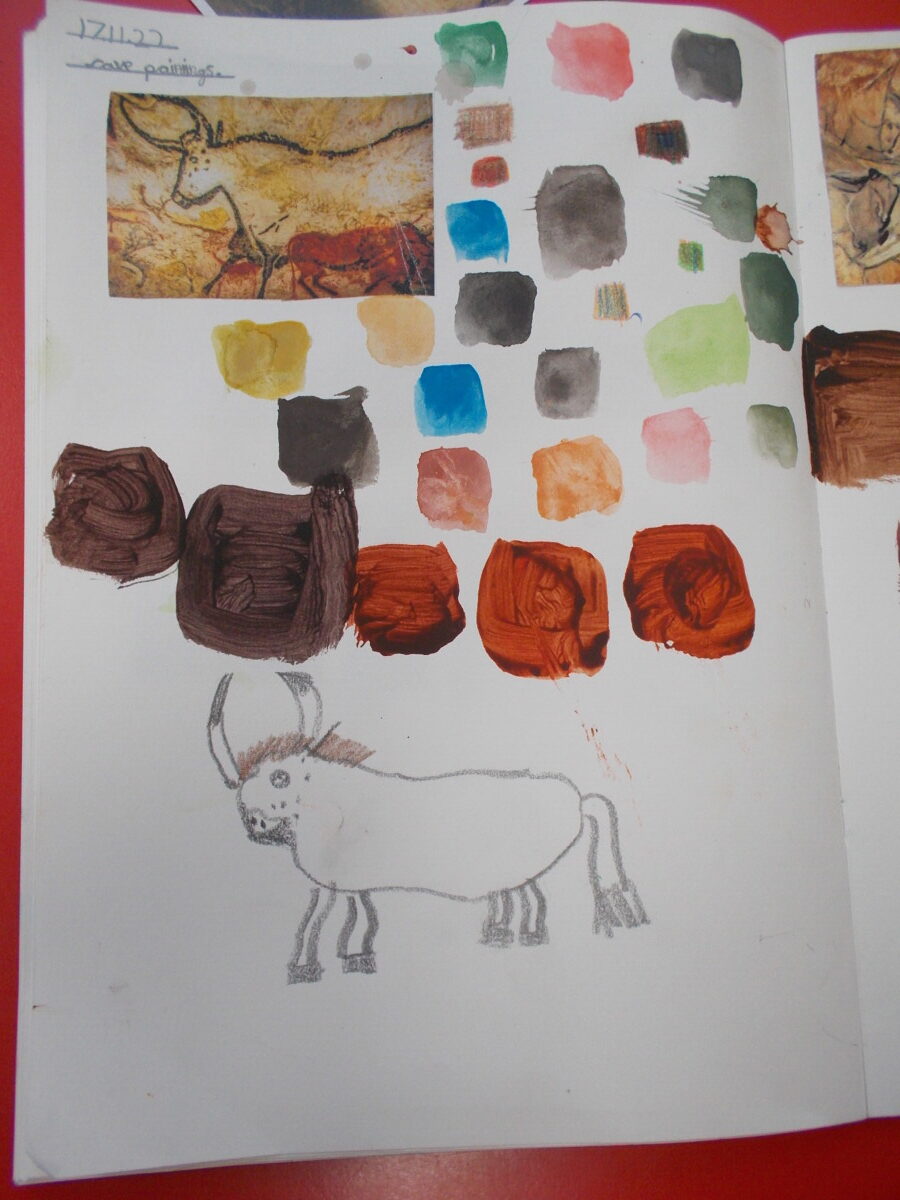
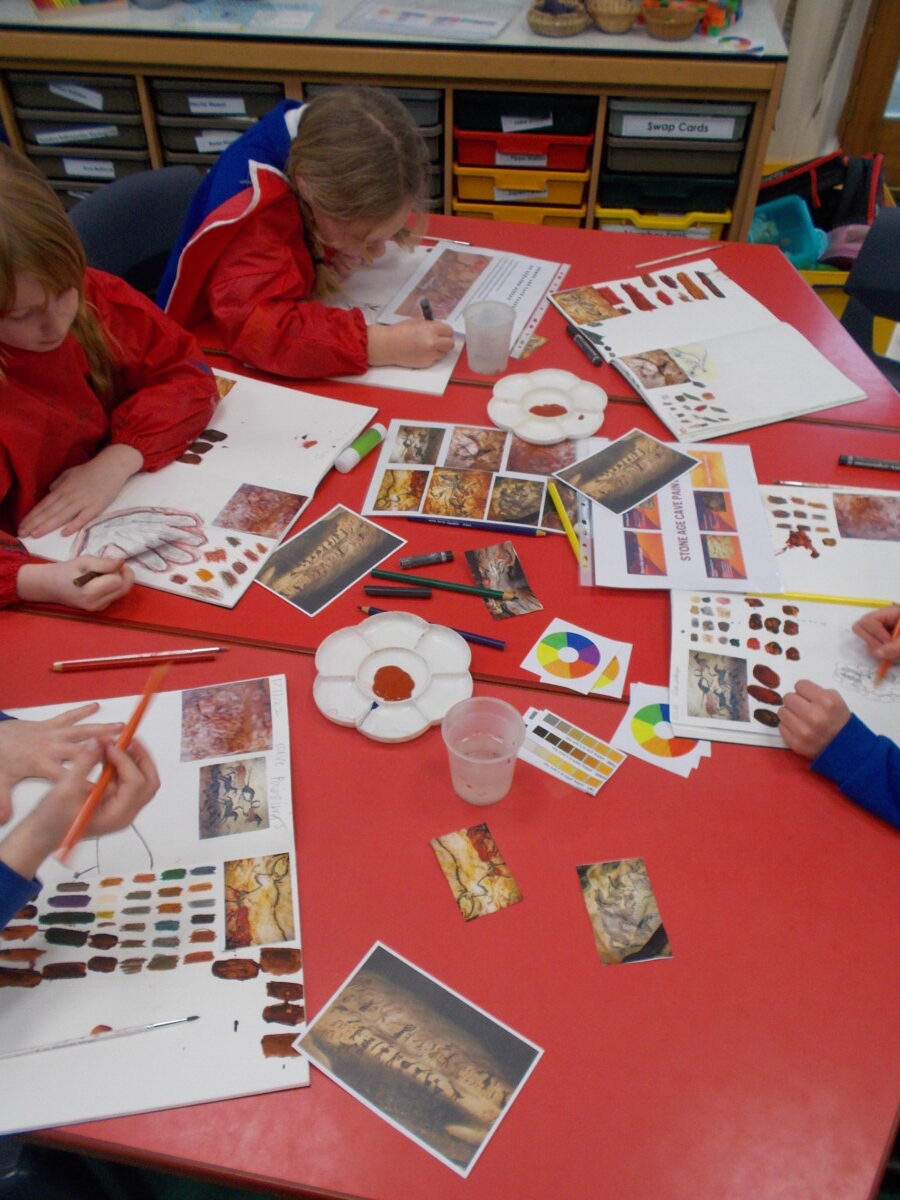
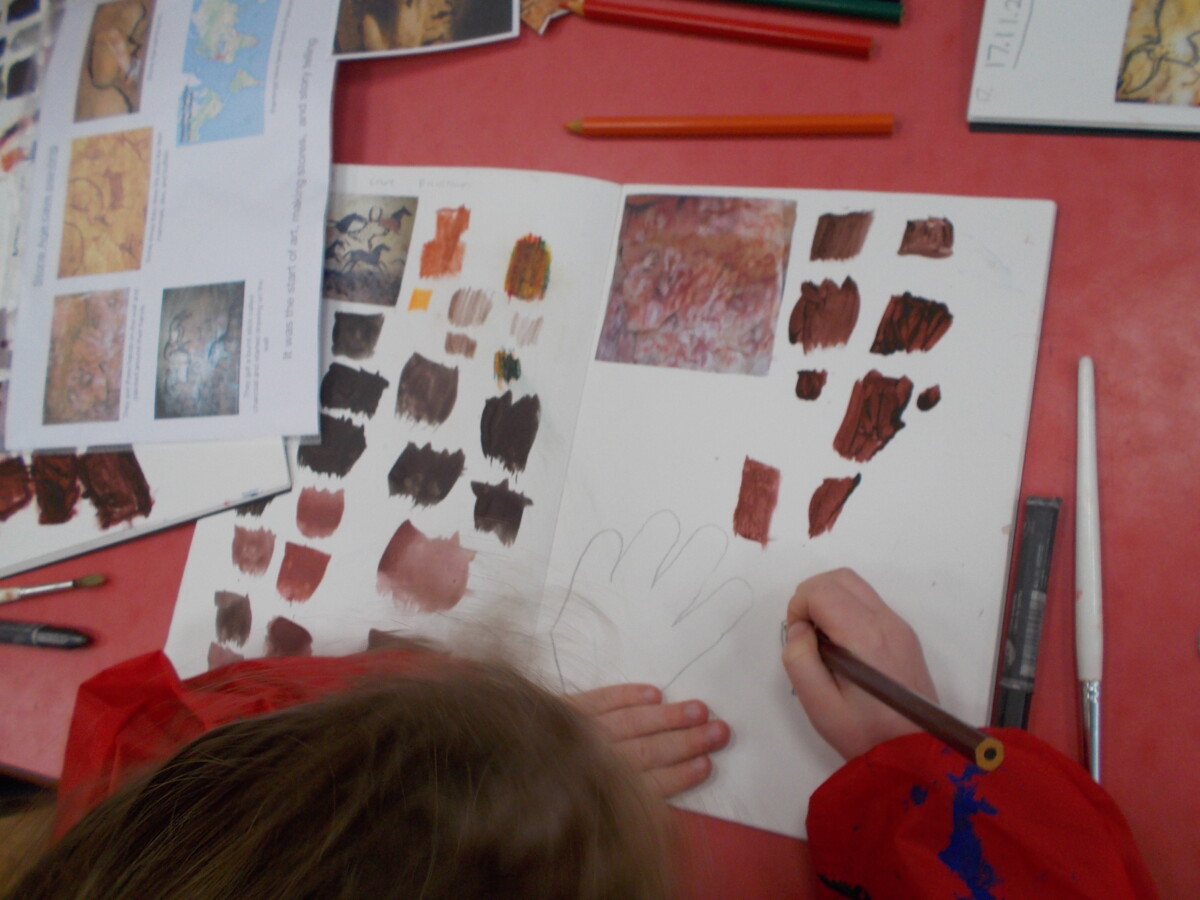
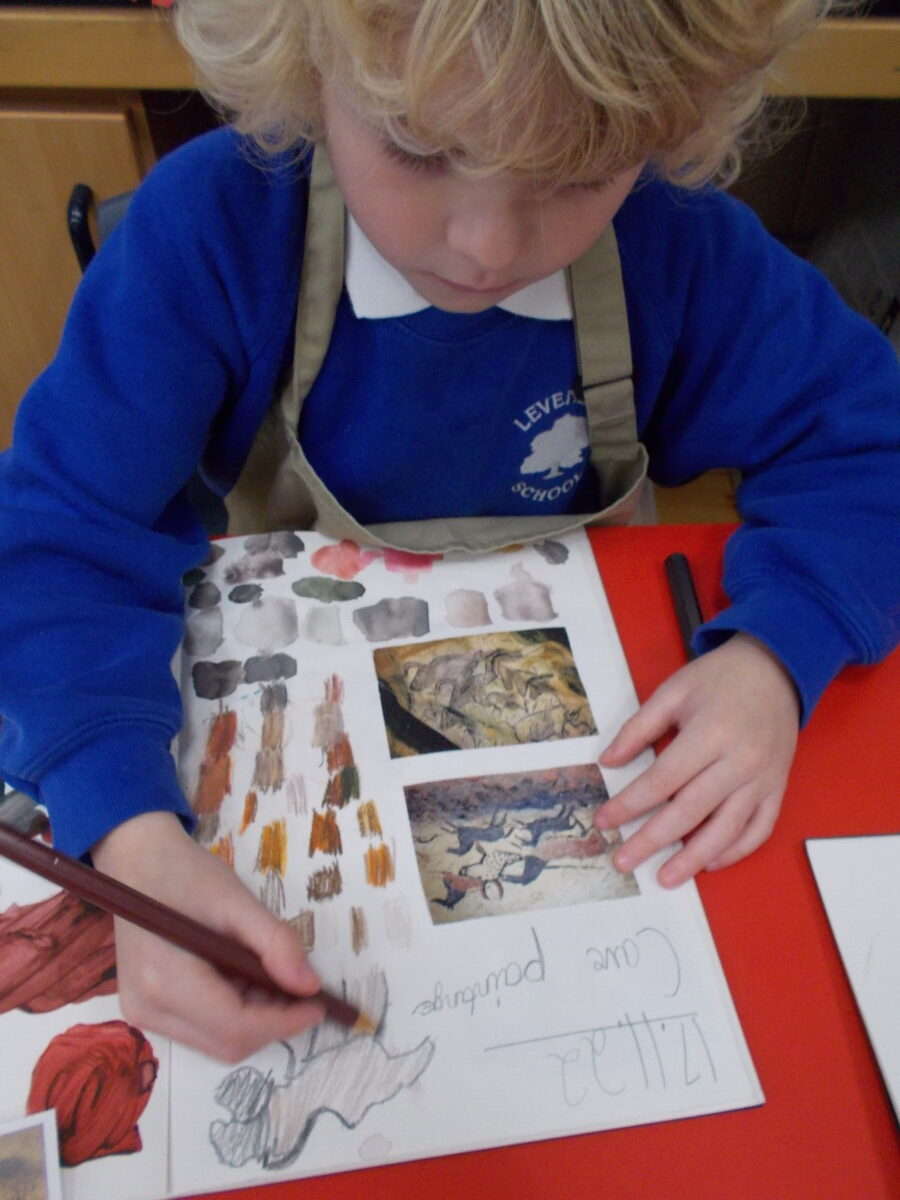
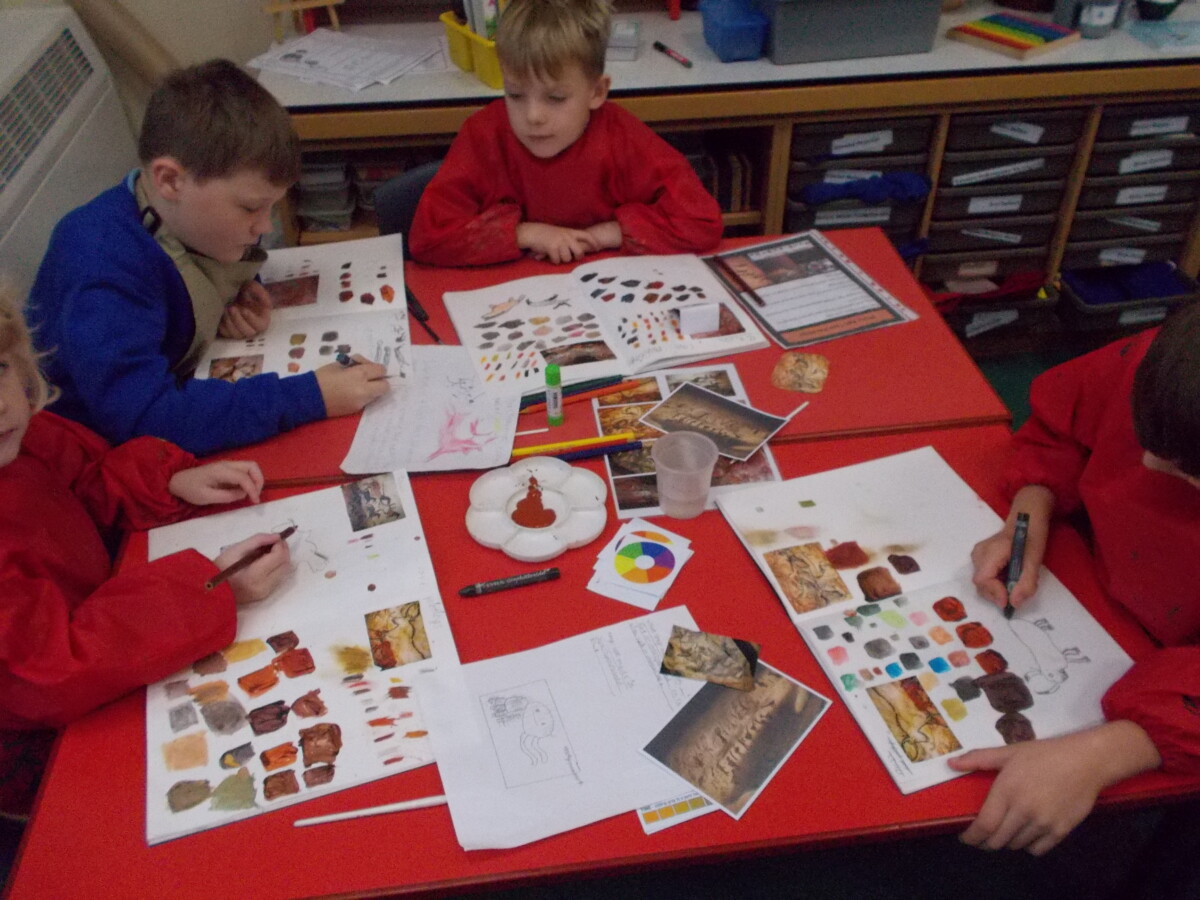
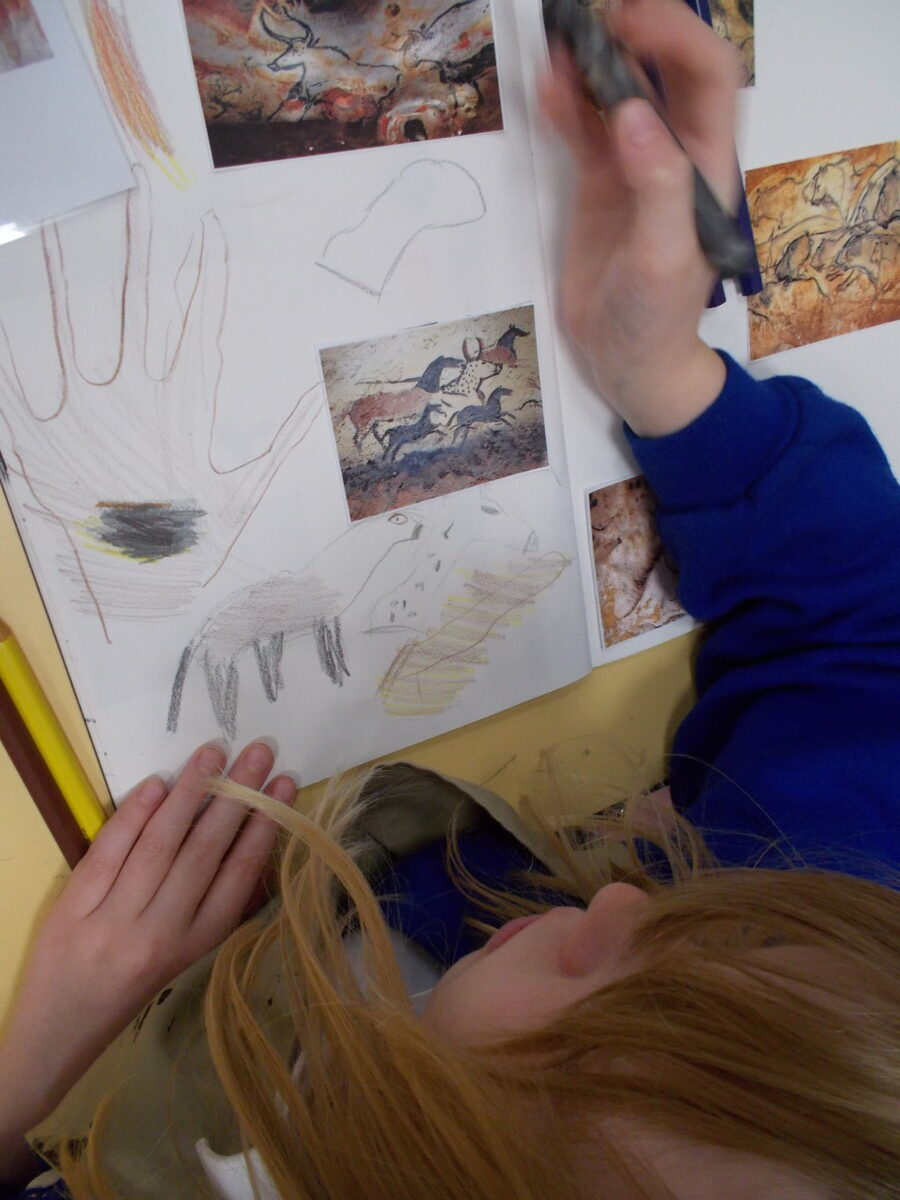
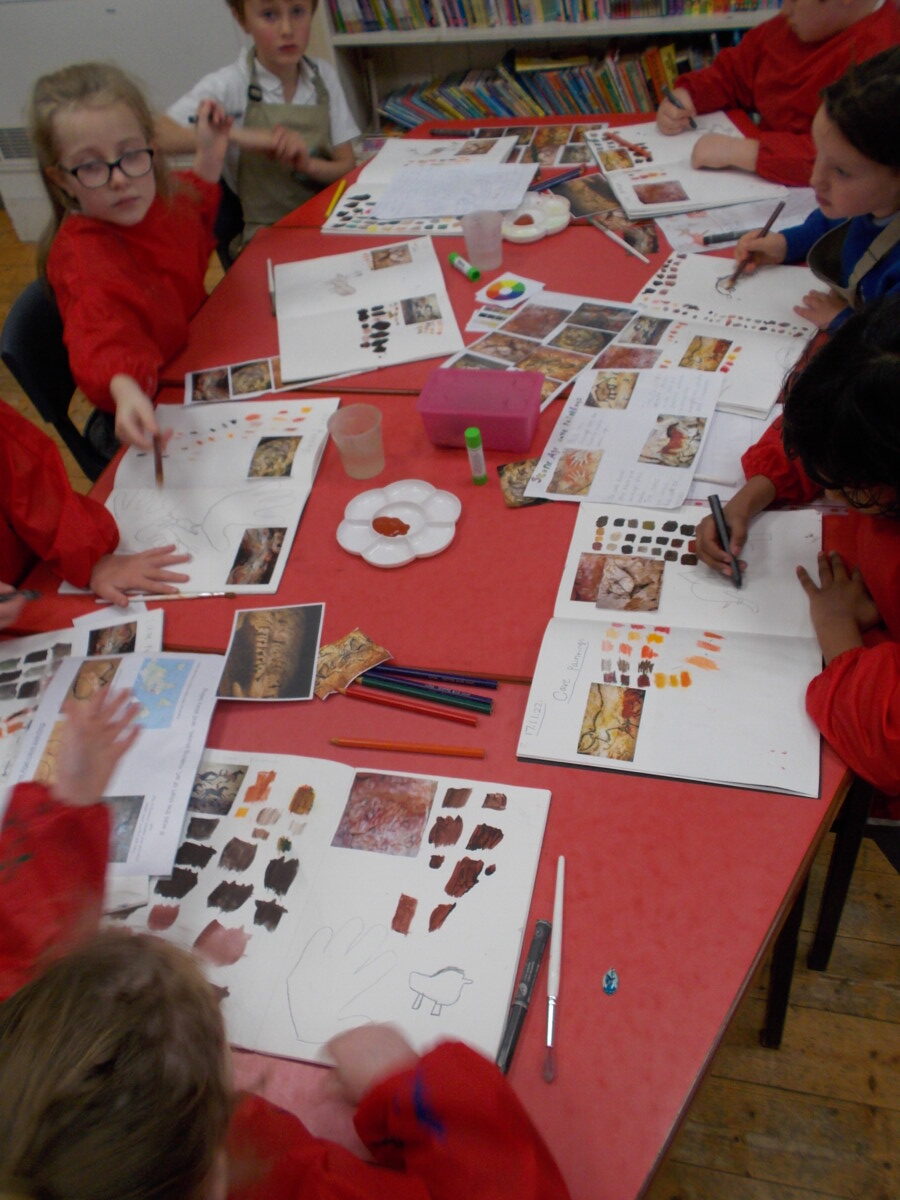
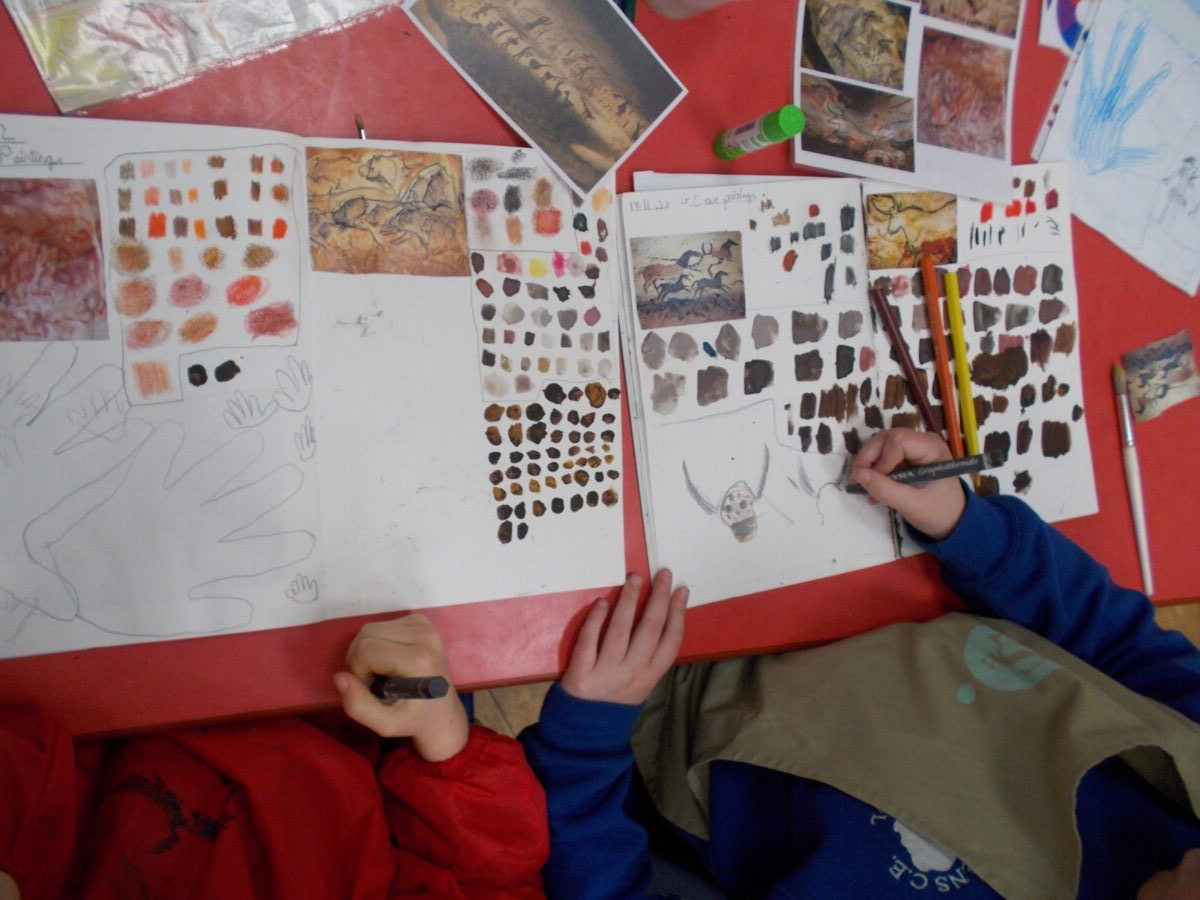
Class 3 have been exploring cave paintings in their sketch books in our recent art lessons.
We have been re-visiting our prior learning by recapping on primary and secondary colours and we have been finding out exactly how to make brown! Did you know that there are three formulas to make it accurately: it is not a case of just mixing as many colours as possible together!
We have been looking at all the different ways to describe and make the endless shades of brown that can be created using acrylic paints, watercolours, oil pastels and watercolours. As well as looking closely at the earthy tones made by natural materials used in ancient cave paintings found in France, Spain and Argentina that date back thousands of years.
Here we are at work in our classroom this week….
Class 3 visit Castlerigg Stone Circle
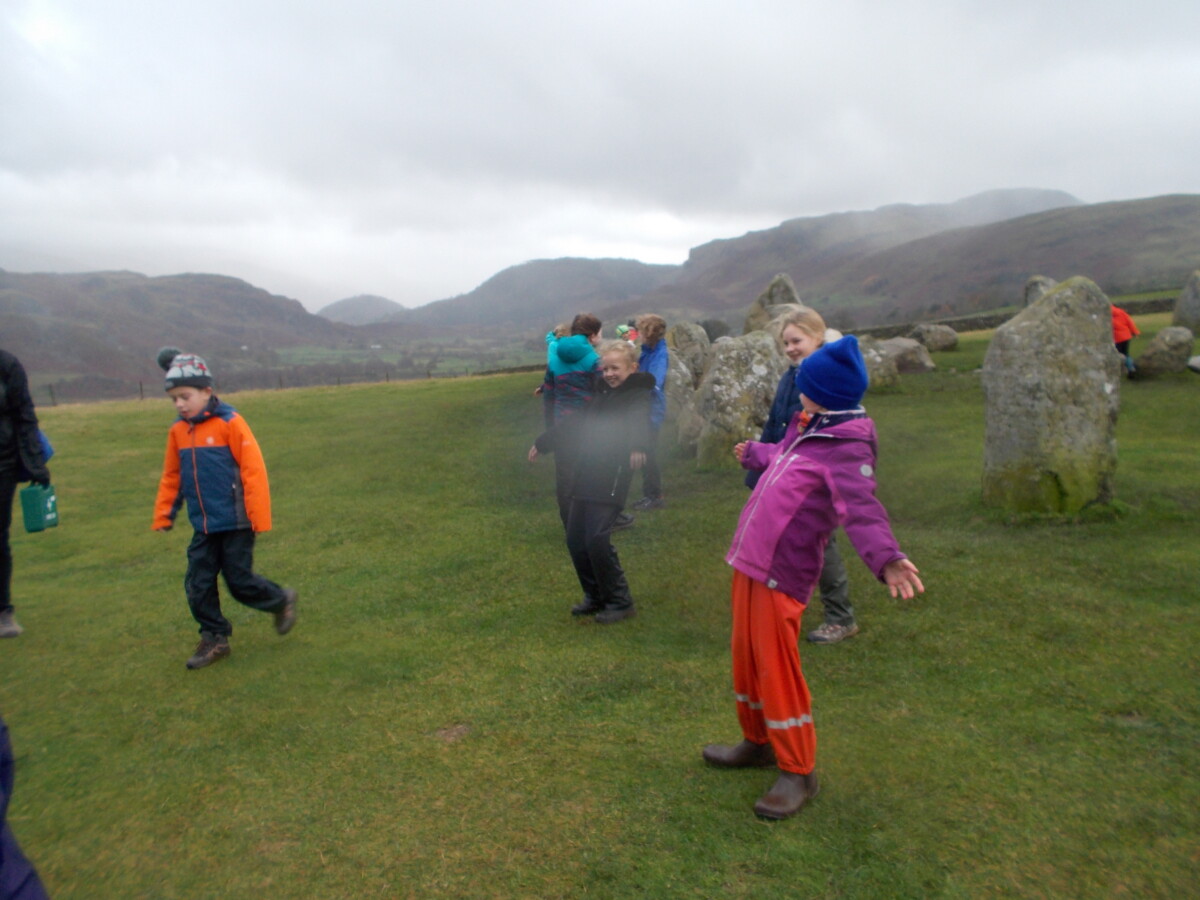
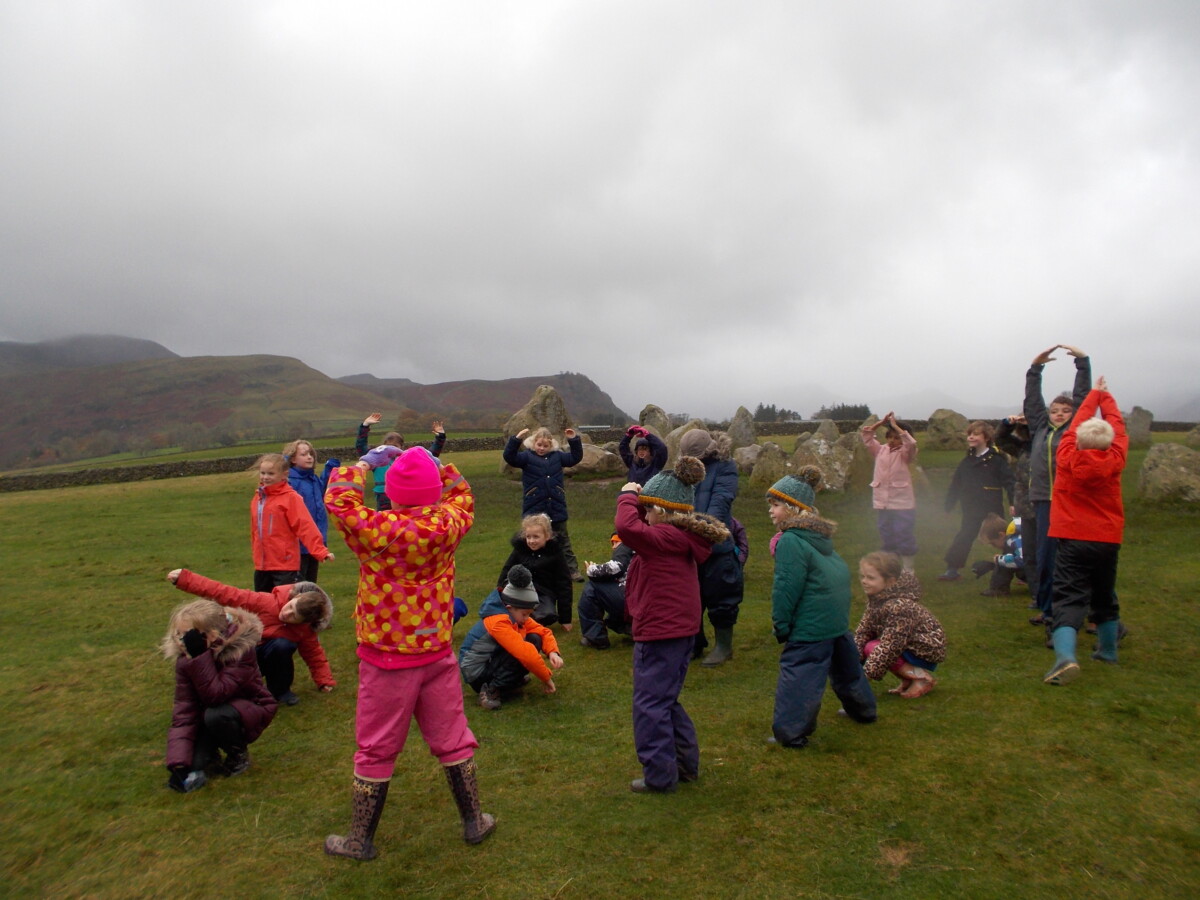
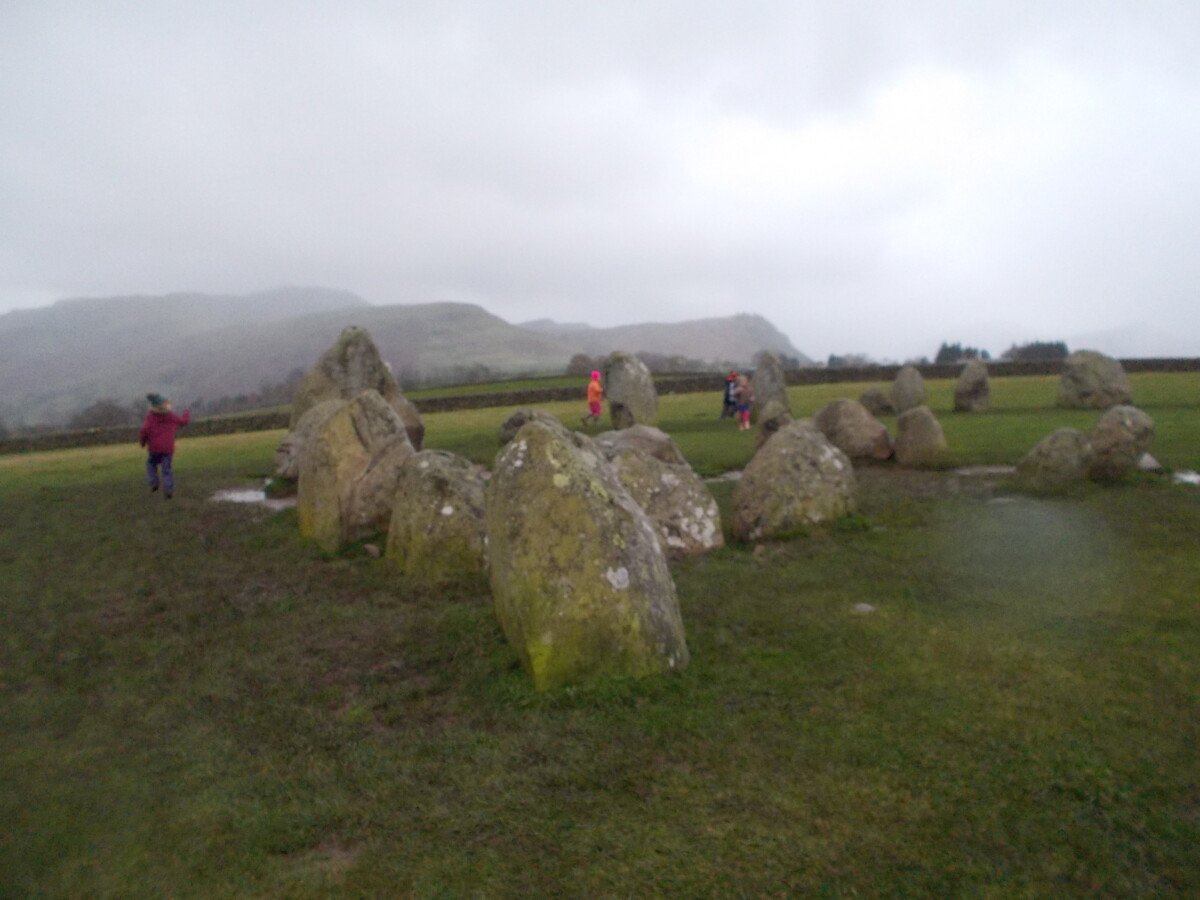
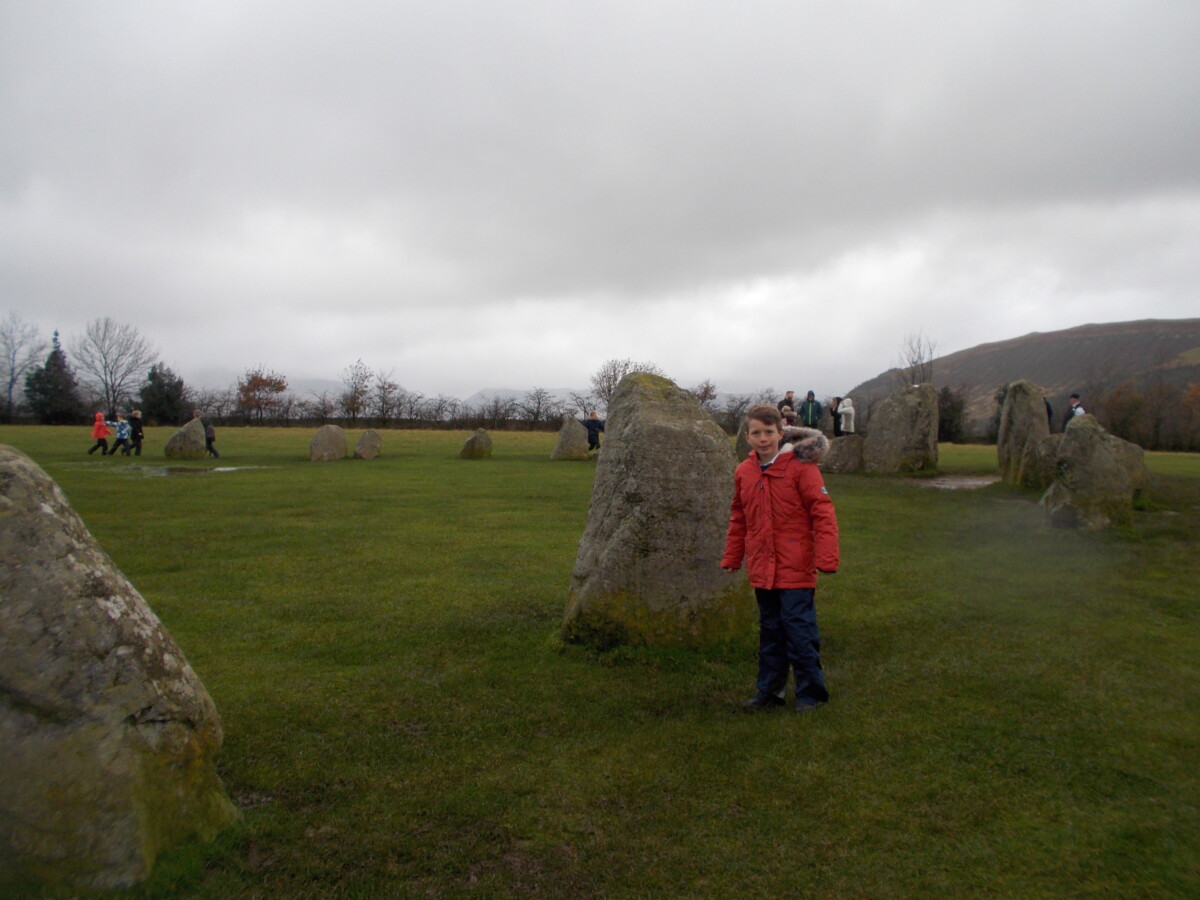
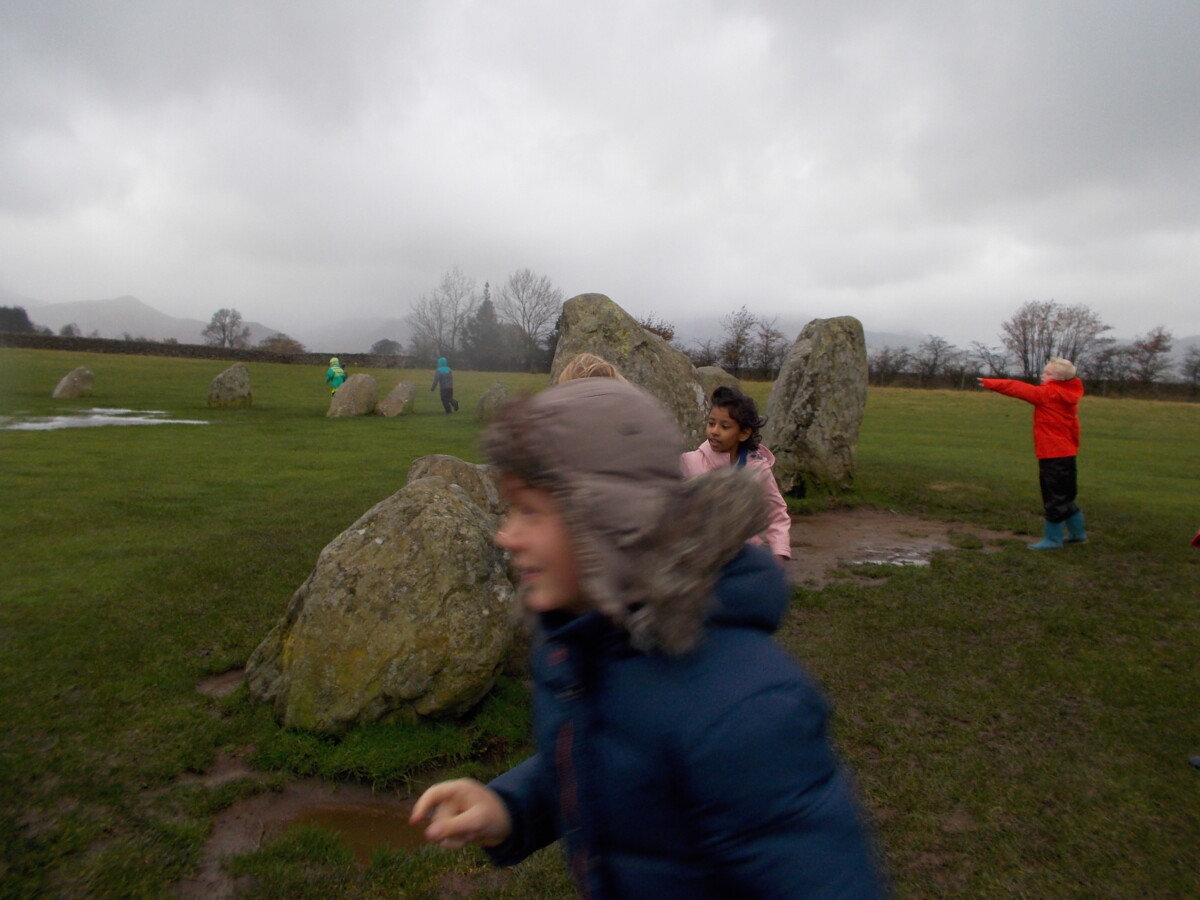
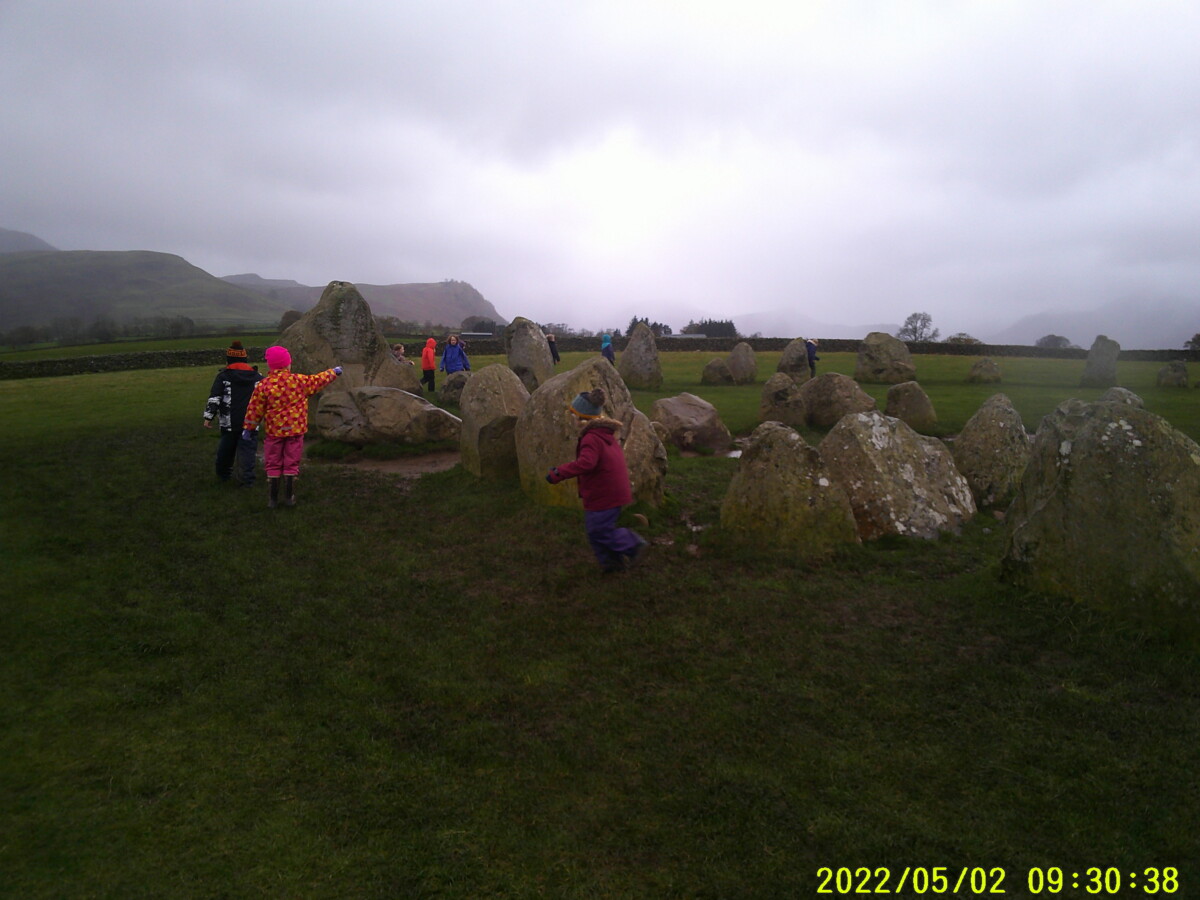
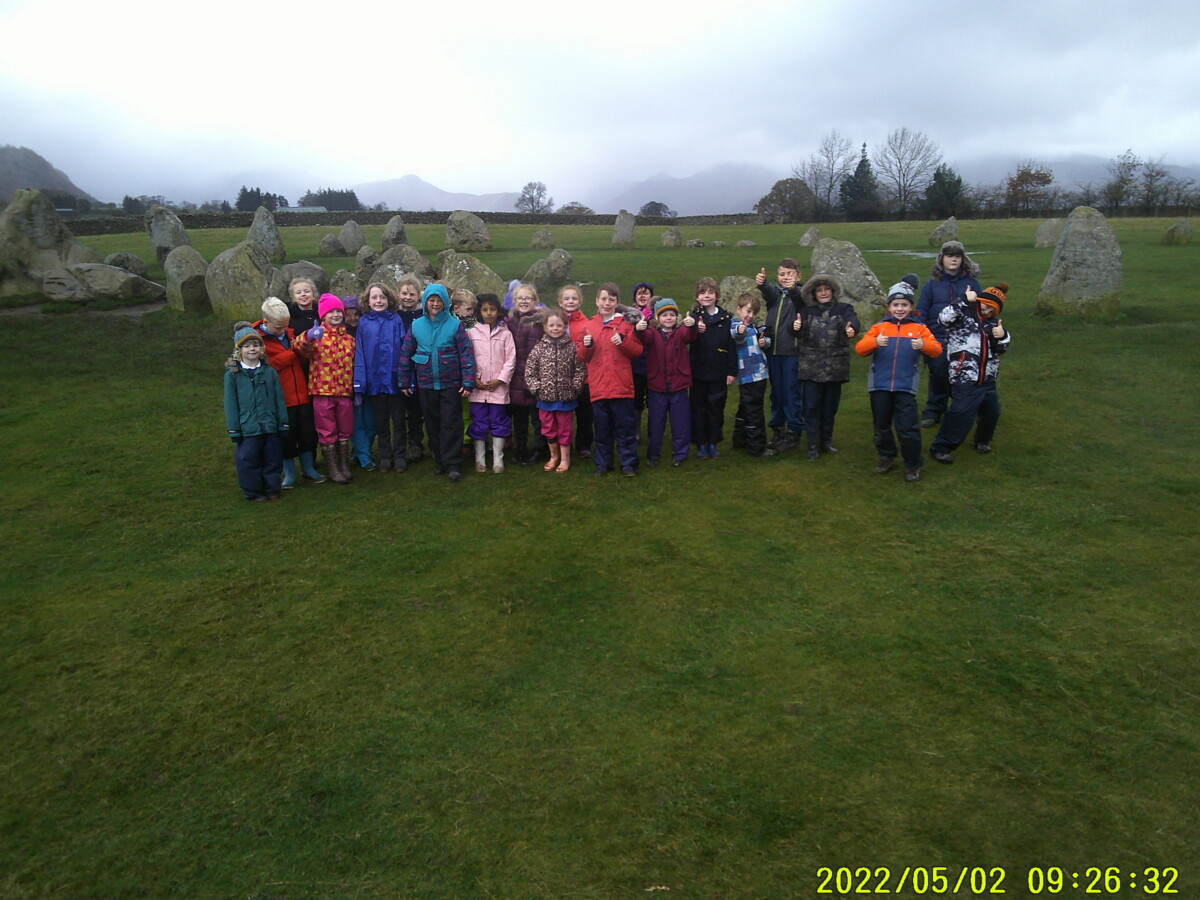
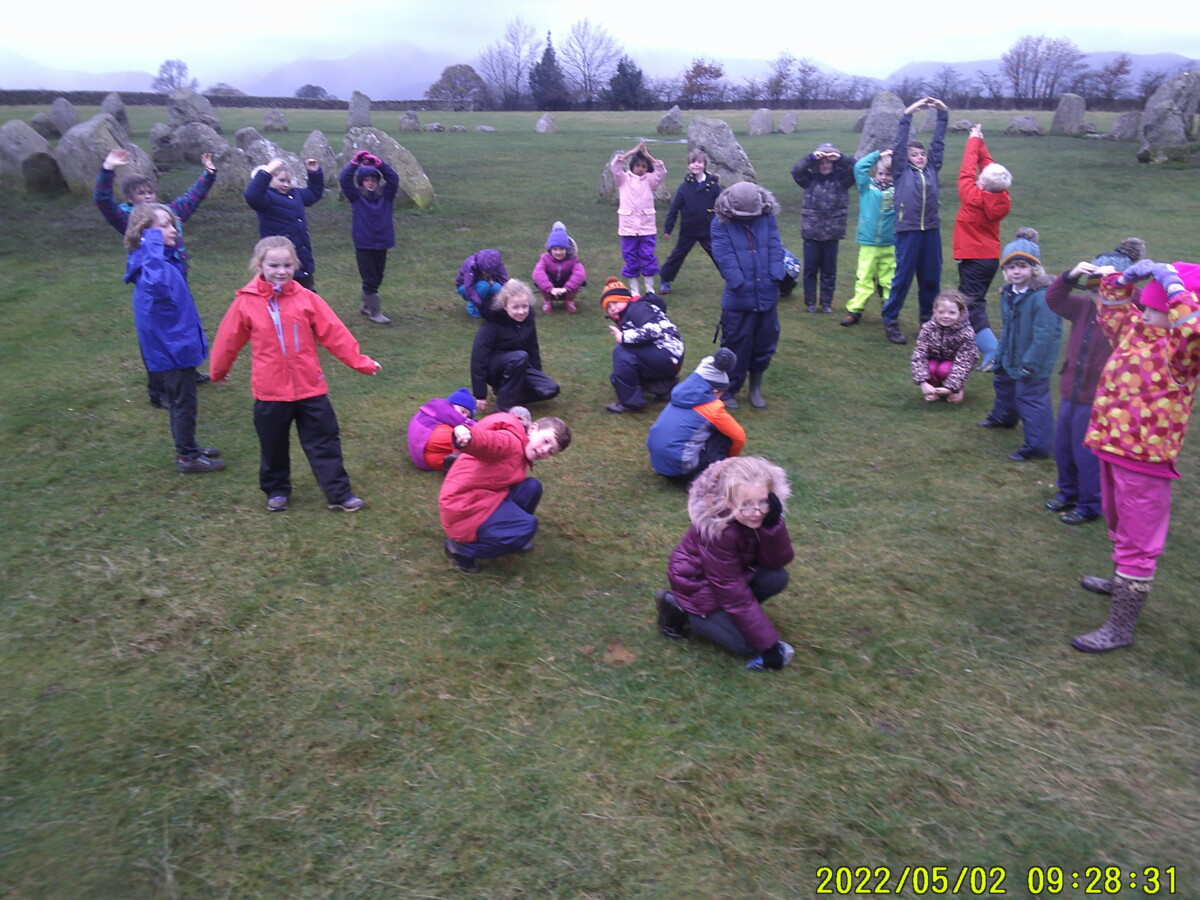
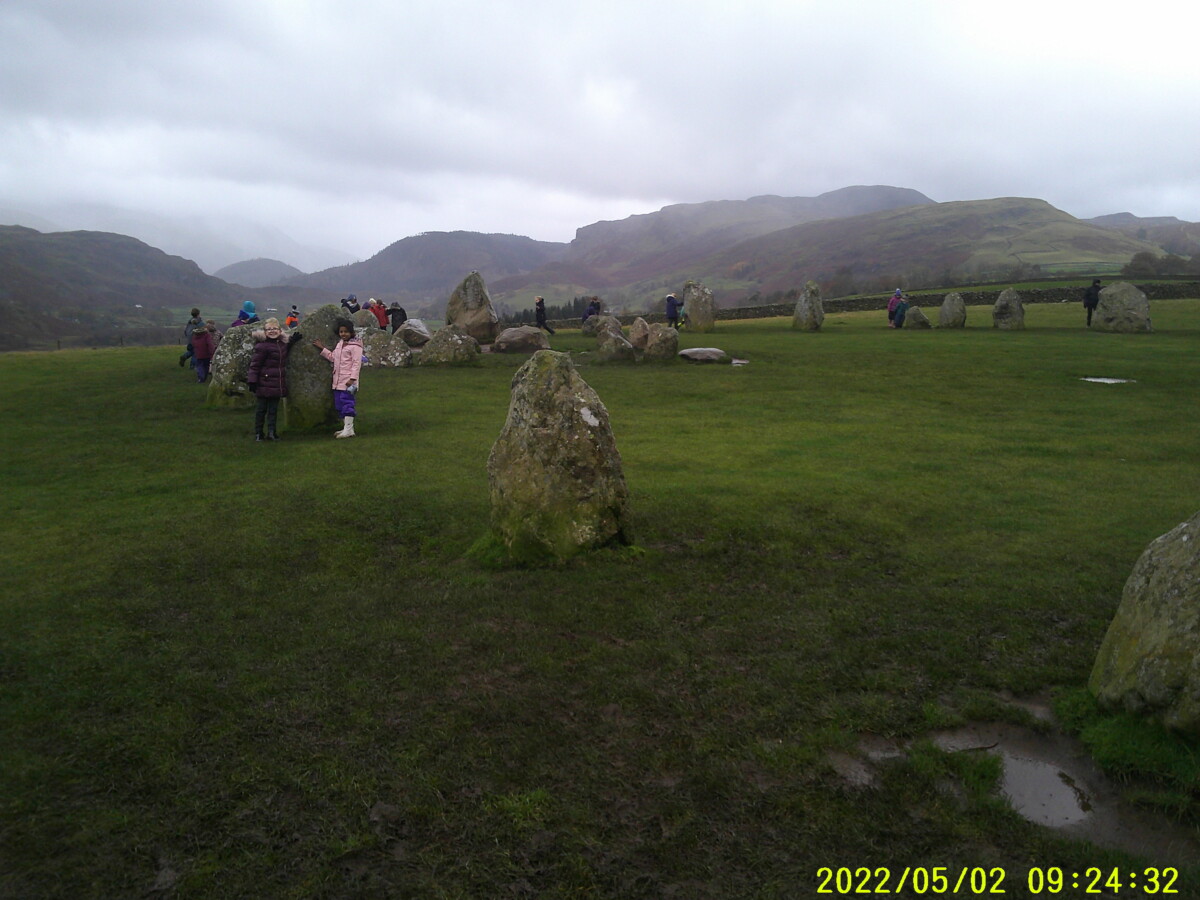
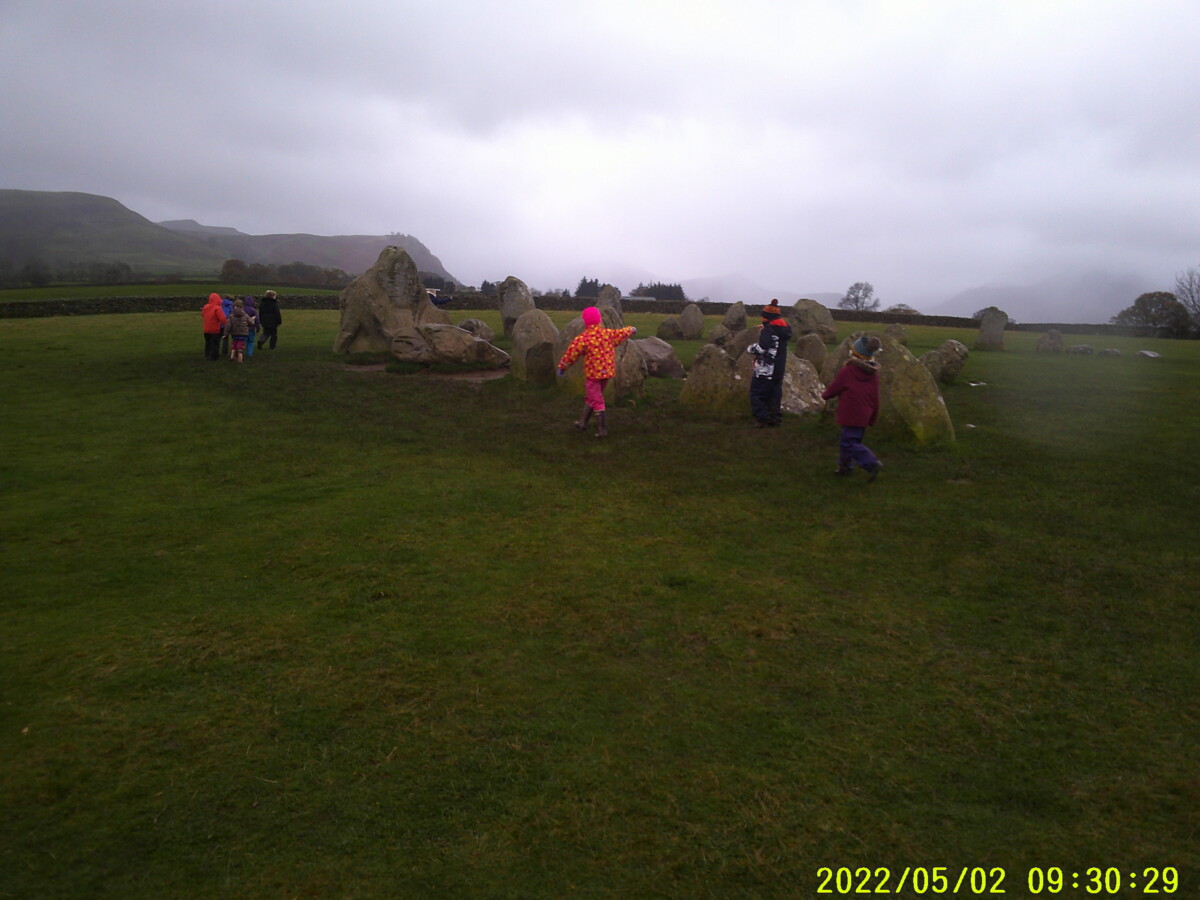
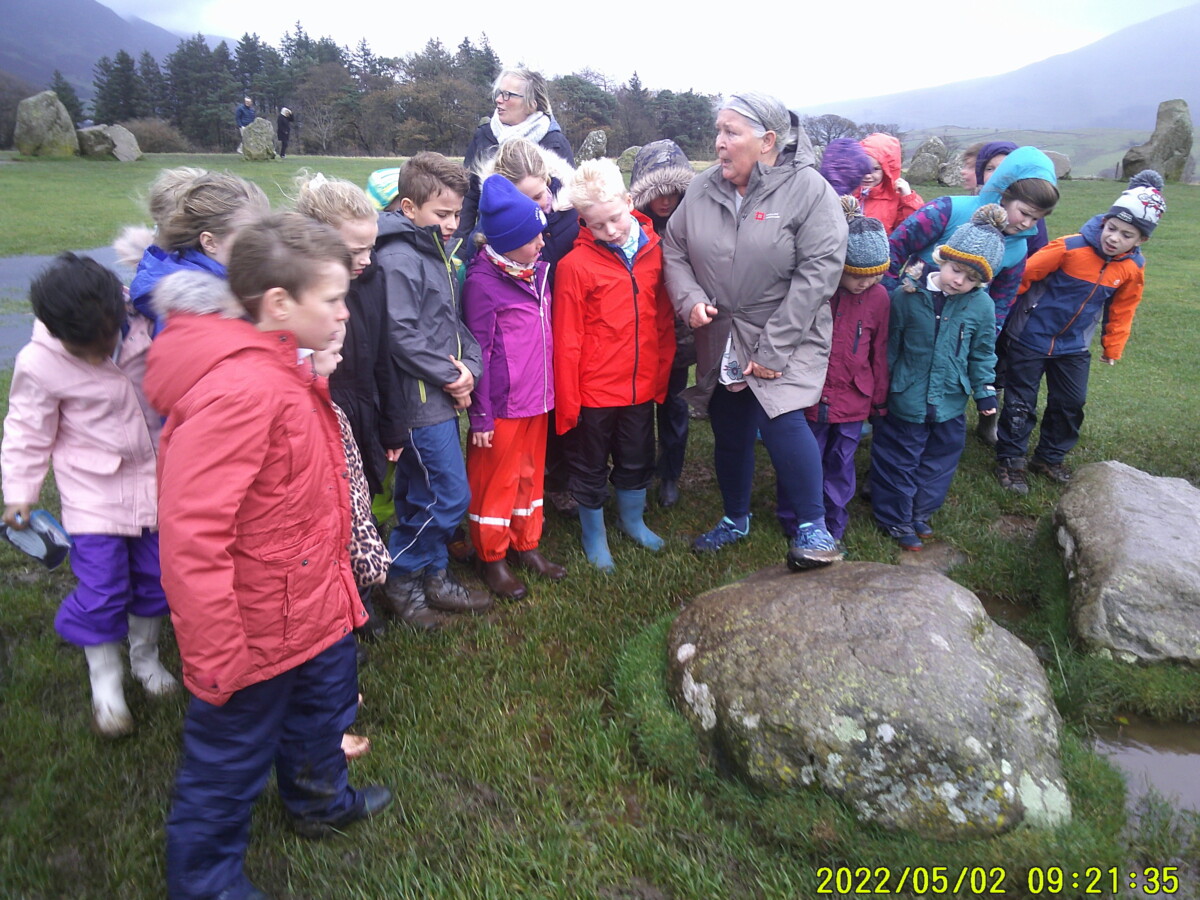
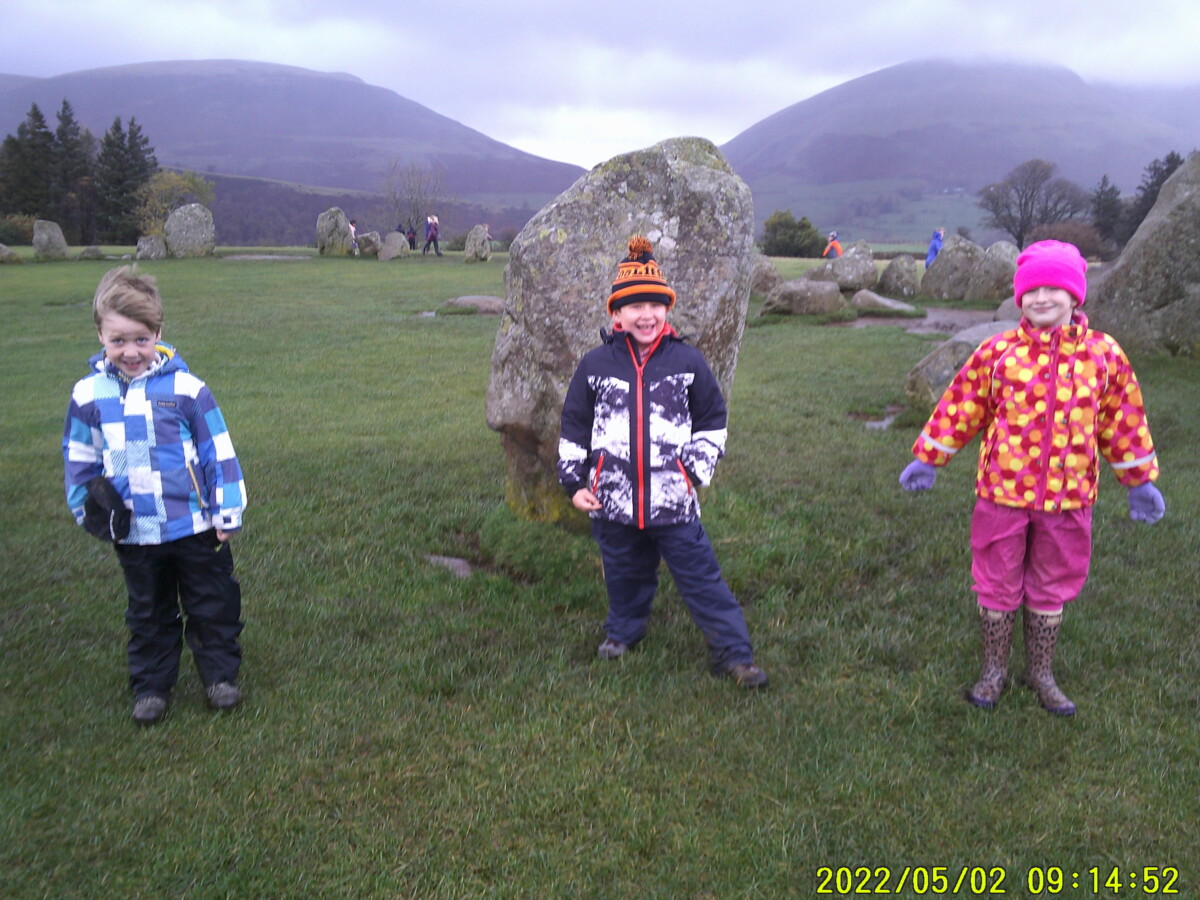
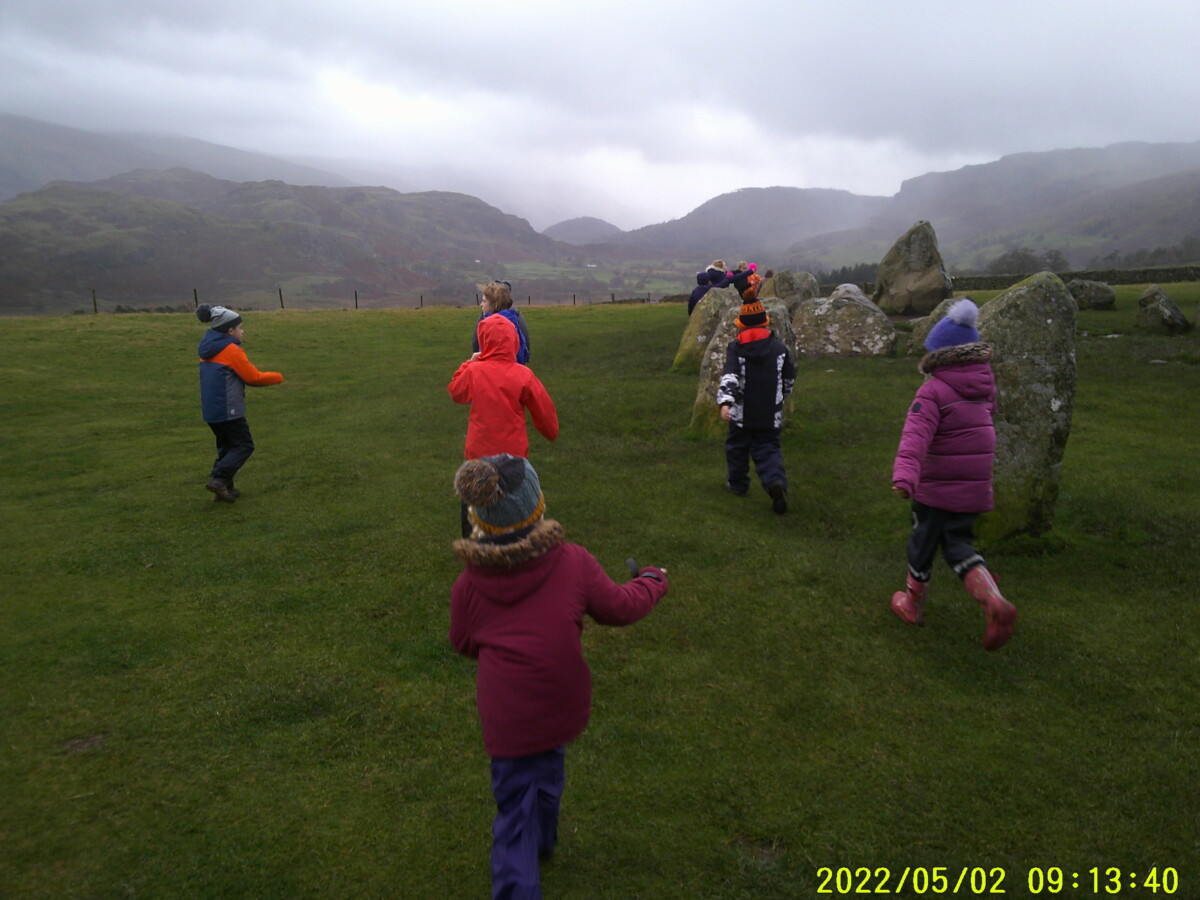
What an amazing day we all enjoyed in Keswick last week, which began with a visit to Castlerigg Stone Circle in the morning. Despite the wet, windy weather blowing across the clearing, we were able to get up close to the stones as we considered what their purpose might have been 4500 years ago.
We have several theories – it was certainly a place of very special significance – perhaps of religious importance or a place for people to gather and trade! Other stone circles around the UK, are believed to have been burial grounds, but not Castlerigg, as no human bones have every been found in the locality.
-
- $CoMmEntbO
-
- $CoMmEntbO
-
- $CoMmEntbO
-
- $CoMmEntbO
-
- $CoMmEntbO
-
- $CoMmEntbO
-
- $CoMmEntbO

-

- $CoMmEntbO
-
- $CoMmEntbO
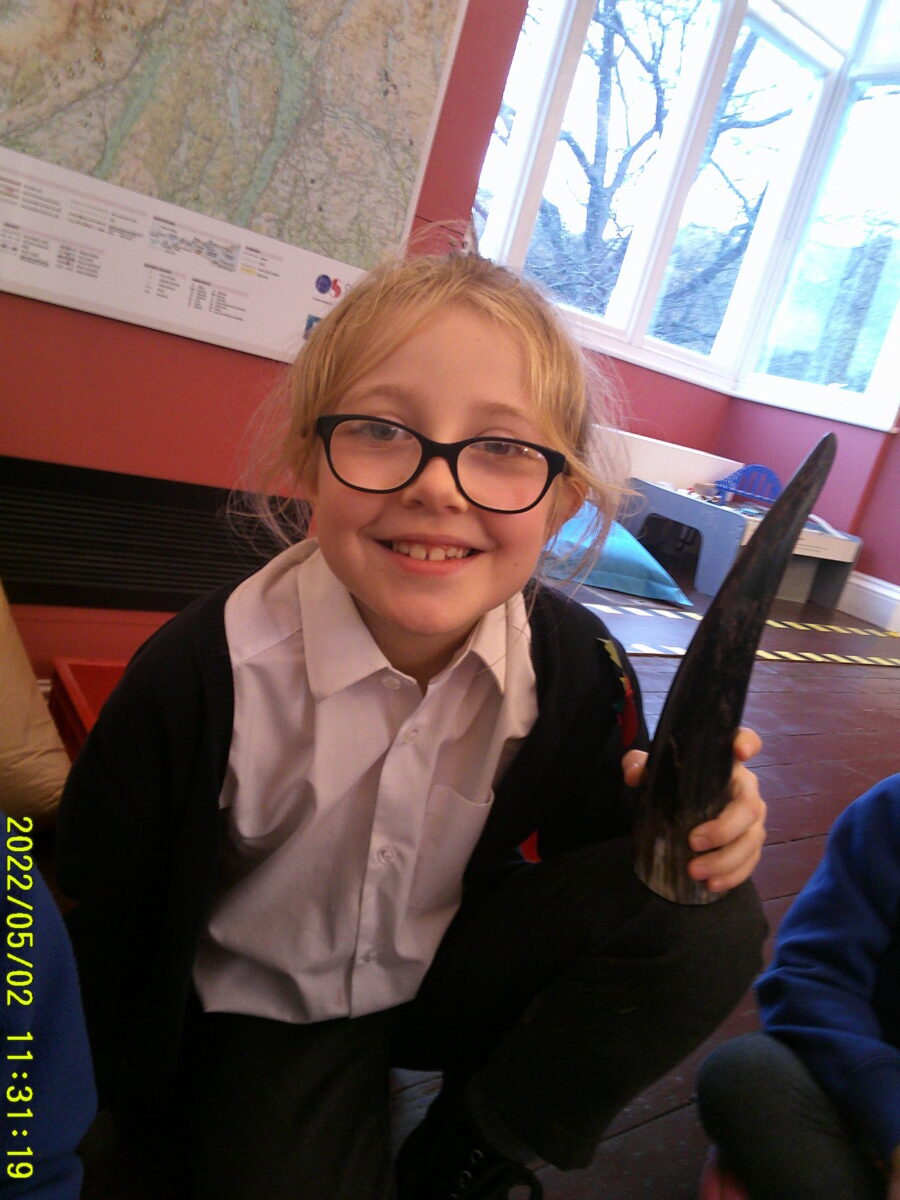
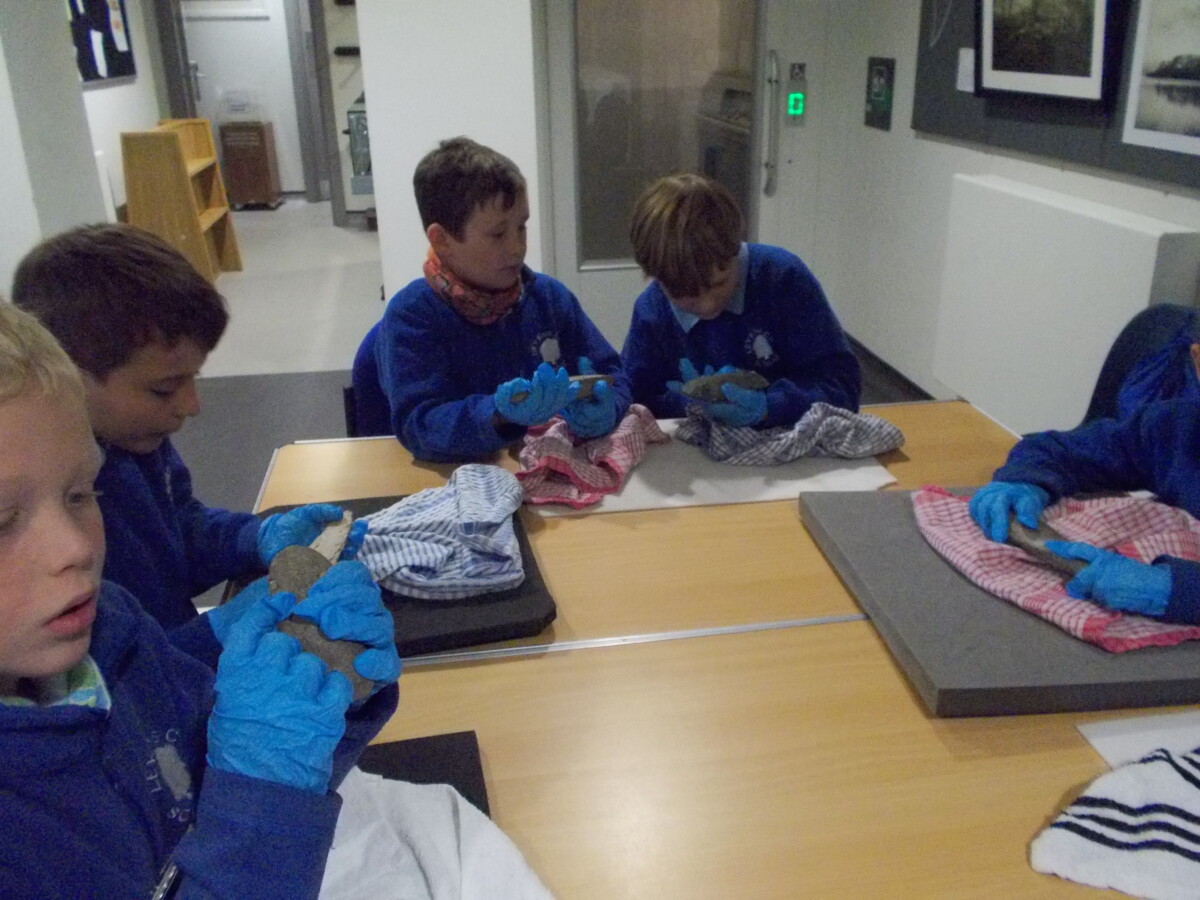
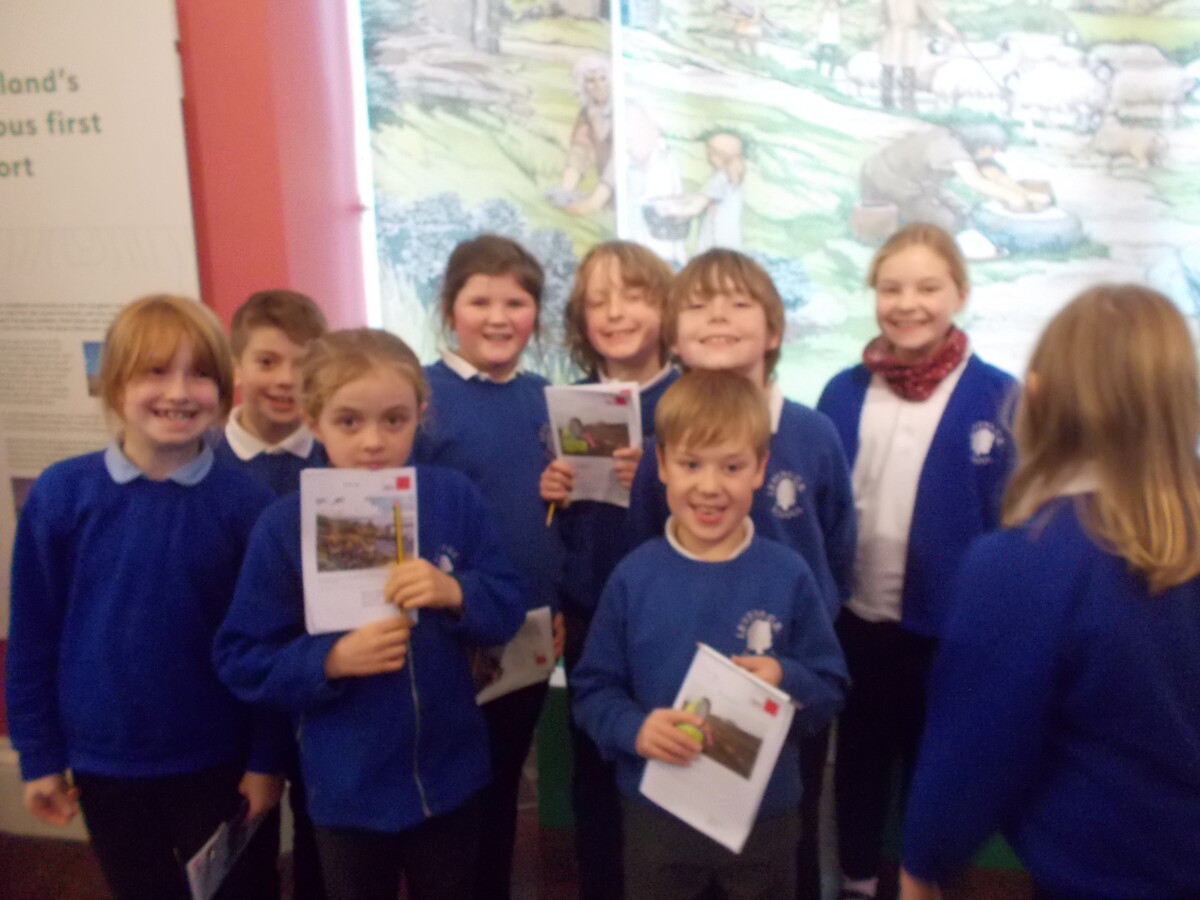
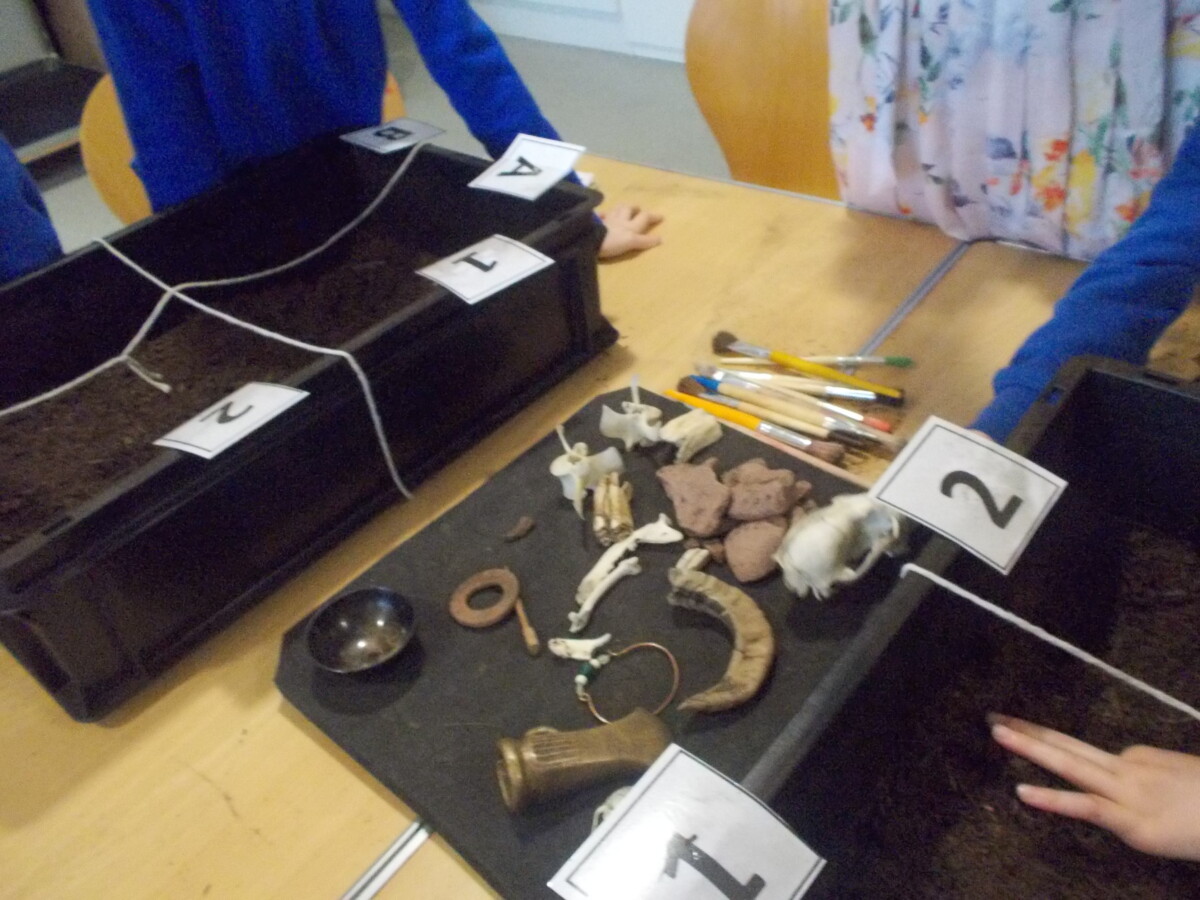
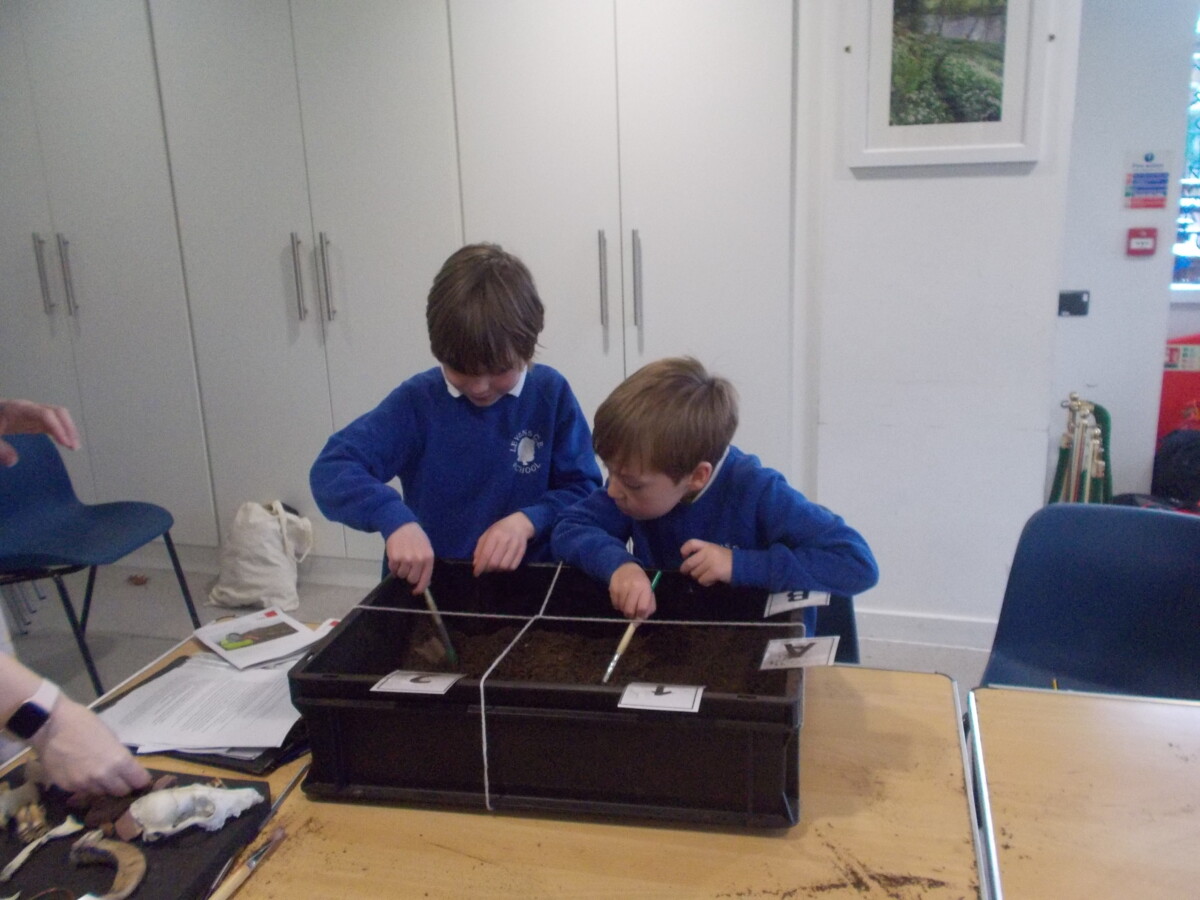
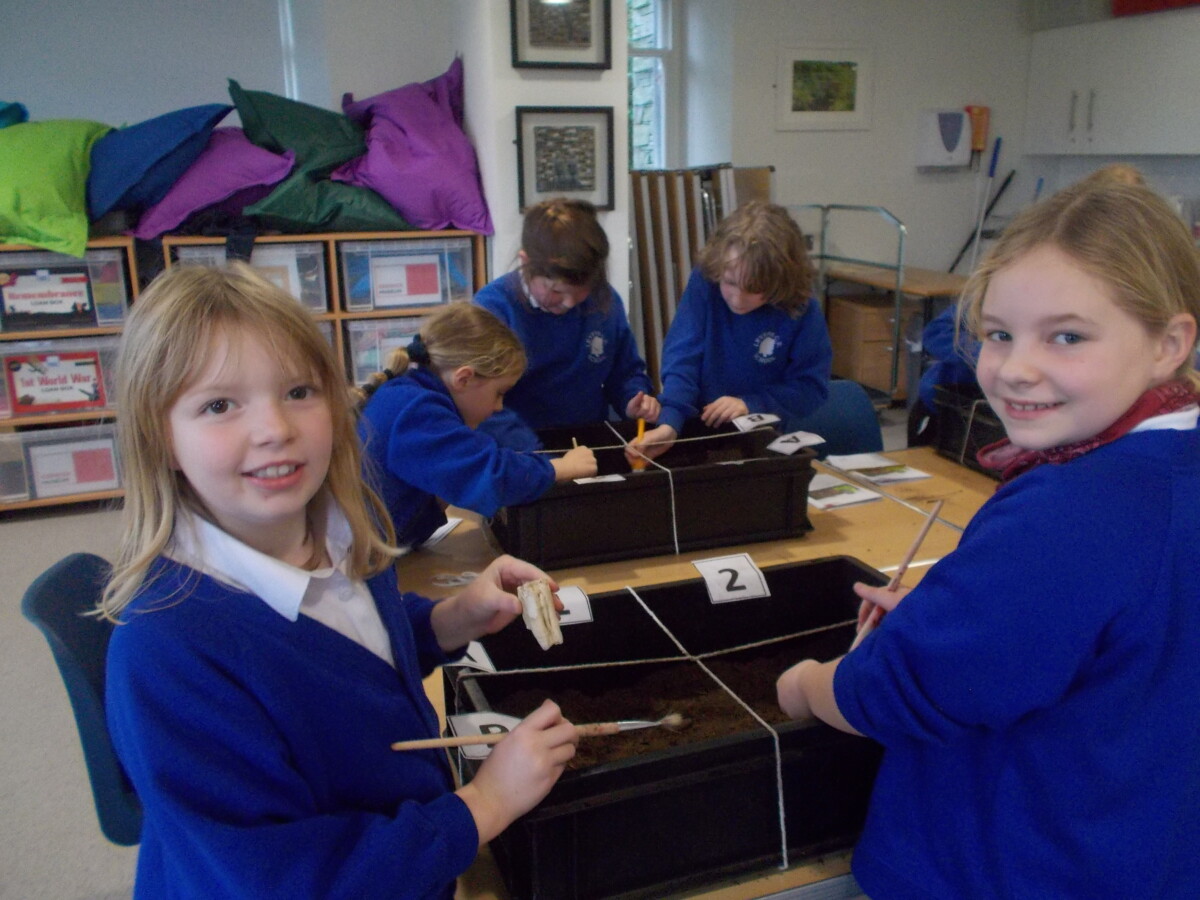
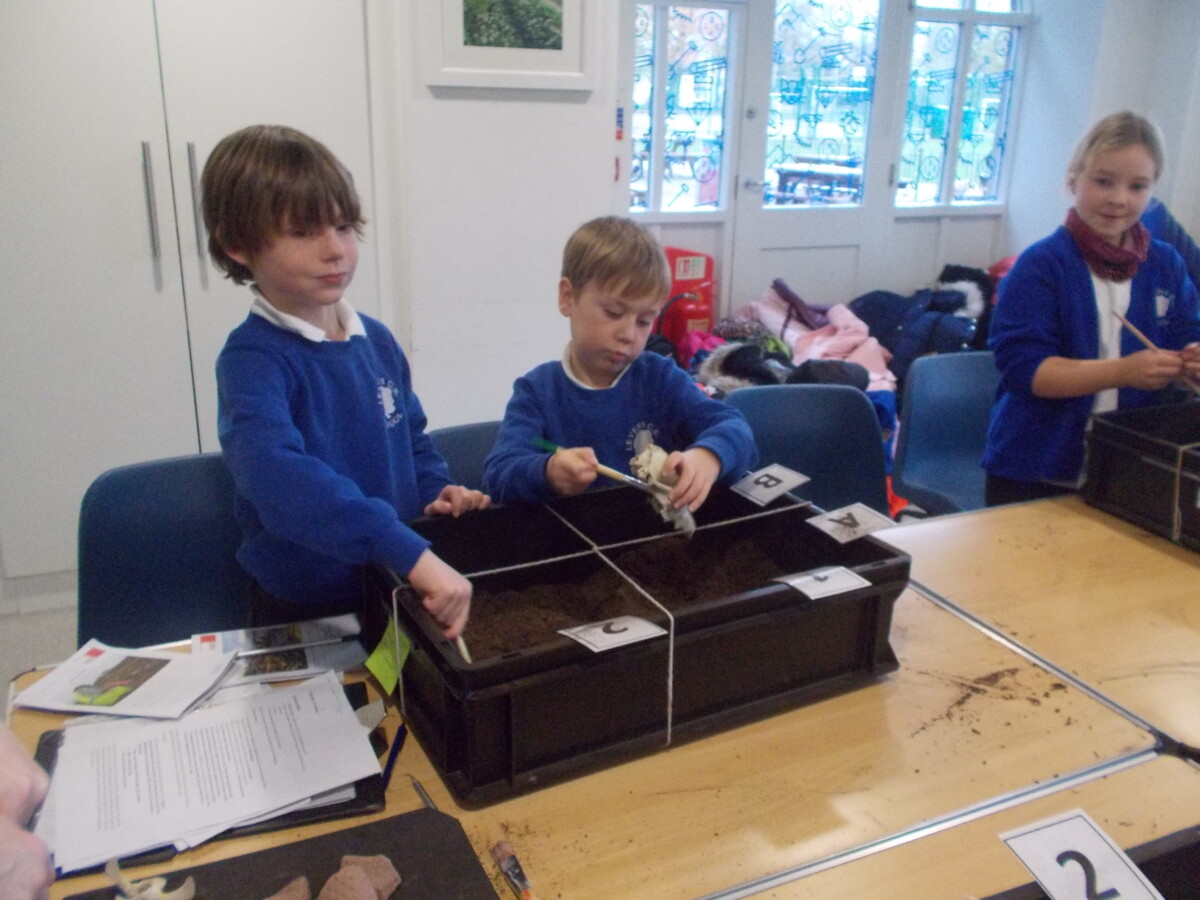
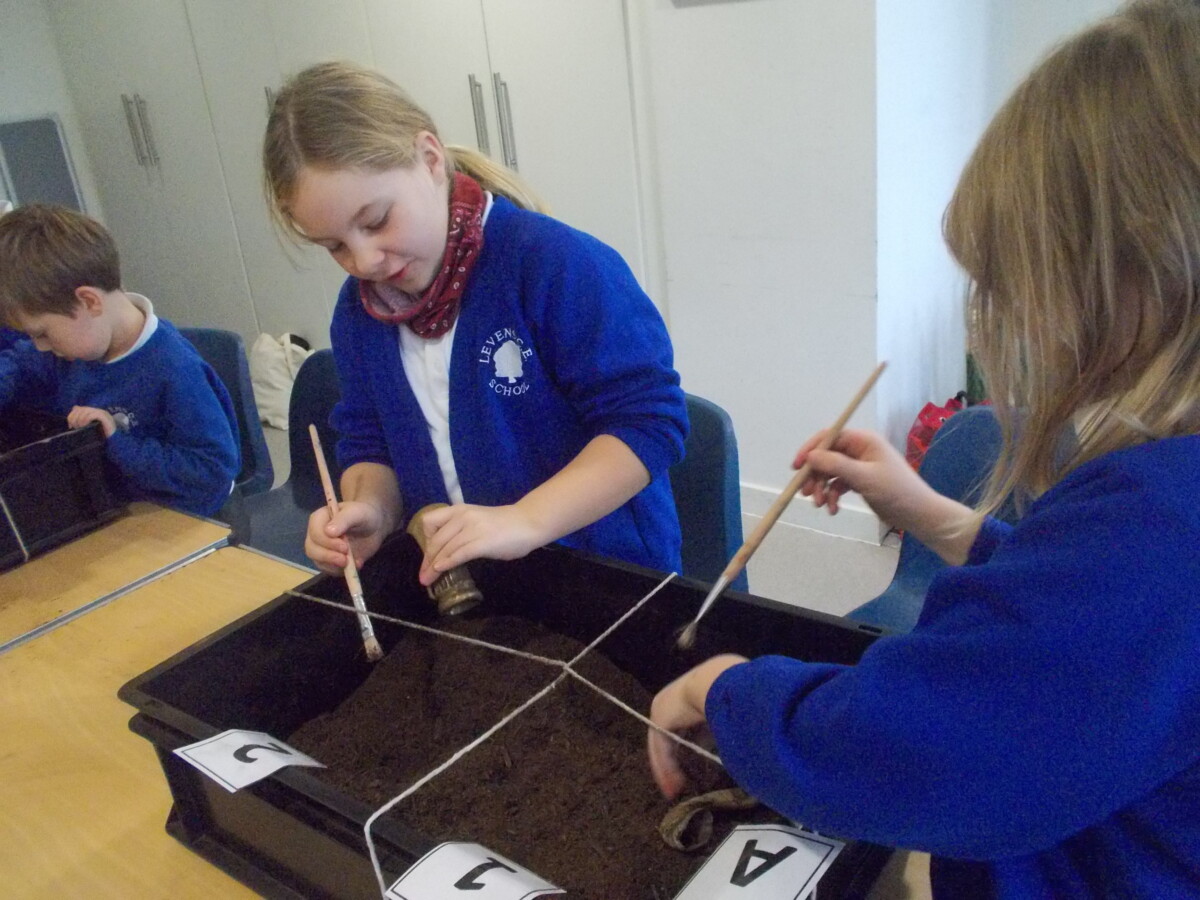
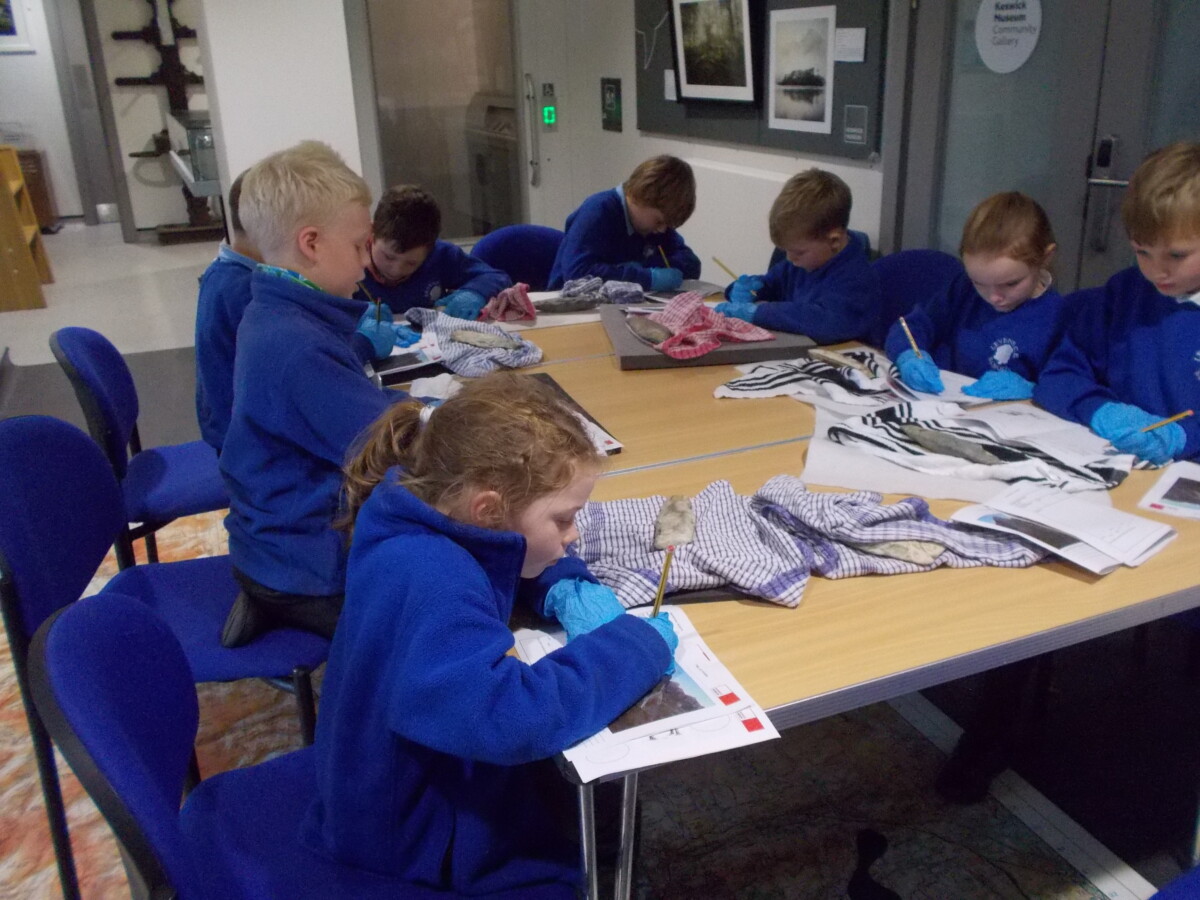
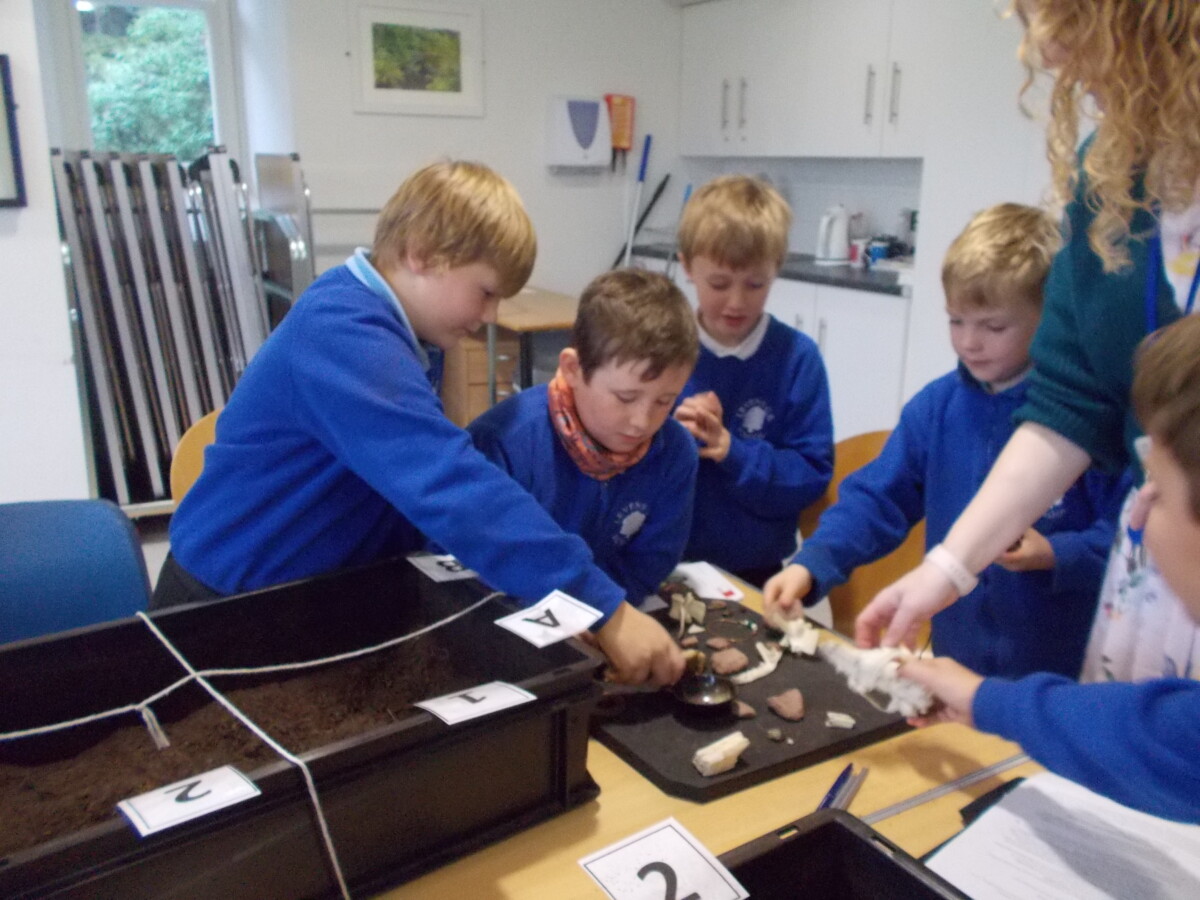
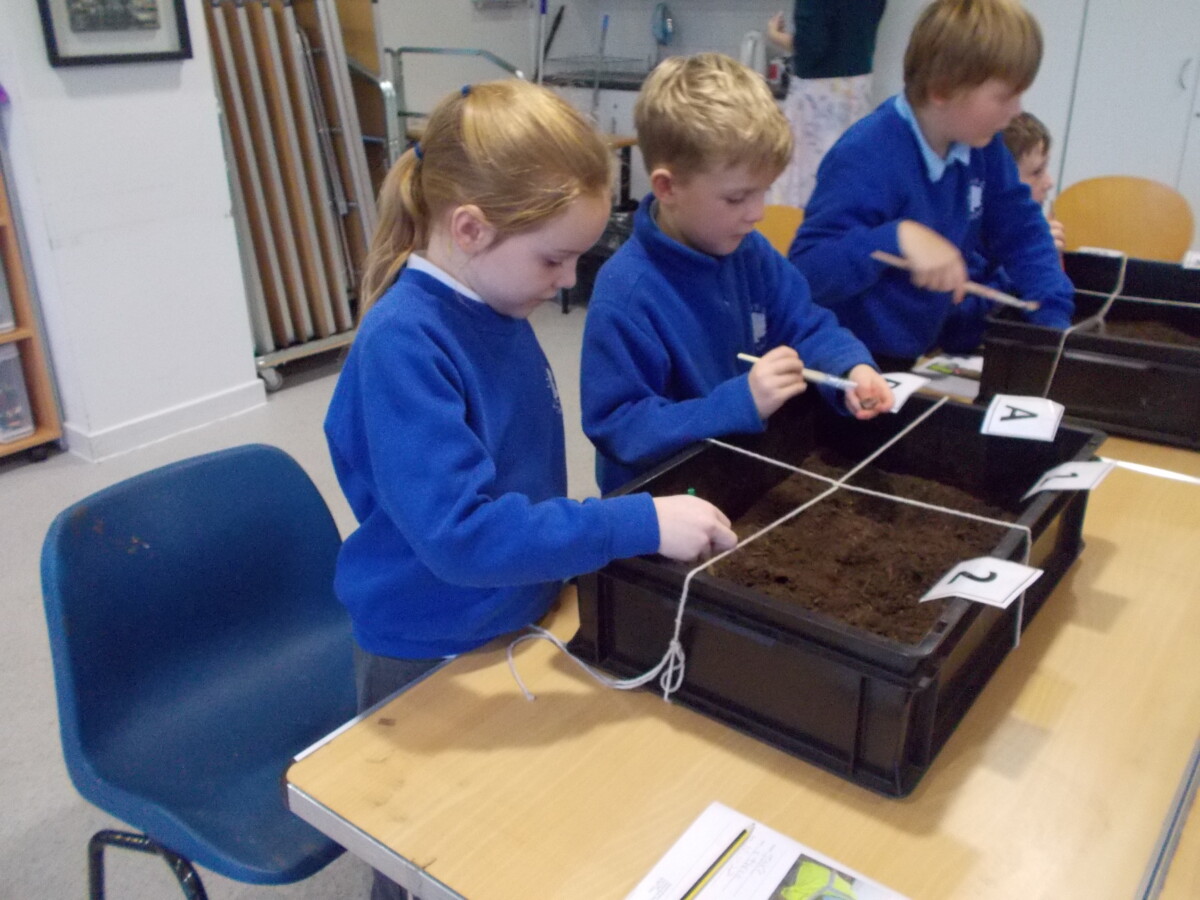
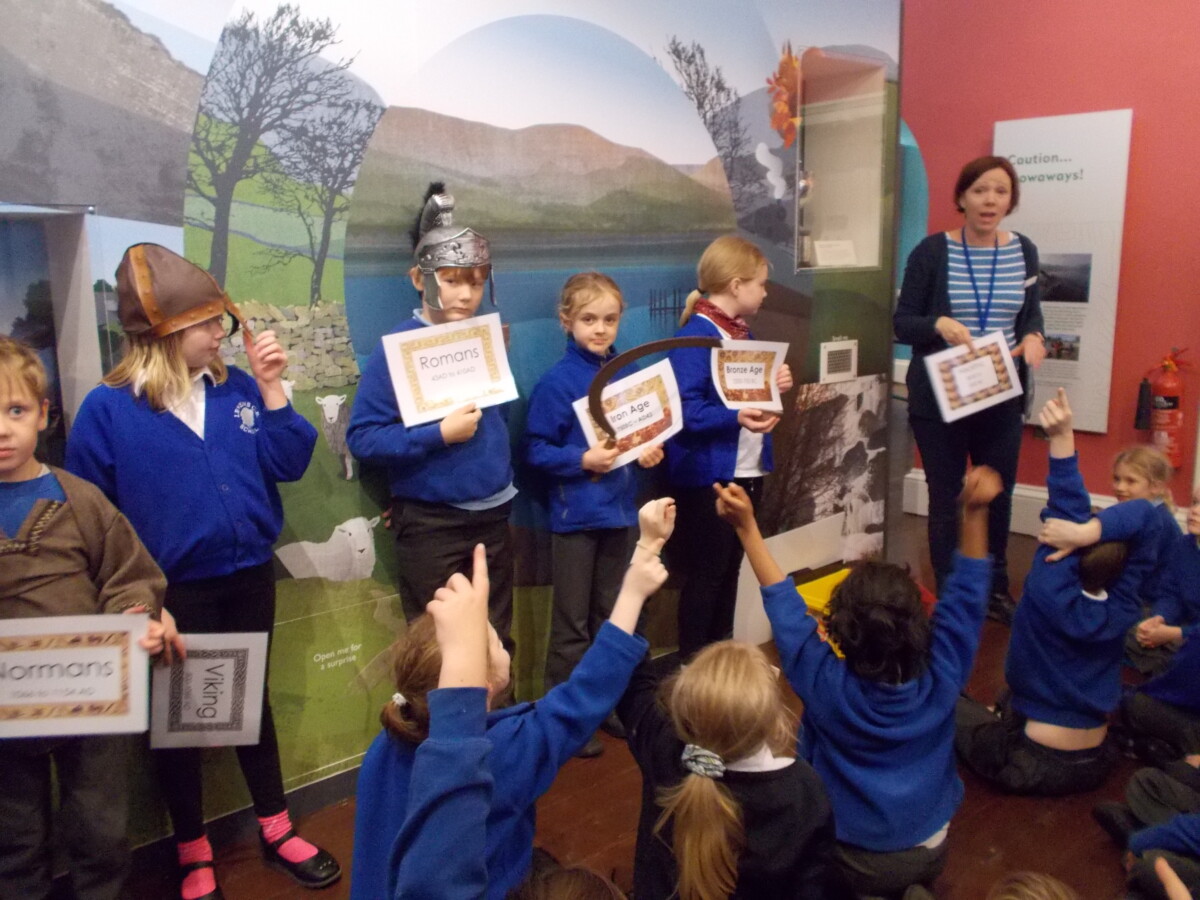
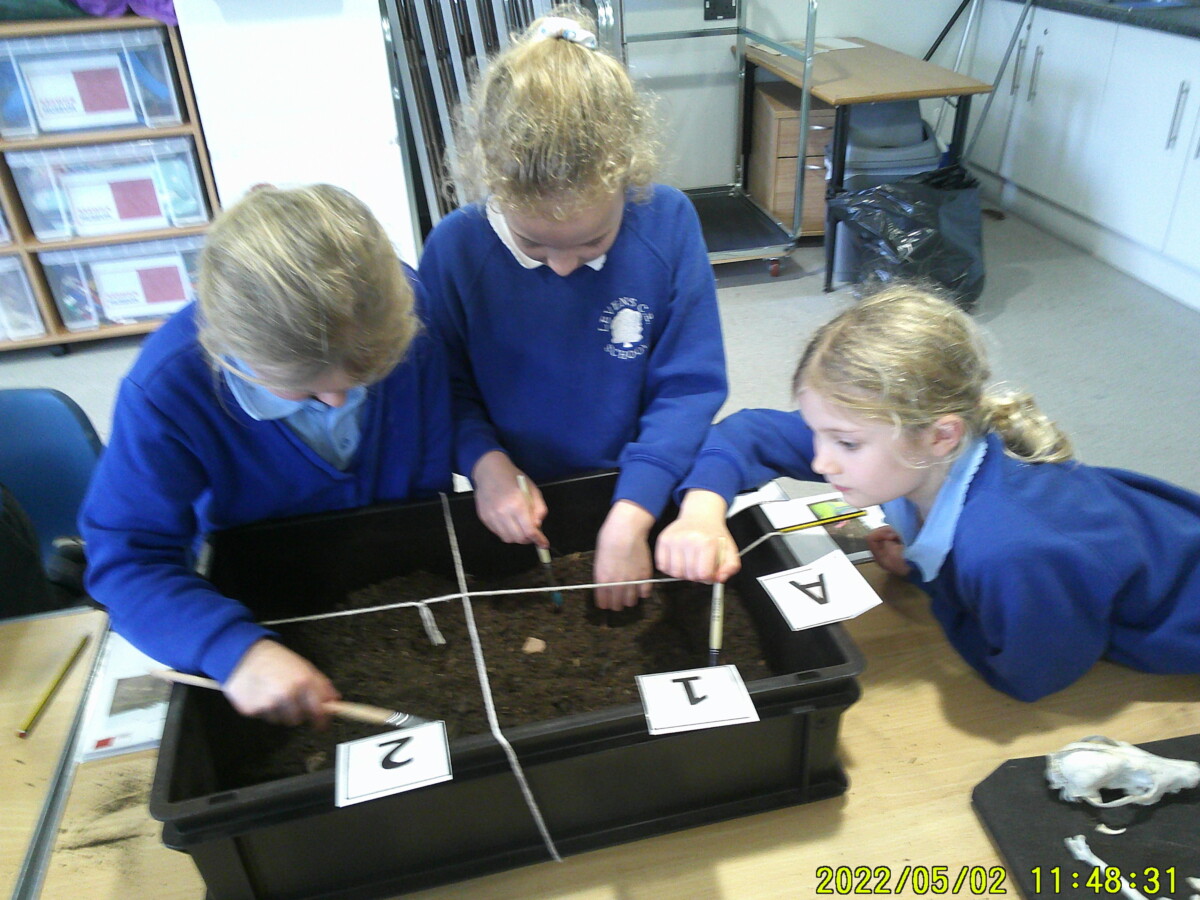
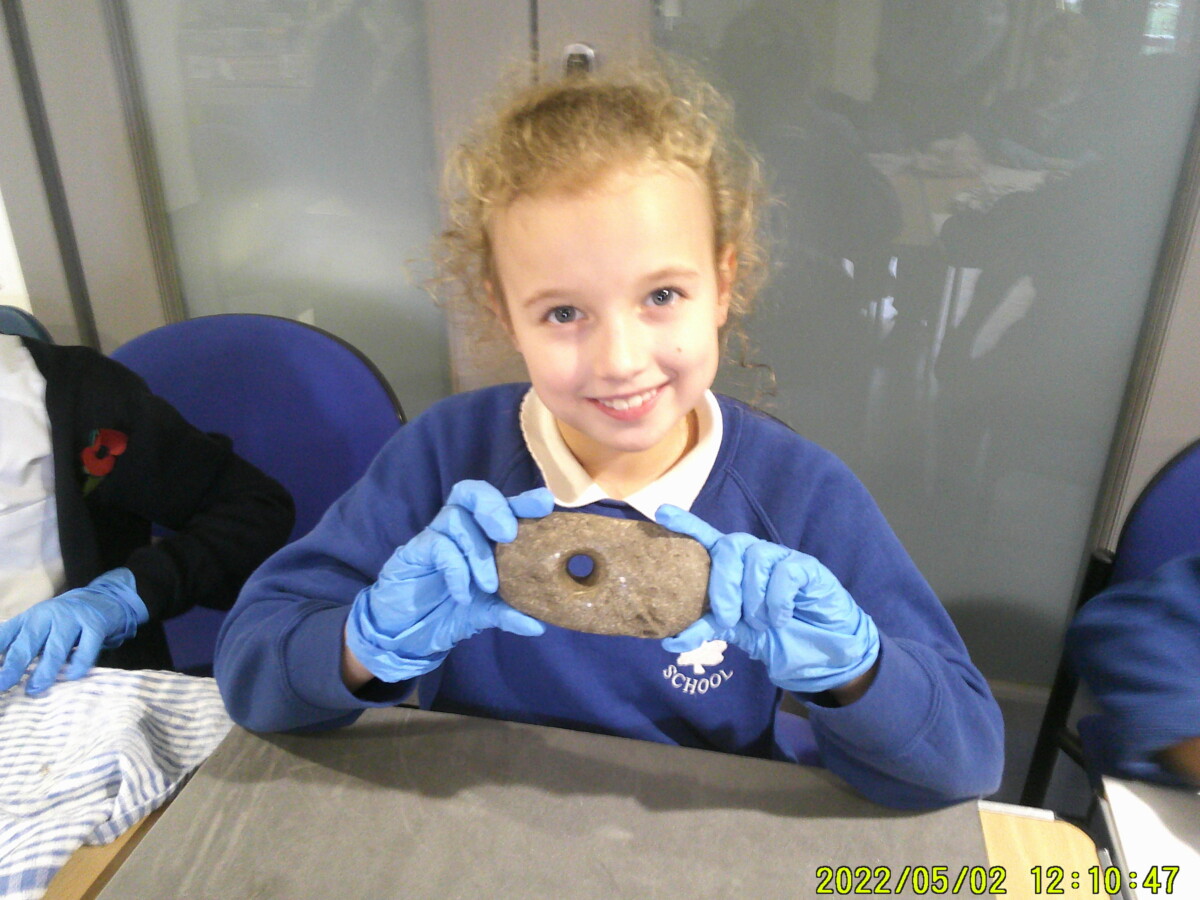
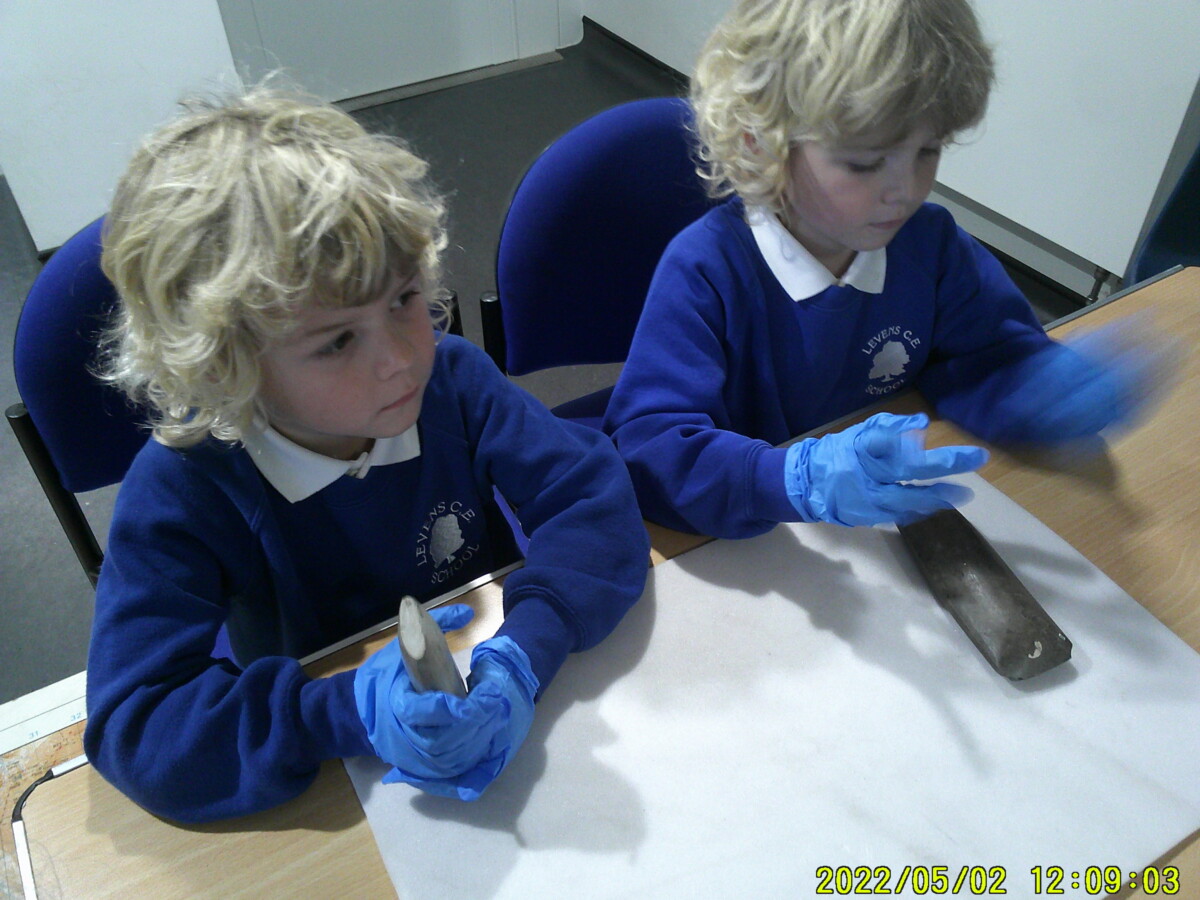
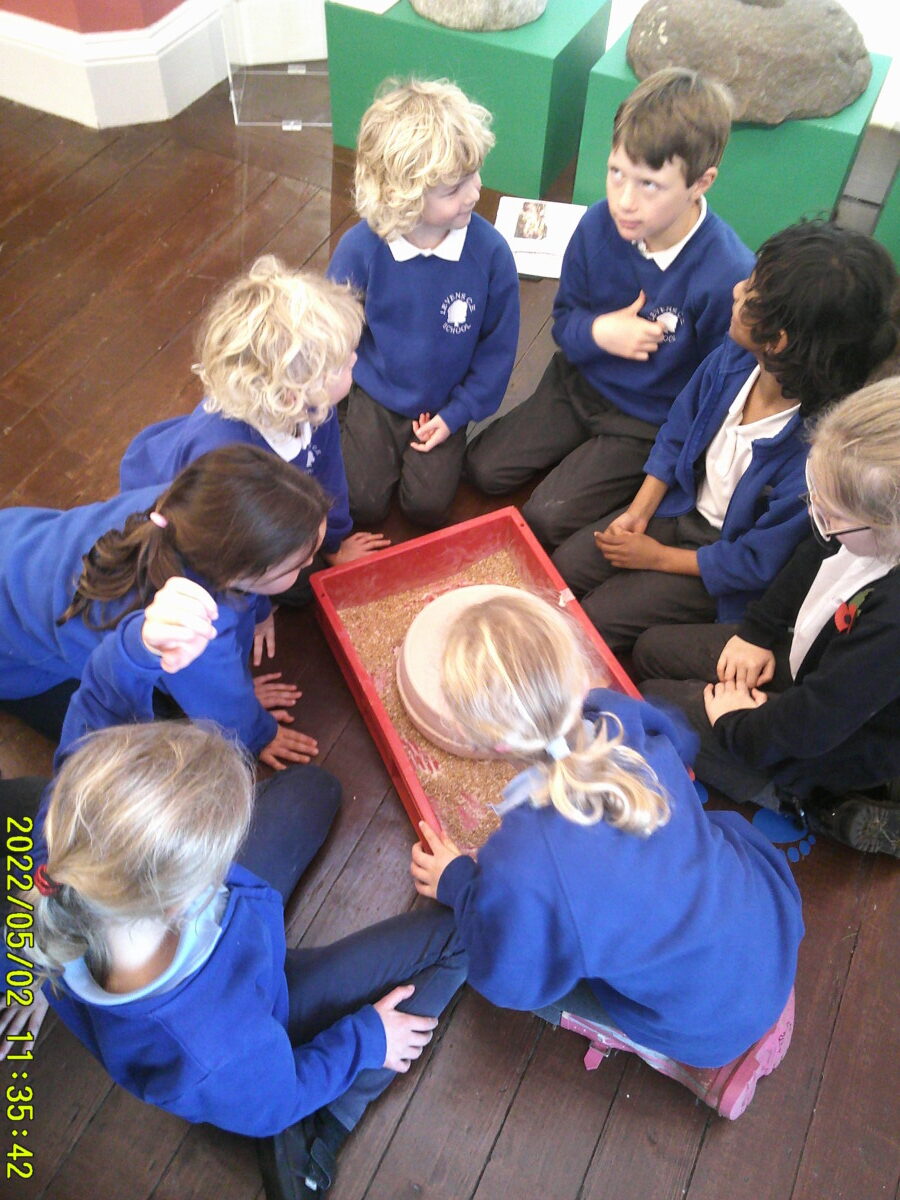
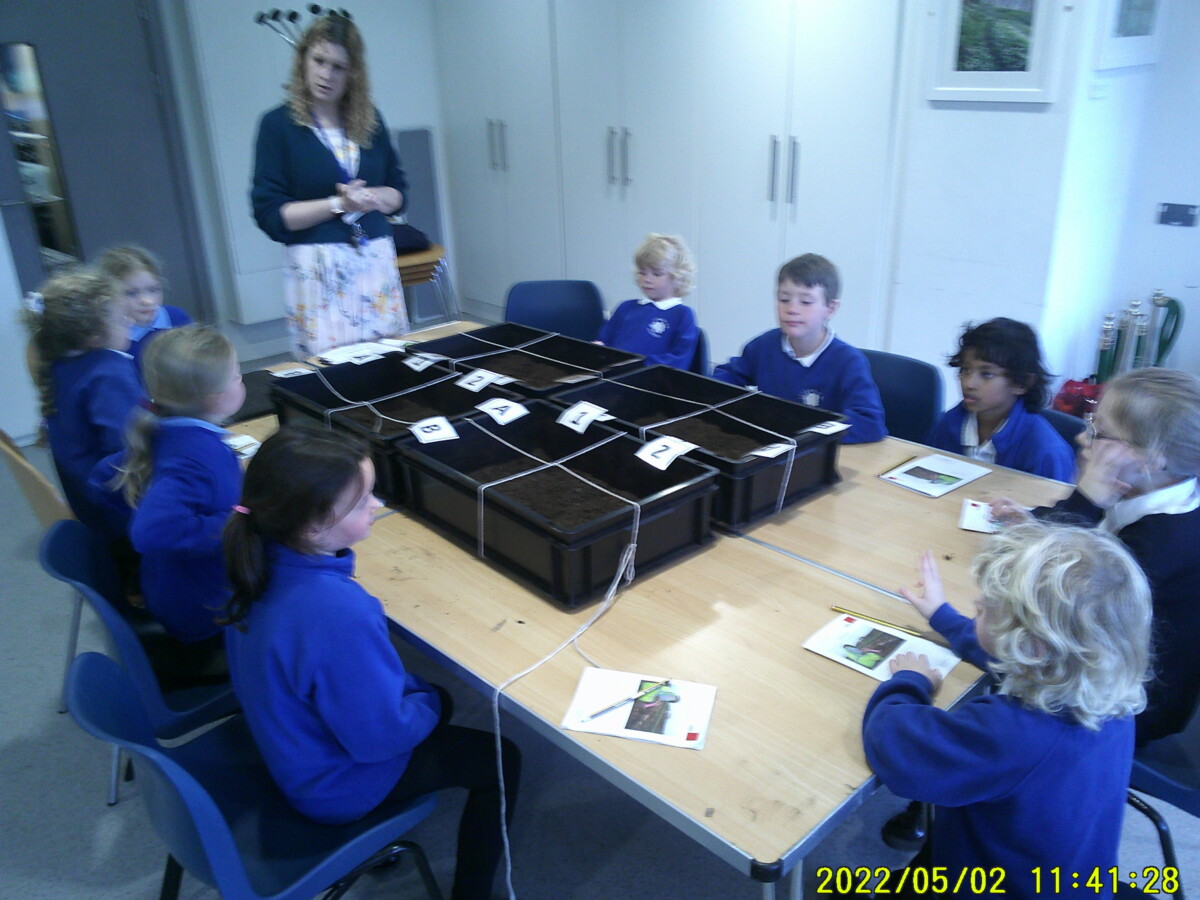
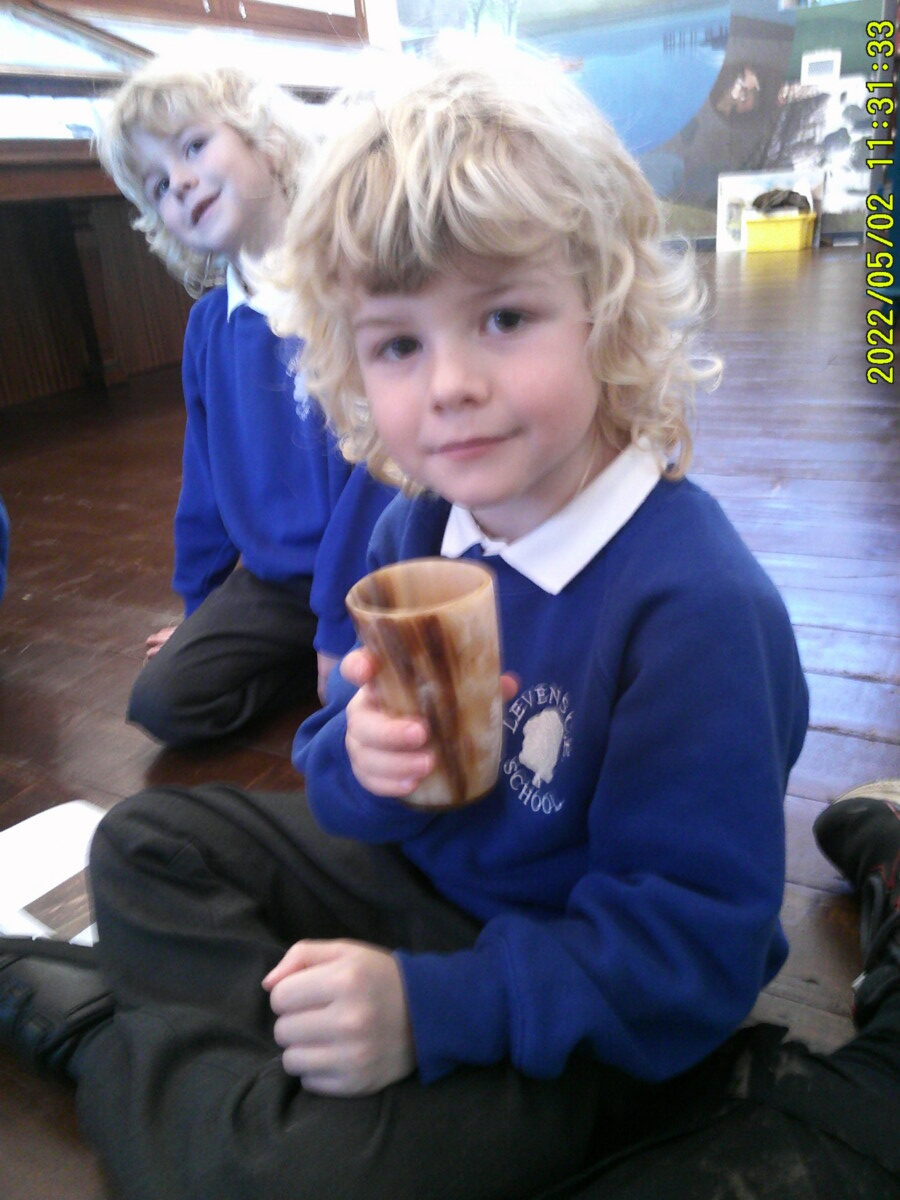
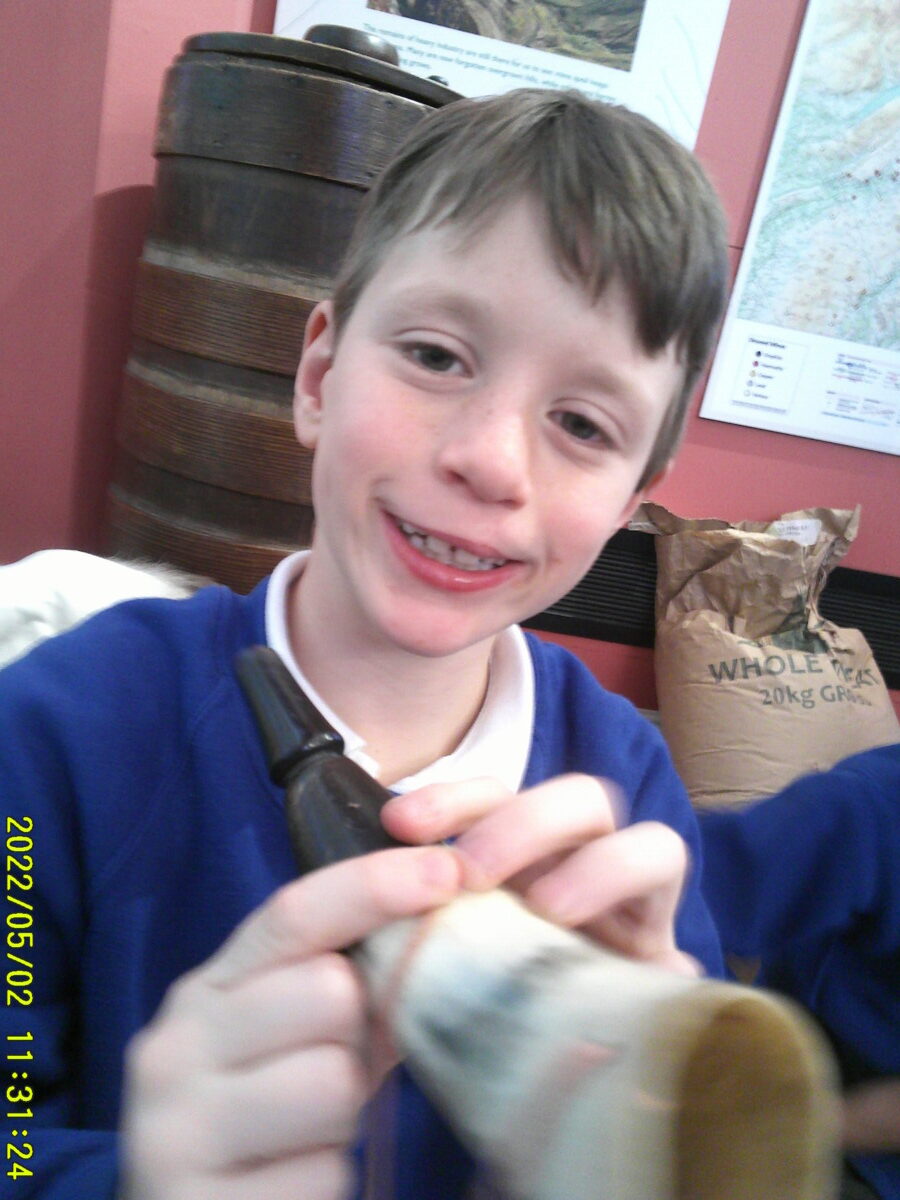
During the afternoon, we moved indoors to enjoy three workshops with the museum staff. We were able to handle ancient stone axes that had been found in a cave on the Pike of Stickle which were believed to have been the remains of a stone-age axe factory! We learnt about how hunter gatherers during the neolithic period survived in ancient Britain and we also became real archaeologists searching for hidden artefacts in the earth.
See us here, learning more about life in Stone-Age Britain and how historians have been able to piece together so much information about this time long before writing was invented!

-
- $CoMmEntbO
-
- $CoMmEntbO
-
- $CoMmEntbO
-
- $CoMmEntbO
-
- $CoMmEntbO
-
- $CoMmEntbO
-
- $CoMmEntbO
-
- $CoMmEntbO