Levens School


Fabulous Anglo-Saxon homework.

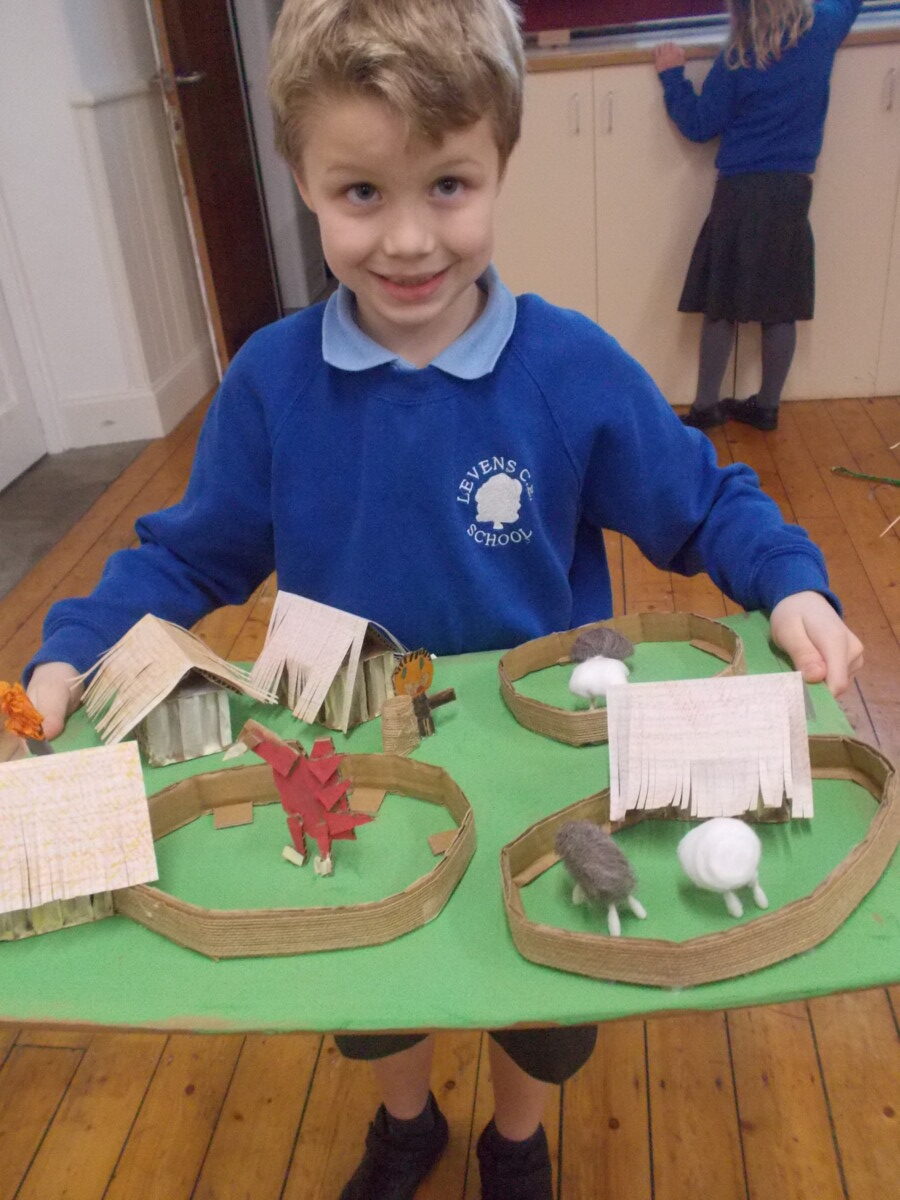
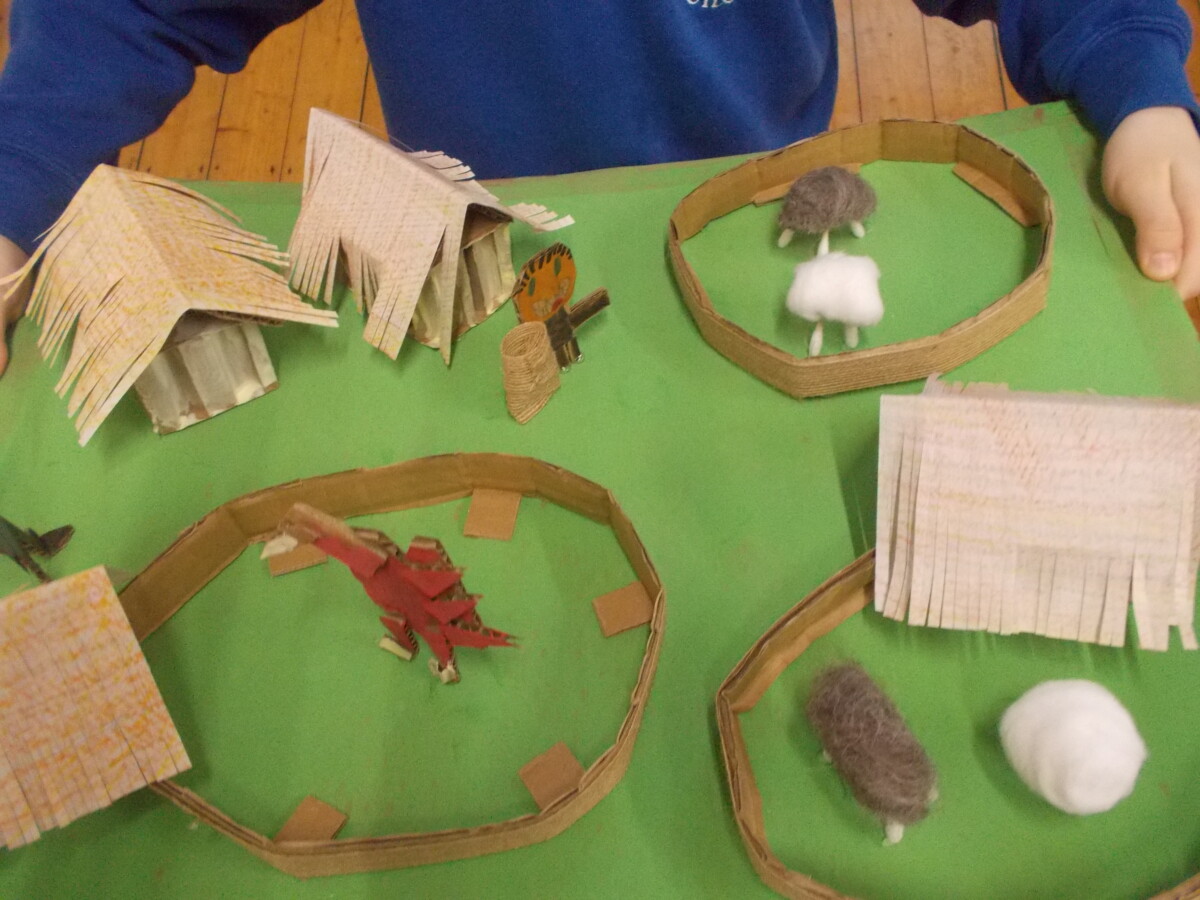
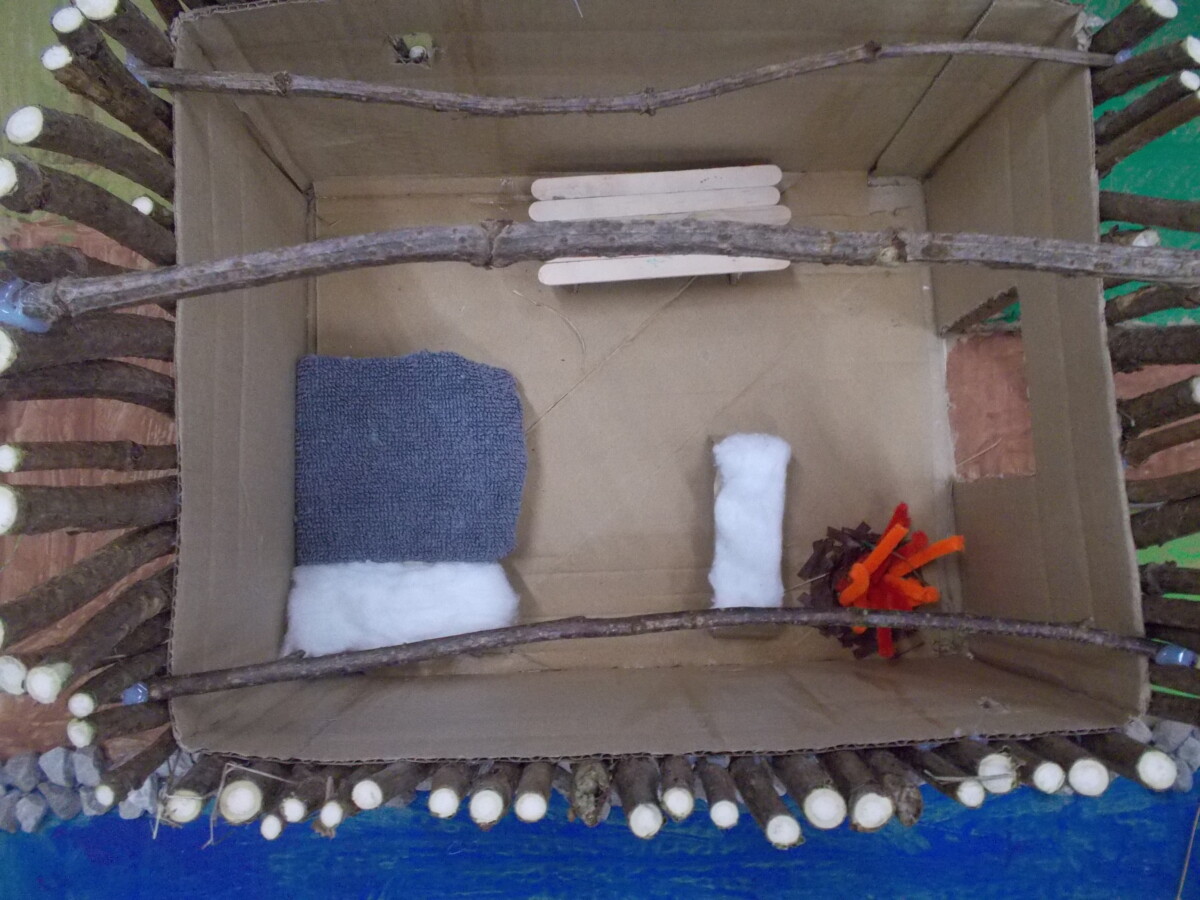
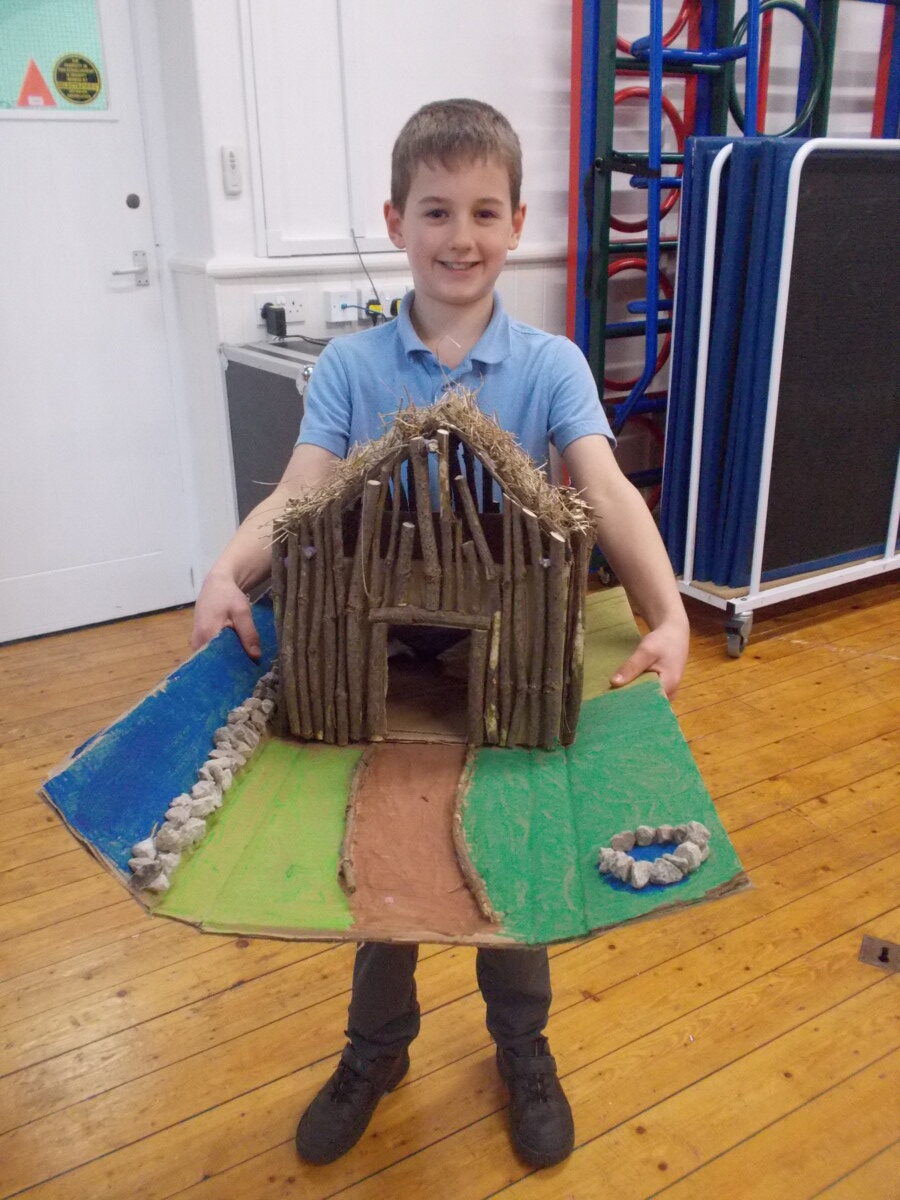
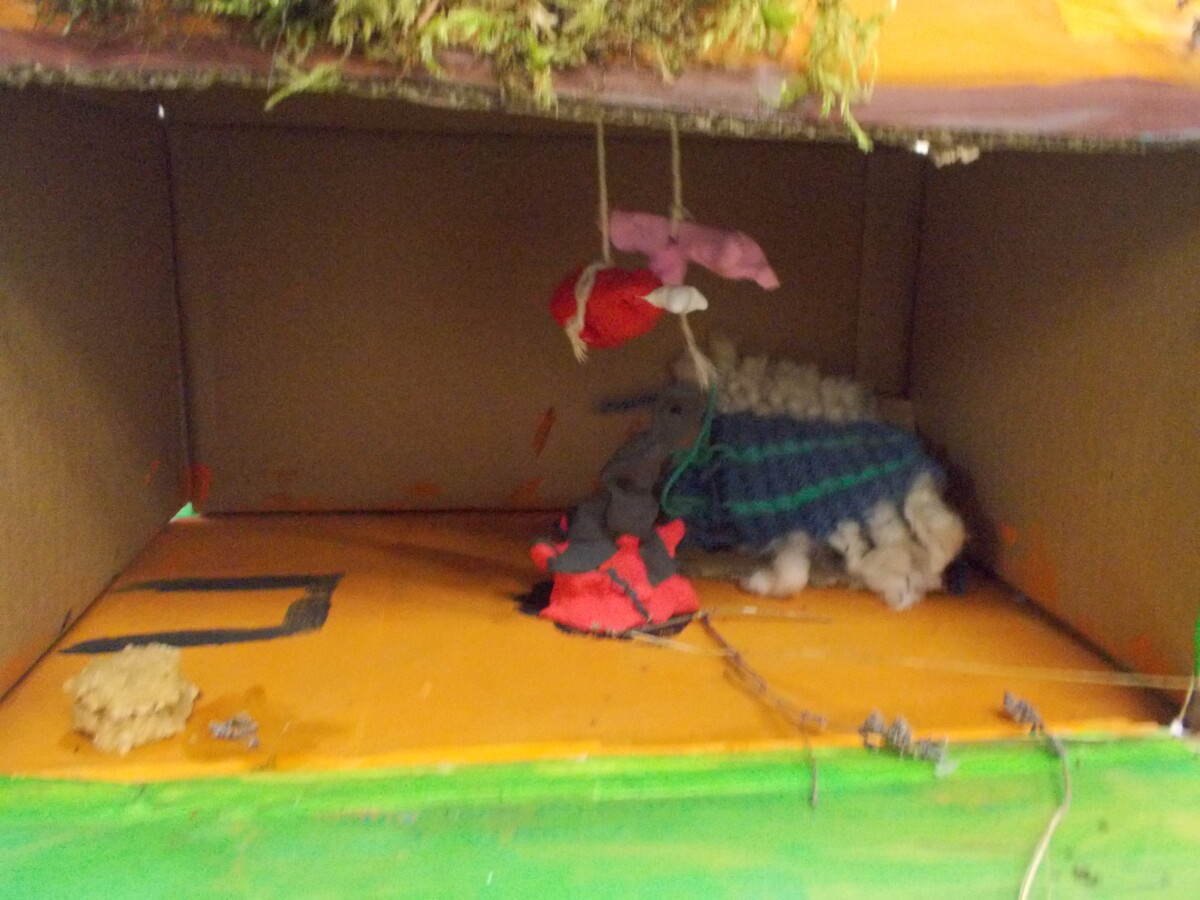
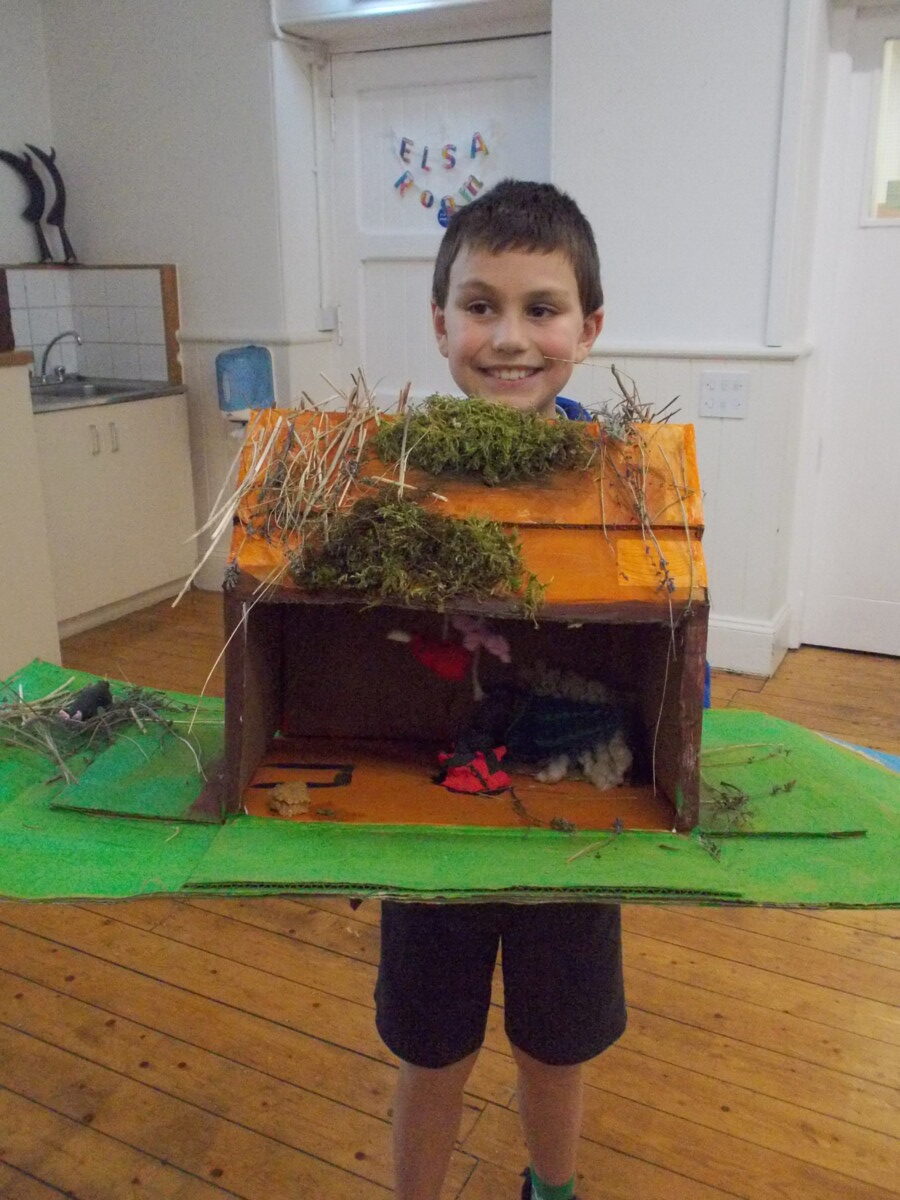
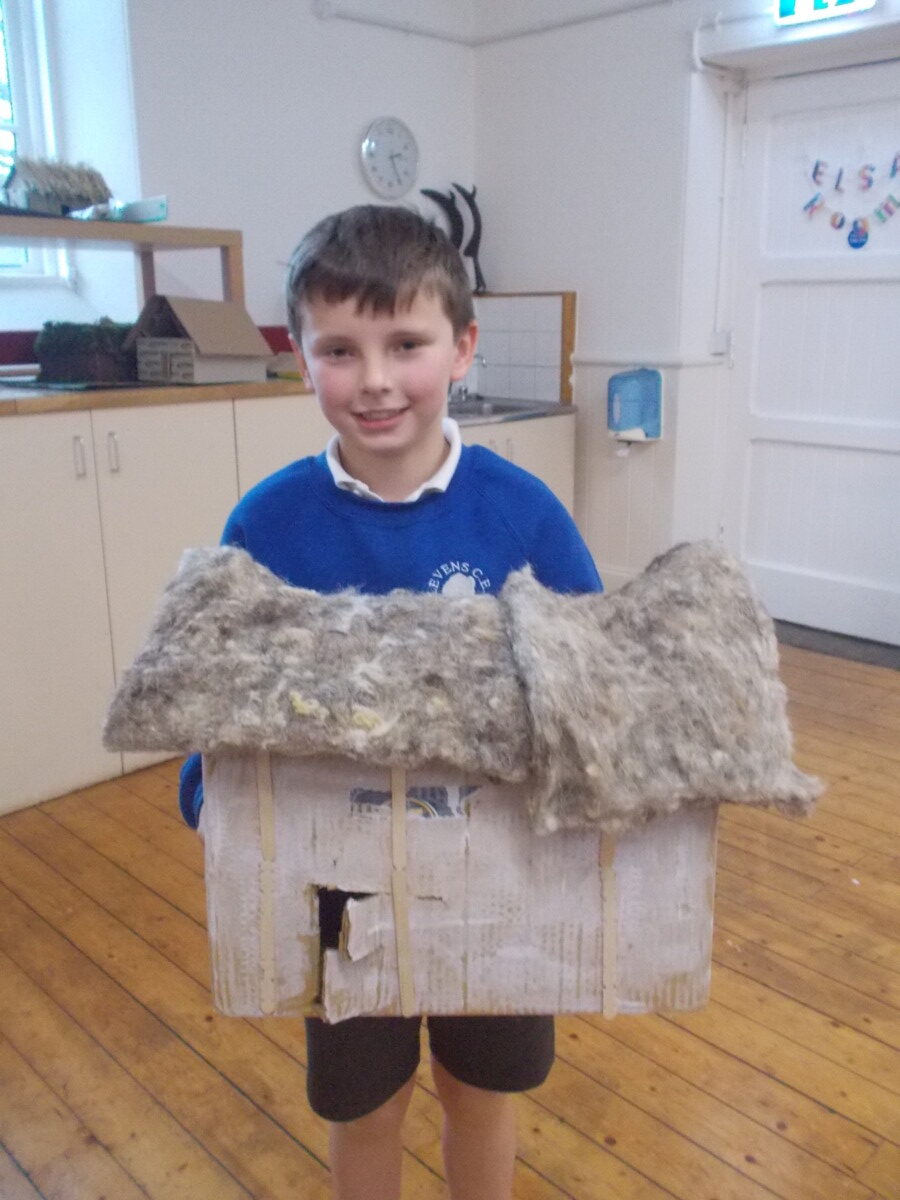
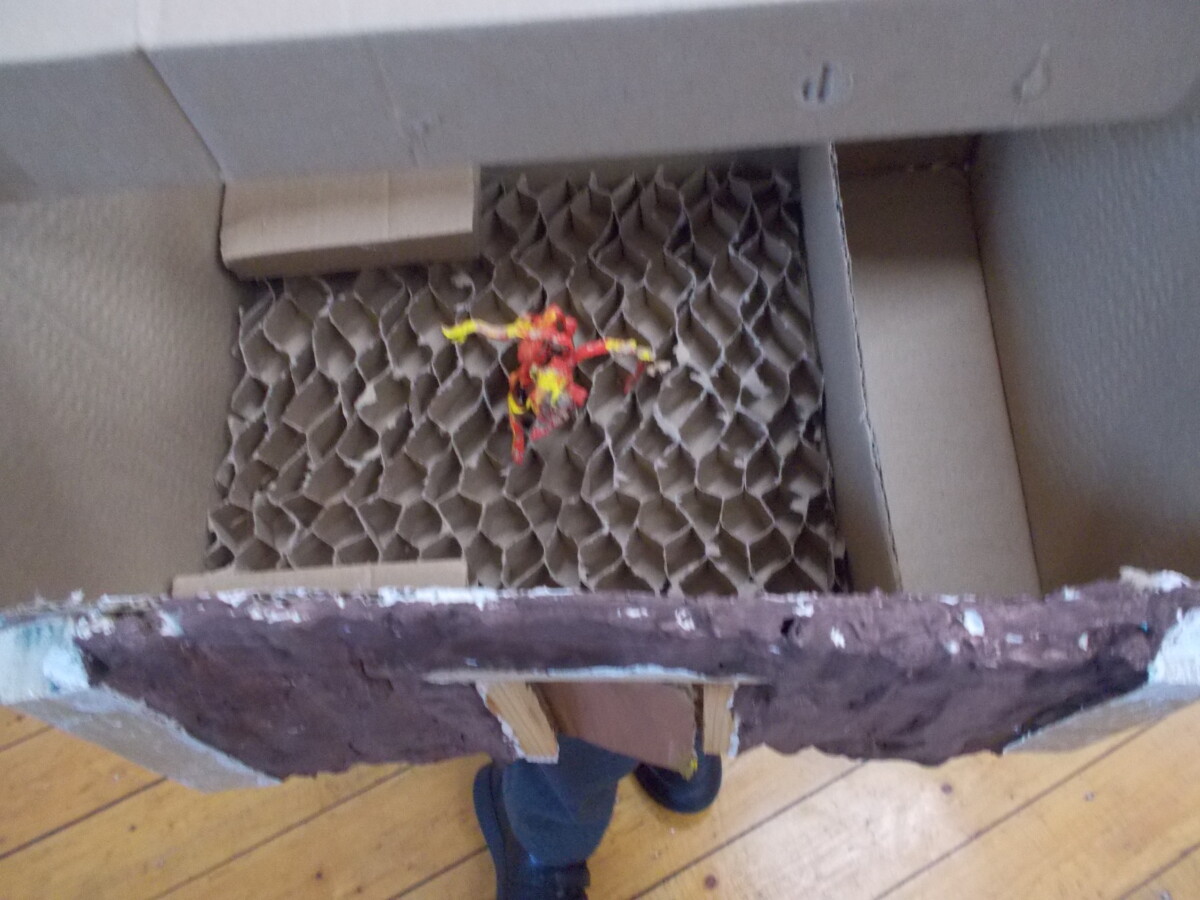
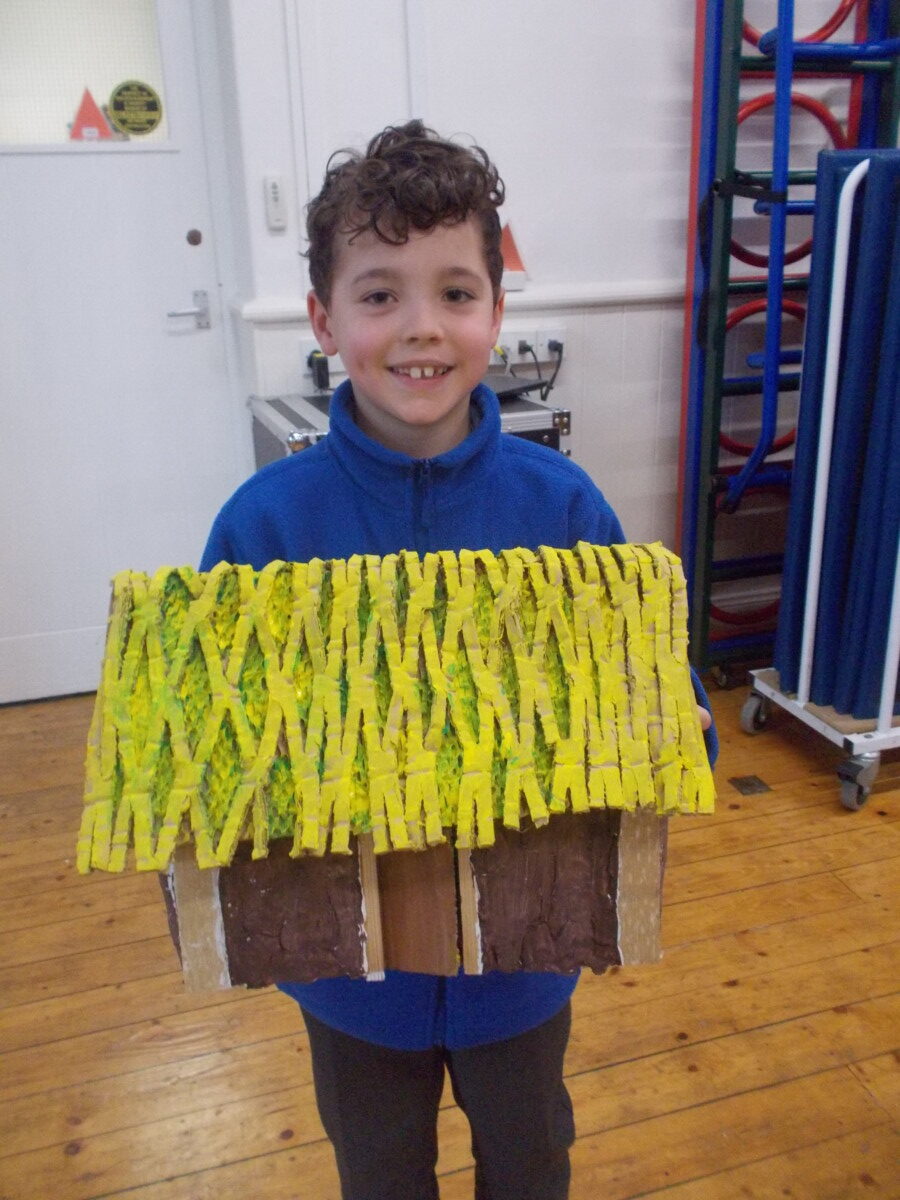
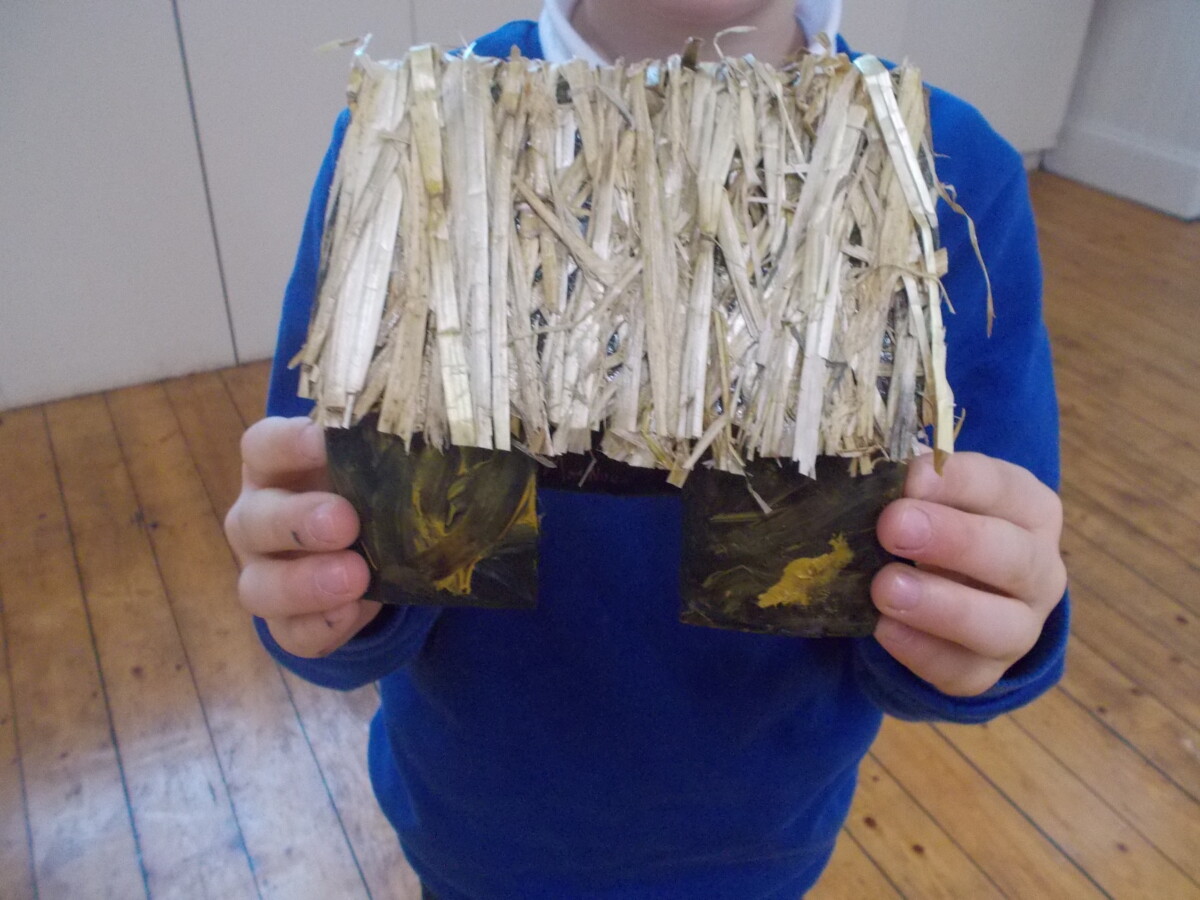
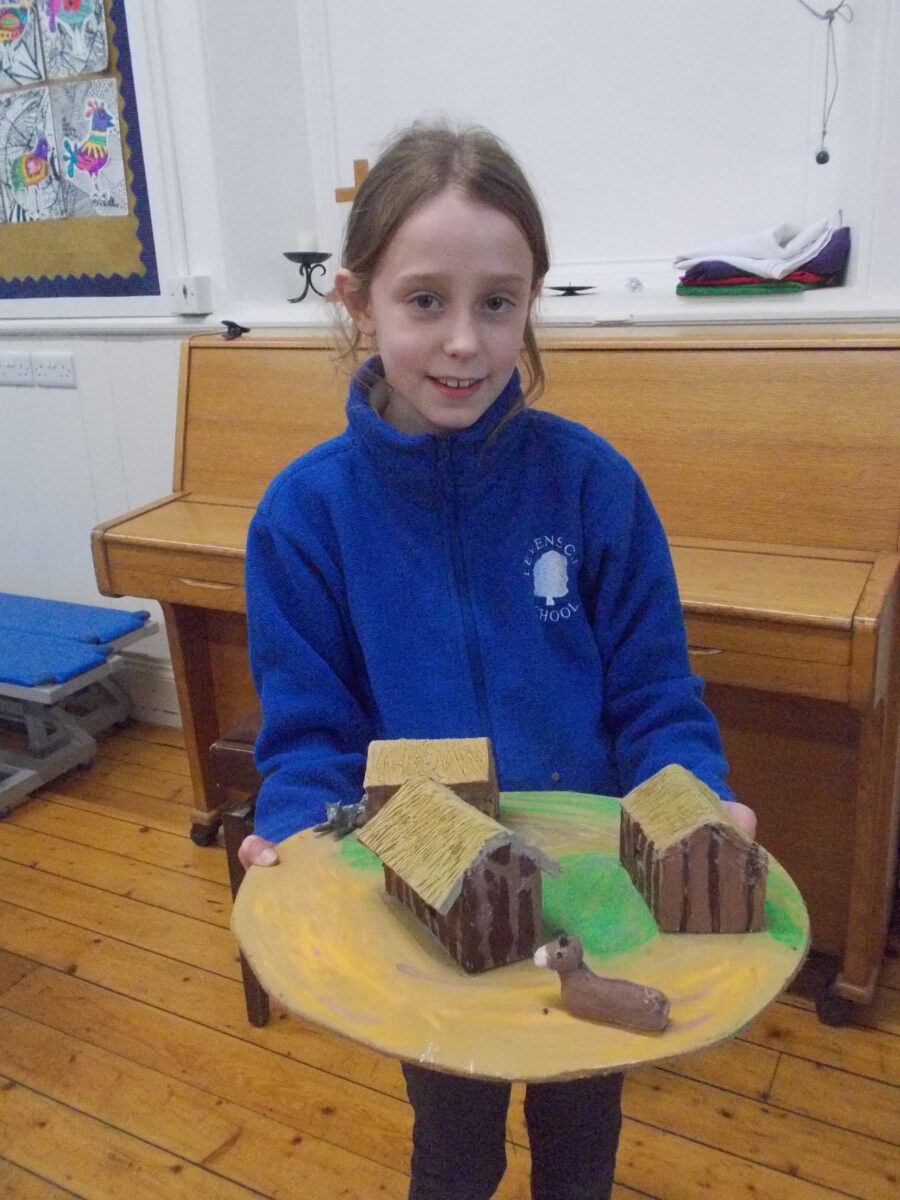
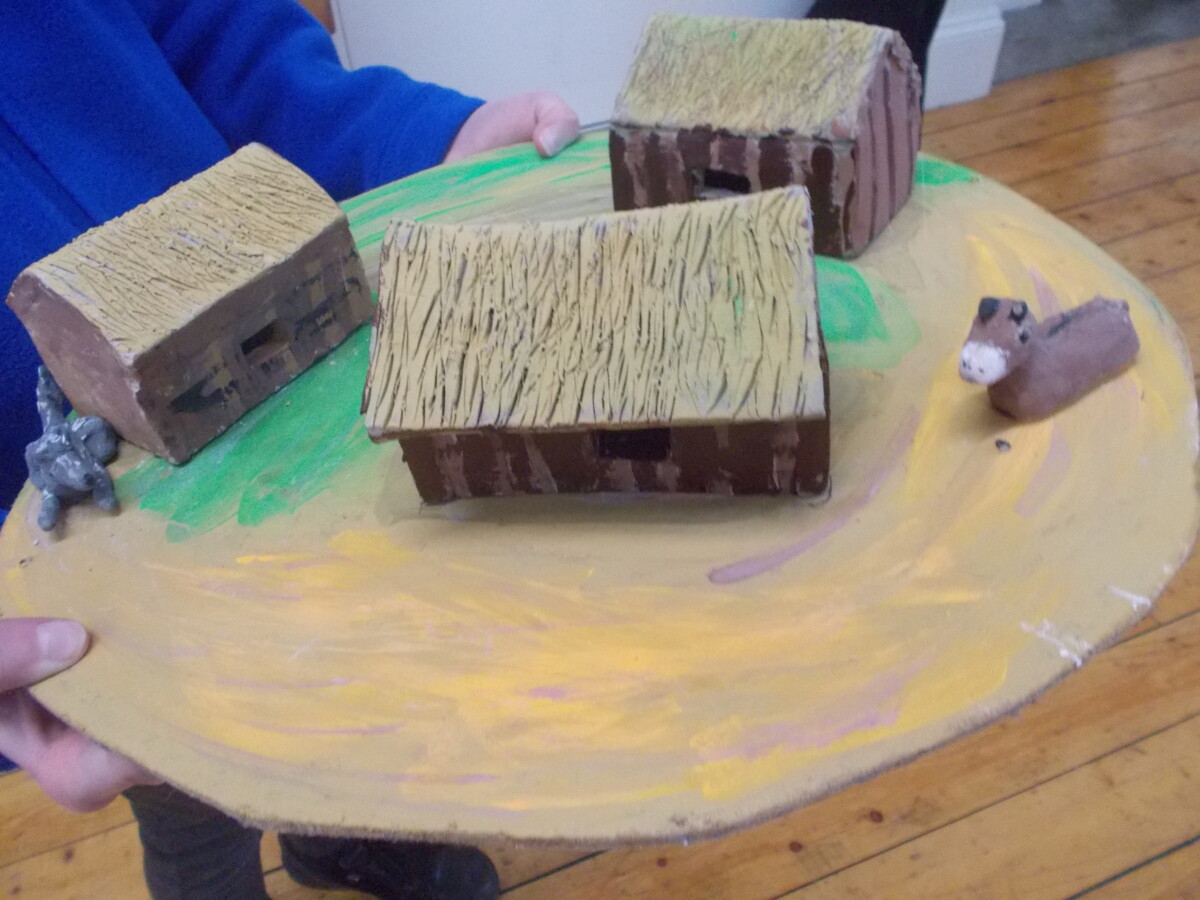
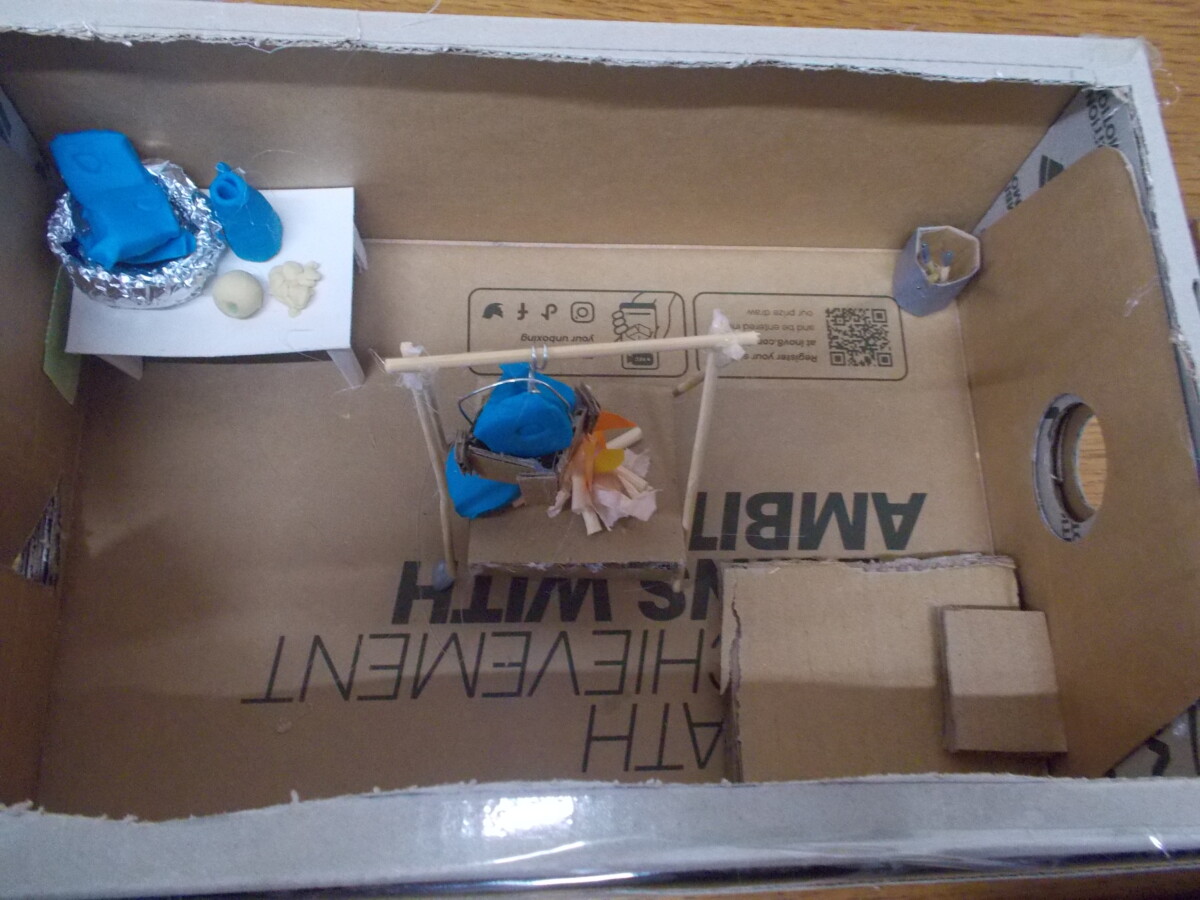
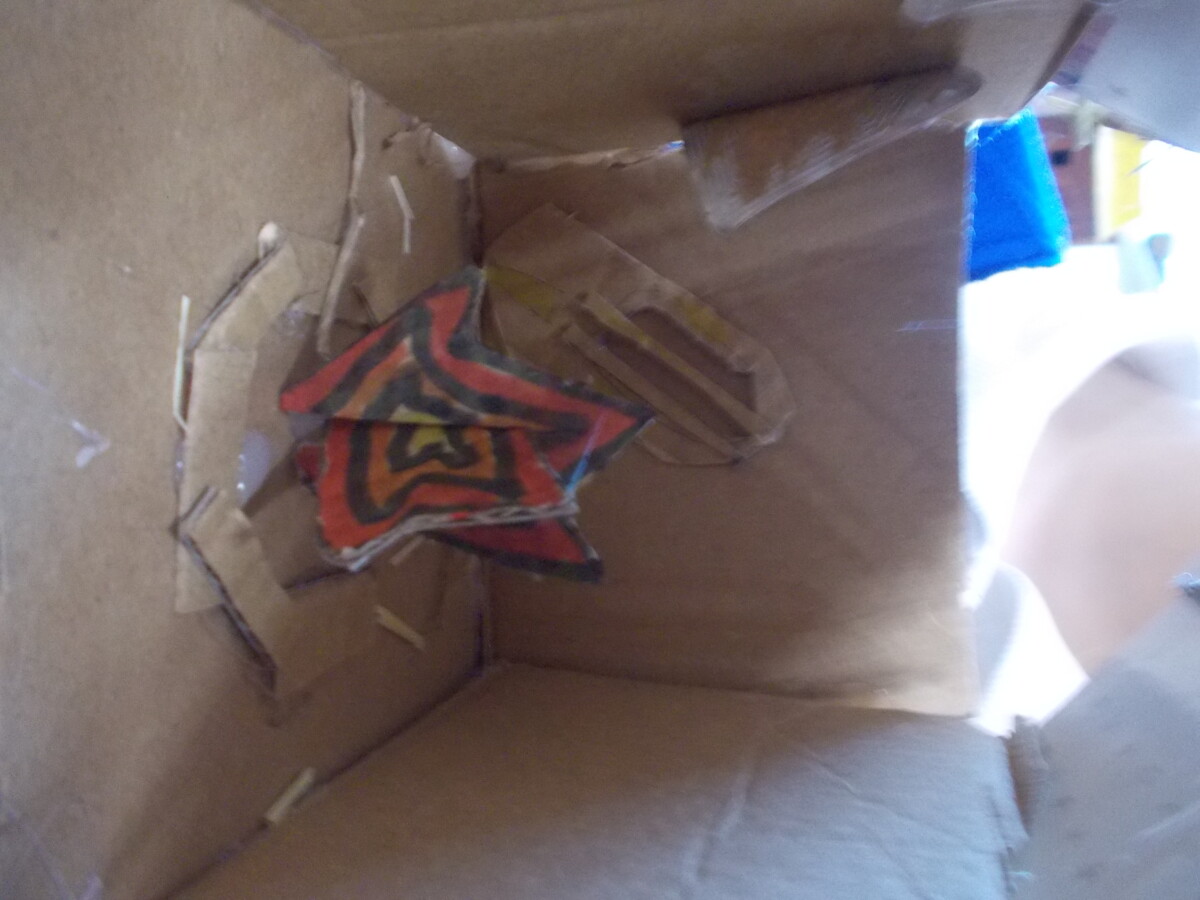
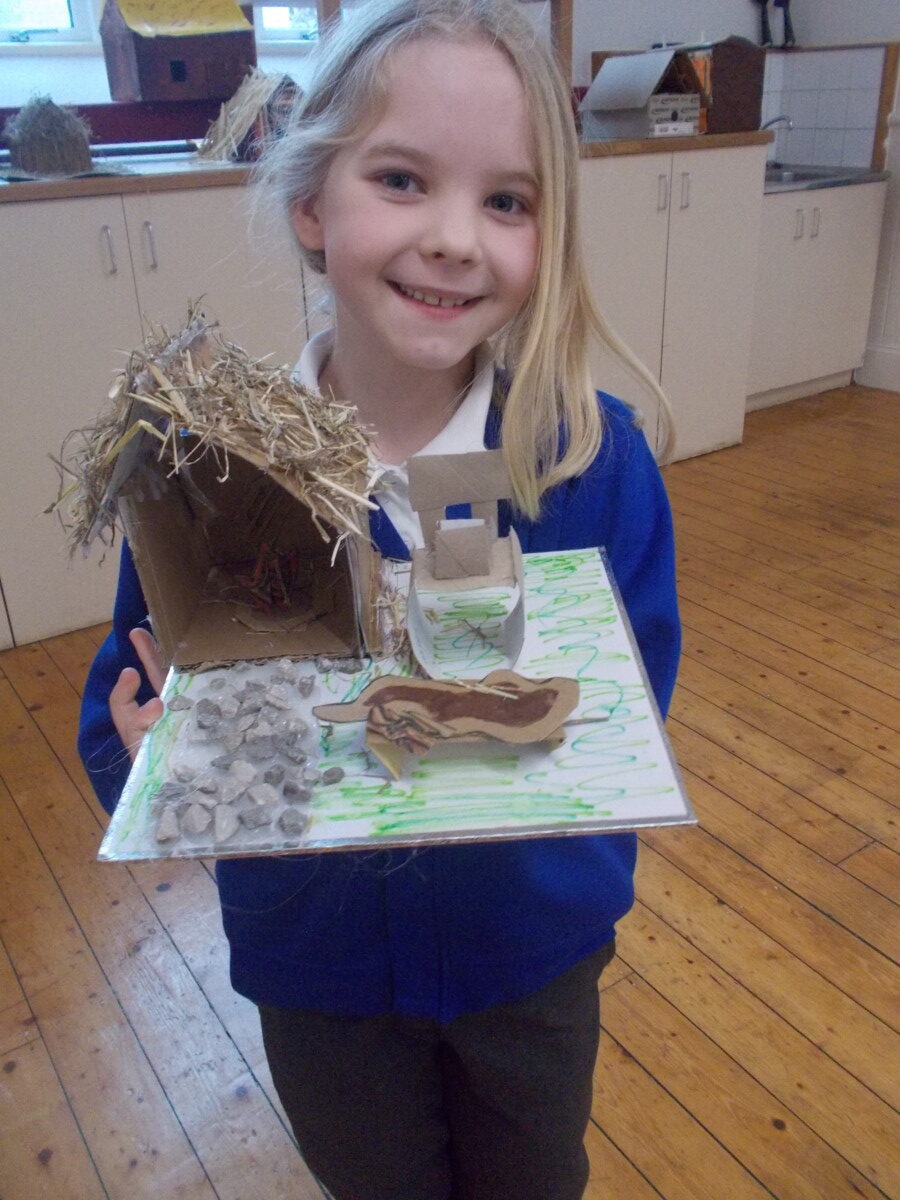
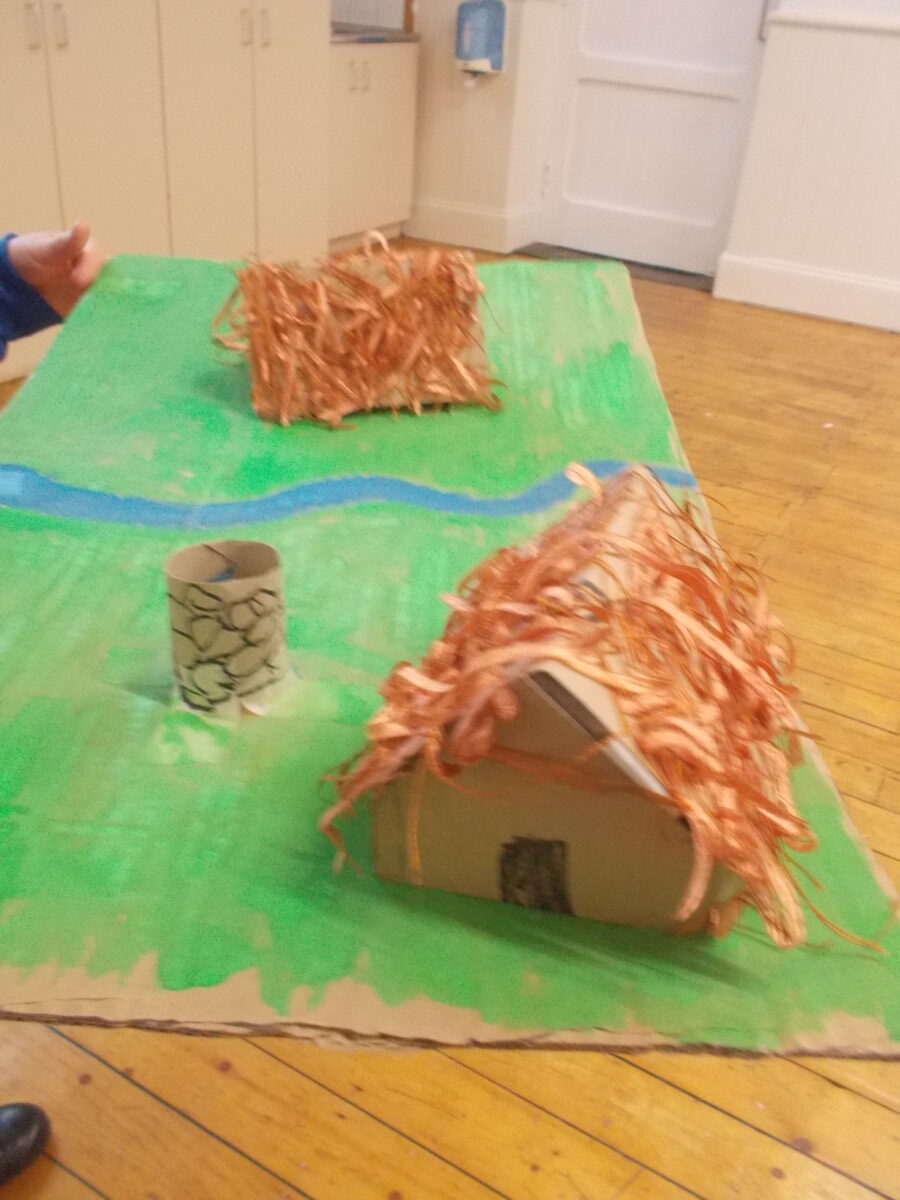
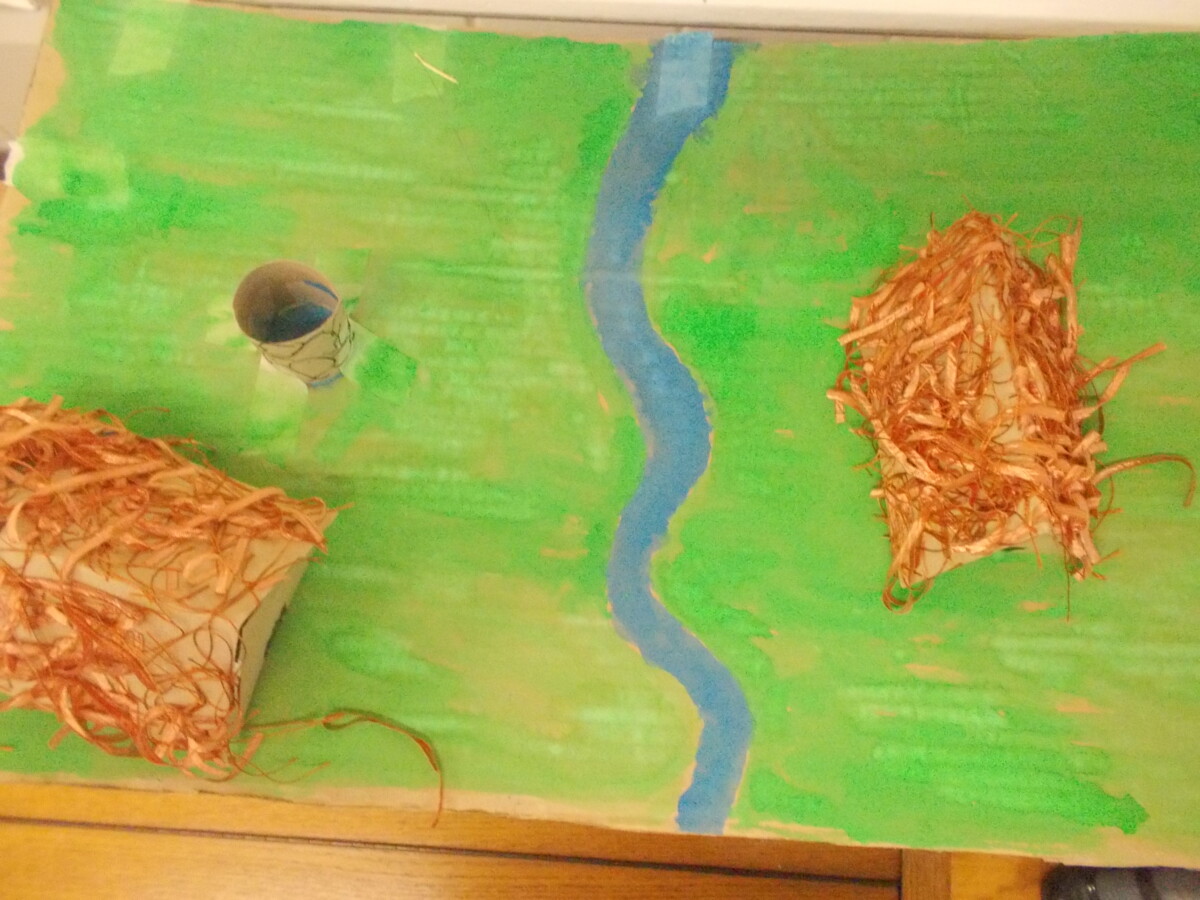
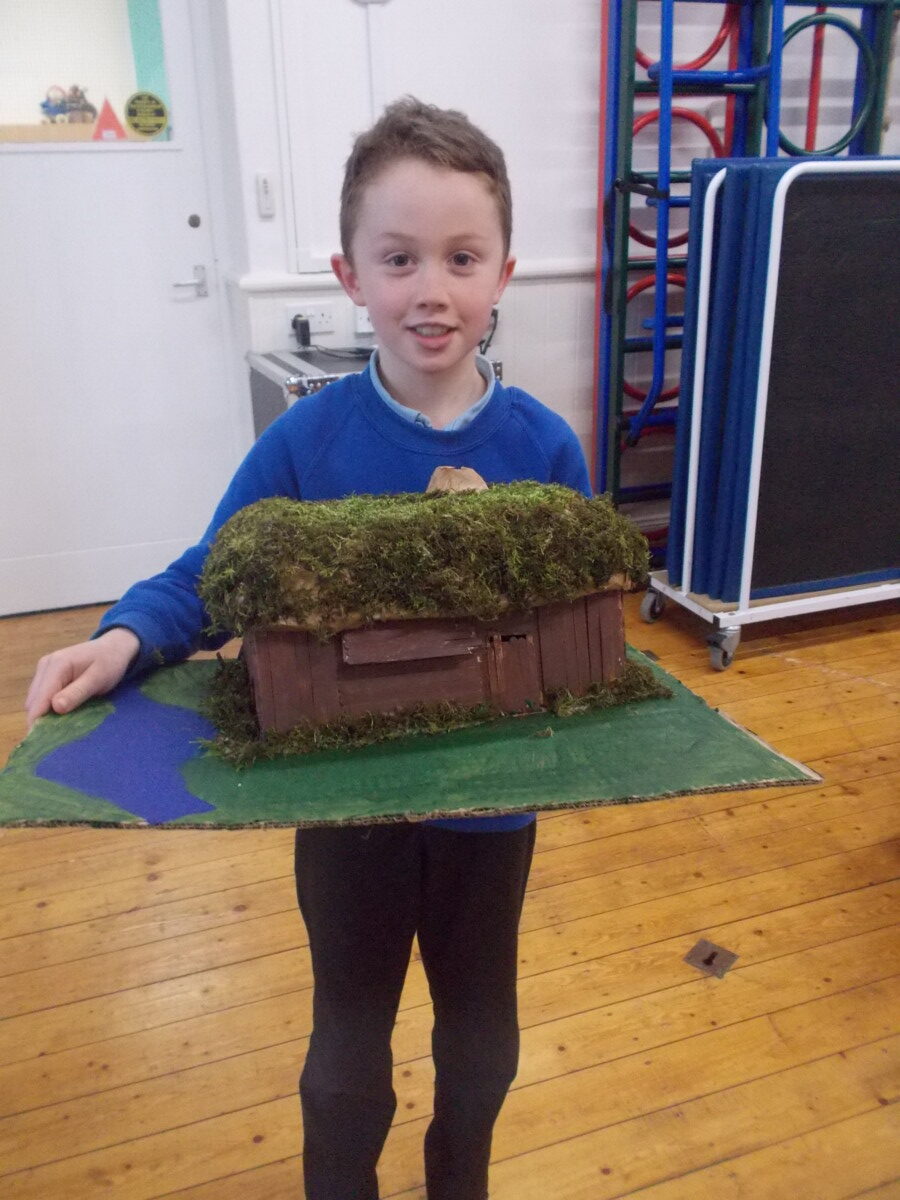
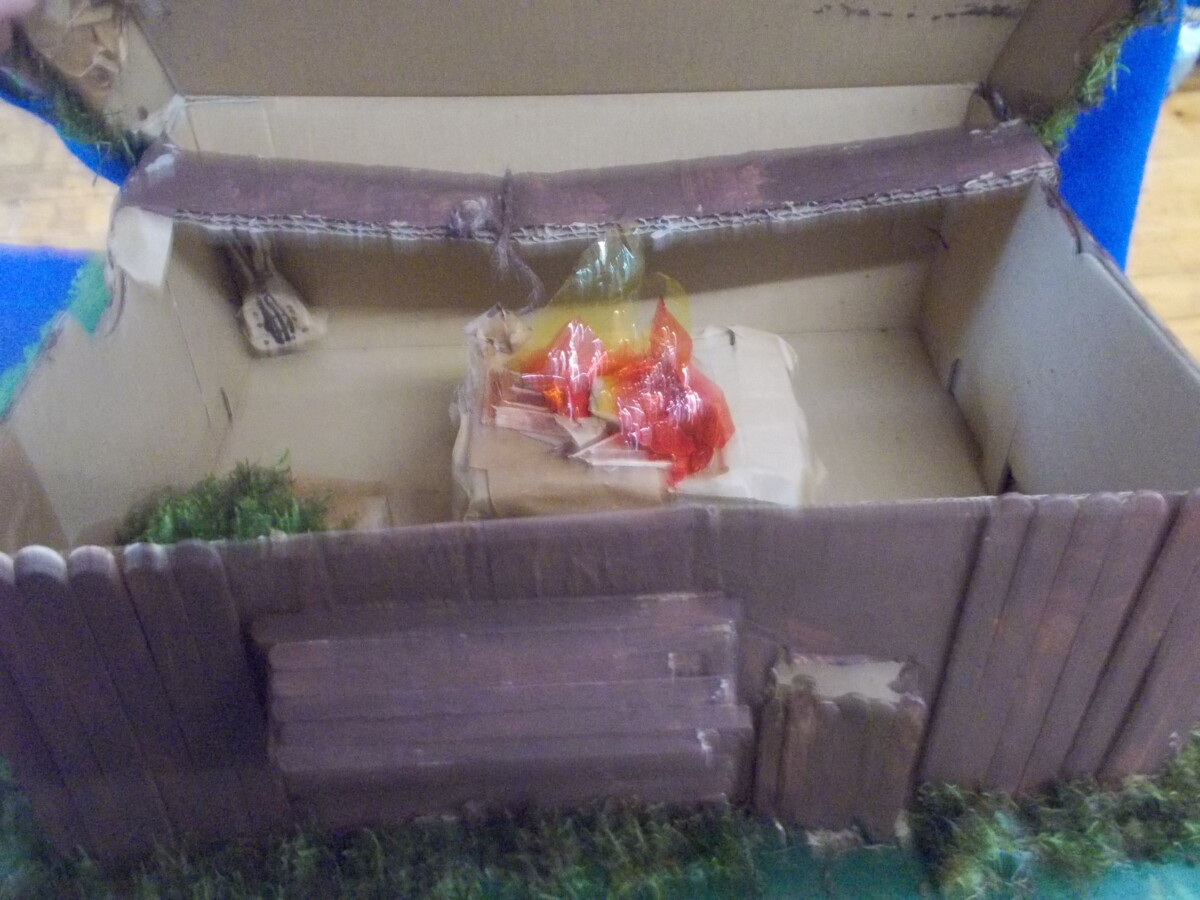
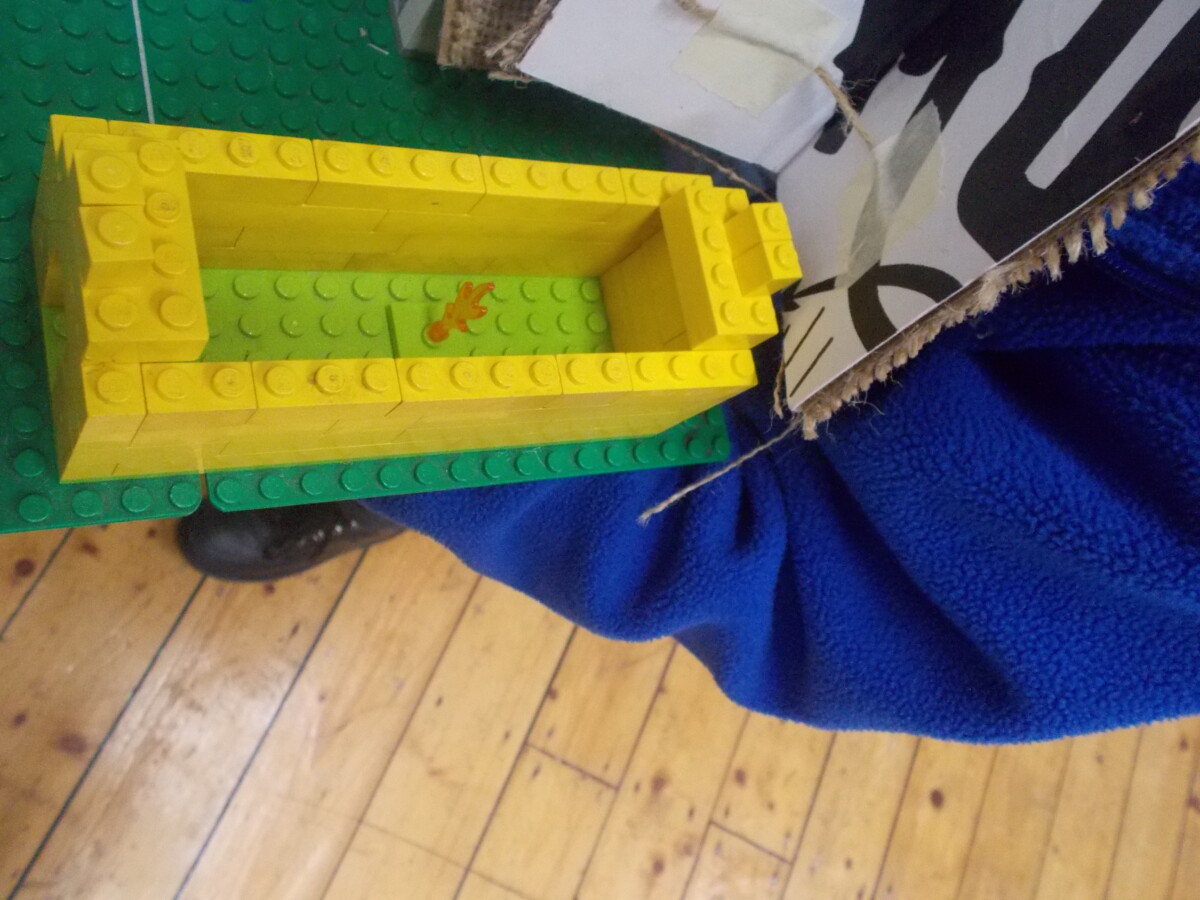
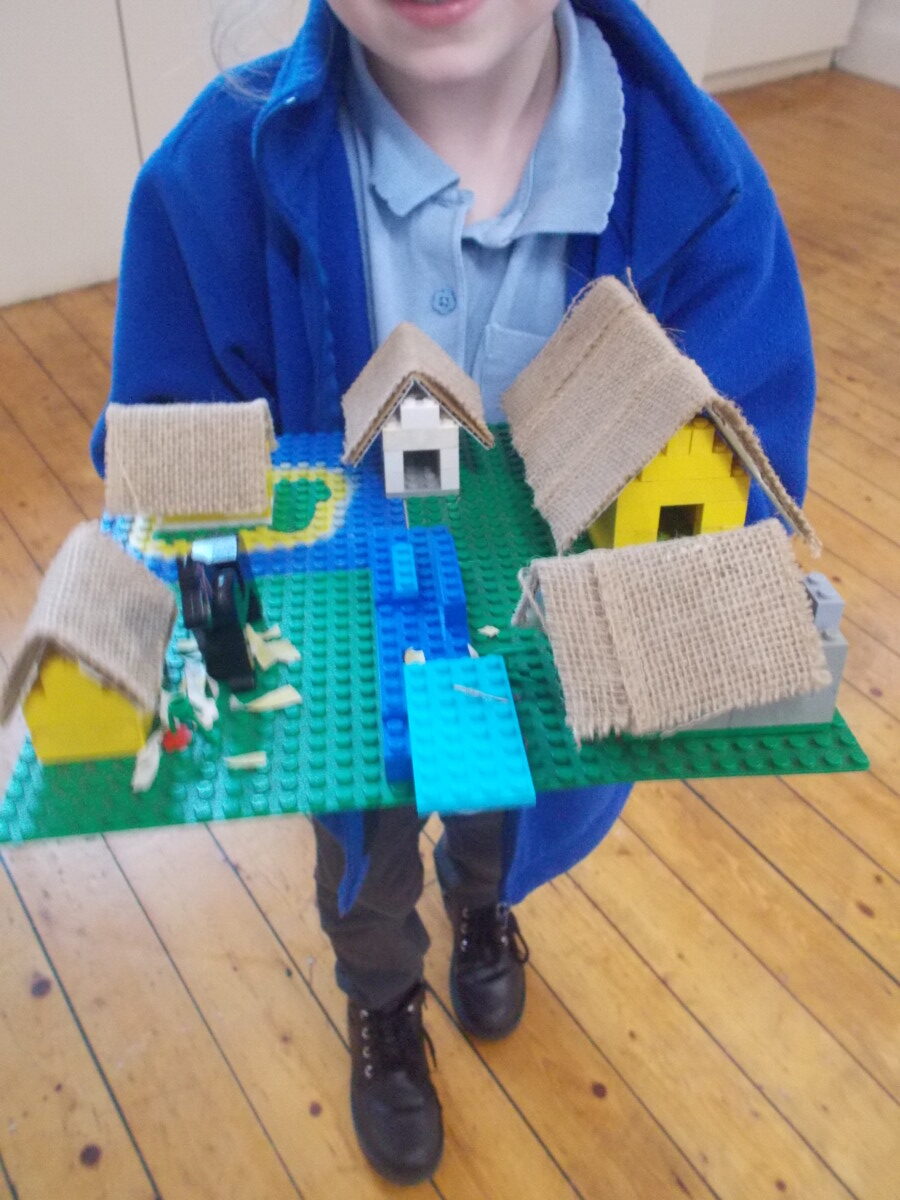
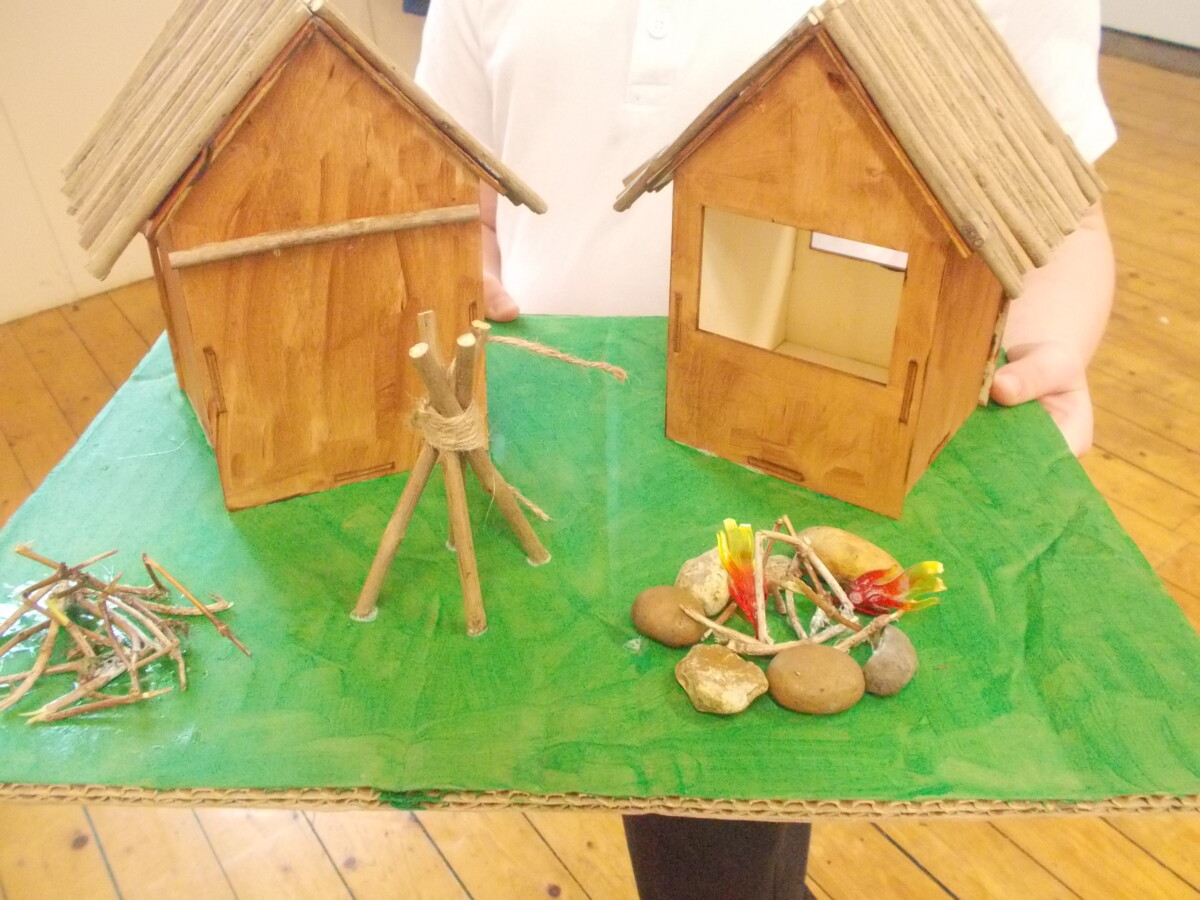
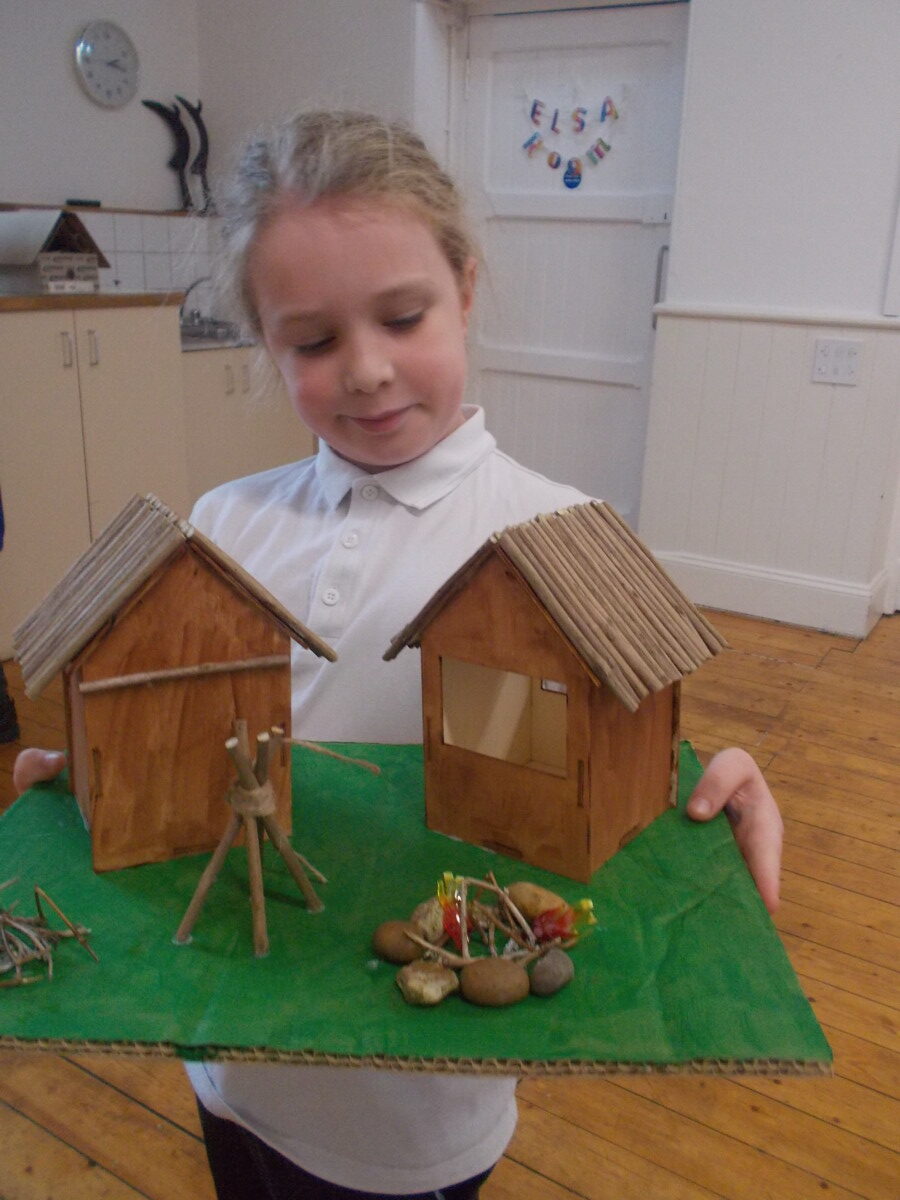
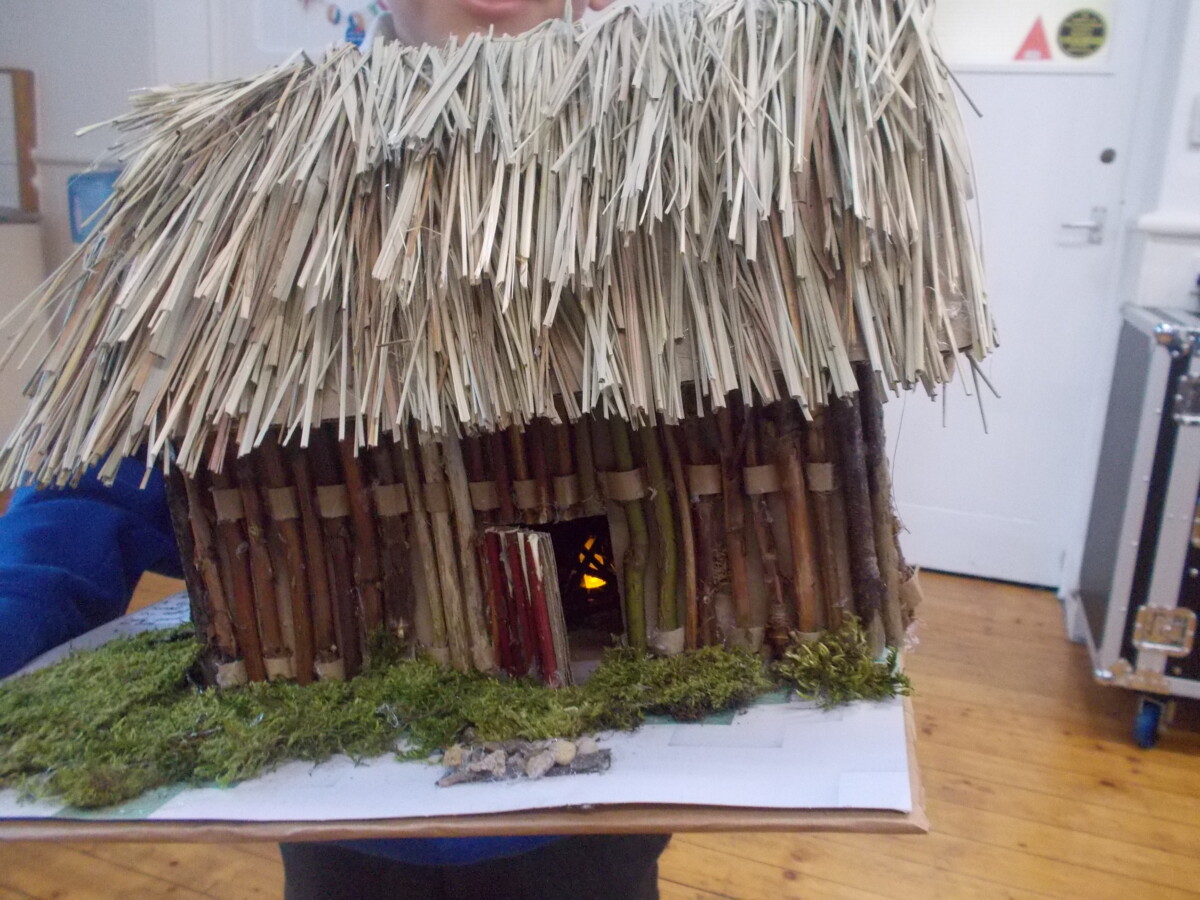
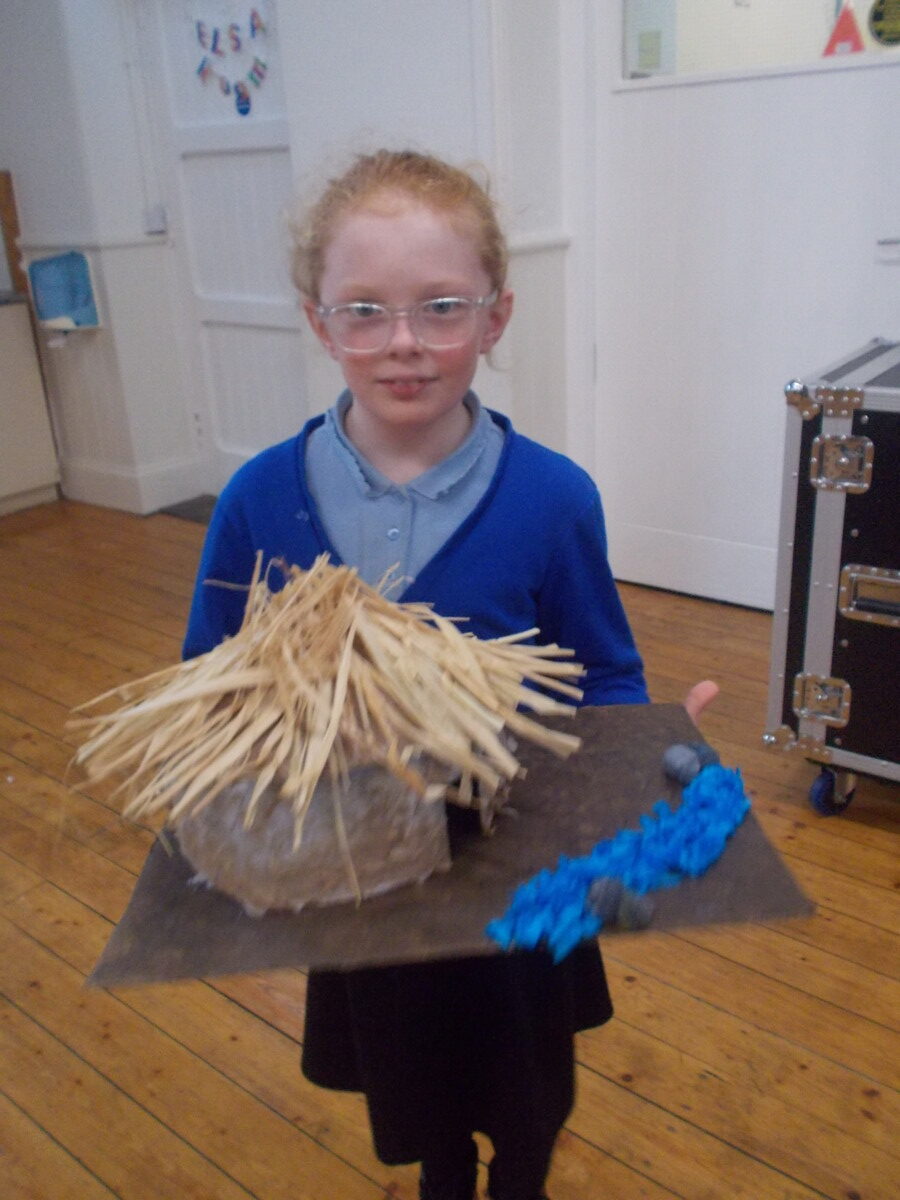
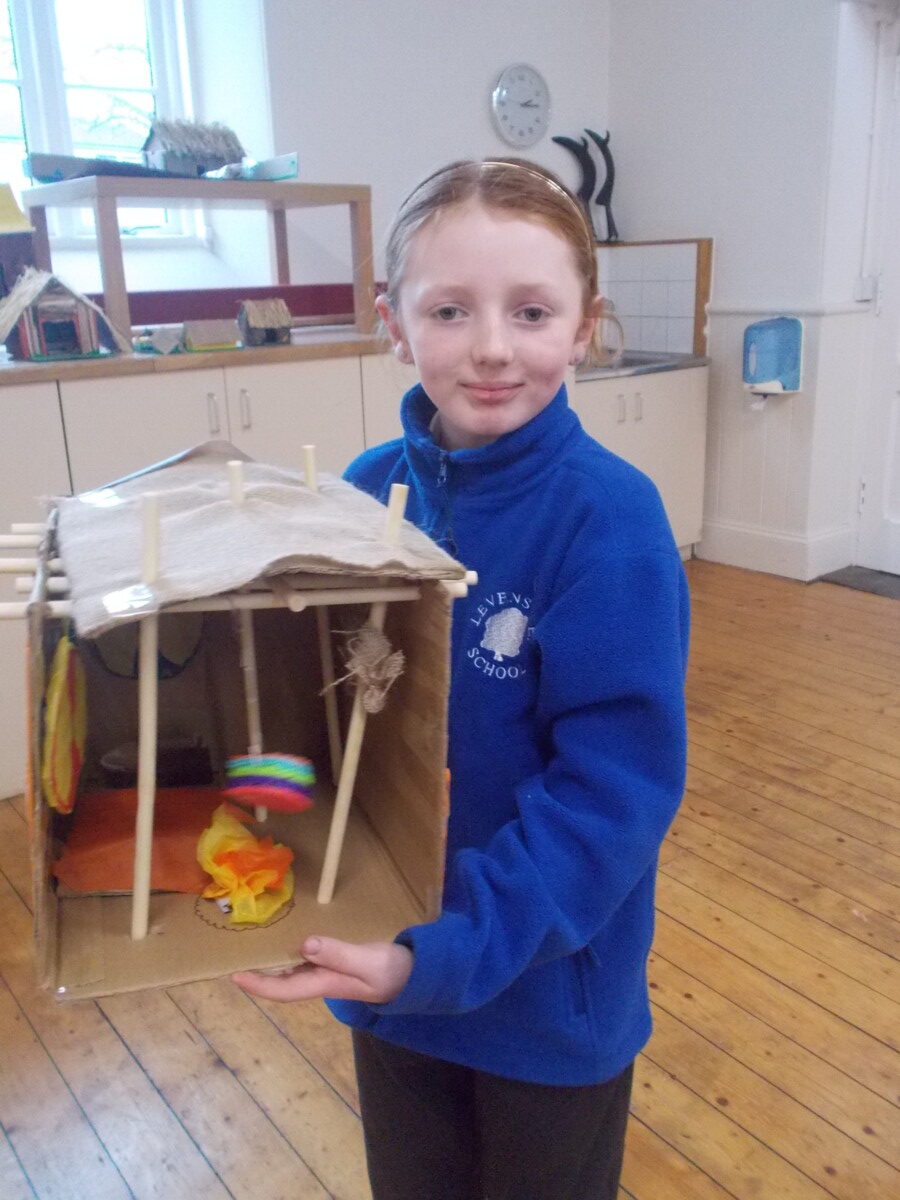
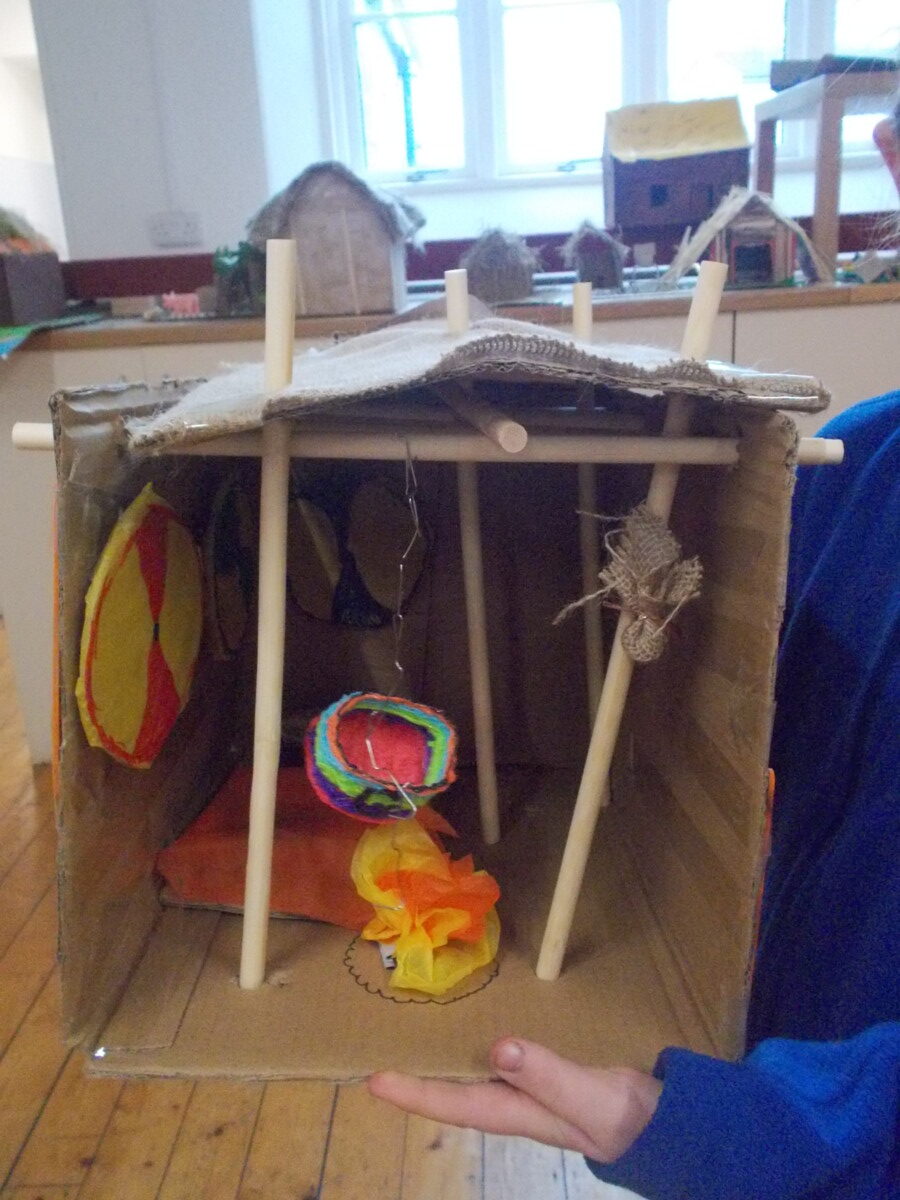
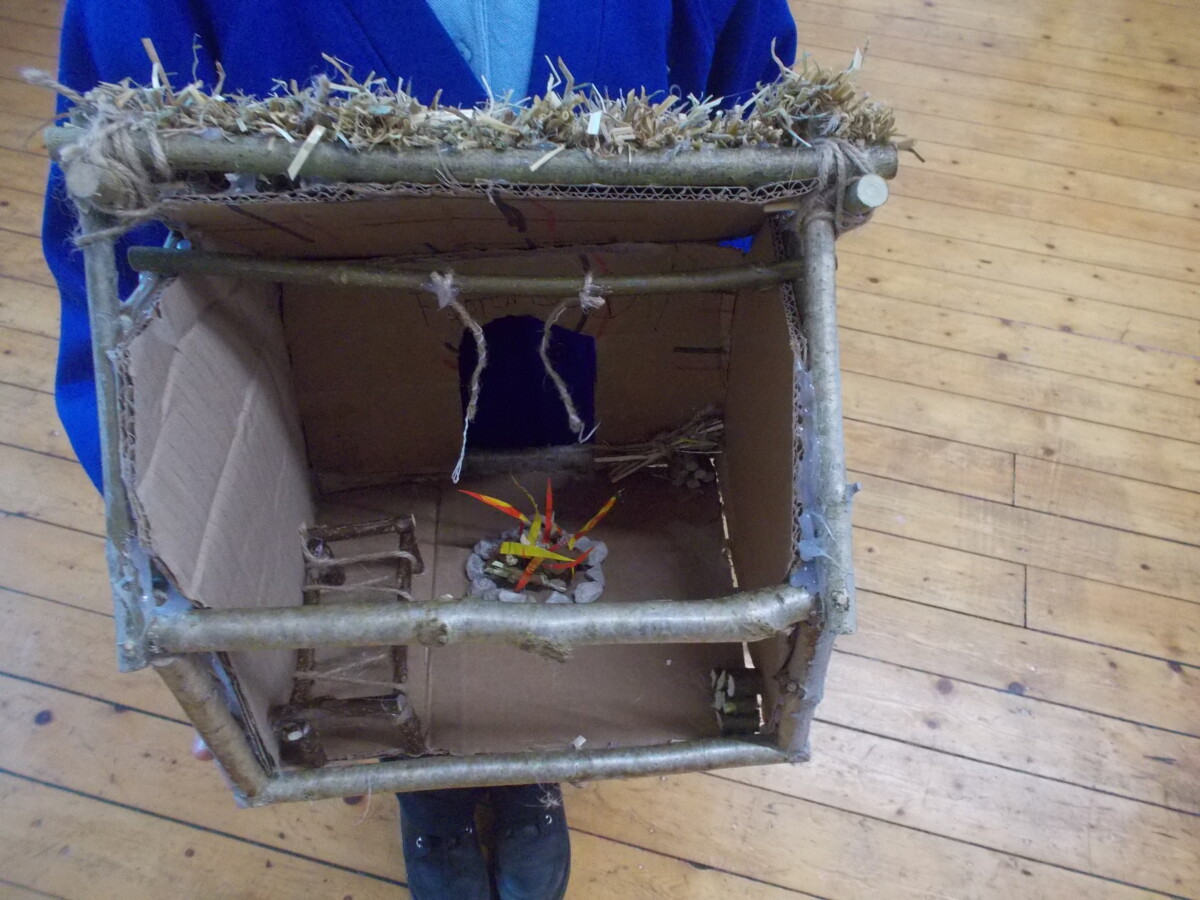
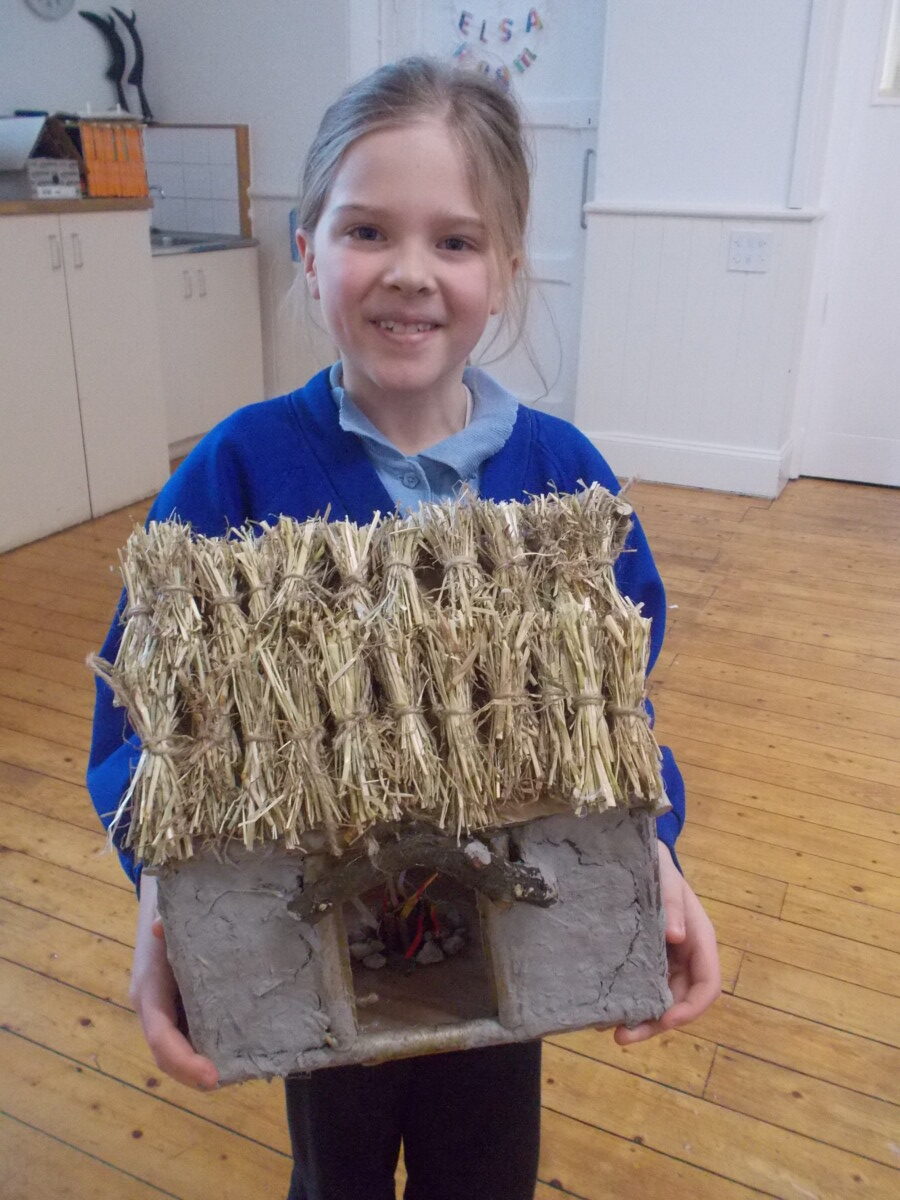
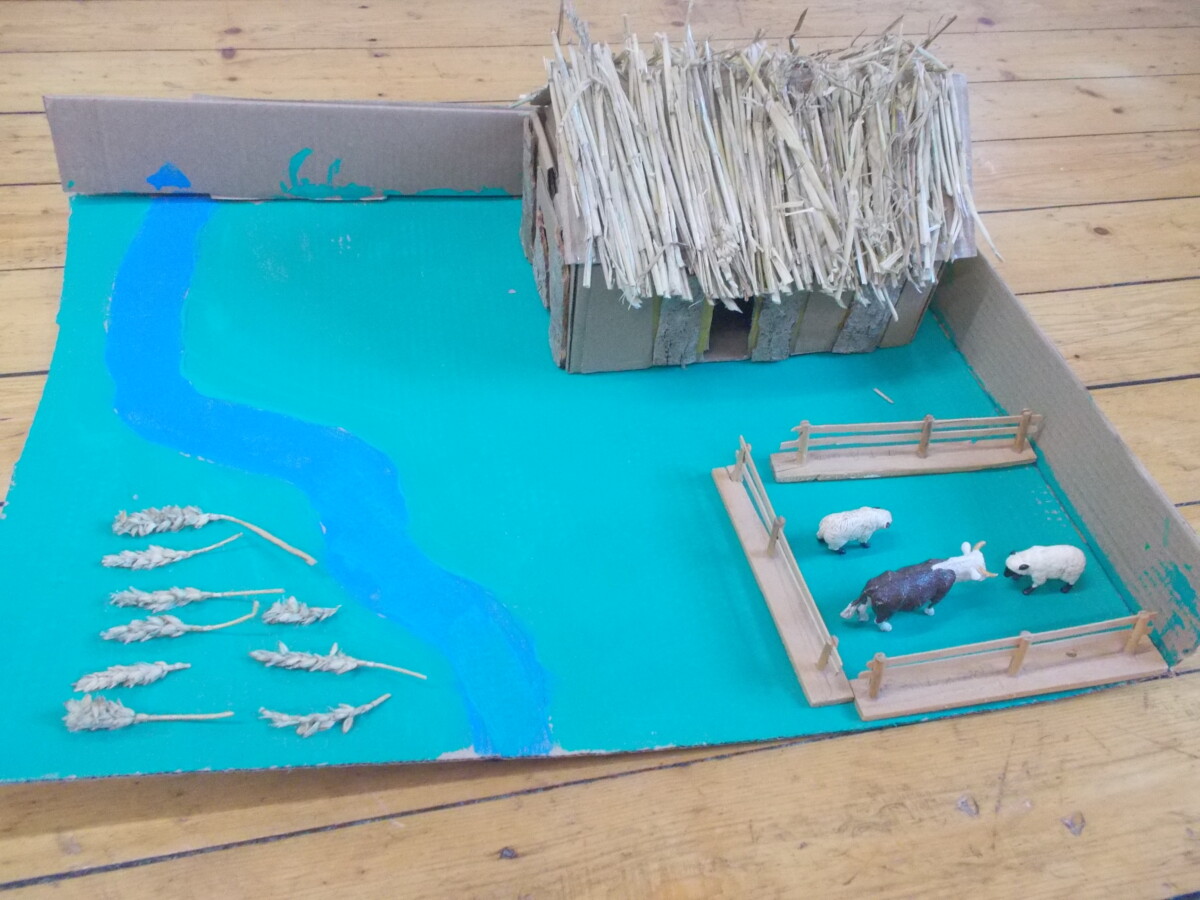
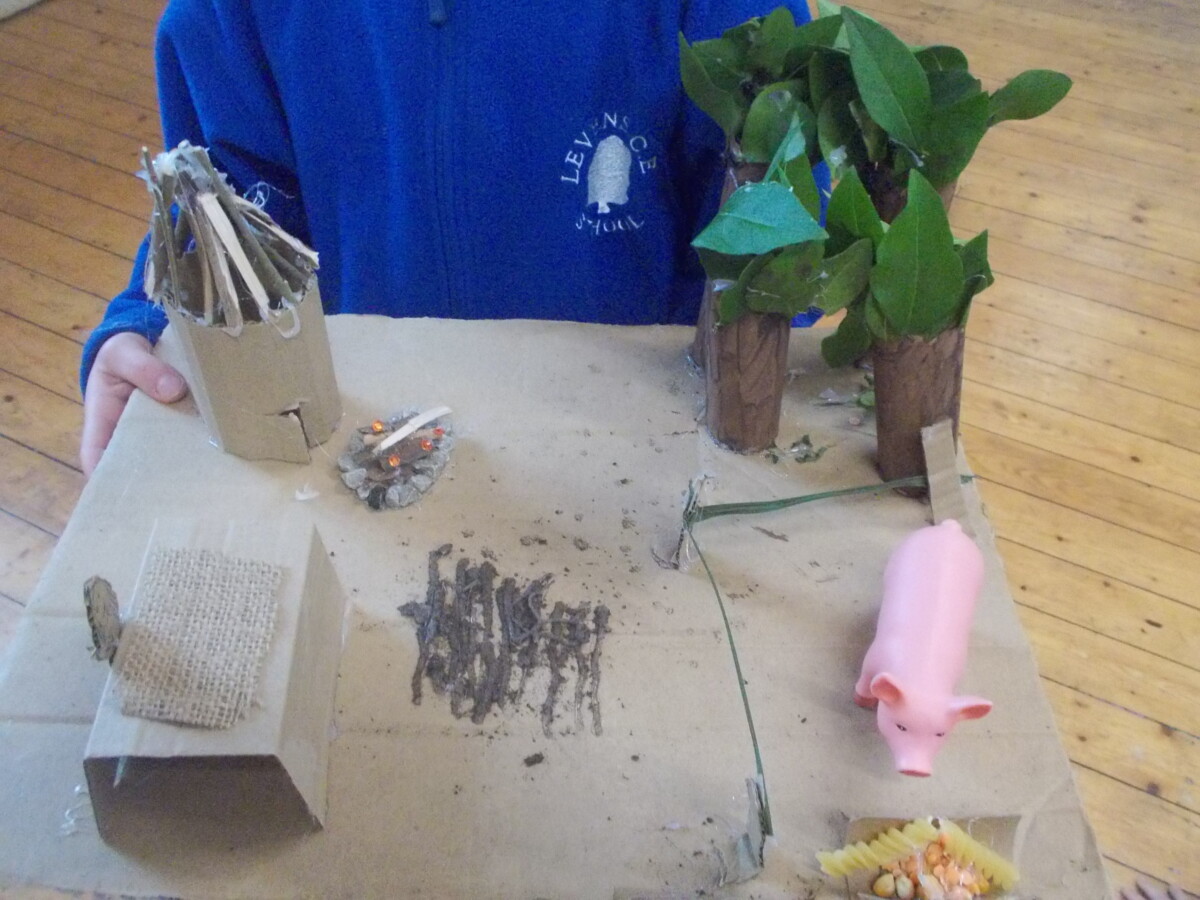
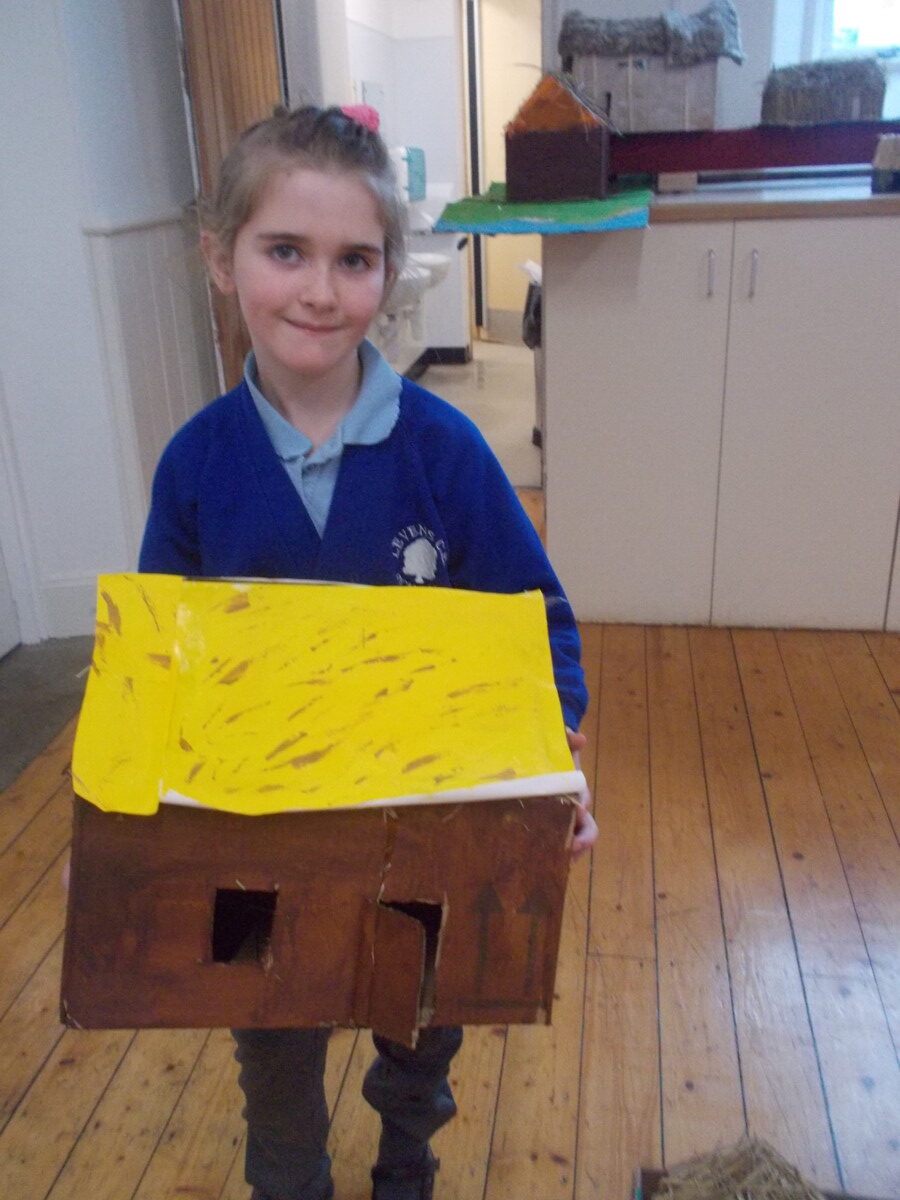
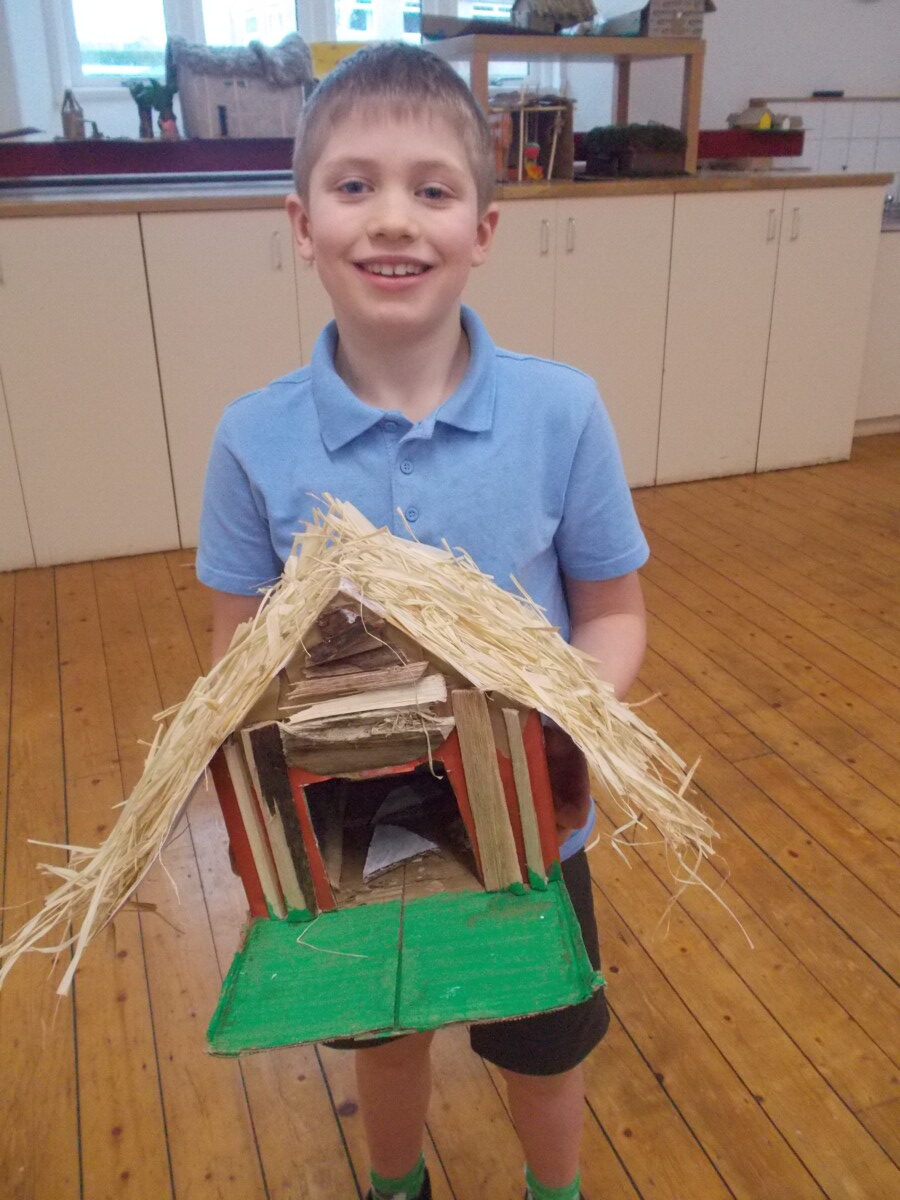
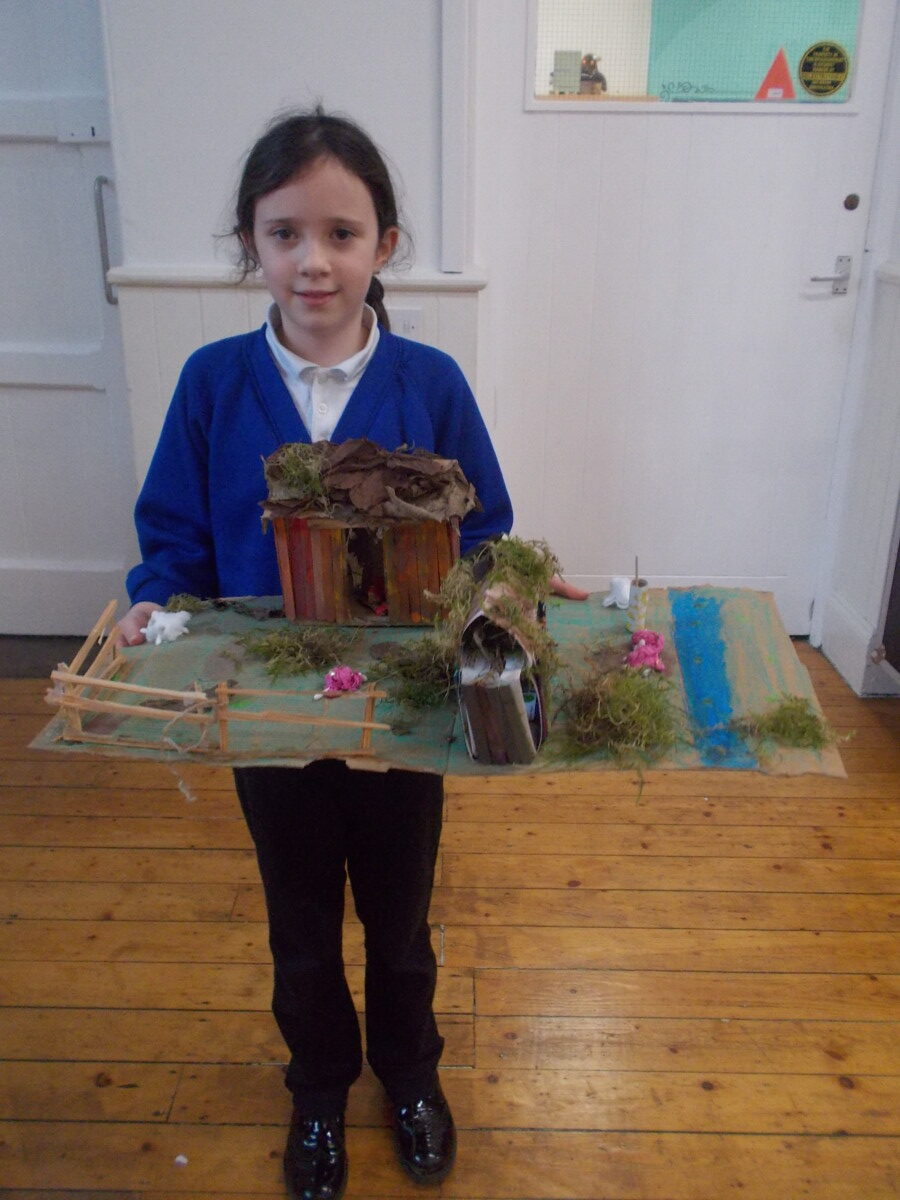
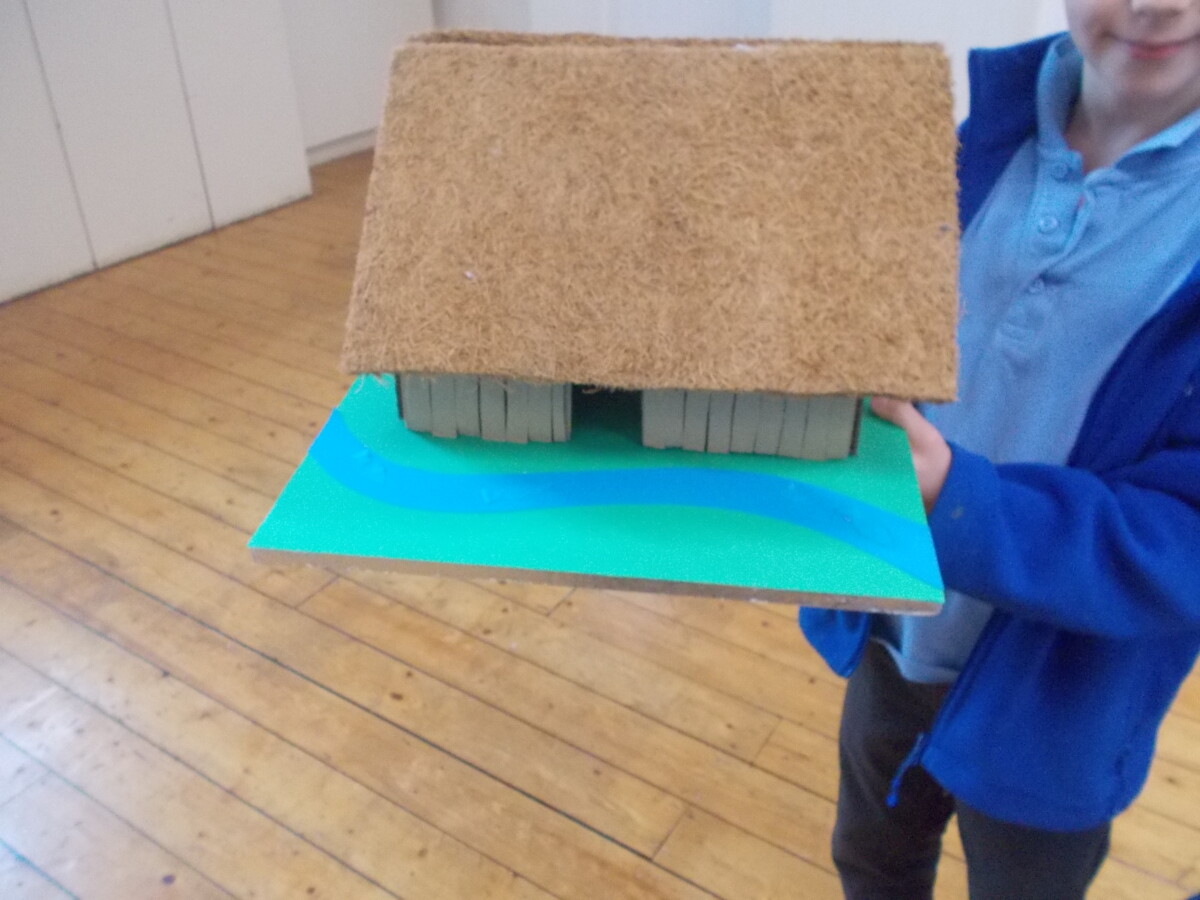
Class Three have made these fabulous Anglo-Saxon house and village models as a homework project. The children learnt about the key features of Anglo-Saxon houses and villages in lessons and have used this knowledge in their own models. The models include open fires in the middle of the houses, thatched rooves, wattle and daub walls, meat smoking over fires and rivers close by. The details are fantastic. Well done Class Three!


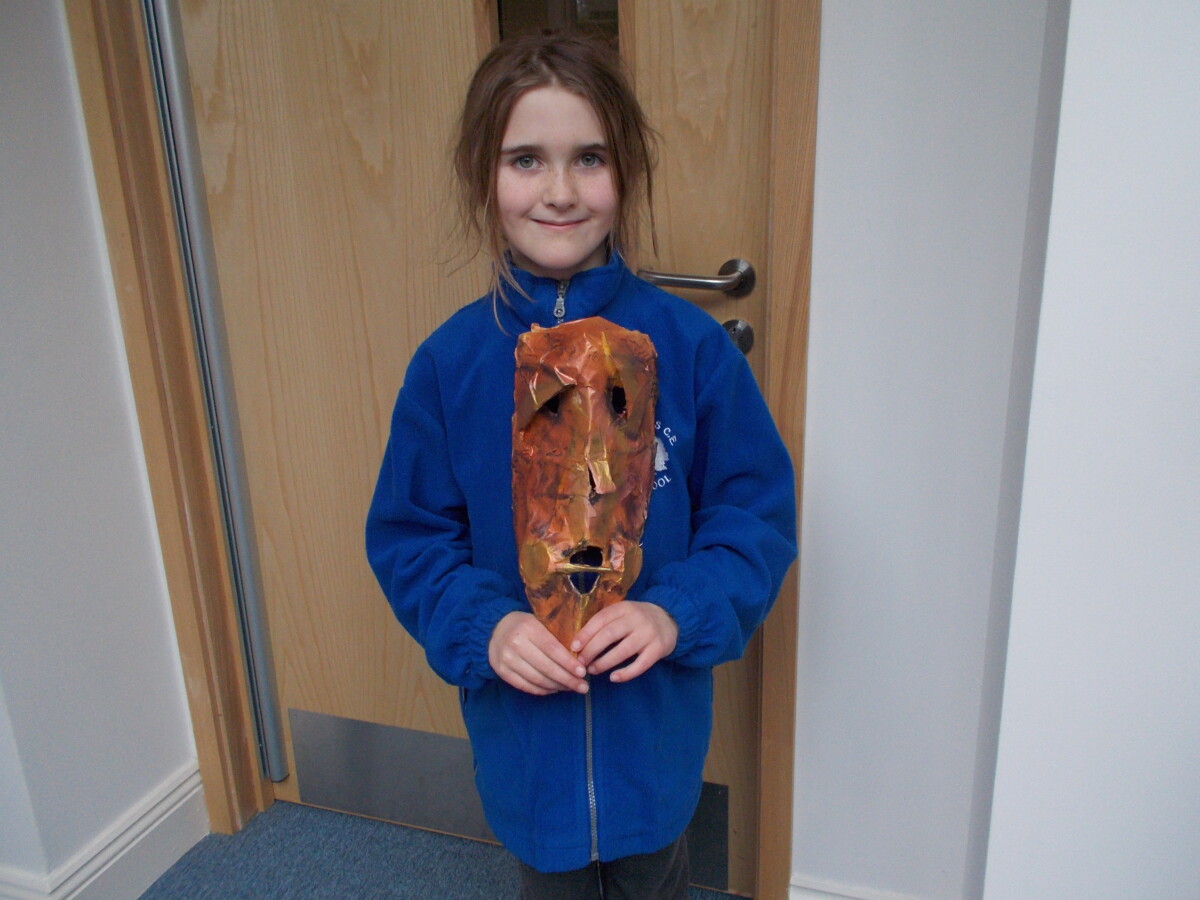
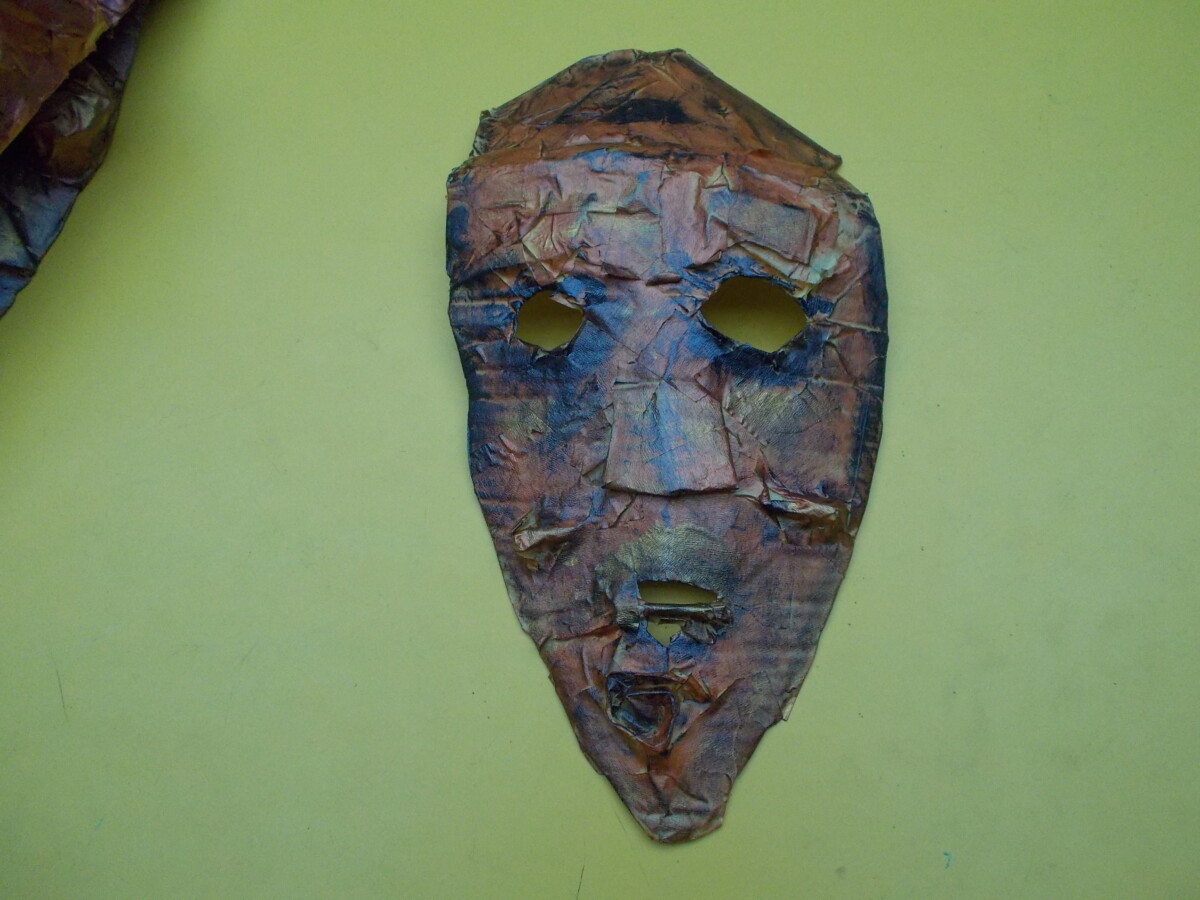
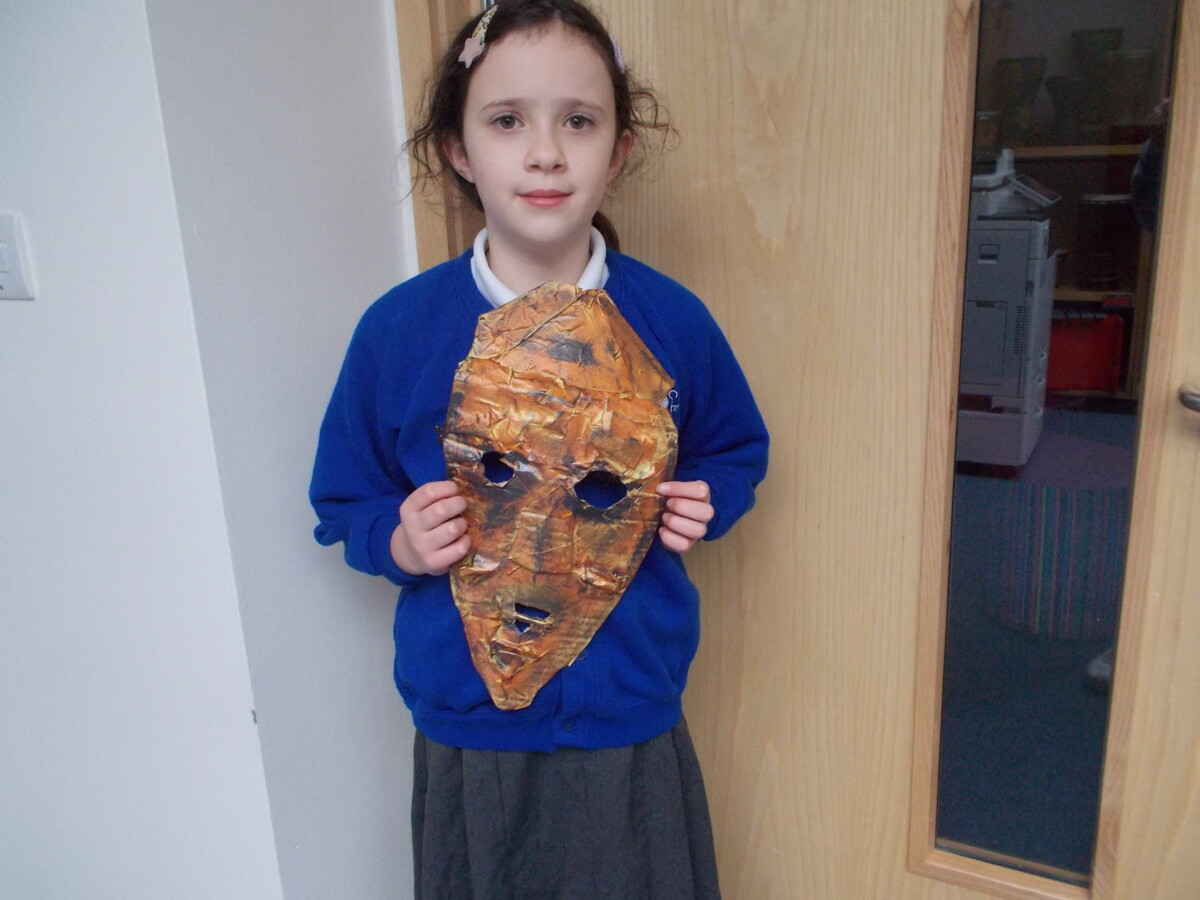
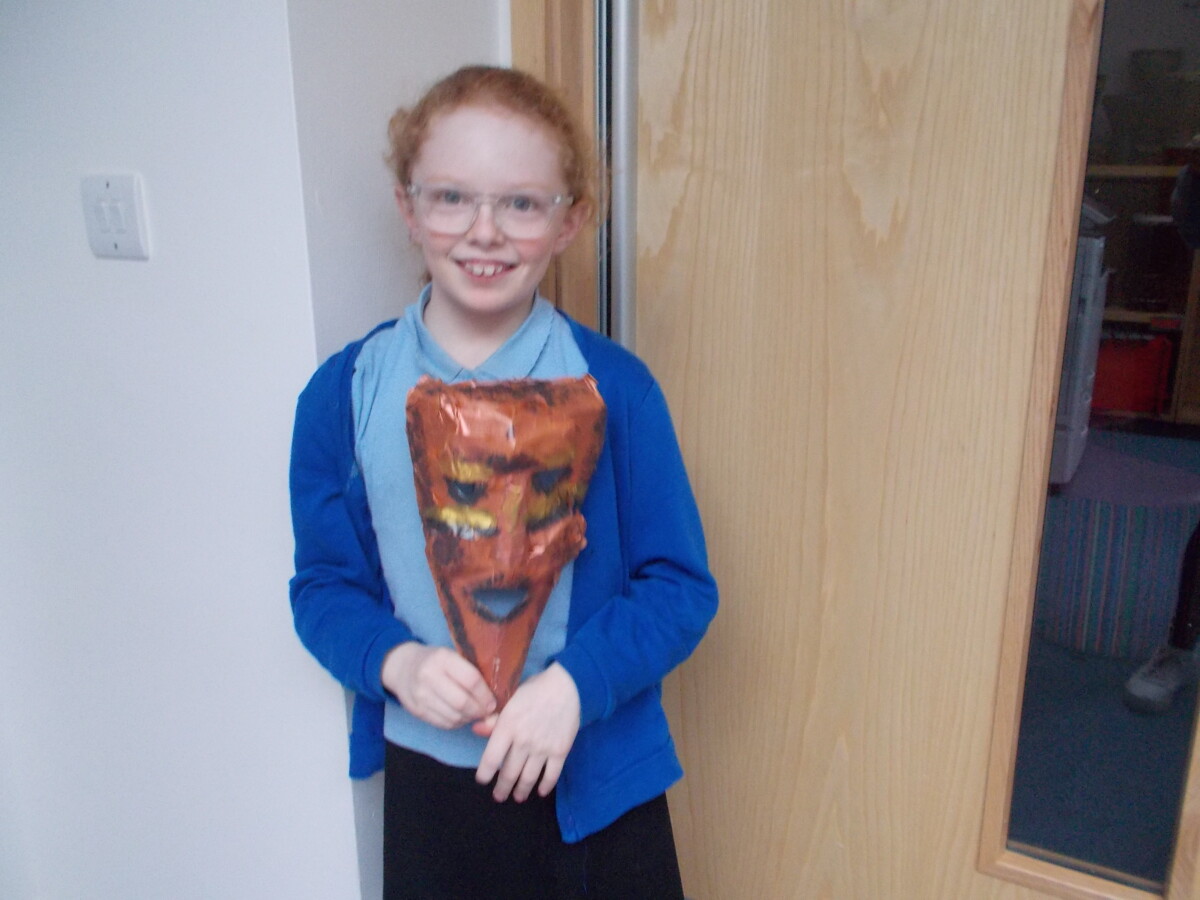
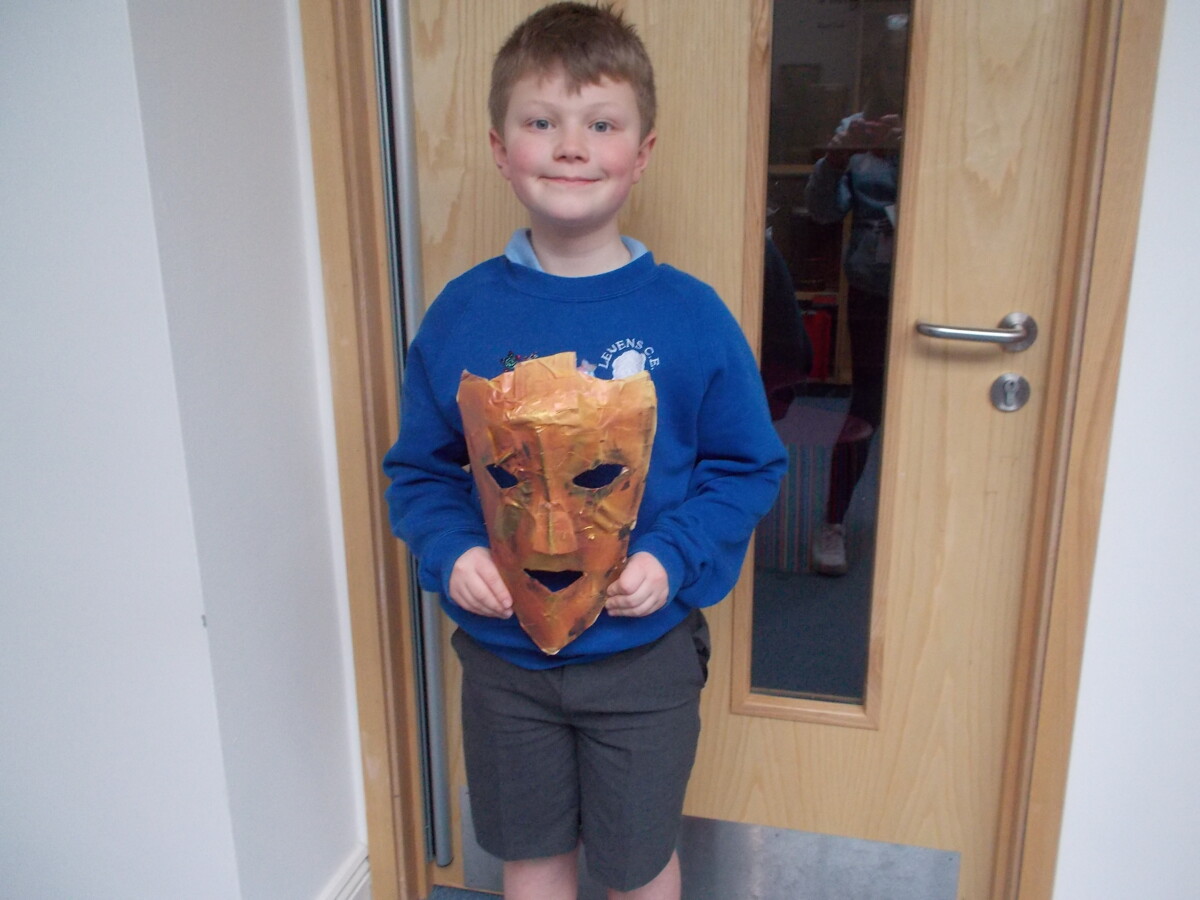
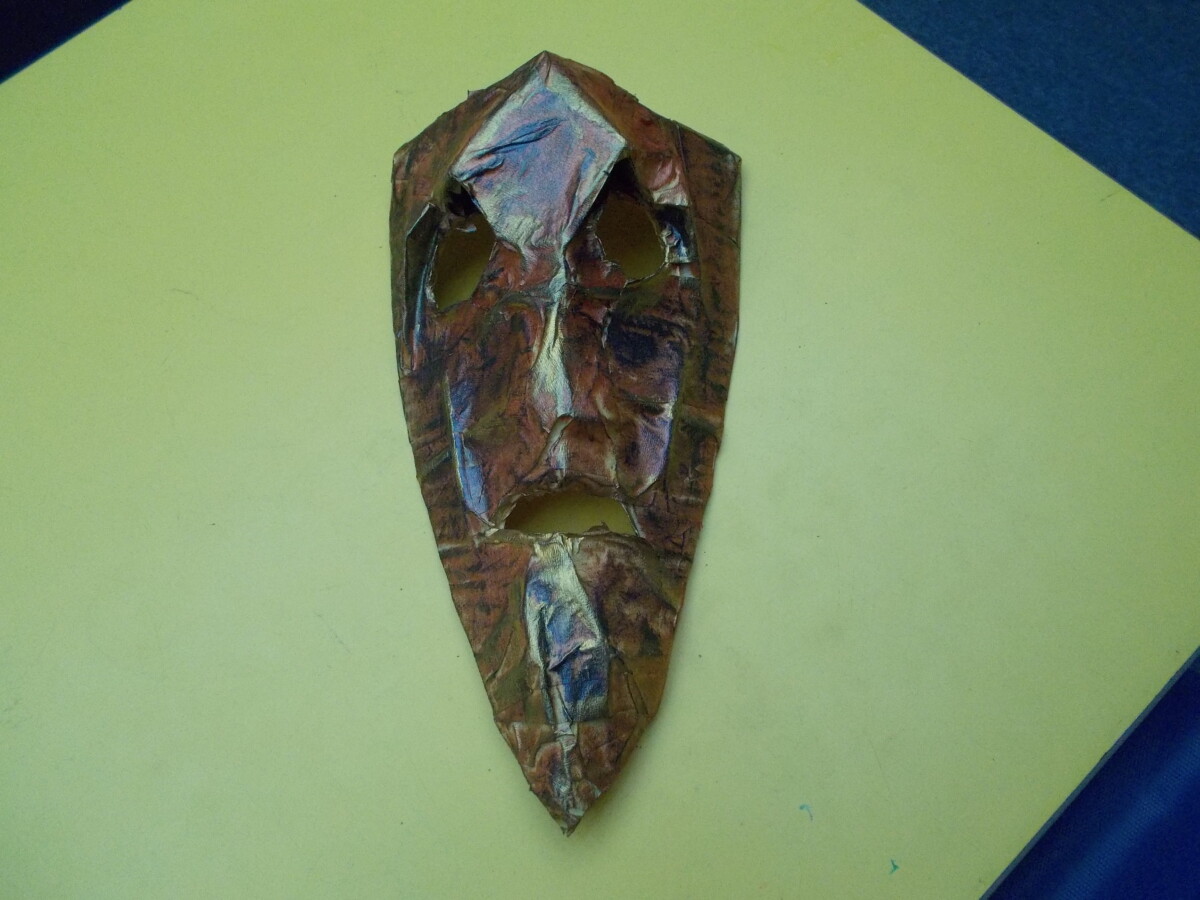
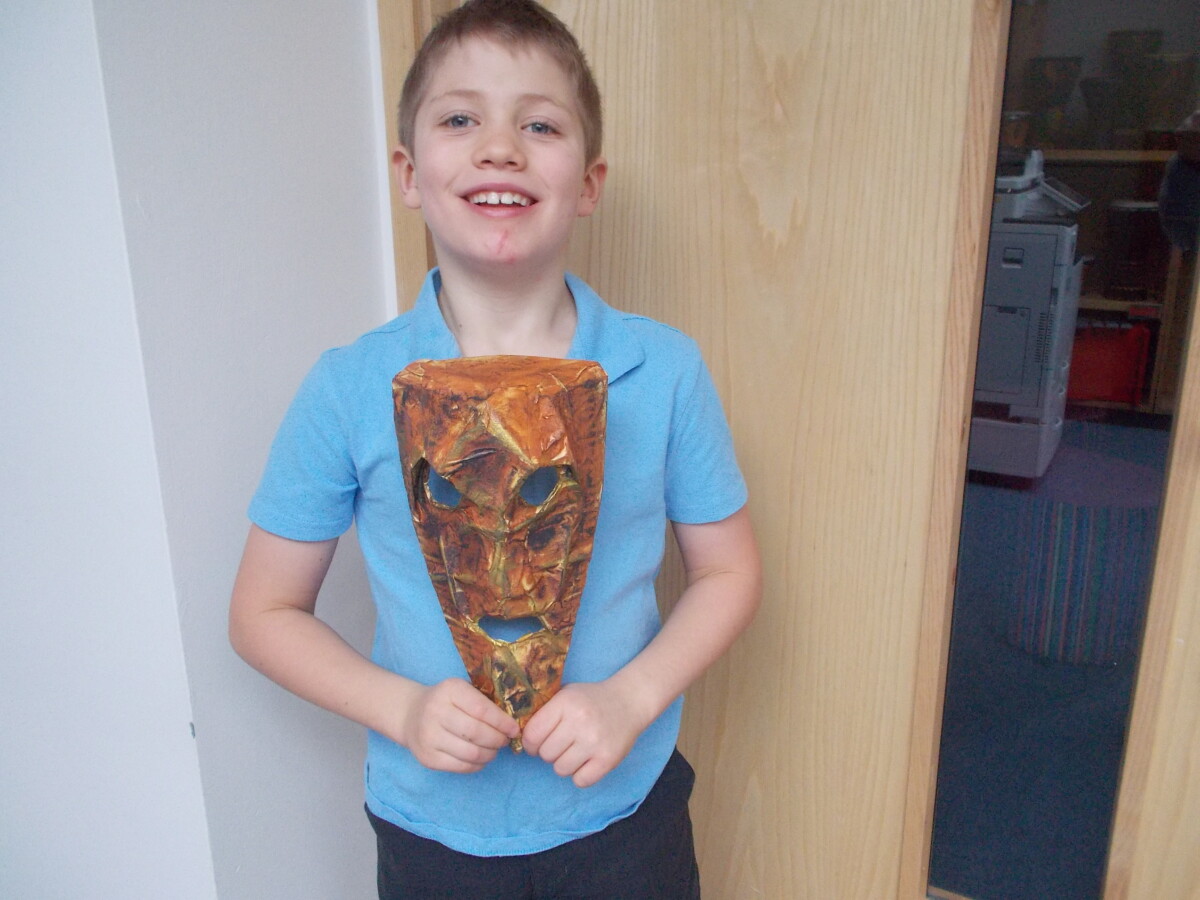
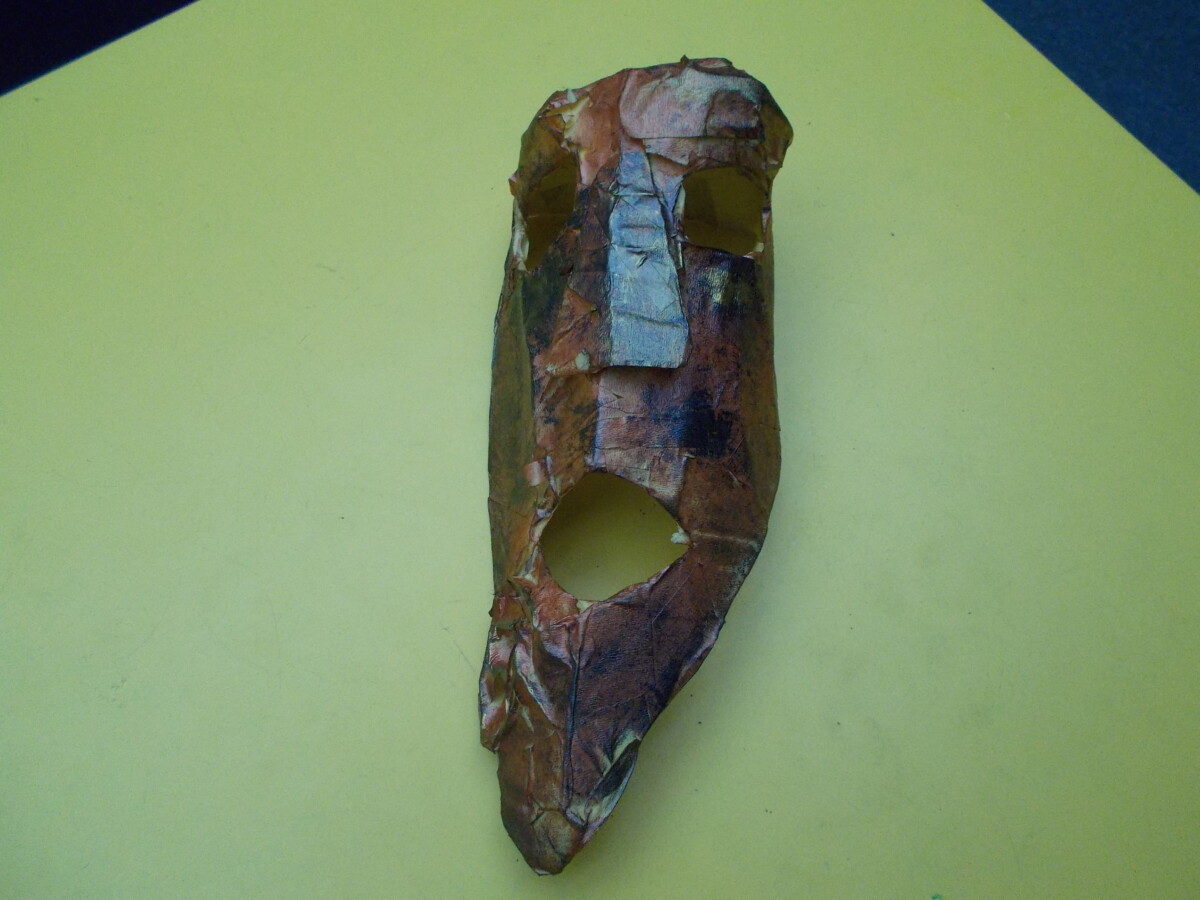
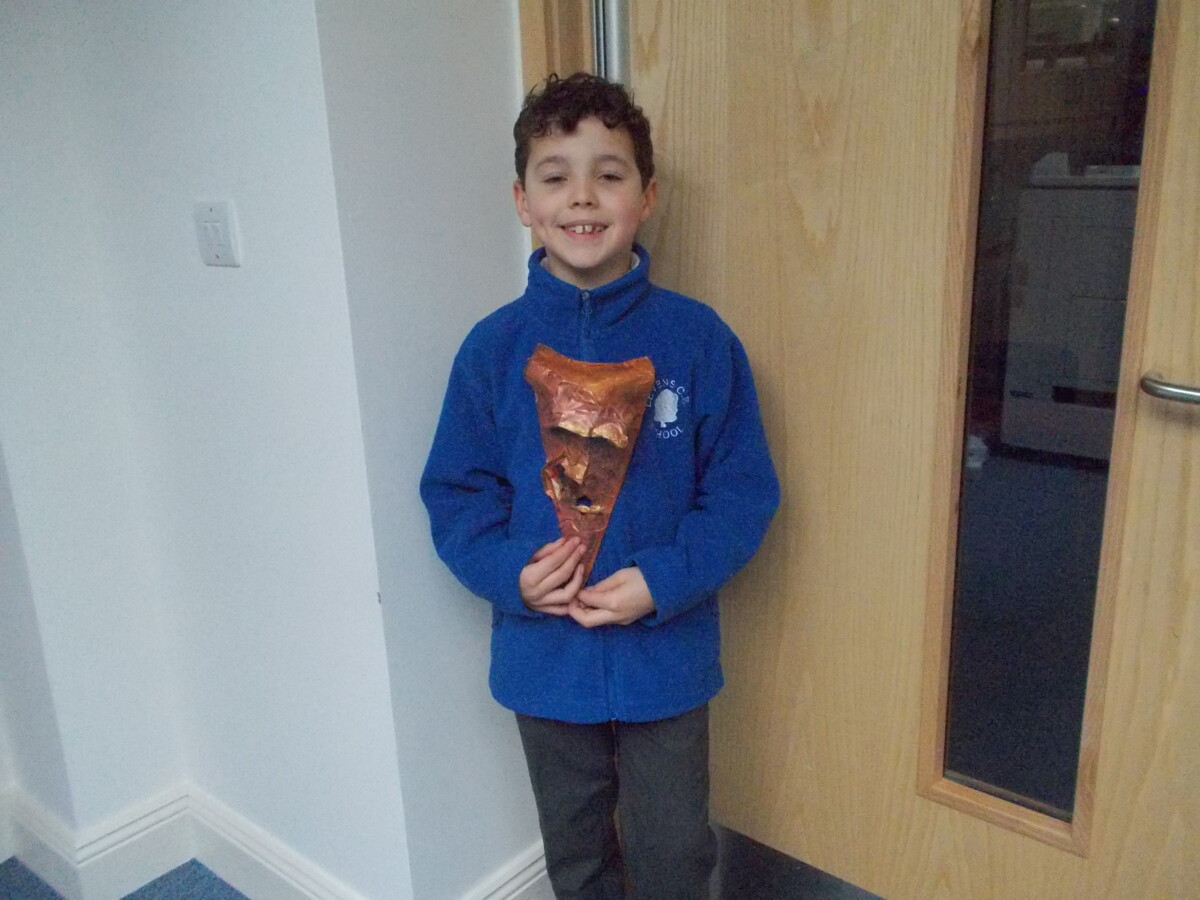
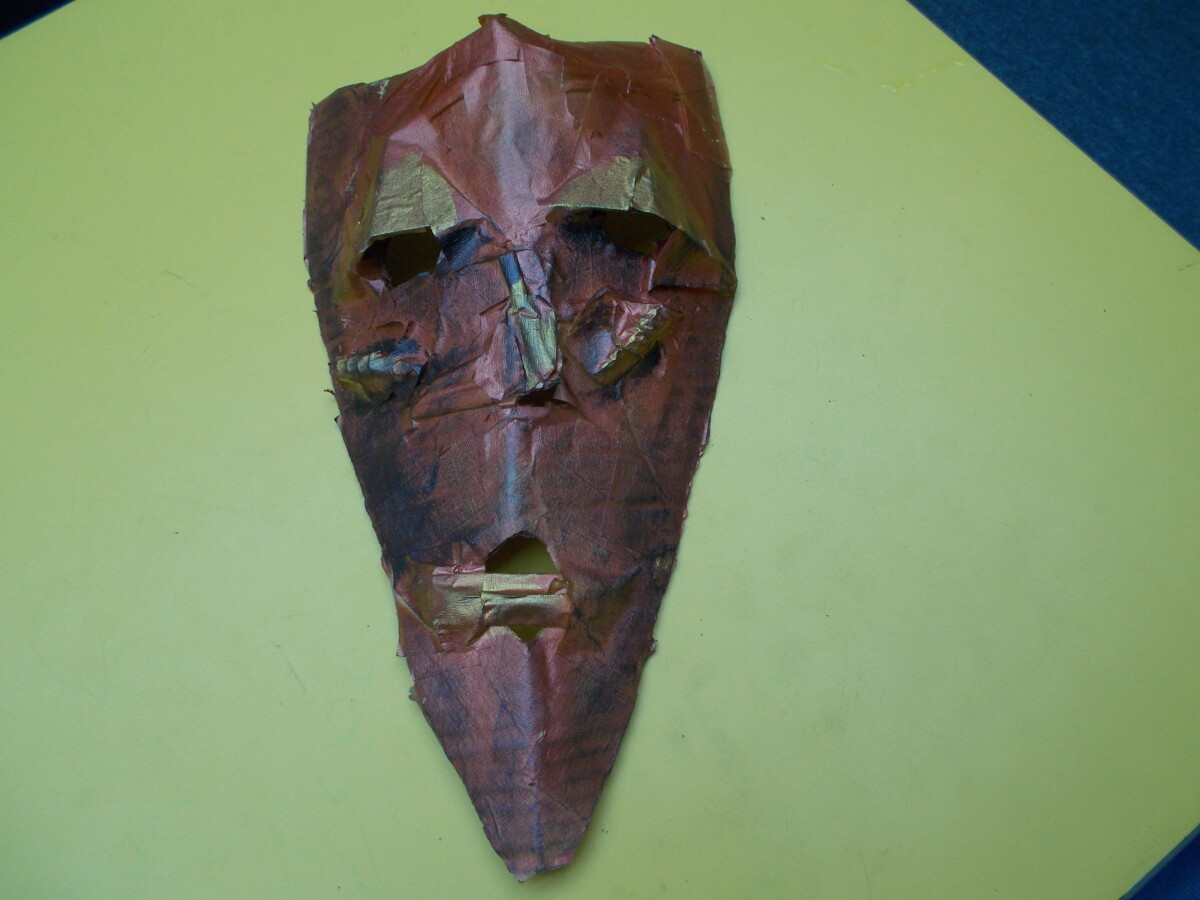
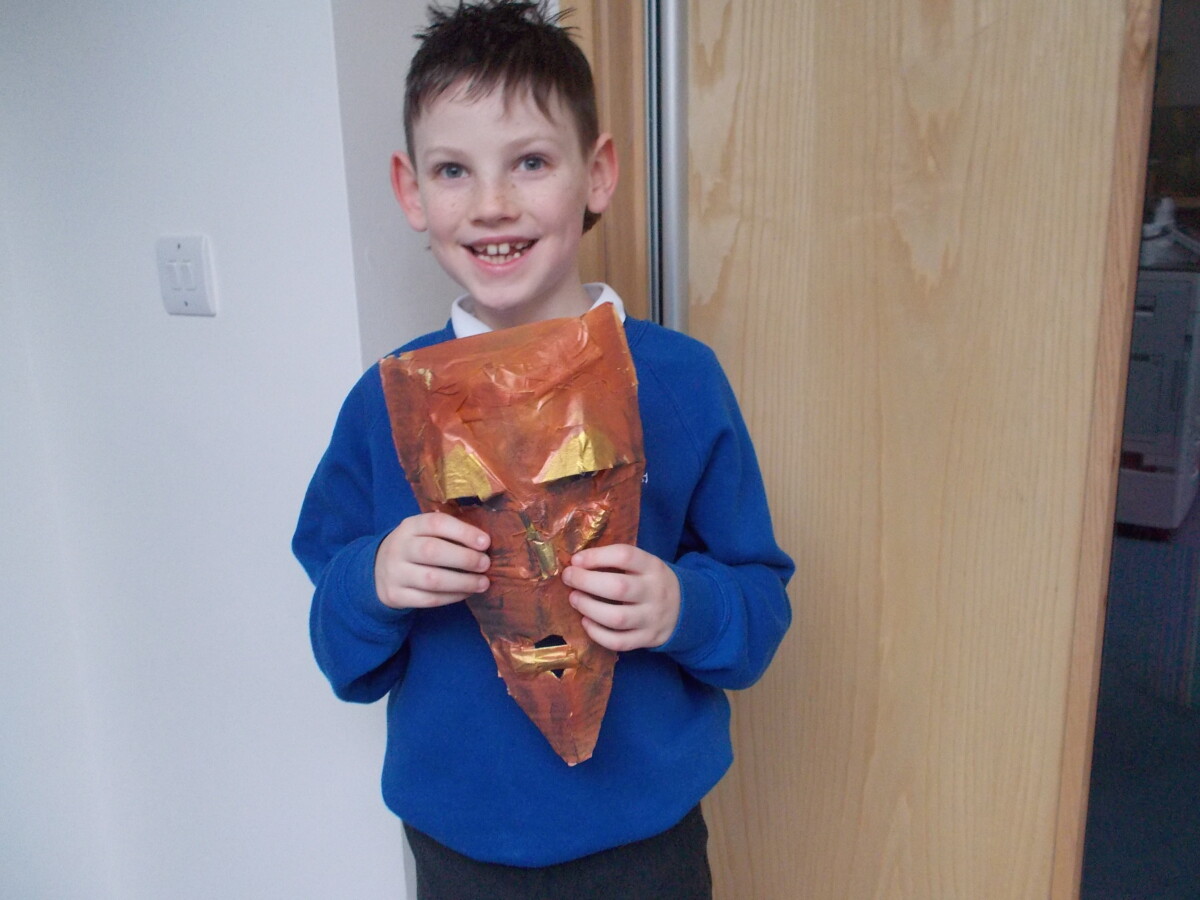
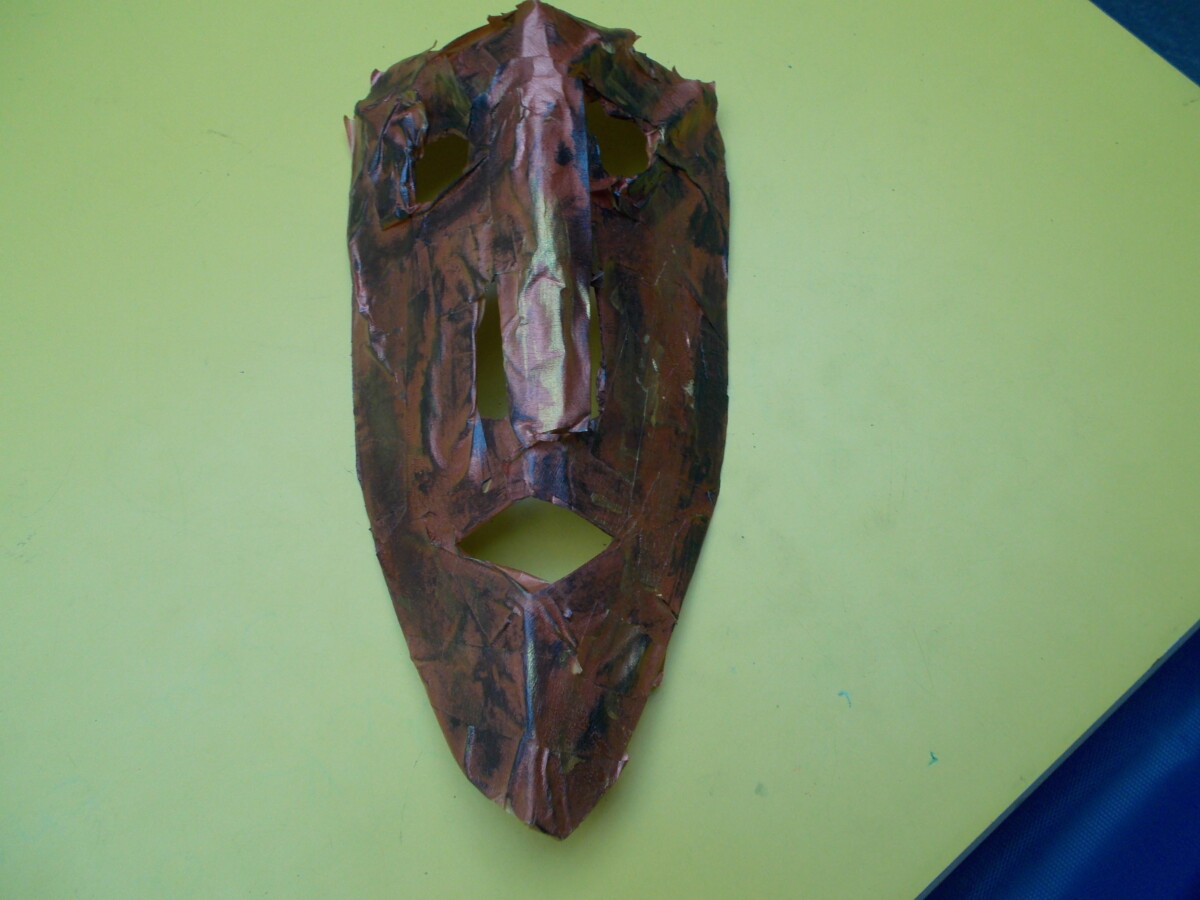
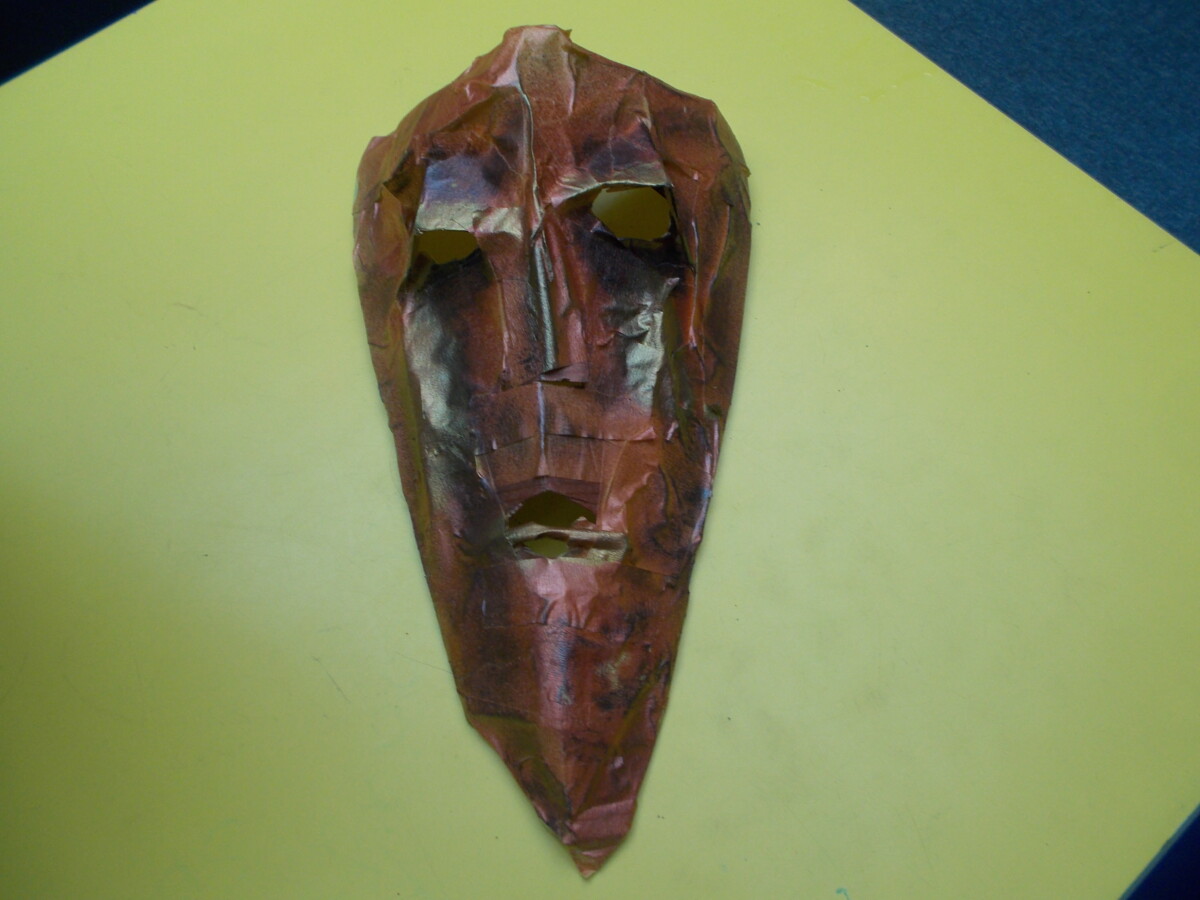
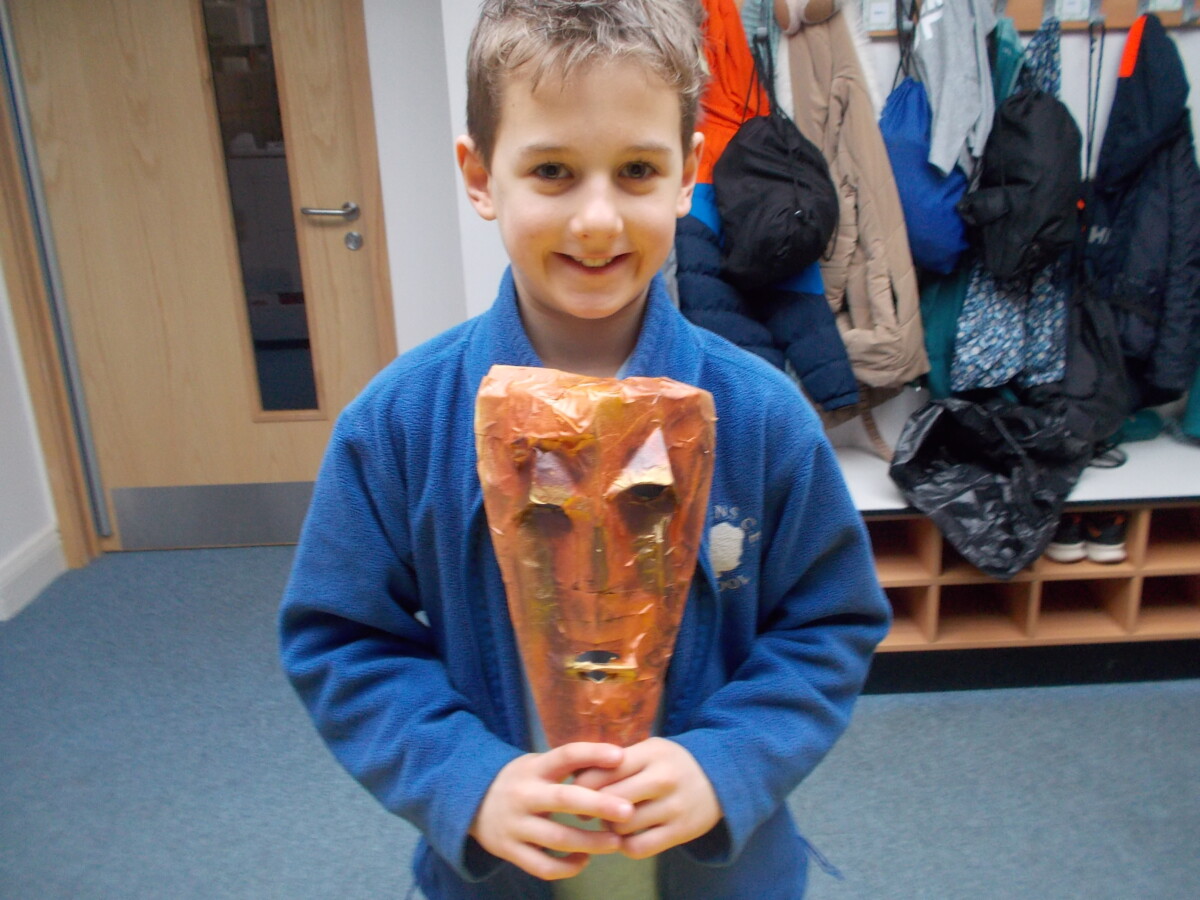
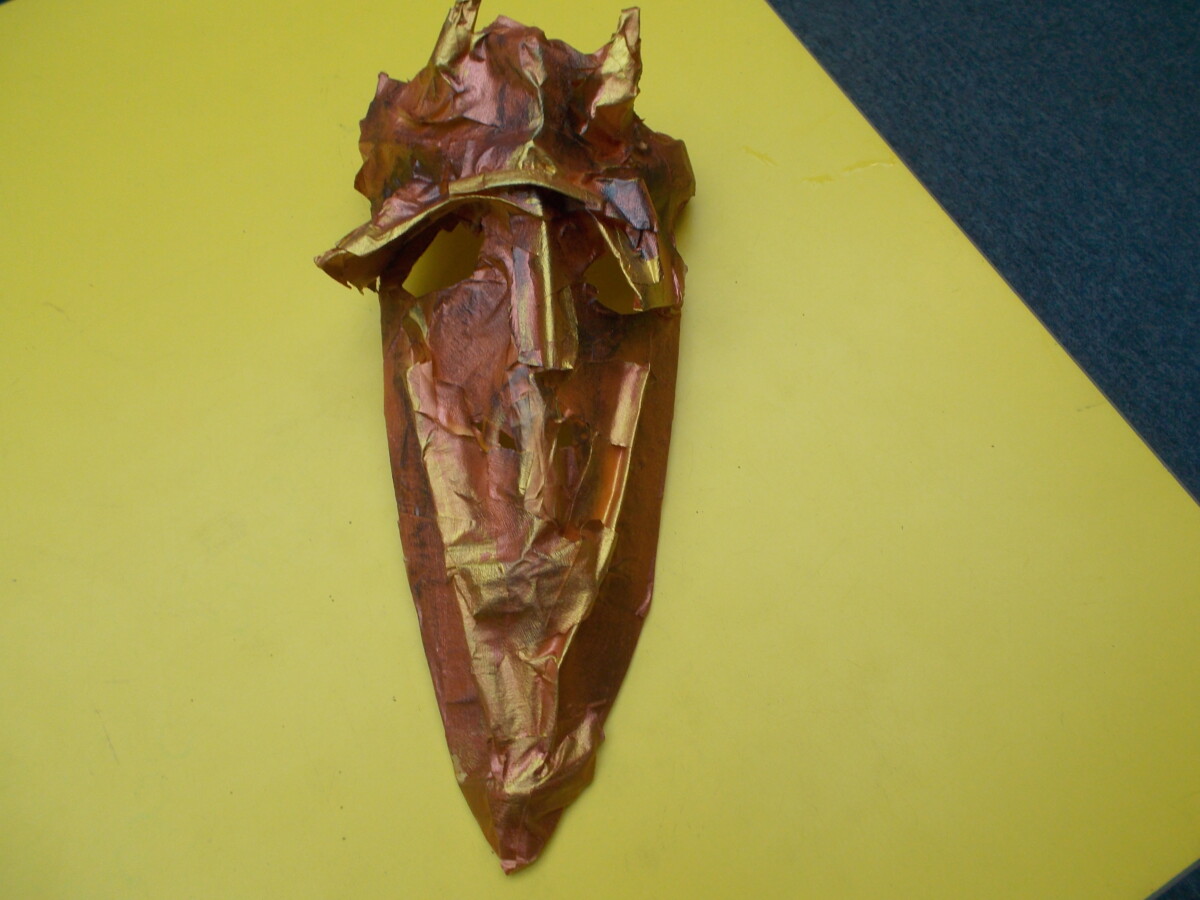
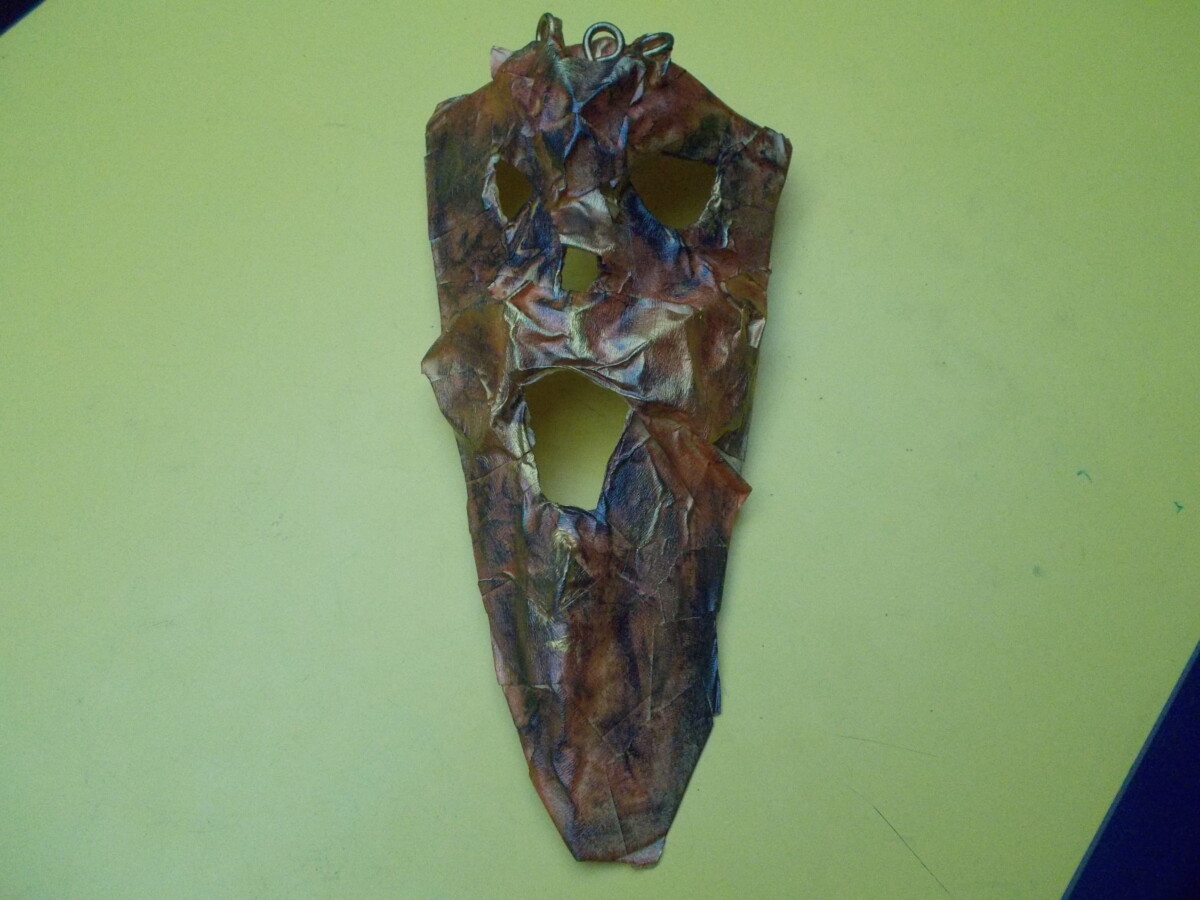
Magnificent Masks!

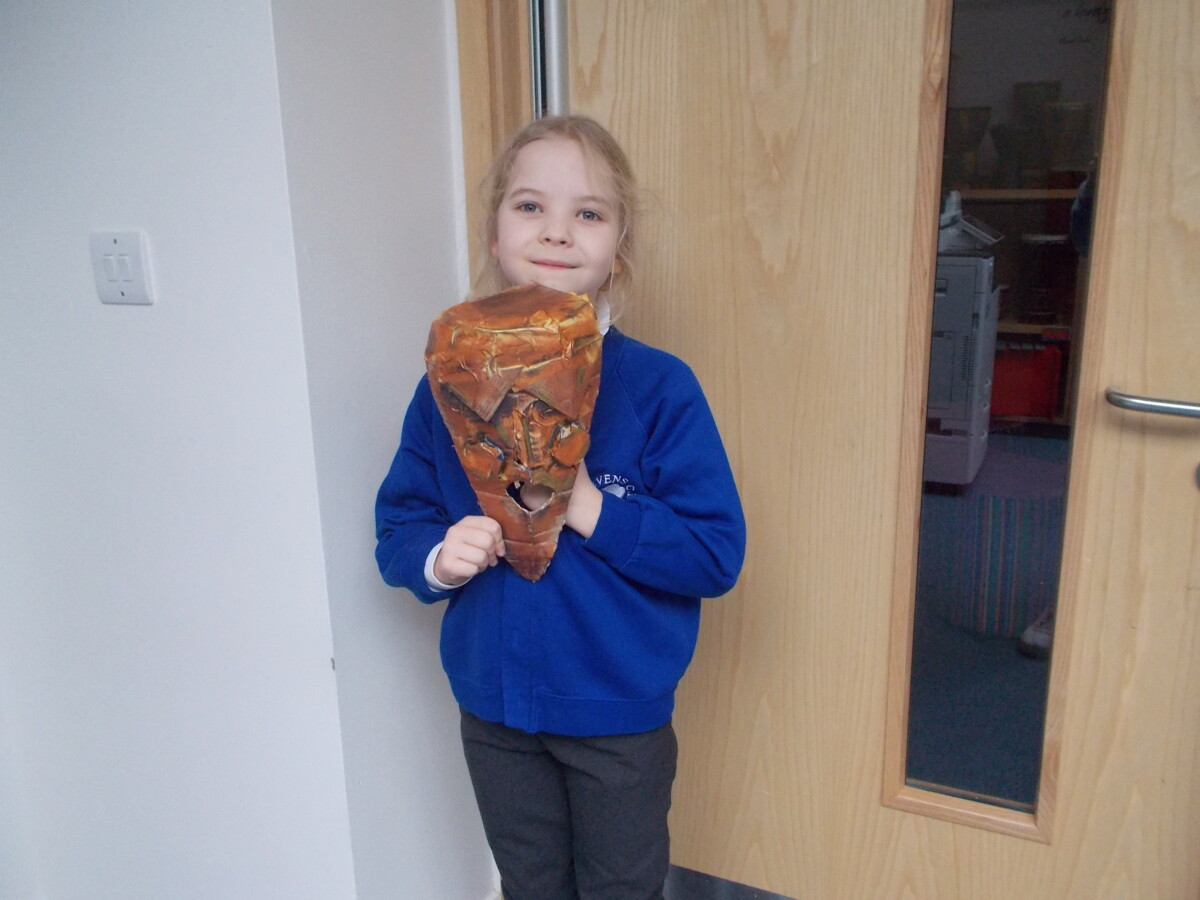
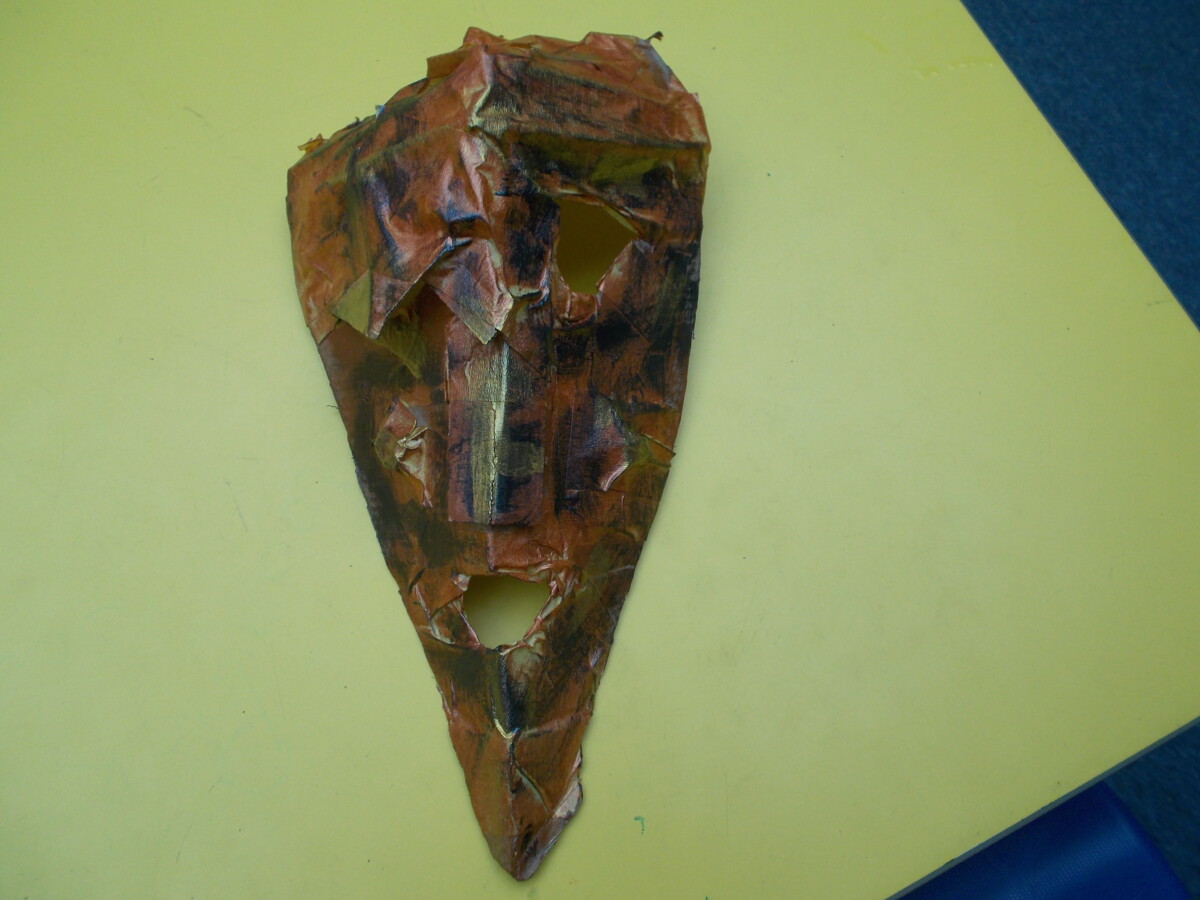
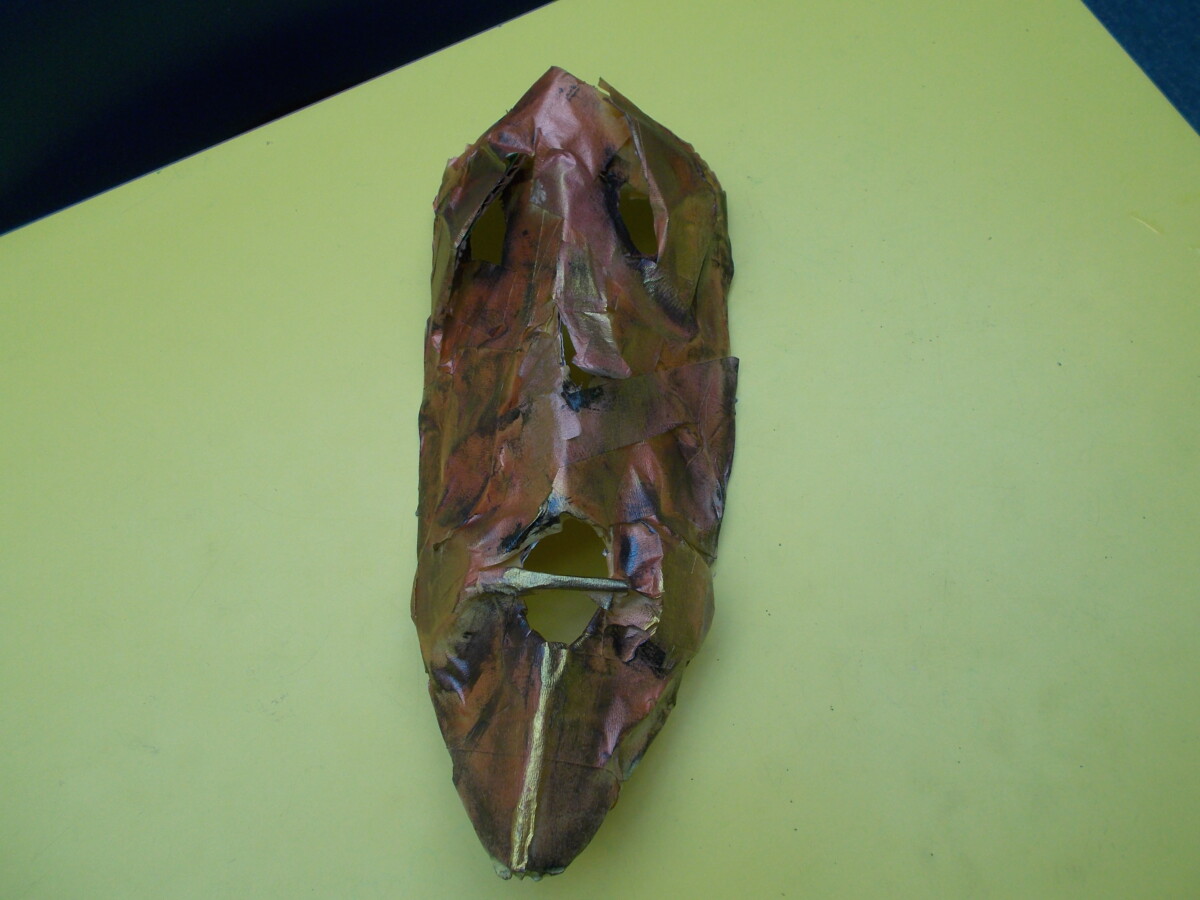
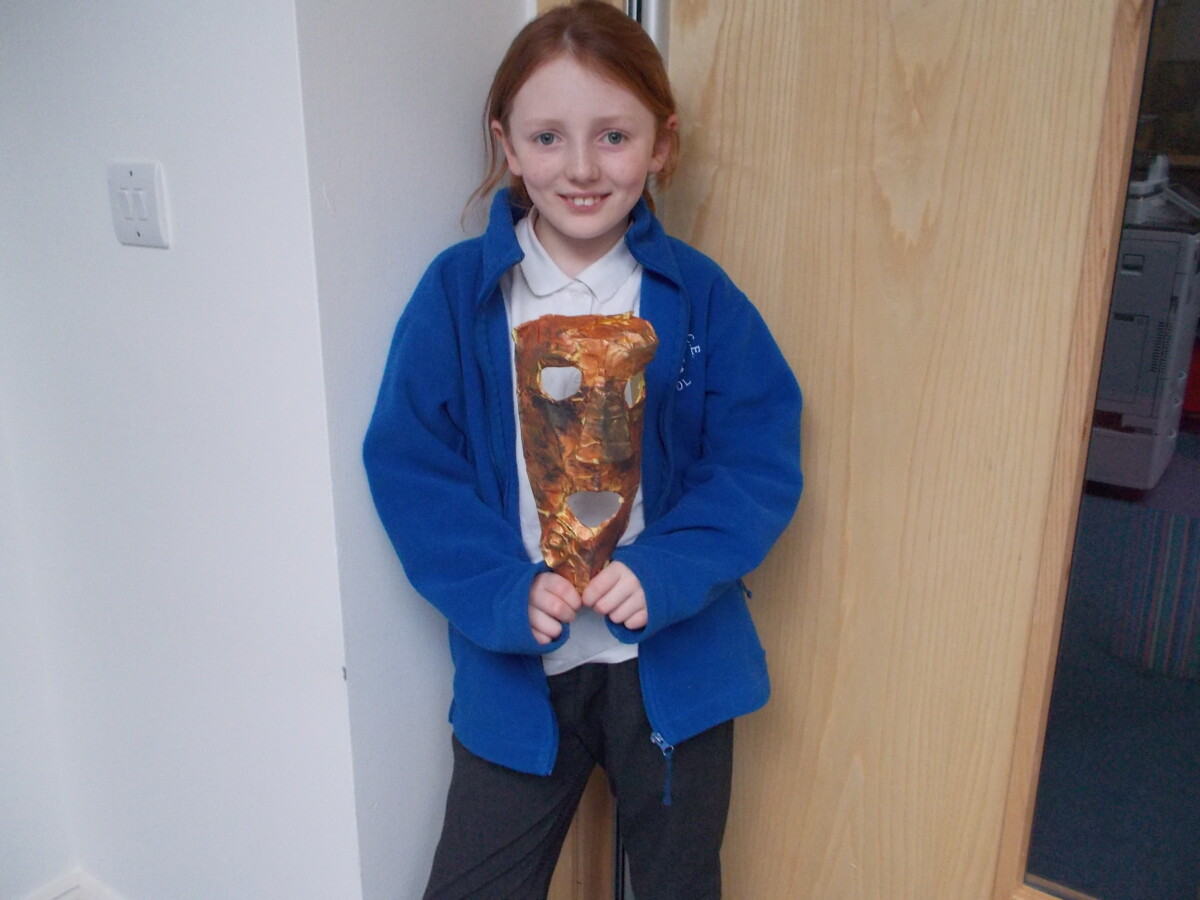
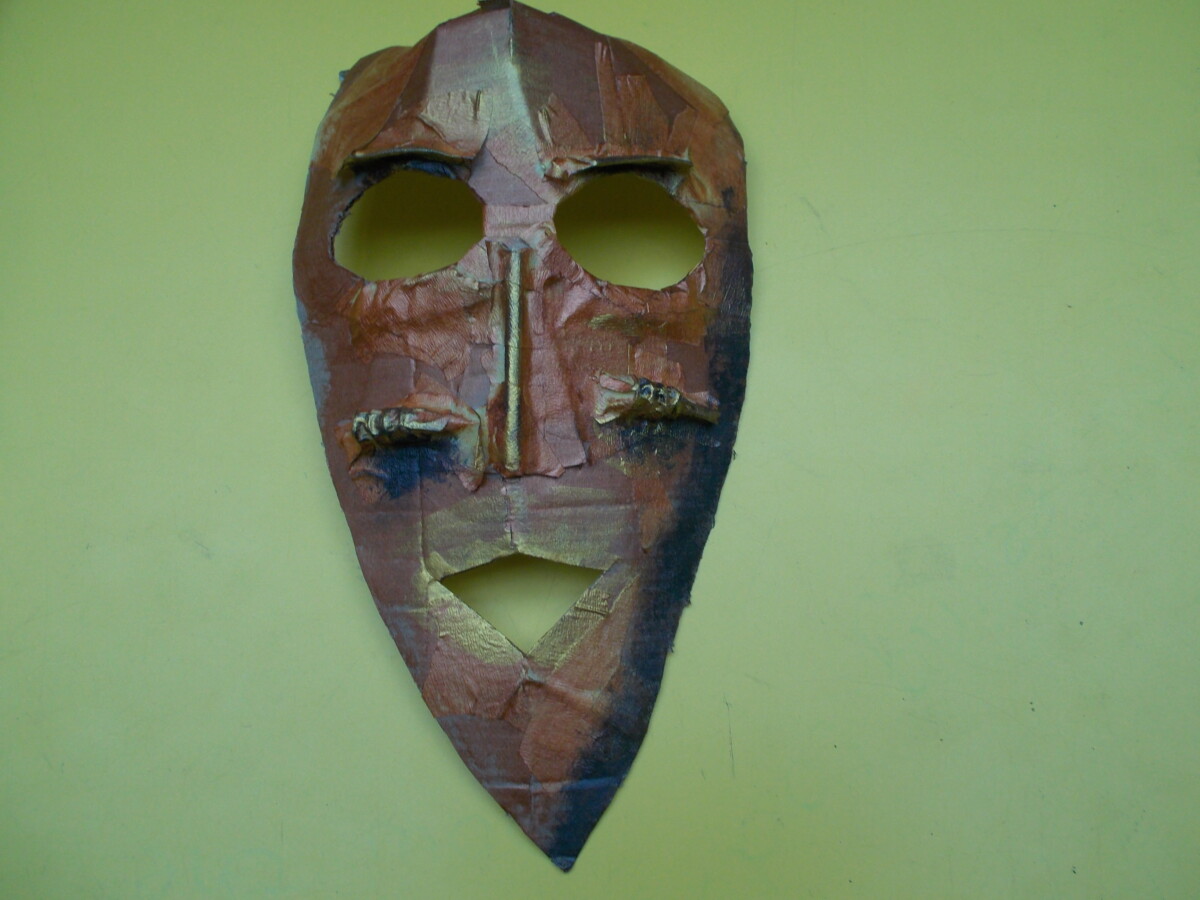
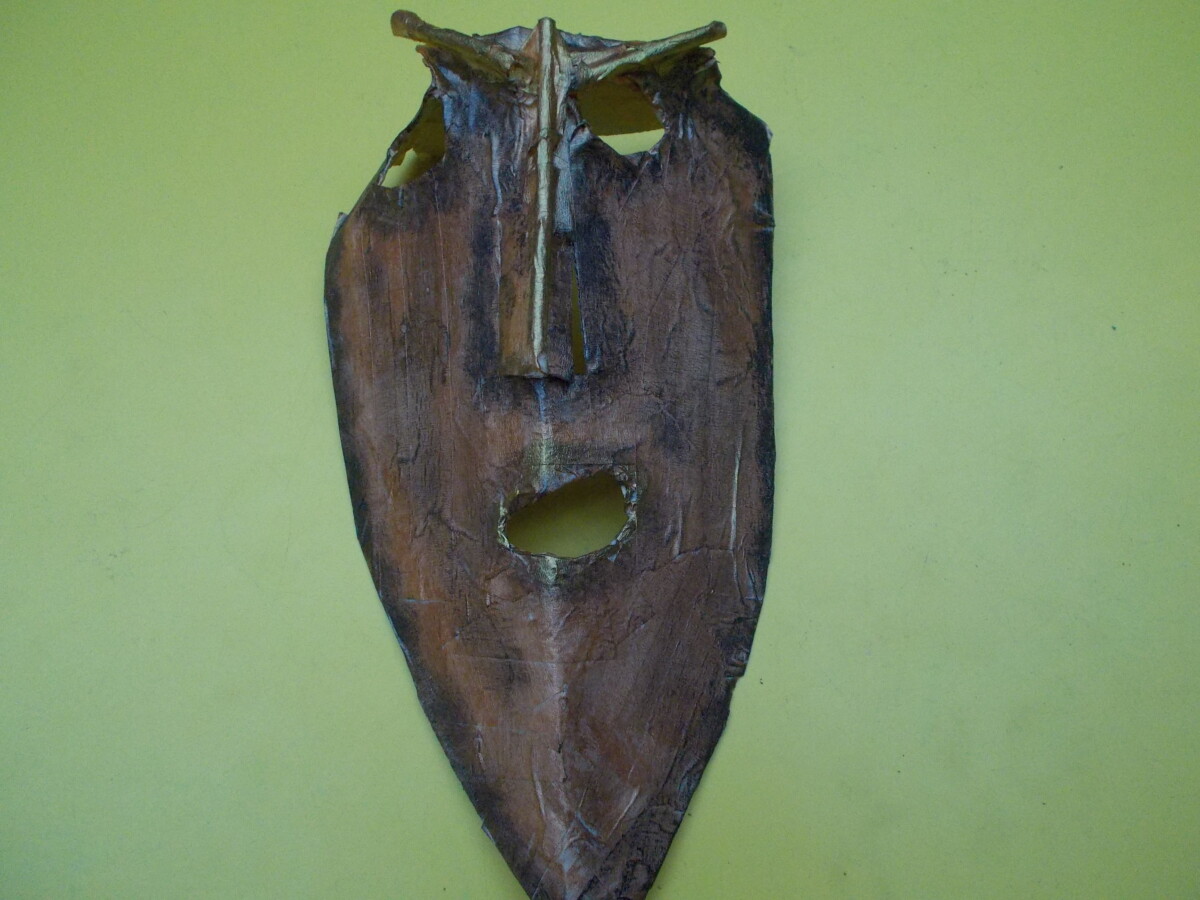
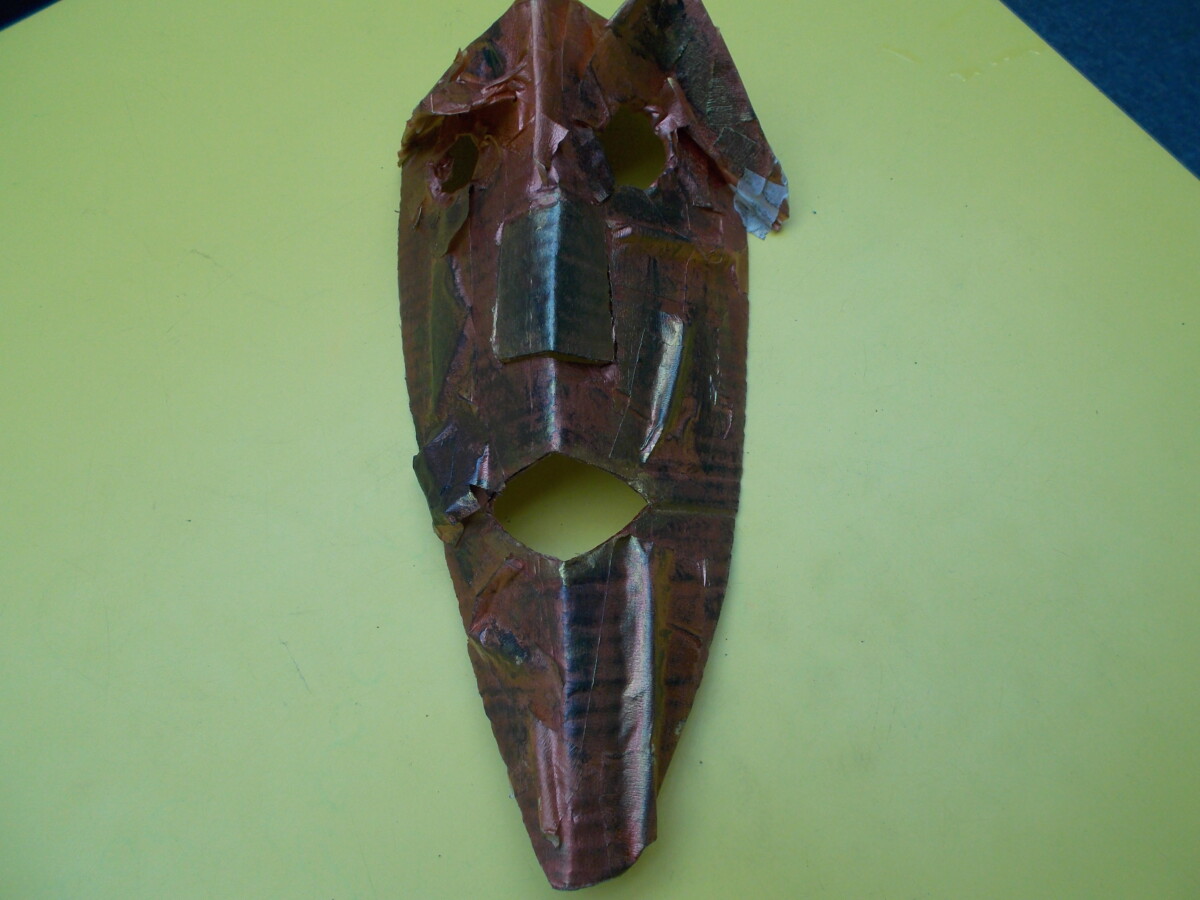
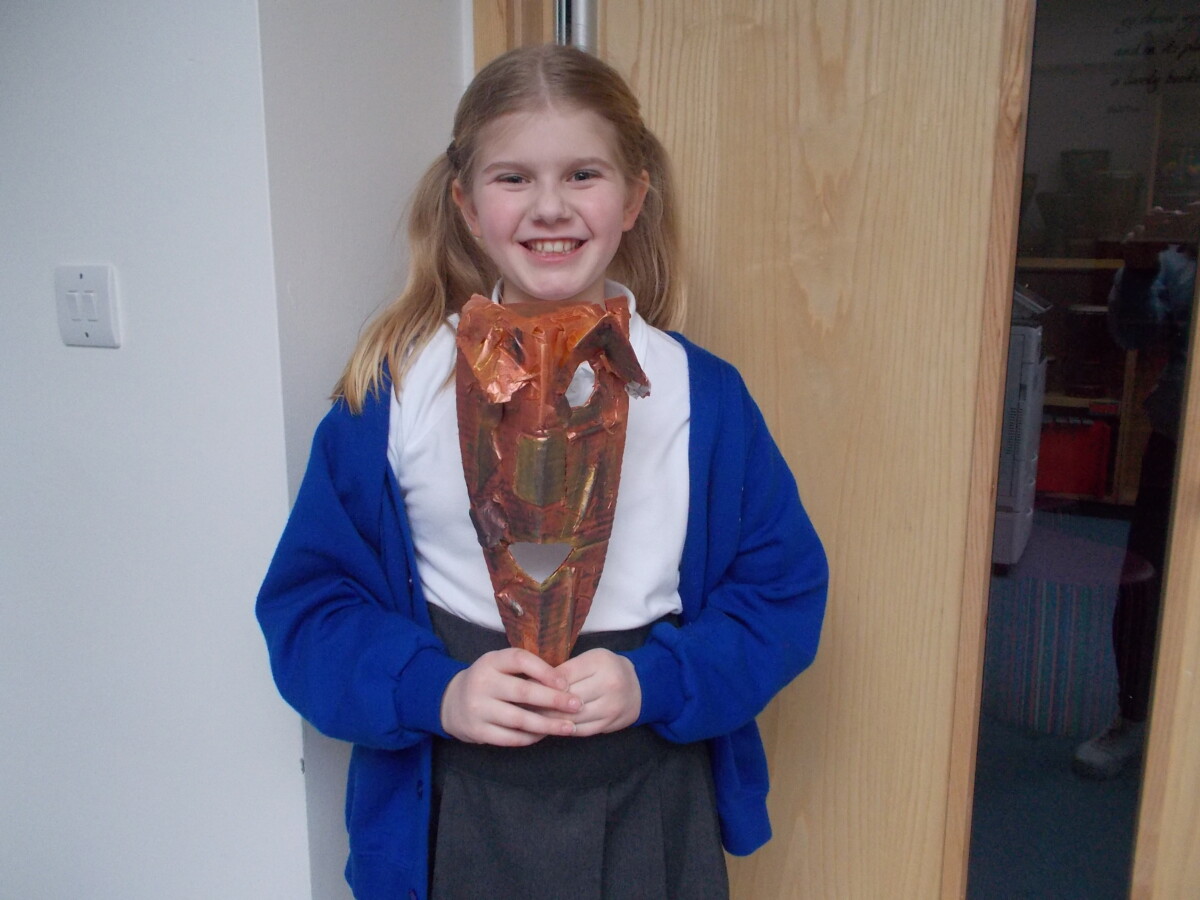
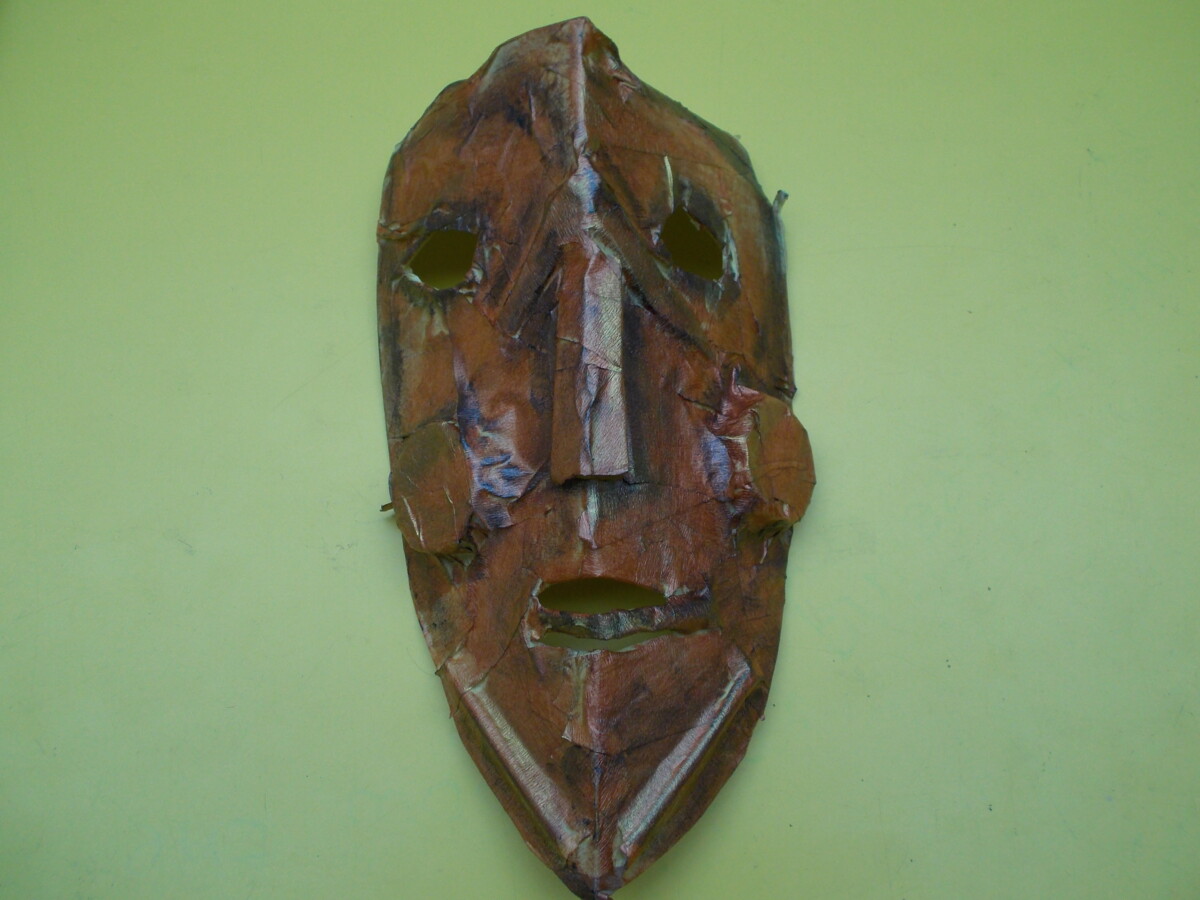
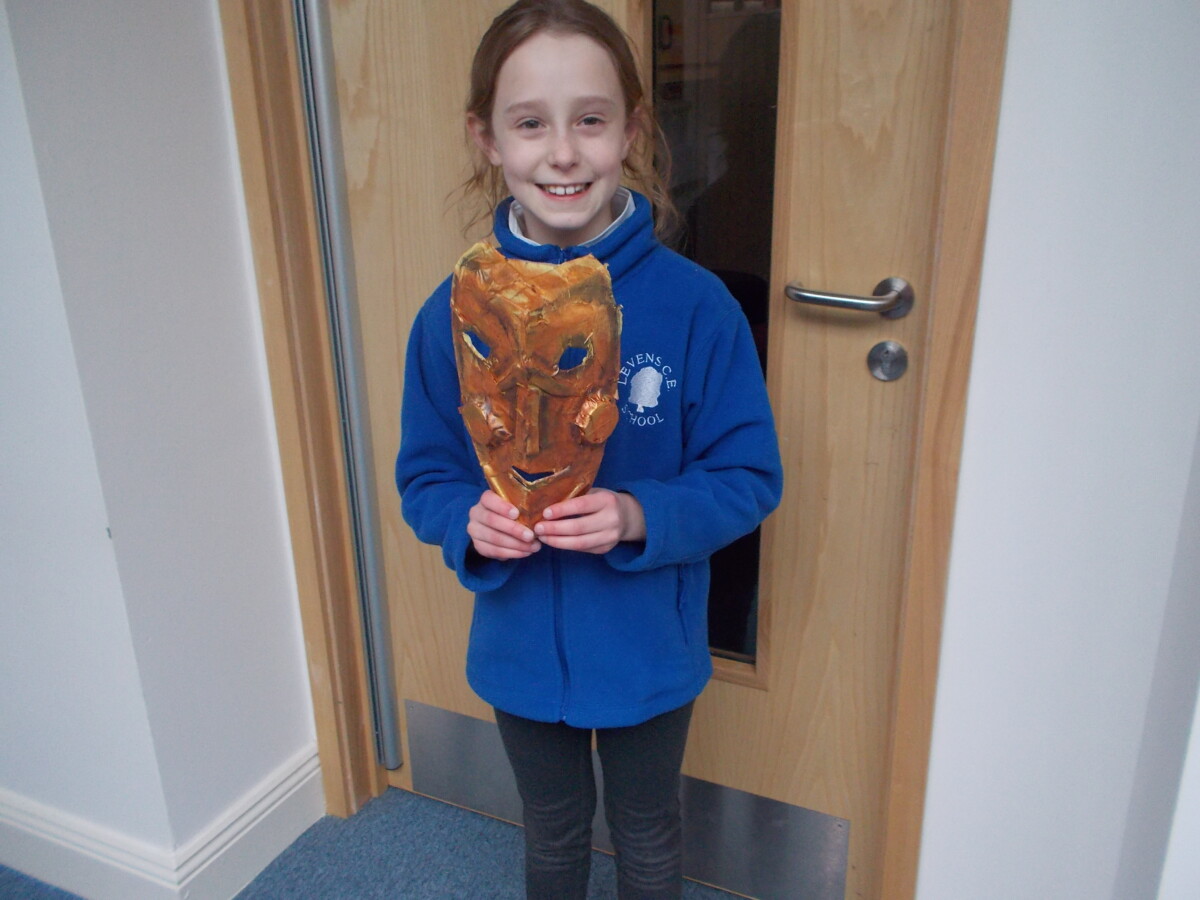
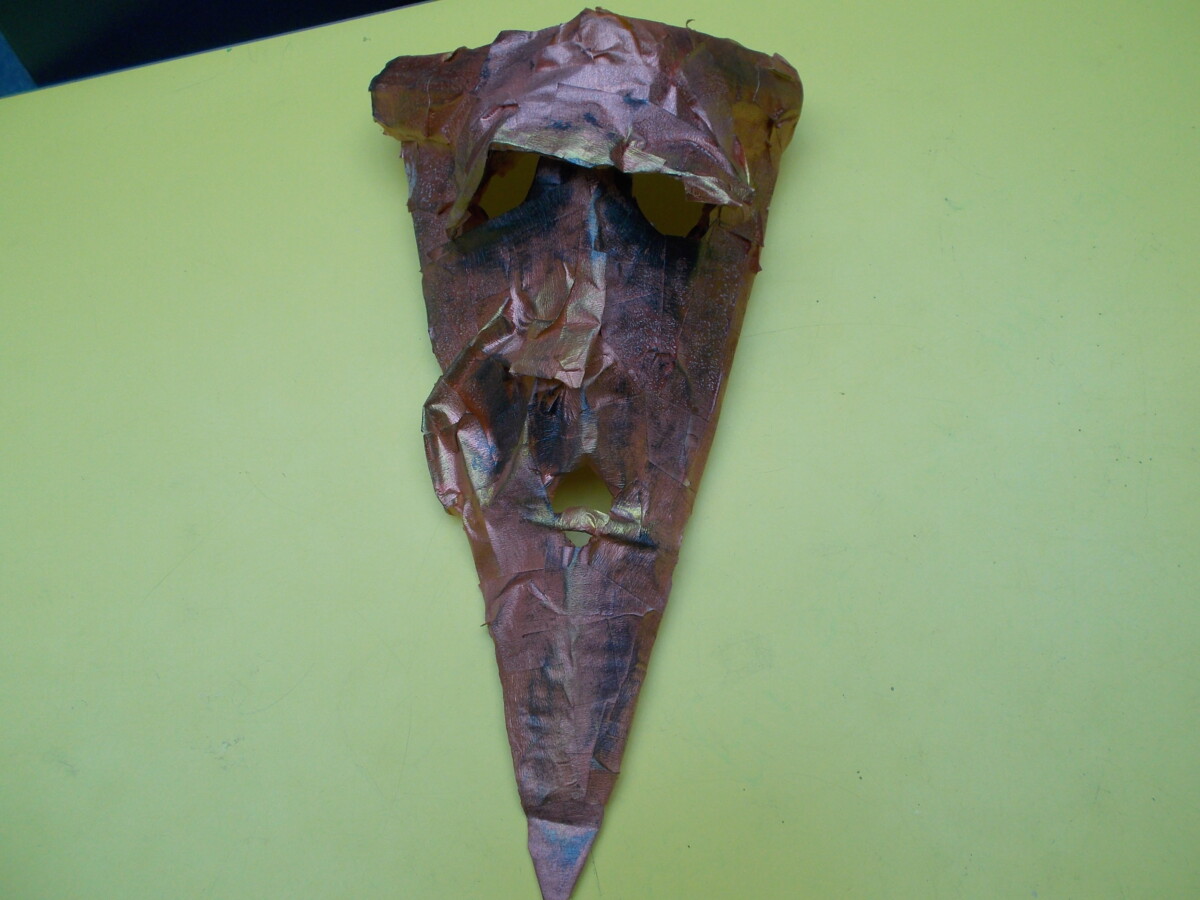
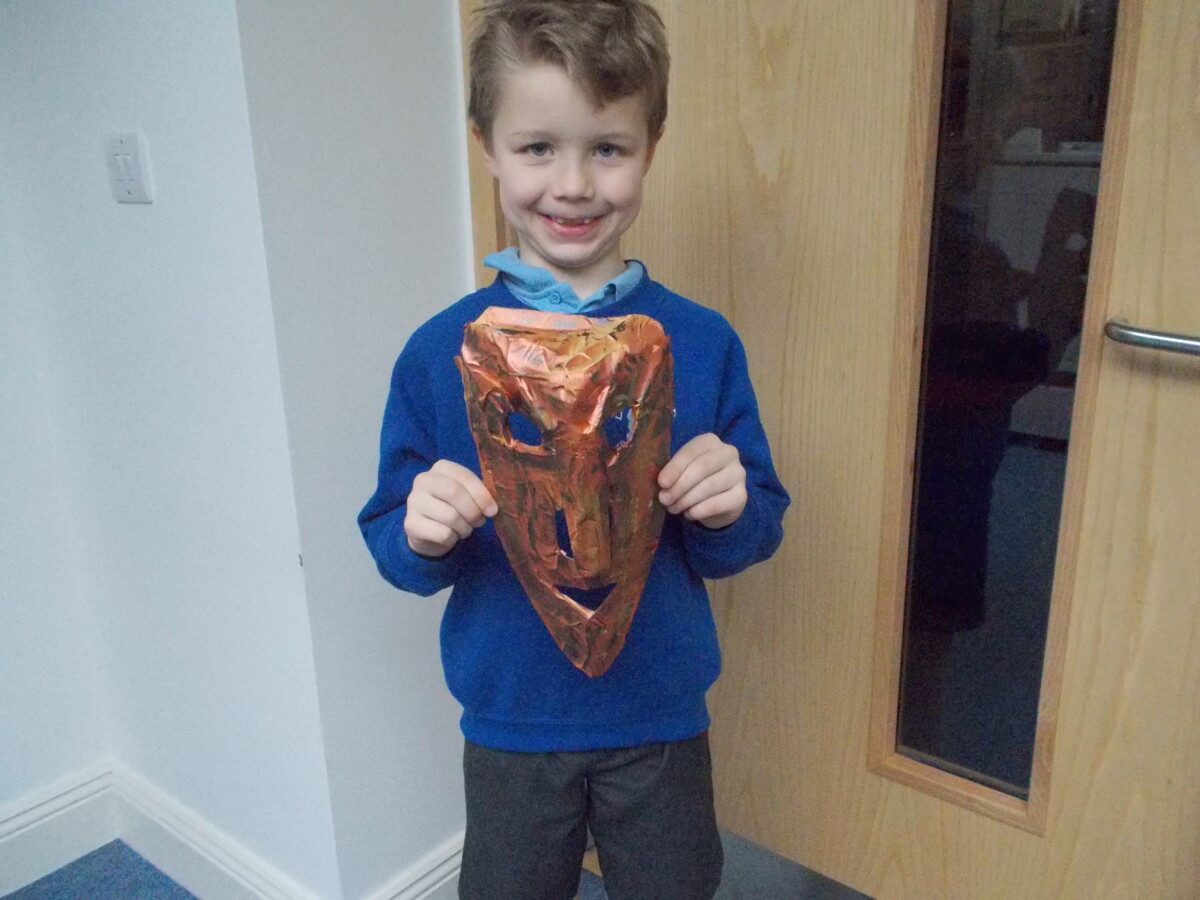
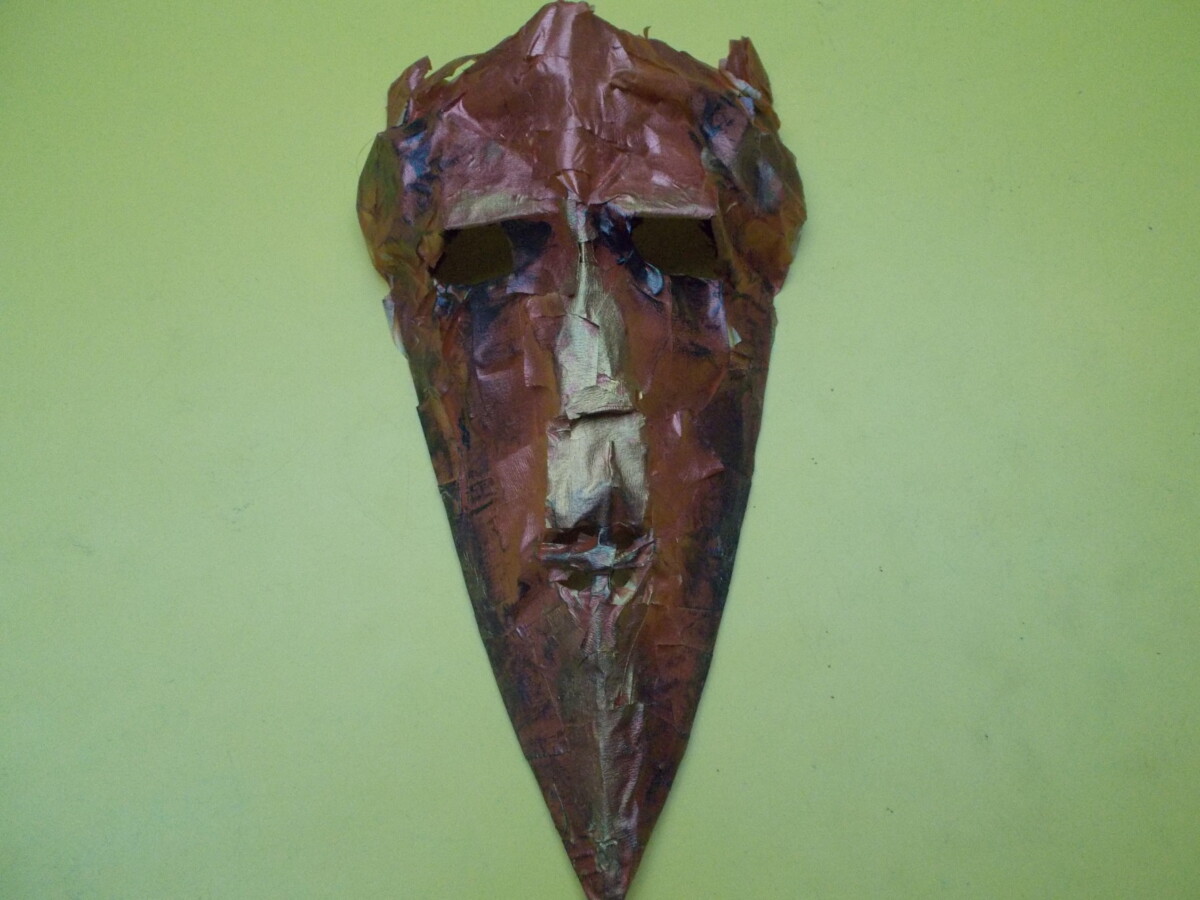
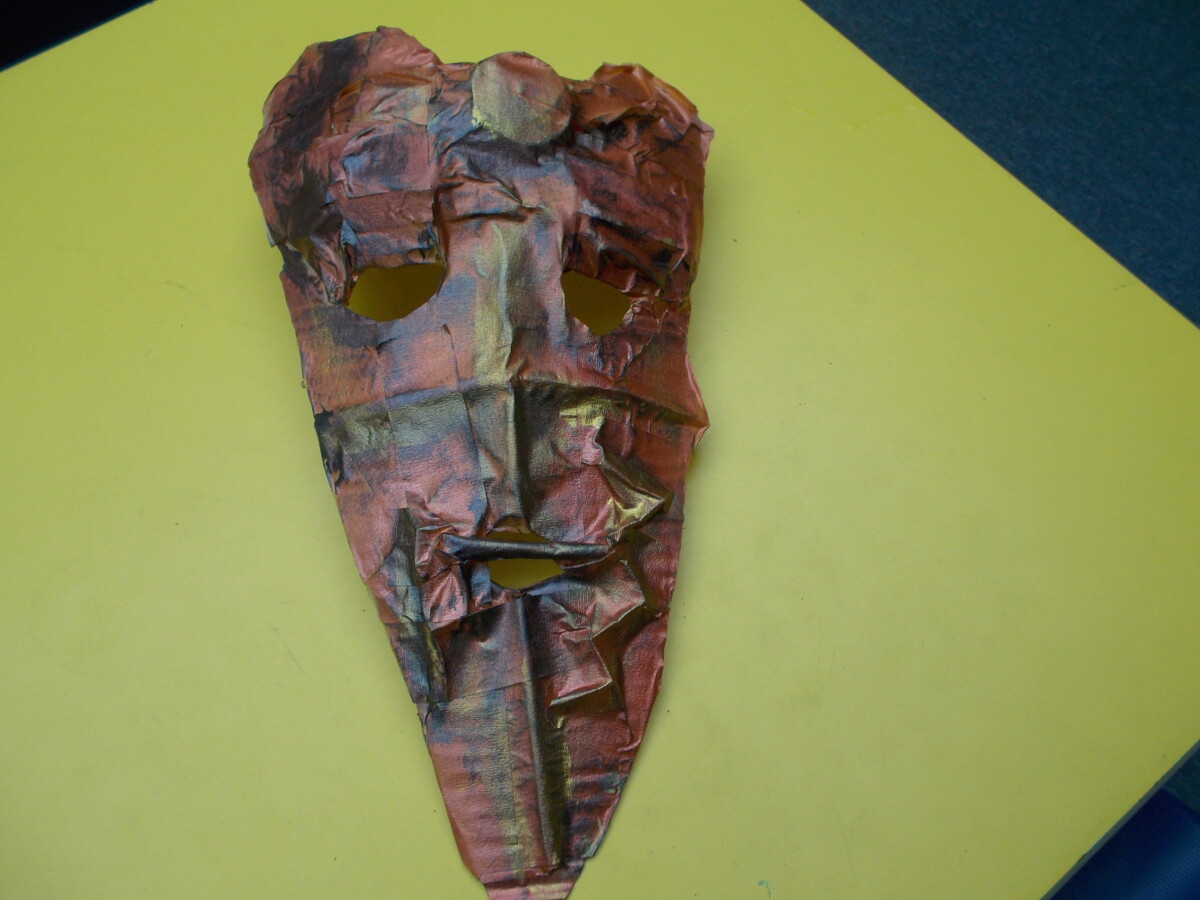
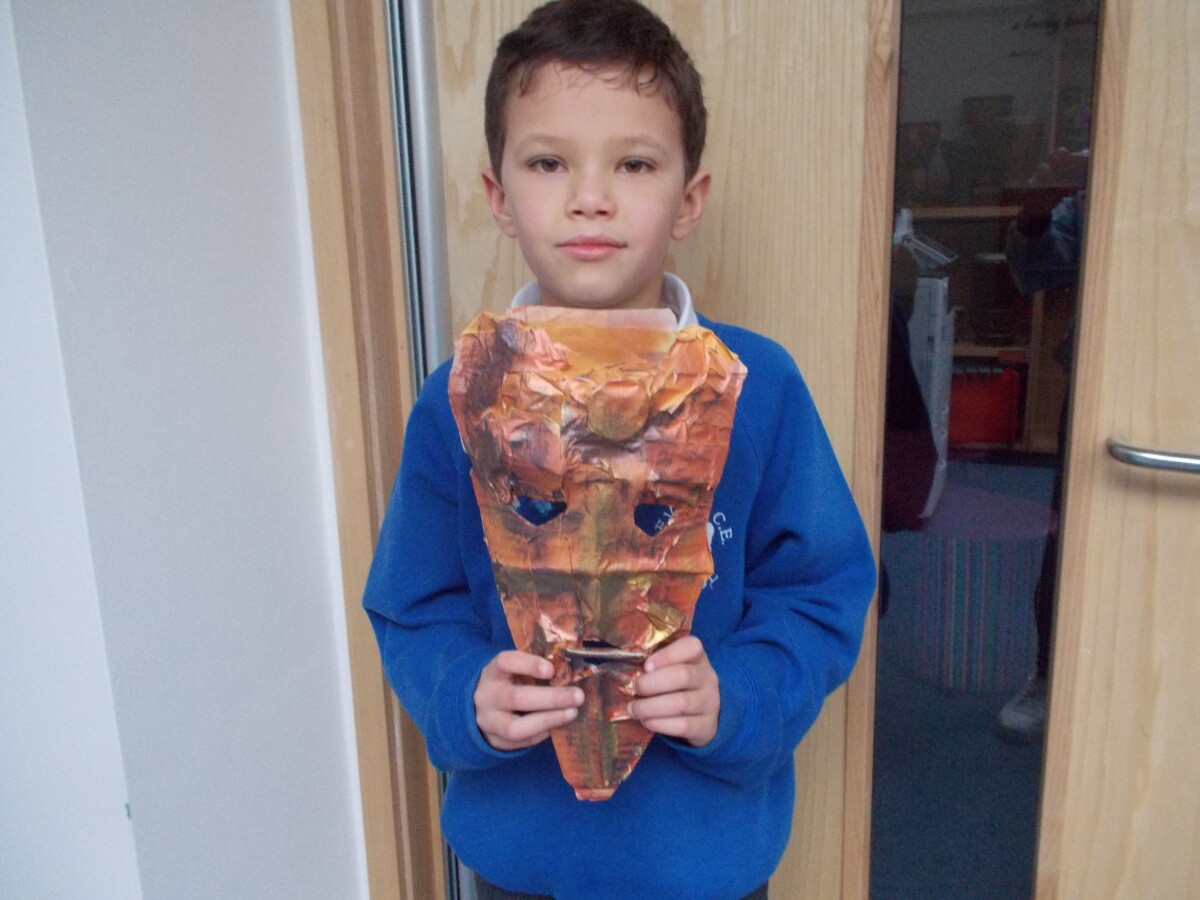
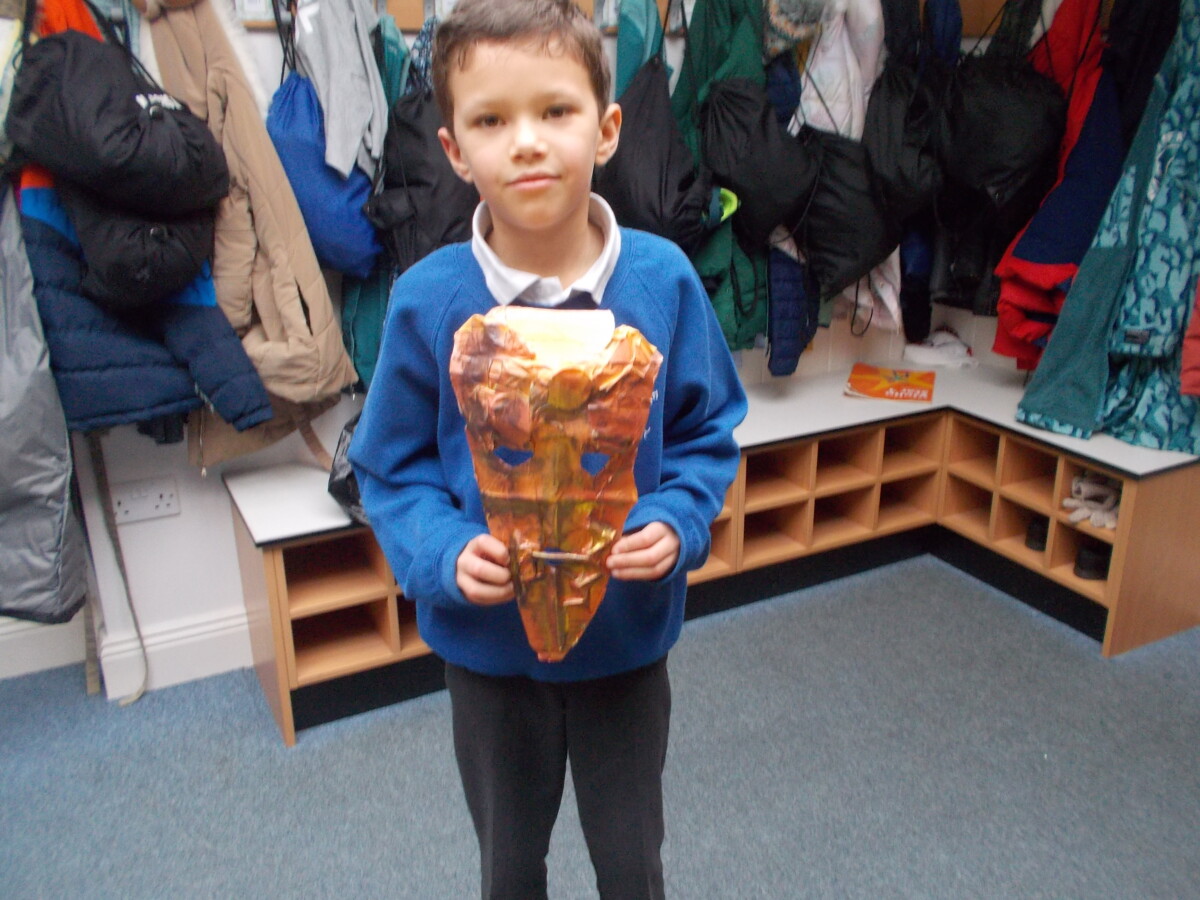
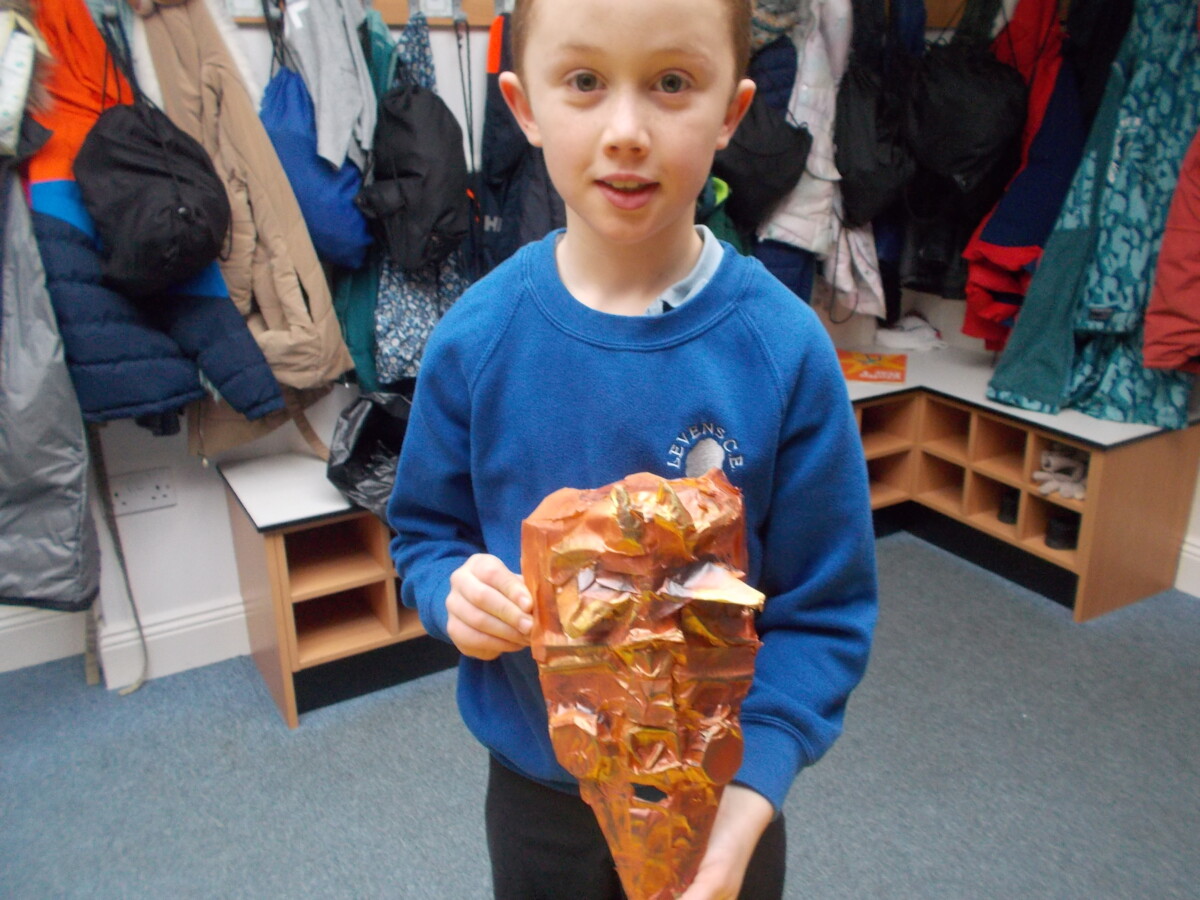
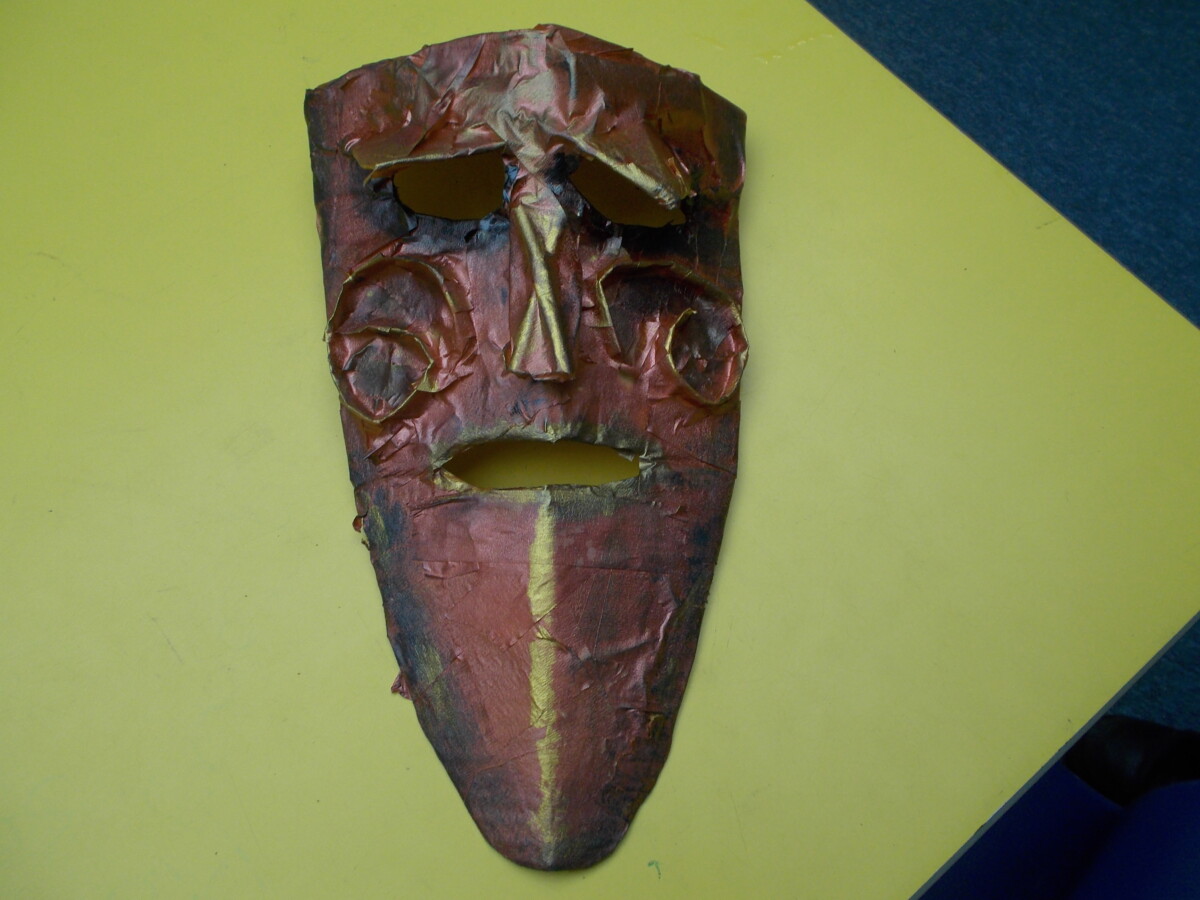
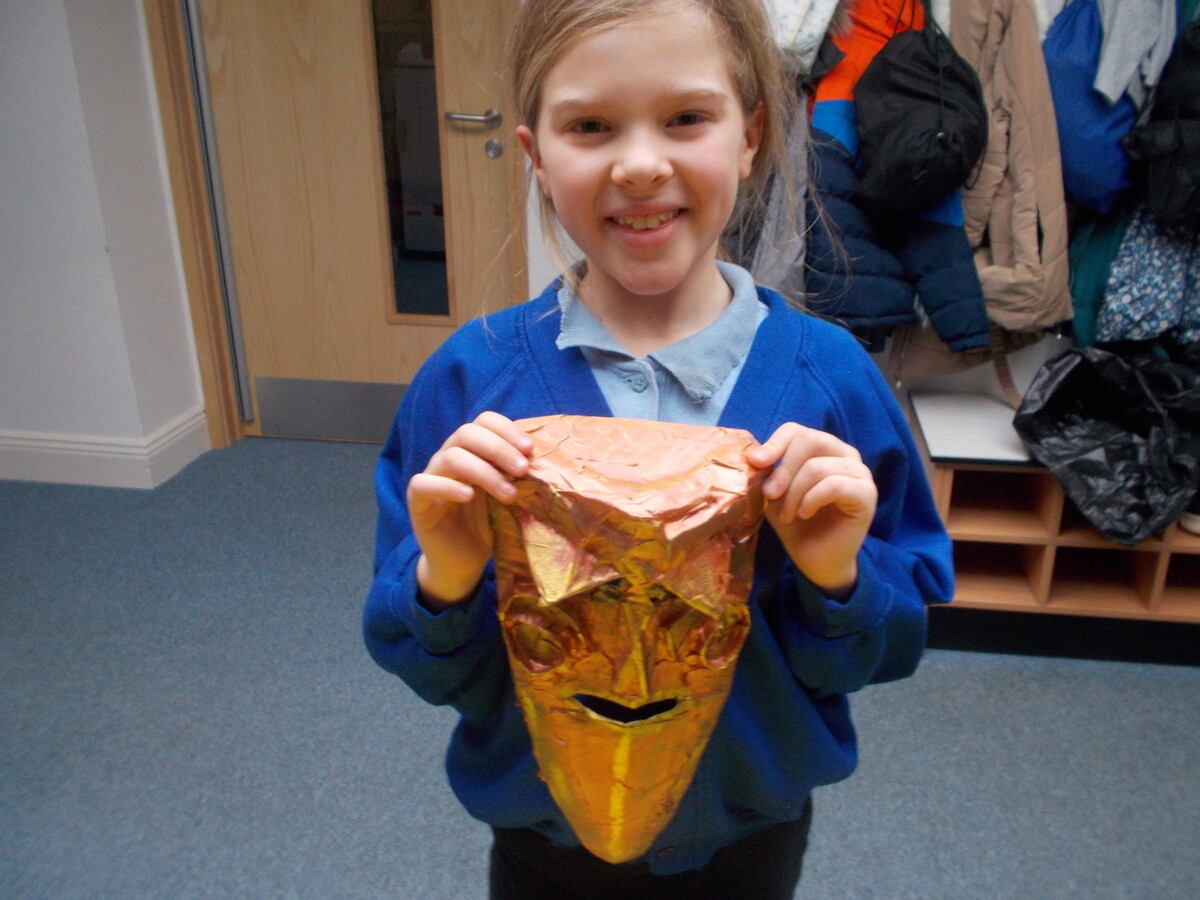
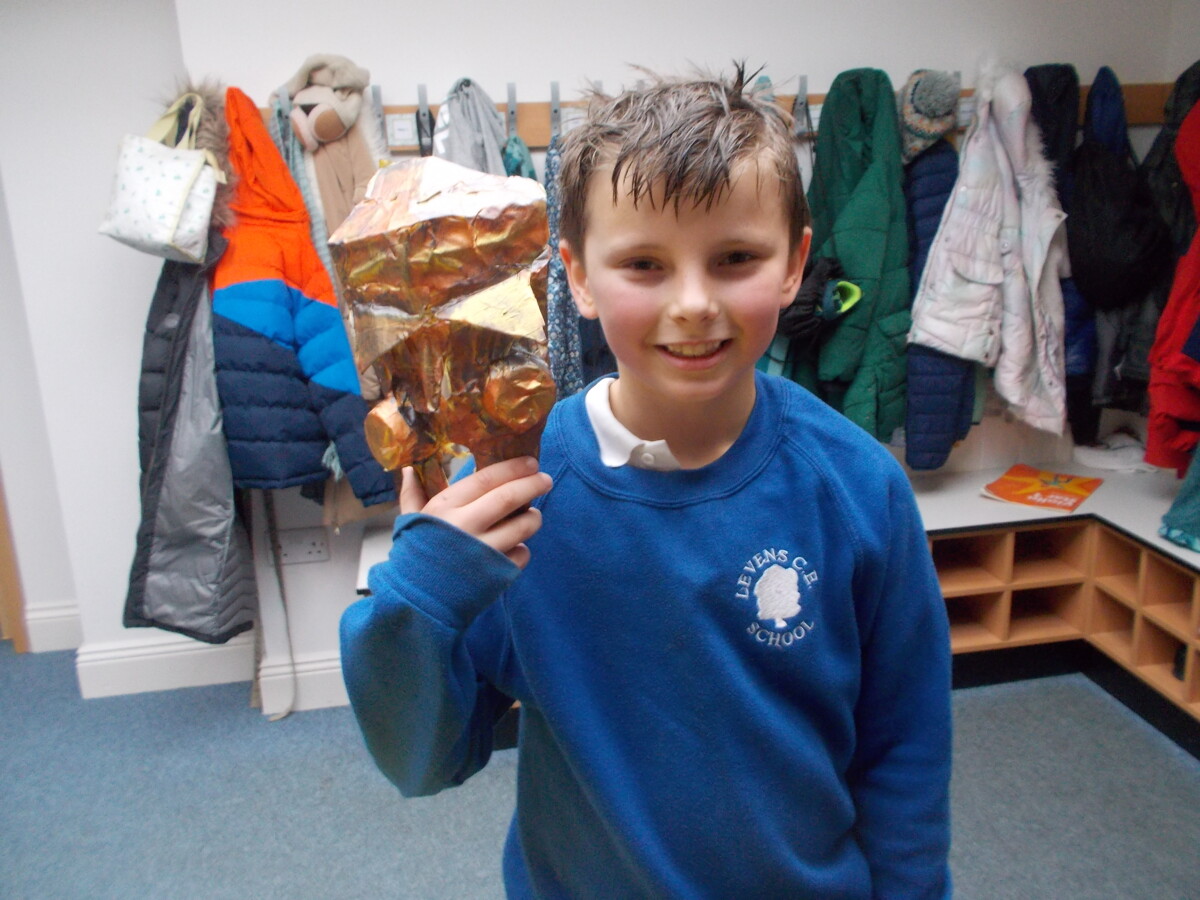
Linking in with our Anglo-Saxon topic, Class Three have been looking at the Sutton Hoo Mask and using this as inspiration for our own 3D masks. I think you will agree they look amazing.


Dallam gymnastics

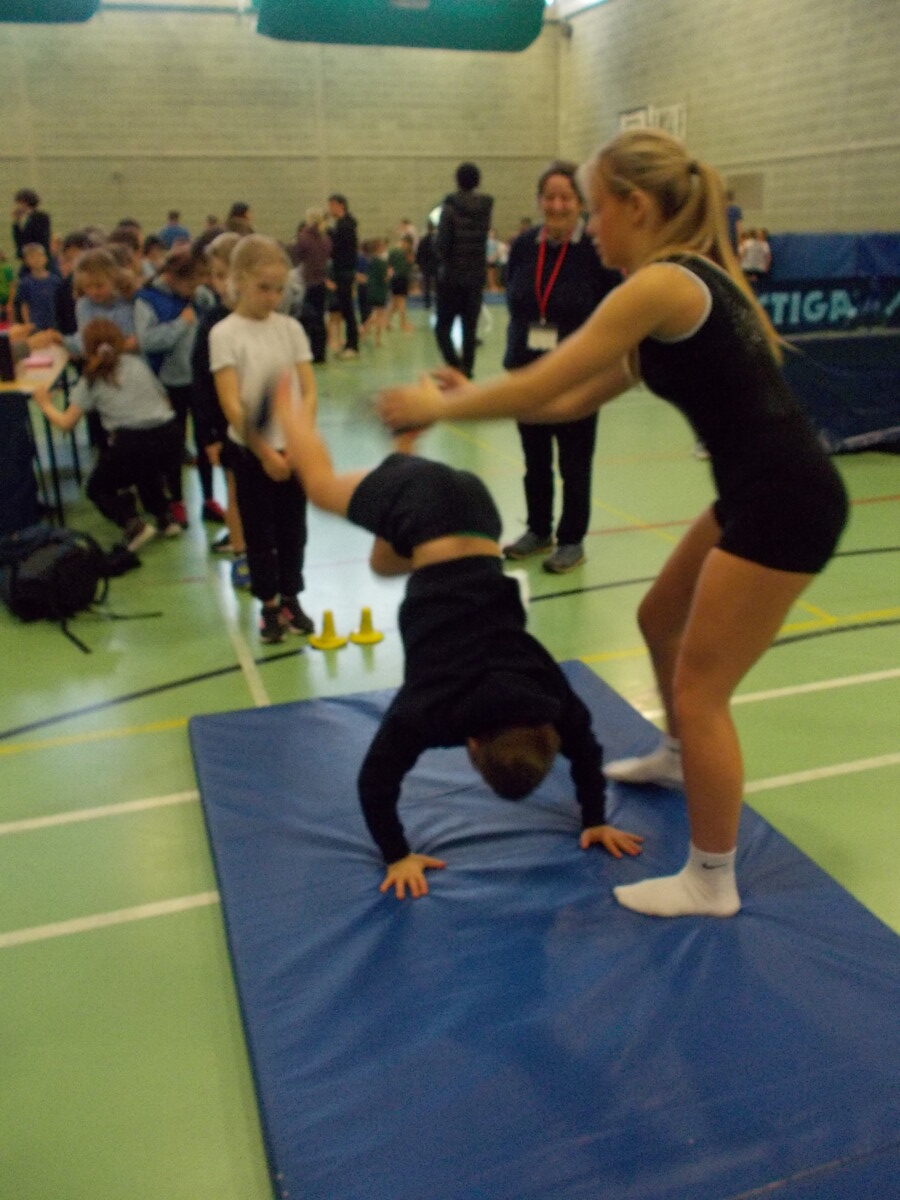
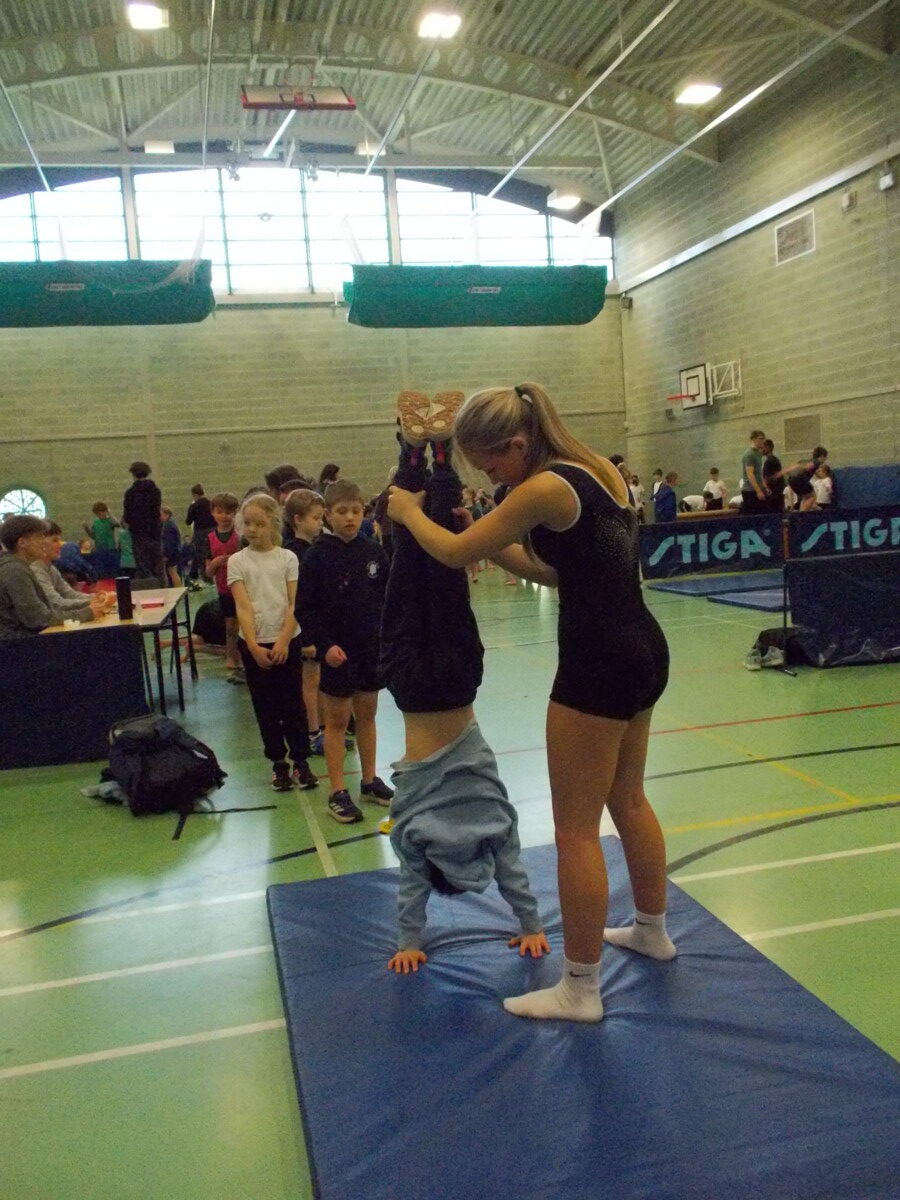
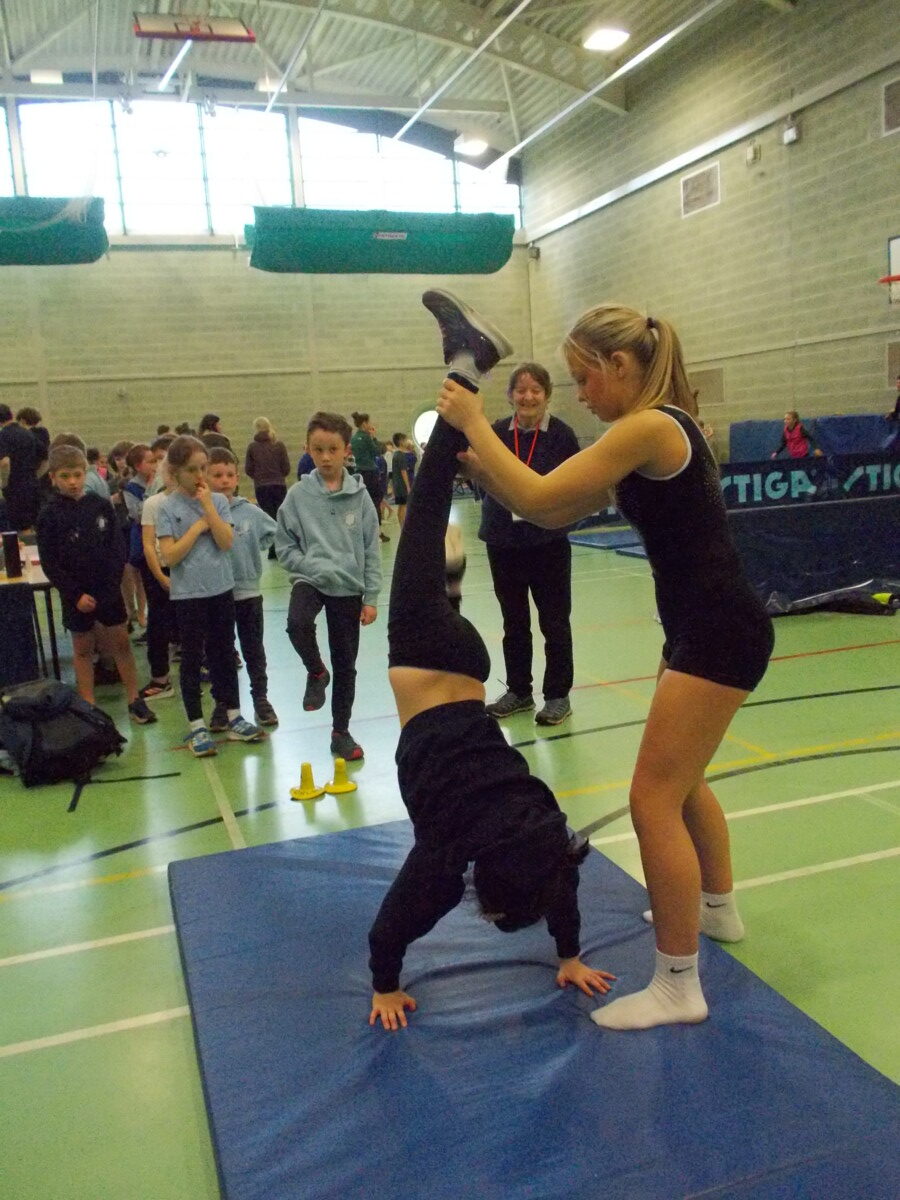
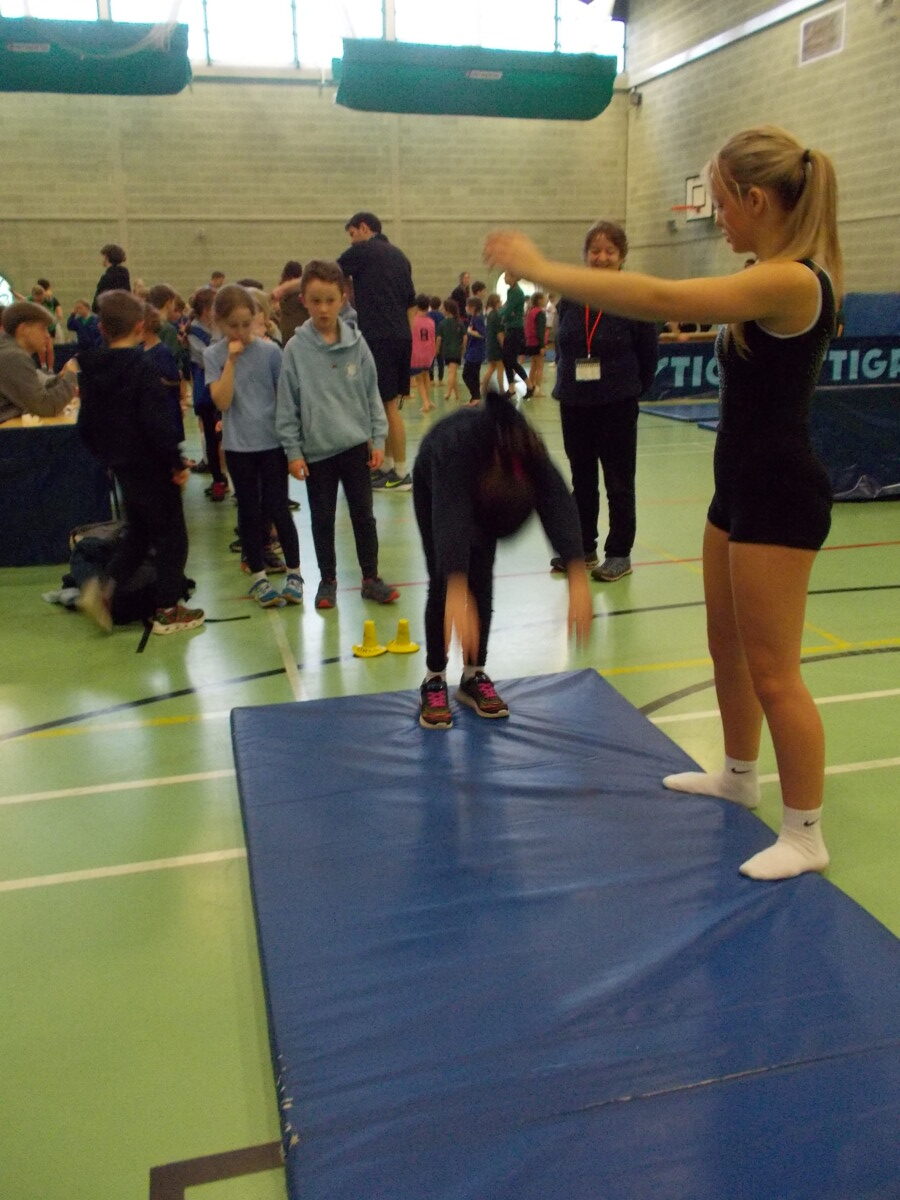
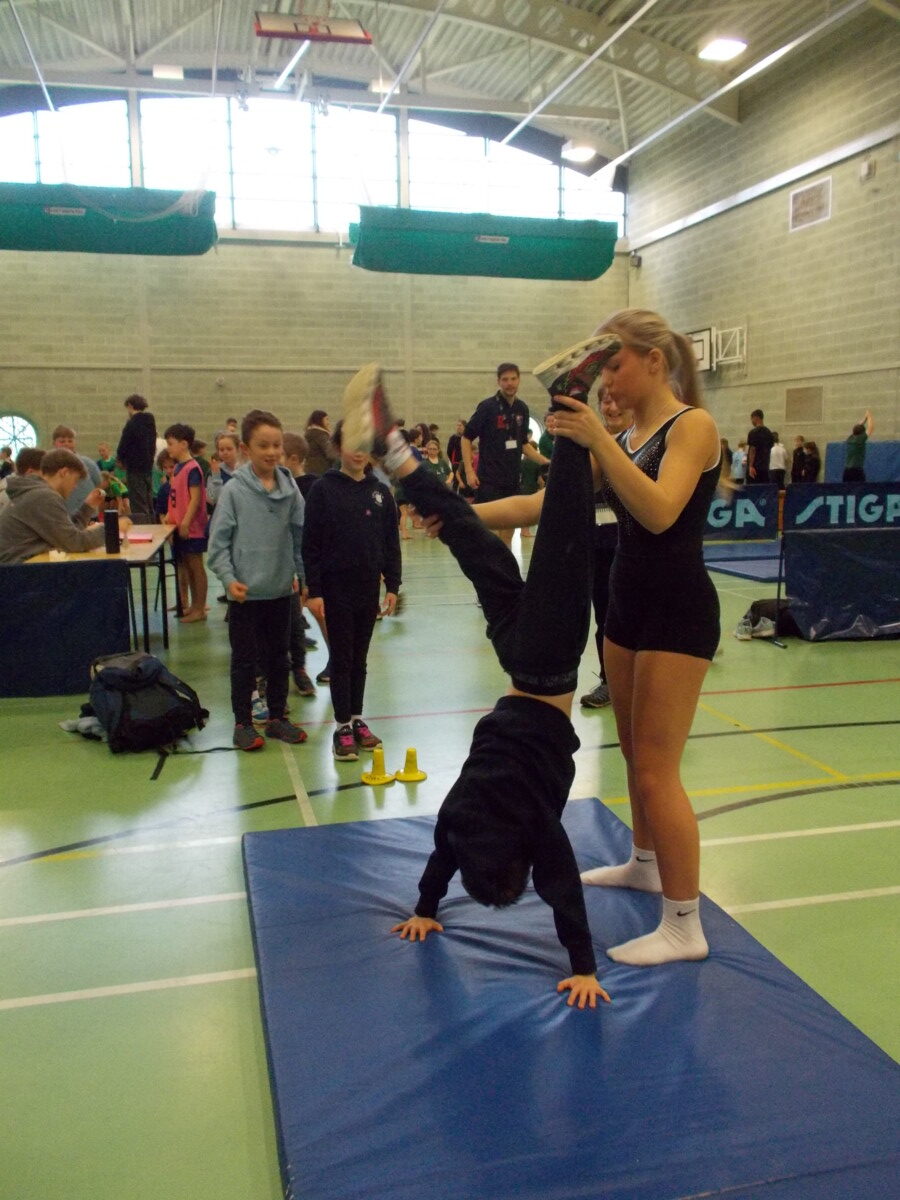
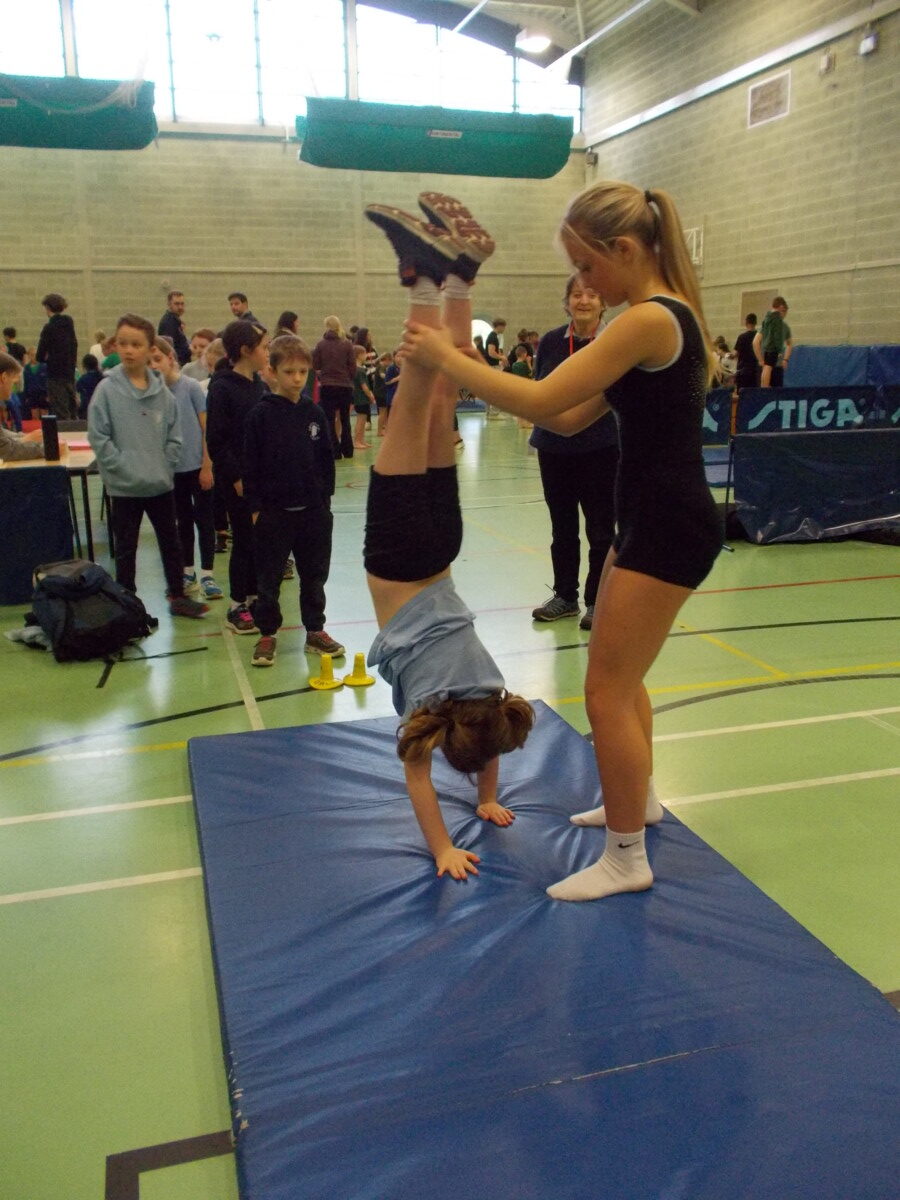
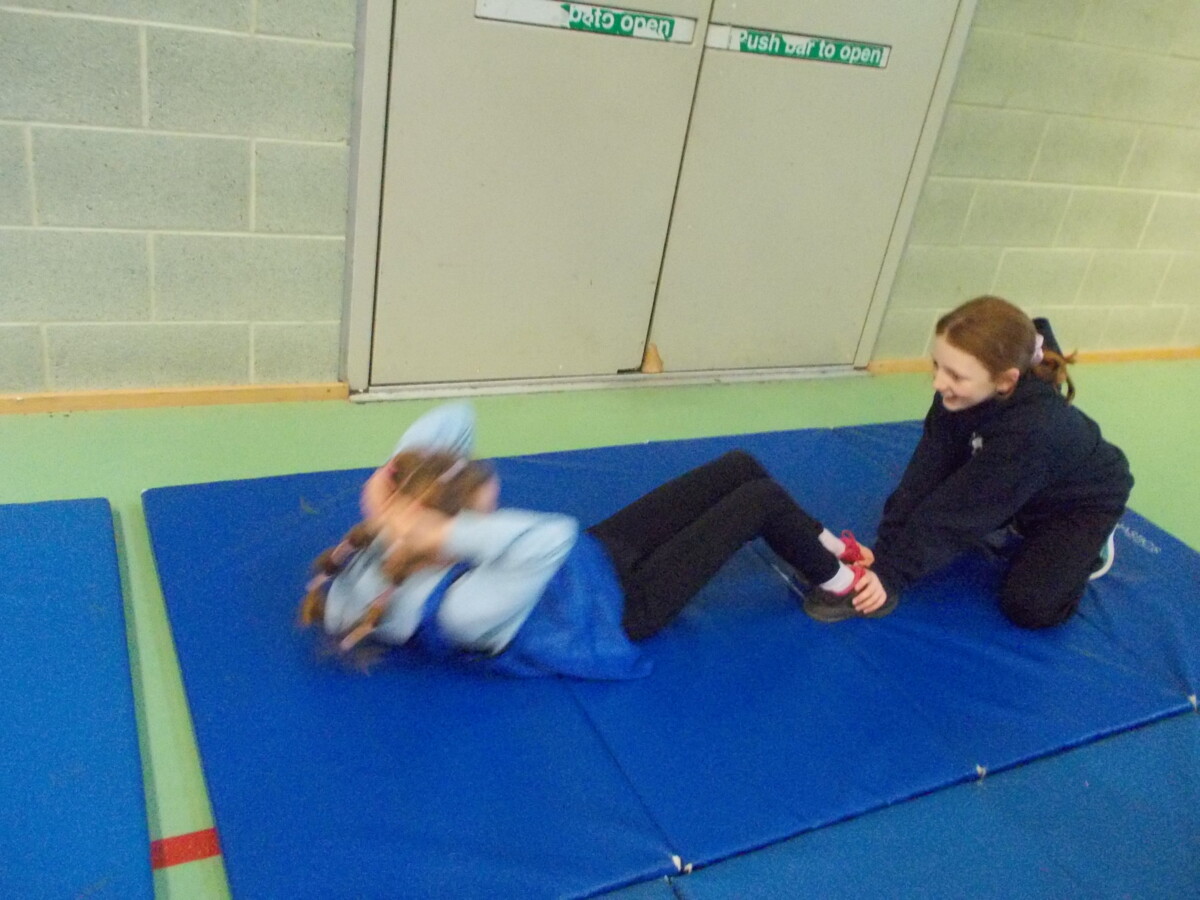
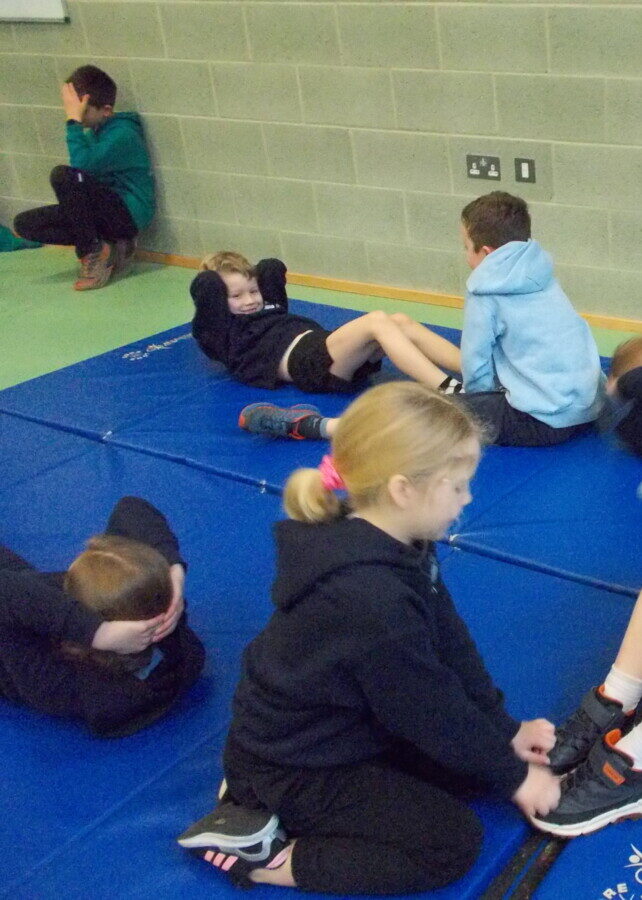
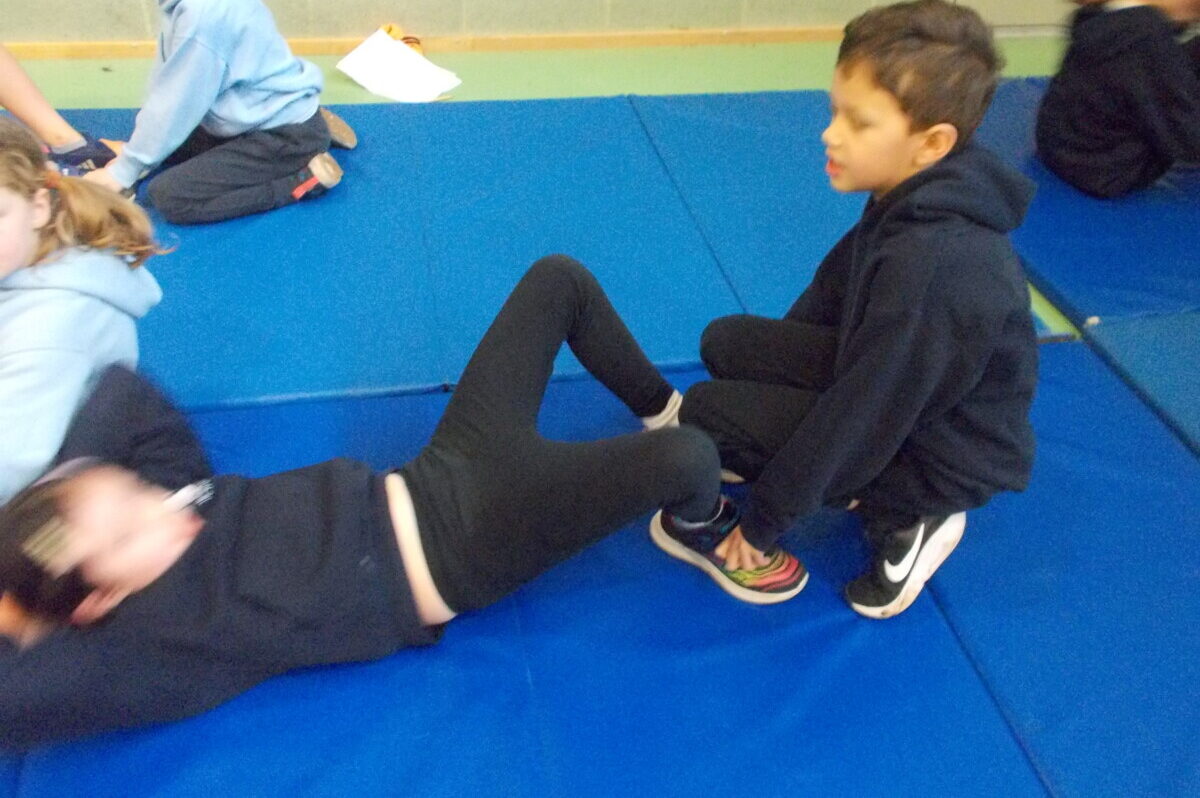
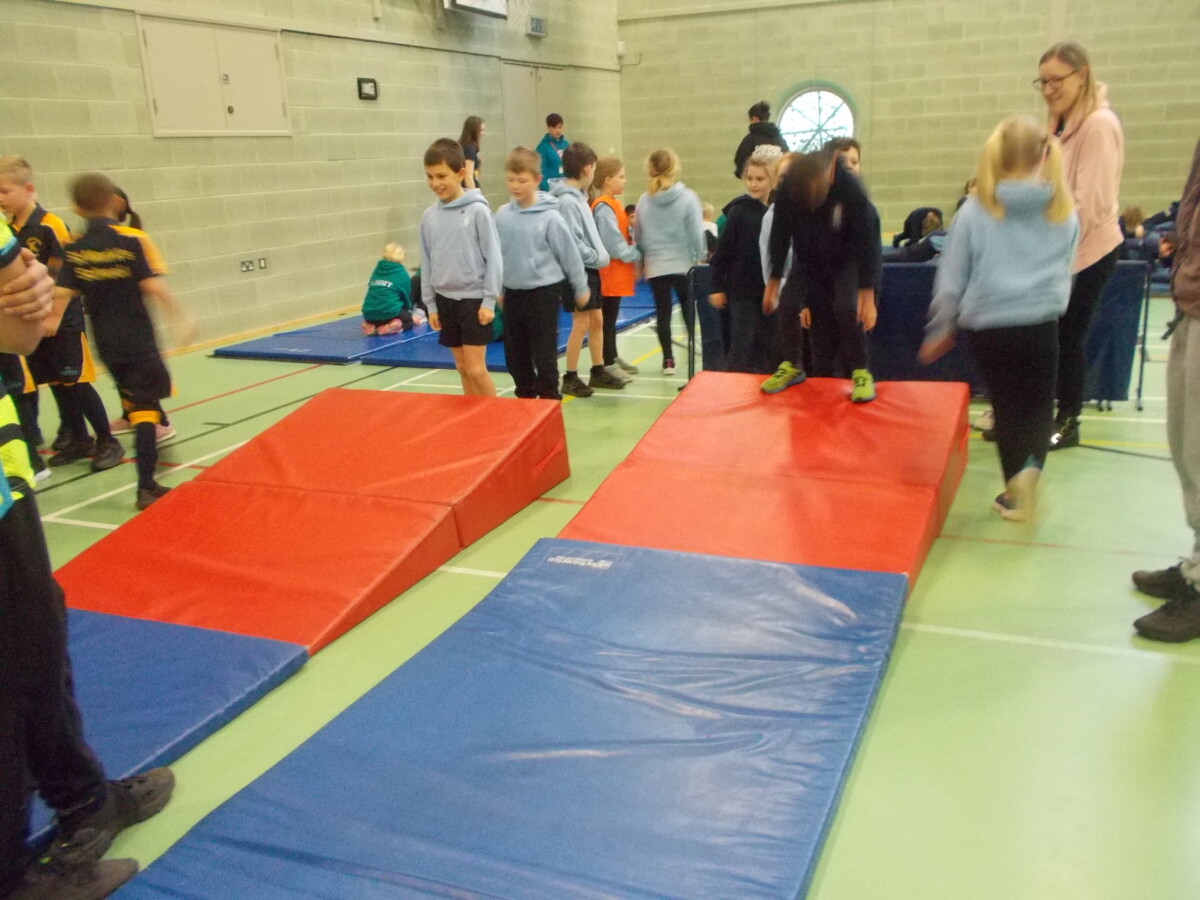
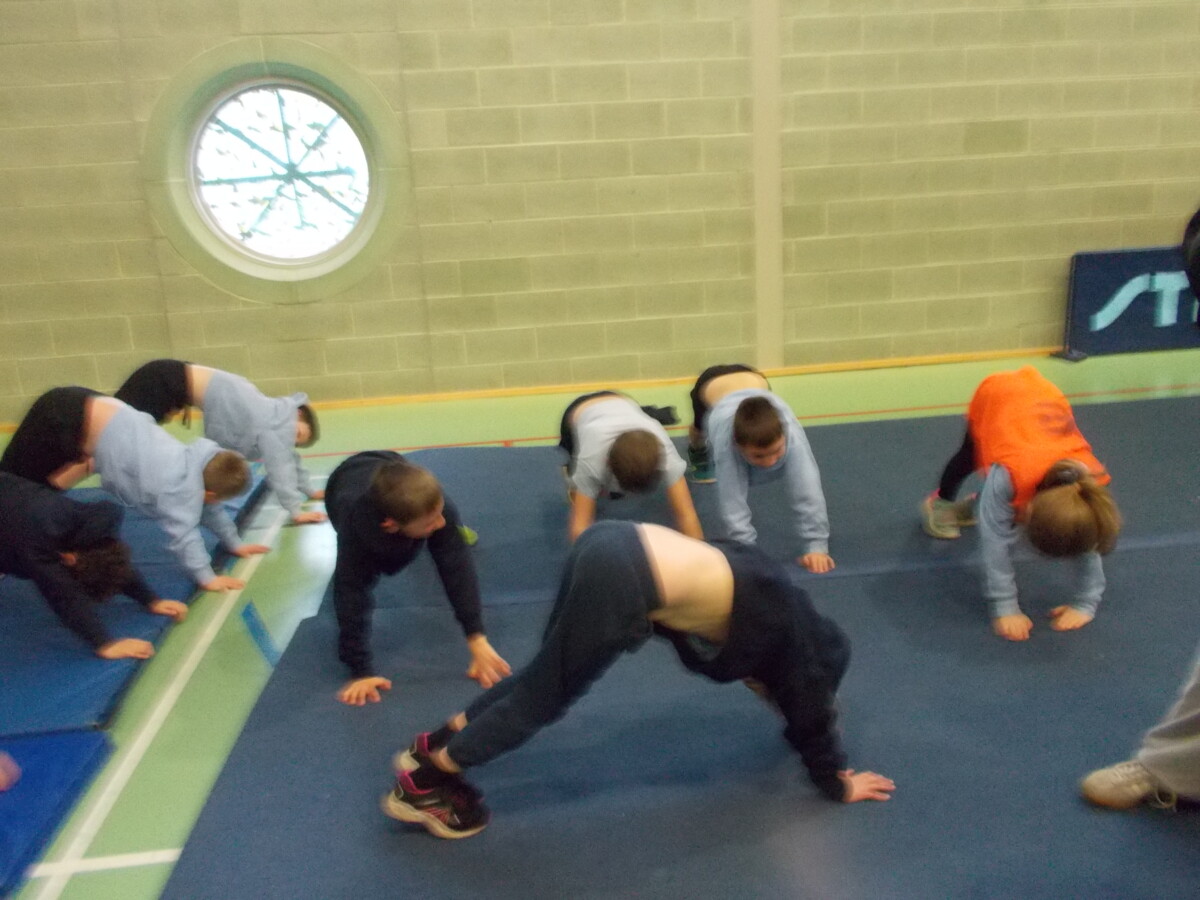
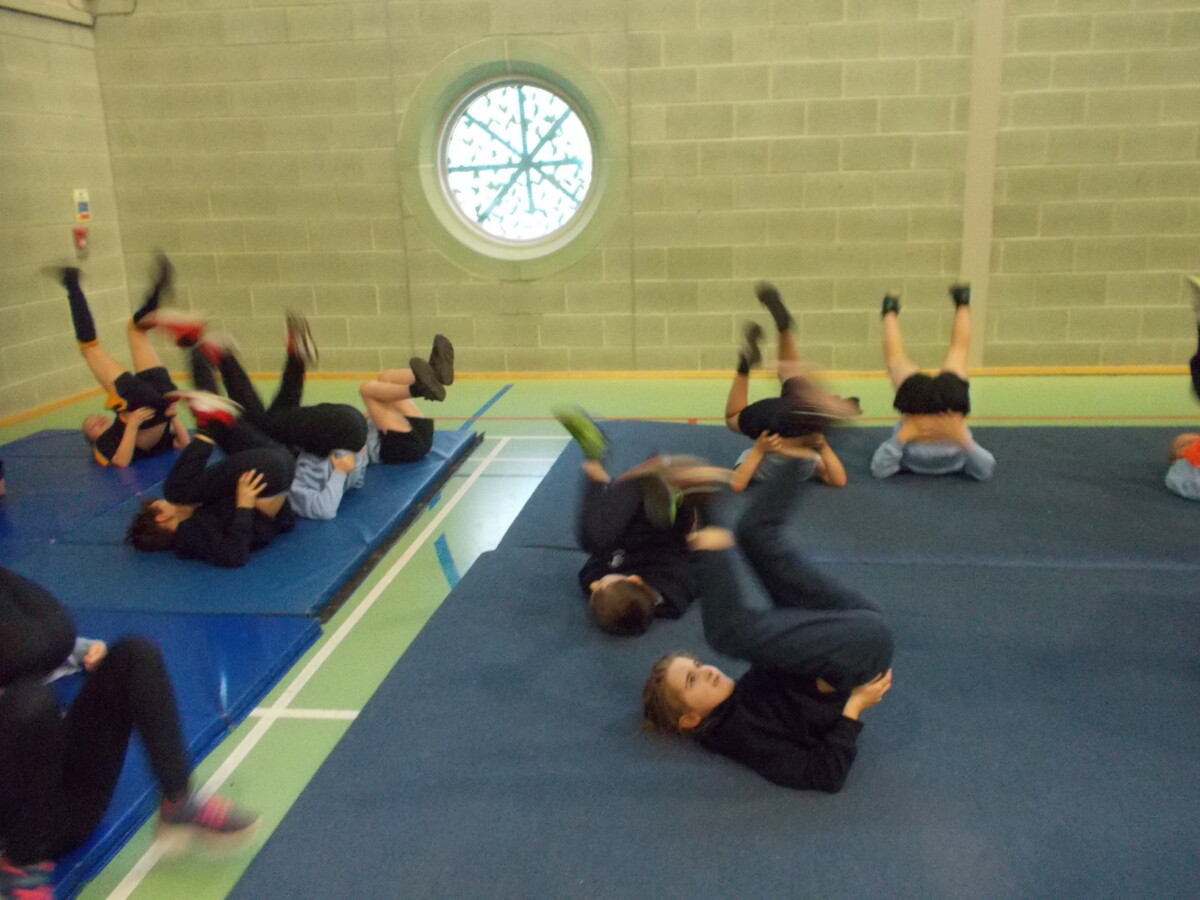
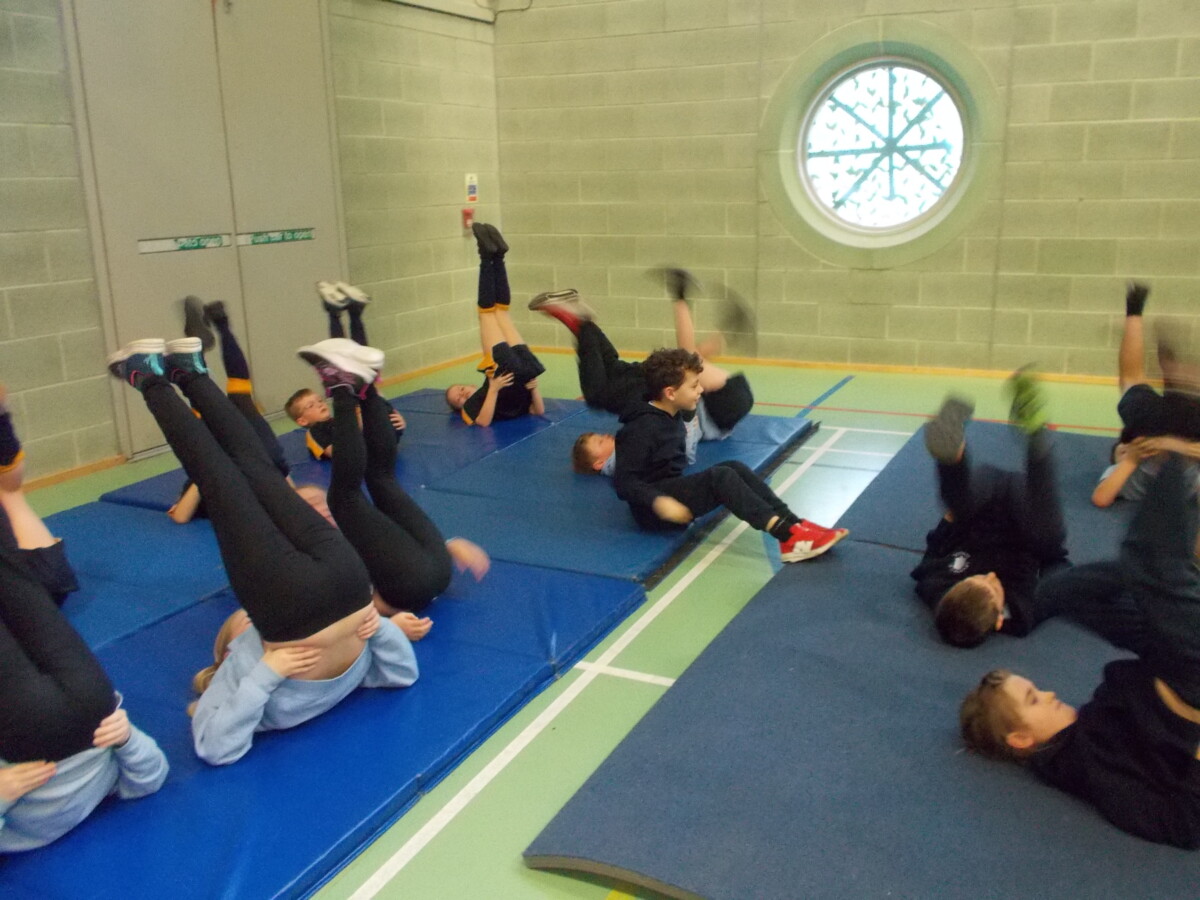
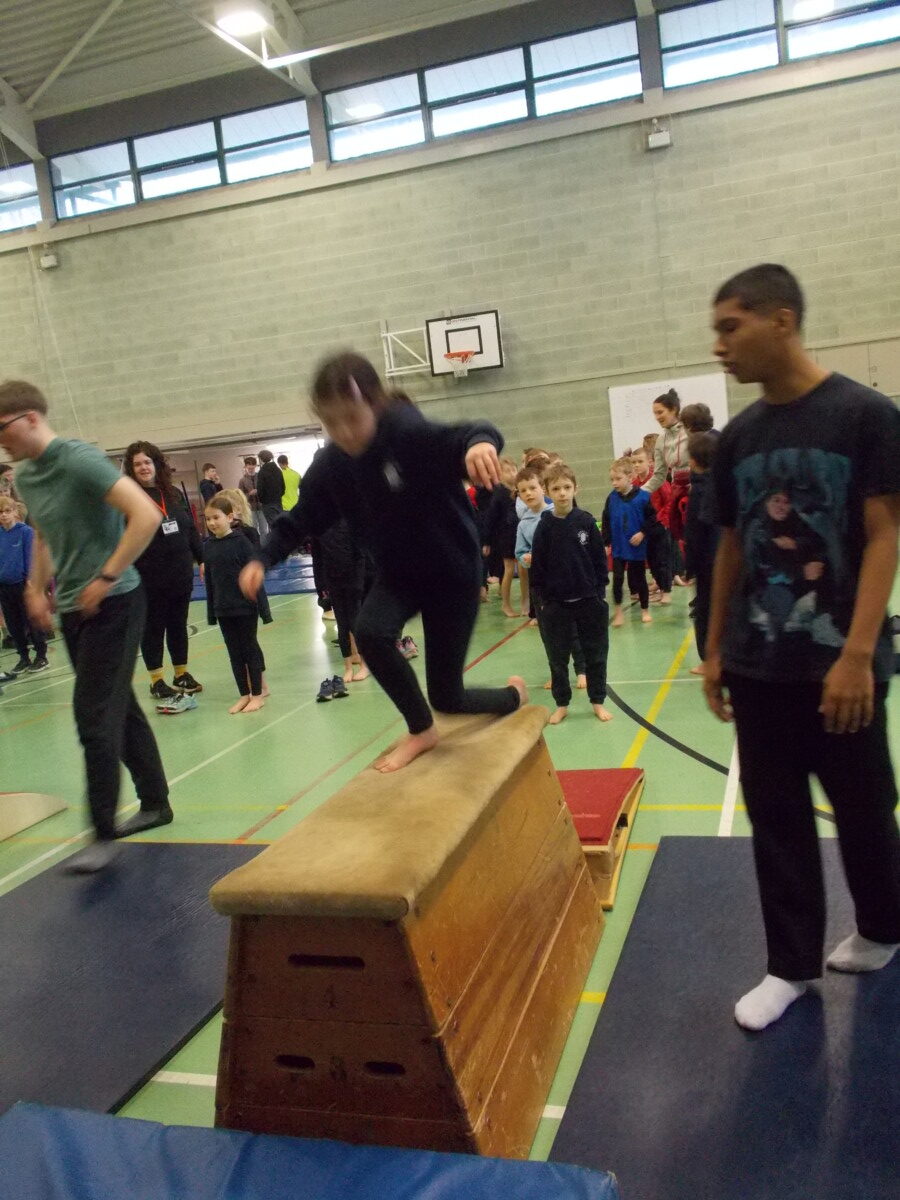
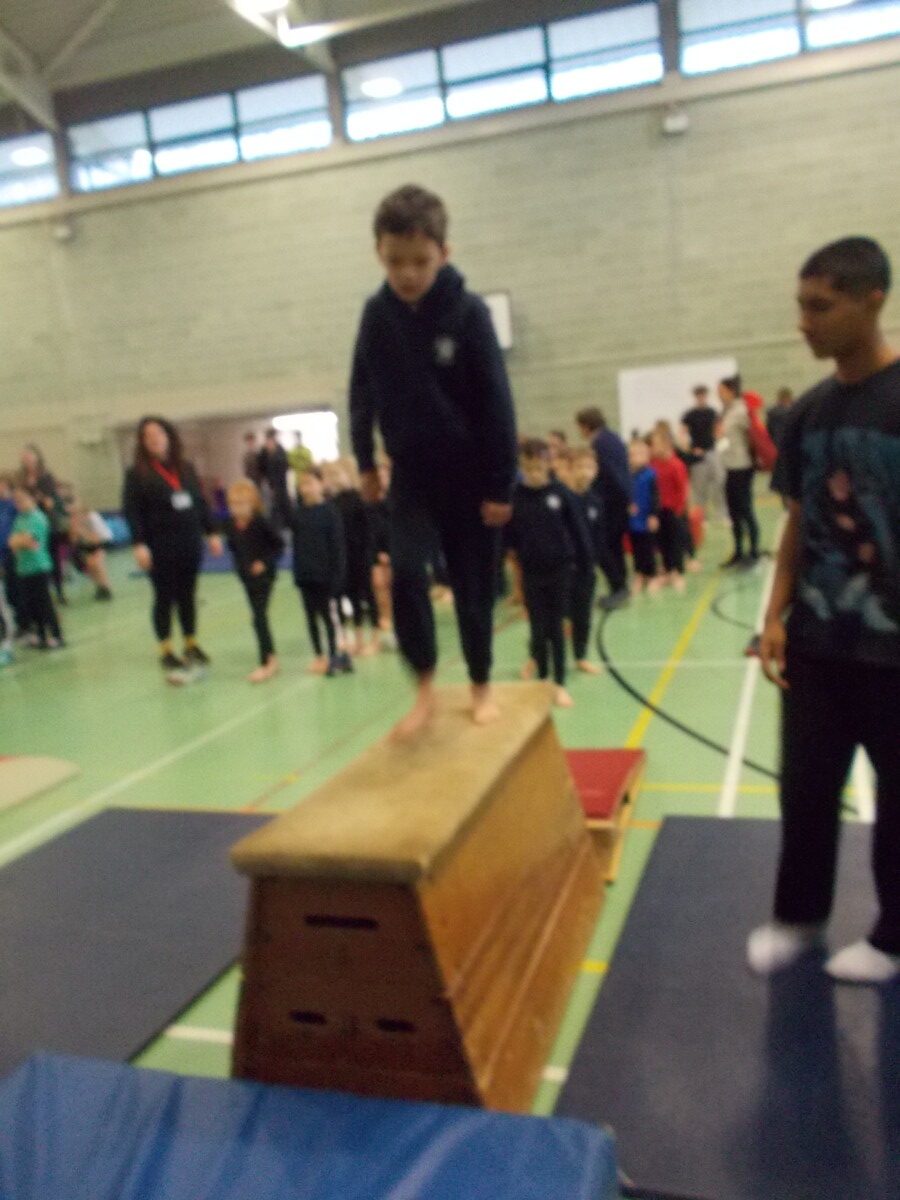
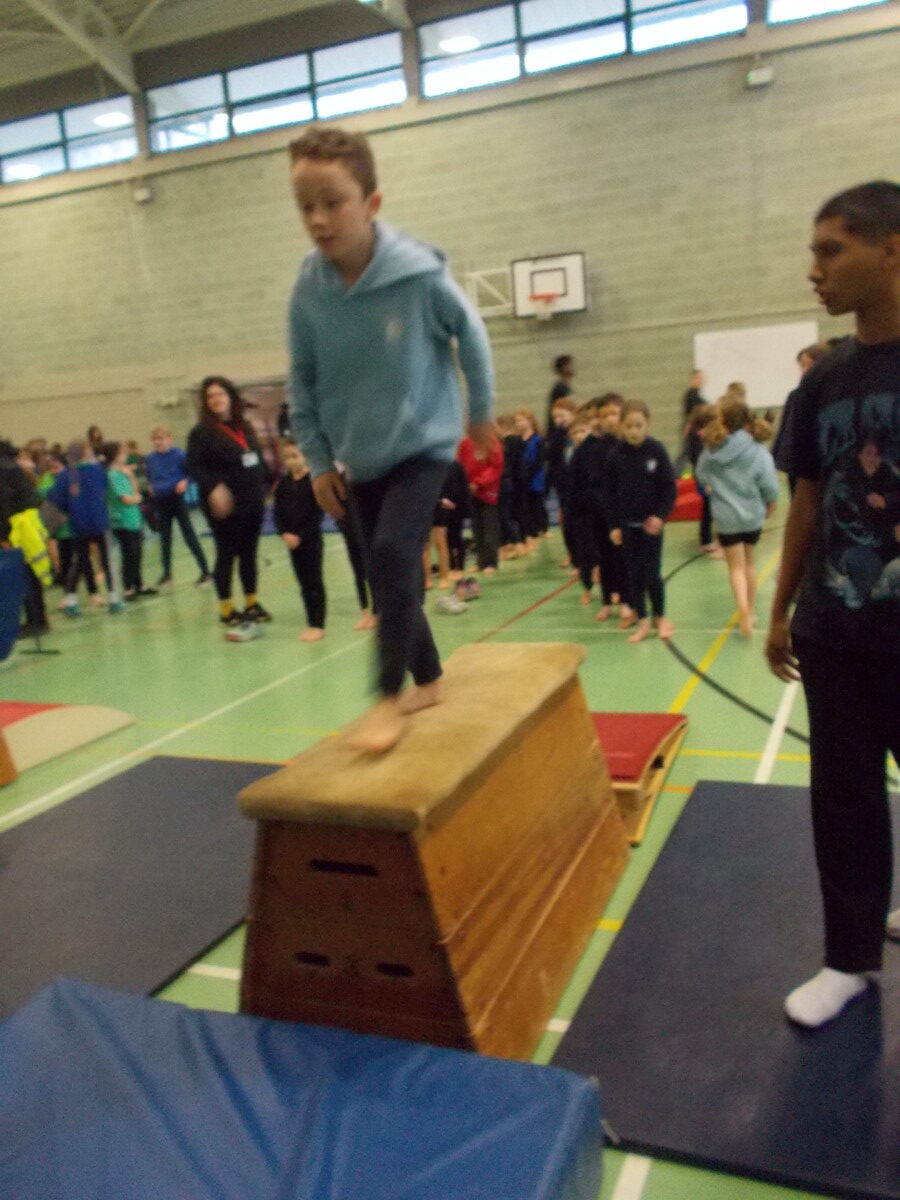
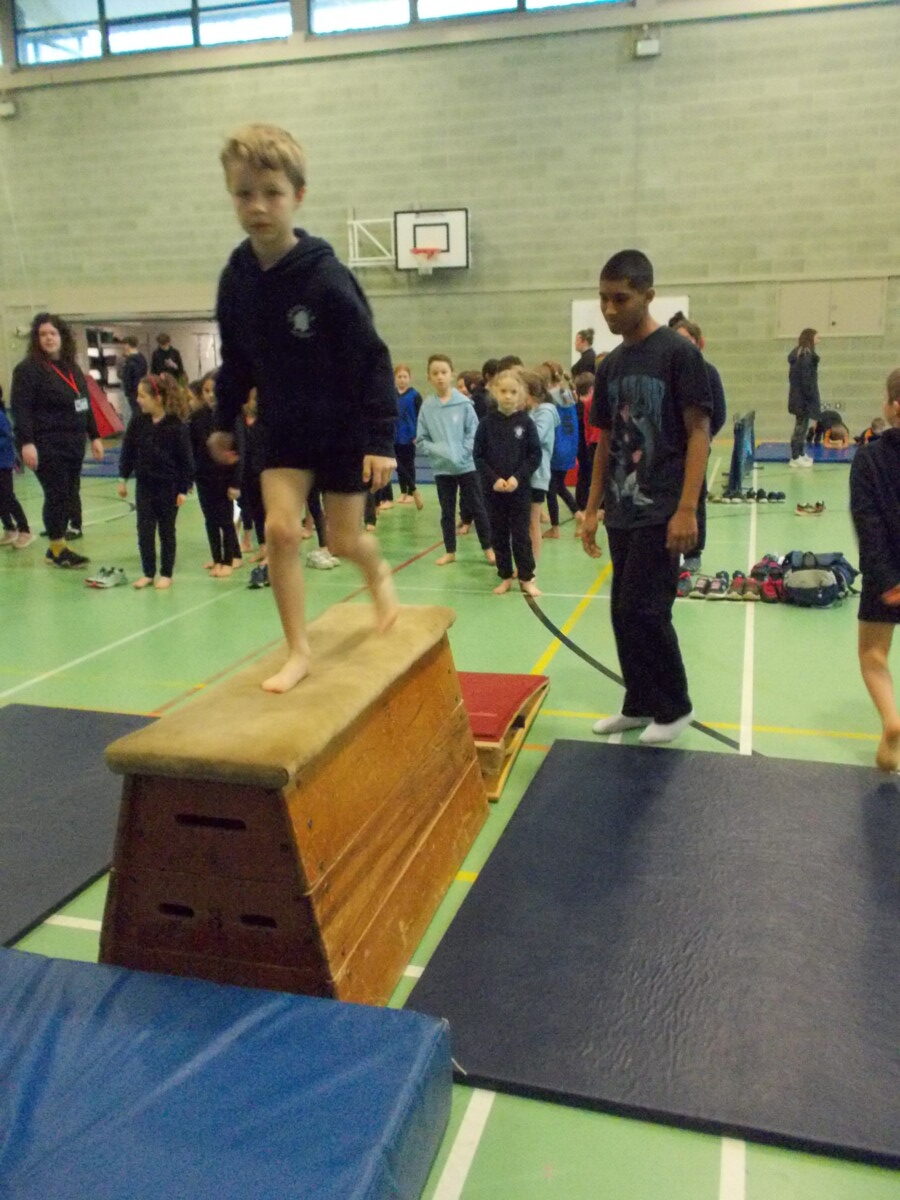
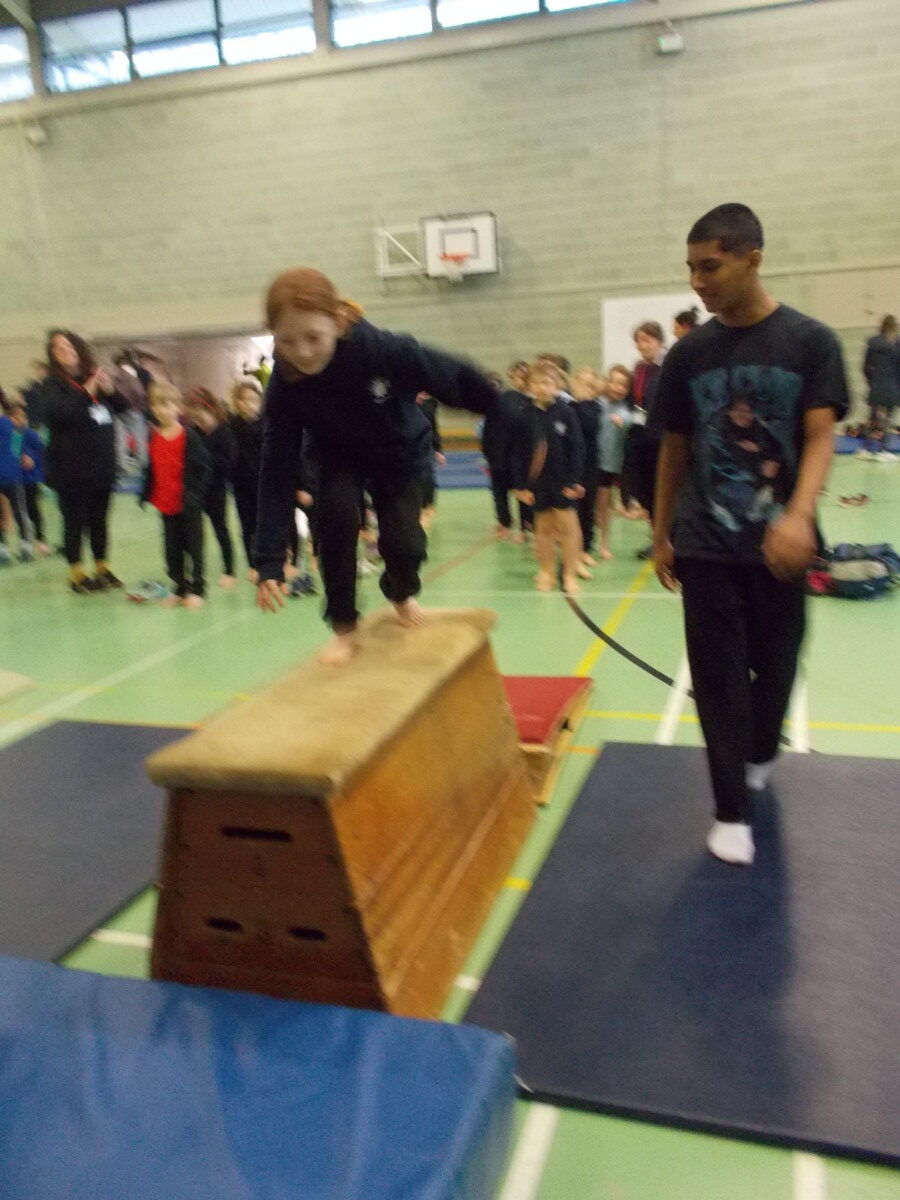
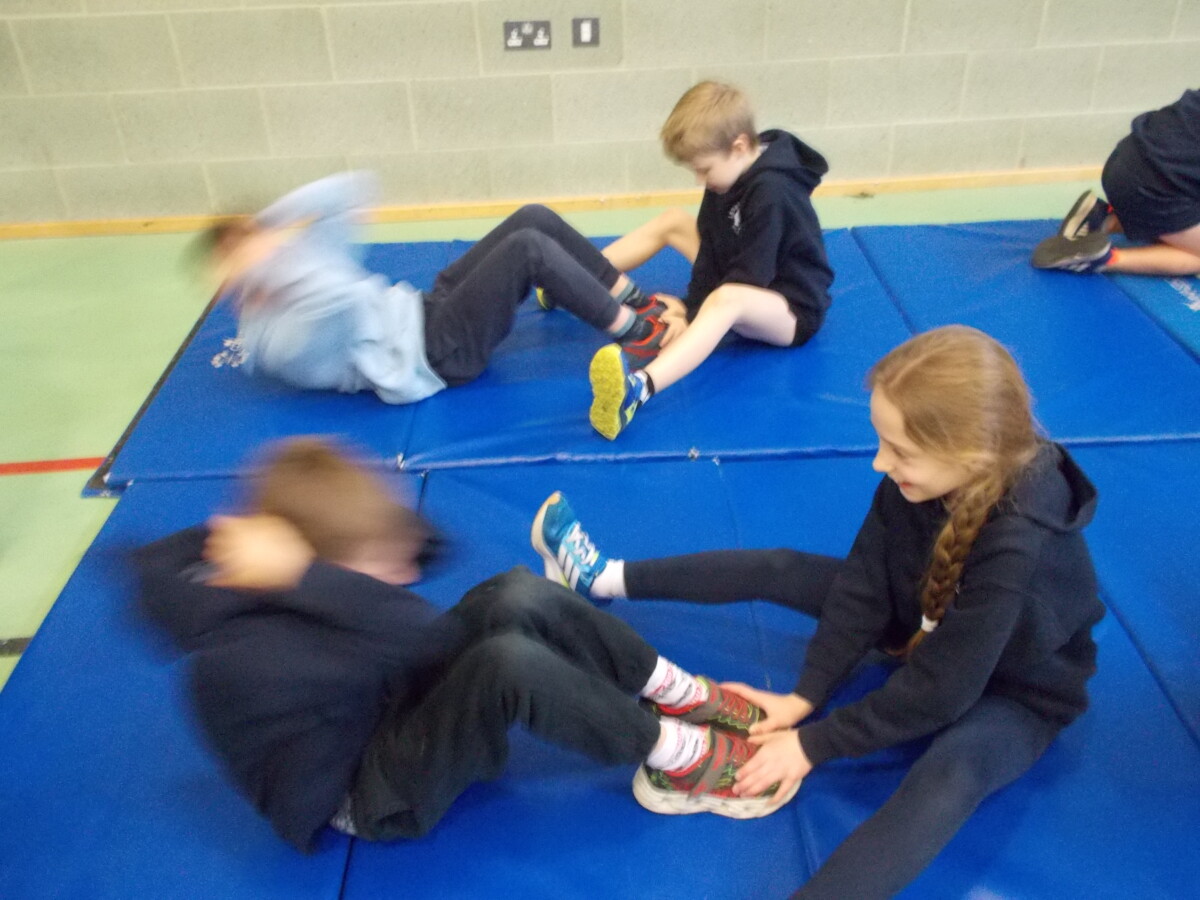
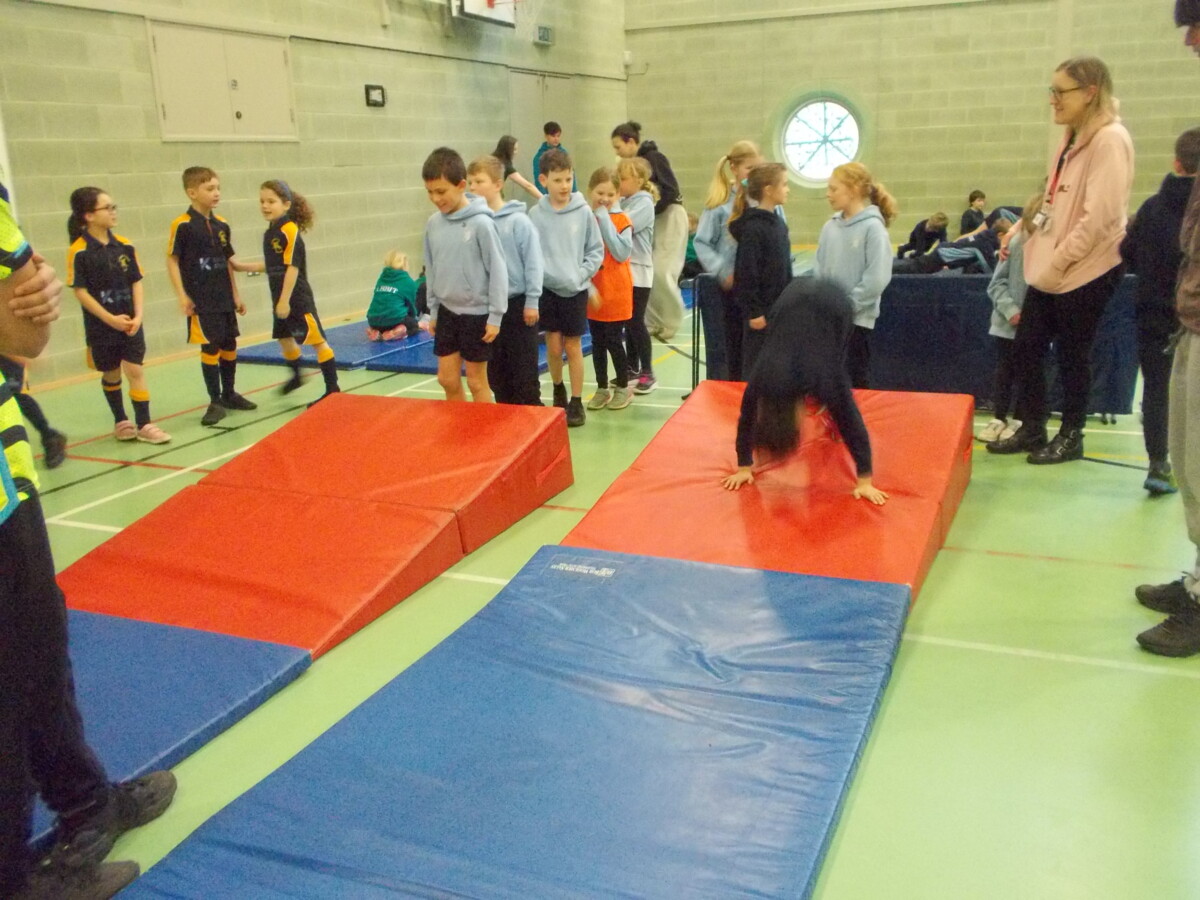
Class Three had a fantastic morning at Dallam Sports Hall completing a gymnastics carousel. The activities included learning how to cart wheel and do handstands. The children had a fantastic morning. Thank you very much to our helpers and to Dallam School for organising and hosting the event.


LetterJoin in Nursery

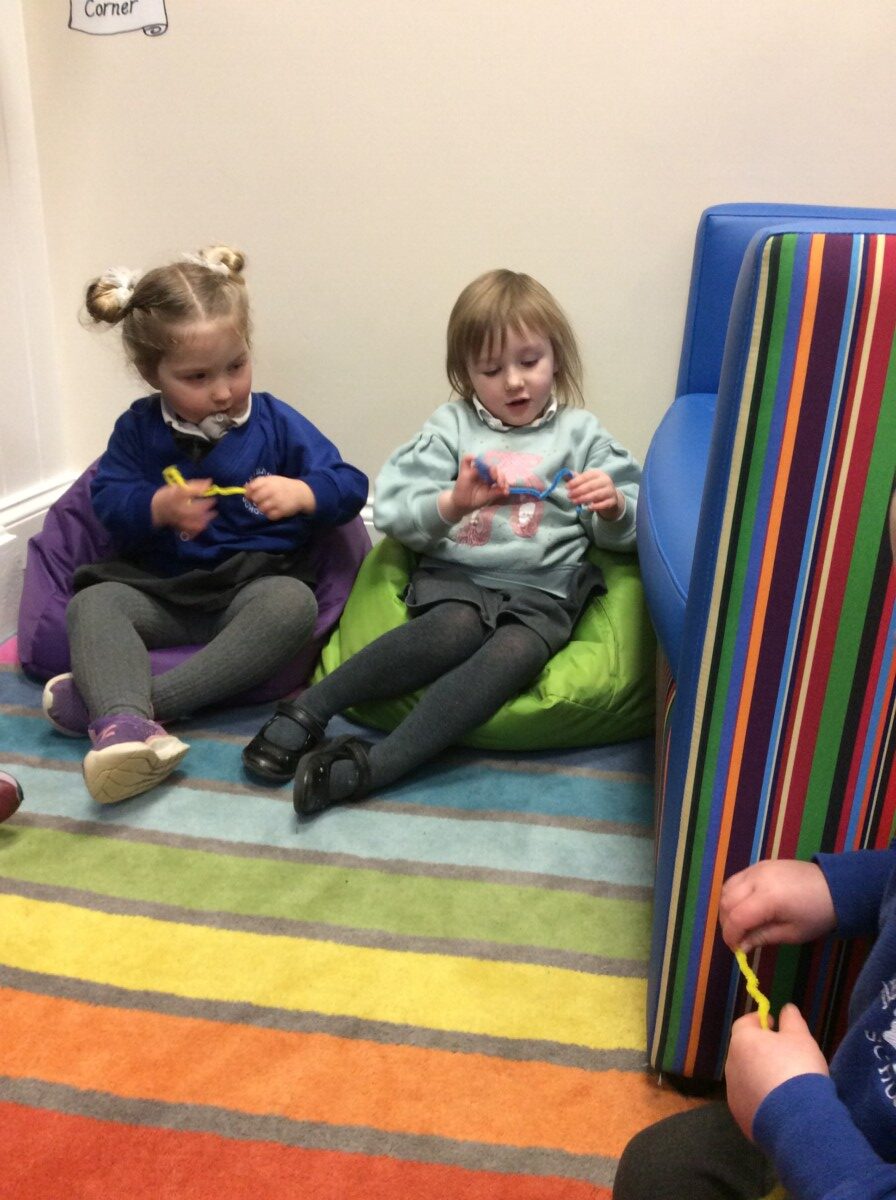
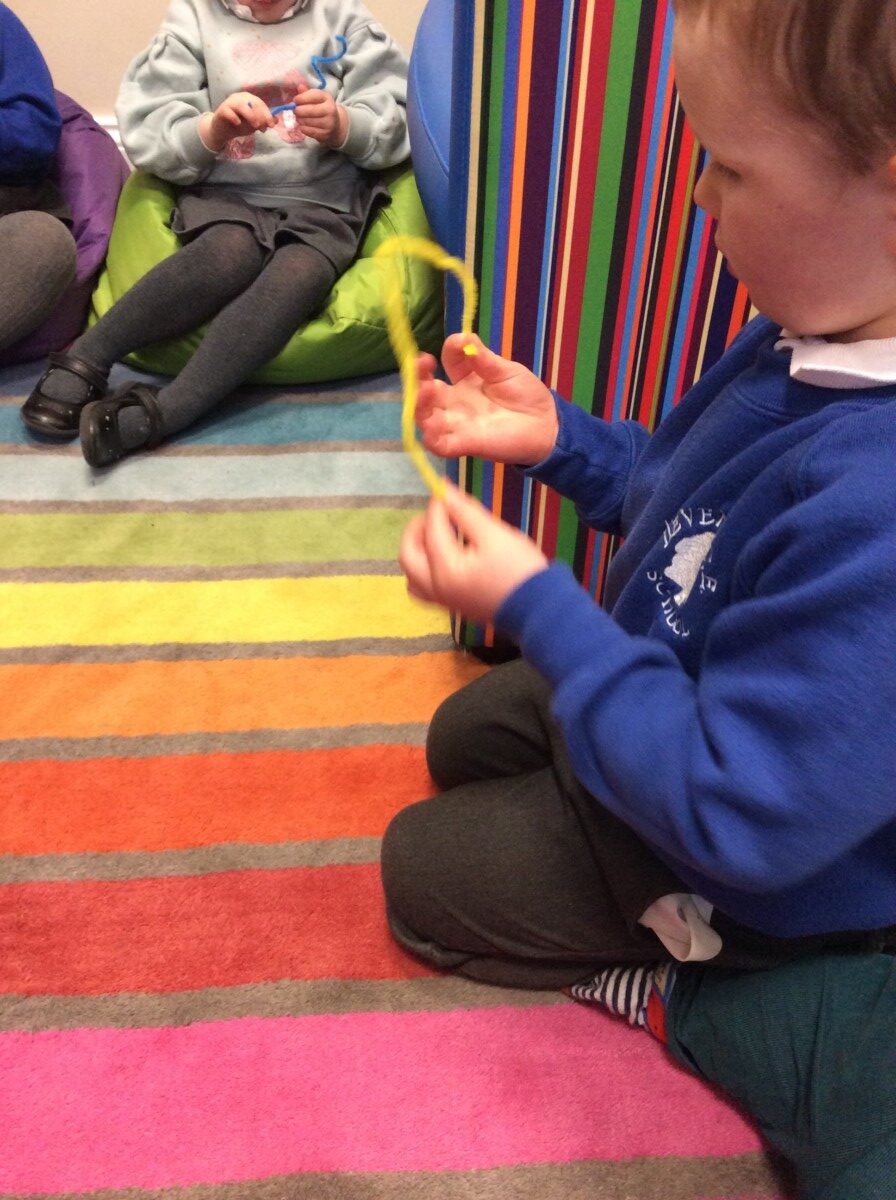
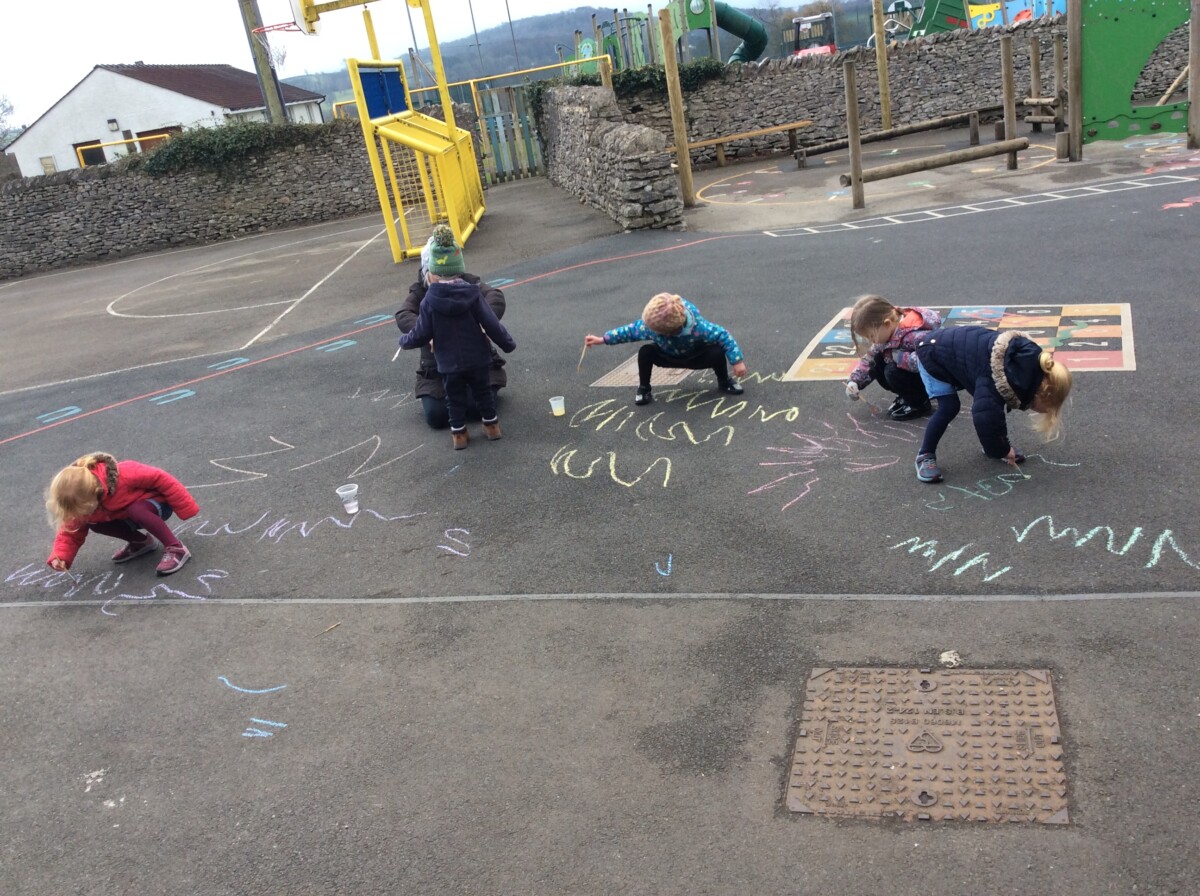
Nursery have been busy this half term, enjoying lots of practical activities to build their pre-writing skills. They have used pipe cleaners, ribbons and natural materials to create diagonals, zigzags and ‘jellies’ and formed them with paint dabbers, chalks, pens and on the interactive whiteboard.


Pencil pots

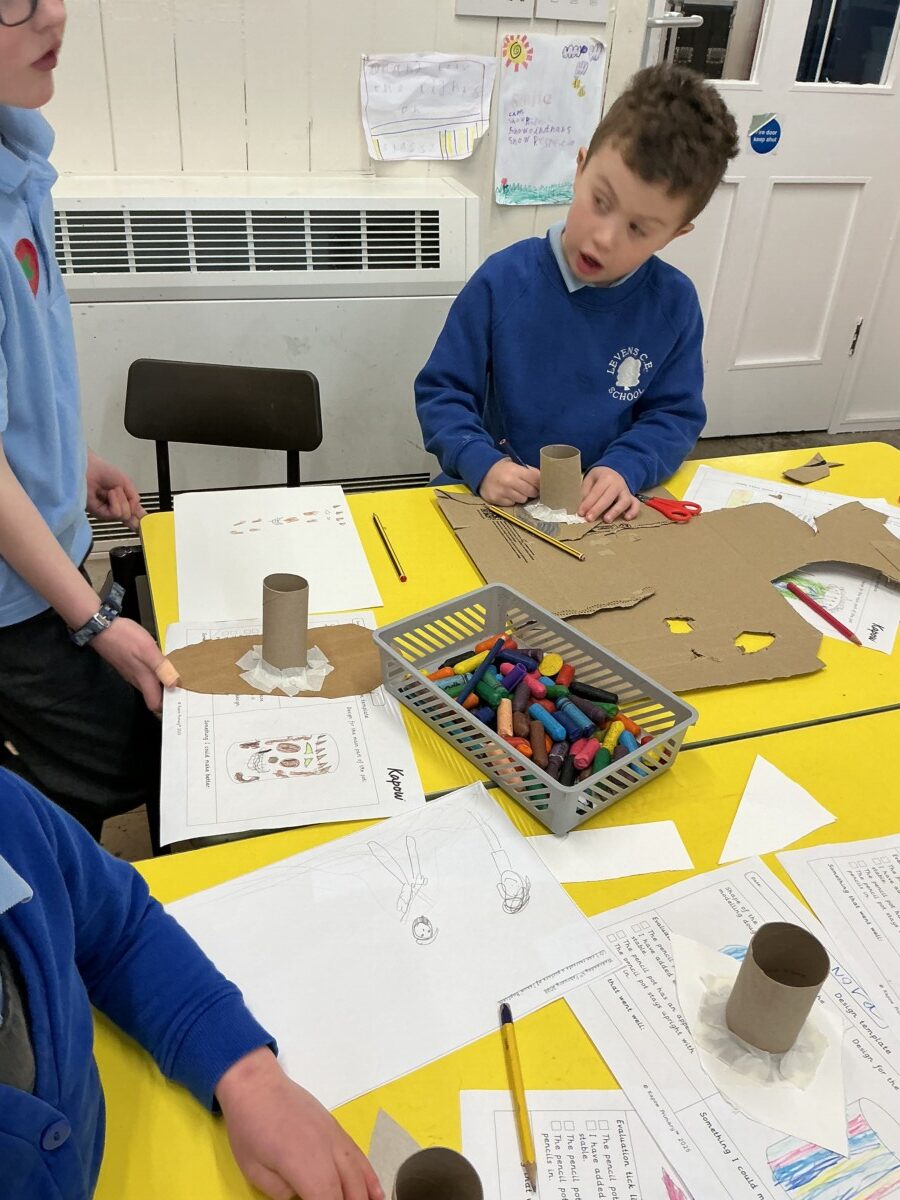
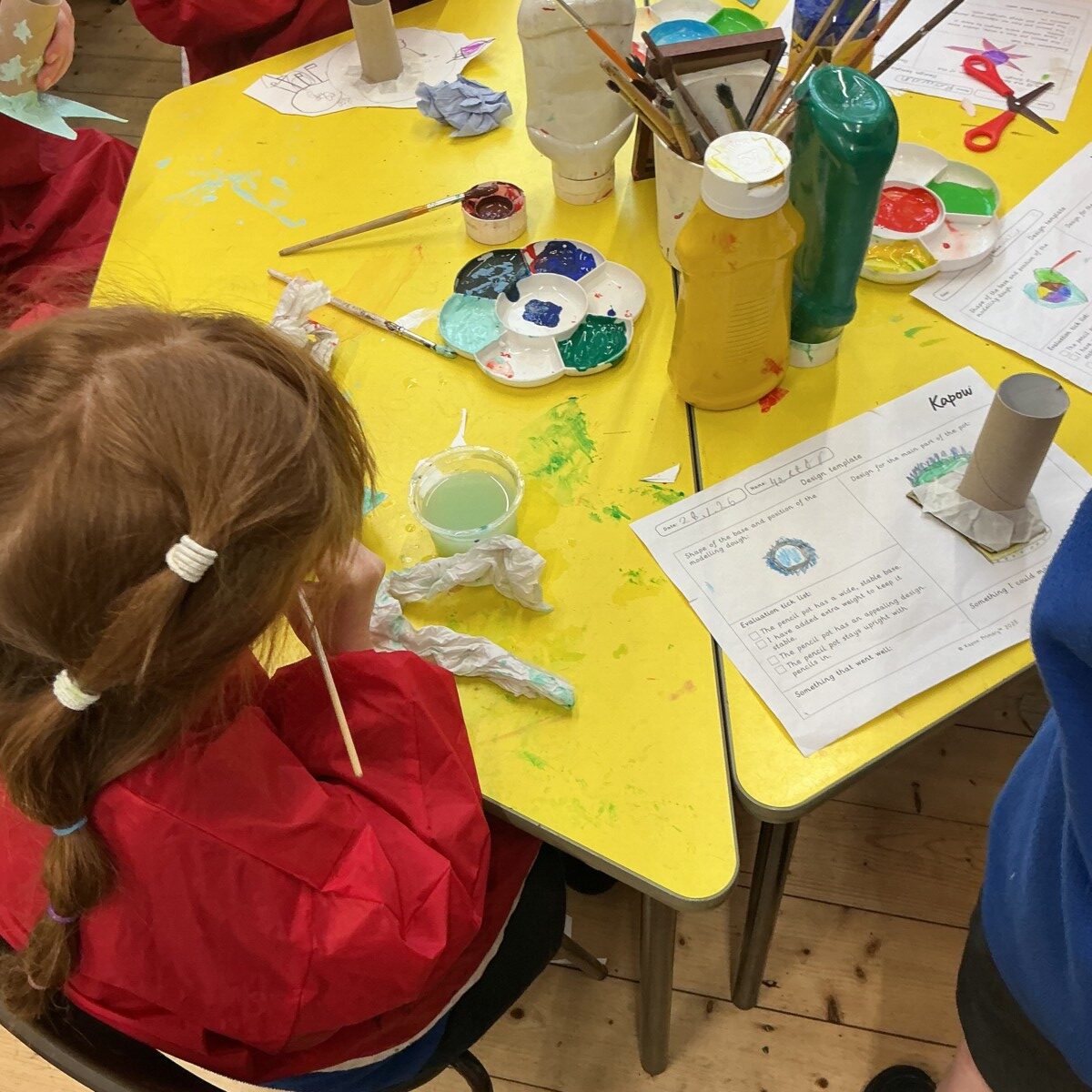
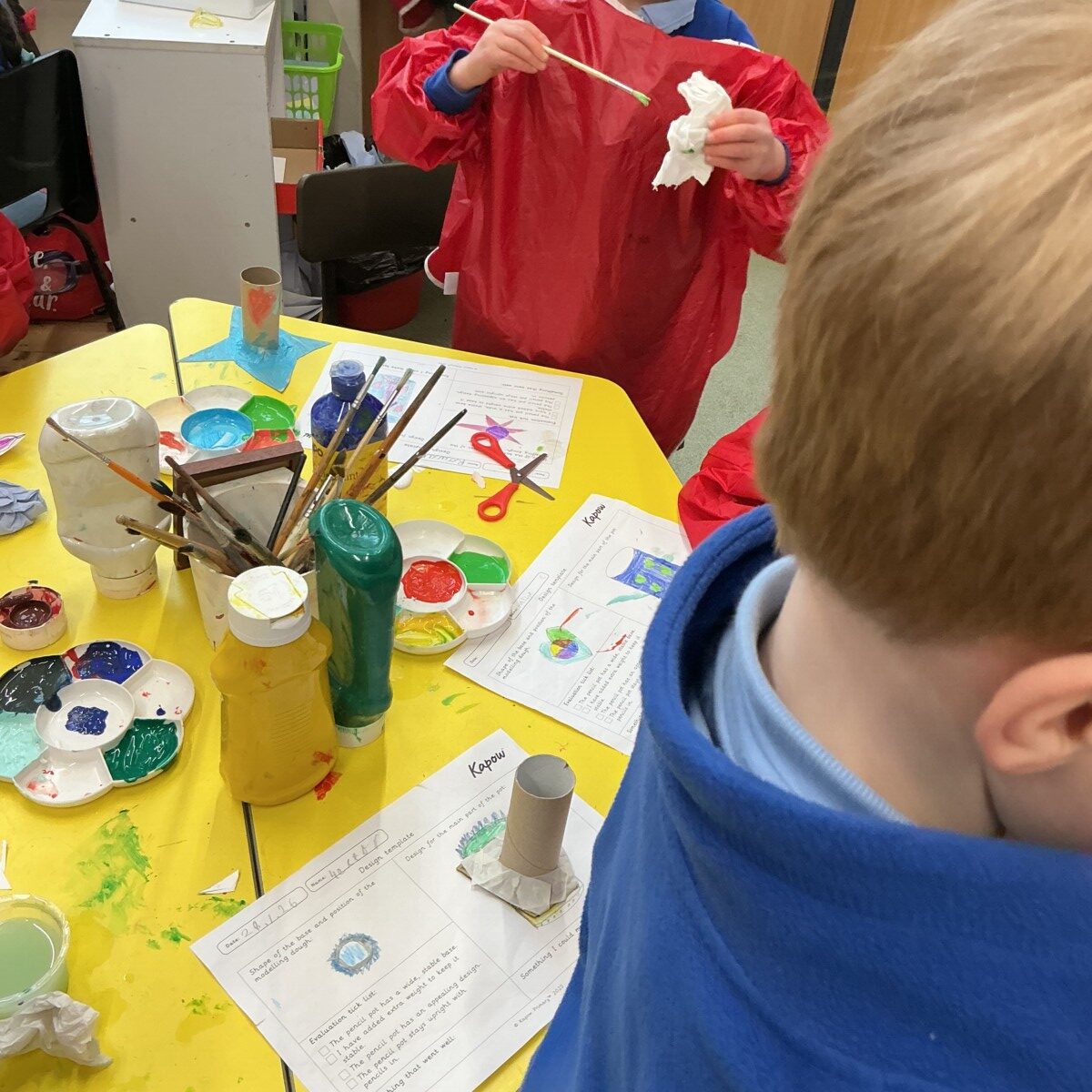
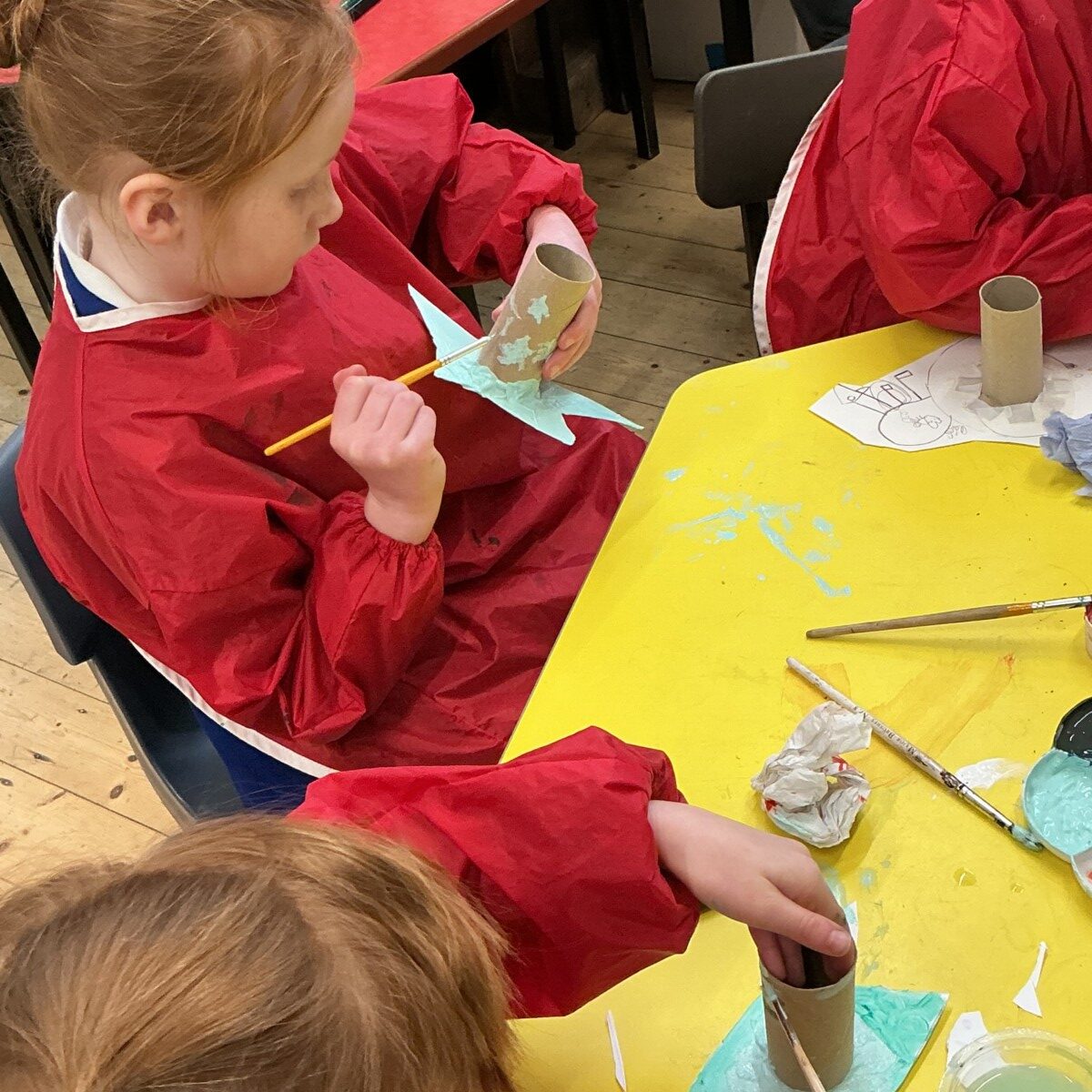
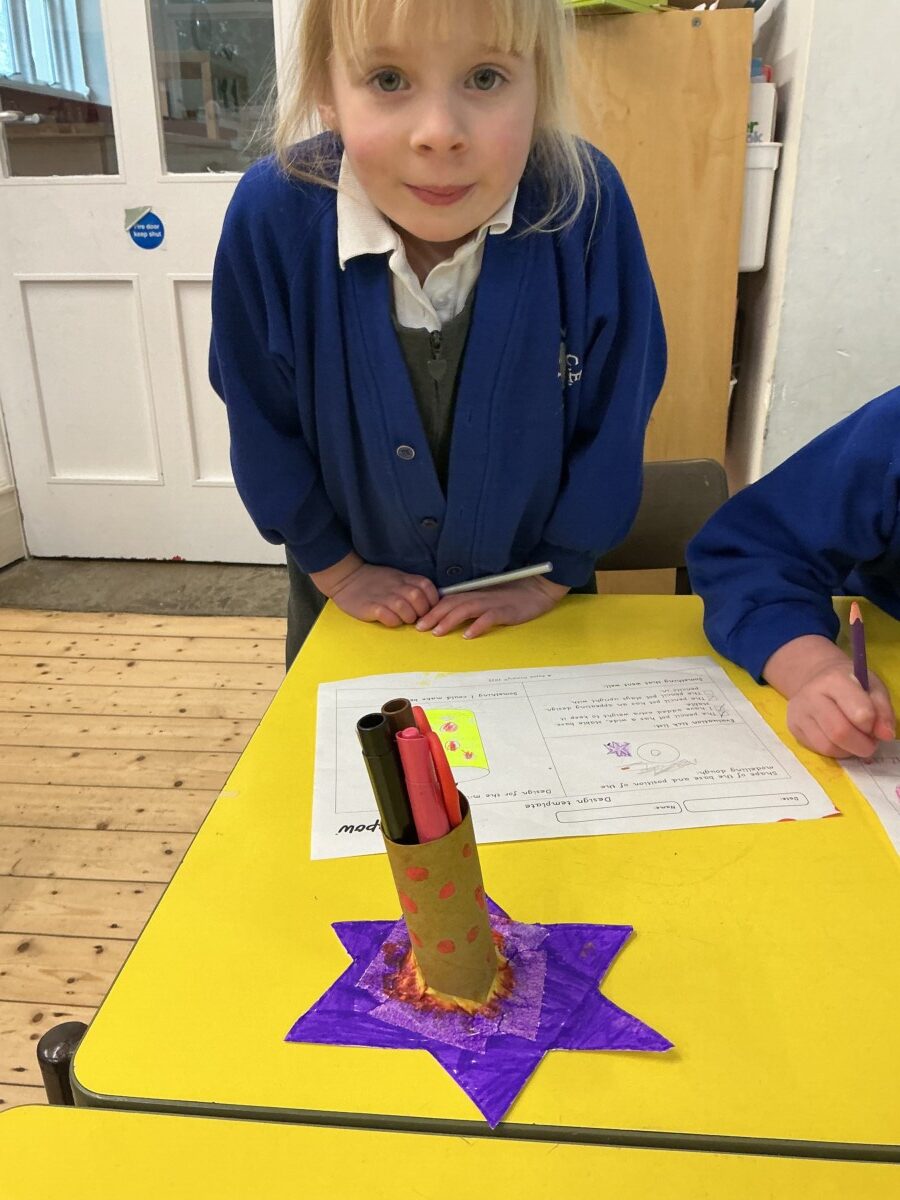
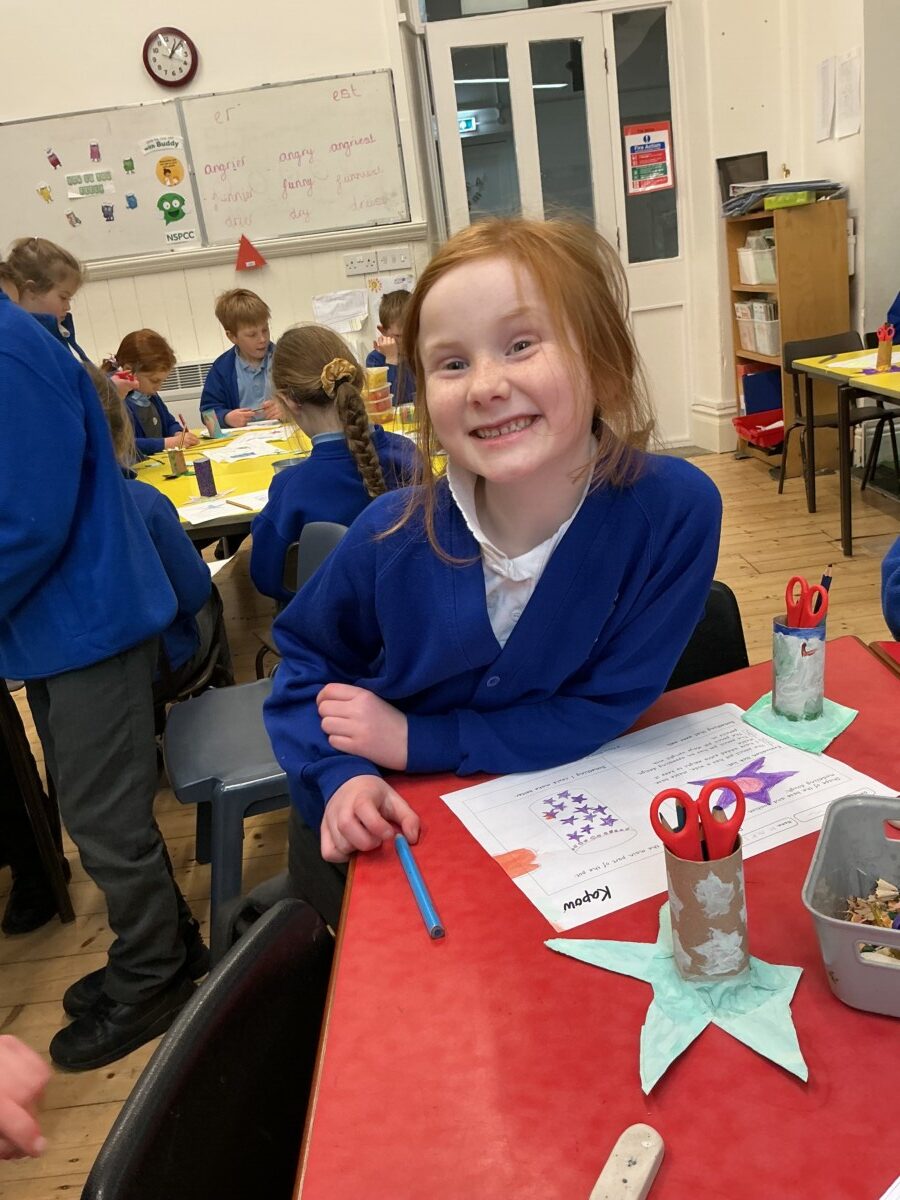
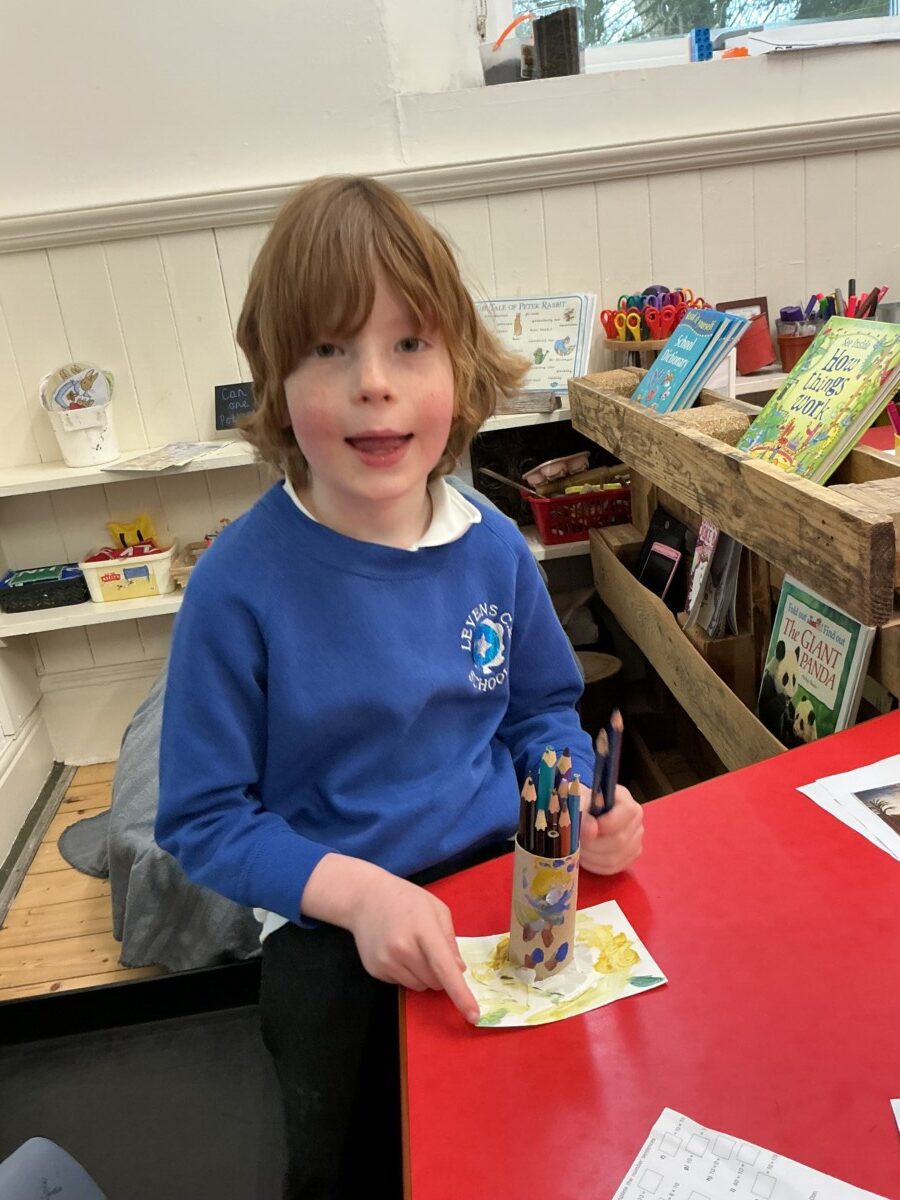
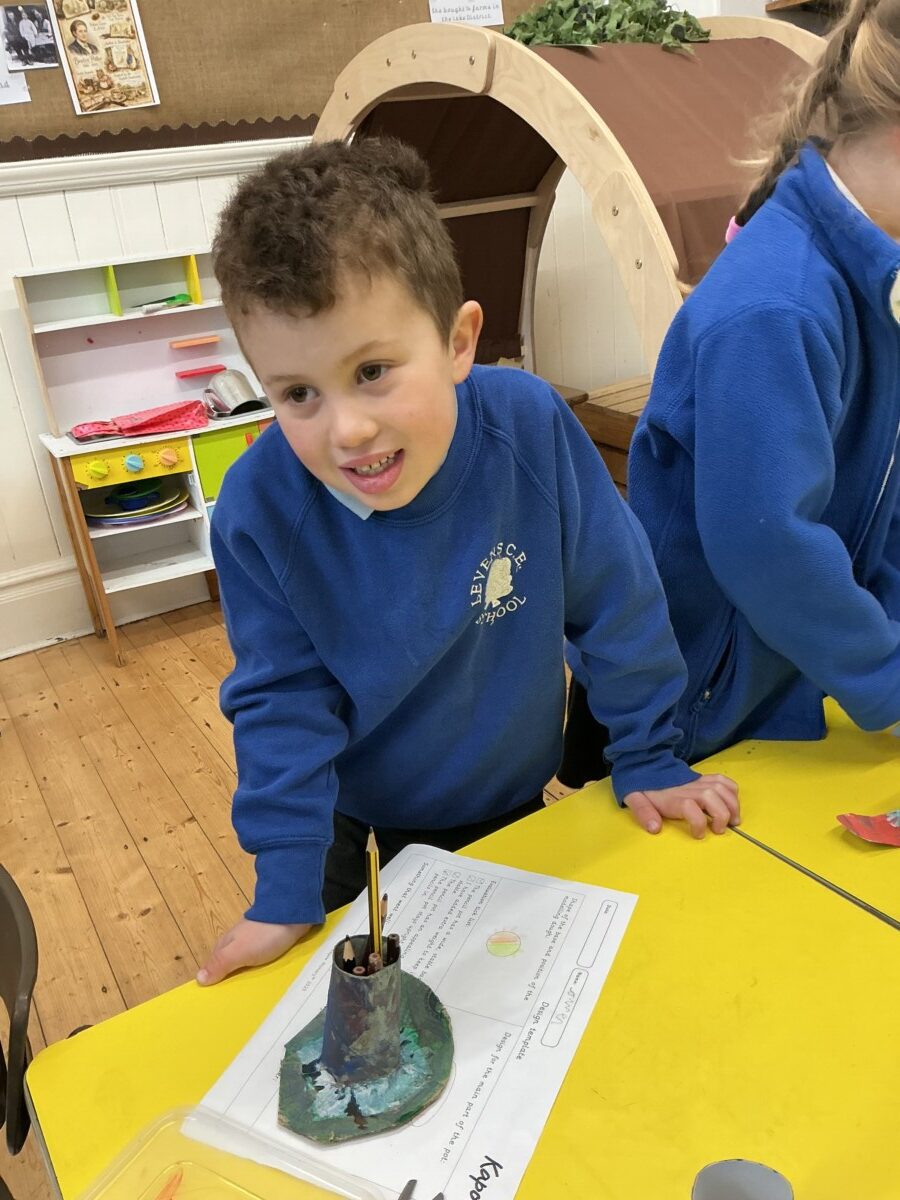
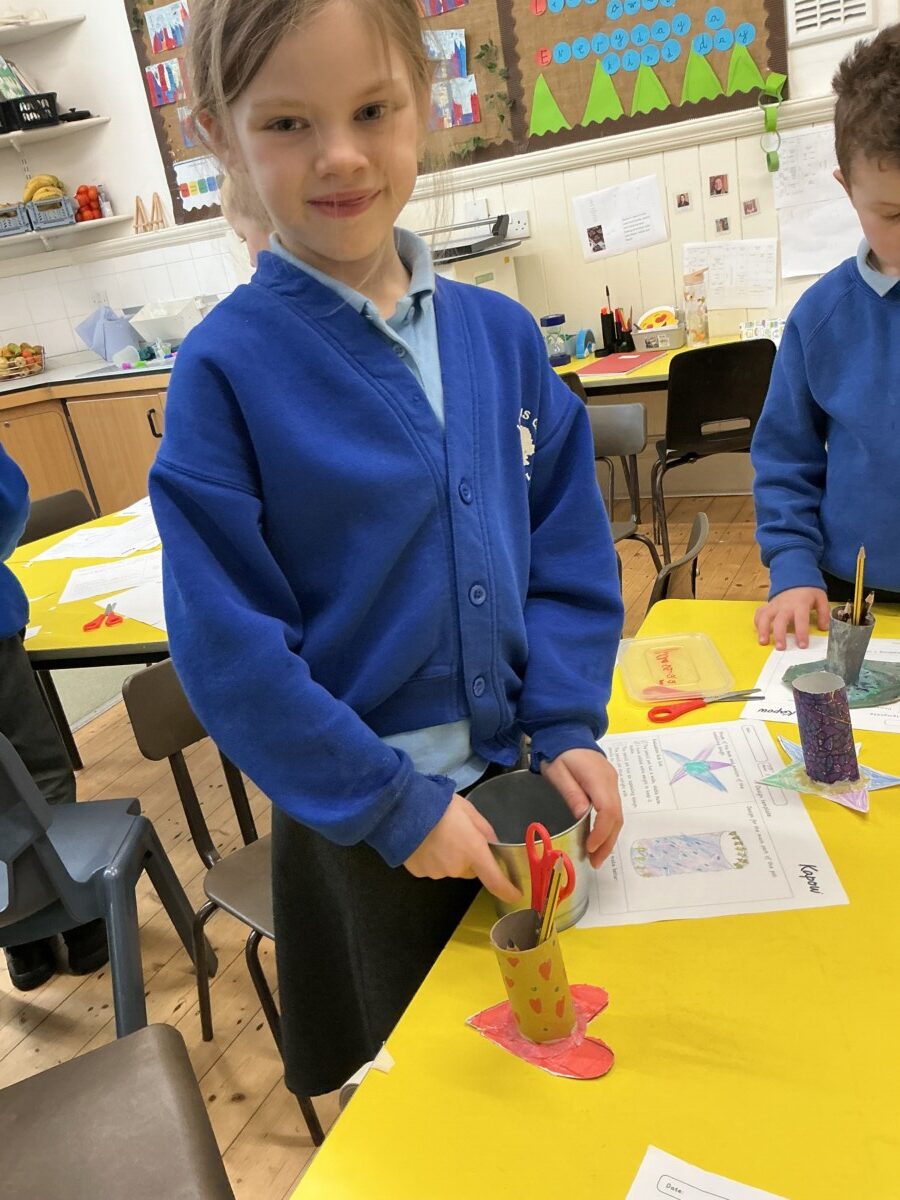
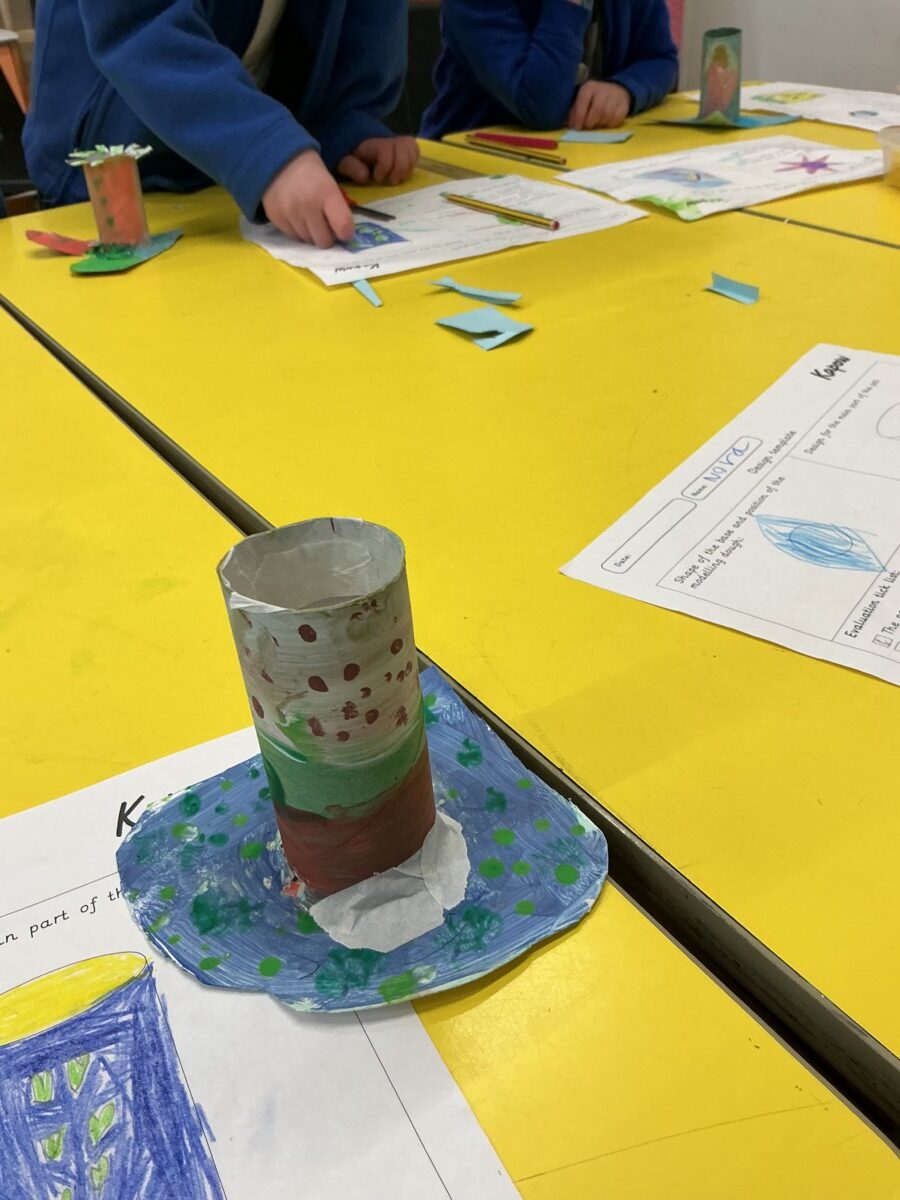
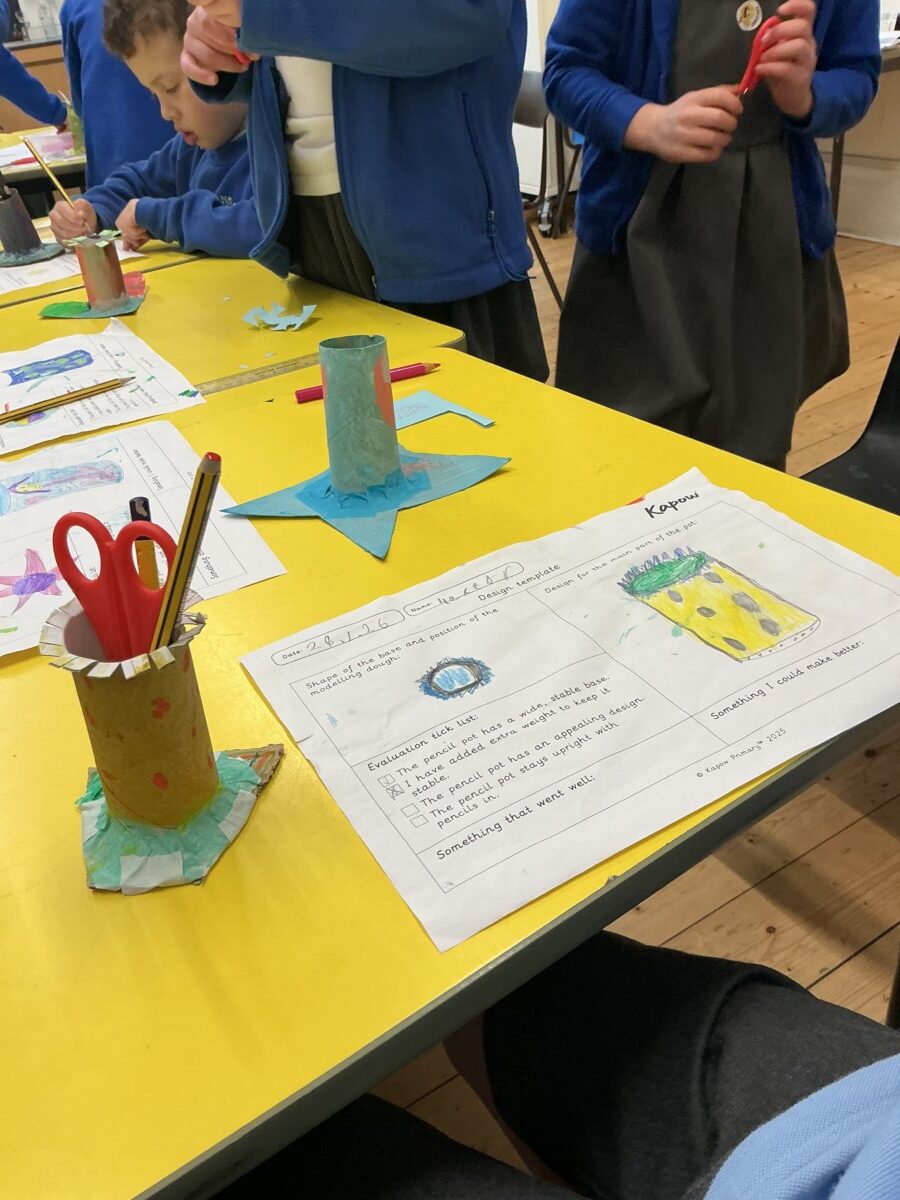
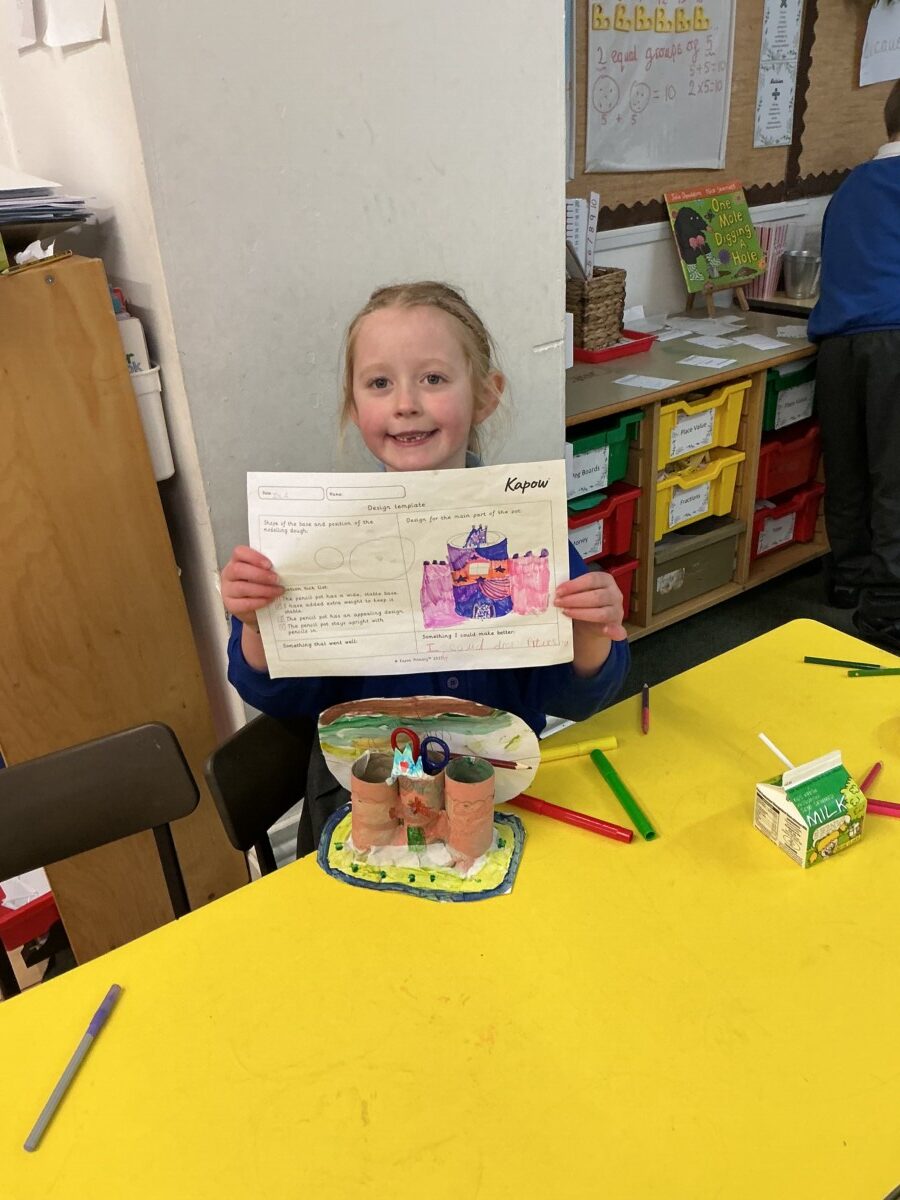
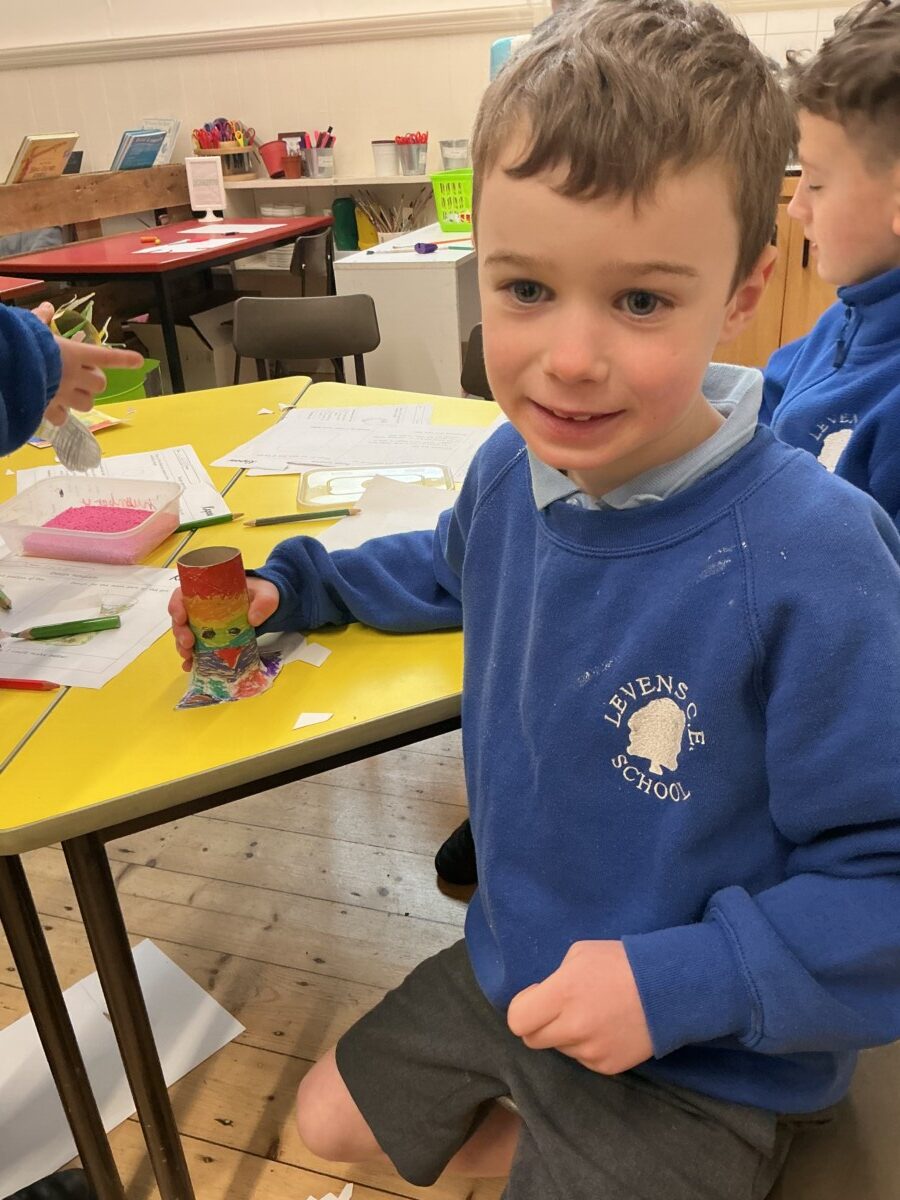
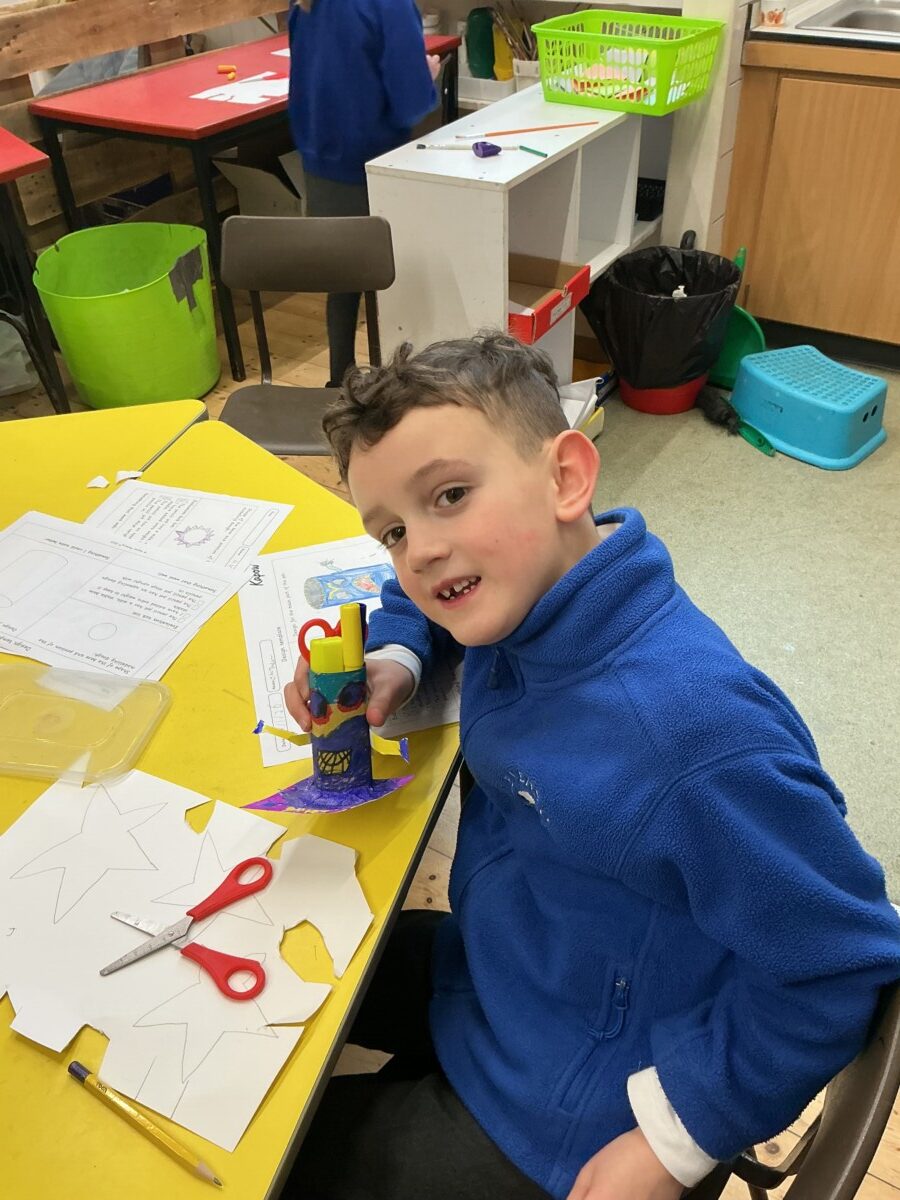
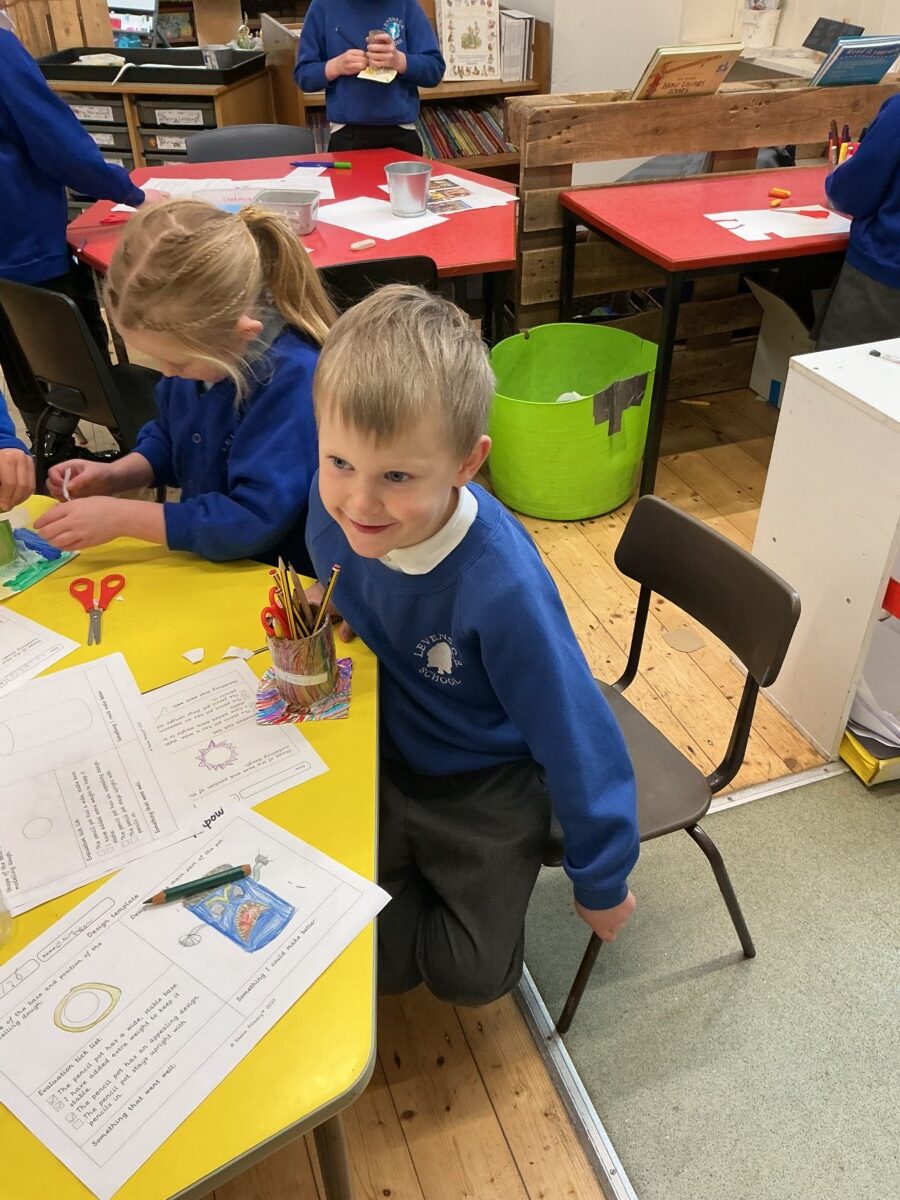
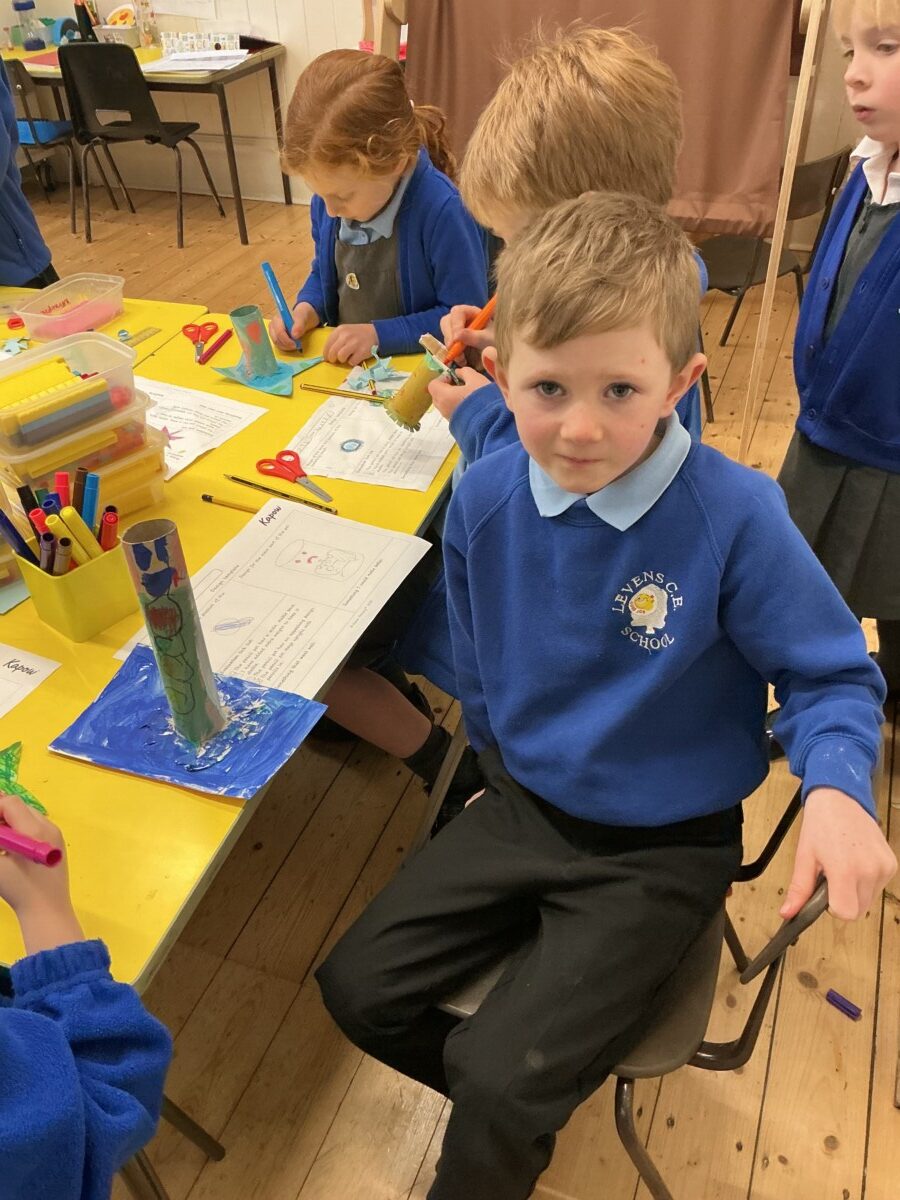
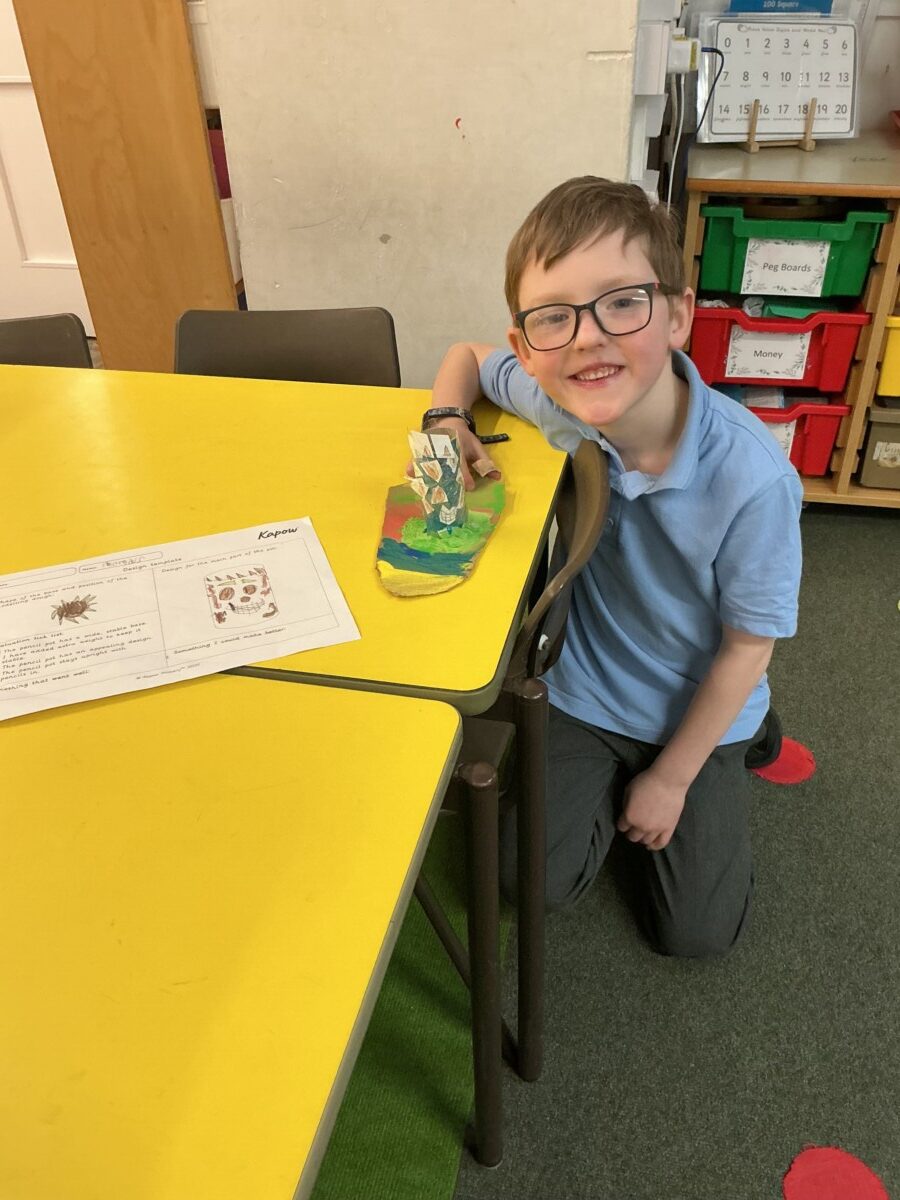
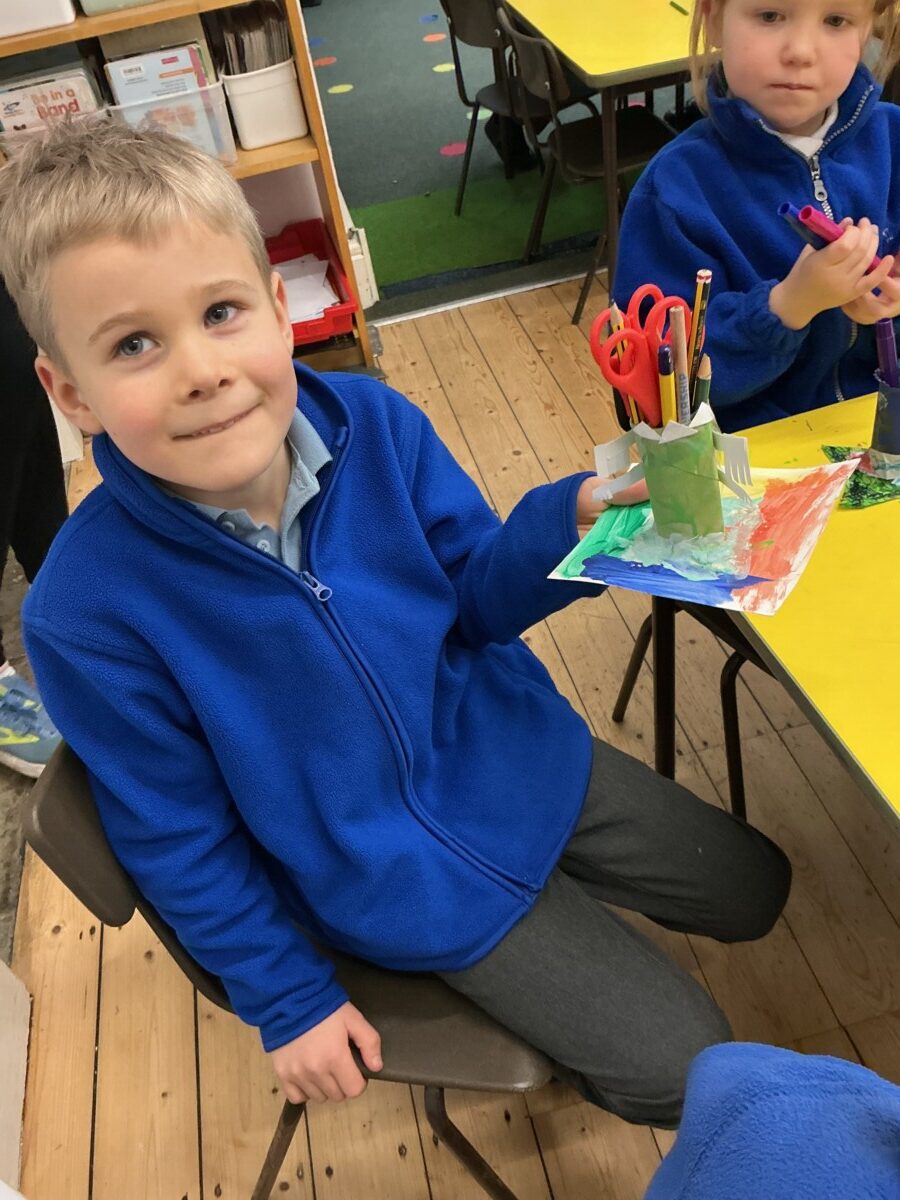
Class 2 have been creating their very own pencil pots in DT this half term! The children explored structures and learned what makes them stable. We discussed the meaning of the word stable and investigated how shapes and bases help structures stay upright. The children then designed their own pencil pots, thinking carefully about how to make them strong and balanced, and experimented with wider bases to improve stability. It was wonderful to see them using their creativity alongside problem-solving and design skills. Here are some pictures of the process below.


Water Resistance in Class 4

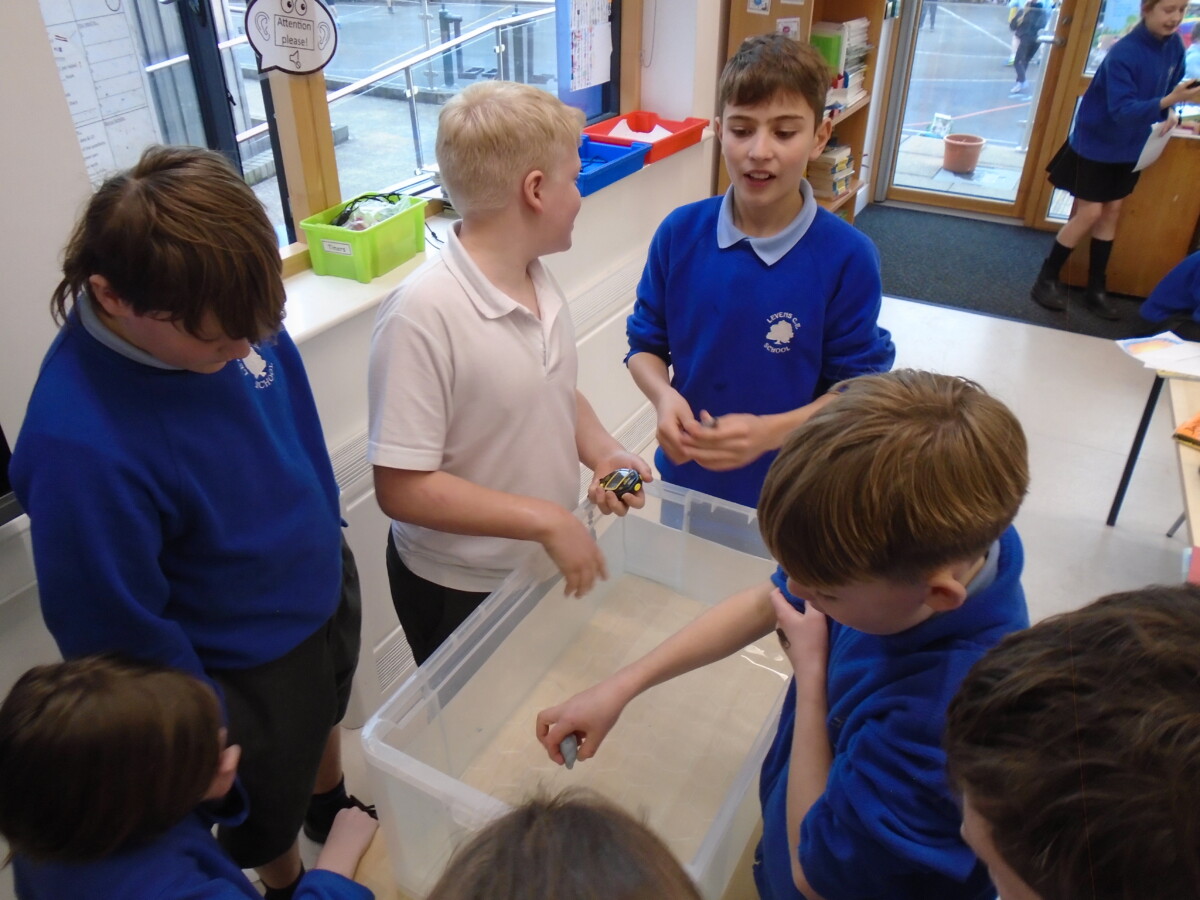
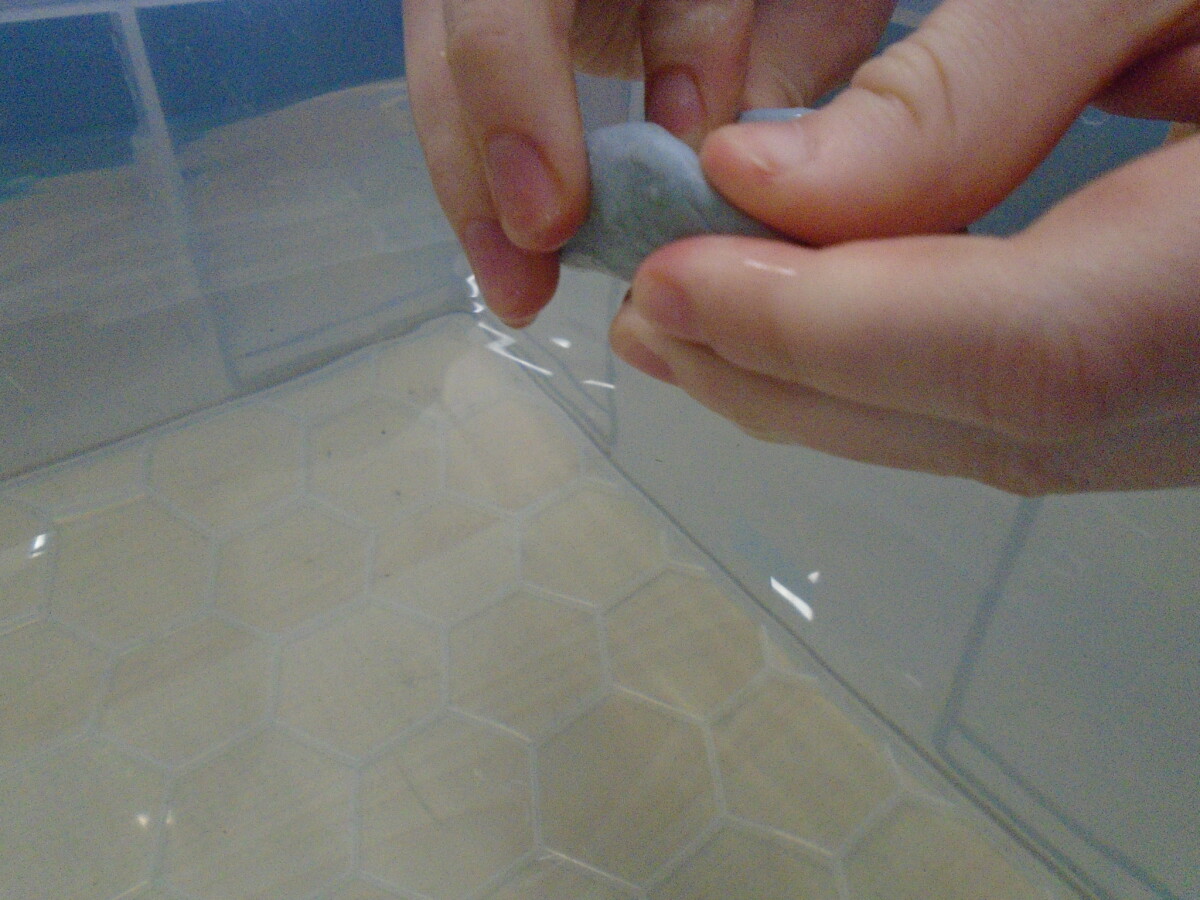
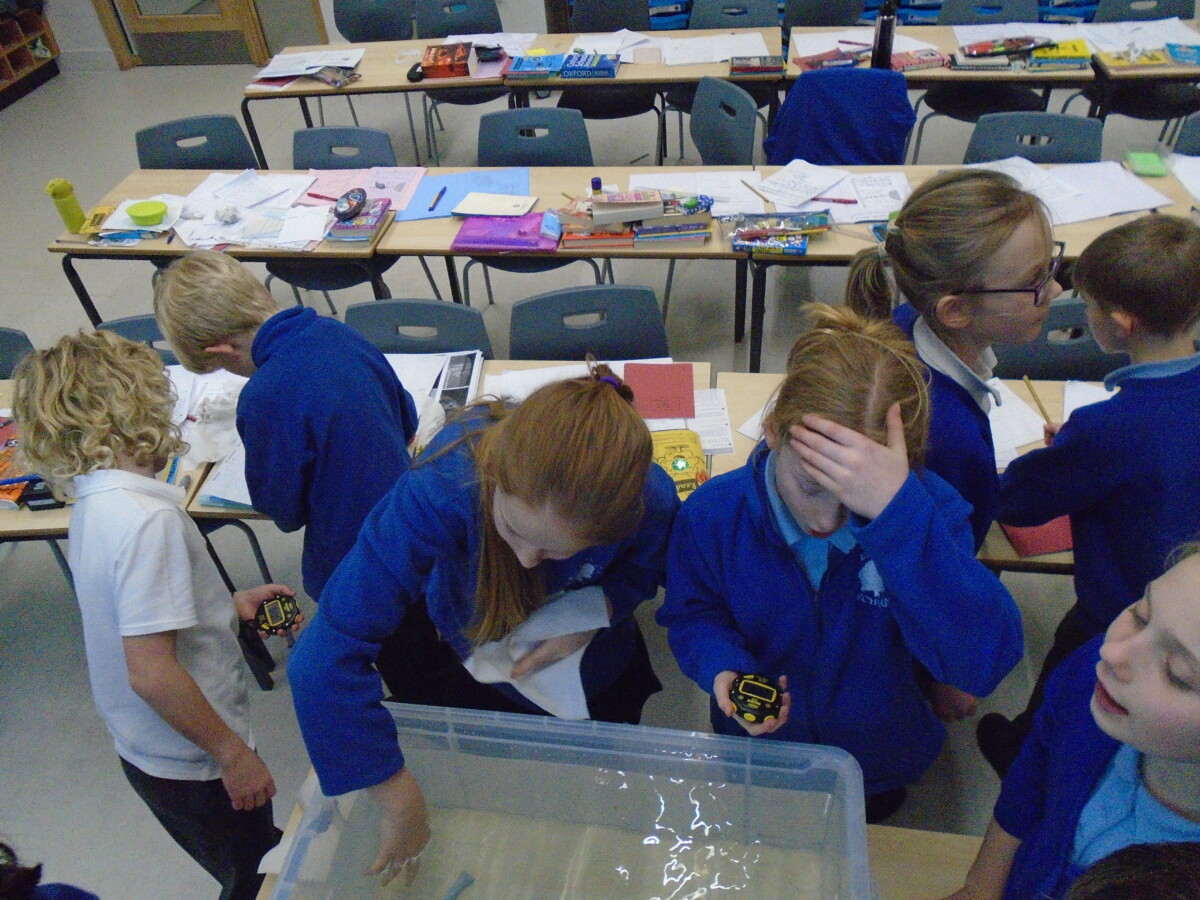
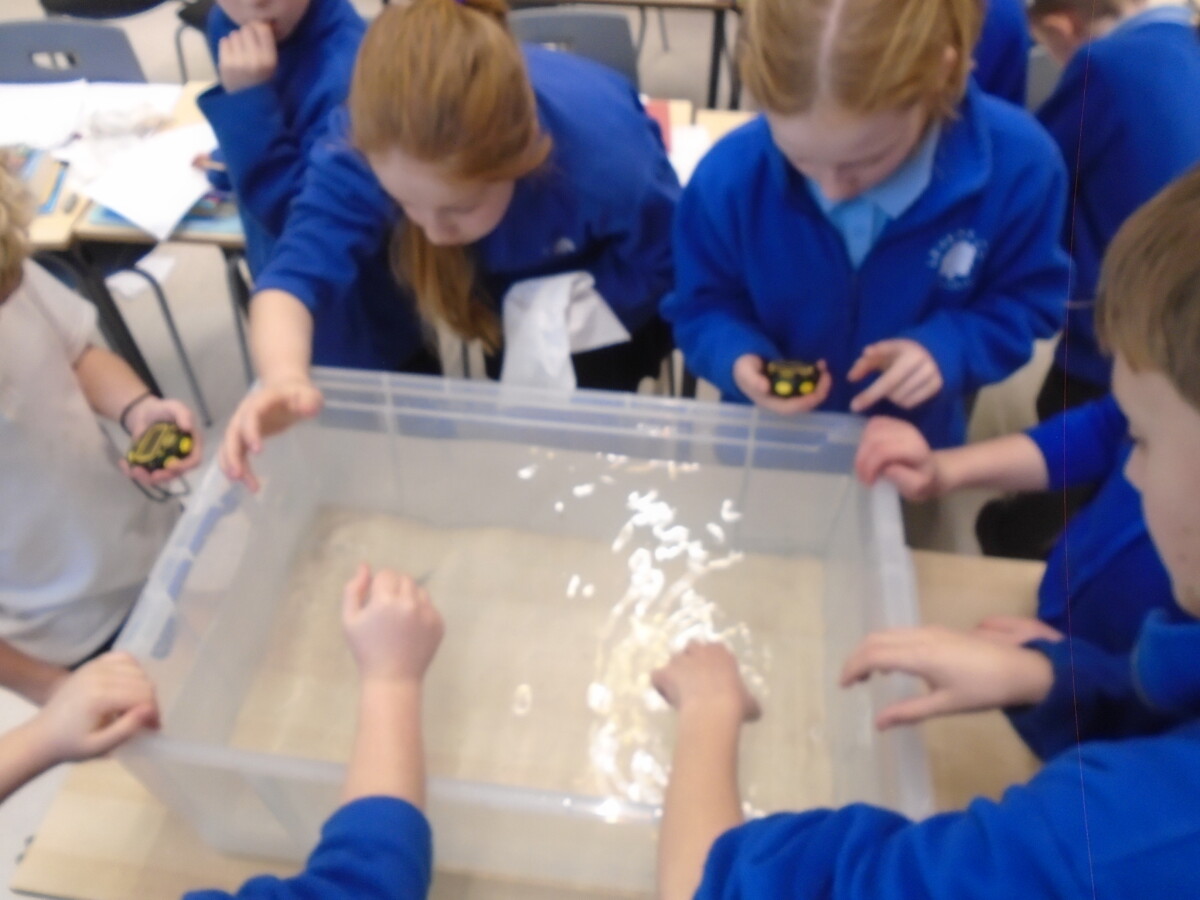
In science, our Year 5 and 6 pupils got hands-on (and a little wet!) in our investigation into water resistance. The classroom was transformed into a mini research lab as students explored how different shapes move through water and how streamlined designs can affect speed.

Before any clay touched the water, the children discussed the idea of a fair test. Together, they identified the variables that needed to stay the same throughout the experiment, such as:

  • The amount of modelling clay used (by weight)
  • The height from which the shape was dropped
  • The depth and temperature of the water
  • The type of container

The only variable they changed each time was the shape of the clay. This careful planning ensured that any difference in results was due to water resistance alone.

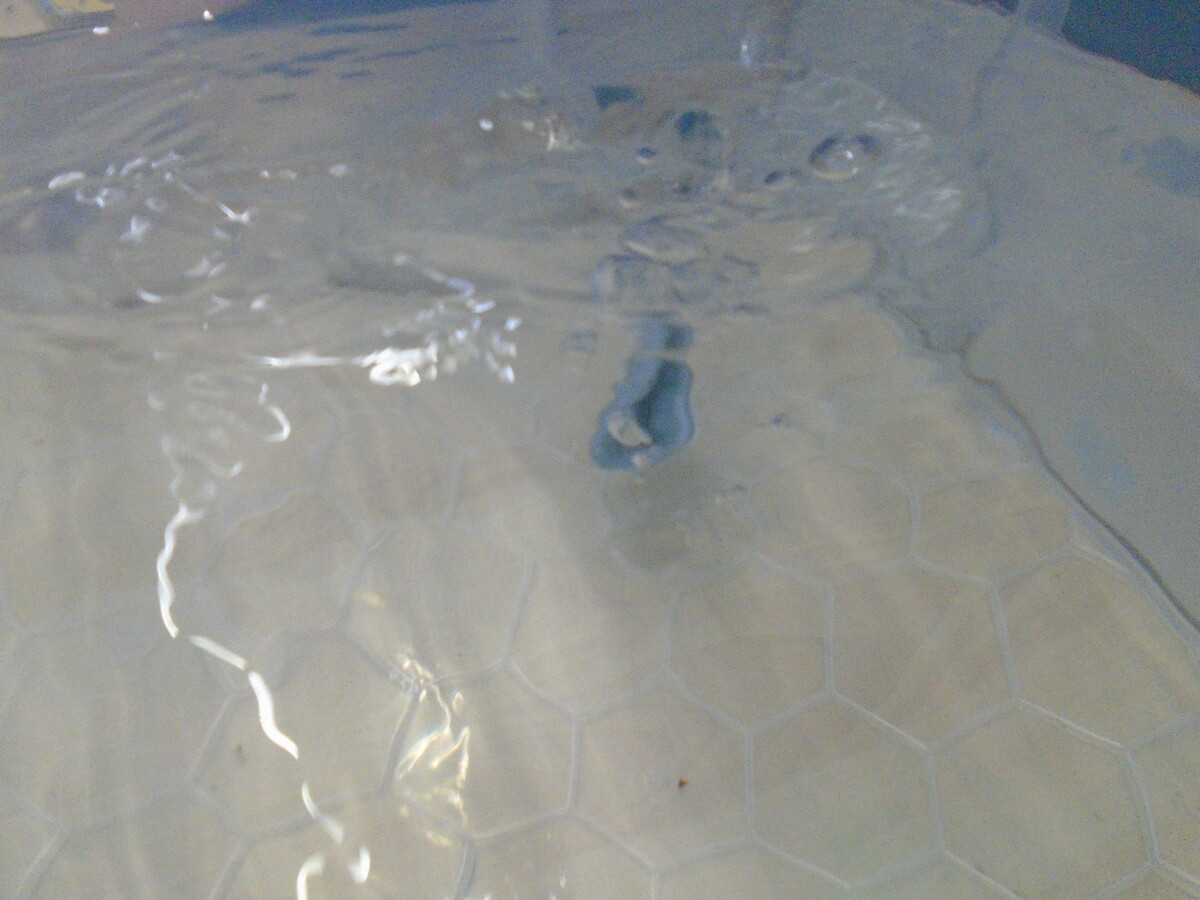
Each clay shape was dropped into a tall tank of water three times, and pupils recorded each time carefully using a stopwatch. By calculating the average time, they were able to produce more reliable results and spot inconsistencies.

As with all good science experiments, not everything went perfectly smoothly—some pieces of data stood out as obvious anomalies. Pupils discussed possible reasons for this: Was the shape released accidentally at an angle? Did an air bubble get trapped? Was the timer started a fraction too late? These conversations helped pupils think critically about how scientific data is collected and why accuracy matters.

One of the most interesting moments came from a shape everyone assumed would fall slowly: a large, flat clay design. Instead of drifting gently downward, it tipped onto its side and shot straight to the bottom of the tank. This surprising outcome sparked lots of discussion about the meaning behind the data we had gathered, and how we need to think critically about this.
Manchester Museum Mission

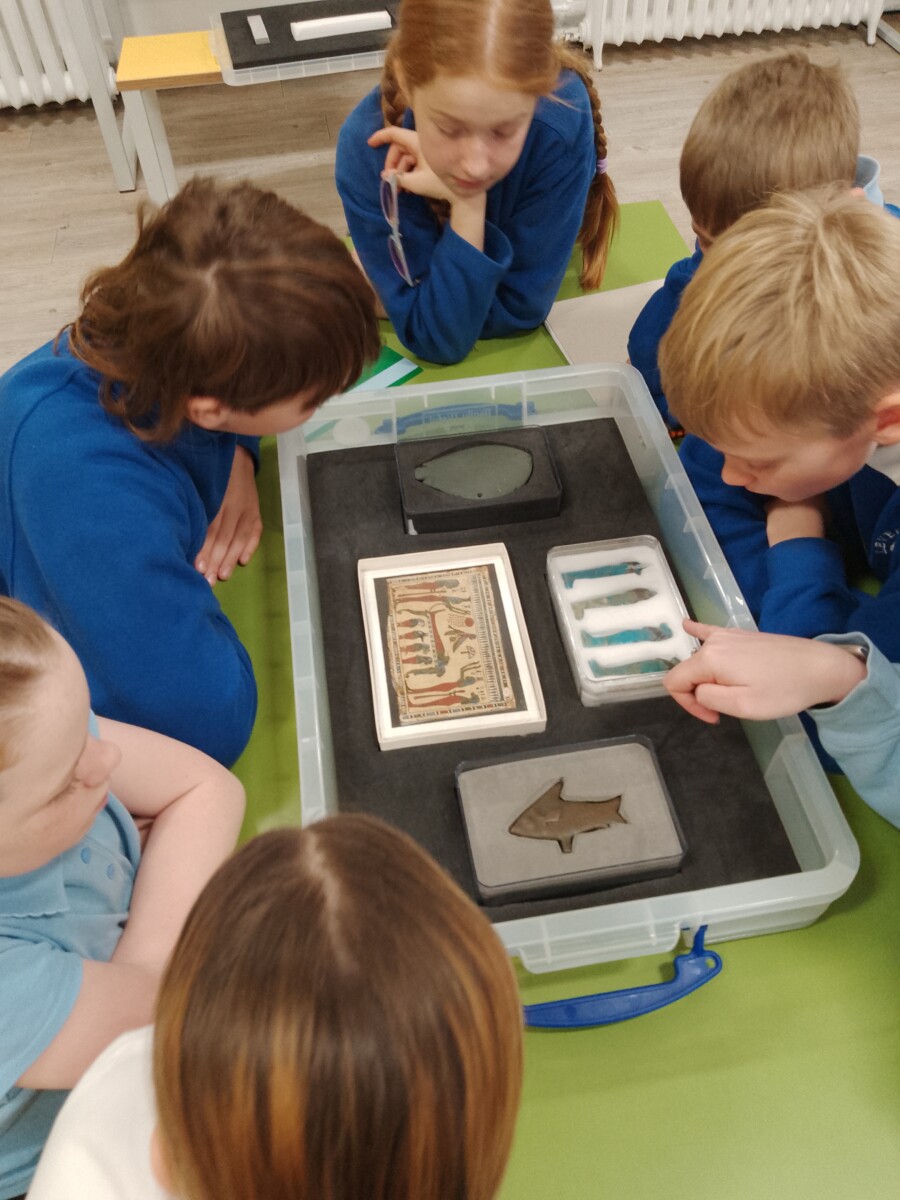
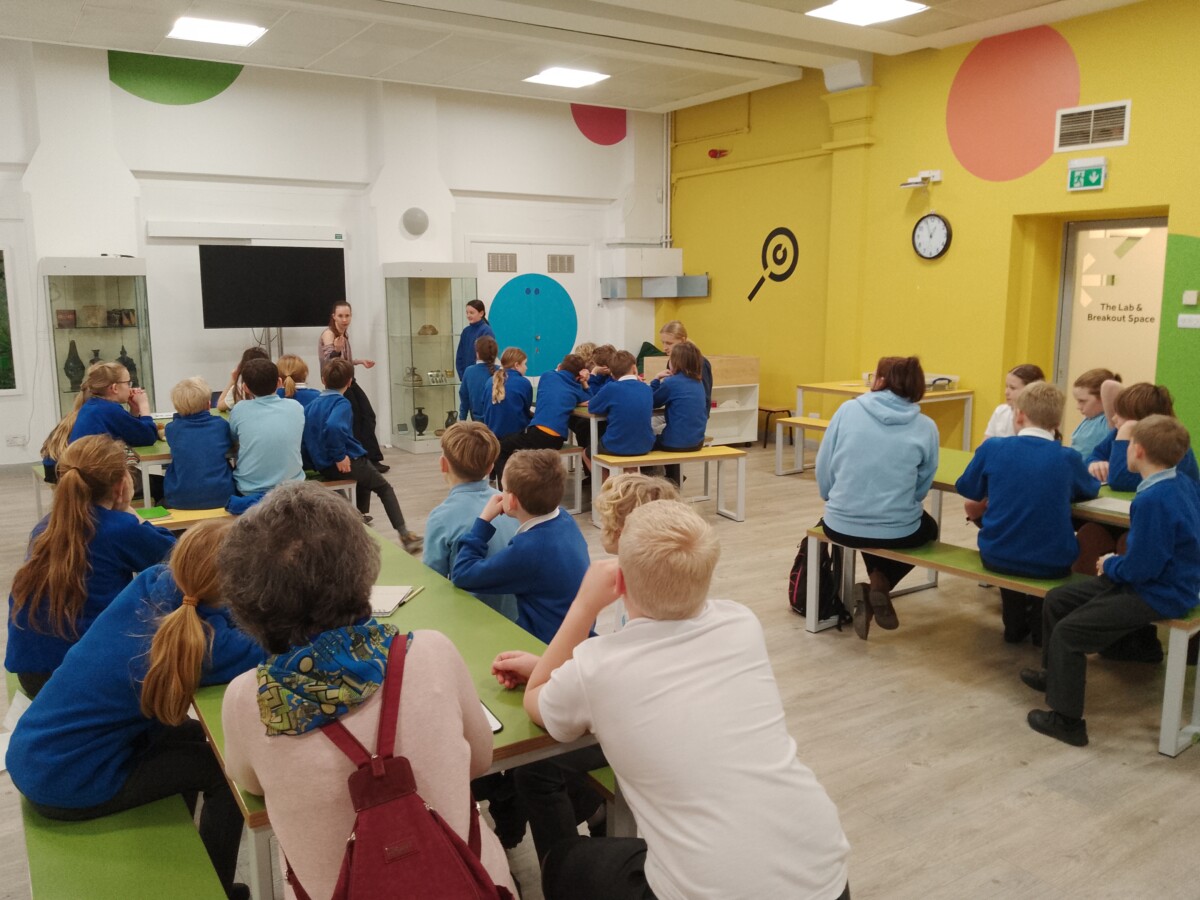
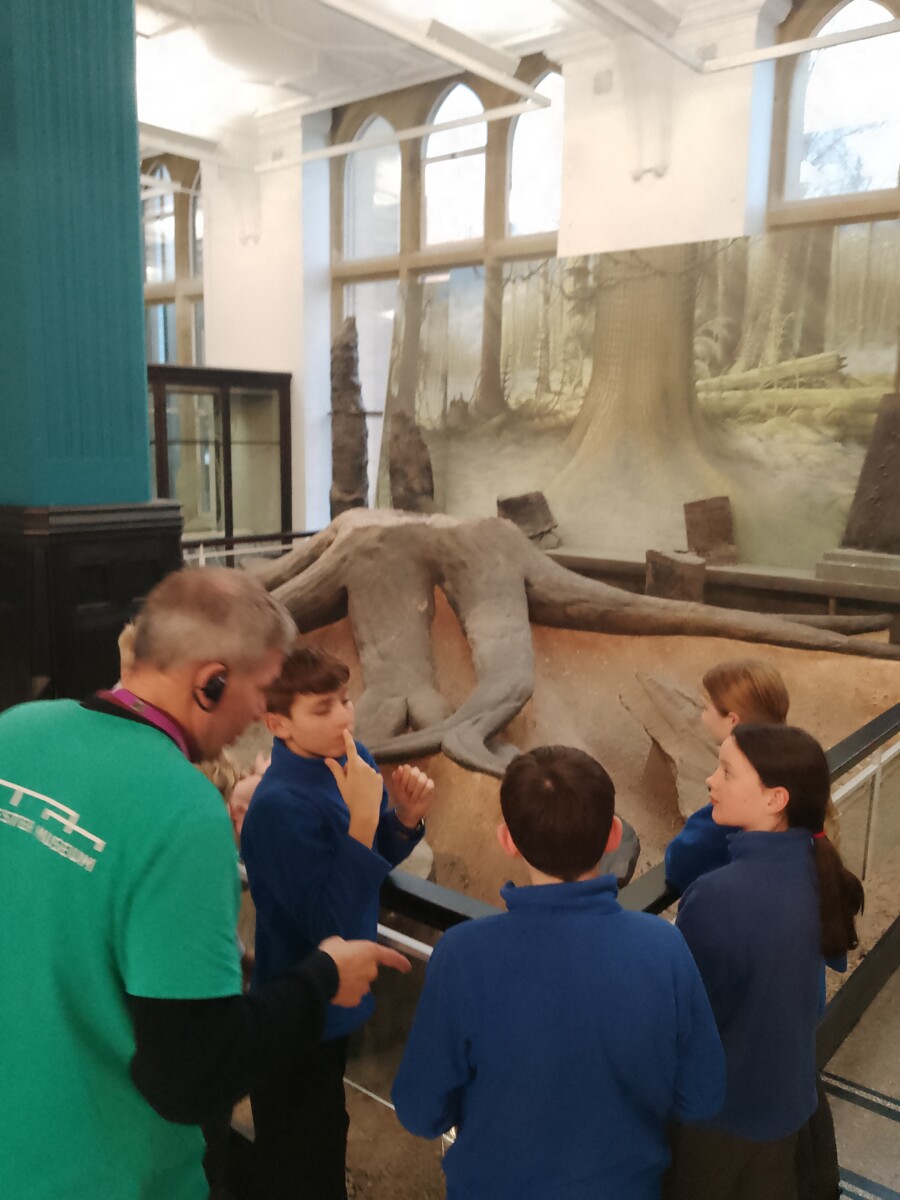
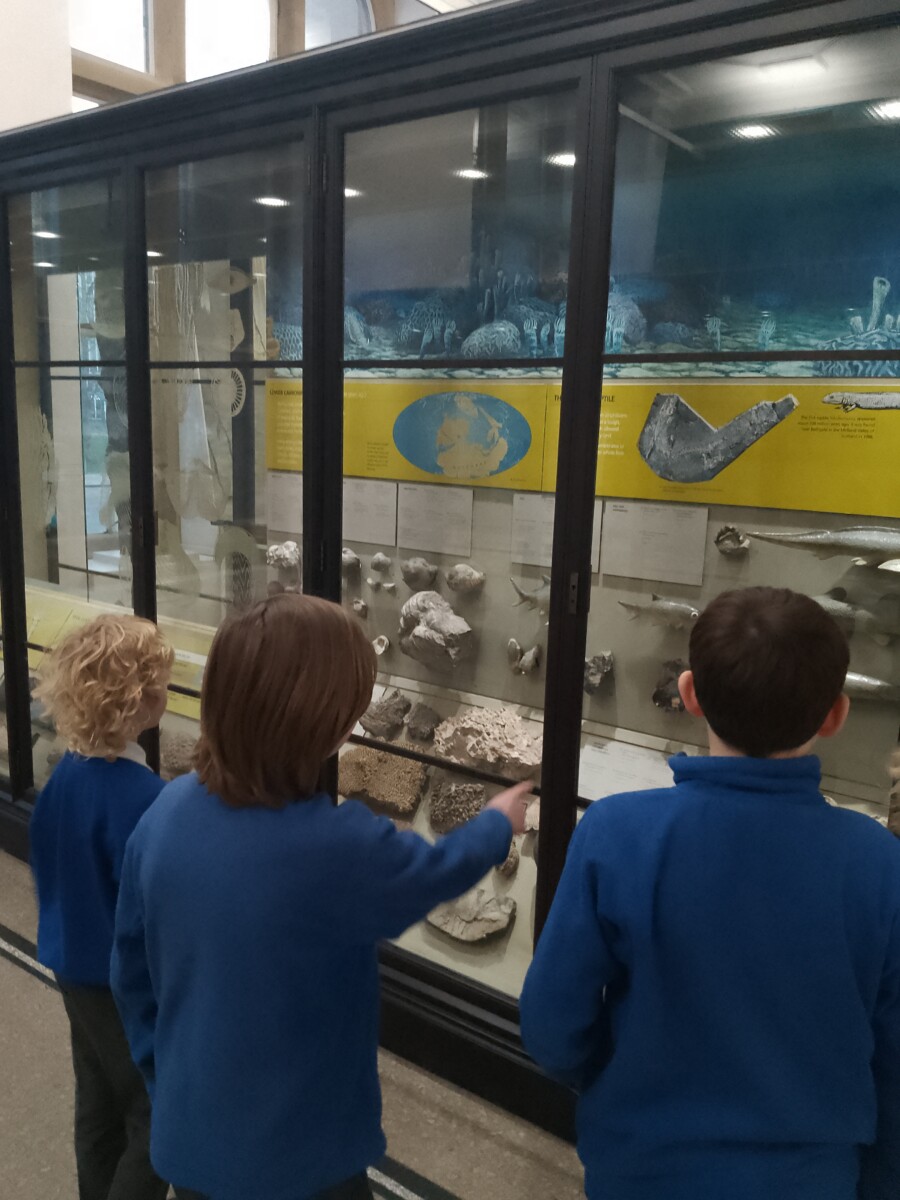
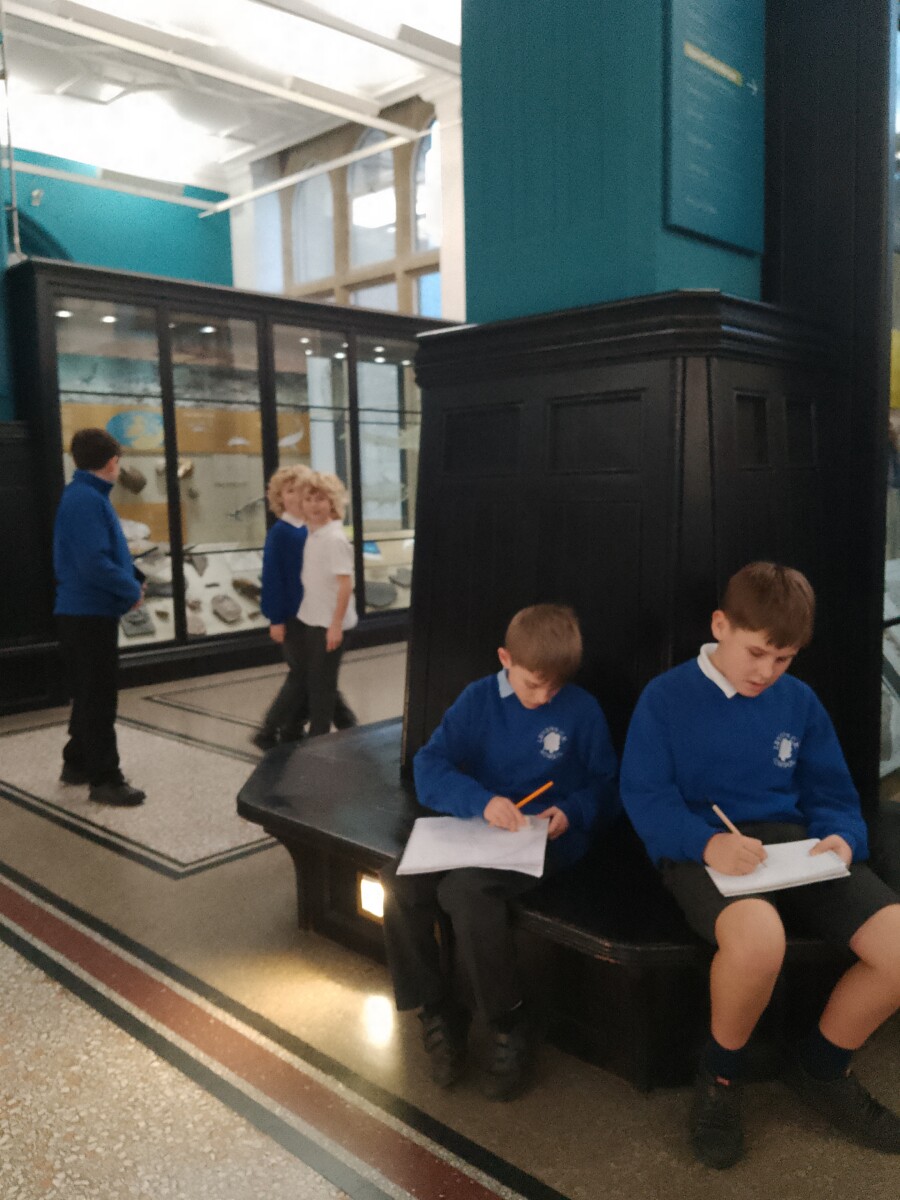
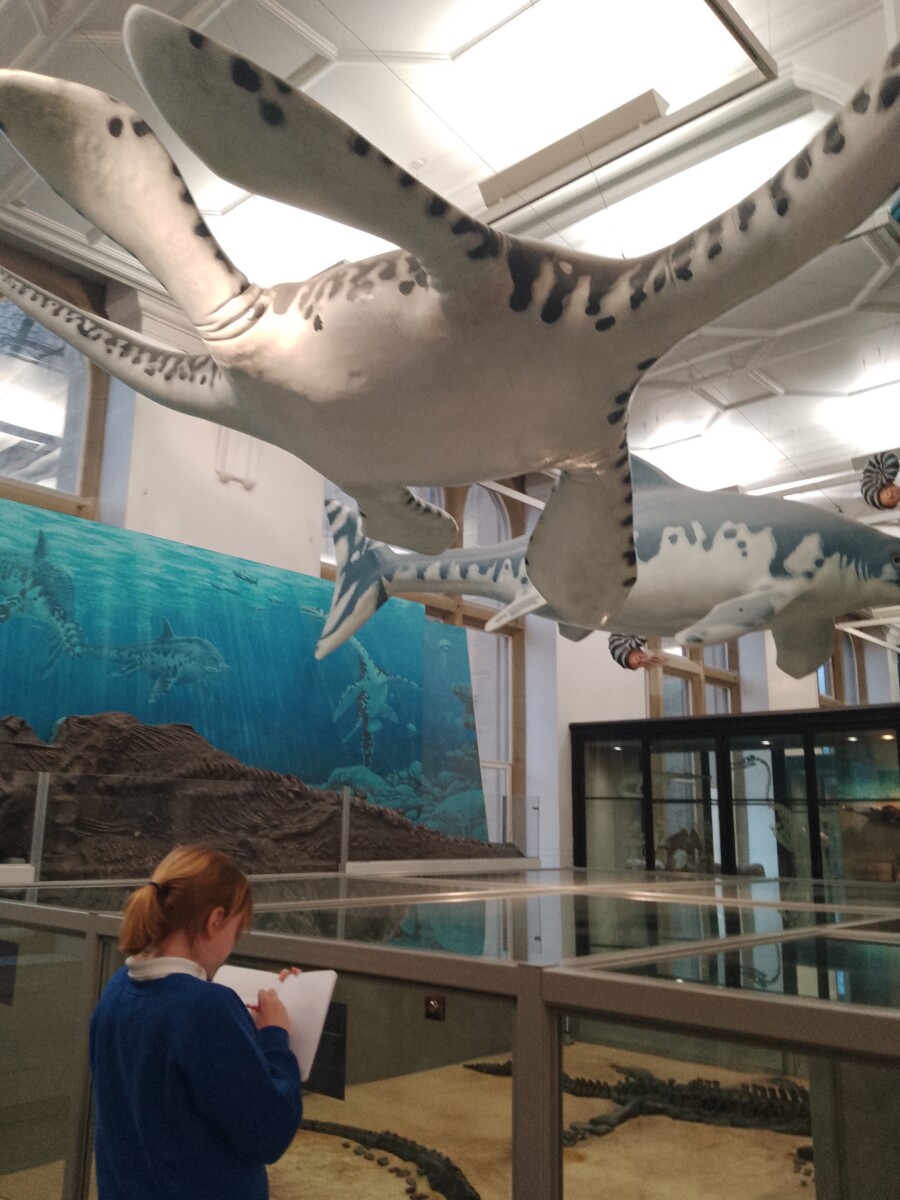
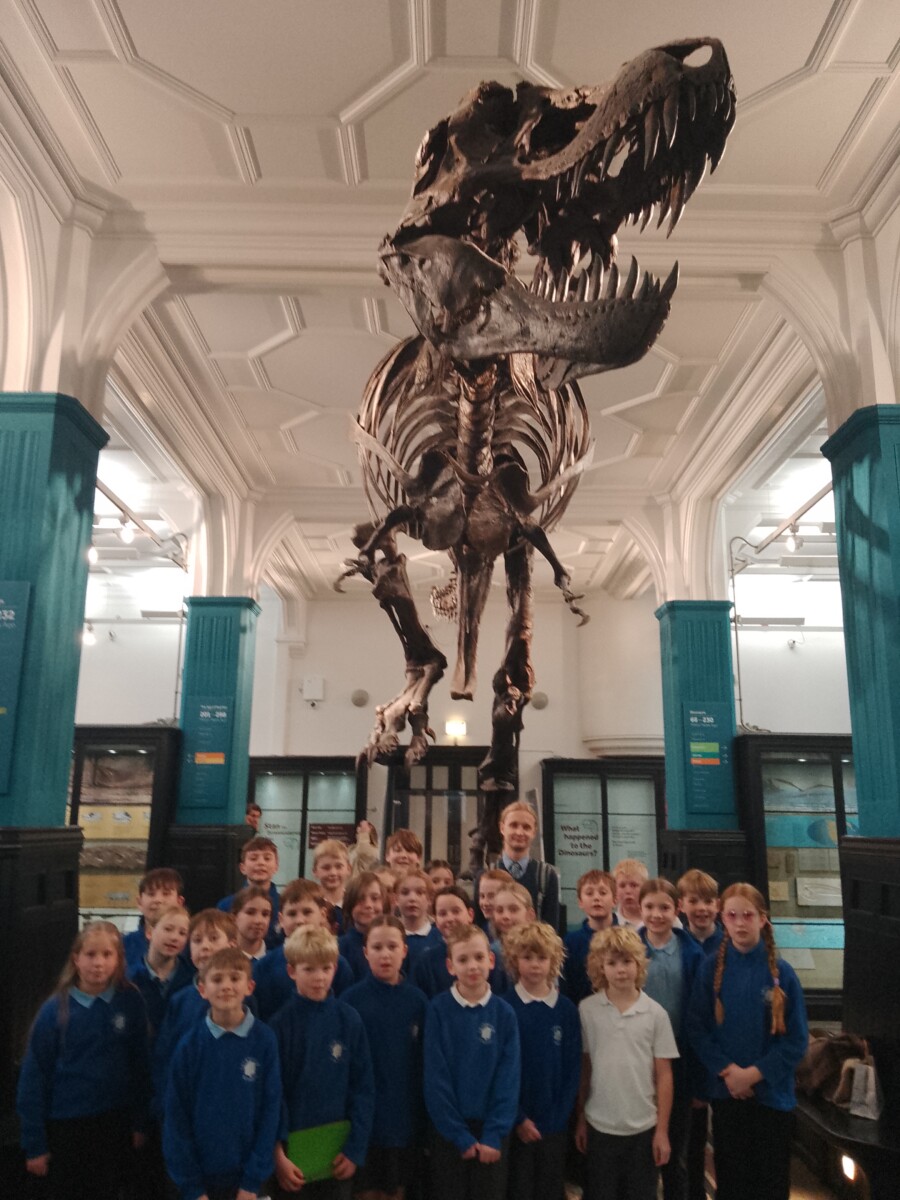
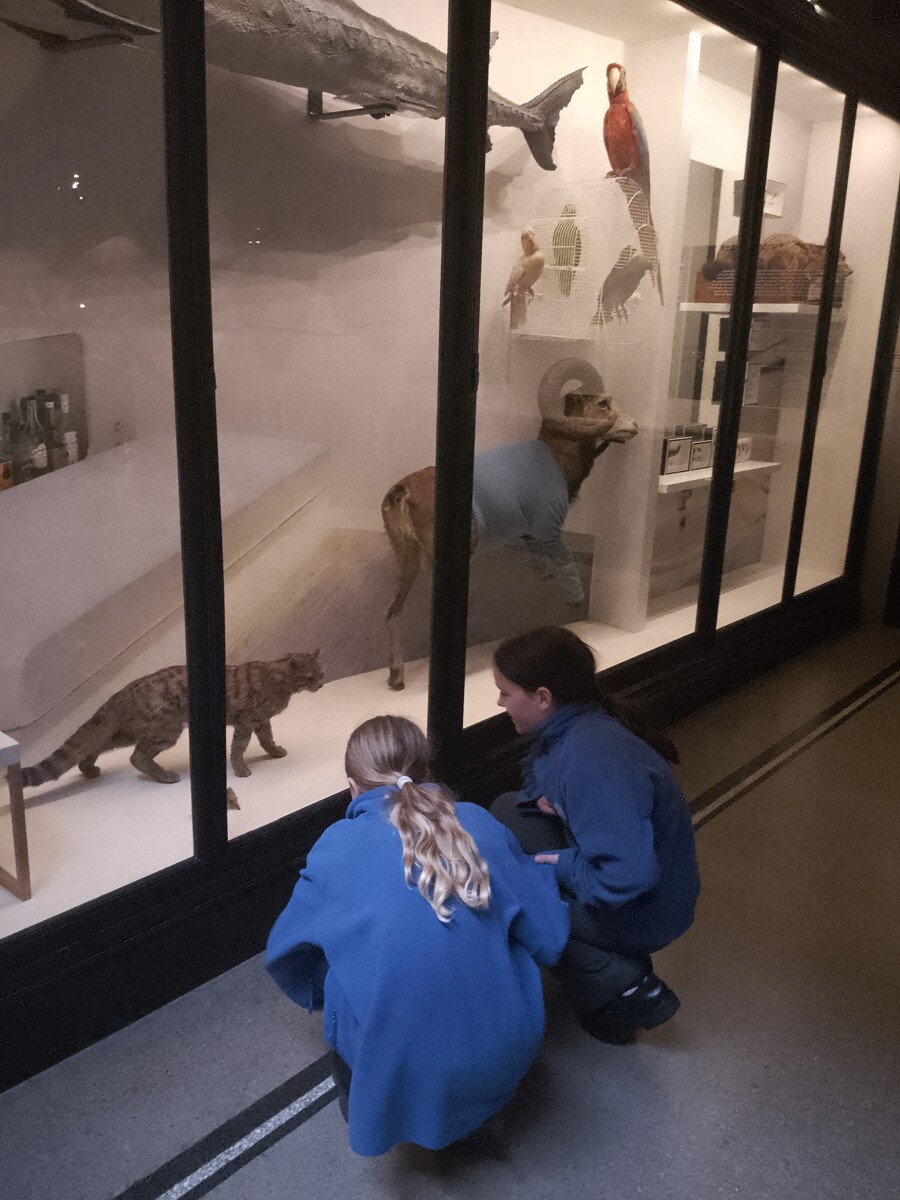
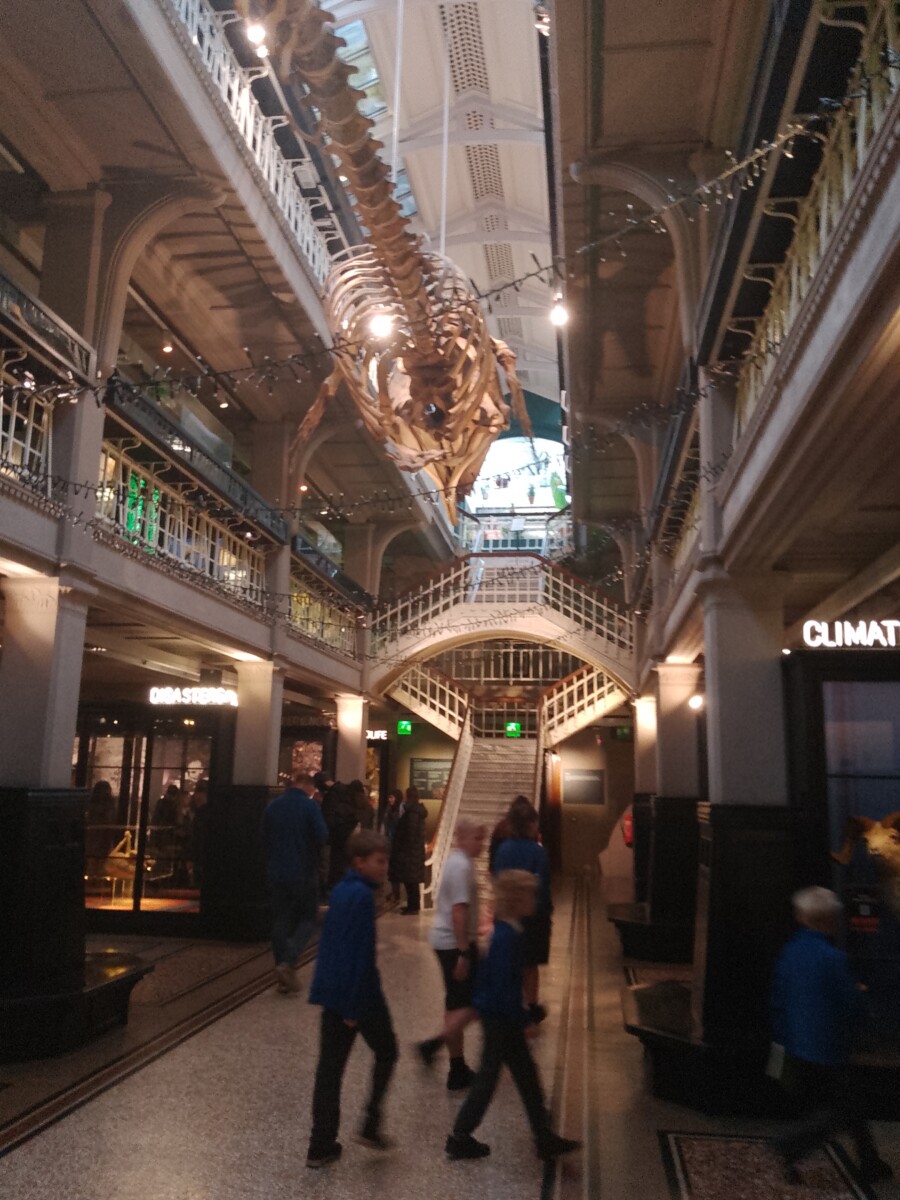
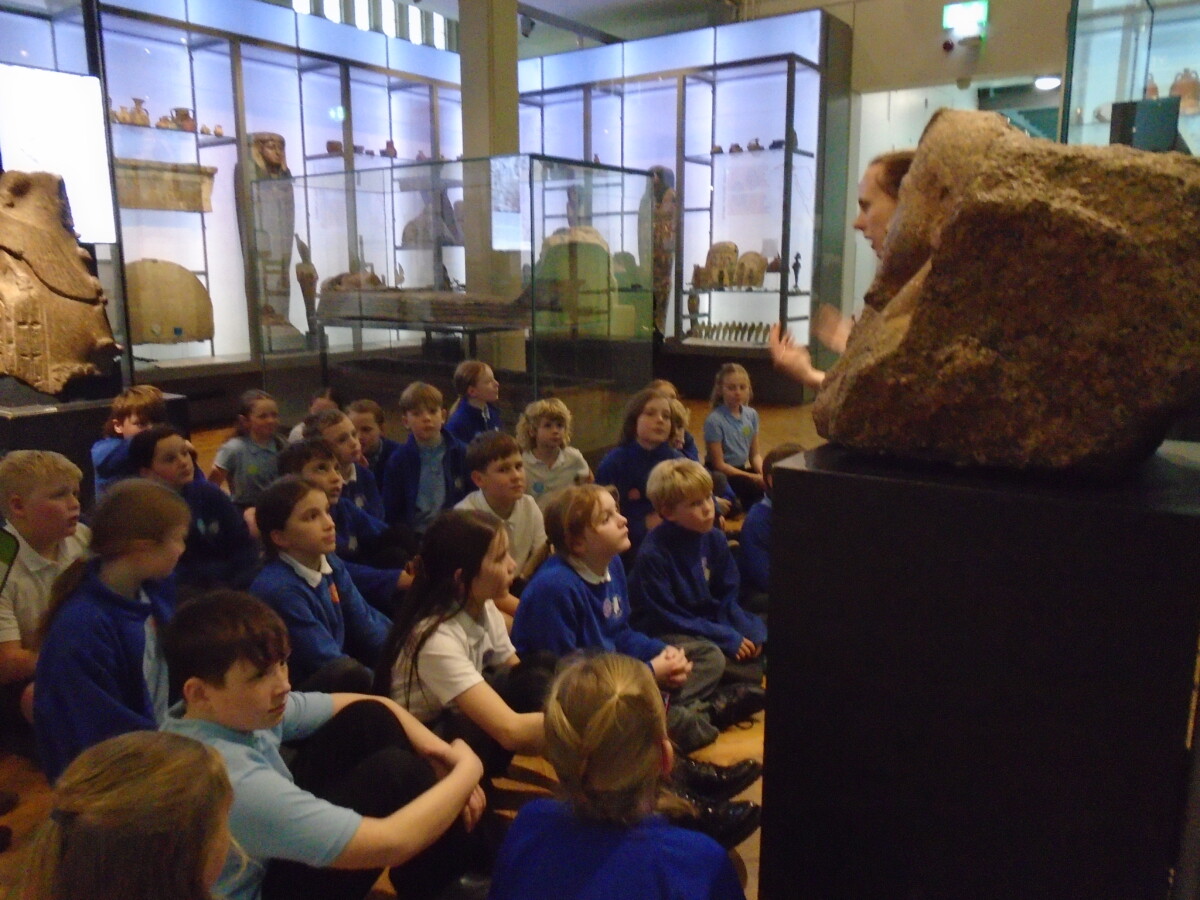
Year 5 and 6 pupils enjoyed an exciting and inspiring visit to Manchester Museum recently, where they took part in a fascinating workshop focused on Ancient Egypt.

Before we even stepped foot on the coach, the museum curator set the children an important mission: to find the most interesting artefact in the entire museum! This might be the most valuable, the most beautiful, the oldest, the one with the best story… the choice was ours.

To complete this challenge, pupils had the opportunity to handle a selection of real ancient Egyptian artefacts. They had to:

  • Look closely at each artefact, examining details and clues (did you know the average adult spends less than 10 seconds looking at an artefact in a museum?)
  • Make connections to their existing knowledge
  • Share their ideas and interpretations with the people around them
  • Wonder by asking thoughtful, curious questions that deepened their understanding

The children showed fantastic enthusiasm and imagination as they investigated everything from amulets and pottery to tools and statues. Their discussions were thoughtful, lively, and full of wonder—just as a museum mission should be!

To celebrate their hard work and curiosity, each pupil shared some information about their chosen artefact in celebration assembly. I was incredibly proud of the confidence and maturity shown by all the children.  A huge thank you to all the parents who attended the assembly and supported the children.


Learning how to deal with aggression and difficult situations.

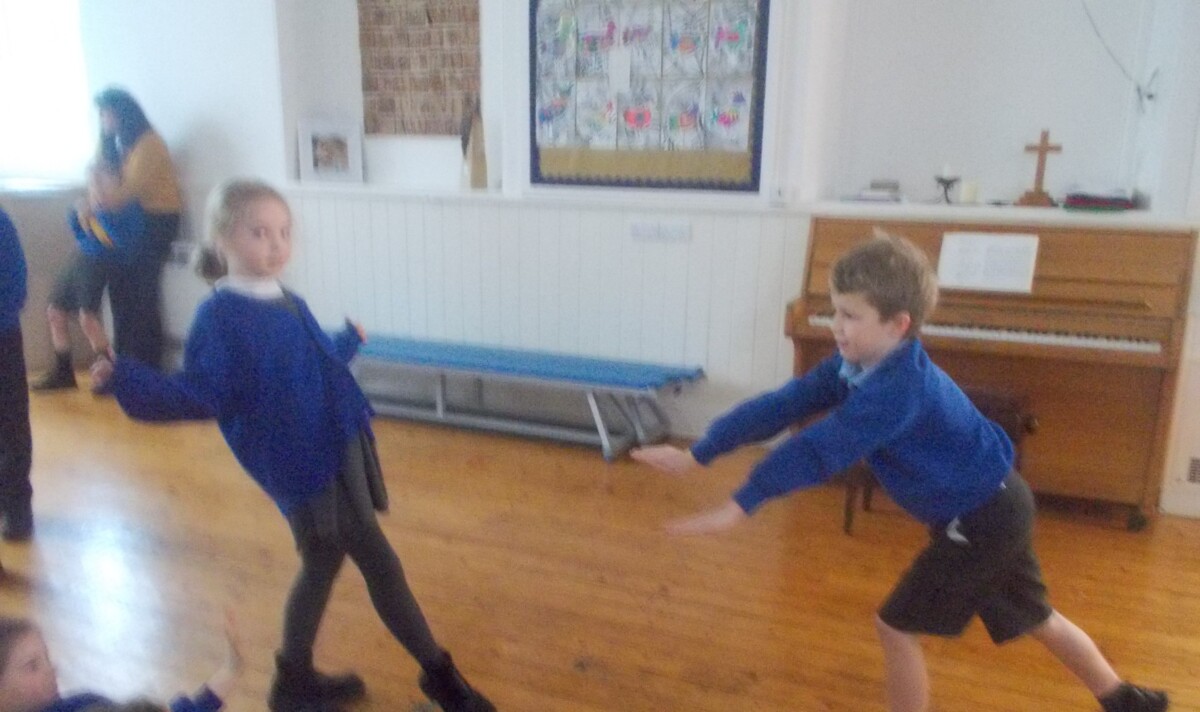
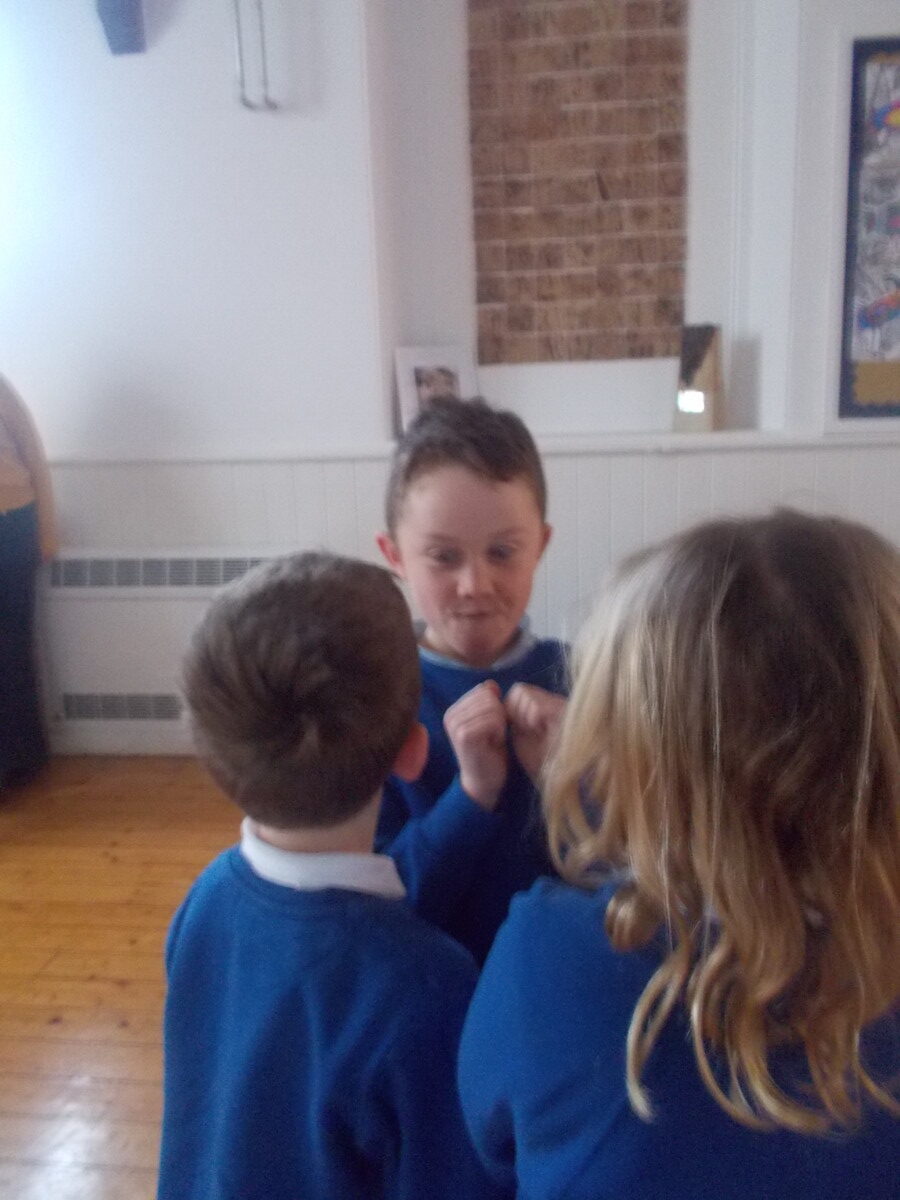
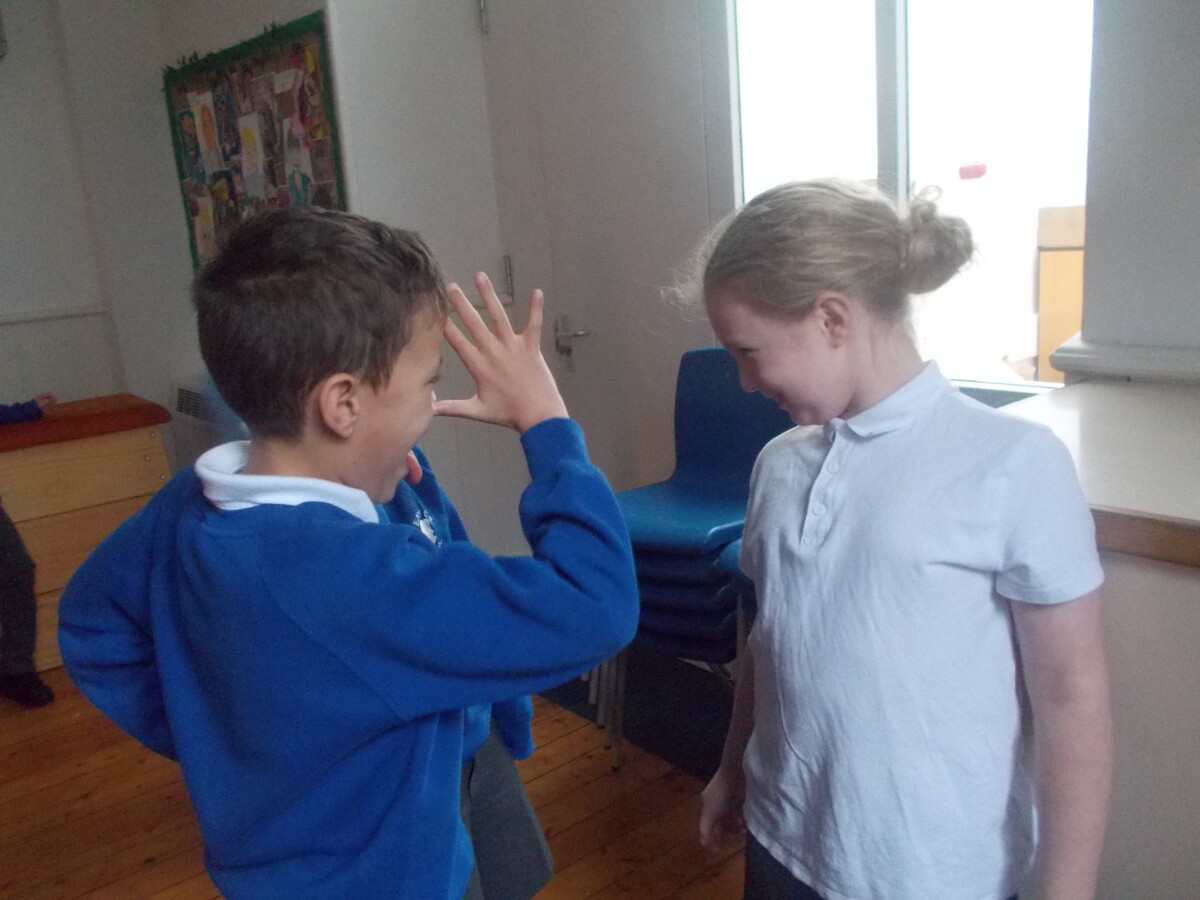
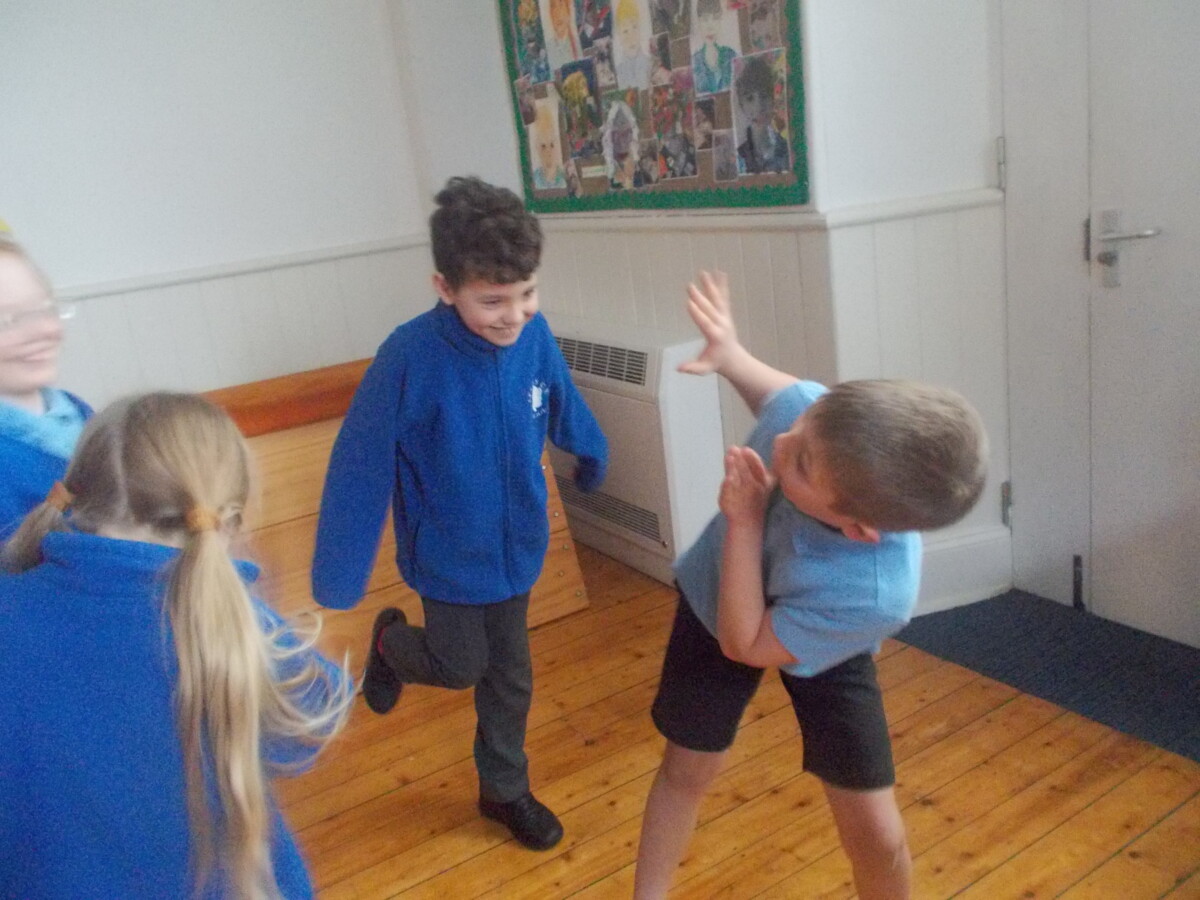
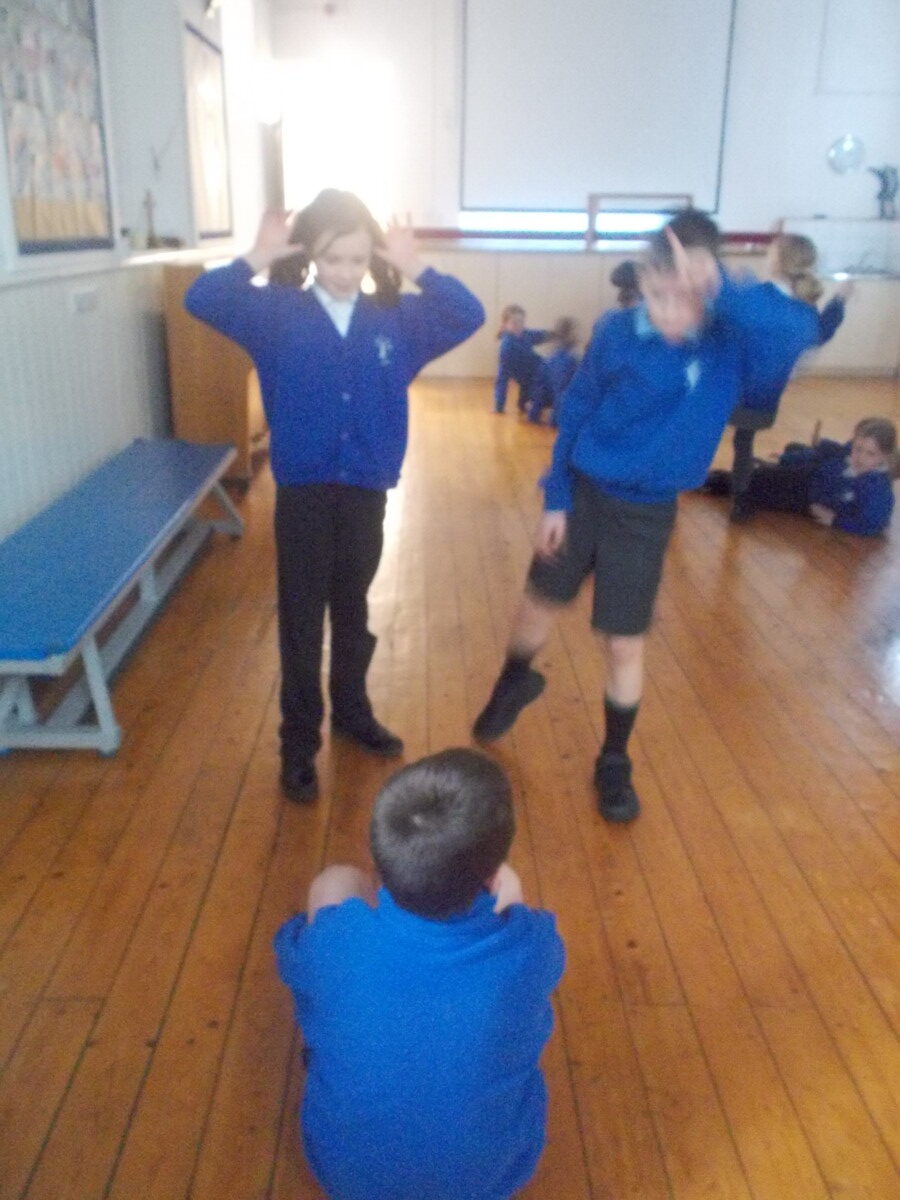
In the SCARF lessons this week we were examining aggressive behaviour and how we can respond to this. We talked about different situations and did some freeze frames. We followed this up by discussing why people may display these behaviours and how we could diffuse the situations including asking for adult help.


Splendid sound

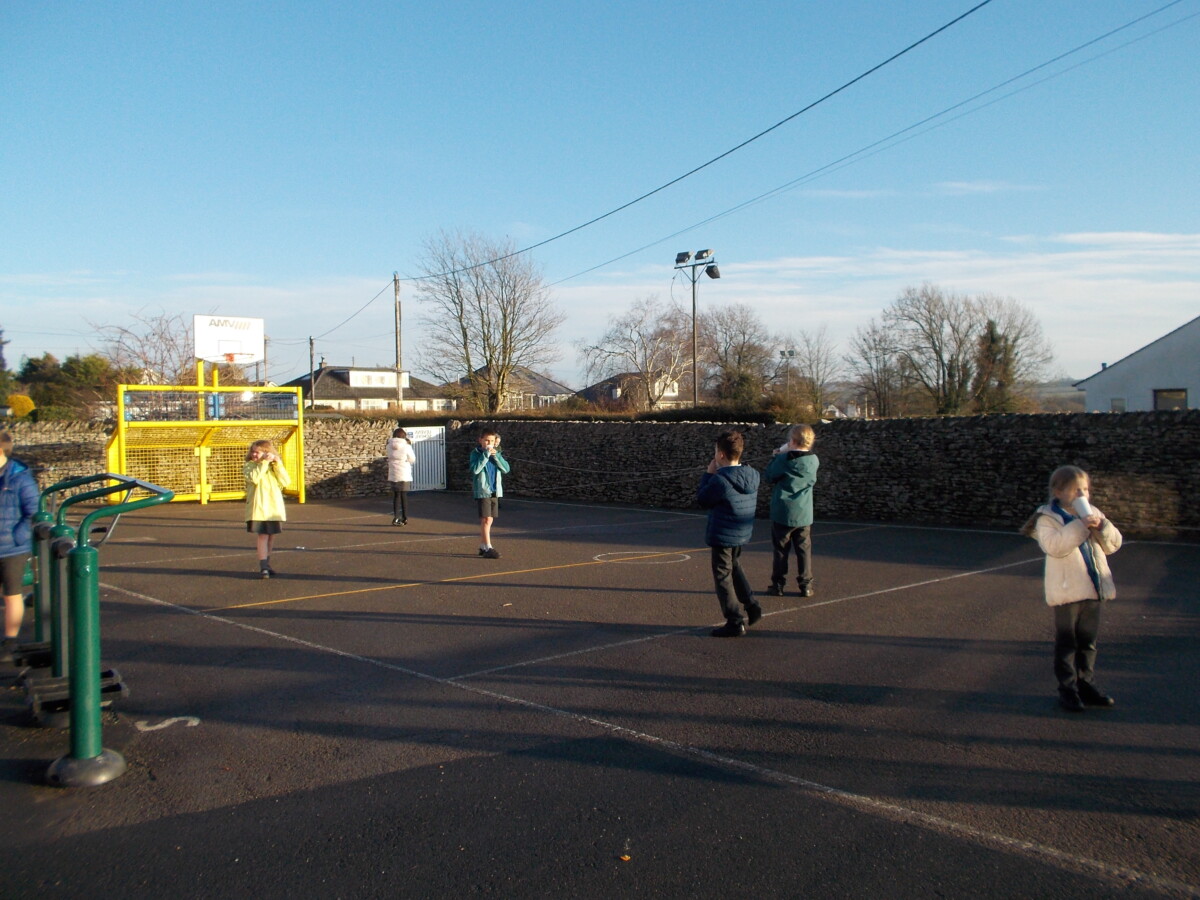
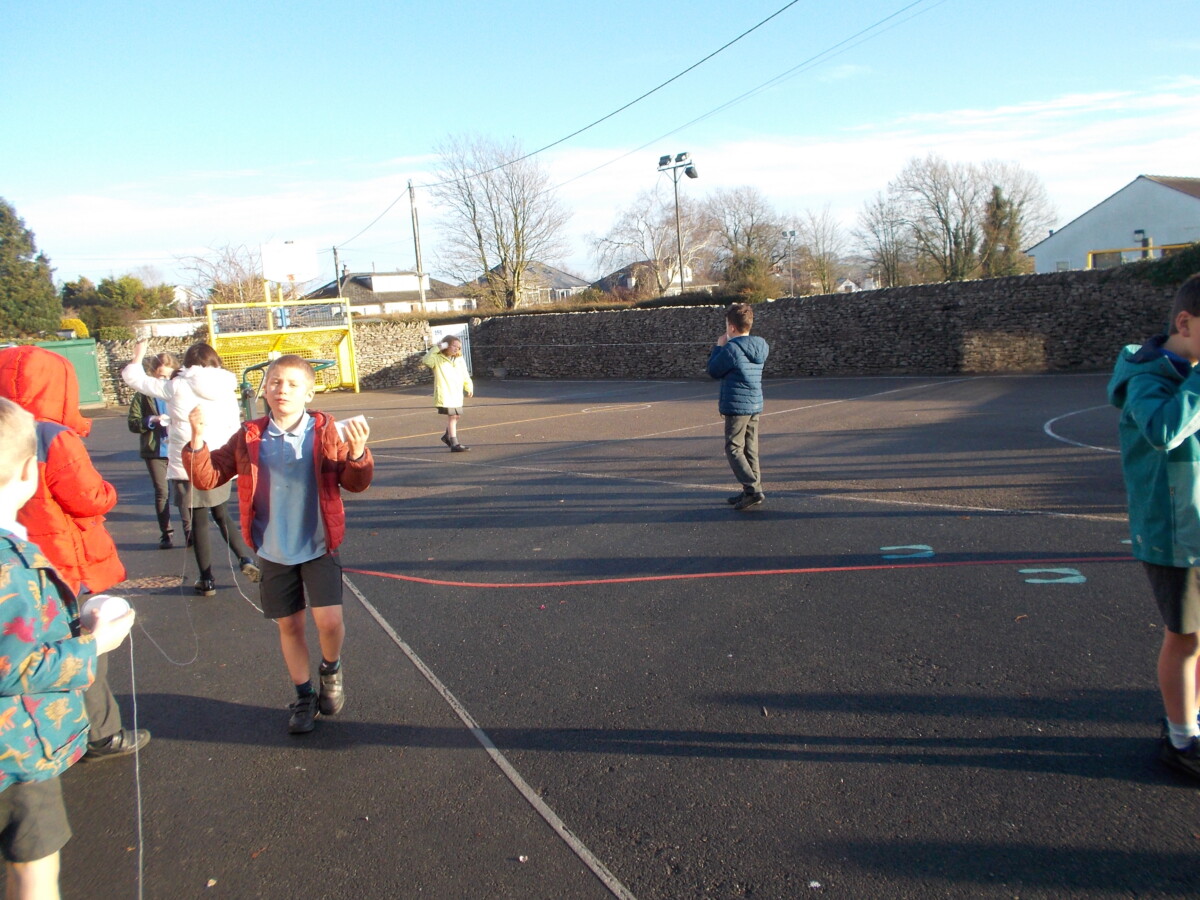
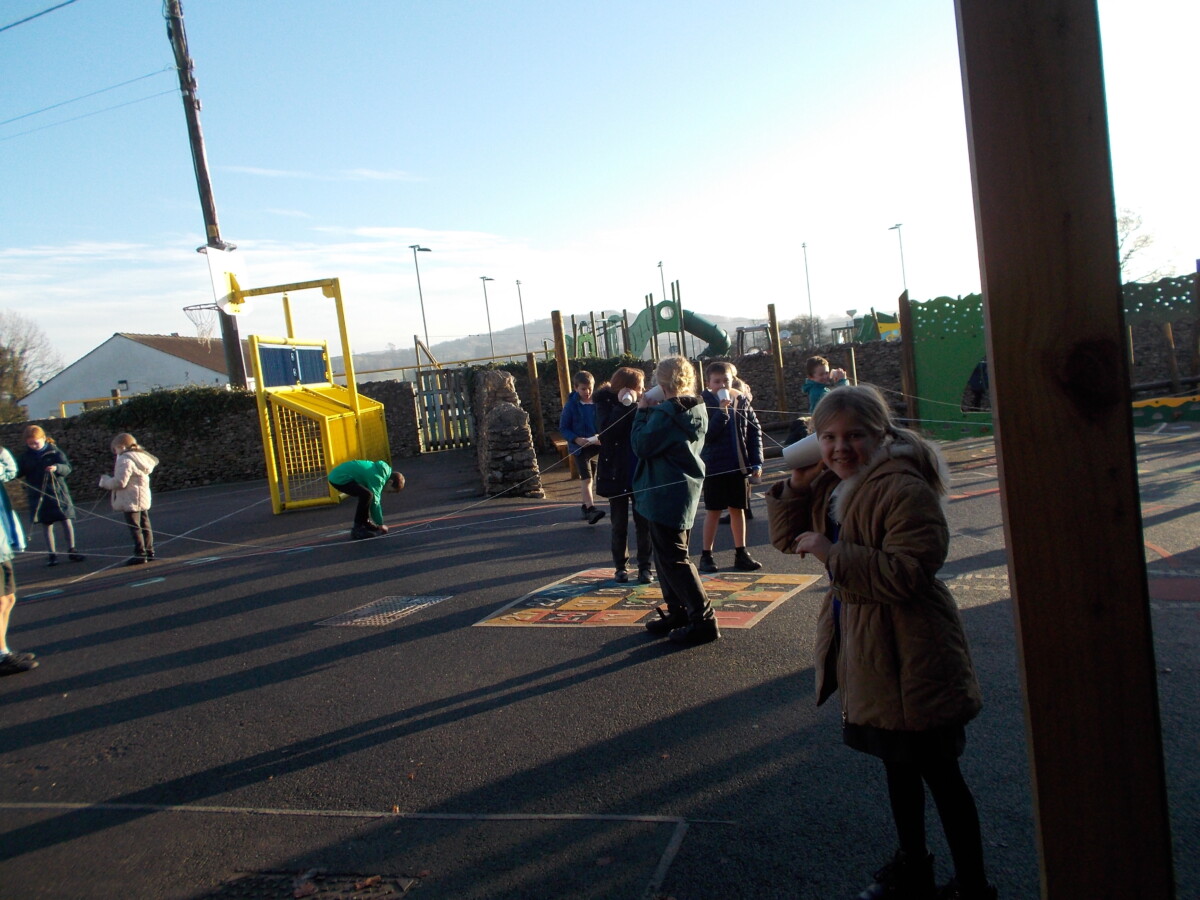
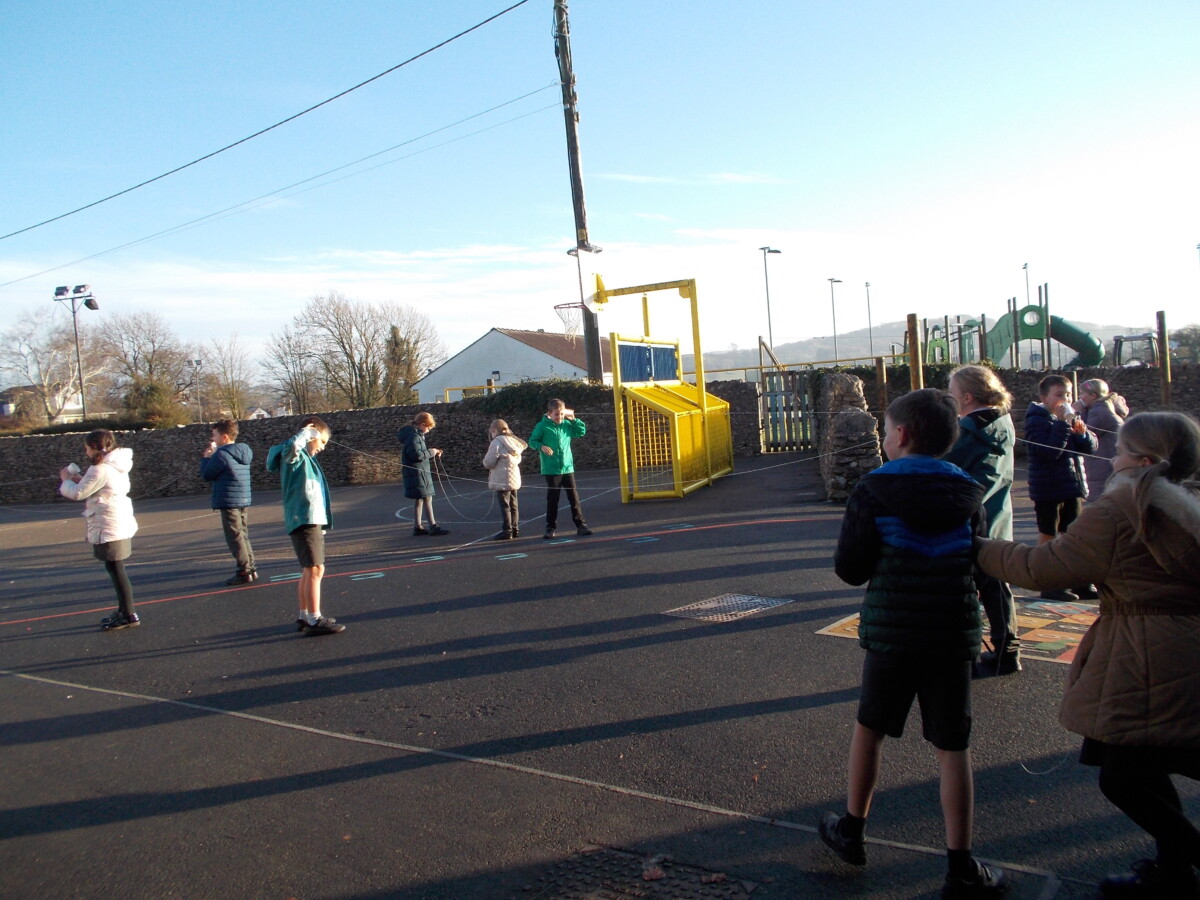
Class 3 had a fantastic time in science learning all about sound. We learnt about how different musical instruments create sounds and identified the vibrations. We looked at how sound travels to the ear and what happens inside the ear. We also conducted experiments testing to see which material would be best for soundproofing a room. We concluded our topic by making string telephones to help us learn about how sound travels.


Multi-Faith Week

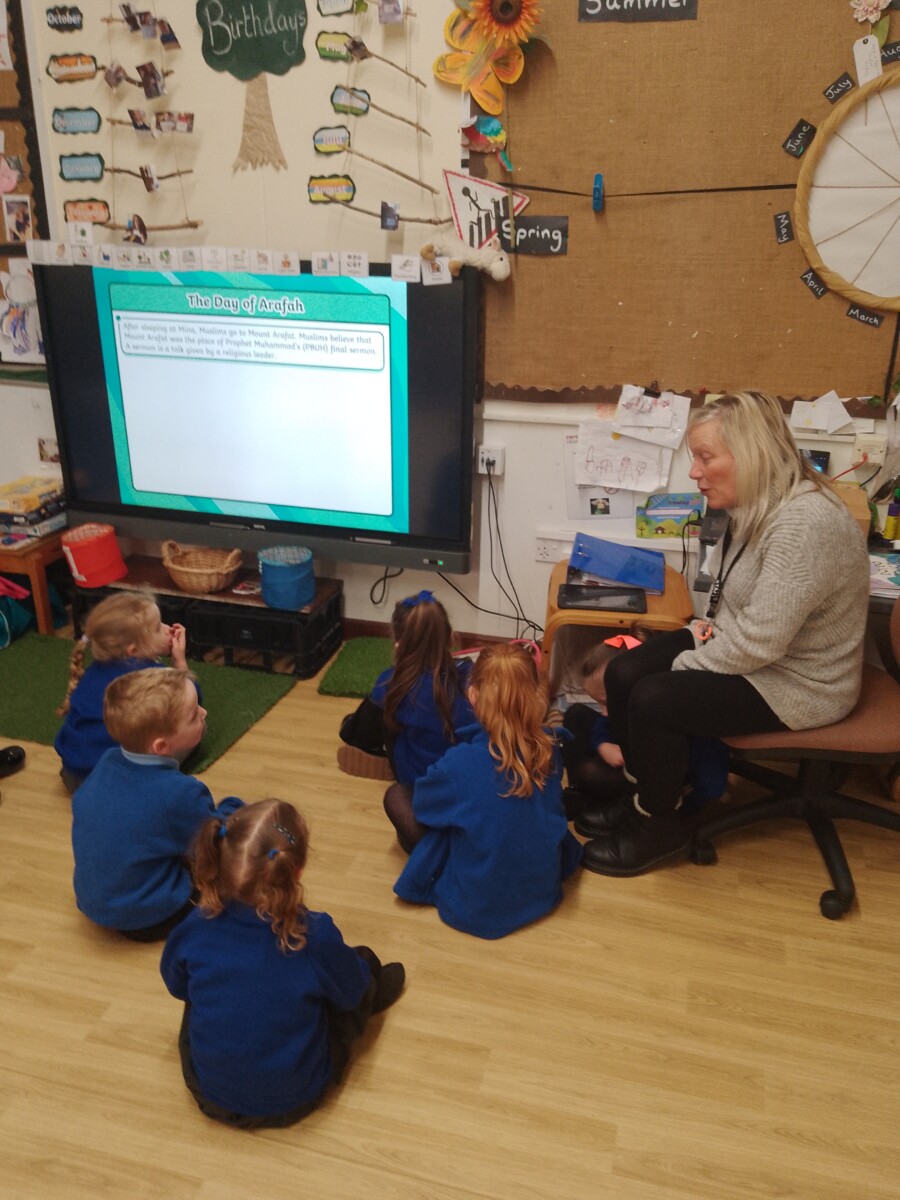
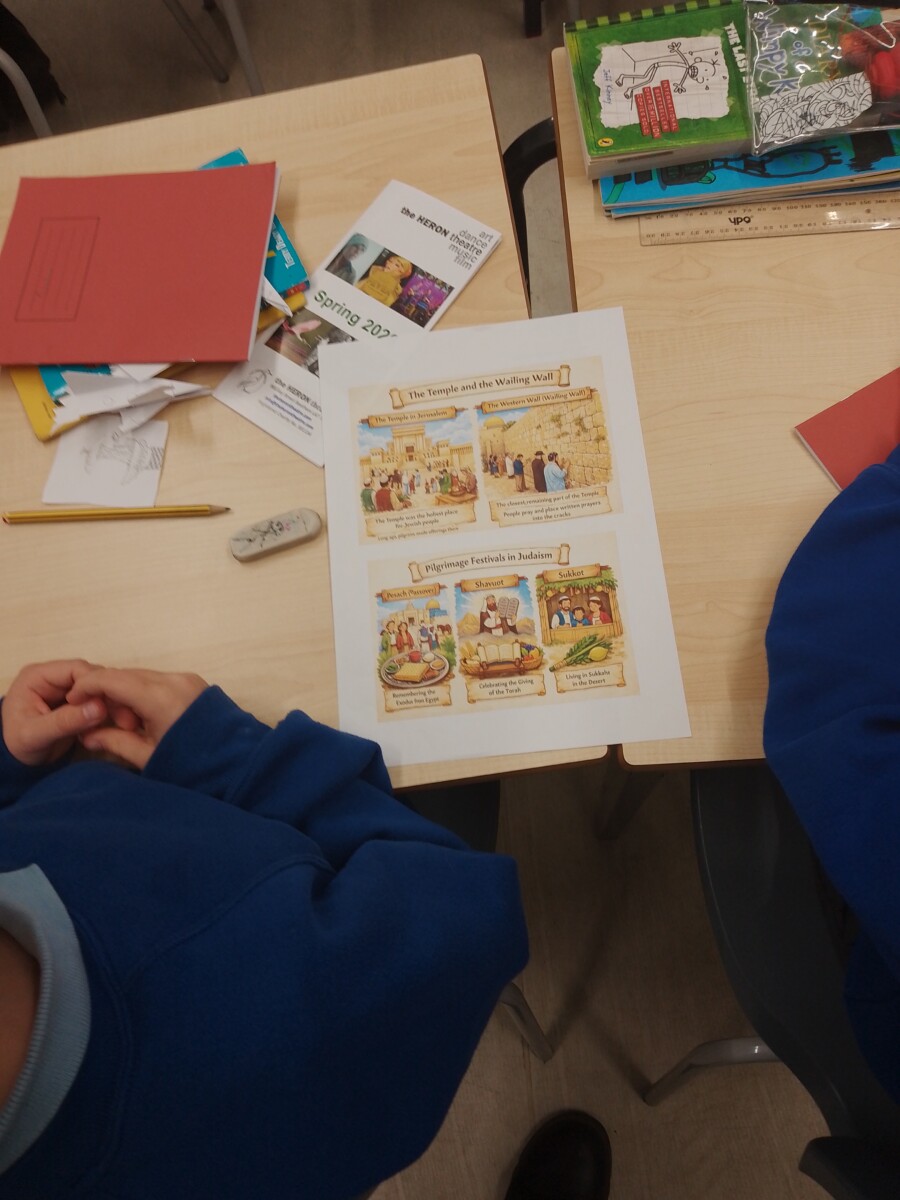
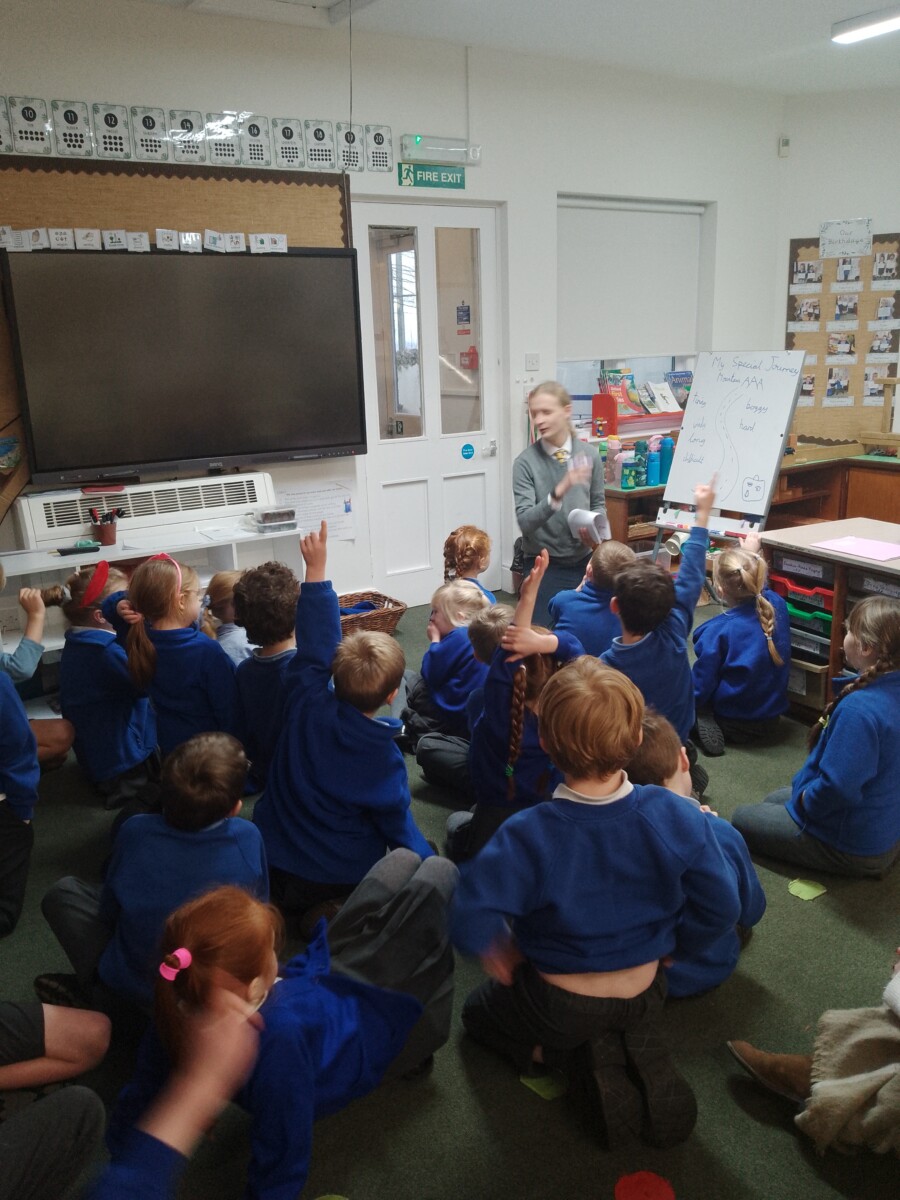
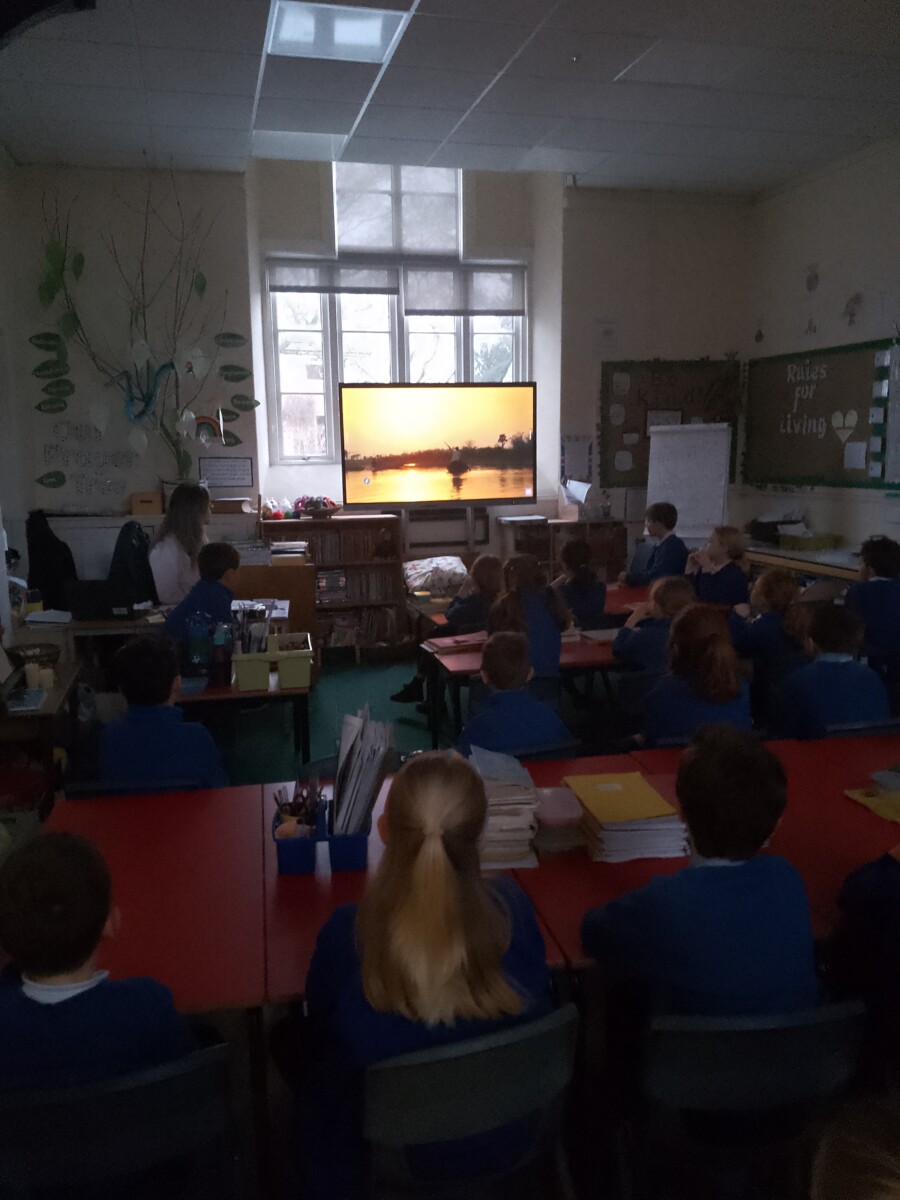
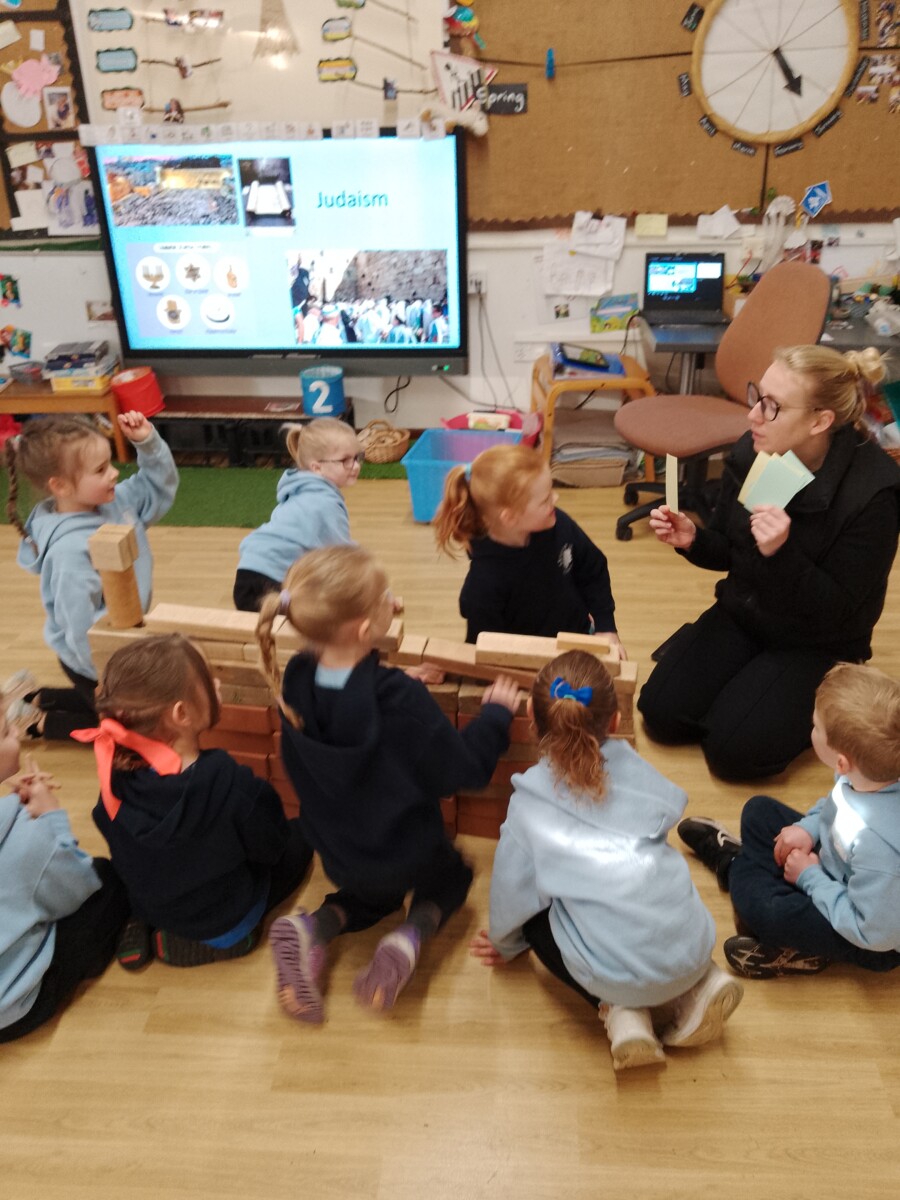
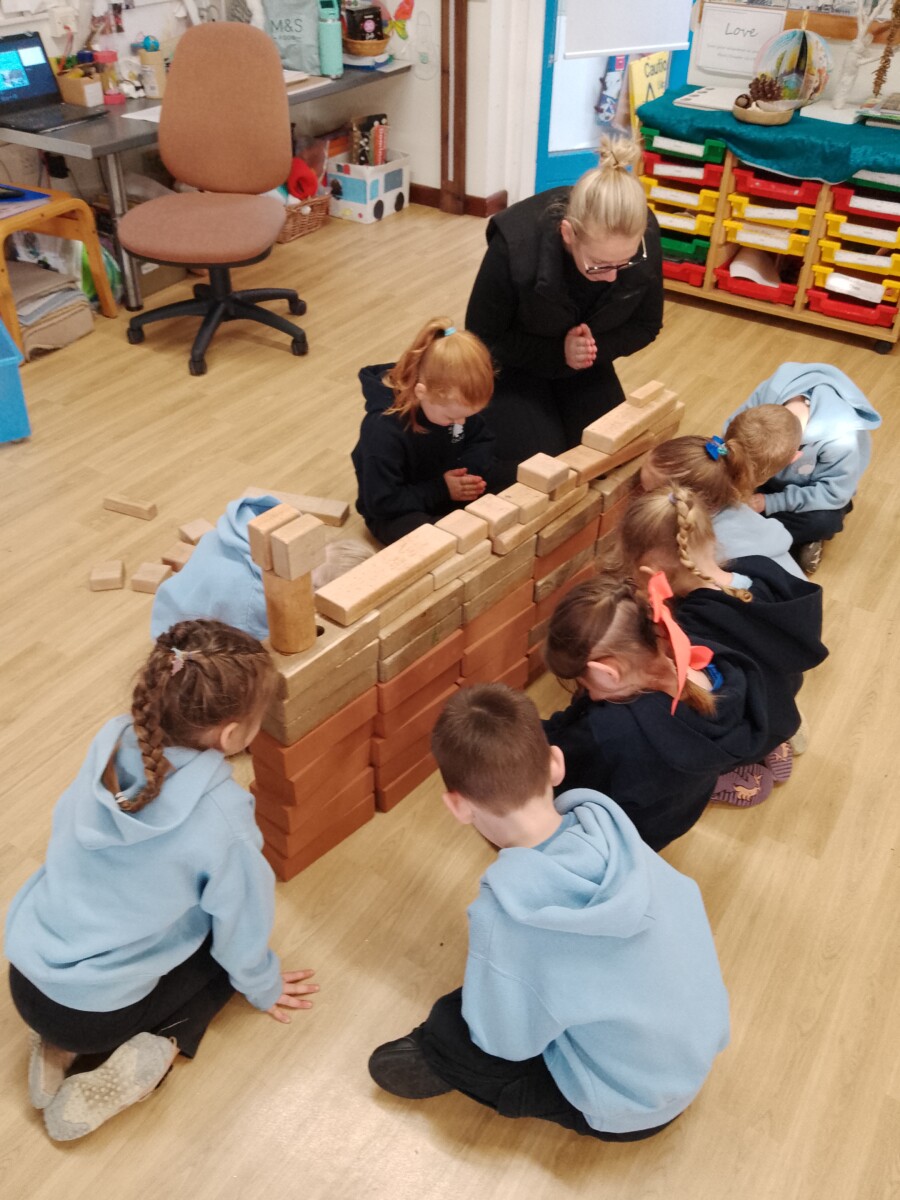
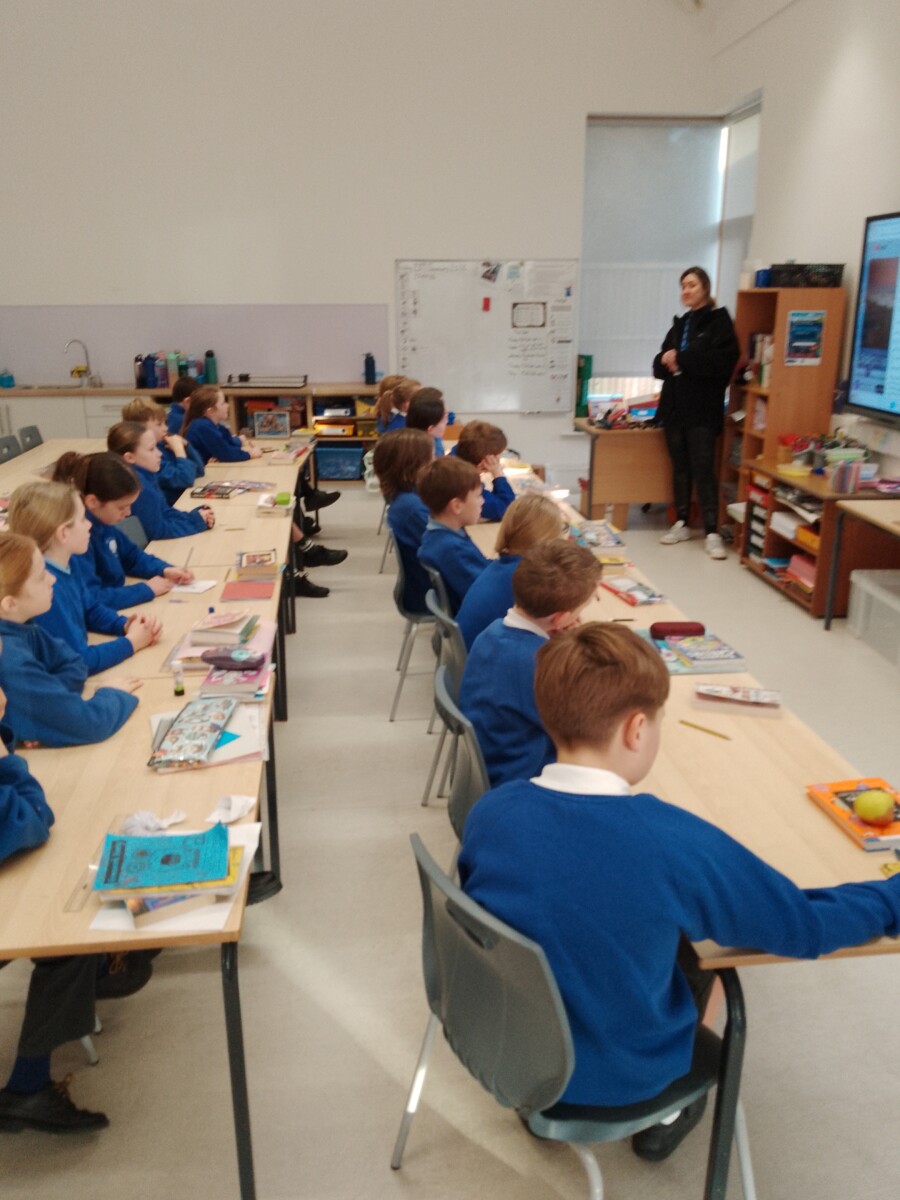
Last week, all pupils spent the week learning about the importance of pilgrimage to different people of faith.

The week started with an introduction to pilgrimage in worship, focusing on special journeys to special places. We compared a kit bag full of things we might take on a holiday abroad compared to a bag containing the types of contents that a Christian might take on a journey to a sacred, holy place.  We found out about why so many Catholics from across the globe travel to the south west corner of France to visit Lourdes.

Every day of the week, each teacher spent some time with the different classes teaching them about the importance of pilgrimage to Jews, Muslims, Hindus and Buddhists.  On Friday afternoon, the children shared their learning from the week in our special celebration assembly.